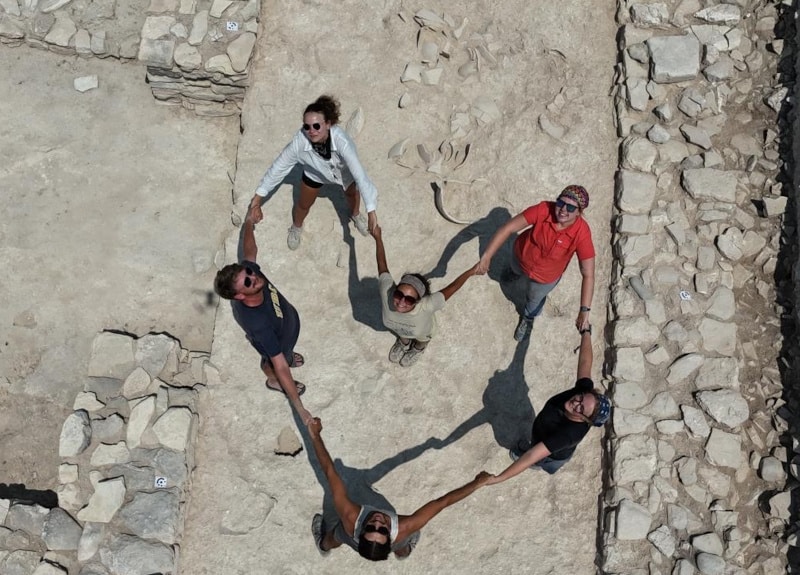
Fieldwork Report: Talia Neelis

Sherds of my Labor: Supervising with Pottery Plethoras at Kalavasos-Ayios Dhimitrios

Talia Neelis, 2025 P.E. MacAllister Fieldwork Scholarship Recipient

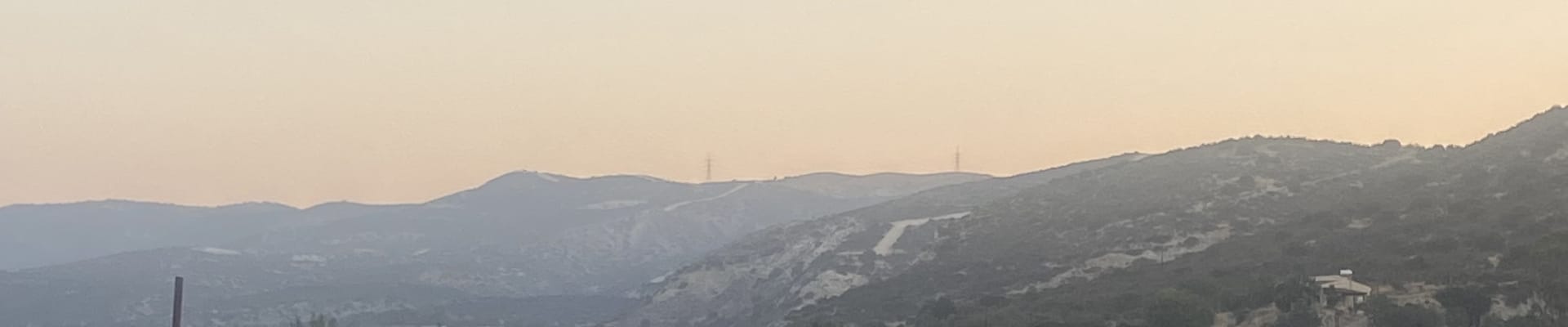
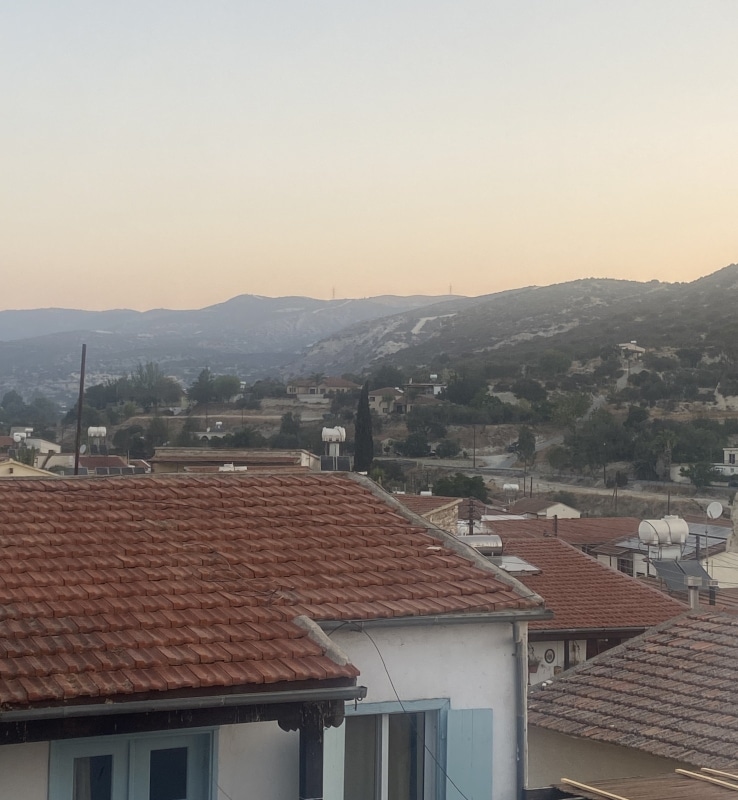
In the five minutes it takes to wind along the back road from Kalavasos Village to the site of Kalavasos-Ayios Dhimitrios, a cool purple light illuminating the foothills of the Troodos mountains morphs to a familiar hot orange. By the time we arrive to site, the blaze of the early morning Cypriot air signals that there’s no time to waste– onwards from the toolshed to the trench!

My enthusiasm to spend the rest of my days in a deep squat caked in sweat and dirt began here two years ago, nestled in the Vasilikos Valley about 3 km from the southern coast of Cyprus. After excavating at other Greek and Cypriot sites in between, coming back to K-AD with enough experience to take on a leadership role really cemented my long-term aspiration to work in the field of Cypriot archaeology.

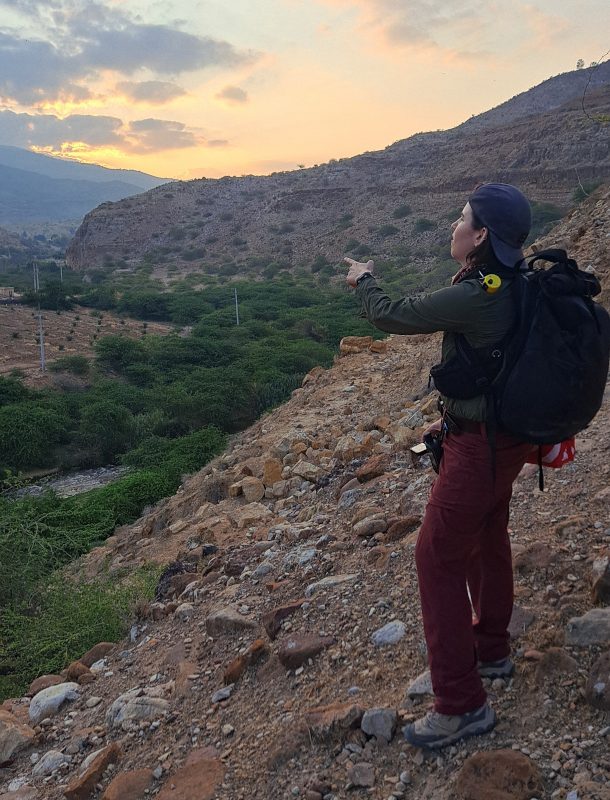
Dawn over the Troodos foothills from our bathroom window

My enthusiasm to spend the rest of my days in a deep squat caked in sweat and dirt began here two years ago, nestled in the Vasilikos Valley about 3 km from the southern coast of Cyprus. After excavating at other Greek and Cypriot sites in between, coming back to K-AD with enough experience to take on a leadership role really cemented my long-term aspiration to work in the field of Cypriot archaeology.

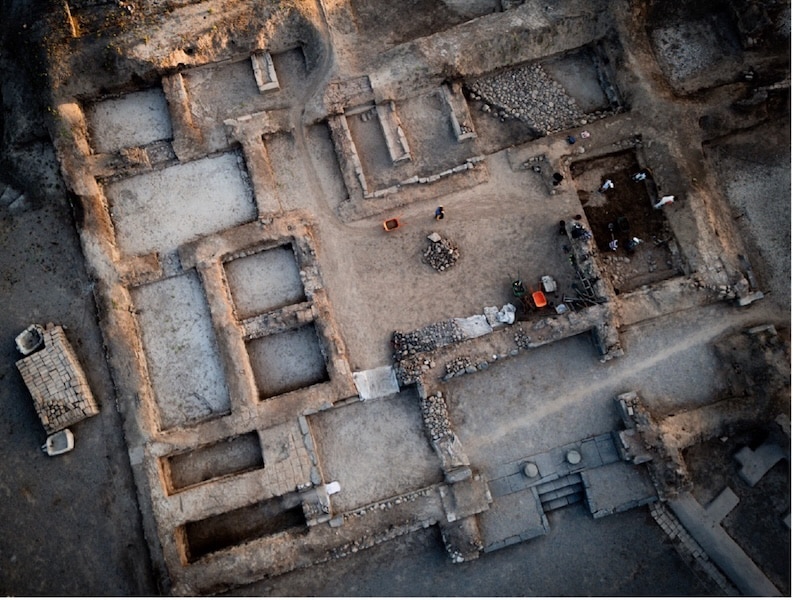
I felt right at home supervising the new trench defining ‘Room 3,’ laid just east of the space I had excavated in 2023. That’s not to say that it wasn’t daunting to lead a group of my peers through the processes and techniques of excavation, to organize various materials and extensive notes, and to make decisions for the good of the trench and the people.

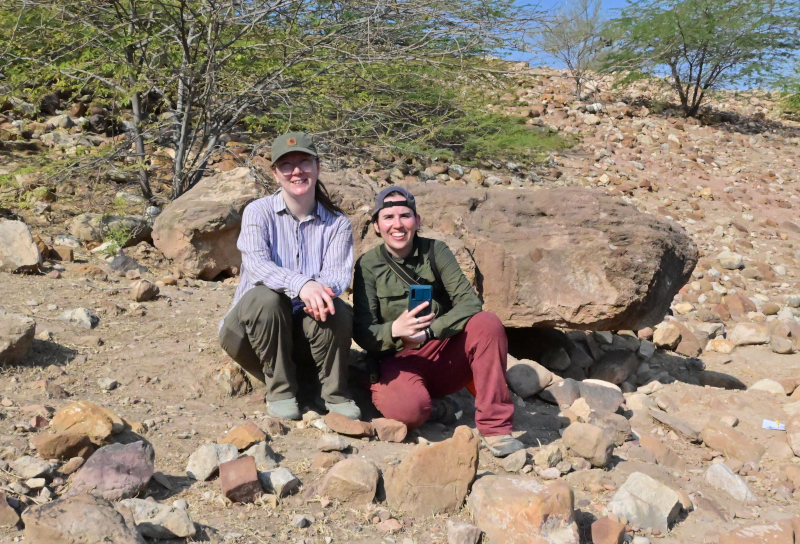
Excavating at K-AD in 2023 vs 2025

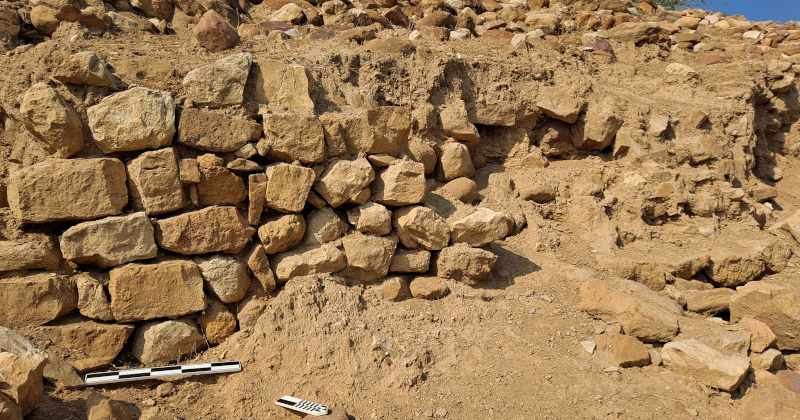
As our team made our way through topsoil and into less contaminated contexts, we uncovered an extraordinary concentration of characteristic Late Cypriot (1650 – 1050 BCE) pottery wares: we couldn’t trowel but two centimetres without revealing caches of White Slip, Base Ring, and pithoi sherds, and sometimes even complete vessels. The team had to be extra careful traversing our small ~7m x 4.5m trench, tip-toeing around the obstacle course made up of sherds that jutted out of the soil. When we weren’t articulating pottery scatters, we had the privilege of finding several nearly-intact wall brackets, a handful of bronze fragments, countless slag chunks, some specially marked vessels, and a couple remarkable triton shells.

Showing Room 3 some love at the end of the season

While our fruitful trench could be a little overwhelming as a first-time supervisor, I was grateful that I could study such a wealth of material. Since my own research examines regional and diachronic fluctuations in ceramic production on prehistoric Cyprus, I came to the site every morning excited to explore the pottery wilderness that was Room 3.

Supervising for the first time made me realize how lucky I’ve been to work under talented and dedicated excavators in the past. I borrowed leadership skills and pep-talking abilities (so much so that I was awarded ‘morning motivator’ at our end-of-season superlatives!) from each and every one of my previous supervisors and directors to try to create the best experience for my team.

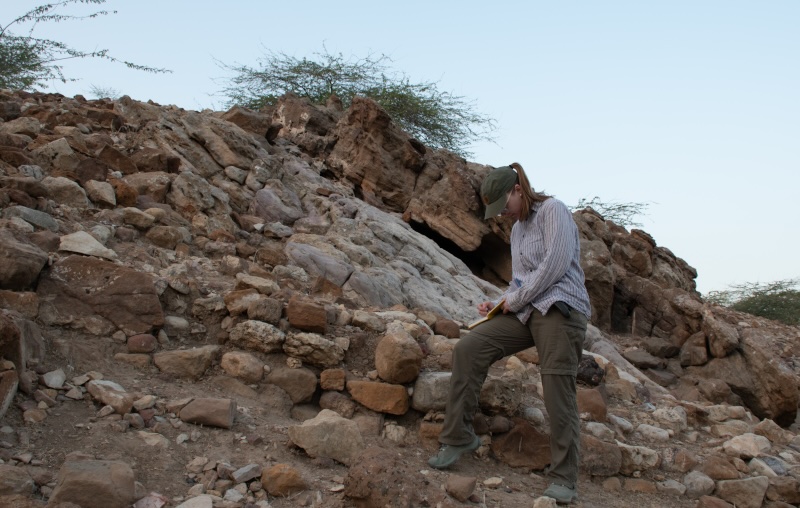
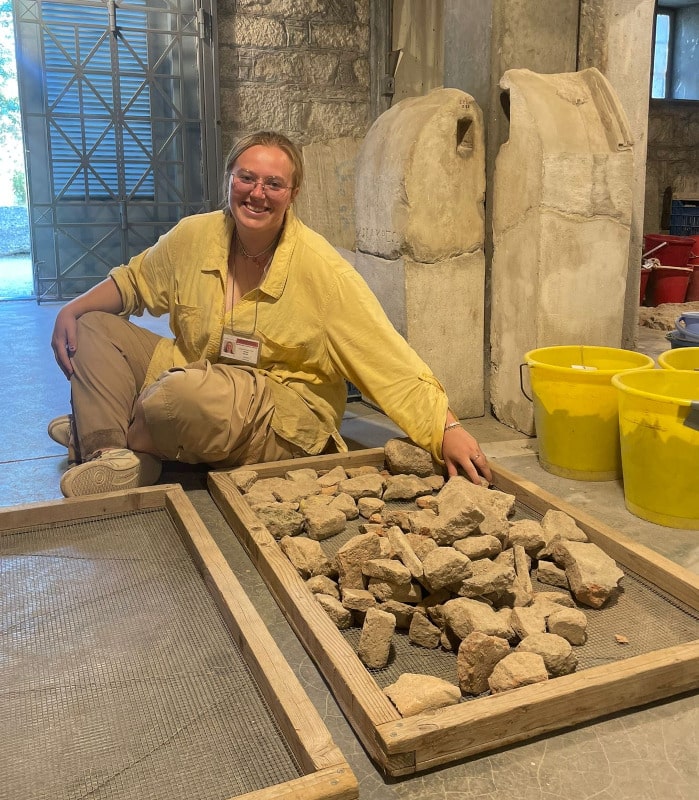
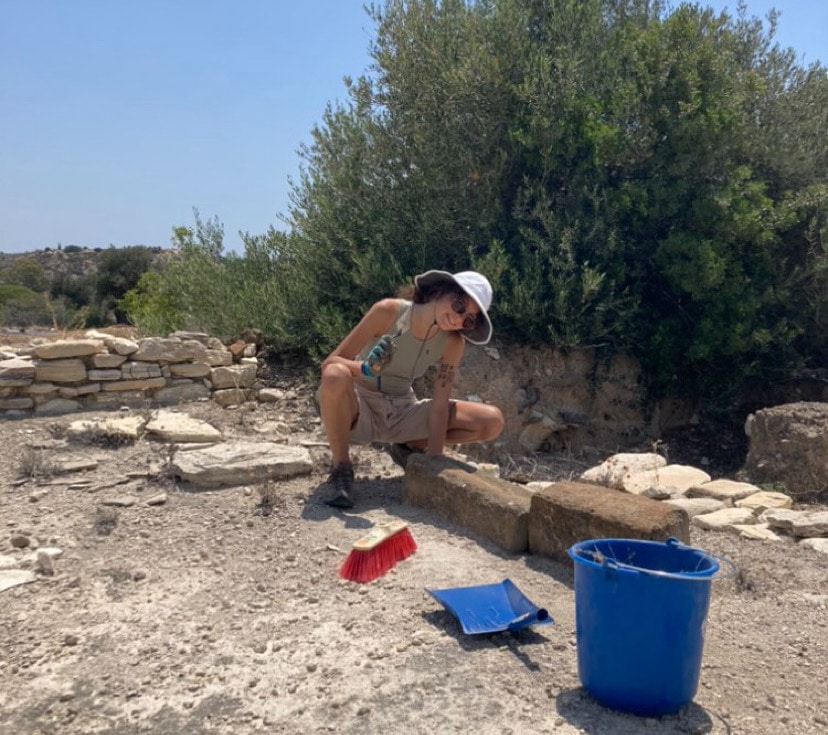
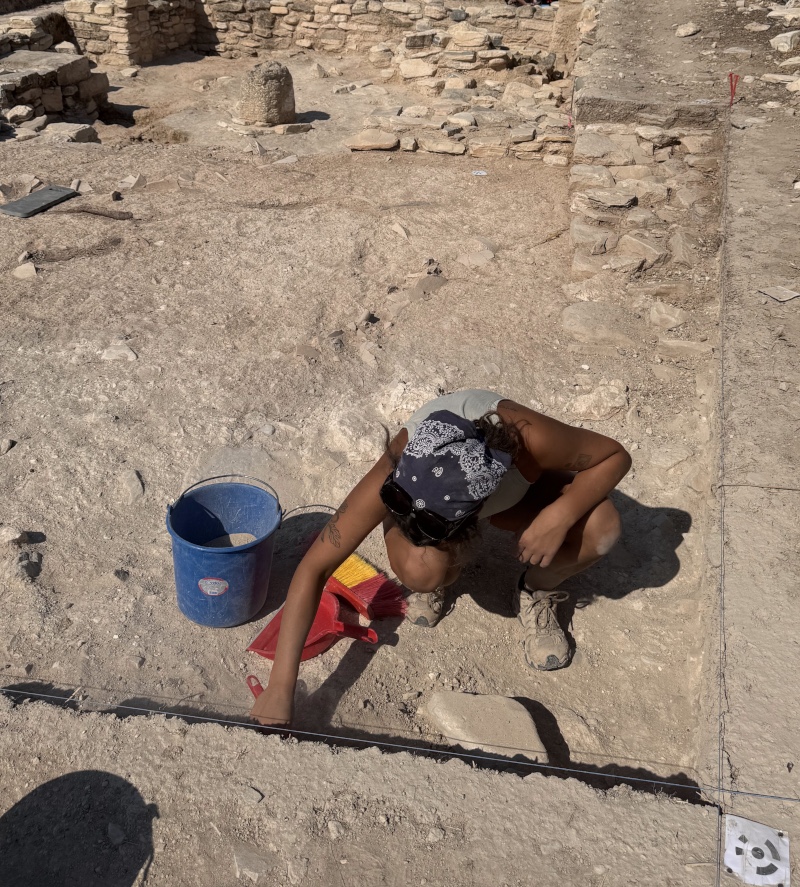
Here I am doing some baulk cleaning in the early stages of our trench

I’m incredibly grateful to project director Dr. Kevin Fisher and field director Sheri Pak for having me back and enduring my incessant questions, and to our team for their endurance, enthusiasm, and support during my meeker supervisory moments. My deepest gratitude to the American Society of Overseas Research for supporting me with the financial resources to participate in this community of knowledge; a community I endeavor to contribute to and draw on for years to come.

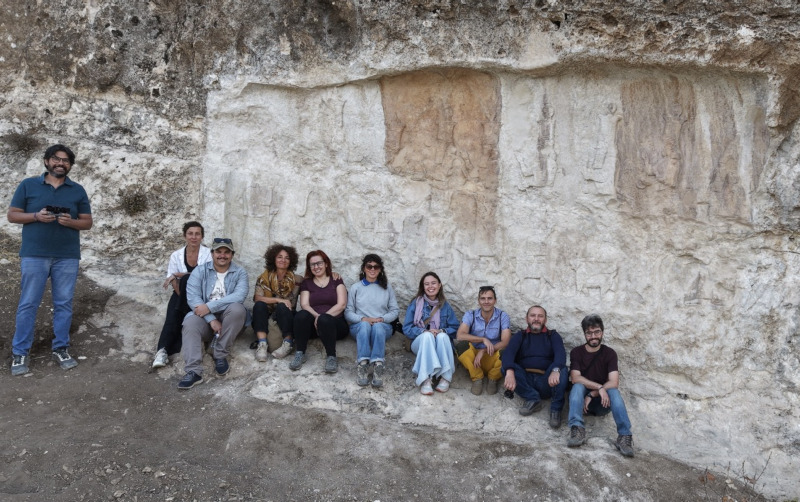
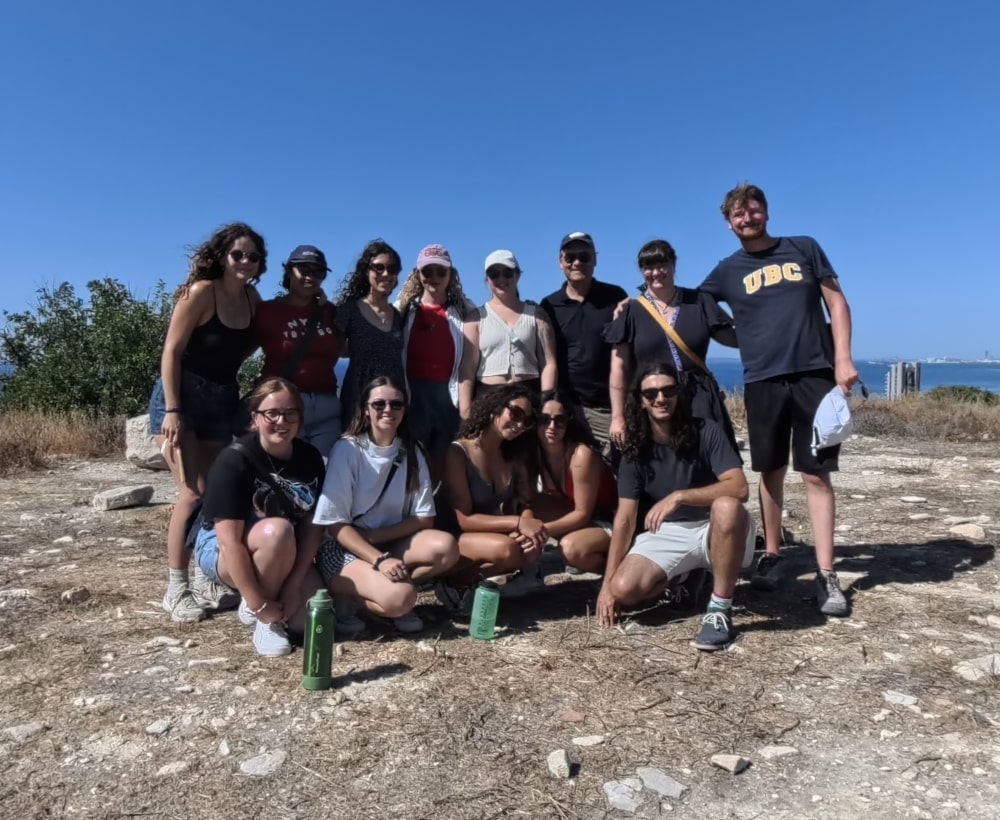
The 2025 team on the Amathus Acropolis

Talia Neelis is currently pursuing the doctoral track at the University of California, Los Angeles in the Cotsen Institute of Archaeology’s Interdepartmental Program. She graduated from the University of British Columbia in the spring of 2025 with honors in Ancient Mediterranean and Near Eastern Studies and Art History, where she completed her undergraduate thesis on anthropomorphic figurines and osteological records of the Late Cypriot period. She looks forward to going ‘back to the Bronze Age’ (tagline credit to the Kissonerga-Skalia marketing team) in trenches across Cyprus and beyond.

Want to help more students and early career archaeologists get into the field? Donate to the cause today by selecting “Fieldwork Scholarships” as your gift purpose!


ASOR Receives Award from Gerda Henkel Stiftung for Access Project at the Sudan National Museum

ASOR Receives Award from Gerda Henkel Stiftung for Access Project at the Sudan National Museum

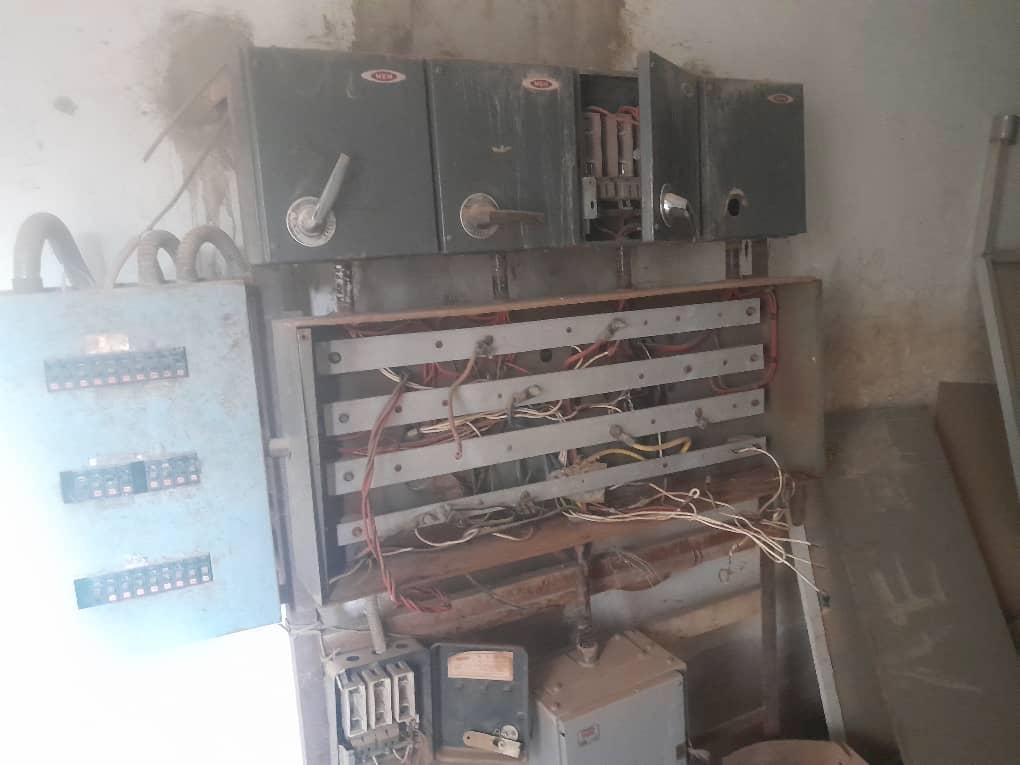
The American Society of Overseas Research (ASOR) is pleased to announce an award from the Gerda Henkel Stiftung supporting critical site security and infrastructure improvements at the Sudan National Museum in Khartoum. Working in coordination with the Sudanese National Corporation for Antiquities and Museums (NCAM), ASOR will expand safe access to the property, with a focus on rebuilding the damaged enclosure wall and making priority repairs to the electrical, water, and sewage systems. This project will lay essential groundwork to support NCAM’s ongoing efforts to restore functionality to the Sudan National Museum complex.

Founded in 1971, the Sudan National Museum is Sudan’s largest storeroom for cultural property and serves as a central hub for offices, labs, and other administrative facilities that support NCAM’s work throughout the country. Materials from the Aswan Dam Salvage Project, as well as artifacts from over a century of archaeological research, form major parts of the Museum’s collection. In total, the Museum’s pre-war collections comprised more than 100,000 objects representing the full breadth of Sudan’s history.

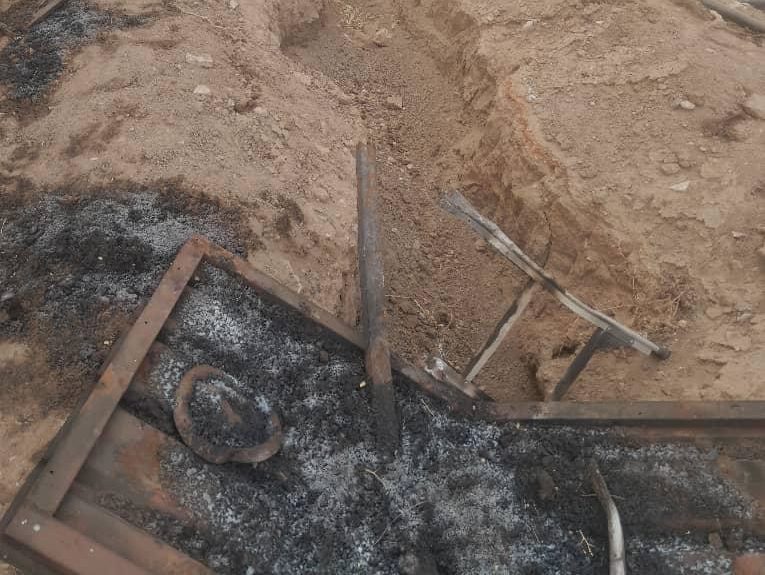
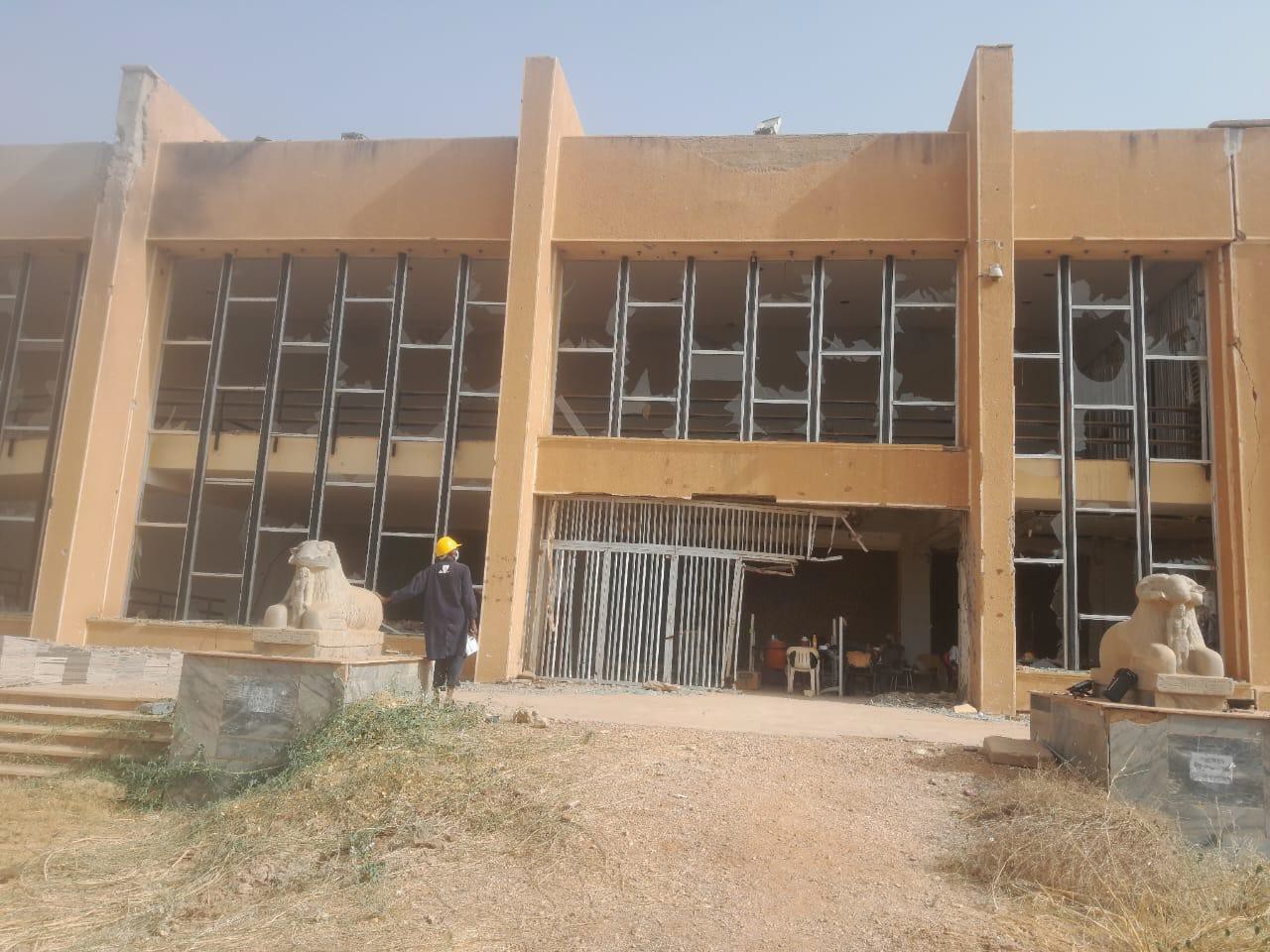
The status of the Sudan National Museum and its collections had been a serious concern for Sudanese and international observers since the Museum was occupied by the Rapid Support Forces in April 2023. During the building’s occupation, reports spread of looting and removal of the Museum’s collections from the site. The liberation of the Sudan National Museum in March 2025 revealed heavy damage to the buildings and property caused by combat and the systematic looting of the property’s physical infrastructure. More importantly, NCAM’s review of the Sudan National Museum storerooms confirmed the theft of important pieces of the collections. Some objects left behind were smashed or burned, and exhibit spaces were vandalized. The physical inventory of these collections was scattered, making it difficult to identify fully what was stolen and what remains on the property.

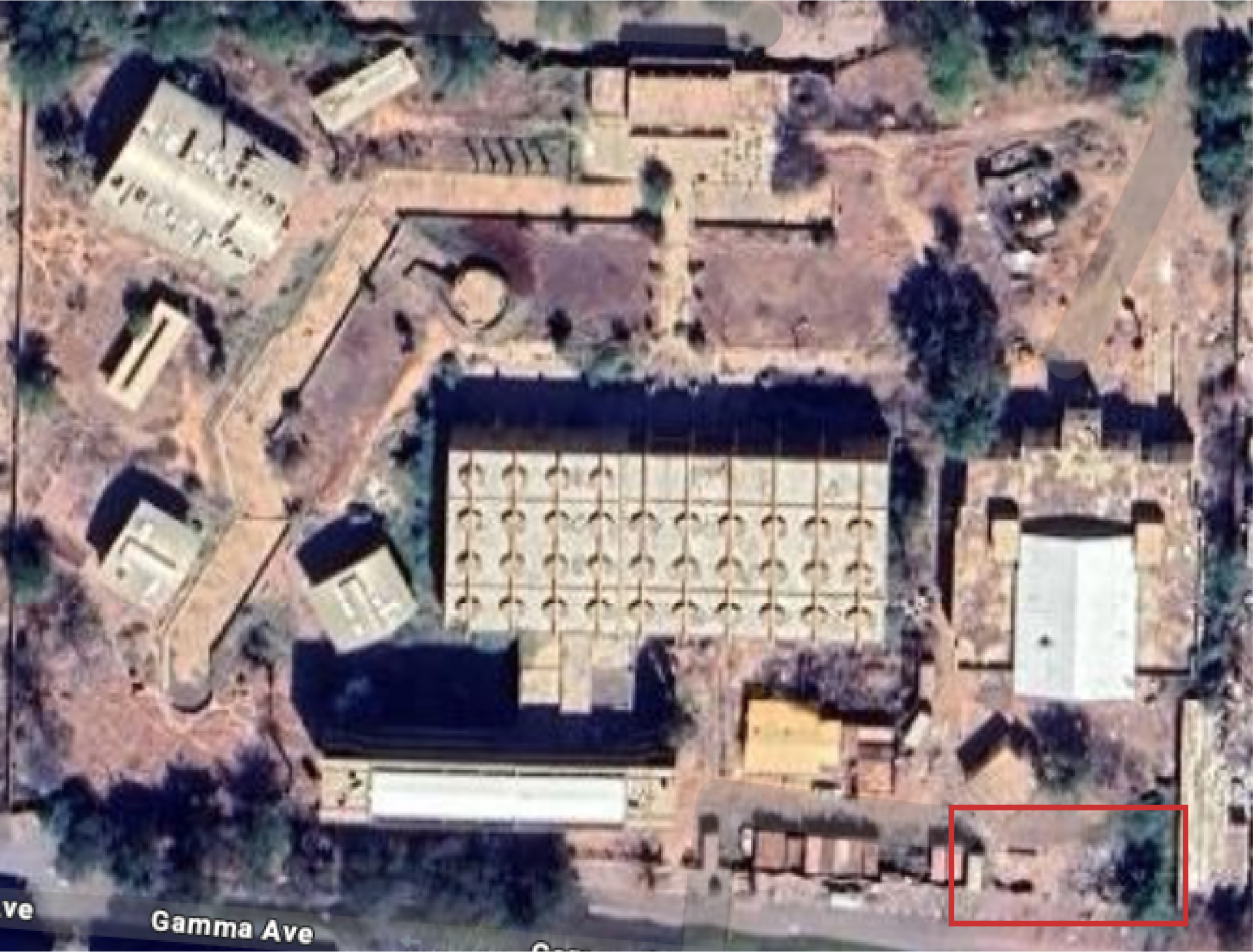
The grounds and main entrance of the Sudan National Museum in 2025. The breach in the perimeter wall is located at the bottom right of the left image. (Source: Google Maps; NCAM)

The theft and vandalism of the Museum’s collections as well as the damage to its exhibits, research labs, and administrative spaces have severely affected NCAM’s ability to protect and preserve Sudan’s diverse heritage. This project takes concrete steps towards restoring these capacities. At the end of the project, NCAM will be better able to protect the heritage present in the National Museum and to return what has been stolen.

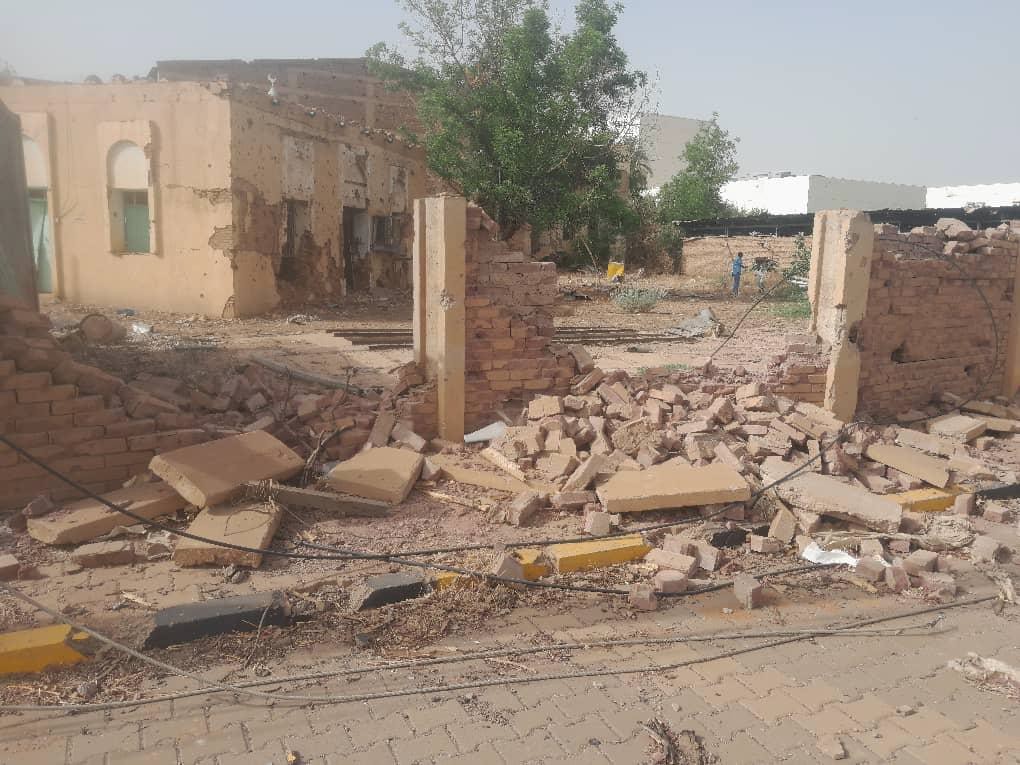
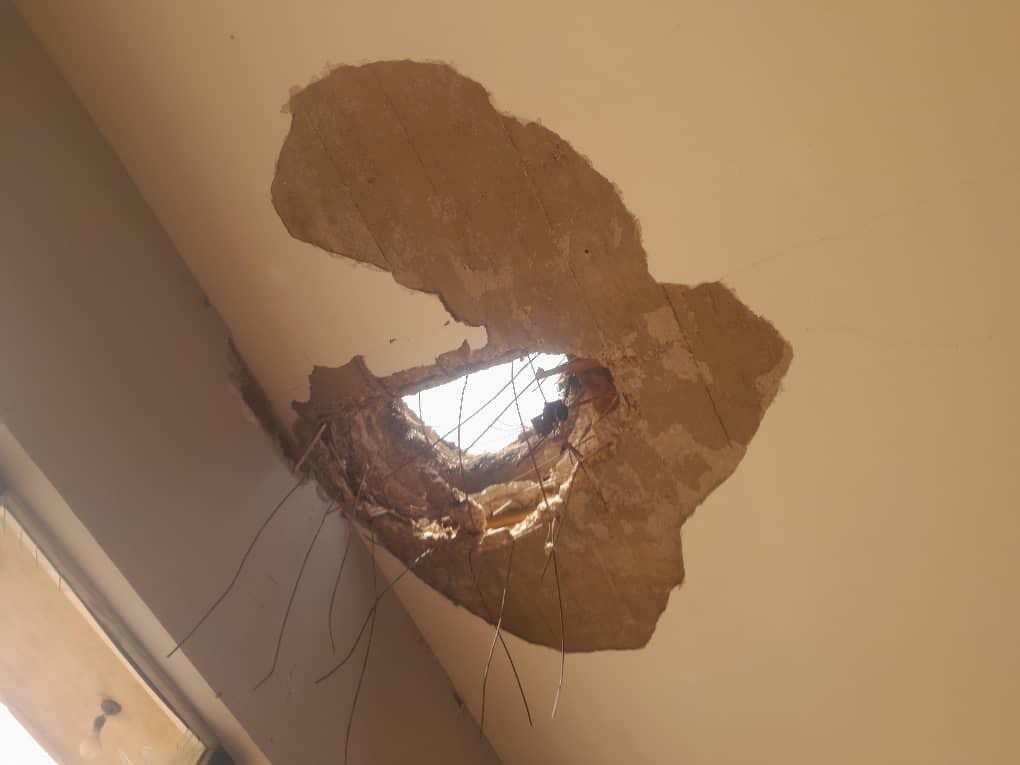
The perimeter wall at the southeastern corner of the property and an example of roof damage documented in 2025. (Source: NCAM)

Damage to wiring and circuit breakers on the property, including the burning of wiring to extract copper, documented in 2025. (Source: NCAM)

Seger Grant Report: Tall al-Handaquq South

2025 Joe D. Seger Project Grant: Tall al-Handaquq South Archaeological Project

Hanna Erftenbeck, Grinnell College and Natalia M. Handziuk, University of Toronto

With the support of the 2025 Joe D. Seger Project Grant, the Tall al-Handaquq Archaeological Project (HAP) conducted its first season of renewed work at Tall al-Handaquq South in Jordan. Previous excavations in the 1990’s exposed a well-preserved residential complex dating to the Early Bronze Age, contributing significantly to our understanding of people’s everyday lives during this period of early urban developments in the region.

 
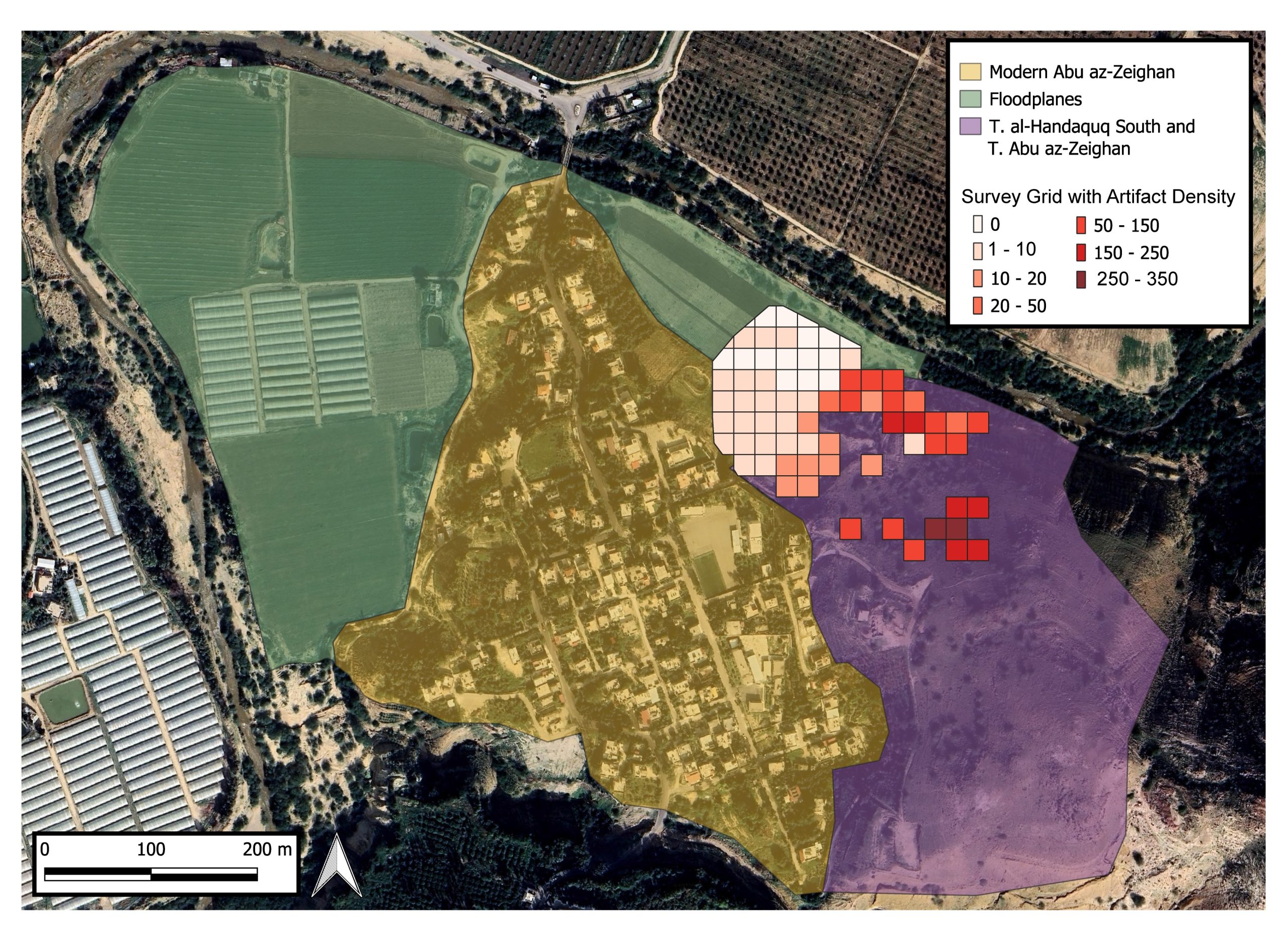
Figure 1: Map of Tall al-Handaquq South/Tall Abu az-Zeighan with survey grid and recorded artifact density.
Figure 1: Map of Tall al-Handaquq South/Tall Abu ez-Zeighan with survey grid and recorded artifact density.

HAP Co-directors Dr. Natalia M. Handziuk and Dr. Hanna Erftenbeck conducted a zero-recovery survey on Tall al-Handaquq South, which encompasses the northern part of a large, Early Bronze Age town, that extends into the archaeological site of Tall Abu ez-Zeighan. The goals of the 2025 seasons were to (1) assess the extent of the site, and (2) the density of archaeological materials on the surface, (3) document features visible on the surface, and (4) assess site preservation and possible threats.

Figure 2: Natalia M. Handziuk on the northern slope of Tall al-Handaquq South, looking North into the Wadi Zarqa.

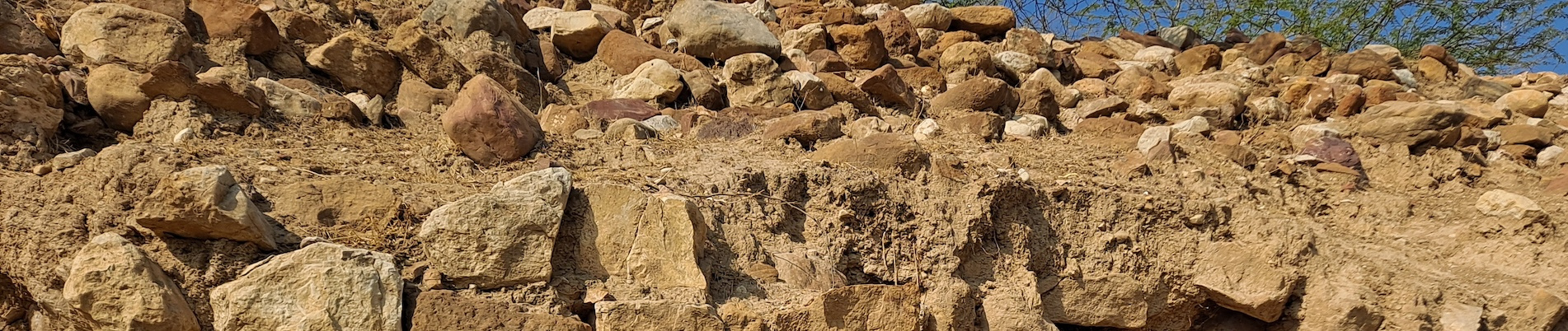
The survey focused on the floodplains and terraces along the northern limits of the site. There, modern agricultural fields are located on the flood plains of the Wadi Zarqa. As shown on the map, the density was overall low in the area northwest of the slope, marking the limits of preserved archaeological material. We identified three terraces along the northern edge of the slope, on which find density was much higher, and the outlines of a wall or platform were visible running below the second terrace.

Figure 3: Wall or platform visible along the bottom of the second terrace on the northern edge of Tall al-Handaquq South.
Further up the slope, the density increased further, and wall lines of different sizes were recorded on the surface. A trilithon dolmen and two cupmarks were recorded on the slope toward the southern limits of Tall al-Handaquq. While the dolmen is intact,
large holes indicate that it has been looted.
Figure 4: Dolmen in area 794 with looting hole.

Figure 4: Dolmen in area 794 with looting hole.

During the survey, we recorded several looting holes in and near the architecture visible on the surface of the slope and the terraces. Almost all of the pottery collected during the survey on Tall al-Handaquq South dates to the Early Bronze Age I through IV, with the majority of the pottery dating to the EB II-III period, confirming that Tall al-Handaquq South/ Tall Abu ez-Zeighan was settled intensely during this time period.

Figure 5: Hanna Erftenbeck documenting wall lines in areas 912 and 951.

The Tall al-Handaquq Archaeological Project (HAP) expresses its deep gratitude to ASOR and the Joe D. Seger Project Grant for their generous support. This project was conducted in collaboration with and under the guidance of the Department of Antiquities of Jordan. Special thanks go to Rami Frehat, who offered valuable insights into the regional setting of Tall al-Handaquq South and supported us on the ground each day. We are grateful to the team at ACOR for their support in starting a new project and for providing us with lab space during our field season. Mohammad Shabsogh provided logistical support throughout the season, and we are deeply grateful.

Figure 6: HAP 2025 Team photo.

Fieldwork Report: Anna Taibi

Growing through the Dust: Skills, Challenges, and Community in the Mosul Dam Reservoir

Anna Taibi, 2025 Strange/Midkiff Families Fellowship Recipient

The season that just concluded has definitely been one of the most intense of my (still short) fieldwork experience! In October and November 2025, thanks to ASOR’s scholarship for fieldwork participation, I took part in ReLand’s 2025 campaign in the Mosul Dam Reservoir, KRI. The project’s goal is twofold: monitoring threatened sites located on Mosul Lake’s shore and, during cyclical phases of re-emergence, conducting emergency excavations to document settlements and their interaction with the surrounding landscape.

This year, due to an exceptional drought, hundreds of sites have emerged from the lake’s water, and, sadly, as a remote survey had already highlighted, these millennia-old features have immediately been targeted by looters. As a project member, during the first three weeks of the campaign, I helped record evidence of this kind of damage during the field survey, documenting different types of looting traces.

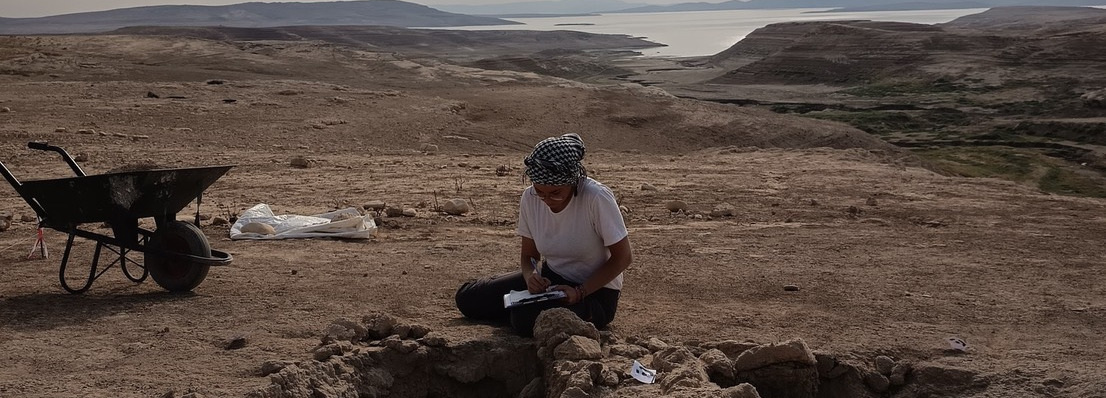
Recording a big looting pit, likely made by hand or shovel
Recording a big looting pit, likely made by hand or shovel.

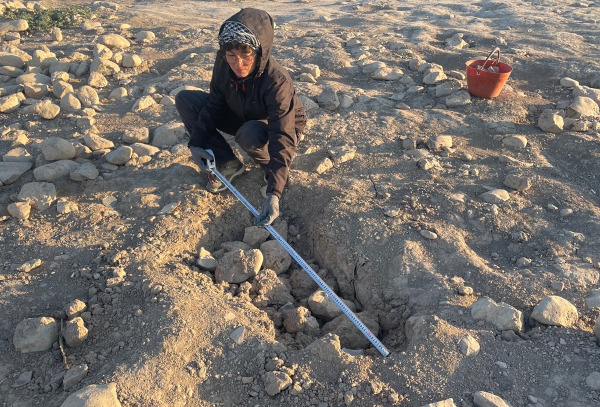
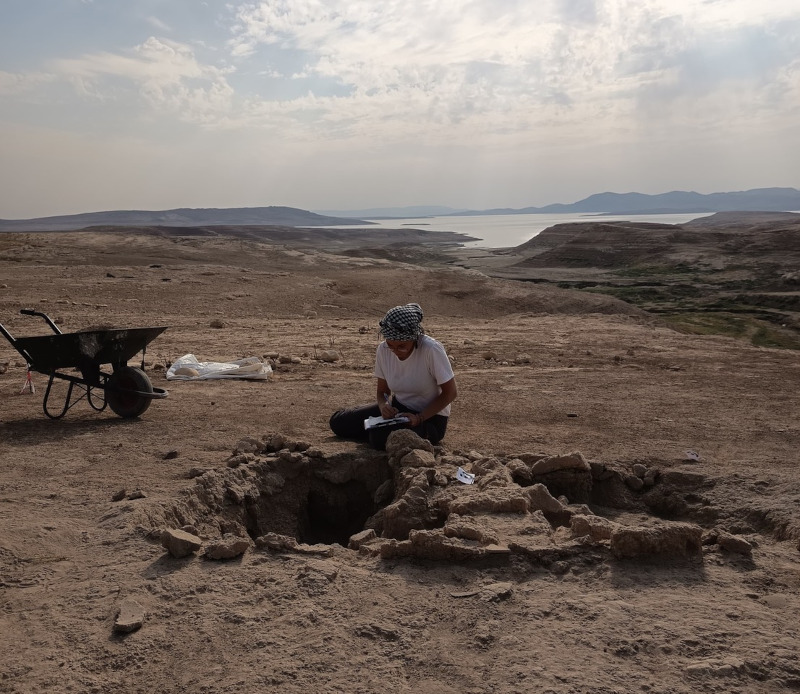
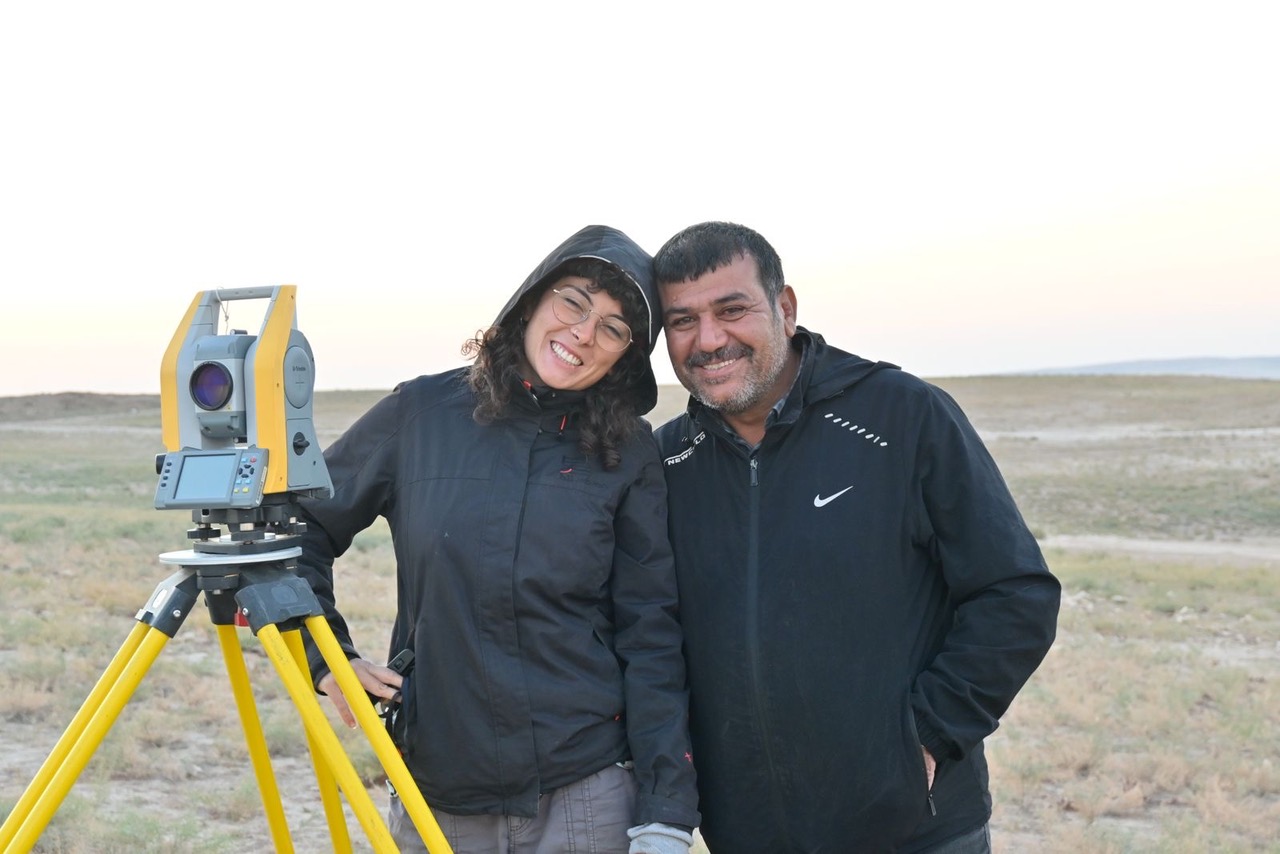
In the second part of the campaign, I worked at the site of Tell Gombass, a small Late Chalcolithic village, once located on a spur of a wadi, not far from the Tigris itself. Here, for the second year, emergency excavations were carried out. In particular, I was appointed as trench supervisor to excavate an ovoidal mud-brick (pottery?) kiln that just re-emerged. On this occasion, I had to challenge myself to lead a small team, ensuring a good quality of the documentation. But that’s not all: through the patient and expert guidance of our topographer, I managed to develop new skills in the topographical field and refine methodologies tailored to the diverse needs of the archaeological mission.

Excavating and documenting a Late-Calcholitic kiln’
Excavating and documenting a Late-Calcholitic kiln.
Me, Ali and the total station
Me, Ali, and the total station.

Previous skills have helped me through this international campaign: I’m getting better, but I still haven’t learnt Arabic nor Kurdish very well, so never has my Deutsches Sprachdiplom der Kultursministerkonferenz (DSD) been so helpful as to interact with Tarek, our chief worker from Syria, who spent 20 years excavating with German teams in Western Asia. His long field experience and knowledge had been one of the precious elements of the excavation campaign: although we worked in two different areas, we always kept up with each other’s work, and I’ve taken his generous advice to heart. This experience has definitely allowed me to work closely with Kurdish team members, fostering mutual learning and shared expertise while contributing to more inclusive and sustainable heritage practices.

In the afternoons, I took care of the small finds documentation, getting the chance to measure, photograph, and document different types of artefacts, architectural elements, and ornaments that humans have produced in the Duhok region through millennia.

 
Afternoons
Afternoons.

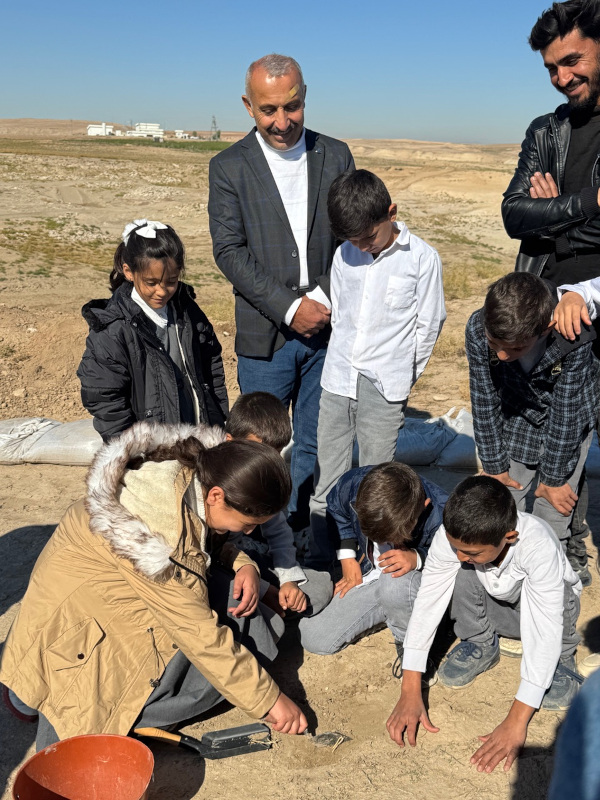
Last but not least, during my last week in KRI, I helped organise a tour of the excavation for Gombass’ elementary school pupils and students from the University of Duhok. It has been a precious moment to raise awareness among local populations about the cultural and historical significance of their landscape, and for my education as an archaeologist who wants to put ethical and post-colonial theories in practice: I believe that our work means nothing if not immediately given back to the people this heritagescape directly belongs to. This outreach experience has been particularly meaningful for me, as I have a strong interest in community organization, equitable governance, and cultural heritage preservation. After all, it is one of the main objectives of this project to preserve the memory of those communities that lived along the riverbanks, and the millennia-old settlements they inhabited, ensuring that their histories are acknowledged and valued.

Little archaeologists at work… in their home
Little archaeologists at work…in their home.

Last but not least, during my last week in KRI, I helped organise a tour of the excavation for Gombass’ elementary school pupils and students from the University of Duhok. It has been a precious moment to raise awareness among local populations about the cultural and historical significance of their landscape, and for my education as an archaeologist who wants to put ethical and post-colonial theories in practice: I believe that our work means nothing if not immediately given back to the people this heritagescape directly belongs to. This outreach experience has been particularly meaningful for me, as I have a strong interest in community organization, equitable governance, and cultural heritage preservation. After all, it is one of the main objectives of this project to preserve the memory of those communities that lived along the riverbanks, and the millennia-old settlements they inhabited, ensuring that their histories are acknowledged and valued.

I feel that participating in this long campaign of ReLand’s project has had a significant impact on my development as an archaeologist and as a future researcher. From survey skills to new and exciting responsibilities as a field supervisor, up until the possibility of developing and practicing non-colonial approaches to field archaeology, this campaign has given me far beyond the expertise luggage I expected to get back home with. I’m grateful for having built new tools and learnt methodologies, and I can’t wait for upcoming chances of professional and personal growth.

Team visit in Maltai, Duhok province’
Team visit in Maltai, Duhok province

Anna Taibi is a native of Palermo, Sicily, where she is working on her Master’s degree in Mediterranean and West Asian archaeology. She completed a BA in Cultural Heritage at the University of Palermo in 2023 with a cum laude dissertation on post- and decolonial approaches in archaeology. She is now delving into her commitment to community-based fieldwork while approaching new interests, such as the archaeology of production. She has participated in surveys and excavations in the Kurdistan Region of Iraq (ReLand project) and in Sicily, where she’s serving as a trench supervisor at the Phoenician-Punic site of Motya since 2024.

Want to help more students and early career archaeologists get into the field? Donate to the cause today by selecting “Fieldwork Scholarships” as your gift purpose!
Fieldwork Report: Hannah Borotsik

Just a Girl and Her Whiteboard

Hannah Borotsik, 2025 P. E. MacAllister Fellowship Recipient

Athens holds a very special place in my heart, and it has become one of my favourite cities in the world. I have met some of my best friends and have had some of the coolest experiences of my life here. I was so excited to be able to return to Greece for a fourth summer and for my third summer working at the Athenian Agora excavations with the American School of Classical Studies at Athens. I started in 2023 as a volunteer, and then in 2024, I returned as an assistant supervisor assigned to work in the apotheke. This past summer, I had the privilege of moving up to the role of apotheke supervisor. I never thought I would get the chance to say that I was a supervisor at the Athenian Agora Excavations, but this was the summer when I got the opportunity of a lifetime.

A common position to find me in… laying out tile. Photo by James Razumoff

My position involved managing the material coming into the apotheke and supervising all the volunteers who were assigned to flotation and pottery/bone/shell/tile wash. At the beginning of the season, my main goal was to make the processing of material coming to the apotheke as smooth as possible for everyone involved. I established different organizational systems, including having a large whiteboard, inboxes, labels, and designated spaces for different workflows. Since I worked with many different areas and members of the project on a daily basis, I thought a brief example of a “day in the life” for me at the Athenian Agora would be the best way to share how I spent my summer:

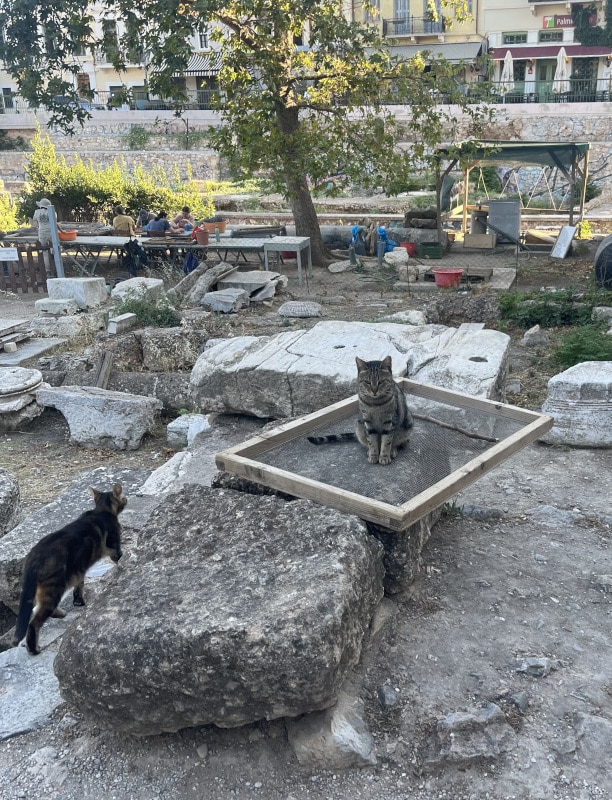
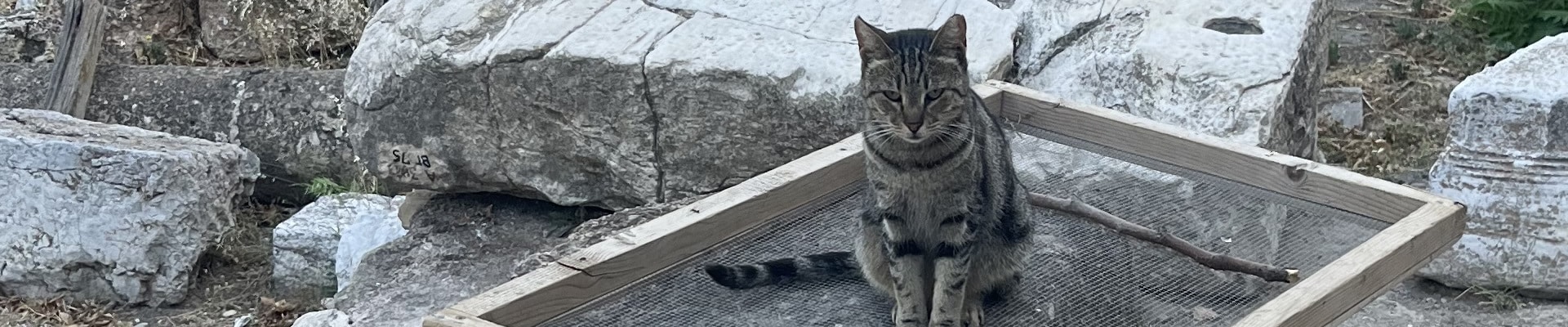
We get many cat visitors every day and some even liked to hang out in our trays. Photo by Hannah Borotsik

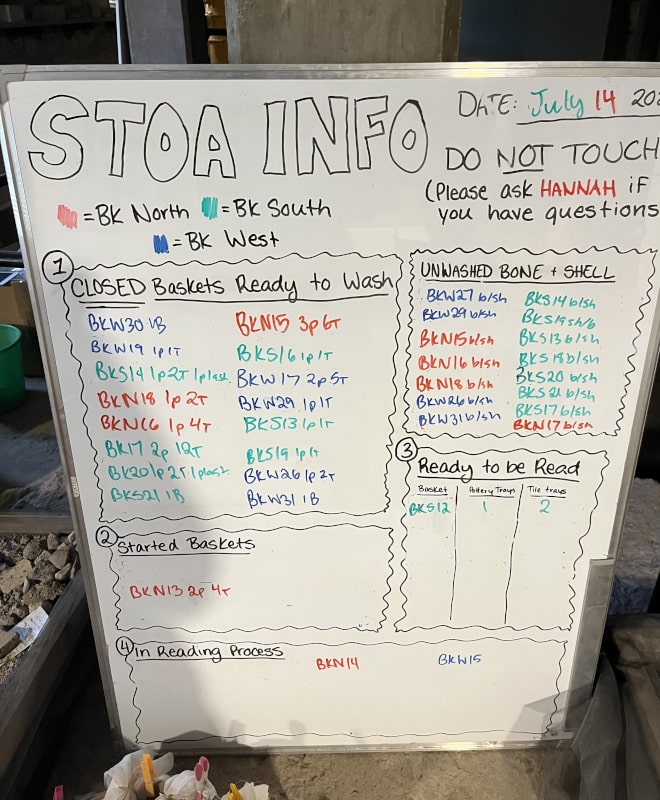
At the beginning of each day, I would start in the basement of the Stoa of Attalos, which serves as the apotheke for the Agora excavations. I would review the unwashed material and update my whiteboard with the information about the material that came up from the site at the end of the previous day. The whiteboard contained information for closed baskets from each trench in order to track the progress of washing, sorting, and reading by our wonderful pottery, bone, and shell specialists. Since the Agora is a total collection excavation, there is a lot of material coming up, and being able to communicate where all the material was at any given moment was extremely important. This was a method that I established in the 2024 season, and it became a staple of the basement’s organization (as well as a staple of my identity on the project).

The 2025 version of my whiteboard when the number of buckets of pottery felt like it would never end. Photo by Hannah Borotsik

Next, I would decide on which basket, or more often than not, baskets of pottery would be washed for the day. This depended on many different factors, including the number of volunteers assigned to wash, the number of available trays, and the number of buckets of pottery and tile belonging to a basket. The largest number of buckets in one basket from this season was three full buckets of pottery and thirteen tile buckets (this one took a while to wash). At this point, the volunteers assigned to the pottery wash area would arrive from the site for the day, and after bringing everything outside, I would divide the group into flotation and pottery wash.

Besides training and helping volunteers wash material, I had many responsibilities that I took care of during our work hours. I had to make sure that the dried ceramics, including the tile, were ready for our pottery specialists to analyse and count, weigh, and photograph. In some cases, I assisted with these procedures (for example, choosing the tile samples). I bagged and weighed dried bone and shell, after which I recorded the information into our iDig system. I made sure that any material that was ready for the trench supervisors to pack or things that needed to be made a special finds were in their respective inboxes. I wrote tags for trays inside and outside. I organized the baskets that were in queue to be washed. I strategized the best way to tackle the large backlog of tile, once larger baskets began to appear. At the end of the day, I facilitated the clean-up and organization of the apotheke, which mostly consisted of me giving the volunteers directions on what order I wanted each tray to go in and where I wanted them to go in the basement (and they did a great job every day!). These are just a few of my daily responsibilities, since every day came with new opportunities to improve workflows. After work, I sometimes stayed later to finish organizing and prepare for the following day or I worked on the procedural manual for the apotheke. At the end of most days, I went home and took a nap. One of the most important aspects of my job was to be the point of communication between our three open trenches and those working in the apotheke. As a result, my job consisted of many moving parts and more often than not, learning something new every day.

 
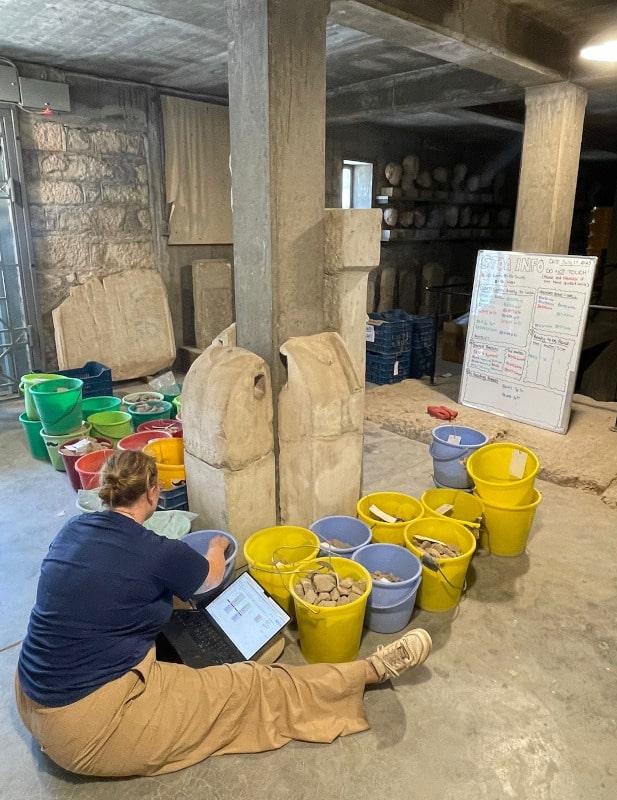
I am sitting with my buckets and whiteboard, updating the information for the unwashed shell and bone on my spreadsheet. Photo by James Razumoff

I was grateful to return to the Agora for my third summer and, although I was nervous to hold a supervisor position at such a well-known dig with only a few years of experience, my fellow supervisors, field director, and director were wonderful role models and helped me to become confident in my position. I learned so much more about being a leader and finding my leadership style, and I got more in-depth training on the many procedures that take place on excavation after the material comes out of the ground. All of these lessons have made me a better archaeologist. I am so thankful for the trust that was placed in me, and I will never forget my first-ever summer as a supervisor.

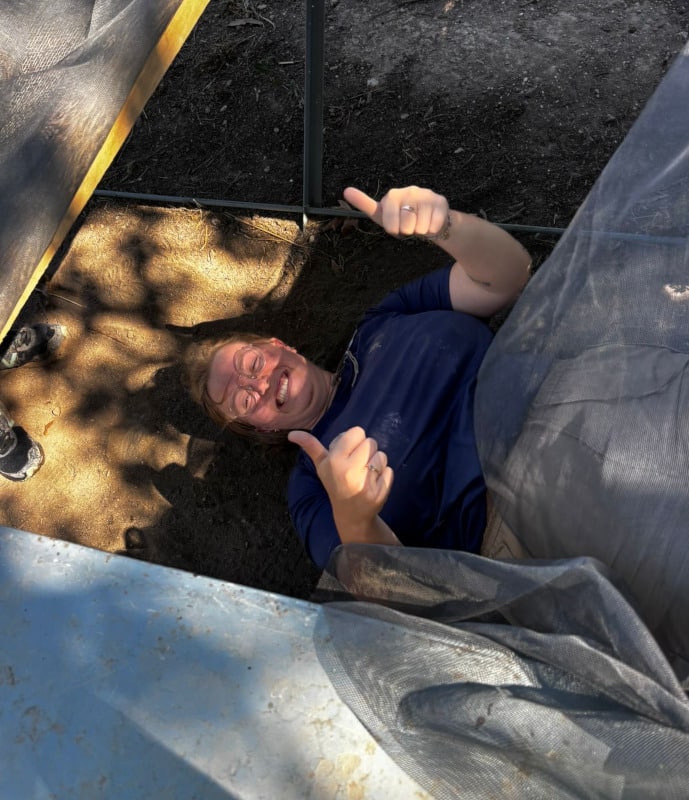
I am taking a break under the flotation trays. Photo by Theresa Cole

Hannah Borotsik is a first year PhD student in Classics at the University of Western Ontario, where she has just completed her Masters. She is also a graduate of Memorial University of Newfoundland and Labrador. She is interested in Ancient Greek religion, specifically traditions and rituals, and their relationship to social and political contexts. She has participated in digs at the Helike project and the Athenian Agora and has also worked on material from Newfoundland and Labrador.

Want to help more students and early career archaeologists get into the field? Donate to the cause today by selecting “Fieldwork Scholarships” as your gift purpose!
Call for Early Career Scholars Committee Members

Early Career Scholars: Call for New Members

The Early Career Scholars (ECS) Committee is looking for new members. The committee requires a commitment of one hour-long meeting and 2-3 hours of outside work per month. We especially seek those interested in supporting ASOR’s Early Career (undergraduate to pre-tenure) community through creative, informal mentoring opportunities.

If you wish to be considered by the committee, please fill out the application form here. Applications will be reviewed on a rolling basis.

Please fill out this online form if you are interested in being part of the Early Career Scholars Committee. 

2025 Geraty Grant Report: Tall Hisban

Giving Back: Community Archaeology and Education at Tall Hisban: 2025 Update on the Lawrence T. Geraty Community Archaeology Endowment


The ASOR Lawrence T. Geraty Community Archaeology Endowment was established to honor Dr. Lawrence T. Geraty’s pioneering commitment to community engagement in Near Eastern archaeology. The endowment supports initiatives that strengthen relationships between archaeological projects and local communities, including participatory research, heritage festivals, youth training programs, and digital heritage initiatives.

At Tall Hisban, support from the Geraty Endowment has helped make possible the Hisban Heritage Festival, student-led community history projects, and the Madaba Region Heritage Internship. Its impact is visible in renewed partnerships, expanded educational opportunities, and a deepened sense of shared stewardship between archaeologists and the people of Hisban.

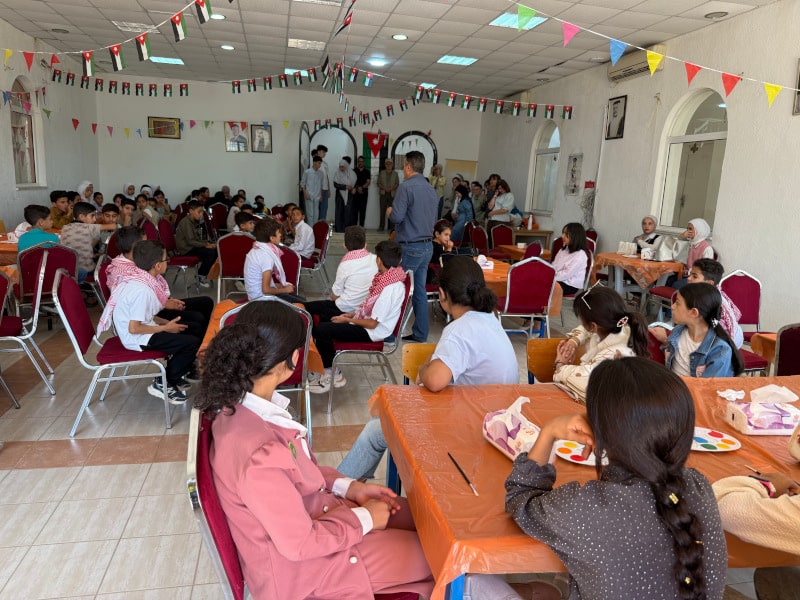
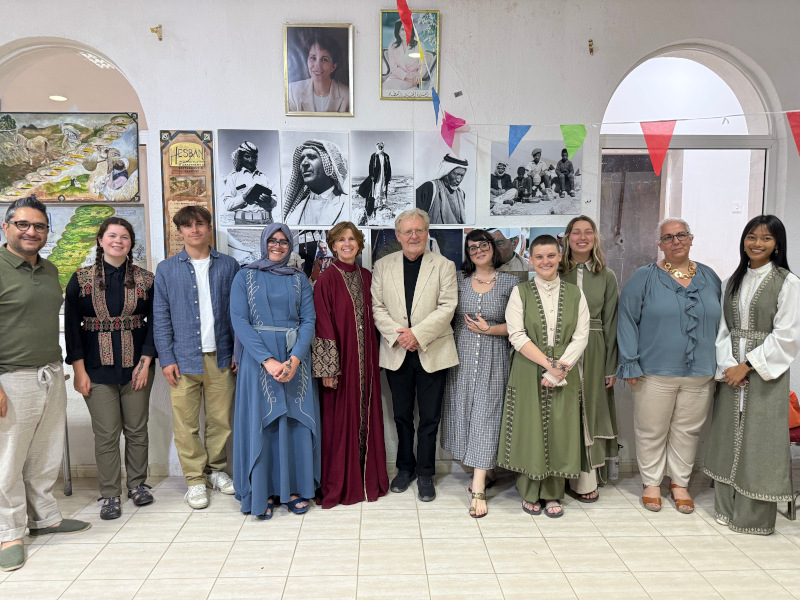
On a warm June afternoon in 2025, the courtyard of the Hisban Women’s Association overflowed with song, laughter, and the aroma of traditional Jordanian sweets. Villagers, students, and dignitaries gathered to celebrate the Hisban Heritage Festival, marking more than five decades of partnership between the people of Hisban and the Madaba Plains Project (MPP). The festival opened with greetings from the Department of Antiquities, the Hisban Women’s Association, and Andrews University.

In his keynote remarks, Øystein S. LaBianca, Senior Research Professor of Anthropology, reflected on the evolution of archaeology at Hisban—from excavation to collaboration: “Archaeology here is no longer about extraction. It’s about relationships, about listening, and about telling stories together—stories that include shepherds and schoolteachers, potters and farmers, grandmothers and grandchildren.”

A highlight of the festival was the public display of archival photographs from the original Heshbon Expedition (1968–1976). For many families, these were the only surviving photographs of fathers and grandfathers. This “visual repatriation” returned history, dignity, and memory to the community whose labor shaped the early excavations.

Pottery painting at the Hisban Women's Center.

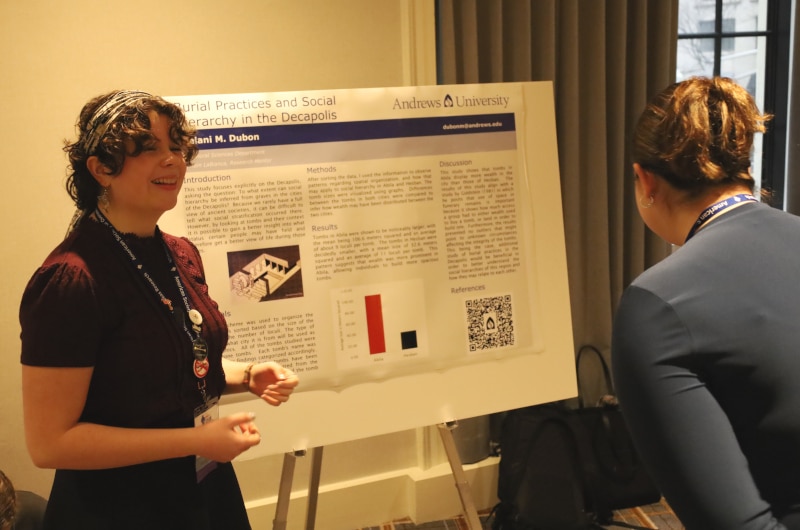
Research by Andrews University undergraduate students featured prominently. Spencer Chase, Nicole Lombard, Laurel Renner, and Julia Whitcomb, presented work on Hisban’s relationship to the Roman Decapolis, utilizing archaeological data, literary sources, and GIS visualization. Melani Dubon and Nathalie Gonzalez conducted oral history interviews with descendants of workers from the early expeditions, linking archival field notes to living memory.

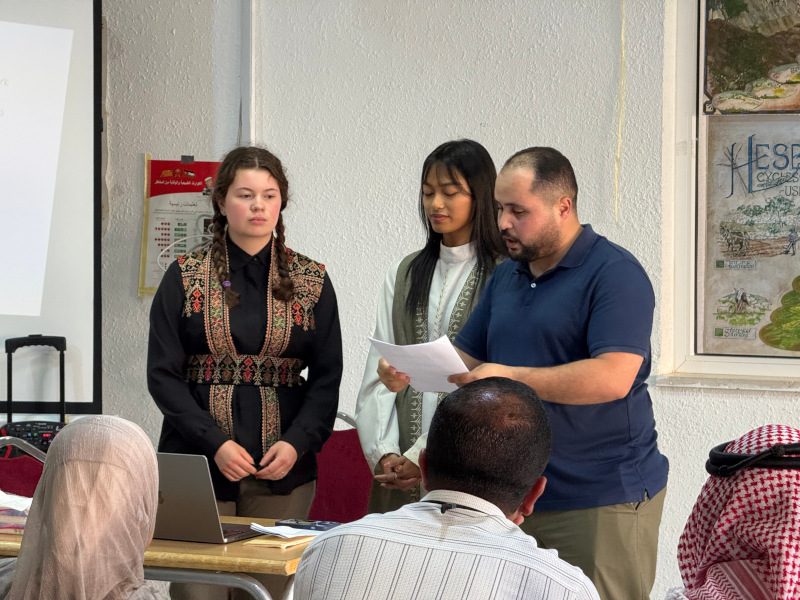
Presentation of early ethnography by Melani Dubon and Nathalie Gonzalez.
Melani Dubon presenting a poster at the 2025 ASOR Annual Meeting
Melani Dubon presents her research during the poster session at ASOR's 2025 Annual Meeting in Boston.

Stacie Hatfield, Assistant Professor of Anthropology, emphasized that “the next generation of archaeologists must be facilitators—connecting academic rigor with community engagement.” This participatory model is now central to the MPP approach.

The Madaba Region Heritage Internship, coordinated by Al Raqeem for Services and Training, Sela for Training and Protection of Heritage, Andrews University, and the University of Liverpool, extends this commitment regionally. The Pottery Internship trains young Jordanians in ceramic analysis and conservation, while the Archaeotrail Internship prepares them to create bilingual (Arabic–English) content for the Madaba Archaeotrail app. Interns graduate with certification and a professional portfolio, contributing to a new generation of Jordanian heritage leaders.

Together, these initiatives demonstrate what ASOR has long championed: that archaeology is most meaningful when it builds bridges between past and present, research and renewal, local voices and global audiences. As one participant at the festival remarked, “We used to think archaeology was about the foreigners who came to dig. Now we know—it is about us, our stories, and our future.”

These ongoing efforts—including the Hisban Heritage Festival, the Madaba Region Heritage Internship, and the proposed Learning through Heritage initiative—reflect meaningful partnerships supported by the ASOR Lawrence T. Geraty Community Archaeology Endowment and Andrews University.

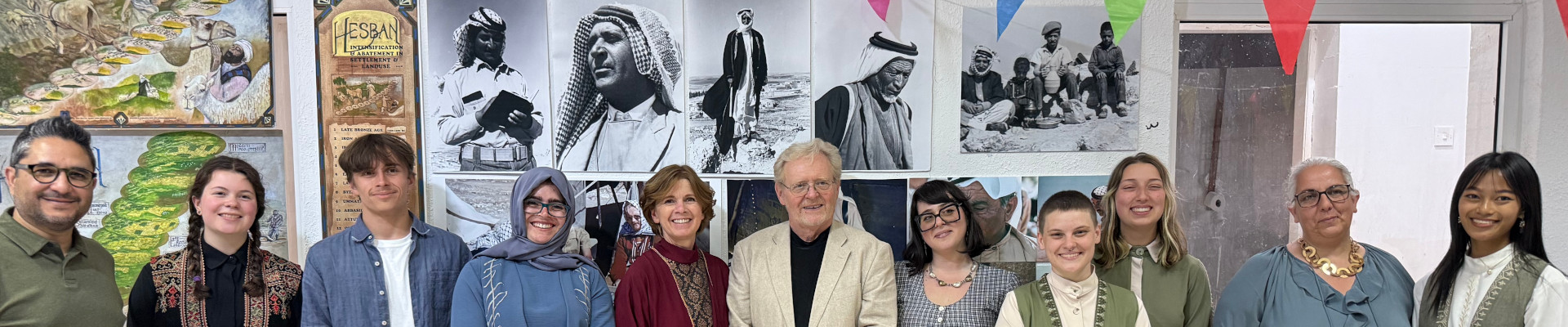
Paulo Oliveira, Melani Dubon, Spencer Chase, Isable Srour, Stacie Hatfield, Oystein Labianca, Ilda Faiella, Lolo Renner, Julia Whitcomb, Maria Elena Ronza, and Nathalie Gonzalez.

Fieldwork Report: Helen Wong

Mapping Motya in a Day: Urbanism, Identity, and Geophysical Survey

Helen Wong, 2025 Katherine Barton Platt Fellowship Recipient

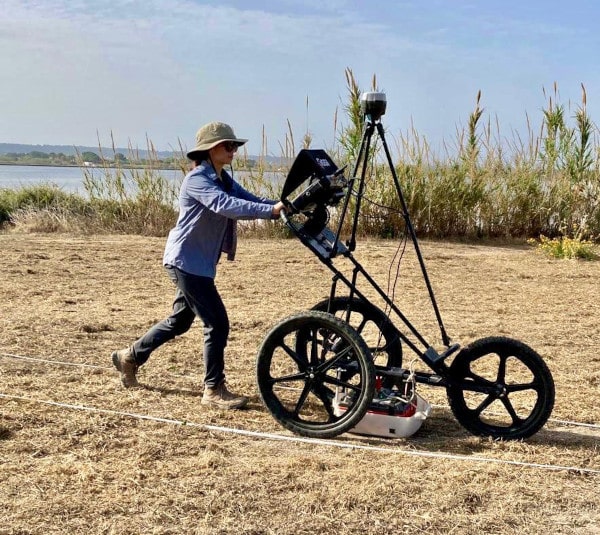
This summer, I joined the excavation team at Motya, a small island off the coast of western Sicily near Marsala, as a digital archaeology specialist with the “Space and Identity in Ancient Motya” project co-directed by Dr. Paola Sconzo and Dr. Jason Herrmann. I was responsible for helping to carry out the ongoing geophysical survey which aims to map the entire layout of the ancient city. Motya was a Phoenician/Punic foundation dating to the 8th century BCE with close ties to Carthage and constant contact with indigenous Italic cultures, creating diverse ethnic and cultural conditions. It is one of the rare examples of a Punic city which was largely not built over in later periods. The aim of the geophysical survey, which has almost mapped the entirety of the city over the last ten years, is to approach the question of cultural diversity and experience at Motya through examining its urban layout and architectural forms, which are distinct from that of native cities in the Sicilian tradition on the island. In this report, I will describe what an average day of work at Motya looked like for me.

Helen Wong conducting ground-penetrating radar survey at Motya, Sicily.

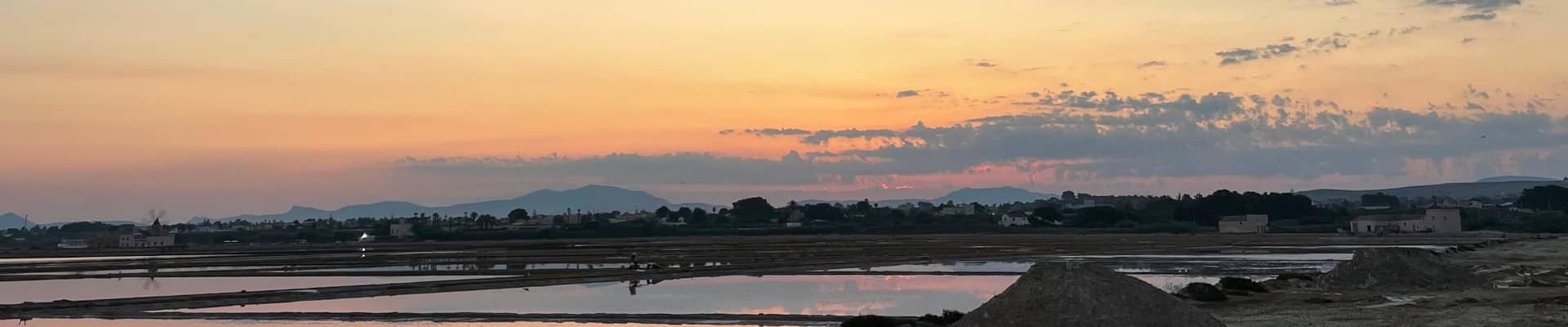
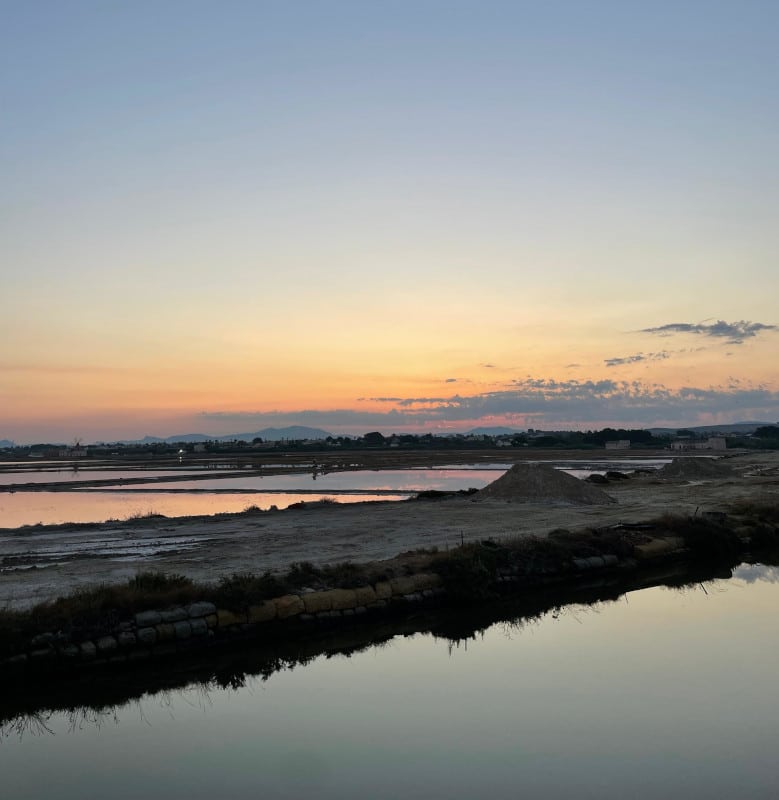
At 5:30am, I would drag myself out of bed. Ideally, we left for the island by 6am–sometimes it was a little later, but that could be made up for by a bit of careful speeding on the road, which was very scenic. The ride down to the dock where we would take a ferry to the island closely followed the coast, so even though we were only half-awake at best, we could still take in the gorgeous scenes of still water reflecting the dawn light. We would drive past the fishermen in their boats, the gulls and little birds diving into the water, and the famous salt flats of Marsala, each one delineated with careful lines of stones. Many of these salt flats are very old, even ancient. Marsala’s high-quality salt is famous, as is the sulphur scent which comes off the flats in the mornings and evenings. I came to associate it with waking up and looking forward to the start of the day.

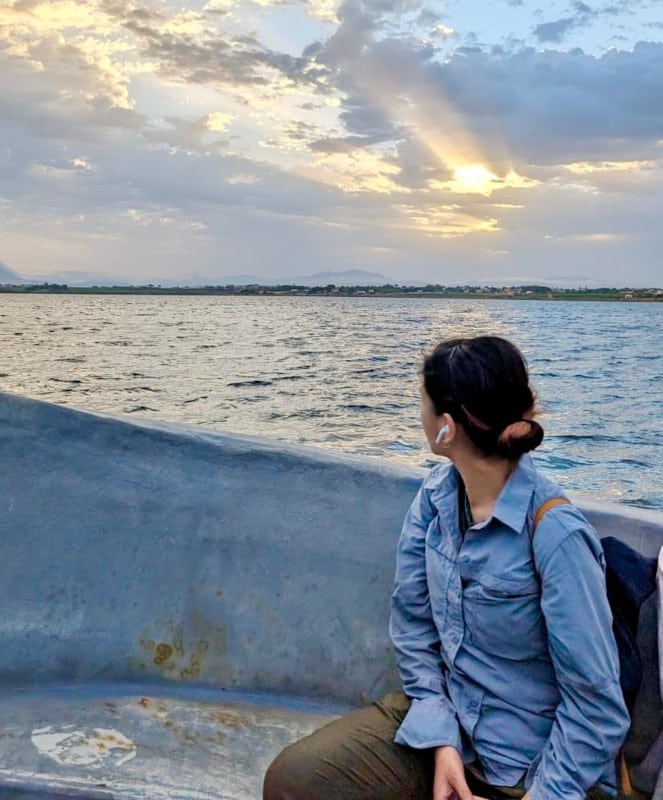
Taking the ferry to the island.

The ferry to the island took about twenty minutes. The passing scenery on the water was very beautiful, and I often found it almost meditative. Once we arrived on the island, the day truly began. We trekked up from the dock to the dig house and before starting anything else, made sure to brew dark, strong coffee. Then we would each go off and sort out our own responsibilities. For me, that meant getting out the magnetometer. We used a Bartington Grad601, a compact instrument with two sensor rods, one on each end of a rigid carrying bar. The instrument is held in front of the user and has a harness which is usually hooked onto a backpack. It is relatively light and easy to carry. The hardest part of its usage is actually very straightforward: in order for the data to be taken correctly, the user has to step in a specific beat, like band marching. When you use the Bartington enough times, it begins to have an effect on your everyday walking. At the end of the day, I would often find that I was walking in the same regulated beat even when I was no longer carrying the instrument.

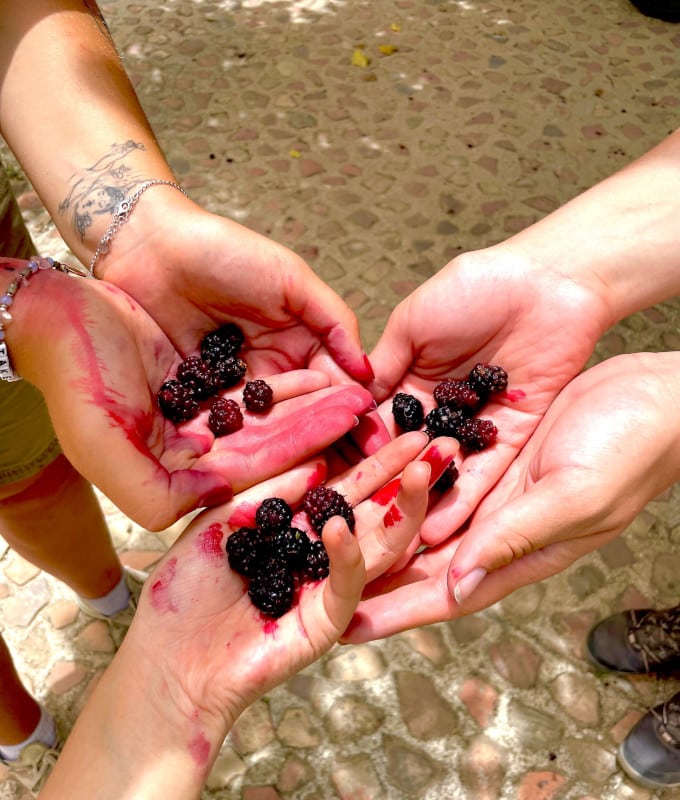
Picking mulberries from the tree outside the dig house.

The survey area I was focusing on this season was an olive grove to the northeast of the island. I walked the magnetometer between the rows of trees and occasionally ran straight into low-hanging branches. I walked into one hard enough once that it knocked me on my back. Such are the hazards of keeping your head down to make sure you’re stepping in time.

The salt flats.
The salt flats.

The data, once processed, made the many times I banged myself into a tree or two worth it. The magnetometry revealed major roads in line with those in other parts of the city, as well as some walls which suggest building foundations. Larger scholarly understanding of Punic urban architecture is actually fairly limited, so this kind of data makes a significant contribution to the subject. At the end of the day, I and my teammates would pack everything up: the ropes used to delineate where I would walk, the magnetometer going back in its case, my water bottle and sunscreen dropped unceremoniously in my bag. We would take the ferry back at 6pm, be back at our accommodations by 7pm, and then have a hearty, much looked-forward-to dinner. And then we’d do it all again tomorrow.

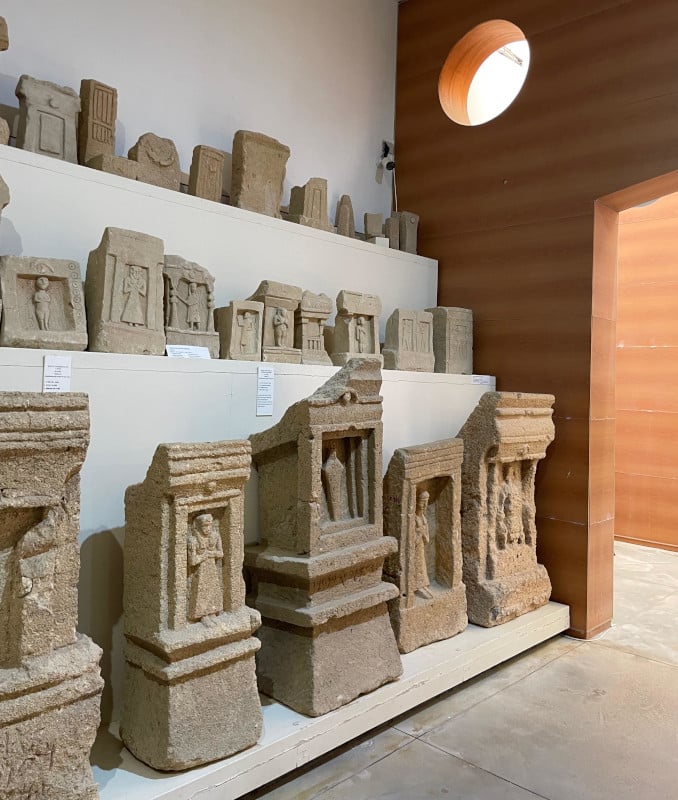
Tombstones from Motya's necropolis.

Helen Wong is a PhD candidate in the Art and Archaeology of the Mediterranean World (AAMW) program at the University of Pennsylvania. Her dissertation focuses on funerary rituals and mortuary landscapes in Hellenistic Phoenicia. She is currently the Bothmer Fellow in Greek and Roman Art at the Metropolitan Museum of Art.

Want to help more students and early career archaeologists get into the field? Donate to the cause today by selecting “Fieldwork Scholarships” as your gift purpose!
2026 Fieldwork Opportunities

2026 Fieldwork Opportunities

Team members at Çadır Höyük, Turkey.

Are you a student or volunteer looking to join an ASOR-affiliated project for fieldwork? The projects below all have fieldwork planned for 2026. Check out the project websites to find the one that is right for you.

Once you’ve found a project, we encourage you to apply for a 2026 Scholarship for Fieldwork Participation. These scholarships are $2,000 and support your travel and participation on an ASOR-afilliated project.

If you’re a project director or specialist on an ASOR-affiliated project, you are invited to apply for 2026 Project Grants. Project grants vary from $2,500 to $5,000. If you’d like your project listed below, please email programs@asor.org.

The deadline for both Fieldwork Scholarships and Project Grants is February 23, 2026.

Note: while some projects may be conducting fieldwork in 2026, not all of them are taking students or new team members. Please check with the project director and staff. The full list of ASOR-affiliated projects can be found here. 

Syeda Sukena Zehra working with the Gadachrili Gora Regional Archaeological Project Expedition in Georgia.

Georgia

Hannah Borotsik laying out tile from the Athenian Agora excavations. Photo by James Razumoff.

Hannah Borotsik laying out tile from the Athenian Agora excavations. Photo by James Razumoff.

Greece

Megan Nishida working with the Kites in Context team in Jordan.

Megan Nishida working with the Kites in Context team in Jordan.

Jordan

The team during our Open Doors Day for the public. Photo credit A. Smith

Menorca Archaeological Project team at Torre d’en Galmes in 2024. Photo credit A. Smith

Spain

 
Talia Neelis and team members at Kissonerga-Skalia, Cyprus in 2025.

Want to help more students and early career archaeologists get into the field? Donate to the cause today by selecting “Fieldwork Scholarships” as your gift purpose!
Harris Grant Report: Alalakh/Tell Atchana

2025 Harris Grant Report: Documenting Archival Dynamics in the Late Bronze Age: A New Archive of Cuneiform Tablets from Alalakh/Tell Atchana

Jacob Lauinger, Johns Hopkins University; Zeynep Türker, Johns Hopkins University; Murat Akar, Hatay Mustafa Kemal Üniversitesi[1]

This past summer, with the generous support of a Charles Harris Project Grant, a team of PhD students in the Departments of Near Eastern Studies and History of Art at Johns Hopkins University joined the ASOR affiliated Turkish Ministry of Culture & Tourism and Mustafa Kemal University excavations at Tell Atchana, ancient Alalakh, in Hatay, Türkiye, which are under the direction of Murat Akar, to investigate one of the most promising discoveries made at the site in recent years: the possible remains of a Late Bronze Age archive of cuneiform tablets. What made this group of excavators distinctive was that each student had been trained not only in archaeology but also in reading Akkadian cuneiform, bringing together the two areas of expertise needed to recover and document such an archive with exceptional care.

Figure 1: Johns Hopkins PhD students (left to right): Defne Bilgili; Kyle Dillon; Lauren Cook; Zeynep Türker; and Faith Myrick.

Background to the Project

Following the devastating 2023 earthquakes, over the past three years the excavation team has focused on restoring the iconic Bronze Age monuments originally excavated by Sir Leonard Woolley in the 1930s and 1940s. Further restoration efforts have included the stabilization of sections of the Area 1 squares excavated between 2003 and 2016, adjacent to the Level IV Palace and the Administrative Castle Complex. This large-scale restoration program, partially funded by the ASOR Shepard Urgent Action Grant in 2023, has also led to new discoveries at the site.

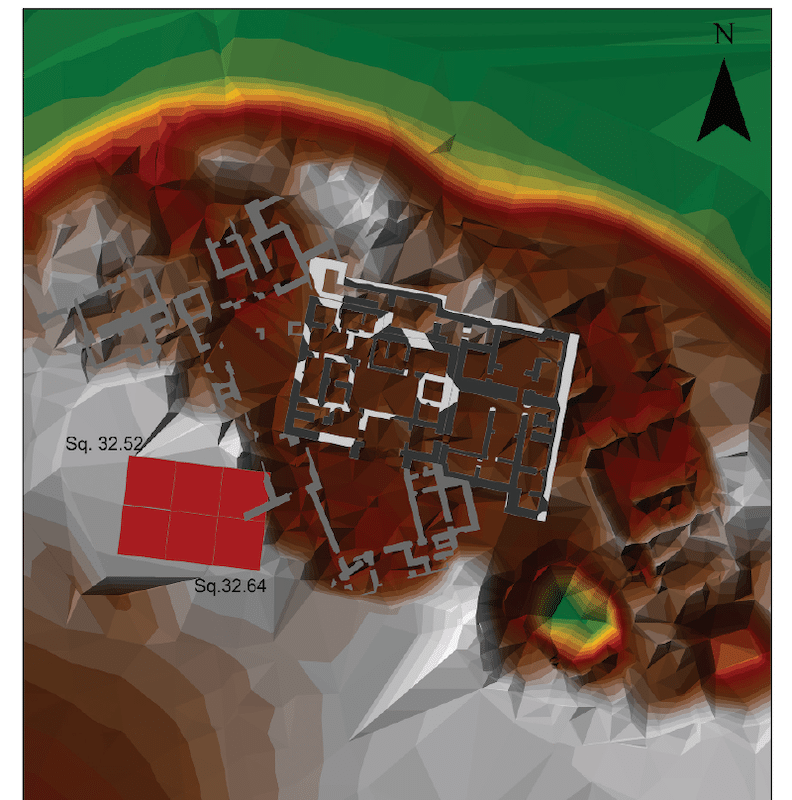
In particular, four cuneiform tablets were discovered during cleaning and stabilization operations conducted in the southern section of Sq. 32.54 in the 2024 season. One of the team’s experienced field supervisors, Baran Kerim Ecer, spotted the tablets within an extremely burnt deposit sealed by the succeeding building phase known as the Hittite Fortress. To test the possibility that additional texts may have survived, the 2025 excavation season was planned to include work in Sq. 32.64 (south of Sq. 32.54), which had previously been explored only on a limited scale.

Accordingly, project excavation’s staff epigraphers, Jacob Lauinger and Zeynep Türker, applied to ASOR for a Charles Harris Project Grant. The funds provided by the Turkish Ministry of Culture and Tourism and ASOR enabled the excavation team to carry out 16 weeks (!) of intensive fieldwork. The targeted burnt deposit was sealed beneath the massive mudbrick foundations of the Hittite Fortress, previously explored in the adjacent squares and published as part of the Alalakh Excavations second monograph (Figure 2).

The location of Sq.32.64 in relation to Level IV Palace and the Administrative Castle Complex

Excavations in Sq. 32.64

Excavations began in May, and the first eight weeks were devoted solely to understanding the architectural layout and the stratigraphic relationship between the Level II–III Hittite Fortress and the burnt deposit (Level IV) beneath it. This initial phase of work was conducted by Arman Alp, an MKU graduate student trained at Tell Atchana. The team of PhD students from Johns Hopkins arrived at the Tell Atchana Excavations and Amuq Valley Reseach Center in July to begin the excavation of the Level IV burnt deposit. The square was under the supervision of Zeynep Türker and Lauren Cook, both of whom had previously gained field experience at Tell Atchana and were familiar with the site’s stratigraphy thanks to ASOR’s travel grant program for PhD students.

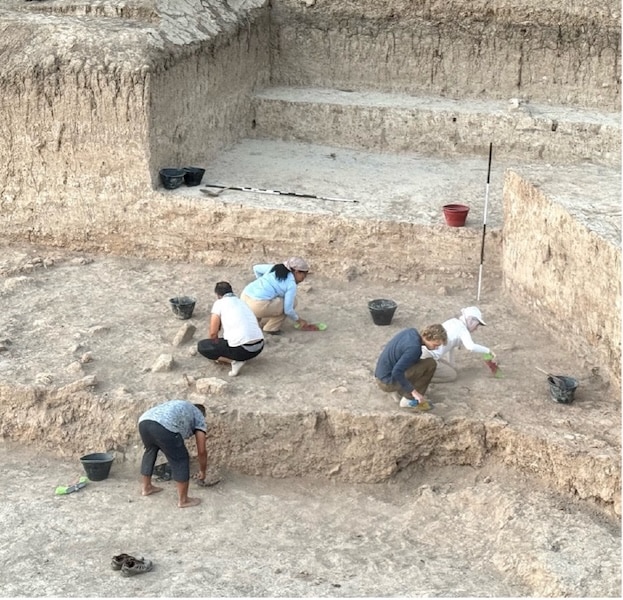
Once the Hittite Fortress level had been fully explored within the boundaries of the square, an area measuring 7 × 5 meters in the northern half was initially leveled down to reach the burnt deposit. Following the removal of the fortress foundations, and contrary to the typical practice in Near Eastern archaeology, the project adopted a “Do-It-Yourself” policy. Only a skilled and experienced team of archaeologists, assisted by archaeology students, worked in the trench due to the extremely delicate nature of the context (Figs 3-6). The excavations almost immediately confirmed our initial assessments: more than a dozen tablets and fragments were recovered from this relatively small exposure, along with seal impressions and sealing materials (Fig 7).

Many of the tablets were discovered in the burnt destruction layer containing collapsed mudbricks, large carbon deposits, and dense concentrations of pottery, as well as ornaments made of gold and faience. The burnt deposit partially exposed on the northern section of Sq.32.64 is understood to be very thick and due to delicate and slow excavation methodology applied, the associated floor levels has not been reached yet. Therefore, it was decided to explore this level to the full extent of the square in order to better understand the architectural layout and the contextual distribution of the finds. At present, excavations are still ongoing at the site, carried out by the core members of the Alalakh excavation team, with the aim of removing the remaining portions of the Hittite Fortress, preparing the area for continued exploration that will further investigate the burnt level beneath, in 2026 (Fig. 8).

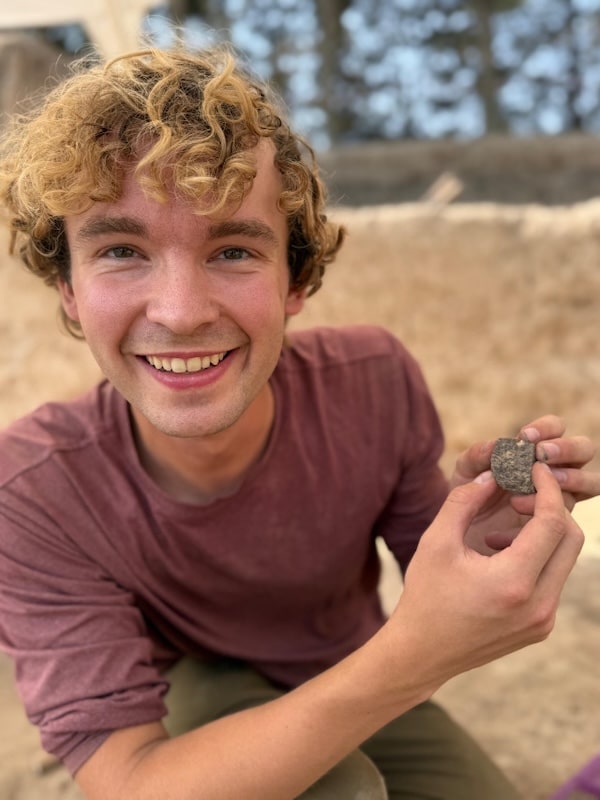
Figure 3: Kyle Dillon holding a cuneiform tablet that he discovered.
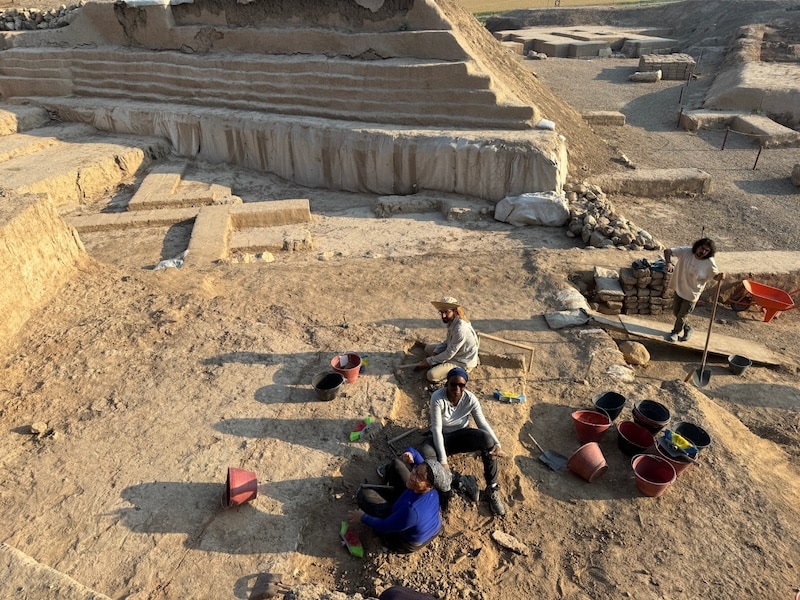
Figure 4: Lauren Cook. Faith Myrick, Arman Alp, and Baran Kerim Ecer excavating in Sq. 32.64 in which the cuneiform tablets were found.
Figure 5: Lauren Cook, Kathrine Shields, Kyle Dillon, Abdullah Öz, and Haluk Ergil cleaning in Sq. 32.64.
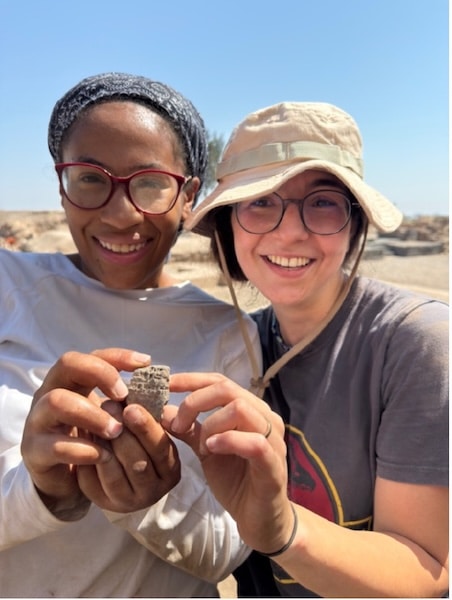
Figure 6: Lauren Cook and Zeynep Türker, holding a cuneiform tablet that they discovered.
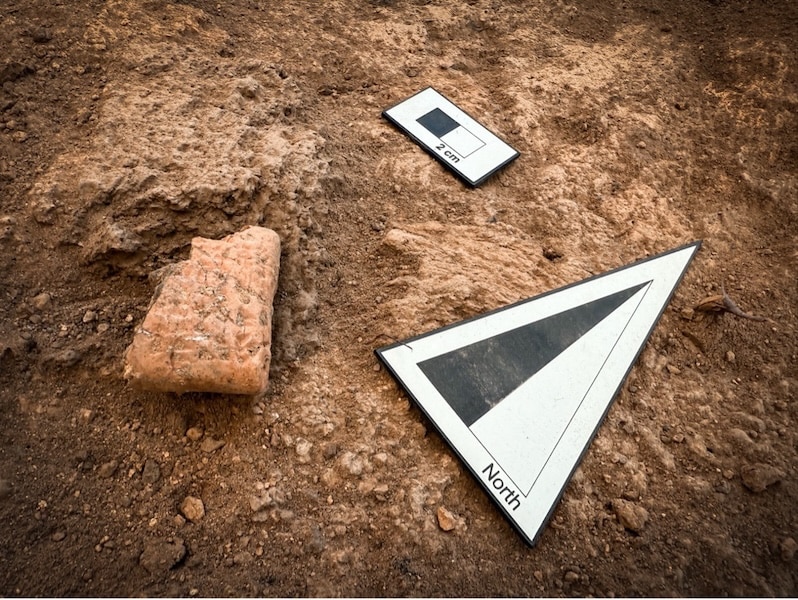
Figure 7: A tablet fragment photographed in situ.
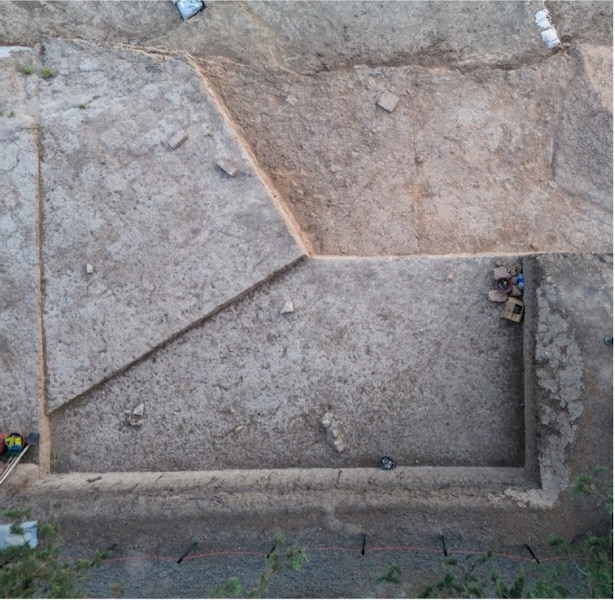
Figure 8: Aerial view of Sq. 32.64 with the Hittite Fortress above (Level II-III) and the exposed burnt deposit below (Level IV) where tablets were revealed.

Most of Alalakh’s tablets were excavated in the 1930s and 1940s, often with limited documentation of their archaeological context. The discovery of this new archive provides a rare opportunity to examine such material in situ. Each tablet was photographed and recorded with a total station to document their spatial distribution in a three-dimensional context. The associated organic materials were collected for radiocarbon analysis, and soil samples were carefully taken to preserve contextual information for future study. All excavated soil was sifted, allowing the recovery of additional seal impressions and tablet fragments smaller than a thumbnail, demonstrating the necessity of employing a meticulous excavation strategy. The finds were then carefully transferred to the Tell Atchana Excavations and the Amuq Valley Research Center. In close cooperation with Jacob Lauinger and Zeynep Türker, the cleaning and conservation of the tablets were carried out by Hatice Nur Aydın, a highly skilled conservator who has specialized in tablet restoration due to the large number of tablets recovered at the site over the past three years (Fig 9). This process was followed by high-resolution photographic documentation prior to in-depth epigraphic study.

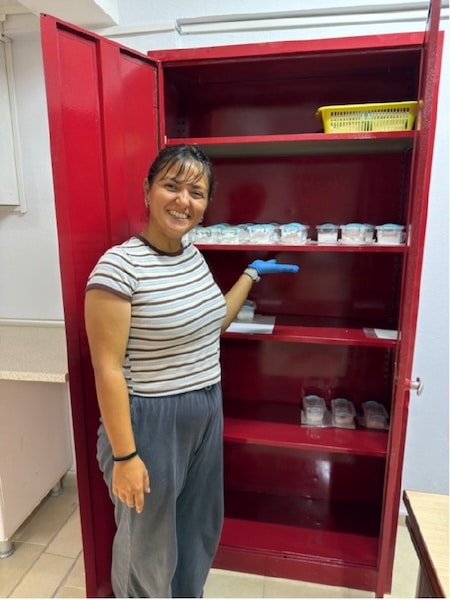
Figure 9: The red cabinet of curiosity at Tell Atchana Excavations laboratory where newly found tablets are stored prior to their allocation to the Hatay Archaeological Musuem.

Re-Excavating the Level IV Palace

While the Sq. 32.64 team focused on exploring this previously untouched area of the Royal Precinct of Alalakh, another team concentrated their efforts on re-excavating the Level IV Palace. Many of the rooms had been filled with decayed mudbrick following the original excavations of the monument in the 1930s, while others contained backfill from Woolley’s excavation dumps. This line of work has also led to exciting new discoveries, including additional tablets from the palace that are contemporary with those from Sq. 32.64. Together, these finds provide new perspectives on Woolley’s legacy excavations at Tell Atchana and the associated archival data (Fig 10).

Figure 10: Re-excavation and restoration of the Level IV Palace which revealed new epigraphic data.

Conclusion

Although further excavation will be necessary to confirm the architectural layout and extent of the deposit and further conservation and study of the cuneiform tablets is required to fully grasp the nature of their documentation and to integrate them with other cuneiform tablets from both the site and the larger region, this new archive promises to add valuable new data to our understanding of Alalakh and its Late Bronze Age society.

Preliminary assessment of the content of the tablets suggests that most of them are administrative in nature (although two are legal texts). The administrative texts record diverse matters such as personnel, the disbursement of goods, and furniture. In other words, both the context and also the content of the tablets strongly suggest that we are dealing with the remains of an archive located in a building in this area of Alalakh’s palace-castle complex. This brings up to possibility of exploring another self-contained administrative building adjacent to the Level IV palace.

The 2025 season brought exciting leads but also with many open questions. In 2026, excavation of the square will continue in order to clarify the extent of the archive and the nature of the space in which it was stored. The international team of archaeologists including the Johns Hopkins University graduate students are eager to be back at the site. Working closely with the Hatay Archaeological Museum, the team is committed to preserving these finds and sharing their significance with both scholars and the local community. We are deeply grateful to ASOR for supporting this work possible. Your support allowed our team to carefully excavate, document, and study what may prove to be one of the most important discoveries at Alalakh since the renewed excavations began at the site over twenty years ago.

[1] The excavations at Tell Atchana, Alalakh are carried out with the generous support of the Republic of Türkiye’s Ministry of Culture and Tourism, the Geleceğe Miras (Heritage for the Future) initiative, and funds provided through the Hatay Governorship. Special acknowledgment is extended to Governor Mustafa Masatlı for his invaluable support of the 2025 excavation season. The authors also thank Lauren Cook for sharing her report on Sq. 32.64. Of course, any errors are entirely our own responsibility.