
Collections Fellowship Report: Laura Alvarez

Me and We in the Mirror. A Study of Self and Other from Mesopotamia to the Levantine Coast during the Fourth and Second Millennia BCE 

Laura Alvarez, University of Cambridge, 2025 Study of Collections Fellowship Recipient

From the beginning of the fourth millennium BCE, small circular mirrors in copper alloy started appearing in funerary and temple contexts across Mesopotamia and the Levantine coast. What might seem a banal object in fact marks a major milestone in the history of both technology and perception, as mirrors offer a means of accessing what would otherwise be invisible to us directly: the face, in a left–right reversed and sometimes distorted image. Where reflections had previously been fleeting glimpses in water, mirrors now provided a more stable, manipulable, and portable medium.

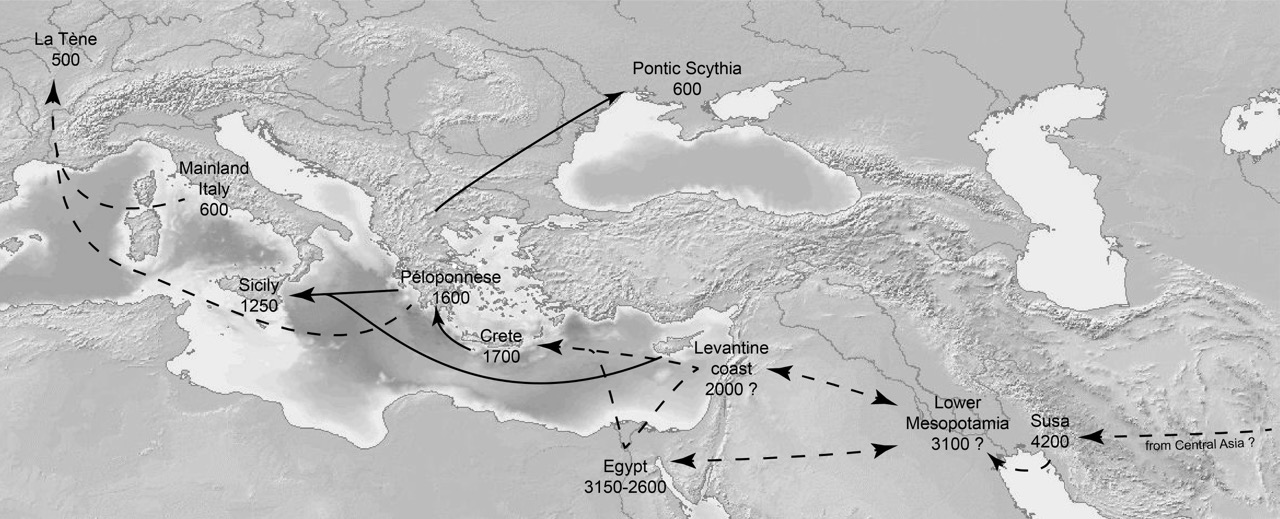
Map of the earliest dates of metal mirror from Western Asia to Europe, with possible paths of spread across Eurasia.

For many years, I have wondered how mirrors may have altered perceptions of oneself and others, disrupted relational structures, or suggested new ways of conceptualising the world. A well-known historical parallel is the development of mirrors in seventeenth-century Europe, which coincided with the rise of the bourgeoisie, new notions of individuality, and the emergence of intimacy and personal comfort. But even earlier, in 12th Dynasty Egypt, Ipuwer evoked the image of a woman who once had to gaze at her reflection in water but now owned a mirror (Papyrus Leiden I 344 recto) as a way of expressing the upheaval of social revolution: access to self-awareness, once dictated by hierarchy, was shifting. Much like the performative nature of status at Versailles, this demonstrates how mirrors could become instruments of social and ideological transformation as far back as the Chalcolithic and Bronze Age periods.

In this project, my aim is to attempt to reconstruct the experiences of people interacting with mirrors, seeking insights into their perceptions of reflections and the symbolism attached to these objects. Since 2022 I have been building a dataset of mirrors from Syria, Palestine–Israel, Lebanon, Jordan, Iraq and western Iran, and have studied numerous collections worldwide.

The ASOR Study of Collections Fellowship provided the critical final support needed to complete the data collection phase of the project, which involved visiting the archaeological collections at the Louvre and the Baghdad Museum. The latter houses numerous mirrors from Agrab, Khafajeh and Kish-Tell Ingharra, Ur, Uruk, Khafajeh and Asmar, most of which remain unpublished. Although part of the work was hindered by the closure of regional airspace in mid-June, which forced the postponement of travel, I expect to conduct research in Iraq in the autumn or winter. The ultimate goal of this project is to produce a monograph, the Corpus Speculorum Orientis, restoring to this material a scholarly standing long minimised.

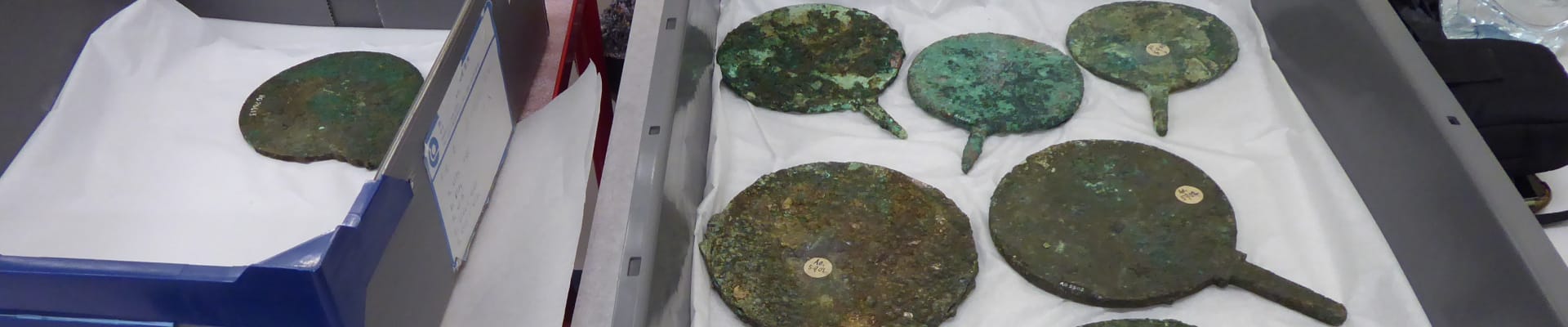
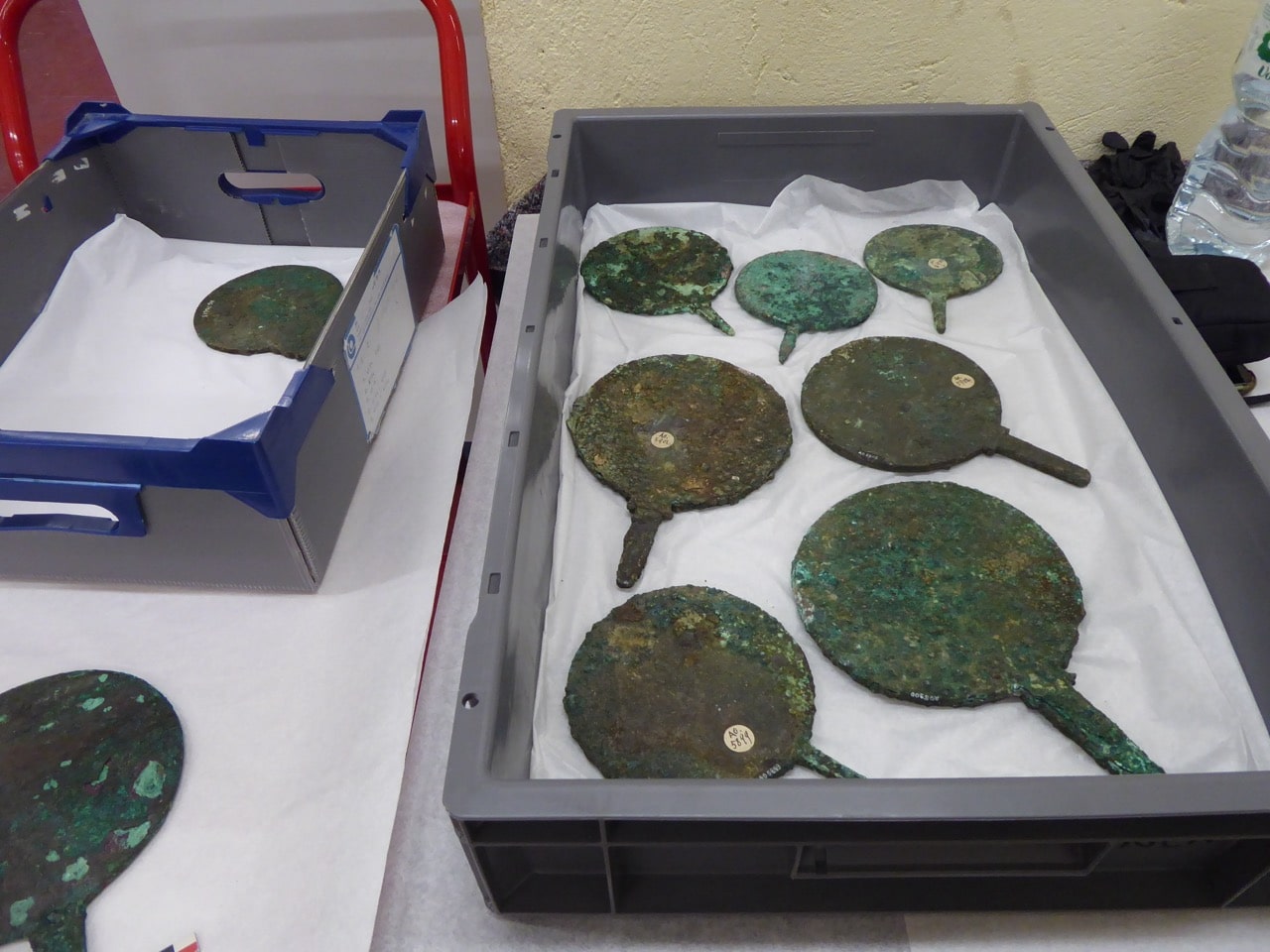
Copper-alloy mirrors from the collections of the Louvre Museum (photograph: Laura Alvarez).

The ASOR Study of Collections Fellowship provided the critical final support needed to complete the data collection phase of the project, which involved visiting the archaeological collections at the Louvre and the Baghdad Museum. The latter houses numerous mirrors from Agrab, Khafajeh and Kish-Tell Ingharra, Ur, Uruk, Khafajeh and Asmar, most of which remain unpublished. Although part of the work was hindered by the closure of regional airspace in mid-June, which forced the postponement of travel, I expect to conduct research in Iraq in the autumn or winter. The ultimate goal of this project is to produce a monograph, the Corpus Speculorum Orientis, restoring to this material a scholarly standing long minimised.

At the Louvre, I investigated ten mirrors from Sidon, acquired through the museum’s antiquities networks of Louvre curator Eugène Ledrain, whom aimed to expand the French knowledge of Levantine culture with the institutional objective of enriching the museum’s collections. I also studied mirrors from the coastal site of Ugarit (Ras Shamra), brought to Paris in the course of French excavations during the colonial and Mandate periods of the early twentieth century. In examining these objects, I paid particular attention to any surviving traces of engraved decoration, similar to those I have observed on mirrors from the Diyala region in Iraq.

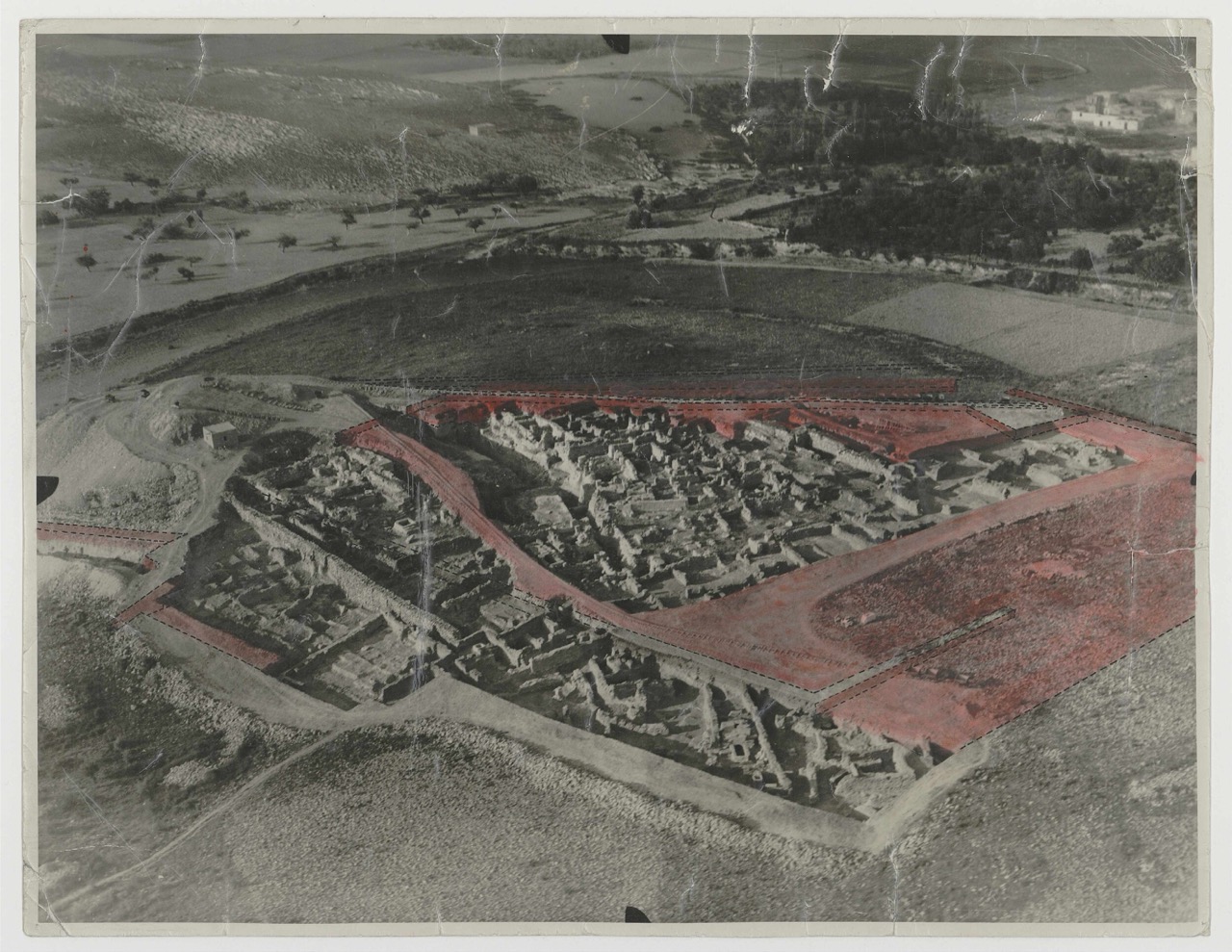
Undated aerial photograph of Ugarit, from the Schaeffer fonds, Collège de France, archival reference 16 Fi 1/329-h.

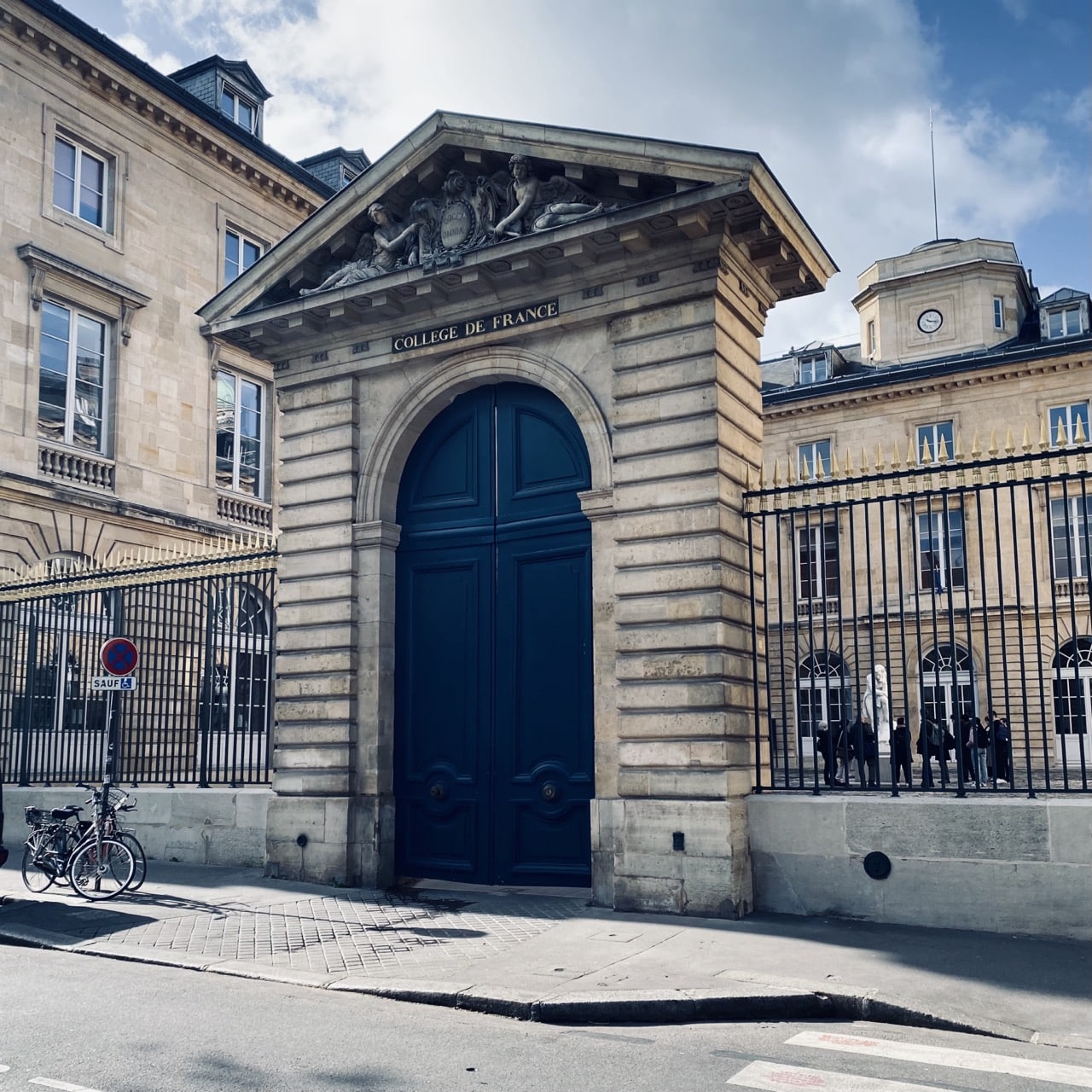
During this stay, I took the opportunity to consult the Collège de France archives, which preserve excavation documents of Claude Schaeffer, who directed work at Ras Shamra in the first half of the twentieth century, as well as to visit the National Museum of Archaeology at Saint-Germain-en-Laye (Musée d’archéologie nationale, MAN), located about an hour from Paris, which preserves material from Ugarit and its harbour, Minet el-Beida.

Entrance of the Collège de France from Place Marcelin Berthelot (photograph: Laura Alvarez).

Fieldwork Report: Amiella Musser

A Summer in the Pit

Amiella Musser, 2025 ASOR Stevan B. Dana Fieldwork Scholarship

Though I often say I spent my summer “digging in the dirt” in a somewhat humorous way, the truth is I spent the summer learning that archaeology is more than a fascinating discipline to me—it is a lifestyle that I love. Waking up at 4:30 a.m. to be at the site by 5:00, we would get as much done as possible before our 7:30 “coffee pause,” a quick but necessary break. Afterward, we had a couple more hours of digging before breakfast, and then more digging until our day ended at 1:00 p.m. But that wasn’t really the end of the day, because then came pottery washing. Though tedious, it was an opportunity to hear from others about what was going on in their areas, what finds had been uncovered, and what they knew about the site—or others in the region.
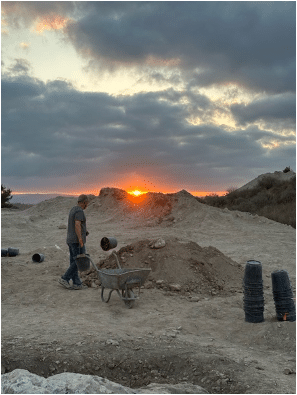
A sunrise at Azekah, one of many.
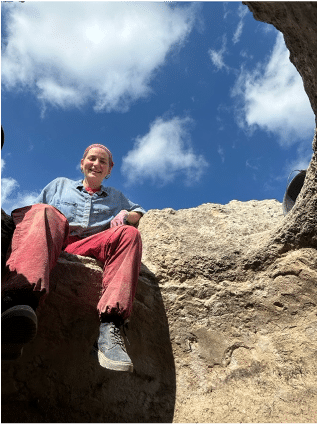
A quick break to get some fresh air and water outside of the pit

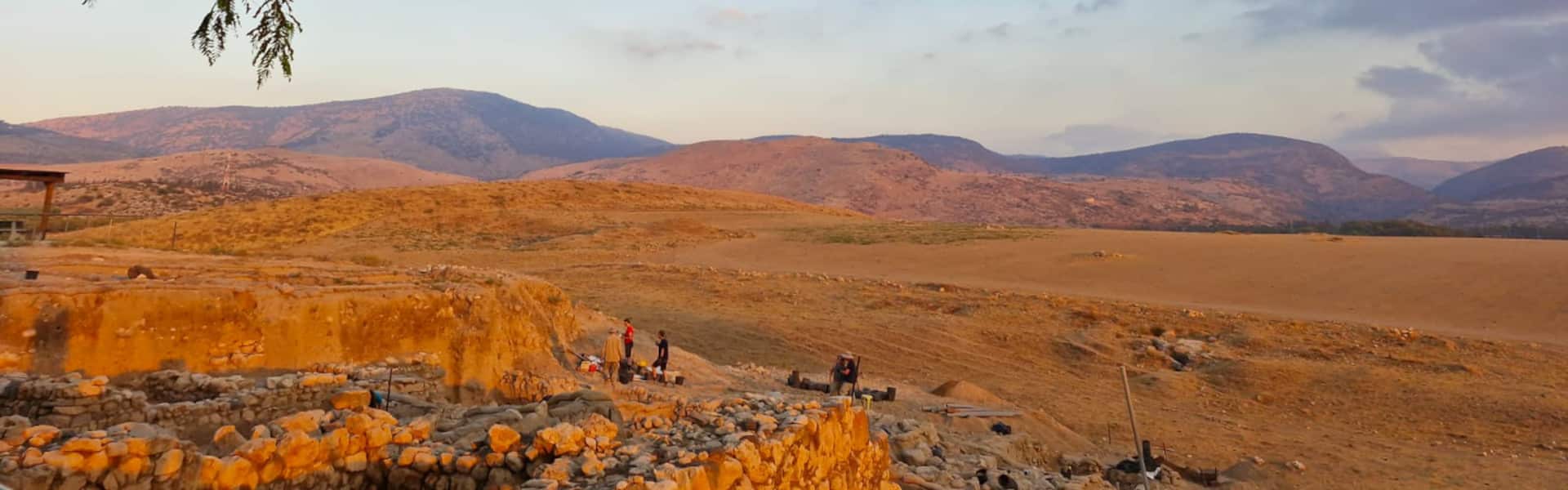
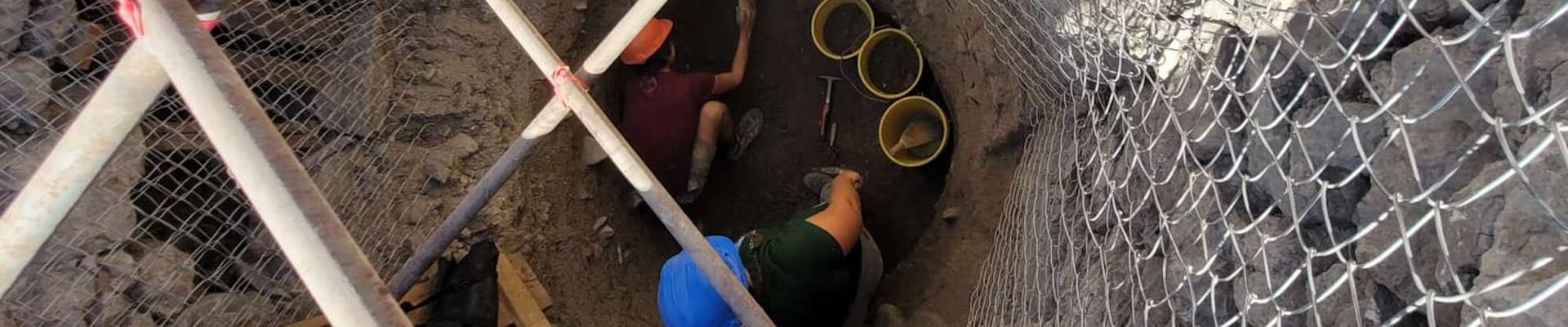
I worked in what became known as “Gadi’s Pit,” named for the assistant supervisor who oversaw its excavation. The site is Tel Azekah in the heart of the Shephelah. It’s a large area with so much left to discover, even alongside everything already uncovered. I exposed the entrance to what we initially thought was a cistern, but as we dug deeper we realized it was more than that, despite the deceptively simple first week. The Tel has a water system that has not yet been excavated, but the area I was working in seems to have some connection to it. The work was addictive. Every morning I woke up looking forward to getting back into the pit, and even during breakfast you could hear me saying how much I wanted to return. Unfortunately, I wasn’t able to reach the bottom this season, but it was not for lack of effort. If you were to meet my field supervisors, they would probably tell you they were mildly concerned at times about me ever leaving the pit. Little did they know I was just avoiding the sun in the most effective way possible—being two meters underground.
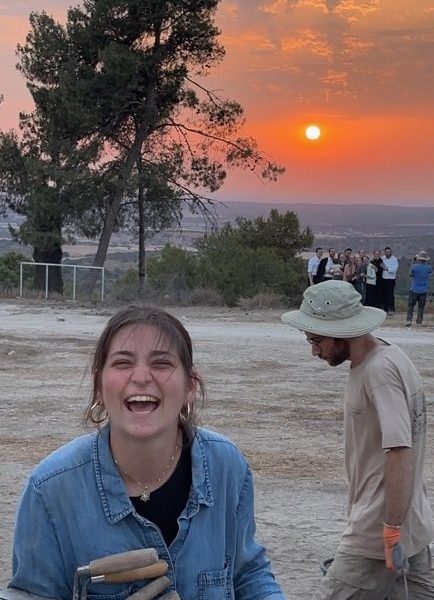
A sunset at Azekah while we were breaking down for the night, one of those days we tried to avoid the heat by working early morning and evening.
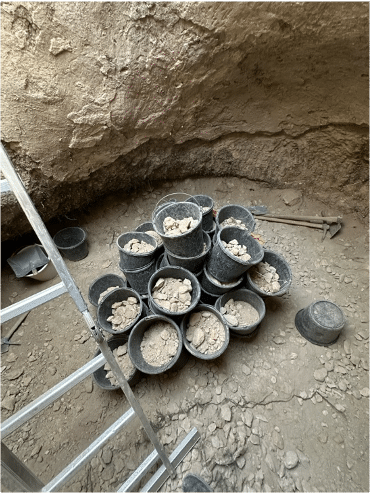
Buckets stacked triple high inside the pit while excavating. At this point it was about 2 Meters deep.

This summer had record-breaking heat day after day—so much so that we had to shorten and adjust our workdays in order to avoid it. Some days we left the site at 10 a.m. and returned at 5 p.m. to work into the evening, avoiding the harshest hours of the sun. The unusual schedule on those days made the work strangely more exhausting, even with the much-appreciated popsicle breaks meant to counteract the heat. Even then, I often found myself uninterested in truly taking a break. As strange as it may sound, among the many things I learned this summer (and there were many), the one I think is most important is how to take a break. Feeling the boost of energy it gave me—and seeing it in the team around me—I realized how valuable a ten-minute pause is. Our work in the first hour after a break always seemed to be the most productive. In general, we were quite an efficient team, with complementary skill sets, a lot of good humor, and thankfully a relatively good taste in music.
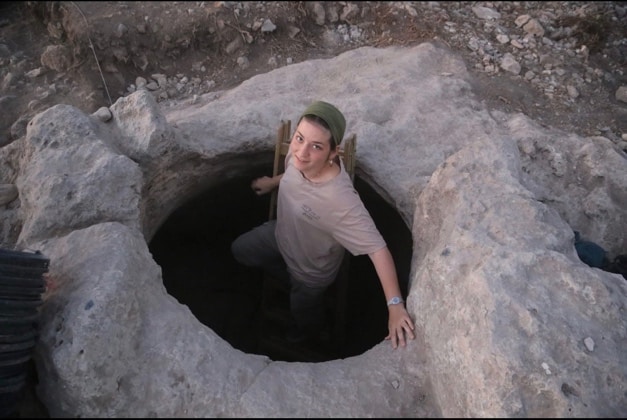
Me coming out of the pit after passing up buckets, normally we would empty 20 at a time, but at one point it got up to as many as 60.

It is simply the truth to say that excavation is hard work. Pickaxes, as fun to wield as they are, get heavy. Heat is more than uncomfortable; it exhausts you in ways you don’t notice until later. Dumping hundreds of buckets a day into what becomes a mountain works muscles you didn’t even know existed. You would think all this might make you want to never return to a site, yet it has the opposite effect. The conversations you have while pickaxing away, the strength you feel at the end of a season, the information you learn every moment—it draws you in. It’s been a couple of weeks since I left Azekah, and I have to say, I miss it. Though it’s still months away, I look forward to future excavation seasons.
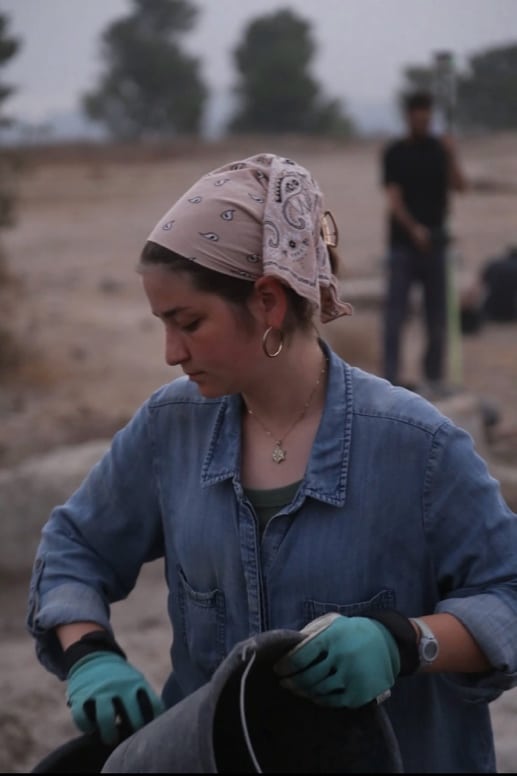
One of the days I was working above-ground, some days it was too hot to work inside the pit since it trapped the heat and humidity in.

Amiella is an undergraduate student double-majoring in Archaeology and International Studies at Dickinson College in Pennsylvania. Archaeology is what she lives and breathes – she has known for a long time that this is what she wants to do with her life, and every year of learning and doing more with it only affirms that! As much as she loves the “digging-in-the-dirt” aspect of archaeology, Amiella hopes that she can build her career and make it more accessible to anyone who wants to learn more about our ancient past.

The Lautenschläger Azekah Expedition website
Facebook: The Lautenschläger Azekah Expedition
Instagram: @azekah_excavations

Want to help more students and early career archaeologists get into the field? Donate to the cause today by selecting “Fieldwork Scholarships” as your gift purpose!

President’s Report to ASOR Members

President’s Report to ASOR Members

May 18, 2026

Dear ASOR Friends,

May was an exceptionally busy month for ASOR’s Board and Committees. I write this letter as part of an on-going plan to keep you up to date on decisions made by the ASOR Board of Trustees and Executive Committee, a request made by many of our members who wish to have a broader understanding of ASOR’s focus and accomplishments. Going forward, you can expect to hear from me on a regular basis.

One of the more important decisions we made was to adopt a Values Statement and a Strategic Plan, which were drafted by the Taskforce on the Strategic Plan and passed unanimously by the Board. In a complex and sometimes chaotic world, it is important to state our shared values and strategic direction as an organization. I really appreciate the members of the Taskforce and Trustees who worked creatively over the course of a year to crystallize our shared sense of purpose. While you can find both the Values Statement and the Strategic Plan prominently displayed on the website, you can get a sense of both below, even as I urge you to read the statements in full.

Values Statement
ASOR is a broad community of individuals who are committed to upholding the following values with integrity as we pursue ASOR’s mission.

Curiosity: To sustain ASOR’s intellectual vitality by advancing excellence, exploring new ideas, skills and methods of research, and disseminating evidence-based knowledge.

Collaboration: To create a welcoming, open environment that respects disparate viewpoints while fostering a sharing of opportunities and resources.

Stewardship: To work with all stakeholders with dignity, courtesy, and fairness; to maintain financial discipline; and to support the responsible management, preservation, and protection of cultural heritage and the communities we work with and within.

Transparency: To communicate openly and honestly; to share conscientiously and often with stakeholders across the scholarly and public landscape.

Strategic Plan 2026 – 2030
ASOR’s Place in the World: ASOR encourages the study of the past through archaeological, historical, art historical, linguistic, and cultural research, along with conservation by fostering conversations about our members’ research and the impact of our studies on the contemporary world. ASOR members promote the preservation of cultural heritage as it relates to global history. Over the next five to ten years, ASOR will undertake the following initiatives to demonstrate our conception of our role in the world.

1. Support high-quality academic research in various venues, giving space for innovative, paradigm-shifting contributions, for example in ASOR’s publications, annual meeting sessions and workshops, and early career scholars and Friends of ASOR activities.

2. Cultivate partnerships in all educational and outreach efforts through the work of ASOR committees and overseas centers.

3. Further develop relationships and collaborative research with local stakeholders and especially affiliated overseas centers, in order to enhance the understanding, preservation, and viability of cultural heritage related to our members’ research and local needs.

4. Assist members in the practical and financial aspects of international research through enlargement of our ongoing grants programs as well as creating and furnishing venues for providing expert information and counsel.

Looking Outward: We aspire to be a leader, communicator, and supporter of innovative, high-quality, forward-thinking scholarship, education, and partnerships related to the study of the Mediterranean to the Indian Ocean, from Europe to the African Sahel.

1. Strengthen existing platforms and media and activate new fora for scholars and the public alike to enlarge the impact of our members’ contributions to the study of the past as an essential aspect of solutions to issues of today.

2. Increase collaborative educational initiatives geared towards the public and primary and secondary education classroom settings.

3. Develop clear strategies and policies for public-facing outreach and clear communication strategies for access, including translations of materials, for members and other interested parties.

Preparation for the Future: ASOR seeks to continue to expand the audience for its work beyond traditional academics to enhance public understanding of the past and its impact on the present. We aim to support question-based research in the production and preservation of knowledge in the world. ASOR supports diversity that broadens the fields of archaeology, history, art history, linguistics, cultural research and conservation beyond traditional academic careers, by mentoring and supporting early career scholars and scholars in partner countries, and by providing archaeological and technical training for a broad range of interested individuals. ASOR will continue to create and foster support from a broad range of sources to maintain ASOR’s financial stability and resources for our growing membership.

1. Continue expanding and engaging ASOR’s membership, including efforts to increase membership and engagement from groups underrepresented in the field.

2. Foster opportunities through mentorship and skills development to prepare members for diverse fields in a rapidly-shifting social and economic environment. Harness the experience of ASOR’s membership to guide members along their chosen paths.

3. Enhance funding relationships to accomplish our mission and strategic goals.

New Board Trustees
Kiersten Neumann, a Membership-Elected Trustee, was elected an Institutional Trustee, class of 2026, moving into a slot vacated by Eric Cline, President of the W.F. Albright Institute for Archaeological Research (AIAR), who retained his other seat as Overseas Institute Trustee.
Sarah Costello became a Membership-Elected Trustee, class of 2026.

Cultural Heritage
ASOR has an extraordinary ability to bring together scholars from archaeology, art history, history, science and other fields to protect and study cultural heritage and share its importance with the public. This is especially important as sites are being threatened or destroyed.

ASOR has become an organization that our overseas partners look to as they seek to begin, enhance or find help for their cultural heritage work. Through the hard work of our CH staff, ASOR has been the recipient of several grants, some through the US Department of State, to:

  • partner with Libya’s Department of Antiquities to document and repair flood damage at the archaeological sites of Cyrene, Ptolemais and Tocra;
  • work collaboratively with the Department of Antiquities of Sudan to strengthen site security and rebuild infrastructure at the Sudan National Museum in Khartoum;
  • sign Memoranda of Understanding with the National Heritage Institute (INP) in Tunisia for work in-country, the University of Lausanne for work in Syria, and the U.S. Committee of the Blue Shield for protection of cultural heritage world-wide.


Policy Discussions

Over the past year, the Programs Committee, the Committee on Archaeological Research and Policy, and the Committee on Publications have asked the Executive Committee and Board for guidance on issues outlined in ASOR’s current Code of Professional Conduct. The Board, after much deliberation and discussion, concurred that some of the language should be updated and revised. I have convened a taskforce to re-examine and rewrite the Code to provide clearer direction for members and committees. This taskforce is in the earliest stages of work, which will be complex and guided by ASOR’s recently approved Values Statement. Trustees would like to hear from you and I would appreciate your help by participating in a committee or contact me at president@asor.org.

As a corollary to this discussion, the Board affirmed that, as an apolitical organization, ASOR will not publish political statements coming officially from the Board.

Committee Participation
To make your voice heard, please consider joining a committee to help shape ASOR’s future. Reach out to the chair of the committee you are interested in serving on; get to know committee members at the Annual Meeting; watch the announcements for committee openings. Much of ASOR’s work is accomplished through committees – ASOR is you!

Best regards,

Jane DeRose Evans
President

Appeal from ASOR’s Board Chair

Excavations at Khirbet al-Mukhayyat in 2023.

Appeal from ASOR’s Board Chair

May 15, 2026

Dear ASOR Friends,

For 125 years, ASOR has been at the forefront of research on the cultures and history of the Near East and wider Mediterranean—supporting fieldwork, mentoring emerging scholars, publishing rigorous scholarship, and helping safeguard cultural heritage in regions where it is most at risk. That mission feels more vital than ever, and it is sustained by a community of members and donors who believe this work matters. Thank you for being part of it.

In about 4 weeks, we will conclude another positive ASOR fiscal year (June 30) with many accomplishments to celebrate.

Just a few months ago, we held our 125th anniversary celebration at the Annual Meeting. At that time, we announced the successful completion of the $5 million ASOR 2025 fundraising initiative, with final results now totaling $6.4 million, including $3.9 million in cash gifts along with $2.5 million in documented legacy gifts. The funds raised position ASOR very well for the future, sustaining the investments we have made to increase our capacity and advance our mission.

More recently, at the spring Board of Trustees meeting, we adopted a new strategic plan to guide us for 2026–2030, as we transition to our new President, Jane DeRose Evans. Alongside the strategic plan, we affirmed four core values for ASOR – curiosity, collaboration, stewardship, and transparency. You can find more on both the strategic plan and values at these links. A big thanks to the members who served on the task forces that shaped this work.

We are proud of our progress at ASOR, but real challenges remain. Ongoing conflict in the Middle East, including the most recent engagement involving the US, Israel, Iran, and other countries in the region, weighs heavily on our community and disrupts fieldwork, partnerships, and heritage we share with colleagues across the area. The environment for federal grants supporting cultural heritage work remains extremely difficult. We have also engaged more seriously in recent years with questions about how our professional conduct policy applies to research in contested territories—difficult conversations that reflect a diverse community committed to thinking carefully about its responsibilities. And despite ASOR maintaining a very healthy balance sheet, with growth overall in assets and endowments, we face another year of drawing on prior-year reserves to balance our operating budget.

With these challenges in mind, the Development Committee, with the support of the Board of Trustees, has committed to meet or exceed our Annual Fund goal of $150,000 for fiscal year 2026 and to increase the goal to $200,000 for fiscal year 2027. This increase reflects the reality that our fundraising needs to keep up with the investments we are making in the talented staff who support our members in carrying out our mission.

As we near the end of the fiscal year on June 30, I ask you to consider an . We are currently about $22,000 short of this year’s goal of $150,000. The Annual Fund is what allows ASOR to deliver its programs year in and year out, and with fewer federal grants supporting our cultural heritage work and community outreach, your participation matters more than ever.

If you have already contributed this fiscal year, thank you. If you haven’t yet made a gift—or if you have given and are in a position to give again at this important moment— I hope you will join me before June 30. I deeply appreciate your support.

Best regards,

Sheldon Fox
Chairman, Board of Trustees

ECS Research in Action: Dr. Leilani Lucas

Early Career Scholars Research in Action: Dr. Leilani Lucas

Archaeology in Action: Reconstructing Culinary Practices in Prehistoric Cyprus from Charred Food Remains

Join ASOR’s Early Career Scholars on May 29, 2026 at 12:00pm ET via Zoom for a virtual Research in Action talk from Dr. Leilani Lucas.

Please join the ASOR Early Career Research in Action Series for a talk led by Dr. Leilani Lucas, Professor of Anthropology at College of Southern Nevada. This talk presents a case study from prehistoric Cyprus applying microstructural analysis to amorphous charred objects (ACOs) and integrating them with archaeobotanical evidence and material culture. Despite their frequent recovery in Cypriot archaeobotanical samples, charred amorphous or unidentifiable plant remains have typically been relegated to brief entries in archaeobotanical tables. This study demonstrates archaeological science in action by applying microstructural analysis to ACOs, enabling the reconstruction of past food preparation and consumption practices. Archaeobotanical research on the island has traditionally focused on the recovery and identification of plant taxa to reconstruct agricultural and subsistence patterns, leaving questions of food processing and consumption technologies underexplored. ACOs recovered from Feature 33 at Kissonerga-Skalia (Late Cypriot IA) are examined as direct evidence of past culinary practices. This study contributes to a growing body of research demonstrating the potential of microstructural analysis to enhance archaeobotanical interpretations of food preparation in the past, while providing the first applications of this approach in Cyprus.

The event is FREE for the ASOR community, but registration is required.

Register Now

2025 Dana Grant Report: Rediscovering Ancient Clay Landscapes


2025 Dana Grant Report: Rediscovering Ancient Clay Landscapes: Geological Prospection for Pottery Making in the Mosul Dam Region

Silvia Amicone, University of Tübingen

In November 2025, thanks to the generous support of the ASOR Stevan B. Dana Project Grant, a geological prospection was conducted along the western shore of the Mosul Dam Lake in the Kurdistan Region of Iraq. This work forms part of the ReLand Project, which investigates the archaeological landscapes of the Upper Tigris region in Iraq through survey, environmental research, and laboratory analysis.

Pottery has been a fundamental element of daily life in northern Mesopotamia for thousands of years. Yet while archaeologists have studied ceramic vessels extensively, much less attention has been given to the natural clay sources that ancient potters relied upon. Today, the shores of the Mosul Dam Lake are undergoing rapid environmental change. Seasonal fluctuations in water levels expose fresh sediment profiles, while erosion threatens to destroy important geological deposits. This moment therefore offers a rare opportunity to document clay sources before they are altered or lost.

During one week of intensive fieldwork, we systematically surveyed wadi banks, and upland slopes. Using GPS mapping, stratigraphic recording, photography, and UAV-based aerial documentation, we identified and recorded clay-rich deposits suitable for pottery production. A total of 32 clays were collected from both residual deposits formed by weathering of local bedrock and fine-grained floodplain sediments associated with wadis (ancient Tigris channels).

These two types of deposits represent different possibilities for ancient ceramic production. Residual clays, often found on slopes and eroded outcrops, are variable in composition and would have required careful preparation by potters. Floodplain clays, in contrast, are finer and more homogeneous, potentially offering highly workable raw materials. Understanding the distribution and properties of these deposits helps us reconstruct how potters selected and managed natural resources. The collected samples will now undergo laboratory analyses, including petrography, X-ray diffraction, and geochemical characterization. Their mineralogical and chemical signatures will be compared with ceramic vessels previously excavated and analyzed at archaeological sites in the region. This comparison will allow us to identify local production, distinguish imported wares, and better understand technological traditions and exchange networks in the Upper Tigris.

By documenting endangered clay landscapes, this project not only advances archaeological science but also highlights the deep connection between environment and human creativity. The ASOR Dana Grant has made it possible to preserve critical geological knowledge and to strengthen long-term research collaboration in the region.

Learn more about the project on their website or follow the ReLand project on Instagram.


Fieldwork Report: Joshua Feland

Adventure in a Nabatean Town

Joshua Feland, 2025 Eric and Carol Meyers Fieldwork Scholarship Recipient

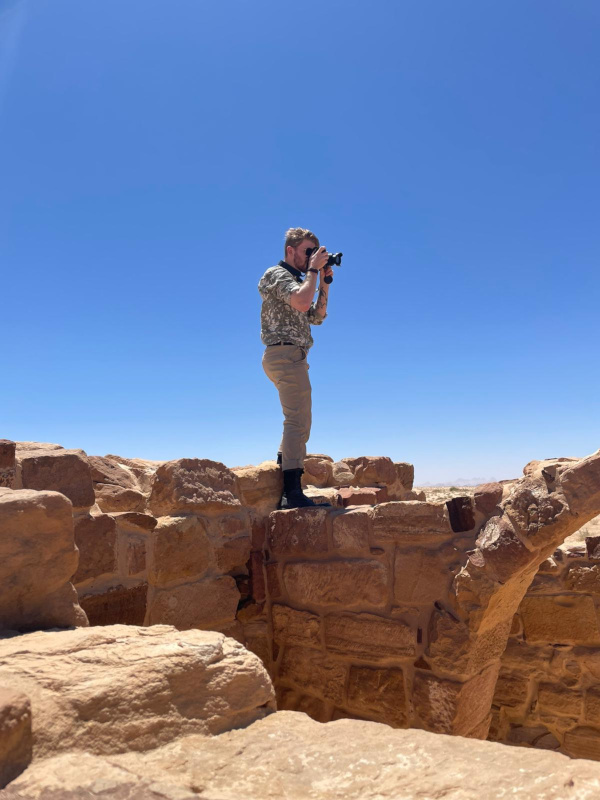
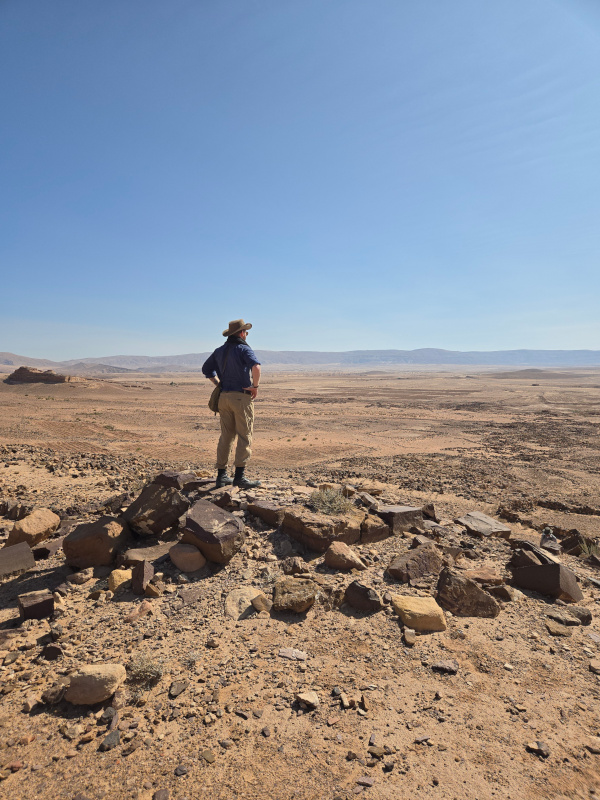
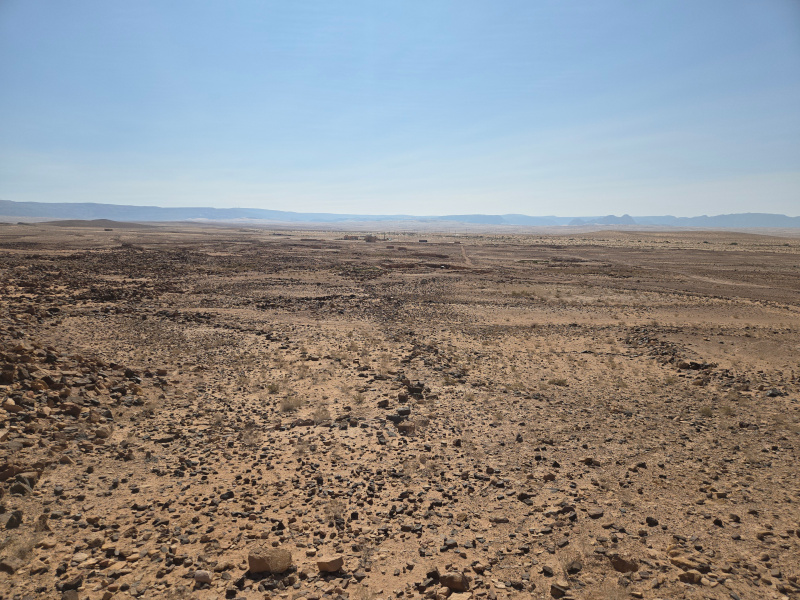
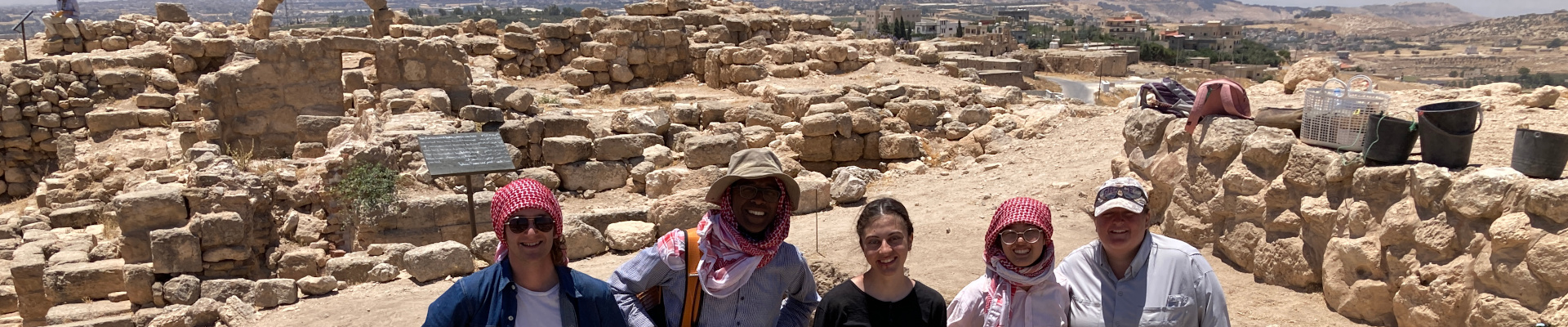
In southern Jordan lies Humayma, an extensive archaeological site with a complicated history. The ancient village was home to the Nabateans, Romans, Byzantines, and Arab peoples, all of whom left their mark permanently in the village in the form of large and small structures. Humayma, or ancient Hawara, was initially a Nabatean settlement roughly equidistant between Aqaba and Petra in southern Jordan. The site is notable for its water collection infrastructure, Roman fort, Byzantine churches, and Islamic Qasr, to name but a few of the structural types on the site. Spread throughout the site are the everyday signs of life in the past: pottery sherds, ceramic building materials (CBM), faunal remains, and evidence of burials—all of which is being mapped and documented.

In May 2025, I was presented with the opportunity to act as a supervisor on the University of Alberta’s Humayma Field School project. The field school aims to instill archaeological field technique and values in the next generation of archaeology students. For this season I was tasked with teaching photogrammetry techniques using the standing structures at Humayma and excavated materials from previous seasons.

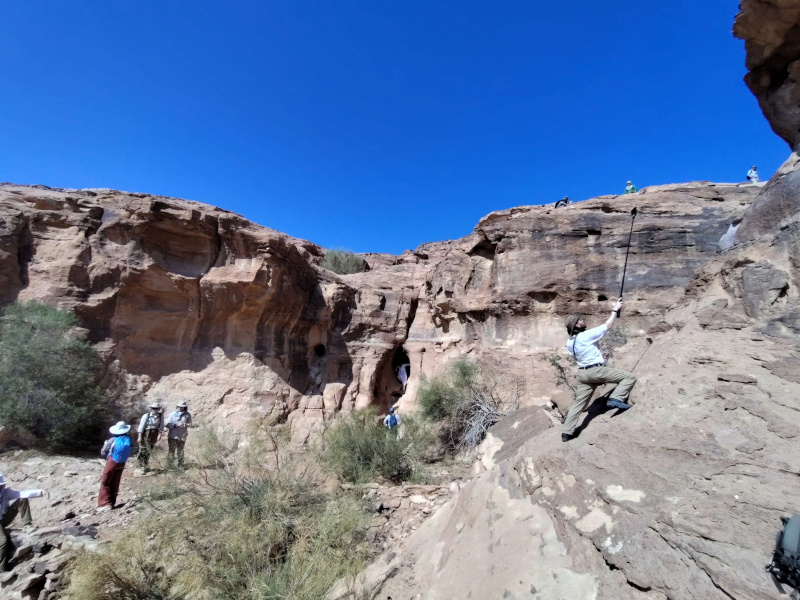
Fifteen university students coming from Canada and the United States travelled to Jordan to conduct their first fieldwork in the Middle East. The overall goal of the field school in its inaugural season was to establish the state of the structures on the site, create a detailed site map, pinpoint key areas for further excavation and conservation, and instruct the students in archaeological field techniques, including photogrammetry and 3D modelling.

The photogrammetry for the site was conducted primarily by the students using both a traditional DSLR camera and the students’ own smartphones. Both pieces of capture technology produced excellent results, considering this was the students’ first time using them in the field. The process involved the students walking steadily around some of the notable standing structures on the site, taking photos as they went with as much overlap as possible. This allows for the processing applications to “match” structures, creating an in-depth 3D model that can be georeferenced and measured. The technology is instrumental to modern archaeology, allowing for the creation of high-quality and often fully explorable 3D models of sites, structures, features, artifacts, etc. This can provide easy access to on-the-ground site data that may be a world away. Properly georeferenced, one can measure entire structures from one’s own office or laboratory.

Alongside my role on the project, my personal goals were to increase my skills in photogrammetry, begin to delve into the use of digital modelling technology, and work on my instructional skills. I have only recently begun my journey in digital archaeology, but I am increasingly interested in the use of digital tools to enhance archaeological excavation and data collection. My use of digital modelling technology has been interesting. The feeling of creating an explorable model is wonderful but the process requires an incredible amount of patience. Teaching students in the archaeological field technique was a wonderful and amazing learning opportunity.

The inaugural season of the University of Alberta Humayma Field school consisted entirely of survey work; as such, small finds were limited to rare instances of surface collections. Throughout Humayma, due to environmental exposures, looting, and other means, artifacts are observable on the surface all throughout the site. Some of my notable finds were a bronze coin of indeterminate age and a piece of marble.

My fieldwork participation in Jordan continues to be instrumental to the development of my career as an archaeologist and educator, and I could not be more thankful for the opportunities and connections this experience has provided.

Joshua Feland is a master’s student at the University of Alberta in Alberta, Canada. He is interested in Desert and Harbour archaeology, particularly where the two intersect. He has a specialization in Roman provincial archaeology. He has conducted fieldwork in Italy, Jordan, and the boreal forest zones of British Columbia and Alberta.

Want to help more students and early career archaeologists get into the field? Donate to the cause today by selecting “Fieldwork Scholarships” as your gift purpose!
Fieldwork Report: Atakan Atabas

Once Upon a Time in Anatolia

Atakan Atabas, 2025 Shirlee Meyers/G. Ernest Wright Fellowship Recipient 

When I left my hometown in central Anatolia to attend university, I never imagined that my path would eventually bring me back to the same region—not as a student of technology, but as a researcher of the ancient past. My undergraduate years were spent studying computer science at one of Türkiye’s most prestigious universities, followed by professional work in the technology sector in Istanbul. Despite these achievements, I felt a growing distance from the land of my childhood. Archaeology offered me the chance to reconnect: to engage with the cultural heritage of Anatolia and, in doing so, to give something meaningful back to my community and my country.

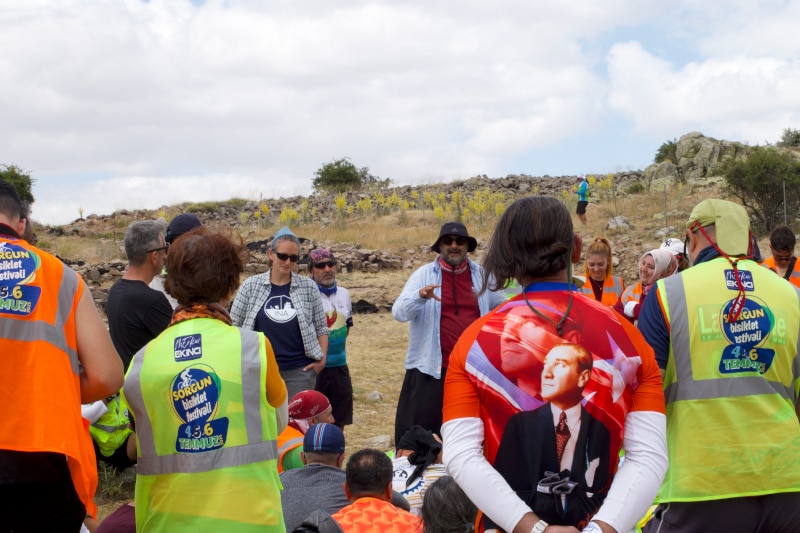
I gave a talk about Kerkenes to a group of cyclists who visited the site during the Sorgun Bicycle Festival.

One of the works that has always stayed with me is Nuri Bilge Ceylan’s Once Upon a Time in Anatolia. In one scene, a driver tells a doctor, “When you have a family, you’ll have a story to tell. You can say, once upon a time in Anatolia, when I was working out in the sticks, I remember this one night, which began like this. You can tell it like a fairytale, Doctor.”  Whenever I am in the field, I think of this dialogue. To me, research is not only about data or analysis; it is also about collecting stories. Some call them academic findings, but I see them as connections-bridges between the past, present, and future of the Anatolian landscape. In that sense, I consider myself a mediator, one who helps bring different times and perspectives into conversation.

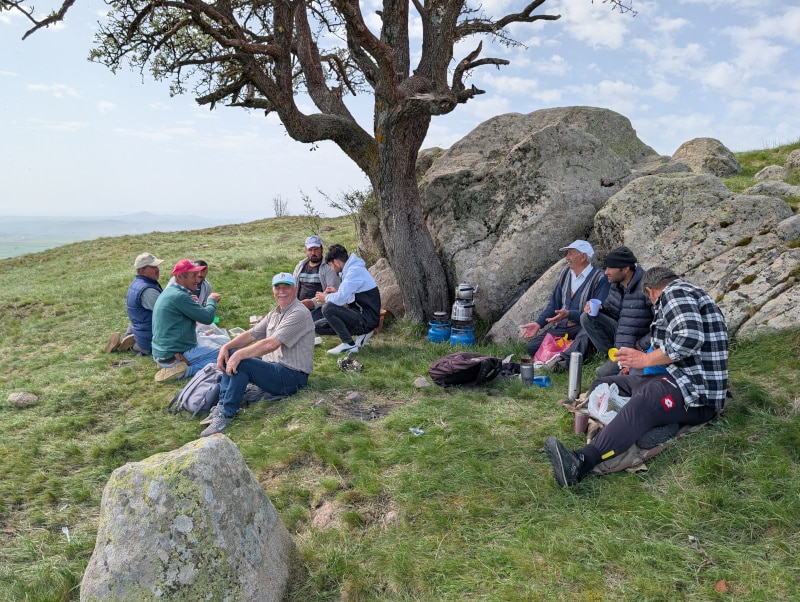
Turkish tea time! Workers gather to chat and share food and snacks.

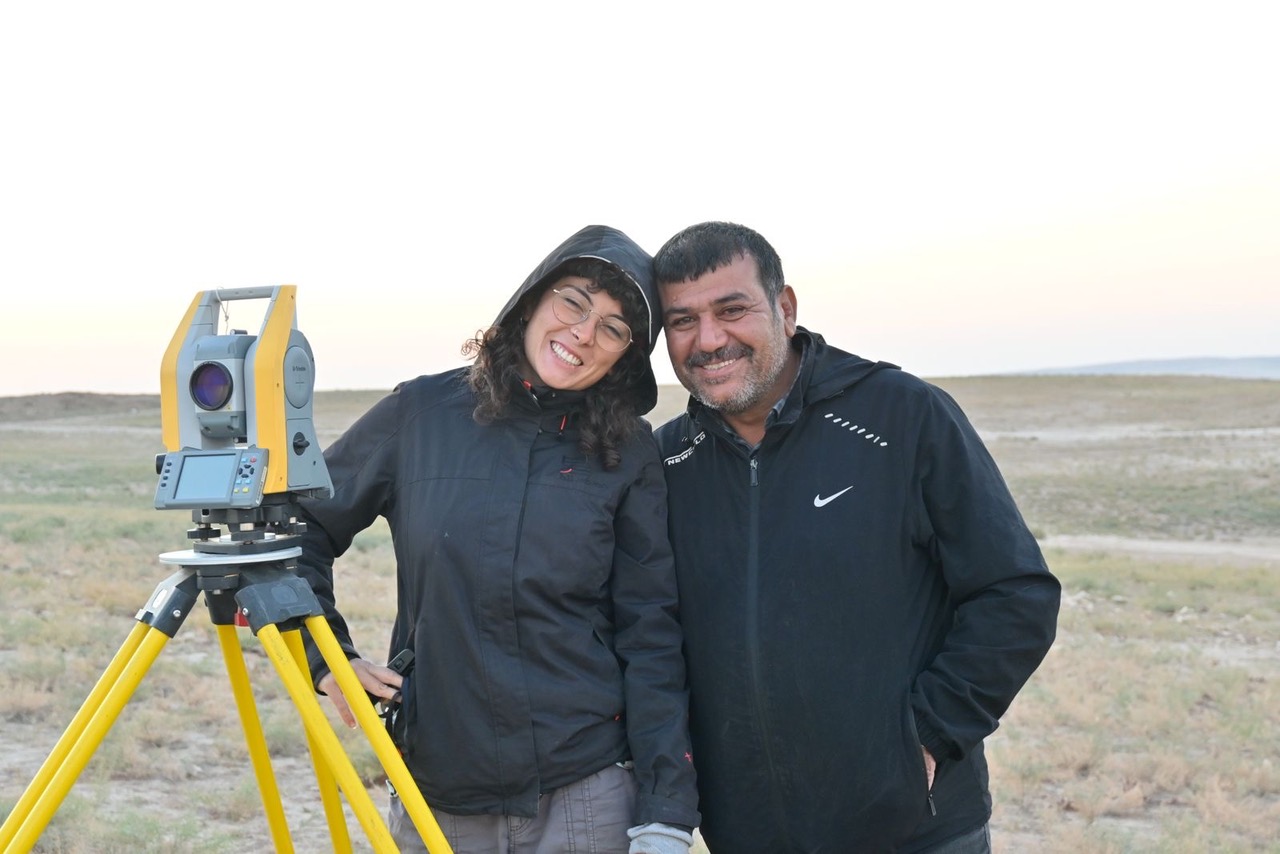
In the summer of 2025, I joined the Kerkenes Project in Yozgat, central Anatolia. For many international scholars, fieldwork in Turkey means collecting evidence, expanding networks, publishing papers, and advancing knowledge of the ancient world. For me, however, it is also deeply personal. Fieldwork is a return home: talking with workers from the village, walking the landscapes of my childhood, breathing the scent of native flowers, and tasting familiar foods that I ate growing up. At Kerkenes, I feel responsible not only for contributing to the project but also for representing the local community whose generosity sustains our work. This dual sense of responsibility reminds me that archaeology is not just scientific inquiry; it is also an ongoing dialogue between researchers and the people who live near the site today. I believe that understanding this relationship is key to understanding how academia can engage more meaningfully with society.

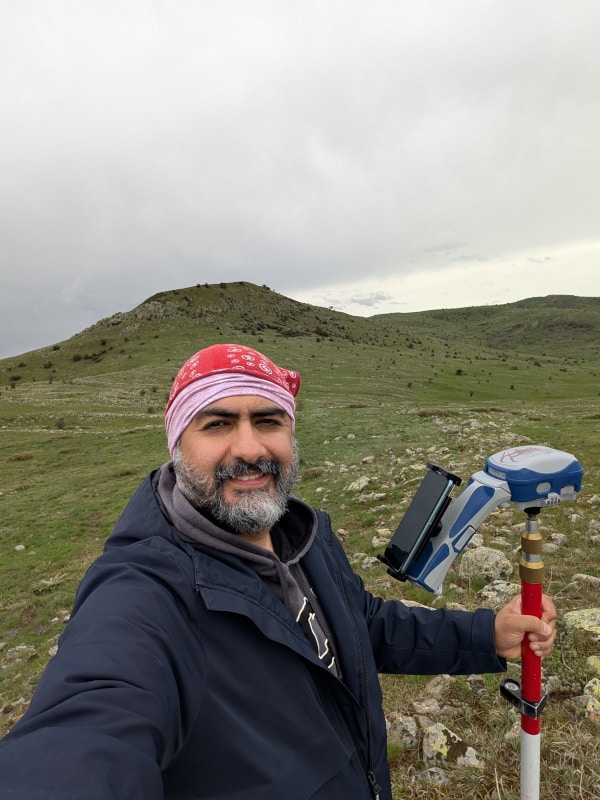
Looking for points for preparing survey grids.

My own path—from computer science to archaeology—has taught me the importance of interdisciplinary approaches. To restrict archaeology to narrow disciplinary boundaries is to diminish its potential. Often, archaeological questions require the mind of a sociologist, the skills of an engineer, the vision of an architect, the insights of a politician, or even the calculations of an economist. At Kerkenes, I have seen how archaeology draws together these diverse ways of thinking. Fieldwork also demands practical versatility: negotiating with local bureaucrats, collaborating with villagers, and adapting to shifting roles and responsibilities. In such a dynamic environment, effective communication is essential. Each season teaches me how to engage with people of different backgrounds, perspectives, and priorities. Thus, the Kerkenes Project is not only an academic training ground but also a place of intercultural exchange, collaboration, and personal growth.

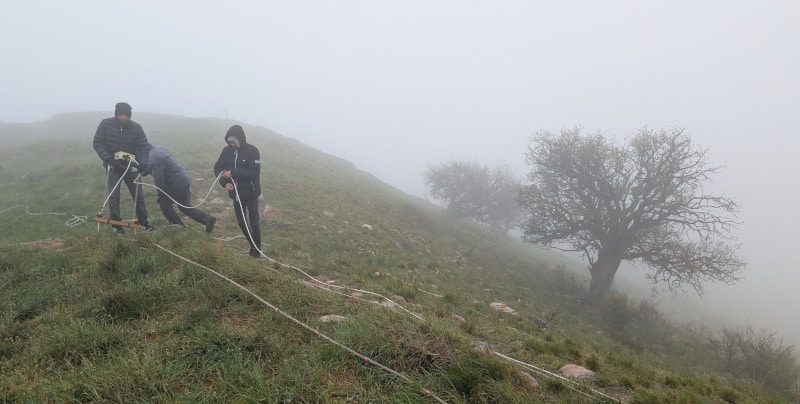
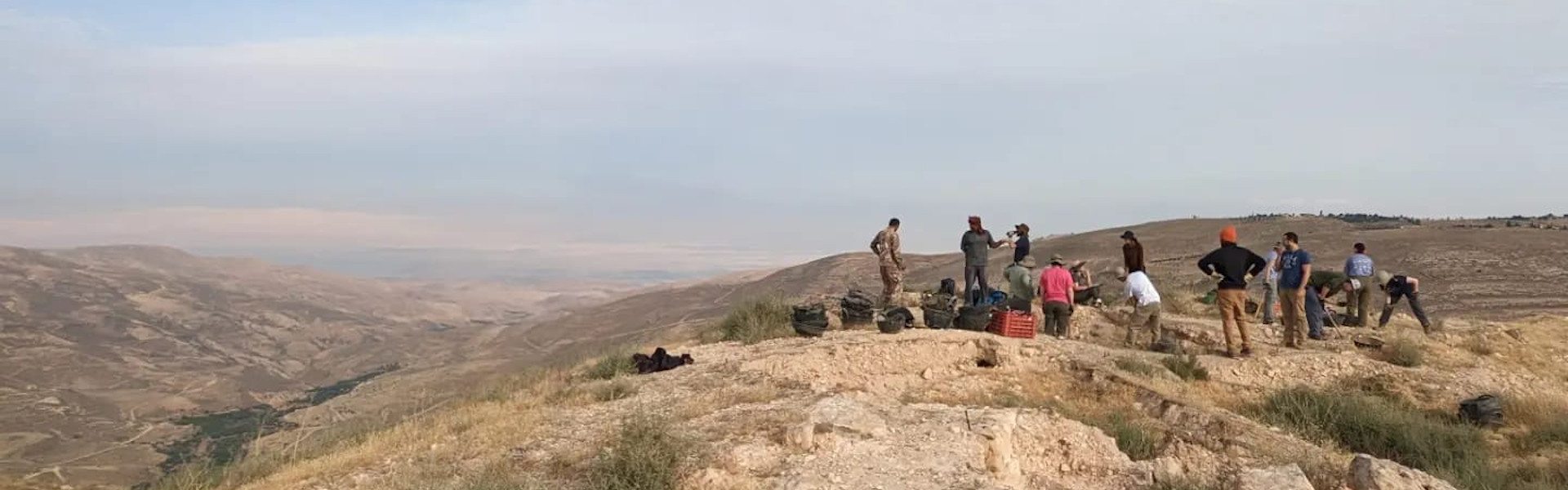
Conducting an electrical resistivity survey on a foggy, cold day in the field.

For me, archaeology is not only about answering research questions but also about building relationships—across cultures, disciplines, and generations. An excavation site is a meeting point where individuals from different nationalities, ethnicities, genders, socioeconomic classes, and educational backgrounds come together. It is also a meeting point across time, where modern researchers walk through the same landscapes that ancient inhabitants once knew. In this sense, we are not outside observers of history but participants in its unfolding narrative. We are part of the same story, shaped by the same land, only at different moments in time. Once upon a time in Anatolia… there is always a story to tell.

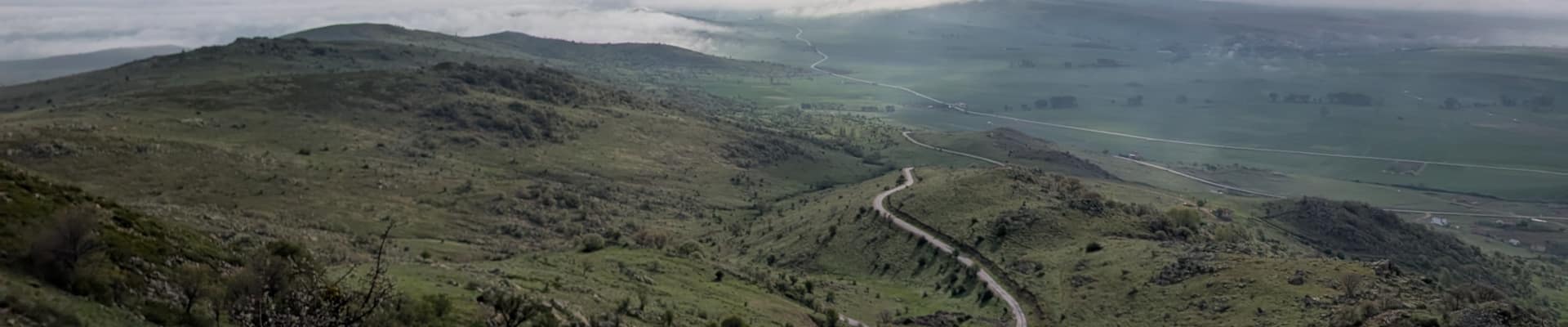
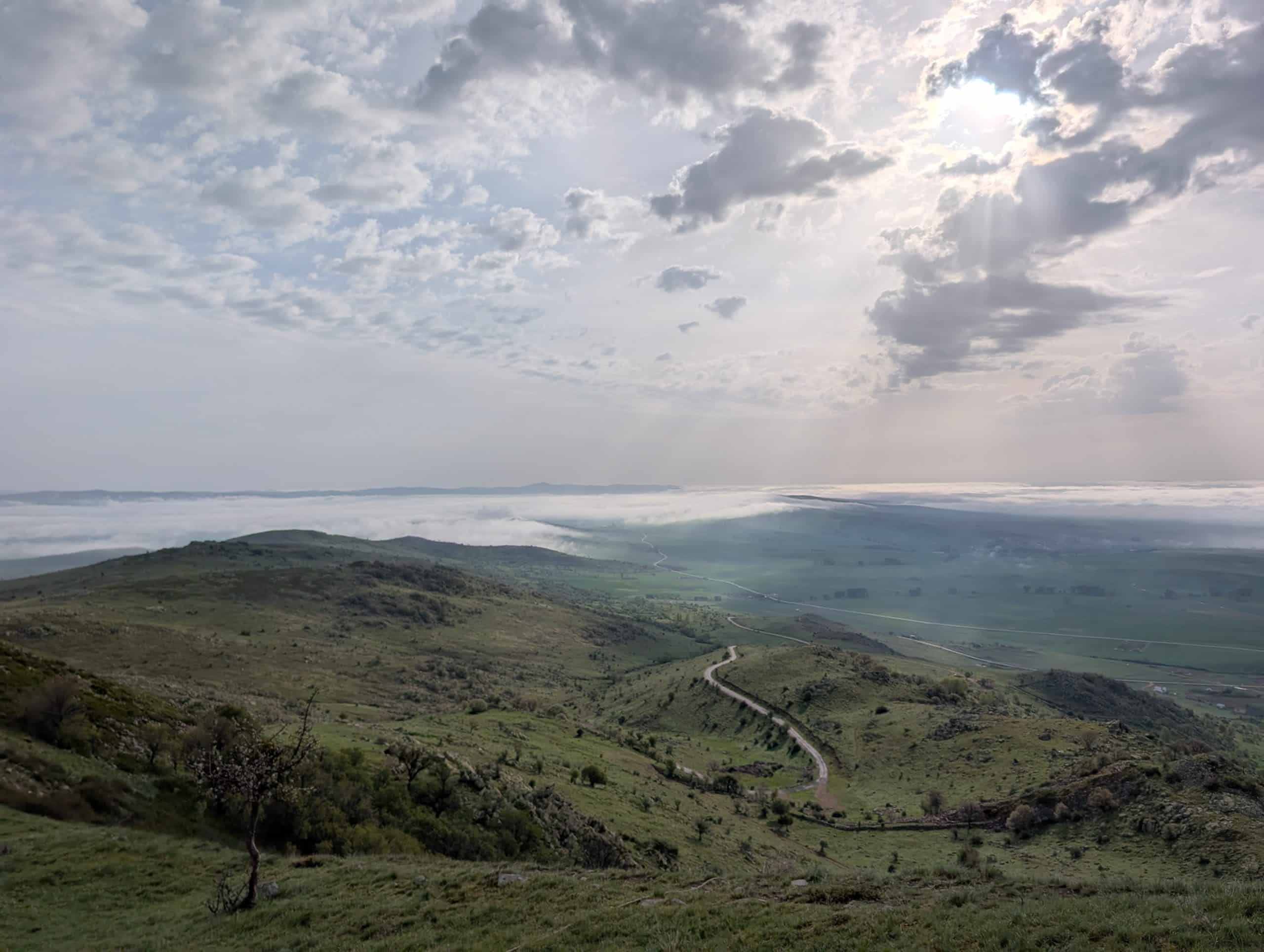
Looking out over the foggy plain from the field.

Atakan Atabas is a doctoral student in the Department of Anthropology at the University of Central Florida. His research focuses on digital archaeology, with particular attention to Anatolian art and archaeology. He has been a member of the Kerkenes Project since 2023, and his dissertation examines the orientations of buildings at Kerkenes and their relationship to the social organization of Kerkenes society.

Want to help more students and early career archaeologists get into the field? Donate to the cause today by selecting “Fieldwork Scholarships” as your gift purpose!

ECS Spring Brown Bag: Dr. Danielle Macdonald

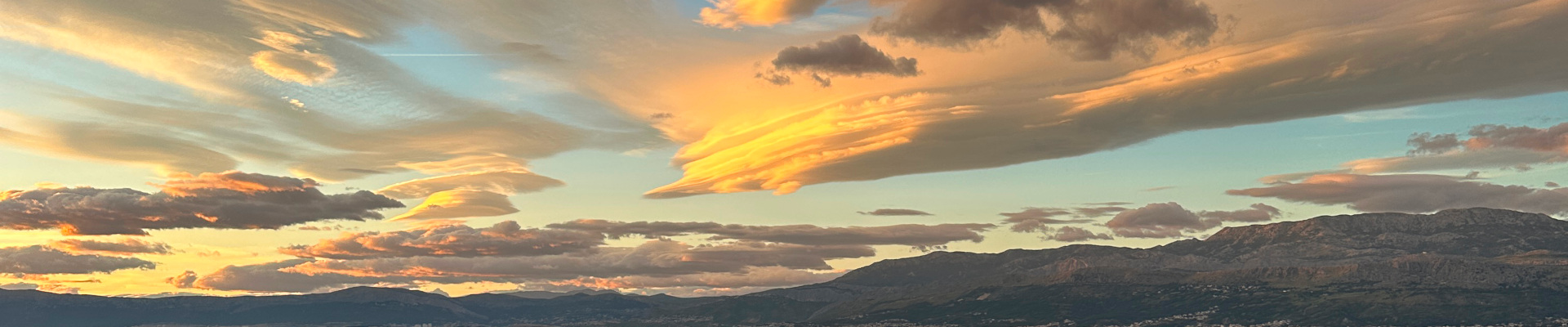
Sunset at Brac Island Croatia

Early Career Scholars Spring Brown Bag: Dr. Danielle Macdonald

Scientific Publishing in Archaeology: Ask an Editor

Join ASOR’s Early Career Scholars on April 3, 2026 at 12:00pm ET via Zoom for a virtual Brown Bag talk from Dr. Danielle Macdonald about scientific publishing in archaeology.

Please join the ASOR Early Career Brown Bag Lunch Series for a workshop on scientific publishing in archaeology, led by Dr. Danielle Macdonald, co-Editor of the Journal of Archaeological Science: Reports. This session will provide insights into the publication process, including understanding peer review, manuscript preparation best practices, responding to reviewer comments, and current trends in scientific archaeological publishing, including open access models. There will also be an open Q&A at the end to ask questions about publishing in scientifically-oriented journals. Whether you’re a graduate student preparing your first manuscript or an early career scholar looking for some editorial tips, this workshop will offer practical guidance from an editorial perspective.

By Danielle Macdonald, Associate Professor of Anthropology (University of Tulsa)

The event, a part of our brown bag lunch series, is FREE for the ASOR community, but registration is required.

Register Now

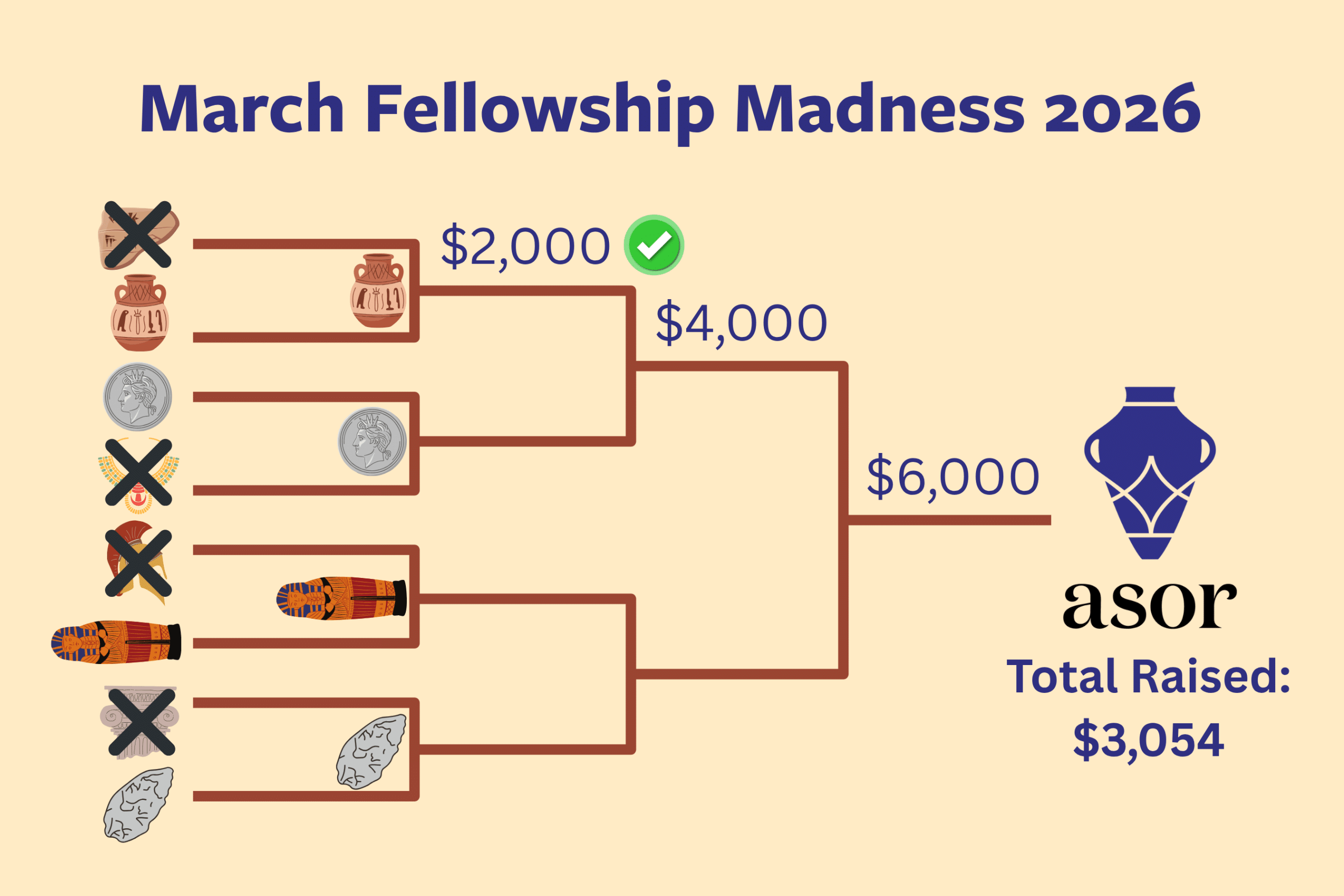
March Fellowship Madness 2026: Bracket of Impact

March Fellowship Madness 2026: Bracket of Impact

March is here — and so is ASOR’s March Fellowship Madness!

This year, we invite you to step into our Bracket of Impact,where every gift advances the next generation of archaeologists. Fieldwork Scholarships open doors to mentorship, hands-on training, and connections that shape the future of our field.

Here’s how the Bracket of Impact works:

Our goal is to raise $6,000 by March 31 which would fund scholarships for three more students. 100% of your gift will go directly toward funding student fieldwork participation. Every gift moves us forward, and every donor becomes part of a winning team by supporting emerging scholars.

As donations come in, we’ll update our Bracket of Impact so you can track our progress and see which of your favorite artifacts below advances to the next round.

Whether you give $25, $250, or champion a full scholarship, your support makes a measurable difference in a young archaeologist’s journey.

ASOR provides these scholarships with your partnership. You are enabling ASOR to establish new scholarships and grants through endowed funds, but your annual support (i.e., gifts this year) will allow ASOR to send more eager students and early career scholars into the field. Please support archaeology’s next generation by making a gift today and selecting “Fieldwork Scholarships” as the designation for your gift. You may also make a designated gift by choosing any category from the drop-down menu on the donations module.

 

*If archaeological excavations are significantly disrupted or canceled in 2026, ASOR may, at its sole discretion, decide not to offer fieldwork scholarships. Fieldwork scholarships cannot be deferred; applicants may reapply either for fieldwork funding in 2027 or for non-fieldwork summer stipends if ASOR offers such stipends in 2026.

If ASOR does not award fieldwork scholarships in 2026, it will consult with donors to determine whether they prefer to have their contributions held for 2027 fieldwork scholarships or redirected to support non-fieldwork summer research stipends in 2026.