ASOR has partnered with Rhythm Software to ensure that you will have an intuitive, seamless experience, where you can easily join ASOR, renew your membership, register for events, donate, purchase merchandise, etc. You will also have access to digital versions of ASOR journals through this same online portal.
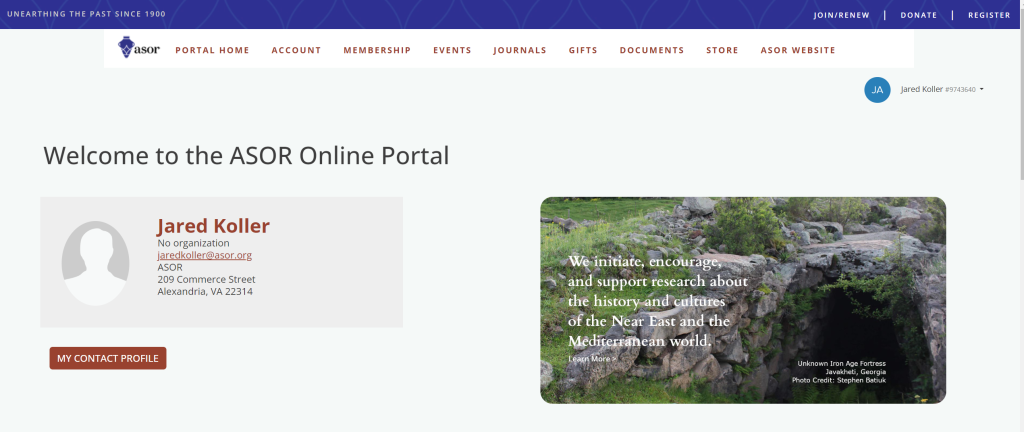
Below is a preview of the home page of the new portal homepage:
If you need to make a payment to ASOR, you can mail in your payment to the office or you can wait until the new portal goes live. If you have any questions or concerns about this transition, please contact membership@asor.org.
Here are some videos to help familiarize yourself with the new online portal:
Logging in
You will be asked to create new credentials (username and password) for the portal, but the system will match you with your existing ASOR contact record if you have one. You will be allowed to recreate the same username (your email address) and password that you currently use for your ASOR account.
ASOR Portal Introduction
Navigate the portal and managing your account. It is intuitive to find what you like to do as well as update your contact information and preferences.
Membership
You can join as a member or renew/change a current membership easily through the portal.
Events
You can browse upcoming events and register on each event’s microsite.
Journals
Depending on your membership package (print delivery, online access, etc), you will be able to directly access ASOR Journals (BASOR, JCS, Maarav, NEA) through the portal. If you have access, you will be redirected to the University of Chicago Press’s (UCP) platform to immediately start reading any issue of your choice. No login required on the UCP website.
Donations
You can easily donate to your fund of choice, set up a monthly recurring donation, give in honor/memory of someone, or give anonymously in the portal.
Online Store
Browse any ASOR merchandise including webinar recordings, ASOR books, back issues of journals, ASOR logo merchandise (when available), and more. If you need to make a payment to ASOR, you can mail in your payment to the office or you can wait until the new portal goes live. If you have any questions about this transition, please contact membership@asor.org.
Roselyn A. Campbell, 2022 P. E. MacAllister Fieldwork Scholarship Recipient
In 2022 I was awarded a grant that allowed me to join the Khirbat al-Mukhayyat Archaeological Project (KMAP) near Madaba, Jordan. This project is directed by Dr. Debra Foran of Wilfred Laurier University in Ontario, Canada. Though I have worked in Egypt for many years, I had only visited Jordan as a tourist. I fell in love with the country and people immediately, and was thrilled that an ASOR grant made it possible for me to join such a wonderful project in Jordan.
The 2022 Khirbat al-Mukhayyat team at the site of the ancient town of Nebo. From left to right: Debra Foran, Andrew Danielson, Mashoor Fshaikat, Greg Braun, the author, and Grant Ginson.
My research mainly centers on human remains, and in Egypt I typically analyze either mummies or commingled (i.e. mixed up) human remains from tombs that were previously excavated. I was very excited to join KMAP and analyze some human remains the team had found inside a shallow cave a few years before. The wadis (valleys) contain numerous caves, and a previous survey found that some of the caves contained human remains. The human remains were mixed up and contained few or no artifacts, and probably date to the Byzantine period. The focus of our work in 2022 was on surveying some of the wadis surrounding the ancient town of Nebo, another project directed by Dr. Foran. Due to the danger of looting, in 2022 the Department of Antiquities in Jordan gave us permission to collect the human remains that were visible in some of the shallow caves.
A scorpion that we discovered on our first day on site.
Sometimes people think that there isn’t much to be gained from studying sites or burials that have been looted or heavily disturbed, but actually a lot of information can still be gained by taking a close look at such sites! Even when individual skeletons get mixed up and disarticulated (i.e. the bones are not connected anatomically anymore because the ligaments and muscles holding them in place during life have decayed), it’s possible to get information about how many people are represented, how old they might have been when they died, and sometimes information about what kinds of disease or infections they suffered during life. You might even be able to tell if the people who were buried together were related!
The study of human remains can be challenging for many reasons. While I was in Jordan, the team and I battled the usual afflictions of archaeology in that part of the world: heat, scorpions, spiders, and even lost luggage. But studying human remains also provides different challenges. Sometimes, you find the remains of young children or infants who died very young, or individuals who might have suffered a great deal during life. These discoveries, in addition to constantly confronting your own mortality as a human being, can make the work mentally as well as physically taxing. But it can also be very rewarding.
The author among the ruins of the ancient town of Nebo. The Dead Sea can be faintly seen in the background.
When you analyze human remains, you learn a lot of information that doesn’t necessarily feature in official records or histories of ancient times: what people ate, what kind of tasks and labor they were doing, what kinds of disease they suffered from, and how they might have died. Bioarchaeology is often concerned with the regular people who made up a population, rather than the rulers and elites who had the resources to make elaborate tombs, temples, or monumental inscriptions. This aspect of bioarchaeology is part of why I love it: I get to shine a light on the lives of regular people, people who otherwise might be forgotten. As much as possible, it’s the job of the bioarchaeologist to restore some level of identity to the people who lived in the past, and use that information to illuminate the lives of people now and in the future.
Working in Jordan for KMAP this year was a wonderful opportunity to learn about some of the individuals who lived in this region during the Byzantine Period, and to learn more about the archaeology, history, and landscape of Jordan. I was thrilled to join this amazing team, and can’t wait to return in the future to continue studying the lives of these individuals who were laid to rest in caves around the region.
Dr. Roselyn Campbell is a bioarchaeologist and archaeologist, primarily specializing in Egyptian archaeology. Her research focuses on evidence of trauma and violence in human remains from the past, as well as the history and antiquity of cancer. She has worked at archaeological sites in Egypt, Peru, Ethiopia, Spain, the western United States, and now Jordan. Dr. Campbell can be found on Twitter @RosesBones.
Cayden Griffith, 2022 Steven B. Dana Scholarship Recipient
Firstly, I would like to thank both ASOR and the donors who provided this scholarship; I would not have been able to have this great experience without their support.
This summer I was apart of the Huqoq 2022 field season, directed by Dr. Jodi Magness from the University of North Carolina. Huqoq was a Jewish village, containing a monumental synagogue built in the 5th century CE, which sits upon a hill northwest of the Sea of Galilee. This synagogue, notable for its many well preserved floor mosaics, was the focus of the excavation.
A typical day in the life at Huqoq involved waking up at 4am, taking a bus, and then finally a short hike to the excavation site. Our hike to and from the site was quite literally uphill both ways but the stary sky in the morning and the conversations on the way back always made it worthwhile. Once we set up the site we were ready to excavate until 8am. From there we would have a five-star field breakfast with eggs, pancakes, fruit, and a variety of local foods as well. With this boost from breakfast we would once again be hard at work until 11am, where we would then have a fruit break, which we called “elevensies”, before going back to work finishing up the day’s excavation and then getting ready to leave around 12:30pm. We then would then hike back uphill to the busses and have lunch at the kibbutz we were staying at.
Following this long morning, we would have an equally busy yet fun afternoon. We would start by washing or tagging pottery. We would then be able to attend a lecture by one of our site’s knowledgeable staff and specialists or we would visit a local archaeological site. After all of this we would try and get some sleep before doing the whole thing all over again the next morning.
While we were excavating, I worked in the area east of the synagogue. On our site following the destruction of the late roman synagogue, a medieval synagogue was built over the previous building using some of the walls of the previous synagogue and expanding them elsewhere. In the eastern area, where I was working, in previous seasons they had discovered a medieval vaulted structure, close to the eastern wall of the medieval synagogue.
Due to this find when excavating we expected to find further evidence of this medieval structure, and thought that this may have been a pilgrimage site for those wishing to see the tomb of the prophet Habakkuk, one of the 12 minor prophets in the Hebrew Bible. While we have not yet found any direct evidence of the Medieval vaulted structure being a pilgrimage site for the tomb of Habakkuk -we liked to joke that we would find a sarcophagus with the inscription “Here Lies Habakkuk” – while digging we made an unexpected but maybe even more exciting discovery connected to the late Roman synagogue, which is all I can mention here.
However, if you are interested, please visit the Huqoq site’s website where they will post updates when there is a publication: Huqoq Excavation Project (unc.edu).
Not only was I able to learn so much from our site’s great staff in the field but I also was able to attend lectures by our staff and specialists about a variety of other topics as well. These ranged from archaeological method, ceramics, painted plaster, architecture, local history and much more.
Additionally I was able to see many important sights within Israel including Capernaum, Sepphoris, Caesarea, Tel Dan, Banyas, and Megiddo, to name a few. Being a student of Koine Greek, it was amazing to visit and see some of the places which I had only read about. This gave me a deeper appreciation and understanding of these stories as it left me in awe, as simply looking off into the distance at our excavations there were sights of important historical events or locations of biblical stories.
Want to help more students and early career archaeologists get into the field? Donate to the cause today by selecting “Student Support” as your gift purpose!
Monuments, Monumental Architecture, and Monumentality in Ancient Israel
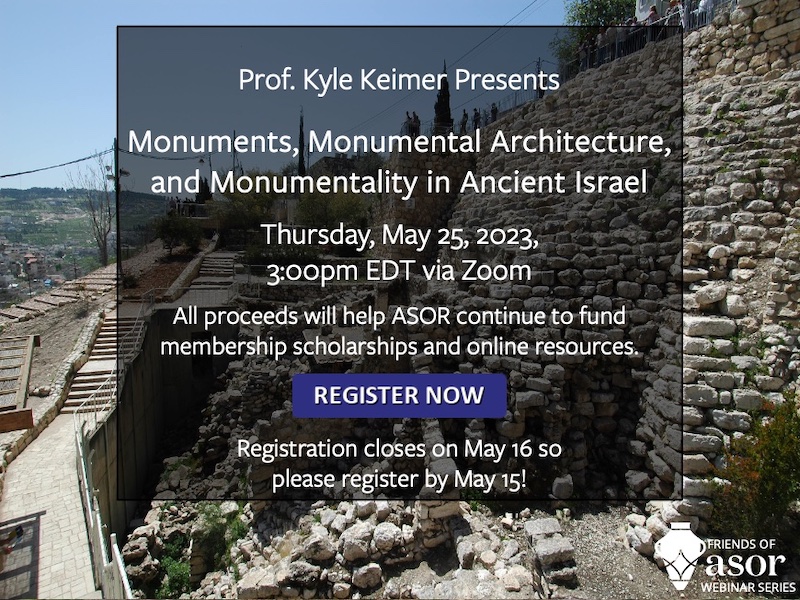
Friends of ASOR present the last webinar this season on May 25, 2023, at 3:00 pm EDT, featuring Dr. Kyle Keimer. “Monumental architecture” is something that is often discussed in the archaeology of ancient Israel, but seldom defined. The same is true for “monuments” in ancient Israel. Following recent directions in anthropological archaeology, this talk defines both terms and incorporates the concept of monumentality to discuss where value and significance lay in ancient Israel. Buildings (political, cultic, and social) and small objects alike had both functional and symbolic aspects, and it is only by considering such aspects equally that it becomes possible to plumb the depths of the biblical text for those architectural features that carried exceptional value.
Join Dr. Kyle Keimer as he surveys the monuments and monumental architecture attested to both in the archaeological record of the Iron Ages I-II and in the Hebrew Bible in order to evaluate their monumentality across differing sociopolitical contexts in pre-monarchic and monarchic Israel (and Judah). A live Q&A session will follow this lecture.
Dr. Kyle Keimer is an Honorary Senior Research Fellow in the Archaeology, History, and Language of Ancient Israel at Macquarie University, Sydney. He co-directed excavations at the site of Khirbet el-Ra’i in southern Israel and is the co-host of The Biblical World podcast. His research bridges both text and archaeology, with an emphasis on the early Iron Age and early Israelite monarchy. His interests also include historical geography and ancient warfare. After finishing his PhD at UCLA, he was a post-doctoral fellow at the W.F. Albright Institute of Archaeology before becoming a Senior Lecturer at Macquarie University. He has over 20 years of archaeological experience in Israel and Cyprus, working on excavations spanning from the Early Bronze Age to the Ottoman Period. His publications include two edited volumes and over 30 articles.
This webinar will be recorded and all paid registrants will be sent a link to view the recording.
Online registration will not be available after May 15 due to an ASOR software transition to a new online system and database. Please register before May 15 to ensure you have a spot in the webinar!
Please e-mail membership@asor.org with any questions or issues with registering.
You will be e-mailed the Zoom Webinar link in the week prior to the lecture on May 25, 2023. If you do not receive the link by the close of business two days before the webinar, please e-mail membership@asor.org immediately. This webinar will be recorded and all paid registrants will be sent a link to view the recording.
All proceeds from this webinar are used to fund scholarships for members as well as increasing ASOR’s online resources, which are free to the public.
READY FOR A WEBINAR SEASON PASS?
Buy a season pass for all the webinars* of the 2022-2023 FOA Webinar Season! 1) You will automatically receive the Zoom link for each webinar so no need to register each time. 2) You will also receive the recording of each webinar automatically after the event.
If you have missed webinars earlier in the season and still want to buy the pass, you will receive the links to the recordings of the webinars you missed in your automatic confirmation email after you buy the pass.
*Special symposiums may be excluded from the season pass price.
No more registering for a year if you buy your pass today!
Pricing:
Members: $75.00 Non-Members: $150.00 ASOR Sustaining Members: $0 (automatic registration for each webinar) Not a member yet? Click here to join as a member and receive the 50% off a season pass!
Log into our online store to purchase the season pass for 2022-2023. If you are new to ASOR and do not have a record in our store yet, click here to register. After you login, navigate to the left to “Meeting and Event Registration.” Please e-mail membership@asor.org if you have any questions or issues.
WHY SPONSOR A WEBINAR?
Several levels of support from $50-$1,000 are available. Proceeds go towards membership scholarships and towards increasing ASOR’s virtual resources. Each sponsorship is tax-deductible and you can give your friends free registrations to a webinar!
Bronze Level ($50): up to 2 guest registrations Silver Level ($100): up to 5 guest registrations Gold Level ($500): up to 20 guest registrations Platinum Level ($1,000): up to 50 guest registrations
After you sign up for a sponsorship online or over the phone, email the names and email addresses of your guests to Felice Herman at membership@asor.org, who will send your guests a confirmation and the Zoom link before the webinar.
WANT TO SAVE $6.00 ON THE NEXT WEBINAR?
Join ASOR as a member! Click here for more details about discounts for events and other benefits of membership. Memberships start at $40 for the year as an Associate Member.
You can now purchase the link to the recording of any webinar. You can also purchase the bundle packages of all webinars from the 2020-2022 seasons. Please e-mail membership@asor.org for purchase details.
To see a printable pdf of the webinar titles from the 2020-2021 season, please click here. To see a printable pdf of the webinar titles from the 2021-2022 season, please click here.
Where Are They Now?: A Preview of 2022 ASOR-Affiliated Fieldwork Projects Michael Given (University of Glasgow), Xenia-Paula Kyriakou (Florida Gulf Coast University), Stephen Batiuk (University of Toronto), Monique Roddy (Walla Walla University), Kent Bramlett (La Sierra University), Friedbert Ninow (La Sierra University), and Michael Hoff (University of Nebraska-Lincoln) | March 8, 2022
Tel Rehov: A Major Bronze and Iron Age City in the Jordan Valley Amihai Mazar (Hebrew University of Jerusalem), Nava Panitz-Cohen ( Hebrew University of Jerusalem), Nota Kourou (Athens University), Naama Yahalom-Mack (Hebrew University of Jerusalem), Robert Mullins (Azusa Pacific University) | February 10, 2022
Archaeogaming: Why Video Games Deserve Their Own Archaeology Tine Rassalle (University of North Carolina at Chapel Hill), Shannon Martino (Morton College), Matthew Winter (University of Arizona), Michael Zimmerman (Rhode Island) | April 18, 2021
ASOR ANNOUNCES THE ADDITION OF THE JOURNAL, MAARAV
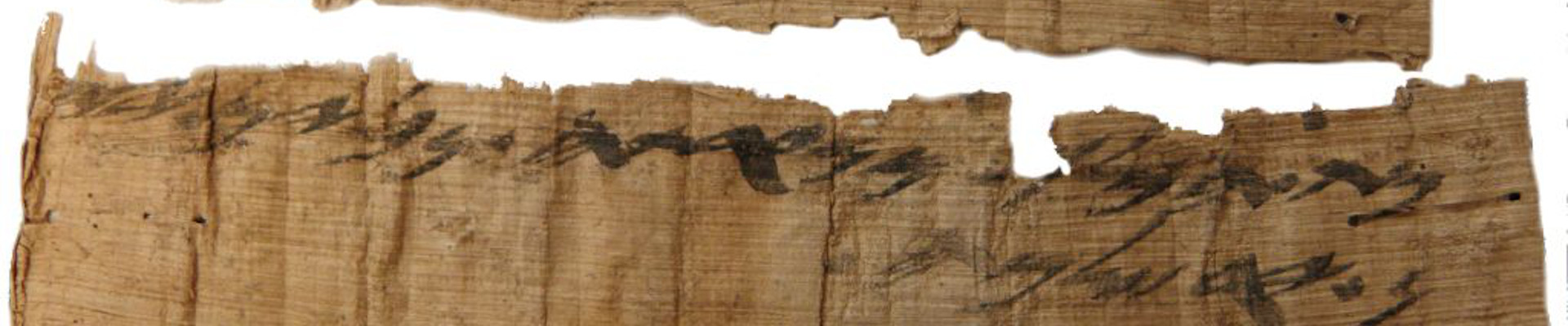
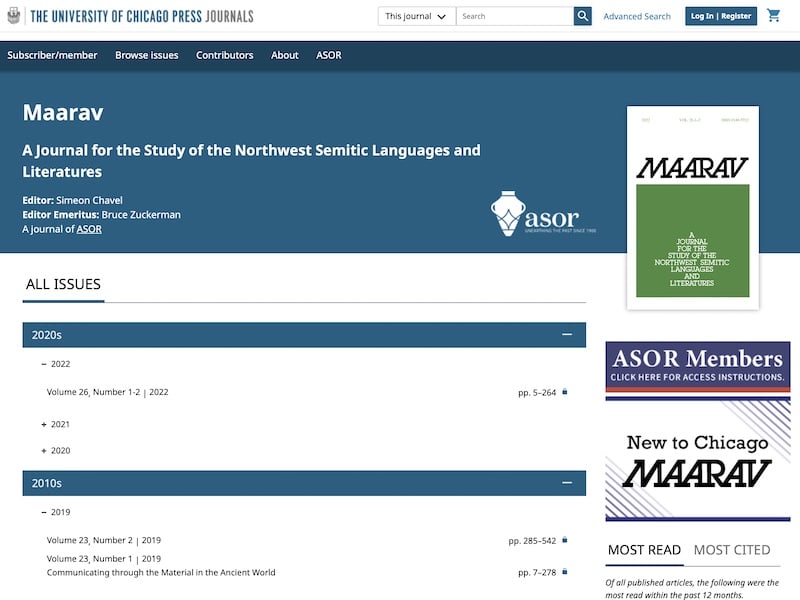
ASOR is pleased to announce that Maarav is now part of the ASOR journal family and is available to ASOR members with online access to all of our journals (NEA, BASOR, and JCS) through the University of Chicago Press platform. Maarav is a journal for the Study of the Northwest Semitic Languages and Literatures with an emphasis on linguistics, philology, and literary studies. This journal is devoted to the texts and verbal objects of the ancient Levant featuring Aramaic, Hebrew, Phoenician, and related languages. In addition to research on their verbal features, Maarav welcomes inquiry into their material, visual, and social aspects, their cultural horizons and relationships, and contemporary interests like the technological developments in decipherment, storage, representation, and analysis and the history and current practices of acquiring and interpreting ancient objects.
Please read the letter from the editor, Simeon Chavel (University of Chicago), below.
Dear Members,
It is an honor to follow Bruce Zuckerman (founder, 1978–2002) and Christopher Rollston (2002–2022) and serve as the third Editor of Maarav. The journal will continue to center on the inscriptions found in the Levant (Syro-Palestine) of the Late Bronze Age, the Iron Age, and the Persian period written in the languages characteristic of the region. At its core will be study of the inscriptions’ material, linguistic, and literary aspects. Around the core will be studies comparing earlier and later inscriptions and literature; comparing literature in Mesopotamia, Anatolia, and the Mediterranean; and reconstructing Levantine societies, culture, and history. Anchored in distinct objects (verbal ones) defined by period and place rather than in tradition (biblical), Maarav sees itself as representing a crucial node and nexus of several overlapping fields of study of the ancient world, and it aims to serve robustly in that capacity.
Select topics illustrating the range are:
the origins and spread of the alphabetic writing system and its comparison with other systems
the varied uses of writing
the genres of writing in general and of literature in particular
the relationship of writing to art and to place, in immediate, broader, static, and dynamic contexts
the wealth of religious, mythical, and other speculative lore
the place of magic in society and in thought
the significant role of writers (“scribes”)
regimes of administration and power
the reach of concepts and practices across many regions and down through time.
Wide-ranging developments make this a promising time for Maarav to thrive—developments in the technologies of deciphering images and of presenting them; in approaches to the material and social worlds of verbal objects; in the analysis of gender and of humanness; in the reconstruction of Levantine societies and ethnicity in their imperial contexts; in the understanding of cultural interaction from Mesopotamia across the Mediterranean; and in the ethics—the politics and the economics—of imperially enabled scholarship today.
Maarav looks to fit in wonderfully at ASOR alongside BASOR, JCS, and NEA, and and is excited to be available to you, their inquisitive and learned readers. It plans to be published semiannually. The board of editors draws on three pools of colleagues: continuing editors, faculty at the University of Chicago, and additional scholars who represent desired areas of expertise and emerging trends. You can see the board, keep up with new issues, and access back-issues here.
Yours,
Simeon Chavel
This journal is only available to active members including Regular with online only access, Regular with both online and print delivery, Retired with online only access, Retired with both online access and print delivery, Sustaining, Early Career, Graduate, and Undergraduate levels. Associate and Contributing members do not have access to Maarav.
ASOR 2025—Strengthening Our Foundation | Expanding Horizons—A Call to Action
In 2025, ASOR will be hitting its 125 year mark. Yes, fellow ASOR members and friends, our quasquicentennial is nearly upon us, and we have cause to celebrate!
A first cause for celebration is that ASOR members continue to be engines of research, education, publication, and engagement about the history and cultures of the Near East and the wider Mediterranean world.
This work has never been more needed. So, amid celebration, we confront challenges. Worldwide threats to cultural heritage are a great concern, because we know that targeting people’s cultural heritage is a first step toward violence and extremism. Also, such losses cannot be undone. The humanities bring this into focus, yet dollars to fund these departments and this research are being siphoned off elsewhere. Some professional organizations focused on past human experience are shrinking. Not so for ASOR!
This is a second cause for celebration. Our membership is expanding. ASOR is in solid financial shape. You have created a foundation for positive change and action.
To continue this momentum, ASOR has embarked on a grand challenge, a $5 million dollar—$5,000,000—fundraising initiative. Our third cause for celebration is that generous ASOR members already have pledged or given $2.7 million dollars, with more coming.
This is a call to action, asking you to help shape the future through the discovery, documenting, and protecting of cultural heritage in innovative ways. I ask you to think how you can join in this effort to equip ASOR to meet the challenges of this moment.
Your gift of support to ASOR makes a real difference. With your participation, ASOR can:
Increase membership support: You can strengthen and widen ASOR’s geographic impact throughout the Middle East and North Africa with scholarships, research fellowships and excavation project grants including citizens from countries that lack resources. 2. Widen and expand ASOR’s publications: You can ensure that ASOR continues to disseminate knowledge and educate the public in an economic climate where support for scholarship is shrinking. 3. Make ASOR more accessible to everyone: You can address financial need for access in North America, North Africa, the Middle East, and around the world. With you, ASOR can set an example with diversity, equity and inclusion initiatives that span language and cultural divides. 4. Grow Cultural Heritage Initiatives: You can support cultural heritage stabilization, documentation, and mitigation efforts. You can guarantee that ASOR continues to be seen as a world leader in protecting heritage and ensure the continuation of education and stewardship programs that combat violent extremism and misuse of heritage by authoritarian rulers. 5. Develop Greater Online Access: You can fund innovations in the rapidly growing field of online and virtual resources to make research accessible to everyone with a computer, tablet, or phone. 6. Expand the Friends of ASOR Programs: You can help underwrite education and outreach programs that will broaden ASOR’s membership and bring non-academic supporters with an interest in the ancient world to our organization. 7. Strengthen the Foundation of ASOR’s Operations: You can safeguard ASOR’s work to 2050 and beyond through the Annual Fund, or with endowment gifts to sustain operational staffing and capital needs at the James F. Strange Center, or through efforts to make ASOR more sustainable.
These are but a few ideas. Studies of the human past have never faced greater obstacles, but ASOR has the financial stability and talent to find innovative solutions. Each of us is a critical part of this effort. If you and I do not respond to this call to action to shape the future of our profession and document and protect cultural heritage in innovative ways, who will? YOU CAN BE PART OF THIS HISTORIC MOMENT, CREATING CHANGE & MAKING A LEGACY. ORGANIZATIONS THRIVE BECAUSE OF PEOPLE LIKE YOU. Please join in celebrating our 125th year with “ASOR 2025— Strengthening Our Foundation | Expanding Horizons—A Call to Action.”
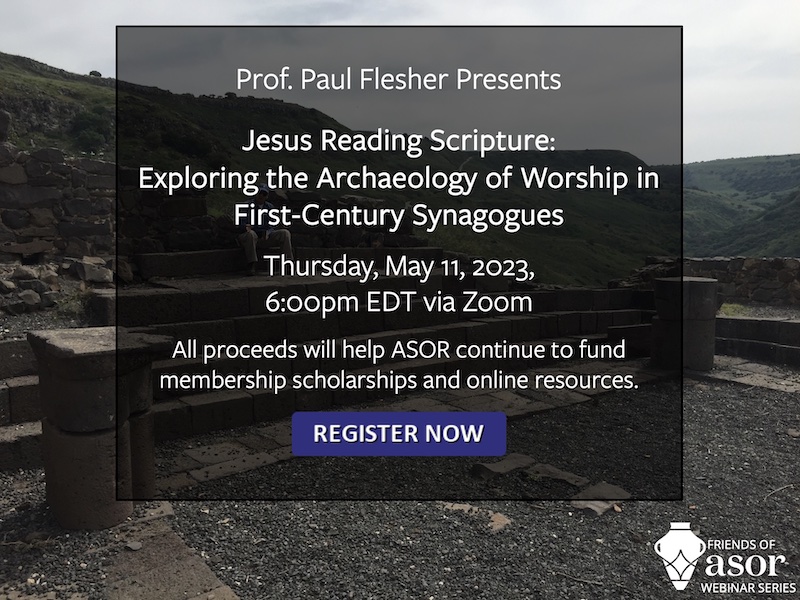
Jesus Reading Scripture: Exploring the Archaeology of Worship in First-Century Synagogues
Friends of ASOR present the next webinar in our monthly series on May 11, 2023, at 6:00 pm EDT, featuring Dr. Paul V. M. Flesher and moderated by Dr. Matthew Grey. The New Testament gospels frequently place Jesus in or near the religious buildings of first-century Galilee, the synagogues. Unfortunately, they never describe these buildings, and apart from Luke 4, they give few details about the rituals that take place inside them. That absence hinders the study of Jesus in the religious context that shaped his life. Even the chapter-long story of Luke 4—where Jesus was given the honor of reading Scripture and then was thrown out of the synagogue—fails to provide sufficient information for us to readily understand it. Why did the congregation as a whole get so angry that they wanted to kill him?
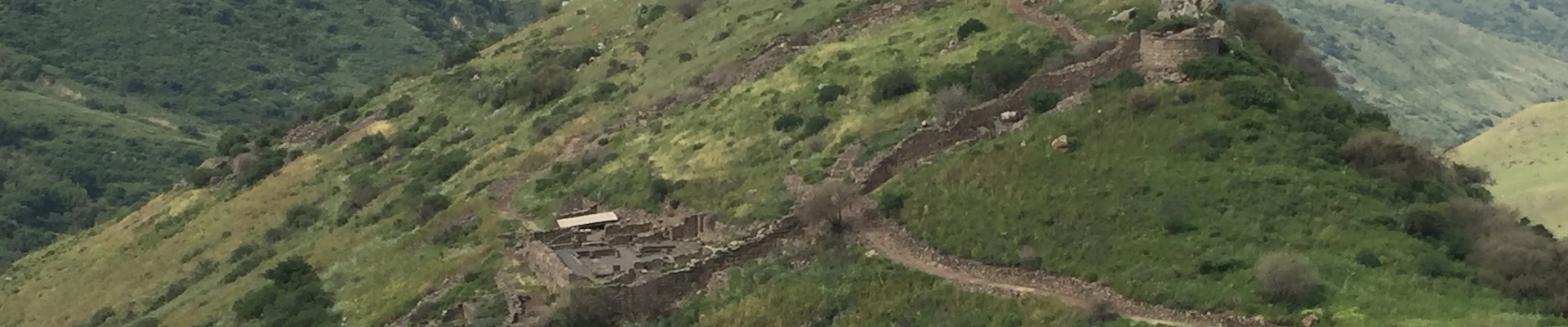
As a historian and an archaeologist, Paul Flesher brings our earliest knowledge of synagogue rituals into conjunction with excavated first-century synagogues to answer that question. By focusing on Luke 4 and the Gamla synagogue—as a representative of first-century synagogues in general—Flesher explores how the synagogues’ architectural layout shaped the spatial and social dynamics of the people inside it to reveal two important points. First, the synagogue reinforced the tight bond between Scripture and the synagogue congregation through the positioning of the congregation and the ritual space of the Scripture reading. Second, the congregation’s mood changed so quickly from honor to rejection because the synagogue’s layout enhanced the communication not just between Jesus and the congregation but also among the members of the congregation themselves. Their ability to act as a coordinated group came from the synagogue’s internal, architectural structure.
Join Dr. Paul Flesher as he discusses Luke 4 and the Gamla synagogue to reveal how the internal architecture of synagogues can influence the spatial and social dynamics of the people inside it. A live Q&A session will be moderated by Dr. Matthew Grey (Brigham Young University).
Dr. Paul V. M. Flesher is a Professor of Religious Studies, at the University of Wyoming, and director of the American Heritage Center. Since the 1980s, Paul Flesher has focused on the dynamics of religious change that Judaism underwent during the Hellenistic and Roman periods, beginning with his masters work under Geza Vermes at Oxford University and his doctoral work under Jacob Neusner at Brown University. A specialist in Rabbinic Judaism and an expert in the history and texts of the Aramaic Targums, Flesher helped found the International Organization of Targumic Study in the early 1990s, serving on its board for two decades and as its president for six years. At the same time, he began researching the early history of synagogues, publishing several articles and an edited volume that brought together new research by American and Israeli scholars. A teacher at heart, Flesher founded the Religious Studies program, and later the department, at the University of Wyoming. Flesher’s excavation career began at Tel Miqne in 1995, but seriously got underway in 2012 when he joined the staff of the Huqoq Excavation Project, then later the Legio excavations conducted by the Jezreel Valley Regional Project. His current research is in archaeo-acoustics, working to reconstruct the sound dynamics of ancient synagogues. In 2019, Flesher took a change of course and became the director of the American Heritage Center at the University of Wyoming, one of the largest, non-governmental archives in the USA.
This webinar will be recorded and all paid registrants will be sent a link to view the recording.
To receive your ASOR member discount, log into the online store. If you are new to ASOR, please click on the “New Visitor Registration” link to register your e-mail address and choose a password for our online store. Once logged in, navigate to “Meeting and Event Registration” to register for the webinar and pay the fee. Each paid registrant will receive a confirmation e-mail when you pay for the webinar. If you do not receive this e-mail, then you are not registered. Please e-mail membership@asor.org with any questions or issues with registering.
You will be e-mailed the Zoom Webinar link in the week prior to the lecture on May 11, 2023. If you do not receive the link by the close of business two days before the webinar, please e-mail membership@asor.org immediately. This webinar will be recorded and all paid registrants will be sent a link to view the recording.
All proceeds from this webinar are used to fund scholarships for members as well as increasing ASOR’s online resources, which are free to the public.
READY FOR A WEBINAR SEASON PASS?
Buy a season pass for all the webinars* of the 2022-2023 FOA Webinar Season! 1) You will automatically receive the Zoom link for each webinar so no need to register each time. 2) You will also receive the recording of each webinar automatically after the event.
If you have missed webinars earlier in the season and still want to buy the pass, you will receive the links to the recordings of the webinars you missed in your automatic confirmation email after you buy the pass.
*Special symposiums may be excluded from the season pass price.
No more registering for a year if you buy your pass today!
Pricing:
Members: $75.00 Non-Members: $150.00 ASOR Sustaining Members: $0 (automatic registration for each webinar) Not a member yet? Click here to join as a member and receive the 50% off a season pass!
Log into our online store to purchase the season pass for 2022-2023. If you are new to ASOR and do not have a record in our store yet, click here to register. After you login, navigate to the left to “Meeting and Event Registration.” Please e-mail membership@asor.org if you have any questions or issues.
WHY SPONSOR A WEBINAR?
Several levels of support from $50-$1,000 are available. Proceeds go towards membership scholarships and towards increasing ASOR’s virtual resources. Each sponsorship is tax-deductible and you can give your friends free registrations to a webinar!
Bronze Level ($50): up to 2 guest registrations Silver Level ($100): up to 5 guest registrations Gold Level ($500): up to 20 guest registrations Platinum Level ($1,000): up to 50 guest registrations
After you sign up for a sponsorship online or over the phone, email the names and email addresses of your guests to Felice Herman at membership@asor.org, who will send your guests a confirmation and the Zoom link before the webinar.
WANT TO SAVE $6.00 ON THE NEXT WEBINAR?
Join ASOR as a member! Click here for more details about discounts for events and other benefits of membership. Memberships start at $40 for the year as an Associate Member.
You can now purchase the link to the recording of any webinar. You can also purchase the bundle packages of all webinars from the 2020-2022 seasons. Please e-mail membership@asor.org for purchase details.
To see a printable pdf of the webinar titles from the 2020-2021 season, please click here. To see a printable pdf of the webinar titles from the 2021-2022 season, please click here.
Where Are They Now?: A Preview of 2022 ASOR-Affiliated Fieldwork Projects Michael Given (University of Glasgow), Xenia-Paula Kyriakou (Florida Gulf Coast University), Stephen Batiuk (University of Toronto), Monique Roddy (Walla Walla University), Kent Bramlett (La Sierra University), Friedbert Ninow (La Sierra University), and Michael Hoff (University of Nebraska-Lincoln) | March 8, 2022
Tel Rehov: A Major Bronze and Iron Age City in the Jordan Valley Amihai Mazar (Hebrew University of Jerusalem), Nava Panitz-Cohen ( Hebrew University of Jerusalem), Nota Kourou (Athens University), Naama Yahalom-Mack (Hebrew University of Jerusalem), Robert Mullins (Azusa Pacific University) | February 10, 2022
Archaeogaming: Why Video Games Deserve Their Own Archaeology Tine Rassalle (University of North Carolina at Chapel Hill), Shannon Martino (Morton College), Matthew Winter (University of Arizona), Michael Zimmerman (Rhode Island) | April 18, 2021



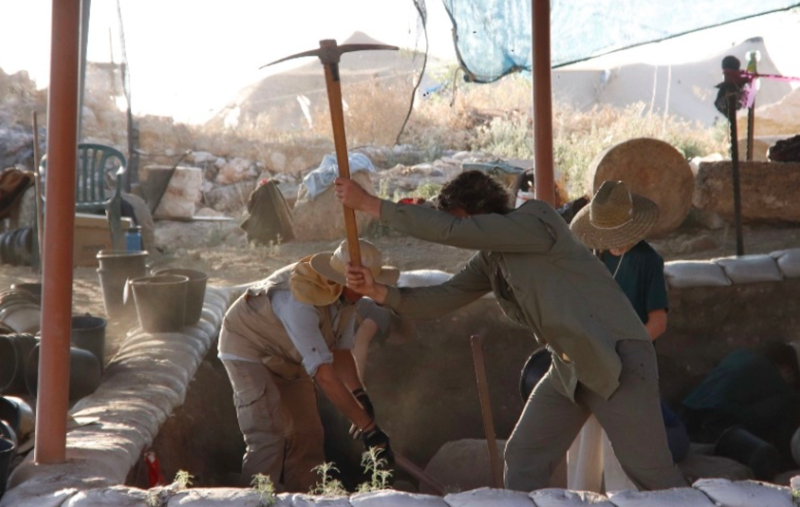
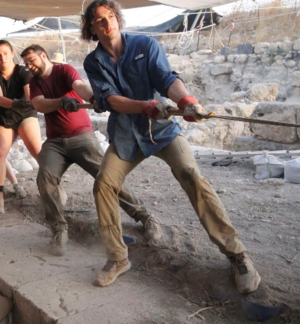
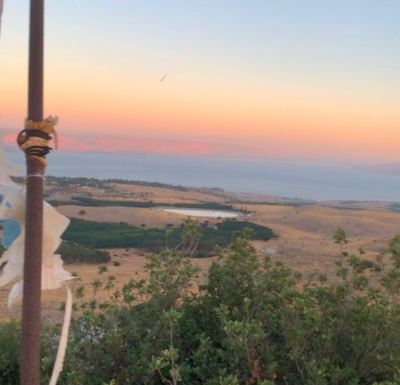
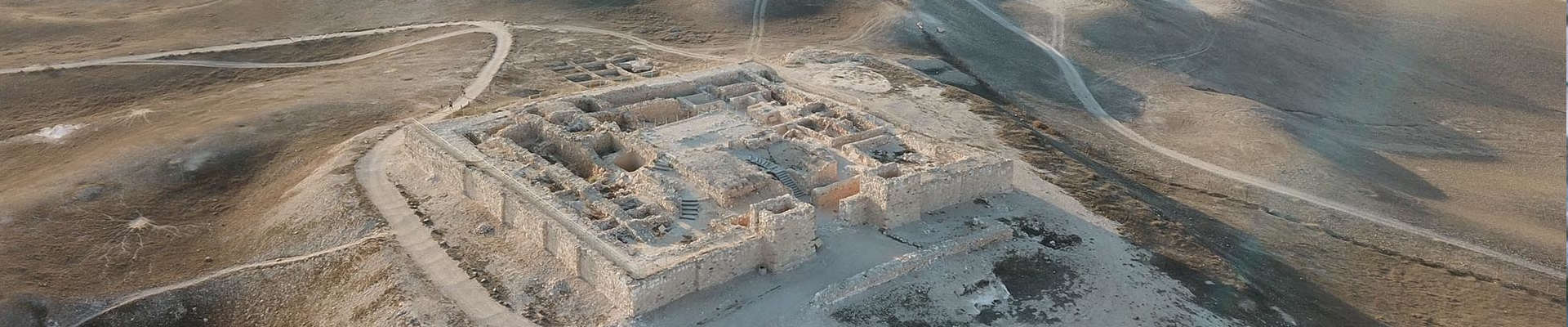

 Dr. Kyle Keimer is an Honorary Senior Research Fellow in the Archaeology, History, and Language of Ancient Israel at Macquarie University, Sydney. He co-directed excavations at the site of Khirbet el-Ra’i in southern Israel and is the co-host of The Biblical World podcast. His research bridges both text and archaeology, with an emphasis on the early Iron Age and early Israelite monarchy. His interests also include historical geography and ancient warfare. After finishing his PhD at UCLA, he was a post-doctoral fellow at the W.F. Albright Institute of Archaeology before becoming a Senior Lecturer at Macquarie University. He has over 20 years of archaeological experience in Israel and Cyprus, working on excavations spanning from the Early Bronze Age to the Ottoman Period. His publications include two edited volumes and over 30 articles.


 Friends of ASOR
 As a historian and an archaeologist, Paul Flesher brings our earliest knowledge of synagogue rituals into conjunction with excavated first-century synagogues to answer that question. By focusing on Luke 4 and the Gamla synagogue—as a representative of first-century synagogues in general—Flesher explores how the synagogues’ architectural layout shaped the spatial and social dynamics of the people inside it to reveal two important points. First, the synagogue reinforced the tight bond between Scripture and the synagogue congregation through the positioning of the congregation and the ritual space of the Scripture reading. Second, the congregation’s mood changed so quickly from honor to rejection because the synagogue’s layout enhanced the communication not just between Jesus and the congregation but also among the members of the congregation themselves. Their ability to act as a coordinated group came from the synagogue’s internal, architectural structure.

