FOA Webinar: Shua Kisilevitz

FRIENDS OF ASOR WEBINARS

Holier than Thou? The Temples at Tel Moza and Reflections of Ritual Practices in Ancient Judah

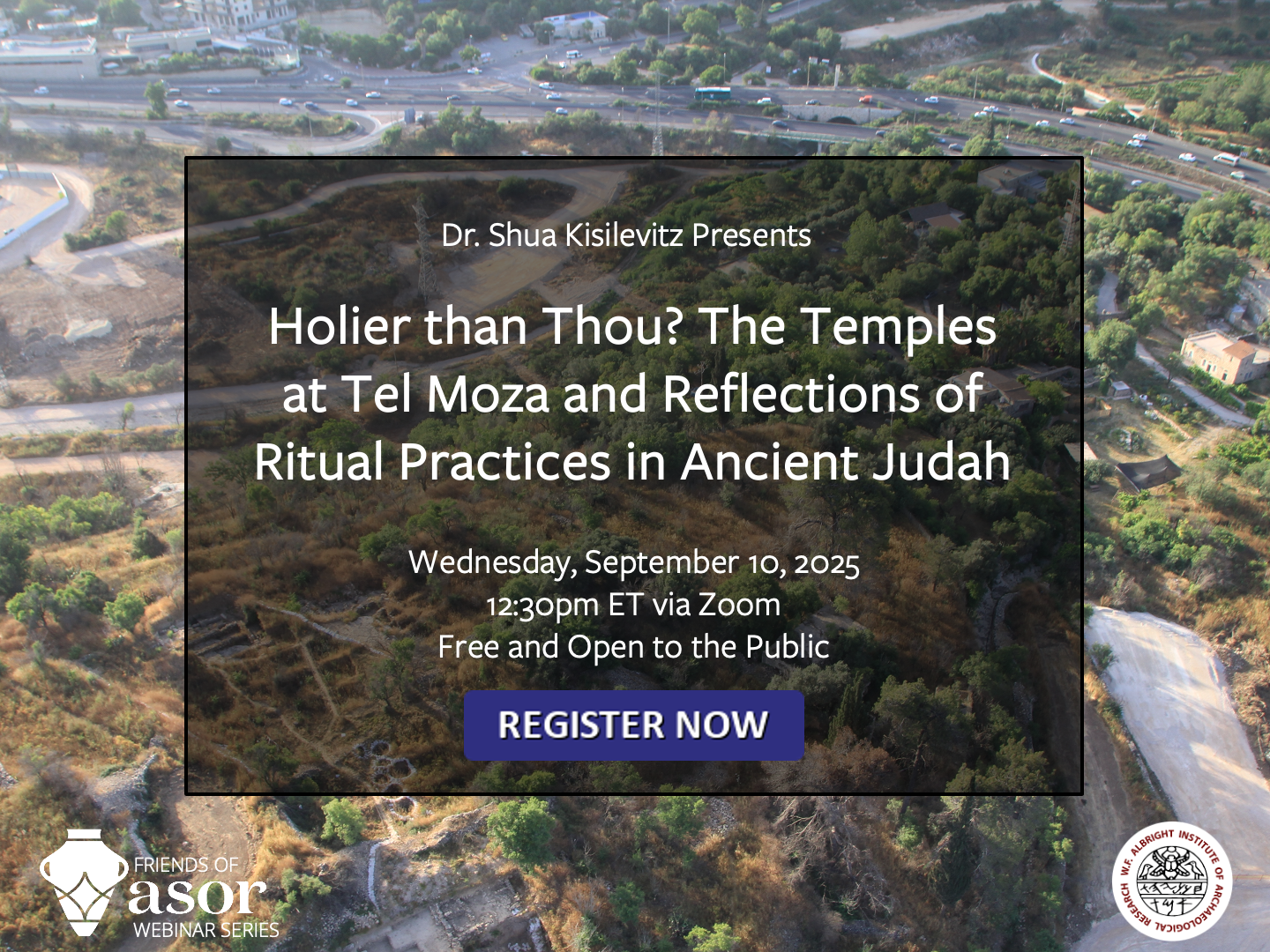
Friends of ASOR present the first webinar of the 2025-2026 season on September 10, 2025, at 12:30 pm EDT, presented by Dr. Shua Kisilevitz. This webinar will be free and open to the public. Registration through Zoom (with a valid email address) is required. This webinar will be recorded and all registrants will be sent a recording link in the days following the webinar.

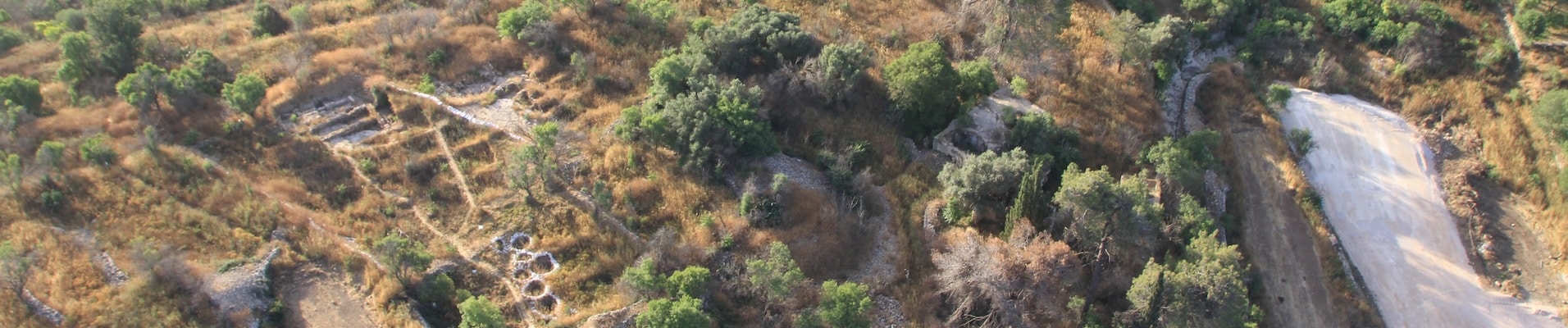
The recent discovery of not one, but a succession of two temples from the First Temple period at Tel Moza—just 7 km from Jerusalem—has reignited debate about how religion took shape in ancient Judah and the wider region. The revelations at Tel Moza are especially intriguing when set against the backdrop of traditional scholarship, which was both heavily guided by biblical texts and paradigms and hampered by the rarity of confirmed temple remains in Judah.

3D Reconstruction: Roy Albag

3D reconstruction © Roy Albag. Reproduced with permission. This image is not included under the website’s general Creative Commons license and may not be reproduced or distributed without express permission of the copyright holder.


At Tel Moza, excavations revealed a cultic precinct containing a modest early shrine that was later replaced by a monumental “long-room” temple whose plan, scale, and decoration closely echo the Bible’s description of Solomon’s Temple. Indeed, the similarities between the temples at Tel Moza and Jerusalem, and the proximity between the two, sharpen questions of cultic centralization, reform, and practice, and they suggest that Jerusalem’s temple was neither the only one in Judah nor necessarily the “first.”

Because such temple evidence is so scarce in Judah, the Tel Moza finds are unusually revealing. They include altars, offering tables, standing stones, sacrificial remains, and cultic paraphernalia that were found in sealed, well-documented contexts that reflect continuous rebuilding and refurbishing of the temples. Altogether, these discoveries provide a rare glimpse into how worship was actually practiced and how traditions formed over centuries. In this lecture, Dr. Kisilevitz will trace the development of the two Tel Moza temples and the rituals practiced there, setting them alongside biblical descriptions and regional parallels. Through plans, objects, and visual reconstructions, she will show how the patterns at Tel Moza likely reflect broader traditions that shaped religious life in Jerusalem and across the southern Levant.

Shua Kisilevitz is Assistant Director of the Albright Institute and a research fellow at Tel Aviv University.
She received her B.A.and M.A. in Archaeology from the Hebrew University of Jerusalem, and her PhD from Tel Aviv University. She has participated in excavations across Israel and has directed excavations at 15 sites in the region of Jerusalem and Judea. Since 2012, she has spearheaded the research and publication of the Iron Age site at Tel Moza, and she is co-director of the Tel Moza Expedition Project. Dr. Kisilevitz specializes in the archaeology of religion and ritual of the southern Levant in the Iron Age.

SUPPORT THE WEBINAR PROGRAM!

Friends of ASOR is pleased to announce that the first webinars of the 2025-2026 season will once again be free and open to the public with a goal to raise $10,000 so that the entire webinar season will be free. Will you support this outreach effort with a tax-deductible contribution? All donors/sponsors with gifts of $100 or more will be recognized in subsequent webinars. Help ensure these webinars stay free and available to all by donating today!

Designate your gift for “Webinars” in the drop-down menu.
Fieldwork Report: Anjuli Latchmansingh

All That Remains at Çadır Höyük

Anjuli Latchmansingh, 2025 Strange-Midkiff Families Fieldwork Scholarship Recipient 

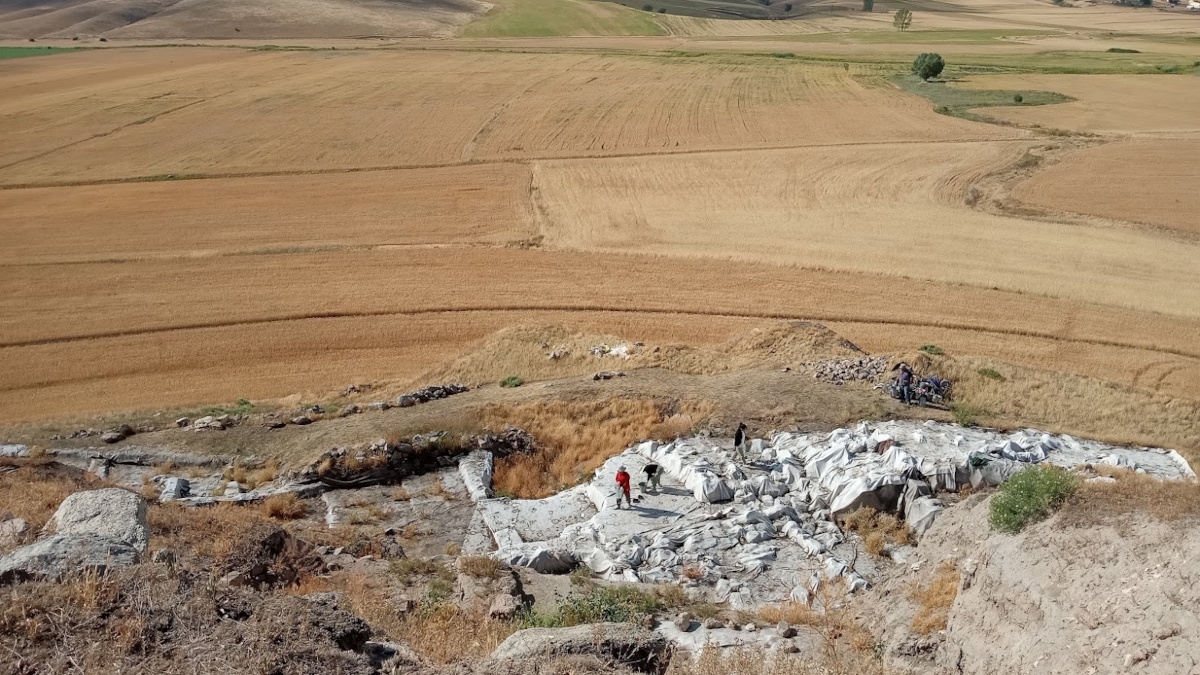
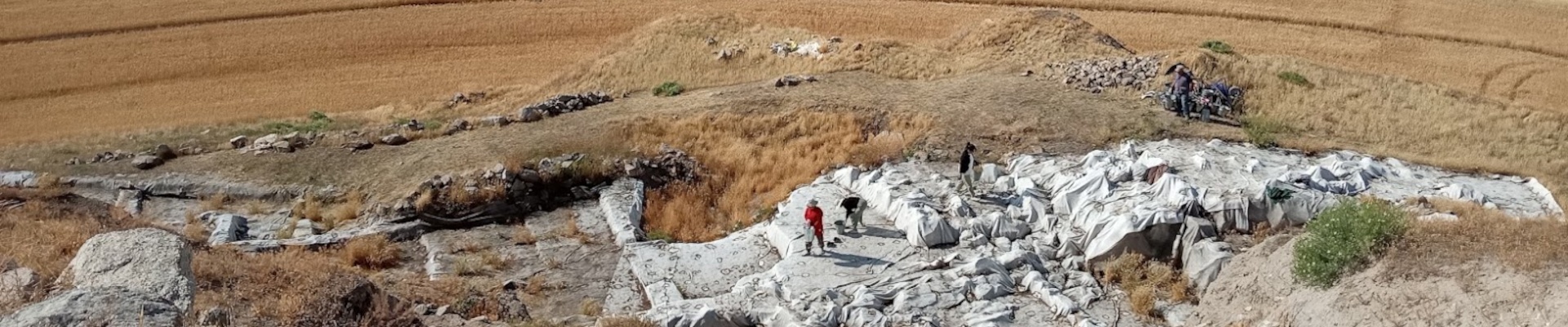
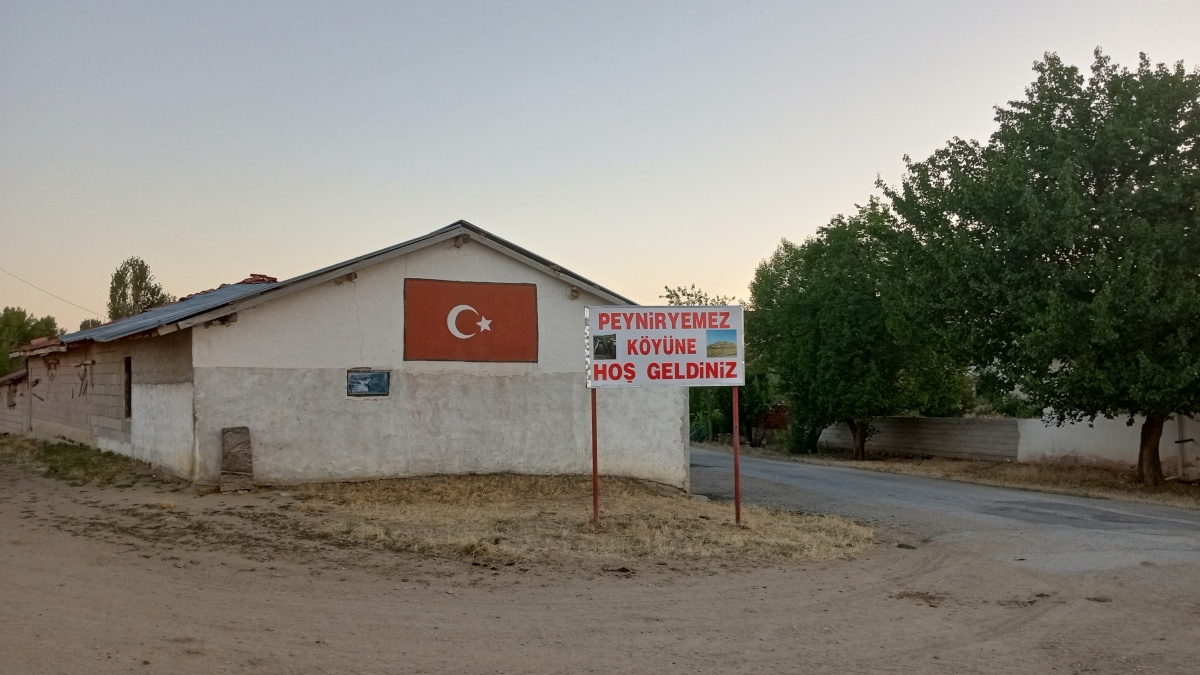
Within the village of Peynir Yemez in Türkiye is an archaeological excavation site named Çadır Höyük – an artificial mound that boasts roughly 7,000 years of human history. Evidence of human occupation on the mound comes in many forms. From pottery sherds, burials, and stone walls to glass beads and lithics, this site was once full of human activity. Yet the mound was populated by more than just homo sapiens. Animals of a wide variety were present, and their bones help tell us the human story.

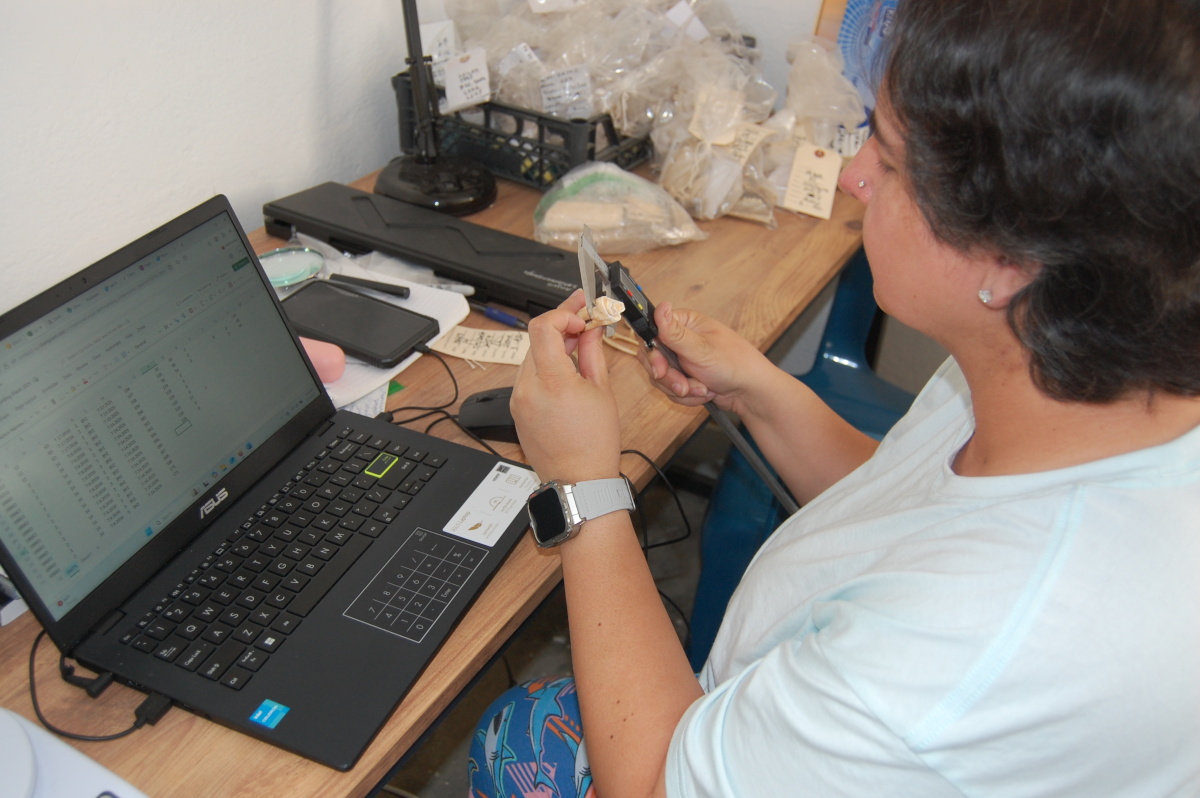
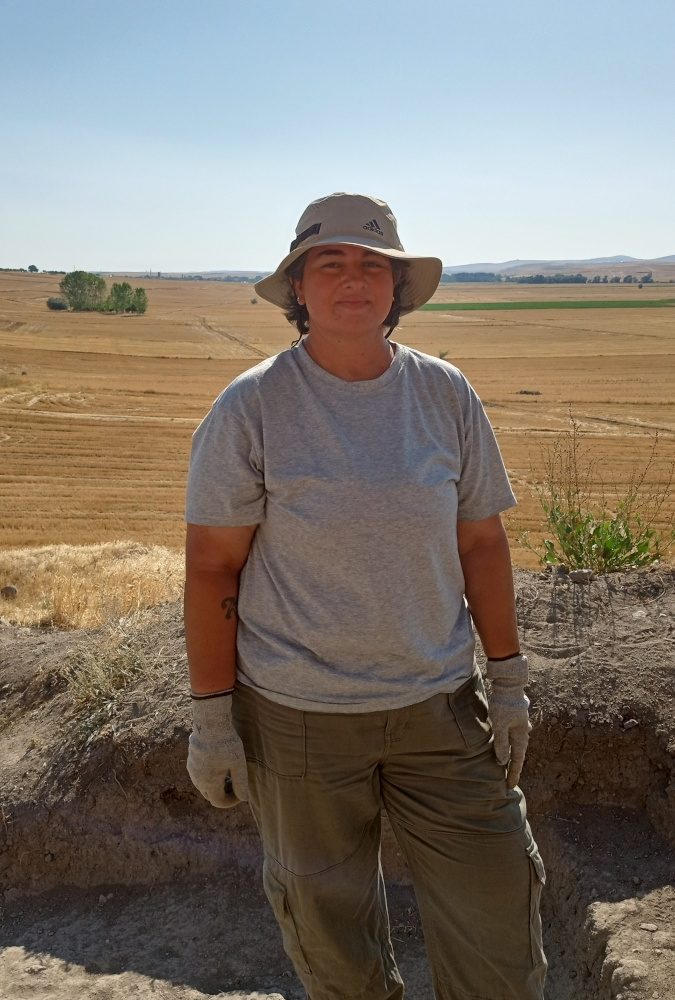
During the summer of 2025, I had the privilege of working at Çadır Höyük with Dr. Sharon R. Steadman (my professor, advisor, and the Project Director of Çadır Höyük) and a wonderful team of specialists, professors, researchers, students, and Turks for about six weeks. We worked six days a week and had Thursdays off – although many of us still found ourselves seated at our lab stations attempting to make the most of our fleeting time there. The days were long and hot. I spent my mornings in the field excavating and my afternoons in the lab analyzing faunal remains. For the season, I would be working by myself with faunal remains. I had spent the beginning of the year teaching myself about animal anatomy and specifically researching the species of animals that have been previously recorded at the site in preparation for this project.

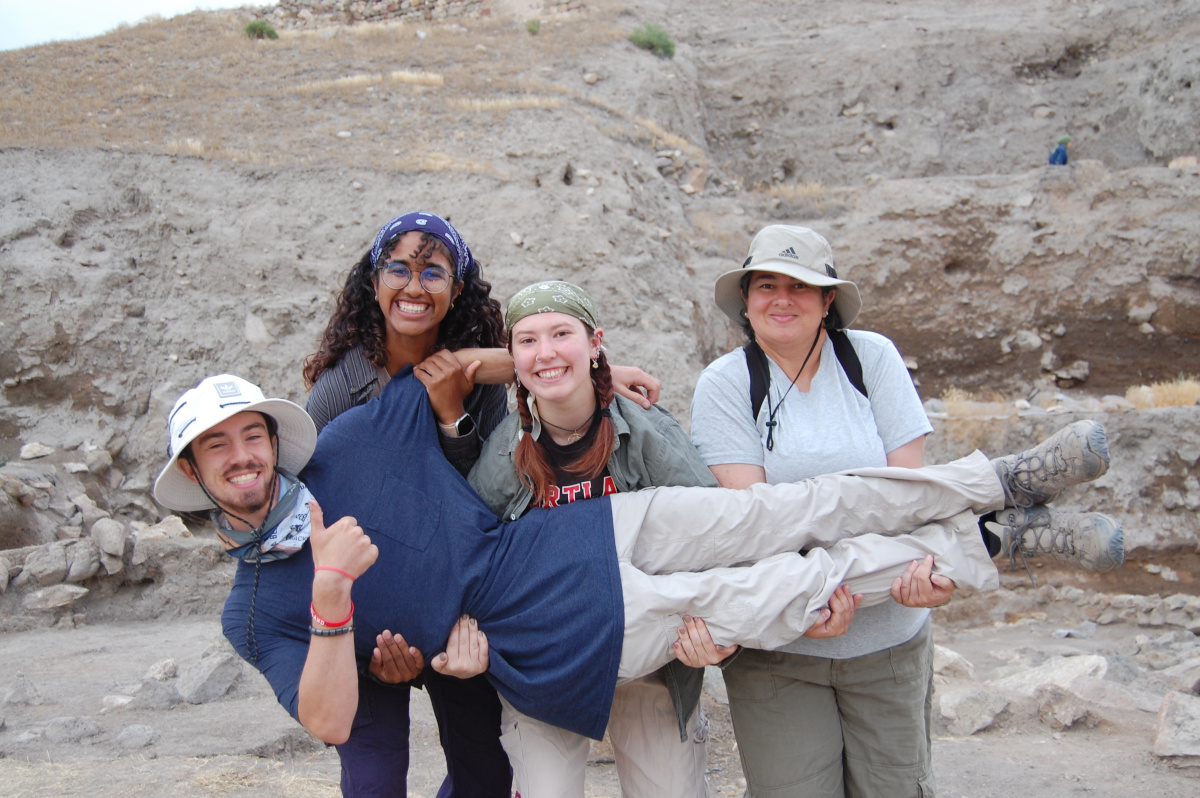
Excavating at Çadır Höyük was a unique experience. I was there with three other students from SUNY Cortland, and we were some of the first people to arrive. We opened many of the trenches for the season and I learned a great many skills and techniques. For instance, we took elevations from the trenches using an auto level on a tripod with a level rod and we learned to avoid bug bites by tucking our pants into our socks. Sometimes, it was the not-so-technical training that would prove most useful. There were, in fact, a lot of large bugs and spiders.

Not long after arriving at the site, a database and its recording protocol was sent to me created by Dr. Benjamin Arbuckle who published several works regarding faunal analyses at Çadır Höyük. Dr. Arbuckle has been an integral part of the project as the Assistant Director since 2009. His publications and the recording sheets he sent were extremely helpfulbecause I did not even know where to start or what to look for in terms of documenting. My education has been solely focused on human bones – identifying, classifying, measuring, determining pathology and trauma, and so forth. This summer, I excavated and evaluated hundreds of bones, but the vast majority of them were from animals. The exciting thing about animal bones is that not only are they all so incredibly different from kingdoms down to specific species, but even within species so much variation still exists. I honestly do not know how zooarchaeologists are able to store all thatinformation in their heads. It is quite impressive! Taking on Dr. Arbuckle’s database was challenging, important work for which I have great respect.

Animal bones differ from human bones in many ways. To give you an idea, animals tend to have many of the same bones that humans have but the shapes of those bones vary. This is in part because some become fused together, like a radius and ulna. Also, some animal bones are more curved or twisted because their muscles attach differently. Bird bones are mostly hollow, making them light enough to take flight. There are caudal vertebrae which make up animal tails, phalanges of hoofed animals, tusks, and a wide array of tooth types. Then there are horns or antlers or carapaces and plastrons to consider – because when you study the nonliving EVERY remnant is an important clue. All these unique traits are actually little hints that zooarchaeologists find and put together to create a complete picture of the animals that were present. 

Identifying the animal is only the first step. From this information, we can find MNI, NISP, look for age, sex, signs of trauma, and pathology. Then we can infer much more, such as butchering methods, husbandry, and timelines of domestication and agriculture. All of this informs archaeologists of the people of the past. Much of my time in the lab was spent interpreting the remains and recording the data. Despite my best efforts, there are still a lot of bones to be identified and recorded. So, next summer, the work will continue.

Team members at Çadır Höyük, Turkey.

From beginning to end, I had the opportunity to work with a wide range of people from all over the world, each driven bydifferent motivations. All had gravitated to this same small spot on our planet to come together for a season in a small village in central Türkiye to dig. And though I hope to meet and network with many of these professionals in the future, the Turkish people hold a special place in my heart. My time in Peynir Yemez was certainly a unique experience and I will cherish the friends and memories I have made. I will take with me the lessons I learned both in the field and the lab and use them in my next excavation experience. Understanding animal remains and being able to identify them will prove useful in my future endeavors by allowing me to understand relationships between persons and pets and sacrifices. It is my hope that the work I completed at the site proves useful in the future. I am grateful to have played a part in the research at ÇadırHöyük in the summer of 2025.

Anjuli Latchmansingh is a senior at SUNY Cortland majoring in archaeology with a minor in forensic anthropology. Her focus is on bioarchaeology with a special interest in mortuary archaeology. Anjuli has served as Archaeology Club president at Cortland, has been inducted into three national honor societies, and is currently working on her honors thesis.

Want to help more students and early career archaeologists get into the field? Donate to the cause today by selecting “Fieldwork Scholarships” as your gift purpose!

Join ASOR’s Board of Trustees

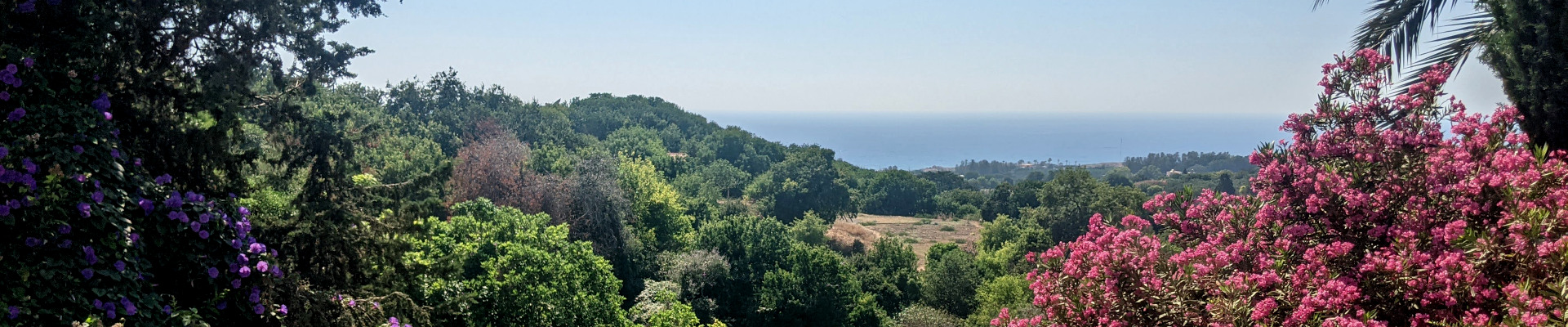
Interior courtyard of the Museum of Menorca, Spain.

CALL FOR TRUSTEE NOMINATIONS

The Trustee Nominations Committee announces an open call for (self) nominations for the ASOR Board of Trustees (Class of 2028). Trustees will serve a three-year term, starting January 1, 2026. There are three primary responsibilities of the members of the Board of Trustees:
  • Governance: Being aware of issues brought forward to the Board, attending two meetings per year (at your own expense), and bringing issues of concern to the Board.
  • Fundraising and financial management: Leading in development by thinking of new opportunities, leading in giving, and providing oversight on the audited financial statements. We ask that individual trustees aspire to contribute $500 or more annually.
  • Strategic planning and policy development: Leading especially in measures that accord with ASOR’s mission.


We anticipate two openings for Membership-Elected Trustees. Any full ASOR member may be considered for nomination as an Membership-Elected Trustee. If there is someone that you would like the committee to consider—including yourself—please send the person’s name and email address to Marta Ostovich in the ASOR office. Please check with the nominee as to whether they are interested in serving on the ASOR Board of Trustees before sending in their name. If you have any questions about the responsibilities and satisfactions of being a board member, please email Kathryn Grossman, Chair of the Trustee Nominations Committee.

The ASOR office, or a representative from the Nominations Committee, will contact all nominees to describe the responsibilities in greater detail, and to make sure that the nominee is willing to have his or her name discussed by the Trustee Nominations Committee. Please note that nominees will need to submit a brief biography and a mission (or vision) statement for what they would like to accomplish as a trustee to be considered by the Nominations Committee. A sample of these statements can be found in last year’s “Meet Your Board Nominees” webpage. Brief biographies and mission statements should be ca. 200 words each and submitted via e-mail to Marta Ostovich by noon EDT on Monday, September 22, 2025.

After the Committee selects individuals for nomination, the election will take place by electronic ballot during October. ASOR is once again conducting online voting to ensure that more of our members are able to participate in this important process. The ASOR office will work with any person who is not able to complete an electronic ballot to ensure that everyone is included.

In order to receive full consideration by the committee, nominations (including supporting documents) should be submitted to programs@asor.org by noon EDT on September 22, 2025.

Friends of ASOR Tours: Archaeological Tour of Cyprus 2026

FRIENDS OF ASOR TOURS

Archaeological Tour of Cyprus 2026


Next summer, join 15+ ASOR archaeologists* for an unforgettable journey through Cyprus, where archaeology meets breathtaking Mediterranean beauty. Immerse yourself in behind-the-scenes tours with scholars, archaeologists, excavators, and museum curators who will personally guide the group through a curated itinerary of sites and museums, including:

  • Kourion
  • Idalion
  • Koukila
  • Cyprus Archaeological Museum
  • The Cyprus American Archaeological Research Institute (CAARI), among many other sites.


Friends of ASOR is excited to announce the launch of our first archaeological tour of Cyprus from arrival on June 14 to departure on June 23, 2026. Some of the ASOR archaeologists are pictured below. Tour leaders will be ASOR’s own Dr. Rachel Bernstein and Dr. Andy Vaughn. Tour highlights include exploring Idalion with Dr. Pamela Gaber, investigating the new excavation areas around Kalavasos with Dr. Kevin Fisher, conversing with Dr. William Dever over dinner, and touring and dining at the Cyprus American Archaeological Research Institute with Dr. Lindy Crewe.*

Space is limited to 28 people—reserve your place now to travel with fellow archaeology enthusiasts and ASOR experts!

Double occupancy: $5,750 (includes a $1,000 tax-deductible gift) | Single room supplement: +$900

What’s Included

The tour price covers:

  • Accommodation
  • Guided site visits
  • Ground transportation
  • Breakfasts and dinners
  • Entrance fees

In addition, a $1,000 tax-deductible contribution supports Friends of ASOR’s outreach initiatives, archaeological engagement, and education programs.


Registration Rates

Early Bird (through September 30, 2025): $4,750 + $1,000 tax-deductible gift to Friends of ASOR
Super Saver (October 1 – November 4, 2025): $4,850 + $1,000 tax-deductible gift to Friends of ASOR
Advance (November 5 – December 15, 2025): $4,950 + $1,000 tax-deductible gift to Friends of ASOR
Regular (December 16, 2025 until space is full): $5,050 + $1,000 tax-deductible gift to Friends of ASOR

Payment Schedule:

To reserve your place: $250 gift to Friends of ASOR Tours (applied toward your total $1,000 contribution). When making your gift, please select the “Friends of ASOR Tours Cyprus” category from the drop-down menu.
Half of the tour cost (excl. remainder of Friends of ASOR contribution): Due by December 15, 2025 (or at registration if after this date.)
Remaining tour cost (excl. remainder of Friends of ASOR contribution): Due by March 31, 2026.
Remainder of $1,000 contribution ($750): Due by May 1, 2026.

Example of Total Cost:

If you register during the Regular period:
$5,050 (tour rate) + $1,000 (tax-deductible gift) = $6,050 total


Please e-mail us or call +1 (703) 789-9234 with any questions.

Cancellation Policy

ASOR strongly recommends that all participants purchase travel insurance because ASOR is required to make non-refundable deposits. ASOR cannot be responsible for refunds except as noted below.

All tax-deductible gifts to ASOR’s Friends of ASOR outreach initiatives are irrevocable and thus not refundable.

Schedule of refunds for trip cost and single supplement (if any):

  • From time of payment until January 15, 2026: $600 cancellation fee
  • From January 16, 2026 until March 31, 2026: $1,800 cancellation fee
  • From April 1, 2026 until May 1, 2026: $2,750 cancellation fee
  • From May 2 onward: full amount / no refund

*Speakers and full itinerary are subject to change.

Shepard Urgent Action Grant Report: The Al Haniyah Emergency Documentation Project

2025 Shepard Urgent Action Grant: The Al Haniyah Emergency Documentation Project

Julia Nikolaus (Ulster University), Nick Ray (Ulster University), Ahmad Emrage (University of Benghazi)

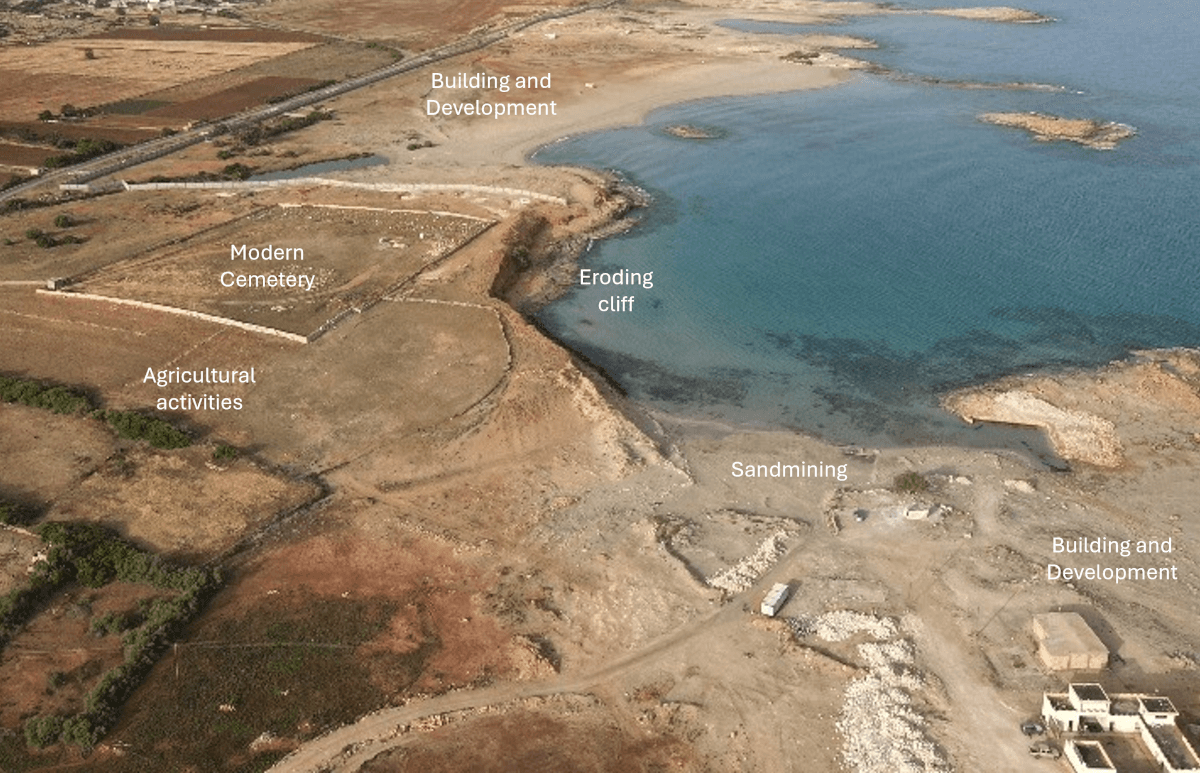
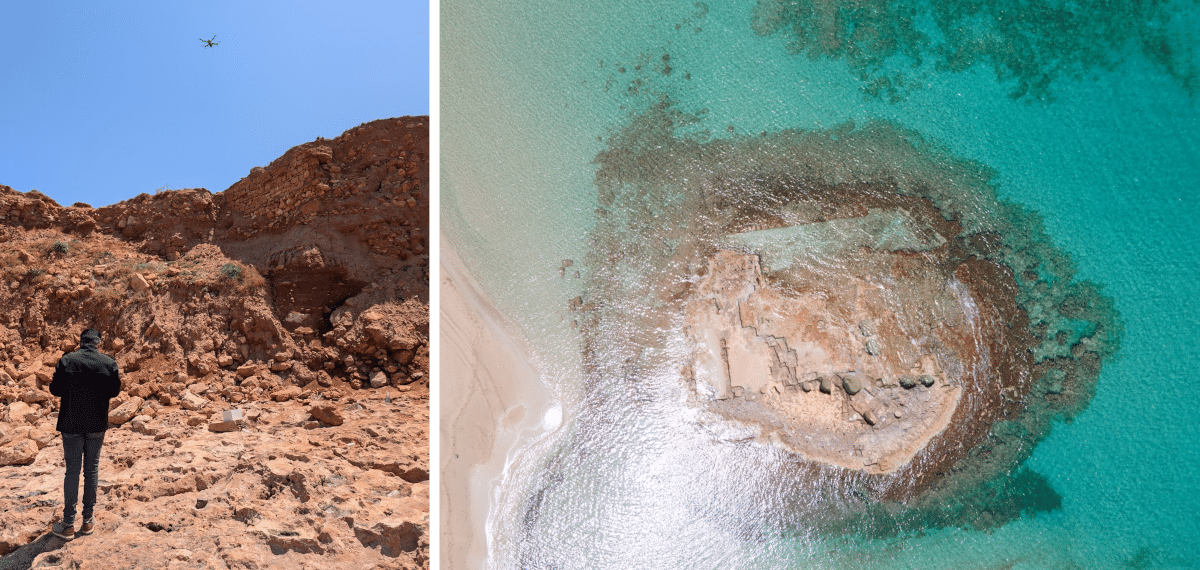
In 2025, with the support of the Shepard Urgent Action Grant, an international team of archaeologists completed a critical emergency documentation project at the endangered site of Al Haniyah (ancient Aptouchus), on the Cyrenaican coast of Libya. This urgent initiative responded to escalating threats from coastal erosion, unregulated agricultural development, and expanding infrastructure—pressures that have already caused widespread and irreversible damage to the site (Figure 1).

Figure 1: Drone image of Aptouchus showing threats and damages to the site.

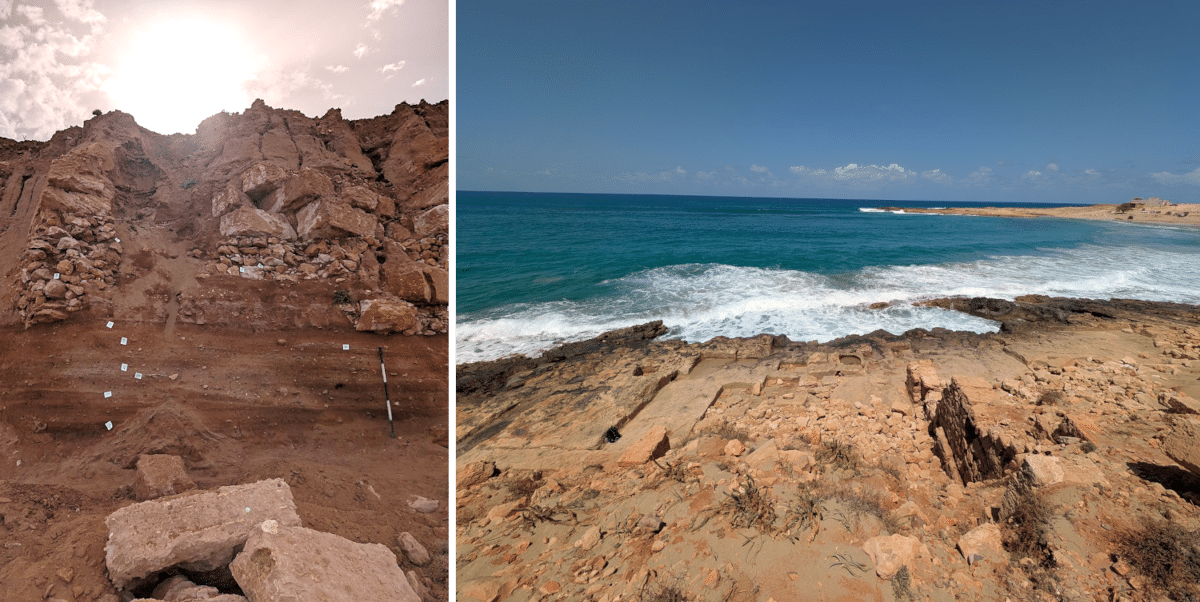
Aptouchus is a coastal harbour settlement dating to the Greek,Roman, and Late Antique periods. Though modest in size, covering approximately four hectares, the site played an important role in regional maritime activity and trade. Archaeological remains include Roman-period industrial features such as vats, tanks, and large building foundations, as well as domestic structures with plastered walls and finely worked stone masonry. These are now visible along an actively eroding cliff edge (Figure 2). Ceramic finds, including fragments of black-glazed pottery, point to activity as early as the Archaic period. In antiquity, the harbour was naturally sheltered by a rocky outcrop connected to a central islet, creating a protected anchorage for vessels. Today, parts of the ancient settlement lie beneath modern buildings and an Islamic cemetery, adding further complexity to the site’s preservation.

Figure 2: Left - walls protruding from the eroding cliff face; Right - industrial installations and buildings.

During the 2025 field season, a team of specialists from Ulster University (UK), the University of Benghazi (Libya), the Libyan Department of Antiquities, and the Alexandria Centre for Maritime Archaeology & Underwater Cultural Heritage (Egypt),undertook a multi-faceted programme of recording and documentation. The team began with a detailed site survey, identifying and mapping architectural features as well as recently disturbed areas. High-resolution drone photography was used to create 3D digital models of the site and surrounding terrain, including the vulnerable cliff face (Figure 3). These models will serve both as an archival record and as a baseline for monitoring ongoing change.

Figure 3: Left - our drone pilot at work; Right: drone shot of one of the islets with industrial features that formed part of the harbour.

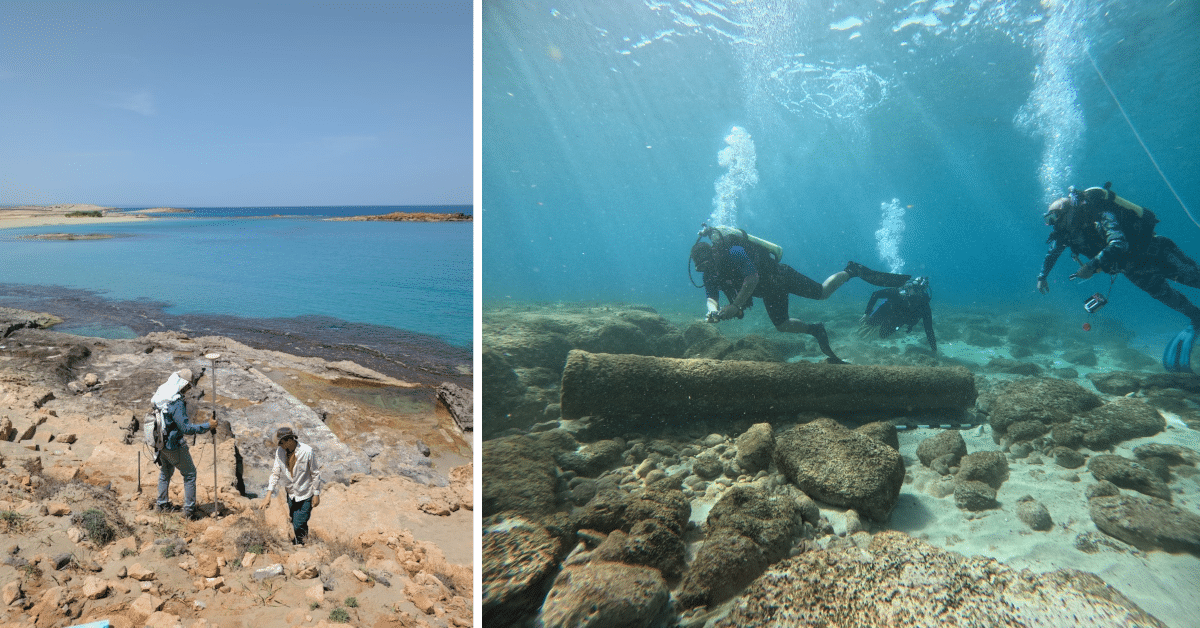
Terrestrial documentation focused on areas under the most immediate threat, especially where bulldozing had exposed ancient structures. These were recorded using differential GPS and photogrammetry, ensuring accurate spatial documentation. In parallel, a preliminary underwater survey examined submerged archaeological features of the harbour(Figure 4). Several stone blocks and cut features were identified, consistent with ancient maritime use.

Figure 4: Left - DGPS recording of visible architectural features; Right - Underwater survey of harbour area with submerged broken granite column.

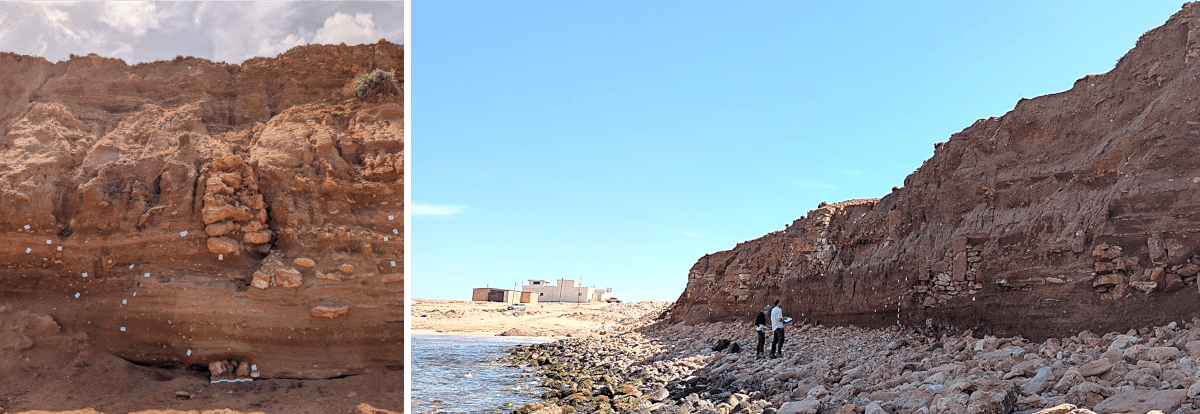
A key component of the work involved recording the exposed stratigraphy of the eroding cliff. Here, archaeological layers are visibly collapsing into the sea at an alarming rate. Detailed photographic and written records were made of these sections before they are lost (Figure 5). Pottery recovered from these layers will contribute to establishing a more precise understanding of the site’s chronology.

Figure 5: Recording the visible stratigraphic layer of the 120 m long cliff face.

This emergency project represents a crucial step in preserving the cultural heritage of Aptouchus. It has produced a lasting record of a site under immediate threat and drawn attention to the broader challenges facing Libya’s coastal archaeology. The documentation gathered will not only support future research into the economic and social dynamics of smaller ancient harbours but also underline the importance of protecting vulnerable heritage landscapes across the region.

2025 Call for Vice President

ASOR SEEKS NOMINATIONS FOR VICE PRESIDENT

The Officers Nominations Committee of ASOR announces a general call for nominations and applications for individuals to be considered for the position of Vice President of the Corporation. This is a three-year term of office beginning on January 1, 2026 and ending on December 31, 2028. A general description of the Office of Vice President and its responsibilities is in the ASOR Bylaws, available on the ASOR website (see Article IV, Section 4.7). Nominating an officer is an important way for members to participate in the governance of their organization, and we encourage you to self-nominate or nominate others. All ASOR Members in good standing are eligible for nomination as Vice President.

The Vice President’s primary responsibilities are to chair the Chairs Coordinating Council and serve on ASOR’s Executive Committee. The Vice President will also perform additional duties as the Board of Trustees, the Executive Committee, the President, or the Board Chair may prescribe from time to time. In the event that both the President and Chair of the Board are unable to be present to discharge the duties of the President, the Vice President shall perform the duties of the President until a new President can be elected. The Vice President agrees to attend three meetings each year at his/her own expense: the ASOR Board of Trustees meetings in November and May, and the Executive Committee retreat in January or February. General information on ASOR’s mission statement, bylaws, and strategic plan can be found on the ASOR website.

Submit inquiries and nominations via Google Form to Bob Mullins (ramullins@apu.edu), Chair of the Officers Nominations Committee. Review of applications and nominations will begin on August 15, 2025 and continue until the position is filled. The Officers Nominations Committee expects to present a nominee for Vice President to the ASOR Board of Trustees for a vote during the November 23, 2025 Board meeting in Boston, MA. Nominations should include the candidate’s name, a one-paragraph academic biography – including membership and activities in ASOR, a brief statement as to why the candidate would be appropriate for the position, and the candidate’s contact information. Self-nominations including the same information are encouraged. The Officers Nominations Committee will ask semi-finalists to submit a CV and vision statement.

ASOR is an Equal Opportunity Employer. ASOR affirms its commitment to equality of opportunity and pledges that it will not practice or permit discrimination in employment on the basis of race, color, gender, national origin, age, religion, creed, disability, veteran’s status, sexual orientation, or gender identity. The Board actively seeks candidates who represent the diversity within its membership for positions of leadership.