Wall Brackets, Deer Bones, and Sling Bullets Oh My! Excavating the Built Environment of Kalavasos-Ayios Dhimitrios
Isabelle Sauvé, 2023 Eric and Carol Meyers Fieldwork Scholarship Recipient
This report describes my participation in the fieldwork led by Dr. Kevin Fisher at the site of Kalavasos-Ayios Dhimitrios on the island of Cyprus during the 2023 summer season. Kalavasos-Ayios Dhimitrios is an urban center dating to the Late Cypriot (LC) II period (c. 1450-1200 BCE), reaching its peak in the Late Cypriot IIC before being abandoned. Previous investigations by Alison South from 1979-1998 revealed that this urban center was used for a multitude of both ritual and economic activities. The fieldwork undertaken this past summer was a continuation of excavations conducted by Dr. Kevin Fisher to the south-west of South’s original site.
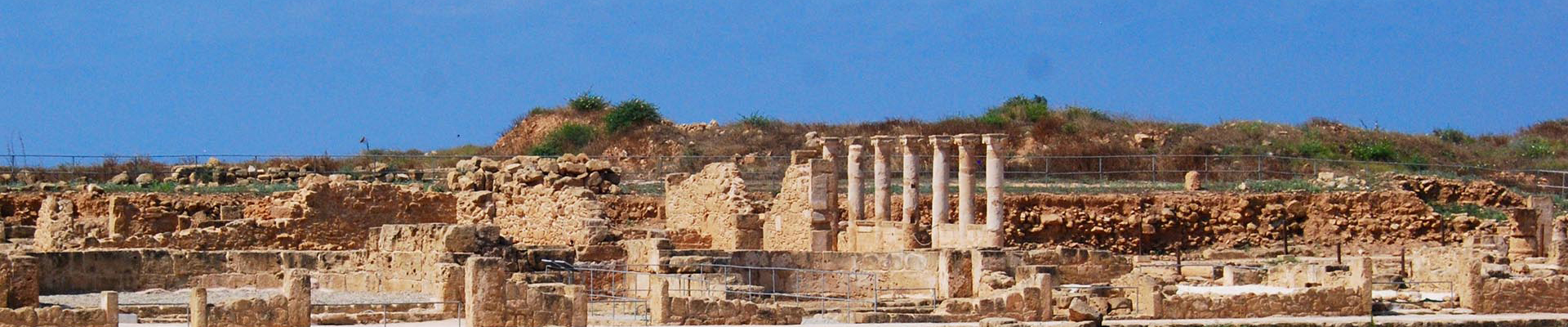
A view of the Neolithic site of Tenta from our dig site.
Kalavasos-Ayios Dhimitrios is one of the two main sites that are part of the Kalavasos and Maroni Built Environment Project (KAMBE). This project is an interdisciplinary investigation of the relationships between urban landscapes, social interaction, and social change on Cyprus during the Late Bronze Age. As a collaboration between the University of British Columbia, Cornell University, the University of Chicago, and the University of Southhampton, I had the opportunity to meet a number of scholars and students from these different institutions and make meaningful connections.
I was very grateful for the opportunity to join Dr. Kevin Fisher on this project since my research interests include the study of built environments in the Mediterranean Bronze Age. I was also especially thankful to join this dig as it was my first time excavating in the Mediterranean. Needless to say, I was super excited to start this new adventure!
During the field season, we stayed in the beautiful village of Kalavasos. Only a 10-minute drive away from the site, this little town was nestled in the hills and had amazing views of the surrounding scenery. Our team was fortunate enough to stay in tourist apartments that were so cozy and comfortable. Each night we would have dinner together at one of the local tavernas and get to try a variety of authentic Greek-Cypriot dishes. Everyone in Kalavasos was so friendly and welcoming, making my stay that much more special. It definitely helped me settle into my new surroundings for the month and ease my anxieties about being in a foreign place.
A picture from the streets of Kalavasos.
Even though we got to stay in luxurious accommodations, working in the field was not always so luxurious. We worked long hours in the dust and heat. A typical day included a 6:30 a.m. start, working until 9:30-10:00 a.m. and then having a 30-minute breakfast break. We then continued working until lunch time which was around 12:45-1:00 p.m. Luckily, we were spoiled by our directors and were given a 3-hour siesta period in the afternoon. Many of us would nap and lounge by the pool before going back into the field around 3:00 p.m. The day ended around 6:00-6:30 p.m. and we would come back to the village and have a nice dinner in the plateia.
Despite the long hours in the heat, I loved working in the field and had a chance to uncover so many interesting artifacts. I was working in Unit 7, which was a trench that had been opened in previous seasons. Here, another structure was uncovered and seemed to have been used for ritual activities. This trench yielded elite fine-ware pottery, large pithoi, and inscribed pottery. However, the most interesting finds this season were a wall bracket, deer bones, and hundreds of sling bullets. According to Dr. Fisher and colleagues, all these artifacts suggest ritual activity. Wall brackets are objects that consist of a long vertical shaft with a rounded top that is pierced by a suspension hole and a bowl at the bottom. These objects were likely used for lighting or burning incense and are found in cult, mortuary, and domestic contexts (Fisher et al. 2019). Likewise, the large deposit of deer bones points to ritual feasting as deer is rare in Late Cypriot diets and therefore points to a “luxury commodity” (Fisher et al. 2019: 487). The sling bullet deposit was the most interesting find in my opinion, where I spent hours carefully extracting hundreds of these ovoid, unfired clay objects from the ground. It is still unclear what their purpose in this context was, but they may have been deposited in this building as part of a ritual practice. Although I was tired, dirty, and hot at the end of the day, I was so happy to have gotten to dig and feel accomplished after each bucket of dirt that I filled.
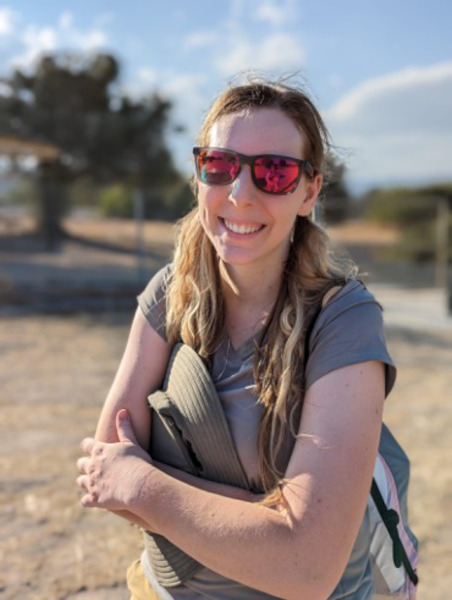
Isabelle Sauvé.
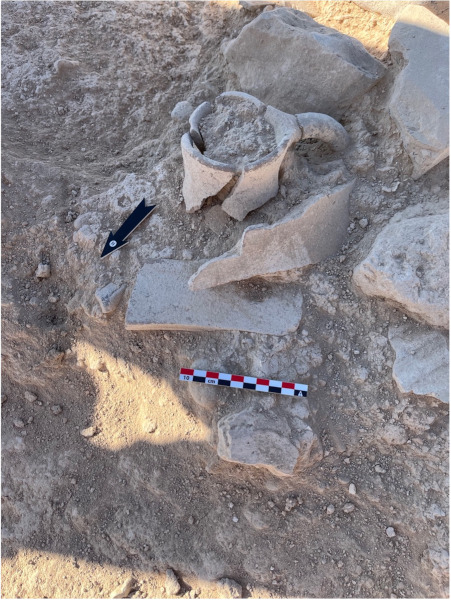
Artifacts from the field: A juglet and a wall bracket.
Aphrodite’s Rock.
Yet, my time in Cyprus did not just involve dirt and trowels. I had the chance to see so many parts of the island thanks to the field trips that the directors organized. I got to lounge by the Mediterranean on the beach, go shopping in Nicosia, see Taming of the Shrew in the ancient amphitheatre at Kourion, and tour so many ancient and historic sites. My favorite memory is picnicking with new friends at Aphrodite’s Rock and listening to waves hit the shore.
Overall, this was an unforgettable experience where I got to learn new skills in the field, make meaningful connections, and see new things. I am grateful to Dr. Kevin Fisher and Sheri Pak for organizing this trip and to Dr. Eric and Dr. Carol Meyers for their generous scholarship. Without all your support, my participation in this project would not have been possible!
Isabelle Sauvé is a graduate of the M.A. Classical and Near Eastern Archaeology program from the University of British Columbia, Canada. Her research focuses on architectural analysis and gender theory in the European and Mediterranean Bronze Age. Isabelle has previously excavated at Horvat Midras in Israel, making this her second archaeological excavation during her graduate studies. She hopes to get her PhD and continue conducting excavations of Bronze Age built environments.
For more information about the Kalavasos and Maroni Built Environment Project visit the project website: https://kambe.cnrs.ubc.ca/
Bibliography:
Fisher, K.D., S.W. Manning and T.F. Urban. 2019. New approaches to Late Bronze Age urban landscapes on Cyprus: Investigations at Kalavasos-Ayios Dhimitrios, 2012–2016. American Journal of Archaeology 123(3): 473-507.
Want to help more students and early career archaeologists get into the field? Donate to the cause today by selecting “Excavation Scholarships” as your gift purpose!
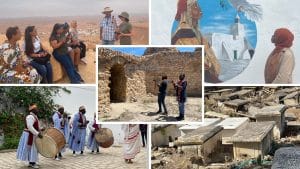
ASOR CHI proudly announces Cultural Heritage Initiatives in Africa Today, a free three-day symposium that highlights the work of local heritage professionals, academics, and civil society organizations to protect, preserve, and promote cultural heritage in North Africa and the Sahel. ASOR welcomes you to attend the symposium via Zoom from April 11–13, which will feature work in Libya (April 11), the Maghreb (April 12), and the Sahel (April 13). Each session will last from 11:00–13:00 EDT.
No registration is necessary to attend this event. Please return to this webpage on each day of the symposium to access the Zoom link.
Simultaneous translation in Arabic, English, and French will be provided.
The Imperiled Jewish Cemetery of Soliman (Tunisia) Facing Disappearance
Jamel Eddine Ben Saidane
Carthagina, Tunisia
Documenting Endangered Heritage as a Tool for Connecting Tunisian Minorities
Lassaad Dandani & Nawel Drissi
University of Manouba, Tunisia
Cemeteries of the Jewish Minority in Tunisia: Between Heritage Conception and Tourism Employment: The Finalization of an Interactive Map of Jewish Cemeteries
Jamal Maghiouzi
American Society of Overseas Research (ASOR)
Towards Heritage Preservation and Intercultural Dialogues
Abdelkarim Ouguinaz
High Atlas Foundation, Morocco
Preserving Morocco’s Tangible Heritage: Condition Assessment and Mapping Efforts by the High Atlas Foundation and the American Society of Overseas Research
Ratiba Rigalma
Ibn Zohr University, Morocco
The Suitcase Museum Experience in Morocco
Assia Sabri, Ibtissem Sabri, & Belgacem Guemri
Laboratory Douiret, Tunisia
The Amazigh Heritage within ASOR’s project in Tunisia
Safouane Tlili
Carthagina, Tunisia
Ibadi Mosques on the Tunisian island of Djerba: A Legacy on the Way to Extinction
Insecurity, Challenges and Current Perspectives about the Heritage of the Sahel
Aboutou Konate
AESPAT, Mali
Training in Documenting the Threatened Heritage of Communities in Mali
II – Roles of Cultural Associations in Preserving Heritage
Kadiatou Sow
AESPAT, Mali
Raising Community Awareness and Documenting Threatened Cultural Heritage in the Commune of Minidjan in Mali
Boureima Teme
Association Dogon Initiatives (ADI), Mali
The Efforts of the Dogon Initiatives Association for the Documentation and Preservation of the Cultural Heritage of Mali
Rahina Balarabé
Oralité Plus, Niger
Oralité Plus’ Cultural Heritage Work in Niger
Pierre Guindo
Mission Culturelle Bandiagara, Mali
Mission Culturelle of Bandiagara (Mali): Work on the Bandiagara Cliffs (Mali) in Partnership with ADI and ASOR
III – Safeguarding and Preserving Heritage through Community Action
Maki Garba
Culture, Art et Humanité (CAH), Niger
The Valorization and Revitalization of Traditional Cultures and Skills in Niger: The Case of Practical Transmission of Women Potters from Boubon
Kientega Pingdewindé Gérard
Koombi Culture, Burkina Faso
Role and Place of the Blacksmith in the Society of the Mossé in Burkina Faso
Speakers / Presenters
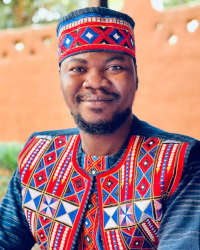
Dr. Mftah Alhddad is Professor of Archaeology and Ancient History at Azzaytuna University in Tarhuna, Libya. He received his doctorate in Archaeology from the University of Leicester in 2010. In 2012, he became the first director of the Libyan Department of Archaeology’s Documentation and Digitization Centre for Cultural Heritage. He has since been involved in a number of collaborative projects between DoA and foreign archaeological missions and institutions, including EAMENA, Training in Action, and Partnership for Heritage.
Awatef Bahroun is a heritage consultant and curator of the Leader Habib Bourguiba Museum. She is also a doctoral student, researching the Jewish community of Nabeul and its affect on the Jews of Cap Bon.
Rahina Balarabé, born in Niamey, Niger, Ms. Balarabé fell in love with storytelling at a very young age. In 2007, she made her storytelling debut and by 2008 had founded her theater company. She currently leads the artistic and cultural organization, Oralité plus.
Issouf Balima works with IKAM Burkina Sarl, a non-profit specializing in training in cultural entrepreneurship (Maaya), management, and cultural administration. IKAM serves as a resource center for the cultural and creative industries in Burkina Faso.
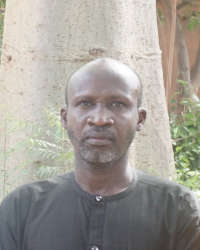
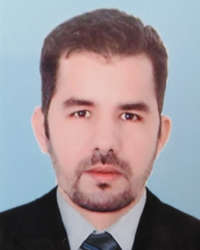
Jamel Eddine ben Saidane is a member of the Tunisian Amazigh minority. He is passionate about history and is involved in various initiatives aiming to protect, document, and promote Tunisian heritage. Jamel is a member of the Carthagina Association.
Dr. Ahmed M. A. Buzaian is a Research Associate at EAMENA, School of Archaeology and Ancient History, University of Leicester, UK. He also served as a Full-time lecturer in classical archaeology at the Department of Archaeology, Benghazi University, from 1994 to 2012, including teaching courses on Roman pottery, Field archaeology and Techniques in archaeological excavations, as well as post-excavation skills. Dr. Buzaian has directed numerous field projects including excavations at the ancient city of Teucheira (modern Tocra) from 1994 to 2012, Omar al-Mukhtar University training excavations at the ancient site of Balagrae (modern al-Beida) from 2001 to 2006, and Co-director of the Anglo/Libyan excavations at Euesperides (1995-2006).
Lassaad Dandani is Assistant Professor at the Higher Institute of Heritage Professions of Tunis. He holds a PhD in Contemporary History. He researches tourism and heritage in Tunisia and the Maghreb. Author of several articles on the history of tourism in Tunisia, he recently published a book on “Automotive Tourism in Tunisia.”
Nawel Drissi, a University teaching assistant at the Faculty of Letters, Arts, and Humanities, Manouba. A PhD researcher (final year) in American Politics and International Relations. I hold a master degree in American Foreign Policy from Leicester University, UK. I am also a UNESCO peace ambassador.
Dr. Aida M. Ejroushi, an architect from Libya, obtained her doctoral degree in Land Use, Planning, Management, and Design with a specialization in historic preservation from the College of Architecture at Texas Tech University. Dr. Ejroushi’s research revolves around historic preservation planning, planning history, international planning and development, critical theory, uneven development, and Science and Technology Studies. She examines the intersection between historic preservation and urbanization.
Geoff Emberling is an archaeologist and museum curator specializing in the Middle East and North Africa. Since 2016 he has worked with a team of Sudanese and international archaeologists and conservators to engage communities in education and preservation of the UNESCO World Heritage site of “Gebel Barkal and Sites of the Napatan Region” in northern Sudan. This work has spanned a popular revolution, a military coup, and now a civil war in Sudan.
Dr. Ahmad S. M. Emrage is an associate professor at the Department of Archaeology, Faculty of Arts, University of Benghazi’s. He holds a BA and an MA in Archaeology from University of Benghazi. In 2014, he completed a PhD at the School of Archaeology and Ancient History, University of Leicester, The UK.
During the 2019–20 academic year, Emrage held a Fulbright Fellowship to teach courses on Libyan cultural heritage at Oberlin College (Ohio, USA).
As ASOR’s representative for heritage activities in Libya, Dr. Emrage manages ASOR’s cultural heritage grants and activities in Libya.
Maki Garba holds a Professional Master’s degree in Cultural Heritage Management from Senghor University of Alexandria, Egypt. He is president and founder of the Culture, Art and Humanity Association (CAH). Garba works for cultural heritage on associative and public lands in Niger. Garba coordinates several projects in the fields of culture, development and social cohesion in Niger through the Cultural Diversity Portal: https://niger.spla.pro
Belgacem Guemri is a mechanical engineer and freelance photographer, who is interested in methods and techniques for documenting and preserving cultural and civilizational heritage.
Pierre Guindo was born in Nombori (Bandiagara) in Mali. He holds a Master’s degree in History-Geography from the Ecole Normale Supérieure of Bamako-Mali obtained in 1999, and a Diploma of Advanced Professional Studies (equivalent to a Master II) in Cultural Heritage Management from the Senghor University of Alexandria in Egypt obtained in 2005.
Professional therefore in the field of cultural heritage, after two years of service in the world of NGOs, he has worked and continues to work for the preservation and promotion of cultural values at the level of the Cultural Mission of Bandiagara where he is manager, holding the position of head of department since 2013.
Dr. Khaled el Haddar is Associate Professor of Archaeology at the University of Benghazi in eastern Libya. Since the Libyan revolution of 2011, he has played an instrumental role in documenting and raising awareness about the illicit trafficking of Libyan cultural property. In 2022, the Libyan Historic Cities Authority published his book, The Missing Benghazi Treasure: a Documentary Study, detailing the disappearance of the significant archaeological collection that had been housed in the National Trade Bank in Benghazi.
Aboutou Konate is a graduate with a Masters in Culture and Development from the University of Social Sciences and Management, Bamako, Mali. Currently, Mr. Konate serves as an archaeologist and instructor for the Faculty of History and Geography at the University of Social Sciences and Management, as well as an ASOR Local Coordinator Consultant in Mali as part of the Cultural Heritage Initiatives in the Sahel.
Jean-Paul KOUDOUGOU. Trained as a historian, multimedia communicator and cultural heritage management consultant, he has benefited from a series of high-level training courses in cultural heritage management. He has held several senior positions in the field of museum management and has a good knowledge of African museum policies. He is the President of the ICOM Africa Regional Alliance (ICOM-Africa) and Consultant for ASOR.
Jamal Maghiouzi was born in Dades Valley, Tinghir, Morocco. He has bachelor’s degree in English from Kaddi Ayyad University, Marrakech. He was always interested in culture and heritage. He became a field cultural coordinator at High Atlas Foundation USAID-Dakira program / Religious and Ethnic Minorities Program and at Asor HIC Program between 2021 and 2023. During these experiences, he developed his interests in ethnography, anthropology, local heritage, and inter-cultural dialogues.
Julia Nikolaus is an archaeologist specializing in North Africa, with a focus on remote sensing and heritage protection particularly in Libya, Egypt and Tunisia. Her research centers around long-term changes to archaeological sites and landscapes, which includes the exploration of more recent challenges to heritage such as urbanization, agricultural expansion and climate related impacts.
Abdelkarim Ouguinaz is a Ph.D. GIS expert with 8 years of experience in the field of GIS. He is capable of managing spatial databases and creating maps to undertake urban and rural planning projects. As a GIS engineer, he worked in various offices and NGOs and was also a freelance consultant. His duties include collecting and analyzing the data using Remote Sensing to process satellite images, creating interactive maps on online platforms, and mastering GIS software such as ArcGIS, QGIS, Google Earth Pro, and SasPlanet. Additionally, he has experience with photogrammetric processing of digital images and generating 3D spatial data for use in GIS applications and cultural heritage documentation.
Kientega Pingdewindé Gérard (aka KPG) anchors his profession as a blacksmith from Burkina Faso based on ancestral knowledge transmitted by his father. He also trained in theatrical art in Ouagadougou and established himself as a renowned storyteller, which led him to win the Silver Medal at the 2009 XVI Francophonie Games in Beirut. Transmission of intangible cultural heritage is at the heart of his vision; for this, he created in 2008 the Koombi Cultural Center in Arbollé, his native village, to train young people in the practices of storytelling, dance, and music.
Ratiba Rigalma is a professor at Ibn Zohr University, specializing in archaeology and heritage. She is a graduate of the National Institute of Archaeology and Heritage and a former department head at the Moroccan Ministry of Culture. Professor Rigalma has published several articles on archaeology and heritage and has participated in seminars at the national and international level.
Assia Sabri holds a university degree in accounting and finance. She is also a traditional jewelry maker and civil society activist.
Ibtissem Sabri is a civil society activist in Tataouine in southern Tunisia. She is also a representative on the local council of Tataouine Sud in Douiret.
Kadiatou Sow is originally from western Mali, more precisely from the Nioro region in the Sahel region. She is president of the Association of Students and Supporters for the Protection of Cultural Heritage (AESPAT). Kadiatou is passionate about culture, reading, travel and discoveries.
Boureima Teme was born in Yendouma Sogol, Dogon Country. He obtained his master’s degree in History and Archaeology in 2011 after defending his dissertation on the theme of sigui and its teachings in the area of Tôôrô. He has been working with the NGO Association Dogon Initiatives (ADI) since March 2016 in the culture section as a program manager.
Safouane Tlili is a photographer who specializes in documenting the material and intangible heritage of Tunisia, especially on the island of Djerba. He has held several art exhibitions and is a civil activist in several human rights and cultural associations.
This is the final week of ASOR’s March Fellowship Madness. Each year, ASOR sponsors many Fieldwork Scholarships for students and volunteers to take part in ASOR Affiliated Projects. Currently, there are funds to provide scholarships for 40 students, but with your help, we aim to raise $6,000 during March Fellowship Madness to send three additional students into the field during Summer 2024. As of March 28, we have raised $4,300 of our $6,000 goal. [/vc_column_text][vc_wp_text][/vc_wp_text][vc_column_text]Thank you to everyone who has already donated this month. We owe so much to our generous members; even a small donation of just $10 can add up to make a big difference. 100% of your gift will go towards Fieldwork Scholarships for students. Please support archaeology’s next generation by making a gift today and selecting “Excavation Scholarships” as the designation for your gift.[/vc_column_text][/vc_column_inner][vc_column_inner width=”1/3″][vc_wp_text][/vc_wp_text][mk_padding_divider][/vc_column_inner][/vc_row_inner][mk_table]
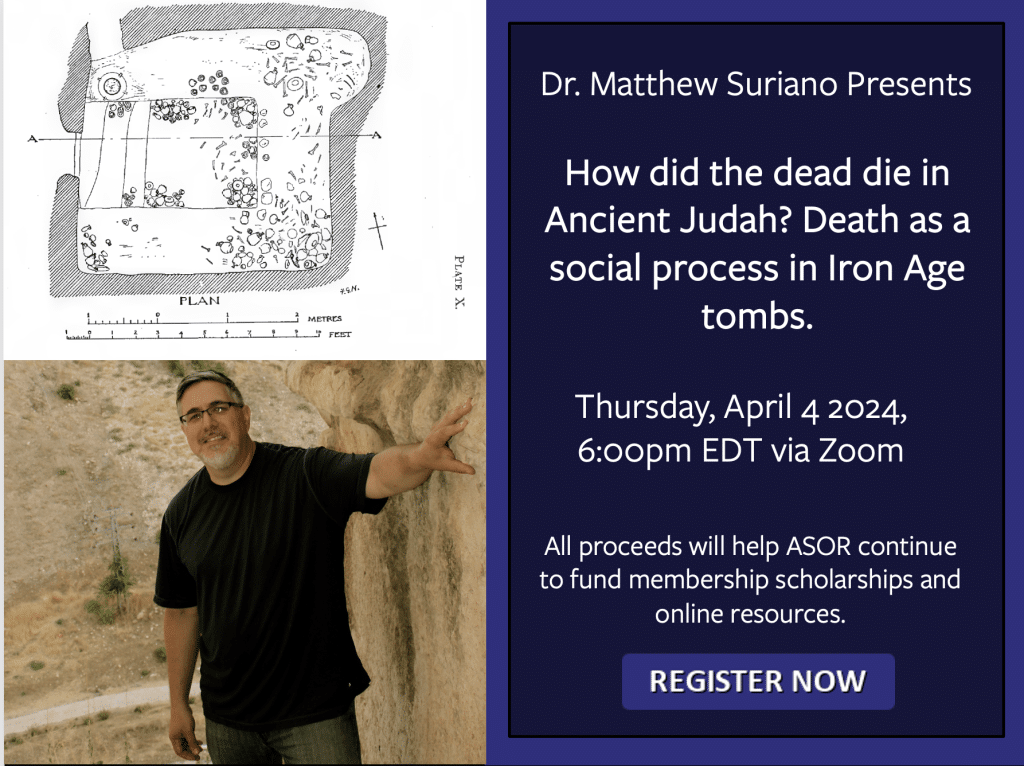
How did the dead die in Ancient Judah? Death as a social process in Iron Age tombs
Friends of ASOR present the next webinar in the 2023-2024 season on April 4, 2024, at 6:00 pm EDT, presented by Dr. Matthew Suriano.
The descriptions of death, dying, and burial in the Hebrew Bible are brief and ambiguous. The biblical text contains instructions on how to remove the ritual impurity of the dead, but does not contain any instructions for how to bury the dead. Likewise, the description of postmortem existence is ambiguous and seemingly contradictory. The psalms often depict the place of the dead, called Sheol, in tomb-like terms. In poetic passages like Psalm 88, Sheol is described in tomb-like terms as a dark and dreary place. Yet other passages like Gen 37:35, 44:29–31, and Eccl 9:10 imply that Sheol is the common fate for all humanity. Yet the tomb also holds positive connotations in biblical literature. An ideal death involved being buried with your kin inside the family tomb (2 Sam 19:38). Idioms for death used in the Bible, such as “gathered to one’s kin” (see Gen 25:8) and “lay down with one’s fathers” (see 1 Kg 2:10), imply the collective burial rites that would have occurred inside the family tomb. So how do we reconcile these contrasting images? The archaeological exploration of ancient Israelite mortuary remains provides insight into this problem. The excavation and survey of Iron Age tombs from Judah show that the dead received two burials, an initial interment when the body was brought to the tomb, and a secondary burial when their bones were transferred to a collection of bones (called a repository) stored inside the tomb. Death as transition, in ancient Judah, was observed through the physical changes that occurred in the corpse. This talk will examine the possible meanings of this transition, where the body moved from a burial bench to a re-interment inside a bin of bones, and suggest that it indicates a process of dying that began once the corpse was brought to the tomb. This process of dying, which contrasts with our modern concept of clinical death, provides new ways of looking at the complex images of death we find in the Hebrew Bible such as Sheol.
Matthew J. Suriano is an Associate Professor in the Joseph and Rebecca Meyerhoff Center for Jewish Studies at the University of Maryland where he teaches Hebrew Bible, ancient religions, and archaeology. A former fellow at the W.F. Albright Institute of Archaeological Research in Jerusalem, Suriano has also participated in several archaeological excavations and surveys in Israel, most recently at Tel Burna. He has written extensively on death and burial in the ancient world, and his book A History of Death in the Hebrew Bible (Oxford University Press, 2018) won the American Society for Overseas Research’s Frank Moore Cross Award. His research interests also involve Jerusalem and he is currently studying the monolithic tombs in Silwan.
This webinar will be recorded and all paid registrants will be sent a link to view the recording.
*Please log in to the Online Portal BEFORE registering for the webinar. Once you have logged in, you will be able to register under our Events page linked above.
Please e-mail membership@asor.org with any questions or issues with registering.
All proceeds from this webinar are used to fund scholarships for members as well as increasing ASOR’s online resources, which are free to the public.
READY FOR A WEBINAR SEASON PASS?
Buy a season pass for all the webinars* of the 2023-2024 FOA Webinar Season! With a season pass, you will automatically be registered for every webinar in the season, and you will receive the recording of each webinar automatically after the event.
If you have missed webinars earlier in the season and still want to buy the pass, you will receive the links to the recordings of the webinars you missed in your automatic confirmation email after you buy the pass.
*Special symposiums may be excluded from the season pass price.
No more registering for a year if you buy your pass today!
Pricing:
ASOR Sustaining Members: $0 (automatic registration for each webinar) Members: $75 Public: $150
Several levels of support from $50-$1,000 are available. Proceeds go towards membership scholarships and towards increasing ASOR’s virtual resources. Each sponsorship is tax-deductible and you can give your friends free registrations to a webinar! Sponsor a webinar here.
Bronze Level ($50): up to 2 guest registrations Silver Level ($100): up to 5 guest registrations Gold Level ($500): up to 20 guest registrations Platinum Level ($1,000): up to 50 guest registrations
After you sign up for a sponsorship online or over the phone, email the names and email addresses of your guests to Katherine Schmitt at membership@asor.org, who will send your guests a confirmation and the Zoom link before the webinar.
WANT TO SAVE $6.00 ON THE NEXT WEBINAR?
Join ASOR as a member! Click here for more details about discounts for events and other benefits of membership. Memberships start at $40 for the year as an Associate Member.
Dana Grant Report: Bioarchaeology of Deir el-Medina Research Project
Anne Austin, University of Missouri, St. Louis
Note: This report includes data derived from and images of human remains.
The 2024 season of the Bioarchaeology of Deir el-Medina Research Project was made possible through a Stevan B. Dana Grant. This funding allowed us to complete research in three tombs that we have been working in since 2019.
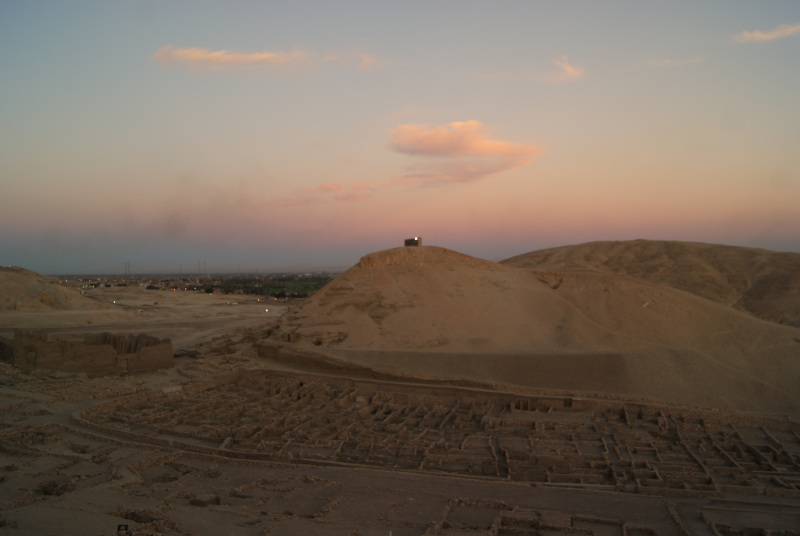
Deir el-Medina was the village for the families of workmen who cut and decorated the royal tombs during Egypt’s New Kingdom period (1550-1070 B.C.E.). This site offers a critical window into ancient Egypt due to its thousands of daily life texts documented on ostrich and papyri. Excavations of the village and surrounding tombs have also elucidated non-royal burial practices and domestic architecture, lending incredible insights into ancient Egyptian daily life. Despite its importance, however, the human remains at the site were never studied prior to our research team joining the Institut Français d’Archéologie Orientale mission.
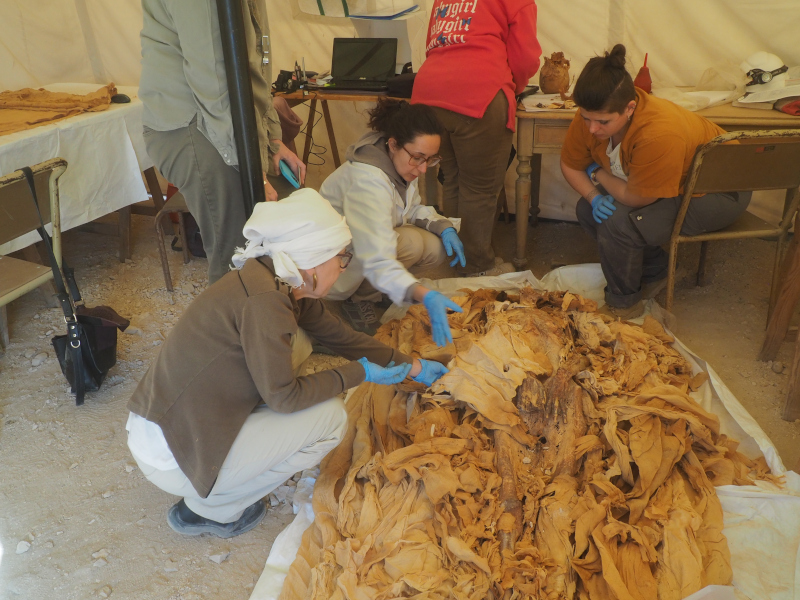
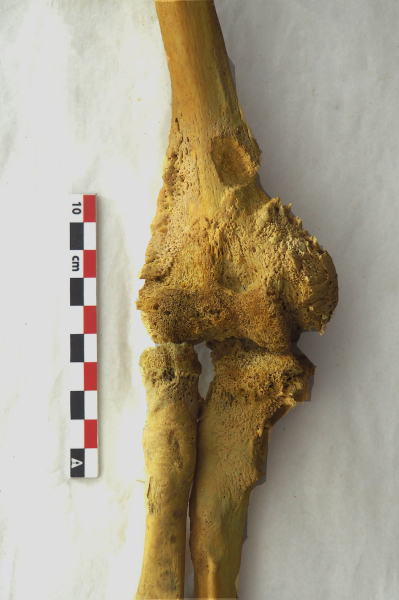
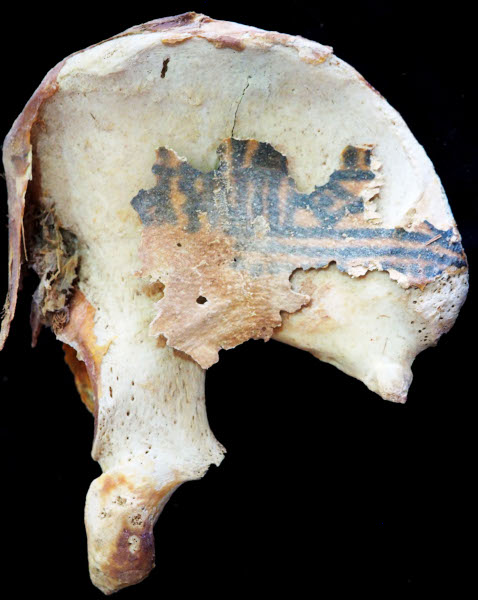
Since 2013, the Deir el-Medina Bioarchaeology Project has been inventorying, analyzing, documenting, and conserving the human remains at Deir el-Medina to learn more about ancient Egyptian health practices, tattooing, burial practices, and demography. This season, our objective was to complete the analysis of human remains from three tombs where we have worked previously: Theban Tomb 217, Theban Tomb 298, and Pit 1340. These three tombs span the site’s occupation and their completion allows us to interrogate new research questions including differences in health across family tombs and periods.
One of the most important research areas this season was the burials from the 18th Dynasty. This early period of Deir el-Medina’s history is also the one we know the least about since few texts have been recovered. We studied these men, women, and children side-by-side with experts on linen, mummification, and coffins to build rich biographies of each person from the 18th Dynasty both during their life and after their death.
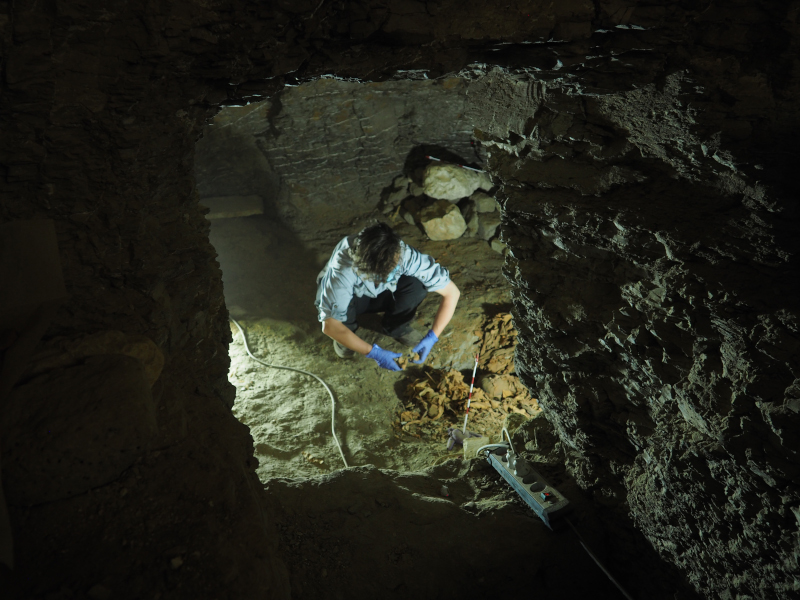
We also worked inside the tombs to maintain the best environmental conditions for the preservation and conservation of the human remains. In TT 298, this meant descending a 5-meter ladder into the tomb shaft where ASOR grant funds allowed us to purchase storage to organize and protect the human remains while keeping them in their original resting place. TT 298 has provided fascinating insights into daily life including unusual examples of pathology and tattooing.
ASOR WELCOMES DARREN ASHBY AS NEW CHI PROGRAMS MANAGER
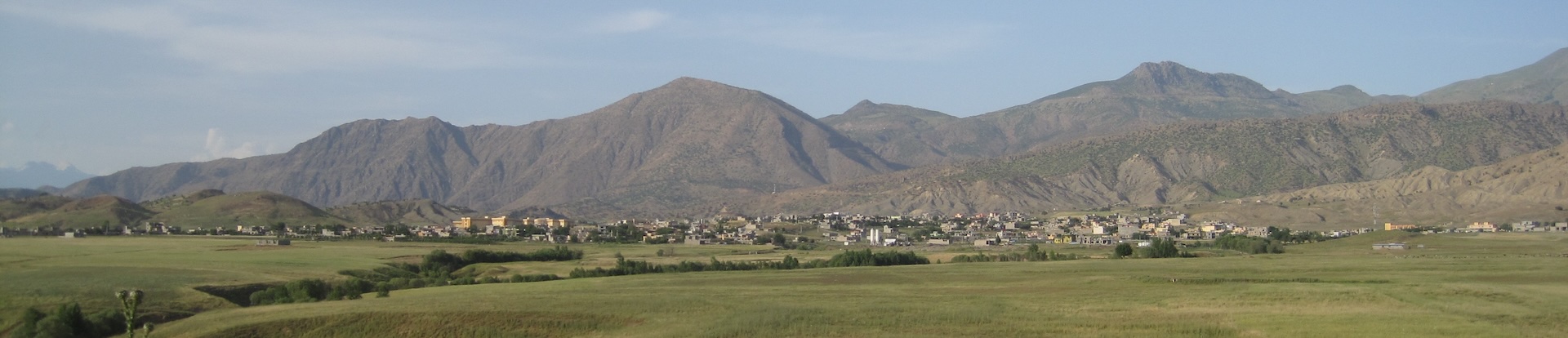
Dr. Darren P. Ashby joined ASOR as ASOR CHI’s Programs Manager on March 1. He previously worked at ASOR from 2017 to 2019 where he reported on threats and damage to cultural heritage and led a project to document the current condition of Jewish cultural heritage in Iraq and Syria. In his new role, Darren will work with CHI leadership to support ongoing projects, strengthen relationships between ASOR’s members and partners, and further develop ASOR’s abilities to protect, preserve, and promote the rich cultural heritage of Southwest Asia and North Africa in collaboration with local communities, heritage professionals, and civil society organizations.
Darren received his Ph.D. from the University of Pennsylvania’s Department of Near Eastern Languages and Civilizations in 2017 with a specialization in the archaeology, art, and history of Ancient Mesopotamia. His doctoral research explored Early Bronze Age economy and society through the study of religious architecture excavated at Tell al-Hiba in Dhi Qar Governorate, Iraq. After graduation, he pursued further archaeological research in Iraq as a member of field excavations at the sites of Tell al-Hiba, Nineveh, and Nimrud.
Most recently, he was Program Manager of the University of Pennsylvania’s Iraq Heritage Stabilization Program (IHSP) where he worked from 2019 to 2024. In this role, he worked closely with IHSP’s leadership and local and international partners to document, stabilize, and restore built and archaeological heritage in northern and central Iraq. Major projects include the restoration of the Sanctuary of Sheikh Adi at Lalish and the Monastery of St. George (Deir Mar Gorgis) in East Mosul with support from the U.S. Department of State as well as the restoration of a 19th-century home (Beit al-Tutunji) in Mosul’s Old City and the emergency assessment and stabilization of the Taq Kisra at Ctesiphon with support from the ALIPH Foundation.
Darren is excited to rejoin the ASOR CHI team and eager to hear more from the ASOR community about their thoughts on ASOR CHI’s current work and future priorities. He can be reached at dashby@asor.org.
ASOR WELCOMES REGAN BAKER AS NEW OFFICE COORDINATOR
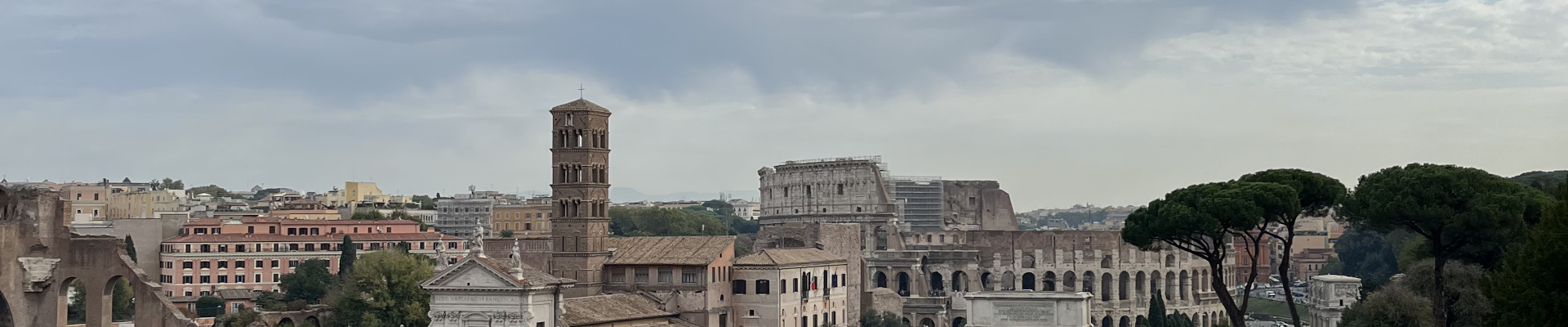
Regan Baker graduated from The George Washington University with a Bachelor’s of Art in Archaeology in May 2023. As an archaeology student, Regan quickly became familiar with ASOR, and she is excited to be coming on as the Office Coordinator. Previously, she interned at the Colosseum while studying abroad in Rome, Italy during the Fall 2022 semester. There, she worked in collections storage under the guidance of a supervising archaeologist and assisted with a project on marble pieces from the Imperial Box.
Regan completed her first archaeological field school in 2022 at the site of Dún Ailinne in County Kildare, Ireland. While participating in this field school, she helped excavate a section of what is believed to have been an Iron Age ceremonial site. In addition to learning the basics of field archaeology, she also had the opportunity to receive introductory training in artifact photography and GIS technology. During the four-week field school, Regan took several field trips with the team to other archaeological sites around Ireland, furthering her hands-on experience.
ASOR is pleased to welcome Regan as she begins her role of Office Coordinator. As Office Coordinator, she will be responsible for assisting the office staff with all administrative tasks, website maintenance, and being the first point of contact for members who email, call, or visit the James F. Strange Center. Regan greatly looks forward to growing within her new role and getting to know the inner workings of ASOR!
Hania Kantzer, 2023 Stevan B. Dana Fieldwork Scholarship Recipient
If you had asked me a year ago if I’d be up for working eight hours a day, six days a week, in the summer heat, starting at around 5 am every morning, I probably wouldn’t have been as enthusiastic as I am now. However, almost as soon as I began, I realized what an honor, what an unforgettable experience, and what an education it was!
Huqoq, an ancient Jewish village nestled about three miles to the west of Capernaum and Migdal (Magdala) in the Galilee region of Israel, has been the site of ongoing excavations since 2011. Dr. Jodi Magness of the University of North Carolina at Chapel Hill, leading the excavation, has unearthed a remarkable Late Roman synagogue dating back to the early fifth century C.E. This synagogue is adorned with mosaics which not only depict a range of biblical scenes but also mark the very first instance of a non-biblical narrative ever discovered in an ancient synagogue. When I was working for the Center for Jewish Studies on campus at my school, I presented to many classrooms (once, even to Professor Magness’ class) about this excavation as a possible research opportunity. Whether I persuaded others very well, I don’t know, but I definitely convinced myself! I ended up applying to join her team for Summer 2023.
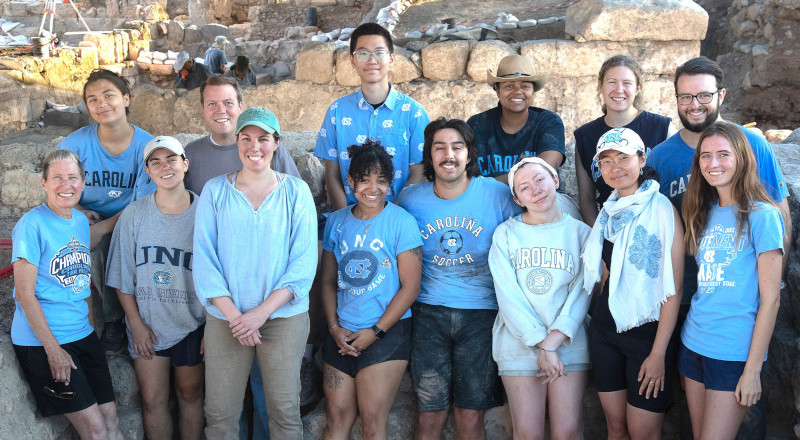
Professor Jodi Magness with current and former UNC students at the Huqoq excavations (Photo credit: Jim Haberman).
Sunrise at the kibbutz.
On the first day of the dig, right after getting introduced to our fellow team members, we dove straight into work. That routine carried us through the next five weeks. My alarm was always set for 4:11, which gave me precisely 19 minutes to change into my work clothes, splash my face with cold water, fill my water bottle, apply sunscreen, have a quick bite of a cracker, and catch the bus. During the bus ride, we’d all exchange groggy glances, then trek down a dusty road to reach our excavation site. We’d hurriedly set up our shade cloths just as the sun started to rise. Witnessing the sunrises every morning became one of my most cherished memories of the excavation. Orange light from the east and the cool morning air made me forget any reluctance I had about getting up early. It was during this time that our area supervisor would brief us on the day’s tasks.
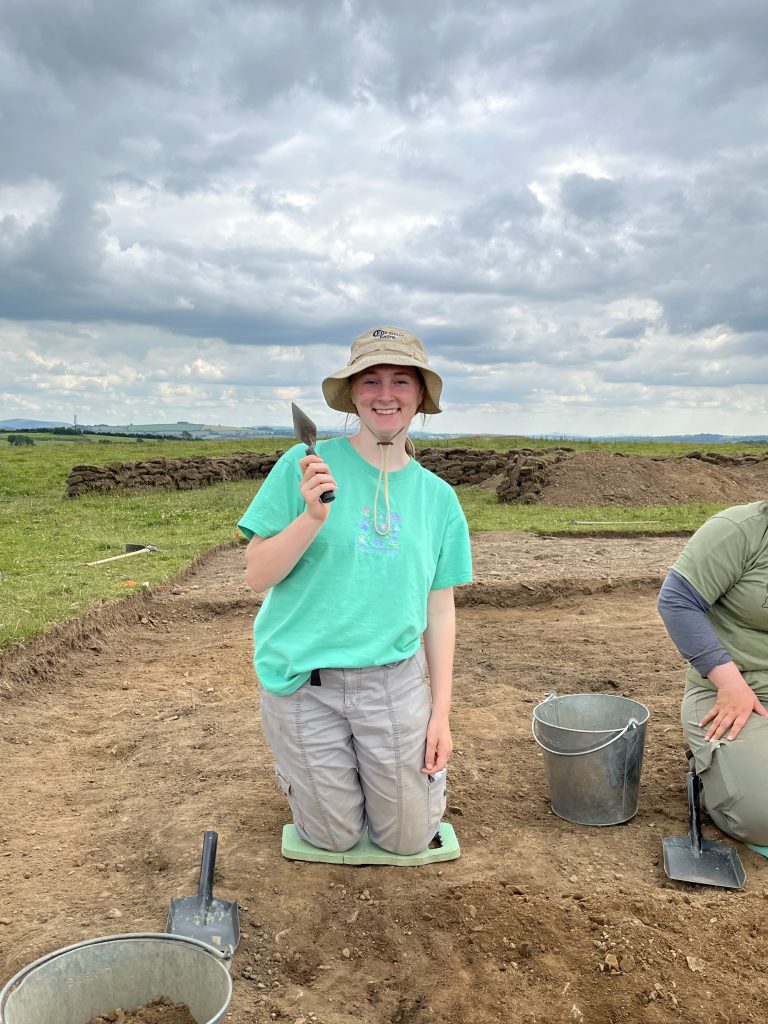
In the beginning, I started with relatively simpler tasks like carrying buckets or sweeping exposed pavement. Gradually, I progressed to more complex responsibilities, such as sifting for artifacts. After a minor hand injury, I was temporarily assigned breakfast duty. However, I soon returned to the field, where I tackled tasks like articulating walls and revealing plaster. I even learned how to take elevations and document our finds. The variety of assignments the area supervisors had for us ensured that we kept gaining experience and improving our archaeological skills. Boredom was certainly never an issue! We worked closely with professors and experts in different materials who patiently explained concepts as we advanced.
Me working on site (Photo credit: Jim Haberman).
Following our 8 a.m. breakfast and a refreshing watermelon break around 11 a.m., with plenty of water breaks in between to stay hydrated, we would dismantle the shade cloths and make our way back for a lengthy, comprehensive shower, followed by an even more lengthy and comprehensive lunch. Postlunch, our tasks typically involved cleaning potsherds and organizing our finds. Often, later in the afternoon, we were able to attend lectures delivered by experts specializing in conservation, pottery, mosaics, plasters, and glass. They had already been invaluable resources during our working hours, but listening to them delve deeper into their expertise was truly fascinating. After supper, we were free to play pickup basketball games on the kibbutz’s court, hike up a nearby mountain to watch the sun set, or simply enjoy card games in the courtyard. Our evenings usually wrapped up around 8 p.m., as I prepared to turn in for the night, knowing that come the next morning, the familiar schedule would resume.
Once or twice a week, we had the opportunity to visit other excavation sites, both ongoing and completed. This was such a cool way to contextualize our own work! Halfway through our dig, we embarked on a weekend trip to Jordan, with stops at remarkable sites like Machaerus and the Madaba map. It was a fantastic chance for us to unwind for a couple of days, be tourists, and immerse ourselves in the local culture of the region we had been diligently working in for an extended period.
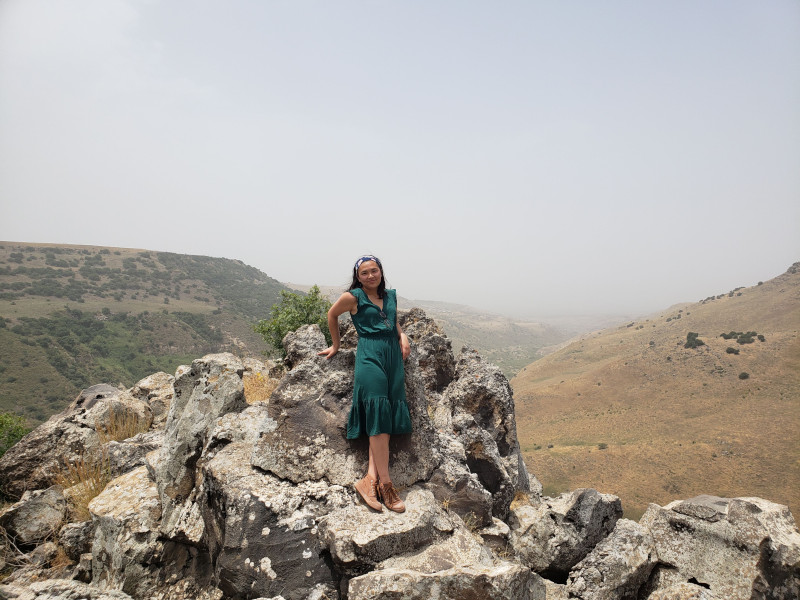
On one of our field trips to visit Gamla.
I can’t say that I didn’t expect how talented, hardworking, and experienced the professors I worked under were; the knowledge they imparted to us students was extraordinary just like their CVs would tell you. What I did not expect was the level of personal support and kindness they extended. I will never forget how these experts at the top of their field still made time to guide me, an undergraduate fresh out of my first year in college. They didn’t just lead by example; they also provided invaluable mentorship. Months later, I am still brushing off the dust from my work clothes, yet what remains even more vividly from this experience than the dust on my belongings or the treasured trowel displayed on my shelf are the wonderful memories of my first adventure in archaeology!
Hania Kantzer is a sophomore at the University of North Carolina at Chapel Hill studying chemistry and Asian studies. This past summer, she was a grateful recipient of the Stevan B. Dana Fieldwork Scholarship through ASOR, and was able to work as a student researcher on the Huqoq Excavation Project.
For more information about the Huqoq Excavation Project visit the project website:
Want to help more students and early career archaeologists get into the field? Donate to the cause today by selecting “Excavation Scholarships” as your gift purpose!
Each year, ASOR sponsors many Fieldwork Scholarships for students and volunteers to take part in ASOR A
ffiliated Projects. Currently, there are funds to provide scholarships for 40 students, but with your help, we aim to raise $6,000 during March Fellowship Madness to send three additional students into the field during Summer 2024. As of March 21, we have raised $3,000 of our $6,000 goal.
ASOR is able to provide these scholarships with the partnership of you, our many membe
rs and donors. You are enabling ASOR to establish new scholarships and grants through endowed funds, but your gift during this March will allow ASOR to send more eager
We owe so much to our generous members; even a small donation of just $10 can add up to make a big difference. 100% of your gift will go towards Fieldwork Scholarships for students. Read about the experiences of past recipients below to see just how great of an effect a scholarship can have on someone.
Please spread the word and don’t hesitate to contact us if you have any questions (e-mail or call [703-789-9233]).
Hear what past fellowship recipients have to say about their experiences in the field:
“Being on a dig isn’t just that three week or six-week session. It turns into a life experience. Not just the memory aspect of it. It can motivate you to care more about your physical condition and health. You make friends from all over the world and stay in contact on social media. It makes you more interesting to your family and friends, having unique stories to tell and pictures to share. If you read the Bible or history books it gives you “I was there” pictures in your mind of the real thing.
One of my favorite pictures from this summer at Tel Hazor Lower City is of me standing above the “hole” I helped dig in six weeks. By itself, the picture isn’t amazing. But when I tell the people I show it to that we started at ground level in the year 2023, and six weeks and nine feet later it was the year 1750 BC more than 3,700 years ago–it becomes amazing! Lots of people like movies and books about time travel; sitting comfortably watching a movie or reading a book. I was there. I touched the stones and artifacts. I time traveled. Words cannot adequately express this phenomenon. You’ll just have to go to a dig one of these summers and see for yourself.”
-John Rinks, 2023 Stevan B. Dana Fieldwork Scholarship Recipient
“What an exciting season in the field! It was fun to make new friends, learn from many capable archaeologists, and excavate such an interesting and historically significant site. It was inexpressibly rewarding to get back into field work after several years away. I am grateful to ASOR and the P.E. MacAllister Scholarship for making it possible for me to return to the field.”
“As an archaeology student, my education is all about developing my archaeological understandings and perfecting my craft. This is why we all go to school. But there is just something so special and amazing about the moments in our educational journeys when what we have worked to learn evolves from mere theory to applied practice.”
“Overall, this was an unforgettable experience where I got to learn new skills in the field, make meaningful connections, and see new things. I am grateful to Dr. Kevin Fisher and Sheri Pak for organizing this trip and to Dr. Eric and Dr. Carol Meyers for their generous scholarship. Without all your support, my participation in this project would not have been possible!”
-Isabelle Sauvé, 2023 Eric and Carol Meyers Fieldwork Scholarship Recipient
“I can’t say that I didn’t expect how talented, hardworking, and experienced the professors I worked under were; the knowledge they imparted to us students was extraordinary just like their CVs would tell you. What I did not expect was the level of personal support and kindness they extended. I will never forget how these experts at the top of their field still made time to guide me, an undergraduate fresh out of my first year in college. They didn’t just lead by example; they also provided invaluable mentorship. Months later, I am still brushing off the dust from my work clothes, yet what remains even more vividly from this experience than the dust on my belongings or the treasured trowel displayed on my shelf are the wonderful memories of my first adventure in archaeology!”
-Hania Kantzer, 2023 Stevan B. Dana Fieldwork Scholarship Recipient
“It was the exceptional privilege for me to participate in the Huqoq Excavation Project for their final year, not only because it supplemented my academic studies and offered me a close-up view of the Holy Land, but also because it augmented my understanding of the significance of archaeology. For this reason, I am profoundly grateful for those individuals whose assistance made my participation in the Huqoq Excavation Project possible, as well as all the directors, team leaders, and fellow members who made it such an unforgettable and phenomenal experience.”
“This July I was fortunate enough to travel to Israel for the first time and participate in the archaeological dig at Tel Abel Beth Maacah, near Metula in Galilee, and it was an unforgettable experience. As an Old Testament student much of my time is focused on the literary and linguistic areas of biblical studies, but on the recommendation from one of my professors I applied to be a participant in the excavation at ABM. This experience, although brief, has given me a practical perspective on my current academic endeavors. Thank you to ASOR and the scholarship donors who made this trip possible.”
“My first excavation season at Gird-I Matrab was a wonderful experience, full of surprising discoveries. I had the opportunity to work with an amazing international team and to discover more about Kurdish culture. I visited places and I met people that contributed to my personal and academic growth. I really look forward to being back in Gird-I Matrab next year!”
“One of my favorite things about archaeology is being part of a community forged through hard work, friendship, collegiality and mutual support. There is almost no better feeling than being covered in mud from head to toe, exhausted, hot, thirsty and hungry and yet somehow finding the energy for a race to the car for the best seat for the ride home while laughing all the way. Being part of this kind of family–a chosen family some might say–is a real privilege and one I look forward to every year.”
-Hélène Maloigne, 2023 Strange and Midkiff Families Fieldwork Scholarship Recipient
“In sum, the hands-on learning at Tel Dan helped me better understand the concepts I learned in my archaeology seminars (especially pottery typology!), the tools and methods used on archaeological digs, and how archaeologists make decisions in real time about what they are finding. Overall, I learned many things about archaeology and archaeological methods while on the dig that I never could have learned in the classroom.”
-Andrew Bock, 2022 Stevan B. Dana Fieldwork Scholarship Recipient
“In addition to all of the fieldwork, spending time with all of the individuals with the same passion for archaeology was amazing. I will have future colleagues and friends for life.”
-Zachary Griffith, 2022 Eric and Carol Meyers Fieldwork Scholarship Recipient
Hamza Benattia, Department of Prehistory and Archaeology, University of Barcelona; Project Director
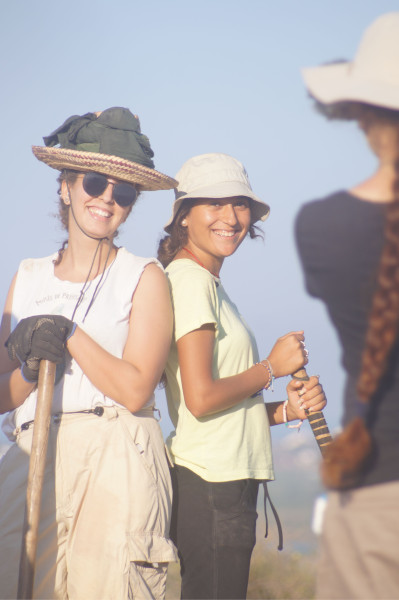
Despite over a century of archaeological investigation in northwest Africa, the Bronze Age (c. 3rd to 1st millennia BC) remains one of the most enigmatic periods of its later Prehistory. Since 2021, the Kach Kouch Archaeological Project team, primarily comprising PhD and undergraduate students from the National Institute of Archaeology and Heritage of Morocco (INSAP) and other countries, has made significant contributions, through excavation and survey, to the understanding of this hitherto mysterious period.
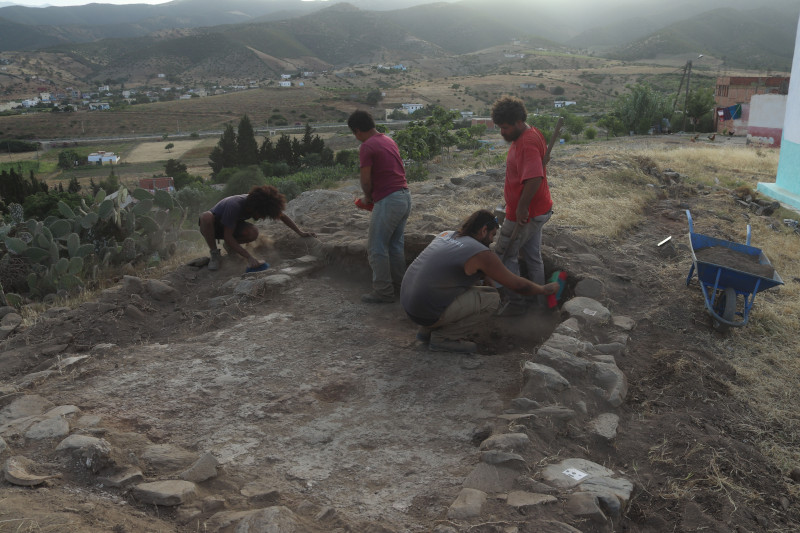
Excavations at Stehat 1.
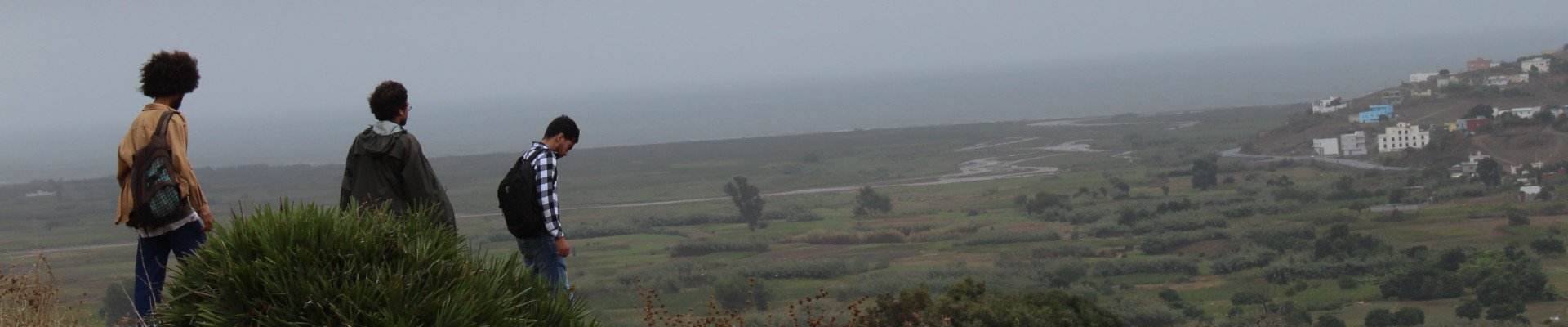
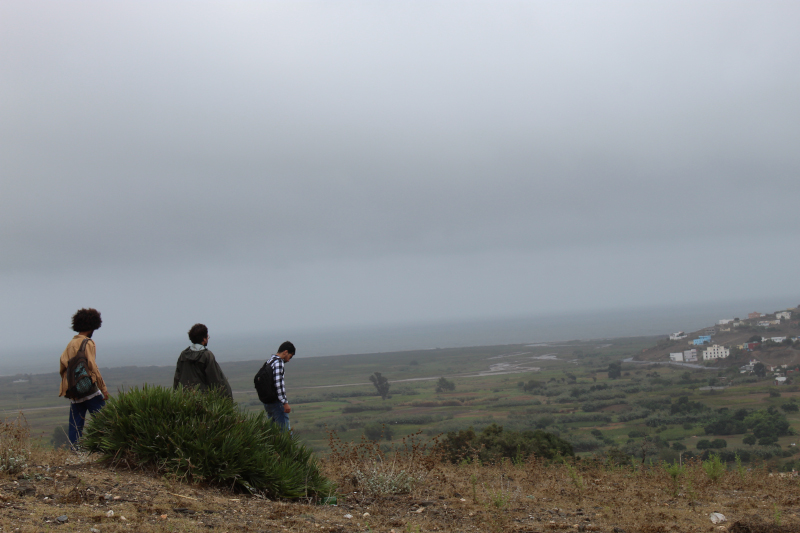
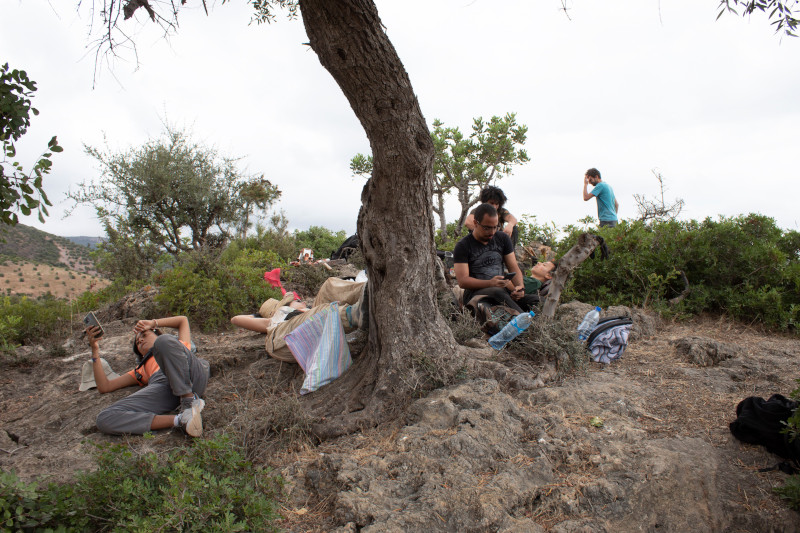
Surveying the valley of Stehat.
Thanks to the support of a Stevan B. Dana Grant, the Kach Kouch Team continued in 2023 and early 2024 the research in northwestern Morocco’s Rif mountains. Extensive survey and targeted excavation along the valleys of Oued Laou and Stehat led to the identification of 5 previously undocumented sites. These newly discovered sites attest a more stable settled occupation in this region than previously thought, spanning from the Late Prehistory to the Early Mauretanian Period (from c. 2200-400BC), a signature unprecedent for non-Nilotic North Africa.
Excavations at Stehat 2.
Excavating at Stehat 3, part of Kach Kouch Project, Morocco.
Contrary to prior assumptions, our research demonstrates that settled occupation in this region stems from social and economic dynamics within local North African communities since at least 2200 BC, rather than being a result of later interactions with Phoenician communities. Furthermore, while our conclusions are preliminary and require cautious discussion, initial findings suggest that, despite the settlement of Phoenician communities along the northern Moroccan coast from the 8th century BC onwards, local cultural traditions persisted in the inner valleys of the western Rif, Morocco, until the 6-5th centuries BC. As observed in similar colonial contexts, this seems to be related with a long process of negotiation, involving resistance and assimilation of new cultural practices among local communities.
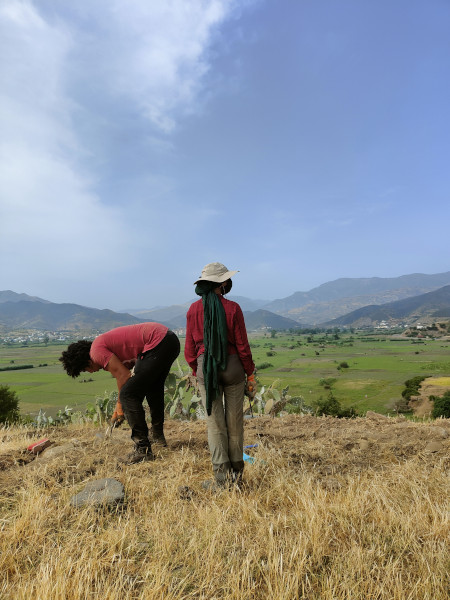
Surveying the valley of Oued Laou.
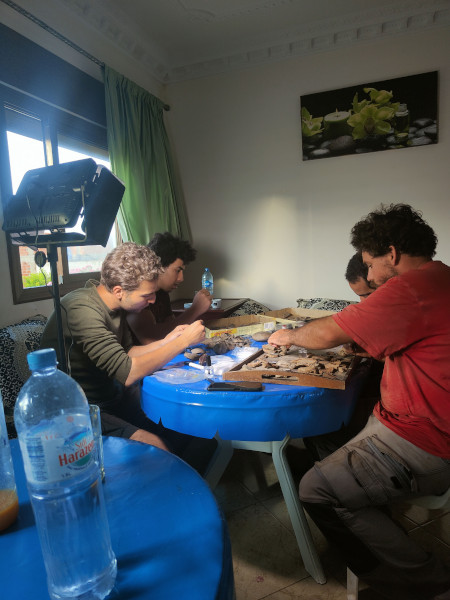
Working on materials at the lab.
This new data challenges prevailing narratives and underscores the importance of reevaluating colonial biases that have shaped scholarly discourse on North African archaeology. While our research has provided valuable insights, it represents only the beginning of a broader investigation. Many questions remain unanswered, motivating us to continue our work in the years ahead. It is our hope that through archaeological research we will further contribute to a deeper understanding of northwest Africa’s role in the prehistory of the Mediterranean, a narrative long overlooked and that for far too many years has gone unrecognized.
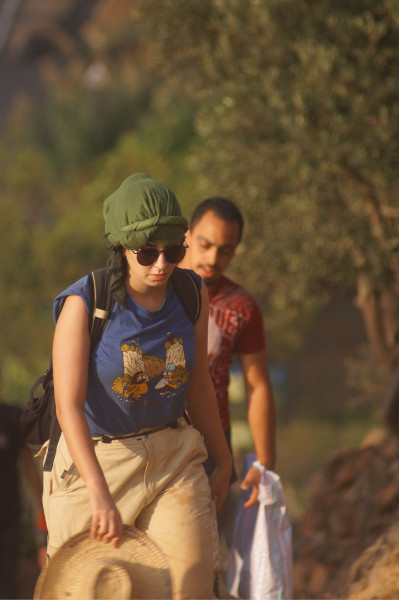
Beyond scientific research, the team thoroughly enjoyed this amazing field season as it provided an opportunity for collaboration among young researchers from Morocco and other countries. The season was replete with unforgettable experiences, laughter and delicious Moroccan cuisine!





 [/vc_wp_text][mk_padding_divider][/vc_column_inner][/vc_row_inner][mk_table]




 Matthew J. Suriano is an Associate Professor in the Joseph and Rebecca Meyerhoff Center for Jewish Studies at the University of Maryland where he teaches Hebrew Bible, ancient religions, and archaeology. A former fellow at the W.F. Albright Institute of Archaeological Research in Jerusalem, Suriano has also participated in several archaeological excavations and surveys in Israel, most recently at Tel Burna. He has written extensively on death and burial in the ancient world, and his book A History of Death in the Hebrew Bible (Oxford University Press, 2018) won the American Society for Overseas Research’s Frank Moore Cross Award. His research interests also involve Jerusalem and he is currently studying the monolithic tombs in Silwan.

 Dr. Darren P. Ashby joined ASOR as ASOR CHI’s Programs Manager on March 1. He previously worked at ASOR from 2017 to 2019 where he reported on threats and damage to cultural heritage and led a project to document the current condition of Jewish cultural heritage in Iraq and Syria. In his new role, Darren will work with CHI leadership to support ongoing projects, strengthen relationships between ASOR’s members and partners, and further develop ASOR’s abilities to protect, preserve, and promote the rich cultural heritage of Southwest Asia and North Africa in collaboration with local communities, heritage professionals, and civil society organizations.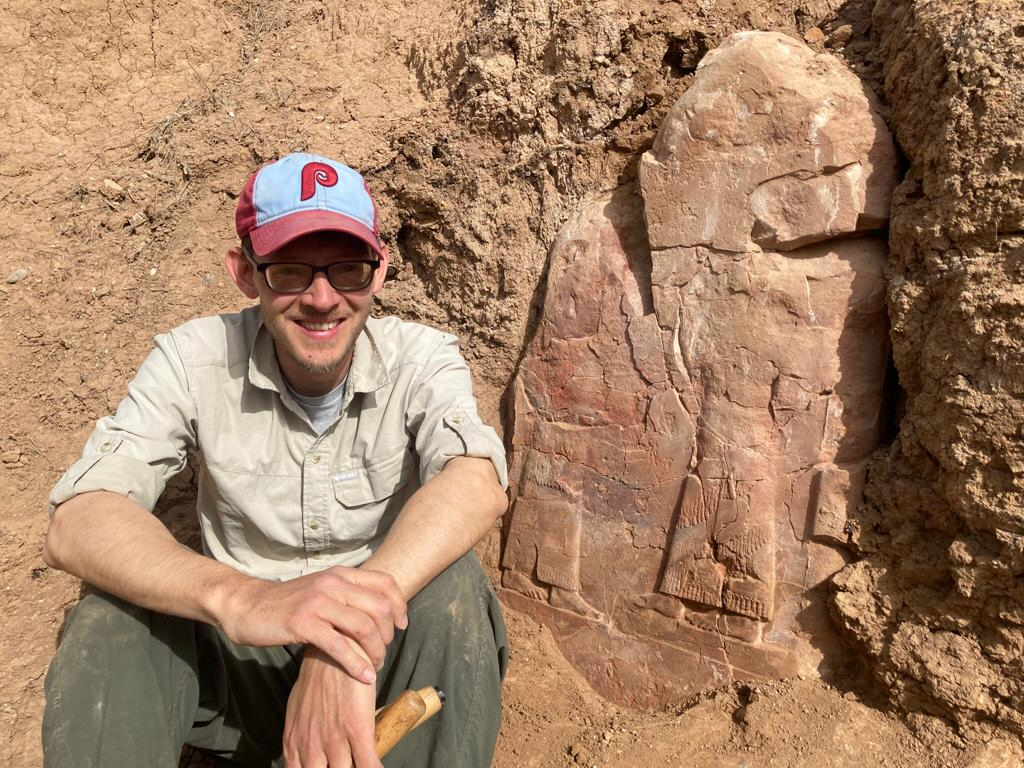
 Regan Baker graduated from The George Washington University with a Bachelor’s of Art in Archaeology in May 2023. As an archaeology student, Regan quickly became familiar with ASOR, and she is excited to be coming on as the Office Coordinator. Previously, she interned at the Colosseum while studying abroad in Rome, Italy during the Fall 2022 semester. There, she worked in collections storage under the guidance of a supervising archaeologist and assisted with a project on marble pieces from the Imperial Box.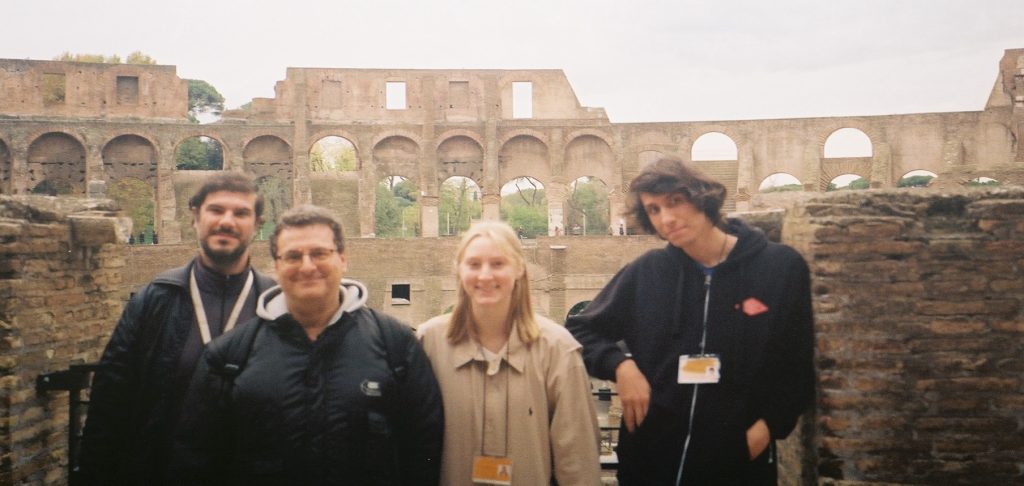




 Hania Kantzer is a sophomore at the University of North Carolina at Chapel Hill studying chemistry and Asian studies. This past summer, she was a grateful recipient of the Stevan B. Dana Fieldwork Scholarship through ASOR, and was able to work as a student researcher on the Huqoq Excavation Project.


 “As an archaeology student, my education is all about developing my archaeological understandings and perfecting my craft. This is why we all go to school. But there is just something so special and amazing about the moments in our educational journeys when what we have worked to learn evolves from mere theory to applied practice.”
 “I can’t say that I didn’t expect how talented, hardworking, and experienced the professors I worked under were; the knowledge they imparted to us students was extraordinary just like their CVs would tell you. What I did not expect was the level of personal support and kindness they extended. I will never forget how these experts at the top of their field still made time to guide me, an undergraduate fresh out of my first year in college. They didn’t just lead by example; they also provided invaluable mentorship. Months later, I am still brushing off the dust from my work clothes, yet what remains even more vividly from this experience than the dust on my belongings or the treasured trowel displayed on my shelf are the wonderful memories of my first adventure in archaeology!”
 “This July I was fortunate enough to travel to Israel for the first time and participate in the archaeological dig at Tel Abel Beth Maacah, near Metula in Galilee, and it was an unforgettable experience. As an Old Testament student much of my time is focused on the literary and linguistic areas of biblical studies, but on the recommendation from one of my professors I applied to be a participant in the excavation at ABM. This experience, although brief, has given me a practical perspective on my current academic endeavors. Thank you to ASOR and the scholarship donors who made this trip possible.”
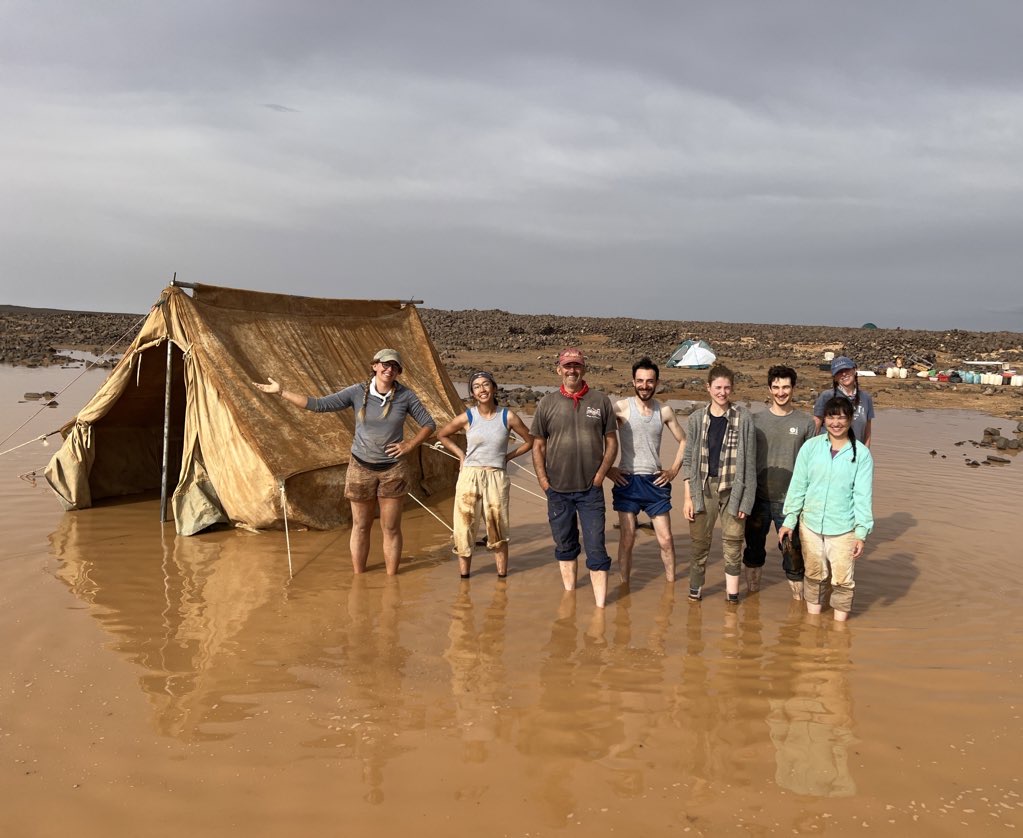
 “One of my favorite things about archaeology is being part of a community forged through hard work, friendship, collegiality and mutual support. There is almost no better feeling than being covered in mud from head to toe, exhausted, hot, thirsty and hungry and yet somehow finding the energy for a race to the car for the best seat for the ride home while laughing all the way. Being part of this kind of family–a chosen family some might say–is a real privilege and one I look forward to every year.”
 “In addition to all of the fieldwork, spending time with all of the individuals with the same passion for archaeology was amazing. I will have future colleagues and friends for life.”