Honors and Awards Committee Seeks New Members

Honors and Awards Committee Seeks New Members

The Honors and Awards Committee seeks nominations to serve on the G. Ernest Wright Book Award and Frank Moore Cross Book Award sub-committees. ASOR invites nominations, including self-nominations, from ASOR members who are interested in being considered by the committee for these openings. Committee members will serve a three-year term with the possibility of two consecutive terms. Nominees must fill out the online form by February 23, 2024. The Honors and Awards Committee takes responsibility for determining the awardees for the three book awards, the field archaeology award, the “best poster” and “best student paper” awards, and the multiple membership service awards that ASOR gives annually; conducting the awards ceremony during the Members’ Meeting at the ASOR Annual Meeting; and discussing and advising the ASOR Board of Trustees about ASOR’s awards, including recommending to the Board the creation of new awards as deemed appropriate. 

One candidate is sought for the G. Ernest Wright Award sub-committee. This award is given to the author/editor of the most substantial volume(s) dealing with archaeological material, excavation reports and material culture from the ancient Near East and Eastern Mediterranean. This work must be the result of original research published within the past two years. (One award is given annually.) This candidate will also serve on the Joy Ungerleider poster sub-committee.

One candidate is sought for the Frank Moore Cross Award sub-committee. This award is presented to the author/editor of the most substantial volume(s) related to the history and/or religion of the ancient Near East and Eastern Mediterranean. Primary consideration will be given to historical, epigraphic, textual, and comparative literary studies; or to works that advance and/or evaluate new methodological approaches to the literary record(s). This work must be the result of original research published during the past two years. (One award is given annually.) This candidate will also serve on the Student Paper Award sub-committee.

Preference will be given to candidates who complement the research specialities of the existing committee members.

In order to receive full consideration by the committee the online form must be submitted by noon EST on February 23, 2024. For questions and concerns, please contact Marta Ostovich (programs@asor.org) 
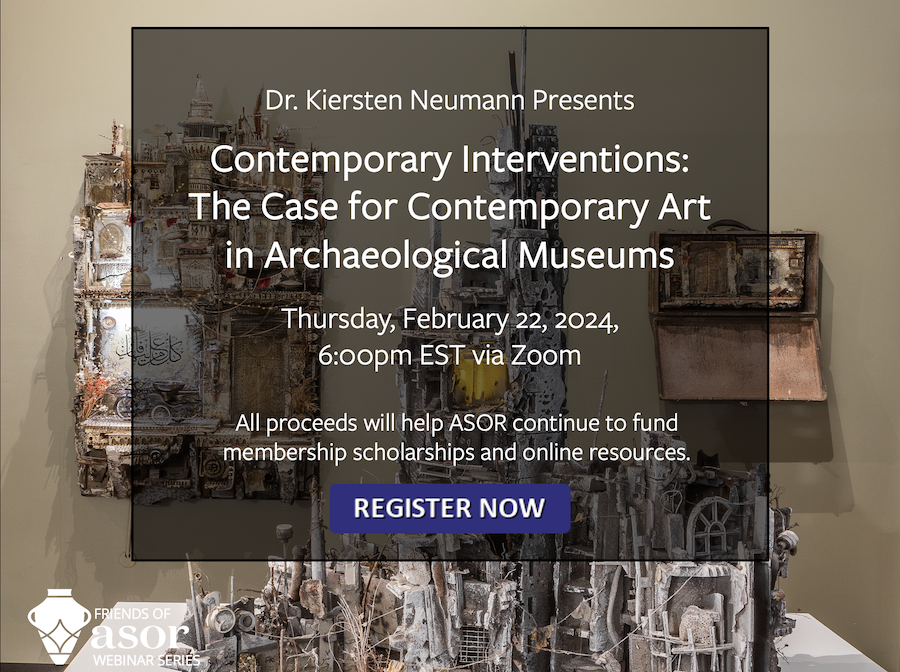
FOA Webinar: Kiersten Neumann

FRIENDS OF ASOR WEBINARS

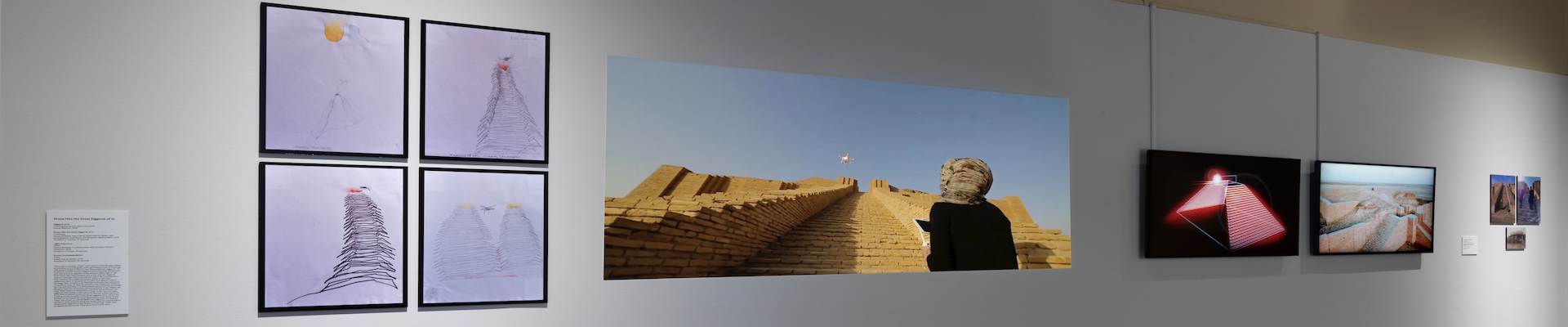
Contemporary Interventions: The Case for Contemporary Art in Archaeological Museums

Friends of ASOR present the next webinar in the 2023-2024 season on February 22, 2024, at 6:00 pm EST, presented by Dr. Kiersten Neumann moderated by Dr. Agnete Lassen.

Curating an exhibition of contemporary art comes with the incredible opportunity of collaborating with living artists to realize together how to give voice and vision to their work. Doing so in the space of an archaeological museum brings with it the added opportunity to revisit and reevaluate traditional object narratives and museological methods. For centuries Western cultural institutions and museum exhibitions have advanced historical narratives of ancient West Asia with a singular, authoritative voice, predominantly disconnected from the present. Contemporary installations have the power to forefront and celebrate the complexity and continuity of this rich cultural heritage, presenting postcolonial perspectives and thought-provoking artistic responses that draw on diverse lived experiences, memories, and imagination.

In this webinar, Kiersten Neumann will discuss powerful examples of the pairing of contemporary art and archaeological objects from her own experience as an art historian, archaeologist, and curator, demonstrating some of the ways in which such contemporary interventions, including those by local and diaspora artists and communities, can bring a uniquely humanizing perspective to this history.

The webinar will conclude with a live Q&A session moderated by Dr. Agnete Lassen.

Kiersten NeumannKiersten Neumann specializes in the art and archaeology of West Asia, with a focus on Assyrian and Achaemenid material culture. In addition to co-editing The Routledge Handbook of the Senses in the Ancient Near East (2022), she has published numerous articles on sensory experience, ritualized practice, and visual culture, as well as on museum practice, collecting histories, and provenance research. She is Curator of the Institute for the Study of Ancient Cultures Museum (ISAC Museum [formerly Oriental Institute Museum]), Research Associate at ISAC, and Lecturer in the Department of Art History at the University of Chicago. At the ISAC Museum, she has curated such exhibitions as Joseph Lindon Smith: The Persepolis Paintings (2022), Making Sense of Marbles: Roman Sculpture at the OI (2022–2023), and Artifacts Also Die (2023), in addition to the museum’s permanent galleries as part of a complete renovation (2019). She has conducted fieldwork in Turkey (Tell Tayinat) and Greece (Athenian Agora), and collaborates on international museum, art, and cultural heritage projects and exhibitions. Originally from Vancouver, Canada, she received her B.A. and M.A. from the University of British Columbia and her Ph.D. from the University of California, Berkeley, during which time she also worked at the Badè Museum of Biblical Archaeology in Berkeley, ultimately as Associate Curator and Interim Director. Kiersten became involved with ASOR in 2008. In addition to being an active participant at the ASOR annual meetings, she is a member of the Program Committee (co-chair since 2022), which she represents on the Chairs Coordinating Council; she was a member of the Ad Hoc Committee on ASOR’s Name (2020); and she joined the Board of Trustees in January of this year.

This webinar will be recorded and all paid registrants will be sent a link to view the recording.​​​​​​​​​​​​​​​​​​​​​


*Please log in to the Online Portal BEFORE registering for the webinar. Once you have logged in, you will be able to register under our Events page linked above.


ASOR Sustaining Members: $0 | ASOR Members: $6.50 | Public: $13
Season Pass: ASOR Sustaining Members: $0 | ASOR Members: $75 | Public: $155
Buy one here!

Please e-mail membership@asor.org with any questions or issues with registering.

All proceeds from this webinar are used to fund scholarships for members as well as increasing ASOR’s online resources, which are free to the public.

READY FOR A WEBINAR SEASON PASS?

Buy a season pass for all the webinars* of the 2023-2024 FOA Webinar Season! With a season pass, you will automatically be registered for every webinar in the season, and you will receive the recording of each webinar automatically after the event.

If you have missed webinars earlier in the season and still want to buy the pass, you will receive the links to the recordings of the webinars you missed in your automatic confirmation email after you buy the pass.

*Special symposiums may be excluded from the season pass price.

No more registering for a year if you buy your pass today!

Pricing:

ASOR Sustaining Members: $0 (automatic registration for each webinar)
Members: $75
Public: $150

Not a member yet? Click here to join as a member and receive the 50% off a season pass!

Please e-mail membership@asor.org if you have any questions or issues.


SPONSOR A WEBINAR!

Several levels of support from $50-$1,000 are available. Proceeds go towards membership scholarships and towards increasing ASOR’s virtual resources. Each sponsorship is tax-deductible and you can give your friends free registrations to a webinar! Sponsor a webinar here. 

Bronze Level ($50): up to 2 guest registrations
Silver Level ($100): up to 5 guest registrations
Gold Level ($500): up to 20 guest registrations
Platinum Level ($1,000): up to 50 guest registrations

WHY SPONSOR ONLY ONE?

Season Sponsorships are also available from the ASOR Online Store here! 

Bronze level: $750
Silver level: $1,500
Gold level: $2,500
Platinum level: $5,000
Diamond level: $10,000

Click here for more information on the benefits of becoming a season sponsor or sponsoring a single webinar.

After you sign up for a sponsorship online or over the phone, email the names and email addresses of your guests to Katherine Schmitt at membership@asor.org, who will send your guests a confirmation and the Zoom link before the webinar.

WANT TO SAVE $6.00 ON THE NEXT WEBINAR?

Join ASOR as a member! Click here for more details about discounts for events and other benefits of membership. Memberships start at $40 for the year as an Associate Member.

Not ready to join yet? Become a Friend of ASOR for FREE!

Click here for more details about our online resources.


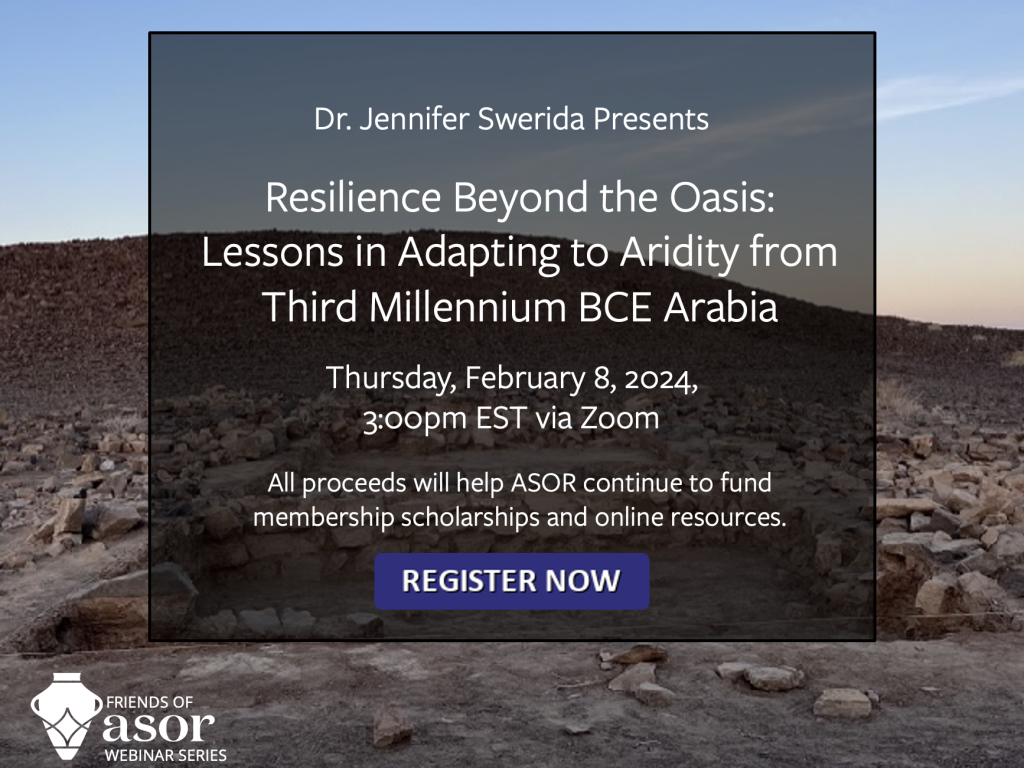
FOA Webinar: Jennifer Swerida

FRIENDS OF ASOR WEBINARS

Resilience Beyond the Oasis: Lessons in Adapting to Aridity from Third Millennium BCE Arabia

Friends of ASOR present the next webinar in the 2023-2024 season on February 8, 2024, at 3:00 pm EST, presented by Dr. Jennifer Swerida moderated by Dr. Tiffany Earley-Spadoni.

The Bat landscape of northwestern Oman is one of dense archaeological remains and diverse ecological conditions. The site has been a centre for human activity since the Paleolithic, most famously attested by the Early Bronze Age tombs, towers, and settlement of the UNESCO World Heritage zone. With the support of the US National Endowment for the Humanities, ongoing work by the Bat Archaeological Project aims to reconstruct the site’s Umm an-Nar period (ca. 2700-2000 BC) cultural landscape and the human-environment interactions that led to its creation and resilience.

The concept of resilience, or the ability of a system to persist and thrive even in the face of perturbations, can be applied to both natural ecosystems and human communities in ancient and modern times. A program of interdisciplinary collaborations integrating geomorphological, archaeobotanical, and phytolith analysis with remote sensing and traditional excavation of domestic spaces on the Bat landscape allows us to trace the arc of Umm an-Nar period activity at Bat alongside its changing environment. A parallel program of ecological survey assessing modern biological (floral and faunal) and hydrological resiliency provides a framework for understanding Bat’s history as a centre for human-environment interaction in the Umm an-Nar period. This lecture will discuss preliminary results of three seasons of resiliency studies at Bat and consider what lessons in adapting to aridity we, as a modern community, can learn from the people of third millennium BCE Arabia.

The webinar will conclude with a live Q&A session led by Dr. Tiffany Earley-Spadoni.

Jennifer Swerida holds a PhD from the Department of Near Eastern Studies at Johns Hopkins University with a focus on the archaeology of Arabia. Her research reorients traditional disciplinary boundaries by using insights from the Environmental Humanities to investigate the impact of mobile peoples in the formation of the cultural landscape(s) that shaped the history and culture of West Asia in the third millennium BCE. Her work specifically addresses groups that are underrepresented in modern scholarship, particularly those that occupied areas traditionally considered marginal or peripheral to state-level societies. Working within the landscape-household continuum of social archaeology, Dr. Swerida studies how people in these areas developed cultural mechanisms and socioecological strategies that enabled them to thrive and interact as peers with neighboring states. As Director of the Bat Archaeological Project, she is investigating the emergence of social complexity and cultural adaptations to aridity at the UNESCO World Heritage Site of Bat in Oman. She is a Consulting Scholar for the University of Pennsylvania Museum and a Visiting Assistant Professor at Kennesaw State University.
This webinar will be recorded and all paid registrants will be sent a link to view the recording.​​​​​​​​​​​​​​​​​​​​​


*Please log in to the Online Portal BEFORE registering for the webinar. Once you have logged in, you will be able to register under our Events page linked above.


ASOR Sustaining Members: $0 | ASOR Members: $6.50 | Public: $13
Season Pass: ASOR Sustaining Members: $0 | ASOR Members: $75 | Public: $155
Buy one here!

Please e-mail membership@asor.org with any questions or issues with registering.

All proceeds from this webinar are used to fund scholarships for members as well as increasing ASOR’s online resources, which are free to the public.

READY FOR A WEBINAR SEASON PASS?

Buy a season pass for all the webinars* of the 2023-2024 FOA Webinar Season! With a season pass, you will automatically be registered for every webinar in the season, and you will receive the recording of each webinar automatically after the event.

If you have missed webinars earlier in the season and still want to buy the pass, you will receive the links to the recordings of the webinars you missed in your automatic confirmation email after you buy the pass.

*Special symposiums may be excluded from the season pass price.

No more registering for a year if you buy your pass today!

Pricing:

ASOR Sustaining Members: $0 (automatic registration for each webinar)
Members: $75
Public: $150

Not a member yet? Click here to join as a member and receive the 50% off a season pass!

Please e-mail membership@asor.org if you have any questions or issues.


SPONSOR A WEBINAR!

Several levels of support from $50-$1,000 are available. Proceeds go towards membership scholarships and towards increasing ASOR’s virtual resources. Each sponsorship is tax-deductible and you can give your friends free registrations to a webinar! Sponsor a webinar here. 

Bronze Level ($50): up to 2 guest registrations
Silver Level ($100): up to 5 guest registrations
Gold Level ($500): up to 20 guest registrations
Platinum Level ($1,000): up to 50 guest registrations

WHY SPONSOR ONLY ONE?

Season Sponsorships are also available from the ASOR Online Store here! 

Bronze level: $750
Silver level: $1,500
Gold level: $2,500
Platinum level: $5,000
Diamond level: $10,000

Click here for more information on the benefits of becoming a season sponsor or sponsoring a single webinar.

After you sign up for a sponsorship online or over the phone, email the names and email addresses of your guests to Katherine Schmitt at membership@asor.org, who will send your guests a confirmation and the Zoom link before the webinar.

WANT TO SAVE $6.00 ON THE NEXT WEBINAR?

Join ASOR as a member! Click here for more details about discounts for events and other benefits of membership. Memberships start at $40 for the year as an Associate Member.

Not ready to join yet? Become a Friend of ASOR for FREE!

Click here for more details about our online resources.


Find One—Fund One 2024

Find One — Fund One: 2024 ASOR Scholarships and Grants

This year ASOR is awarding more than $250,000 in fellowships, scholarships, and grants! This extraordinary commitment to our members has been made possible by you, our members and donors, who have established endowments or made annual contributions to these programs.


We invite you to FIND ONE (a scholarship, fellowship, or grant) or to help FUND ONE (designated gifts to enable us to award even more, or unrestricted gifts to help with the costs of administering and distributing the awards).

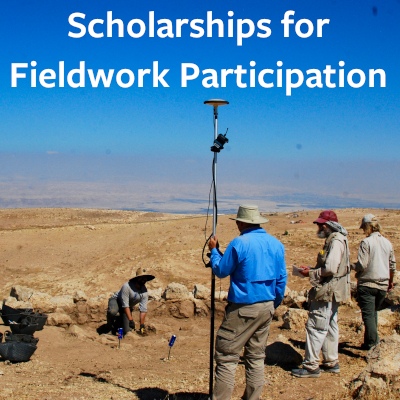
ASOR plans to make four types of awards:

 
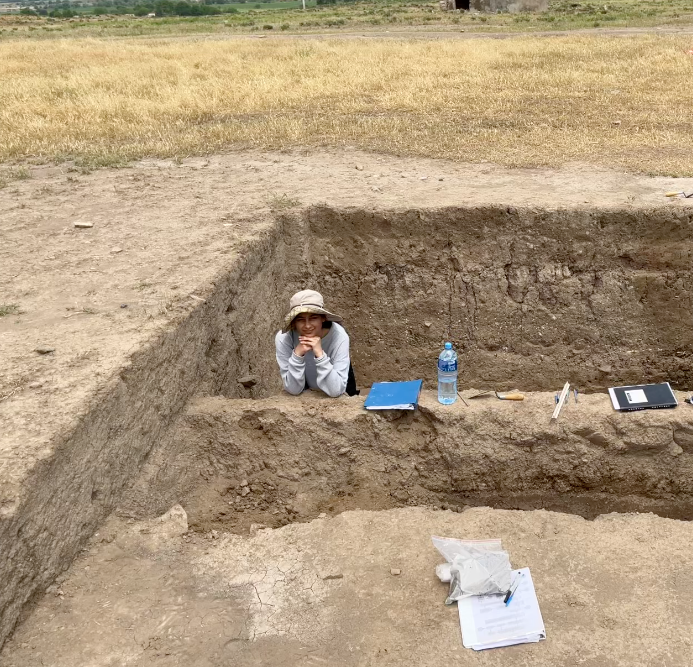
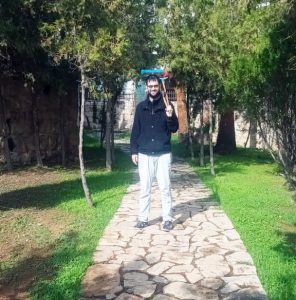
Syeda Sukena Zehra working with the Gadachrili Gora Regional Archaeological Project Expedition in Georgia.


The deadline to apply for fieldwork participation scholarships and grants is a little over a month away (February 26 for grants, February 28 for scholarships). We invite you to apply and to share the word through your social media and other networks (please share this post).

 
Ashley Jemmott excavating at Tel Abel Beth Maacah.


ASOR is able to provide these scholarships with the partnership of you, our many members and donors. You are enabling ASOR to establish new scholarships and grants through endowed funds, but your annual support (i.e., gifts this year) will allow ASOR to send more eager students and early career scholars into the field. Please support archaeology’s next generation by making a gift today  and selecting “Excavation Scholarships” as the designation for your gift. You may also make a designated gift by choosing any category from the drop-down menu on the donations module.

Please spread the word and don’t hesitate to contact us if you have any questions (e-mail or call [703-789-9233]).

-The ASOR Team

Seger Grant Report: Kalavasos-Laroumena, Cyprus

2023 Seger Grant Report: The Middle Cypriot Hilltop Site at Kalavasos-Laroumena, Cyprus

Dr. Mara T. Horowitz, Director, Kalavasos-Laroumena and Arkhangelos Archaeological Research Project

With the assistance of the Joe D. Seger Grant, the first season of excavations took place at Laroumena as part of the Kalavasos-Laroumena and Arkhangelos Archaeological Research Project (K-LAARP).  The excavation was sponsored by Purchase College SUNY, and further supported by the Rust Family Foundation, the Curtiss T. & Mary G. Brennan Foundation, and the University of Western Washington.  Crucial support and logistics were provided by the Cyprus-American Archaeological Research Institute (CAARI).

Drone photo of Laroumena from the northwest, Kalavasos village in the background (K-LAARP archive)

The Kalavasos area is famous for its rich archaeological record and history of excavation. The K-LAARP project targets the poorly known Middle Cypriot (MC, c.2000-1650BC) period in the valley.  Our goal is to study the transition from simple to complex societies on Cyprus that may have originated with prestige competition and communal surplus storage among local families. Laroumena is a clifftop promontory adjacent to a 60-hectare terrace complex above the Vasilikos River with many MC surface finds indicating a large settlement.  Abundant surface finds of exceptionally large Red Polished storage jar fragments on Laroumena, also seen in our excavations, indicate significant storage capacity.

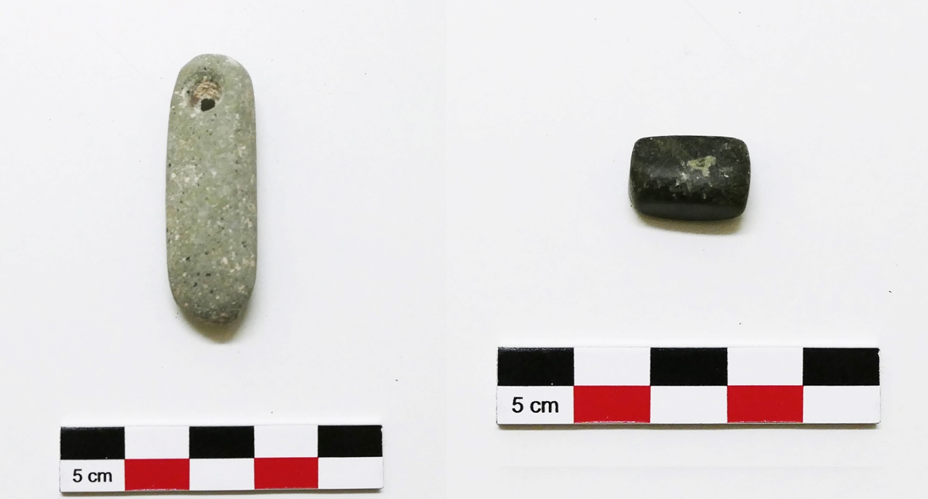
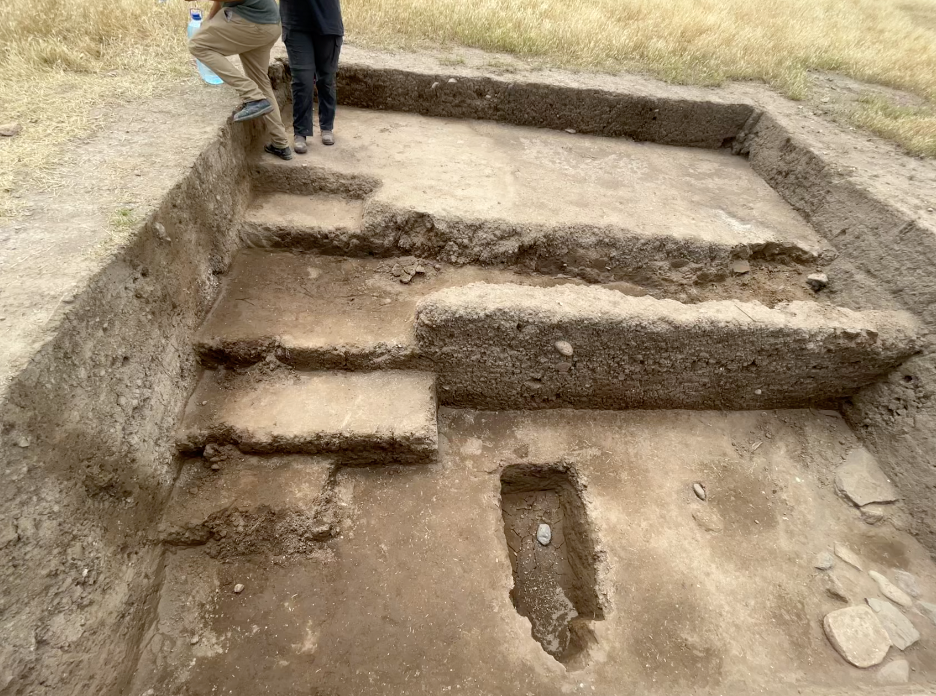
We placed two 4x4m squares on a terrace above a bulldozed road cut where multiple large drystone walls were visible in a section originally cleaned by Ian Todd of the Vasilikos Valley Project survey in 1993.  Both squares yielded secure deposits.  Items of domestic character, probably related to food production and stone tool-making, were recovered alongside shell beads and a stone pendant.  Square 4N-4b quickly revealed multiple walls and a small room filled with burn deposits.  Square 4M-25b passed through a deep deposit of slopewash and reached a dense, unstable layer of gravel and pebbles rich in MC artifacts, likely indicating more MC activity on the adjacent uphill terrace.  Below the stone later was revealed a single large wall of unusual thickness (up to 0.9m) and associated floors.  An exciting find is a small black stone ground into a trapezoid, possibly a balance pan weight.  A single piece of bronze was also recovered.  Ceramic finds date these deposits to the MC.

In future seasons we will work to determine the character and function of these features and how they may relate to the adjacent settlement’s social organization and economic basis. We are particularly interested in the possibility of public architecture and boundary walls of the type that mark the late MC at other sites. The 2023 season’s assistant director was Christine Johnston and the field director was Enrico de Benedictis.

Learn more about the K-LAARP project here.

ASOR plans to award two Seger Project Grants of $2,500 each during 2024. Apply by February 26, 2024 for consideration.

Fieldwork Report: Syeda Sukena Zehra

Unraveling the Pollination of Kura-Araxes Culture of Georgia

Syeda Sukena Zehra, 2023 Katherine Barton Platt Fieldwork Scholarship Recipient

The Gadachrili Gora Regional Archaeological Project Expedition (GRAPE) aims to trace Georgian cultural roots back to their Neolithic ancestors by examining cultural markers on the land. The 2023 excavation season was divided into periods and culture groups to further unravel the region’s complex history.

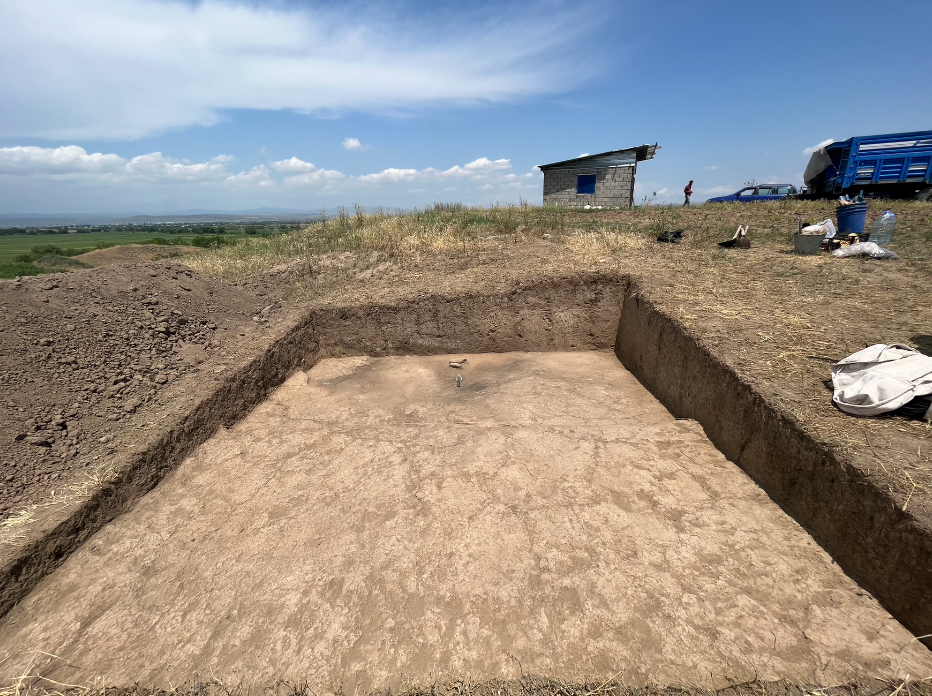
Initially, I began work with a team of 5 at the site of Khait-Maze, which dates to the Early Bronze III. Evidence from the site points to a melding of cultures at the crossing of the rivers Kura and Araxes. Cultures of Mesopotamia and the Caucuses acted as reciprocal partners, building a material and cultural kinship. The idea of grasping history literally within one’s palms is transcendent. This year, the team expected to find funerary features because of burial pits which had been revealed during prior excavations north of the site. After preliminary topsoil removal within the 5x5m trench, 5 potential feature outlines were identified, and these were inferred to be burials, similar to the previous excavation. Archaeological context was reached at about 2m depth in a 2x5m probe started in the north in the trench. The team excavated a plaster-like floor, possibly within a building, which was an exciting find. This plaster lays on top of a caramel-y clay surface and can be seen throughout the loci.

Current interpretation suggests the excavation square is on top of a building surface rather than a burial site. This is further supported by a post hole made of wood excavated within the probe, which may indicate that the team has reached the bottom surface of the Early Bronze III architecture. Ceramic evidence also points to an Early Bronze age context with the excavation of black and red ceramics that are smooth and burnished on both sides. The team encountered very dense Roman and Late Antique ceramic deposits above the archeological horizon. These deposits were very informative in cementing the continued use of the large site as both a burial ground to the far north and as a a potential domestic area, located along a transit route throughout its history. Larger ceramic finds within the possible architectural feature showcase the Khirbet Kerak cultural influence of incised patterns and motifs on black burnished ware. Overall, the finds reveal great Levantine coastal influence on the society within this region.

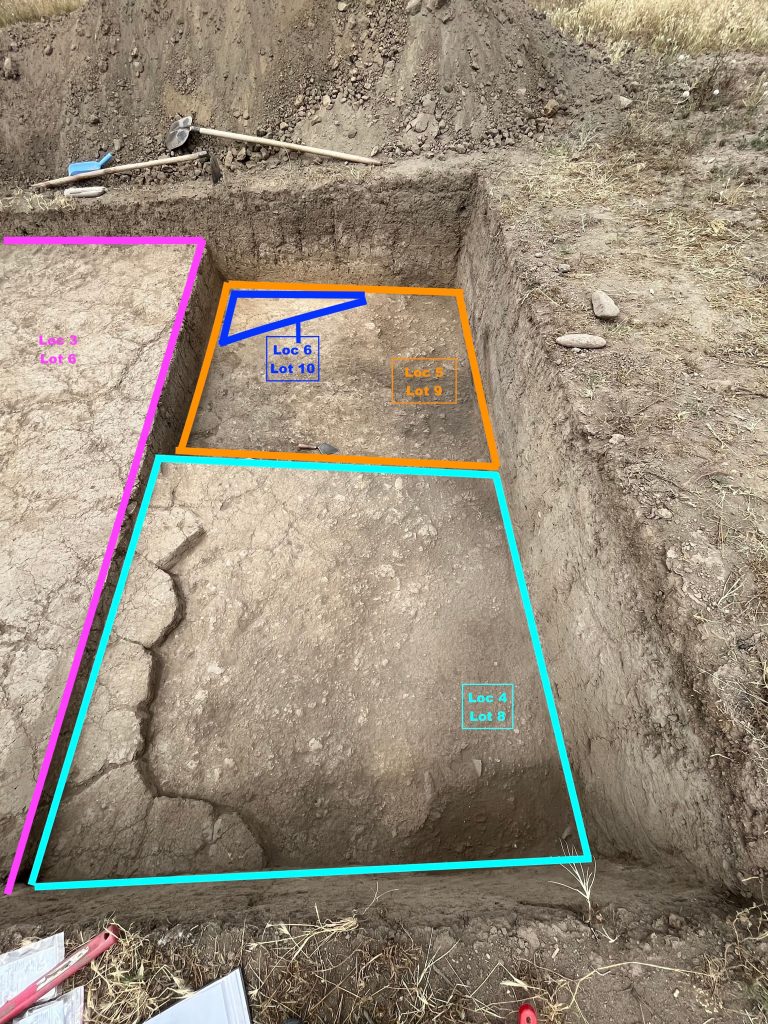
In the final two weeks, I began supervising excavations of a new site estimated to date to the Neolithic along with the project’s Georgian co-director. This site, newly-named Imirchala, is located on a mound about a 10-minute drive to the west of Khait-Maze at relatively higher elevation. Initial surface survey showed a high density of obsidian micro artifacts and refuse dating to the Neolithic, but excavations did not reveal any archaeological features. The team then focused on a 4x4m trench where multiple mudbrick features, possibly storage units, were revealed. This trench also contained a fire feature in the northwest corner along the wall of the trench, which was very interesting. Although we could not confirm a Neolithic archaeological context at Imirchala during the short excavation period, the ceramic finds do point to a Bronze Age domestic setting.

Evidence from these two sites could serve to indicate the social composition of Kura-Araxes societies and the layout of mortuary and domestic areas. This is only a preliminary interpretation, but as I continue to research, we can find the changes in cultural practices that emerge when these Mesopotamian and Caucasian-Levantine cultures cross-pollinate. At both sites, ceramic bases are essential in testing for wine making or preserving activities during the Bronze Age III. These finds could greatly inform Georgian cultural roots, pointing to an amalgamation of cultures which influences modern practices. Testing these ceramics can reveal not only the possible importance of wine culture, but also how dietary practices and material culture are influenced by the interaction of multiple groups.


Syeda Sukena Zehra is an undergraduate student at the University of Toronto specializing in archaeology with a keen interest in South-Asian and Near and Middle Eastern civilizations. Sukena aims to explore the transnational interrelationships which build culture and politics.
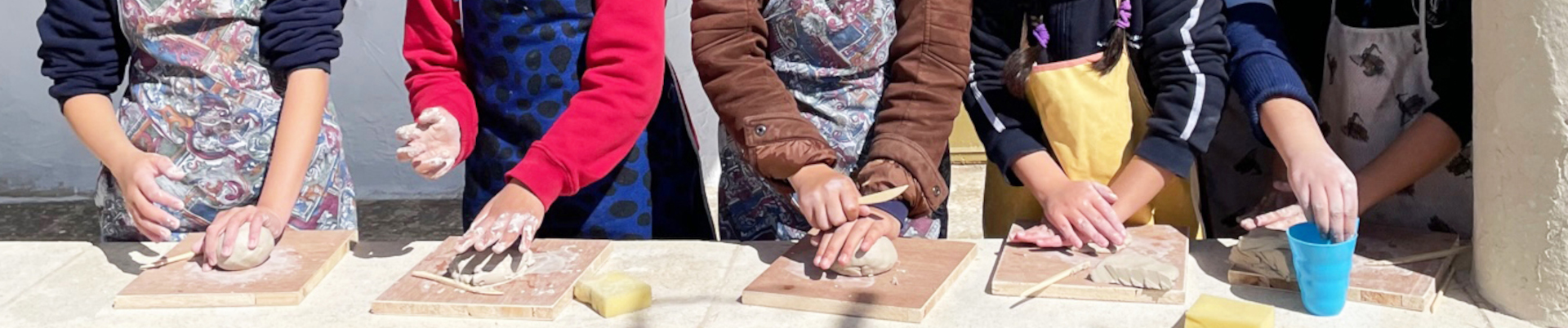
Want to help more students and early career archaeologists get into the field? Donate to the cause today by selecting “Student Support” as your gift purpose!

2023 Geraty Grant Report

Cultural Heritage Education and Site Conservation in Madaba, Jordan (2023): An Update on the Lawrence T. Geraty Community Archaeology Endowment


By Douglas R. Clark, Suzanne Richard, Andrea Polcaro, Marta D’Andrea, and Basem Mahamid

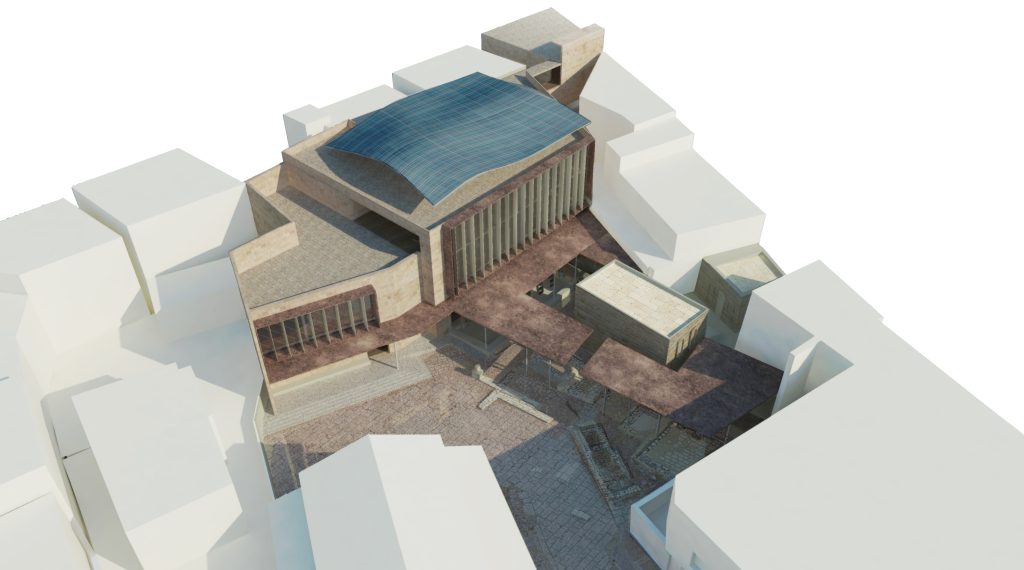
As part of a two-year distribution (2023 and 2024) from the ASOR/Lawrence T. Geraty Community Archaeology Endowment, the Madaba Regional Archaeological Museum Project (MRAMP–an American, Italian, and Jordanian collaboration co-directed by Doug Clark of La Sierra University in Riverside, CA; Suzanne Richard of Gannon University in Erie, Pennsylvania; Andrea Polcaro of Perugia University in Perugia, Italy; and Marta D’Andrea of Sapienza University of Rome, Italy; along with in-country coordinator Mr. Basem Mahamid of the Department of Antiquities of Jordan in Amman) set out to accomplish two objectives. These included: 1) continued maintenance of the archaeological/architectural remains in the Madaba Archaeological Park West (II) where the proposed new museum will be constructed and 2) a unique and exciting new partnership focused on the education of children about their cultural heritage and how to care for it.

Fig 1: Architectural Concept Design

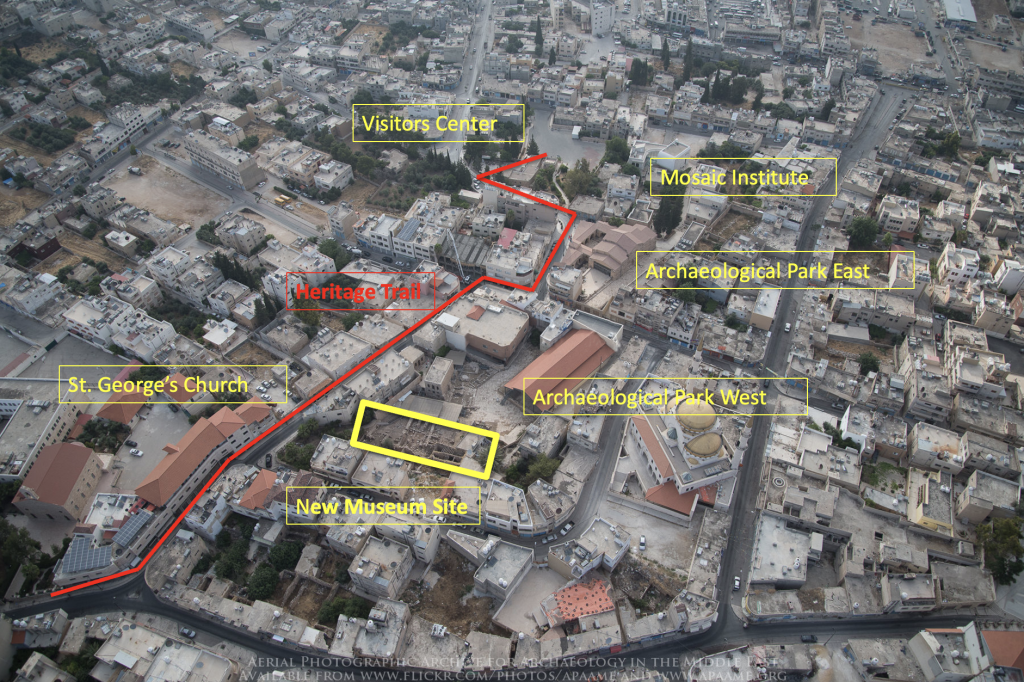
1) Nestled in the center of a city block which is adjacent to the King Hussein Mosque, Saint George’s Greek Orthodox Church, shops and businesses tied to daily life and tourism, and accessed directly from the Madaba Heritage Trail which brings hundreds of thousands of tourists annually (300,000+ in 2022) from the Visitors Center to St. George’s Church, the Madaba Archaeological Park West (II) is extremely well located to help locals and tourists learn about the preservation of cultural heritage (Fig. 1). The Park itself contains architectural remains from the 2nd century (large paved Roman street), the 6th century (the Martyrs Church and the Burnt Palace), the early Islamic Period, and the late Ottoman Period (settlement of several buildings constructed by three tribal, Christian migrant groups arriving from Karak in the 1880s).

Since the first excavation season at the site in 2016 (focused less on vertical digging and more on horizontal clearing and cleaning down to the most recent excavations 20 years earlier), a season funded in part by a Charles Harris grant managed through ASOR, MRAMP excavated again in 2017, 2018, and 2022. The project also maintained a year-round presence from 2016 to the present to facilitate various technical investigations, training workshops, and ongoing maintenance of the site; this was possible, beginning in 2017, through collaboration with SCHEP (Sustainable Cultural Heritage Engagement through Local Communities Project), implemented by ACOR, and the US Ambassador’s Fund for Cultural Heritage Preservation (AFCP) and the Cultural Antiquities Task Force (CATF), components of the US Department of State, in addition to private funding.

Fig 2: Albara

Fig 2: Albara

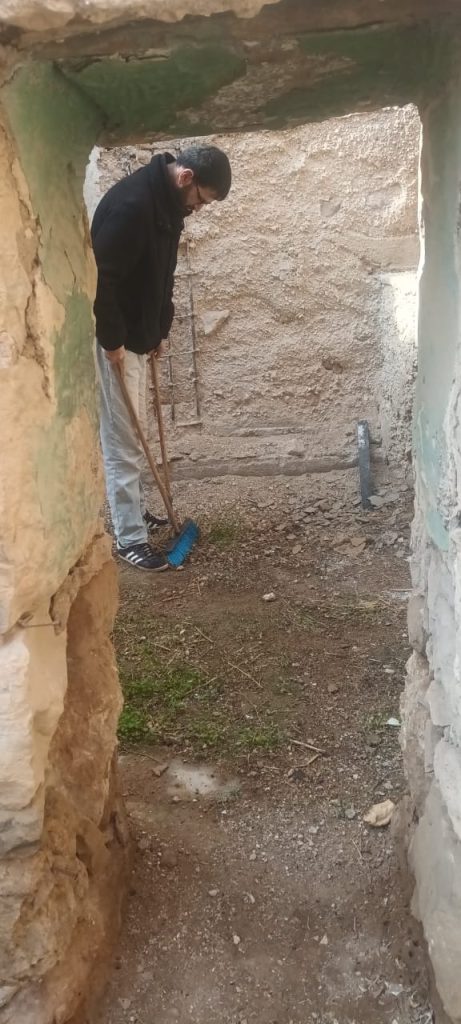
One of the first hires of the MRAMP team in 2017 (and also a laborer onsite in 2016) was Mr. Albara, whose work to maintain the site continues to this day, partially subsidized by MRAMP (Figs. 2, 3, 4). This partial support (a supplement to the limited wages he earns from the Department of Antiquities) to keep the site protected and pre

sentable to the thousands of annual visitors who see the spectacular and recently restored mosaics of the Burnt Palace and the Martyr’s Church was funded by the ASOR/Geraty grant in 2023.


Fig 3: Albara at work
Fig 4: Albara at work

2) From the early planning stages of the proposed new Madaba Regional Archaeological Museum, MRAMP initiated a collaboration with the Italian architectural firm of Studio Strati in Rome in order to create a concept design of the structure (Fig. 5). We have consistently envisioned a children’s education lab as part of the building; this has always been an integral component to the museum design and mission. In 2022 we were in conversation with the Petra National Trust (PNT) which operates under the auspices of Her Royal Highness Princess Dana and is run by a small group of highly qualified staff. The mission of PNT is primarily an educational one, education of children in treasuring, preserving, protecting, and promoting the cultural heritage of Jordan, so the resulting MOU between MRAMP and PNT was an ideal outcome. Because of this new and exciting collaboration, MRAMP and Studio Strati doubled the physical space allocated to children’s education in cultural heritage to two floors instead of one in the northern extension of the new museum.

Fig 5: Aerial photo of historic downtown Madaba, courtesy APAAME

While incredibly exciting and innovative, implementing this new development is a few years away, when the new museum will hopefully be completed. In the meantime, all partners agreed to set up a pilot program to test curricula, trainers, supplies and equipment, and organizational structure, in a space created in the current museum. In preparation for this pilot program, MRAMP had already purchased the necessary tables and chairs for 15 students, as well as a wall-mounted, 60-inch smart TV, now in place in one of the recently renovated display rooms (folklore) of the current Madaba museum.

The year of 2023 witnessed four separate age-specific classes—(7-9), (10-12), (13-15), and (16-18)—each tailored to age skill sets and interests. Topics covered interactively include the following: for 7-9 year-olds—My Timeline, Once upon a Time in the Stone Age, Clay Shaping our Ancient Heritage; for 10-12 year-olds—Habitat Components, Water Management, Reflection Session; for 13-15 year-olds—Archaeology as an Avenue for Employment in Jordan, The Role of an Archaeologist in Heritage Preservation, Reflection Session; for 16-18 year-olds—Collaborative Research on Cultural Heritage, Introduction to World Heritage Sites: Children Engage in Collaborative Learning, World Heritage Sites (Diorama).

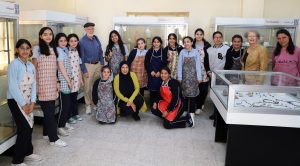
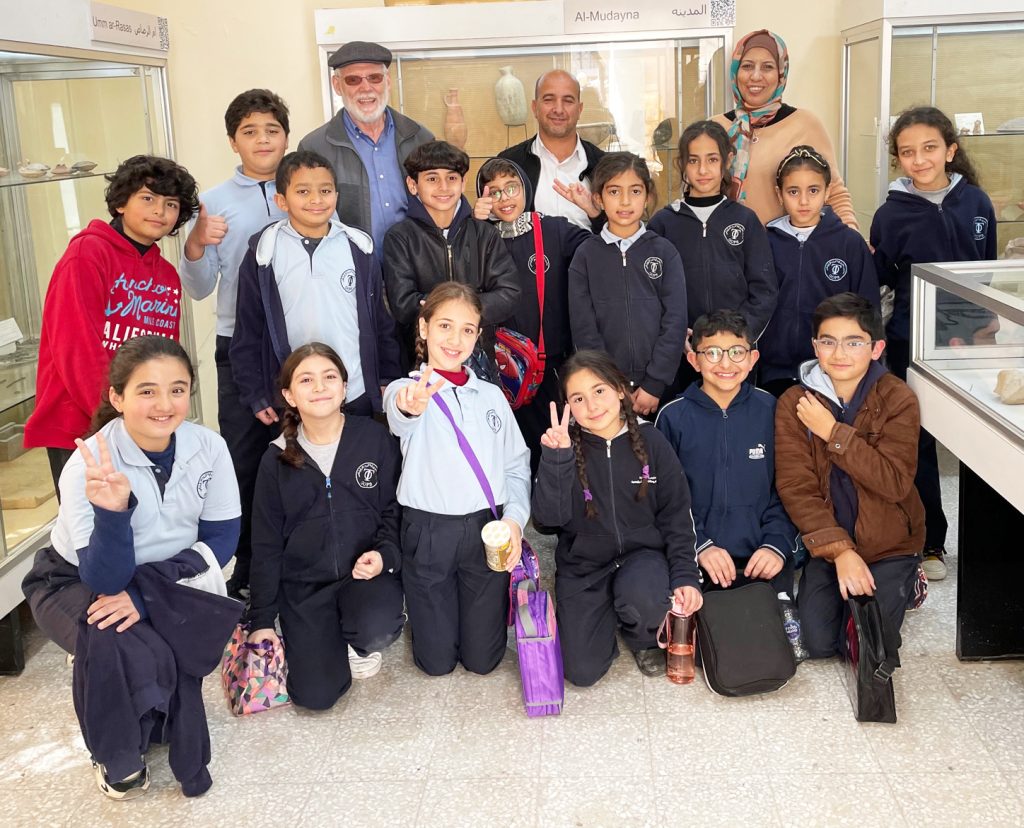
Fig 6: Class photo with, from right, Suzanne Richard, second from right; Huda Amarin, center kneeling; Doug Clark, fifth from left

Fig 6: Class photo with, from right, Suzanne Richard, second from right; Huda Amarin, center kneeling; Doug Clark, fifth from left

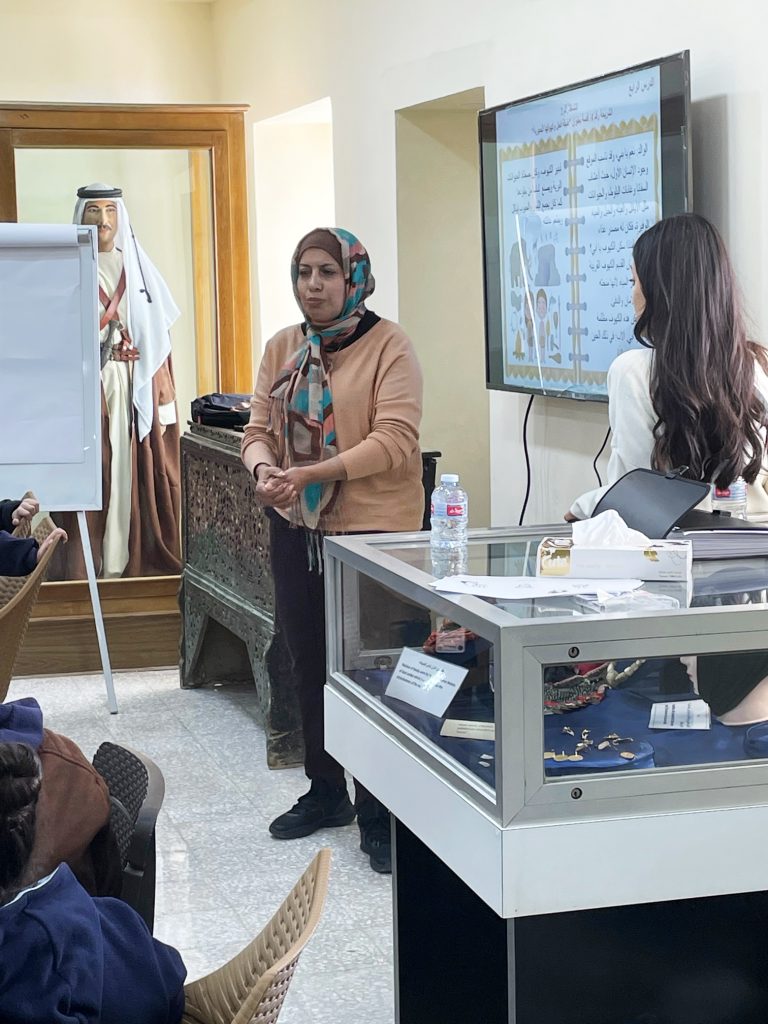
Having attended three of the four classes in person (Fig. 6), we found them engaging, exciting, high-energy, incredibly interactive, rewarding, and, in the end, entirely successful (see below). The teacher, Ms. Huda Amarin, exhibited best-practices teaching techniques across all of these age groups (Fig. 7). The program came off so well due in large part to Ms. Huda’s role, the vision of PNT for training students in cultural heritage preservation, and the envisioning, logistical, and cheerleading functions of MRAMP, all of this funded by the ASOR/Geraty grant.

Fig 7: Huda Amarin, teacher par excellence for PNT classes

What follows are italicized direct quotes (except for figure numbers) from various parts of the official PNT narrative report of the program in 2023, accompanied by illustrative charts and photos. With plans to continue the classes into the future, we are off to a grand start.

MRAM Workshops Narrative Report

Executed by: Petra National Trust

MRAM- Madaba

25 February—4 May 2023

PNT advocates and executes sustainable management approaches for heritage sites, multifaceted projects that enhance heritage sites preservation, and implements a pioneering children education program based on cultural heritage values. PNT aims to fulfil the urgent need to protect, preserve, and conserve cultural heritage sites while promoting sustainable community benefits, including job creation and specialized capacity building programs.

The multifaceted approach of PNT and its team included involvement in projects related to archaeological conservation, ecotourism development, socio-economic development, and education. Through its Education Outreach & Awareness Programs, PNT aims to build a cadre of tomorrow’s community leaders who can work towards and advocate for effective and sustainable cultural heritage management and preservation.

The Education and Engagement Program (EEP) provides a wide range of opportunities and experiences that introduce children to the rich history of different civilizations that inhabited Jordan. This approach contributes to instilling a sense of pride in their identity and heritage as the heirs of past cultures and civilizations. The EEP introduces the culture (peoples, traditions & practices) and history of Petra, specifically and Jordan. It also introduces ecology, the importance of protecting biodiversity, and tackling threats facing cultural heritage. The program is engaging and pleasurable, and employs a student-centered and hands-on learning approach for children. It guides them to realize how to contribute to and value cultural heritage preservation.

The vision for the new museum is aligned with the principles outlined by the International Councils for Museums (ICOM) that museums must play a role in the development of contemporary society and with ICOM’s definition of the museum:

“The museum is a non-profit, permanent institution in the service of society and its development, open to the public, which acquires, conserves, researches, communicates and exhibits the tangible and intangible heritage of humanity and its environment for the purposes of education, study and enjoyment.”

To that end, the whole project in terms of community archaeology; that is, as a collaborative endeavor between MRAMP (the Madaba Regional Archaeological Museum Project) and the community, with the ultimate goal of promoting local stewardship of cultural heritage, as well as providing economic benefits.

PNT Successfully implemented four half day workshops, targeting 4 different age groups (7-9), (10-12) (13-15 and (16-18) with 15 participants in each group, with a total number of 53 female and male children from the Greek Orthodox Patriarchate Schools Girls (Fig. 8).

The workshops also focused on instilling positive characteristics and embed specified skillsets within the students, with a focus on

  • Identity
  • Good citizenship
  • Civic-mindedness and social responsibility
  • Commitment
  • Critical thinking and learning skills
  • Team work
  • Problem solving skills
  • Communication skills
 
Fig 8: School kids lined up to enter class
Fig 8: School kids lined up to enter class.
Workshops Highlights
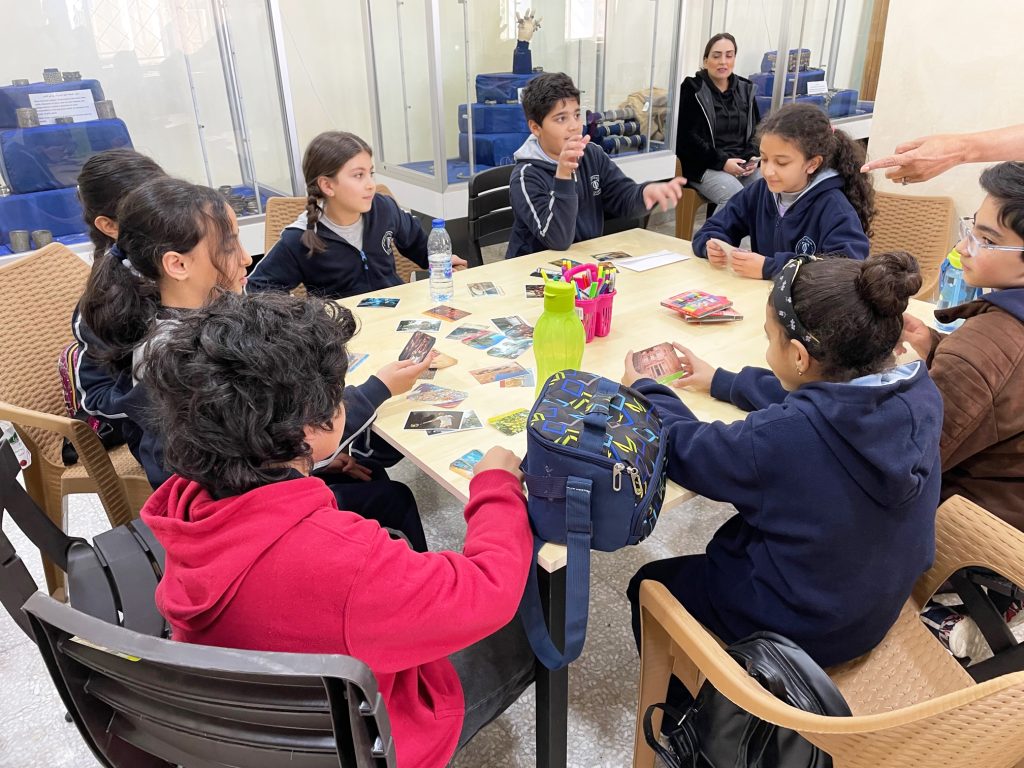
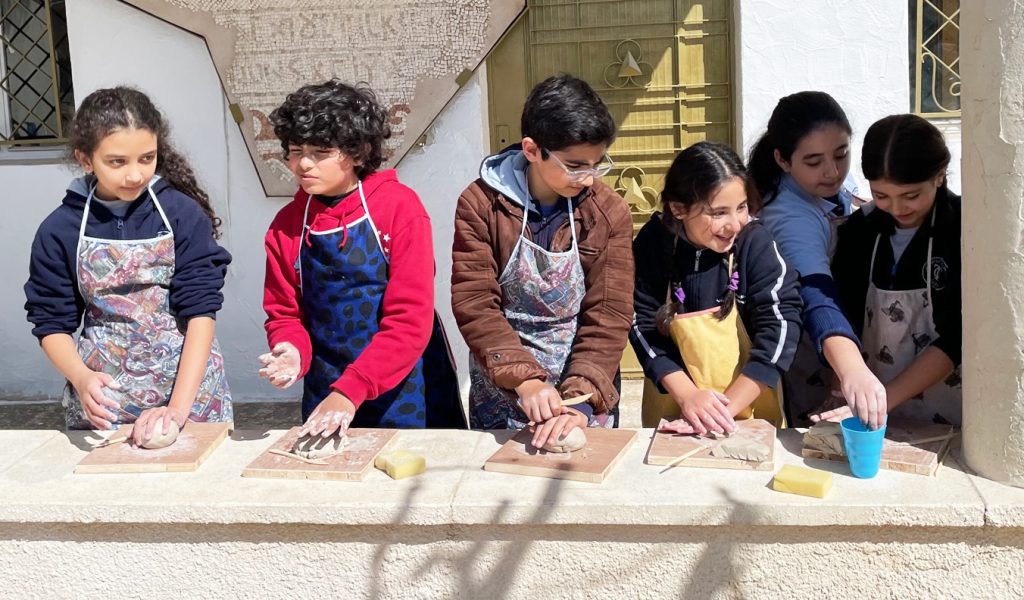
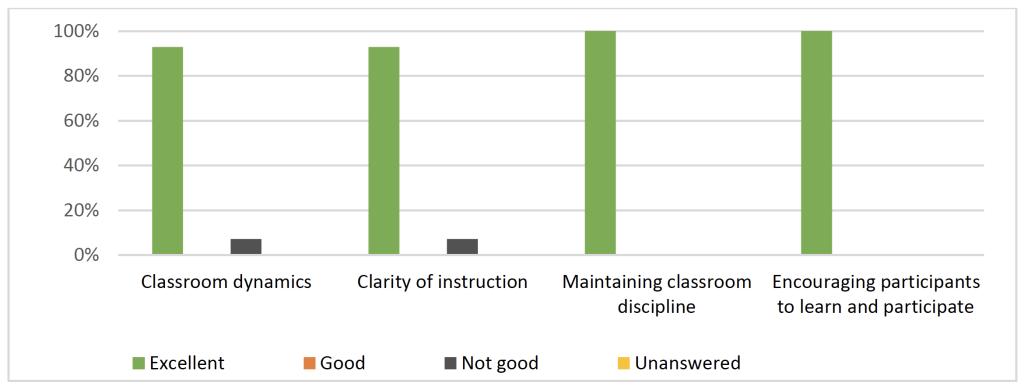
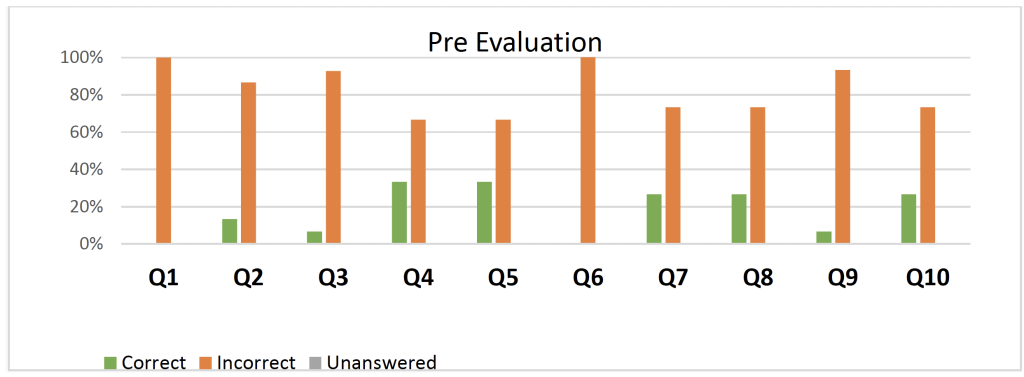
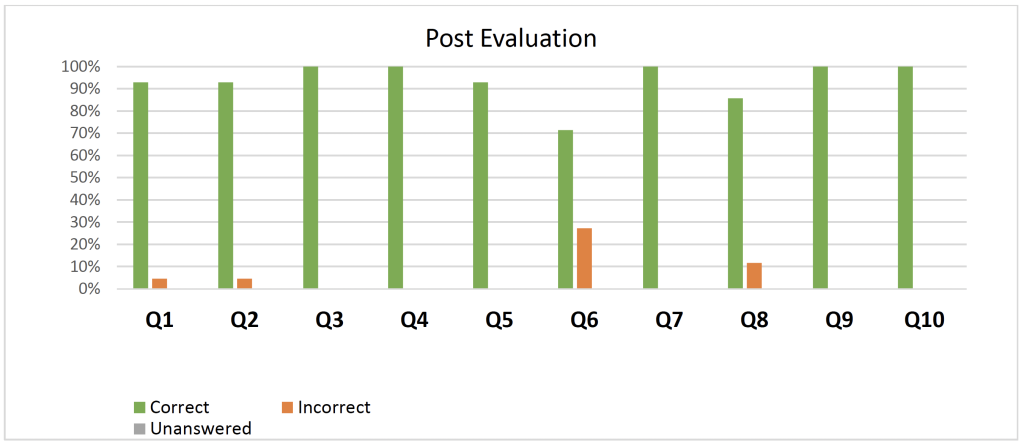
  • All participants were active and attentive during the workshops and had a great time participating in the activities (Figs. 9 and 10). Based on the positive responses made by participants’ post evaluation responses compared to the pre-evaluation of the workshops as indicated in the graphs below (Figs. 11, 12, 13, and 14).
  • The headmistress and teachers of the (Greek Orthodox Patriarchate Schools Girls —Madaba) were very cooperative.
  • The museum staff and their cooperation contributed to the success of the workshops.
  • The hands-on activities created an interactive learning environment among children.
  • The presence of Professor Douglas as an archaeologist had a positive impact and provided the participants’ depth understanding about cultural heritage and the importance of museums.
  • The venue as a museum serve as an educational tool for the participants, they learnt about the heritage that all
Projects being completed for class in museum
Fig. 9: Projects being completed for class in museum.
Fig 10: School kids working with clay in class
Fig 10: School kids working with clay in class.
Fig 11: PNT Report Teacher Eval
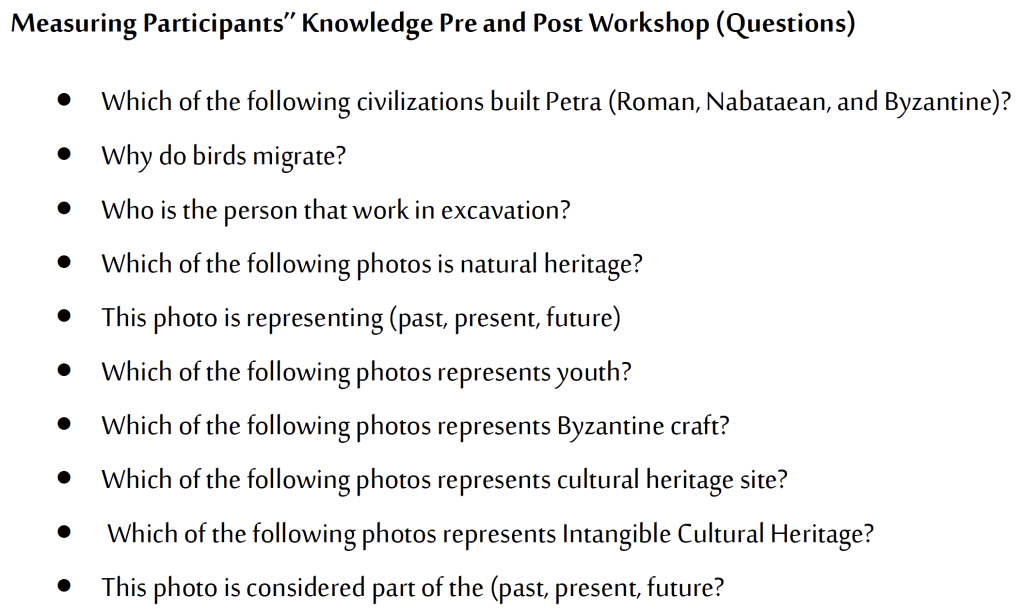
Fig 12: PNT course evaluation questions
Fig 13: PNT course evaluation scores before class
Fig 14: PNT course evaluation scores post class
Challenges
  • No male students in the school within the age group of (16-18)
  • The Venue capacity was limited to 15 participants only
 
Recommendations
  • PNT and MRAM will expand their outreach and will implement a 3-year program for all age groups
  • AS a trainer, I noticed that the educational environment in the museum stimulates students to integrate with cultural activities and encouraging them to connect with the heritage around.
  • Interactive learning spaces must be found in all museums, where the trainer can observe the direct impact on the participants.
 
Participants’ Quotes
  • Hiba Saidat: “It was great fun and the people who were there were very nice”
  • Tia Kildani: “I liked the place, had fun and learnt a lot of information.”
  • Noor Alfayez: “I liked the museum very much, and I enjoyed Dr. Douglas and Ms. Huda Al-Amarin”
15 First of four classes with (in the back row from the right) Huda Amarin (teacher) Khaled Hawawreh (DoA district director) and Doug Clark.
Fig. 15: First of four classes with (in the back row from the right) Huda Amarin (teacher) Khaled Hawawreh (DoA district director) and Doug Clark.

ASOR Office Coordinator Opening

ASOR OFFICE COORDINATOR OPENING

The American Society of Overseas Research (ASOR) seeks candidates for a full-time Office Coordinator. This in-person position is located at The James F. Strange Center—headquarters of ASOR, 209 Commerce St., in historic Old Town Alexandria, VA.

Founded in 1900, the ASOR is a 501(c)(3) non-profit whose mission is to initiate, encourage, and support research into, and public understanding of, the history and cultures of the Near East and wider Mediterranean world, from the earliest times. Please visit www.asor.org for more information.

Primary Responsibilities:

  • Maintain high-quality customer service for our 2,200 members and 16,500 Friends
  • Answer the general ASOR telephone and information e-mail account
  • Assist with ASOR’s off-site Annual Meeting (in November of each year) by providing general administrative support including but not limited to, processing payments, answering questions, and making all attendees feel welcome. Travel to the meeting may be required (once per year)
  • Provide general office support (e.g., scanning, copying, ordering supplies, and processing mail, orders, and bills)
  • Process membership dues, donations, and event registrations in organizational database (Rhythm)
  • Assist with membership and donation mailings
  • Perform other office duties as assigned; direct report to ASOR’s Director of Programs (Marta Ostovich)

Qualifications / Skills Needed:

  • Associate Degree or equivalent work experience; Bachelor’s Degree preferred
  • 2 years of office experience preferred
  • Experience with databases, Microsoft Office, WordPress (or similar), and general office management software required. Experience with social media platforms and website management (using WordPress or similar) strongly preferred
  • Excellent communication and interpersonal skills
  • Attention to detail; ability to multitask and to prioritize

Compensation and Benefits: Hourly pay between $20–24/hr based on experience and qualifications. Benefits include paid vacation, holidays, and sick time; employer retirement contribution after vesting period (currently 6%); and benefit dollars (currently $750 per month).

How To Apply: E-mail letter of interest, resume, and contact information for three references to Marta Ostovich at programs@asor.org. The letter of interest should discuss how ASOR as an organization fits into the applicant’s training and career goals. Please include your name and “ASOR Coordinator” in the subject line.

Review of applications will begin January 11, 2024, and continue until the position is filled.

ASOR is an equal opportunity employer and all qualified applicants will receive consideration for employment without regard to race, color, gender, religion, national origin, disability, veteran status, age, marital status, sexual orientation, gender identity, genetic information, or any other class protected by federal or state law (EEO/AA).