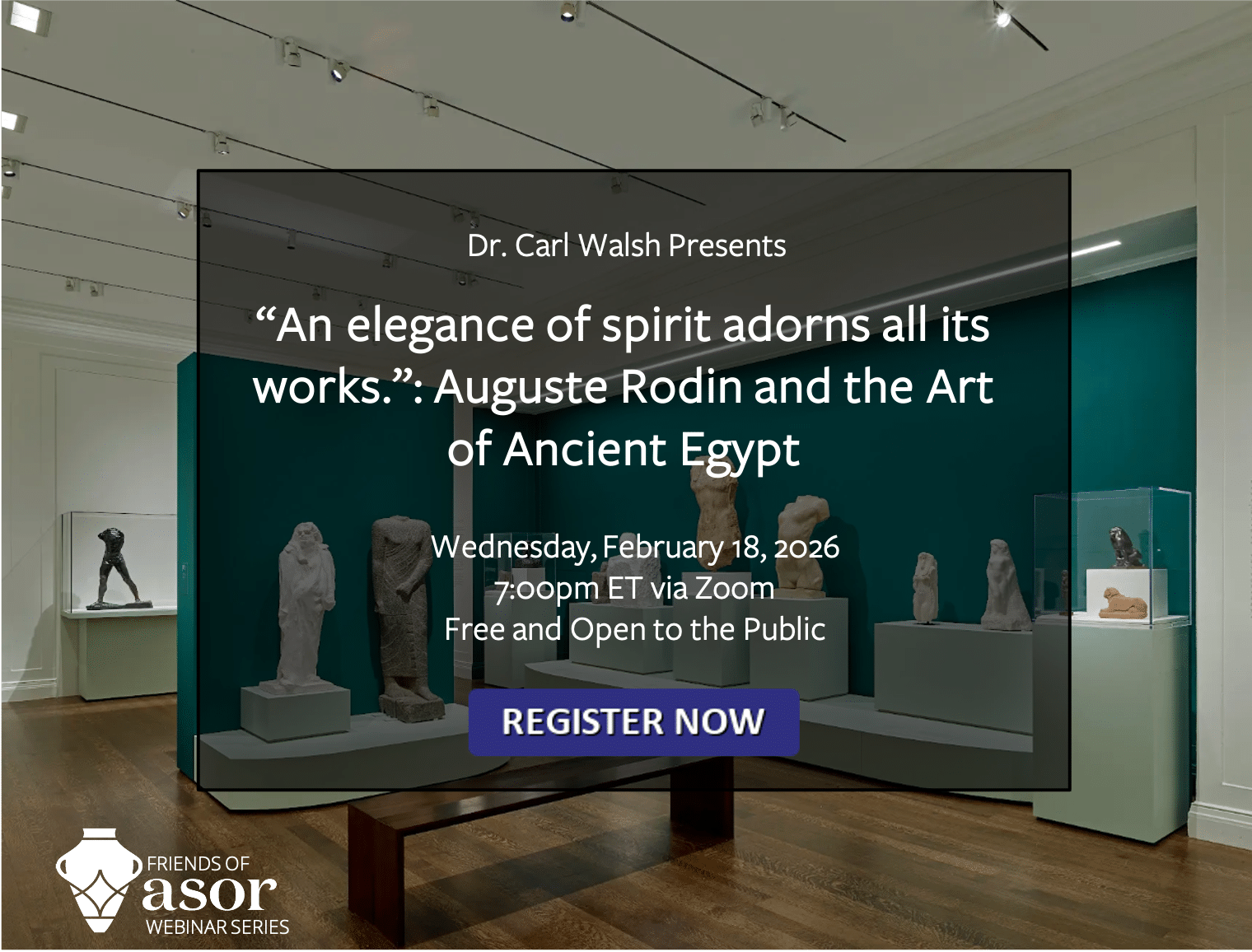
FOA Webinar: Carl Walsh

FRIENDS OF ASOR WEBINARS

“An elegance of spirit adorns all its works.”: Auguste Rodin and the Art of Ancient Egypt

Friends of ASOR present the next webinar of the 2025-2026 season on February 18, 2026, at 7:00 pm EST, presented by Carl Walsh. This webinar will be free and open to the public. Registration through Zoom (with a valid email address) is required. This webinar will be recorded and all registrants will be sent a recording link in the days following the webinar.

Auguste Rodin. Le Succube (The Succubus). Bronze. 1888 (model), 1890 (casting). Musée Rodin: S.520.


Most people would not conceive of any connection between the works of the master French sculptor Auguste Rodin (1840–1917) and the art of ancient Egypt. Rodin is celebrated as one of the founders of modernist sculpture, who crafted sensual and expressive bodies that embraced the subject and materiality of the medium. Ancient Egyptian sculptors, on the other hand, presented highly codified representations of the human form, which have often been viewed as static, rigid, and somewhat devoid of emotion. The two certainly present radically different bodily aesthetics, divorced by vast temporal and cultural contexts. How then, can we see them as meaningfully related?

This is one of the key questions framing the current exhibition Rodin’s Egypt, now on display at the Institute for the Study of the Ancient World at New York University, in collaboration with the Musée Rodin in Paris, until March 15, 2026. The show explores Rodin’s admiration for the art of ancient Egypt and how he engaged and responded to the Egyptian antiquities he amassed over the course of his life. In this talk, Dr. Walsh will discuss how Rodin became interested in ancient Egyptian art in his waning years and the profound—if subtle—impact it had on the sculptor’s practice through the objects which you can see in the exhibition.

Dr. Carl Walsh holds a PhD in Archaeology from University College London and is an assistant exhibition curator at the Institute for the Study of the Ancient World at New York University. He is dedicated to crafting accessible and engaging stories about the ancient world and has curated multiple exhibitions at ISAW covering the ancient societies of Iraq, Etruria, Islamic Spain, and Egypt, as well as early modern art and photography. He has co-edited Teaching Ancient Egypt in Museums: Pedagogies in Practice, which delves into ethical best practices for engaging learners about ancient Egypt using museum objects and is currently working on a follow up volume that looks more broadly about teaching about ancient West Asia, North Africa, and the Mediterranean in museums. Carl’s research focuses on Bronze Age cross-cultural interactions and his current projects focus on the material culture—such as board games, cosmetics, furniture, and pottery—of the kingdom of Kerma (Kush) in modern Sudan, and considers how these objects reveal the complex interactions between societies across North Africa.

SUPPORT THE WEBINAR PROGRAM!

Friends of ASOR is pleased to announce that the first webinars of the 2025-2026 season will once again be free and open to the public with a goal to raise $10,000 so that the entire webinar season will be free. Will you support this outreach effort with a tax-deductible contribution? All donors/sponsors with gifts of $100 or more will be recognized in subsequent webinars. Make your gift today and select “webinars” from the dropdown menu.

Designate your gift for “Webinars” in the drop-down menu.
Call for Early Career Scholars Committee Members

Early Career Scholars: Call for New Members

The Early Career Scholars (ECS) Committee is looking for new members. The committee requires a commitment of one hour-long meeting and 2-3 hours of outside work per month. We especially seek those interested in supporting ASOR’s Early Career (undergraduate to pre-tenure) community through creative, informal mentoring opportunities.

If you wish to be considered by the committee, please fill out the application form here. Applications will be reviewed on a rolling basis.

Please fill out this online form if you are interested in being part of the Early Career Scholars Committee. 

Friends of ASOR Tours: Philadelphia 2026

FRIENDS OF ASOR TOURS

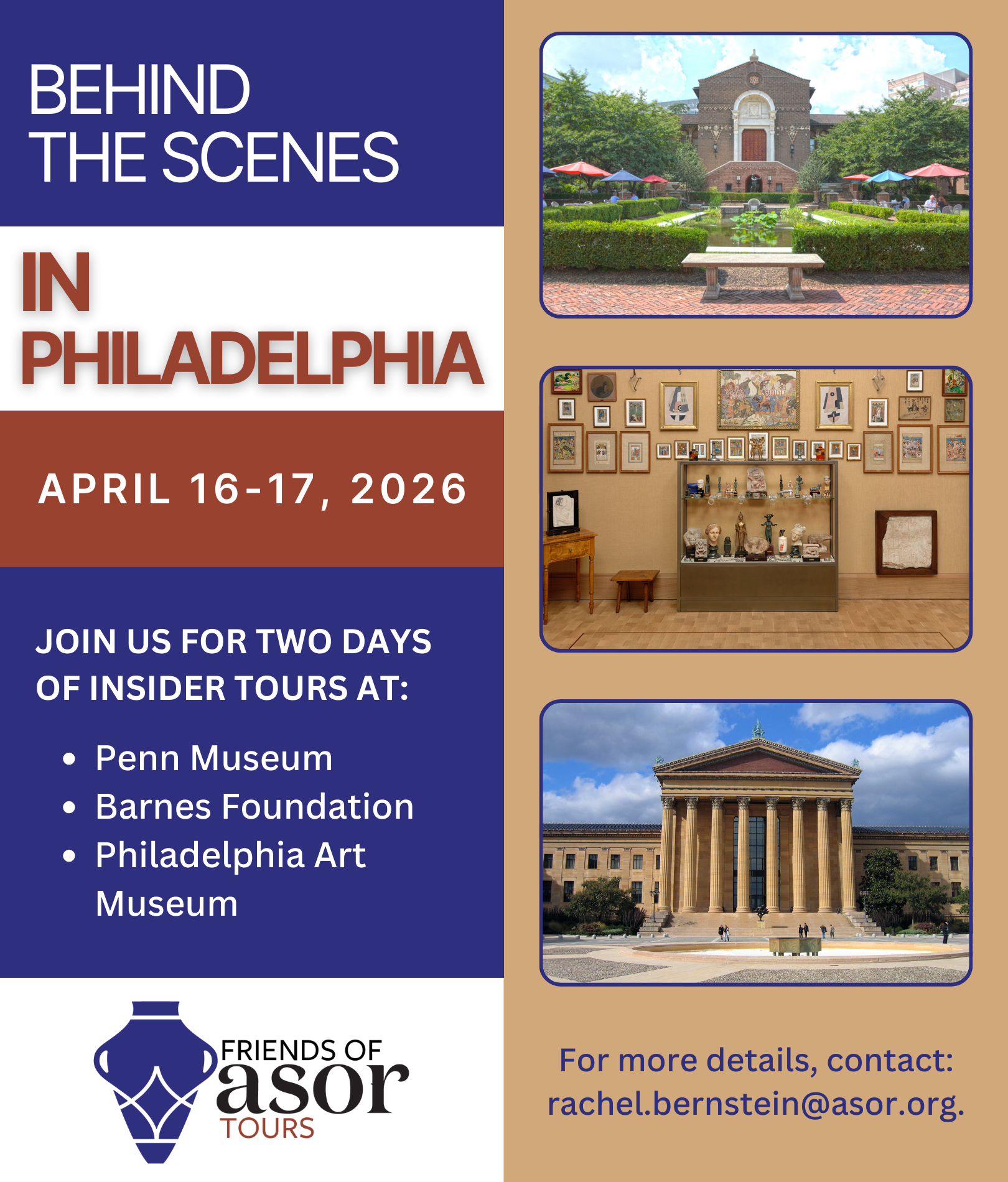
Behind the Scenes: In Philadelphia

Join Friends of ASOR from April 16-17, 2026 for exclusive, behind-the-scenes access to some of Philadelphia’s premier cultural institutions, featuring expert-led tours and insights into spaces highlighting the archaeology and art of the ancient Middle East and Mediterranean.

Tour itinerary:

Thursday, April 16 | Penn MuseumParticipants will spend the day at the Penn Museum, with guided visits to the Middle East Galleries, the Preserving Assyria exhibition, and the Babylonian and Near Eastern collections. The program will also include access to the museum’s conservation laboratories, offering insight into current preservation and research practices.Friday, April 17 | Barnes FoundationThe second day starts at the Barnes Foundation with a private lecture followed by a behind-the-scenes tour of the Egyptian, Greek, and Roman collections.Friday, April 17 | Philadelphia Art MuseumThe itinerary continues in the afternoon at the Philadelphia Art Museum, with a behind-the-scenes tour with PMA conservators.

Pricing: $325

All ticket prices include a tax-deductible $150 donation to Friends of ASOR.Participants are responsible for their own transportation, hotel, and meals.

Register by clicking here or on the button below. Once you create a login to register, navigate to the top menu, hover over “Events” and select “Browse Upcoming Events.”

Space is limited, so register to secure your spot today!

Please e-mail us or call 703-789-9234 if you need registration assistance or have any questions.

Cancellation Policy

ASOR strongly recommends that all participants purchase travel insurance because ASOR is required to make non-refundable deposits. ASOR cannot be responsible for refunds except as noted below.

All tax-deductible gifts to ASOR’s Friends of ASOR outreach initiatives are irrevocable and thus not refundable.

*Full itinerary is subject to change.

FOA Webinar: Benyamin Storchan

FRIENDS OF ASOR WEBINARS

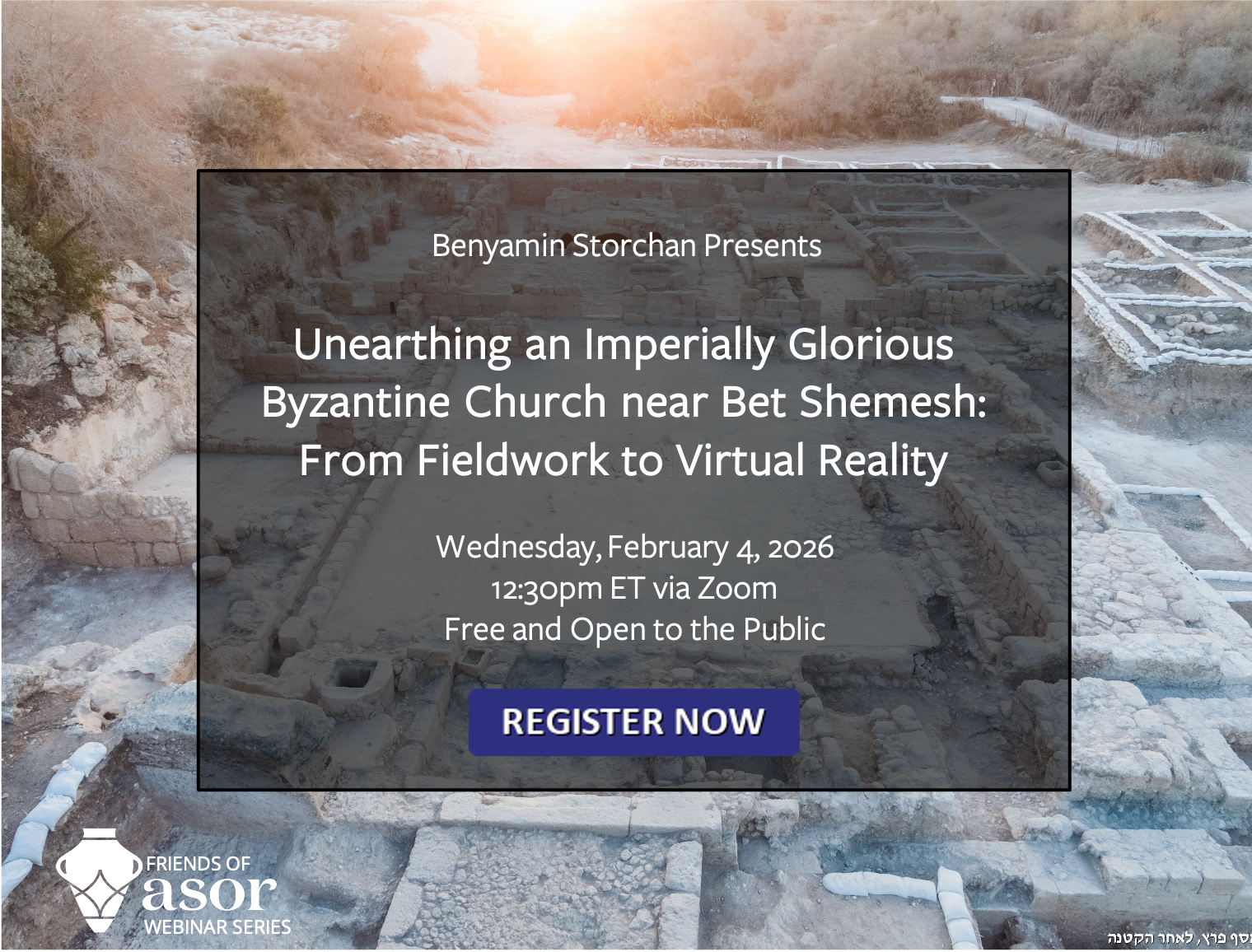
Unearthing an Imperially Glorious Byzantine Church near Bet Shemesh: From Fieldwork to Virtual Reality

Friends of ASOR present the next webinar of the 2025-2026 season on February 4, 2026, at 12:30 pm EST, presented by Benyamin Storchan. This webinar will be free and open to the public. Registration through Zoom (with a valid email address) is required. This webinar will be recorded and all registrants will be sent a recording link in the days following the webinar.

In the heart of the Holy Land, just 15 miles southwest of Jerusalem, lies one of the most remarkable Byzantine churches discovered in recent decades. The archaeological excavations at the Church of the Glorious Martyr unearthed a fascinating five-century story of faith and pilgrimage, yet the greatest mystery remains unsolved: who was the Glorious Martyr venerated in the sacred crypt? This lecture chronicles the remarkable transformation of a simple burial cave that evolved during the Byzantine period into a magnificent pilgrimage site funded by the emperor himself. Based on ancient pilgrim accounts, the site may be connected with a shrine dedicated to the biblical prophet Zechariah that appears on the famous sixth-century Madaba Map. The excavations demonstrate that the church survived political upheavals, earthquakes, and religious transitions, continuing to function even under early Islamic rule. Though the site was abandoned in the tenth century, its archaeological legacy continues to illuminate our understanding of Byzantine pilgrimage, religious architecture, and the complex relationship between Christianity and Islam in the Holy Land. Through 3D modelling and reconstruction, we can now experience the church as ancient pilgrims once did, complete with marble panels, bronze gates, and flickering oil lamps in the sacred crypt below.

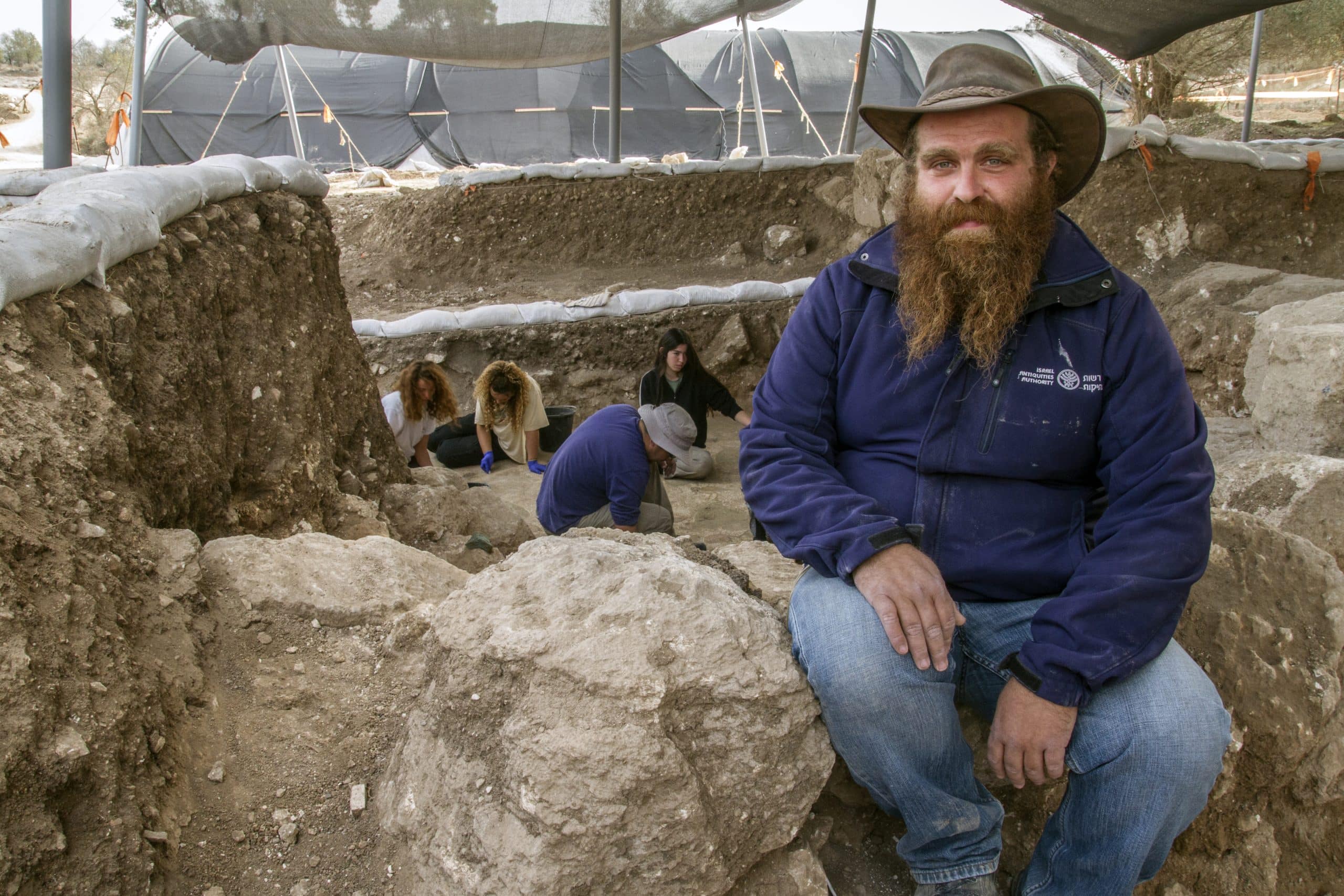
Benyamin Storchan is a research excavation archaeologist for the Jerusalem Region of the Israel Antiquities Authority. He is currently a PhD candidate at Ben Gurion University of the Negev, writing a dissertation on Byzantine churches in the Holy Land during the transition to the early Islamic Period. Storchan has directed several large-scale excavations, including the Glorious Martyr excavations, the Pre- and Proto-historic settlements at Eshtaol, and landscape archaeology projects near Bet Shemesh. He has published multiple articles on Byzantine churches in the Holy Land, oil lamp production in the Roman period, and numerous final excavation reports.
SUPPORT THE WEBINAR PROGRAM!

Friends of ASOR is pleased to announce that the first webinars of the 2025-2026 season will once again be free and open to the public with a goal to raise $10,000 so that the entire webinar season will be free. Will you support this outreach effort with a tax-deductible contribution? All donors/sponsors with gifts of $100 or more will be recognized in subsequent webinars. Make your gift today and select “webinars” from the dropdown menu.


Designate your gift for “Webinars” in the drop-down menu.

2025 Geraty Grant Report: Tall Hisban

Giving Back: Community Archaeology and Education at Tall Hisban: 2025 Update on the Lawrence T. Geraty Community Archaeology Endowment


The ASOR Lawrence T. Geraty Community Archaeology Endowment was established to honor Dr. Lawrence T. Geraty’s pioneering commitment to community engagement in Near Eastern archaeology. The endowment supports initiatives that strengthen relationships between archaeological projects and local communities, including participatory research, heritage festivals, youth training programs, and digital heritage initiatives.

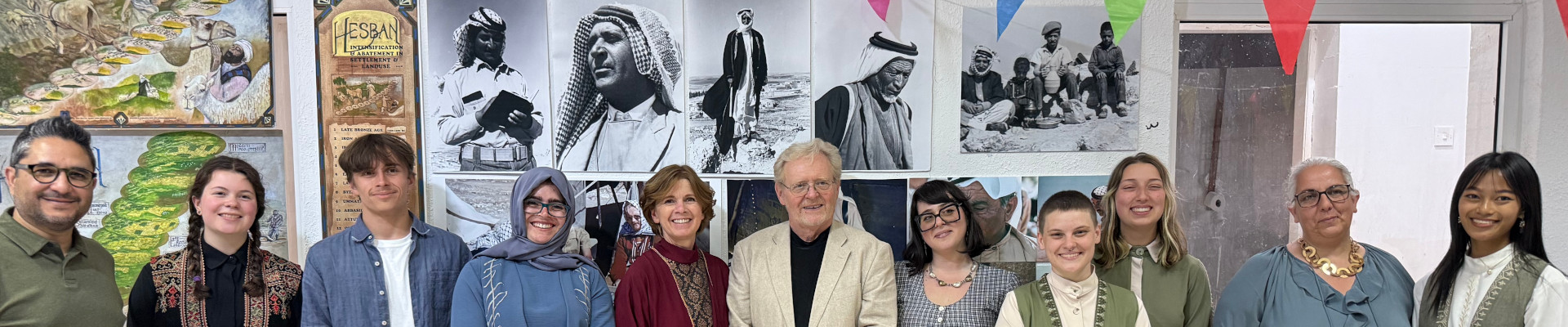
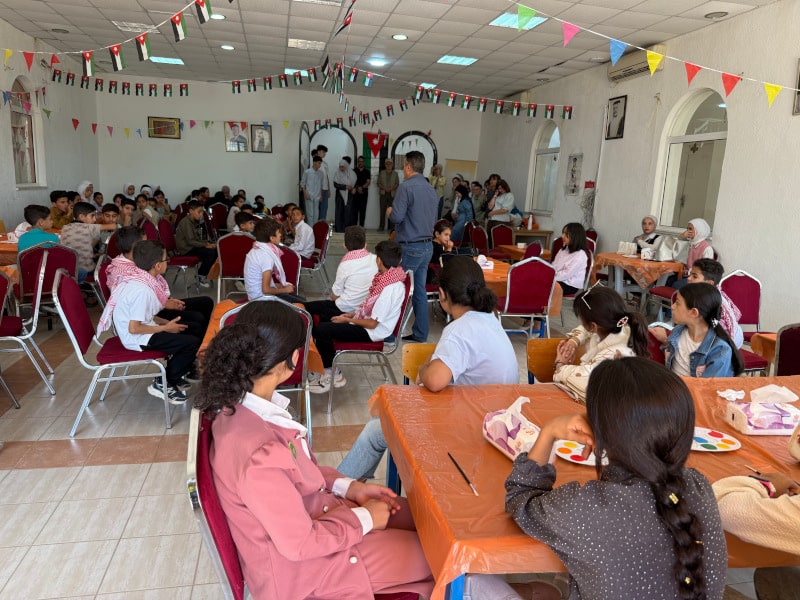
At Tall Hisban, support from the Geraty Endowment has helped make possible the Hisban Heritage Festival, student-led community history projects, and the Madaba Region Heritage Internship. Its impact is visible in renewed partnerships, expanded educational opportunities, and a deepened sense of shared stewardship between archaeologists and the people of Hisban.

On a warm June afternoon in 2025, the courtyard of the Hisban Women’s Association overflowed with song, laughter, and the aroma of traditional Jordanian sweets. Villagers, students, and dignitaries gathered to celebrate the Hisban Heritage Festival, marking more than five decades of partnership between the people of Hisban and the Madaba Plains Project (MPP). The festival opened with greetings from the Department of Antiquities, the Hisban Women’s Association, and Andrews University.

In his keynote remarks, Øystein S. LaBianca, Senior Research Professor of Anthropology, reflected on the evolution of archaeology at Hisban—from excavation to collaboration: “Archaeology here is no longer about extraction. It’s about relationships, about listening, and about telling stories together—stories that include shepherds and schoolteachers, potters and farmers, grandmothers and grandchildren.”

A highlight of the festival was the public display of archival photographs from the original Heshbon Expedition (1968–1976). For many families, these were the only surviving photographs of fathers and grandfathers. This “visual repatriation” returned history, dignity, and memory to the community whose labor shaped the early excavations.

Pottery painting at the Hisban Women's Center.

Research by Andrews University undergraduate students featured prominently. Spencer Chase, Nicole Lombard, Laurel Renner, and Julia Whitcomb, presented work on Hisban’s relationship to the Roman Decapolis, utilizing archaeological data, literary sources, and GIS visualization. Melani Dubon and Nathalie Gonzalez conducted oral history interviews with descendants of workers from the early expeditions, linking archival field notes to living memory.

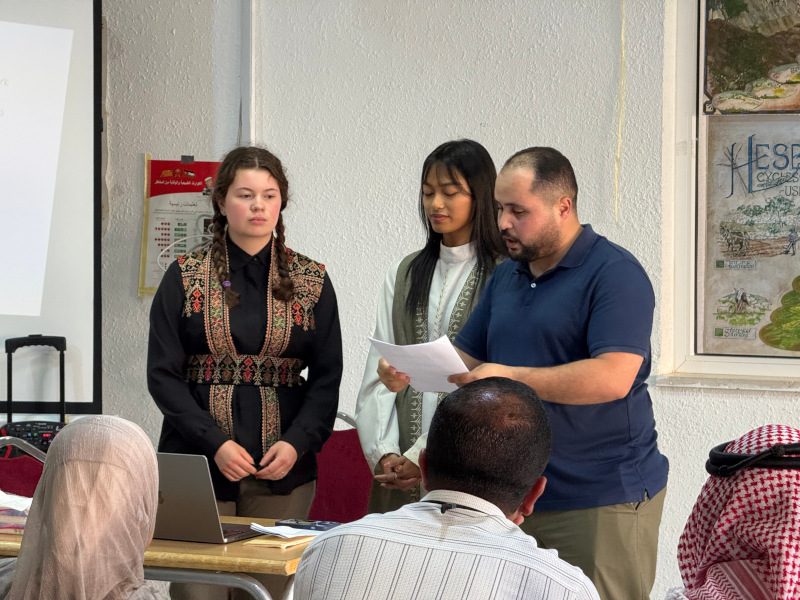
Presentation of early ethnography by Melani Dubon and Nathalie Gonzalez.
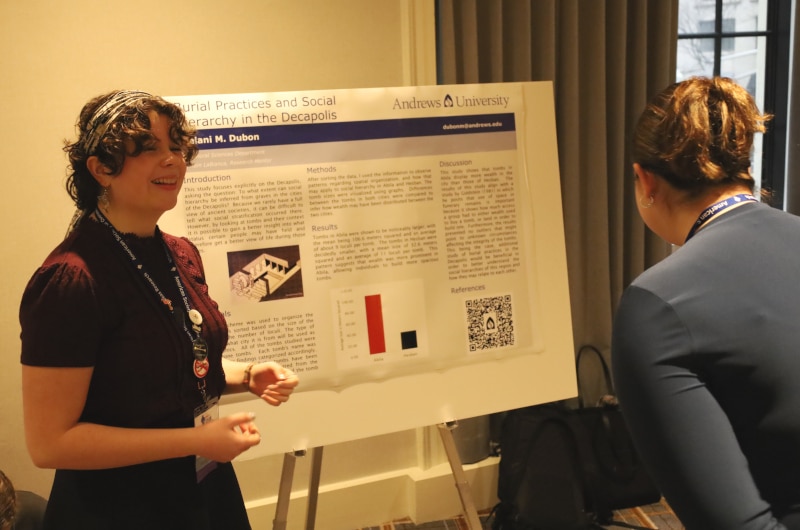
Melani Dubon presenting a poster at the 2025 ASOR Annual Meeting
Melani Dubon presents her research during the poster session at ASOR's 2025 Annual Meeting in Boston.

Stacie Hatfield, Assistant Professor of Anthropology, emphasized that “the next generation of archaeologists must be facilitators—connecting academic rigor with community engagement.” This participatory model is now central to the MPP approach.

The Madaba Region Heritage Internship, coordinated by Al Raqeem for Services and Training, Sela for Training and Protection of Heritage, Andrews University, and the University of Liverpool, extends this commitment regionally. The Pottery Internship trains young Jordanians in ceramic analysis and conservation, while the Archaeotrail Internship prepares them to create bilingual (Arabic–English) content for the Madaba Archaeotrail app. Interns graduate with certification and a professional portfolio, contributing to a new generation of Jordanian heritage leaders.

Together, these initiatives demonstrate what ASOR has long championed: that archaeology is most meaningful when it builds bridges between past and present, research and renewal, local voices and global audiences. As one participant at the festival remarked, “We used to think archaeology was about the foreigners who came to dig. Now we know—it is about us, our stories, and our future.”

These ongoing efforts—including the Hisban Heritage Festival, the Madaba Region Heritage Internship, and the proposed Learning through Heritage initiative—reflect meaningful partnerships supported by the ASOR Lawrence T. Geraty Community Archaeology Endowment and Andrews University.

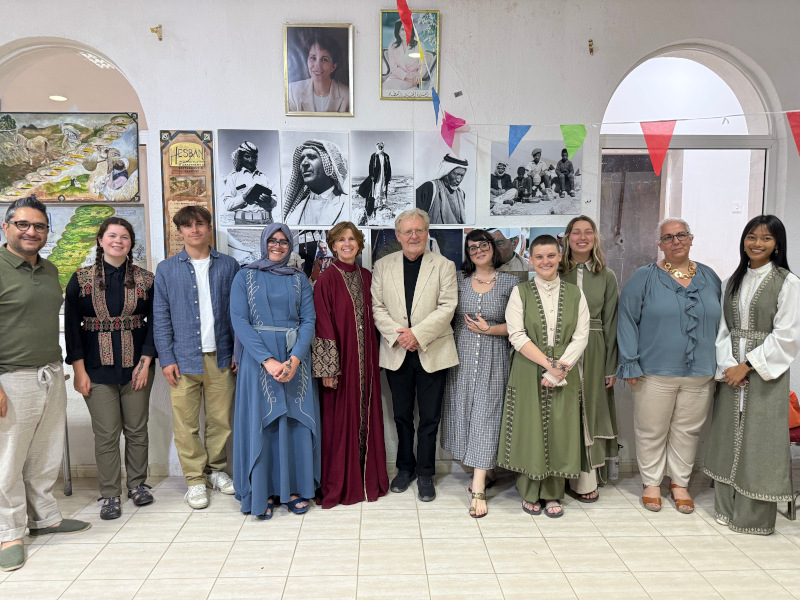
Paulo Oliveira, Melani Dubon, Spencer Chase, Isable Srour, Stacie Hatfield, Oystein Labianca, Ilda Faiella, Lolo Renner, Julia Whitcomb, Maria Elena Ronza, and Nathalie Gonzalez.

Fieldwork Report: Helen Wong

Mapping Motya in a Day: Urbanism, Identity, and Geophysical Survey

Helen Wong, 2025 Katherine Barton Platt Fellowship Recipient

This summer, I joined the excavation team at Motya, a small island off the coast of western Sicily near Marsala, as a digital archaeology specialist with the “Space and Identity in Ancient Motya” project co-directed by Dr. Paola Sconzo and Dr. Jason Herrmann. I was responsible for helping to carry out the ongoing geophysical survey which aims to map the entire layout of the ancient city. Motya was a Phoenician/Punic foundation dating to the 8th century BCE with close ties to Carthage and constant contact with indigenous Italic cultures, creating diverse ethnic and cultural conditions. It is one of the rare examples of a Punic city which was largely not built over in later periods. The aim of the geophysical survey, which has almost mapped the entirety of the city over the last ten years, is to approach the question of cultural diversity and experience at Motya through examining its urban layout and architectural forms, which are distinct from that of native cities in the Sicilian tradition on the island. In this report, I will describe what an average day of work at Motya looked like for me.

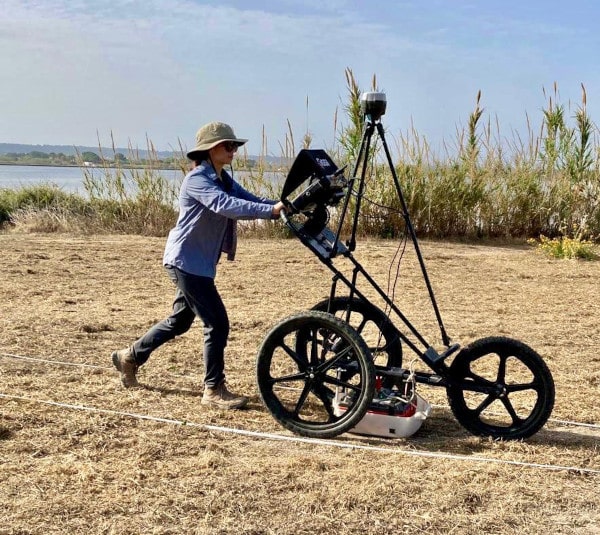
Helen Wong conducting ground-penetrating radar survey at Motya, Sicily.

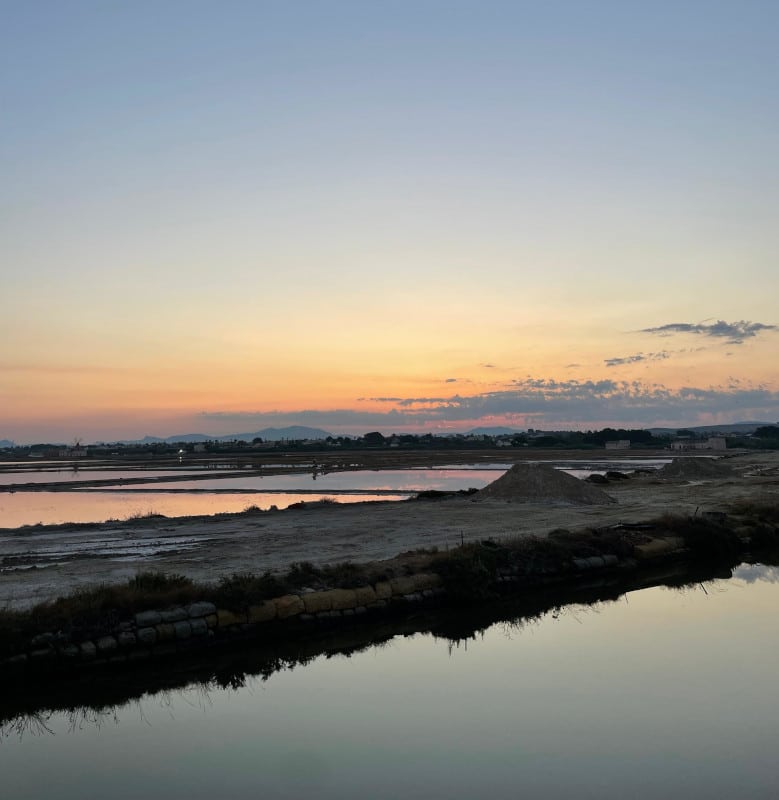
At 5:30am, I would drag myself out of bed. Ideally, we left for the island by 6am–sometimes it was a little later, but that could be made up for by a bit of careful speeding on the road, which was very scenic. The ride down to the dock where we would take a ferry to the island closely followed the coast, so even though we were only half-awake at best, we could still take in the gorgeous scenes of still water reflecting the dawn light. We would drive past the fishermen in their boats, the gulls and little birds diving into the water, and the famous salt flats of Marsala, each one delineated with careful lines of stones. Many of these salt flats are very old, even ancient. Marsala’s high-quality salt is famous, as is the sulphur scent which comes off the flats in the mornings and evenings. I came to associate it with waking up and looking forward to the start of the day.

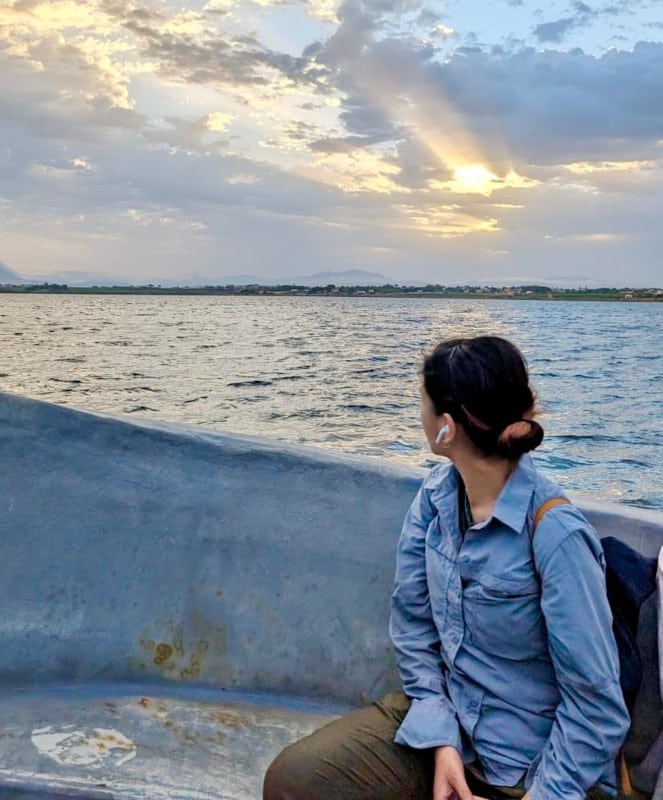
Taking the ferry to the island.

The ferry to the island took about twenty minutes. The passing scenery on the water was very beautiful, and I often found it almost meditative. Once we arrived on the island, the day truly began. We trekked up from the dock to the dig house and before starting anything else, made sure to brew dark, strong coffee. Then we would each go off and sort out our own responsibilities. For me, that meant getting out the magnetometer. We used a Bartington Grad601, a compact instrument with two sensor rods, one on each end of a rigid carrying bar. The instrument is held in front of the user and has a harness which is usually hooked onto a backpack. It is relatively light and easy to carry. The hardest part of its usage is actually very straightforward: in order for the data to be taken correctly, the user has to step in a specific beat, like band marching. When you use the Bartington enough times, it begins to have an effect on your everyday walking. At the end of the day, I would often find that I was walking in the same regulated beat even when I was no longer carrying the instrument.

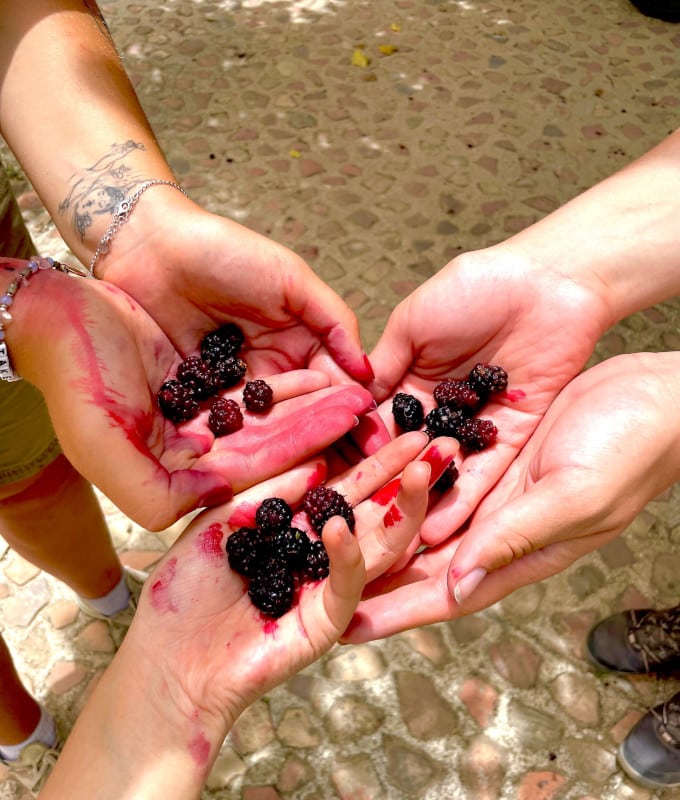
Picking mulberries from the tree outside the dig house.

The survey area I was focusing on this season was an olive grove to the northeast of the island. I walked the magnetometer between the rows of trees and occasionally ran straight into low-hanging branches. I walked into one hard enough once that it knocked me on my back. Such are the hazards of keeping your head down to make sure you’re stepping in time.

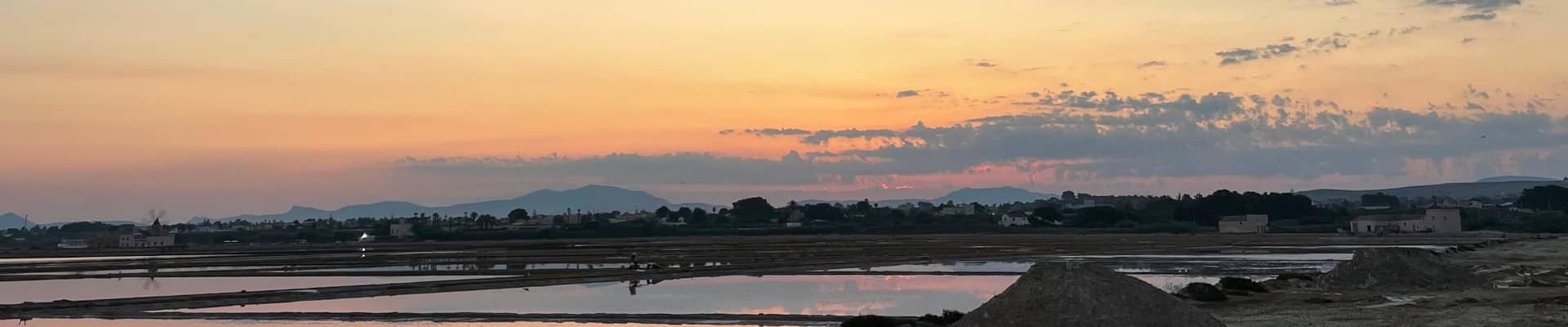
The salt flats.
The salt flats.

The data, once processed, made the many times I banged myself into a tree or two worth it. The magnetometry revealed major roads in line with those in other parts of the city, as well as some walls which suggest building foundations. Larger scholarly understanding of Punic urban architecture is actually fairly limited, so this kind of data makes a significant contribution to the subject. At the end of the day, I and my teammates would pack everything up: the ropes used to delineate where I would walk, the magnetometer going back in its case, my water bottle and sunscreen dropped unceremoniously in my bag. We would take the ferry back at 6pm, be back at our accommodations by 7pm, and then have a hearty, much looked-forward-to dinner. And then we’d do it all again tomorrow.

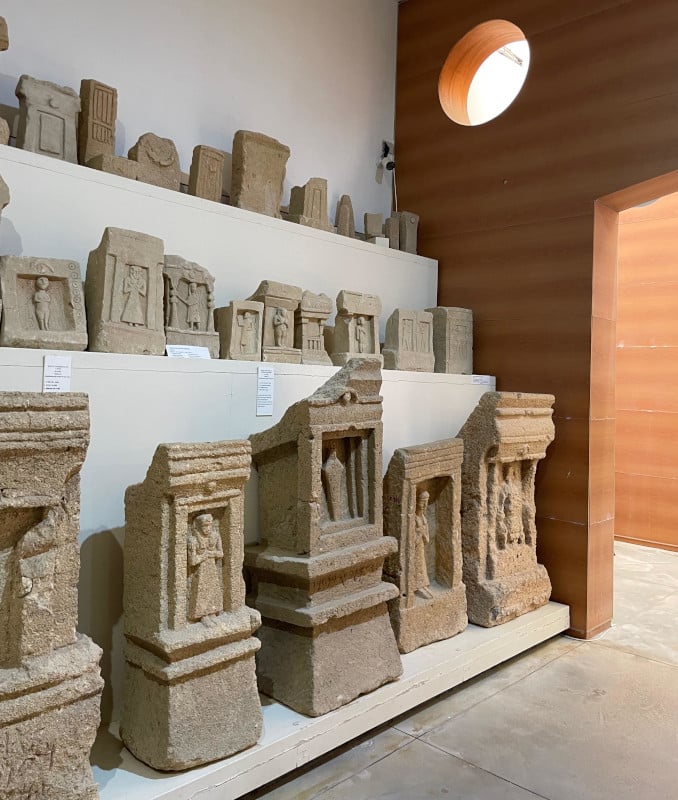
Tombstones from Motya's necropolis.

Helen Wong is a PhD candidate in the Art and Archaeology of the Mediterranean World (AAMW) program at the University of Pennsylvania. Her dissertation focuses on funerary rituals and mortuary landscapes in Hellenistic Phoenicia. She is currently the Bothmer Fellow in Greek and Roman Art at the Metropolitan Museum of Art.

Want to help more students and early career archaeologists get into the field? Donate to the cause today by selecting “Fieldwork Scholarships” as your gift purpose!

2026 Fieldwork Opportunities

2026 Fieldwork Opportunities

Team members at Çadır Höyük, Turkey.

Are you a student or volunteer looking to join an ASOR-affiliated project for fieldwork? The projects below all have fieldwork planned for 2026. Check out the project websites to find the one that is right for you.

Once you’ve found a project, we encourage you to apply for a 2026 Scholarship for Fieldwork Participation. These scholarships are $2,000 and support your travel and participation on an ASOR-afilliated project.

If you’re a project director or specialist on an ASOR-affiliated project, you are invited to apply for 2026 Project Grants. Project grants vary from $2,500 to $5,000. If you’d like your project listed below, please email programs@asor.org.

The deadline for both Fieldwork Scholarships and Project Grants is February 23, 2026.

Note: while some projects may be conducting fieldwork in 2026, not all of them are taking students or new team members. Please check with the project director and staff. The full list of ASOR-affiliated projects can be found here. 

Syeda Sukena Zehra working with the Gadachrili Gora Regional Archaeological Project Expedition in Georgia.

Georgia

Hannah Borotsik laying out tile from the Athenian Agora excavations. Photo by James Razumoff.

Hannah Borotsik laying out tile from the Athenian Agora excavations. Photo by James Razumoff.

Greece

Megan Nishida working with the Kites in Context team in Jordan.

Megan Nishida working with the Kites in Context team in Jordan.

Jordan

The team during our Open Doors Day for the public. Photo credit A. Smith

Menorca Archaeological Project team at Torre d’en Galmes in 2024. Photo credit A. Smith

Spain

 
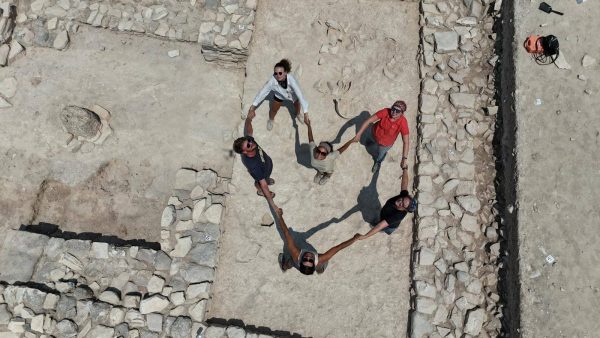
Talia Neelis and team members at Kissonerga-Skalia, Cyprus in 2025.

Want to help more students and early career archaeologists get into the field? Donate to the cause today by selecting “Fieldwork Scholarships” as your gift purpose!

FOA Webinar: Sarah Wenner

FRIENDS OF ASOR WEBINARS

Experiencing Khirbet et-Tannur: The Story of a Nabatean Temple from the Second through 21st Century

Friends of ASOR present the next webinar of the 2025-2026 season on January 21, 2026, at 7:00 pm EST, presented by Sarah Wenner. This webinar will be free and open to the public. Registration through Zoom (with a valid email address) is required. This webinar will be recorded and all registrants will be sent a recording link in the days following the webinar.

In 106 CE, Rome annexed the Nabataean Kingdom and transformed it into the Roman province of Arabia. While the move ended the political independence of the people living in modern Jordan, southern Syria, the Negev, and northern Saudi Arabia, core elements of Nabataean religion survived. Not long after the annexation, in the 2nd century CE, the Nabataean temple at Khirbet et-Tannur was constructed in Central Jordan, over four miles from the nearest village. Despite the distance, and the steep climb, the pilgrimage site thrived for centuries until its destruction in the 363 CE earthquake. In the subsequent centuries, Tannur’s rare visitors were primarily interested in iconoclastic behavior, not worship.

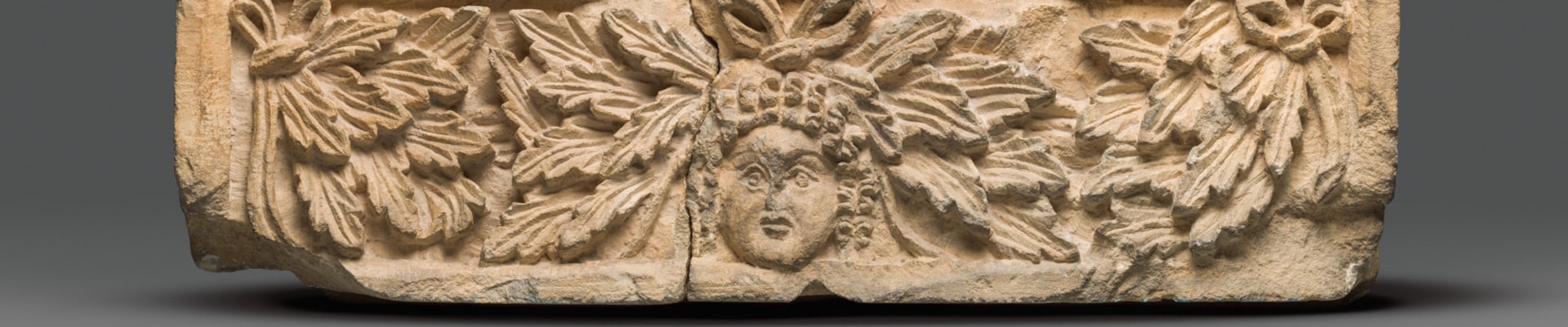
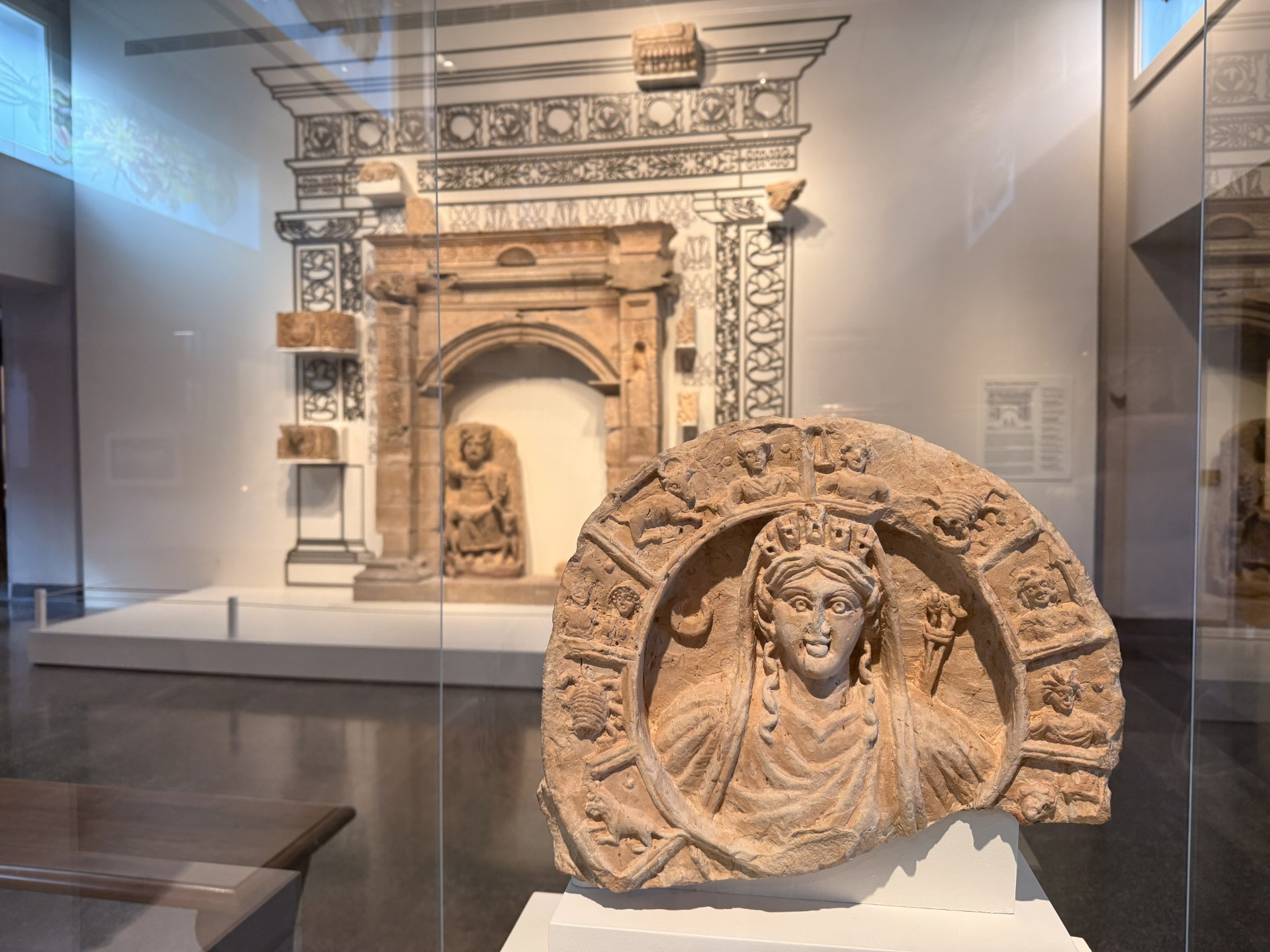
Image courtesy of the Cincinnati Art Museum.


Khirbet et-Tannur lay in ruins until Nelson Glueck and his team began excavation of the site on behalf of the Transjordanian Department of Antiquities and the American Schools of Oriental Research in 1937. Their rediscovery of the Zodiac Roundel with Bust of the Goddess Tyche (Cincinnati Art Museum, 1939.233) and a plethora of other unique sculpture reintroduced the ancient Nabataeans to the world and landed Glueck on the cover of Time magazine. And yet, the site remained largely unpublished until Judith McKenzie’s work in 2013.

Image courtesy of the Cincinnati Art Museum.


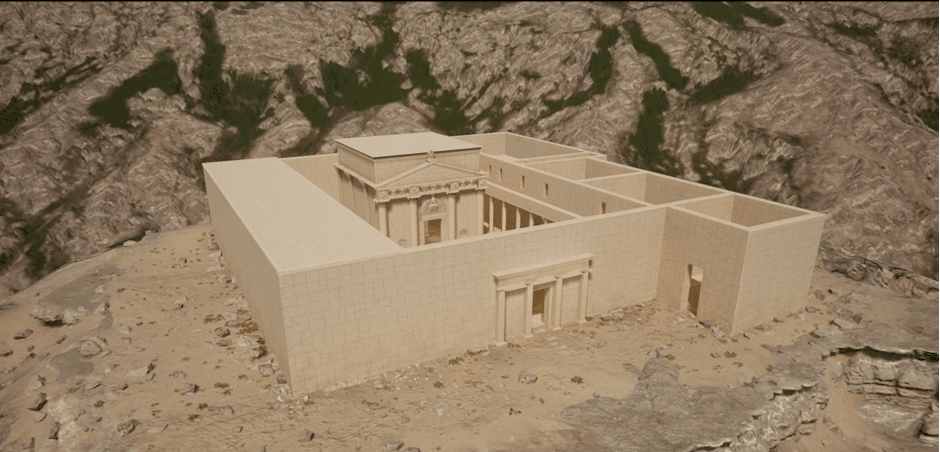
This lecture travels the site’s two millennia history, from its ancient construction and destruction in the Roman period, through Glueck’s adventures in the early-to-mid 20th century, to McKenzie’s publication and the reinstallation of the collection in 2021 at the Cincinnati Art Museum. It explores how Khirbet et-Tannur’s excavations transformed our understanding of the Nabataeans, explains how the materials came to be in Cincinnati, and demonstrates how 21st century innovations (a digital flythrough of the site and an interactive platform) and museum best practices facilitate new connections with the past. Through technology both ancient and new, the Nabataeans at Khirbet et-Tannur live on.

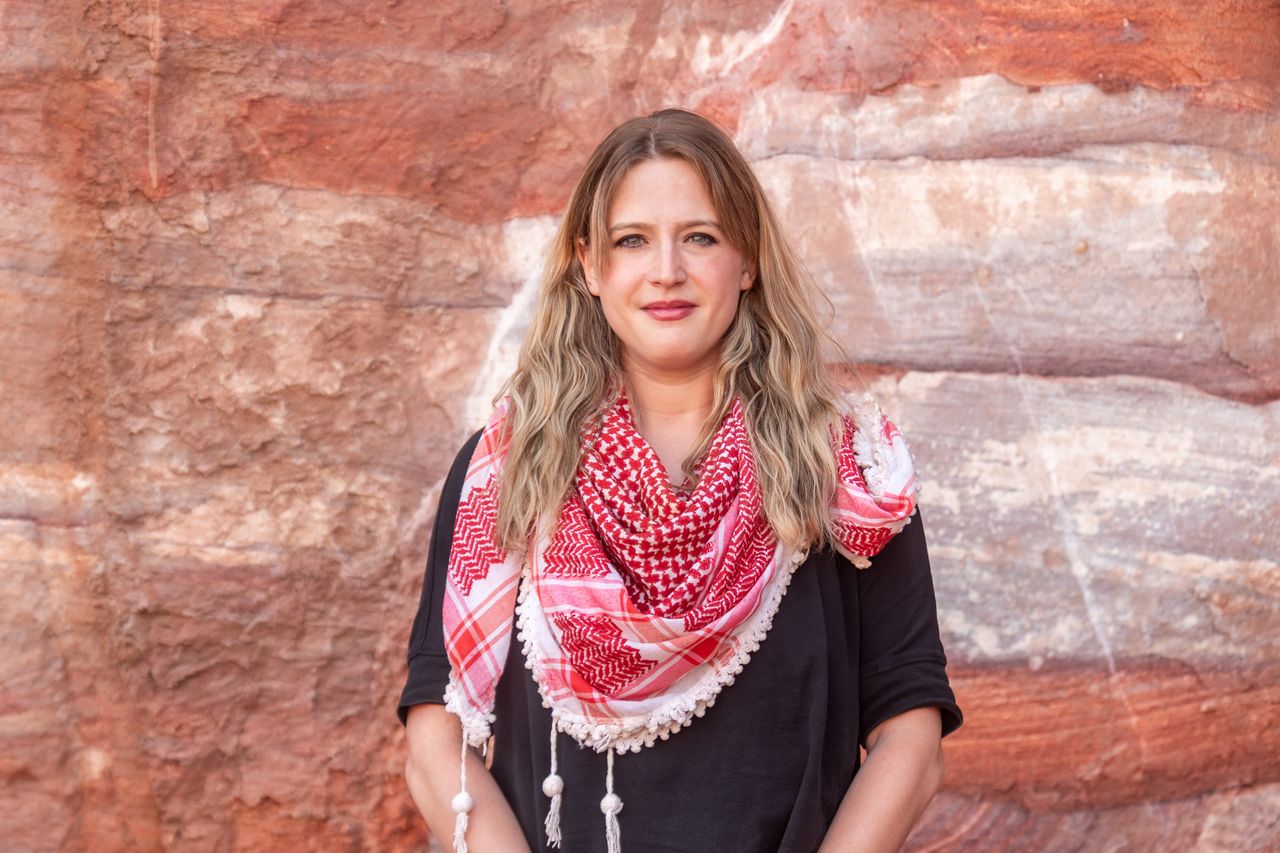
Sarah Wenner, PhD, is the jointly appointed Provenance Researcher & Object Historian at the Cincinnati Art Museum and Assistant Professor at the American Center of Research (Amman, Jordan). A specialist in ancient ceramics and the Nabataeans, Wenner has worked in Jordan for over a decade, including at Petra, Humayma, Wadi Ramm, Aqaba, Khirbet al-Khalde, and Udhruh, as well as at Pompeii (Italy), Tharros (Sardinia), and Monticello (USA). Her research investigates the building of Roman cities through the recycling of ancient waste.

SUPPORT THE WEBINAR PROGRAM!

Friends of ASOR is pleased to announce that the first webinars of the 2025-2026 season will once again be free and open to the public with a goal to raise $10,000 so that the entire webinar season will be free. Will you support this outreach effort with a tax-deductible contribution? All donors/sponsors with gifts of $100 or more will be recognized in subsequent webinars. Make your gift today and select “webinars” from the dropdown menu.

Designate your gift for “Webinars” in the drop-down menu.