FOA Webinar: Kevin Fisher

FRIENDS OF ASOR WEBINARS

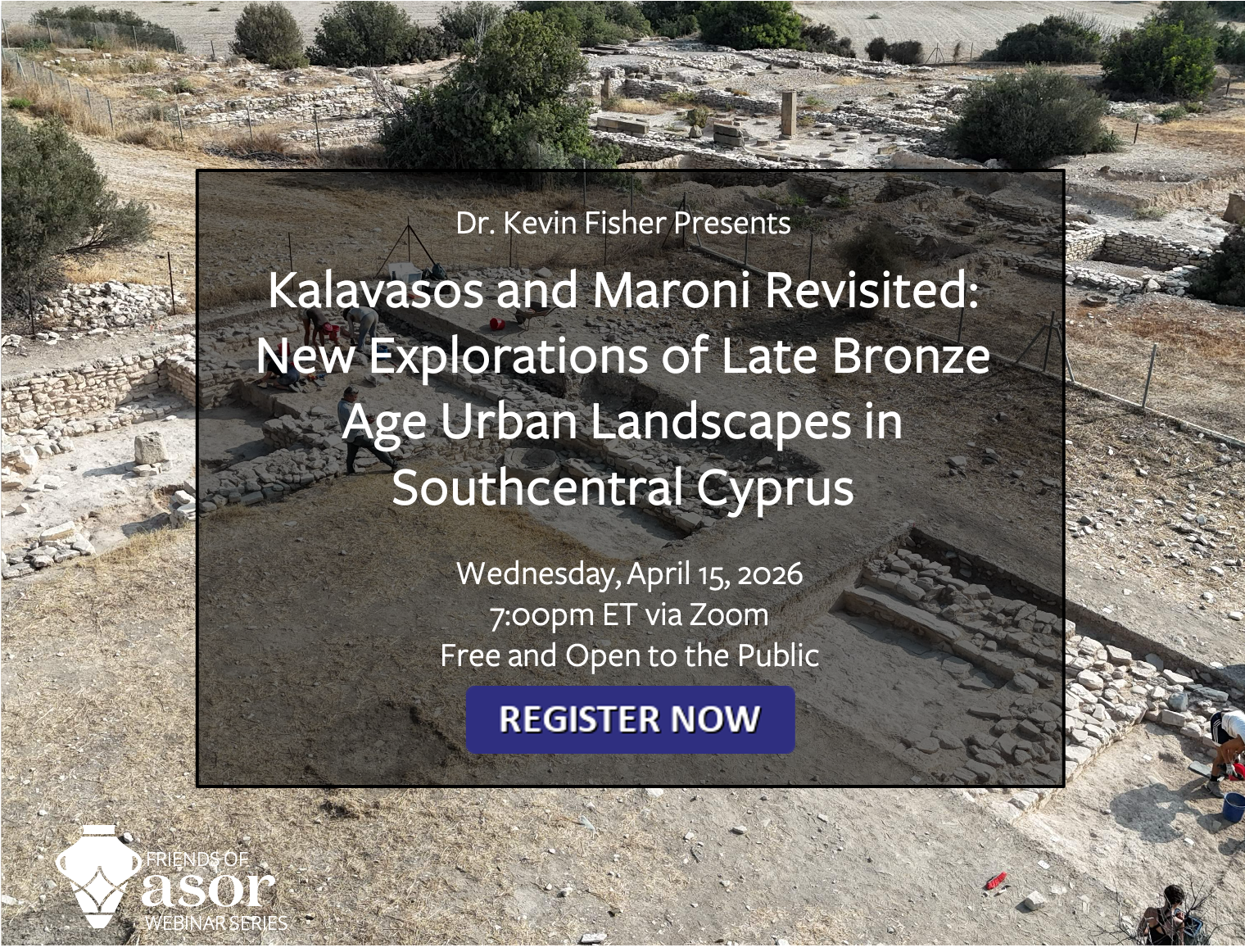
Kalavasos and Maroni Revisited: New Explorations of Late Bronze Age Urban Landscapes in Southcentral Cyprus

Friends of ASOR present the next webinar of the 2025-2026 season on April 15, 2026, at 7:00 pm EDT, presented by Kevin Fisher. This webinar will be free and open to the public. Registration through Zoom (with a valid email address) is required. This webinar will be recorded and all registrants will be sent a recording link in the days following the webinar.

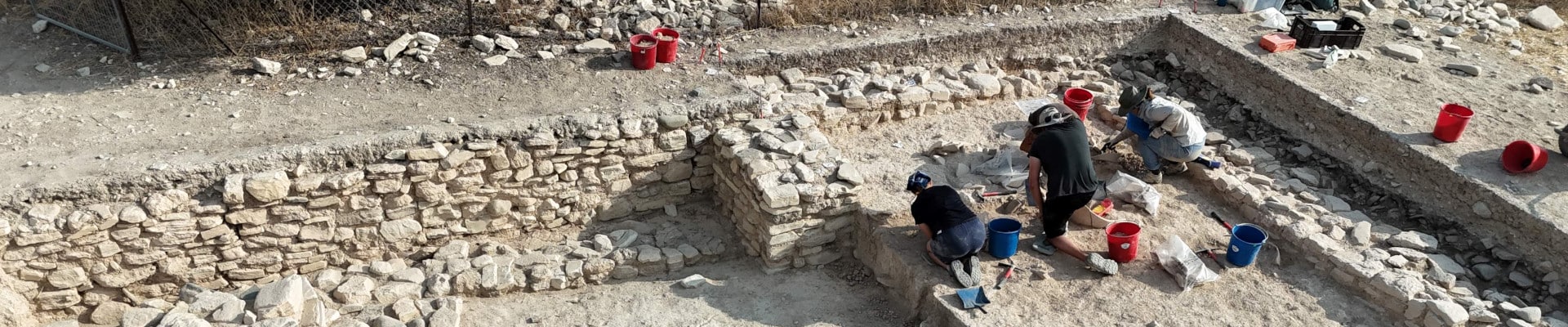
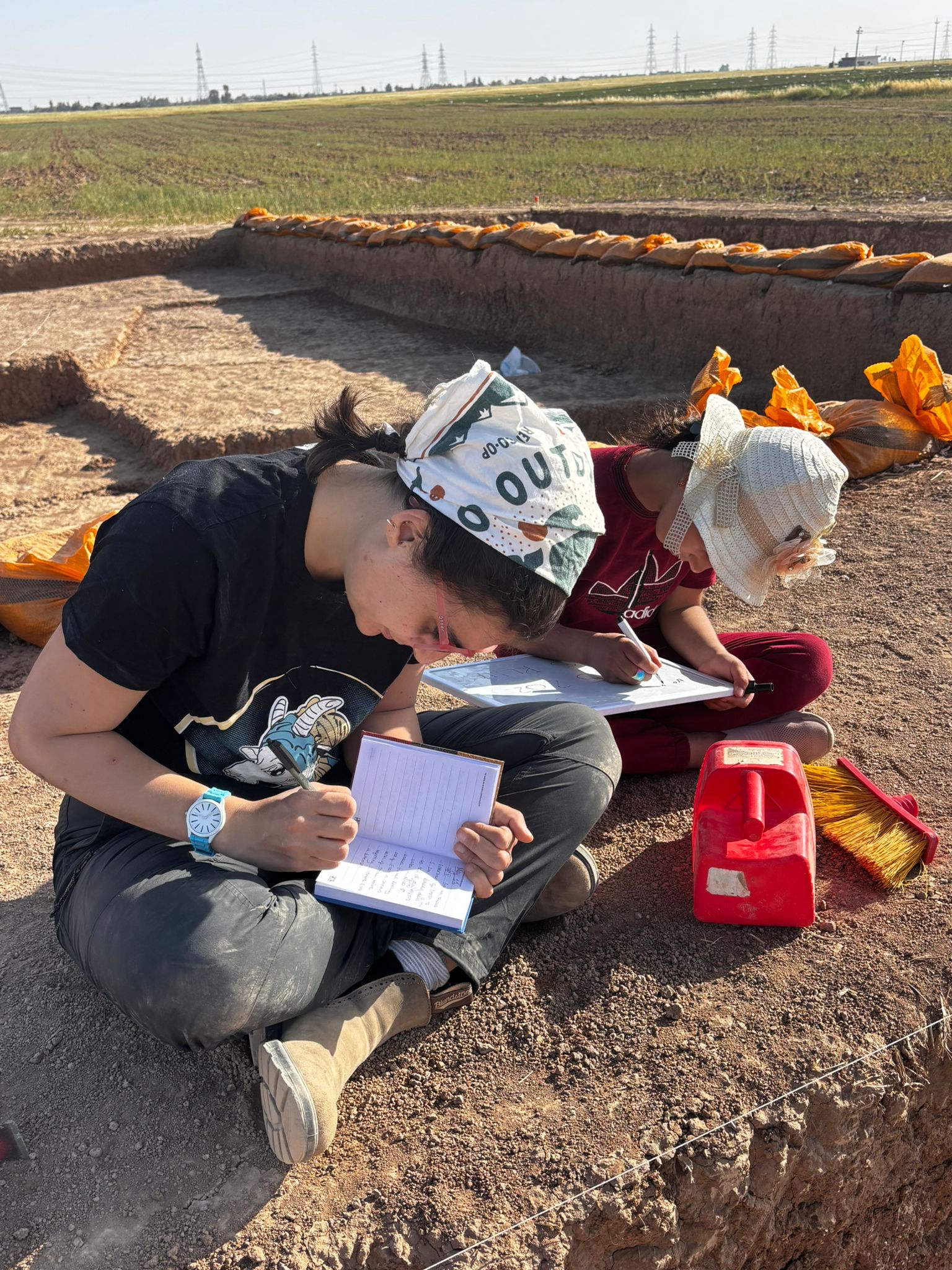
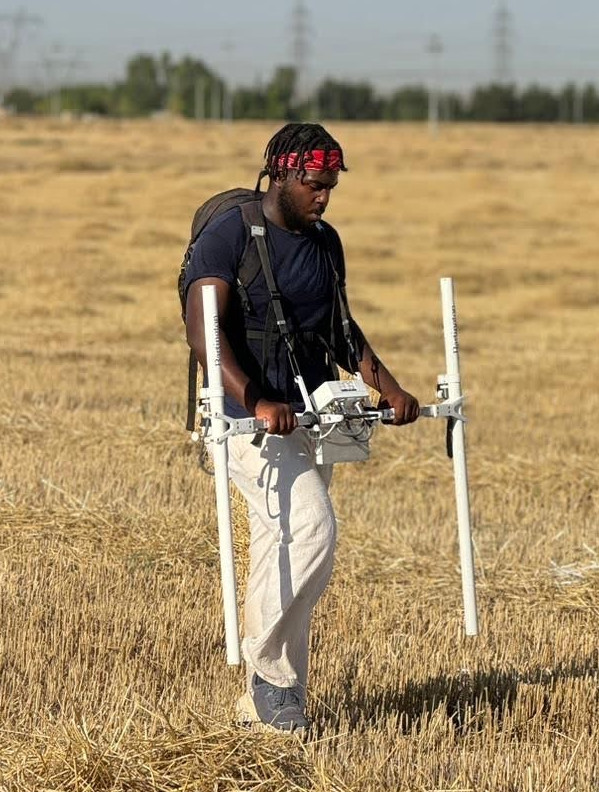
Compared with some of its better-known neighbors in the ancient eastern Mediterranean and Near East, Cyprus sees the relatively late emergence of urbanism. Its first cities appear in the Late Bronze Age (c. 1700-1100 BCE), along with other changes to the built environment, including large-scale monumental architecture and new types of domestic and mortuary architecture. At the same time, we see changes to the economy and sociopolitical organization as the island became a key player in an increasingly interconnected world. This talk presents the results of recent work by the Kalavasos and Maroni Built Environments (KAMBE) Project, a collaborative and interdisciplinary investigation of the relationship between urban landscapes and social change in south-central Cyprus during the Late Bronze Age. It focuses mainly on Kalavasos-Ayios Dhimitrios, an urban center that flourished in the 13th century BCE, where earlier excavations revealed wealthy tombs, monumental buildings and industrial-scale olive oil production. There, remote sensing, excavations, and various specialist studies are revealing fascinating new evidence for ritual activity and monumental construction near the administrative and economic core of the city. We’ll contrast these findings with evidence from the contemporaneous urban center of Maroni, about 7 km away, where the KAMBE project is revealing a rather different story of urban development.

Kevin Fisher is an anthropological archaeologist interested in the relationship between people and their built environments; urbanism and the social dynamics of ancient cities; and the application of remote sensing and digital technologies for recording, analyzing and visualizing archaeological phenomena. His research focuses mainly on the early complex societies of the eastern Mediterranean and Near East, especially Cyprus, although he has worked on projects in Greece, Jordan, Peru, Guatemala, the US and Canada. He is currently Associate Professor of Eastern Mediterranean Archaeology at the University of British Columbia in Vancouver, Canada, and co-director of the Kalavasos and Maroni Built Environments (KAMBE) Project, which is investigating the relationship between urban landscapes, interaction and social change on Late Bronze Age Cyprus (c. 1700-1100 BCE). Kevin was awarded ASOR’s 2025 G. Ernest Wright Award for his book Monumentality, Place-making and Social Interaction on Late Bronze Age Cyprus (Equinox 2023) and is co-editor with Andrew Creekmore of Making Ancient Cities: Space and Place in Early Urban Societies (Cambridge 2014).

SUPPORT THE WEBINAR PROGRAM!

Friends of ASOR is pleased to announce that the first webinars of the 2025-2026 season will once again be free and open to the public with a goal to raise $10,000 so that the entire webinar season will be free. Will you support this outreach effort with a tax-deductible contribution? All donors/sponsors with gifts of $100 or more will be recognized in subsequent webinars. Make your gift today and select “webinars” from the dropdown menu.

Designate your gift for “Webinars” in the drop-down menu.
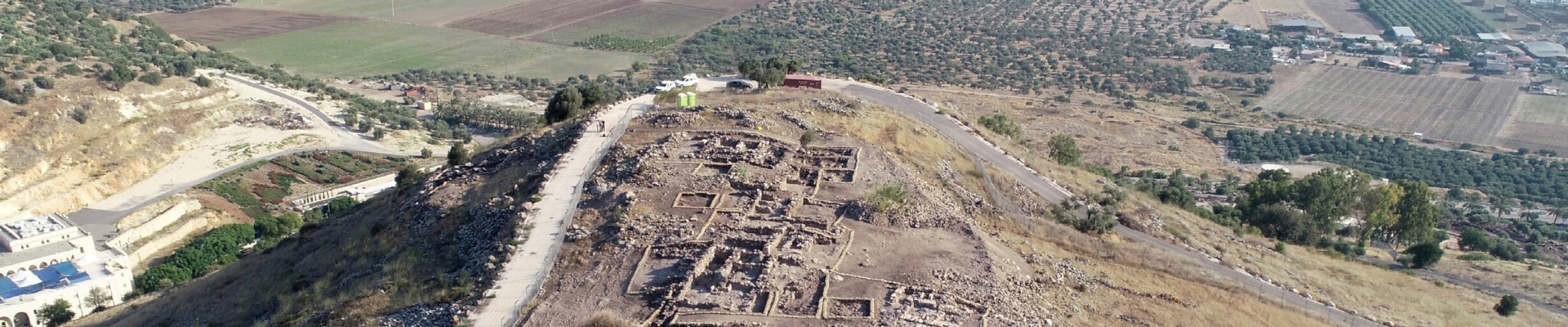
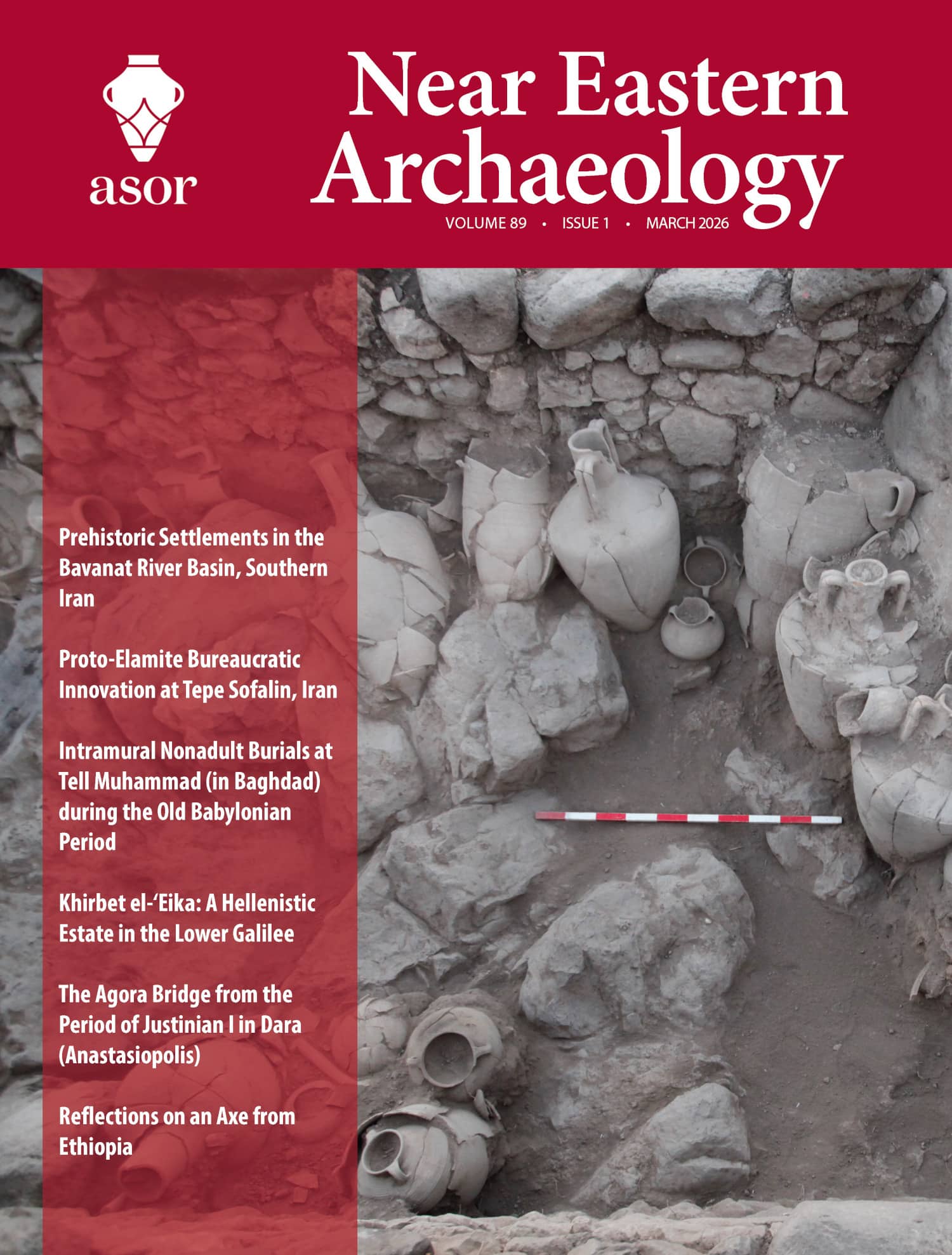
Table of Contents for Near Eastern Archaeology 89.1 (2026)

Table of Contents for Near Eastern Archaeology 89.1 (March 2026)

You can receive NEA(and other ASOR publications) through an ASOR Membership.
Please e-mail the Membership office if you have any questions.

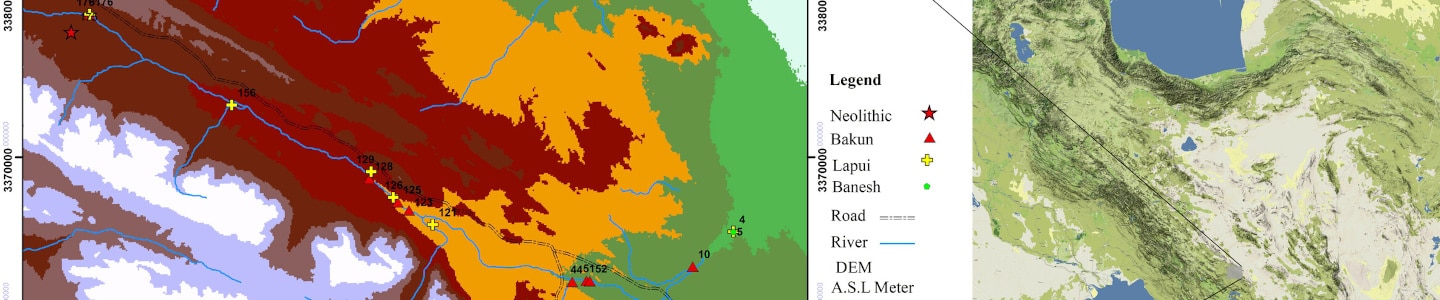
Pp. 4–14: “Evolution, Resilience, and Collapse of Prehistoric Settlements in the Bavanat River Basin, Southern Iran” by Morteza Khanipour, Mohammad Amin Mirghaderi, and Habib Emadi

Small intermontane valleys, like the Bavanat River Basin in southern Iran, are valuable for archaeological research due to their preservation of environmental and social changes. An archaeological survey in 2015 and excavations at the Hormangan site in 2016 revealed 200 sites dating from the Neolithic to the Islamic period. This article examines prehistoric settlements, cultural interactions at both regional and interregional levels, and the key factors influencing settlement formation in Bavanat, a secondary valley, during different prehistoric periods. Additionally, it explores the impact of climatic and social changes on prehistoric communities and their settlement patterns in small valleys. Archaeological evidence indicates that this region was seasonally occupied by hunter-gatherer communities during the Neolithic period as a result of climate changes associated with the 8.2 ka event. In the first half of the sixth millennium BCE, the area was abandoned but was resettled by farming communities in the late sixth millennium BCE. This way of life continued until the mid-fourth millennium BCE. With the rise of urbanization in Iran, settlements in this region, like many other parts of Fars, experienced a significant population decline.

ASOR Members with online access: log into ASOR’s Online Portal here. Once logged in, click the JOURNALS tab in the top navigation bar. Tutorials for how to log in to the Online Portal as well as how to navigate to the Portal Journals page can be found here.

Pp. 16-23: “Script over Sealings: Proto-Elamite Bureaucratic Innovation at Tepe Sofalin, Iran” by Rouhollah Yousefi Zoshk and Morteza Hessari

This study analyzes three Proto-Elamite clay sealings (ca. 3350–2800 BCE) from Tepe Sofalin, Iran, inscribed with written signs rather than traditional seals, to probe early administrative pracricultural practices, and cultural identity of Hellenistic Galilee. Five seasons of excavation revealed a wealthy agricultural estate that flourished in the early second century BCE, complete with storage facilities and evidence of advanced farming practices. The site’s rich material culture reveals fascinating Mediterranean connections such as wine amphorae shipped from Rhodes and Kos, or fine tableware from the Phoenician coast and Asia Minor. The material culture and dietary habits point to a population with strong ties to the Phoenician coast, perhaps a genuine Phoenician population. Likely functioning as a royal land grant, the estate represents the flourishing agricultural economy that characterized Seleucid Galilee. The site’s abrupt abandonment around 144 BCE is probably connected to the internal wars in the Seleucid kingdom, involving also the Maccabees.

ASOR Members with online access: log into ASOR’s Online Portal here. Once logged in, click the JOURNALS tab in the top navigation bar. Tutorials for how to log in to the Online Portal as well as how to navigate to the Portal Journals page can be found here.

Pp. 24-35: “Intramural Nonadult Burials at Tell Muhammad (in Baghdad) during the Old Babylonian Period (1894–1595 BCE): A Preliminary Assessment of Legacy Data” by Sergio G. Russo

This article investigates infant and child burial practices at Tell Muhammad (Baghdad) during the Old Babylonian period (1894–1595 BCE). Using previously published excavation reports, it examines 53 inhumations found within a 0.8 ha area of the ancient settlement. Raw data are evaluated both qualitatively and quantitatively to provide summary statistics and highlight diachronic patterns, while accounting for limitations arising from the lack of detail in the original reports. Despite these gaps, the findings indicate that at the site, nonadult inhumations primarily consisted of jar burials placed in dedicated burial grounds, initially of a residential nature. Finally, this study outlines future research directions: on the one hand, the temporal distribution of the burials might have implications for the site chronology; on the other hand, they supplement data to known burials excavated elsewhere, which can be analyzed on a regional scale to gain more information on the Old Babylonian Mesopotamian funerary landscape.

ASOR Members with online access: log into ASOR’s Online Portal here. Once logged in, click the JOURNALS tab in the top navigation bar. Tutorials for how to log in to the Online Portal as well as how to navigate to the Portal Journals page can be found here.

Pp. 36-46: “Khirbet el-‘Eika: A Hellenistic Estate in the Lower Galilee” by Uzi Leibner and Roi Sabar

Perched on an isolated mountain overlooking the fertile Arbel Valley, Khirbet el-‘Eika offers a rare glimpse into the daily life, agricultural practices, and cultural identity of Hellenistic Galilee. Five seasons of excavation revealed a wealthy agricultural estate that flourished in the early second century BCE, complete with storage facilities and evidence of advanced farming practices. The site’s rich material culture reveals fascinating Mediterranean connections such as wine amphorae shipped from Rhodes and Kos, or fine tableware from the Phoenician coast and Asia Minor. The material culture and dietary habits point to a population with strong ties to the Phoenician coast, perhaps a genuine Phoenician population. Likely functioning as a royal land grant, the estate represents the flourishing agricultural economy that characterized Seleucid Galilee. The site’s abrupt abandonment around 144 BCE is probably connected to the internal wars in the Seleucid kingdom, involving also the Maccabees.

ASOR Members with online access: log into ASOR’s Online Portal here. Once logged in, click the JOURNALS tab in the top navigation bar. Tutorials for how to log in to the Online Portal as well as how to navigate to the Portal Journals page can be found here.

Pp. 48-57: “An Example of the Architectural Integrity of Historical Bridges: The Agora Bridge from the Period of Justinian I in Dara (Anastasiopolis)” by Hüseyin Metin and Ali Özkan

The ancient city of Dara in northern Mesopotamia lies within the borders of the Dara/Oğuz village in the Artuklu district of Mardin province, Türkiye. It was a garrison city established to protect the eastern borders of Byzantium against the Sassanids. Dara exemplifies unusual urban organization for the Byzantine period because a stream passed through the middle of the city, which was surrounded by walls, and the architecture of the city was shaped according to the route of that stream. Bridges were thus of great importance in the city’s architectural organization. A total of three bridges have been identified within the city walls of Dara, while another bridge was built outside the southern gate of the ancient city. In this study, the Agora Bridge of Dara is examined in detail. In addition, the importance of bridges in construction activities in Dara during the period of Justinian I is evaluated.

ASOR Members with online access: log into ASOR’s Online Portal here. Once logged in, click the JOURNALS tab in the top navigation bar. Tutorials for how to log in to the Online Portal as well as how to navigate to the Portal Journals page can be found here.

Pp. 58-64: “Axes as Tools: Reflections on an Axe from Ethiopia” by Aren M. Maeir

This article discusses the function and symbolism of an iron axe from contemporary Ethiopia, and suggests insights regarding axes as tools, weapons, and symbolic items in the Bronze and Iron Age southern Levant.

ASOR Members with online access: log into ASOR’s Online Portal here. Once logged in, click the JOURNALS tab in the top navigation bar. Tutorials for how to log in to the Online Portal as well as how to navigate to the Portal Journals page can be found here.

ECS Spring Brown Bag: Dr. Danielle Macdonald

Sunset at Brac Island Croatia

Early Career Scholars Spring Brown Bag: Dr. Danielle Macdonald

Scientific Publishing in Archaeology: Ask an Editor

Join ASOR’s Early Career Scholars on April 3, 2026 at 12:00pm ET via Zoom for a virtual Brown Bag talk from Dr. Danielle Macdonald about scientific publishing in archaeology.

Please join the ASOR Early Career Brown Bag Lunch Series for a workshop on scientific publishing in archaeology, led by Dr. Danielle Macdonald, co-Editor of the Journal of Archaeological Science: Reports. This session will provide insights into the publication process, including understanding peer review, manuscript preparation best practices, responding to reviewer comments, and current trends in scientific archaeological publishing, including open access models. There will also be an open Q&A at the end to ask questions about publishing in scientifically-oriented journals. Whether you’re a graduate student preparing your first manuscript or an early career scholar looking for some editorial tips, this workshop will offer practical guidance from an editorial perspective.

By Danielle Macdonald, Associate Professor of Anthropology (University of Tulsa)

The event, a part of our brown bag lunch series, is FREE for the ASOR community, but registration is required.

Register Now

March Fellowship Madness 2026: Bracket of Impact

March Fellowship Madness 2026: Bracket of Impact

March is here — and so is ASOR’s March Fellowship Madness!

This year, we invite you to step into our Bracket of Impact,where every gift advances the next generation of archaeologists. Fieldwork Scholarships open doors to mentorship, hands-on training, and connections that shape the future of our field.

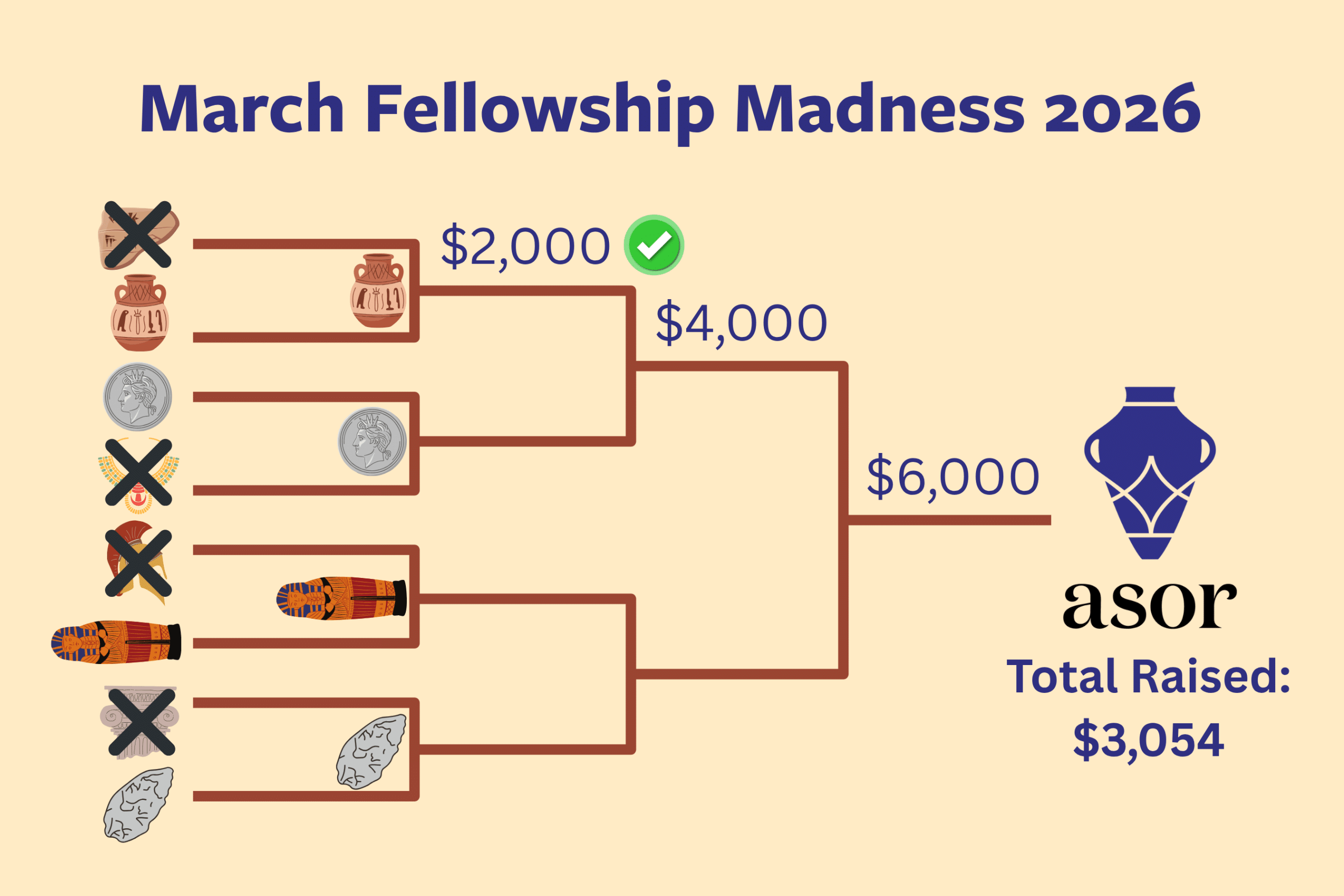
Here’s how the Bracket of Impact works:

Our goal is to raise $6,000 by March 31 which would fund scholarships for three more students. 100% of your gift will go directly toward funding student fieldwork participation. Every gift moves us forward, and every donor becomes part of a winning team by supporting emerging scholars.

As donations come in, we’ll update our Bracket of Impact so you can track our progress and see which of your favorite artifacts below advances to the next round.

Whether you give $25, $250, or champion a full scholarship, your support makes a measurable difference in a young archaeologist’s journey.

ASOR provides these scholarships with your partnership. You are enabling ASOR to establish new scholarships and grants through endowed funds, but your annual support (i.e., gifts this year) will allow ASOR to send more eager students and early career scholars into the field. Please support archaeology’s next generation by making a gift today and selecting “Fieldwork Scholarships” as the designation for your gift. You may also make a designated gift by choosing any category from the drop-down menu on the donations module.


*If archaeological excavations are significantly disrupted or canceled in 2026, ASOR may, at its sole discretion, decide not to offer fieldwork scholarships. Fieldwork scholarships cannot be deferred; applicants may reapply either for fieldwork funding in 2027 or for non-fieldwork summer stipends if ASOR offers such stipends in 2026.

If ASOR does not award fieldwork scholarships in 2026, it will consult with donors to determine whether they prefer to have their contributions held for 2027 fieldwork scholarships or redirected to support non-fieldwork summer research stipends in 2026.

Fieldwork Report: Talia Neelis

Sherds of my Labor: Supervising with Pottery Plethoras at Kalavasos-Ayios Dhimitrios

Talia Neelis, 2025 P.E. MacAllister Fieldwork Scholarship Recipient

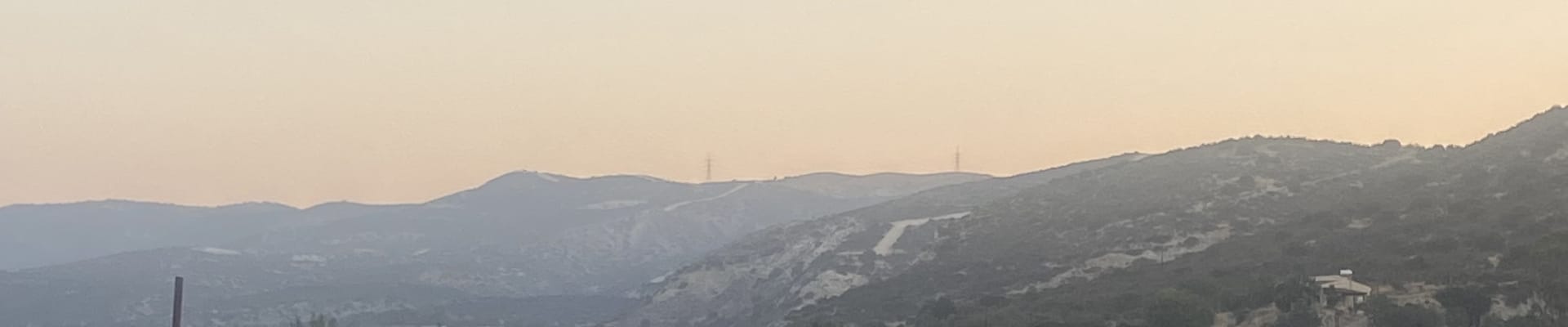
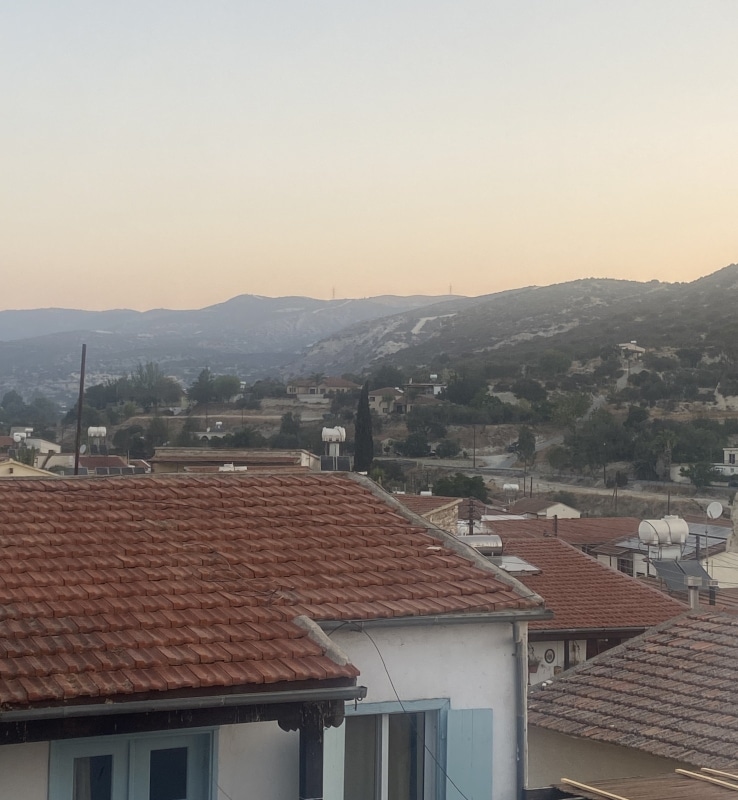
In the five minutes it takes to wind along the back road from Kalavasos Village to the site of Kalavasos-Ayios Dhimitrios, a cool purple light illuminating the foothills of the Troodos mountains morphs to a familiar hot orange. By the time we arrive to site, the blaze of the early morning Cypriot air signals that there’s no time to waste– onwards from the toolshed to the trench!

My enthusiasm to spend the rest of my days in a deep squat caked in sweat and dirt began here two years ago, nestled in the Vasilikos Valley about 3 km from the southern coast of Cyprus. After excavating at other Greek and Cypriot sites in between, coming back to K-AD with enough experience to take on a leadership role really cemented my long-term aspiration to work in the field of Cypriot archaeology.

Dawn over the Troodos foothills from our bathroom window

My enthusiasm to spend the rest of my days in a deep squat caked in sweat and dirt began here two years ago, nestled in the Vasilikos Valley about 3 km from the southern coast of Cyprus. After excavating at other Greek and Cypriot sites in between, coming back to K-AD with enough experience to take on a leadership role really cemented my long-term aspiration to work in the field of Cypriot archaeology.

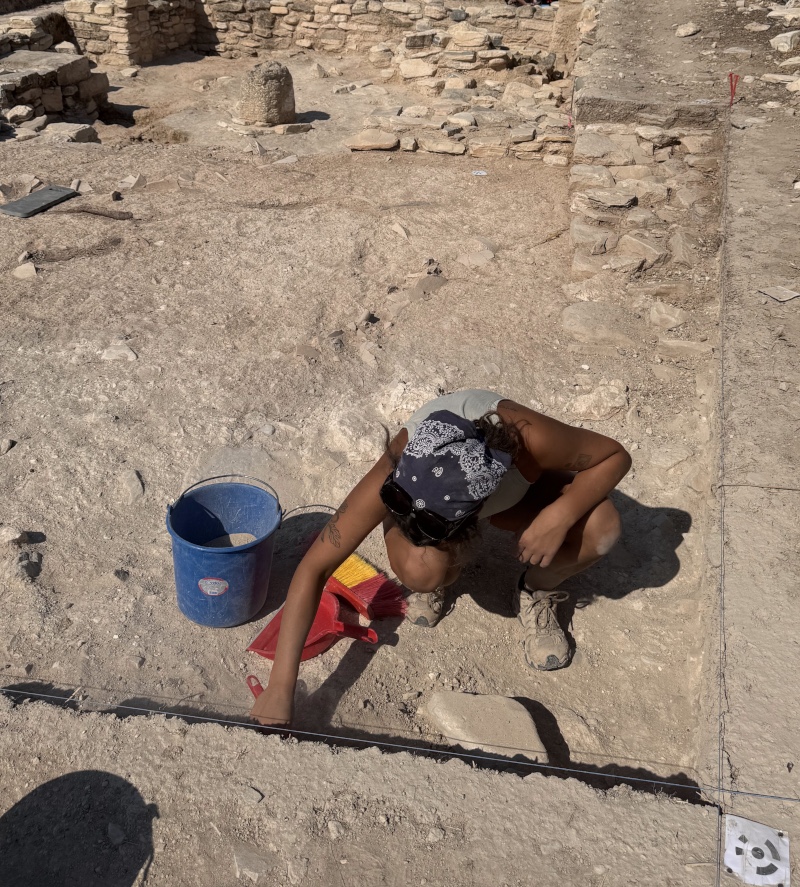
I felt right at home supervising the new trench defining ‘Room 3,’ laid just east of the space I had excavated in 2023. That’s not to say that it wasn’t daunting to lead a group of my peers through the processes and techniques of excavation, to organize various materials and extensive notes, and to make decisions for the good of the trench and the people.

Excavating at K-AD in 2023 vs 2025

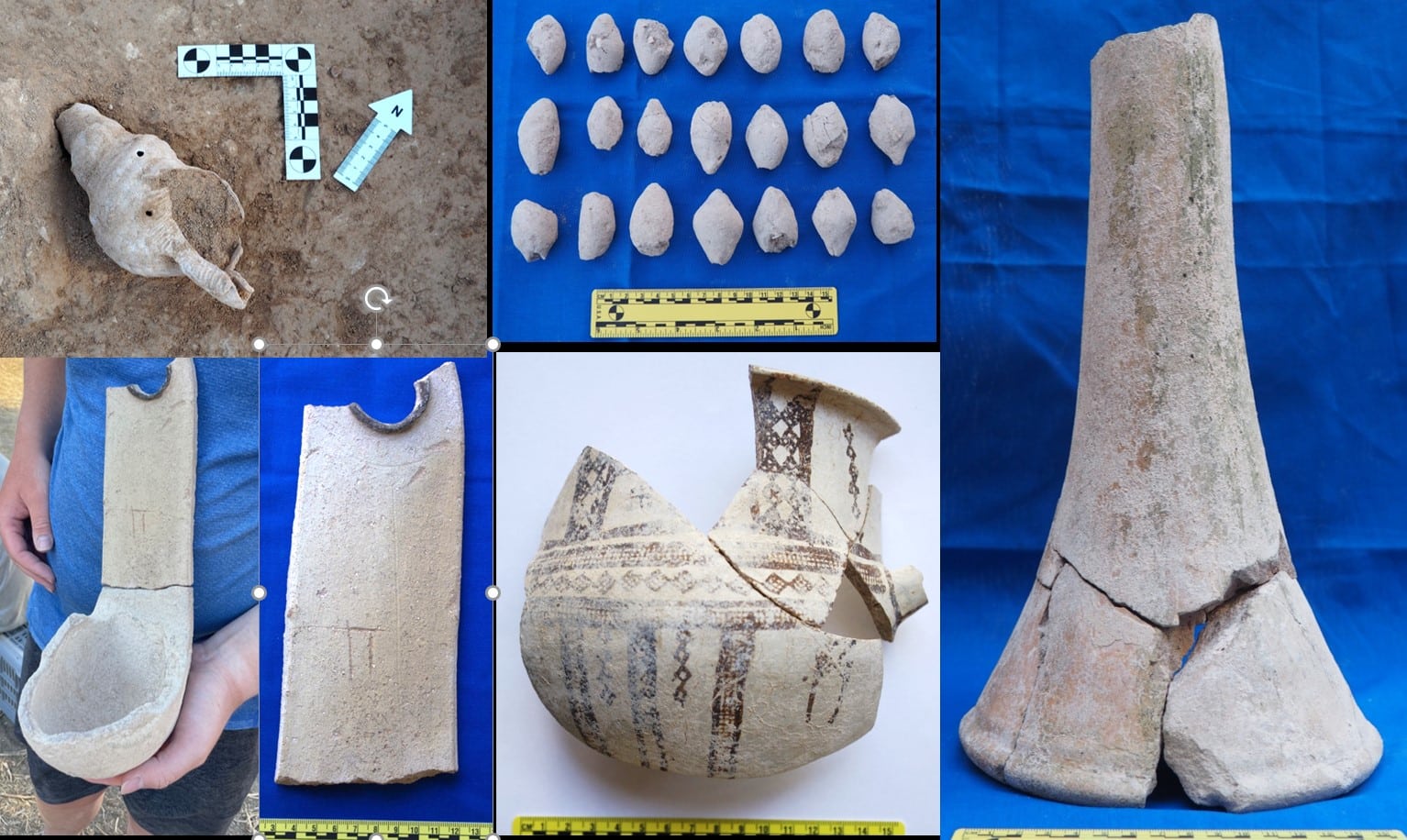
As our team made our way through topsoil and into less contaminated contexts, we uncovered an extraordinary concentration of characteristic Late Cypriot (1650 – 1050 BCE) pottery wares: we couldn’t trowel but two centimetres without revealing caches of White Slip, Base Ring, and pithoi sherds, and sometimes even complete vessels. The team had to be extra careful traversing our small ~7m x 4.5m trench, tip-toeing around the obstacle course made up of sherds that jutted out of the soil. When we weren’t articulating pottery scatters, we had the privilege of finding several nearly-intact wall brackets, a handful of bronze fragments, countless slag chunks, some specially marked vessels, and a couple remarkable triton shells.

Showing Room 3 some love at the end of the season

While our fruitful trench could be a little overwhelming as a first-time supervisor, I was grateful that I could study such a wealth of material. Since my own research examines regional and diachronic fluctuations in ceramic production on prehistoric Cyprus, I came to the site every morning excited to explore the pottery wilderness that was Room 3.

Supervising for the first time made me realize how lucky I’ve been to work under talented and dedicated excavators in the past. I borrowed leadership skills and pep-talking abilities (so much so that I was awarded ‘morning motivator’ at our end-of-season superlatives!) from each and every one of my previous supervisors and directors to try to create the best experience for my team.

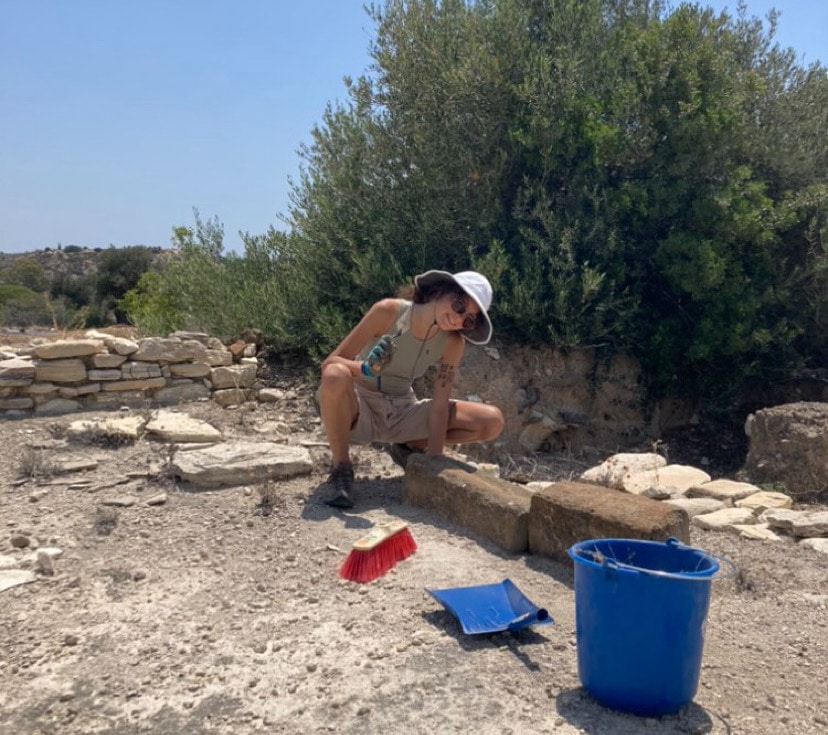
Here I am doing some baulk cleaning in the early stages of our trench

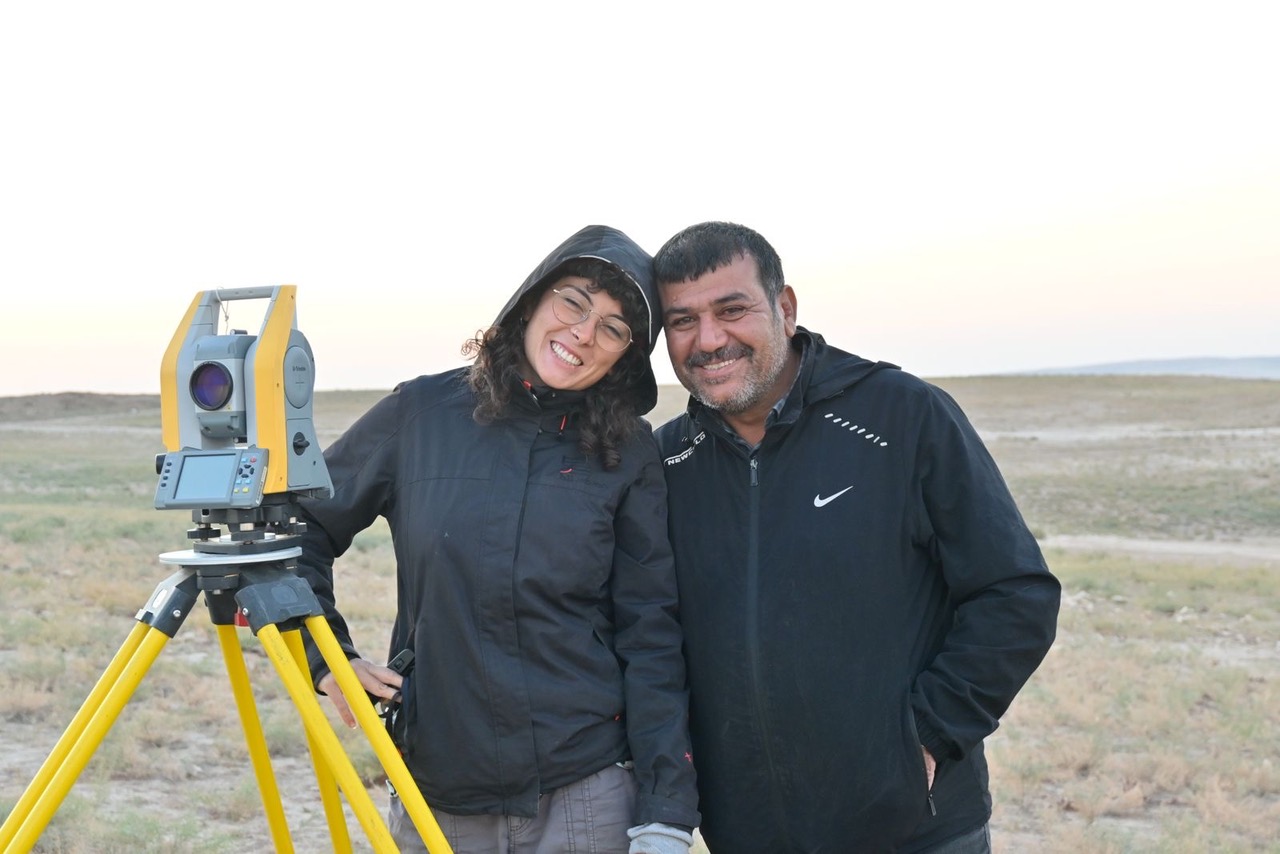
I’m incredibly grateful to project director Dr. Kevin Fisher and field director Sheri Pak for having me back and enduring my incessant questions, and to our team for their endurance, enthusiasm, and support during my meeker supervisory moments. My deepest gratitude to the American Society of Overseas Research for supporting me with the financial resources to participate in this community of knowledge; a community I endeavor to contribute to and draw on for years to come.

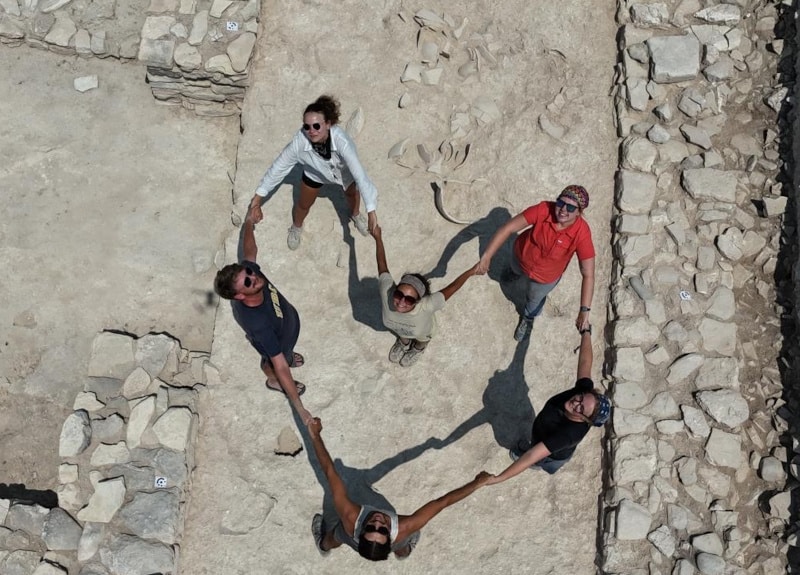
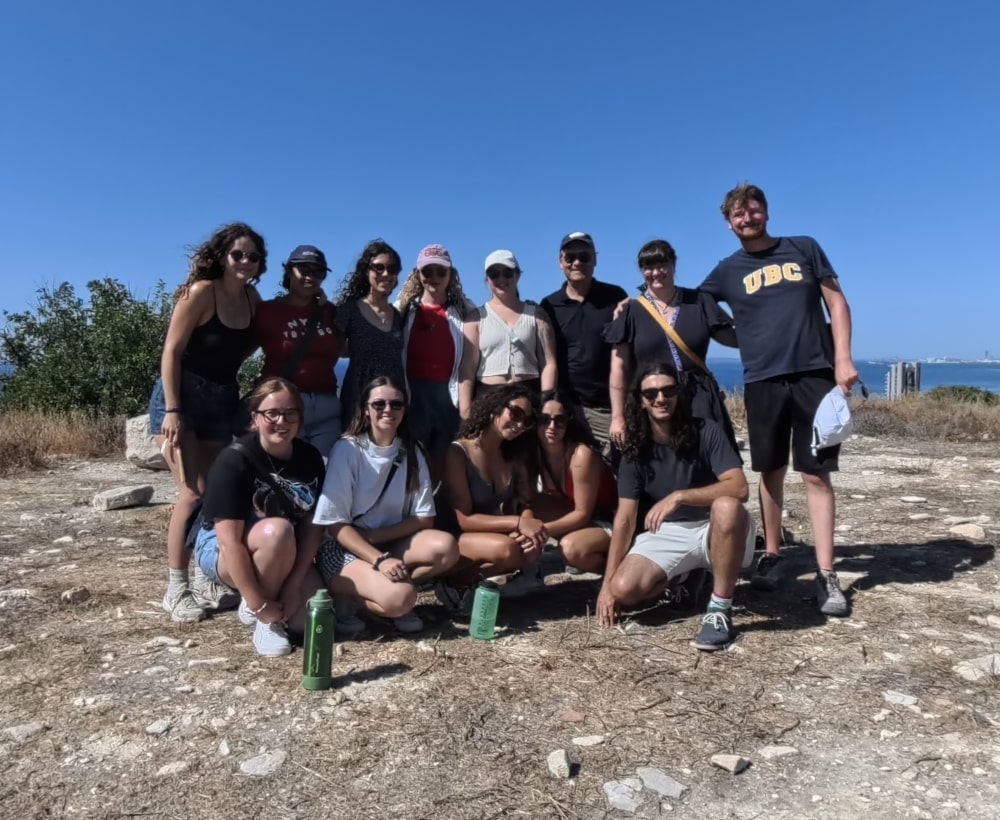
The 2025 team on the Amathus Acropolis

Talia Neelis is currently pursuing the doctoral track at the University of California, Los Angeles in the Cotsen Institute of Archaeology’s Interdepartmental Program. She graduated from the University of British Columbia in the spring of 2025 with honors in Ancient Mediterranean and Near Eastern Studies and Art History, where she completed her undergraduate thesis on anthropomorphic figurines and osteological records of the Late Cypriot period. She looks forward to going ‘back to the Bronze Age’ (tagline credit to the Kissonerga-Skalia marketing team) in trenches across Cyprus and beyond.

Want to help more students and early career archaeologists get into the field? Donate to the cause today by selecting “Fieldwork Scholarships” as your gift purpose!

FOA Webinar: Neville McFerrin

FRIENDS OF ASOR WEBINARS

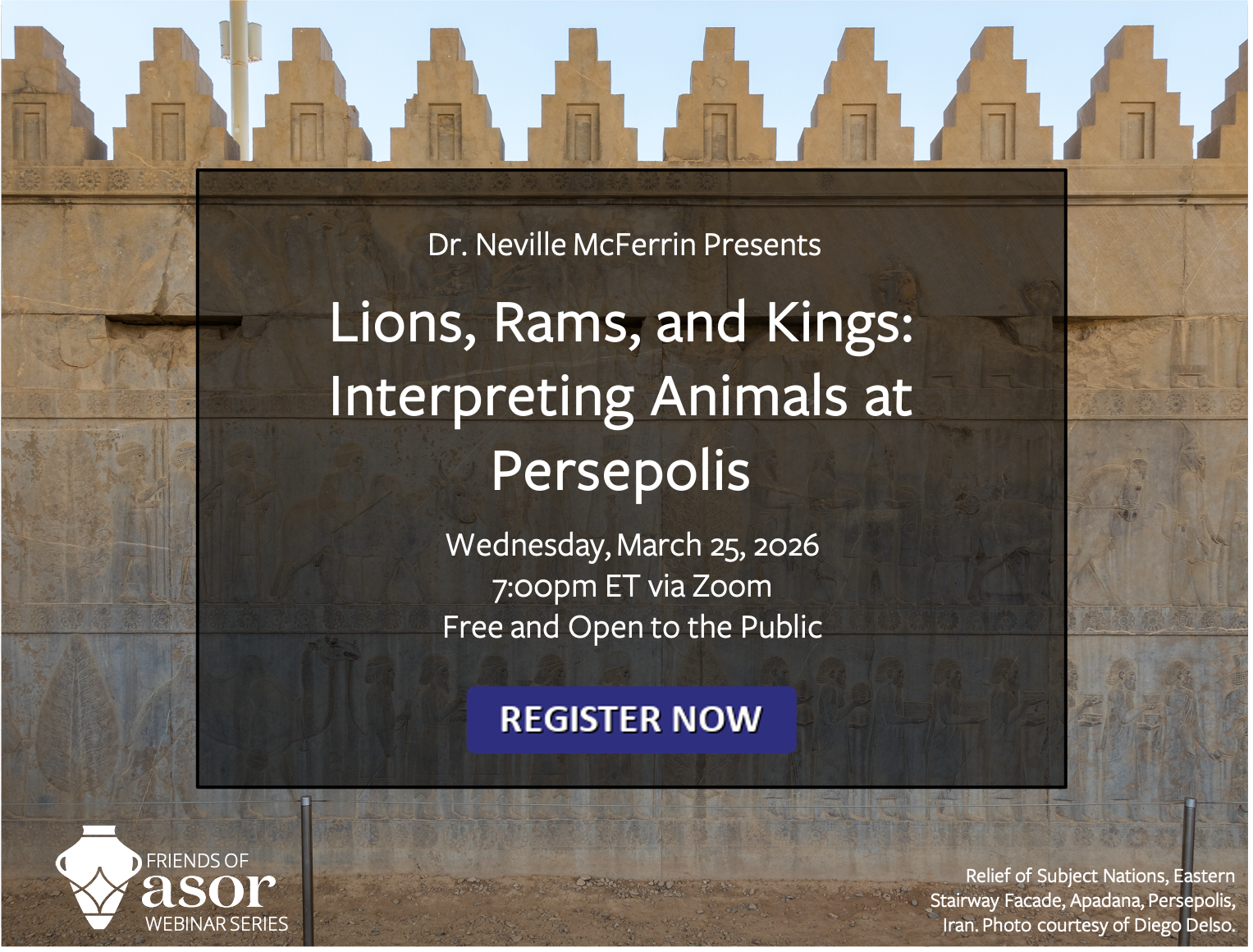
Lions, Rams, and Kings: Interpreting Animals at Persepolis

Friends of ASOR present the next webinar of the 2025-2026 season on March 25, 2026, at 7:00 pm EDT, presented by Neville McFerrin. This webinar will be free and open to the public. Registration through Zoom (with a valid email address) is required. This webinar will be recorded and all registrants will be sent a recording link in the days following the webinar.

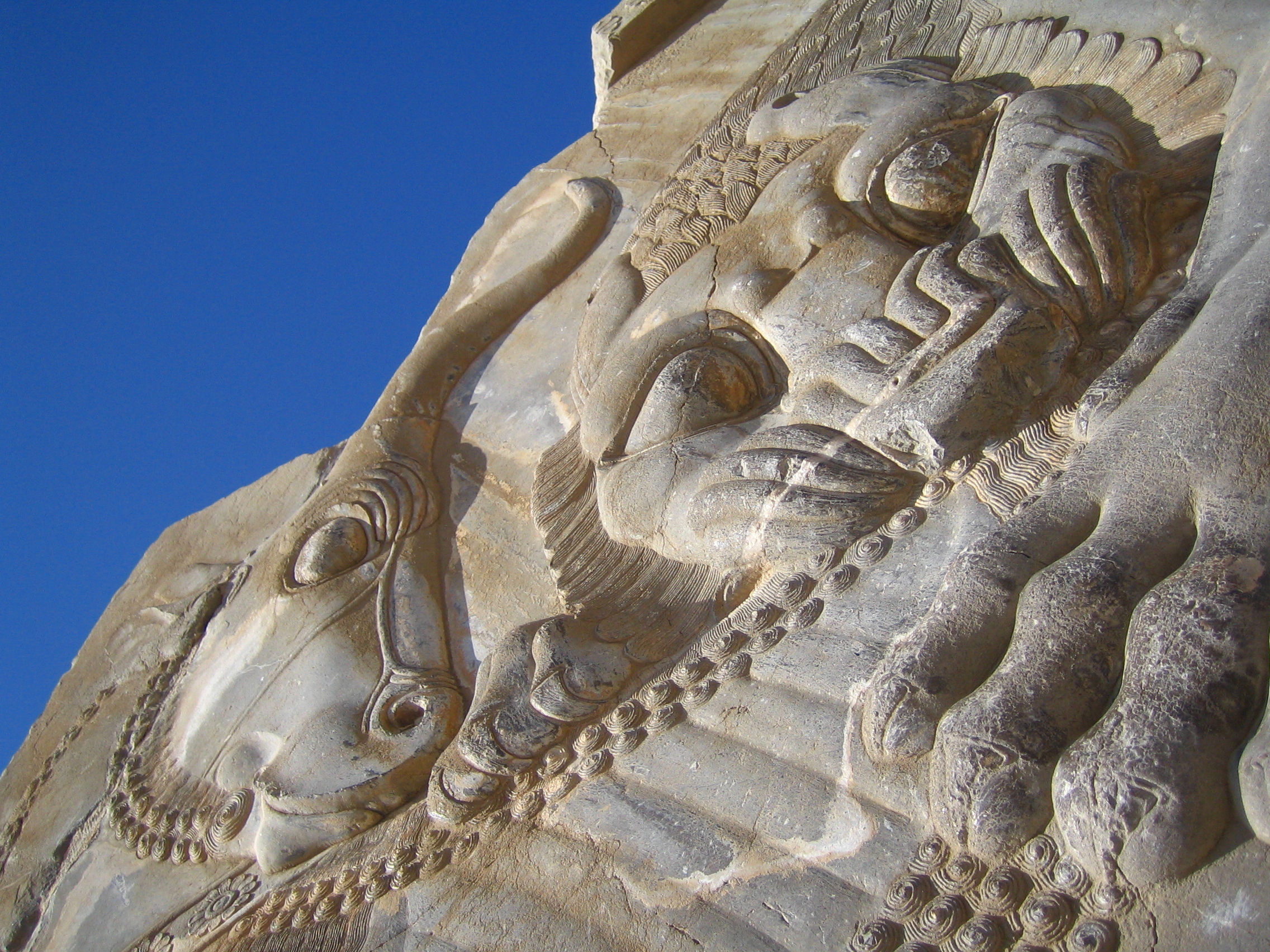
Lion and Bull, Persepolis, Iran. Photo courtesy of Gabriel White.


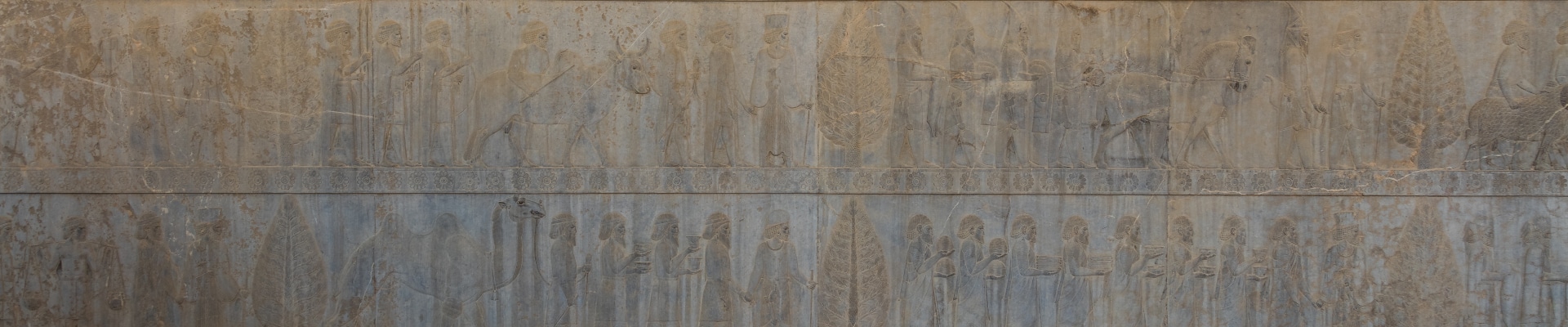
Shortly after 515 BCE, upon the successful conclusion of his military campaigns in Egypt, the Achaemenid king Darius I began construction on a new imperial center: Persepolis. Here, as the records of the Persepolis Fortification Archive attest, individuals from across the empire gathered to conduct the administrative business of an empire that stretched from the Indus River to the Mediterranean Sea and from Egypt to Thrace. It is also here that Darius articulates an ambitious re-imagination of imperial power and interaction, one built upon bonds of cooperation rather than coercion. Across the site, as reliefs depict Persian ushers carefully grasping the hands of delegates from subject nations and as inscriptions name monumental gateways in honor of all lands, a vision of an inclusive empire, one that celebrates diversity as strength, emerges. This novel conceptualization of imperial power was likely alien to many visitors to the site, leaving those who designed the site with a problem. How can the notion of an inclusive empire be conveyed to those who have not experienced it? What concepts might be used to convey such an idea to people from so many different places, with such a wide range of experiences?

Assyrian Delegation, Eastern Stairway Facade, Apadana, Persepolis, Iran. Photo courtesy of Ahmad Masoominezhad.


This talk argues that in reliefs across the site, the designers of Persepolis turn to depictions of animal encounters as a way to demonstrate to visitors the potentials of their imperial system. Through a focus upon depictions of lions, rams, and interactions between these animals and humans, the talk argues that these depictions carefully reference observed animal behavior, building upon the close relationships between humans and animals, particularly in pre-industrial societies, to highlight the agency of animals, even in those situations in which they work on behalf of their human counterparts. By focusing carefully on depicted behavioral cues, the talk suggests that animals across Persepolis signal their willing participation in the activities around them, standing in contrast to previous depictions of animals in the wider area, and serving as doubles for the humans that view them, concluding that, like visitors to the site, like humans depicted in reliefs along side them, these animals join the imperial system as partners, a partnership that parallels that of subject and ruler.

Neville McFerrin holds a PhD in Ancient Mediterranean Art and Archaeology from the Interdepartmental Program of Ancient Mediterranean Art and Archaeology at the University of Michigan. She now serves as an Assistant Professor of Ancient Mediterranean Art in the Department of Art History at the University of North Texas. Her research focuses upon intersections between dress, perception, materiality, and embodiment at the sites of Persepolis and Pompeii. Her published and forthcoming work explores a range of topics from reconsiderations of gender in the reliefs of the Apadana to the fashionability of pearls in late first century BCE Pompeii. It has appeared in multiple journals and edited volumes including Fashioned Selves: Dress and Identity in Antiquity, Fashion Studies, the Handbook of the Senses in the Ancient Near East, and most recently in The Routledge Companion to Seals and Seal Studies in Antiquity. She is currently working on a monograph that considers dress as a lens through which to reinterpret the site of Persepolis.
SUPPORT THE WEBINAR PROGRAM!

Friends of ASOR is pleased to announce that the first webinars of the 2025-2026 season will once again be free and open to the public with a goal to raise $10,000 so that the entire webinar season will be free. Will you support this outreach effort with a tax-deductible contribution? All donors/sponsors with gifts of $100 or more will be recognized in subsequent webinars. Make your gift today and select “webinars” from the dropdown menu.

Designate your gift for “Webinars” in the drop-down menu.