Fieldwork Report: Louis Mainwaring Foster

Stumbling Over Rocks

Louis Mainwaring Foster, 2024 BIPOC Fieldwork Scholarship Recipient

Thanks to this scholarship, I spent part of my summer working on the Brač Island Project along with a mixed team of students from University of Colorado Boulder, England, and Croatia. This summer was the last full season of excavation before a study season in 2025, thus there were a lot of objectives.

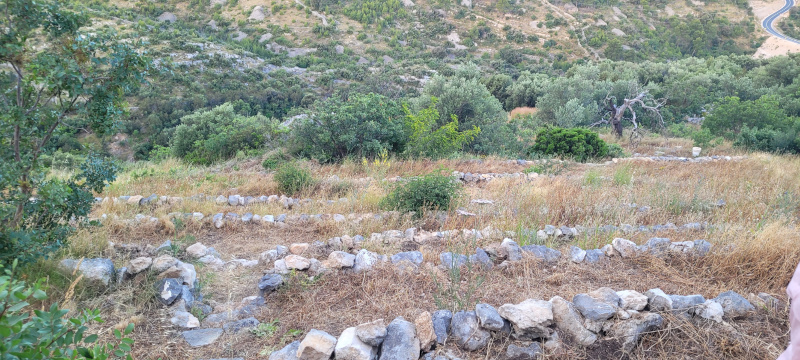
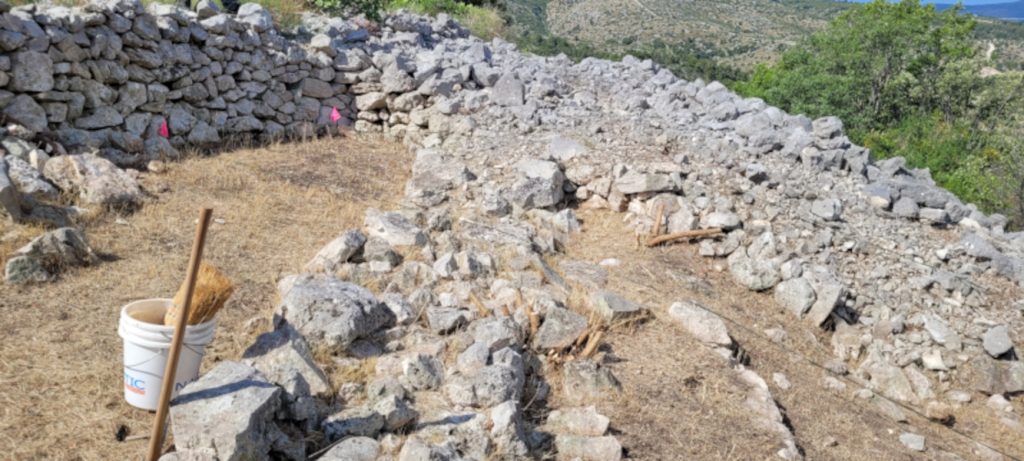
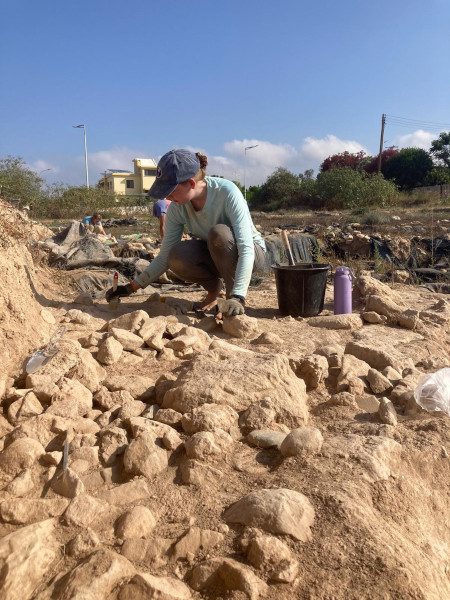
For the sake of the brevity of this report, my discussion of my time on the project will focus on Areas 1: the new terrace trench on the steep southern slope of Gradina Rat. This terrace trench’s aim was twofold, the first being to give a greater context to activity on the site during the Iron age and second to analyze the variety of finds from the large-pottery rich erosional deposit down this slope. After spending some time clearing away plants and other debris, a 3×5 meter trench was laid out across 3 terraces, with focus being placed on the fifth and sixth trenches from the top 19th century terrace walls. The excavation proceeded smoothly despite the islands attempts to impede us, Brač being known for being covered in lots and lots of rocks. The terrace trench produced material and soil ranging from the topsoil that accumulated above the 19th century terrace fill all the way down to fill from around the late 9th to 6th century BCE.

The methodology of our excavation process involved adapting the details and instructions from the Corinth Excavations Archaeological Manual by Alicia Carter Johnson, Guy D. R. Sanders, and Sarah A. James. This manual really aided me when I was trying to make sense of the material we were excavating. Details in the manual helped delineate soil layers based on composition, finds, and color change. We were often rotating between excavating, filling forms, and sieving in order to give us a big picture perspective all the while being guided by our trench supervisors. Being part of filling in the detailed forms for each layer helped me understand ways to break down the process of appraising the information that was being uncovered on site. Many of the details present in the Corinth manual along with the guidance of my trench supervisors will be crucial tools for helping me on future excavations.

The layer of the deposit in the terrace trench that I really enjoyed excavating was the 1st century BCE Erosional Deposit 2. This stratum was distinguishable by the compact, light yellowish brown, sandy/clayey silt. As is usual on Brač, about half of the inclusions were small boulders and cobbles, but there was also a large sample of pottery. There were also other types of inclusions along with this soil, namely charcoal, animal bones, shell, and a few chunks of building materials (clay and daub).  I have never seen daub in person, so the presence of white and yellow clay might indicate a large presence of a decomposing wattle and daub construction. In my experience, these sorts of finds are the best since the information and building techniques that we learn about in class come to life in the field.

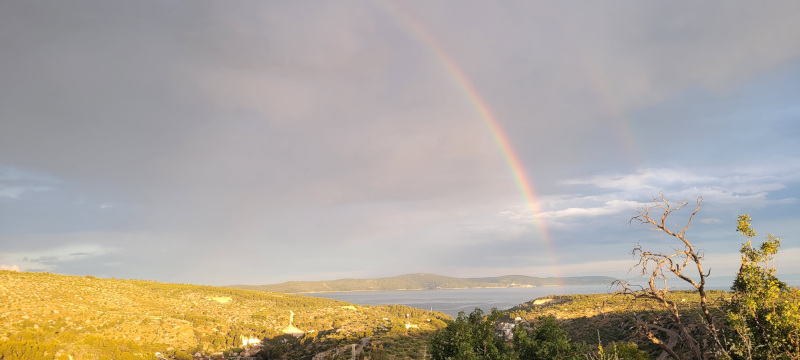
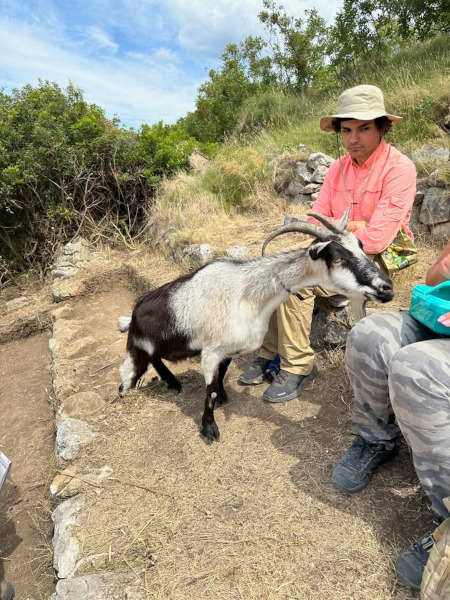
A variety of interesting finds, learning new excavation methodology, and enjoying the Mediterranean sun are some of the reasons I love to excavate. Every couple of days, a local visitor, in the form of a playful goat, Lola, dropped by the trenches to say hello and remind us to stay hydrated. Other fauna visitors included a snake that was trapped beneath one of the backfill tarps, which I luckily managed to extract without any bites.

After a hard days work on site and afternoon duties like pottery wash or pottery sorting, one could find me either in a local pub watching the pre-tournament matches for the 2024 Euros, relaxing at the beach, or eating lots of bakery items. I really enjoyed getting the opportunity to sort pottery since I find it very challenging and I always marvel at how easily experts can distinguish types of pottery that looks completely the same to my eye. It was also interesting to notice the presence of pottery from local sources, Rome, and Greece from a variety of periods all in one site and wonder how and why that might occur. I learned so much during this season of the Brač Island Project and I am grateful to ASOR for aiding me with this experience.

Louis Mainwaring Foster is currently a Master’s student in the Classical Art and Archaeology track of the Classics department at the University of Colorado Boulder. His thesis is focused on questions of identity and cross cultural influence in Hellenistic Bactria. When he is not buried in the books, one can often find him dancing to Afrobeats and reggaeton music or training for a marathon. Louis is always eager for the opportunity to travel to other countries and immerse himself in other cultures and make more international friends.

For more information about the Brač Island Archaeological Project, visit their website: https://bracislandproject.com/

Want to help more students and early career archaeologists get into the field? Donate to the cause today by selecting “Fieldwork Scholarships” as your gift purpose!

Call for Early Career Scholars Committee Members

Early Career Scholars: Call for New Members of the Community & Advocacy Subcommittee

The Early Career Scholars (ECS) Committee is looking for new members for our Community & Advocacy Subcommittee. The current mission of the subcommittee is to create opportunities for community building and social engagement among our members, as well as outreach and improved visibility of ECS’s activities and members’ work through online platforms. The committee requires a commitment to two hour-long meetings and 2-3 hours of outside work per month. We especially seek those who enjoy creative approaches to online social engagement for our virtually-based community.

If you wish to be considered by the committee, please fill out the application form here. Review of applications will begin on October 25th, 2024.

Please fill out this online form if you are interested in being part of the Early Career Scholars Committee. 

Membership and Outreach Committee Seeks New Members

Membership and Outreach Committee Seeks New Members

The Membership and Outreach Committee seeks nominations (including self-nominations) from ASOR members who are interested in serving on the committee. Committee members will serve a three-year term (January 1, 2025 – December 31, 2027) with the option to renew for a second term. Committee members are expected to attend monthly meetings via Zoom and an in-person meeting at the ASOR Annual Meeting each year. Nominees must fill out the online form by November 1, 2024.

The Committee on Membership and Outreach takes responsibility for discussing matters regarding ASOR institutional and individual memberships, including (but not limited to) strategies for membership growth, appropriate membership benefits, the most fitting way to categorize individual memberships (student, recent graduate, etc.), greater enfranchisement of ASOR’s international members, and resources that members might like ASOR to provide. The committee also oversees ASOR’s outreach efforts. These include, preeminently, the Friends of ASOR program (a program for individuals who share ASOR members’ interest in the archaeology and history of the Near East and wider Mediterranean but who are not themselves members). In addition, it advises the ASOR staff about the presentation and content of several of ASOR’s digital platforms, including ASOR social media, the ASOR LinkedIn page, ASORTv, and ASOR’s e-magazine News@ASOR.

In order to receive full consideration by the committee, the online form must be submitted by noon EST on November 1, 2024. For questions and concerns, please contact Regan Baker (membership@asor.org).

Seger Grant Report: Phoenix Archaeological Project

2024 Seger Grant Report: Phoenix Archaeological Project (PAP), Turkey

Dr. Asil Yaman, Director, Phoenix Archaeological Project (PAP)

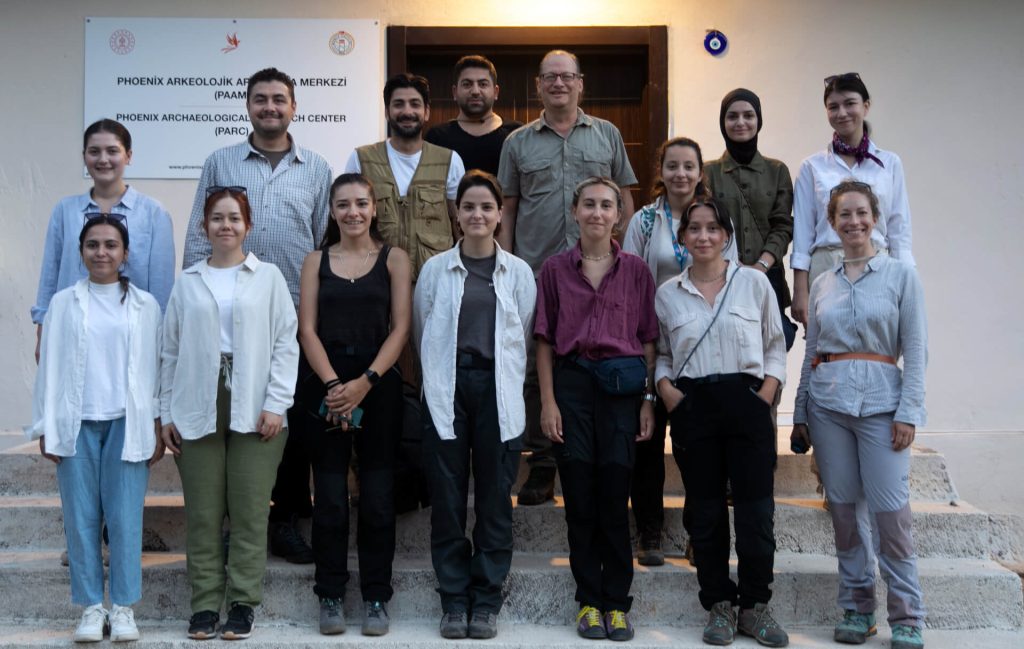
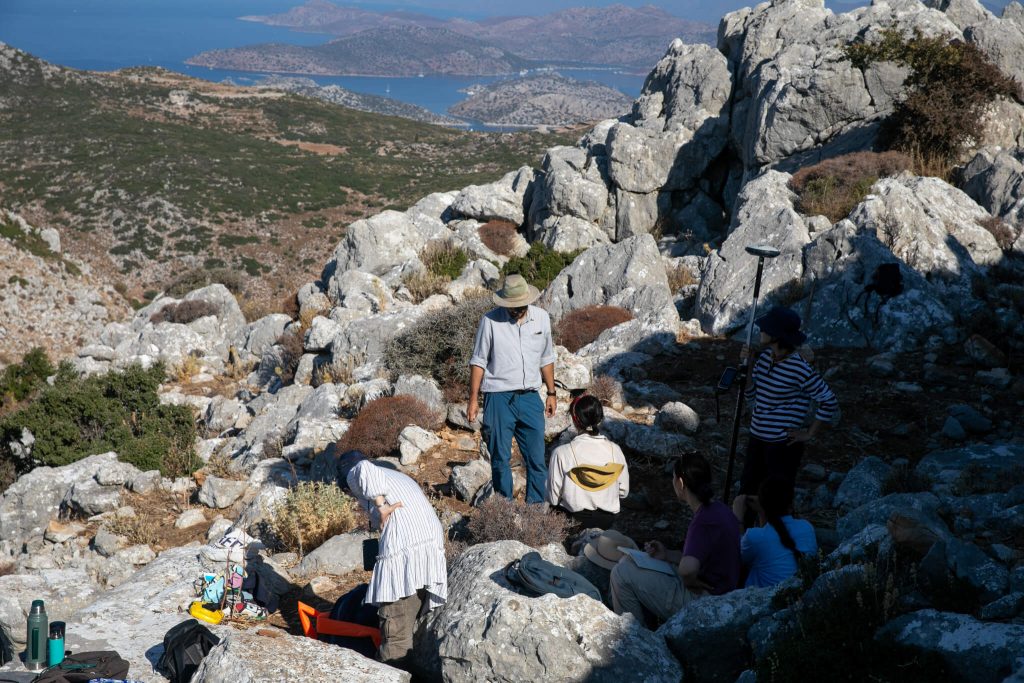
The Phoenix Archaeological Project (PAP), established in 2021 under the direction of Dr. Asil Yaman, is an interdisciplinary research initiative with permits from the Ministry of Culture and Tourism of Turkey. Based in Muğla province’s Marmaris district, the project focuses on the archaeological survey of ancient Phoenix and neighboring sites such as Thysannous and Casara. Supported by the Joe D. Seger Project Grant, PAP aims to document the region’s tangible and intangible cultural heritage while contributing to the preservation of its landscape. The project’s diverse international team includes experts in Archaeology and other disciplines (Fig. 1-2).

Fig. 1. PAP Team, 2024 (PAP Archive)
Fig. 2. A footage from the fieldwork (PAP Archive)

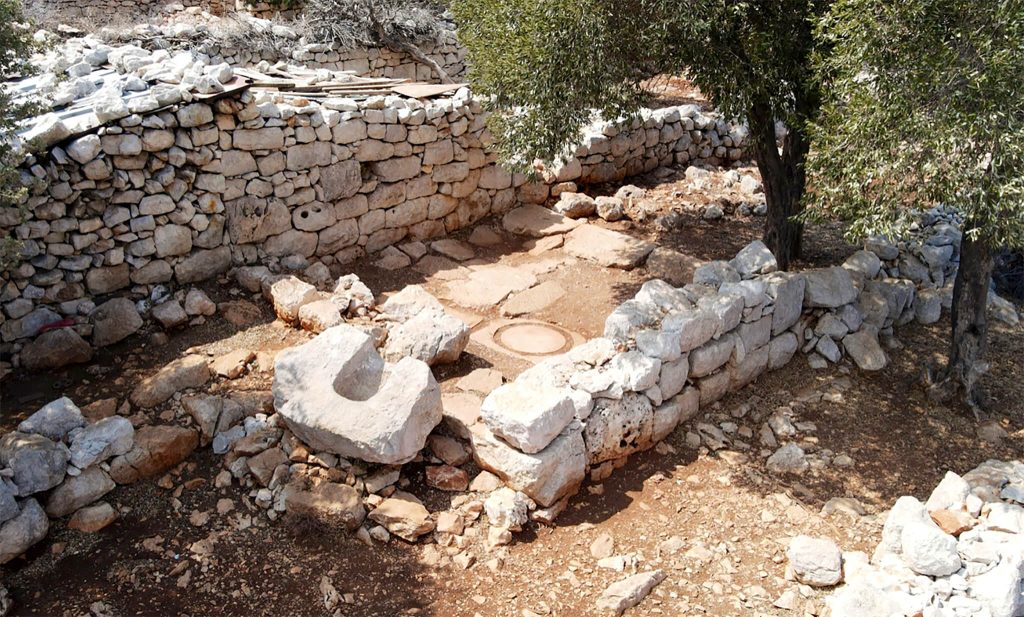
The 2024 field season focused on documenting previously unexplored heritage in Phoenix’s eastern and northern chora. The team uncovered in-situ farmsteads and olive oil workshops from the 4th century BCE, along with agricultural terraces, rock-cut cisterns, and stepped-base pyramidal tombs. PAP team also discovered ancient roads linking the farmsteads to Serçe Liman, Phoenix’s commercial harbor, offering new insights into Hellenistic agricultural practices (Fig. 3). 

Fig. 3. An olive oil workshop at Phoenix (PAP Archive)

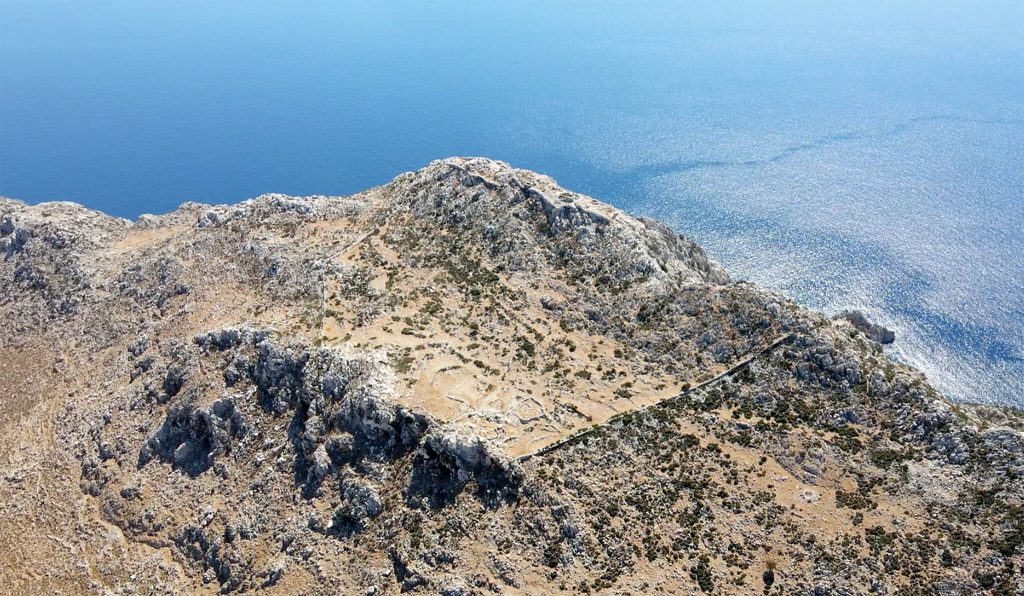
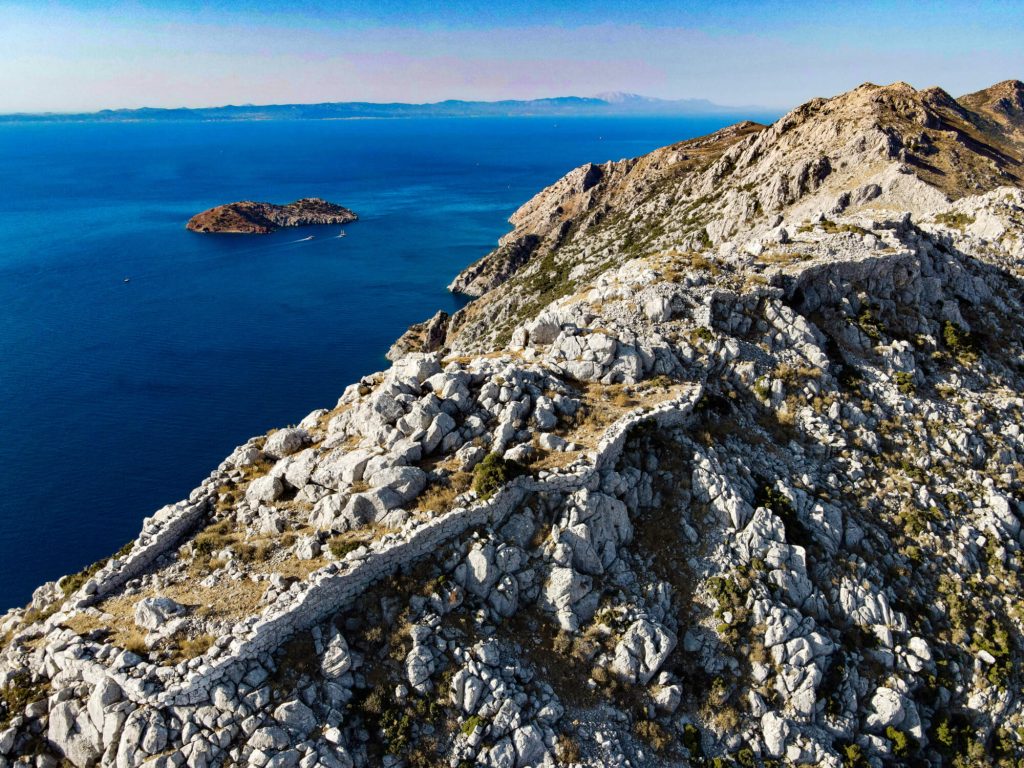
A major exploration took place in the northeastern chora, where the team identified a second acropolis surrounded by polygonal walls. Below it, we discovered a settlement enclosed by geländemauer-type walls and uncovered a rock-cut sacred space possibly dedicated to Cybele. Another settlement, with Cyclopean-walled dwellings, was also discovered, shedding light on Phoenix’s Early Iron Age development, settlement patterns, and local cult practices (Fig. 4–5). 

Fig. 4. Acropolis and the lower settlement (PAP Archive)
Fig. 5. Acropolis at Kaledağ (PAP Archive)

The team’s discoveries also included basilicas and chapels from the Early and Middle Byzantine periods, which highlight the medieval sacred organization of Phoenix. Additionally, the discovery of an abandoned village and windmills dating to the Late Ottoman Period underscores the continuity of Phoenix’s rural lifestyle over 2800 years.

PAP’s 2024 season also involved flora studies, documenting new fig types and previously unidentified plant species, contributing to a better understanding of the region’s biodiversity. The project further incorporated oral history interviews with elders from Taşlıca village, which captured local stories and traditional knowledge, enriching the documentation of Phoenix’s intangible heritage.

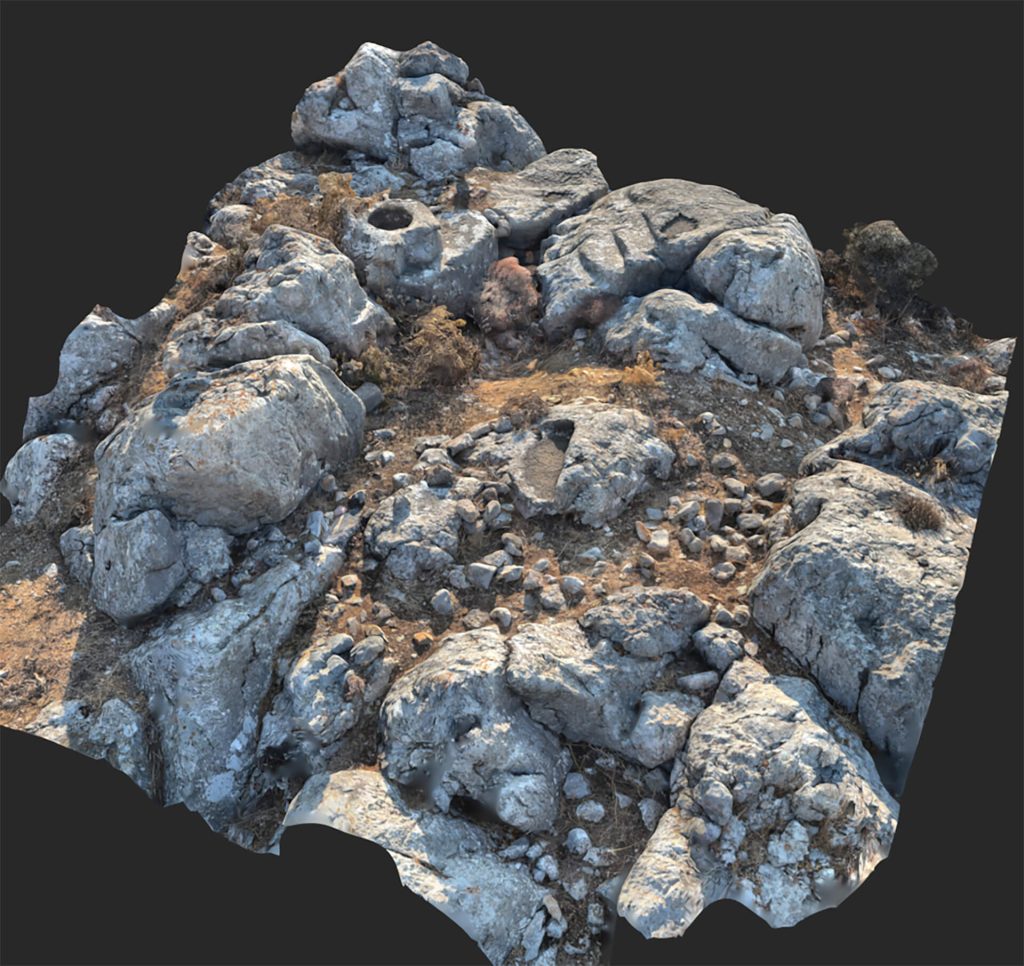
The team produced detailed site plans and architectural drawings of the newly discovered buildings, creating essential records for future preservation. We also developed a comprehensive 3D digital map of the 1-million-hectare area using Real Time Kinetic (RTK) aerial vehicles. LiDAR scans and photogrammetry were conducted on the settlements and artifacts, and all data was meticulously recorded in a web-based database (Fig. 6).

Fig. 6. Lidar scanning of Cybele Open Air Rock-Cut Sacred Space (PAP Archive)

The Phoenix Archaeological Project expresses its deep gratitude to ASOR and the Joe D. Seger Project Grant for their generous support. Special thanks go to the Ministry of Culture and Tourism of Turkey, the General Directorate of Cultural Assets and Museums, as well as the project’s main sponsor, Söktaş A.Ş., Kayhan Family and the Historic Phoenix Archaeological Association (HPAA). The invaluable contributions of the entire team and interns were crucial to the success of the 2024 field season.

Learn more about the Phoenix Archaeological Project (PAP) here.

ASOR plans to award two Seger Project Grants of $2,500 each during 2025. Apply by February 24, 2025 for consideration.

Join ASOR’s DEI Committee

The palatial complex, an impressive feature of the site that is already excavated and viewable to the public.

Join ASOR’s DEI Committee

The Diversity, Equity, and Inclusion (DEI) Committee serves as a resource and advocate for social justice and equity issues within ASOR and its membership, in order to expand access to the history and cultures of the ancient Near East and Mediterranean world. For more information about the committee and its current members, click here.

DEI Committee members volunteer to serve one term (3 years) with the possibility to renew for a second term. We have space for 3 new members in the Class of 2027 (January 1, 2025—December 31, 2027). If the time is not right for you now, this open call will be held every year.

Please fill out the committee application form, by Sunday, November 3, 2024 to be considered for the DEI Committee Class of 2027. Your responses and materials will be reviewed and considered by the current members of the DEI Committee, the Chairs Coordinating Council, and select ASOR Staff.

Fieldwork Report: Sheldon Harmacy

A Triumphant Return to the Field

Sheldon Harmacy, 2024 Strange/Midkiff Families Fieldwork Scholarship

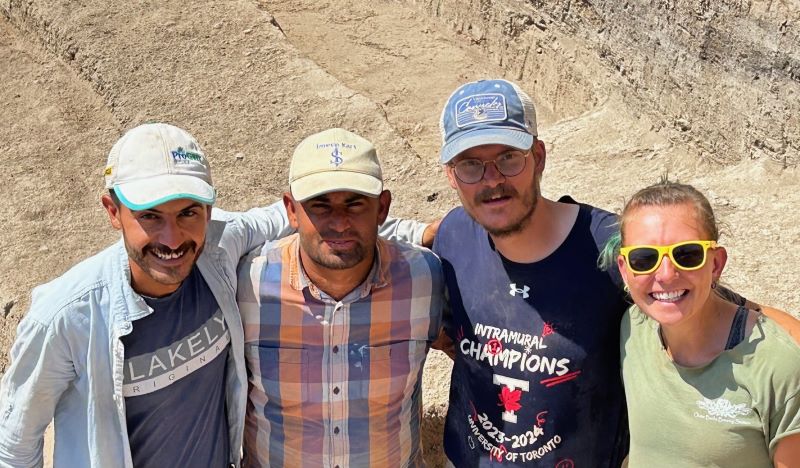
Photo 1: The crew for Square G4. 65 this season, from left to right, Cafir, Abas, Sheldon (me), and Rose
Photo 1: The crew for Square G4. 65 this season, from left to right, Cafir, Abas, Sheldon (me), and Rose.

This summer I excitedly returned to fieldwork as part of the University of Toronto’s team working with the Tayinat Archaeological Project (TAP). The site is integral to my proposed thesis research which aims to explore the role and place of chipped stone technologies following the proliferation of metal technologies in the region. I previously participated in the excavations of Tell Tayinat during the 2022 season, following the completion of my master’s degree. Unfortunately, due to the devastating earthquake that occurred in the region during the spring of 2023, I did not return to the site for the 2023 season. Coming back for this season, I came prepared to both continue to grow and learn as a scholar but also deal with new challenges and resets afforded to the project via the events of 2023. I am incredibly thankful to ASOR and the Strange/Midkiff Families Fellowship for their financial support which allowed me to participate in this season’s investigations.

The damage from 2023 affected much of the region including the major city of Antakya which included the dig house and depot for the TAP project. As such, this year they had to reset and start again from the ground up. Ahead of the field season, the TAP Senior Staff worked feverishly to acquire land and construct a new home for the project as well as set up the various administrative and laboratory spaces and paperwork needed to run the field season. As we were the first to experience this new set up, it was not without its bumps and bruises, but many of us came in ready for the challenge, banding together as a team to work hard and turn our new space into the project’s home.

The site of Tell Tayinat itself, is a large archaeological mound located within the Amuq Valley of Southern Türkiye. The site has a long history of archaeological investigations, beginning with the Braidwood Survey in the 1930s and more recently with the Amuq  Valley Regional Project and associated excavations headed by Dr. Timothy Harrison and the University of Toronto in the late 1990s and early 2000s. The archaeological explorations of the mound itself have focused on the upper mound and identified two major occupational layers, one dated to the Iron Age, and another dated to the Early Bronze Age.

My role in the investigations of the site were as a Square Supervisor within the Early Bronze Area of the site (Field 1). I oversaw both the day-to-day excavation of a specific square but also the various forms of paperwork and digital recording as well as a detailed season report related to the square itself. This was all performed in dialogue with an Area Supervisor, who in my case was Dr. Lynn Welton, a Tayinat veteran and one of the senior staff. Working and learning from Dr. Welton, I continued to hone my skills and approach to the archaeological methods used in the region, in particular dealing with mudbrick, as well as utilizing the OCHRE program for digital recording.

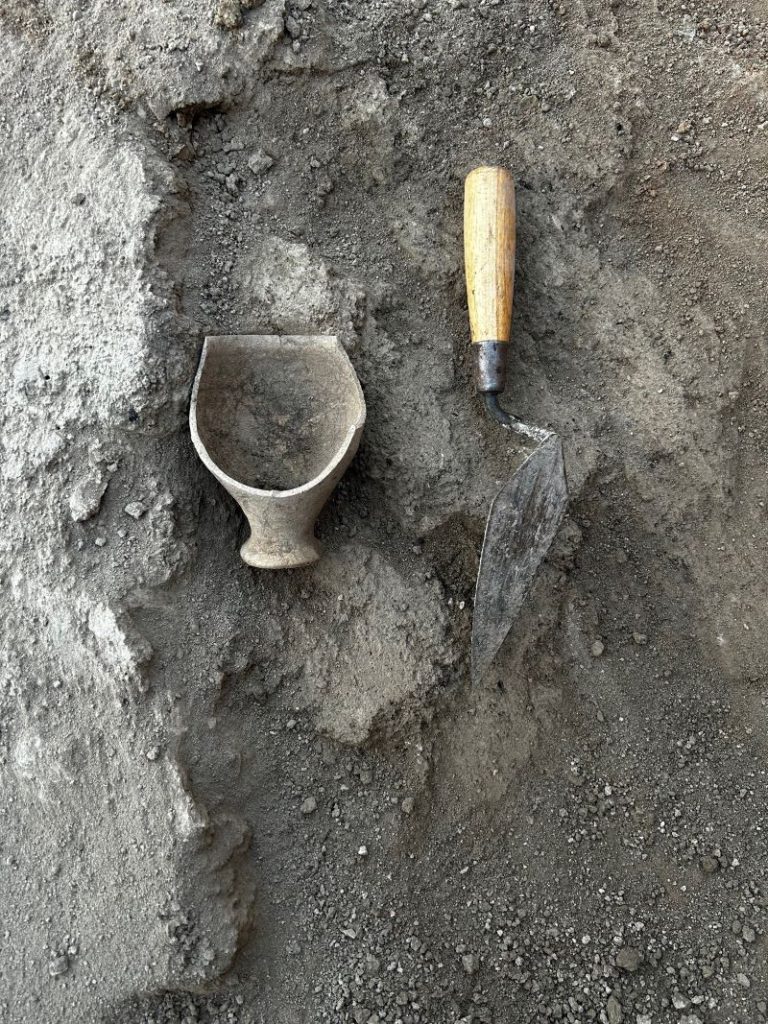
Photo 2: A near complete goblet found within some fill early in the season
Photo 2: A near complete goblet found within some fill early in the season.

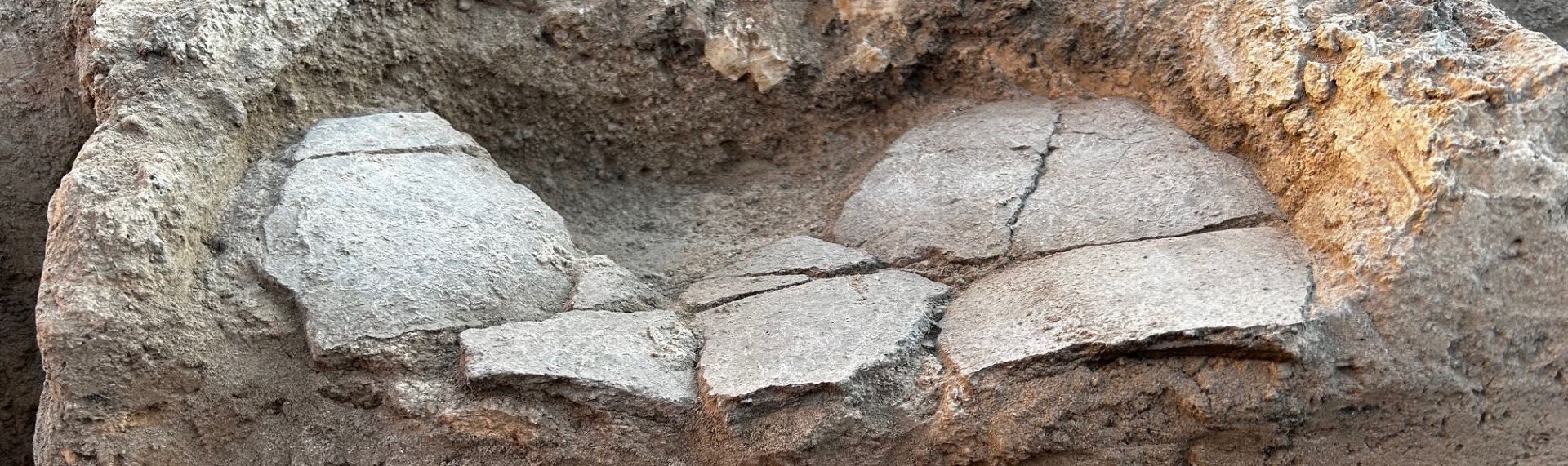
My particular square for this season was the same square that I had worked in during the 2022 season. In 2022, we identified a primary phase of architecture for the square and a later ephemeral occupation which was composed of a series of cooking installations cut into the architecture of the primary phase. Our goals for this season were to completely expose and delineate the architecture of the primary phase and attempt to ascertain the function of the various rooms therein. Across the various weeks of excavation, we were ultimately successful in this goal. We were able to delineate the southwestern boundaries of a large building within which were seven relatively small rooms. Curiously similar to the later phase consisting of ephemeral cooking installations, the major elements found within the main phase in the square also pertained to cooking. This included large volumes of coarse ware pottery and a series of ovens, some of which were quite large and possessed associated storage bins.

Returning to the field as part of the TAP project this summer allotted me an exciting field season that provided me with many challenges and opportunities to continue to grow as a field archaeologist and scholar. I look forward to participating in the project in the future—indeed towards the end of the season we uncovered a lower phase of architecture beneath this season’s, which will be an exciting facet of exploration for next season!

Photo 3: A hazelnut (?), one of many charred remains found alongside the coarse wares and cooking instillations this season.
Photo 4: A cross section of one of the various cooking instillations excavated this year.

Sheldon Harmacy is a PhD student at the University of Toronto where he explores the relationship between changing materiality and technological progress in the context of the Early Brone Age of the Ancient Near East. He is a proud alumni of both the University of Lethbridge and University of Toronto receiving both a BA in Archaeology and Geography (2019) and an MA in Near and Middle Eastern Civilizations (2022). He has participated in the last two field seasons at Tell Tayinat and aims to utilize the lithic (chipped stone) assemblage from the site for his thesis research.

Tayinat Archaeological Project Website: https://tayinat.artsci.utoronto.ca/

Photo 5: Myself and my partner Mariah (another member of the excavation) on a weekend excursion to the Titus Tunnel Aquaduct in Hatay.

Want to help more students and early career archaeologists get into the field? Donate to the cause today by selecting “Fieldwork Scholarships” as your gift purpose!

Fieldwork Report: Suzanne Gilles

A Month on the Island

Suzanne Gilles, 2024 Katherine Barton Platt Fieldwork Scholarship Recipient

On 7th of May 2024, I received an email from ASOR telling me that I had been awarded a scholarship to excavate at the site of Kissonerga-Skalia, in Cyprus. This email gave a whole new perspective on what my summer was going to be.

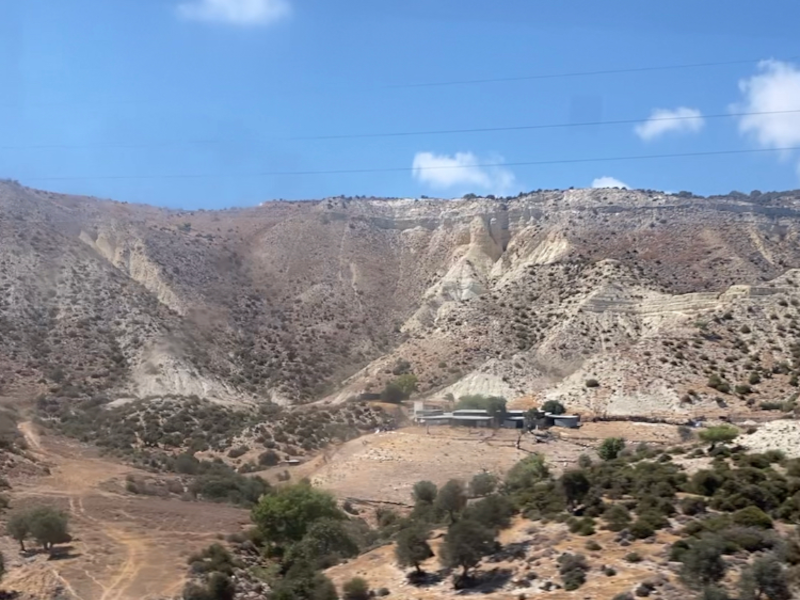
The dig lasted a month, under the Mediterranean sun, with the island’s humidity, and with a light breeze during the afternoons. I was surrounded by this amazing scenery of the Troodos mountains, the blue waters of the sea, and so many archaeological sites to visit.

I have always been curious to understand what Cyprus was like during Antiquity and more precisely during the Bronze Age. I want to specialize in Levantine archaeology and the link between the island and the mainland is something that I wanted to explore in my research. The excavation at Kissonerga-Skalia was the perfect opportunity for me to learn more about it.

View from the Troodos mountains (Image credit: Suzanne Gilles)

This site is located in the south-western part of the island and was occupied continuously from the beginning of the Early Bronze Age (c.2600) until the beginning of the Late Bronze Age (c.1600). It also has an earlier Chalcolithic occupation that is connected to the nearby site of Kissonerga-Mosfilia.

The excavation is focused on uncovering the industrial area of the site, where a number of features have already been identified, including an oven-like installation, probably used to produce beer! The installations were very diverse, as were the finds, that were a great sample to understand what Cyprus looked like during this period of history.

For the first time, I saw Cyprus as an independent and innovative island, and not as a region whose material culture is merely the product of continental influence. By observing the shapes of the pottery, artifacts, the architectural features and the organization of the settlements, I began slowly to understand the regional specificities.

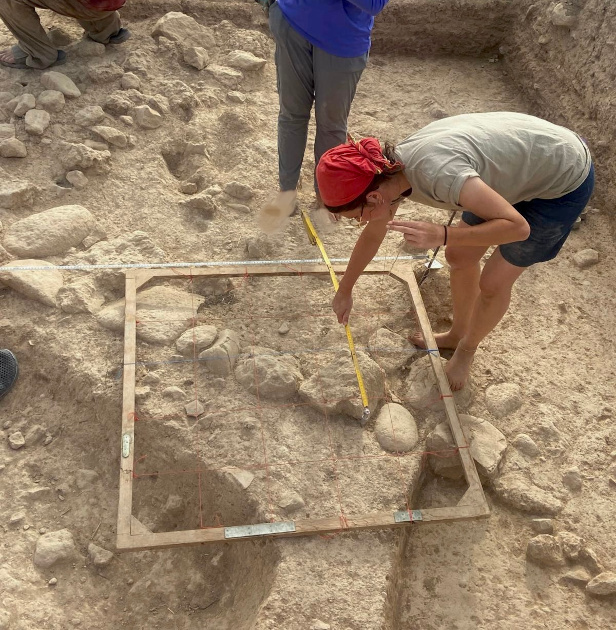
Plan drawings on site (Image credit: Talia Neelis)

I’ve learned so much from this experience. The excavation being a field school, we were not only trained to excavate, but also to do pottery dating, drawing plans, photography. There was a real desire to show us as much as possible and to share a common passion for Cypriot archaeology.

For four weeks, we lived as a community with a very strict routine: waking up at 4:30am, walking to the site at 5am, working until 12:30 to avoid the afternoon heat and then coming back from the site to do some post-excavation work. I will cherish the little moments that made this intense schedule so enjoyable: eating the delicious chocolate cookies during the breaks, swimming in the sea after a long day, washing the pottery with fresh water.

Amanda, Suzanne’s coworker defining rocks (Image credit: Suzanne Gilles)

On the site, I was assigned to articulate stones, a plaster surface and all the small finds that could be found in these areas, such as pottery, bones, stone tools, and two amazing beads that were my highlights of the season!

However, as all the archaeology students know, even if you are going on an excavation to learn about new methods and cultures, you discover and come back with much more than that. The people that you meet on this little journey shape you as a human being and a future archaeologist. I am so grateful for all the memories and life lessons that I am taking back to France, which are bringing me a bit closer to my dream career.

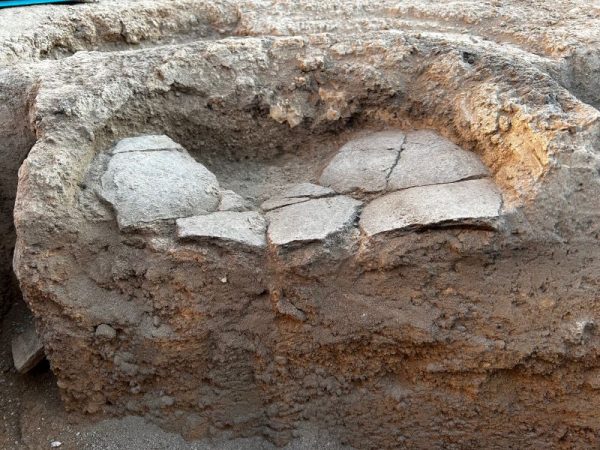
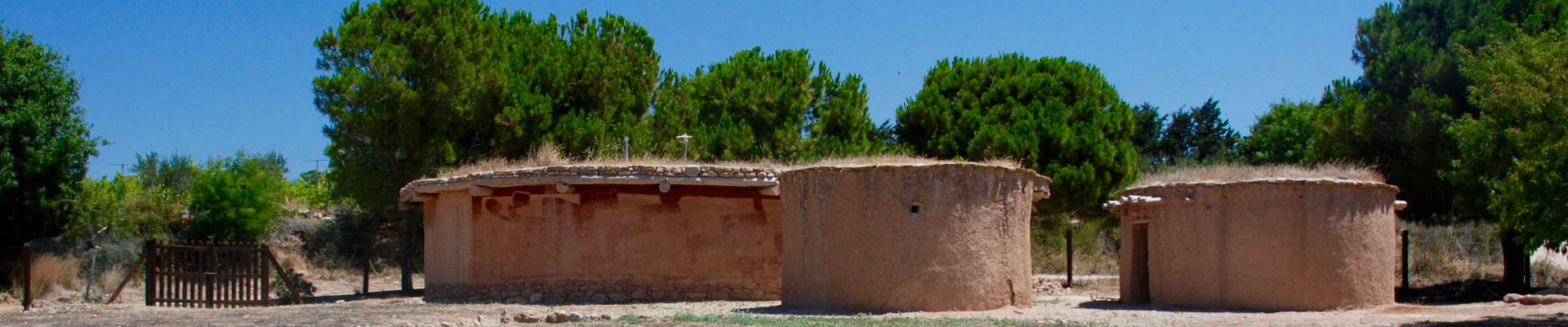
Reconstruction of a Late Chalcolithic house in Lemba, a neighboring site (Image credit: Suzanne Gilles)
Team from Suzanne’s area (Image credit: Ian Hill)

Suzanne Gilles is a 20-year-old graduate student in the Near Eastern Studies specialty in the School of the Louvre, Paris (France). She wants to specialize in Levantine archaeology during the Bronze Age.

Want to help more students and early career archaeologists get into the field? Donate to the cause today by selecting “Fieldwork Scholarships” as your gift purpose!

Fieldwork Report: Madeline Conigliaro-Nguyen

Sun, Sweat, and Sheep Bones: Zooarchaeology at Gird-I Matrab

Madeline Conigliaro-Nguyen, 2024 Eric and Carol Meyers Scholarship for Fieldwork Participation

My second season at the Gird-I Matrab project from May to June 2024 was an opportunity to continue to develop my in-field experience and zooarchaeology-related skills, thanks to the wonderful support of Dr. Eric and Dr. Carol Meyers, ASOR, director Prof. Rocco Palermo (Bryn Mawr College) and co-director Prof. Nathalie Brusgaard (Leiden University). My primary responsibility on the team for the 2024 season was to continue as the zooarchaeology assistant. Under the instruction and mentorship of Prof. Brusgaard (who was remote this year), I cared for and managed the faunal remains collected on-site. This included processing and cataloging the faunal material for later study seasons.

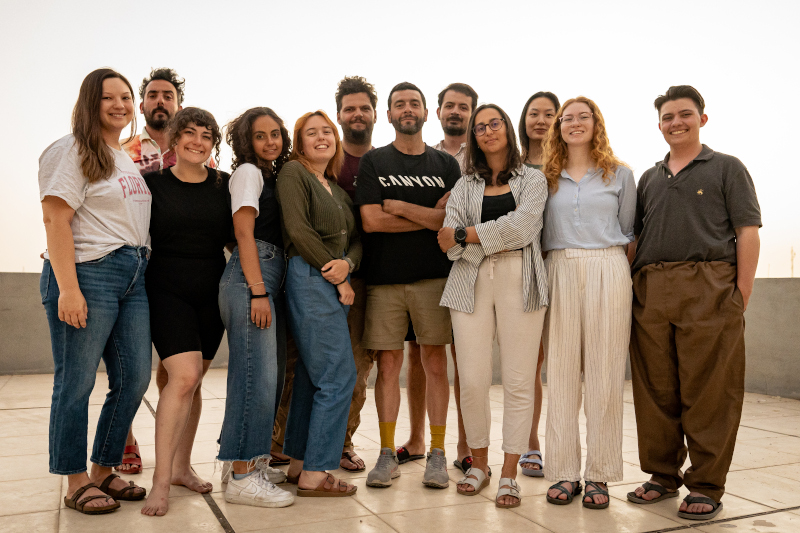
Fig. 1. GMAP 2024 project team in Ankawa, Erbil. (©Federico Dalla Battista)

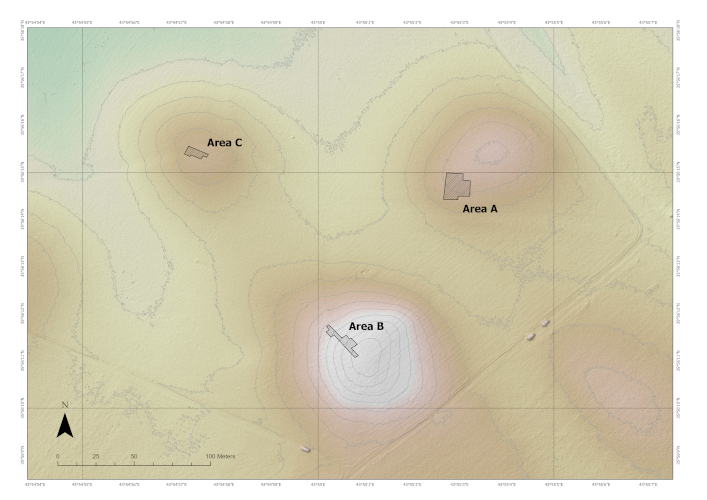
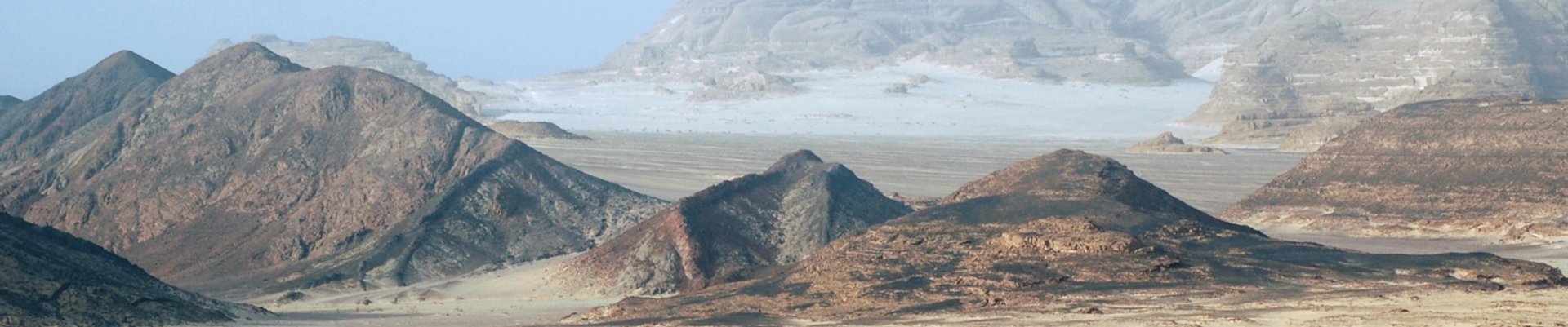
Gird-I Matrab, located in the Erbil Plains of Kurdistan Region of Iraq, is a site consisting of multiple low mounds with two major phases of occupation, the Late Chalcolithic period and the Seleucid period. Excavation in areas A and B, begun during the previous two seasons, continued in 2024. This season Gird-I Matrab also expanded operations with the goal of doing a sounding and determining the stratigraphic sequence at Area C. Early subsurface findings changed our plans, resulting in more intense excavation of Area C than originally intended.

Fig. 2. GMAP 2024 site topographic map. (©GMAP)

The saying ‘The early bird gets the worm’ rings true for both our avian friends and archaeologists in the heat of Southwest Asia. Everything begins bright and early, with a 3:30 am wake-up for breakfast, and a 4:30 am departure to reach the field within the hour. Most of my time was spent in Area A as a trench assistant. When needed I would assist in extracting particularly fragile remains, identification, and updating in-field bone logs. Generally, I worked per the direction of trench supervisors excavating, cleaning, bagging, and tagging, and discussing stratigraphic context. One thing no one prepares you for is the challenge of distinguishing crumbling mudbricks from dirt, especially with the sun’s glare making it feel nearly impossible most days. Thanks to the patience of my trench supervisors and a good pair of sunglasses, however, I ended this season feeling much more confident in identifying features, a goal I had set for myself this year.

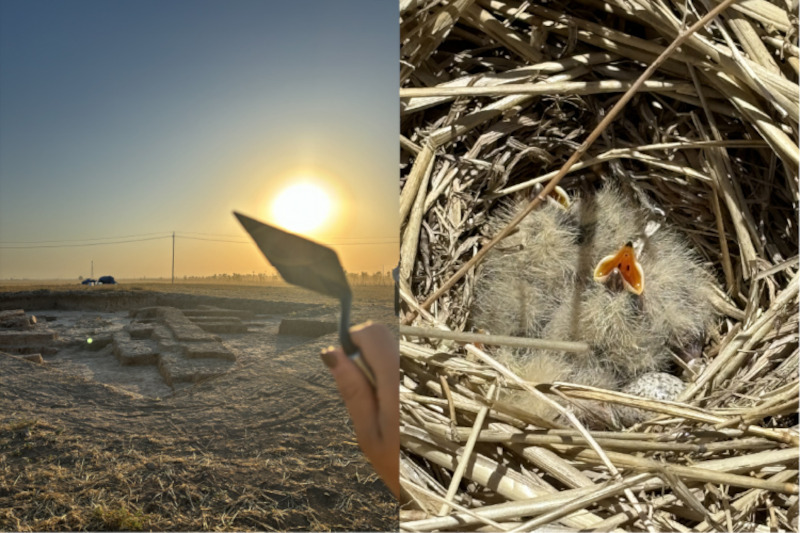
Fig. 3 . Sunrise photo at area A (Left) Baby birds nested on project site between areas (Right)
Fig. 3. Sunrise photo at Area A (Left). Baby birds nested on project site between areas (Right).

I processed the faunal remains for all three areas once they were brought back to the field house. Though a bit tedious, it is incredibly rewarding to understand human history one fragment at a time. Bones were cleaned carefully and laid out to dry over a minimum of 24 hours. Identifiable bones were recorded with species, bone type, side, and taphonomic markings when applicable. The common animals identified remained consistent with previous seasons’ findings, including sheep (Ovis aries), goat (Capra hircus), pig (Sus scrofa domesticus), equids (Equus sp.), and cattle (Bos taurus). After a unit was closed, all faunal materials were counted, weighed, and photographed as necessary. Bone samples for carbon-14 dating were selected by collaborative effort between directors and trench supervisors. At the end of the season, I wrote the preliminary faunal findings for the 2024 season field report.

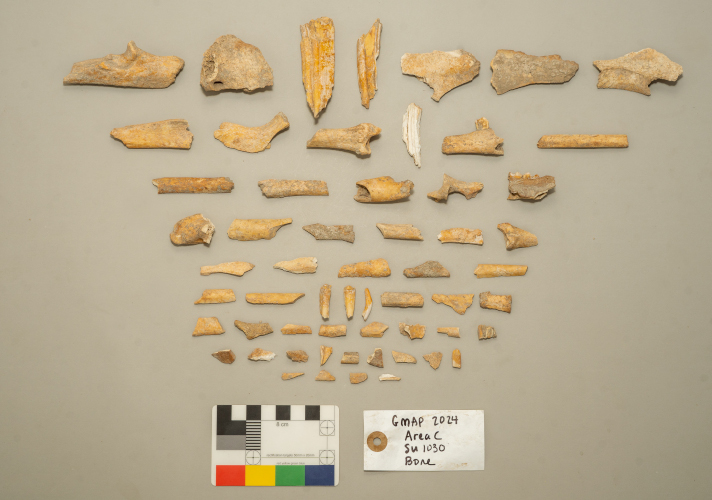
Fig. 4 . Selection o f faunal remains from Area C ( SU 1030 ). (©GMAP)
Fig. 4. Selection of faunal remains from Area C (SU 1030). (©GMAP)

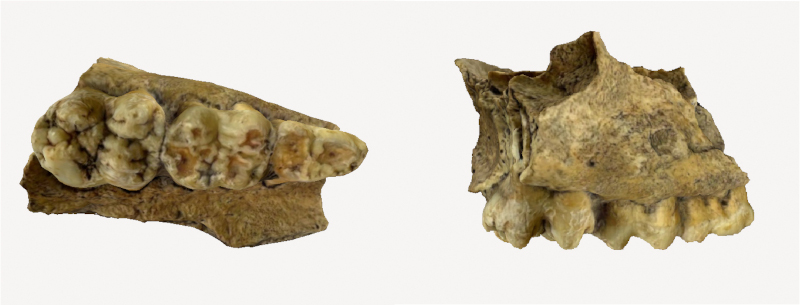
This year, I wanted to explore 3-D modeling during my free time as I felt it would be worthwhile to create an accessible and digitized reference collection of diagnostic pieces that were best preserved or particularly notable. Using Polycam, a photogrammetry modeling mobile application, I took detailed photos from all angles which were stitched together using the program to create 3-D models. This process was a lot of trial and error from figuring out how to make sure the background wasn’t incorporated in the result, to finding proper lighting for the bone details to show. I hope to continue building this digitized reference collection for future teaching and project-related applications. I also would like to use this newfound skill to continue creating bone models for zooarchaeological purposes. I am incredibly passionate about accessible and open-access resources, and I believe the digitization of collections is one of the most attainable ways to do so.

Fig. 5 . 3D model of right maxilla with DP3 - M1 dentition of a sub - adult pig ( Sus scrofa domesticus ), from Area A ( SU 1221 ).
Fig. 5. 3D model of right maxilla with DP3-M1 dentition of a sub-adult pig (Sus scrofa domesticus), from Area A (SU 1221).

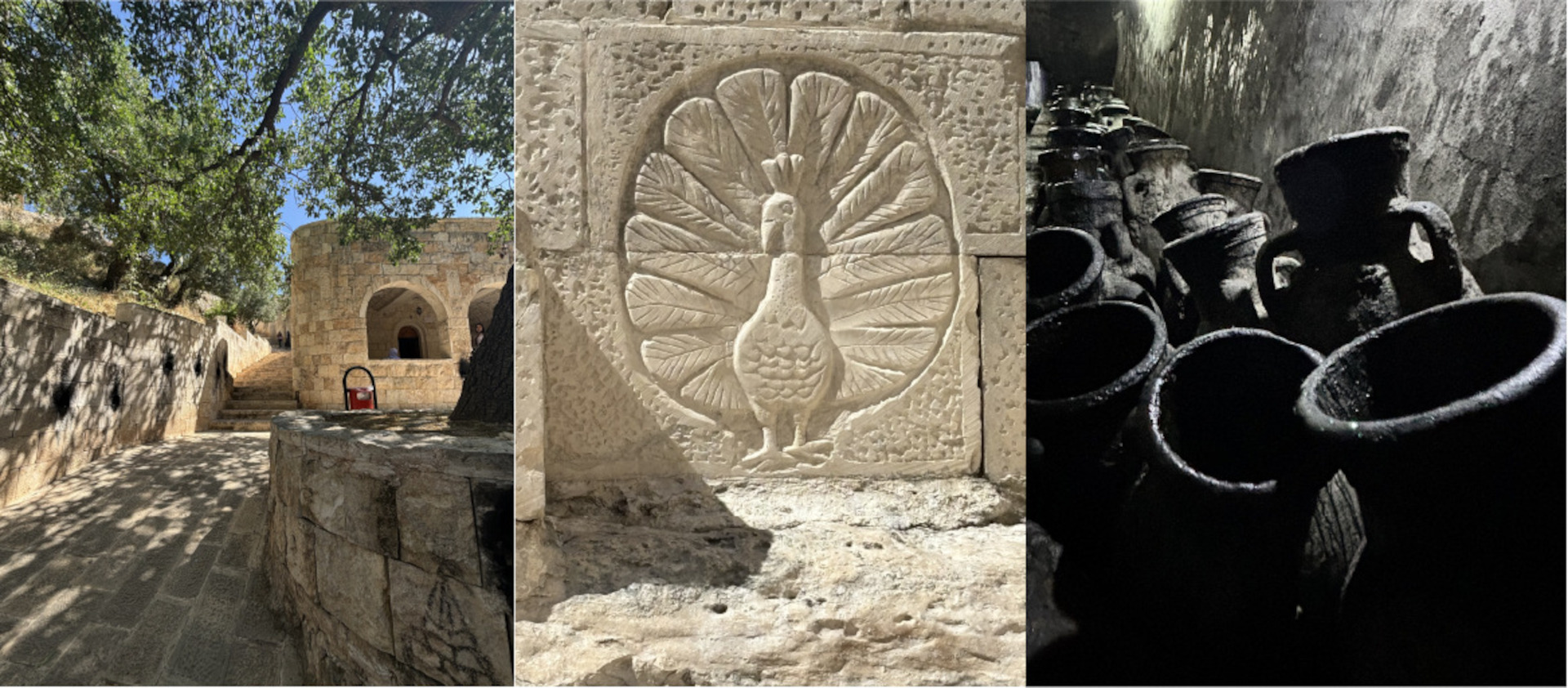
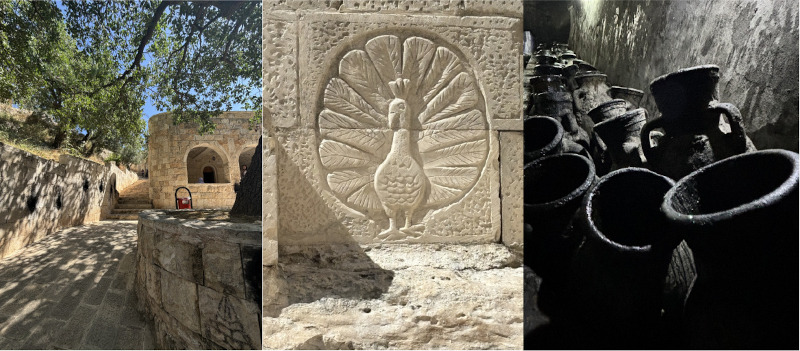
Of course, as hard as this team worked on-site, we equally had fun off-site! We explored an assortment of different places including spending a night in Duhok, visiting the Faida rock reliefs, exploring the bazaar, and a special tour inside the Erbil citadel. My favorite place to date that I visited is the Lalish Temple. Located in a mountain valley in the Nineveh province, the Lalish temple has a sacred significance and is an important pilgrimage site for the Yazidi religion. I felt a sense of peace while walking through the village, along with the kindness of the devotees who had come to worship. We got the opportunity to sit for chai and tour parts of the temple, taking time to experience the diversity of religion and culture.

Fig. 6 . General photo of Lalish (Left) Depiction of peacock angel Tawûsî Melek (Middle) Olive Oil Jars (Right) .
Fig. 6 . General photo of Lalish (Left). Depiction of peacock angel Tawûsî Melek (Middle). Olive Oil Jars (Right).

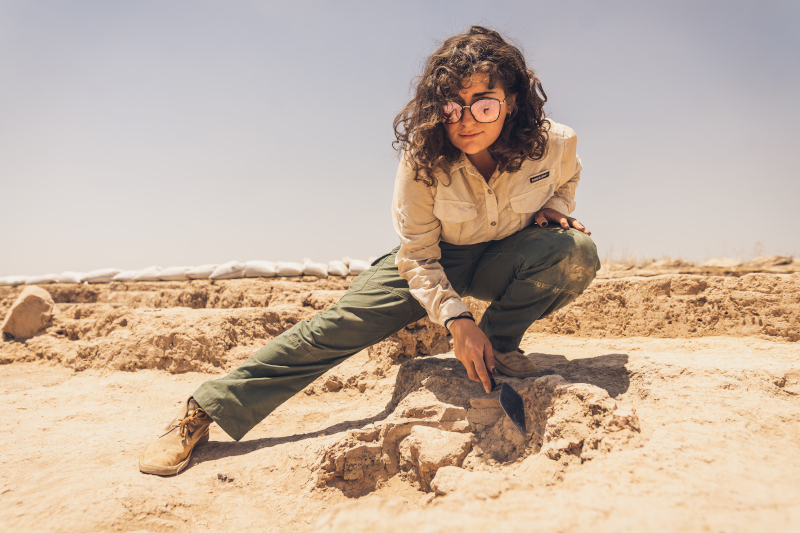
My time spent with the Gird-I Matrab project over the past two seasons has been essential in my development as an archaeologist and for my excavation skills. I have been able to learn so much about the Northern Mesopotamian region and participate in an excavation project that has supported my developing interest in zooarchaeology. Thanks to our incredible international collaborative group of researchers, the 2024 season had another year of successful excavation. I am committed to utilizing all I have learned while on-site for my future academic pursuits in archaeology and want to extend a final thank you to all those who have supported and shaped my journey during the 2024 season at Gird-I Matrab.

Fig. 7 . Photo of Madeline Conigliaro - Nguyen on Area A. (©Federico Dalla Battista)
Fig. 7. Photo of Madeline Conigliaro-Nguyen on Area A. (©Federico Dalla Battista)

Madeline Conigliaro-Nguyen graduated with her MA from the University of Chicago in 2023. She continues to participate in several archaeology projects in the Kurdistan Region with the intention of applying for graduate school this year. Her primary research interest is in zooarchaeology in Southwest Asia, with a focus on human-animal relationships, particularly as they pertain to ancient ontologies, subsistence strategies, and the social and ritual roles of animals. To learn more about the project, follow @gmap_erbil on Instagram!

Want to help more students and early career archaeologists get into the field? Donate to the cause today by selecting “Excavation Scholarships” as your gift purpose!

FOA Webinar: James Fraser

FRIENDS OF ASOR WEBINARS

Man-Hunting in the Desert: The Ill-Fated Palmer Sinai Expedition of 1882

Friends of ASOR present the next webinar of the 2024-2025 season on October 9, 2024, at 2:00 pm EDT, presented by Dr. James Fraser. This webinar will be free and open to the public. Registration through Zoom (with a valid email address) is required.

In August 1882, Prof. Edward Palmer of Cambridge University disguised himself as a Bedouin and set out into the Sinai desert carrying £3000 of gold. Prof. Palmer, his colleagues, their servants and the gold were never seen again. While the fate of this expedition—and that of Charles Warren’s celebrated rescue mission—has long captured scholarly imagination, they have recently come into sharper focus with the publication of two books: These Chivalrous Brothers: The Mysterious Disappearance of the 1882 Palmer Sinai Expedition (David Sunderland, 2016) and Captain Gill’s Walking Stick: The True Story of the Sinai Murders (Saul Kelly, 2019). This presentation considers the nature, motivations and failures of this early intelligence operation in light of this new research, including unpublished documents in the archives of the Palestine Exploration Fund in London.


Jamie Fraser is Director of the W. F. Albright Institute of Archaeological Research in East Jerusalem. He received his PhD from the University of Sydney in 2016, which was published as the monograph Dolmens in the Levant in 2018 and awarded ASOR’s G. Ernest Wright Award for Best Archaeological Publication. Jamie previously served as Curator for the Ancient Levant and Anatolia at the British Museum, where he curated the 2023 exhibition Luxury and Power: Persia to Greece. He directs an excavation project in Jordan investigating a Bronze Age olive oil factory at Khirbet Um al-Ghozlan, and has archaeological experience in Jordan, Syria, Israel, Iraq, Afghanistan, Uzbekistan, Kashmir, Greece, Cambodia, Australia and the Solomon Islands.

SPONSOR A WEBINAR!

Several levels of support from $50-$1,000 are available. Proceeds go towards membership scholarships and towards increasing ASOR’s virtual resources. Each sponsorship is tax-deductible and includes benefits! Sponsor a webinar here. 

WHY SPONSOR ONLY ONE?

Season Sponsorships are also available from the ASOR Online Store here!

Click here for more information on the benefits of becoming a season sponsor or sponsoring a single webinar.

Cultural Heritage Committee Seeks New Members

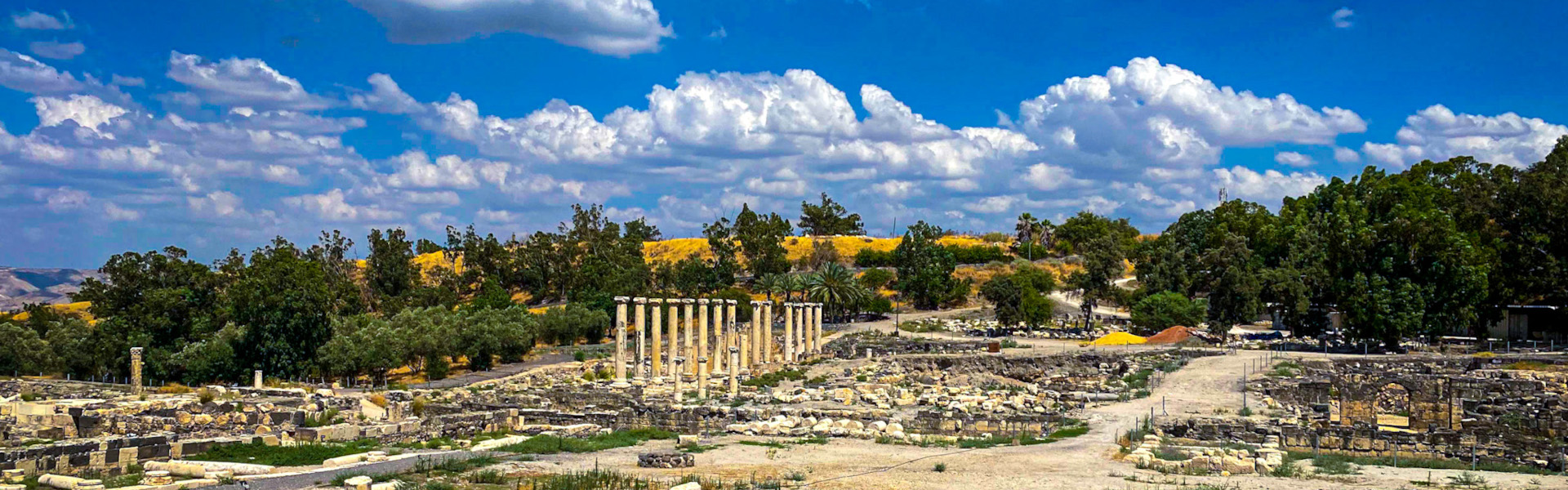
A view of columns at the site of Beit She'an in Israel.

Cultural Heritage Committee Seeks New Members

*10/23/2024 – The Cultural Heritage Committee is no longer accepting applications. Thank you for your interest.

ASOR’s Cultural Heritage Committee is placing a call for consideration for membership on the Committee for the class of 2027 with a number of open slots beginning January 2025. You can read about the Committee’s charge and purpose here.

The Committee has actively worked to energize ASOR’s membership to respond to renewal requests of Memoranda of Understanding (MoU) under the US Cultural Property Implementation Act for areas central to ASOR’s mission; hosted an FOA webinar “A World at War: Protecting Cultural Heritage in Times of Conflict“; organized a workshop, “Giving it Back: Repatriation and the Ownership of Antiquity”, at the 2023 Annual Meeting; and will be hosting another workshop, “Repatriation in the Global Context”, at the upcoming 2024 Annual Meeting.

Committee members serve a three-year renewable term and are expected to attend monthly committee meetings, conducted via Zoom. All committee members should be members of ASOR.

Please email a brief CV and explain why you are interested in being a part of this committee and what insights you would bring to the committee on cultural heritage issues to the Chair of the committee, Jane DeRose Evans: jevans@temple.edu. We are especially interested in applications from ASOR members who are based outside of North America, as well as from Early Career Scholars.