ECS Fall Brown Bag: Beyond the Tenure Track

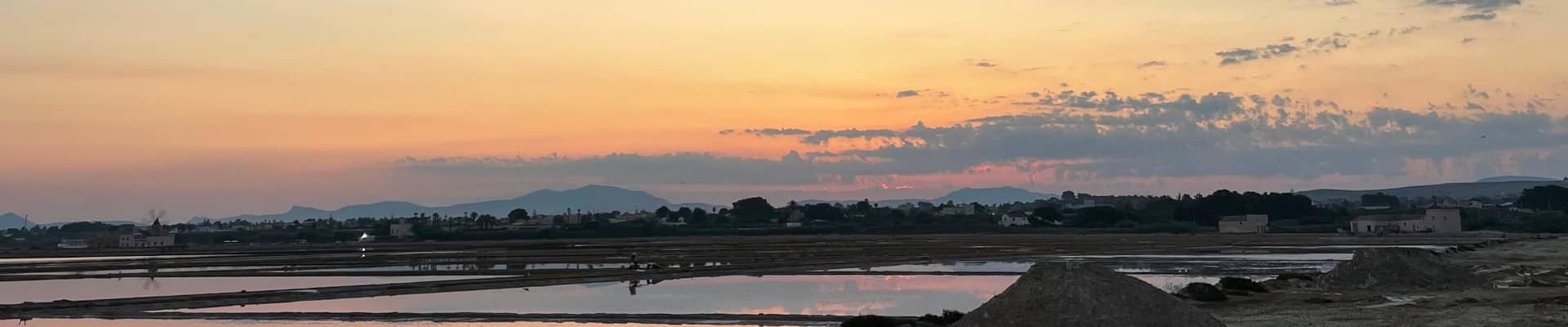
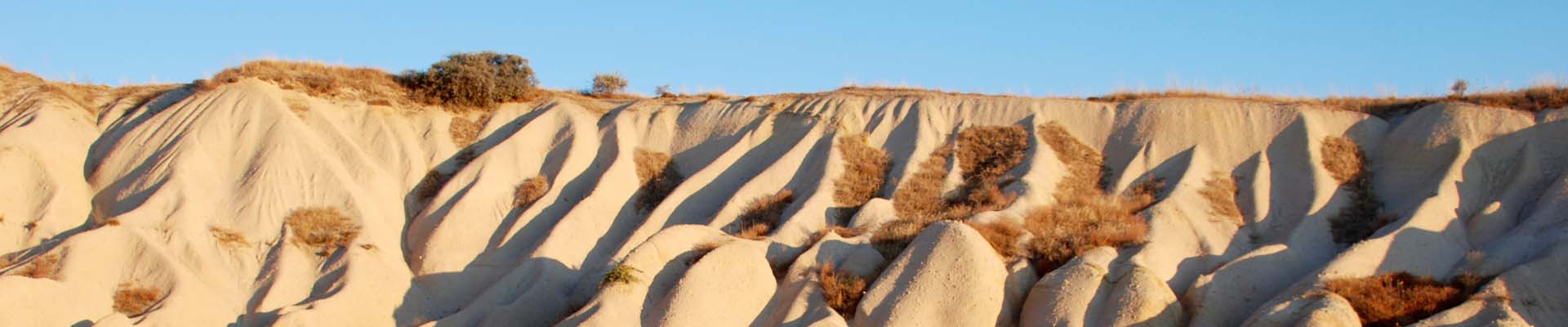
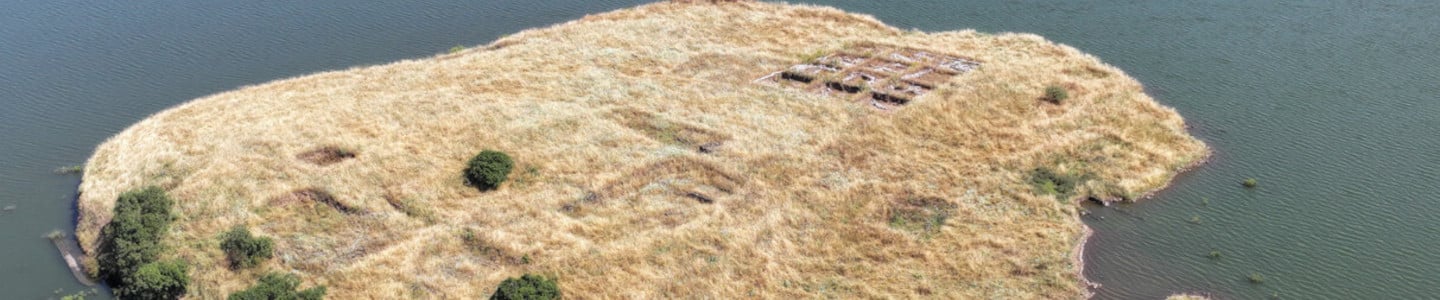
Sunset at Brac Island Croatia

Early Career Scholars Fall Brown Bag: Beyond the Tenure Track

Panel Discussion: Beyond the Tenure Track

What does an archaeology career look like outside a traditional academic appointment? Join ASOR’s Early Career Scholars on October 16, 2026 at 12:00pm ET via Zoom for the Fall Brown Bag, “Beyond the Tenure Track,” a panel on career paths and opportunities outside of academia.


This discussion features panelists Zuzana Chovanec, Anashya Srinivasan, and Amanda Hope Haley—professionals working in public-facing archaeology writing, cultural resource management, the U.S. Department of State, and the tourism sector. They’ll share how they built their careers, what their work looks like day to day, and how the skills you’re developing now can translate into a range of pathways. Whether you’re a student thinking about your first job or an early career scholar looking for some advice, we hope to see you there!

The event, a part of our Brown Bag lunch series, is FREE for the ASOR community, but registration is required.

Register Now

Vice President’s Report to ASOR Members

Vice President’s Report to ASOR Members

September 2026

Dear ASOR Friends,

I hope you all had a wonderful summer, perhaps having had the opportunity to get into the field, and hopefully some kind of relaxing break. As many of us gear up to return to school (and some in the United States already have), I have been filling out various “Doodle Polls” and setting up meetings with various committees leading up to the Annual Meeting in November.

One of my roles, as Vice-President of ASOR, is to lead the Chair Coordinating Council (CCC), which is explicitly charged with “monitoring the activities” of ASOR’s standing committees. While this is technically true, I prefer to think of the CCC as a means of facilitating conversations between the different committees, and an opportunity for each committee chair to share the exciting and important work that ASOR members are doing. It is a real privilege to chair the CCC, and I have a difficult time limiting our monthly meetings to just the one hour I promise everyone. The reports and discussions are so interesting and there is just so much good work that goes on.

Volunteering through one of the eight standing committees is one of major ways that ASOR members can play a role in the organization. In thinking about my own participation in ASOR, I remembered how I had been encouraged by other members throughout my career. As an undergraduate, David Hopkins and Larry Herr asked me to compile an index for Biblical Archaeologist, Tim Harrison suggested that I become more involved in ASOR Canada, Jeff Blakeley reached out to me to become a monographs editor, and Chuck Jones nudged me to take over as chair of the Publications Committee and then follow after him as Vice President. I am not sure that it ever would have occurred to me to volunteer for any of this work without having been explicitly asked by another member. So, I thought I would write to all of you, to give all of you a nudge to consider volunteering for one of the standing committees.

The committees really do very different kinds of work, and it may not be clear to all ASOR members what that work is, or even that these committees exist. More information about these committees, including current chairs and members, can be found on the ASOR website. Beyond these standing committees, ASOR also benefits from the work of affiliated research centers, our overseas committees, ASOR Canada, boards of our various publications, and ad hoc committees that are established by the President to achieve specific goals.

If you read ASOR’s newsletters (and if you are reading this, you probably do), or follow our social media, you’ll notice periodic requests for volunteers for these committees. If service on any of these sounds interesting to you, please answer those calls. But you also don’t have to wait for such a call. If you want to get more involved with ASOR, please reach out to any of the committee chairs, or to me as Vice President, either over email or in person at the Annual Meeting. Different bylaws and mandates govern the committees, some of which also include instructions on membership. Reaching out directly is really helpful, since even if there isn’t room on a committee at the moment you express interest, there likely will be soon.

I hope that you will consider participating in one of these committees. We are always looking for people with different kinds of experiences, backgrounds, and specialization. Regardless, I look forward to seeing you all at the Annual Meeting in Chicago this November.

With best wishes,

Kevin McGeough
Vice President

FOA Webinar Panel: 𝑇ℎ𝑒 𝑂𝑑𝑦𝑠𝑠𝑒𝑦

FRIENDS OF ASOR WEBINARS

Digging into The Odyssey: An Epic Reimagined or a Misinterpretation of Epic Proportions?

Friends of ASOR presents the first webinar of the 2026-2027 season: “Digging into The Odyssey: An Epic Reimagined or a Misinterpretation of Epic Proportions?” on September 24, 2026, at 2:00 pm EDT, with panelists Eric Cline, Kim Shelton, and Alex Joffe (moderated by Jessica Nitschke). This webinar will be free and open to the public. Registration through Zoom (with a valid email address) is required. This webinar will be recorded and all registrants will be sent a recording link in the days following the webinar.

Join us for a wide-ranging panel discussion on the 2026 film adaptation of The Odyssey, and hear scholars’ thoughts on the Late Bronze Age setting, the enigmatic Sea Peoples, the omission of Odysseus’ journey to Scheria, and more. 

View the recording here on YouTube.

Eric H. Cline is Professor of Classics and Anthropology, former Chair of the Department of Classical and Near Eastern Languages and Civilizations, and current Director of the Capitol Archaeological Institute at George Washington University, in Washington DC.

Kim Shelton is the Class of 1957 Garff B. Wilson Professor of Ancient Greek & Roman Studies and the Graduate Group in Ancient History and Mediterranean Archaeology at the University of California Berkeley. She is also Director of the Archaeological Research Facility and the Nemea Center for Classical Archaeology, and First Vice President of the AIA. Shelton is an Aegean prehistorian with research interests in domestic architecture, ceramic production and economy, and religious ritual. She is the author of several publications on Mycenaean pottery, figurines, cemeteries, Mycenae’s Cult Center, and her excavations at the Sanctuary of Zeus at Nemea, Petsas House, Mycenae, and the Late Bronze Age cemeteries at Aidonia (TAPHOS).

Alex Joffe is an archaeologist and historian. He is currently the Director of Strategic Affairs for the Association for the Study of the Middle East and Africa. He has done fieldwork in Israel, Jordan, Greece, and the United States.

SUPPORT THE WEBINAR PROGRAM!

Friends of ASOR is pleased to announce that the first webinars of the 2026-2027 season will once again be free and open to the public with a goal to raise $10,000 so that the entire webinar season will be free. Will you support this outreach effort with a tax-deductible contribution? All donors/sponsors with gifts of $100 or more will be recognized in subsequent webinars. Make your gift today and select “webinars” from the drop-down menu.

Designate your gift for “Webinars” in the drop-down menu.

Membership and Outreach Committee Seeks New Members

Membership and Outreach Committee Seeks New Members

The Membership and Outreach Committee seeks nominations (including self-nominations) from ASOR members who are interested in serving on the committee. Committee members will serve a three-year term (January 1, 2027 – December 31, 2029) with the option to renew for a second term. Committee members are expected to attend monthly meetings via Zoom and an in-person meeting at the ASOR Annual Meeting each year. Nominees must fill out the online form by October 16, 2026.

The Committee on Membership and Outreach takes responsibility for discussing matters regarding ASOR institutional and individual memberships, including (but not limited to) strategies for membership growth, appropriate membership benefits, the most fitting way to categorize individual memberships (student, recent graduate, etc.), greater enfranchisement of ASOR’s international members, and resources that members might like ASOR to provide. The committee also oversees ASOR’s outreach efforts. In addition, it advises the ASOR staff about the presentation and content of several of ASOR’s digital platforms, including ASOR social media, the ASOR LinkedIn page, ASORTv, and ASOR’s e-magazine News@ASOR.

In order to receive full consideration by the committee, the online form must be submitted by noon ET on October 16, 2026. For questions and concerns, please contact Laura Mazow, Committee Chair (mazowl@ecu.edu).

ECS Poster Abstract Writing Session

Early Career Scholars Poster Abstract Writing Session

Preparing a Poster Abstract

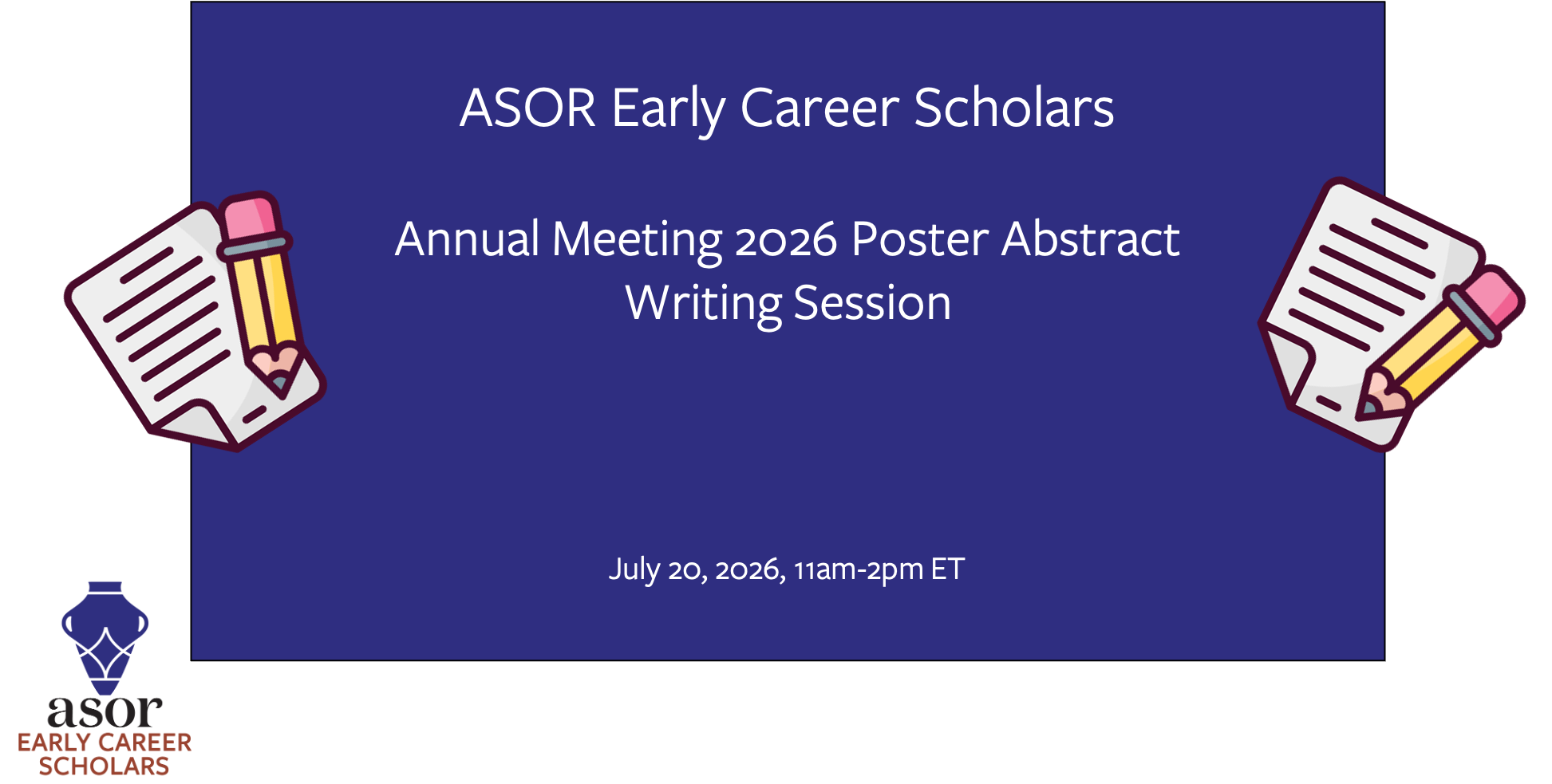
Join ASOR’s Early Career Scholars on July 20, 2026 at 11:00am ET via Zoom for a virtual writing session on preparing a poster abstract for the 2026 Annual Meeting.


Are you thinking about submitting a poster to the 2026 ASOR Annual Meeting? Drop into our “Preparing a Poster” sessions this summer and fall. Over the span of two sessions, we will discuss how to effectively present your research in a poster format.

“Preparing a Poster Abstract” is our first session, designed to support all ASOR members through conceptualizing, proposing, composing and presenting a poster for the ASOR Annual Meeting.

The first session will focus on: (1) Conceptualizing your research and results for a poster format and (2) Composing and submitting an effective poster abstract. We will review the ASOR Annual meeting submission system and share examples of posters from previous meetings.

The second session, “Preparing a Poster,” will take place in Fall 2026 focusing on effective poster composition and presentation.

We are here to answer your questions and hope to see you in one or both sessions.

The event is FREE for the ASOR community, but registration is required.

Register Now

President’s Report to ASOR Members

President’s Report to ASOR Members

July 7, 2026

Dear ASOR Friends,

As we move into the summer months with time for our excavations, research and relaxation, I wanted to bring you some updates on what is going on, as our committees have been hard at work.

The Taskforce on the Revision of the Code of Professional Conduct has paused its meetings for the summer. As a reminder, the Code was last approved by the Board in 2015 and amended in 2019. Since then, it has become clear that we need to provide clearer guidance to committees and our membership on complicated issues, in a manner that would be consistent with our new Strategic Plan and our Values Statement. The Taskforce, which is comprised of researchers from various areas where we work and have overseas members, have discussed a rough draft of two sections of the current Code: III.A Education and III.B Stewardship. Some of the work was reorganizing these sections of the document, some was trying to move to more positive language about what ASOR members should and could do to fulfill the Strategic Plan, especially “ASOR’s place in the world”, by supporting high-quality academic research, cultivating partnerships in our educational and outreach efforts and in our combined efforts to protect cultural heritage. As the Taskforce discussed section III.B Stewardship, we took our first pass at discussing the complex issues of how we should approach site protection, artifact storage and data management; how we study archaeological heritage and cultural heritage especially in areas of open conflict; and how we respond to the problem of looting. It is very clear that our discussions need to be grounded in the knowledge of current international law and conventions, so that will be the focus of our first fall meeting(s). But it is also very clear that the process of updating the Code will need time, thought, and lots of discussion, which I hope you will join.

In case you haven’t heard, ASOR’s Committee on Archaeological Policies (CAP) was able to award $128,000 – thanks to generous donors from our membership – to 46 people who applied for excavation scholarships, project grants or research fellowships. We understand in the era of rising airline costs that these scholarships are important means of augmenting other research funds. Please reflect on whether you are able to help, especially younger scholars who need ASOR’s support!

The awardees will be working in a variety of areas of ASOR’s remit: Iraq, Greece, Tunisia, Egypt, Spain, Cyprus, Türkiye, Kurdistan, Jordan, Armenia, and Chicago and Philadelphia (on legacy records), as well as to ASOR-affiliated excavations.

Judging from the preliminary schedule of the 2026 Annual Meeting developed by the Program Committee, there will be a panel for your interests, whether you are a teacher of K-12 or in higher ed; interested in cultural heritage issues; interested in new technologies (I am looking forward to “How to Prepare for when Disaster Strikes”); or if you want to catch up on the latest research in the Bronze Age, Iron Age, different materials, or various regions where ASOR members excavate and research – this is just a meager mention of the riches that will be available in Chicago, or if you prefer, online. I will be working with the Program Committee to set aside a time and place for an informal place for you, ASOR’s officers and other interested Board members to meet and talk. I hope you can stop by!

A number of members and friends of ASOR just came back from a trip to Cyprus, where we were treated to site visits led by directors of ASOR-sponsored excavations. These visits were a real highlight of the tour, culminating in a delightful dinner at CAARI, hosted by Lindy Crewe, where we got to relax and spend time talking with CAARI staff, fellows and our archaeologist friends working in Cyprus.

With best wishes,


Jane DeRose Evans
President

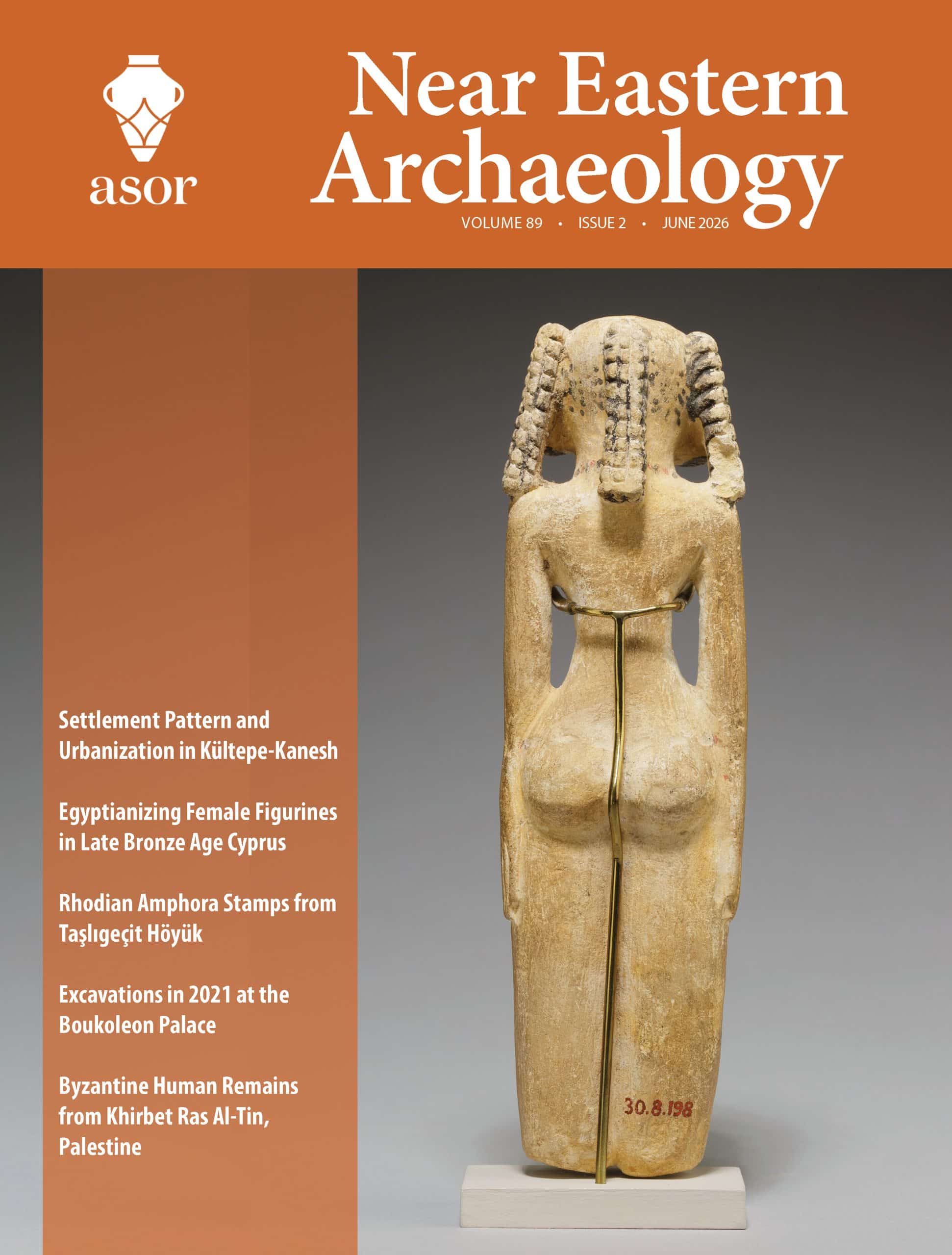
Table of Contents for Near Eastern Archaeology 89.2 (2026)

Table of Contents for Near Eastern Archaeology 89.2 (June 2026)

You can receive NEA(and other ASOR publications) through an ASOR Membership.
Please e-mail the Membership office if you have any questions.

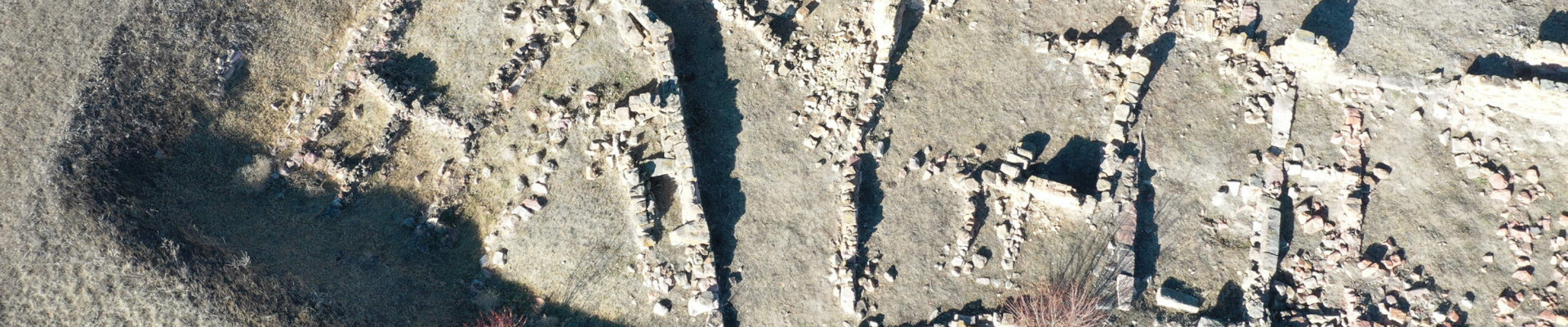
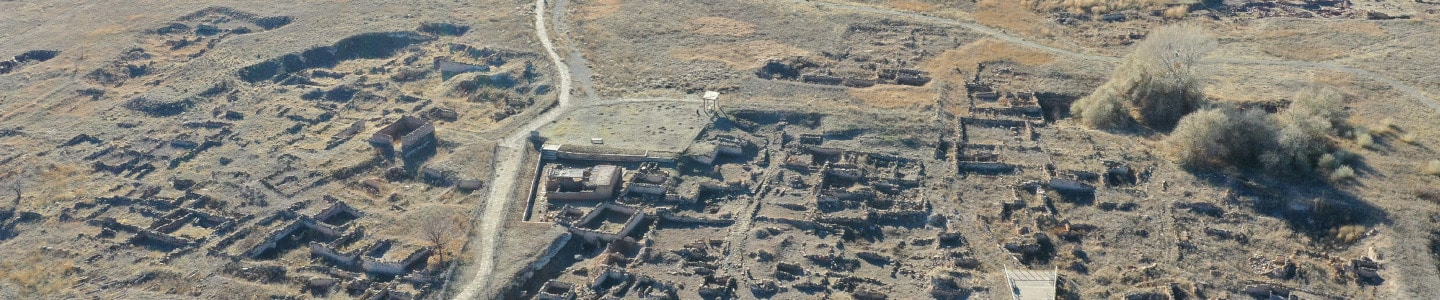
Pp. 76–87: “Settlement Pattern and Urbanization in Kültepe-Kanesh Lower Town Level II” by Mehmet Tarık Öğreten and Fikri Kulakoğlu

The site of Kültepe served as a major hub within the Assyrian trade network during the early second millennium BCE. Its expanding commercial activities, socio-economic diversity, and cosmopolitan population necessitated a structured process of urbanization. Although excavations since 1948 have revealed extensive data, the Lower Town Level II has not been evaluated holistically in terms of its settlement organization and urban layout. This study presents the first integrated reconstruction of this level’s spatial pattern, drawing on planimetric data and the distribution of architectural remains. The findings demonstrate a dual urban fabric, comprising an organically developed zone around the mound and a more formally organized network in the eastern sector, characterized by coordinated streets, intersections, squares, and infrastructure. This analysis provides new insight into early urbanization processes in Central Anatolia and clarifies Kültepe’s position within broader discussions of ancient urbanism.

ASOR Members with online access: log into ASOR’s Online Portal here. Once logged in, click the JOURNALS tab in the top navigation bar. Tutorials for how to log in to the Online Portal as well as how to navigate to the Portal Journals page can be found here.

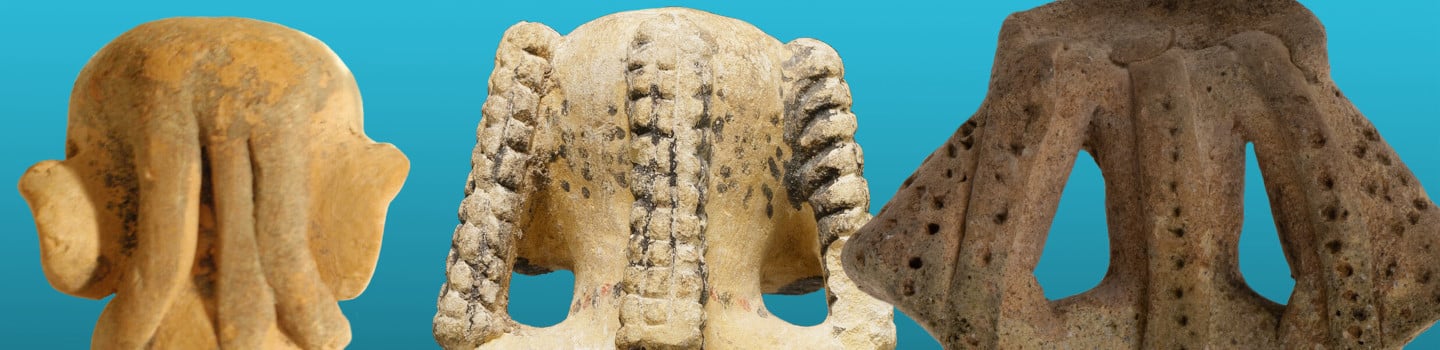
Pp. 88-99: “Egyptianizing Female Figurines in Late Bronze Age Cyprus” by Stephanie Lynn Budin

This article looks at a handful of Late Cypriot III “Normal Face” figurines that display Egyptianizing features in both posture and hairstyle. After discussing how these figurines are unique in the Cypriot corpus, it shows how the features under consideration can only come from Egyptian precedent. It ends with a discussion of how an understanding of the Egyptian prototype (especially the hairstyle) can offer new insights into the interpretation of Cypriot female figurines.

ASOR Members with online access: log into ASOR’s Online Portal here. Once logged in, click the JOURNALS tab in the top navigation bar. Tutorials for how to log in to the Online Portal as well as how to navigate to the Portal Journals page can be found here.

Pp. 100-107: “Rhodian Amphora Stamps from Taşlıgeçit Höyük” by Büşra Kavak Özdemir and Erkan Alkaç

This article discusses ten stamped Rhodian amphora handles recovered from the Hellenistic layers of Taşlıgecit Mound in the northern Levant corridor. The stamps date from about 209–205 BCE (Euphranor) to about 169/167–140/138 BCE (Kallio), documenting five eponyms and five fabricants. Notably, one amphora features a previously unrecorded connection between the eponym Aristodamos II and the fabricant Nikasion, expanding the known activity range of the latter. Two additional stamps, belonging to Theuphanes II and Aristomachos I, are also published here for the first time. Along with Seleucid coins, these stamps form the main epigraphic evidence for the Hellenistic occupation of the mound. At the same time, associated ceramic groups reveal the site’s material engagement with broader Hellenistic cultural practices. Despite the limited assemblage, it adds new, securely dated material to the broader collection of Rhodian amphora stamps. It also offers valuable data for understanding the inland distribution of Rhodian transport amphorae in South Anatolia and North Syria.

ASOR Members with online access: log into ASOR’s Online Portal here. Once logged in, click the JOURNALS tab in the top navigation bar. Tutorials for how to log in to the Online Portal as well as how to navigate to the Portal Journals page can be found here.

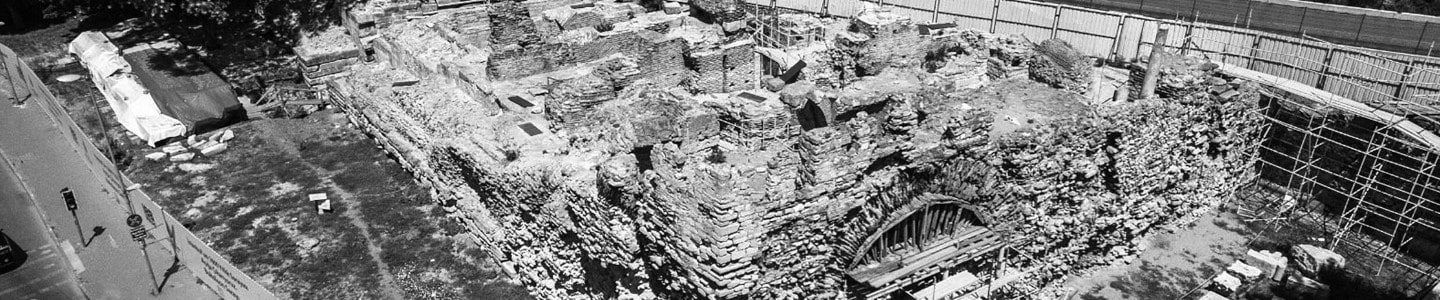
Pp. 108-127: “Evaluation of the Results of the Archaeological Excavations in 2021 at the Boukoleon Palace” by E. Füsun Alioğlu, Ayşen Kaya, and Oktay Özel

The findings of archaeological excavations carried out within the scope of the conservation and restoration works initiated by the Istanbul Metropolitan Municipality (IMM) at the Boukoleon Palace in 2021 led to the publication of this article. The historical and spatial evolution of the Boukoleon Palace, located on the coast of the Sea of Marmara, and the Marmara Seawall in this region are the focus. Archaeological data will be discussed in light of historical texts, with particular attention to how the palace and the seawall changed over time.

ASOR Members with online access: log into ASOR’s Online Portal here. Once logged in, click the JOURNALS tab in the top navigation bar. Tutorials for how to log in to the Online Portal as well as how to navigate to the Portal Journals page can be found here.

Pp. 128-139: “Stable Isotope Analysis and Forensic Reconstruction on Byzantine Human Remains from Khirbet Ras Al-Tin, Palestine” by Loay Abu Alsaud

Khirbet Ras Al-Tin is located in the West Bank, 10 km southwest of Nablus. During a rescue excavation prompted by construction plans and conducted by the Palestinian Ministry of Tourism and Antiquities, a burial chamber was discovered. Subsequent analyses of a human skull and rib fragments from the tomb, including Accelerator Mass Spectrometry radiocarbon dating and stable isotope analysis, were performed at the HEKAL Laboratory in Hungary. The individual was determined to be an 18–23-year-old male from the local population exhibiting a metopic suture, and the remains were dated between ca. 430 and 600 CE. Moreover, facial reconstruction techniques were employed, providing a rare visual insight into the physical appearance of people living in the Palestinian highlands from the sixth century CE. Isotope analysis suggests a diet rich in legumes and vegetables, possibly supplemented by meat, consistent with that of wealthy populations or specific religious communities in the region.

Please note: This article contains images of human skeletal remains.

ASOR Members with online access: log into ASOR’s Online Portal here. Once logged in, click the JOURNALS tab in the top navigation bar. Tutorials for how to log in to the Online Portal as well as how to navigate to the Portal Journals page can be found here.

President’s Report to ASOR Members

President’s Report to ASOR Members

May 18, 2026

Dear ASOR Friends,

May was an exceptionally busy month for ASOR’s Board and Committees. I write this letter as part of an on-going plan to keep you up to date on decisions made by the ASOR Board of Trustees and Executive Committee, a request made by many of our members who wish to have a broader understanding of ASOR’s focus and accomplishments. Going forward, you can expect to hear from me on a regular basis.

One of the more important decisions we made was to adopt a Values Statement and a Strategic Plan, which were drafted by the Taskforce on the Strategic Plan and passed unanimously by the Board. In a complex and sometimes chaotic world, it is important to state our shared values and strategic direction as an organization. I really appreciate the members of the Taskforce and Trustees who worked creatively over the course of a year to crystallize our shared sense of purpose. While you can find both the Values Statement and the Strategic Plan prominently displayed on the website, you can get a sense of both below, even as I urge you to read the statements in full.

Values Statement
ASOR is a broad community of individuals who are committed to upholding the following values with integrity as we pursue ASOR’s mission.

Curiosity: To sustain ASOR’s intellectual vitality by advancing excellence, exploring new ideas, skills and methods of research, and disseminating evidence-based knowledge.

Collaboration: To create a welcoming, open environment that respects disparate viewpoints while fostering a sharing of opportunities and resources.

Stewardship: To work with all stakeholders with dignity, courtesy, and fairness; to maintain financial discipline; and to support the responsible management, preservation, and protection of cultural heritage and the communities we work with and within.

Transparency: To communicate openly and honestly; to share conscientiously and often with stakeholders across the scholarly and public landscape.

Strategic Plan 2026 – 2030
ASOR’s Place in the World: ASOR encourages the study of the past through archaeological, historical, art historical, linguistic, and cultural research, along with conservation by fostering conversations about our members’ research and the impact of our studies on the contemporary world. ASOR members promote the preservation of cultural heritage as it relates to global history. Over the next five to ten years, ASOR will undertake the following initiatives to demonstrate our conception of our role in the world.

1. Support high-quality academic research in various venues, giving space for innovative, paradigm-shifting contributions, for example in ASOR’s publications, annual meeting sessions and workshops, and early career scholars and Friends of ASOR activities.

2. Cultivate partnerships in all educational and outreach efforts through the work of ASOR committees and overseas centers.

3. Further develop relationships and collaborative research with local stakeholders and especially affiliated overseas centers, in order to enhance the understanding, preservation, and viability of cultural heritage related to our members’ research and local needs.

4. Assist members in the practical and financial aspects of international research through enlargement of our ongoing grants programs as well as creating and furnishing venues for providing expert information and counsel.

Looking Outward: We aspire to be a leader, communicator, and supporter of innovative, high-quality, forward-thinking scholarship, education, and partnerships related to the study of the Mediterranean to the Indian Ocean, from Europe to the African Sahel.

1. Strengthen existing platforms and media and activate new fora for scholars and the public alike to enlarge the impact of our members’ contributions to the study of the past as an essential aspect of solutions to issues of today.

2. Increase collaborative educational initiatives geared towards the public and primary and secondary education classroom settings.

3. Develop clear strategies and policies for public-facing outreach and clear communication strategies for access, including translations of materials, for members and other interested parties.

Preparation for the Future: ASOR seeks to continue to expand the audience for its work beyond traditional academics to enhance public understanding of the past and its impact on the present. We aim to support question-based research in the production and preservation of knowledge in the world. ASOR supports diversity that broadens the fields of archaeology, history, art history, linguistics, cultural research and conservation beyond traditional academic careers, by mentoring and supporting early career scholars and scholars in partner countries, and by providing archaeological and technical training for a broad range of interested individuals. ASOR will continue to create and foster support from a broad range of sources to maintain ASOR’s financial stability and resources for our growing membership.

1. Continue expanding and engaging ASOR’s membership, including efforts to increase membership and engagement from groups underrepresented in the field.

2. Foster opportunities through mentorship and skills development to prepare members for diverse fields in a rapidly-shifting social and economic environment. Harness the experience of ASOR’s membership to guide members along their chosen paths.

3. Enhance funding relationships to accomplish our mission and strategic goals.

New Board Trustees
Kiersten Neumann, a Membership-Elected Trustee, was elected an Institutional Trustee, class of 2026, moving into a slot vacated by Eric Cline, President of the W.F. Albright Institute for Archaeological Research (AIAR), who retained his other seat as Overseas Institute Trustee.
Sarah Costello became a Membership-Elected Trustee, class of 2026.

Cultural Heritage
ASOR has an extraordinary ability to bring together scholars from archaeology, art history, history, science and other fields to protect and study cultural heritage and share its importance with the public. This is especially important as sites are being threatened or destroyed.

ASOR has become an organization that our overseas partners look to as they seek to begin, enhance or find help for their cultural heritage work. Through the hard work of our CH staff, ASOR has been the recipient of several grants, some through the US Department of State, to:

  • partner with Libya’s Department of Antiquities to document and repair flood damage at the archaeological sites of Cyrene, Ptolemais and Tocra;
  • work collaboratively with the Department of Antiquities of Sudan to strengthen site security and rebuild infrastructure at the Sudan National Museum in Khartoum;
  • sign Memoranda of Understanding with the National Heritage Institute (INP) in Tunisia for work in-country, the University of Lausanne for work in Syria, and the U.S. Committee of the Blue Shield for protection of cultural heritage world-wide.


Policy Discussions

Over the past year, the Programs Committee, the Committee on Archaeological Research and Policy, and the Committee on Publications have asked the Executive Committee and Board for guidance on issues outlined in ASOR’s current Code of Professional Conduct. The Board, after much deliberation and discussion, concurred that some of the language should be updated and revised. I have convened a taskforce to re-examine and rewrite the Code to provide clearer direction for members and committees. This taskforce is in the earliest stages of work, which will be complex and guided by ASOR’s recently approved Values Statement. Trustees would like to hear from you and I would appreciate your help by participating in a committee or contact me at president@asor.org.

As a corollary to this discussion, the Board affirmed that, as an apolitical organization, ASOR will not publish political statements coming officially from the Board.

Committee Participation
To make your voice heard, please consider joining a committee to help shape ASOR’s future. Reach out to the chair of the committee you are interested in serving on; get to know committee members at the Annual Meeting; watch the announcements for committee openings. Much of ASOR’s work is accomplished through committees – ASOR is you!

Best regards,

Jane DeRose Evans
President

ECS Research in Action: Dr. Leilani Lucas

Early Career Scholars Research in Action: Dr. Leilani Lucas

Archaeology in Action: Reconstructing Culinary Practices in Prehistoric Cyprus from Charred Food Remains

Join ASOR’s Early Career Scholars on May 29, 2026 at 12:00pm ET via Zoom for a virtual Research in Action talk from Dr. Leilani Lucas.

Please join the ASOR Early Career Research in Action Series for a talk led by Dr. Leilani Lucas, Professor of Anthropology at College of Southern Nevada. This talk presents a case study from prehistoric Cyprus applying microstructural analysis to amorphous charred objects (ACOs) and integrating them with archaeobotanical evidence and material culture. Despite their frequent recovery in Cypriot archaeobotanical samples, charred amorphous or unidentifiable plant remains have typically been relegated to brief entries in archaeobotanical tables. This study demonstrates archaeological science in action by applying microstructural analysis to ACOs, enabling the reconstruction of past food preparation and consumption practices. Archaeobotanical research on the island has traditionally focused on the recovery and identification of plant taxa to reconstruct agricultural and subsistence patterns, leaving questions of food processing and consumption technologies underexplored. ACOs recovered from Feature 33 at Kissonerga-Skalia (Late Cypriot IA) are examined as direct evidence of past culinary practices. This study contributes to a growing body of research demonstrating the potential of microstructural analysis to enhance archaeobotanical interpretations of food preparation in the past, while providing the first applications of this approach in Cyprus.

The event is FREE for the ASOR community, but registration is required.

Register Now

FOA Webinar: Danielle Candelora

FRIENDS OF ASOR WEBINARS

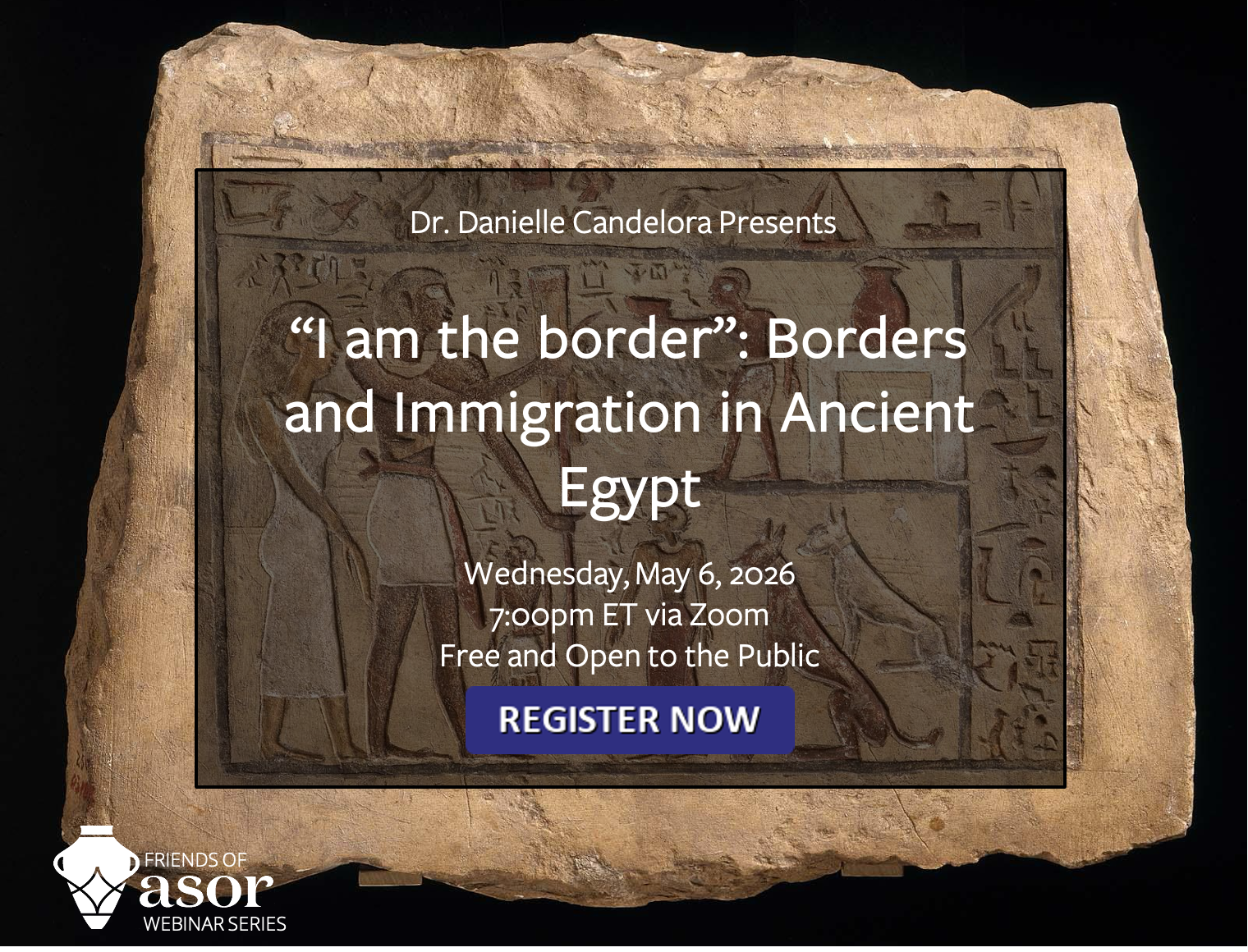
“I am the border”: Borders and Immigration in Ancient Egypt

Friends of ASOR present the next webinar of the 2025-2026 season on May 6, 2026, at 7:00 pm EDT, presented by Danielle Candelora. This webinar will be free and open to the public. Registration through Zoom (with a valid email address) is required. This webinar will be recorded and all registrants will be sent a recording link in the days following the webinar.

From Tex-Mex cuisine to the use of Hinglish (mixed Hindi/English) in Bollywood movies, the influence of borderlands is ubiquitous in modern culture. Issues of borders, citizenship, and immigration are at the forefront of media headlines around the globe, and are examined across fields as diverse as Political Science and Sociology to Comparative Literature and the Visual Arts. Exploring these multiple approaches allows for new insights into the entangled concepts of borders, immigration, and identity in ancient Egypt. By treating borders not as fixed lines demarcating sovereignty and territorial control, but as processes that define differences and belonging, it is possible to focus more on lived experience and local expressions of identity. Common refrains in scholarship suggest that immigrants to Egypt would have quickly shed any indications of foreignness and tried to act, and therefore to be, as Egyptian as they could. Yet in these borderland zones, which could occur both along the boundaries of the Egyptian state and within it, there was social capital to be gained by preserving and advertising aspects of foreignness alongside Egyptian cultural adaptations. Some border communities, like those in the Eastern Delta or the oases of the Western Desert, had particular practices, traditions, and lifeways specific to their borderland homes. In other cases, personal examples can demonstrate how immigrant or borderland individuals developed and performed personal identities unique to the borderland.

Danielle Candelora is an Egyptian archaeologist and an Assistant Professor of Classics and Egyptology at the College of the Holy Cross. She earned her Ph.D. in Near Eastern Languages and Cultures from UCLA, and her research investigates the multivariate processes of identity negotiation in contexts of immigration in ancient Egypt, including the Second Intermediate Period, New Kingdom, and Late Period. She has published extensively on the concept of borders and foreigners in ancient Egypt, how immigrants integrated into and influenced Egyptian society, as well as the cultural blending which resulted. Danielle is the co-director of both the Osiris Ptah Nebankh Research Project at South Karnak and the Museology Field School at the Museo Egizio di Torino.

SUPPORT THE WEBINAR PROGRAM!

Friends of ASOR is pleased to announce that the first webinars of the 2025-2026 season will once again be free and open to the public with a goal to raise $10,000 so that the entire webinar season will be free. Will you support this outreach effort with a tax-deductible contribution? All donors/sponsors with gifts of $100 or more will be recognized in subsequent webinars. Make your gift today and select “webinars” from the dropdown menu.

Designate your gift for “Webinars” in the drop-down menu.