2026 Nominees for ASOR Board Elections

detail of Palermo Cathedral

2026 NOMINEES FOR ASOR BOARD ELECTIONS

Trustee Nominations Committee has selected six highly qualified members to stand for election for four open positions on the Board of Trustees. The Board sets the direction for ASOR and provides oversight for our organization. Among other responsibilities, members of the Board agree to attend two meetings each year, to participate thoughtfully in the governance process, and to contribute financially to ASOR.

There are four candidates running for two openings as Membership-elected Trustees for 3-year terms (Tiffany Earley-Spadoni, Timothy Matney, Stephanie Selover, and Stuart Tyson Smith). There are two candidates for two openings as Institutionally-elected Trustees for 3-year terms (Kiersten Neumann and Jason Ur). All ASOR members are eligible to vote in the Membership-elected Trustee Election, while only Institutional Representatives of the 60 ASOR-member schools may vote in the Institutionally-elected Trustee Election. Missions and brief biographies of the nominees will be available in the ballot.

ASOR will conduct the elections by online ballot, and all members and Institutional Representatives will receive the appropriate ballot(s) via email on or around October 10, 2026. We will send out two reminders, and all ballots must be completed by 5:00 PM Eastern Time on Friday, November 13. If you have difficulties completing the online ballot (once they are distributed), please contact Marta Ostovich at programs@asor.org.
Nominees for Membership-elected Trustees
(two to be elected)

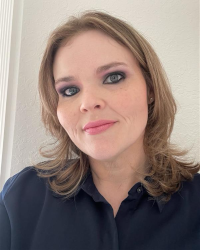
Tiffany Earley-Spadoni

Dr. Tiffany Earley-Spadoni is Associate Professor of History at the University of Central Florida and Director of the Kurd Qaburstan Project, an ASOR-affiliated excavation of the ancient city of Qabra in the Kurdistan Region of Iraq. Her archaeological and historical research focuses on landscapes, urbanism, warfare, empires, and digital approaches. She is the author of Landscapes of Warfare: Urartu and Assyria in the Ancient Middle East, recipient of ASOR’s 2025 Frank Moore Cross Book Award. She has received both the ASOR Mesopotamian Fellowship and the Shepard Urgent Action Grant.

Earley-Spadoni served as Chair of the Early Career Scholars Committee from 2018 to 2024 and also served on the Chairs Coordinating Council and Finance Committee. She currently serves on the Honors and Awards Committee. She received ASOR Membership Service Awards in 2023 and 2024 for her contributions to the organization. She has chaired more than twenty ASOR annual meeting sessions and workshops and founded the Digital Archaeology and History session, now an ASOR Standing Session.

Mission Statement:

Over the past eighteen years, I have participated in ASOR as a member, presenter, session organizer, committee member and chair, mentor, excavation director, grant recipient, and student volunteer. These experiences have given me a strong appreciation for ASOR’s role in advancing research, supporting fieldwork, and fostering scholarly community.

If elected to the Board of Trustees, I will focus on two priorities: advocating for increased grant funding opportunities for ASOR members in light of reduced federal support and supporting ASOR’s early career scholars. I will support expansion of ASOR-administered fellowships, project grants, and travel support. I am also committed to strengthening mentorship, training, and networking programs for early career scholars. These efforts are essential to help members navigate funding challenges and ensure opportunities for the next generation of researchers.

Throughout my ASOR service, I have worked to create opportunities for members to connect, collaborate, and develop new skills. As a trustee, I would build on that experience and work collaboratively to ensure ASOR remains a strong, sustainable, and intellectually vibrant organization for years to come.

photo of Timothy Matney
Timothy Matney

Timothy Matney (BA Institute of Archaeology, London 1987, MA 1991 and PhD 1993 University of Pennsylvania) is Professor of Archaeology at the University of Akron. His areas of research include urbanism, the Early Bronze and Iron Ages, Neo-Assyrian archaeology, geophysics, and rurality in imperial Assyria. Matney co-directed excavations for seven seasons at the Early Bronze Age city of Titriş Höyük with Guillermo Algaze (1994-1999) and directed excavations at Neo-Assyrian administrative center of Ziyaret Tepe (1997-2014). His co-authored volume Ziyaret Tepe: Exploring the Anatolian Frontier of the Assyrian Empire (with J. MacGinnis, D. Wicke, and K. Köroğlu) won the 2019 AIA Felicia A. Holton Book Award for the best work representing archaeology to the public. Matney is currently editing the final publications of both the Titriş Höyük and Ziyaret Tepe excavations. His current ASOR-affiliated fieldwork, started in 2023, the Sebittu Project explores seven small villages in the Neo-Assyrian imperial heartland of the Erbil Plain in the Kurdish Region of Iraq. Matney has been a regular participant at ASOR meetings since giving his first ASOR paper in 1995 and served on the Baghdad Committee at ASOR.

Mission Statement:

As a long-time participant at ASOR, I am always impressed at how many things ASOR does well in its mission to advance archaeology, inform the public, and serve as a steward for cultural heritage in the Near East. One of the biggest challenges that scholars now face in the US are disruptions to decades-old federal support system for archaeological fieldwork (e.g., NSF and NEH) which were the mainstay of many early career academics. ASOR already provides over two dozen grants and fellowships. One question to ask is whether, at this junction, it is possible to find resources for ASOR to do even more to fund fieldwork for those at the start of their careers. Likewise, I have always worked with the local communities where my fieldwork is located to give back knowledge of what our research has revealed about the past. Efforts like giving public lectures in the villages near my field sites, designing permanent displays at regional museums, and training local archaeologists in field techniques are common at many projects. Recently, I decided to take things a step further and build local infrastructure by providing permanent geophysical equipment to the General Directorate in Erbil so that staff, after training, could conduct surveys themselves. In the case of Iraq, this allows local archaeologists to document sites endangered by economic development, changes in land use, and conflict. I would like to help expand ASOR’s active cultural heritage initiatives by finding more resources to foster these kinds of collaborations with our partners in host countries.
Stephanie Selover

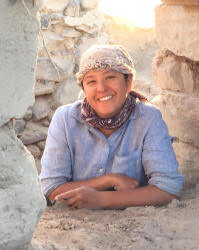
Stephanie Selover (MA and PhD, University of Chicago; BA, Stanford University) is an Associate Professor and Chair of the Department of Middle Eastern Languages and Cultures and an Associate Professor of Anthropology at the University of Washington. Her research interests and publications focus on the domestic and technological archaeology of Late Chalcolithic and Early Bronze Age Anatolia, the domestic archaeology of Iron Age Jordan, the archaeology of warfare and violence in prehistoric Anatolia, and the effects of modern politics on the archaeology of the Middle East. She has excavated archaeological sites in Jordan, Türkiye, Syria, Israel, Italy, and the United States. She is currently Co-Director of the excavations at Çadır Höyük in Türkiye and Field Director at Khirbat al-Balua in Jordan.

Mission Statement:

I have been a member of ASOR since 2007 and attended nearly all annual meetings since then. I am also a member of the Committee on Archaeological Research and Policy and the Committee on Growth, Innovation, and Visibility.

As an archaeologist and professor, I believe it is the duty of archaeology not only to interpret the past, but also to make it as accessible to as many people as possible. As an undergraduate, I was able to participate in my first excavations because of scholarships provided through my university. Those opportunities allowed me to discover my passion for archaeology and cultural heritage, a passion that has not abated to this day.

I firmly believe that archaeology should be accessible to anyone who wishes to participate, and I have always worked to help students find the financial resources necessary to attend field schools. I also believe strongly in the importance of community in archaeology. Excavations should be, first and foremost, part of and responsive to, the local community, with its interests and needs serving as a foundation for excavation goals.

If elected, I hope to continue supporting ASOR’s commitment to being a safe, open, and welcoming organization for all people, improving financial accessibility and support for students, and providing opportunities and funding for better incorporating local communities into archaeological research and practice.

Stuart Tyson Smith

Stuart Tyson Smith is Professor of Anthropology at the University of California, Santa Barbara (M.S. Ed. from USC and M.A. and Ph.D. in Archaeology from UCLA). At UCSB, he has served as Chair of Anthropology and Director of the Institute for Social, Behavioral, and Economic Research. Ancient Egyptian colonialism, intercultural interaction, identity, and the origins of the Napatan state, whose rulers conquered Egypt becoming Pharaohs of the 25th Dynasty, provide the focus of his current archaeological research. He has published on the dynamics of Egyptian imperialism and royal ideology, the use of sealings in administration, death and burial in ancient Egypt and Nubia, and the ethnic, social and economic dynamics of interaction and colonialism between ancient Egypt and Nubia. In a new line of research, he applies a postcolonial critique to modern views of ancient Egypt as not truly African and Nubia as its subordinate. Smith’s material specialization lies in ceramic analysis, including the chemical characterization of absorbed residues. He is also an active field archaeologist, having excavated in Egypt and since 1997 directed archaeological projects in Sudanese Nubia, in particular at Tombos with Sudanese archaeologist Prof. Mohamed Faroug Ali (Africa Institute, UAE) and bioarchaeologist Prof. Michele Buzon (Purdue). With fieldwork in Sudan made untenable by the civil war, he has joined Egyptian archaeologist Dr. Essam Nagy and Prof. Danielle Candelora (Holy Cross) as co-Director of the Osiris-Ptah Nebankh Project, a Nubian (Kushite) chapel at Karnak Temple in Luxor, Egypt.

Mission Statement:

I have been increasingly involved in ASOR with the organization’s broadening of regional focus from its traditional emphasis on the Levant to the wider Mediterranean world, western and central Asia, and especially for me north Africa. I also appreciate the increasing engagement with theoretical perspectives that cross cut regional specialties, making ASOR a welcoming place for often marginalized areas of study like Nubiology. As a scholar focused on Africa, I have also been impressed by the ASOR’s commitment to making a difference in the context of this expanded focus by pursuing donations and supporting local scholars, particularly in places with critical needs like the recent initiatives in Libya and Sudan, helping to preserve heritage and repair the damage of civil war. One of my goals as a member of ASOR’s Board of Trustees would be to continue to foster and develop this larger regional focus, which I feel strongly benefits the organization as a whole. Promoting diversity in our field is also a priority for me, especially in these trying times. I would work to maintain and develop endowments for supporting the participation of students from underrepresented groups and indigenous students and scholars from the regions we study who do not have the resources to attend the annual meetings and acquire training and expertise through fieldwork.
Nominees for Institutionally-elected Trustees
(two to be elected):

Kiersten Neumann

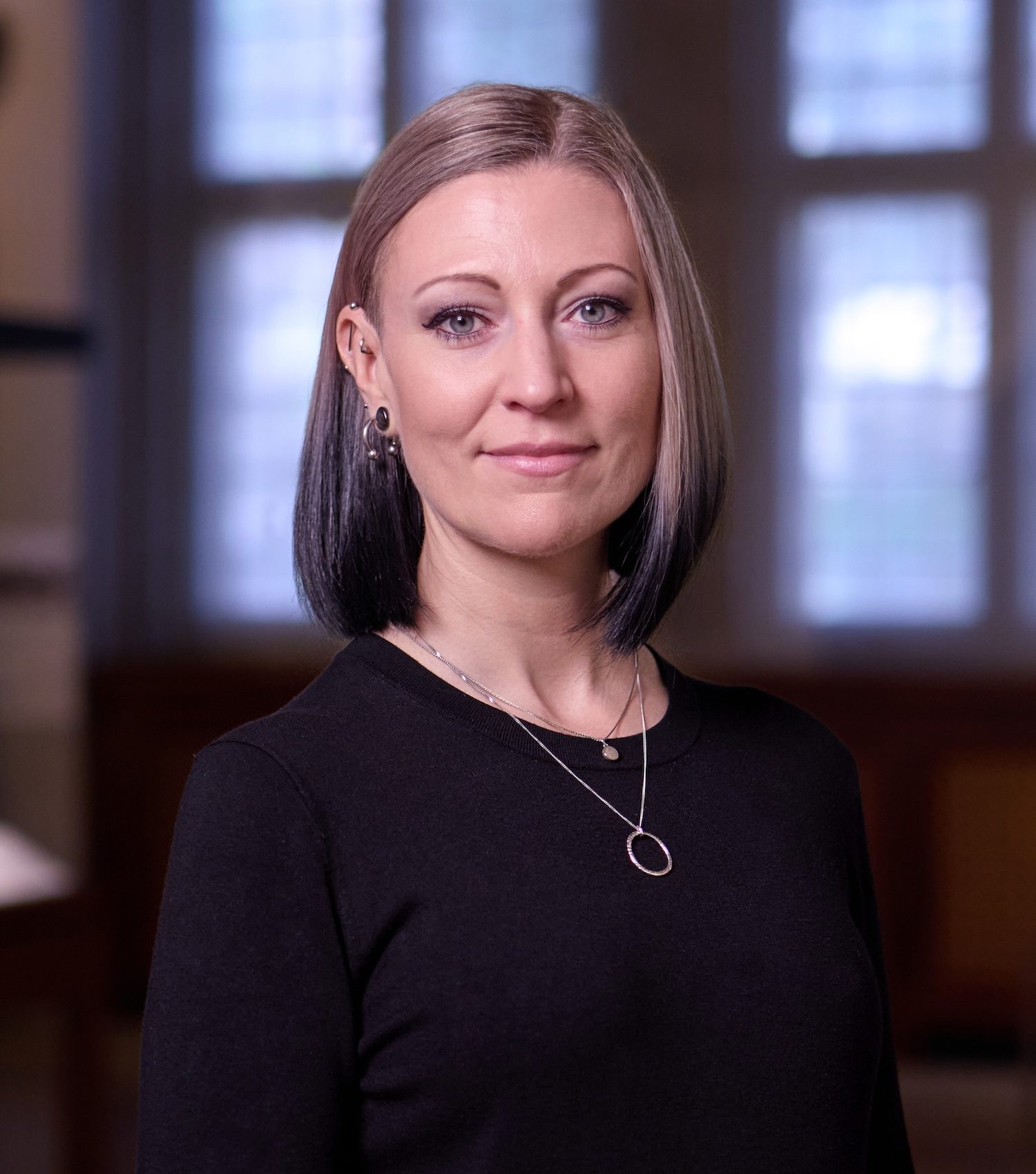
Kiersten Neumann is an art historian, archaeologist, curator, and educator specializing in ancient West Asia, with a focus on Assyria and Persia and their connections with Arabia. She is Curator of the Institute for the Study of Ancient Cultures (ISAC) Museum, Research Associate at ISAC, and Lecturer in the Department of Art History at the University of Chicago. Her work explores sensory experience, ritualized practice, and visual culture, as well as museum practice, collecting histories, provenance research, and cultural heritage preservation. She has curated numerous exhibitions at the ISAC Museum, including most recently Artifacts Also Die (2023) and Megiddo: A City Unearthed, A Past Imagined (2025–26), and the reinstallation of the museum’s permanent galleries (2019). She is co-editor of The Routledge Handbook of the Senses in the Ancient Near East (2022) and Scribal Worlds: Scholarship and classification in cuneiform cultures (2026). She has conducted archaeological fieldwork in Turkey (Tell Tayinat) and Greece (Athenian Agora), and is part of the Nineveh East Archaeological Project, a collaboration between the Iraqi State Board of Antiquities and Heritage and ISAC. She also collaborates on international museum, art, and cultural heritage projects, and works with diaspora artists and communities to advocate for and renew engagement with the heritage of West Asia. Originally from Vancouver, Canada, she earned her B.A. and M.A. from the University of British Columbia and her Ph.D. from the University of California, Berkeley (2014).

Mission Statement:

Joining ASOR’s Board of Trustees in 2024 opened a new window onto the organization and deepened my interest in serving. I now chair the Development Committee; co-chair the Program Committee and the new Friends of ASOR Committee; and serve on the Executive and Finance Committees, the Chairs Coordinating Council, and the editorial advisory committee of The Ancient Near East Today. Seeing how a concern raised by a single committee member moves through every level of the organization has been invaluable. When I first ran for the Board, I hoped to bring greater recognition to the museum world: this year’s plenary speaker is Kim Benzel, Curator in Charge of Ancient West Asian Art at The Met; more support is now available to members working with collections; and the Museum Professionals Working Group I co-founded in 2022 continues to meet each year at the Annual Meeting. I also wanted to build partnerships with scholars across the regions at the heart of ASOR’s work, which led me to establish the Tigris Travel Grant in 2024; it has now brought five scholars from Iraq and its Kurdistan Region to the Annual Meeting.

ASOR has always stood out to me for its collegiality as much as its scholarship, yet our field is marked by deep rifts right now, felt across our membership. I believe more strongly than ever that we need policies members can have confidence in and that reflect our shared values and ethical commitments. On the Program Committee, I’ve worked to apply our Policy on Professional Conduct consistently and transparently, and I’m encouraged by the work of the Taskforce now reviewing it. To members who feel unheard, my ask is simply to get involved—to join a committee, talk to trustees, and bring your perspective to the conversations that lead to change. Through it all, I remain heartened by ASOR’s growth: its expanding geographical and chronological reach traces a map with increasingly blurred boundaries, one that better reflects what our research keeps showing—an ancient world of widespread trade and contact over land and sea, with communities and their heritage continuing into the present.
Jason Ur

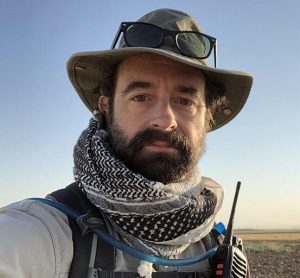
Jason Ur is Stephen Phillips Professor of Archaeology and Ethnology in the Department of Anthropology at Harvard University. He specializes in early urbanism, landscape archaeology, and remote sensing, particularly the use of declassified US intelligence imagery. He was trained in Anthropology at the University of Pennsylvania (BA 1994) and in Near Eastern Languages and Civilizations at the University of Chicago (PhD 2004). He has directed field surveys in Syria, Iraq, Turkey, and Iran. He is the author of Urbanism and Cultural Landscapes in Northeastern Syria: The Tell Hamoukar Survey, 1999-2001 (2010). Since 2012, he has directed the CAP-affiliated Erbil Plain Archaeological Survey, an archaeological survey in the Kurdistan Region of northern Iraq. He is also preparing a history of Mesopotamian cities.

Ur joined ASOR as a student member in the late 1990s. He held the ASOR Mesopotamian Fellowship in 2000-2001 and served on the Committee on Mesopotamian Civilization from 2009-2013. He was the plenary speaker at the 2014 ASOR annual meeting. He organized and chaired the Settlement and Society in the Ancient Near East session from 2008-2010. The Archaeology of the Kurdistan Region of Iraq session, which he founded and chaired from 2017-2019, is now a Standing Session. He was first elected to ASOR’s Board of Trustees as Harvard’s Institutional Trustee in 2021 and has also served on the Board’s Executive Committee since 2025.

Mission Statement:

As a member of ASOR’s Board of Trustees, I will continue to promote its mission to create and disseminate knowledge of the history and culture of the societies of the Near East, past and present. I advocate for a geographically-inclusive ASOR that involves broader areas of West Asia beyond ASOR’s traditional areas of strength, and a comparative anthropological perspective to complement its culture-historical emphases. I am particularly interested to amplify new voices in ASOR: those of our research partners in the Middle East, and those of the next generation of scholars in our graduate and undergraduate classrooms. Finally, I hope to advocate for digital methods of research and outreach, with the goal of making ASOR members’ scholarship more accessible to our colleagues, to the public, to stakeholders in the countries where we conduct our research, and to future generations.
News from ASOR’s President and Looking for Your Input

News from ASOR’s President and Looking for Your Input

October 5, 2026

Dear All,

As our profession grows and changes, one of my highest priorities as ASOR president is to involve you, our members, directly in the discussion and decision-making about ASOR’s important policies and initiatives. With the Annual Meeting approaching, I want to share some information about what to expect there and what has been happening at ASOR over the summer.

Please take a look at the Annual Meeting schedule and find the exciting talks that interest you most. I want to draw your attention to two new parts of the meeting:

Meet Your Board Members: On Friday, November 20, at 10:20 am, ASOR’s Board members will be in the Grand Ballroom to informally talk to you and hear your thoughts and ideas about all things ASOR-related. Grab your coffee or tea and come say hello.

Share Your Thoughts: Later that day at the Members’ Meeting (12:55-1:55 pm, Waldorf Room), I have set aside time for members of the Taskforce on the Review of the Code of Professional Conduct to answer questions from members. This Code, a guide for all Board and committee actions, serves as the foundation for how ASOR members contribute to ASOR’s mission and steers the actions on extremely complex and timely issues. It is also intended to be updated on a regular basis, which the Taskforce has been asked to consider. While I have initiated discussion at this level, I know that we will need time and lots more input from ASOR members before we are ready to bring a revised document to the Board. 

I am looking to you for help. Please read the Code of Professional Conduct and send us your thoughts in the anonymous survey that was sent via email today. I hope the Taskforce can get as many questions answered as possible during the meeting, but if not there, we can set up another venue to discuss the issues with ASOR members.

Here are a couple of other things that happened at ASOR over the summer:

Title IX Changes: As ASOR president, I signed a letter to the US Department of Education suggesting that the proposed changes eliminating peer review in the Title IX grant application reviews were not needed nor helpful. Both of ASOR’s overseas centers apply and receive Title IX funding. If you would like to see the letter, please let me know. I decided that writing this letter was not a contradiction of ASOR’s policy of not making political statements, as ASOR could offer expertise on this particular issue.

“Orphaned” Objects: I also signed a letter in collaboration with the Archaeological Institute of America suggesting that the proposed changes to policies on the publication of “orphaned” objects (those with no known history after 1970) was contrary to ASOR policies, which were put in place to help combat illegal excavations. This proposal was made within UNIDROIT (an international independent organization that helps to create uniform legal standards for global commerce). If you are interested in the joint letter, I can also share that with you.

ASOR Website: If you have had a chance to look at the website, please thank Jared, Moni, Marta and the committee that has been cleaning up the pages to make them more useful. The committee is also working with other ASOR committees to expand the usefulness of the site and you will see more changes in the coming months.

I’m looking forward to seeing many of you in Chicago,

Jane DeRose Evans, ASOR President

Mesopotamian Fellowship Report: Ella Egberts

The Iraqi Western Desert PLACES Project: Pleistocene Landscapes and Early Human Behavior in the Shbicha Region

Dr. Ella Egberts, Vrije Universiteit Brussel, 2025/2026 Mesopotamian Fellowship Recipient

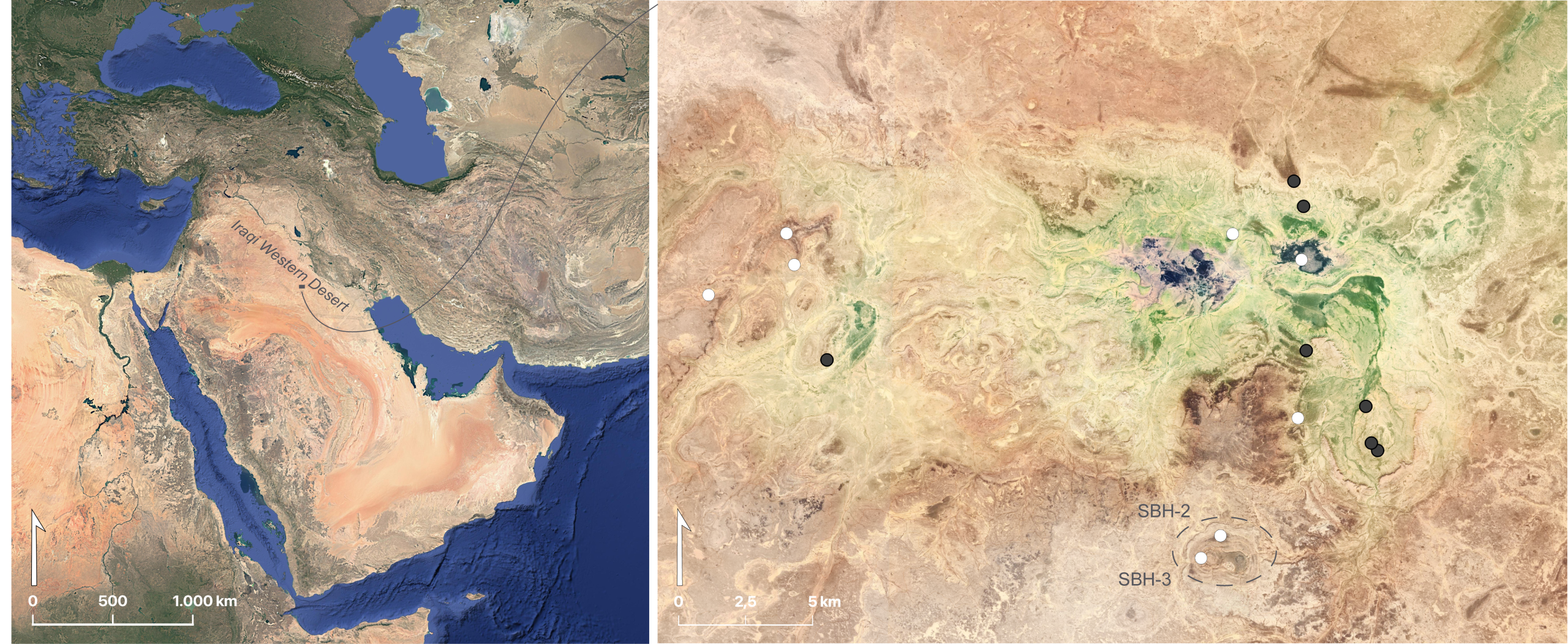
At the heart of southwest Asia, in the north of the Arabian Peninsula, lies the Iraqi Western Desert (Figure 1). Southwest Asia has long been recognized as a key region for studying human evolution and behavioral adaptation (Solecki 1963; Hershkovitz et al. 2018; Grouchett et al. 2021). Repeated climatic fluctuations during the Pleistocene (ca. 2.58 million–11,700 years ago) shifted the landscapes of southwest Asia between wetter and drier environments, shaping early human presence, dispersals and adaptations. It is here that we find early evidence of Homo sapiens outside Africa, and where they most likely first encountered Neanderthals. Increasingly complex and diverse technologies — and the connections between the human groups who made them — can be traced across this large region and beyond. In other words, some pivotal steps in our human story played out here, and over a hundred years of Paleolithic research in the Levant, Zagros and the Arabian Peninsula has done much to reveal them. Yet, sitting right in the middle of this well-studied arc, the Iraqi Western Desert has remained largely unexplored. 

Figure 1. Location and topographical setting of the study area. Left, a map of southwest Asia showing the location of the Iraqi Western Desert along the northern extent of the Arabian Desert. The location of Shbicha region is also indicated. The map on the right shows a Google satellite image overlain with a FABDEM digital elevation model, to illustrate the topography of the Shbicha region. Dark dots represent the location of sites identified during the 2024 fieldwork; white dots represent the sites identified during the 2025 fieldwork (© E. Egberts).

The Geomorphological and Paleolithic Survey of the Western Desert of Iraq addresses this gap by assessing the presence of Paleolithic material, establishing its landscape context, and recontextualizing historic finds. Given the vast expanse of the desert, the survey currently employs a targeted reconnaissance approach. The multi-scale multi-method survey consists of broadly reconstructing the geomorphological history (how the landscape formed and changed over time) of various regions of the desert based on high-resolution satellite images, elevation data, and geological datasets, before zooming in on a regional landscape survey, investigating areas of archaeological potential and paleoenvironmental interest. This includes potential paleo-lakes, wadis, stratigraphic profiles, springs, potential raw material sites, and high-points in the landscape. Selected points of interest are visited and surveyed through fieldwalking, and selected sites are subjected to intensive, systematic survey.

This ASOR Mesopotamian Fellowship built on results from a Pilot Project funded by the British Institute for the Study of Iraq (BISI). With the identification of seven new Paleolithic findspots and several paleo-lakes, the BISI supported pilot study (conducted in 2024) identified the Shbicha (Al-Shabakah) region (Figure 1) as having a high potential for preserving Paleolithic material and Pleistocene landscape features (Egberts et al. 2025). With this Fellowship, the aim was to identify and investigate additional sites, conduct in-depth technological and typological artefact analyses, develop hypotheses regarding Pleistocene landscape preservation and Paleolithic findspots, and train Iraqi students through fieldwork participation, workshops and lectures.

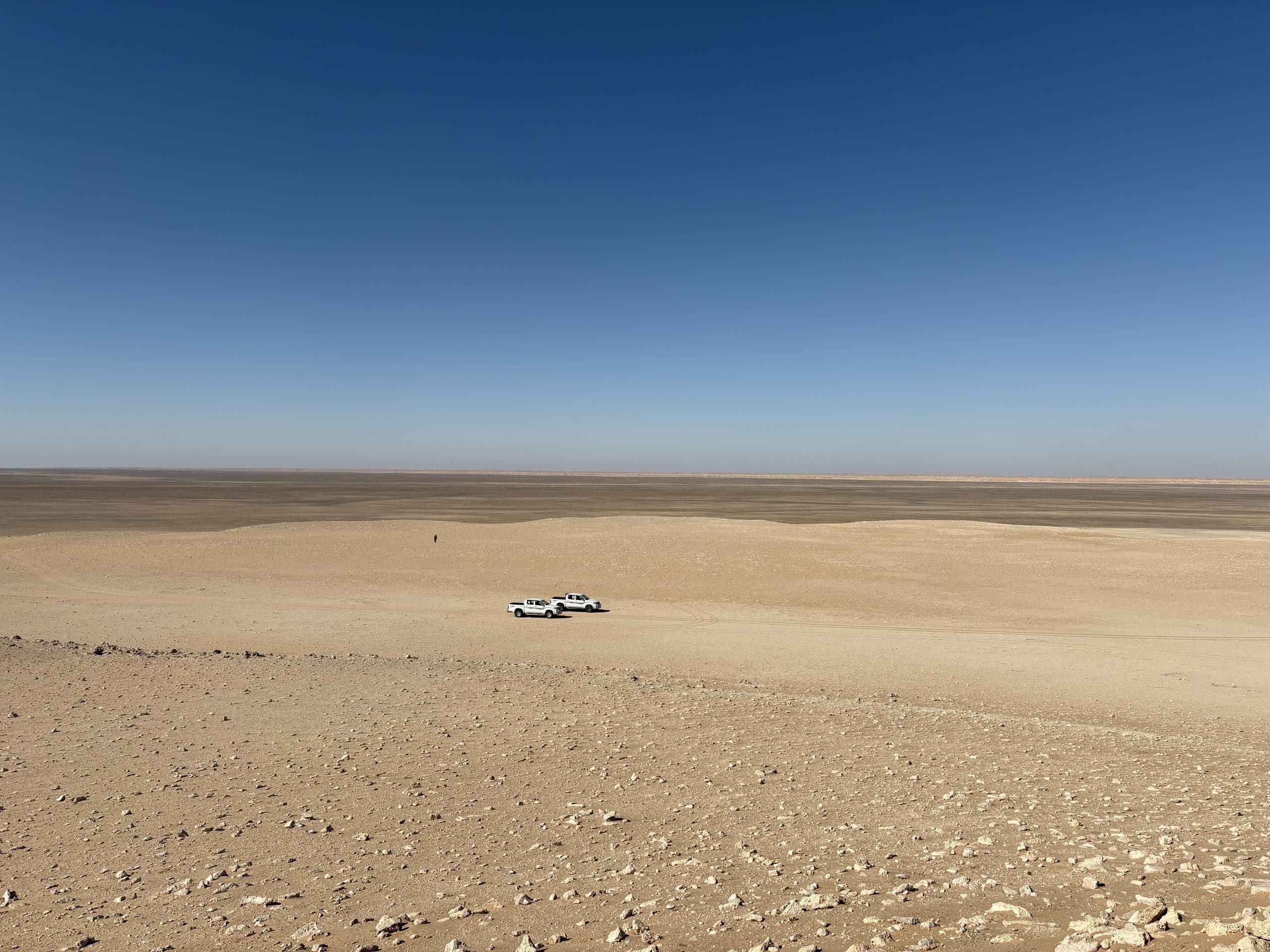
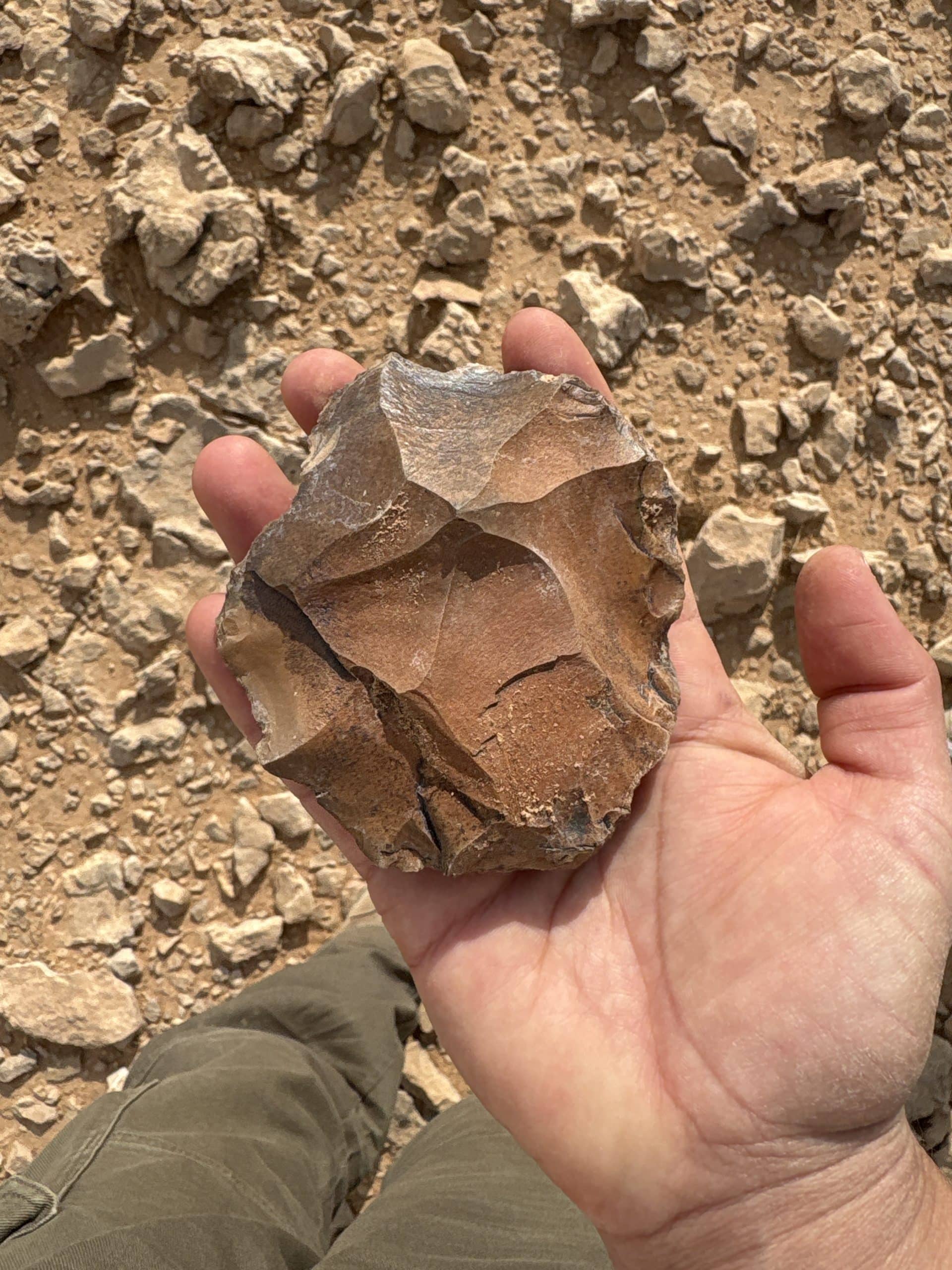
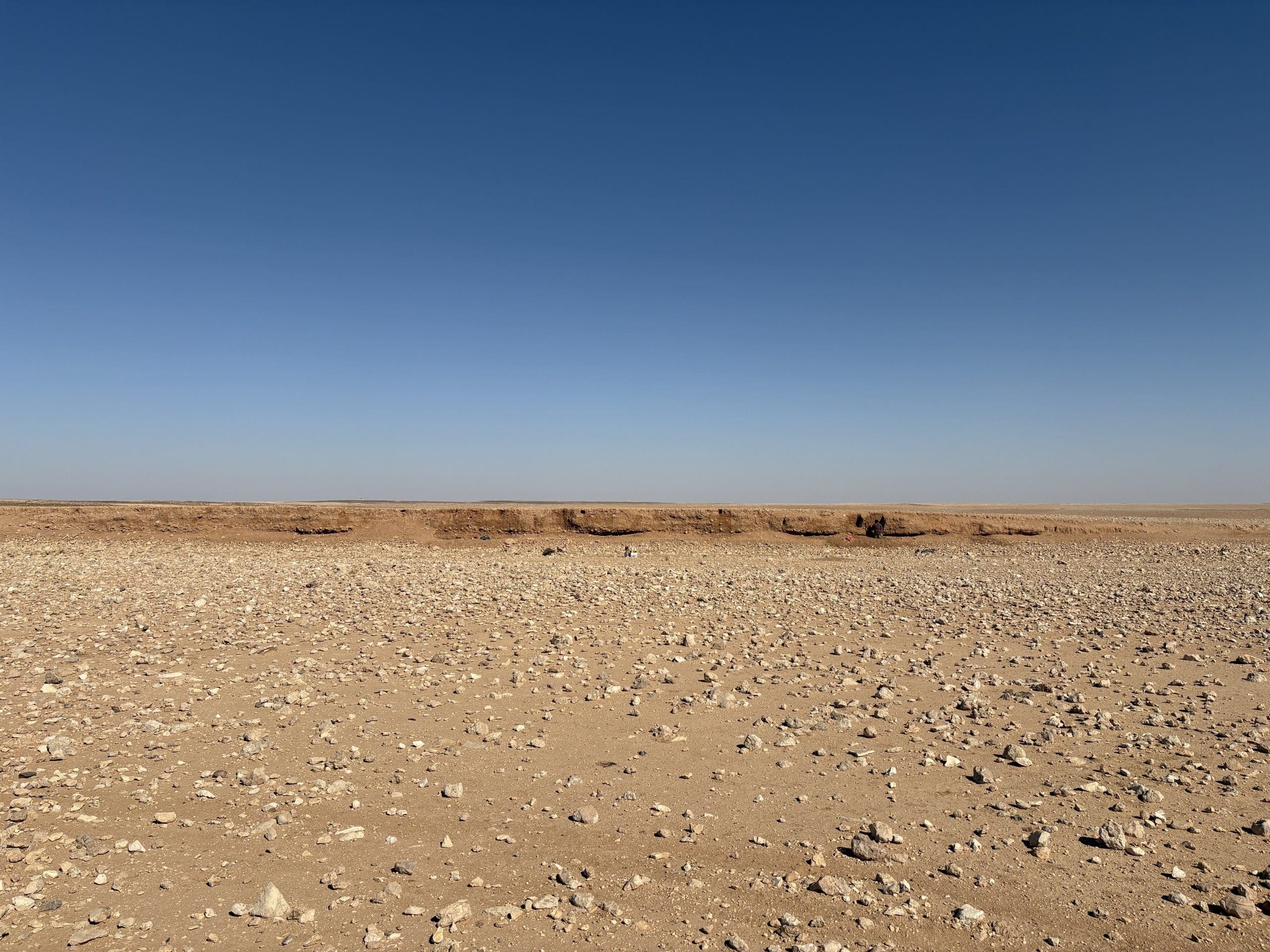
The fieldwork, carried out in November 2025, identified eight new Paleolithic sites (Figures 1 and 2). These consist of mostly mixed assemblages with sporadic Lower Paleolithic finds and substantial Middle Paleolithic material (Figure 3).

Figure 2. The landscape of the Iraqi Western Desert around Shbicha (© E. Egberts).

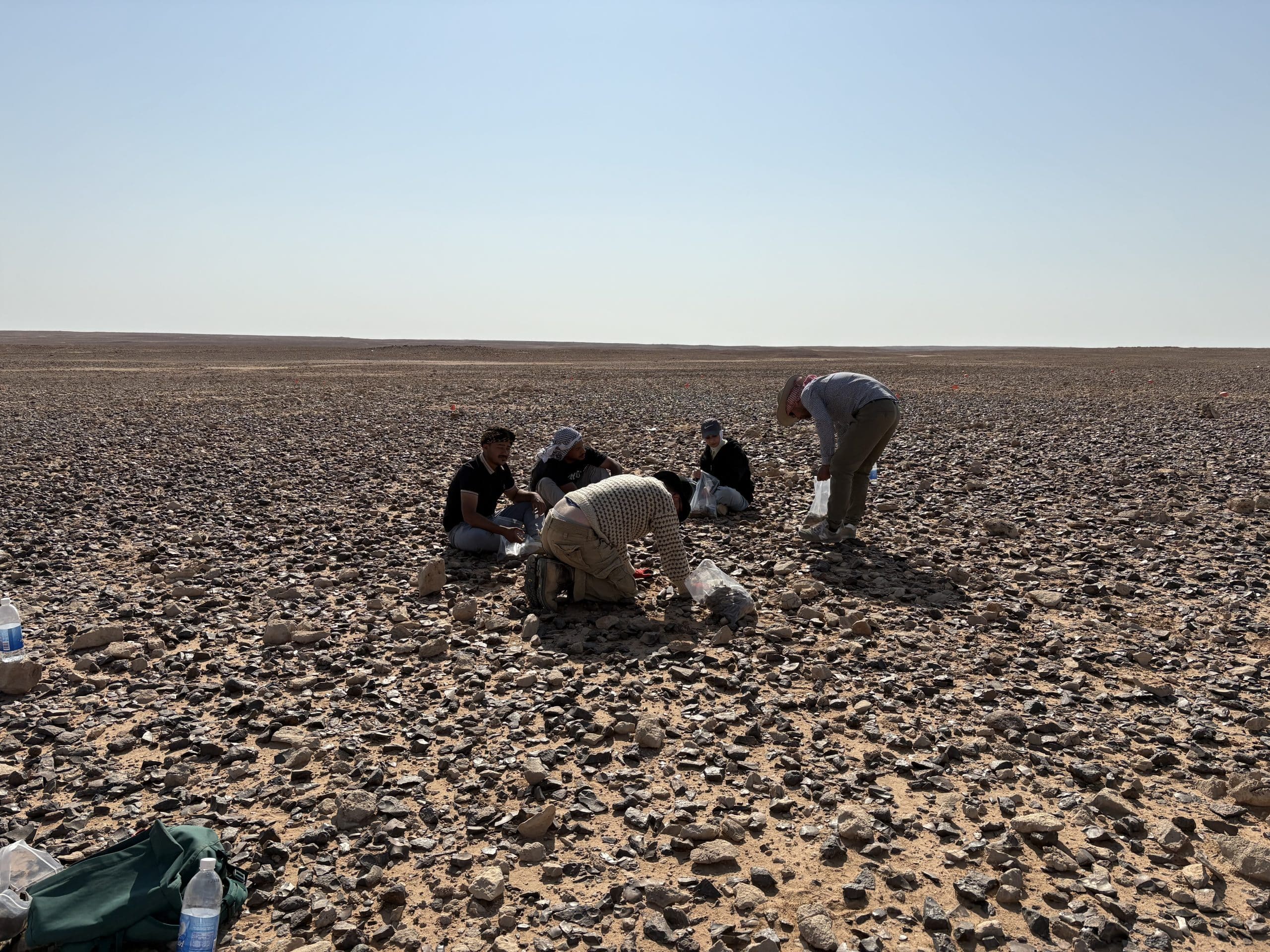
Remarkable is the discovery of several (Initial) Upper Paleolithic lithic concentrations. Two sites, Shbicha 2 and 3, were selected for more detailed investigations, including systematic collection of lithics (Figure 4), detailed technological and typological artefact analyses, and integration of these results with hypotheses of Pleistocene landscape preservation.

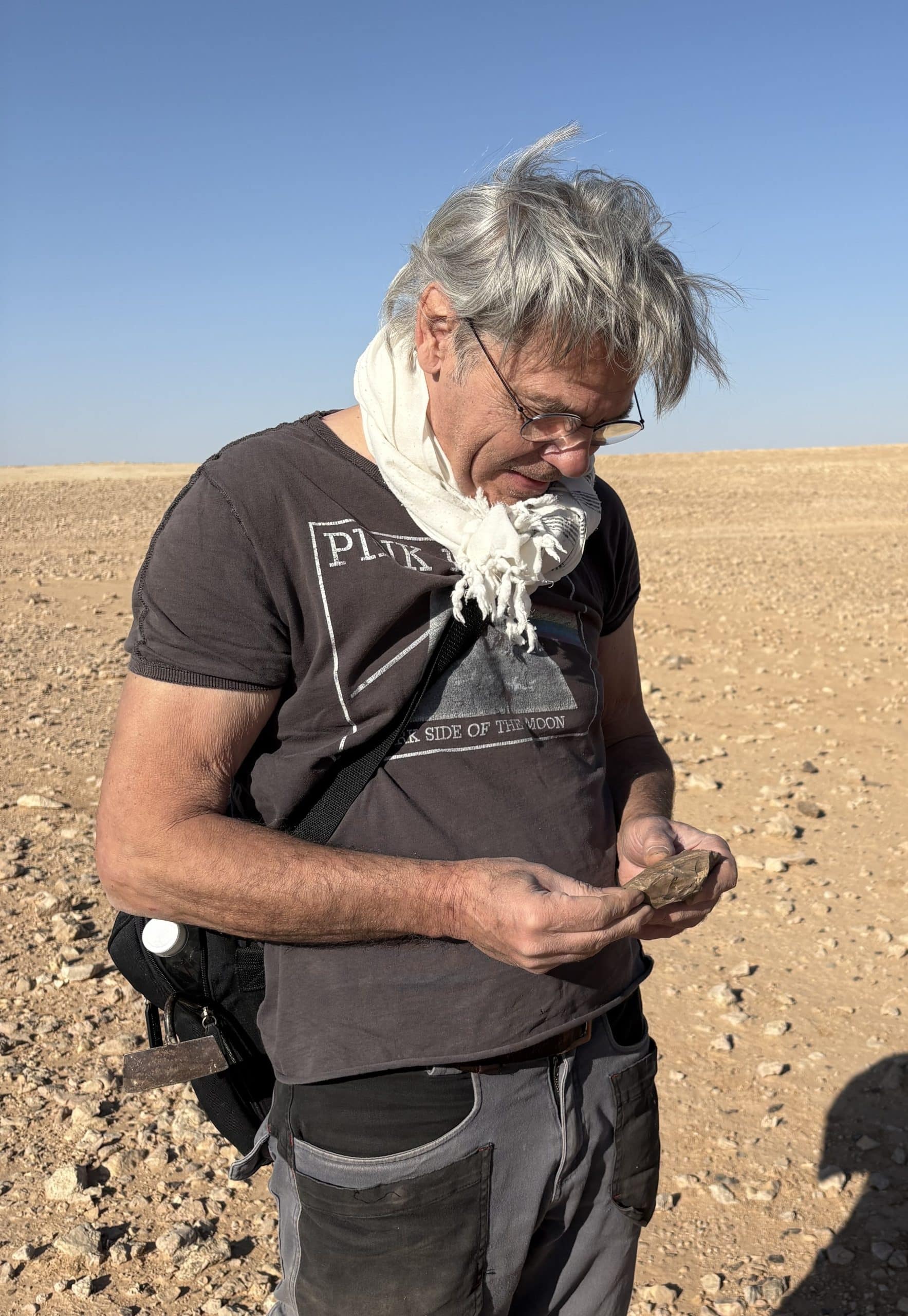
Figure 3. Me picking up a piece (left), and professor Philip van Peer examining lithics in the field (right).
These photos illustrate that wow-moment when you find a particularly interesting artefact during survey (© E. Egberts).
Figure 4. Some taking a break during the systematic survey whilst others can’t stop (© E. Egberts).

Focusing on these sites proved to be an excellent decision. In a wadi, alongside the surface finds of Shbicha 3, we discovered a recently eroded sediment profile with lithics in stratigraphy (Figure 5). The rich Paleolithic surface assemblages provide large and easily accessible datasets for technological and typological analyses of lithics, providing insights into broad age ranges and technological and typological affinities between lithic assemblages across the wider region (Figures 6-9). However, absolute dating of these important archaeological records requires stratified finds. The discovery of this profile, with lithics preserved in stratigraphy, offers an exciting opportunity to build the first absolute chronological framework for Palaeolithic material from the Iraqi Western Desert — and, more broadly, the first direct dating of such material from inland northern Arabia.

Figure 5. The sedimentary sequence bearing lithic artefacts (© E. Egberts).
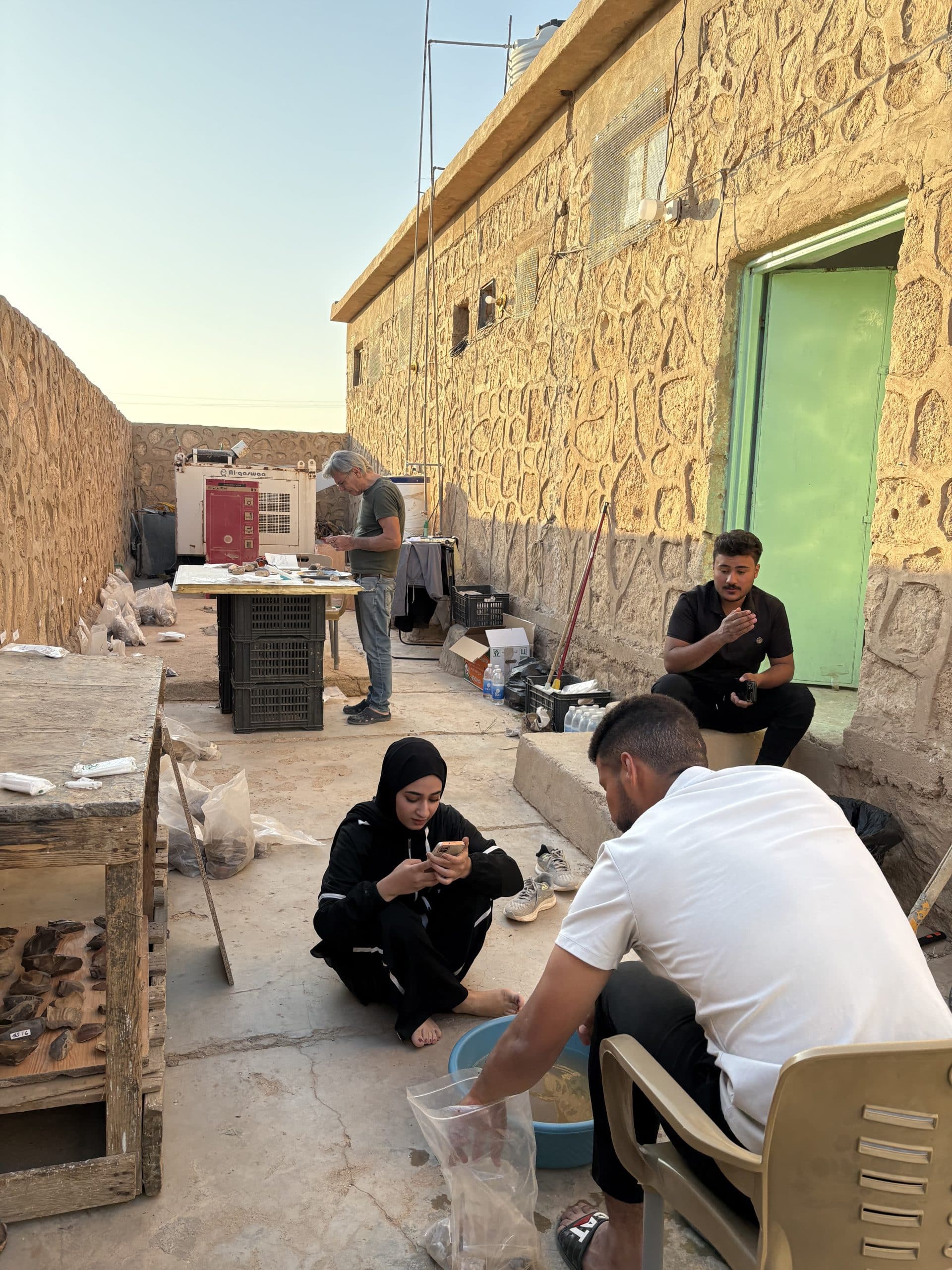
Figure 6. Archaeology students washing and processing lithics (© E. Egberts).
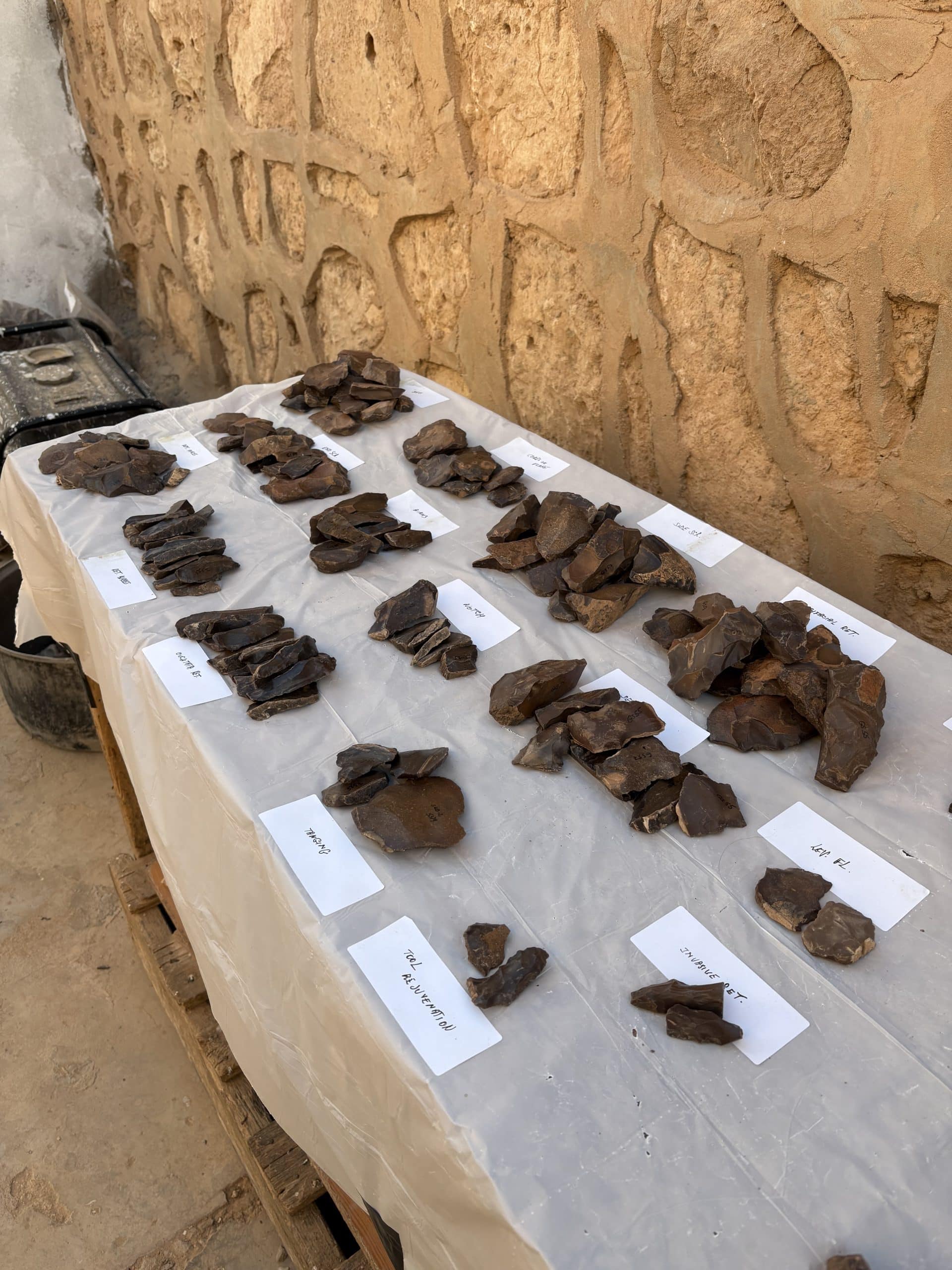
Figure 7. A table full of classified lithic artefacts (© E. Egberts).
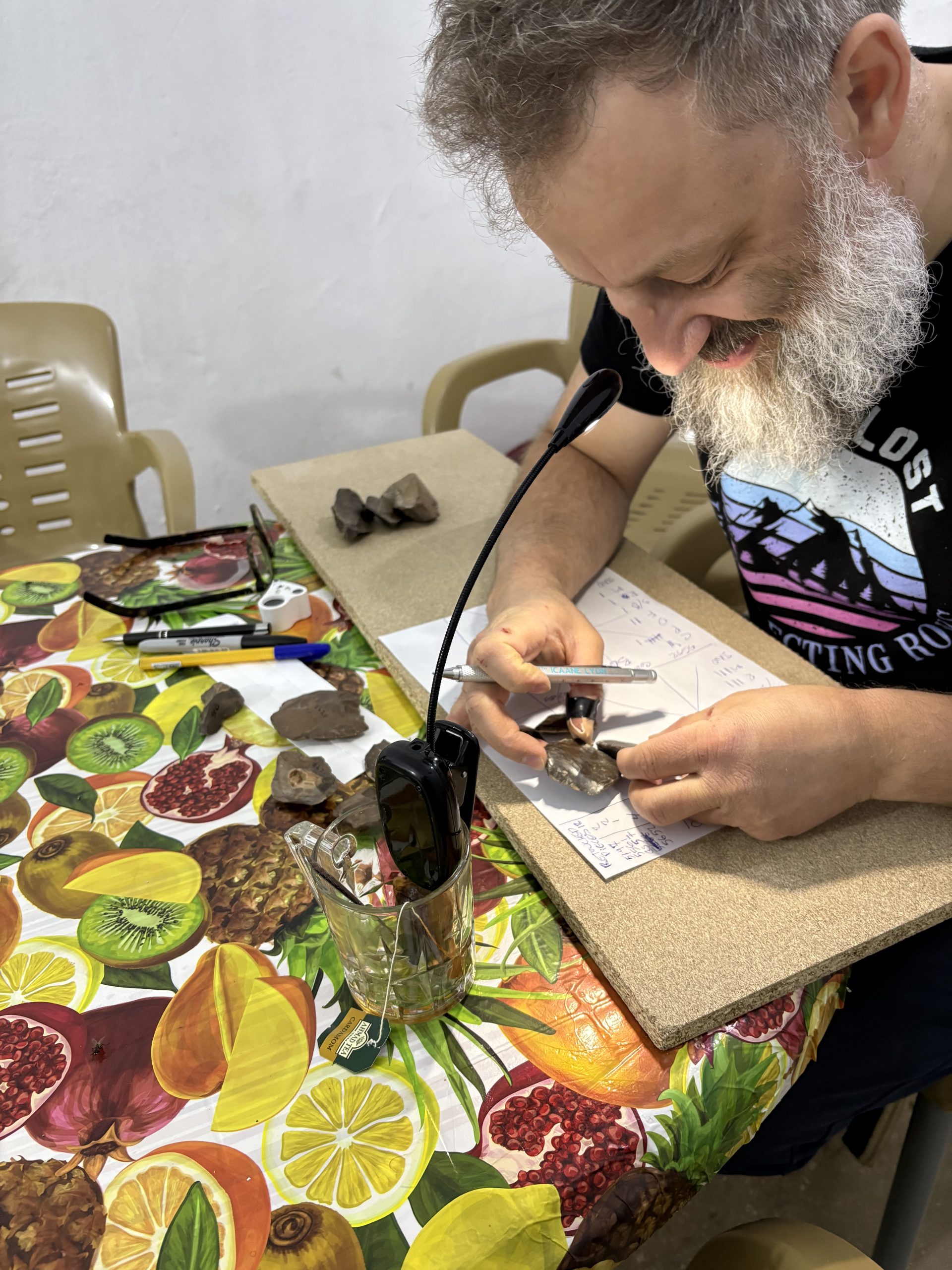
Figure 8. Dr Andreas Nymark conducting lithic analysis by a make-shift desk lamp in the excavation house (© E. Egberts).
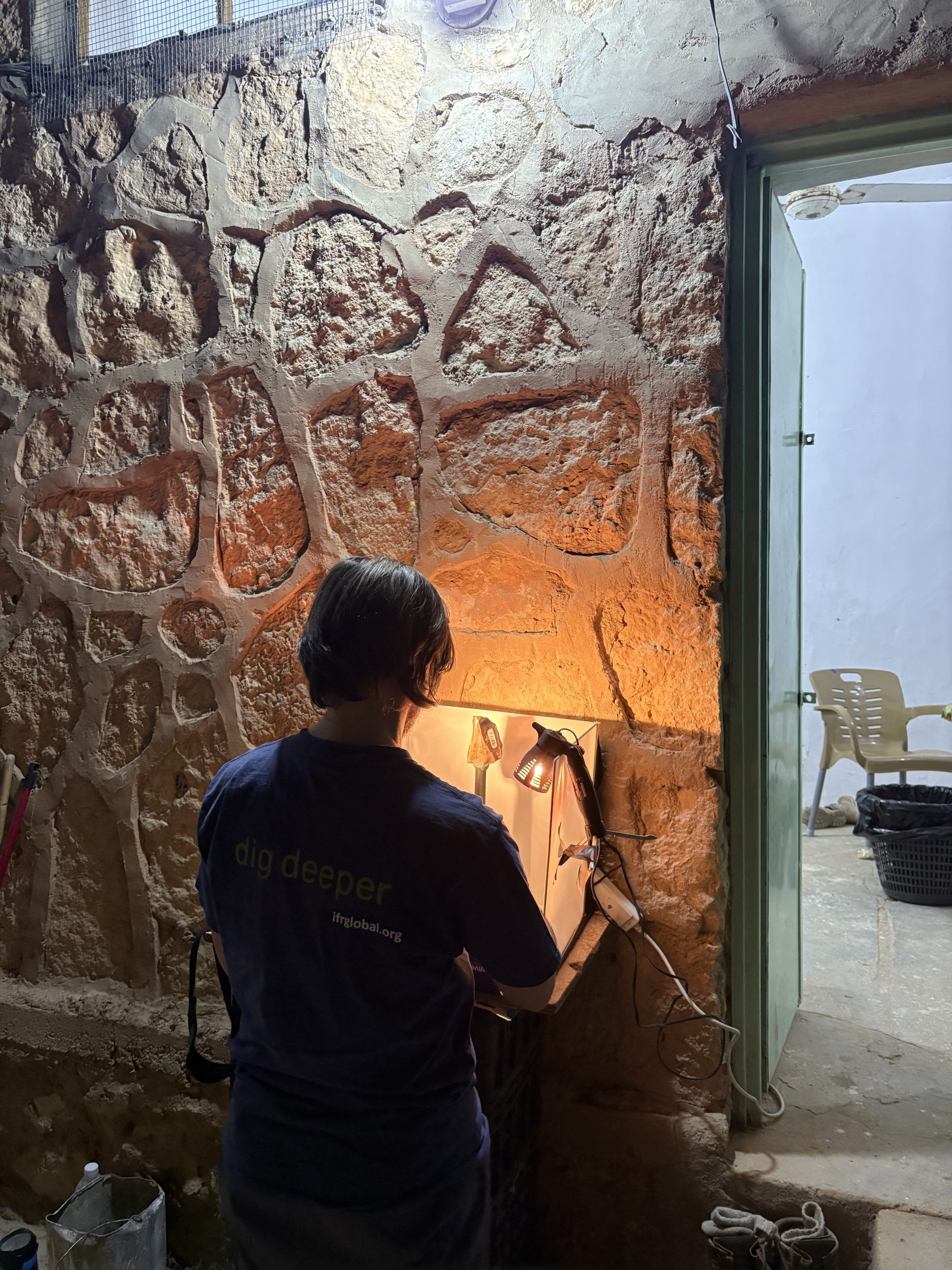
Figure 9. Dr Stefan Smith photographing lithic artefacts using his home-made rotational device for 3D recording (© E. Egberts).

The discovery of these stratified lithics is a major step forward: it confirms that Pleistocene deposits capable of preserving Palaeolithic archaeology survive in the region, and feeds directly into our hypotheses on landscape preservation. Excavating this profile in the future could recover an in-situ assemblage. We’re extremely grateful to ASOR for making this discovery possible. The results underscore the region’s major research potential, and this Fellowship has given us exactly the evidence needed to direct future work.

We are grateful to the Iraqi State Board of Antiquities and Heritage for the research permit and for their support of the work. 

Egberts, E., et al. 2025. New evidence for Pleistocene hominin presence in the north-east Arabian Desert, Iraq. Antiquity, 99(408), p. e51. doi:10.15184/aqy.2025.10171.

Groucutt H.S., et al. 2021. Multiple hominin dispersals into Southwest Asia over the past 400,000 years. Nature, 597(7876), 376–380. https://doi.org/10.1038/s41586-021-03863-y

Hershkovitz I., et al. 2018. The earliest modern humans outside Africa. Science 359, 456-459. DOI:10.1126/science.aap8369

Solecki, R.S., 1963. Prehistory in Shanidar Valley, Northern Iraq: Fresh insights into Near Eastern prehistory from the Middle Paleolithic to the Proto-Neolithic are obtained. Science139, 179-193.

Join ASOR’s Board of Trustees

CALL FOR TRUSTEE NOMINATIONS

The Trustee Nominations Committee announces an open call for nominations and self nominations for the ASOR Board of Trustees (Class of 2029). Trustees will serve a three-year term, starting January 1, 2027. There are three primary responsibilities of the members of the Board of Trustees:

  • Governance: Being aware of issues brought forward to the Board, attending two meetings per year (at your own expense), and bringing issues of concern to the Board.
  • Fundraising and financial management: Leading in development by thinking of new opportunities, leading in giving, and providing oversight on the audited financial statements. We ask that individual trustees aspire to contribute $500 or more annually.
  • Strategic planning and policy development: Leading especially in measures that accord with ASOR’s mission.

We anticipate two openings for Membership-Elected Trustees. Any full ASOR member may be considered for nomination as an Membership-Elected Trustee. If there is someone that you would like the committee to consider—including yourself—please send the person’s name and email address to Marta Ostovich in the ASOR office. Please check with the nominee as to whether they are interested in serving on the ASOR Board of Trustees before sending in their name. If you have any questions about the responsibilities and satisfactions of being a board member, please email Kathryn Grossman, Chair of the Trustee Nominations Committee.

The ASOR office, or a representative from the Nominations Committee, will contact all nominees to describe the responsibilities in greater detail, and to make sure that the nominee is willing to have his or her name discussed by the Trustee Nominations Committee. Please note that nominees will need to submit a brief biography and a mission (or vision) statement for what they would like to accomplish as a trustee to be considered by the Nominations Committee. A sample of these statements can be found in last year’s “Meet Your Board Nominees” webpage. Brief biographies and mission statements should be ca. 200 words each and submitted via e-mail to Marta Ostovich by noon EDT on Monday, September 21, 2026.

After receiving the names of nominees, the Nominations Committee will vote on which individuals will stand for election, and the election will take place by electronic ballot over four consecutive weeks in October and November. ASOR is once again conducting online voting to ensure that more of our members are able to participate in this important process. The ASOR office will work with any person who is not able to complete an electronic ballot to ensure that everyone is included.

2026 Grant & Fellowship Awardees

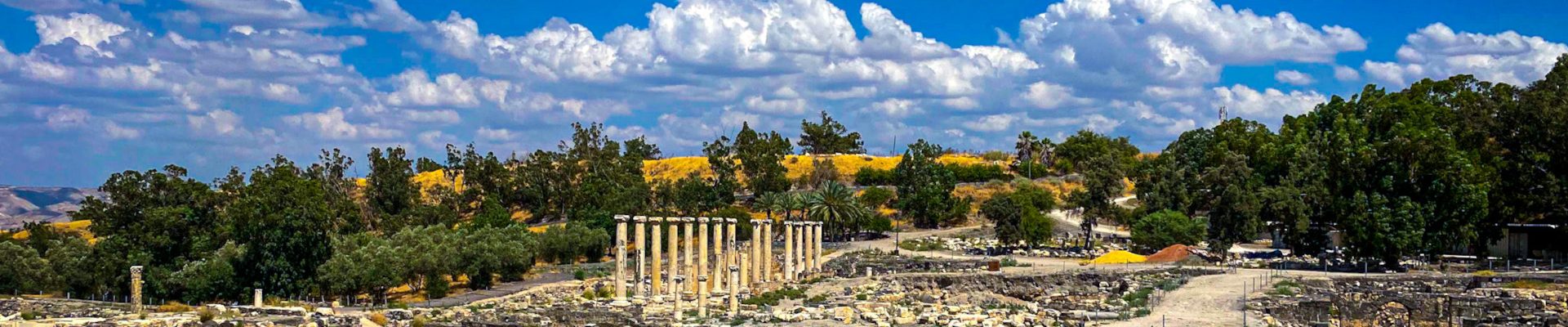
A view of columns at the site of Beit She'an in Israel.

2026 PROJECT GRANT AND RESEARCH FELLOWSHIP AWARDEES

Grants for Archaeological Projects: $70,000 awarded

Stevan B. Dana Project Grants: $25,000 awarded
  • Çağlayan Bal (University of Chicago) Toprakkale Archaeological Survey Project
  • Eva Amanda Calomino (University of Granada) Frontier Households at Tell el-Ghaba (North Sinai, Egypt): Domestic Production and Borderland Connectivity, 11th-7th centuries BCE
  • James Fraser (Albright Institute of Archaeological Research) Tsaghkasar Archaeological Project
  • James Osborne (University of Chicago) Türkemen-Karaöyük Archaeological Project
  • Anonymous
 
Stevan B. Dana Project Grants for Israel: $15,000 awarded
  • Sofia Avants (Duke University) Radiocarbon Analysis of Ritual Pool Plasters to Establish Household Use During the 2nd-3rd c. CE in Sepphoris, Galilee
  • Ido Koch (Tel Aviv University) Tel Hadid Archaeological Project
  • Omer Sergi (Tel Aviv University) Tel Shaddud Archaeological Project
 
Charles Harris Project Grants: $10,000 awarded
  • Carlo Cereti (University of California, Irvine) MAIKI: The Italian Historical-Archaeological Mission in Kurdistan
  • Sharon Steadman (State University of New York, Cortland) Climate and Economy at Late Chalcolithic Çadır Hoyük
 
Joe D. Seger Grant: $5,000 awarded
  • Lindy Crewe (Cyprus American Archaeological Research Institute) Kissonerga-Skalia Bronze Age Settlement
  • Luiza Osorio G. Silva (University of California, Irvine) Kom Firin Archaeological Project
 
Shepard Urgent Action Grants: $15,000 awarded
  • Nick Ray (Ulster University) Torca Cliff Emergency Survey
  • Hossam Abd El Azeem (Shawāhid Miṣr “Witnesses of Egypt” Heritage Initiative) Sultan al-Ashraf Inal Complex: Emergency Stabilization and Safeguarding
  • Amany Abd El Hameed (Penn Cultural Heritage Center/Penn Museum) Rescuing Egyptian Labor Archives: Emergency Stabilization of Foreign Excavation Records (1890s–1970)
  • Federico Cappella (Sapienza Università di Roma) Carthage: Emergency Documentation and Conservation of Punic Structures Threatened by Environmental Degradation

Research Fellowships: $13,000 awarded in 2026

Study of Collections Fellowships: $4,000 awarded
  • Sofia Kane (Fine Arts Museums of San Francisco) Carpet Fragments Excavated from Ballana and Qustul, ISAC/Art Institute of Chicago
  • Irene Romano (University of Arizona) Hellenistic Sculpture from Qalagta Darband, Blegen Library, ASCSA
 
Mesopotamian Fellowship: $9,000 awarded
  • Melania Zingarello (CEPAM-French National Centre for Scientific Research) Sacred Waterscapes and Early Urbanism at Rejibah (southern Mesopotamia): Canals, cultic landscapes, and long-term urban memory

Appeal from ASOR’s Board Chair

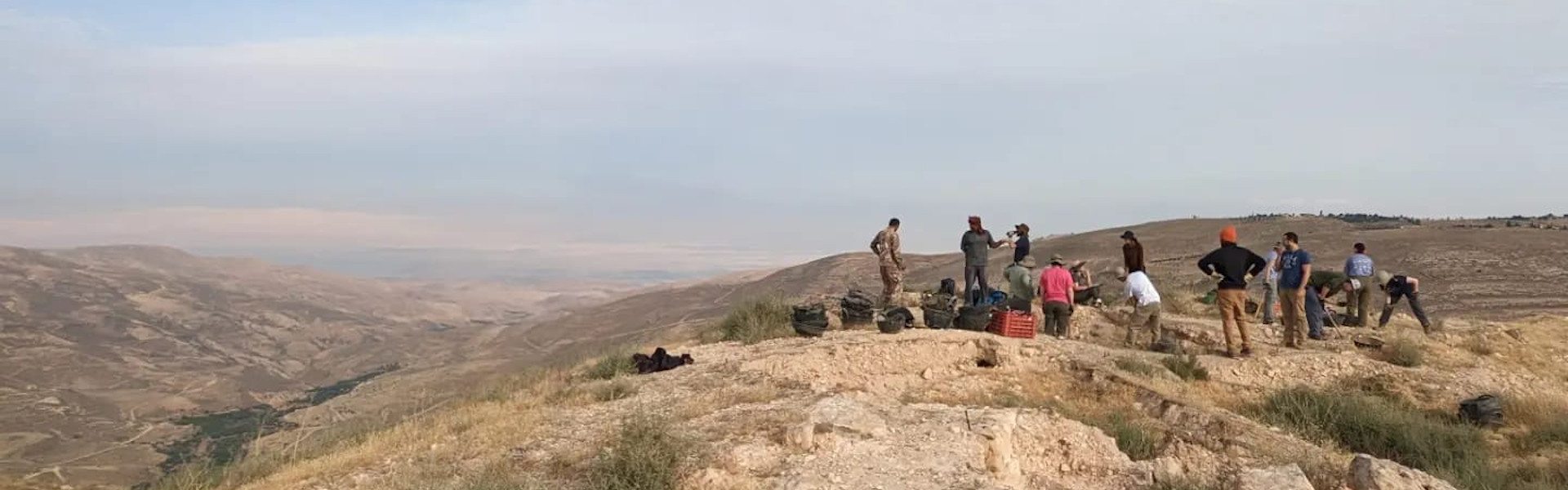
Excavations at Khirbet al-Mukhayyat in 2023.

Appeal from ASOR’s Board Chair

May 15, 2026

Dear ASOR Friends,

For 125 years, ASOR has been at the forefront of research on the cultures and history of the Near East and wider Mediterranean—supporting fieldwork, mentoring emerging scholars, publishing rigorous scholarship, and helping safeguard cultural heritage in regions where it is most at risk. That mission feels more vital than ever, and it is sustained by a community of members and donors who believe this work matters. Thank you for being part of it.

In about 4 weeks, we will conclude another positive ASOR fiscal year (June 30) with many accomplishments to celebrate.

Just a few months ago, we held our 125th anniversary celebration at the Annual Meeting. At that time, we announced the successful completion of the $5 million ASOR 2025 fundraising initiative, with final results now totaling $6.4 million, including $3.9 million in cash gifts along with $2.5 million in documented legacy gifts. The funds raised position ASOR very well for the future, sustaining the investments we have made to increase our capacity and advance our mission.

More recently, at the spring Board of Trustees meeting, we adopted a new strategic plan to guide us for 2026–2030, as we transition to our new President, Jane DeRose Evans. Alongside the strategic plan, we affirmed four core values for ASOR – curiosity, collaboration, stewardship, and transparency. You can find more on both the strategic plan and values at these links. A big thanks to the members who served on the task forces that shaped this work.

We are proud of our progress at ASOR, but real challenges remain. Ongoing conflict in the Middle East, including the most recent engagement involving the US, Israel, Iran, and other countries in the region, weighs heavily on our community and disrupts fieldwork, partnerships, and heritage we share with colleagues across the area. The environment for federal grants supporting cultural heritage work remains extremely difficult. We have also engaged more seriously in recent years with questions about how our professional conduct policy applies to research in contested territories—difficult conversations that reflect a diverse community committed to thinking carefully about its responsibilities. And despite ASOR maintaining a very healthy balance sheet, with growth overall in assets and endowments, we face another year of drawing on prior-year reserves to balance our operating budget.

With these challenges in mind, the Development Committee, with the support of the Board of Trustees, has committed to meet or exceed our Annual Fund goal of $150,000 for fiscal year 2026 and to increase the goal to $200,000 for fiscal year 2027. This increase reflects the reality that our fundraising needs to keep up with the investments we are making in the talented staff who support our members in carrying out our mission.

As we near the end of the fiscal year on June 30, I ask you to consider an . We are currently about $22,000 short of this year’s goal of $150,000. The Annual Fund is what allows ASOR to deliver its programs year in and year out, and with fewer federal grants supporting our cultural heritage work and community outreach, your participation matters more than ever.

If you have already contributed this fiscal year, thank you. If you haven’t yet made a gift—or if you have given and are in a position to give again at this important moment— I hope you will join me before June 30. I deeply appreciate your support.

Best regards,

Sheldon Fox
Chairman, Board of Trustees

Seger Grant Report: Tall al-Handaquq South

2025 Joe D. Seger Project Grant: Tall al-Handaquq South Archaeological Project

Hanna Erftenbeck, Grinnell College and Natalia M. Handziuk, University of Toronto

With the support of the 2025 Joe D. Seger Project Grant, the Tall al-Handaquq Archaeological Project (HAP) conducted its first season of renewed work at Tall al-Handaquq South in Jordan. Previous excavations in the 1990’s exposed a well-preserved residential complex dating to the Early Bronze Age, contributing significantly to our understanding of people’s everyday lives during this period of early urban developments in the region.

 
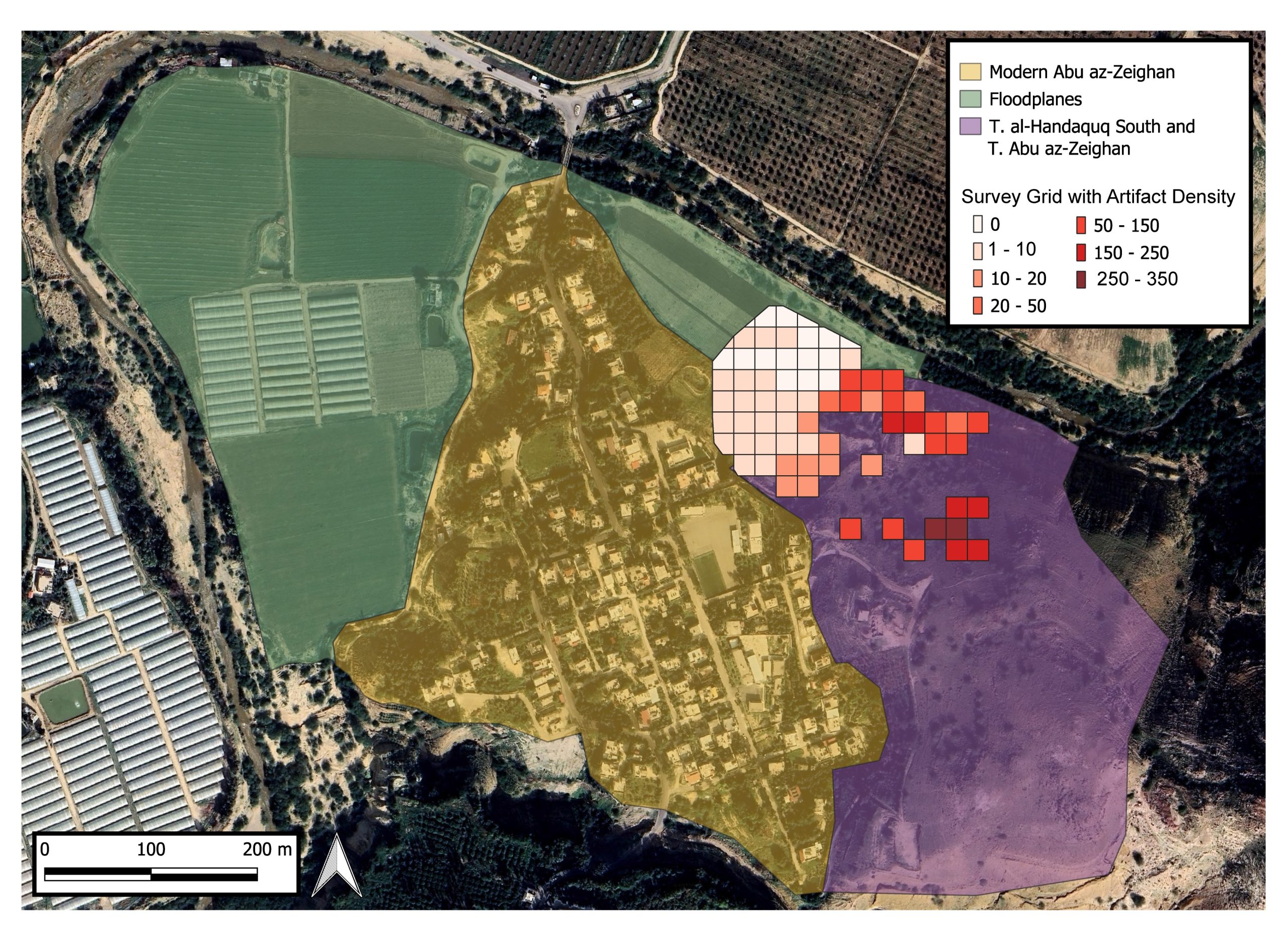
Figure 1: Map of Tall al-Handaquq South/Tall Abu az-Zeighan with survey grid and recorded artifact density.
Figure 1: Map of Tall al-Handaquq South/Tall Abu ez-Zeighan with survey grid and recorded artifact density.

HAP Co-directors Dr. Natalia M. Handziuk and Dr. Hanna Erftenbeck conducted a zero-recovery survey on Tall al-Handaquq South, which encompasses the northern part of a large, Early Bronze Age town, that extends into the archaeological site of Tall Abu ez-Zeighan. The goals of the 2025 seasons were to (1) assess the extent of the site, and (2) the density of archaeological materials on the surface, (3) document features visible on the surface, and (4) assess site preservation and possible threats.

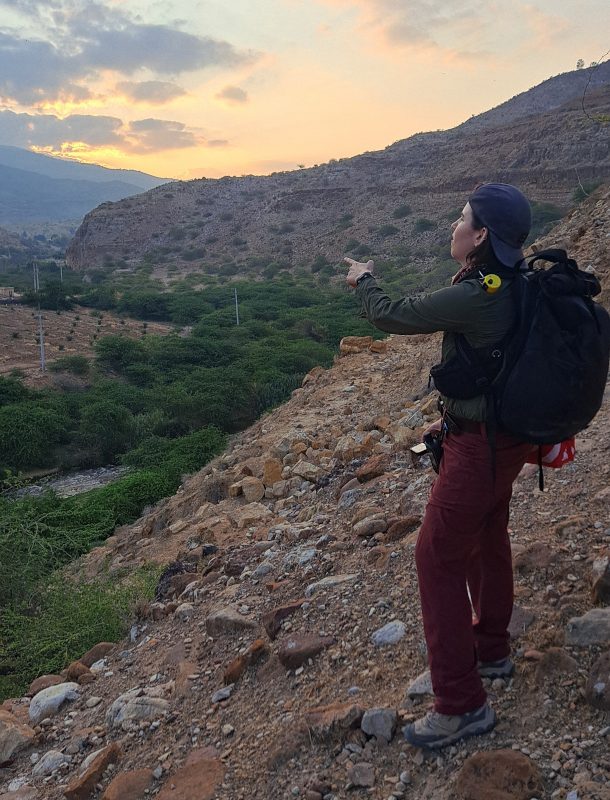
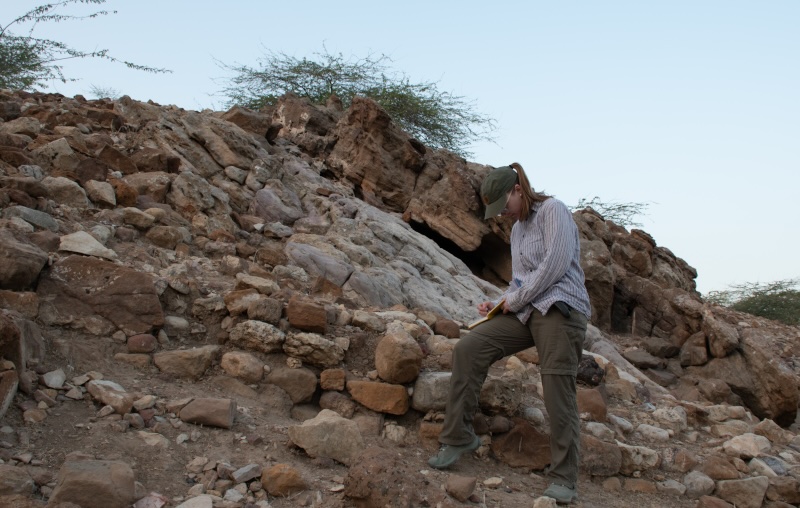
Figure 2: Natalia M. Handziuk on the northern slope of Tall al-Handaquq South, looking North into the Wadi Zarqa.

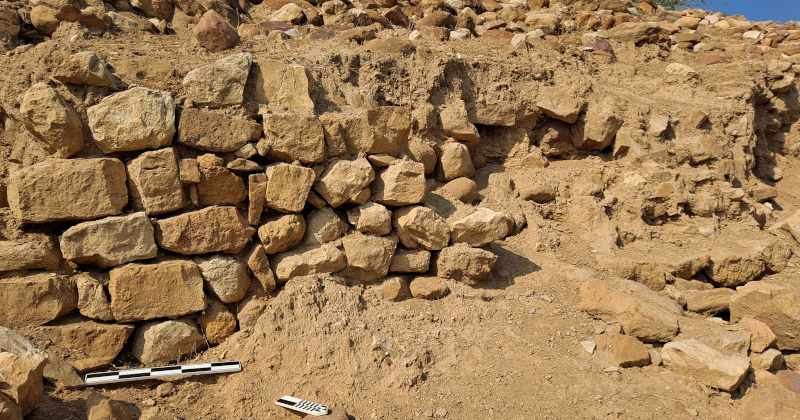
The survey focused on the floodplains and terraces along the northern limits of the site. There, modern agricultural fields are located on the flood plains of the Wadi Zarqa. As shown on the map, the density was overall low in the area northwest of the slope, marking the limits of preserved archaeological material. We identified three terraces along the northern edge of the slope, on which find density was much higher, and the outlines of a wall or platform were visible running below the second terrace.

Figure 3: Wall or platform visible along the bottom of the second terrace on the northern edge of Tall al-Handaquq South.
Further up the slope, the density increased further, and wall lines of different sizes were recorded on the surface. A trilithon dolmen and two cupmarks were recorded on the slope toward the southern limits of Tall al-Handaquq. While the dolmen is intact,
large holes indicate that it has been looted.
Figure 4: Dolmen in area 794 with looting hole.

Figure 4: Dolmen in area 794 with looting hole.

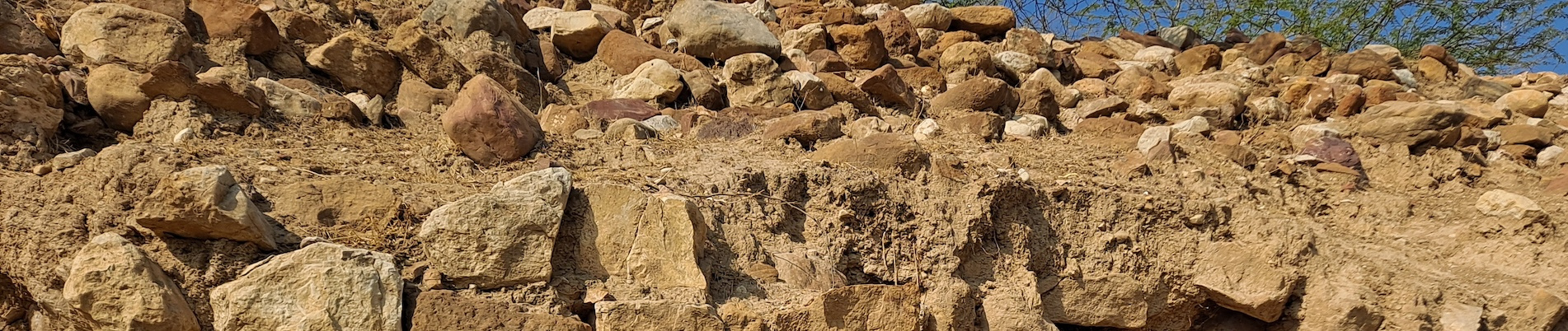
During the survey, we recorded several looting holes in and near the architecture visible on the surface of the slope and the terraces. Almost all of the pottery collected during the survey on Tall al-Handaquq South dates to the Early Bronze Age I through IV, with the majority of the pottery dating to the EB II-III period, confirming that Tall al-Handaquq South/ Tall Abu ez-Zeighan was settled intensely during this time period.

Figure 5: Hanna Erftenbeck documenting wall lines in areas 912 and 951.

The Tall al-Handaquq Archaeological Project (HAP) expresses its deep gratitude to ASOR and the Joe D. Seger Project Grant for their generous support. This project was conducted in collaboration with and under the guidance of the Department of Antiquities of Jordan. Special thanks go to Rami Frehat, who offered valuable insights into the regional setting of Tall al-Handaquq South and supported us on the ground each day. We are grateful to the team at ACOR for their support in starting a new project and for providing us with lab space during our field season. Mohammad Shabsogh provided logistical support throughout the season, and we are deeply grateful.

Figure 6: HAP 2025 Team photo.

2025 Geraty Grant Report: Tall Hisban

Giving Back: Community Archaeology and Education at Tall Hisban: 2025 Update on the Lawrence T. Geraty Community Archaeology Endowment


The ASOR Lawrence T. Geraty Community Archaeology Endowment was established to honor Dr. Lawrence T. Geraty’s pioneering commitment to community engagement in Near Eastern archaeology. The endowment supports initiatives that strengthen relationships between archaeological projects and local communities, including participatory research, heritage festivals, youth training programs, and digital heritage initiatives.

At Tall Hisban, support from the Geraty Endowment has helped make possible the Hisban Heritage Festival, student-led community history projects, and the Madaba Region Heritage Internship. Its impact is visible in renewed partnerships, expanded educational opportunities, and a deepened sense of shared stewardship between archaeologists and the people of Hisban.

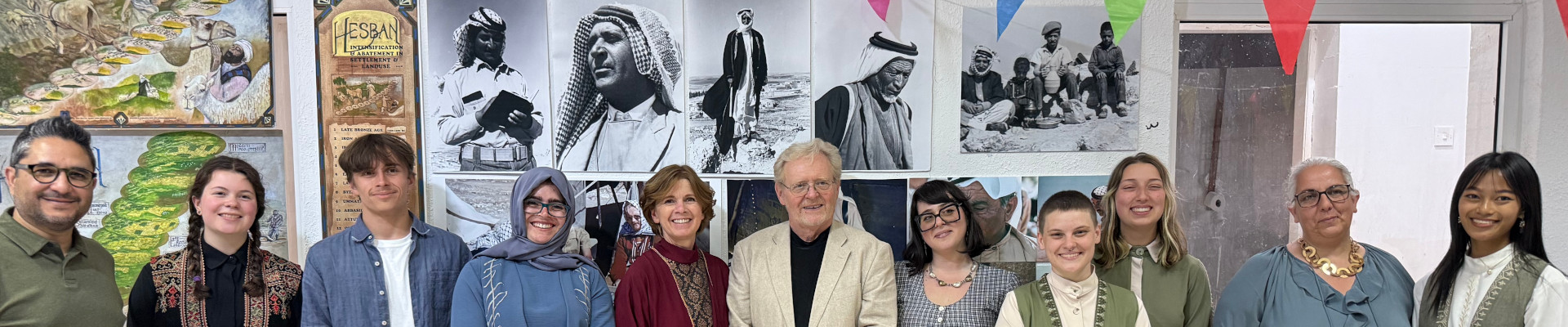
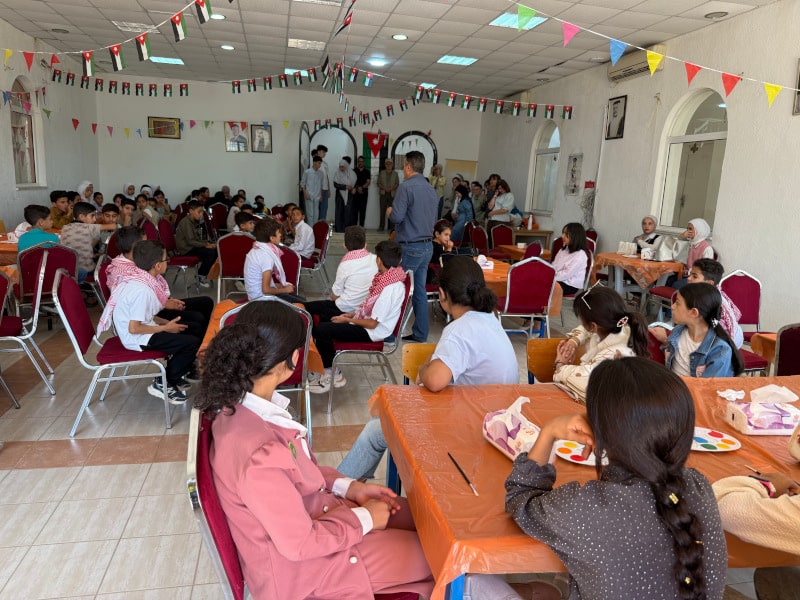
On a warm June afternoon in 2025, the courtyard of the Hisban Women’s Association overflowed with song, laughter, and the aroma of traditional Jordanian sweets. Villagers, students, and dignitaries gathered to celebrate the Hisban Heritage Festival, marking more than five decades of partnership between the people of Hisban and the Madaba Plains Project (MPP). The festival opened with greetings from the Department of Antiquities, the Hisban Women’s Association, and Andrews University.

In his keynote remarks, Øystein S. LaBianca, Senior Research Professor of Anthropology, reflected on the evolution of archaeology at Hisban—from excavation to collaboration: “Archaeology here is no longer about extraction. It’s about relationships, about listening, and about telling stories together—stories that include shepherds and schoolteachers, potters and farmers, grandmothers and grandchildren.”

A highlight of the festival was the public display of archival photographs from the original Heshbon Expedition (1968–1976). For many families, these were the only surviving photographs of fathers and grandfathers. This “visual repatriation” returned history, dignity, and memory to the community whose labor shaped the early excavations.

Pottery painting at the Hisban Women's Center.

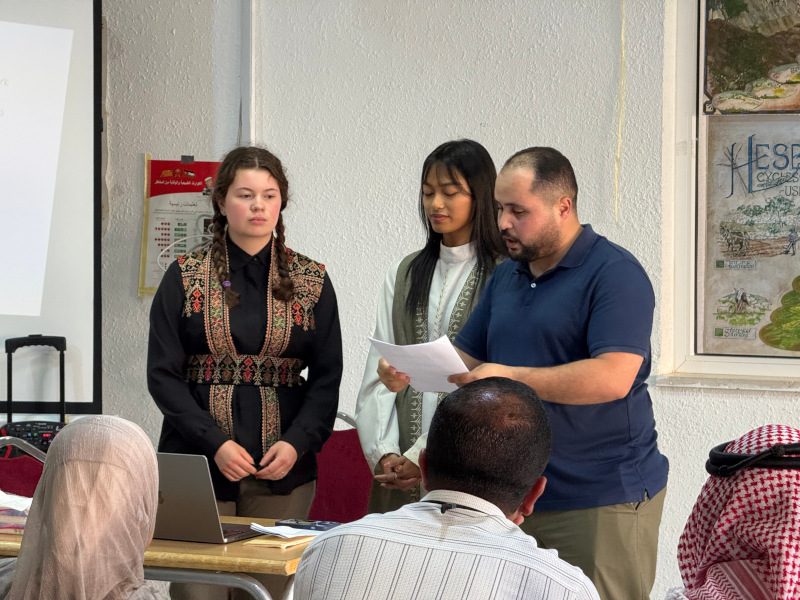
Research by Andrews University undergraduate students featured prominently. Spencer Chase, Nicole Lombard, Laurel Renner, and Julia Whitcomb, presented work on Hisban’s relationship to the Roman Decapolis, utilizing archaeological data, literary sources, and GIS visualization. Melani Dubon and Nathalie Gonzalez conducted oral history interviews with descendants of workers from the early expeditions, linking archival field notes to living memory.

Presentation of early ethnography by Melani Dubon and Nathalie Gonzalez.
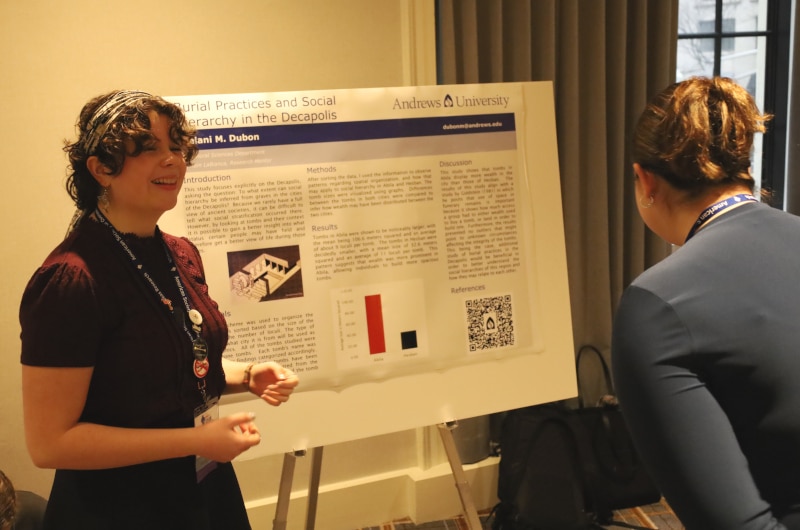
Melani Dubon presenting a poster at the 2025 ASOR Annual Meeting
Melani Dubon presents her research during the poster session at ASOR's 2025 Annual Meeting in Boston.

Stacie Hatfield, Assistant Professor of Anthropology, emphasized that “the next generation of archaeologists must be facilitators—connecting academic rigor with community engagement.” This participatory model is now central to the MPP approach.

The Madaba Region Heritage Internship, coordinated by Al Raqeem for Services and Training, Sela for Training and Protection of Heritage, Andrews University, and the University of Liverpool, extends this commitment regionally. The Pottery Internship trains young Jordanians in ceramic analysis and conservation, while the Archaeotrail Internship prepares them to create bilingual (Arabic–English) content for the Madaba Archaeotrail app. Interns graduate with certification and a professional portfolio, contributing to a new generation of Jordanian heritage leaders.

Together, these initiatives demonstrate what ASOR has long championed: that archaeology is most meaningful when it builds bridges between past and present, research and renewal, local voices and global audiences. As one participant at the festival remarked, “We used to think archaeology was about the foreigners who came to dig. Now we know—it is about us, our stories, and our future.”

These ongoing efforts—including the Hisban Heritage Festival, the Madaba Region Heritage Internship, and the proposed Learning through Heritage initiative—reflect meaningful partnerships supported by the ASOR Lawrence T. Geraty Community Archaeology Endowment and Andrews University.

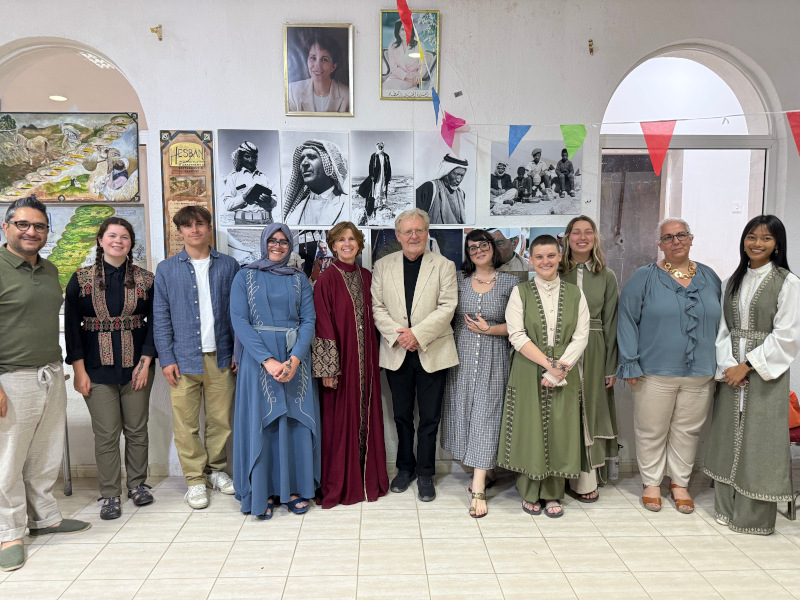
Paulo Oliveira, Melani Dubon, Spencer Chase, Isable Srour, Stacie Hatfield, Oystein Labianca, Ilda Faiella, Lolo Renner, Julia Whitcomb, Maria Elena Ronza, and Nathalie Gonzalez.

2026 Fieldwork Opportunities

2026 Fieldwork Opportunities

Team members at Çadır Höyük, Turkey.

Are you a student or volunteer looking to join an ASOR-affiliated project for fieldwork? The projects below all have fieldwork planned for 2026. Check out the project websites to find the one that is right for you.

Once you’ve found a project, we encourage you to apply for a 2026 Scholarship for Fieldwork Participation. These scholarships are $2,000 and support your travel and participation on an ASOR-afilliated project.

If you’re a project director or specialist on an ASOR-affiliated project, you are invited to apply for 2026 Project Grants. Project grants vary from $2,500 to $5,000. If you’d like your project listed below, please email programs@asor.org.

The deadline for both Fieldwork Scholarships and Project Grants is February 23, 2026.

Note: while some projects may be conducting fieldwork in 2026, not all of them are taking students or new team members. Please check with the project director and staff. The full list of ASOR-affiliated projects can be found here. 

Syeda Sukena Zehra working with the Gadachrili Gora Regional Archaeological Project Expedition in Georgia.

Georgia

Hannah Borotsik laying out tile from the Athenian Agora excavations. Photo by James Razumoff.

Hannah Borotsik laying out tile from the Athenian Agora excavations. Photo by James Razumoff.

Greece

Megan Nishida working with the Kites in Context team in Jordan.

Megan Nishida working with the Kites in Context team in Jordan.

Jordan

The team during our Open Doors Day for the public. Photo credit A. Smith

Menorca Archaeological Project team at Torre d’en Galmes in 2024. Photo credit A. Smith

Spain

 
Talia Neelis and team members at Kissonerga-Skalia, Cyprus in 2025.

Want to help more students and early career archaeologists get into the field? Donate to the cause today by selecting “Fieldwork Scholarships” as your gift purpose!

Harris Grant Report: Alalakh/Tell Atchana

2025 Harris Grant Report: Documenting Archival Dynamics in the Late Bronze Age: A New Archive of Cuneiform Tablets from Alalakh/Tell Atchana

Jacob Lauinger, Johns Hopkins University; Zeynep Türker, Johns Hopkins University; Murat Akar, Hatay Mustafa Kemal Üniversitesi[1]

This past summer, with the generous support of a Charles Harris Project Grant, a team of PhD students in the Departments of Near Eastern Studies and History of Art at Johns Hopkins University joined the ASOR affiliated Turkish Ministry of Culture & Tourism and Mustafa Kemal University excavations at Tell Atchana, ancient Alalakh, in Hatay, Türkiye, which are under the direction of Murat Akar, to investigate one of the most promising discoveries made at the site in recent years: the possible remains of a Late Bronze Age archive of cuneiform tablets. What made this group of excavators distinctive was that each student had been trained not only in archaeology but also in reading Akkadian cuneiform, bringing together the two areas of expertise needed to recover and document such an archive with exceptional care.

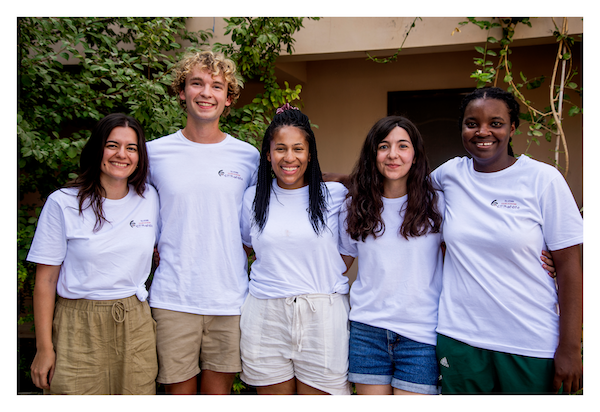
Figure 1: Johns Hopkins PhD students (left to right): Defne Bilgili; Kyle Dillon; Lauren Cook; Zeynep Türker; and Faith Myrick.

Background to the Project

Following the devastating 2023 earthquakes, over the past three years the excavation team has focused on restoring the iconic Bronze Age monuments originally excavated by Sir Leonard Woolley in the 1930s and 1940s. Further restoration efforts have included the stabilization of sections of the Area 1 squares excavated between 2003 and 2016, adjacent to the Level IV Palace and the Administrative Castle Complex. This large-scale restoration program, partially funded by the ASOR Shepard Urgent Action Grant in 2023, has also led to new discoveries at the site.

In particular, four cuneiform tablets were discovered during cleaning and stabilization operations conducted in the southern section of Sq. 32.54 in the 2024 season. One of the team’s experienced field supervisors, Baran Kerim Ecer, spotted the tablets within an extremely burnt deposit sealed by the succeeding building phase known as the Hittite Fortress. To test the possibility that additional texts may have survived, the 2025 excavation season was planned to include work in Sq. 32.64 (south of Sq. 32.54), which had previously been explored only on a limited scale.

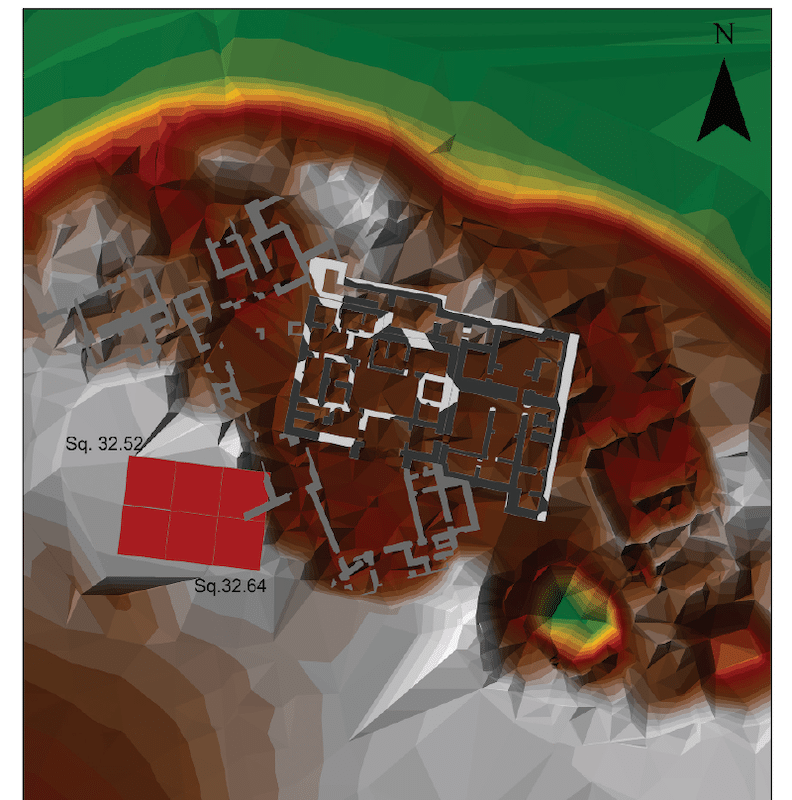
Accordingly, project excavation’s staff epigraphers, Jacob Lauinger and Zeynep Türker, applied to ASOR for a Charles Harris Project Grant. The funds provided by the Turkish Ministry of Culture and Tourism and ASOR enabled the excavation team to carry out 16 weeks (!) of intensive fieldwork. The targeted burnt deposit was sealed beneath the massive mudbrick foundations of the Hittite Fortress, previously explored in the adjacent squares and published as part of the Alalakh Excavations second monograph (Figure 2).

The location of Sq.32.64 in relation to Level IV Palace and the Administrative Castle Complex

Excavations in Sq. 32.64

Excavations began in May, and the first eight weeks were devoted solely to understanding the architectural layout and the stratigraphic relationship between the Level II–III Hittite Fortress and the burnt deposit (Level IV) beneath it. This initial phase of work was conducted by Arman Alp, an MKU graduate student trained at Tell Atchana. The team of PhD students from Johns Hopkins arrived at the Tell Atchana Excavations and Amuq Valley Reseach Center in July to begin the excavation of the Level IV burnt deposit. The square was under the supervision of Zeynep Türker and Lauren Cook, both of whom had previously gained field experience at Tell Atchana and were familiar with the site’s stratigraphy thanks to ASOR’s travel grant program for PhD students.

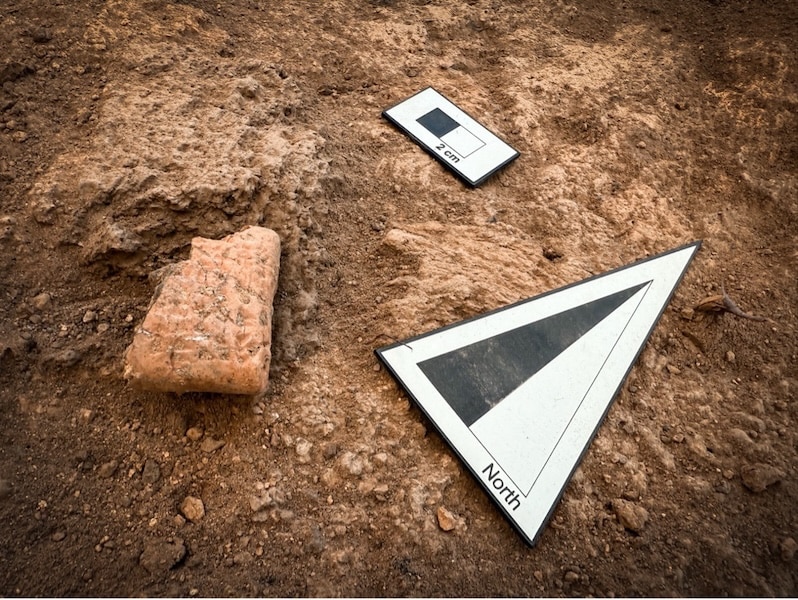
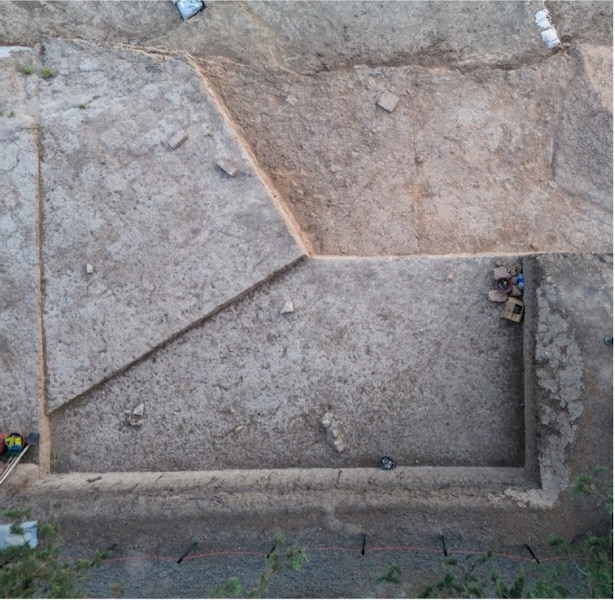
Once the Hittite Fortress level had been fully explored within the boundaries of the square, an area measuring 7 × 5 meters in the northern half was initially leveled down to reach the burnt deposit. Following the removal of the fortress foundations, and contrary to the typical practice in Near Eastern archaeology, the project adopted a “Do-It-Yourself” policy. Only a skilled and experienced team of archaeologists, assisted by archaeology students, worked in the trench due to the extremely delicate nature of the context (Figs 3-6). The excavations almost immediately confirmed our initial assessments: more than a dozen tablets and fragments were recovered from this relatively small exposure, along with seal impressions and sealing materials (Fig 7).

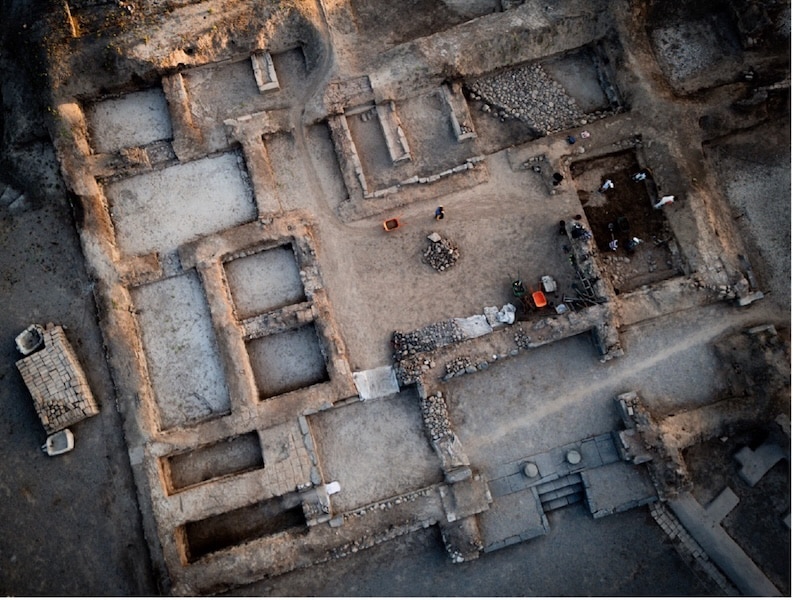
Many of the tablets were discovered in the burnt destruction layer containing collapsed mudbricks, large carbon deposits, and dense concentrations of pottery, as well as ornaments made of gold and faience. The burnt deposit partially exposed on the northern section of Sq.32.64 is understood to be very thick and due to delicate and slow excavation methodology applied, the associated floor levels has not been reached yet. Therefore, it was decided to explore this level to the full extent of the square in order to better understand the architectural layout and the contextual distribution of the finds. At present, excavations are still ongoing at the site, carried out by the core members of the Alalakh excavation team, with the aim of removing the remaining portions of the Hittite Fortress, preparing the area for continued exploration that will further investigate the burnt level beneath, in 2026 (Fig. 8).

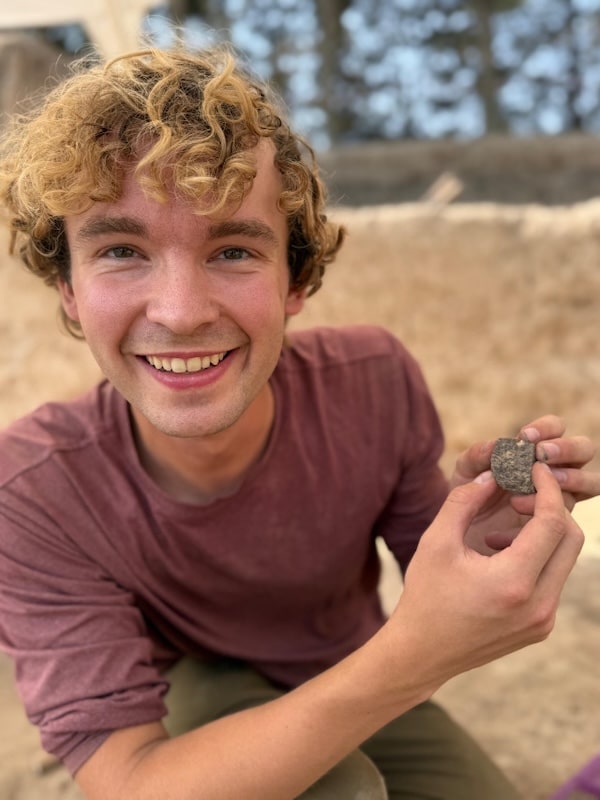
Figure 3: Kyle Dillon holding a cuneiform tablet that he discovered.
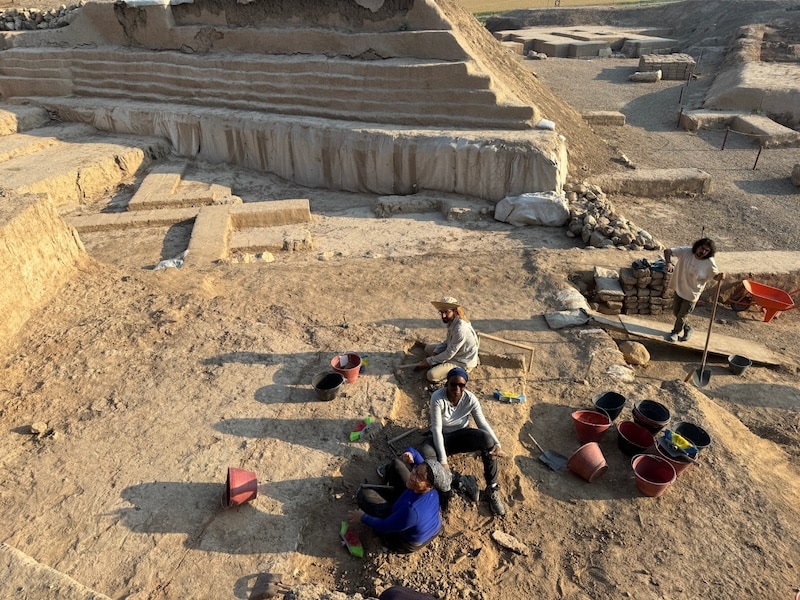
Figure 4: Lauren Cook. Faith Myrick, Arman Alp, and Baran Kerim Ecer excavating in Sq. 32.64 in which the cuneiform tablets were found.
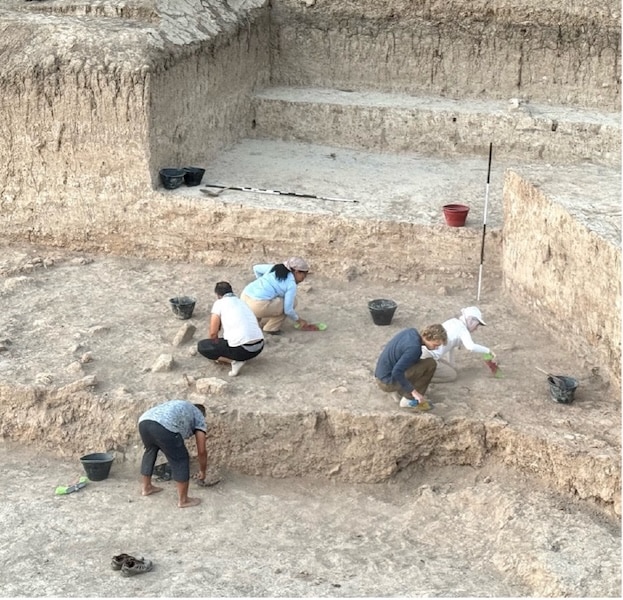
Figure 5: Lauren Cook, Kathrine Shields, Kyle Dillon, Abdullah Öz, and Haluk Ergil cleaning in Sq. 32.64.
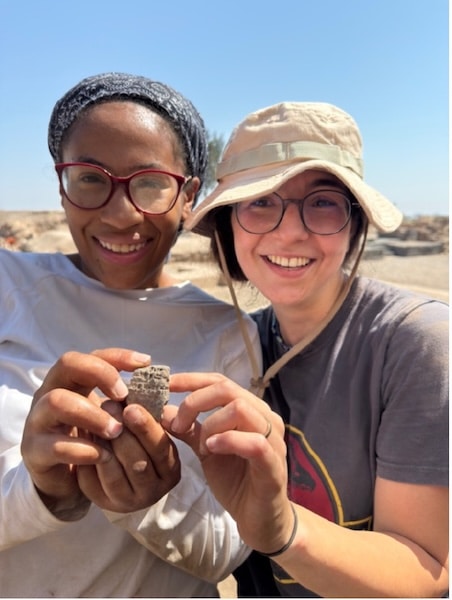
Figure 6: Lauren Cook and Zeynep Türker, holding a cuneiform tablet that they discovered.
Figure 7: A tablet fragment photographed in situ.
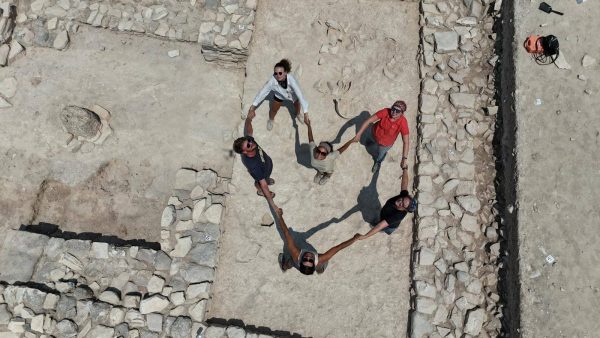
Figure 8: Aerial view of Sq. 32.64 with the Hittite Fortress above (Level II-III) and the exposed burnt deposit below (Level IV) where tablets were revealed.

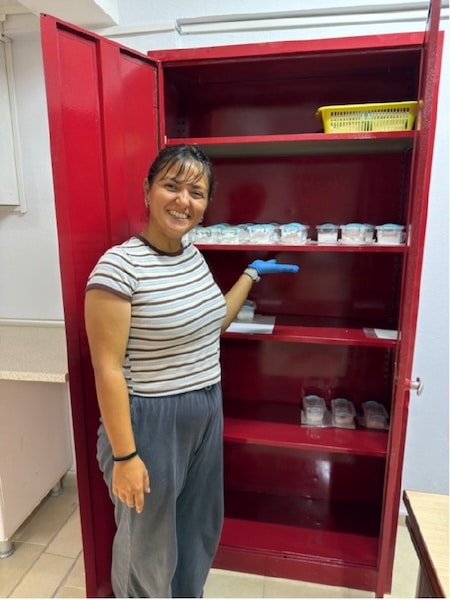
Most of Alalakh’s tablets were excavated in the 1930s and 1940s, often with limited documentation of their archaeological context. The discovery of this new archive provides a rare opportunity to examine such material in situ. Each tablet was photographed and recorded with a total station to document their spatial distribution in a three-dimensional context. The associated organic materials were collected for radiocarbon analysis, and soil samples were carefully taken to preserve contextual information for future study. All excavated soil was sifted, allowing the recovery of additional seal impressions and tablet fragments smaller than a thumbnail, demonstrating the necessity of employing a meticulous excavation strategy. The finds were then carefully transferred to the Tell Atchana Excavations and the Amuq Valley Research Center. In close cooperation with Jacob Lauinger and Zeynep Türker, the cleaning and conservation of the tablets were carried out by Hatice Nur Aydın, a highly skilled conservator who has specialized in tablet restoration due to the large number of tablets recovered at the site over the past three years (Fig 9). This process was followed by high-resolution photographic documentation prior to in-depth epigraphic study.

Figure 9: The red cabinet of curiosity at Tell Atchana Excavations laboratory where newly found tablets are stored prior to their allocation to the Hatay Archaeological Musuem.

Re-Excavating the Level IV Palace

While the Sq. 32.64 team focused on exploring this previously untouched area of the Royal Precinct of Alalakh, another team concentrated their efforts on re-excavating the Level IV Palace. Many of the rooms had been filled with decayed mudbrick following the original excavations of the monument in the 1930s, while others contained backfill from Woolley’s excavation dumps. This line of work has also led to exciting new discoveries, including additional tablets from the palace that are contemporary with those from Sq. 32.64. Together, these finds provide new perspectives on Woolley’s legacy excavations at Tell Atchana and the associated archival data (Fig 10).

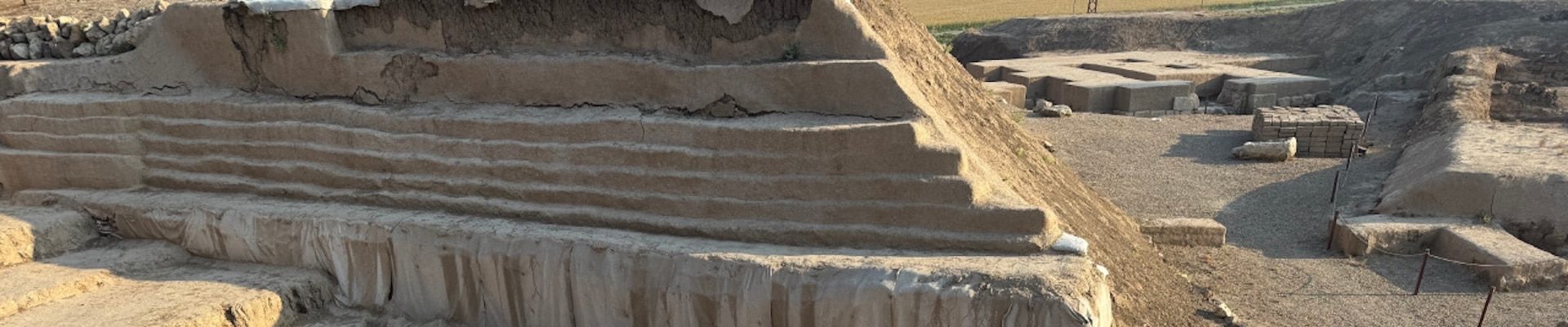
Figure 10: Re-excavation and restoration of the Level IV Palace which revealed new epigraphic data.

Conclusion

Although further excavation will be necessary to confirm the architectural layout and extent of the deposit and further conservation and study of the cuneiform tablets is required to fully grasp the nature of their documentation and to integrate them with other cuneiform tablets from both the site and the larger region, this new archive promises to add valuable new data to our understanding of Alalakh and its Late Bronze Age society.

Preliminary assessment of the content of the tablets suggests that most of them are administrative in nature (although two are legal texts). The administrative texts record diverse matters such as personnel, the disbursement of goods, and furniture. In other words, both the context and also the content of the tablets strongly suggest that we are dealing with the remains of an archive located in a building in this area of Alalakh’s palace-castle complex. This brings up to possibility of exploring another self-contained administrative building adjacent to the Level IV palace.

The 2025 season brought exciting leads but also with many open questions. In 2026, excavation of the square will continue in order to clarify the extent of the archive and the nature of the space in which it was stored. The international team of archaeologists including the Johns Hopkins University graduate students are eager to be back at the site. Working closely with the Hatay Archaeological Museum, the team is committed to preserving these finds and sharing their significance with both scholars and the local community. We are deeply grateful to ASOR for supporting this work possible. Your support allowed our team to carefully excavate, document, and study what may prove to be one of the most important discoveries at Alalakh since the renewed excavations began at the site over twenty years ago.

[1] The excavations at Tell Atchana, Alalakh are carried out with the generous support of the Republic of Türkiye’s Ministry of Culture and Tourism, the Geleceğe Miras (Heritage for the Future) initiative, and funds provided through the Hatay Governorship. Special acknowledgment is extended to Governor Mustafa Masatlı for his invaluable support of the 2025 excavation season. The authors also thank Lauren Cook for sharing her report on Sq. 32.64. Of course, any errors are entirely our own responsibility.