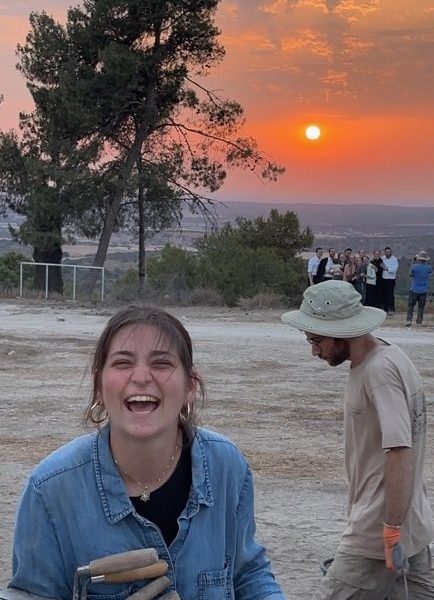

Mesopotamian Fellowship Report: Ella Egberts

The Iraqi Western Desert PLACES Project: Pleistocene Landscapes and Early Human Behavior in the Shbicha Region

Dr. Ella Egberts, Vrije Universiteit Brussel, 2025/2026 Mesopotamian Fellowship Recipient

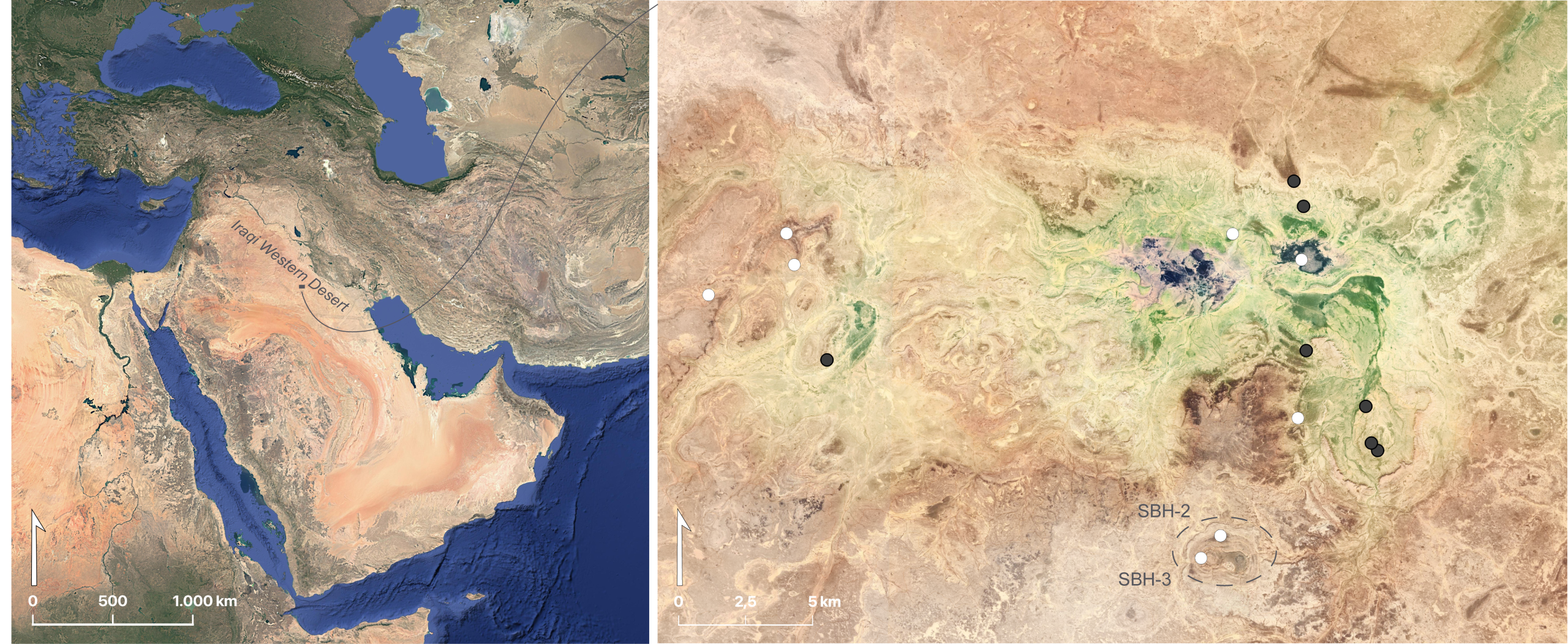
At the heart of southwest Asia, in the north of the Arabian Peninsula, lies the Iraqi Western Desert (Figure 1). Southwest Asia has long been recognized as a key region for studying human evolution and behavioral adaptation (Solecki 1963; Hershkovitz et al. 2018; Grouchett et al. 2021). Repeated climatic fluctuations during the Pleistocene (ca. 2.58 million–11,700 years ago) shifted the landscapes of southwest Asia between wetter and drier environments, shaping early human presence, dispersals and adaptations. It is here that we find early evidence of Homo sapiens outside Africa, and where they most likely first encountered Neanderthals. Increasingly complex and diverse technologies — and the connections between the human groups who made them — can be traced across this large region and beyond. In other words, some pivotal steps in our human story played out here, and over a hundred years of Paleolithic research in the Levant, Zagros and the Arabian Peninsula has done much to reveal them. Yet, sitting right in the middle of this well-studied arc, the Iraqi Western Desert has remained largely unexplored. 

Figure 1. Location and topographical setting of the study area. Left, a map of southwest Asia showing the location of the Iraqi Western Desert along the northern extent of the Arabian Desert. The location of Shbicha region is also indicated. The map on the right shows a Google satellite image overlain with a FABDEM digital elevation model, to illustrate the topography of the Shbicha region. Dark dots represent the location of sites identified during the 2024 fieldwork; white dots represent the sites identified during the 2025 fieldwork (© E. Egberts).

The Geomorphological and Paleolithic Survey of the Western Desert of Iraq addresses this gap by assessing the presence of Paleolithic material, establishing its landscape context, and recontextualizing historic finds. Given the vast expanse of the desert, the survey currently employs a targeted reconnaissance approach. The multi-scale multi-method survey consists of broadly reconstructing the geomorphological history (how the landscape formed and changed over time) of various regions of the desert based on high-resolution satellite images, elevation data, and geological datasets, before zooming in on a regional landscape survey, investigating areas of archaeological potential and paleoenvironmental interest. This includes potential paleo-lakes, wadis, stratigraphic profiles, springs, potential raw material sites, and high-points in the landscape. Selected points of interest are visited and surveyed through fieldwalking, and selected sites are subjected to intensive, systematic survey.

This ASOR Mesopotamian Fellowship built on results from a Pilot Project funded by the British Institute for the Study of Iraq (BISI). With the identification of seven new Paleolithic findspots and several paleo-lakes, the BISI supported pilot study (conducted in 2024) identified the Shbicha (Al-Shabakah) region (Figure 1) as having a high potential for preserving Paleolithic material and Pleistocene landscape features (Egberts et al. 2025). With this Fellowship, the aim was to identify and investigate additional sites, conduct in-depth technological and typological artefact analyses, develop hypotheses regarding Pleistocene landscape preservation and Paleolithic findspots, and train Iraqi students through fieldwork participation, workshops and lectures.

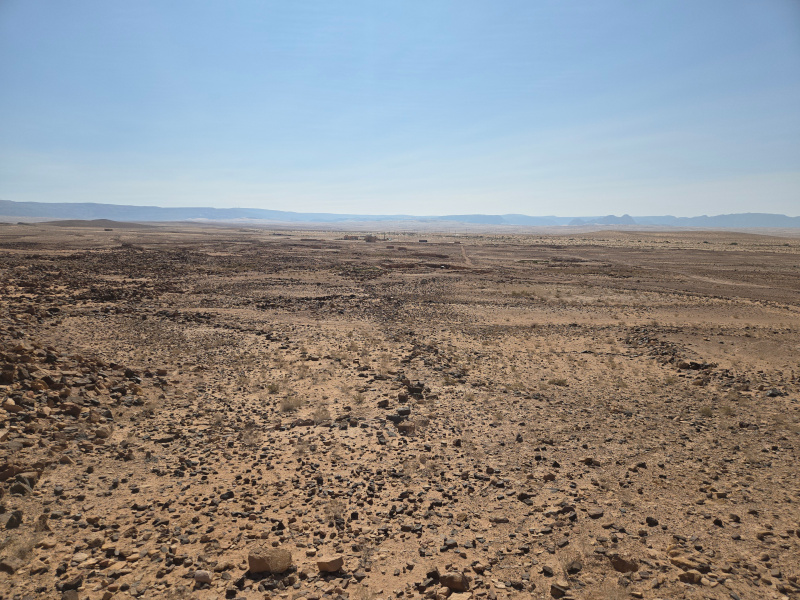
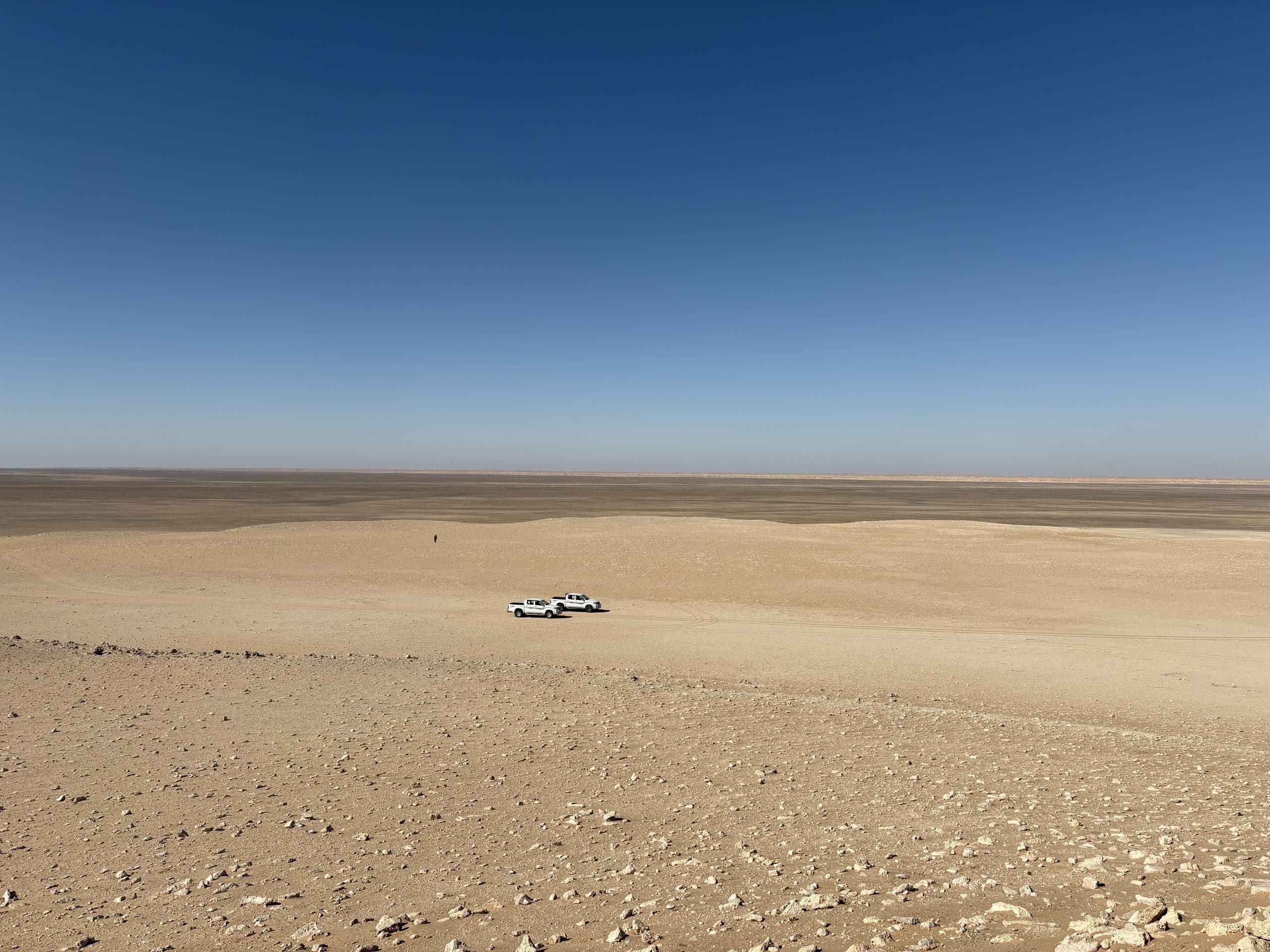
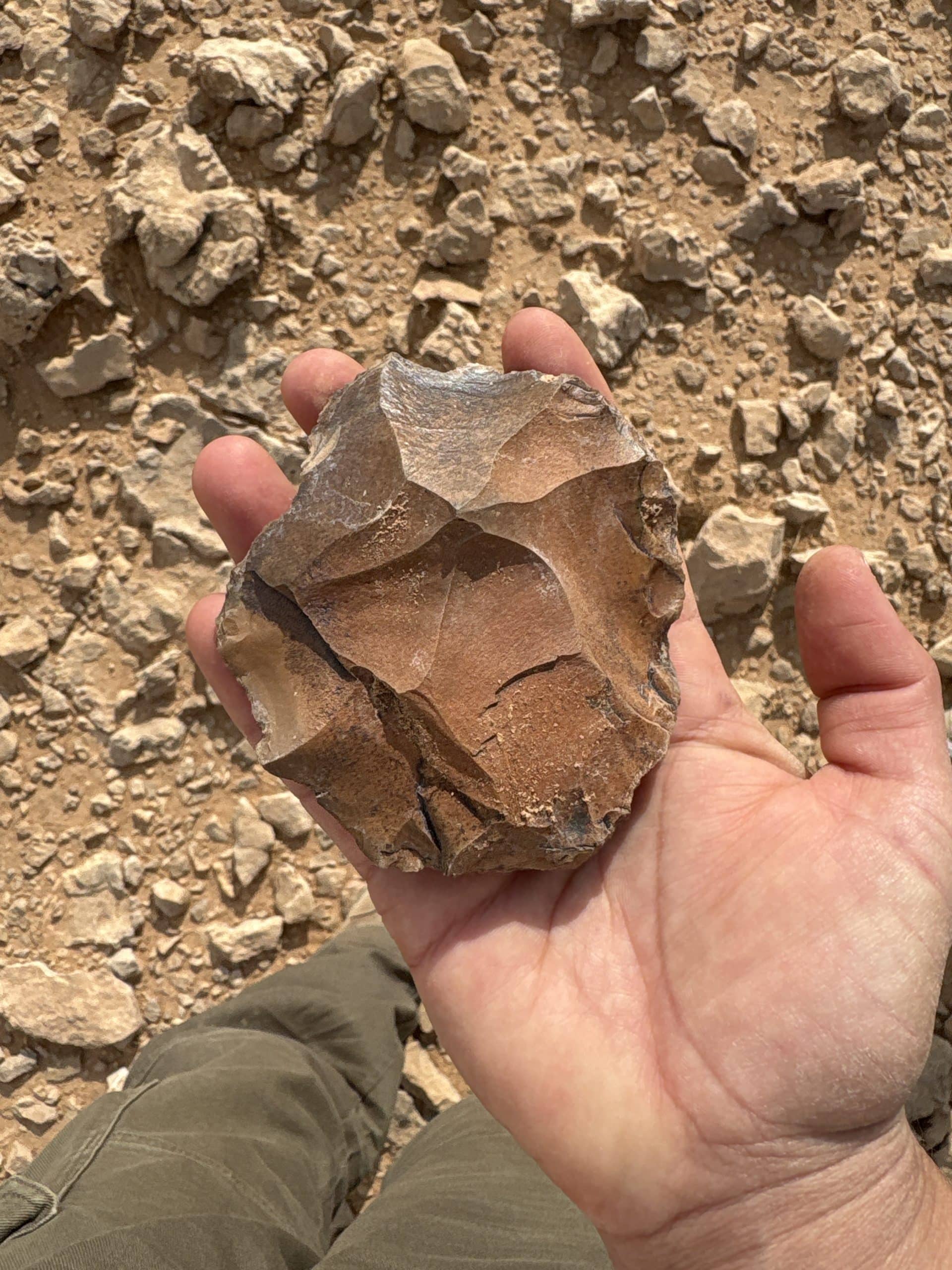
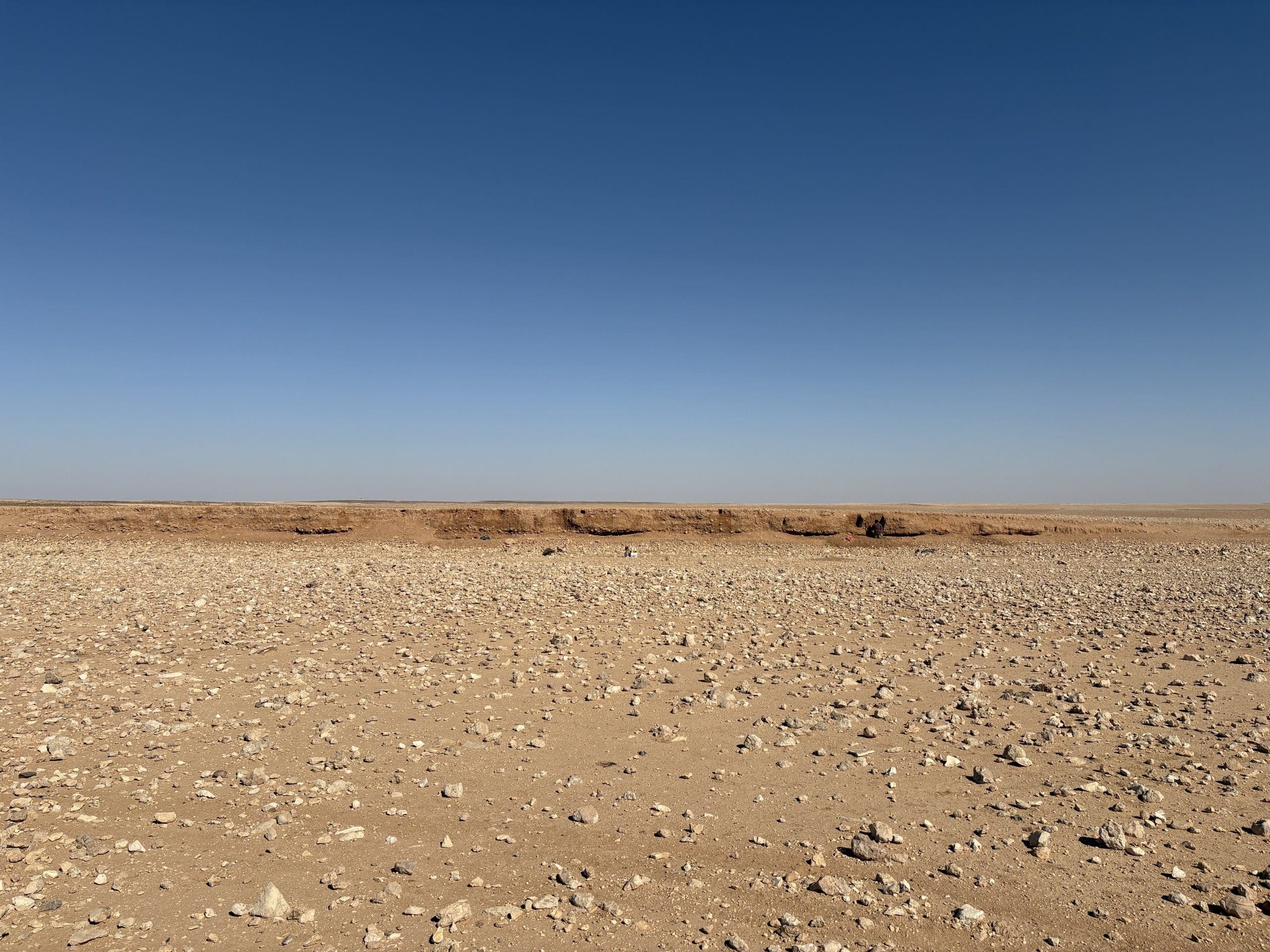
The fieldwork, carried out in November 2025, identified eight new Paleolithic sites (Figures 1 and 2). These consist of mostly mixed assemblages with sporadic Lower Paleolithic finds and substantial Middle Paleolithic material (Figure 3).

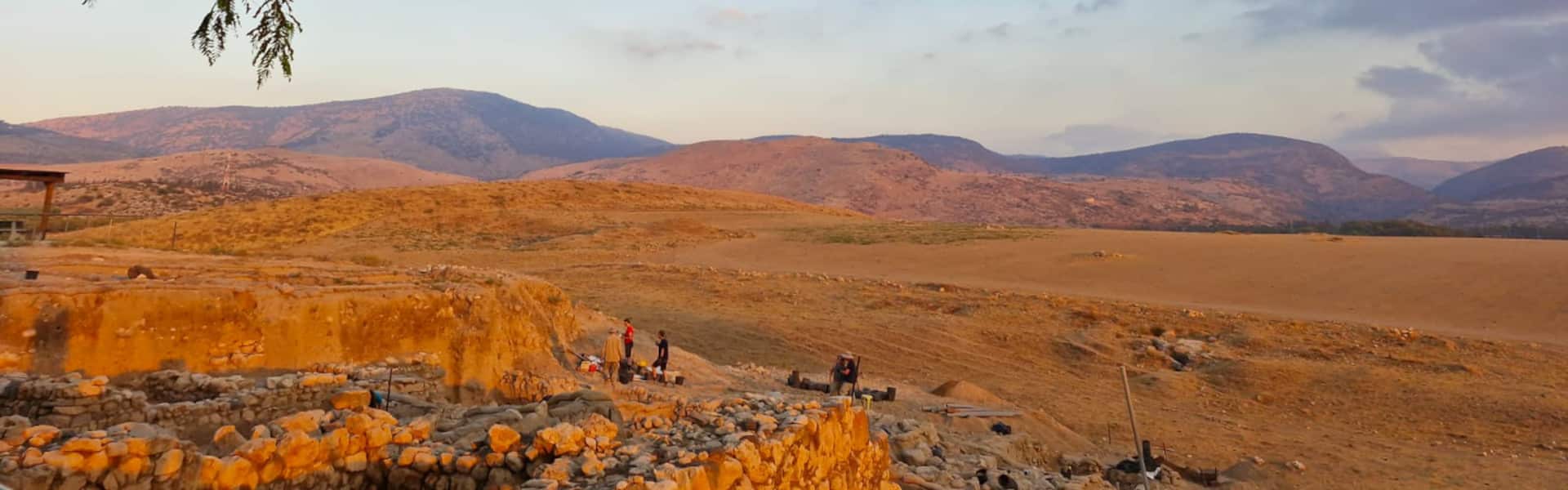
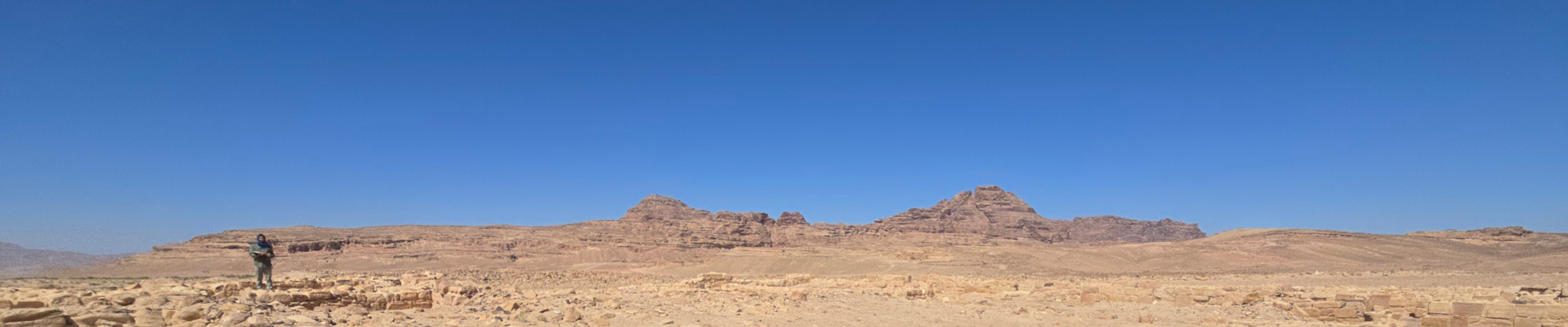
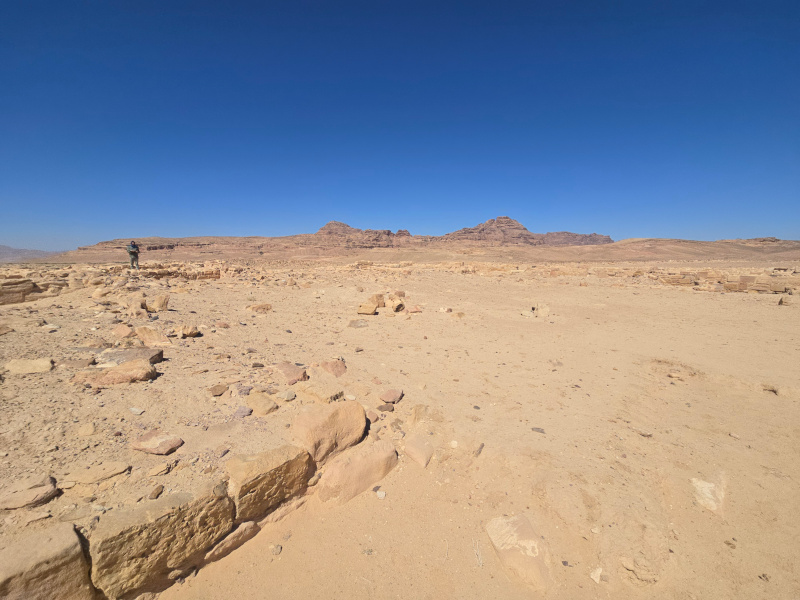
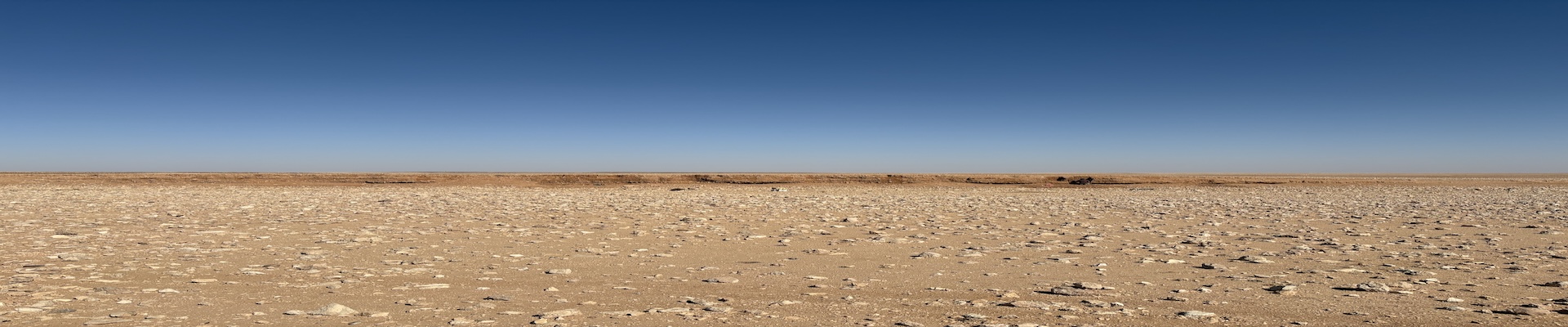
Figure 2. The landscape of the Iraqi Western Desert around Shbicha (© E. Egberts).

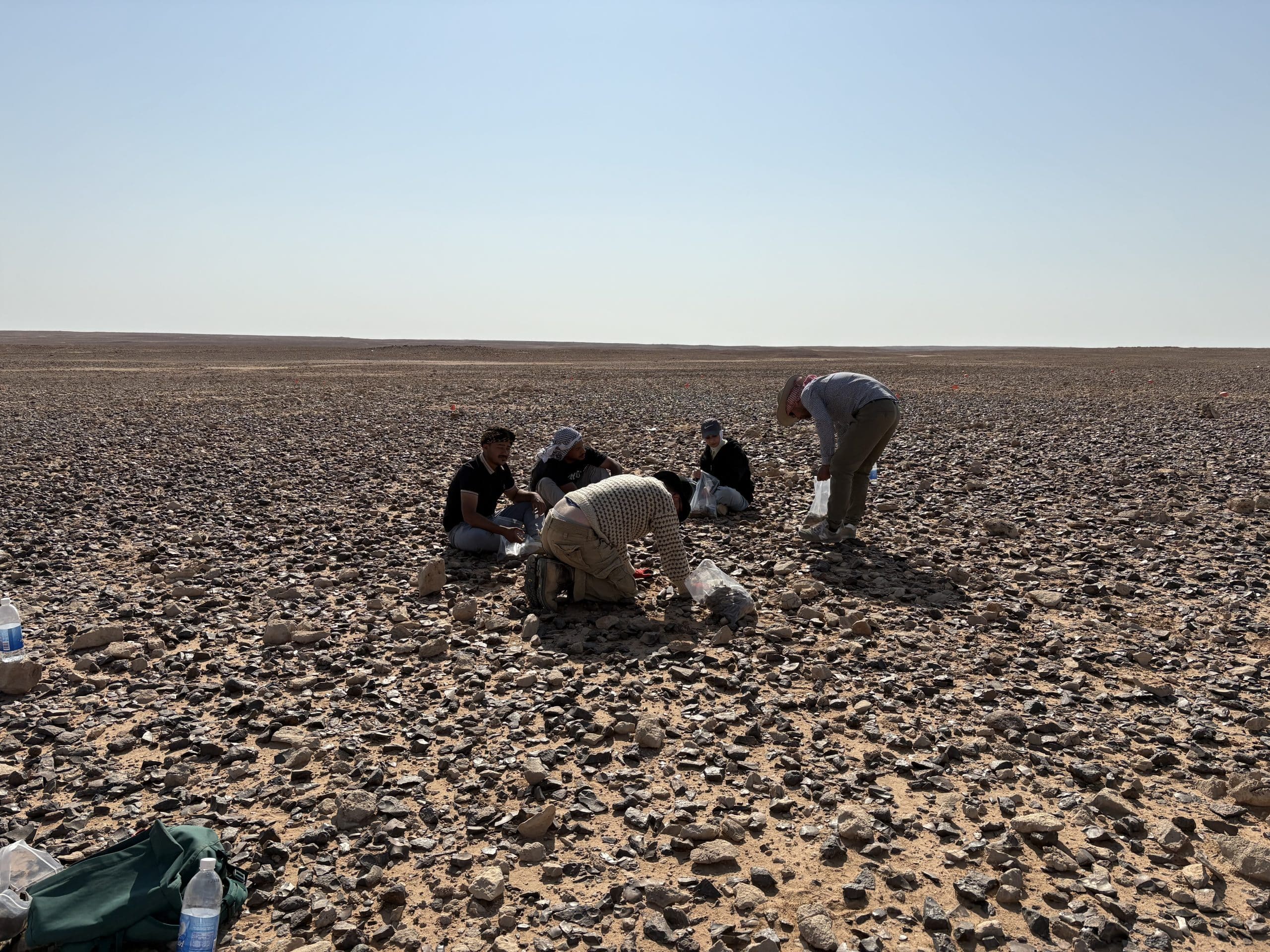
Remarkable is the discovery of several (Initial) Upper Paleolithic lithic concentrations. Two sites, Shbicha 2 and 3, were selected for more detailed investigations, including systematic collection of lithics (Figure 4), detailed technological and typological artefact analyses, and integration of these results with hypotheses of Pleistocene landscape preservation.

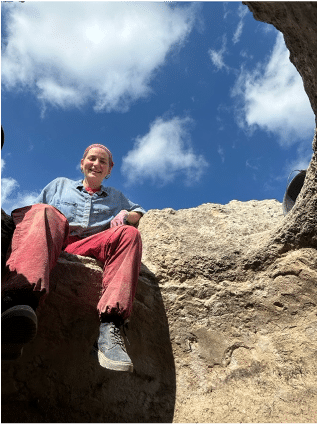
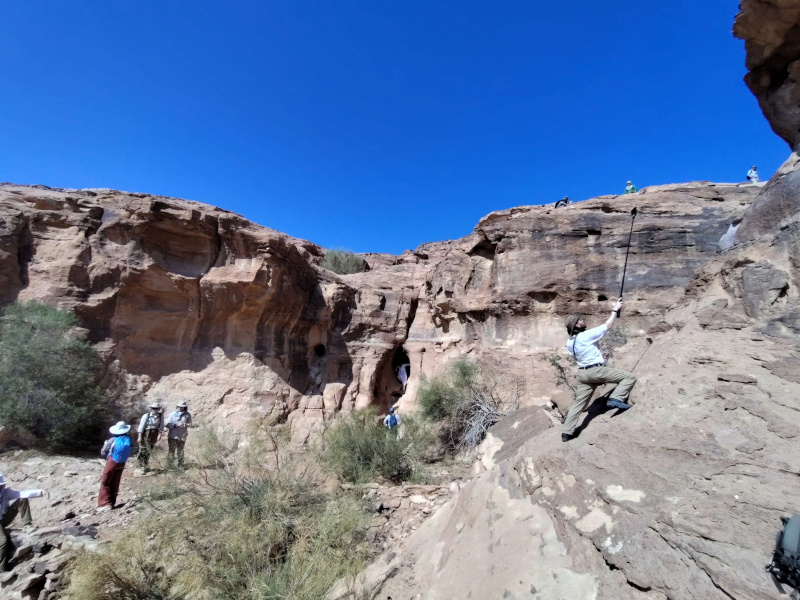
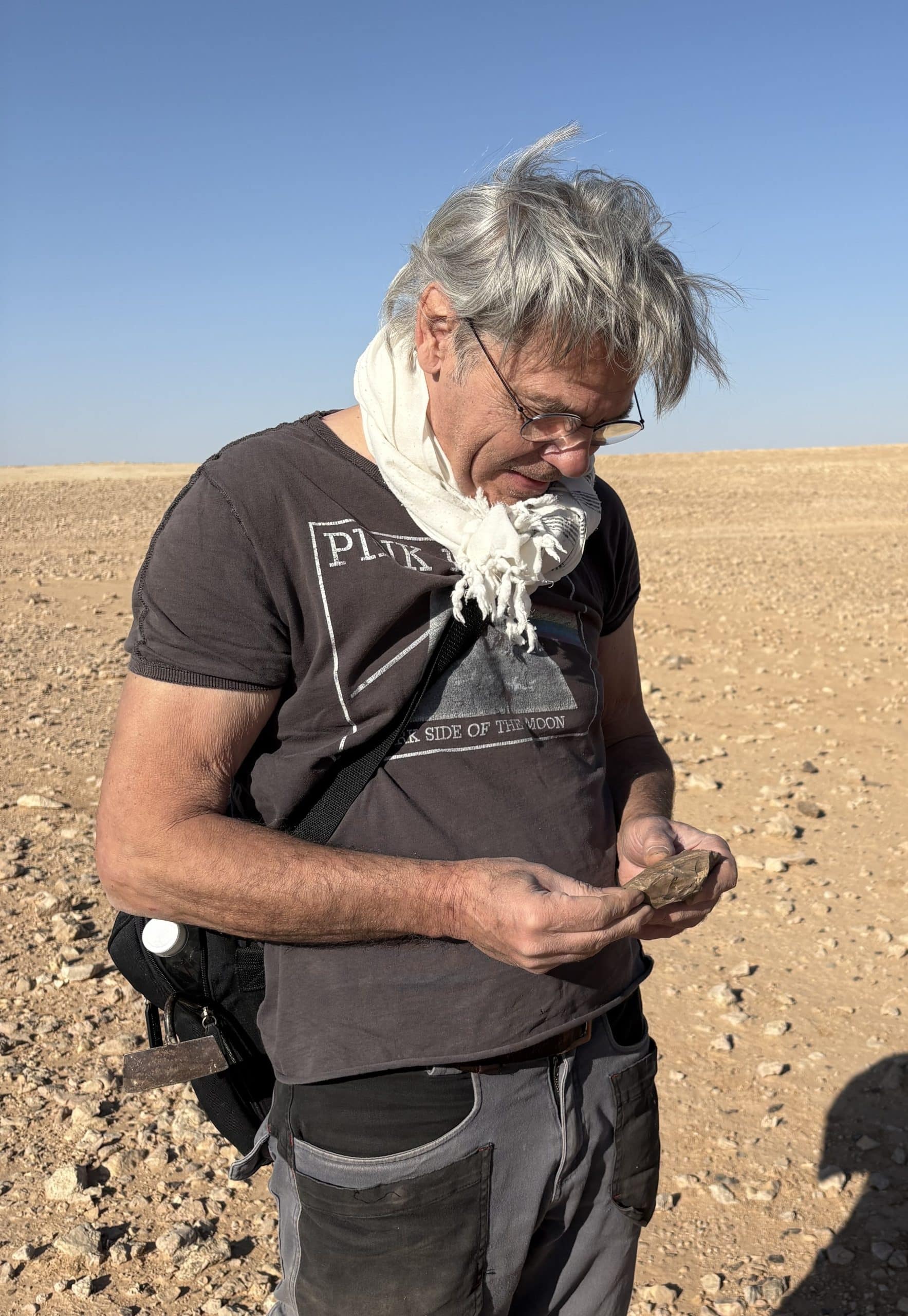
Figure 3. Me picking up a piece (left), and professor Philip van Peer examining lithics in the field (right).
These photos illustrate that wow-moment when you find a particularly interesting artefact during survey (© E. Egberts).
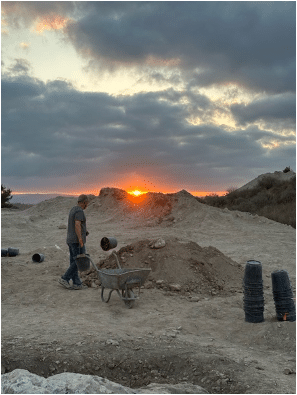
Figure 4. Some taking a break during the systematic survey whilst others can’t stop (© E. Egberts).

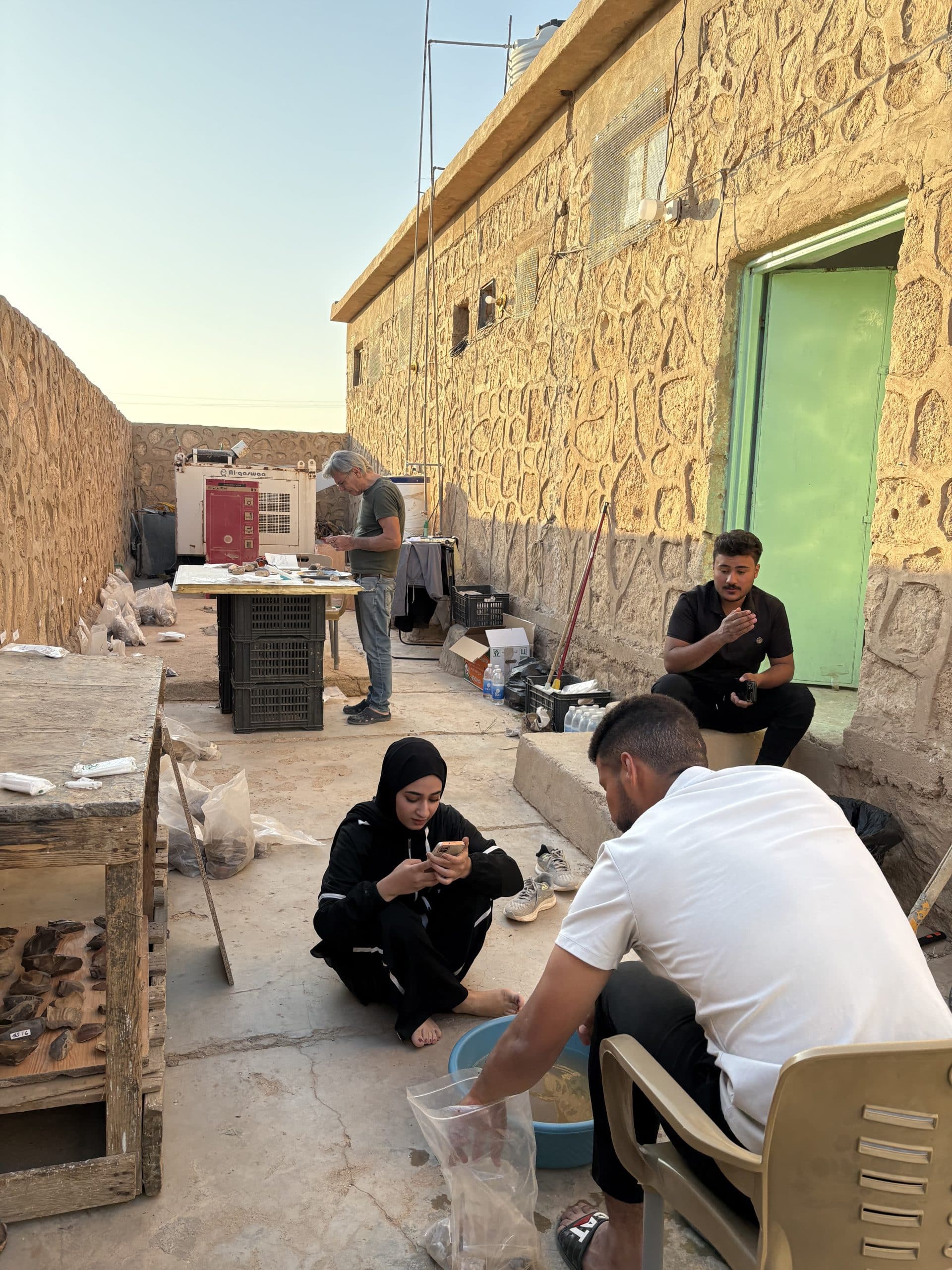
Focusing on these sites proved to be an excellent decision. In a wadi, alongside the surface finds of Shbicha 3, we discovered a recently eroded sediment profile with lithics in stratigraphy (Figure 5). The rich Paleolithic surface assemblages provide large and easily accessible datasets for technological and typological analyses of lithics, providing insights into broad age ranges and technological and typological affinities between lithic assemblages across the wider region (Figures 6-9). However, absolute dating of these important archaeological records requires stratified finds. The discovery of this profile, with lithics preserved in stratigraphy, offers an exciting opportunity to build the first absolute chronological framework for Palaeolithic material from the Iraqi Western Desert — and, more broadly, the first direct dating of such material from inland northern Arabia.

Figure 5. The sedimentary sequence bearing lithic artefacts (© E. Egberts).
Figure 6. Archaeology students washing and processing lithics (© E. Egberts).
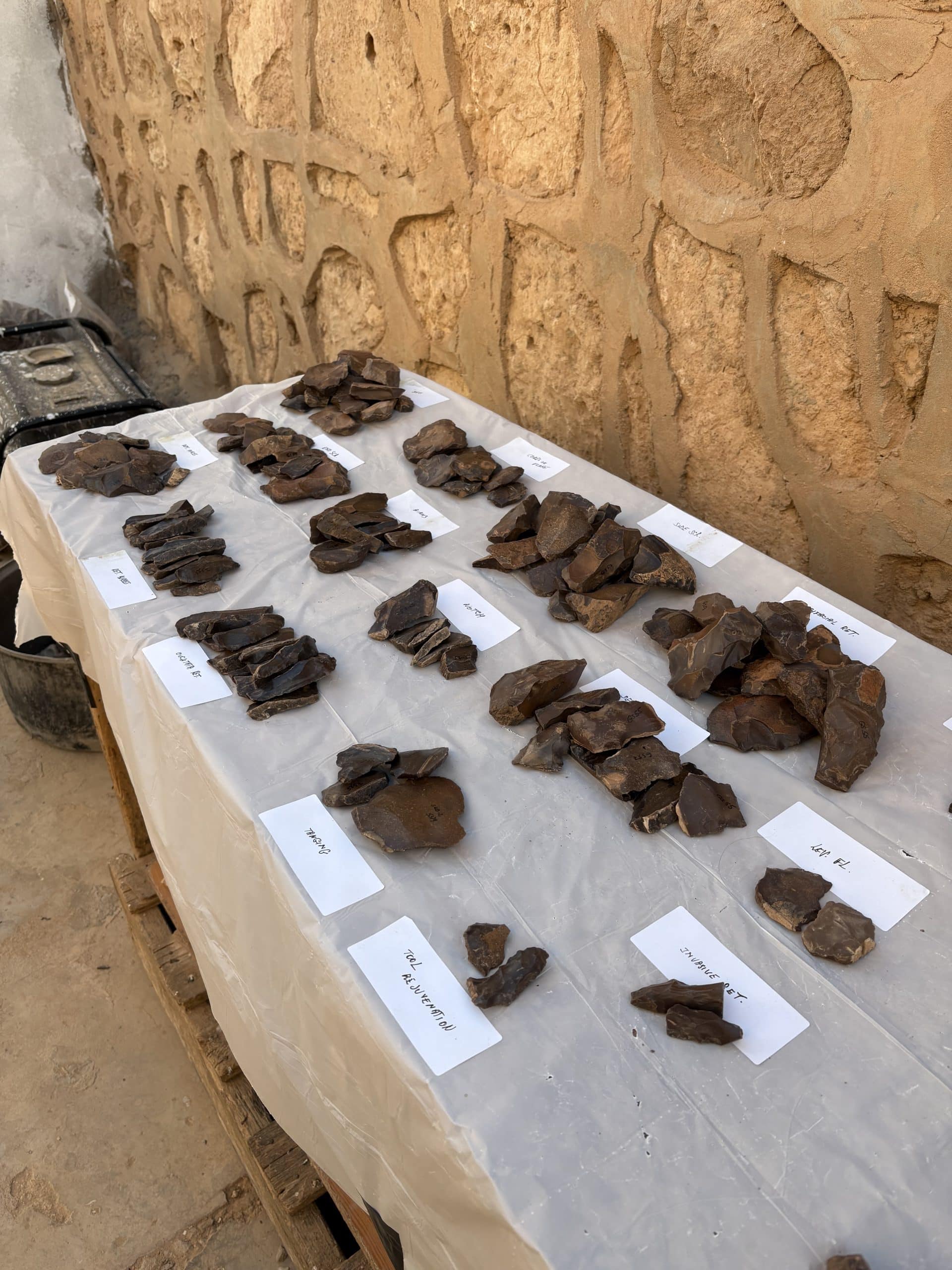
Figure 7. A table full of classified lithic artefacts (© E. Egberts).
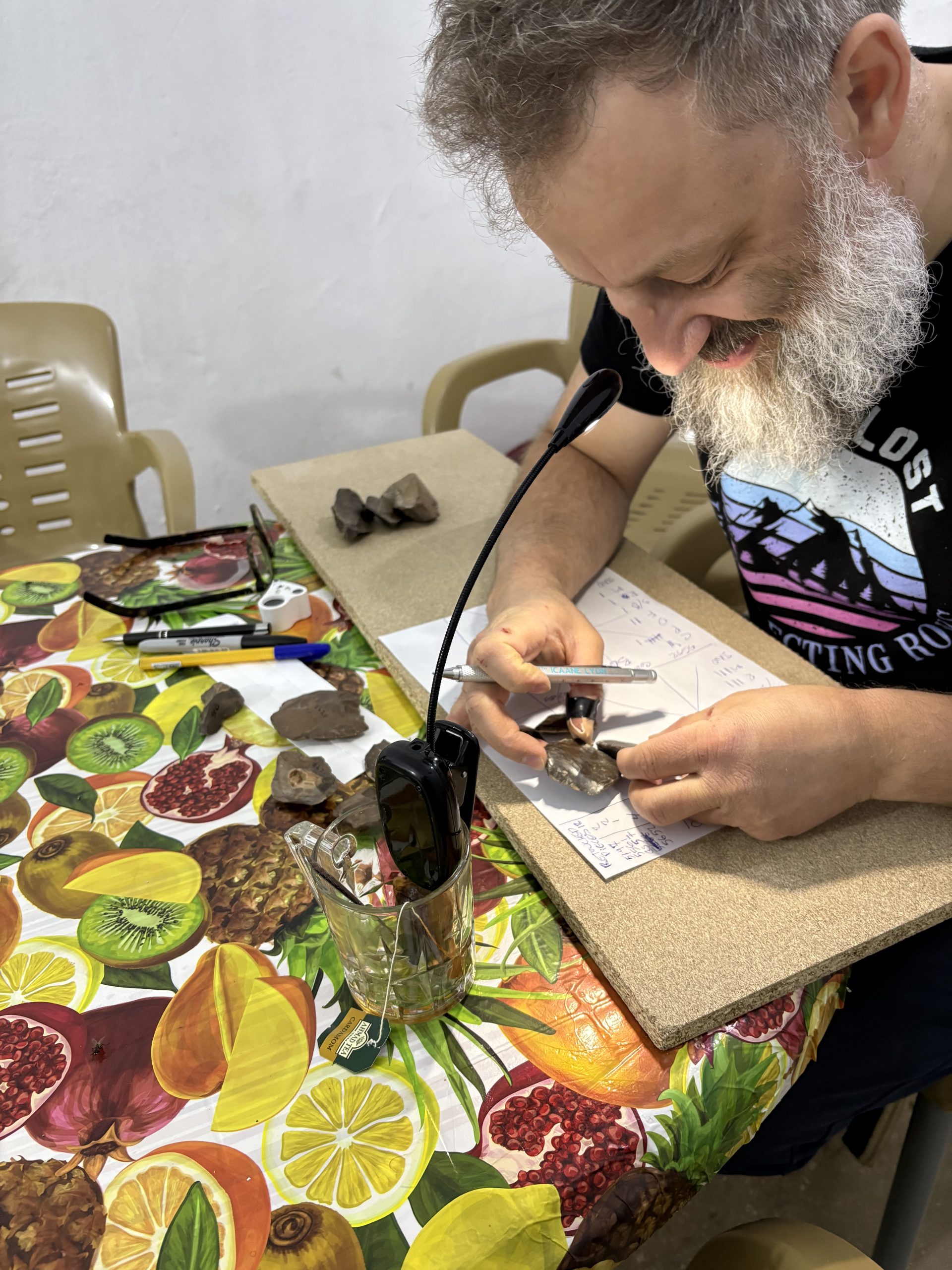
Figure 8. Dr Andreas Nymark conducting lithic analysis by a make-shift desk lamp in the excavation house (© E. Egberts).
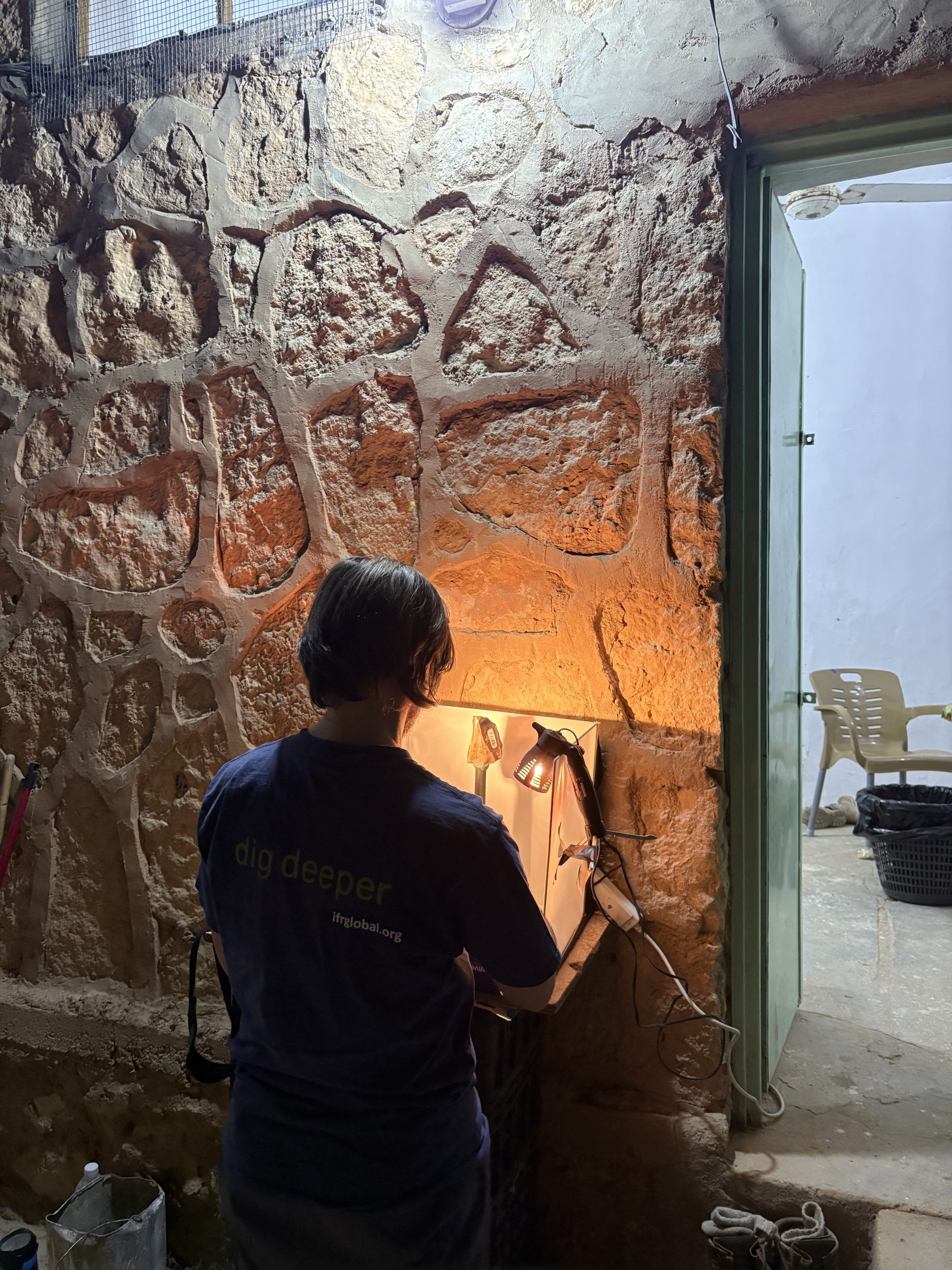
Figure 9. Dr Stefan Smith photographing lithic artefacts using his home-made rotational device for 3D recording (© E. Egberts).

The discovery of these stratified lithics is a major step forward: it confirms that Pleistocene deposits capable of preserving Palaeolithic archaeology survive in the region, and feeds directly into our hypotheses on landscape preservation. Excavating this profile in the future could recover an in-situ assemblage. We’re extremely grateful to ASOR for making this discovery possible. The results underscore the region’s major research potential, and this Fellowship has given us exactly the evidence needed to direct future work.

We are grateful to the Iraqi State Board of Antiquities and Heritage for the research permit and for their support of the work. 

Egberts, E., et al. 2025. New evidence for Pleistocene hominin presence in the north-east Arabian Desert, Iraq. Antiquity, 99(408), p. e51. doi:10.15184/aqy.2025.10171.

Groucutt H.S., et al. 2021. Multiple hominin dispersals into Southwest Asia over the past 400,000 years. Nature, 597(7876), 376–380. https://doi.org/10.1038/s41586-021-03863-y

Hershkovitz I., et al. 2018. The earliest modern humans outside Africa. Science 359, 456-459. DOI:10.1126/science.aap8369

Solecki, R.S., 1963. Prehistory in Shanidar Valley, Northern Iraq: Fresh insights into Near Eastern prehistory from the Middle Paleolithic to the Proto-Neolithic are obtained. Science139, 179-193.

Fieldwork Report: Sydney Pickens

pickens-banner

A Day in the Life at Çadır Höyük

Sydney A. Pickens, 2026 Strange/Midkiff Families Scholarship Recipient

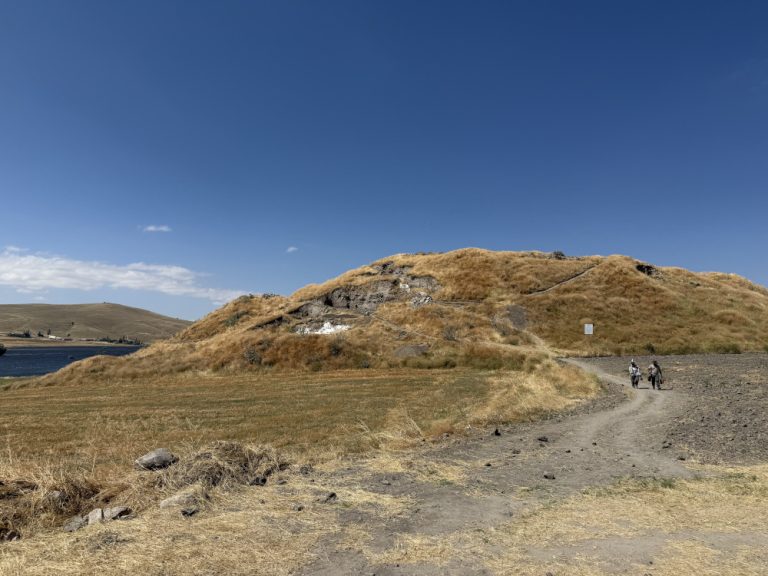
I spent the month of July in Türkiye as a member of the Çadır Höyük Archaeological Excavation Project, located near Peyniryemez Village in Sorgun, Yozgat Province. Çadır Höyük is a tell, or artificial mound, in central Türkiye that was formed by 6,000 years of human settlement. The project explores how small rural communities adapted their subsistence strategies in response to environmental change and imperial control. During my time at the site, I supported this exploration through systematic excavation, documentation, and laboratory analysis.  

The Çadir Höyük Archaeological Mound, facing south.

Up With the Sun 

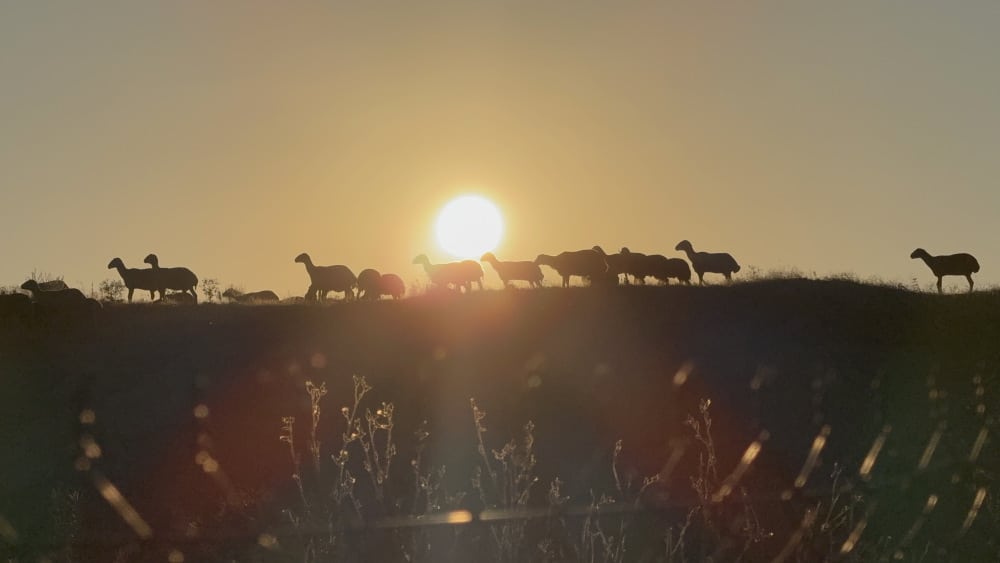
Most mornings, my eyes would flutter open at 5:15am in response to the familiar cadence of Donnie Trumpet’s Nothing Came to Me. On other days, it was the 5:00am recitation of the Adhan—the Islamic call to prayer—reverberating throughout the village. Yet on other days—and by far my favorite—it was the jangling bells of bleating sheep being herded across the central Anatolian hills.  

Sheep at sunrise.
Sheep at sunrise.

My subsequent morning routine was the same most days: drag self out of bed, wash face, brush teeth, get dressed, indulge in Çocokrem spread on bread—sometimes with a sprinkle of granola for an added flare—out the door and in the van by 6:00am, on site ready to work by 6:15am.  

On Site 

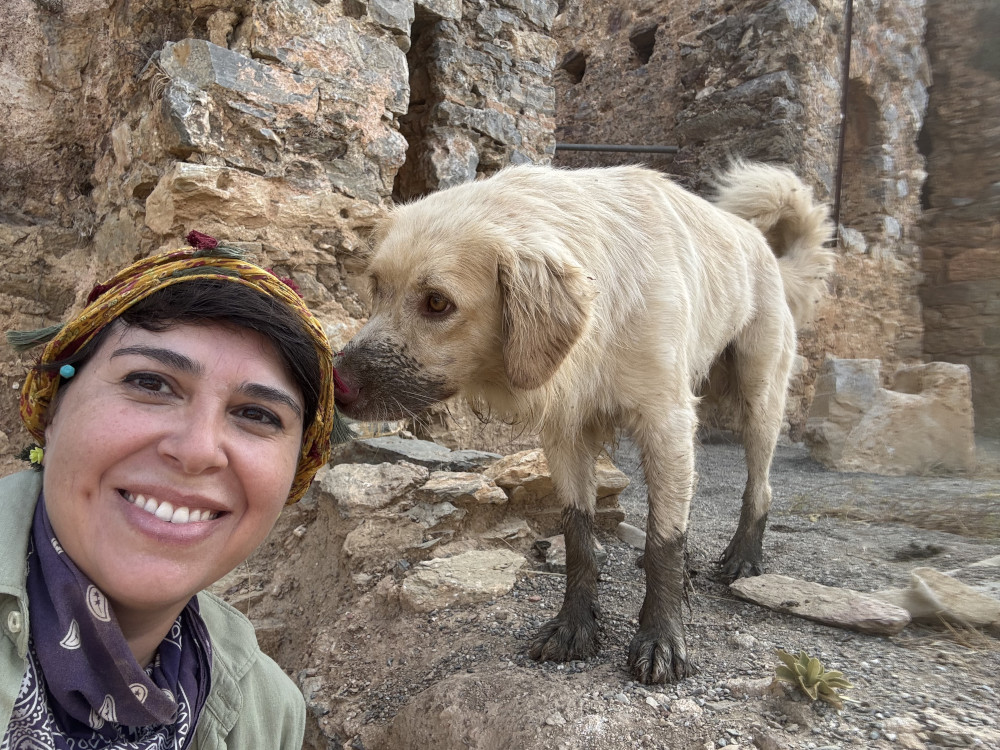
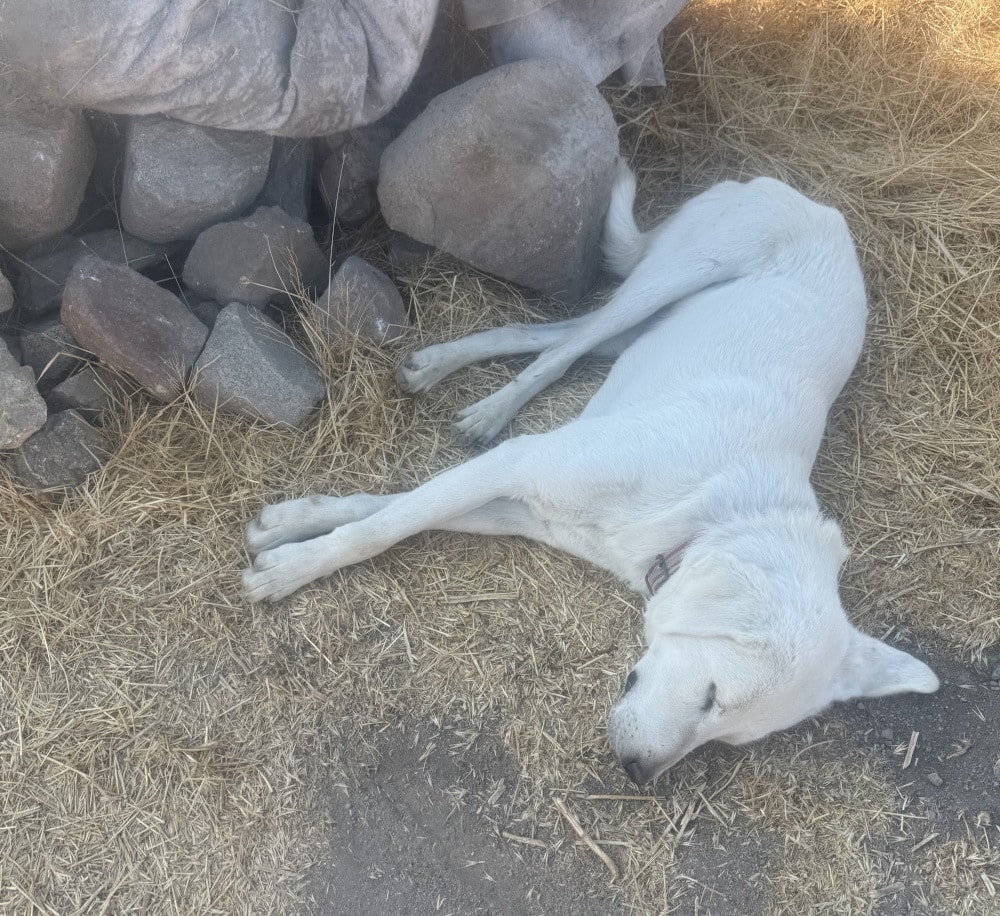
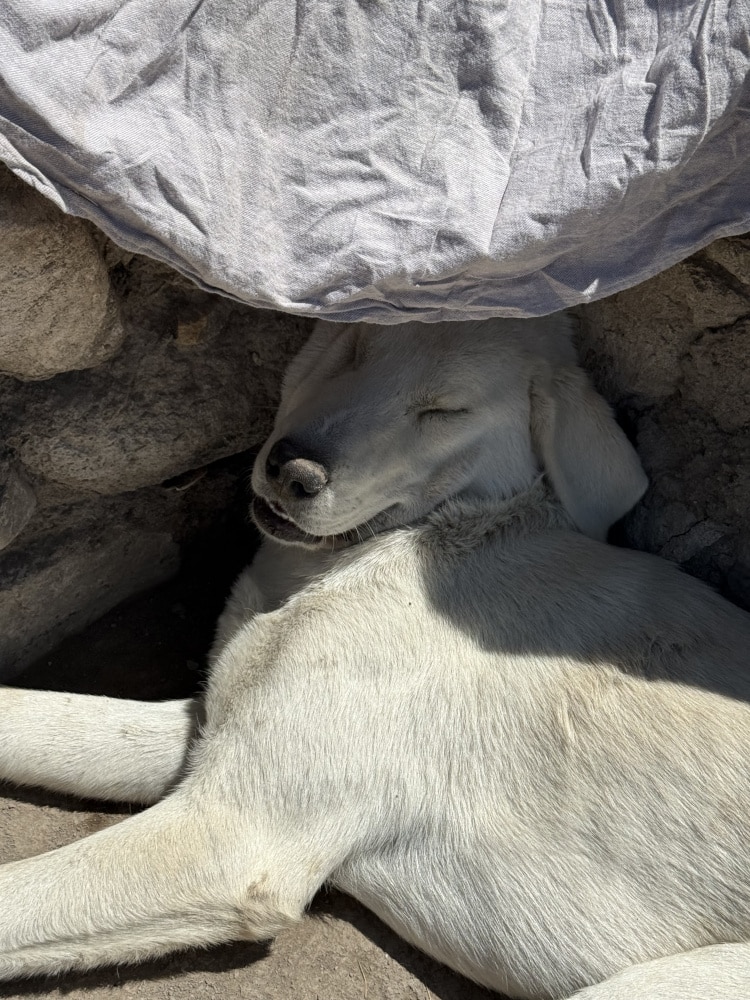
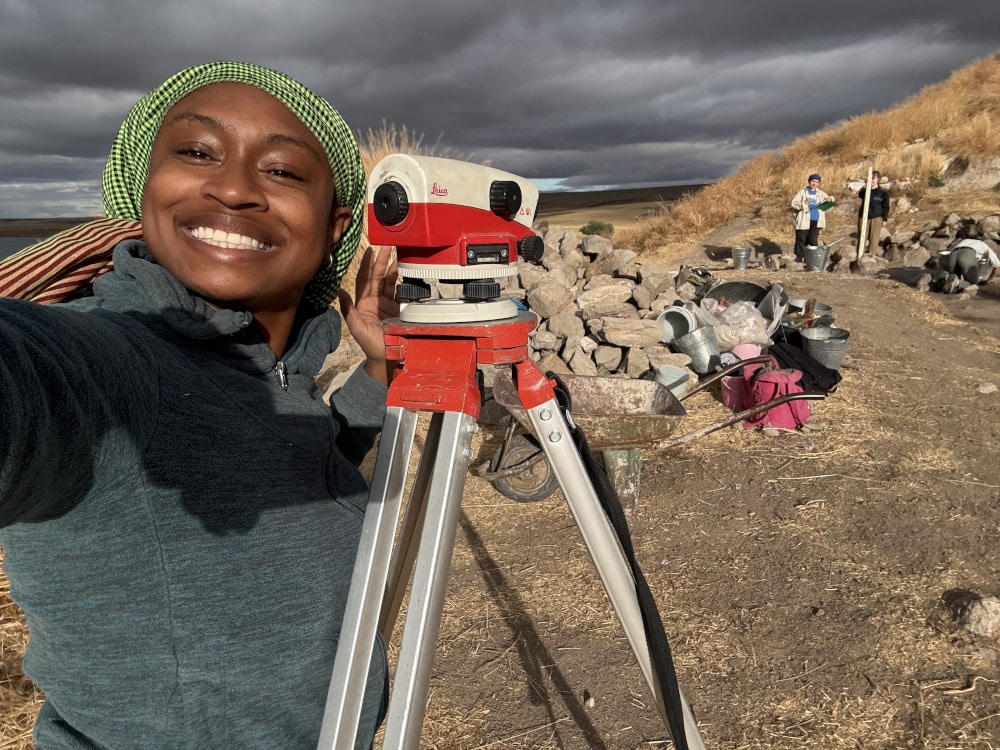
The arrival at the Çadır Höyük Archaeological Mound is stunning. My first morning on site and each morning thereafter, I beamed as I watched the sun dance across the lake. Making its first reappearance at the site in nearly a decade, the lake foreshadowed a productive field season and simultaneously affirmed the project’s emphasis on the impacts of environmental change. On our hike up and around the mound each morning, we were greeted by the wagging tail of Paşa, our friendly neighborhood Anatolian Shepard and adopted mascot for the project. More often than not, he would follow us up the mound, find a nice shady spot, and oversee excavation progress.  

Paşa, trench overlord.

Paşa, trench overlord.

I spent the first two weeks of the project working in the Late Chalcolithic Period (ca. 4250–3000 BCE) trenches SES-1, SES-2, and LSS-5 training intensively under the supervision of my advisor, Dr. Laurel Darcy Hackley. Working at the bottom of the mound demanded that I move slowly, work carefully, and notice the most minute changes in soil textures and colors because removing the smallest 1–2cm layer could destroy hundreds of years of the occupational record. It taught me to look intently, ask questions, and make possible meaning out of potential traces until additional evidence appeared to support or contrast it. It activated my imagination, pushing me to see what was, and served as great archaeological skills training.  

Darcy and I discussing the plan of action in LSS-5.

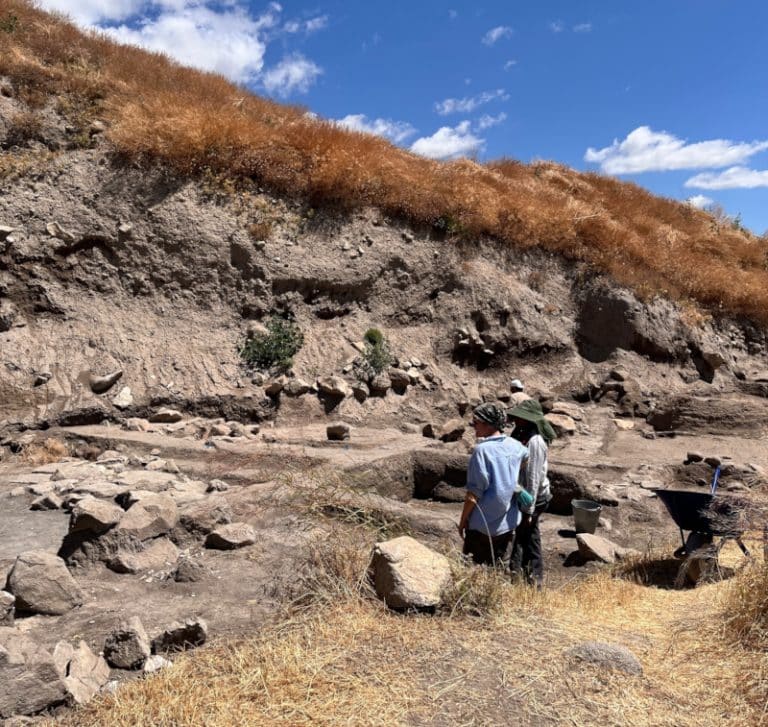
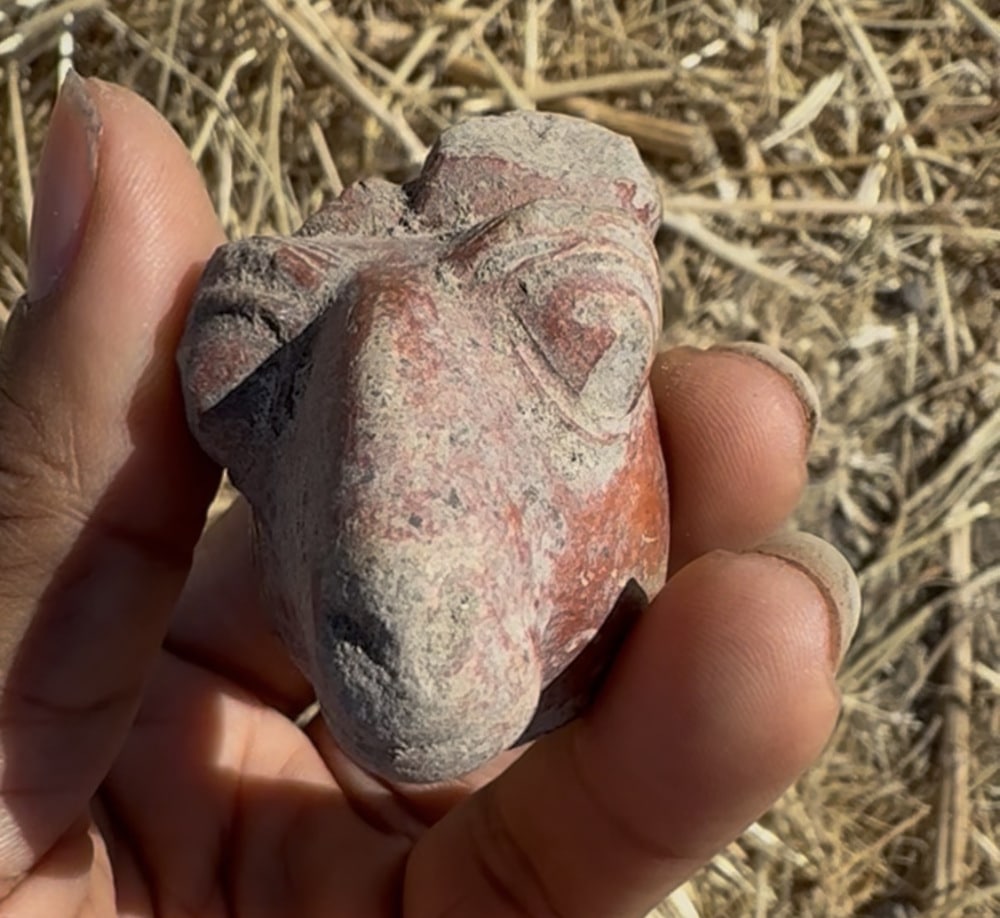
When week three rolled around and I was catapulted into the role of co-trench supervisor with my colleague Haleigh Keane, I was nervous, but ready. We resumed excavations of LSS-8, a previously opened 4×10 meter trench in southwestern corner of the tell spanning the Late Chalcolithic and Early Bronze Ages. Our primary goals were to investigate a pit feature in the northwest corner of the trench and to remove walls that had been previously documented in hopes of beginning excavations of the next occupation phase. Our most exciting find came from that pit—a small ceramic sheep’s head, dated firmly to the Hittite period by its wide eyes, pronounced nose, and quirky smile. 

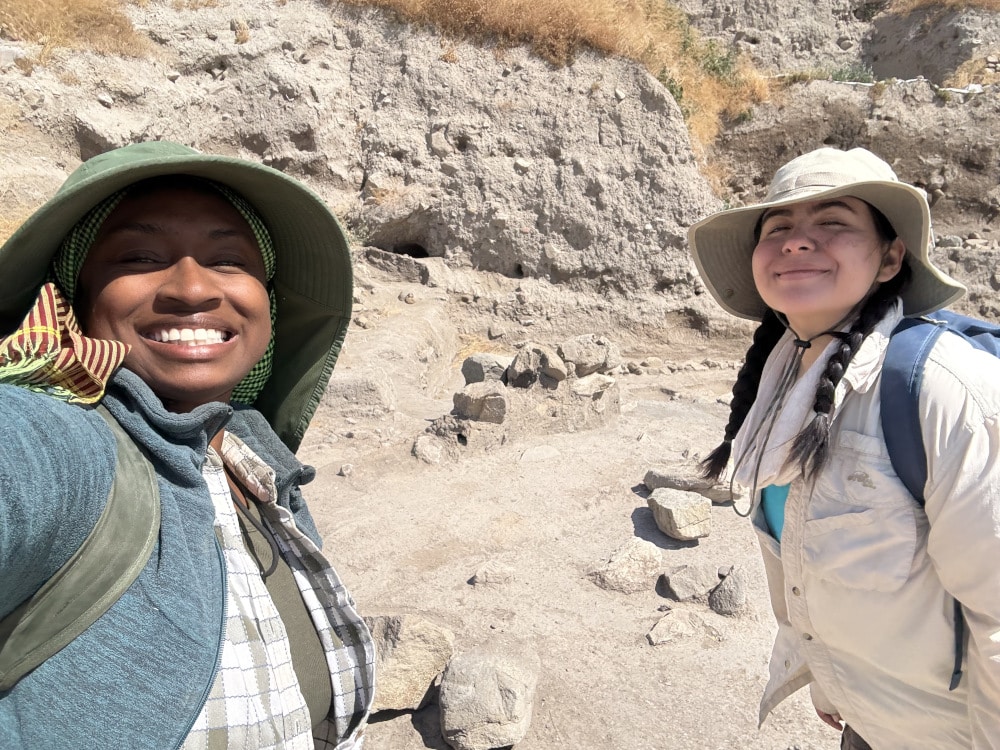
Haleigh and I showing our work in LSS-8 on my last day in the field, after partially removing feature walls.
Hittite sheep head recovered from the pit in LSS-8.

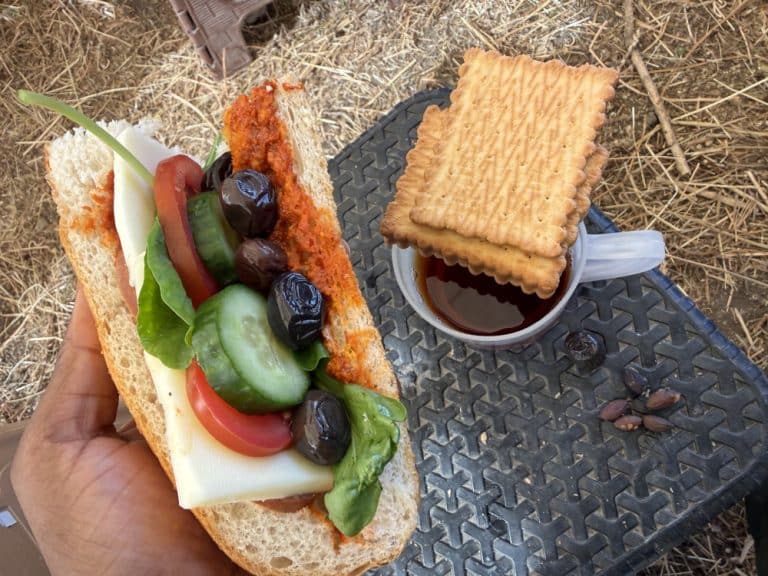
At 9am, the call for paydos! would reverberate around the site as the message spread like wildfire from trench to trench. Time to head down the mound to the break tent for second breakfast, the cherished mid-morning meal following hours of heavy physical labor. The project Bekçi, Ali, orchestrated the production, circulating all the sandwich fixings around the massive circle of excavators. First came the bread, followed by the spreads—mustard, mayo, and tomato. I always opted for a mustard and tomato combo. Next came the sliced salami and cheese, followed by tomato, cucumber, and leafy greens, and finally, the star of the show, black olives. YUM.  

The Second Breakfast of Champions.

After second breakfast, we’d hike back up the mound to resume fieldwork until 12:30pm. Thereafter we’d give the trench a good sweep, clean up the site, and end the field day by 1pm. I’d customarily take the van home, hop in the shower, and squeeze in a pre-lunch nap if I could manage it. 

After the Field 

“Yemeeeeek!” Music to my ears. Like clockwork, people would begin filing out of their rooms and into the kitchen to help carry out food and set tables. At some point during lunch, the Project Director, Dr. Sharon Steadman would communicate any announcements for the day and reveal what time lab hours would begin: 4:30 or 5pm. We all hoped for 5pm; the fate of our post-lunch naps depended on it. When 4:30 or 5pm rolled around, we’d head to the lab to receive our assignments and begin work. I rotated lab tasks during the first two weeks or so to get oriented to the project. Pottery washing became a welcome rest and respite from the late afternoon heat. Seated beneath the shade of plum trees and laundry hanging on the line, I chatted with team members with the backdrop of cows on the move walking through the village streets. 

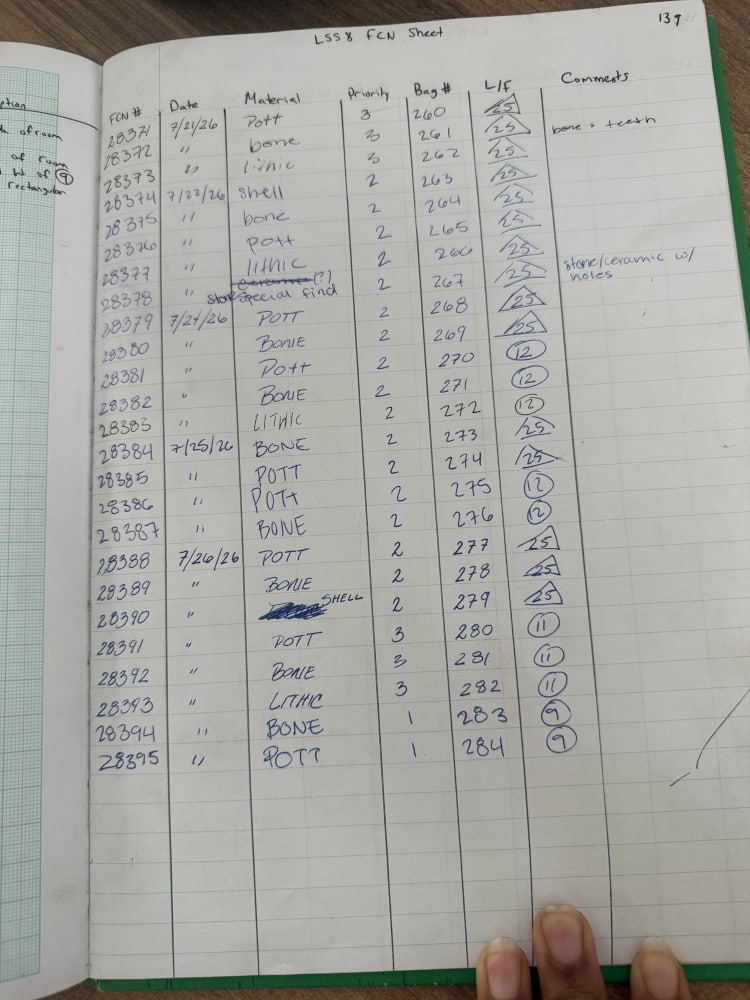
Once I assumed the role of trench supervisor, lab hours took the shape of completing the day’s field notes, documenting field catalog numbers (FCNs) and objects on feature and locus sheets and making plans for the next day’s excavations. 

FCN sheet for LSS-8.

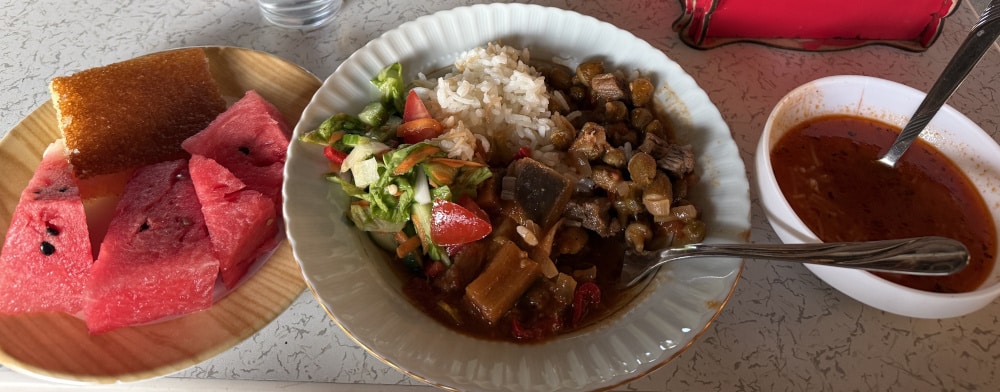
The evening call for dinner came at 7pm. Again, the entire dig site would burst with excited energy, looking forward to the culinary creations of our dig chef, Tuğba, and the pastry stylings of her daughter and sous chef, Buğlem. The meals were by far the best I’ve ever had on any excavation project.  

Examples of Tuğba and Buğlem’s culinary creations.

We’d end the night with laughs over çay, board and/or card games, and sometimes even a Tango, a Lindy Hop, or two. By 10pm, I was in bed and ready to start it all again the next morning.  

Sydney A. Pickens graduated from the University of Memphis in August with Master’s degree in Art History, concentrating in Egyptian Art and Archaeology. She has since matriculated as a doctoral student at the University of California, Los Angeles (UCLA), where she is pursuing a PhD in Ancient Egyptian and Nubian Studies.  

Want to help more students and early career archaeologists get into the field? Donate to the cause today by selecting “Fieldwork Scholarships” as your gift purpose!

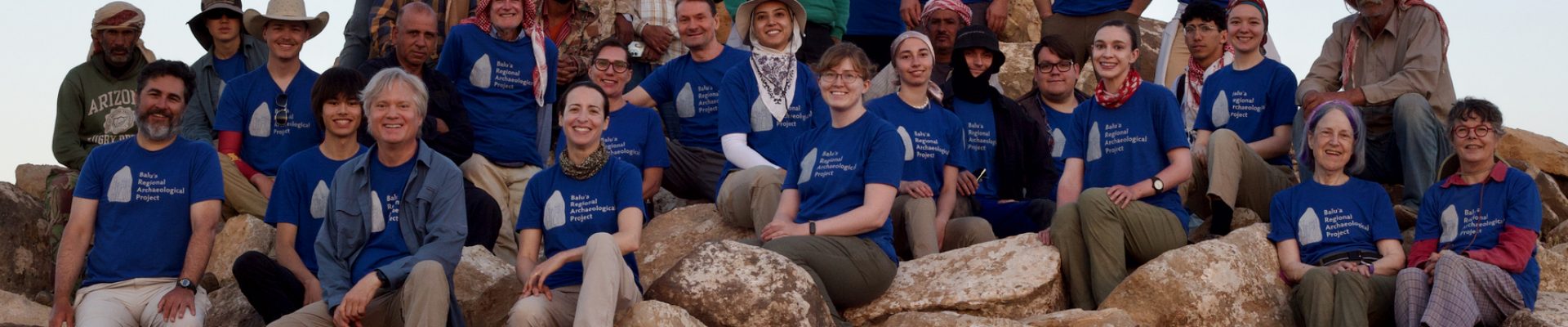
Fieldwork Report: Zainab Hweij

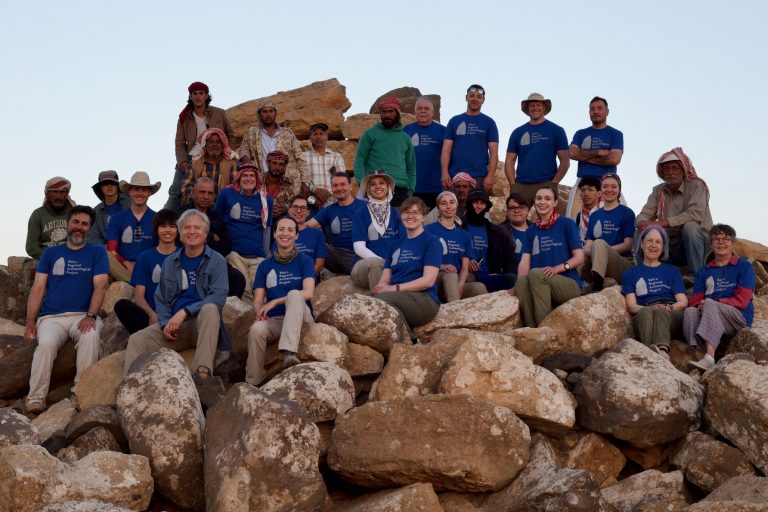
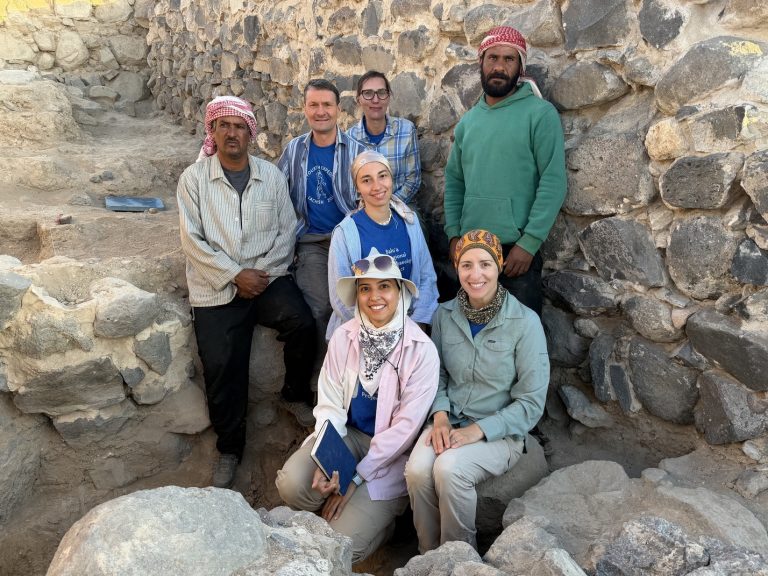
pic 7-group photo

From Research to Reality: My Journey to the Balu’a Regional Archaeological Project

Zainab O. Hweij, 2026 Strange/Midkiff Families Fieldwork Scholarship

For months, I wasn’t sure this excavation season would happen.

Like many archaeologists working in the Middle East, our plans were overshadowed by the uncertainty created by the regional political situation. Every week seemed to bring new questions about whether the field season would be postponed or canceled. Yet throughout this period, Dr. Monique Roddy (co-director of the project ) remained remarkably optimistic, encouraging the team and continuing to prepare for the season. Her confidence gave me hope that I would soon have the opportunity I had been working toward for months.

When I finally arrived at the Mujeb Hotel and met the team members, all of that uncertainty disappeared. The excitement of beginning another excavation season quickly replaced months of anticipation. Looking back now, that first evening feels like the beginning of one of the most rewarding archaeological experiences of my career.

My name is Zainab O. Hweij, and I am a Jordanian archaeologist with master’s degree from the University of Jordan. My research focuses on the visual culture and religious iconography of the Iron Age southern Levant, and I hope to pursue doctoral research on Iron Age stamp seals and visual communication. Because of these interests, participating in an excavation at Khirbat al-Balu’a was a perfect opportunity to gain firsthand experience with Iron Age archaeology.

The Balu’a Regional Archaeological Project (BRAP) investigates Khirbat al-Balu’a, one of Jordan’s significant archaeological sites in the ancient kingdom of Moab. Directed by Drs. Kent Bramlett, Monique Roddy, and Friedbert Ninow, the project brings together specialists and students from around the world to investigate the site’s long occupational history, in the Iron Age and later periods. Working within such an international and multidisciplinary team provided an inspiring environment in which to learn.

Interestingly, I first discovered BRAP while researching a completely different site. During my master’s research and while preparing ideas for my future PhD, I spent considerable time reading about Tall al-‘Umayri and the Madaba Plains Project. As I explored publications and project websites, I came across BRAP and became fascinated by the work being conducted at Khirbat al-Balu’a.

I applied to join the project, but there was one significant obstacle: funding. As an early-career archaeologist, the costs associated with international fieldwork were beyond what I could afford on my own. Receiving a 2026 Strange/Midkiff Families Fieldwork Scholarship transformed what seemed like an impossible opportunity into reality. The scholarship removed the financial barrier that would otherwise have prevented me from participating, and for that I am deeply grateful.

The excavation began with new friendships. At the Mujeb Hotel, I met archaeologists from different countries, each bringing their own experiences and perspectives. My roommate, Sarah Watson, immediately made me feel welcome, and before long our conversations continued from breakfast to the end of each excavation day. These friendships became one of the highlights of the season.

For much of the excavation, I worked as a square supervisor in the Khan area alongside Omar and Mary, while Amar and Salam worked with us in the field every day. Supervising a square required balancing excavation with careful documentation, recording contexts, directing excavation strategies, and constantly discussing interpretations with colleagues. Archaeology is often imagined as the discovery of spectacular artifacts, but I learned once again that it is really about patience, observation, and teamwork. Every layer removed, every stone recorded, and every pottery sherd documented contributed another piece to the history of the site.

Because my academic research focuses on the Iron Age, I hoped to gain direct experience excavating Iron Age architecture. I spoke with Dr. Ian Jones about my research interests, and he immediately supported the idea. Thanks to his encouragement and the generosity of the project directors, I was given the opportunity to spend a week excavating in the Iron Age domestic area alongside the German team that joined the project later in the season.

That week was especially meaningful. Instead of studying Iron Age material only through publications and museum collections, I was able to excavate architectural remains and contexts firsthand.

Beyond the archaeology itself, BRAP reminded me that fieldwork is built on community. Every day involved cooperation, shared problem-solving, and learning from people with different backgrounds and areas of expertise. Whether discussing pottery after excavation, comparing interpretations in the field, or simply sharing stories over dinner, I left the project with new knowledge, lasting friendships, and renewed motivation for my future career.

The Strange/Midkiff Families Fieldwork Scholarship made all of this possible. It did more than provide financial support, it opened the door to an experience that strengthened my archaeological skills, connected me with an incredible international team, and brought me one step closer to my goal of becoming a specialist in Iron Age archaeology. I will always be grateful for the opportunity to be part of the 2026 Balu’a Regional Archaeological Project, and I look forward to carrying the lessons I learned there into my future research.

Zainab O. Hweij has a Master’s in Archaeology from the University of Jordan, with research interests in the visual culture and religious iconography of the Iron Age southern Levant.

Want to help more students and early career archaeologists get into the field? Donate to the cause today by selecting “Fieldwork Scholarships” as your gift purpose!
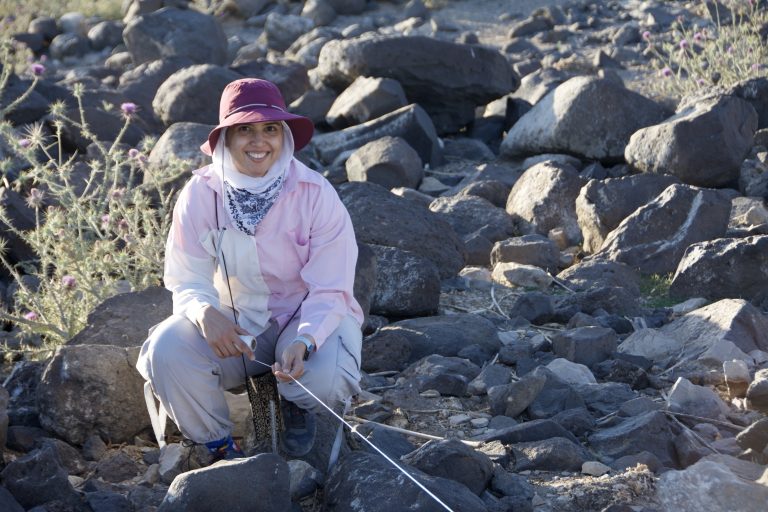
Fieldwork Report: Leticia Rodriguez

rodriguezbanner-1920x400

Fieldwork Report: Leticia Rodriguez

Leticia Rodriguez, 2025 Strange/Midkiff Families Scholarship Recipient

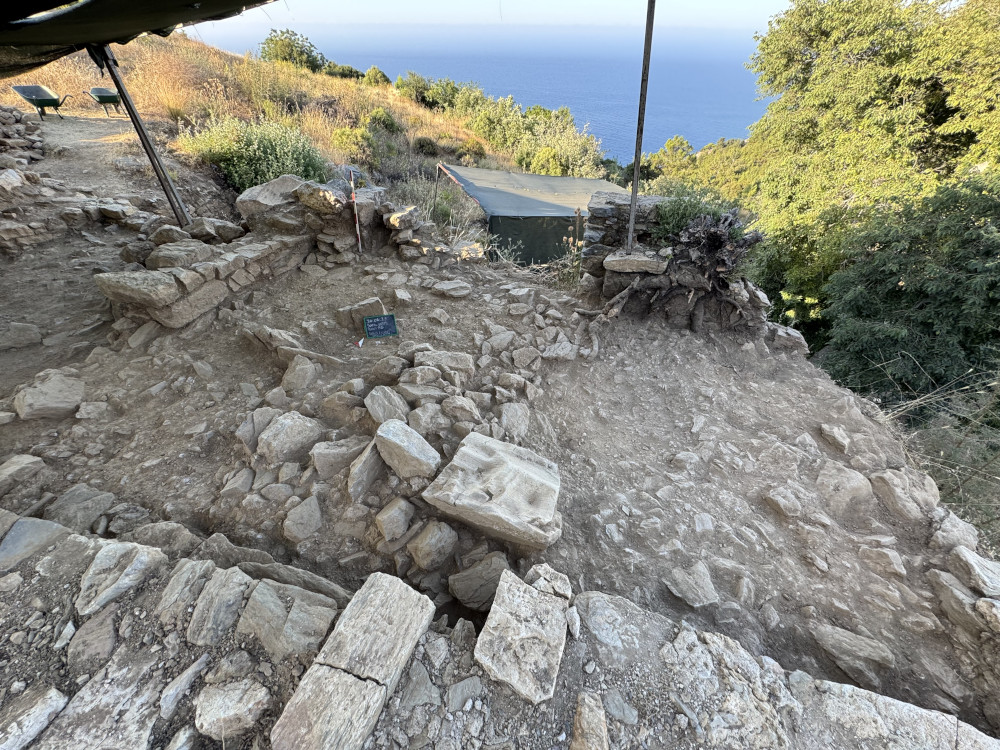
In 2005, excavations began at the site of Antiochia ad Cragum, a city founded in the mid-first century CE and located along the rugged coastline of western Rough Cilicia (modern Türkiye). Among other civic and religious structures, Antiochia ad Cragum is home to three baths: a poorly preserved bath at the foot of the Anticragus, the Great Bath located within the city, and the Small Bath. The Small Bath, dated to the second century CE, is located about 50 meters east from the main entry point to the city, and just off the ancient, primary coastal road. In a 1967 survey of buildings at Antiochia ad Cragum, Gerhard Huber recorded a bath complex with a central hall, and banks of rooms on the north and south sides: this type of bath complex is one known from other sites in Rough Cilicia, such as at Anamur and Syedra.

With Huber’s plan as a guide, we began excavations at the Small Bath in 2018. In seven seasons of excavation, we have begun to understand the bath in its original form, adding to, and in some cases correcting Huber’s plan, and we have revealed evidence that provides a picture of how the complex was used in later periods when it no longer acted as a bathing facility, and how these functions contributed to Antiochia’s role in the later Roman economy in the region.

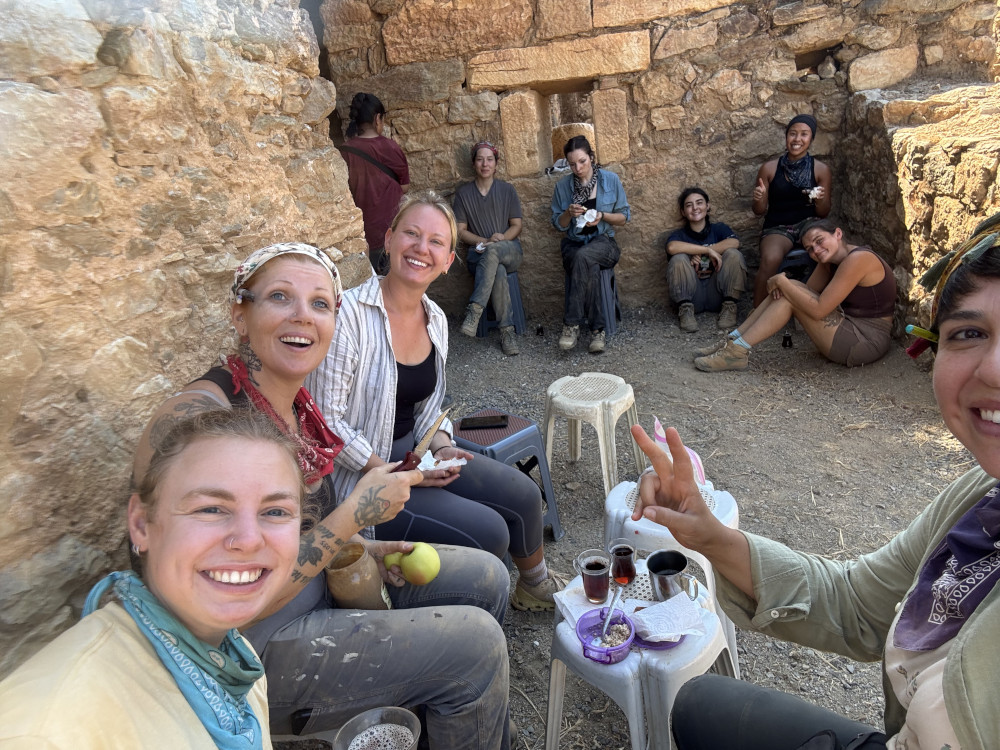
Tea break in the Small Bath.

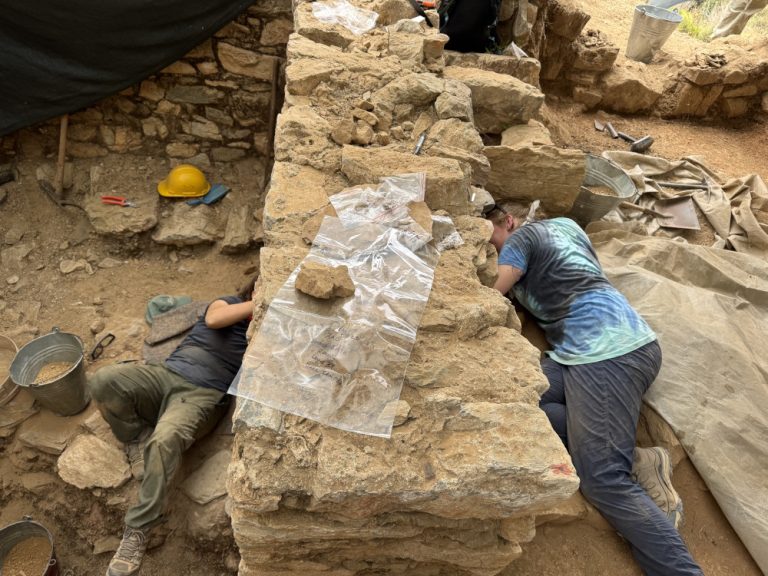
Indeed, the 2025 season focused primarily on exploring the bath’s later industrial phases. In previous seasons we discovered a ceramic kiln built adjacent to the bath’s main entrance corridor, and evidence for wine and olive oil production within the walls of the bath’s main hall and cold rooms (explored in an article by this author and Emlyn Dodd, in preparation); in the 2024 season we discovered in the south bank of rooms a glass furnace. The goals of this summer were to complete excavation of the glass furnace, and open the westernmost room on the south bank (Room 8), the room in closest proximity to the presumed location of the bath’s praefurnium. Investigations here did not disappoint as we uncovered what appear to be a series of small kilns built seemingly in succession. With a small team and the season coming to end, however, we were not able to complete excavation of this particular area, but we look forward to doing so next year.

Room 8 prior to exposure of kilns.

Antiochia ad Cragum is a field school that has historically brought in students and volunteers from North America, Europe, Asia and Australia. As acting supervisor of the Small Bath excavations since 2021, and now Field Director of the site, I have had the privilege of teaching students field techniques and recording. It has been rewarding to guide undergraduates and graduate students as they explore their own research questions related to our excavations at the Small Bath through poster projects and papers, while also exploring my own research interests in collaboration with Turkish and non-Turkish colleagues in the form of publications and lectures for the public and academic communities. 

Students excavating a presumed flue of the glass furnace.
Students learning how to take elevations with the help of Project Director Dr Michael Hoff.

While I have done this in my official roles with the project, I am also a mom with two small children who has had to bring my kids with me to Türkiye every season. I have many colleagues who can identify with this position, and who know well that it can be quite complicated for many reasons, including financial. ASOR recognizes that such personal factors should not be a barrier to academic research and growth, especially to early-career scholars such as myself; I am grateful to ASOR and a summer fieldwork scholarship made possible by the late Mrs. Carolyn Midkiff Strange for the support that allowed me to continue my work at Antiochia ad Cragum for the 2025 season and, I hope, many seasons to come.          

With the other Small Bath supervisor.

Leticia R. Rodriguez is an Assistant Professor of Art History, Ancient Mediterranean and Middle East at the University of Houston. She has excavated at Antiochia ad Cragum since 2019.

Want to help more students and early career archaeologists get into the field? Donate to the cause today by selecting “Fieldwork Scholarships” as your gift purpose!
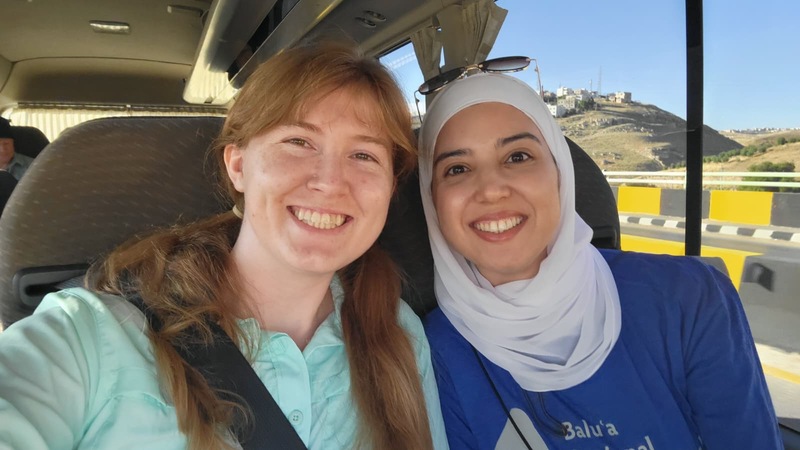
Collections Fellowship Report: Irene Romano

2026 Study of Collections Fellowship Report

Irene Bald Romano, School of Art and School of Anthropology, University of Arizona

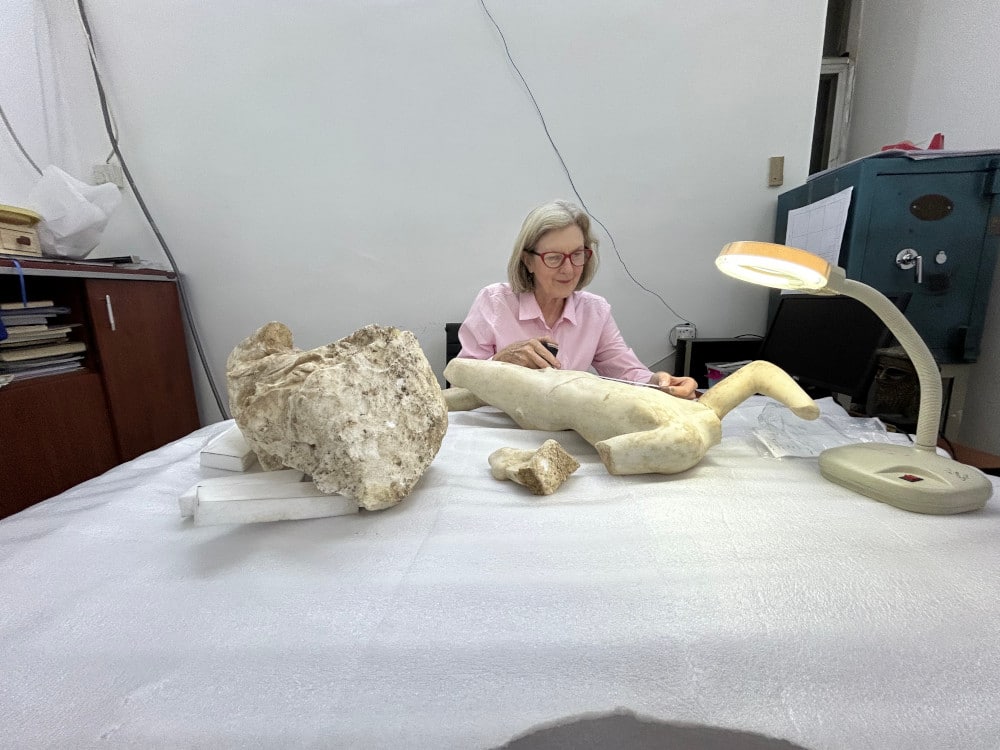
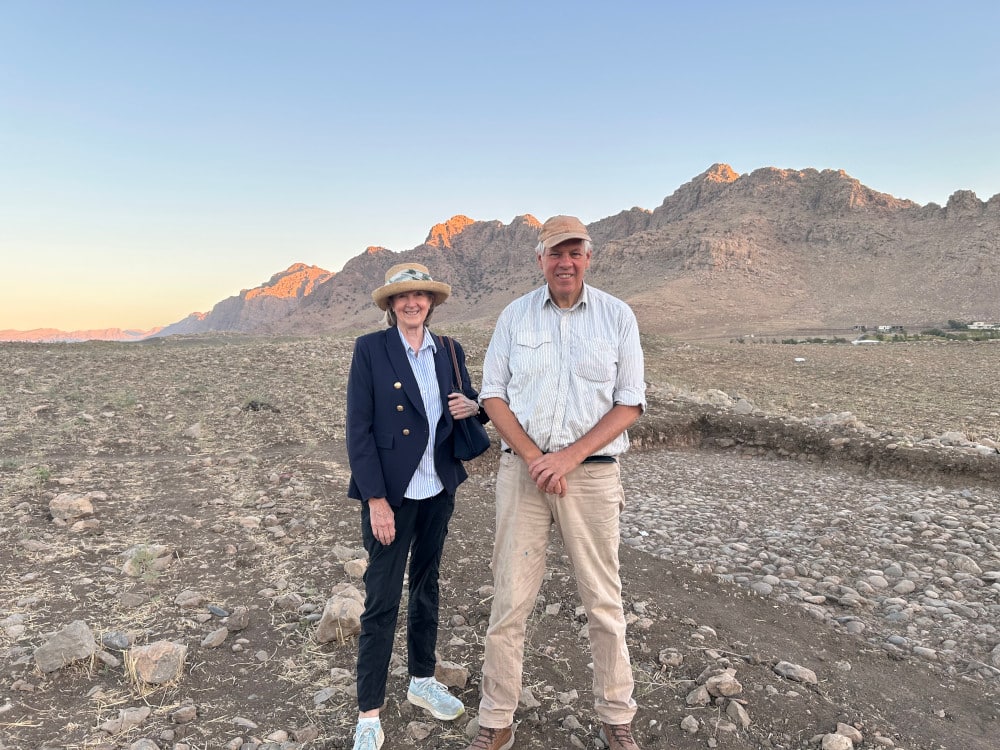
I am pleased to present this final report of the results of my research funded in part by ASOR’s Study of Collections Fellowship during the summer of 2026. This research project is focused on a group of Late Hellenistic (2nd or early 1st centuries BCE) Greek marble sculptures excavated between 2016 and 2021 in a large Parthian administrative building or manor house (Area E Building) in Qalatga Darband, a fortified ancient town in northern Mesopotamia (eastern Iraqi Kurdistan). In November 2023, I was invited by the excavator, Dr. John MacGinnis, to study and publish these sculptures, now housed in Rania and in the Slemani Museum in Sulaymaniyah, Kurdistan, and in October 2025, I had the opportunity to travel to Kurdistan to examine the material.

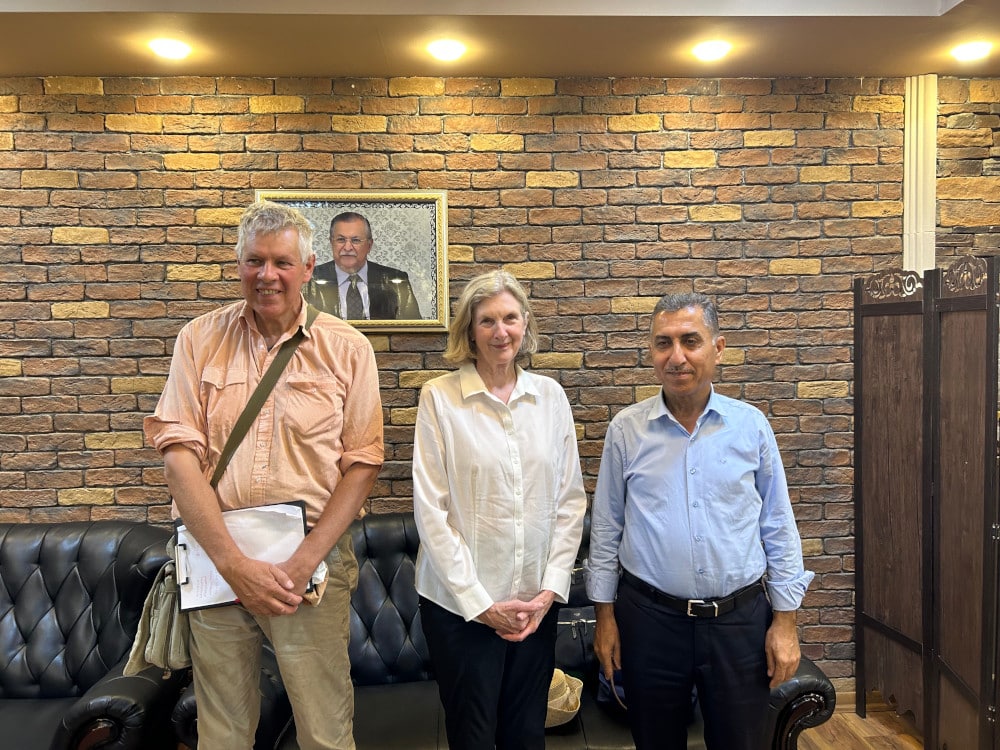
Dr. John MacGinnis, Dr. Irene Bald Romano, Dr. Hashim Hama Abdullah, Director Slemani Museum Oct 2025.
Dr. John MacGinnis, Dr. Irene Bald Romano, and Dr. Hashim Hama Abdullah, Head of the Directorate of Antiquities of Sulaymaniyah, Iraqi Kurdistan, October 2025.

The group includes around 70 marble fragments, comprising at least 10-11 statuettes that are purely Greek in style, scale, themes, material (white marble), and manufacturing techniques, forming a consistent corpus that was likely acquired on a single occasion. It is very rare to find such a large group of Greek sculptures in this part of the ancient world, and key research questions relate to where and by whom were they manufactured, how did they come to be in this particular town and building, and how were they used. There is evidence from parallel examples of sculptures of this period that these statuettes were probably manufactured in the Greek islands, possibly Rhodes or Delos, and transported east. They may have been booty taken during the wars between the Seleucid Greeks and the Parthians in the 2nd century BCE or collected by a philhellenic Parthian elite (a royal family member or governor or the like) who resided in the Area E Building.

Irene Bald Romano study sculptures from Qalatga Darband in Slemani Museum October 2025.
Irene Bald Romano studies sculptures from Qalatga Darband in the Slemani Museum, Sulaymaniyah, October 2025.

Critical at this stage of my research leading to the final publication of these sculptures are: 1) analysis of the marble which is now being conducted by scientists at the Austrian Academy of Sciences in Vienna; 2) examination of similar sculptures of this period in key places such as Delos, Rhodes, and Kos, which I conducted in fall 2025 and this past summer; and 3) library research to identify comparable Greek material. For the latter, with my travel to and living expenses in Athens largely supported by the ASOR Fellowship, I used the unparalleled Blegen Library of the American School of Classical Studies at Athens. I have completed a draft of a manuscript for a long article or book-length publication, to be co-authored with Dr. MacGinnis. We are awaiting the results of the analysis of the marble from colleagues at the Austrian Academy of Sciences which will be integrated into the manuscript with an appendix added with the full scientific information. We hope to submit the manuscript to a press before the end of the calendar year.

Irene Bald Romano and John MacGinnis at Qalatga Darband, Kurdistan October 2025.
Irene Bald Romano and John MacGinnis at Qalatga Darband, Iraqi Kurdistan, October 2025.

I am extremely grateful to ASOR and its donors for awarding me this fellowship to further my research on a topic that I believe is important from many perspectives. These finds lie at the nexus of critical moments in Late Hellenistic and Roman history in the East, adding to our picture of cultural interactions among minority Greek populations, the Parthians and their vassal kingdoms, and the Romans in the region. I am also deeply appreciative to John MacGinnis and many colleagues who have assisted me with this project, including those in Kurdistan who provided overwhelmingly enthusiastic support. 

Fieldwork Report: Mandy Porter

DiggerKissonerga Skalia Cyprus July 2015 – 1920x600

Archaeology in Prehistoric Cyprus Rocks

Mandy Porter, 2025 Strange/Midkiff Families Scholarship Recipient

Kissonerga-Skalia is a Bronze Age settlement on the western coast of Cyprus, 10km north of Paphos. The site was occupied from the Early Cypriot Bronze Age (c. 2500 BC) to the beginning of the Late Bronze Age (c. 1600 BC). This ASOR-affiliated project is directed by Lindy Crewe (CAARI) and Ian Hill (HARP Archaeology). This is a remarkably interesting, and sometimes puzzling, site to excavate. The soil does not usually have distinct color changes, due to being baked in the sun, so it is important to pay attention to the soil’s texture. Additionally, the site is in a plow-zone, causing the different chronological layers and artifacts to be mixed together. While these aspects may seem daunting at first, they help archaeology students learn how to excavate meticulously.

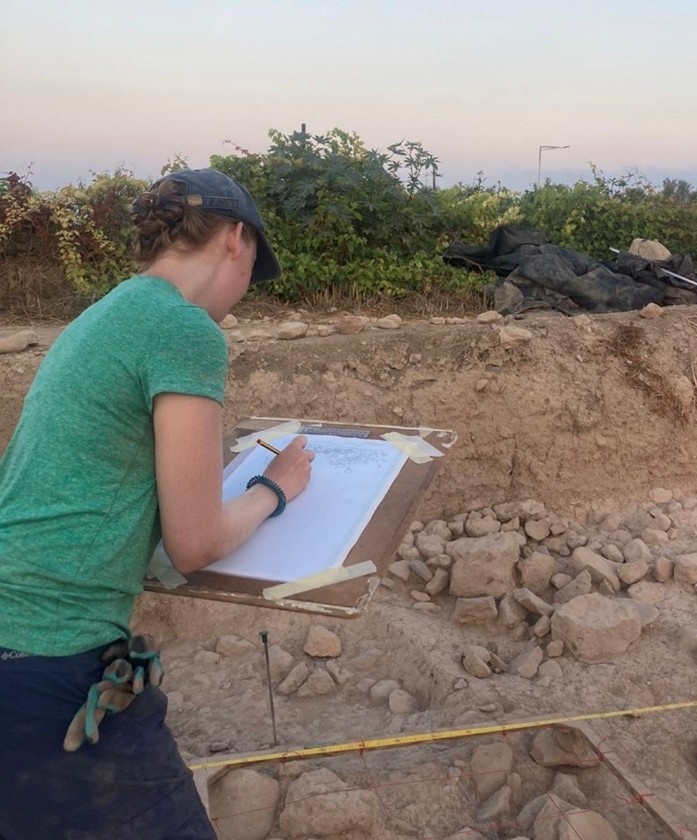
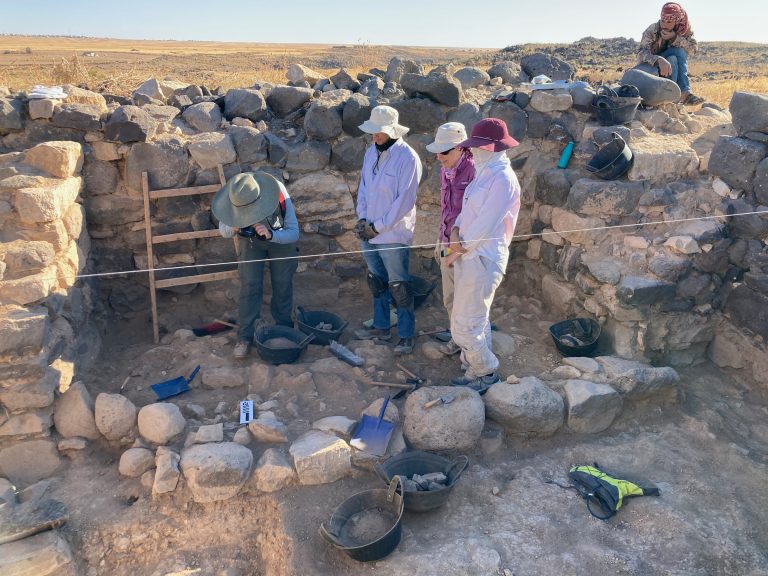
This summer was my second season at Kissonerga-Skalia, and I happily returned to my old unit, Trench Q, to pick up where I left off last year. This trench features an intact pithos, querns as well as other ground stones, and metal artifacts. Trench Q is also riddled with several wall constructions and pits. These walls cut into each other from various directions, and they feature different concentrations and sizes of stones, suggesting that they are not contemporaneous with each other. Trench Q also has a large number of rocks, many of which form the circular boundaries of pits running parallel to the walls. In order to confirm the presence of a pit, we had to identify the pit edges by defining the rocks and lightly trowelling the surrounding area to find where the soil texture transitioned from being compact to soft.

Mandy defining a compact surface and wall in Trench Q.

Another part of my trench features a jumbled heap of rocks, which I worked with most of last year. This season we attempted to articulate the pile by removing smaller, loose rocks from the top to see if we could identify the edges of a pit. We discovered that with each rock removed, it felt like two more rocks were found underneath it. The rocks will ultimately keep their secrets, but we interpret them to be either a rubble pile or the filling of a pit. This part of my trench demonstrates how archaeologists sometimes come across features that are difficult to identify or study. I spent the second half of the excavation exposing a flat, compact surface, which was probably a floor, and defining one of the walls. As we were following this surface, we realized that it continued on the other side of the wall, suggesting that this wall was not associated with the surface but that it was constructed later, cutting the floor. We concluded the season by planning every excavated section of the trench to assist future excavations at Kissonerga-Skalia.

Mandy drawing an archaeological site plan.

Alongside my role on the project, my personal goals were to increase my skills in photogrammetry, begin to delve into the use of digital modelling technology, and work on my instructional skills. I have only recently begun my journey in digital archaeology, but I am increasingly interested in the use of digital tools to enhance archaeological excavation and data collection. My use of digital modelling technology has been interesting. The feeling of creating an explorable model is wonderful but the process requires an incredible amount of patience. Teaching students in the archaeological field technique was a wonderful and amazing learning opportunity.

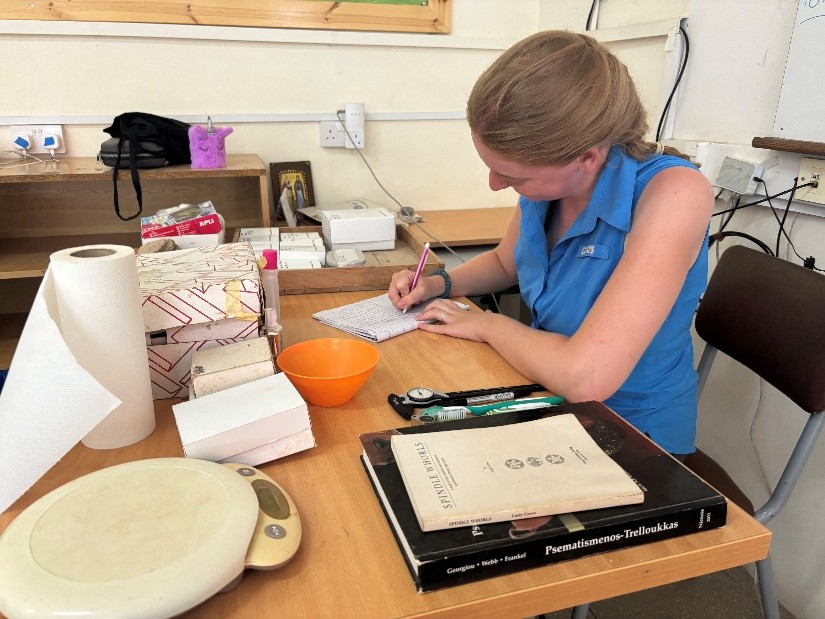
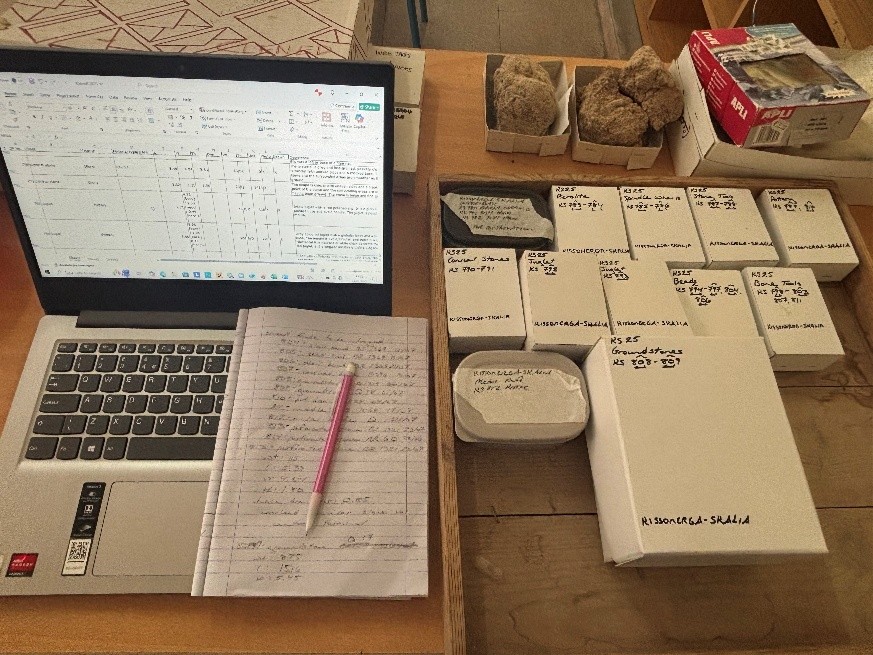
During post-excavation activities, I served as the Small Finds Registrar. In this role, I worked closely with prehistoric Cypriot material culture and studied the artifacts that my fellow students and I had excavated. The artifacts dated between the Late Chalcolithic and Middle Bronze Age. The range of small finds this season included juglets, ground stones, beads, and metal objects. I cleaned, measured, weighed, and catalogued these small finds firsthand. Some objects were too fragile to wash, so I dry brushed them to gently remove excess dirt and to articulate their shape. I researched these artifacts for typologies and comparable examples in site reports from other Cypriot sites, and I collaborated with the project’s specialists. Additionally, I made boxes for each artifact type so that the small finds could be securely transported to museum storage for future study. Through this unique opportunity, I gained experience handling artifacts as well as familiarity with various materials and object types that will be beneficial for future work in excavations or museums.

Mandy researching small finds during post-excavation activities.
Small finds from the 2025 season.
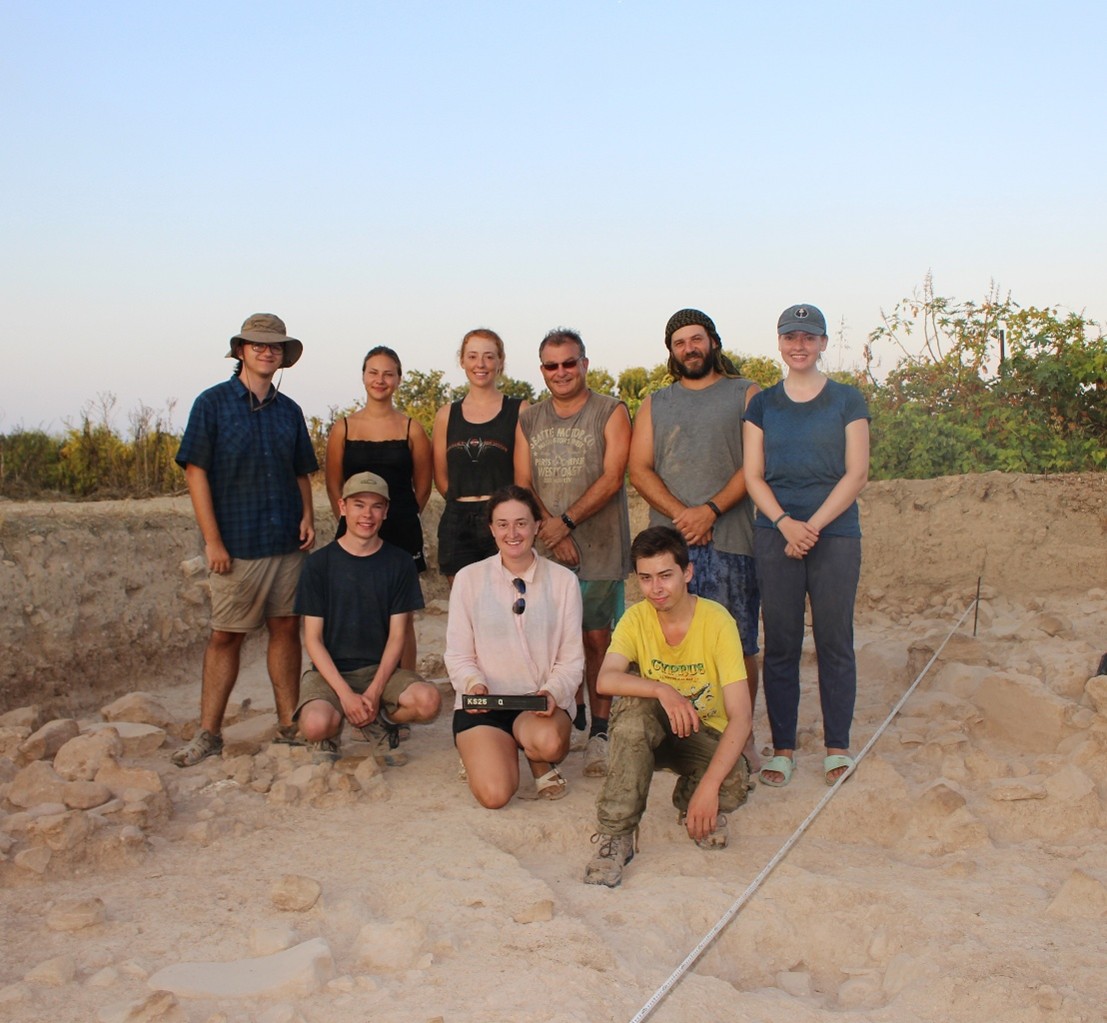
Team photo of Trench Q, Kissonerga-Skalia 2025.

Mandy Porter is a master’s student at Columbia University studying Museum Anthropology. She has a master’s degree in Classical Archaeology from the University of Oxford and a bachelor’s degree in Archaeology and Classical Studies from Dickinson College. She is also an active member of both ASOR’s Early Career Scholars Committee and Honors and Awards Committee. 

Want to help more students and early career archaeologists get into the field? Donate to the cause today by selecting “Fieldwork Scholarships” as your gift purpose!
Collections Fellowship Report: Laura Alvarez

Me and We in the Mirror. A Study of Self and Other from Mesopotamia to the Levantine Coast during the Fourth and Second Millennia BCE 

Laura Alvarez, University of Cambridge, 2025 Study of Collections Fellowship Recipient

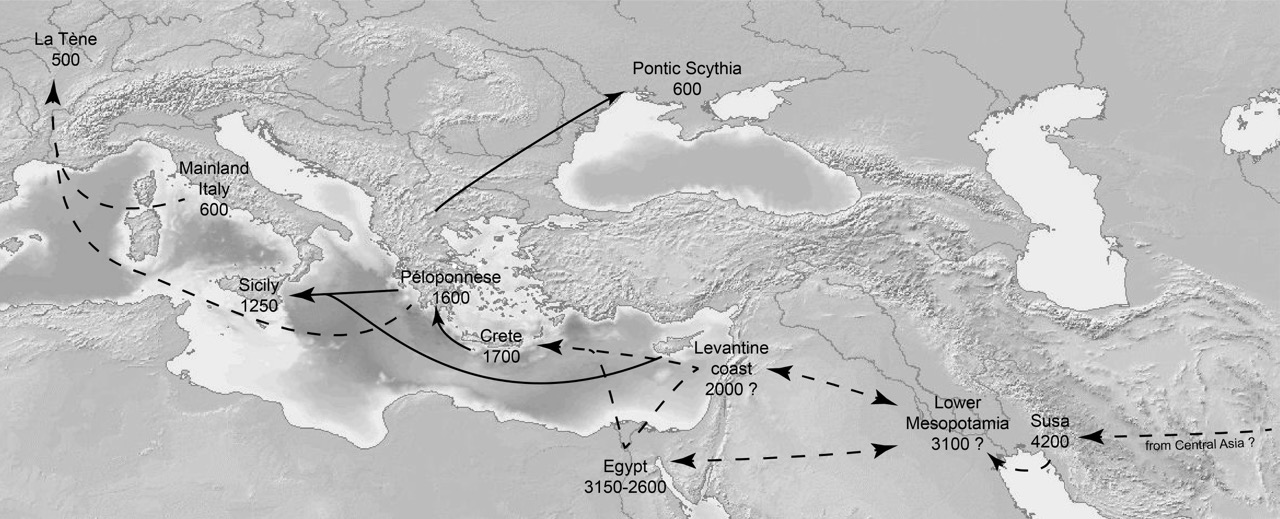
From the beginning of the fourth millennium BCE, small circular mirrors in copper alloy started appearing in funerary and temple contexts across Mesopotamia and the Levantine coast. What might seem a banal object in fact marks a major milestone in the history of both technology and perception, as mirrors offer a means of accessing what would otherwise be invisible to us directly: the face, in a left–right reversed and sometimes distorted image. Where reflections had previously been fleeting glimpses in water, mirrors now provided a more stable, manipulable, and portable medium.

Map of the earliest dates of metal mirror from Western Asia to Europe, with possible paths of spread across Eurasia.

For many years, I have wondered how mirrors may have altered perceptions of oneself and others, disrupted relational structures, or suggested new ways of conceptualising the world. A well-known historical parallel is the development of mirrors in seventeenth-century Europe, which coincided with the rise of the bourgeoisie, new notions of individuality, and the emergence of intimacy and personal comfort. But even earlier, in 12th Dynasty Egypt, Ipuwer evoked the image of a woman who once had to gaze at her reflection in water but now owned a mirror (Papyrus Leiden I 344 recto) as a way of expressing the upheaval of social revolution: access to self-awareness, once dictated by hierarchy, was shifting. Much like the performative nature of status at Versailles, this demonstrates how mirrors could become instruments of social and ideological transformation as far back as the Chalcolithic and Bronze Age periods.

In this project, my aim is to attempt to reconstruct the experiences of people interacting with mirrors, seeking insights into their perceptions of reflections and the symbolism attached to these objects. Since 2022 I have been building a dataset of mirrors from Syria, Palestine–Israel, Lebanon, Jordan, Iraq and western Iran, and have studied numerous collections worldwide.

The ASOR Study of Collections Fellowship provided the critical final support needed to complete the data collection phase of the project, which involved visiting the archaeological collections at the Louvre and the Baghdad Museum. The latter houses numerous mirrors from Agrab, Khafajeh and Kish-Tell Ingharra, Ur, Uruk, Khafajeh and Asmar, most of which remain unpublished. Although part of the work was hindered by the closure of regional airspace in mid-June, which forced the postponement of travel, I expect to conduct research in Iraq in the autumn or winter. The ultimate goal of this project is to produce a monograph, the Corpus Speculorum Orientis, restoring to this material a scholarly standing long minimised.

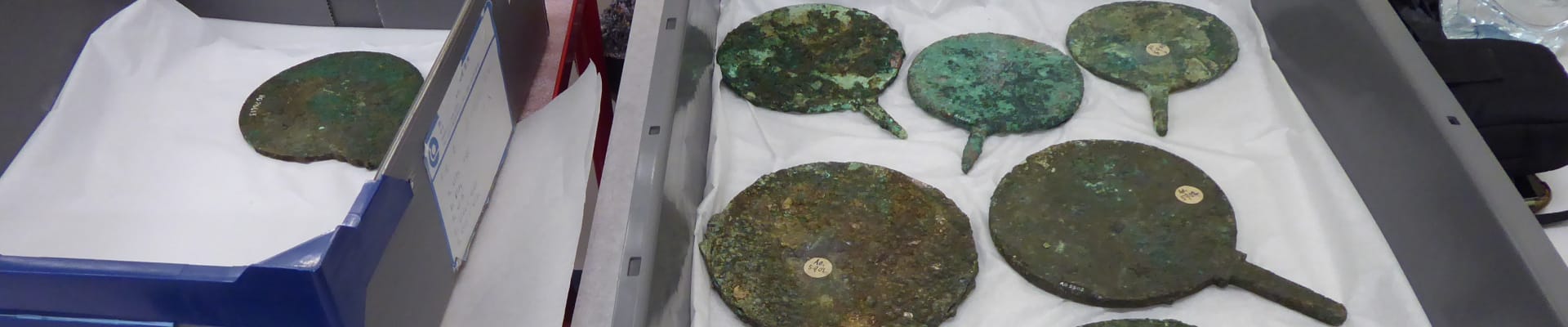
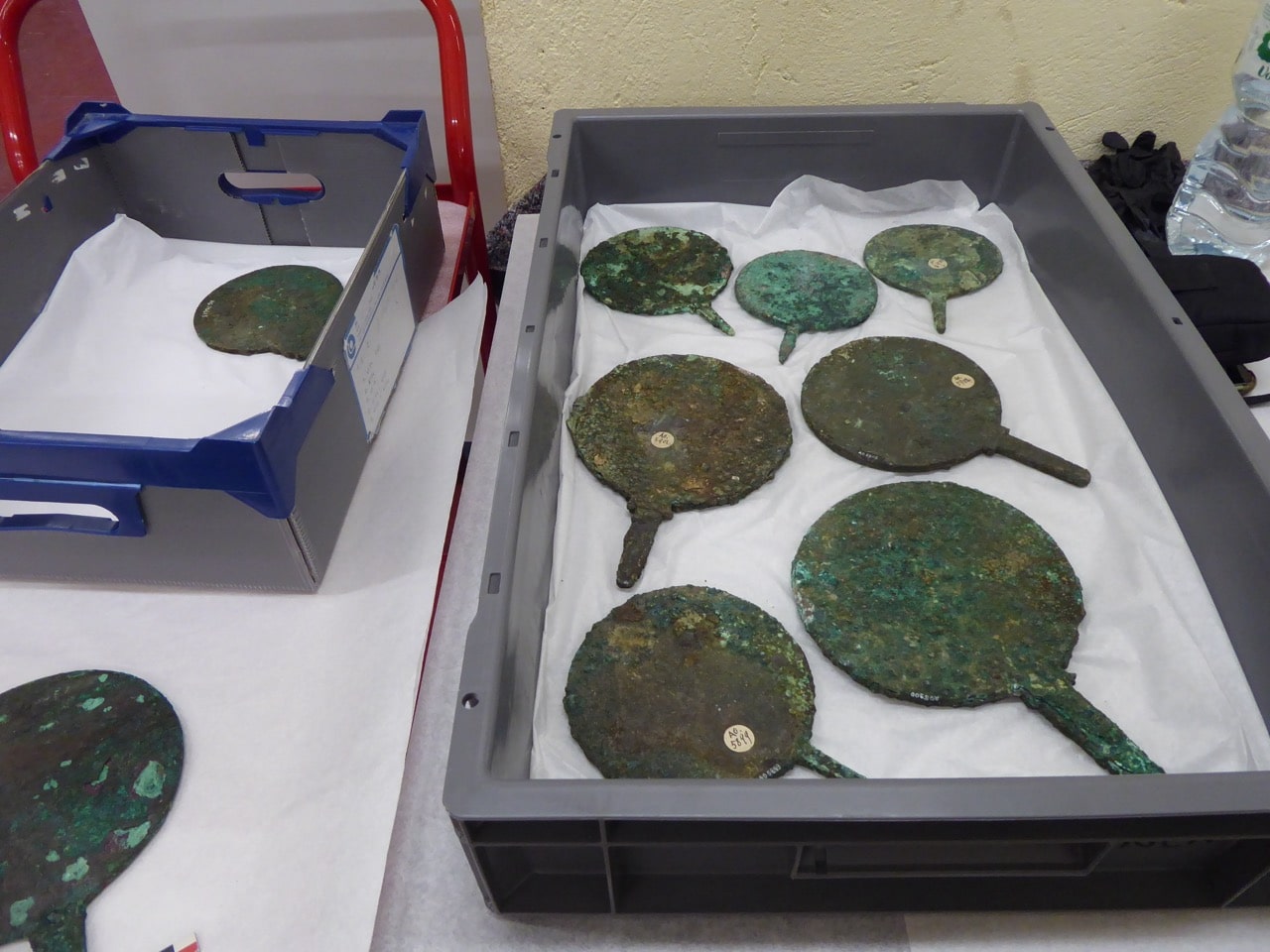
Copper-alloy mirrors from the collections of the Louvre Museum (photograph: Laura Alvarez).

The ASOR Study of Collections Fellowship provided the critical final support needed to complete the data collection phase of the project, which involved visiting the archaeological collections at the Louvre and the Baghdad Museum. The latter houses numerous mirrors from Agrab, Khafajeh and Kish-Tell Ingharra, Ur, Uruk, Khafajeh and Asmar, most of which remain unpublished. Although part of the work was hindered by the closure of regional airspace in mid-June, which forced the postponement of travel, I expect to conduct research in Iraq in the autumn or winter. The ultimate goal of this project is to produce a monograph, the Corpus Speculorum Orientis, restoring to this material a scholarly standing long minimised.

At the Louvre, I investigated ten mirrors from Sidon, acquired through the museum’s antiquities networks of Louvre curator Eugène Ledrain, whom aimed to expand the French knowledge of Levantine culture with the institutional objective of enriching the museum’s collections. I also studied mirrors from the coastal site of Ugarit (Ras Shamra), brought to Paris in the course of French excavations during the colonial and Mandate periods of the early twentieth century. In examining these objects, I paid particular attention to any surviving traces of engraved decoration, similar to those I have observed on mirrors from the Diyala region in Iraq.

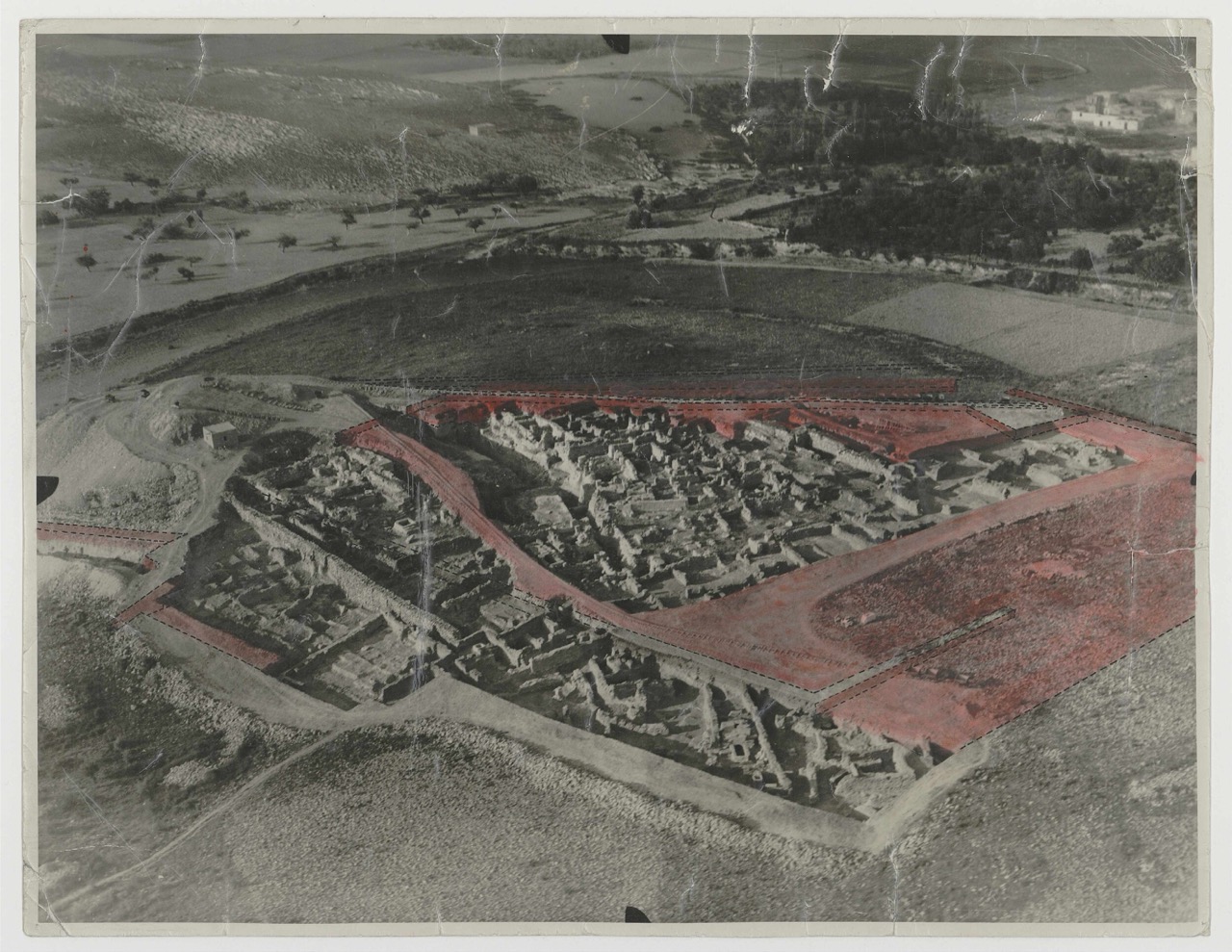
Undated aerial photograph of Ugarit, from the Schaeffer fonds, Collège de France, archival reference 16 Fi 1/329-h.

During this stay, I took the opportunity to consult the Collège de France archives, which preserve excavation documents of Claude Schaeffer, who directed work at Ras Shamra in the first half of the twentieth century, as well as to visit the National Museum of Archaeology at Saint-Germain-en-Laye (Musée d’archéologie nationale, MAN), located about an hour from Paris, which preserves material from Ugarit and its harbour, Minet el-Beida.

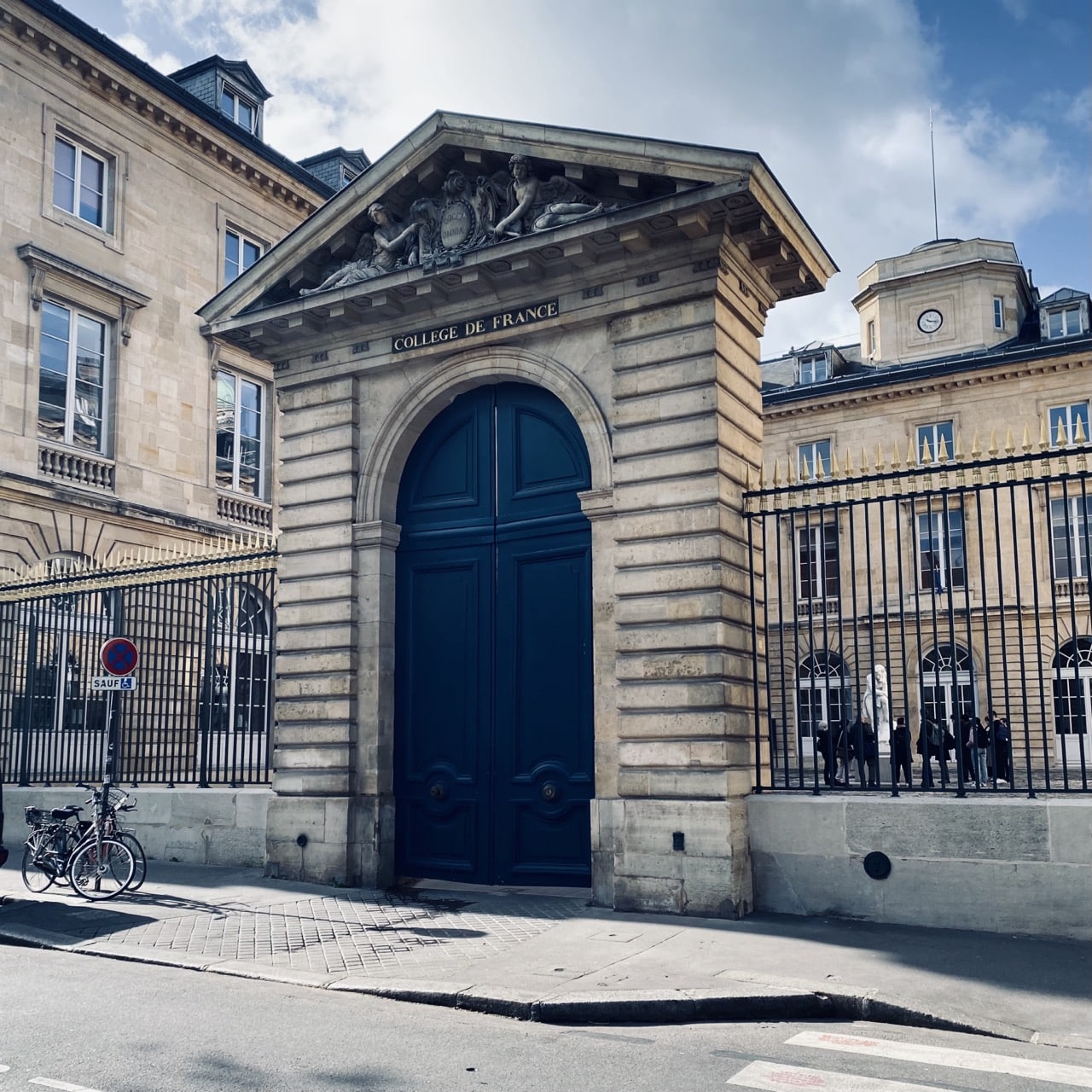
Entrance of the Collège de France from Place Marcelin Berthelot (photograph: Laura Alvarez).

Fieldwork Report: Amiella Musser

A Summer in the Pit

Amiella Musser, 2025 ASOR Stevan B. Dana Fieldwork Scholarship

Though I often say I spent my summer “digging in the dirt” in a somewhat humorous way, the truth is I spent the summer learning that archaeology is more than a fascinating discipline to me—it is a lifestyle that I love. Waking up at 4:30 a.m. to be at the site by 5:00, we would get as much done as possible before our 7:30 “coffee pause,” a quick but necessary break. Afterward, we had a couple more hours of digging before breakfast, and then more digging until our day ended at 1:00 p.m. But that wasn’t really the end of the day, because then came pottery washing. Though tedious, it was an opportunity to hear from others about what was going on in their areas, what finds had been uncovered, and what they knew about the site—or others in the region.

A sunrise at Azekah, one of many.

A quick break to get some fresh air and water outside of the pit

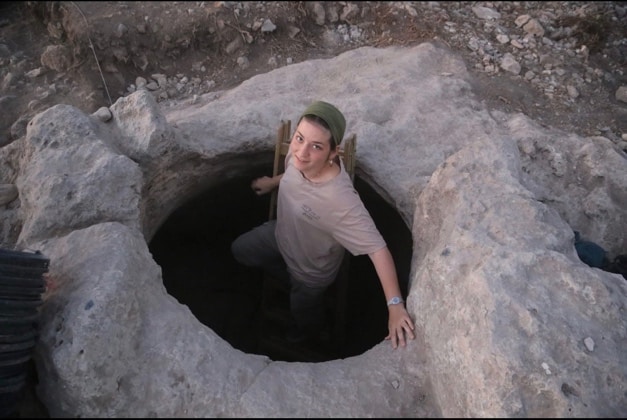
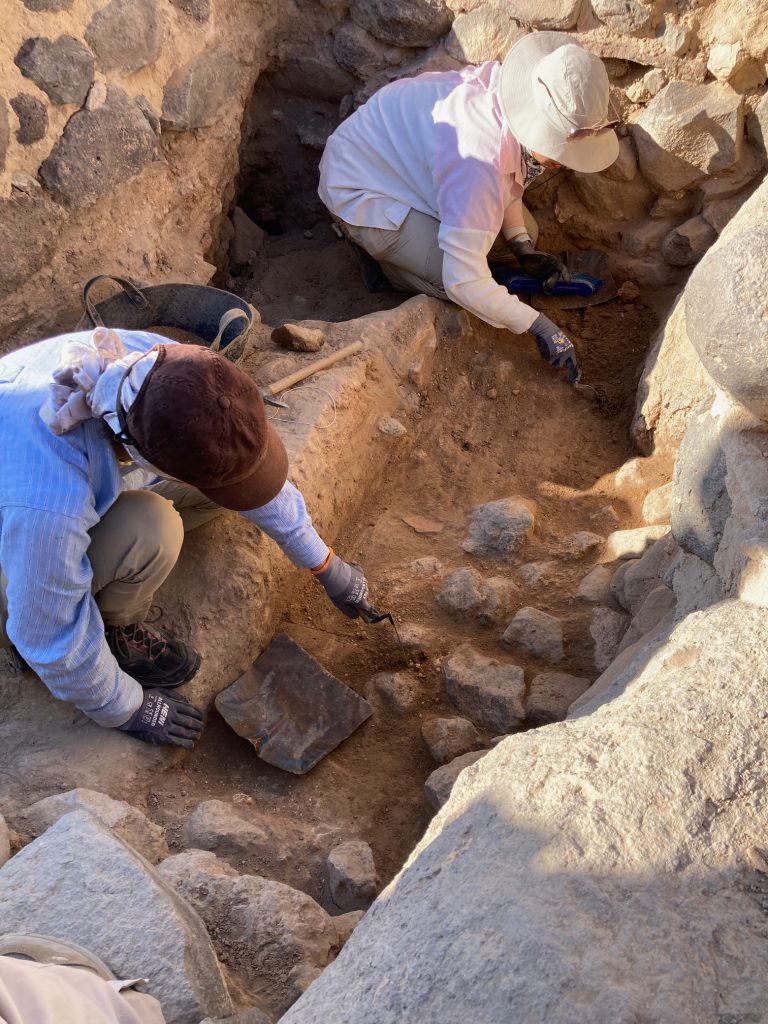
I worked in what became known as “Gadi’s Pit,” named for the assistant supervisor who oversaw its excavation. The site is Tel Azekah in the heart of the Shephelah. It’s a large area with so much left to discover, even alongside everything already uncovered. I exposed the entrance to what we initially thought was a cistern, but as we dug deeper we realized it was more than that, despite the deceptively simple first week. The Tel has a water system that has not yet been excavated, but the area I was working in seems to have some connection to it. The work was addictive. Every morning I woke up looking forward to getting back into the pit, and even during breakfast you could hear me saying how much I wanted to return. Unfortunately, I wasn’t able to reach the bottom this season, but it was not for lack of effort. If you were to meet my field supervisors, they would probably tell you they were mildly concerned at times about me ever leaving the pit. Little did they know I was just avoiding the sun in the most effective way possible—being two meters underground.

A sunset at Azekah while we were breaking down for the night, one of those days we tried to avoid the heat by working early morning and evening.

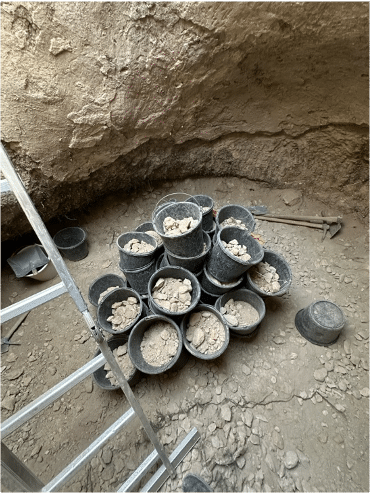
Buckets stacked triple high inside the pit while excavating. At this point it was about 2 Meters deep.

This summer had record-breaking heat day after day—so much so that we had to shorten and adjust our workdays in order to avoid it. Some days we left the site at 10 a.m. and returned at 5 p.m. to work into the evening, avoiding the harshest hours of the sun. The unusual schedule on those days made the work strangely more exhausting, even with the much-appreciated popsicle breaks meant to counteract the heat. Even then, I often found myself uninterested in truly taking a break. As strange as it may sound, among the many things I learned this summer (and there were many), the one I think is most important is how to take a break. Feeling the boost of energy it gave me—and seeing it in the team around me—I realized how valuable a ten-minute pause is. Our work in the first hour after a break always seemed to be the most productive. In general, we were quite an efficient team, with complementary skill sets, a lot of good humor, and thankfully a relatively good taste in music.

Me coming out of the pit after passing up buckets, normally we would empty 20 at a time, but at one point it got up to as many as 60.

It is simply the truth to say that excavation is hard work. Pickaxes, as fun to wield as they are, get heavy. Heat is more than uncomfortable; it exhausts you in ways you don’t notice until later. Dumping hundreds of buckets a day into what becomes a mountain works muscles you didn’t even know existed. You would think all this might make you want to never return to a site, yet it has the opposite effect. The conversations you have while pickaxing away, the strength you feel at the end of a season, the information you learn every moment—it draws you in. It’s been a couple of weeks since I left Azekah, and I have to say, I miss it. Though it’s still months away, I look forward to future excavation seasons.

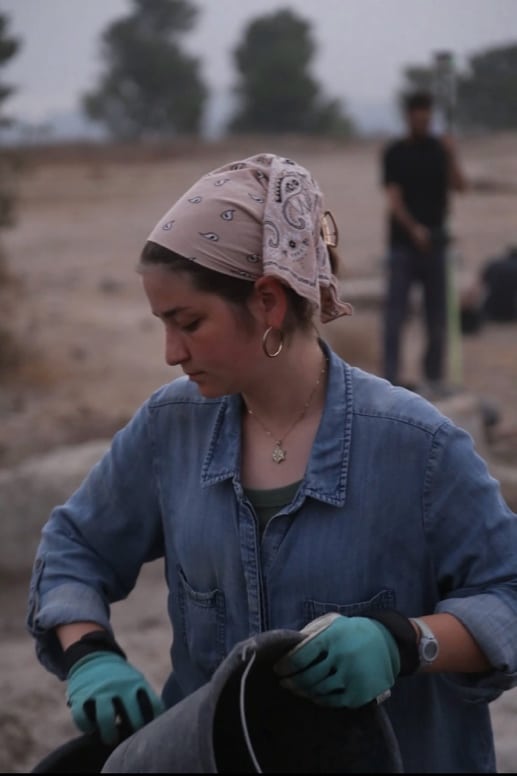
One of the days I was working above-ground, some days it was too hot to work inside the pit since it trapped the heat and humidity in.

Amiella is an undergraduate student double-majoring in Archaeology and International Studies at Dickinson College in Pennsylvania. Archaeology is what she lives and breathes – she has known for a long time that this is what she wants to do with her life, and every year of learning and doing more with it only affirms that! As much as she loves the “digging-in-the-dirt” aspect of archaeology, Amiella hopes that she can build her career and make it more accessible to anyone who wants to learn more about our ancient past.

The Lautenschläger Azekah Expedition website
Facebook: The Lautenschläger Azekah Expedition
Instagram: @azekah_excavations

Want to help more students and early career archaeologists get into the field? Donate to the cause today by selecting “Fieldwork Scholarships” as your gift purpose!
Fieldwork Report: Joshua Feland

Adventure in a Nabatean Town

Joshua Feland, 2025 Eric and Carol Meyers Fieldwork Scholarship Recipient

In southern Jordan lies Humayma, an extensive archaeological site with a complicated history. The ancient village was home to the Nabateans, Romans, Byzantines, and Arab peoples, all of whom left their mark permanently in the village in the form of large and small structures. Humayma, or ancient Hawara, was initially a Nabatean settlement roughly equidistant between Aqaba and Petra in southern Jordan. The site is notable for its water collection infrastructure, Roman fort, Byzantine churches, and Islamic Qasr, to name but a few of the structural types on the site. Spread throughout the site are the everyday signs of life in the past: pottery sherds, ceramic building materials (CBM), faunal remains, and evidence of burials—all of which is being mapped and documented.

In May 2025, I was presented with the opportunity to act as a supervisor on the University of Alberta’s Humayma Field School project. The field school aims to instill archaeological field technique and values in the next generation of archaeology students. For this season I was tasked with teaching photogrammetry techniques using the standing structures at Humayma and excavated materials from previous seasons.

Fifteen university students coming from Canada and the United States travelled to Jordan to conduct their first fieldwork in the Middle East. The overall goal of the field school in its inaugural season was to establish the state of the structures on the site, create a detailed site map, pinpoint key areas for further excavation and conservation, and instruct the students in archaeological field techniques, including photogrammetry and 3D modelling.

The photogrammetry for the site was conducted primarily by the students using both a traditional DSLR camera and the students’ own smartphones. Both pieces of capture technology produced excellent results, considering this was the students’ first time using them in the field. The process involved the students walking steadily around some of the notable standing structures on the site, taking photos as they went with as much overlap as possible. This allows for the processing applications to “match” structures, creating an in-depth 3D model that can be georeferenced and measured. The technology is instrumental to modern archaeology, allowing for the creation of high-quality and often fully explorable 3D models of sites, structures, features, artifacts, etc. This can provide easy access to on-the-ground site data that may be a world away. Properly georeferenced, one can measure entire structures from one’s own office or laboratory.

Alongside my role on the project, my personal goals were to increase my skills in photogrammetry, begin to delve into the use of digital modelling technology, and work on my instructional skills. I have only recently begun my journey in digital archaeology, but I am increasingly interested in the use of digital tools to enhance archaeological excavation and data collection. My use of digital modelling technology has been interesting. The feeling of creating an explorable model is wonderful but the process requires an incredible amount of patience. Teaching students in the archaeological field technique was a wonderful and amazing learning opportunity.

The inaugural season of the University of Alberta Humayma Field school consisted entirely of survey work; as such, small finds were limited to rare instances of surface collections. Throughout Humayma, due to environmental exposures, looting, and other means, artifacts are observable on the surface all throughout the site. Some of my notable finds were a bronze coin of indeterminate age and a piece of marble.

My fieldwork participation in Jordan continues to be instrumental to the development of my career as an archaeologist and educator, and I could not be more thankful for the opportunities and connections this experience has provided.

Joshua Feland is a master’s student at the University of Alberta in Alberta, Canada. He is interested in Desert and Harbour archaeology, particularly where the two intersect. He has a specialization in Roman provincial archaeology. He has conducted fieldwork in Italy, Jordan, and the boreal forest zones of British Columbia and Alberta.

Want to help more students and early career archaeologists get into the field? Donate to the cause today by selecting “Fieldwork Scholarships” as your gift purpose!
Fieldwork Report: Atakan Atabas

Once Upon a Time in Anatolia

Atakan Atabas, 2025 Shirlee Meyers/G. Ernest Wright Fellowship Recipient 

When I left my hometown in central Anatolia to attend university, I never imagined that my path would eventually bring me back to the same region—not as a student of technology, but as a researcher of the ancient past. My undergraduate years were spent studying computer science at one of Türkiye’s most prestigious universities, followed by professional work in the technology sector in Istanbul. Despite these achievements, I felt a growing distance from the land of my childhood. Archaeology offered me the chance to reconnect: to engage with the cultural heritage of Anatolia and, in doing so, to give something meaningful back to my community and my country.

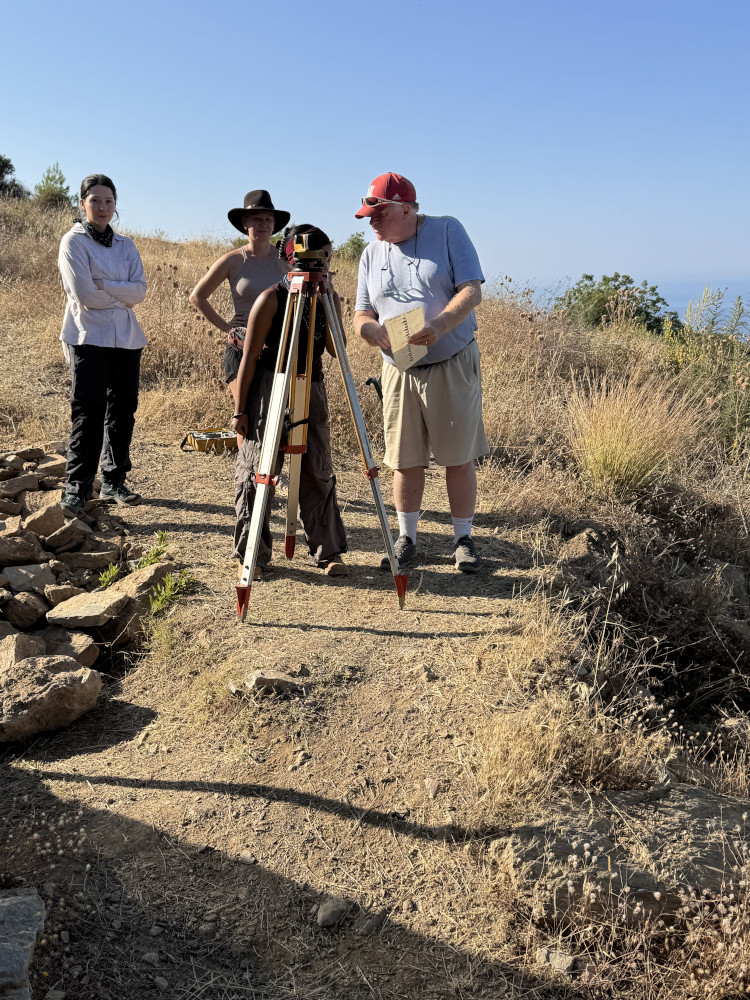
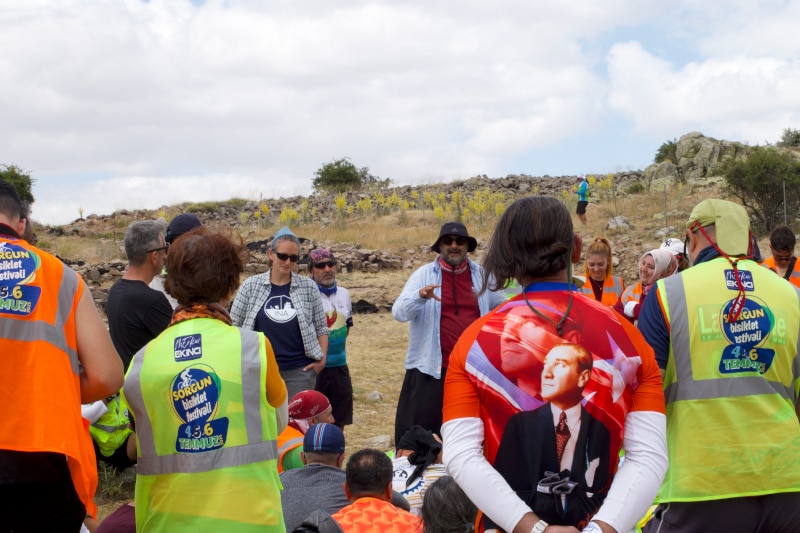
I gave a talk about Kerkenes to a group of cyclists who visited the site during the Sorgun Bicycle Festival.

One of the works that has always stayed with me is Nuri Bilge Ceylan’s Once Upon a Time in Anatolia. In one scene, a driver tells a doctor, “When you have a family, you’ll have a story to tell. You can say, once upon a time in Anatolia, when I was working out in the sticks, I remember this one night, which began like this. You can tell it like a fairytale, Doctor.”  Whenever I am in the field, I think of this dialogue. To me, research is not only about data or analysis; it is also about collecting stories. Some call them academic findings, but I see them as connections-bridges between the past, present, and future of the Anatolian landscape. In that sense, I consider myself a mediator, one who helps bring different times and perspectives into conversation.

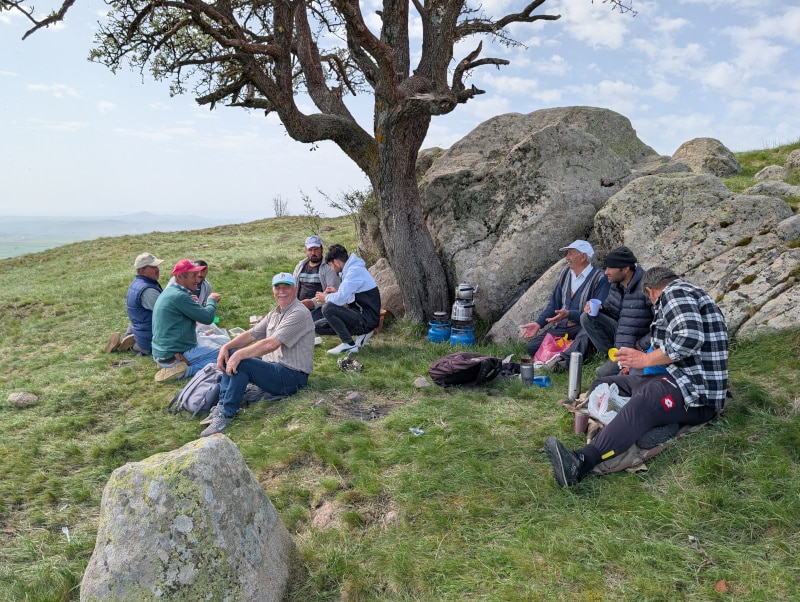
Turkish tea time! Workers gather to chat and share food and snacks.

In the summer of 2025, I joined the Kerkenes Project in Yozgat, central Anatolia. For many international scholars, fieldwork in Turkey means collecting evidence, expanding networks, publishing papers, and advancing knowledge of the ancient world. For me, however, it is also deeply personal. Fieldwork is a return home: talking with workers from the village, walking the landscapes of my childhood, breathing the scent of native flowers, and tasting familiar foods that I ate growing up. At Kerkenes, I feel responsible not only for contributing to the project but also for representing the local community whose generosity sustains our work. This dual sense of responsibility reminds me that archaeology is not just scientific inquiry; it is also an ongoing dialogue between researchers and the people who live near the site today. I believe that understanding this relationship is key to understanding how academia can engage more meaningfully with society.

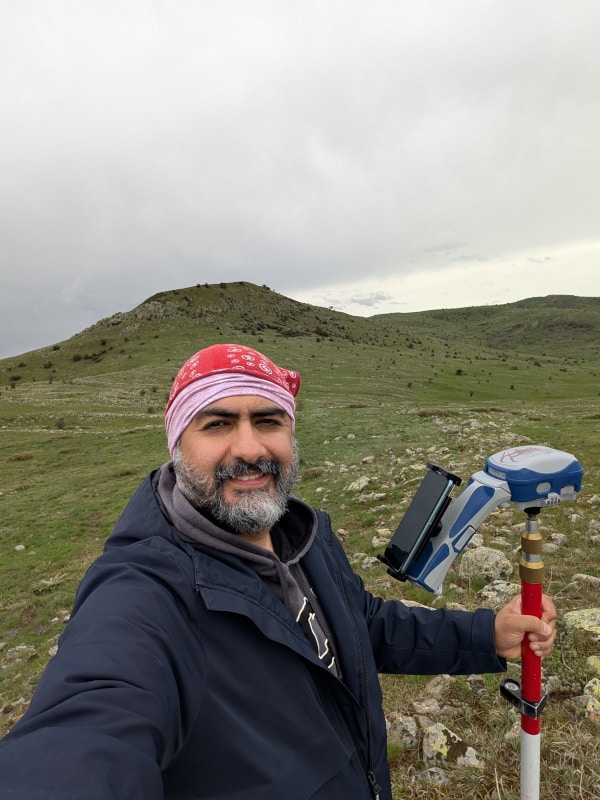
Looking for points for preparing survey grids.

My own path—from computer science to archaeology—has taught me the importance of interdisciplinary approaches. To restrict archaeology to narrow disciplinary boundaries is to diminish its potential. Often, archaeological questions require the mind of a sociologist, the skills of an engineer, the vision of an architect, the insights of a politician, or even the calculations of an economist. At Kerkenes, I have seen how archaeology draws together these diverse ways of thinking. Fieldwork also demands practical versatility: negotiating with local bureaucrats, collaborating with villagers, and adapting to shifting roles and responsibilities. In such a dynamic environment, effective communication is essential. Each season teaches me how to engage with people of different backgrounds, perspectives, and priorities. Thus, the Kerkenes Project is not only an academic training ground but also a place of intercultural exchange, collaboration, and personal growth.

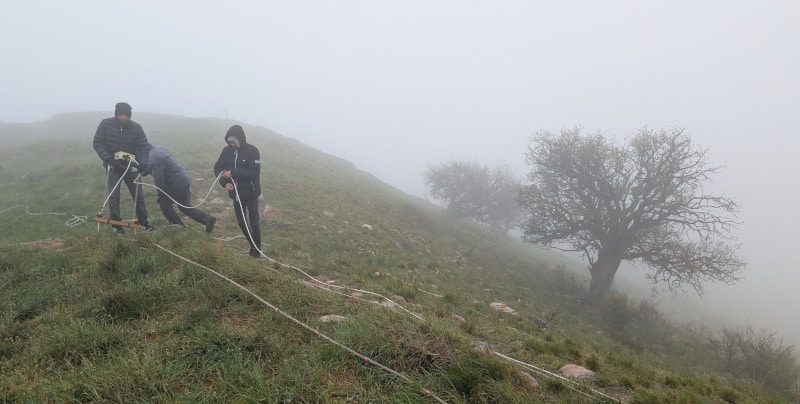
Conducting an electrical resistivity survey on a foggy, cold day in the field.

For me, archaeology is not only about answering research questions but also about building relationships—across cultures, disciplines, and generations. An excavation site is a meeting point where individuals from different nationalities, ethnicities, genders, socioeconomic classes, and educational backgrounds come together. It is also a meeting point across time, where modern researchers walk through the same landscapes that ancient inhabitants once knew. In this sense, we are not outside observers of history but participants in its unfolding narrative. We are part of the same story, shaped by the same land, only at different moments in time. Once upon a time in Anatolia… there is always a story to tell.

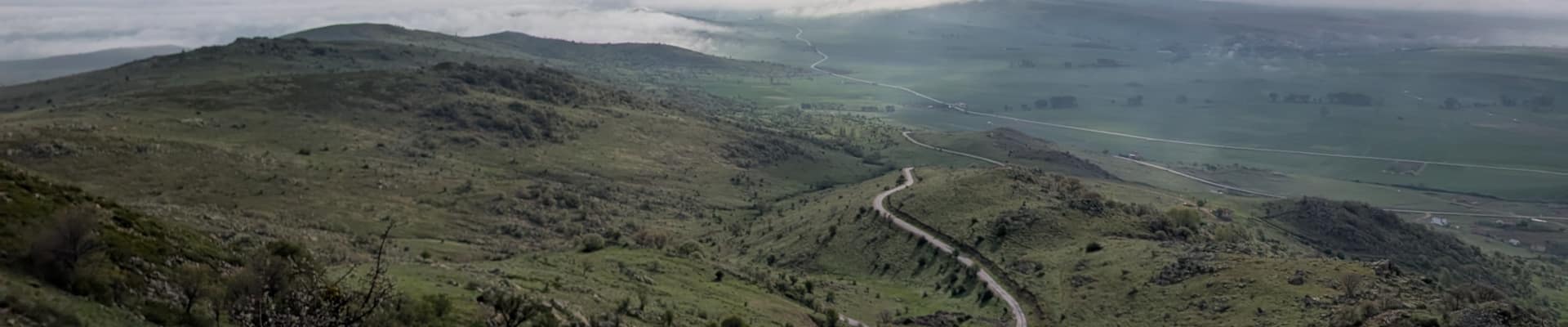
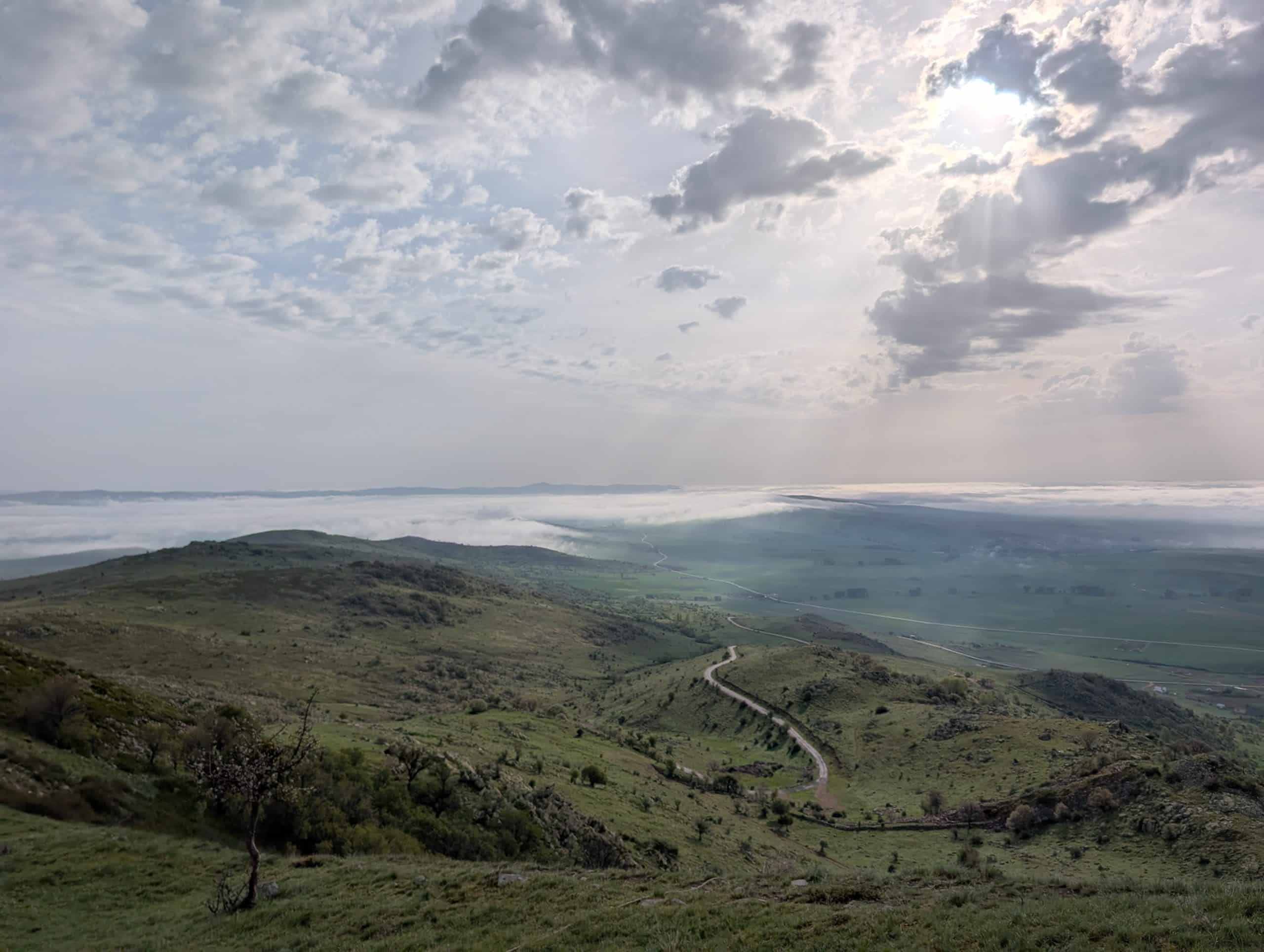
Looking out over the foggy plain from the field.

Atakan Atabas is a doctoral student in the Department of Anthropology at the University of Central Florida. His research focuses on digital archaeology, with particular attention to Anatolian art and archaeology. He has been a member of the Kerkenes Project since 2023, and his dissertation examines the orientations of buildings at Kerkenes and their relationship to the social organization of Kerkenes society.

Want to help more students and early career archaeologists get into the field? Donate to the cause today by selecting “Fieldwork Scholarships” as your gift purpose!