FOA Webinar: Danielle Candelora

FRIENDS OF ASOR WEBINARS

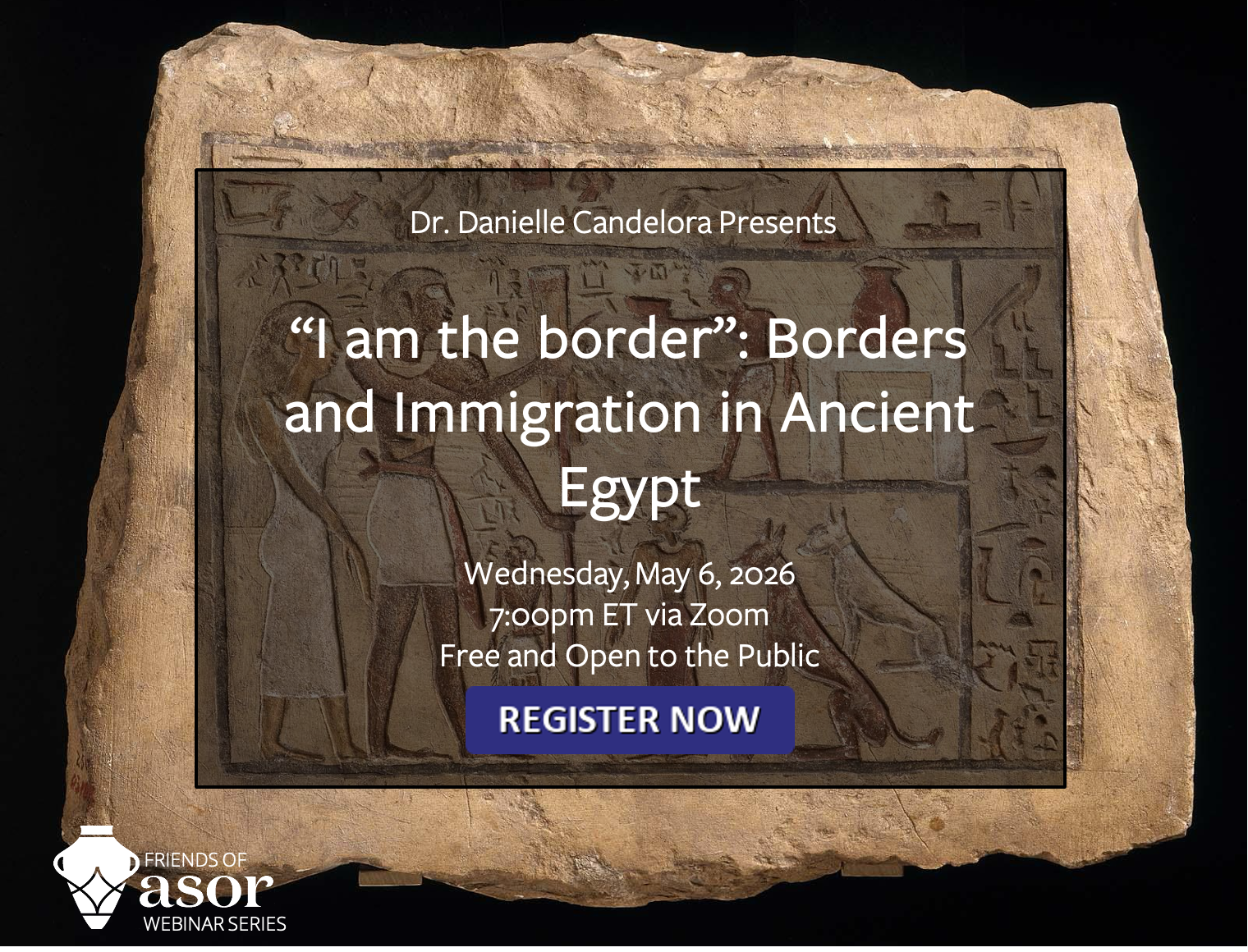
“I am the border”: Borders and Immigration in Ancient Egypt

Friends of ASOR present the next webinar of the 2025-2026 season on May 6, 2026, at 7:00 pm EDT, presented by Danielle Candelora. This webinar will be free and open to the public. Registration through Zoom (with a valid email address) is required. This webinar will be recorded and all registrants will be sent a recording link in the days following the webinar.

From Tex-Mex cuisine to the use of Hinglish (mixed Hindi/English) in Bollywood movies, the influence of borderlands is ubiquitous in modern culture. Issues of borders, citizenship, and immigration are at the forefront of media headlines around the globe, and are examined across fields as diverse as Political Science and Sociology to Comparative Literature and the Visual Arts. Exploring these multiple approaches allows for new insights into the entangled concepts of borders, immigration, and identity in ancient Egypt. By treating borders not as fixed lines demarcating sovereignty and territorial control, but as processes that define differences and belonging, it is possible to focus more on lived experience and local expressions of identity. Common refrains in scholarship suggest that immigrants to Egypt would have quickly shed any indications of foreignness and tried to act, and therefore to be, as Egyptian as they could. Yet in these borderland zones, which could occur both along the boundaries of the Egyptian state and within it, there was social capital to be gained by preserving and advertising aspects of foreignness alongside Egyptian cultural adaptations. Some border communities, like those in the Eastern Delta or the oases of the Western Desert, had particular practices, traditions, and lifeways specific to their borderland homes. In other cases, personal examples can demonstrate how immigrant or borderland individuals developed and performed personal identities unique to the borderland.

Danielle Candelora is an Egyptian archaeologist and an Assistant Professor of Classics and Egyptology at the College of the Holy Cross. She earned her Ph.D. in Near Eastern Languages and Cultures from UCLA, and her research investigates the multivariate processes of identity negotiation in contexts of immigration in ancient Egypt, including the Second Intermediate Period, New Kingdom, and Late Period. She has published extensively on the concept of borders and foreigners in ancient Egypt, how immigrants integrated into and influenced Egyptian society, as well as the cultural blending which resulted. Danielle is the co-director of both the Osiris Ptah Nebankh Research Project at South Karnak and the Museology Field School at the Museo Egizio di Torino.

SUPPORT THE WEBINAR PROGRAM!

Friends of ASOR is pleased to announce that the first webinars of the 2025-2026 season will once again be free and open to the public with a goal to raise $10,000 so that the entire webinar season will be free. Will you support this outreach effort with a tax-deductible contribution? All donors/sponsors with gifts of $100 or more will be recognized in subsequent webinars. Make your gift today and select “webinars” from the dropdown menu.

Designate your gift for “Webinars” in the drop-down menu.
2025 Dana Grant Report: Rediscovering Ancient Clay Landscapes


2025 Dana Grant Report: Rediscovering Ancient Clay Landscapes: Geological Prospection for Pottery Making in the Mosul Dam Region

Silvia Amicone, University of Tübingen

In November 2025, thanks to the generous support of the ASOR Stevan B. Dana Project Grant, a geological prospection was conducted along the western shore of the Mosul Dam Lake in the Kurdistan Region of Iraq. This work forms part of the ReLand Project, which investigates the archaeological landscapes of the Upper Tigris region in Iraq through survey, environmental research, and laboratory analysis.

Pottery has been a fundamental element of daily life in northern Mesopotamia for thousands of years. Yet while archaeologists have studied ceramic vessels extensively, much less attention has been given to the natural clay sources that ancient potters relied upon. Today, the shores of the Mosul Dam Lake are undergoing rapid environmental change. Seasonal fluctuations in water levels expose fresh sediment profiles, while erosion threatens to destroy important geological deposits. This moment therefore offers a rare opportunity to document clay sources before they are altered or lost.

During one week of intensive fieldwork, we systematically surveyed wadi banks, and upland slopes. Using GPS mapping, stratigraphic recording, photography, and UAV-based aerial documentation, we identified and recorded clay-rich deposits suitable for pottery production. A total of 32 clays were collected from both residual deposits formed by weathering of local bedrock and fine-grained floodplain sediments associated with wadis (ancient Tigris channels).

These two types of deposits represent different possibilities for ancient ceramic production. Residual clays, often found on slopes and eroded outcrops, are variable in composition and would have required careful preparation by potters. Floodplain clays, in contrast, are finer and more homogeneous, potentially offering highly workable raw materials. Understanding the distribution and properties of these deposits helps us reconstruct how potters selected and managed natural resources. The collected samples will now undergo laboratory analyses, including petrography, X-ray diffraction, and geochemical characterization. Their mineralogical and chemical signatures will be compared with ceramic vessels previously excavated and analyzed at archaeological sites in the region. This comparison will allow us to identify local production, distinguish imported wares, and better understand technological traditions and exchange networks in the Upper Tigris.

By documenting endangered clay landscapes, this project not only advances archaeological science but also highlights the deep connection between environment and human creativity. The ASOR Dana Grant has made it possible to preserve critical geological knowledge and to strengthen long-term research collaboration in the region.

Learn more about the project on their website or follow the ReLand project on Instagram.


Fieldwork Report: Joshua Feland

Adventure in a Nabatean Town

Joshua Feland, 2025 Eric and Carol Meyers Fieldwork Scholarship Recipient

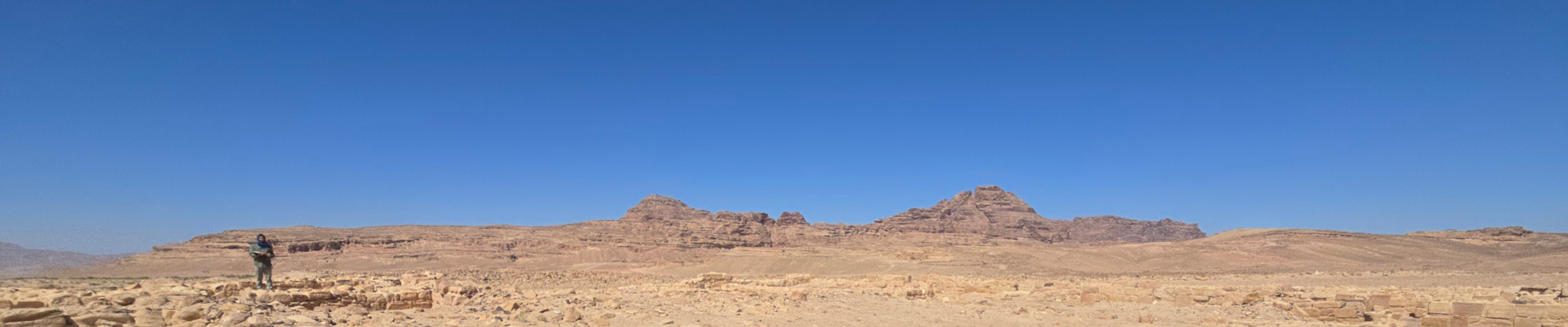
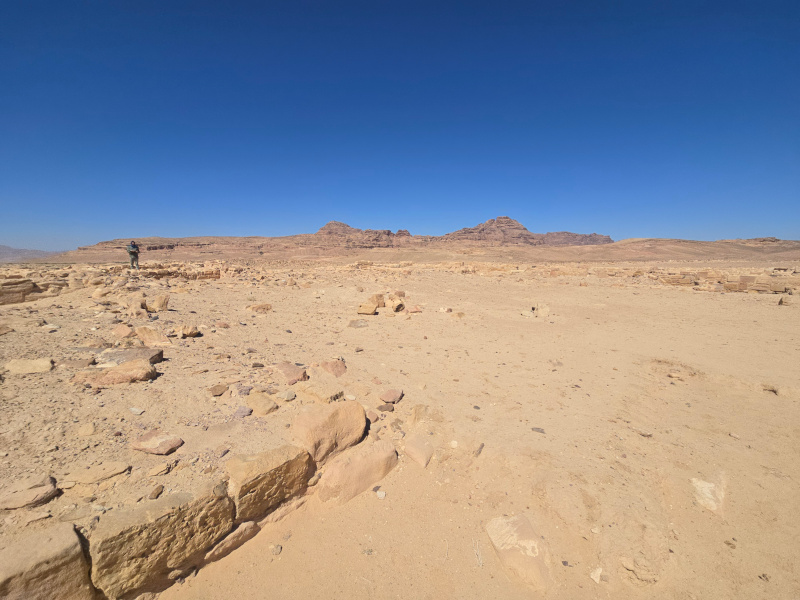
In southern Jordan lies Humayma, an extensive archaeological site with a complicated history. The ancient village was home to the Nabateans, Romans, Byzantines, and Arab peoples, all of whom left their mark permanently in the village in the form of large and small structures. Humayma, or ancient Hawara, was initially a Nabatean settlement roughly equidistant between Aqaba and Petra in southern Jordan. The site is notable for its water collection infrastructure, Roman fort, Byzantine churches, and Islamic Qasr, to name but a few of the structural types on the site. Spread throughout the site are the everyday signs of life in the past: pottery sherds, ceramic building materials (CBM), faunal remains, and evidence of burials—all of which is being mapped and documented.

In May 2025, I was presented with the opportunity to act as a supervisor on the University of Alberta’s Humayma Field School project. The field school aims to instill archaeological field technique and values in the next generation of archaeology students. For this season I was tasked with teaching photogrammetry techniques using the standing structures at Humayma and excavated materials from previous seasons.

Fifteen university students coming from Canada and the United States travelled to Jordan to conduct their first fieldwork in the Middle East. The overall goal of the field school in its inaugural season was to establish the state of the structures on the site, create a detailed site map, pinpoint key areas for further excavation and conservation, and instruct the students in archaeological field techniques, including photogrammetry and 3D modelling.

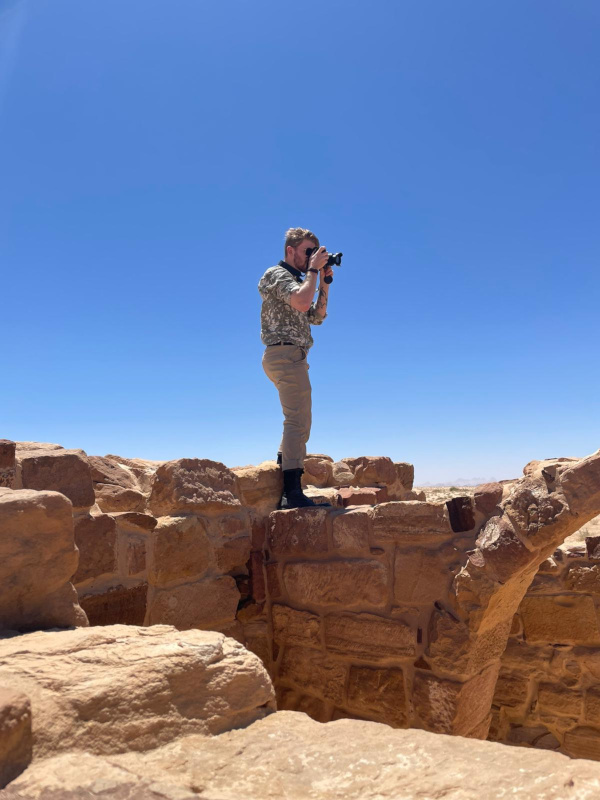
The photogrammetry for the site was conducted primarily by the students using both a traditional DSLR camera and the students’ own smartphones. Both pieces of capture technology produced excellent results, considering this was the students’ first time using them in the field. The process involved the students walking steadily around some of the notable standing structures on the site, taking photos as they went with as much overlap as possible. This allows for the processing applications to “match” structures, creating an in-depth 3D model that can be georeferenced and measured. The technology is instrumental to modern archaeology, allowing for the creation of high-quality and often fully explorable 3D models of sites, structures, features, artifacts, etc. This can provide easy access to on-the-ground site data that may be a world away. Properly georeferenced, one can measure entire structures from one’s own office or laboratory.

Alongside my role on the project, my personal goals were to increase my skills in photogrammetry, begin to delve into the use of digital modelling technology, and work on my instructional skills. I have only recently begun my journey in digital archaeology, but I am increasingly interested in the use of digital tools to enhance archaeological excavation and data collection. My use of digital modelling technology has been interesting. The feeling of creating an explorable model is wonderful but the process requires an incredible amount of patience. Teaching students in the archaeological field technique was a wonderful and amazing learning opportunity.

The inaugural season of the University of Alberta Humayma Field school consisted entirely of survey work; as such, small finds were limited to rare instances of surface collections. Throughout Humayma, due to environmental exposures, looting, and other means, artifacts are observable on the surface all throughout the site. Some of my notable finds were a bronze coin of indeterminate age and a piece of marble.

My fieldwork participation in Jordan continues to be instrumental to the development of my career as an archaeologist and educator, and I could not be more thankful for the opportunities and connections this experience has provided.

Joshua Feland is a master’s student at the University of Alberta in Alberta, Canada. He is interested in Desert and Harbour archaeology, particularly where the two intersect. He has a specialization in Roman provincial archaeology. He has conducted fieldwork in Italy, Jordan, and the boreal forest zones of British Columbia and Alberta.

Want to help more students and early career archaeologists get into the field? Donate to the cause today by selecting “Fieldwork Scholarships” as your gift purpose!

FOA Webinar: Yana Tchekhanovets

FRIENDS OF ASOR WEBINARS

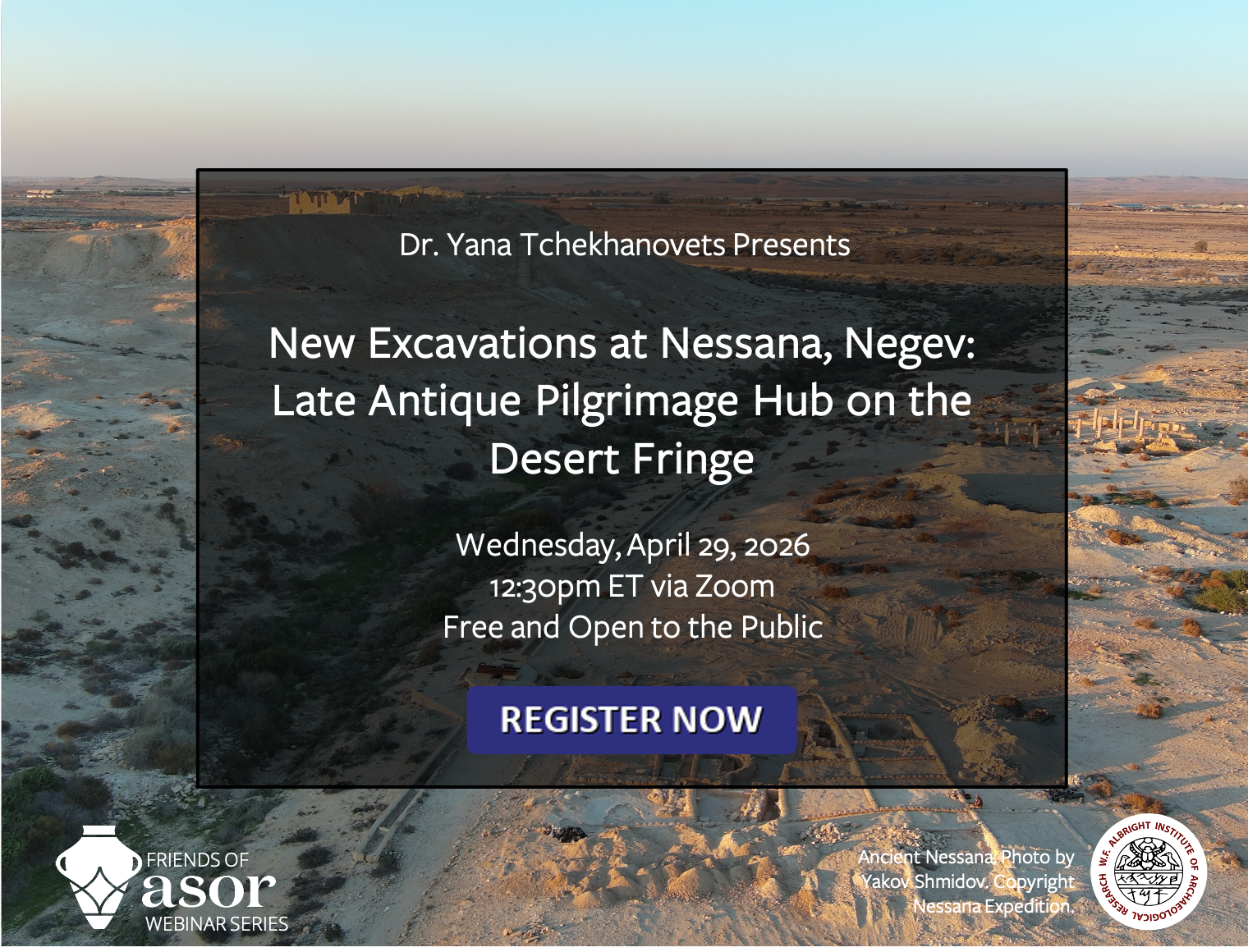
New Excavations at Nessana, Negev: Late Antique Pilgrimage Hub on the Desert Fringe

Friends of ASOR present the next webinar of the 2025-2026 season on April 29, 2026, at 12:30 pm EDT, presented by Yana Tchekhanovets. This webinar will be free and open to the public. Registration through Zoom (with a valid email address) is required. This webinar will be recorded and all registrants will be sent a recording link in the days following the webinar.

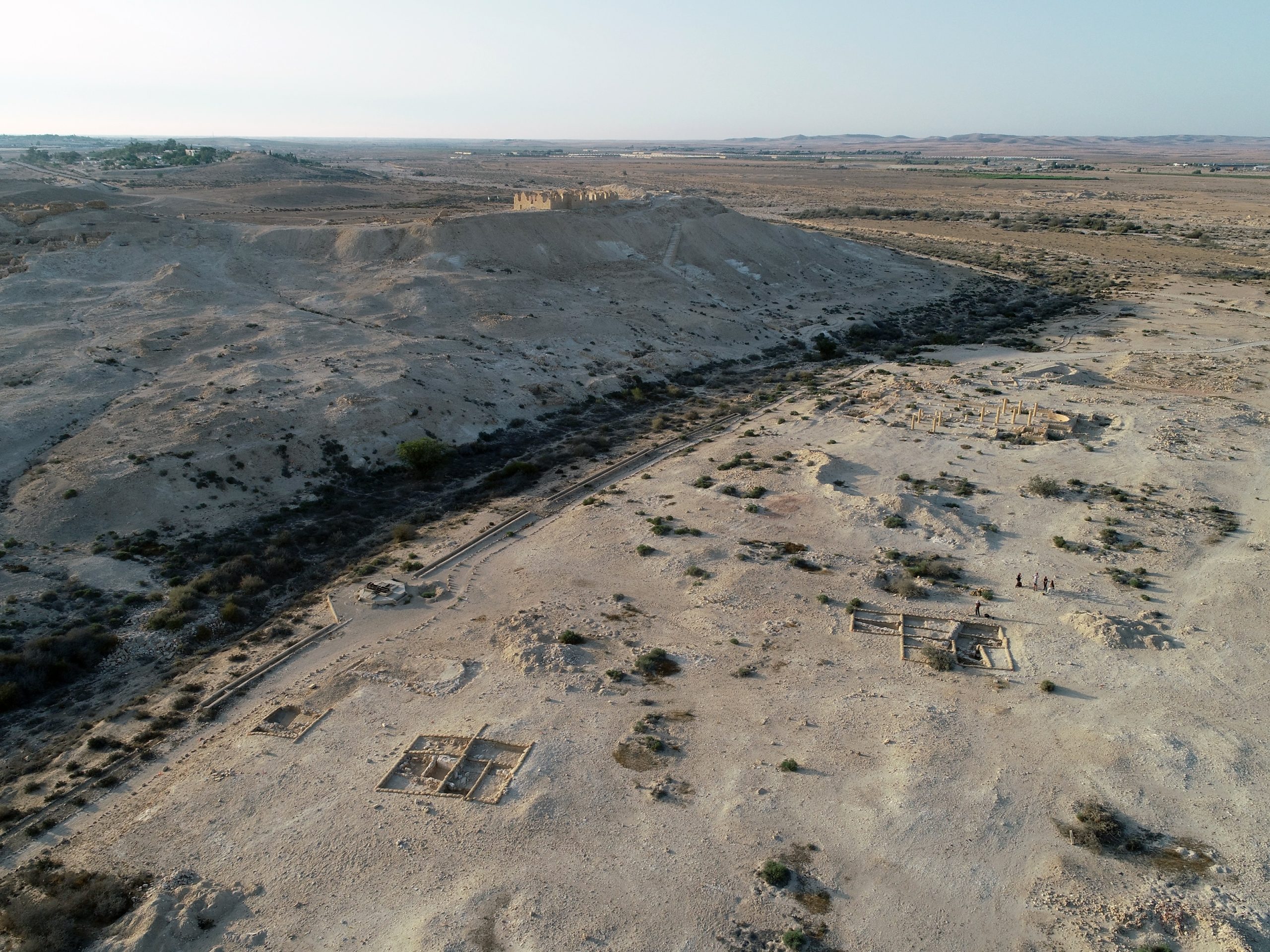
The ancient settlement of Nessana, located in the southwestern Negev, on the modern Israeli–Egyptian border, is a key site for the study of early Christian pilgrimage. Serving as the main caravan hub on the Christian pilgrimage road from the Holy Land to Sinai, Nessana enjoys all the economic benefits of the sacred route and develops into a flourishing urbanized village with caravanserais and numerous churches. This lecture will present the preliminary results of the first four seasons of renewed excavations at the site.

Yana Tchekhanovets is an archaeologist and professor at the Department of Archaeology at the Ben-Gurion University of the Negev. She specializes in late antique archaeology, Caucasian Christian communities of Byzantine Palestine, and the archaeology of pilgrimage. After many years of fieldwork in Jerusalem, Yana is now a director of the new archaeological project at ancient Nessana, Negev.

SUPPORT THE WEBINAR PROGRAM!

Friends of ASOR is pleased to announce that the first webinars of the 2025-2026 season will once again be free and open to the public with a goal to raise $10,000 so that the entire webinar season will be free. Will you support this outreach effort with a tax-deductible contribution? All donors/sponsors with gifts of $100 or more will be recognized in subsequent webinars. Make your gift today and select “webinars” from the dropdown menu.

Designate your gift for “Webinars” in the drop-down menu.
Spring 2026 Book Sale

ASOR SPRING BOOK SALE

Spring is in the air, and ASOR is pleased to be holding a spring book sale for publications 2+ years old. All proceeds from book sales will go to supporting membership scholarships!

ASOR members (with a mailing address in the USA) can purchase copies of ASOR books at the discounted price of $5.00 (ca. 90% discount) + $5.00 US media mail shipping, while supplies last. All prices listed below include US media mail shipping. Due to ASOR’s licensing agreement with ISD, this offer is only available to ASOR members. We are unable to offer this discount to members without a US mailing address due to international shipping costs. Please contact membership@asor.org with any questions.

Not an ASOR member? Join as an Associate Member ($46) or Academic Member (starting at $90) first in order to take advantage of these great deals on books. More information on memberships and the benefits associated with each level can be found here.

AASOR-vol-75

AASOR 75: The Amman Theater Statue in its Iron Age Contexts. By Joel S. Burnett, with contributions by Romel Gharib and Don F. Parker. Original price $85.95. Sale price $10.00 (includes US media mail shipping).

Click here to purchase AASOR 75 in ASOR’s Online Store.

AASOR 74 Cover- The Excavations of Iraq Al-Amir, Vol II

AASOR 74: The Excavations of ‘Iraq al-Amir, Volume II. Edited by Nancy L. Lapp, with contributions by Michael S. Zimmerman, Daniel Ulvoczky, Nicholas Hudson, Adam Hartman, and Nancy L. Lapp. Original price $84.95. Sale price $10.00 (includes US media mail shipping).

Click here to purchase AASOR 74 in ASOR’s Online Store.

AASOR 73

AASOR 73: An Examination of the Stratigraphy and Neolithic-Iron Age Pottery from Tel Jezreel, Area A. Edited by Charlotte Whiting and Gloria London. Original price $84.95. Sale price $10.00(includes US media mail shipping).

Click here to purchase AASOR 73 in ASOR’s Online Store.

AASOR72-cover

AASOR 72: Bayt Farhi and the Sephardic Palaces of Ottoman Damascus in the Late 18th and 19th Centuries. Edited by Elizabeth Macaulay-Lewis, with contributions by Ezra Ashkenazie, Jeffery Burden, George H. Lewis, Judith S. McKenzie, and Jason Montgomery. Original price $84.95. Sale price $10.00(includes US media mail shipping). Only two copies left!

Click here to purchase AASOR 72 in ASOR’s Online Store.

AASOR69

AASOR 69: The Archaeology of Agro-Pastoralist Economies in Jordan. Edited by Kevin M. McGeough, with contributions by Robin M. Brown, Alan Farahani, Hannah Huynh, Natalie Mueller, Benjamin W. Porter, Jennifer Ramsay, Kevin Rielly, and Bruce Routledge. Original price $84.95. Sale price $10.00(includes US media mail shipping). SOLD OUT!

Click here to purchase AASOR 69 in ASOR’s Online Store.

AASOR 63- Views from Phlamoudhi, Cyprus

AASOR 63: Views from Phlamoudhi, Cyprus. By Joanna S. Smith. Original price $84.95. Sale price $10.00 (includes US media mail shipping). Only two copies left!

Click here to purchase AASOR 63 in ASOR’s Online Store.

ARS30 cover

ARS 30: Tel Kedesh I: The Hellenistic Archive. By Sharon C. Herbert. Original price $99.95. Sale price $10.00 (includes US media mail shipping).

Click here to purchase ARS 30 in ASOR’s Online Store.

Screenshot

ARS 29: Taanach II: The Iron Age Stratigraphy. By Mark W. Meehl. Original price $89.95. Sale price $10.00 (includes US media mail shipping).

Click here to purchase ARS 29 in ASOR’s Online Store.

ARS 27 Caesarea Maritima Book Jacket- 2020

ARS 27: Caesarea Maritima: Excavations in the Old City 1989-2003. Edited by Kenneth G. Holum. Original price $89.95. Sale price $10.00 (includes US media mail shipping). SOLD OUT!

Click here to purchase ARS 27 in ASOR’s Online Store.

ARS 20 cover

ARS 20: Cyprus and the Balance of Empires: Art and Archaeology from Justinian I to the Coeur de Lion. Edited by Charles Anthony Stewart, Thomas W. Davis, and Annemarie Weyl Carr. Original price $84.95. Sale price $10.00 (includes US media mail shipping). SOLD OUT!

Click here to purchase ARS 20 in ASOR’s Online Store.

ARS 15 cover

ARS 15: Humayma Excavation Project, 1: Resources, History, and the Water-Supply System. By John Peter Oleson. Original price $89.95. Sale price $10.00 (includes US media mail shipping). SOLD OUT!

Click here to purchase ARS 15 in ASOR’s Online Store.

JCSSS 3 cover

JCSSS 3: The Textual Criticism of Sumerian Literature. Edited by Paul Delnero. Original price $89.95. Sale price $10.00 (includes US media mail shipping). SOLD OUT!

Click here to purchase JCSSS 3 in ASOR’s Online Store.

JCSSS-2-cover

JCSSS 2: Texts from the Late Old Babylonian Period. Edited by Seth F. C. Richardson. Original price $75.00. Sale price $10.00 (includes US media mail shipping). SOLD OUT!

Click here to purchase JCSSS 2 in ASOR’s Online Store.

Fieldwork Report: Atakan Atabas

Once Upon a Time in Anatolia

Atakan Atabas, 2025 Shirlee Meyers/G. Ernest Wright Fellowship Recipient 

When I left my hometown in central Anatolia to attend university, I never imagined that my path would eventually bring me back to the same region—not as a student of technology, but as a researcher of the ancient past. My undergraduate years were spent studying computer science at one of Türkiye’s most prestigious universities, followed by professional work in the technology sector in Istanbul. Despite these achievements, I felt a growing distance from the land of my childhood. Archaeology offered me the chance to reconnect: to engage with the cultural heritage of Anatolia and, in doing so, to give something meaningful back to my community and my country.

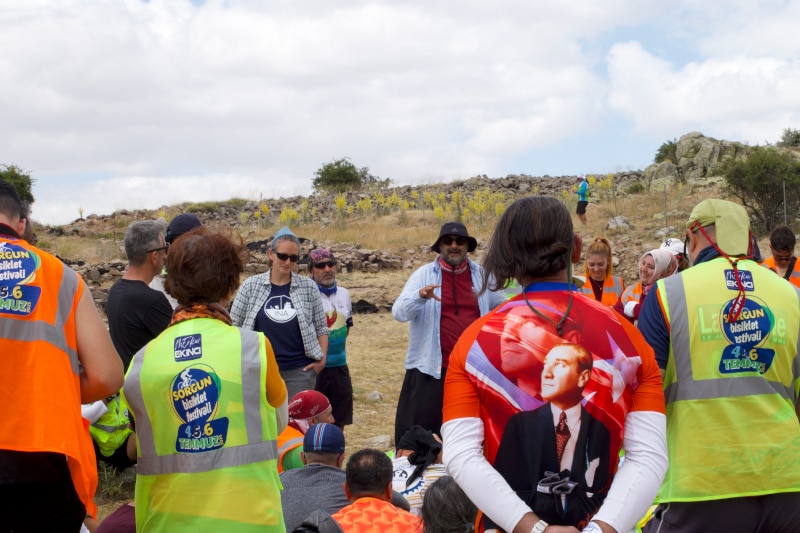
I gave a talk about Kerkenes to a group of cyclists who visited the site during the Sorgun Bicycle Festival.

One of the works that has always stayed with me is Nuri Bilge Ceylan’s Once Upon a Time in Anatolia. In one scene, a driver tells a doctor, “When you have a family, you’ll have a story to tell. You can say, once upon a time in Anatolia, when I was working out in the sticks, I remember this one night, which began like this. You can tell it like a fairytale, Doctor.”  Whenever I am in the field, I think of this dialogue. To me, research is not only about data or analysis; it is also about collecting stories. Some call them academic findings, but I see them as connections-bridges between the past, present, and future of the Anatolian landscape. In that sense, I consider myself a mediator, one who helps bring different times and perspectives into conversation.

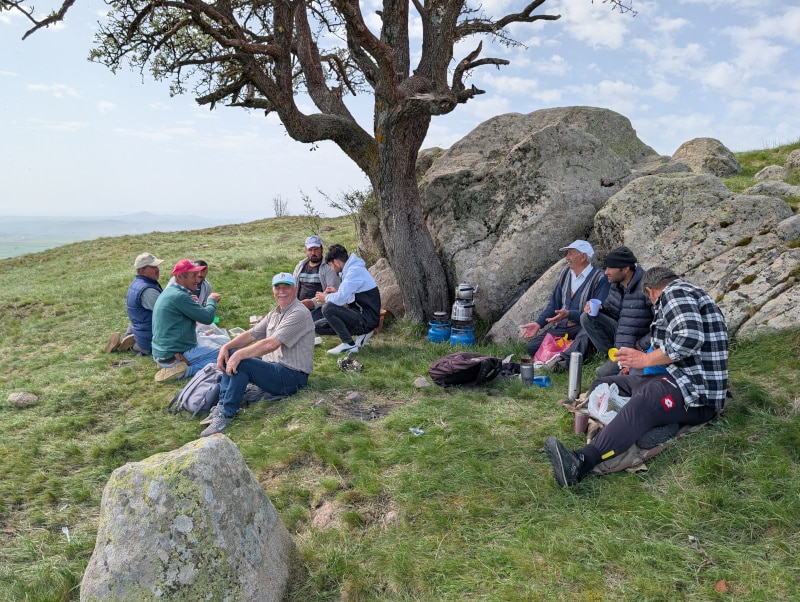
Turkish tea time! Workers gather to chat and share food and snacks.

In the summer of 2025, I joined the Kerkenes Project in Yozgat, central Anatolia. For many international scholars, fieldwork in Turkey means collecting evidence, expanding networks, publishing papers, and advancing knowledge of the ancient world. For me, however, it is also deeply personal. Fieldwork is a return home: talking with workers from the village, walking the landscapes of my childhood, breathing the scent of native flowers, and tasting familiar foods that I ate growing up. At Kerkenes, I feel responsible not only for contributing to the project but also for representing the local community whose generosity sustains our work. This dual sense of responsibility reminds me that archaeology is not just scientific inquiry; it is also an ongoing dialogue between researchers and the people who live near the site today. I believe that understanding this relationship is key to understanding how academia can engage more meaningfully with society.

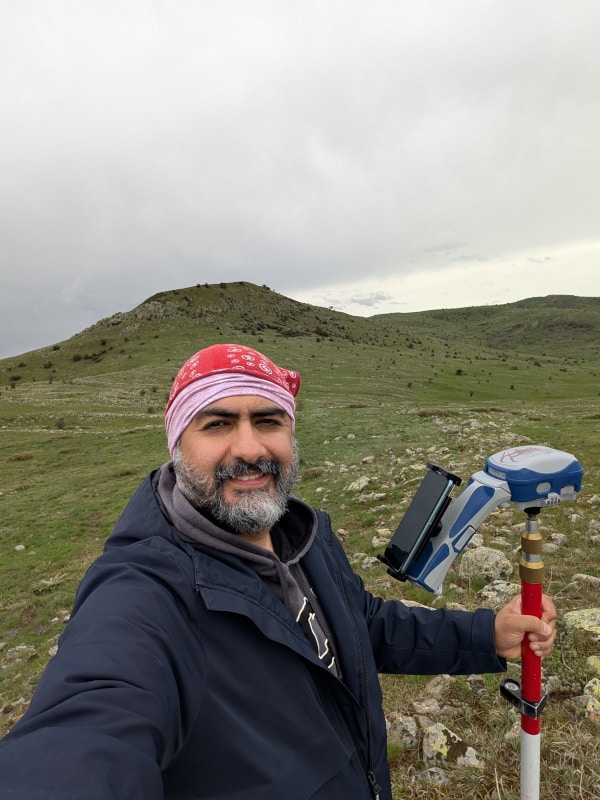
Looking for points for preparing survey grids.

My own path—from computer science to archaeology—has taught me the importance of interdisciplinary approaches. To restrict archaeology to narrow disciplinary boundaries is to diminish its potential. Often, archaeological questions require the mind of a sociologist, the skills of an engineer, the vision of an architect, the insights of a politician, or even the calculations of an economist. At Kerkenes, I have seen how archaeology draws together these diverse ways of thinking. Fieldwork also demands practical versatility: negotiating with local bureaucrats, collaborating with villagers, and adapting to shifting roles and responsibilities. In such a dynamic environment, effective communication is essential. Each season teaches me how to engage with people of different backgrounds, perspectives, and priorities. Thus, the Kerkenes Project is not only an academic training ground but also a place of intercultural exchange, collaboration, and personal growth.

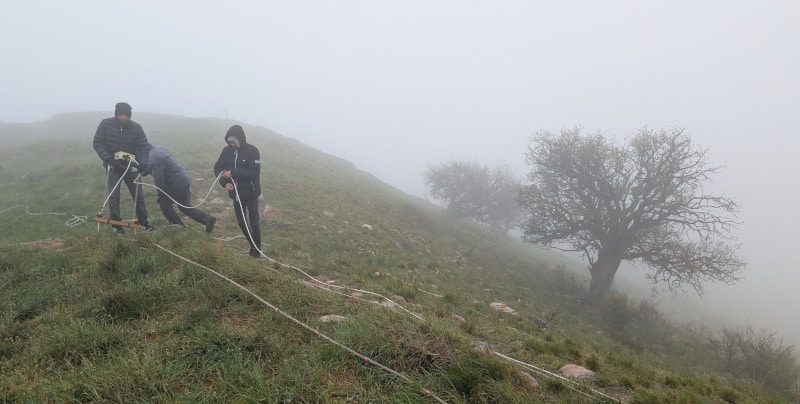
Conducting an electrical resistivity survey on a foggy, cold day in the field.

For me, archaeology is not only about answering research questions but also about building relationships—across cultures, disciplines, and generations. An excavation site is a meeting point where individuals from different nationalities, ethnicities, genders, socioeconomic classes, and educational backgrounds come together. It is also a meeting point across time, where modern researchers walk through the same landscapes that ancient inhabitants once knew. In this sense, we are not outside observers of history but participants in its unfolding narrative. We are part of the same story, shaped by the same land, only at different moments in time. Once upon a time in Anatolia… there is always a story to tell.

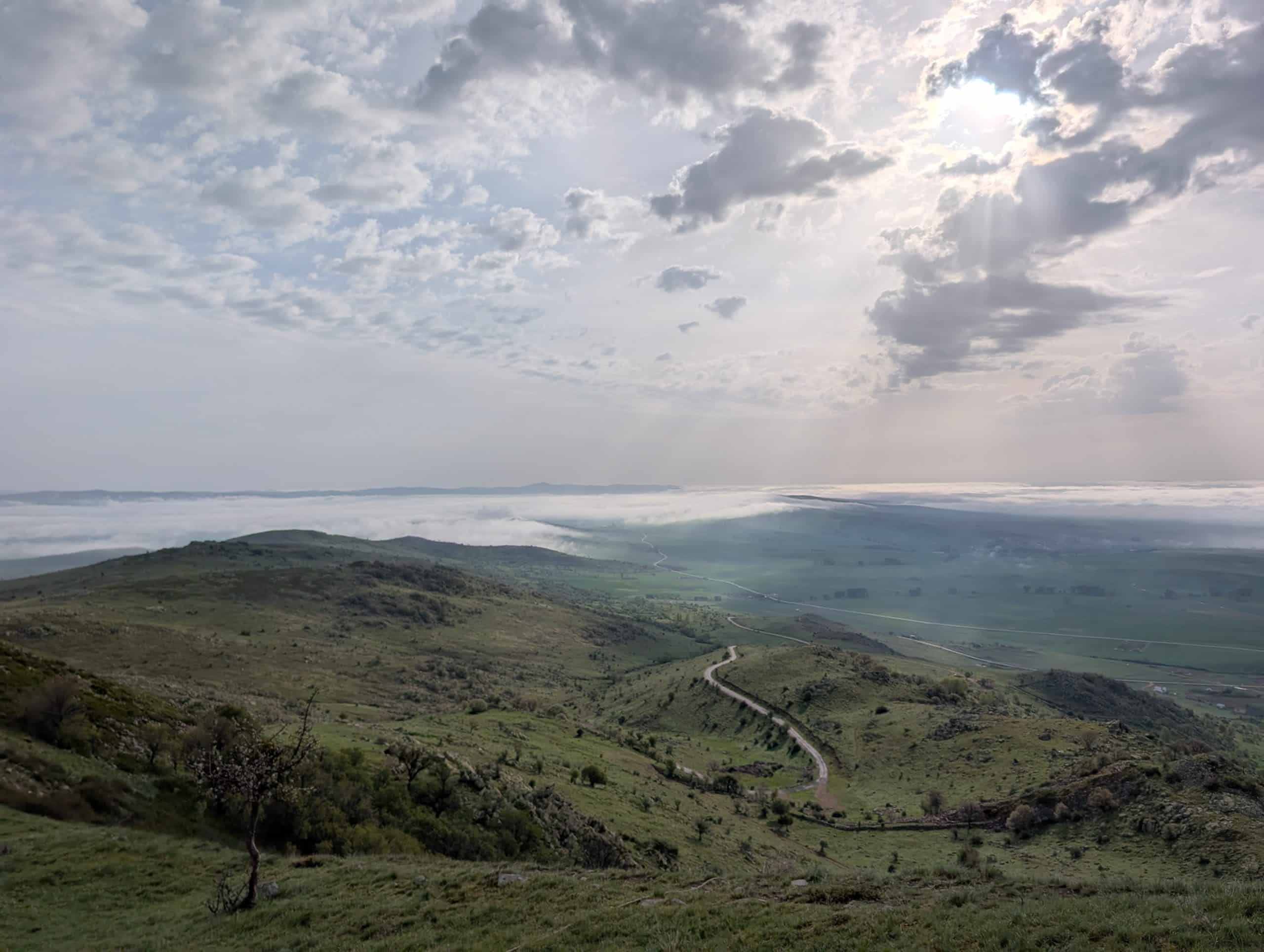
Looking out over the foggy plain from the field.

Atakan Atabas is a doctoral student in the Department of Anthropology at the University of Central Florida. His research focuses on digital archaeology, with particular attention to Anatolian art and archaeology. He has been a member of the Kerkenes Project since 2023, and his dissertation examines the orientations of buildings at Kerkenes and their relationship to the social organization of Kerkenes society.

Want to help more students and early career archaeologists get into the field? Donate to the cause today by selecting “Fieldwork Scholarships” as your gift purpose!