Founding of YouTube A Short History

YouTube is one of the most influential platforms in modern media, but its origin story is surprisingly simple: a small team wanted an easier way to share video online. In the early 2000s, uploading and sending video files was slow, formats were inconsistent, and most websites weren’t built for smooth playback. YouTube’s founders focused on removing those barriers—making video sharing as easy as sending a link.

Who Founded YouTube?

YouTube was founded by three former PayPal employees: Chad Hurley, Steve Chen, and Jawed Karim. They combined product thinking, engineering skills, and a clear user goal: create a website where anyone could upload a video and watch it instantly in a browser.

  • Chad Hurley — product/design focus and early CEO role
  • Steve Chen — engineering and infrastructure
  • Jawed Karim — engineering and early concept support

The Problem YouTube Solved

At the time, sharing video often meant emailing huge files or dealing with complicated players and downloads. YouTube made video:

  1. Uploadable by non-experts (simple interface)
  2. Streamable in the browser (no special setup)
  3. Sharable through links and embedding on other sites

Early Growth and the First Video

YouTube launched publicly in 2005. One of the most famous early moments was the first uploaded video, “Me at the zoo,” featuring co-founder Jawed Karim. The clip was short and casual—exactly the kind of everyday content that proved the platform’s big idea: ordinary people could publish video without needing a studio.

Key Milestones Timeline

Year/Date
Milestone
Why It Mattered
2005 YouTube is founded and launches Introduced easy browser-based video sharing
2005 “Me at the zoo” is uploaded Became a symbol of user-generated video culture
2006 Google acquires YouTube Provided resources to scale hosting and global reach

Why Google Bought YouTube

By 2006, YouTube’s traffic was exploding. Video hosting is expensive—bandwidth and storage costs rise fast when millions of people watch content daily. Google’s acquisition gave YouTube the infrastructure and advertising ecosystem to grow into a sustainable business.

What YouTube’s Founding Changed

YouTube didn’t just create a popular website; it reshaped how people learn, entertain themselves, and build careers online. Its founding helped accelerate:

  • Creator-driven media and influencer culture
  • How-to education and free tutorials at massive scale
  • Music discovery, commentary, and global community trends

From a small startup idea to a global video powerhouse, YouTube’s founding is a classic example of a simple product solving a real problem—and changing the internet in the process.

Fieldwork Report: Amiella Musser

A Summer in the Pit

Amiella Musser, 2025 ASOR Stevan B. Dana Fieldwork Scholarship

Though I often say I spent my summer “digging in the dirt” in a somewhat humorous way, the truth is I spent the summer learning that archaeology is more than a fascinating discipline to me—it is a lifestyle that I love. Waking up at 4:30 a.m. to be at the site by 5:00, we would get as much done as possible before our 7:30 “coffee pause,” a quick but necessary break. Afterward, we had a couple more hours of digging before breakfast, and then more digging until our day ended at 1:00 p.m. But that wasn’t really the end of the day, because then came pottery washing. Though tedious, it was an opportunity to hear from others about what was going on in their areas, what finds had been uncovered, and what they knew about the site—or others in the region.

A sunrise at Azekah, one of many.

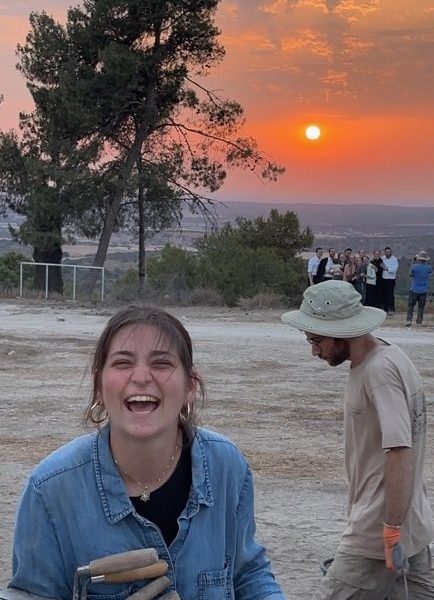
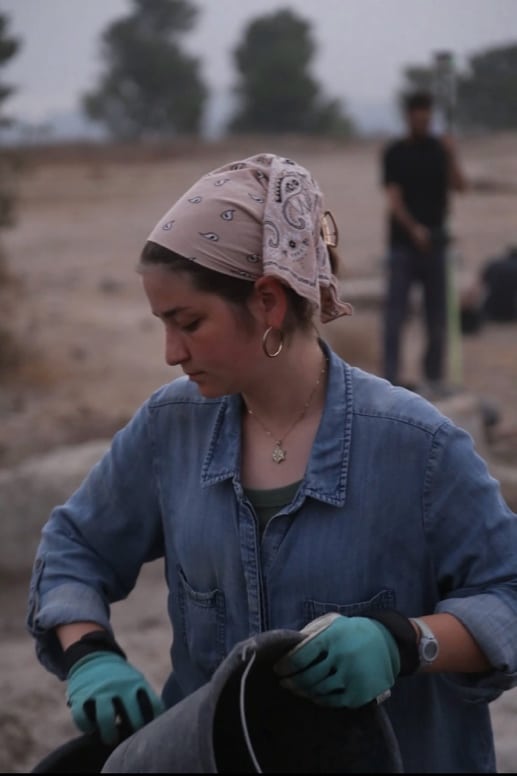
A quick break to get some fresh air and water outside of the pit

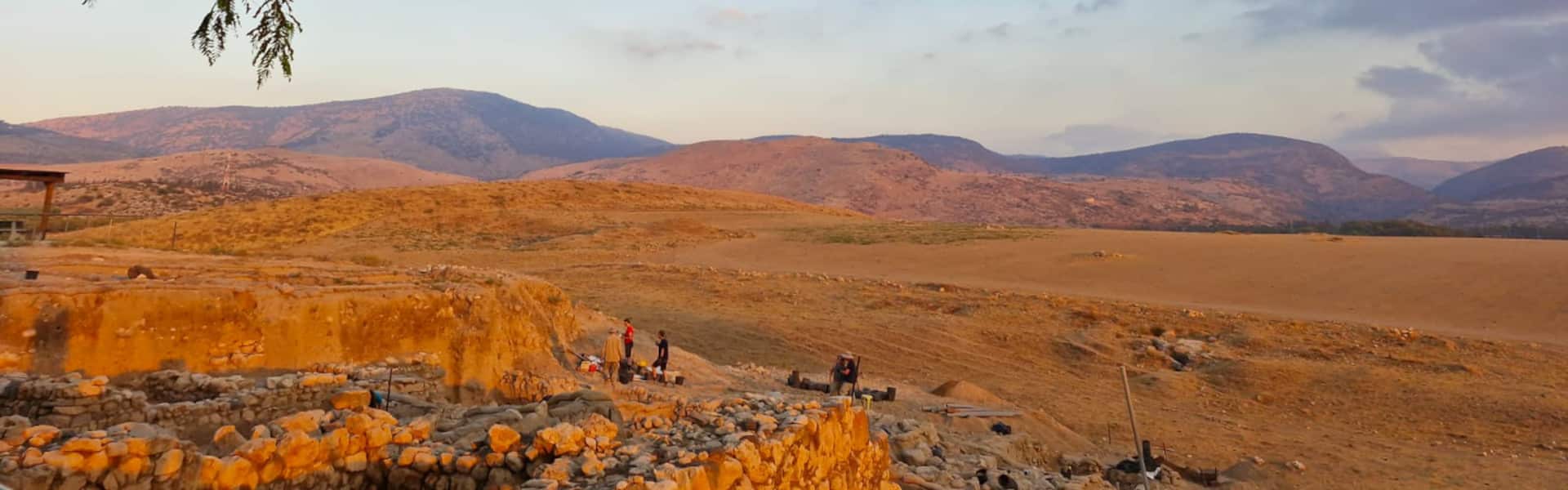
I worked in what became known as “Gadi’s Pit,” named for the assistant supervisor who oversaw its excavation. The site is Tel Azekah in the heart of the Shephelah. It’s a large area with so much left to discover, even alongside everything already uncovered. I exposed the entrance to what we initially thought was a cistern, but as we dug deeper we realized it was more than that, despite the deceptively simple first week. The Tel has a water system that has not yet been excavated, but the area I was working in seems to have some connection to it. The work was addictive. Every morning I woke up looking forward to getting back into the pit, and even during breakfast you could hear me saying how much I wanted to return. Unfortunately, I wasn’t able to reach the bottom this season, but it was not for lack of effort. If you were to meet my field supervisors, they would probably tell you they were mildly concerned at times about me ever leaving the pit. Little did they know I was just avoiding the sun in the most effective way possible—being two meters underground.

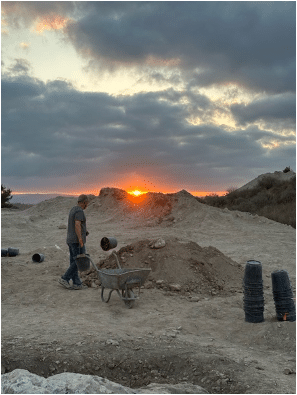
A sunset at Azekah while we were breaking down for the night, one of those days we tried to avoid the heat by working early morning and evening.

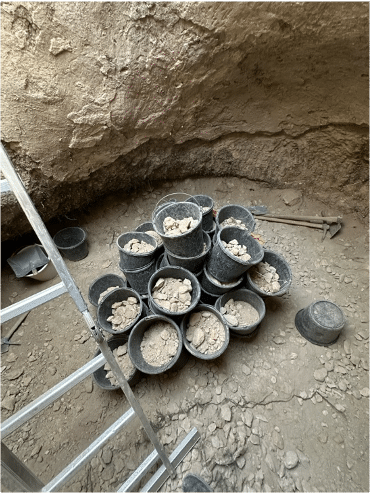
Buckets stacked triple high inside the pit while excavating. At this point it was about 2 Meters deep.

This summer had record-breaking heat day after day—so much so that we had to shorten and adjust our workdays in order to avoid it. Some days we left the site at 10 a.m. and returned at 5 p.m. to work into the evening, avoiding the harshest hours of the sun. The unusual schedule on those days made the work strangely more exhausting, even with the much-appreciated popsicle breaks meant to counteract the heat. Even then, I often found myself uninterested in truly taking a break. As strange as it may sound, among the many things I learned this summer (and there were many), the one I think is most important is how to take a break. Feeling the boost of energy it gave me—and seeing it in the team around me—I realized how valuable a ten-minute pause is. Our work in the first hour after a break always seemed to be the most productive. In general, we were quite an efficient team, with complementary skill sets, a lot of good humor, and thankfully a relatively good taste in music.

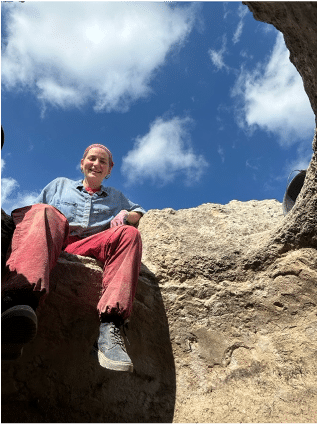
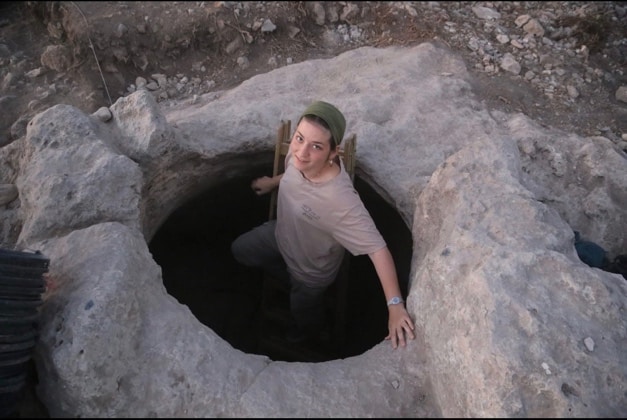
Me coming out of the pit after passing up buckets, normally we would empty 20 at a time, but at one point it got up to as many as 60.

It is simply the truth to say that excavation is hard work. Pickaxes, as fun to wield as they are, get heavy. Heat is more than uncomfortable; it exhausts you in ways you don’t notice until later. Dumping hundreds of buckets a day into what becomes a mountain works muscles you didn’t even know existed. You would think all this might make you want to never return to a site, yet it has the opposite effect. The conversations you have while pickaxing away, the strength you feel at the end of a season, the information you learn every moment—it draws you in. It’s been a couple of weeks since I left Azekah, and I have to say, I miss it. Though it’s still months away, I look forward to future excavation seasons.

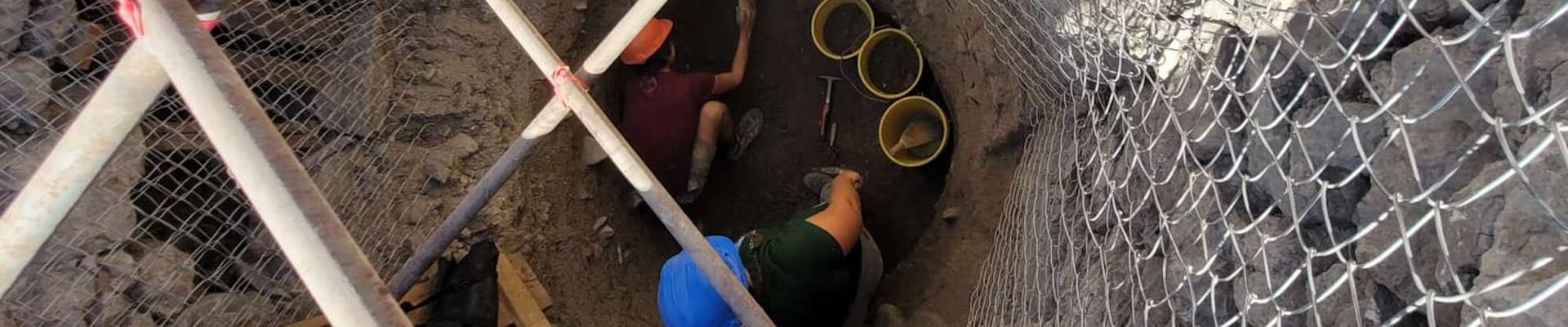
One of the days I was working above-ground, some days it was too hot to work inside the pit since it trapped the heat and humidity in.

Amiella is an undergraduate student double-majoring in Archaeology and International Studies at Dickinson College in Pennsylvania. Archaeology is what she lives and breathes – she has known for a long time that this is what she wants to do with her life, and every year of learning and doing more with it only affirms that! As much as she loves the “digging-in-the-dirt” aspect of archaeology, Amiella hopes that she can build her career and make it more accessible to anyone who wants to learn more about our ancient past.

The Lautenschläger Azekah Expedition website
Facebook: The Lautenschläger Azekah Expedition
Instagram: @azekah_excavations

Want to help more students and early career archaeologists get into the field? Donate to the cause today by selecting “Fieldwork Scholarships” as your gift purpose!

President’s Report to ASOR Members

President’s Report to ASOR Members

May 18, 2026

Dear ASOR Friends,

May was an exceptionally busy month for ASOR’s Board and Committees. I write this letter as part of an on-going plan to keep you up to date on decisions made by the ASOR Board of Trustees and Executive Committee, a request made by many of our members who wish to have a broader understanding of ASOR’s focus and accomplishments. Going forward, you can expect to hear from me on a regular basis.

One of the more important decisions we made was to adopt a Values Statement and a Strategic Plan, which were drafted by the Taskforce on the Strategic Plan and passed unanimously by the Board. In a complex and sometimes chaotic world, it is important to state our shared values and strategic direction as an organization. I really appreciate the members of the Taskforce and Trustees who worked creatively over the course of a year to crystallize our shared sense of purpose. While you can find both the Values Statement and the Strategic Plan prominently displayed on the website, you can get a sense of both below, even as I urge you to read the statements in full.

Values Statement
ASOR is a broad community of individuals who are committed to upholding the following values with integrity as we pursue ASOR’s mission.

Curiosity: To sustain ASOR’s intellectual vitality by advancing excellence, exploring new ideas, skills and methods of research, and disseminating evidence-based knowledge.

Collaboration: To create a welcoming, open environment that respects disparate viewpoints while fostering a sharing of opportunities and resources.

Stewardship: To work with all stakeholders with dignity, courtesy, and fairness; to maintain financial discipline; and to support the responsible management, preservation, and protection of cultural heritage and the communities we work with and within.

Transparency: To communicate openly and honestly; to share conscientiously and often with stakeholders across the scholarly and public landscape.

Strategic Plan 2026 – 2030
ASOR’s Place in the World: ASOR encourages the study of the past through archaeological, historical, art historical, linguistic, and cultural research, along with conservation by fostering conversations about our members’ research and the impact of our studies on the contemporary world. ASOR members promote the preservation of cultural heritage as it relates to global history. Over the next five to ten years, ASOR will undertake the following initiatives to demonstrate our conception of our role in the world.

1. Support high-quality academic research in various venues, giving space for innovative, paradigm-shifting contributions, for example in ASOR’s publications, annual meeting sessions and workshops, and early career scholars and Friends of ASOR activities.

2. Cultivate partnerships in all educational and outreach efforts through the work of ASOR committees and overseas centers.

3. Further develop relationships and collaborative research with local stakeholders and especially affiliated overseas centers, in order to enhance the understanding, preservation, and viability of cultural heritage related to our members’ research and local needs.

4. Assist members in the practical and financial aspects of international research through enlargement of our ongoing grants programs as well as creating and furnishing venues for providing expert information and counsel.

Looking Outward: We aspire to be a leader, communicator, and supporter of innovative, high-quality, forward-thinking scholarship, education, and partnerships related to the study of the Mediterranean to the Indian Ocean, from Europe to the African Sahel.

1. Strengthen existing platforms and media and activate new fora for scholars and the public alike to enlarge the impact of our members’ contributions to the study of the past as an essential aspect of solutions to issues of today.

2. Increase collaborative educational initiatives geared towards the public and primary and secondary education classroom settings.

3. Develop clear strategies and policies for public-facing outreach and clear communication strategies for access, including translations of materials, for members and other interested parties.

Preparation for the Future: ASOR seeks to continue to expand the audience for its work beyond traditional academics to enhance public understanding of the past and its impact on the present. We aim to support question-based research in the production and preservation of knowledge in the world. ASOR supports diversity that broadens the fields of archaeology, history, art history, linguistics, cultural research and conservation beyond traditional academic careers, by mentoring and supporting early career scholars and scholars in partner countries, and by providing archaeological and technical training for a broad range of interested individuals. ASOR will continue to create and foster support from a broad range of sources to maintain ASOR’s financial stability and resources for our growing membership.

1. Continue expanding and engaging ASOR’s membership, including efforts to increase membership and engagement from groups underrepresented in the field.

2. Foster opportunities through mentorship and skills development to prepare members for diverse fields in a rapidly-shifting social and economic environment. Harness the experience of ASOR’s membership to guide members along their chosen paths.

3. Enhance funding relationships to accomplish our mission and strategic goals.

New Board Trustees
Kiersten Neumann, a Membership-Elected Trustee, was elected an Institutional Trustee, class of 2026, moving into a slot vacated by Eric Cline, President of the W.F. Albright Institute for Archaeological Research (AIAR), who retained his other seat as Overseas Institute Trustee.
Sarah Costello became a Membership-Elected Trustee, class of 2026.

Cultural Heritage
ASOR has an extraordinary ability to bring together scholars from archaeology, art history, history, science and other fields to protect and study cultural heritage and share its importance with the public. This is especially important as sites are being threatened or destroyed.

ASOR has become an organization that our overseas partners look to as they seek to begin, enhance or find help for their cultural heritage work. Through the hard work of our CH staff, ASOR has been the recipient of several grants, some through the US Department of State, to:

  • partner with Libya’s Department of Antiquities to document and repair flood damage at the archaeological sites of Cyrene, Ptolemais and Tocra;
  • work collaboratively with the Department of Antiquities of Sudan to strengthen site security and rebuild infrastructure at the Sudan National Museum in Khartoum;
  • sign Memoranda of Understanding with the National Heritage Institute (INP) in Tunisia for work in-country, the University of Lausanne for work in Syria, and the U.S. Committee of the Blue Shield for protection of cultural heritage world-wide.


Policy Discussions

Over the past year, the Programs Committee, the Committee on Archaeological Research and Policy, and the Committee on Publications have asked the Executive Committee and Board for guidance on issues outlined in ASOR’s current Code of Professional Conduct. The Board, after much deliberation and discussion, concurred that some of the language should be updated and revised. I have convened a taskforce to re-examine and rewrite the Code to provide clearer direction for members and committees. This taskforce is in the earliest stages of work, which will be complex and guided by ASOR’s recently approved Values Statement. Trustees would like to hear from you and I would appreciate your help by participating in a committee or contact me at president@asor.org.

As a corollary to this discussion, the Board affirmed that, as an apolitical organization, ASOR will not publish political statements coming officially from the Board.

Committee Participation
To make your voice heard, please consider joining a committee to help shape ASOR’s future. Reach out to the chair of the committee you are interested in serving on; get to know committee members at the Annual Meeting; watch the announcements for committee openings. Much of ASOR’s work is accomplished through committees – ASOR is you!

Best regards,

Jane DeRose Evans
President

Appeal from ASOR’s Board Chair

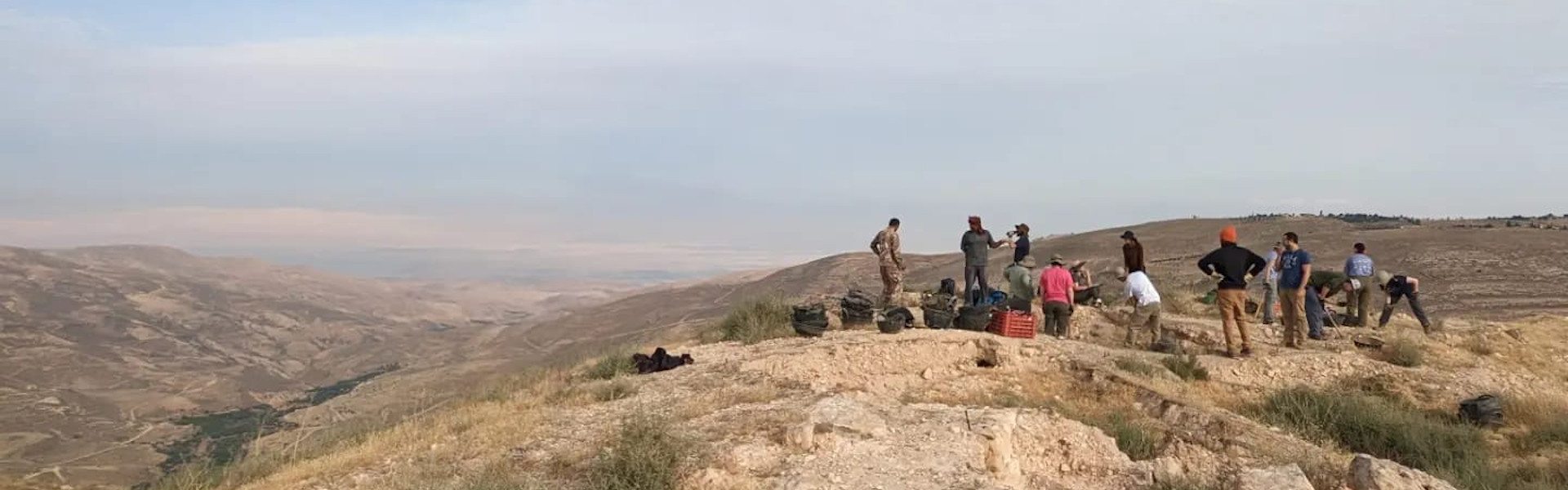
Excavations at Khirbet al-Mukhayyat in 2023.

Appeal from ASOR’s Board Chair

May 15, 2026

Dear ASOR Friends,

For 125 years, ASOR has been at the forefront of research on the cultures and history of the Near East and wider Mediterranean—supporting fieldwork, mentoring emerging scholars, publishing rigorous scholarship, and helping safeguard cultural heritage in regions where it is most at risk. That mission feels more vital than ever, and it is sustained by a community of members and donors who believe this work matters. Thank you for being part of it.

In about 4 weeks, we will conclude another positive ASOR fiscal year (June 30) with many accomplishments to celebrate.

Just a few months ago, we held our 125th anniversary celebration at the Annual Meeting. At that time, we announced the successful completion of the $5 million ASOR 2025 fundraising initiative, with final results now totaling $6.4 million, including $3.9 million in cash gifts along with $2.5 million in documented legacy gifts. The funds raised position ASOR very well for the future, sustaining the investments we have made to increase our capacity and advance our mission.

More recently, at the spring Board of Trustees meeting, we adopted a new strategic plan to guide us for 2026–2030, as we transition to our new President, Jane DeRose Evans. Alongside the strategic plan, we affirmed four core values for ASOR – curiosity, collaboration, stewardship, and transparency. You can find more on both the strategic plan and values at these links. A big thanks to the members who served on the task forces that shaped this work.

We are proud of our progress at ASOR, but real challenges remain. Ongoing conflict in the Middle East, including the most recent engagement involving the US, Israel, Iran, and other countries in the region, weighs heavily on our community and disrupts fieldwork, partnerships, and heritage we share with colleagues across the area. The environment for federal grants supporting cultural heritage work remains extremely difficult. We have also engaged more seriously in recent years with questions about how our professional conduct policy applies to research in contested territories—difficult conversations that reflect a diverse community committed to thinking carefully about its responsibilities. And despite ASOR maintaining a very healthy balance sheet, with growth overall in assets and endowments, we face another year of drawing on prior-year reserves to balance our operating budget.

With these challenges in mind, the Development Committee, with the support of the Board of Trustees, has committed to meet or exceed our Annual Fund goal of $150,000 for fiscal year 2026 and to increase the goal to $200,000 for fiscal year 2027. This increase reflects the reality that our fundraising needs to keep up with the investments we are making in the talented staff who support our members in carrying out our mission.

As we near the end of the fiscal year on June 30, I ask you to consider an . We are currently about $22,000 short of this year’s goal of $150,000. The Annual Fund is what allows ASOR to deliver its programs year in and year out, and with fewer federal grants supporting our cultural heritage work and community outreach, your participation matters more than ever.

If you have already contributed this fiscal year, thank you. If you haven’t yet made a gift—or if you have given and are in a position to give again at this important moment— I hope you will join me before June 30. I deeply appreciate your support.

Best regards,

Sheldon Fox
Chairman, Board of Trustees

ASOR Seeks New BASOR Editor(s)

ASOR SEEKS NEW BASOR EDITOR(S)

The Bulletin of ASOR (BASOR), a publication of the American Society of Overseas Research (ASOR), is seeking an Editor (or Co-Editors) for a three-year term for six semi-annual issues, with the possibility of renewal for one more three-year term (ASOR editors are limited to two terms of services). The transition to the new Editor(s) will begin in November 2026, with the new Editor(s) assuming full responsibility by January 2027. BASOR is a peer-reviewed illustrated publication including technical articles covering the entire Near East and eastern Mediterranean world from the Paleolithic period through Islamic times. The principal subject areas of the journal include art and archaeology, history, anthropology, bioarchaeology and archaeozoology, archaeometry, geography, philology and epigraphy, and literature. BASOR is published on paper and online through the University of Chicago Press.

The duties of the position include the following: maintenance of an editorial office for the journal; solicitation and acquisition of manuscripts suitable for publication; implementation of a peer-review process for the evaluation of manuscripts; collaboration with the managing editor and the ASOR staff; actively promoting the journal online; and editing and proofreading each issue. One of the most important responsibilities of the Editor(s) is the chairing of an editorial board, which is actively engaged in the production of the journal. Duties also include timely publication of journal issues and providing annual reports to the Chair of the ASOR Publications Committee. The new Editor(s) will be required to gain familiarity with the Editorial Manager software program, which is currently used in the publication of the journal.

The Editor(s) of BASOR will have editorial control over the journal, within the parameters of the editorial mission established for BASOR by ASOR. Ideally, the Editor(s) should have knowledge of the production and distribution processes common to print and electronic journals. The Editors of BASOR currently receive a stipend and are eligible for reimbursement for travel expenses to ASOR’s Annual Meeting. These funds also could be reallocated to provide release time at the successful candidate’s home institution. ASOR will negotiate details regarding administrative support and other basic infrastructure in collaboration with the successful candidate(s).

The search committee requests proposals from applicants outlining a vision for the journal within the changing realities of academic publishing. Applications from a single editor, co-editors, or an editorial team will be considered and accepted until the position is filled. All applications received by September 1, 2026 are guaranteed to receive full consideration, but applications will be accepted until the position is filled. The candidate’s application package should consist of the aforementioned vision statement and a current CV. These materials, and any other inquiries, should be submitted via e-mail to publications@asor.org. Questions may be directed to Eric Kansa (eric@opencontext.org) and Sarah Whitcher Kansa (sarah@opencontext.org), Co-Chairs of the ASOR Publications Committee.

Friends of ASOR Philadelphia Tour 2026 Recap

Behind the Scenes in Philadelphia: Two Days with Friends of ASOR

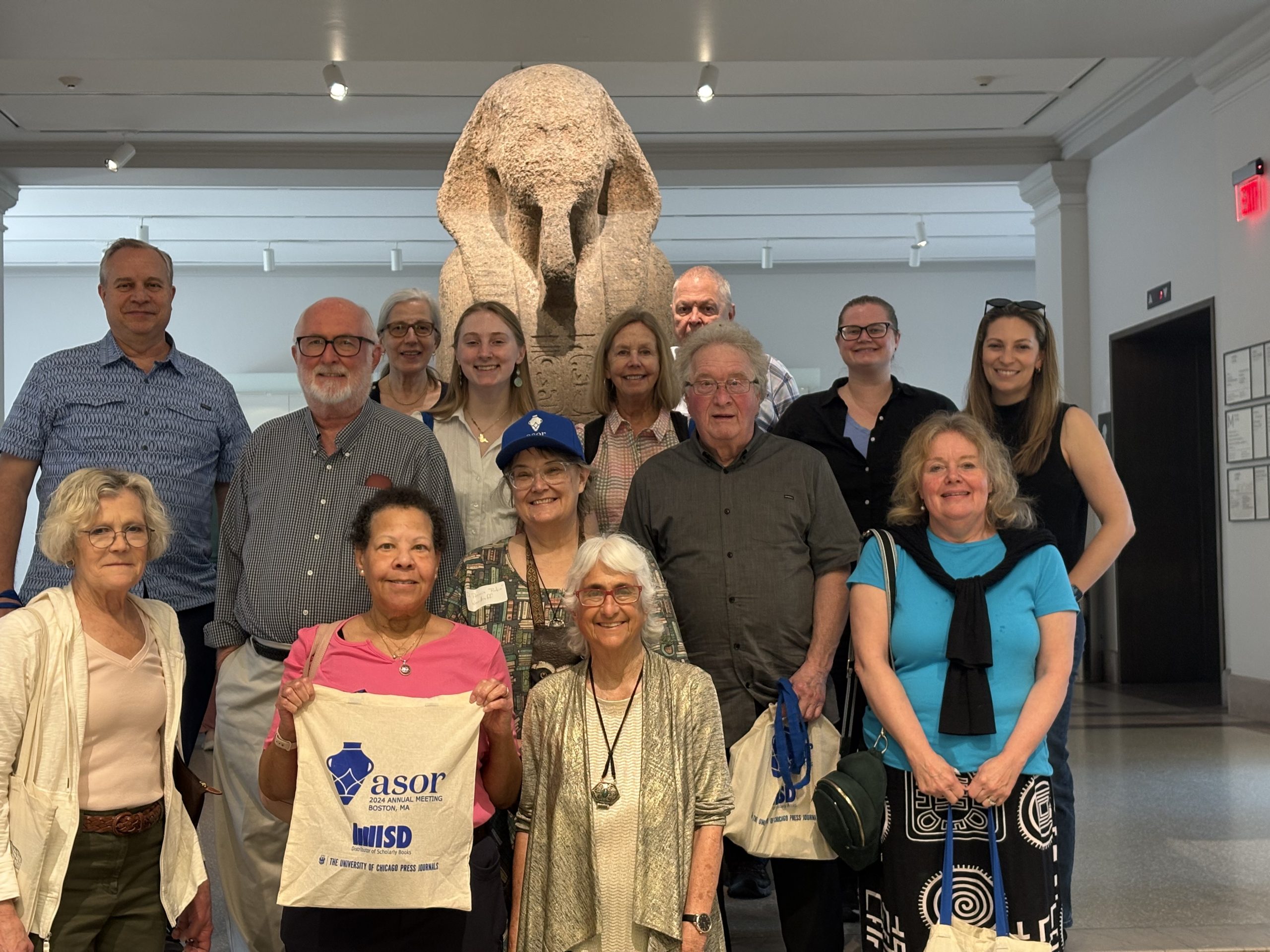
On the bright spring morning of April 16, a group of Friends of ASOR gathered just inside the entrance of the Penn Museum. There was a shared sense of anticipation for the next two days of stepping into the working world of museums and collections, archaeology, and curation. Our Friends of ASOR in Philadelphia tour gave the opportunity not simply to see the incredible objects of some of the city’s greatest institutions, but also to encounter them in context, guided by the scholars and specialists who found and study them.

Among Ancient Worlds at the Penn Museum

The first day kicked off in the Penn Museum’s Middle East Galleries, where towering Assyrian reliefs and intricately inscribed tablets offered a powerful introduction to the ancient Near East. Moving through the galleries together, the group learned not only how these objects were made, used, found, and but also how they were ultimately brought into museum collections.

In the Ancient Egypt in Watercolors exhibition, Dr. Josef Wegner gave the group the special insight into materials found at Dra Abu el-Naga, as well as the exemplary, century-old watercolors documenting Egyptian tomb paintings. Created by Egyptian artist Ahmed Yousef during Penn Museum excavations in the early 1920s, these paintings vividly record elaborately decorated funerary chapels from Dra Abu el-Naga, a key burial ground of elite officials and priests during Egypt’s New Kingdom (ca. 1550–1070 BCE).

By the afternoon, the tour shifted from the public galleries into spaces few visitors ever see. Inside the Center for the Analysis of Archaeological Materials led by Dr. Marie-Claude Boileau, the Near Eastern Storage with Dr. Katy Blanchard, and Tablet Room with Dr. Phil Jones and Dr. Steve Tinney, participants stepped into laboratories where archaeology is not just displayed, but actively practiced. Specialists explained how materials are analyzed to reveal stories invisible to the naked eye.

What had begun as observation became a deeper understanding of the meticulous work and stories that underlie each museum display.

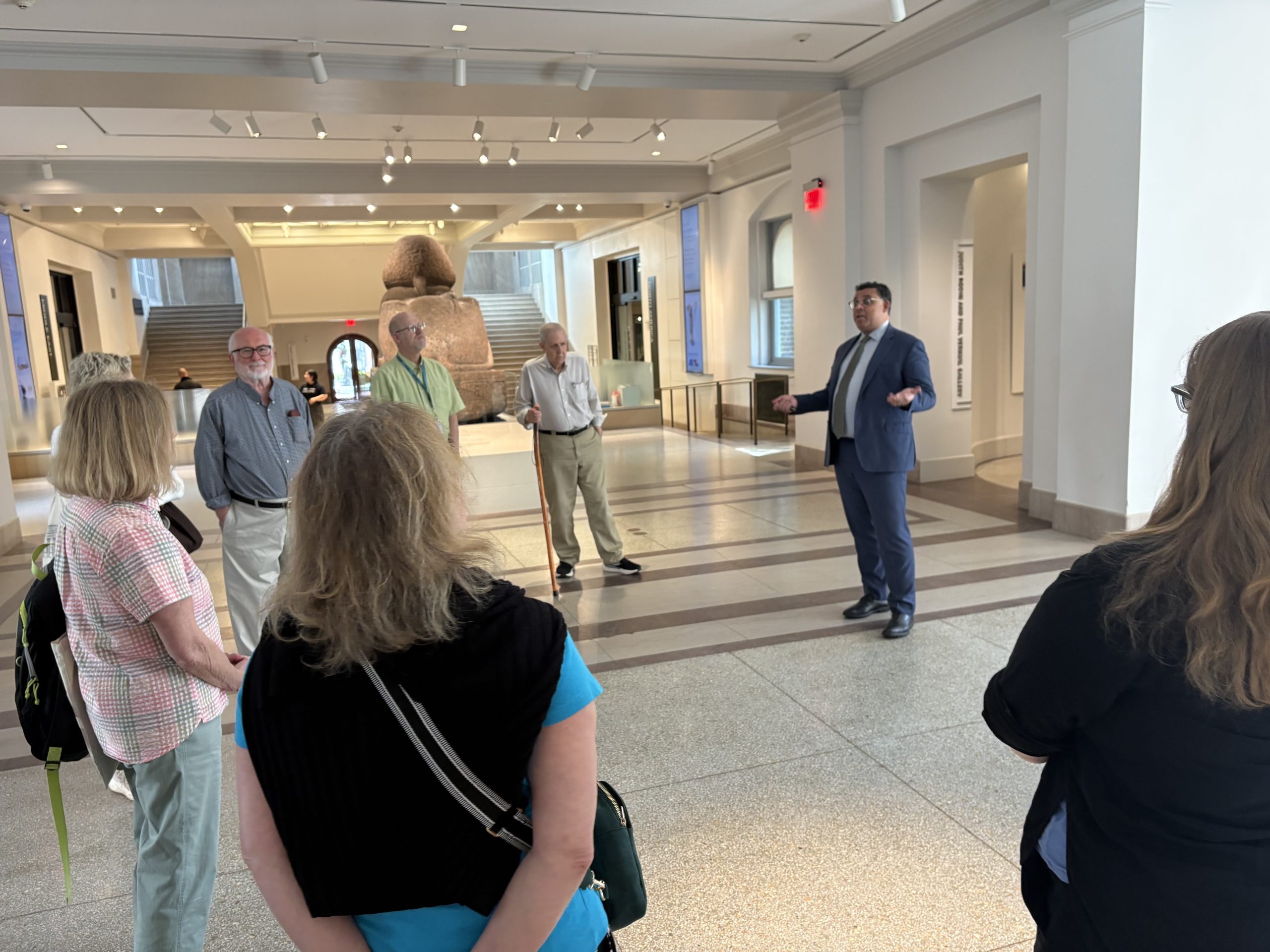
Dr. Chris Woods, director of the Penn Museum, welcomes the Friends of ASOR group on April 16, 2026.

Dr. Chris Woods, director of the Penn Museum, welcomes the Friends of ASOR group on April 16, 2026. (Credit: ASOR)


A New Lens at the Barnes Foundation

The second day began at the Barnes Foundation, where a private lecture led by Dr. Kaelin Jewell offered a different lens on the ancient world through Albert Barnes’s philosophy on art and collecting antiquities. Rather than focusing solely on archaeology, the conversation broadened to include the history of collecting, display, and interpretation, as well as identifying the potential pitfalls of collecting and forgeries.

Moving through the galleries, participants encountered Egyptian, Greek, and Roman objects in dialogue with paintings and decorative arts from across centuries. The juxtaposition invited new questions: How do we interpret ancient objects outside of archaeological contexts? What stories and patterns emerge when they are placed alongside later works?

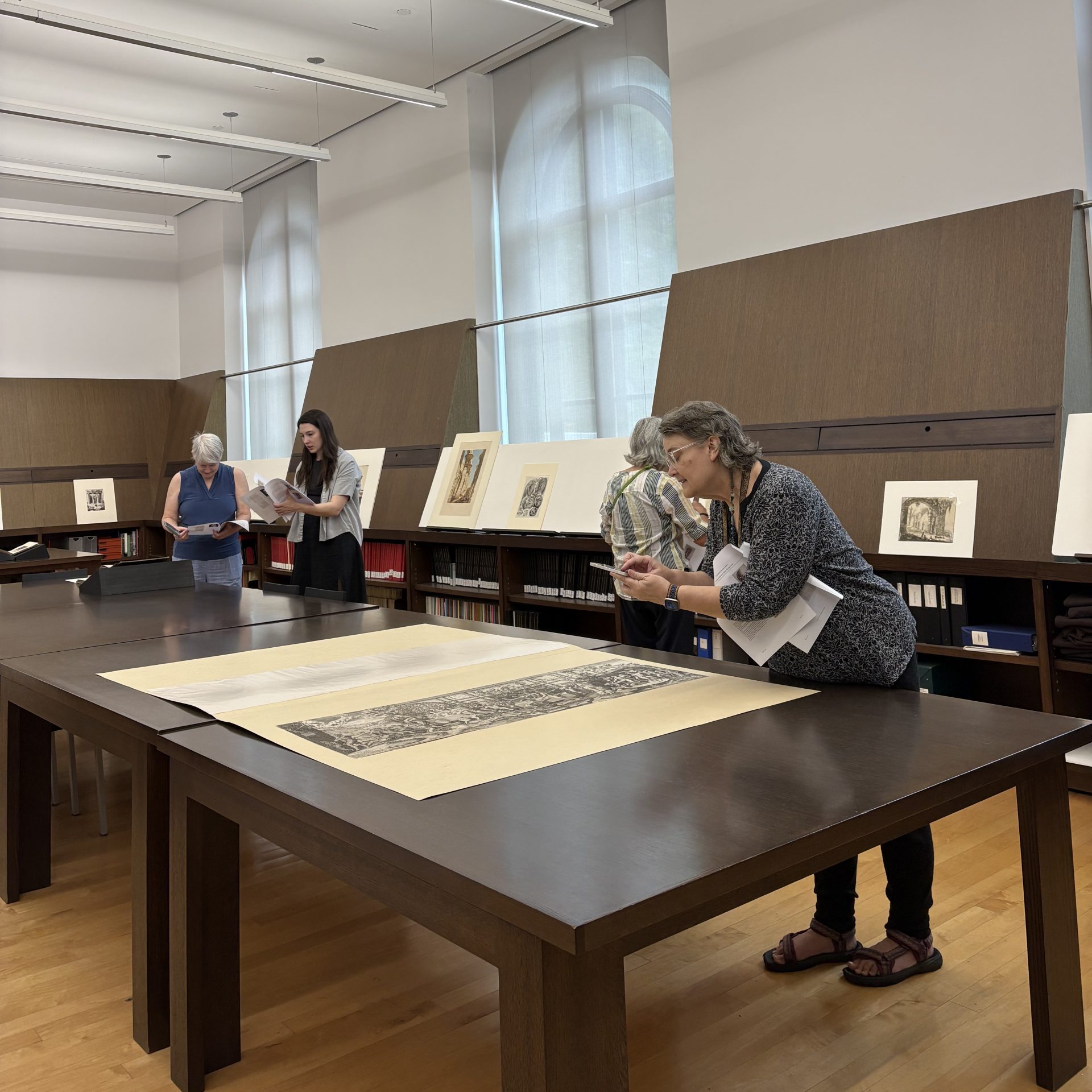
Friends of ASOR discover prints, drawings, and photographs in the Philadelphia Museum of Art's Print Room on April 17, 2026. (Credit: ASOR)

Friends of ASOR discover prints, drawings, and photographs in the Philadelphia Museum of Art’s Print Room on April 17, 2026. (Credit: ASOR)


Hidden Treasures at the Philadelphia Museum of Art

That afternoon, the group arrived at the Philadelphia Museum of Art for one of the tour’s most exclusive and intimate moments: a visit to the Abigail Rebecca Cohen Study Room. Here, away from the crowds, participants gathered around tables as works on paper—prints, drawings, and photographs—were carefully brought out for close viewing. ASOR President Dr. Jane DeRose Evans welcomed the group and joined in the afternoon’s close and unique encounter with the Prints Collection.
Without glass barriers or gallery noise, each object was given ample time and reflection by the viewer. Fine lines, subtle textures, and traces of the artist’s hand and eye became visible up close. Conversations unfolded naturally with curator Nora Rosengarten, guided by curiosity and up-close observation.

It was, in many ways, a fitting conclusion to the tour: a reminder that the study of the past is as much about careful observation as it is about grand narratives.

Friends of ASOR at the Penn Museum in Philadelphia, April 16, 2026.

Friends of ASOR at the Penn Museum in Philadelphia, April 16, 2026. (Credit: ASOR)


Lasting Connections

Across the two days, what emerged most clearly was a sense of shared discovery. Participants were active participants in an ongoing dialogue by asking questions, making connections, and engaging directly with the people who dedicate their careers to understanding the past.

These two days defined the Friends of ASOR tour experience. The FOA tours offer not only access, but a deeper understanding of how archaeology and museums work together to preserve and interpret human history.

ECS Research in Action: Dr. Leilani Lucas

Early Career Scholars Research in Action: Dr. Leilani Lucas

Archaeology in Action: Reconstructing Culinary Practices in Prehistoric Cyprus from Charred Food Remains

Join ASOR’s Early Career Scholars on May 29, 2026 at 12:00pm ET via Zoom for a virtual Research in Action talk from Dr. Leilani Lucas.

Please join the ASOR Early Career Research in Action Series for a talk led by Dr. Leilani Lucas, Professor of Anthropology at College of Southern Nevada. This talk presents a case study from prehistoric Cyprus applying microstructural analysis to amorphous charred objects (ACOs) and integrating them with archaeobotanical evidence and material culture. Despite their frequent recovery in Cypriot archaeobotanical samples, charred amorphous or unidentifiable plant remains have typically been relegated to brief entries in archaeobotanical tables. This study demonstrates archaeological science in action by applying microstructural analysis to ACOs, enabling the reconstruction of past food preparation and consumption practices. Archaeobotanical research on the island has traditionally focused on the recovery and identification of plant taxa to reconstruct agricultural and subsistence patterns, leaving questions of food processing and consumption technologies underexplored. ACOs recovered from Feature 33 at Kissonerga-Skalia (Late Cypriot IA) are examined as direct evidence of past culinary practices. This study contributes to a growing body of research demonstrating the potential of microstructural analysis to enhance archaeobotanical interpretations of food preparation in the past, while providing the first applications of this approach in Cyprus.

The event is FREE for the ASOR community, but registration is required.

Register Now

Table of Contents for BASOR 395 (May 2026)

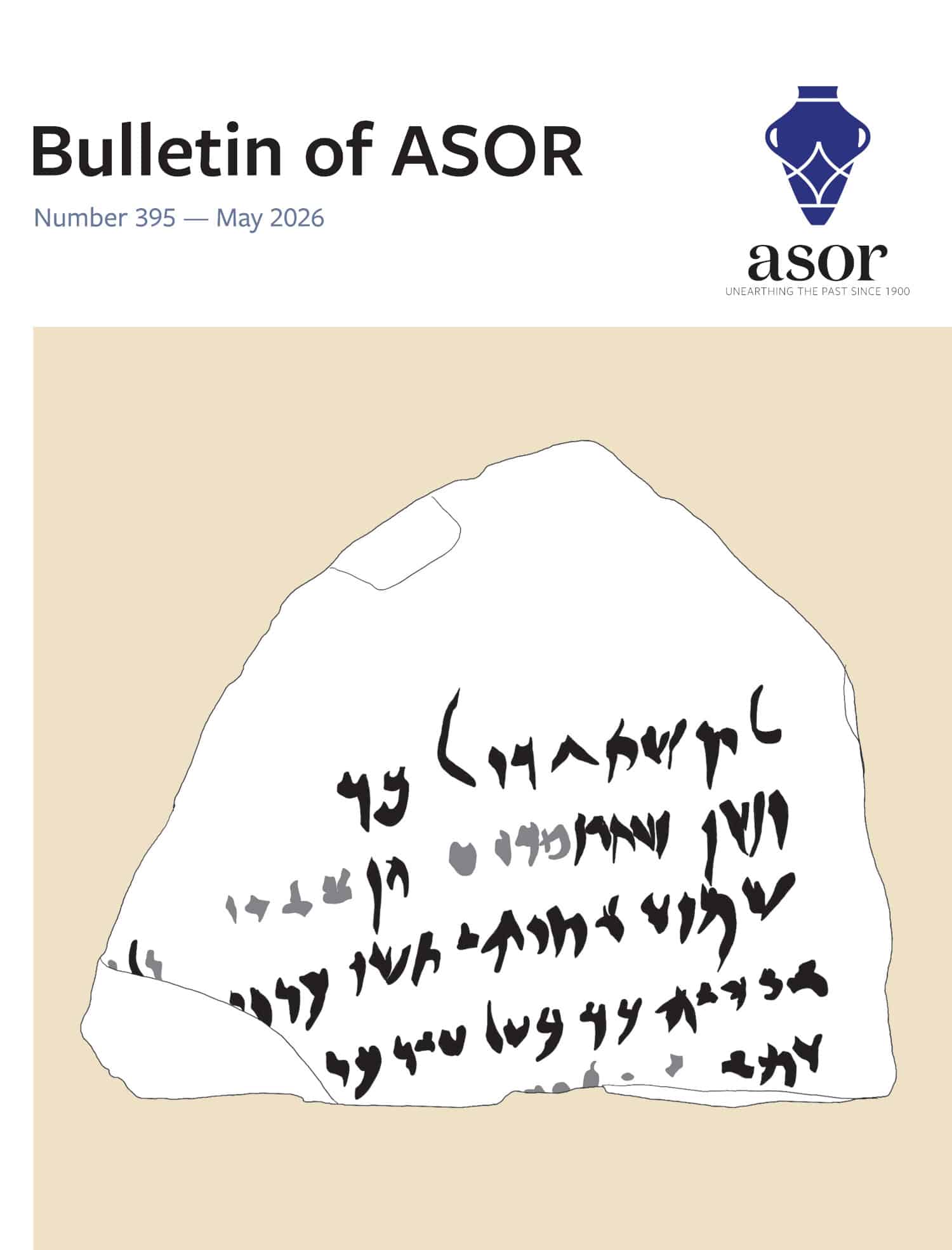
Table of Contents for Bulletin of ASOR 395 (May 2026)

You can receive BASOR (and other ASOR publications) through an ASOR Membership.
Please e-mail the Membership office if you have any questions.

Pp. 1-15: “Preservation through Transformation: Identifying Late Roman Hula Valley Sites in Panias’s Diocletianic Boundary Stones,” by Roy Marom

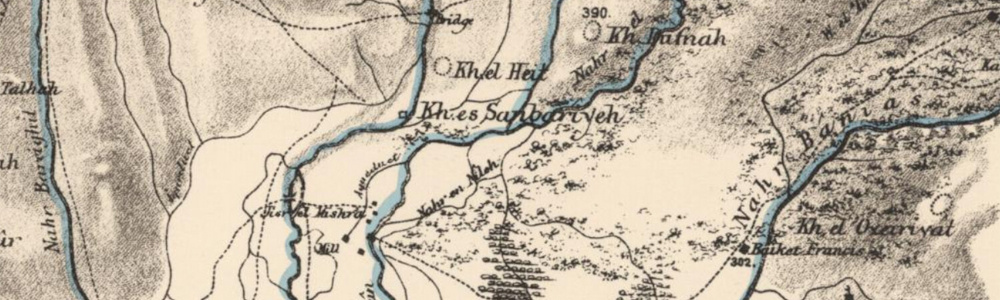
This paper identifies Late Roman sites in the Hula Valley mentioned in Diocletianic boundary stones. Employing a threefold methodological framework—toponymic preservation, archaeological evidence, and spatial analysis—it challenges longstanding assumptions that ancient toponyms in the region were entirely lost. Instead, it demonstrates that the majority of place names engraved on the boundary stones have survived, albeit through significant linguistic and morphological transformations over time: Tirthas (Khirbet Turrīthā), Golgol (Juneijil /al-Zūq al-Fawqānī), Mamsia (Marsīna), Beth-Achon (Tell al-Baṭṭīkha), Dēra (al-Dawwāra), Osea (al-ʿĀbsiya), Beth-Anath (Tell ʿAnt), and Migēramē (al-Muqārināt). These identifications are supported by historical-linguistic reconstruction, data from Ottoman and British Mandate cadastral surveys, and targeted archaeological evidence. The study highlights the complex processes of linguistic transformation—such as phonetic shifts, semantic reinterpretation, and folk etymology—that have shaped the survival of these toponyms in the northern Hula Valley. By integrating diverse sources of evidence, the paper not only revises the geographic understanding of Panias’s countryside but also proposes a replicable framework for reassessing ancient settlement continuity and cultural interaction across the broader Levantine frontier.

ASOR Members with online access: log into ASOR’s Online Portal here. Once logged in, click the JOURNALS tab in the top navigation bar. Tutorials for how to log in to the Online Portal as well as how to navigate to the Portal Journals page can be found here.

Pp. 17-45: “The Life and Afterlife of the Palace of Herod Antipas in Tiberias,” by Shulamit Miller and Frankie Snyder

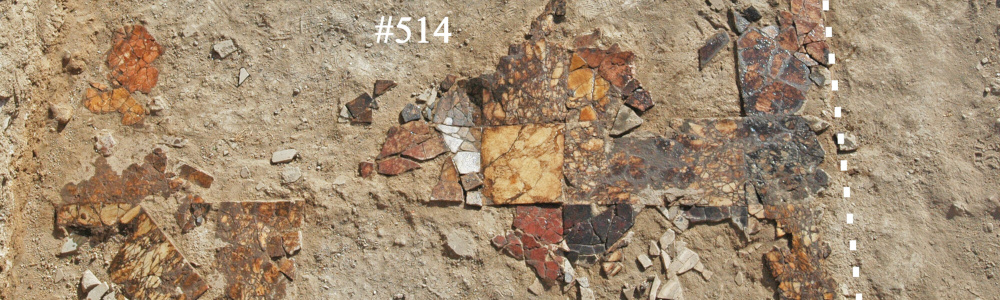
The city of Tiberias, on the western shore of the Sea of Galilee, was founded in 19/20 c.e. by King Herod Antipas as his new capital in Galilee. Remains identified as the palace of Antipas, characterized by their construction technique and decorations, were uncovered in Yizhar Hirschfeld’s excavations. This article proposes a new study of the remains, suggesting a reevaluation of the architecture, décor, and chronology that are used to substantiate the identification with the palace of Antipas. It discusses the architecture vis-à-vis palaces of Herod the Great and shows that, while there is continuity in style, there is a visible increase in investment in the Tiberias palace, at least in terms of its marble ornamentation. This article further argues that the stratigraphy defined by Hirschfeld did not differentiate between two distinct architectural phases: the first is a palatial complex, while the second attests to the repurposing of the palace into simple dwellings, probably in the 2nd century c.e. Ultimately this study provides a new understanding of the city’s early evolution as well as insights into developments of palatial architecture in the Roman southern Levant on the background of expanding Mediterranean connectivity in the early decades of the Roman Empire.

ASOR Members with online access: log into ASOR’s Online Portal here. Once logged in, click the JOURNALS tab in the top navigation bar. Tutorials for how to log in to the Online Portal as well as how to navigate to the Portal Journals page can be found here.

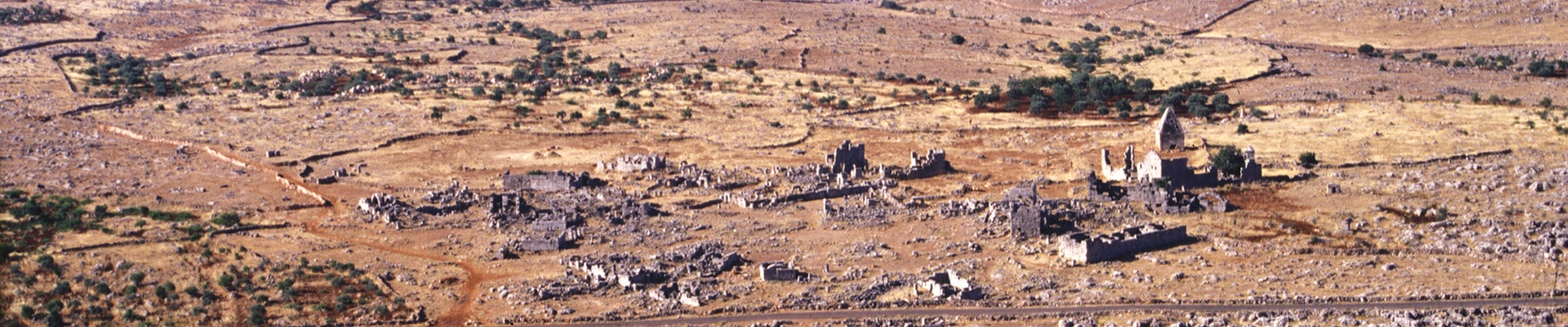
Pp. 47-63: “Baʾude, a World Heritage Site in Northern Syria from the Early Byzantine Era: A Study of the Residential Buildings and Their State of Preservation,” by Afaf Laila and Maamoun Abdulkarim

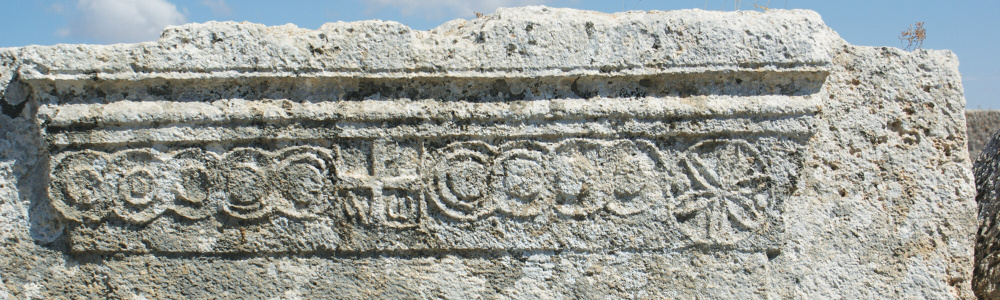
Baʾude village is part of a network of archaeological villages in northern Syria that are home to numerous well-preserved historical sites from the Roman and Byzantine periods. In 2011, these villages were inscribed on the World Heritage List due to their outstanding cultural significance. Baʾude exemplifies rural life through its architecture and interaction with the natural environment, with houses being the predominant feature of its built heritage. Many of the houses are in good condition due to the use of massive stones in their construction. Several internal facades on the ground floors, overlooking the courtyards, are relatively intact and adorned with diverse decorative styles. These unspoiled architectural elements provide valuable insight into the layout, orientation, size, and design of the houses, while the surrounding environmental factors further enhance the unique character of Baʾude.

ASOR Members with online access: log into ASOR’s Online Portal here. Once logged in, click the JOURNALS tab in the top navigation bar. Tutorials for how to log in to the Online Portal as well as how to navigate to the Portal Journals page can be found here.

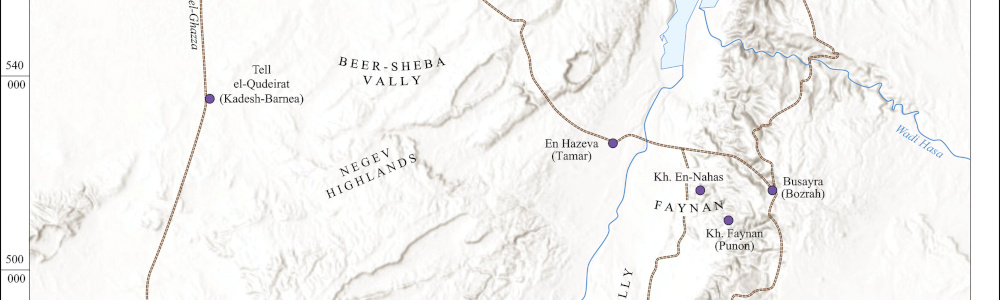
Pp. 65-103: “ʿEn Ḥaẓeva in the Arabah Valley: A “Faynanite” Signature in Late Iron Age I–Early Iron Age IIA Ceramic Assemblages,” by Doron Ben-Ami, Anat Cohen-Weinberger, and Tali Erickson-Gini

This paper presents the results of typological and petrographic analyses of the ceramic assemblages from ʿEn Ḥaẓeva Strata VIII and VII. The typological analysis concludes that the strata date to the late Iron Age I and early Iron Age IIA, respectively. The petrographic analysis reveals that a substantial percentage of the ceramic assemblage originated in the copper districts of the Arabah Valley. Considered together the analyses indicate that during these two Iron Age phases ʿEn Ḥaẓeva was an integral part of the Faynan district and testify to its essential role in the Arabah Valley’s copper trade network.

ASOR Members with online access: log into ASOR’s Online Portal here. Once logged in, click the JOURNALS tab in the top navigation bar. Tutorials for how to log in to the Online Portal as well as how to navigate to the Portal Journals page can be found here.

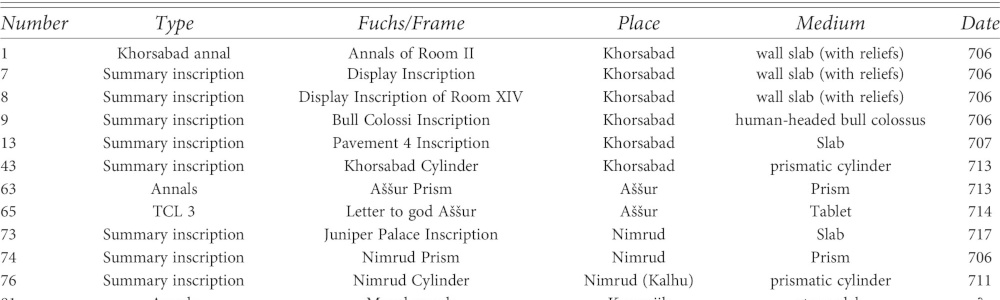
Pp. 105-122: “Sargon II’s Defeat of Egypt: Rhetoric or Historical Facts?,” by Peter Dubovský

The Khorsabad Annals portray Sargon II as an illustrious monarch who, from the outset of his reign, exerted unwavering control over the entire ancient Near East. However, the inscriptions dated to earlier years of Sargon II’s reign do not mention the conquest of Gaza, Samaria, and the defeat of the Egyptian troops attributed to his first regnal years in the Khorsabad Annals. Furthermore, an analysis of the chronology of Sargon II’s campaigns reveals the existence of at least two chronological frameworks prior to 713 b.c. This article addresses the chronological problems of Sargon II’s early reign while focusing on the Egyptian and Assyrian control of the southern Levant. It is argued that the events of the first two years did not take place as described in the Khorsabad Annals, since the annals do not reflect the historical reality of the first years of Sargon II’s reign but rather the status quo of the last years of his reign. To support this conclusion, the article presents literary techniques employed by the scribes of Khorsabad, who composed a new account of Sargon II’s reign.

ASOR Members with online access: log into ASOR’s Online Portal here. Once logged in, click the JOURNALS tab in the top navigation bar. Tutorials for how to log in to the Online Portal as well as how to navigate to the Portal Journals page can be found here.

Pp. 123-158: “Mesha’s Moab: Settlement Patterns and Site Interactions on the Madaba Plateau,” by Andrew J. Danielson, Debra Foran, Stanley Klassen, Heidi Fessler, Grant Ginson, Gregory Braun, Věra Doležálková, and Roselyn A. Campbell

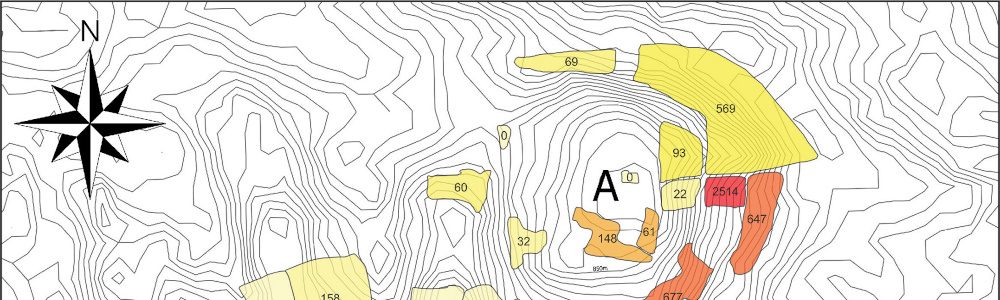
Since the discovery of the Mesha Inscription, the kingdom of Moab has drawn widespread scholarly attention, with numerous surveys and excavations conducted over the past half century. Despite this research, significant questions remain regarding the origins of the kingdom, its structure, and the many settlements and sociopolitical groups that were integrated within the vision of Moab outlined by Mesha. This article presents the preliminary results from a series of archaeological surveys and excavations at several sites on the Madaba Plateau (Khirbat al-Mukhayyat, Khirbat al-Fayha, Khirbat Libb, Tall Maʿin, Khirbat Nitl, and Khirbat ad-Deleilat ash-Sharqiyah). Some of these sites were major settlements in the region during the Iron Age II period, though they have yet to enter scholarly discourse. The introduction of these preliminary summaries presents a significant step in better understanding the region of the Madaba Plateau during the Iron Age II, particularly in relation to site interrelations and hierarchy in the context of the formation of the kingdom of Moab. Preliminary Iron Age data from these sites reveal a system of numerous settlements, fortified sites, and accompanying towers/forts linked via access routes and integrated within an intentional network of intervisibility that bolstered inter-site relations and increased strategic visibility.

ASOR Members with online access: log into ASOR’s Online Portal here. Once logged in, click the JOURNALS tab in the top navigation bar. Tutorials for how to log in to the Online Portal as well as how to navigate to the Portal Journals page can be found here.

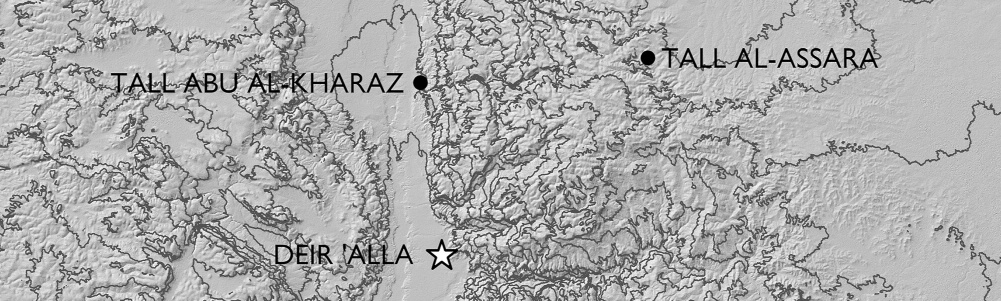
Pp. 159-178: “Connecting and Disconnecting Zones of Interaction in Northern Jordan: Tall al-Assara and Regional Connectivity in the Iron Age IIB–IIC,” by Paula Gheorghiade, Marta Lorenzon, Samuel Reinikainen, Stefan L. Smith, Maher Tarboush, Päivi Miettunen, Paula Kouki, and Antti Lahelma

This study explores landscape mobility among settlements in northwestern Jordan during the Iron Age IIB–IIC periods. Specifically, it considers how interaction changed from the IIB to IIC period in this upland region between the newly discovered site of Tall al-Assara, neighboring settlements, and sites identified during the Tall Yaʾmoun Regional Archaeological Survey (TYRAS) project. The aim is to evaluate how landscape considerations, proximity, and potential for interaction might have shaped cultural affiliations in a region that was, for a period, part of the Neo-Assyrian hinterland. A baseline for mobility across this diverse topography is first established, utilizing a spatial point dataset to model local and regional interactions from Tall al-Assara and four other settlements during the Iron Age IIB and IIC period. Second, the modeling is contextualized with published ceramic and settlement data to assess its robustness. This research contributes to the ongoing scholarly discourse on the interplay between frontier regions as buffer zones for expanding ancient Near Eastern empires, while also highlighting large-scale shifts in occupation during this transformative period.

ASOR Members with online access: log into ASOR’s Online Portal here. Once logged in, click the JOURNALS tab in the top navigation bar. Tutorials for how to log in to the Online Portal as well as how to navigate to the Portal Journals page can be found here.

Pp. 179-194: “Land Tenure and Fiscal Practices in the Aramaic Corpus of Idumea: Bow-Fields and Horse Estates,” by Mitchka Louise Marie Jeanne Shahryari

The Idumean corpus of Aramaic ostraca sheds light on the structured administrative and fiscal system in the region. This publication raised the possibility of the presence of the terms qaštu (“bow-fields”) and, albeit conjecturally, “horse-estates,” which would offer the first concrete evidence of these land-management practices within the fiscal framework of the Idumean region. These findings resonate with other key terms already mentioned by scholars, such as iškaru and references to tax collectors, which underscore the Persian institutional system of taxation, labor organization, workforce allocation, and resource management. The fiscal vocabulary and classifications of landholding revealed in these texts display parallels with Babylonian, Persepolitan, and Egyptian models, while simultaneously reflecting local adaptations. The ostraca thus demonstrate that Idumea was an integrated part of a hybrid imperial structure that linked local agricultural communities to the broader Persian administration.

ASOR Members with online access: log into ASOR’s Online Portal here. Once logged in, click the JOURNALS tab in the top navigation bar. Tutorials for how to log in to the Online Portal as well as how to navigate to the Portal Journals page can be found here.

Pp. 195-242: “Dharih (Wadi al-Hasa, Jordan) in the Early Bronze Age: The Evidence from the French-Jordanian Excavations,” by Marta D’Andrea

Dharih, in the modern Tafilah region of southern Jordan, is best known as a signature site for the Nabatean and Roman periods, but the French-Jordanian team that carried out archaeological research there from the 1980s until the 2000s also uncovered evidence of human occupation through the 4th and 3rd millennia b.c.e., in the Early Bronze Age. In Transjordan, this time relates to the development and crisis of early urbanism and to the consequent regional reorganization in the non-urban period. This paper presents the Early Bronze Age evidence uncovered at Dharih, provides a chronological assessment of the finds, and analyzes the 4th and 3rd millennium b.c.e. occupation at the site within a regional context. It discusses how these previously unpublished records for the Early Bronze I–IV (ca. 3800/3700–1950/1920 b.c.e.) may help place the site and its surrounding area into regional patterns of material culture and current narratives for those periods.

ASOR Members with online access: log into ASOR’s Online Portal here. Once logged in, click the JOURNALS tab in the top navigation bar. Tutorials for how to log in to the Online Portal as well as how to navigate to the Portal Journals page can be found here.