The Trustee Nominations Committee announces an open call for (self) nominations for the ASOR Board of Trustees (Class of 2024). There are three primary responsibilities of the members of the Board of Trustees:
Governance: Being aware of issues brought forward to the Board, attending two meetings per year (at your own expense), and bringing issues of concern to the Board.
Fundraising and financial management: Leading in development by thinking of new opportunities, leading in giving, and providing oversight on the audited financial statements. We ask that individual trustees aspire to contribute $500 or more annually.
Strategic planning and policy development: Leading especially in measures that accord with ASOR’s mission.
We anticipate two openings for Membership-Elected Trustees. Any full ASOR member may be considered for nomination as an Membership-Elected Trustee. If there is someone that you would like the committee to consider—including yourself—please send the person’s name and email address to Marta Ostovich in the ASOR office. If you have any questions about the responsibilities and satisfactions of being a board member, please email Jane DeRose Evans (Chair of the Nominations Committee).
The ASOR office, or a representative from the Nominations Committee, will contact all nominees to describe the responsibilities in greater detail, and to make sure that the nominee is willing to have his or her name discussed by the Trustee Nominations Committee. Please note that nominees will need to submit a brief biography and a mission (or vision) statement for what they would like to accomplish as a trustee to be considered by the Nominations Committee. A sample of these statements can be found in last year’s “Meet Your Board Nominees” webpage. Brief biographies and mission statements should be ca. 200 words each and submitted via e-mail to Marta Ostovich by noon EDT on September 15, 2021.
After the Committee selects individuals for nomination, the election will take place by electronic ballot during October. ASOR is once again conducting online voting to ensure that more of our members are able to participate in this important process. The ASOR office will work with any person who is not able to complete an electronic ballot to ensure that everyone is included.
In order to receive full consideration by the committee, nominations (including supporting documents) should be submitted to programs@asor.org by noon EDT on September 15, 2021.
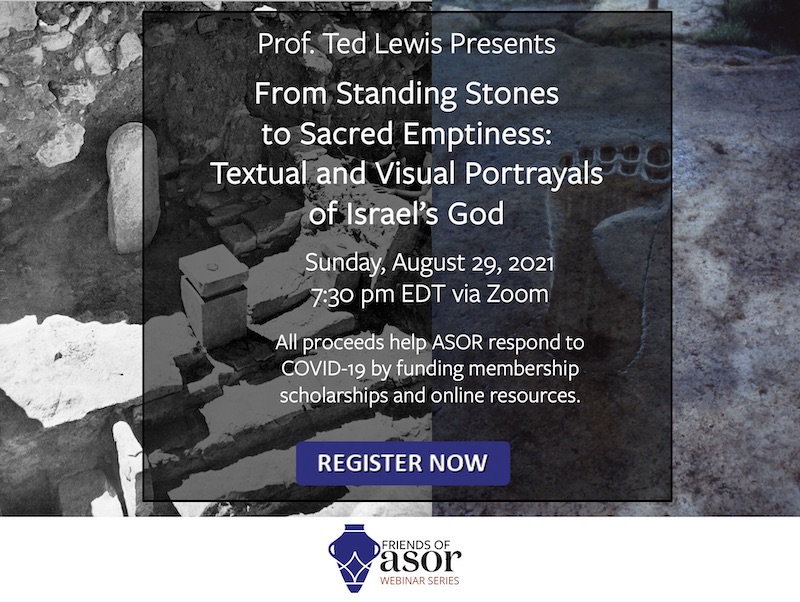
From Standing Stones to Sacred Emptiness: Textual and Visual Portrayals of Israel’s God
Registrants now receive a discount code for 30% off of Ted’s book from Oxford University Press!
Friends of ASOR present the next webinar in our monthly series on August 29, at 7:30 pm EDT, featuring Prof. Theodore Lewis. Portrayals of divinity are incredibly complex as they are culturally, sociologically, politically, and theologically contingent. Asking the simple question about how ancient Israelites and Judahites portrayed God (i.e. El and Yahweh) turns into a historical puzzle, interacting with a wide variety of ancient writers and artisans on how they conceptualized divinity. Did they imagine Israelite El as an enthroned, benevolent patriarch, a majestic bull, or even a solid block of stone? What about Yahweh and the Hebrew Bible’s aniconic tradition that the Almighty is not to be portrayed in concrete form?
This webinar will sift through both visual (archaeological) and textual narratives as they have diverse functions and/or audiences and reflect different kinds of literacies. We’ll look at artisans’ considerable diversity, from standing stone installations to anthropomorphic figurines to bull images. Even within the Hebrew Bible’s aniconic tradition we see diversity—from the ethereal quality of fire to solar metaphors to abstract notions of Yahweh taking up residence via his sacred “Name” or manifesting through “radiance” (kābôd yhwh) that conjures Neo-Assyrian melammu imagery. Strikingly, we’ll also investigate the use of sacred emptiness to portray divinity. How is it that less is more? Wide ranging questions will be explored and invited. Are there archaeological correlates for such abstract expressions? How do we imagine the pragmatic focal points for ritual performance? Join us for this exploration of some of the expressions of divine presence in the lives of ancient Israelites and Judahites. Prof. Lewis will conclude his webinar with a live Q&A session. For more information on this topic, please check out the speaker’s recent article in The Ancient Near East Today on “The (Historical) Origin of God.”
Theodore J. Lewis holds the Blum-Iwry Professorship in Near Eastern Studies at Johns Hopkins University. He is a Semitist, a Hebrew Bible scholar, and a historian of religion whose research has been awarded a Guggenheim Fellowship. Lewis received his Ph.D. from Harvard University and also studied at the Hebrew University in Jerusalem as an ITT Fellow. Prior to coming to Johns Hopkins he taught at Harvard University and the University of Georgia.
Lewis is the author of The Origin and Character of God: The Religion of Ancient Israel through the Lens of Divinity(Oxford University Press), which received the 2020 Frank Moore Cross Award from ASOR for “the most substantial volume related to the history and/or religion of the ancient Near East and Eastern Mediterranean.” He is also the author of Cults of the Dead in Ancient Israel and Ugarit (Harvard Semitic Monographs) and co-author of Ugaritic Narrative Poetry. He is General Editor of the Writings from the Ancient World series (SBL Press).
To receive your ASOR member discount, log into the online store. If you are new to ASOR, please click on the “New Visitor Registration” link to register your e-mail address and choose password for our online store. Once logged in, navigate to “Meeting and Event Registration” to register for the webinar and pay the fee. Each paid registrant will receive a confirmation e-mail when you pay for the webinar. If you do not receive this e-mail, then you are not registered. Please e-mail membership@asor.org with any questions or issues with registering.
You will be e-mailed the Zoom Webinar link in the week prior to the lecture on August 29, 2021 If you do not receive the link by the close of business on the Tuesday before the webinar, please e-mail membership@asor.org immediately. All webinars are recorded and all paid registrants will be sent a link to view the recording.
All proceeds from this lecture are used to fund scholarships for members impacted by COVID-19 as well as increasing ASOR’s online resources, which are free to the public.
WHY SPONSOR A WEBINAR?
Several levels of support from $50-$1,000 are available. Proceeds go towards membership scholarships and towards increasing ASOR’s virtual resources. Each sponsorship is tax-deductible and you can give your friends free registrations to a webinar!
Bronze Level ($50): up to 2 guest registrations Silver Level ($100): up to 5 guest registrations Gold Level ($500): up to 20 guest registrations Platinum Level ($1,000): up to 50 guest registrations
After you sign up for a sponsorship online or over the phone, email the names and email addresses of your guests to Felice Herman at membership@asor.org, who will send your guests a confirmation and the Zoom link before the webinar.
WANT TO SAVE $5.00 ON THE NEXT WEBINAR?
Join ASOR as a member! Click here for more details about discounts for events and other benefits of membership. Memberships start at $40 for the year as an Associate Member.
You can now purchase the link to the recording of any webinar. You can also purchase the bundle packages of all webinars from the 2020-2022 seasons. Please e-mail membership@asor.org for purchase details.
To see a printable pdf of the webinar titles from the 2020-2021 season, please click here. To see a printable pdf of the webinar titles from the 2021-2022 season, please click here.
Where Are They Now?: A Preview of 2022 ASOR-Affiliated Fieldwork Projects Michael Given (University of Glasgow), Xenia-Paula Kyriakou (Florida Gulf Coast University), Stephen Batiuk (University of Toronto), Monique Roddy (Walla Walla University), Kent Bramlett (La Sierra University), Friedbert Ninow (La Sierra University), and Michael Hoff (University of Nebraska-Lincoln) | March 8, 2022
Tel Rehov: A Major Bronze and Iron Age City in the Jordan Valley Amihai Mazar (Hebrew University of Jerusalem), Nava Panitz-Cohen ( Hebrew University of Jerusalem), Nota Kourou (Athens University), Naama Yahalom-Mack (Hebrew University of Jerusalem), Robert Mullins (Azusa Pacific University) | February 10, 2022
Archaeogaming: Why Video Games Deserve Their Own Archaeology Tine Rassalle (University of North Carolina at Chapel Hill), Shannon Martino (Morton College), Matthew Winter (University of Arizona), Michael Zimmerman (Rhode Island) | April 18, 2021
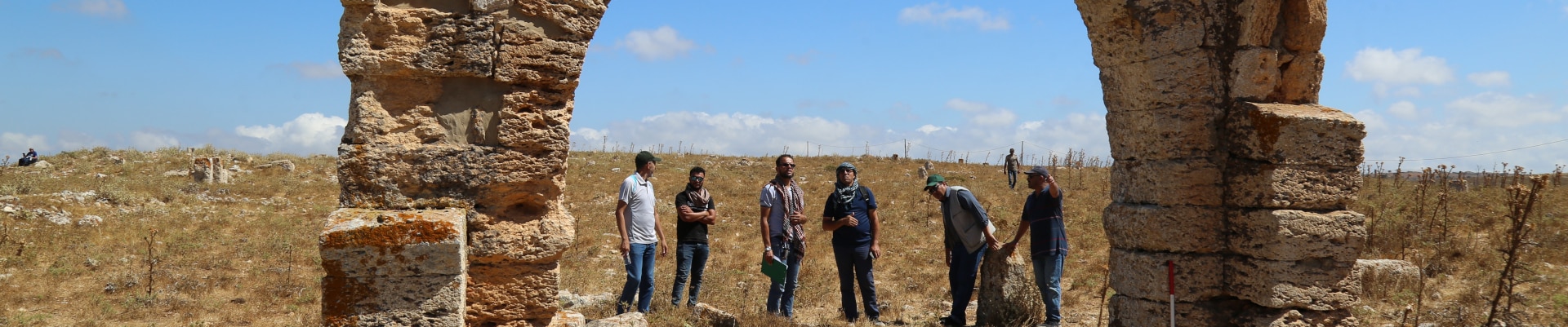
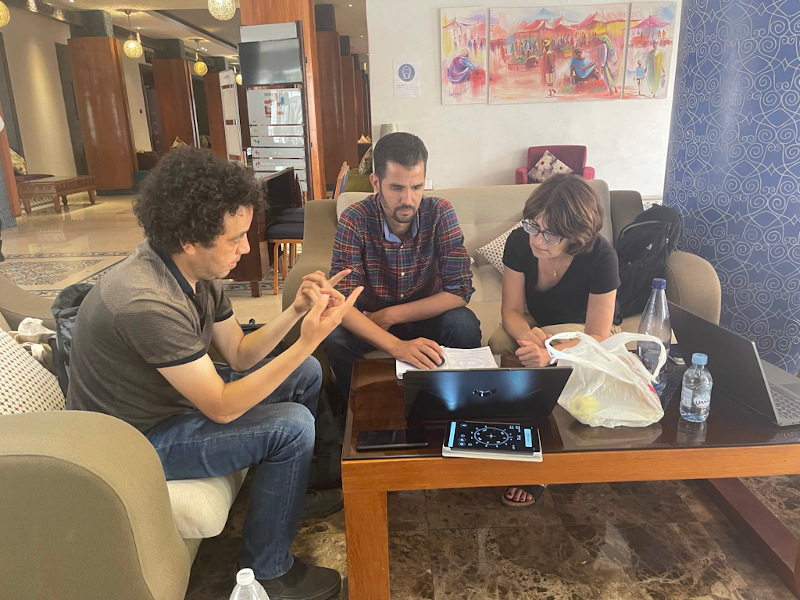
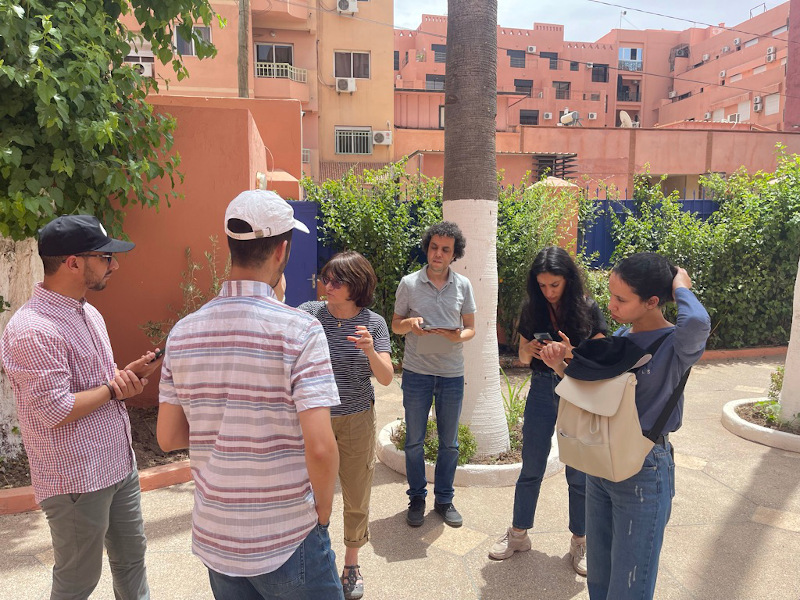
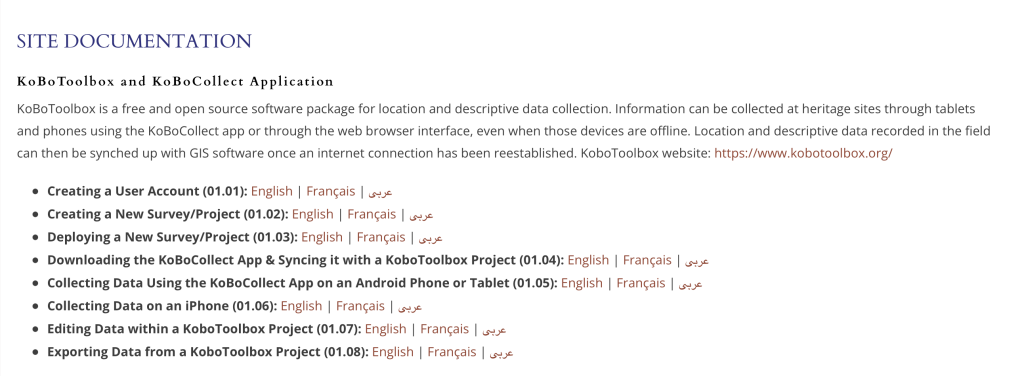
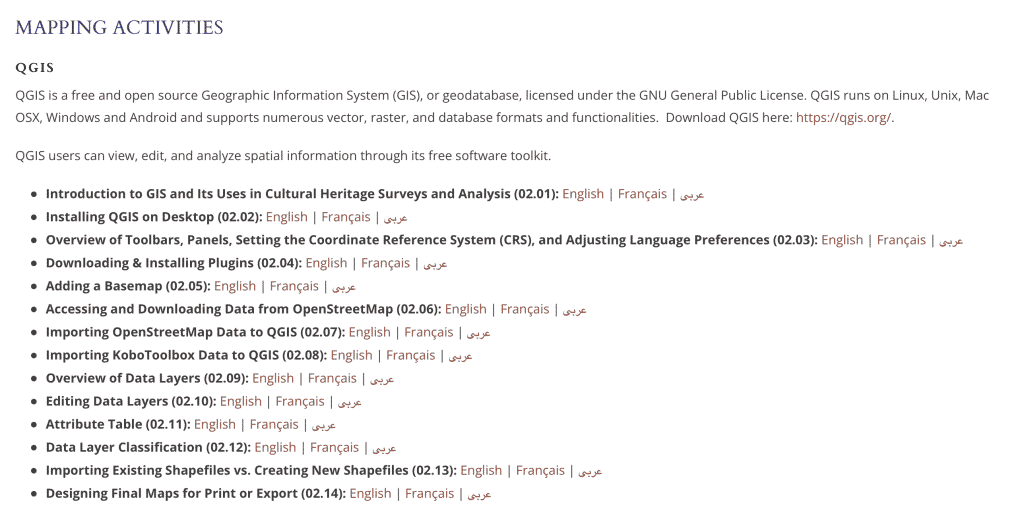
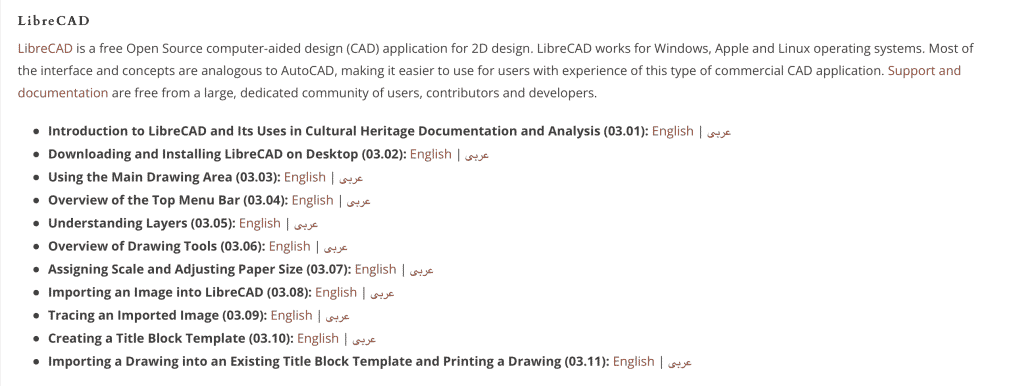
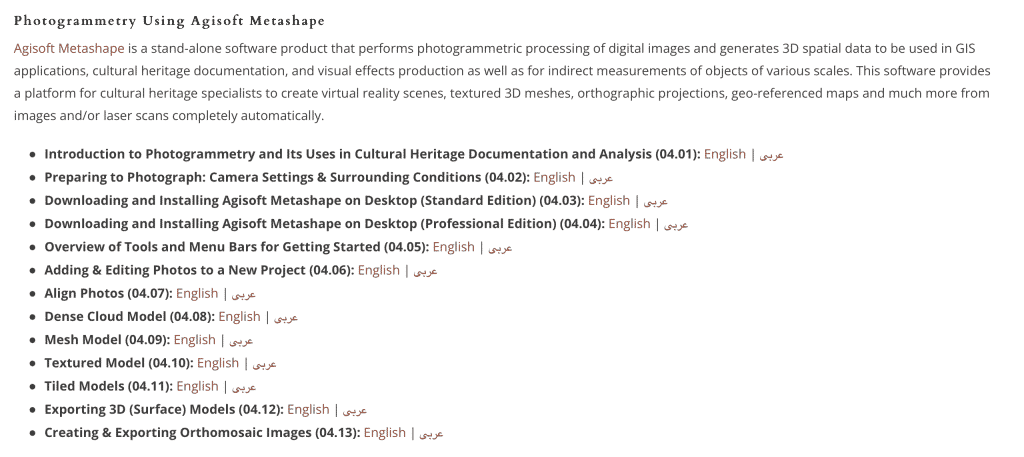
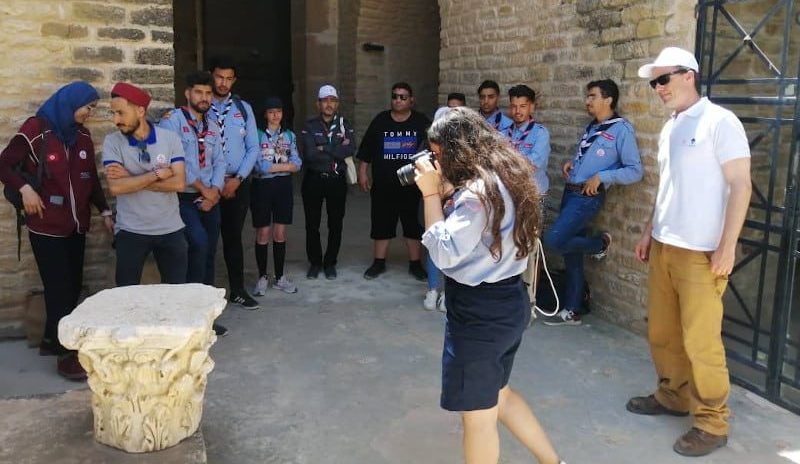
Beginning in late 2021, ASOR Cultural Heritage Initiatives (CHI) and its partners developed a series of tutorials and training modules in English, French, and Arabic aimed to help cultural heritage specialists perform surveys and condition assessments through open source tools and software, including QGIS, KoboToolbox, LibreCAD, and MetaShape. Through these tutorials, the ASOR CHI team has trained hundreds of archaeology professionals, university students, and heritage enthusiasts in northern Africa, in the Sahel region of western Africa, and in America. This summer, ASOR CHI is in the process of updating these tutorials, including adding new techniques and analytical tools. Work on these resources has been made possible by a grant from an anonymous donor.
While the goal of this project is to assist heritage professionals in documenting and mapping sites, these tutorials are also an excellent resource for anyone in the ASOR community who is looking to learn new skills and take advantage of open source software. ASOR remains committed to providing open-access online resources such as these for the benefit of the entire ASOR community.
ASOR Director for North African Cultural Heritage Projects
Dr. Hanan Charaf conducting KoboToolbox training with members of the High Atlas Foundation (HAF) in Morocco.
KoBoToolbox and KoBoCollect Application: open source software package for location and descriptive data collection in the field can then be synched up with GIS software
Mapping Activities
QGIS: free and open source Geographic Information System (GIS)
LibreCAD: free open source computer-aided design (CAD) application for 2D design
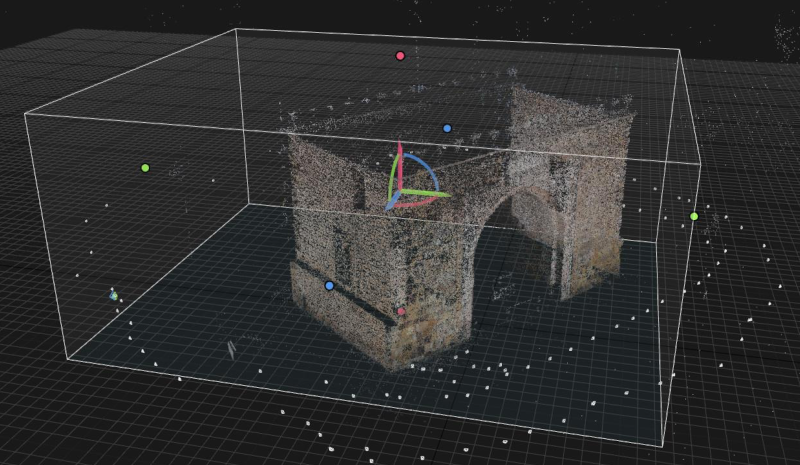
Photogrammetry using Agisoft Metashape: software that performs photogrammetric processing of digital images and generates 3D spatial data
Dr. Charaf leading on-site training with the HAF team at a synagogue in Marrakesh, Morocco.
Studies on Ancient Environment, Technology, and Society in Honor of Stuart Swiny
edited by Zuzana Chovanec and Walter Crist
This volume is dedicated to Stuart Swiny who served as longtime Director of the Cyprus American Archaeological Research Institute, professor in Classics and Anthropology at the University at Albany, and archaeologist whose work on Cyprus now spans six decades. His research, mentorship as professor, and leadership as CAARI Director has had a profound effect on the development of the discipline on the island and benefited many archaeologists working there. This volume celebrates his contributions to Cypriot archaeology with papers from colleagues, friends, and former students, covering a wide range of topics that reflect his interests in the history and culture of Cyprus. Ranging from the Pre-Pottery Neolithic to ethnoarchaeology in the recent past, the papers cover archaeological landscapes, material culture, settlement studies, and regional interaction. The influence of Swiny’s contributions is a common thread tying topics together. Beginning chapters recount the personal and professional history of Stuart Swiny, and the focus moves to academic papers that document his methodological foresight in archaeological survey and excavation, build from his prior work with particular artifact classes, publish new information about his major excavation site Sotira Kaminoudhia, or take inspiration from his interest and encouragement in studying all things Cypriot. Specific chapter topics include: Bronze Age climate change, textile technology, evidence for use of the opium poppy, ancient board games, Roman to modern carob trade, Iron Age Cypriot coinage, ethnoarchaeology of pottery production, and intra-island interaction in the Neolithic. The volume is also forward-looking, taking stake of where Cypriot archaeology stands after roughly forty years since Swiny’s directorship began. It anticipates new projects, innovations, and approaches that the next generation of Cypriot scholars will use to build on his work.
ASOR Archaeological Reports, Volume 28, Series Editor Hanan Charaf, April 2021, 292 pages, 90 b/w figures, 3 tables, ISBN 978-0-89757-116-6, $79.95.
Special Offer for ASOR Members
ASOR members (with a mailing address in the USA) can purchase a copy of ARS 28 at the discounted price of $45.00 (50% discount + $5.00 US shipping) through December 31, 2021, while supplies last. Purchases are restricted to one volume per member. We are unable to offer this discount to members without a US mailing address due to international shipping costs, but you can purchase and ship a copy through the ISD link below. Please contact programs@asor.org with any questions. Click here to purchase your discounted copy in ASOR’s online store.
Membership Service Award Spotlight: Emily Miller Bonney
Emily Miller Bonney, Professor, Department of Liberal Studies, California State University, Fullerton, was awarded the 2020 ASOR Membership Service Award. This award recognizes individuals who have made special contributions on behalf of the ASOR membership, through committee, editorial, or office services.
After being elected to the Board in January 2019, became the chair of the Ad Hoc Committee for the creation of ASOR’s Code of Conduct for the Annual Meeting. Defining such a code of conduct was no easy task in today’s environment. She and the committee needed to address contemporary concerns about what constitutes appropriate behavior in a professional setting and make clear what is expected of ASOR’s members, while simultaneously respecting members’ convictions that ASOR’s various codes of conduct (preeminently, the ASOR Code of Professional Conduct) should be aspirational rather than adjudicatory documents. The fact that the Code of Conduct Emily and her committee developed has been adopted by the Board of Trustees without any dissent is a testament to the excellent job Emily did in her role as ad hoc chair. Ultimately, Emily’s efforts have contributed to ensuring that ASOR members can engage in the active exchange of ideas in an atmosphere of safety and mutual respect, recognizing the diversity of ASOR’s membership and those who participate in the conference.
Emily’s research focuses on Bronze Age Crete and specifically on the application of extended mind and material agency theories to the relationship between the archaeological record and social/political/economic change. In addition, she examines the ways in which the specific disciplinary frameworks affect the conclusions scholars reach. Her recent work re-examines the mortuary evidence for social organization transitions in the Early Bronze Age on Crete, particularly the circular stone tombs, and for cross-crafting in pottery and other media.
She currently serves as the Treasurer for the Board of Trustees.
Update: 509 donors, met Diversity Challenge, met Annual Fund Goal, funded Membership Scholarships
We did it (again)!
We did it again! Just last Monday (June 28th), I wrote with the exciting news that ASOR had met the challenge of raising $75,000 to earn an extraordinary $150,000 matching gift. I also reported that we still had a small gap ($5,000) to close to reach our Annual Fund goal and to cover all scholarship requests ($3,000) for memberships and the Annual Meeting. Once again, you—our members—stepped up in an inspiring way.
Only two days later, by the end of the day last of June, we had surpassed our Annual Fund Goal of $125,000 by a little more than $800. We have also received enough donations to fund all scholarships requests. We also reached 509 donors for Fiscal Year 2021 (July 1, 2020 – June 30, 2021).
A few of our accomplishments over the past 16 months
Although the past 16 months have been some of the most challenging that I can remember, I am very proud of the way that ASOR members have come together to support and help each other. We awarded over 400 membership and Annual Meeting scholarships, and we dramatically expanded our online resources (click to view Educational Materials | Photo Collections | Map Collections | Member Resources). In addition to dozens of summer stipends and Annual Meeting travel grants, we are poised to award more than $150,000 in scholarships, grants, and awards over the 2021-22 academic year. Finally, our membership has grown to its highest number ever (more than 2,150 active members).
None of this would have been possible without you—our members
None of this would be possible without you, including the 509 of you that made a charitable gift in addition to your membership dues. I hope that you will take a moment to review the long list of colleagues who donated to make ASOR’s work possible. We are still updating and checking this list, so please contact us with any corrections or comments (programs@asor.org).
Finally, I hope that you will join me in reviewing our Lifetime Honor Roll of Donors, as well as the list of ASOR Legacy Circle Members. ASOR is fortunate to have so many people who have supported our mission over many years. I am grateful and humbled by your long-standing dedication and commitment.
2021 Shepard Urgent Action Grant Report: Stabilisation and Refurbishment of a Chalcolithic Roundhouse Visitor Centre at the Archaeological Site of Kissonerga-Mosphilia, Paphos District, Cyprus
ASOR Editorial Note: The ASOR Team is pleased to share a report from a Shepard Urgent Action Grant awarded to the Cyprus American Archaeological Research Institute (CAARI) for repairs to a reconstructed Chalcolithic roundhouse at Kissonerga-Mosphilia, Cyprus. These grants are intended to provided emergency funds to carry out critical stabilization, excavation, or documentation projects. Because time of of the essence with these proposals, funds for the grants can be disbursed 4-6 weeks after an application is received. Heavy rains severely damaged the roundhouse reconstruction, an important part of the visitor experience, and repairs were necessary to make the structure ready for visitors to the site.
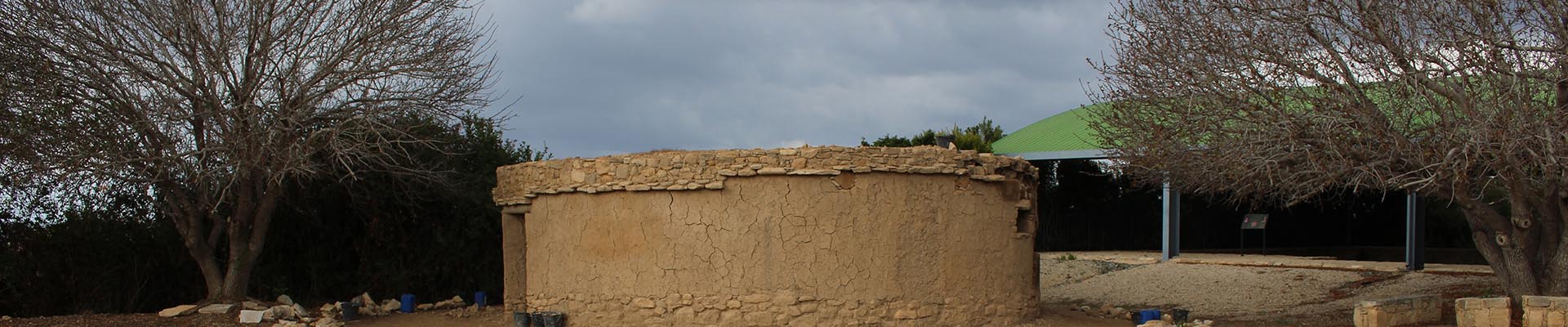
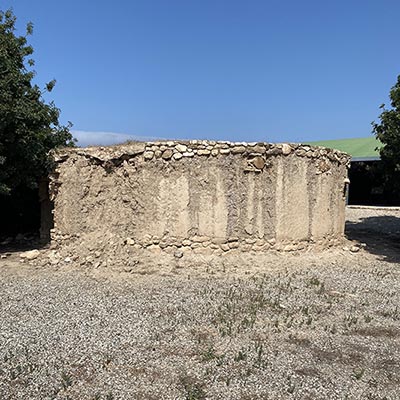
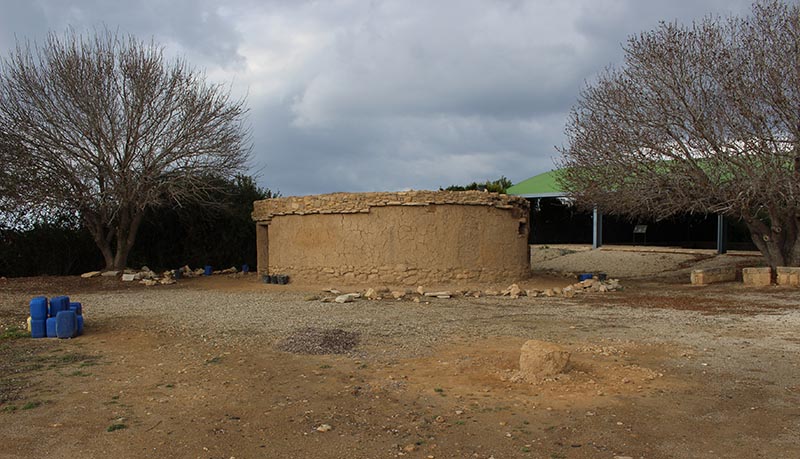
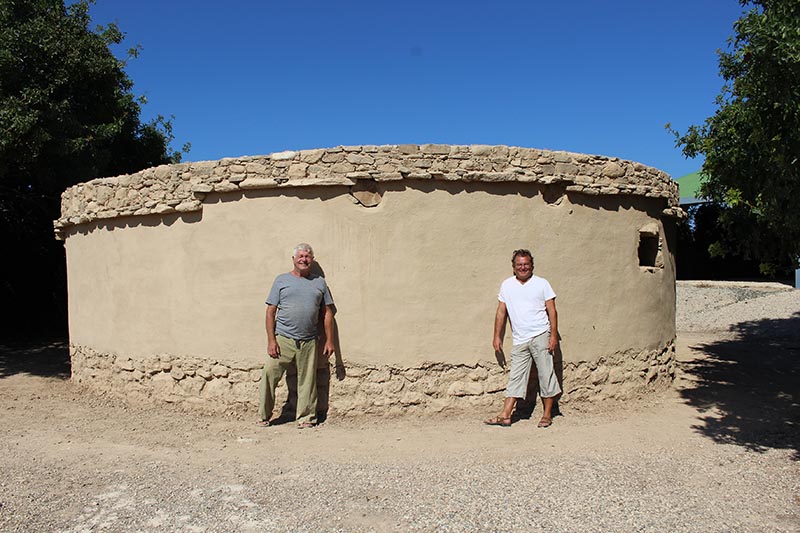
CAARI was grateful to receive a Shepard Urgent Action Grant from ASOR in January 2021 to undertake repairs to a replica Chalcolithic building at the important prehistoric site of Kissonerga-Mosphilia, near Paphos. The original reconstruction of the Late Chalcolithic (c. 2800–2400 BC) mud-built roundhouse took place in 2010 (funded by the A.G. Leventis Foundation and the Department of Antiquities, Cyprus) and was accompanied by a digital reconstruction (funded by the AIA) with infographic bilingual posters displayed within the building to enable visitors to appreciate the original stone foundations visible at the site. Heavy winter rains over recent years had damaged the structure to the point where major repairs or demolition were the only options.
The condition of the roundhouse in July 2020 prior to the project beginning. All photos courtesy of Lindy Crewe.
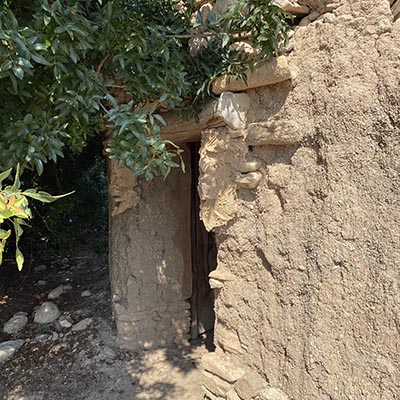
Encroaching vegetation and the collapse around the doorway of the roundhouse in July 2020.
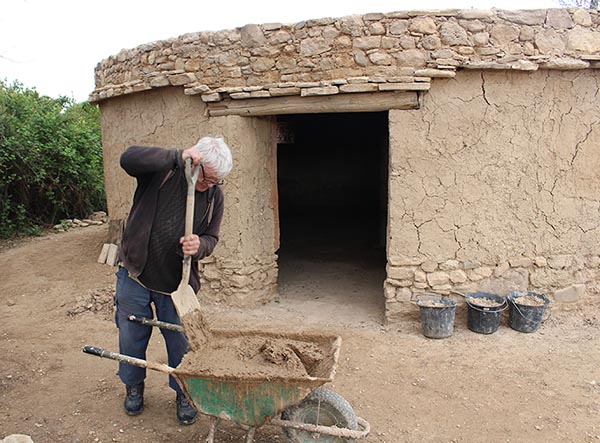
Dr. Paul Croft of the Edgar Peltenburg Archaeological Research Centre undertook the repairs with the assistance of local archaeologist Dean Wiltshire. Dr. Croft is an expert in mud architecture on Cyprus, responsible also for the upkeep of the Lemba Experimental village Chalcolithic roundhouses. Work has proceeded slowly between the lockdowns Cyprus has endured during the pandemic but now the refurbishment is complete.
The timbers of the roof and the interior posts were still sound but it was a major undertaking to remove large sections of the walls, damaged not only by rains but also by birds and insects.
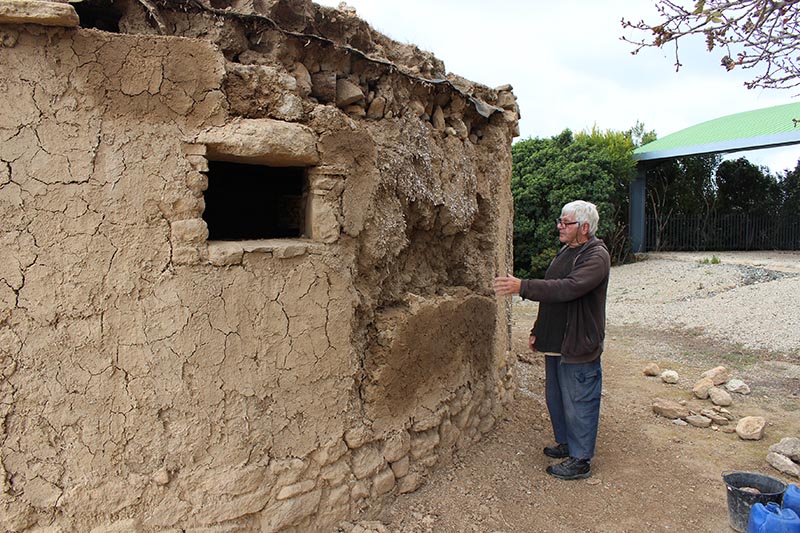
Dr. Paul Croft explaining the process of removing the decayed wall sections in order to stabilise the structure.
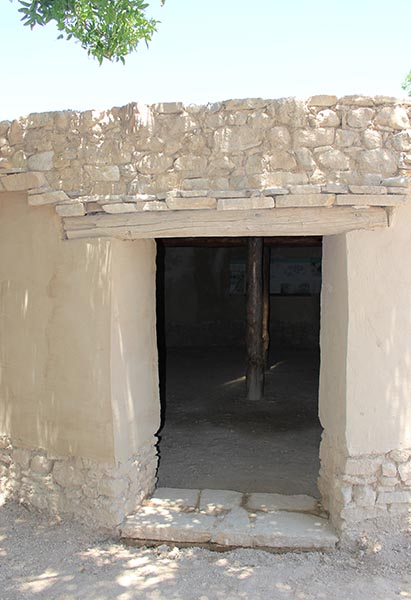
Lessons learnt from examining the damage have been applied to the repairs. The seaweed and soil mixture used for the walls was strengthened with the addition of local ‘white soil’, a lime-rich decayed bedrock from the source that the villagers of Kissonerga still use in traditional houses and ovens. Rain dripping from the stone facing of the flat, soil-covered roof had also caused severe erosion. In order to alleviate this, a protruding ‘drip course’ was constructed to direct runoff out beyond the wall face. A new raised stone threshold was placed in the entranceway to keep water out at ground level.
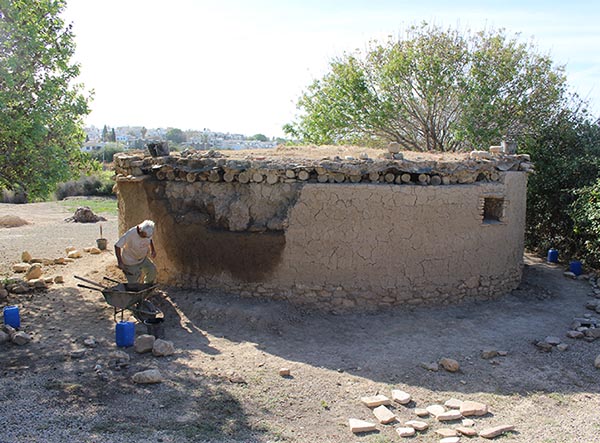
Dr. Paul Croft stirring the mud and seaweed mixture ready to apply to the walls in front of the refurbished entranceway with drip course.
Dr. Paul Croft adding mud mixture to the damaged walls and trowelling it smooth. Note the carefully selected flat stones in the bottom left used to create the eaves.
The digital rendering of the interior of the roundhouse with all objects in situ (created by Mat Dalton).
Whilst not all aspects of the reconstruction are entirely ‘authentic’ (note the layer of roofing felt beneath the soil of the roof seen in the image above), all work was done using traditional techniques. We do not know if Chalcolithic people also solved problems of rain runoff by installing a drip course nor whether these buildings had windows (as seen in the image above) as we only find the stone foundations preserved archaeologically. As the Pithos House was destroyed by fire, there was evidence of the interior beams preserved and all the objects were found in situ (as shown in the digital rendering).
The project was undertaken in collaboration with the Department of Antiquities, Cyprus, and the Kissonerga Community Council, who have agreed to contribute an annual sum so small repairs can be undertaken to ensure that the roundhouse remains in good repair for the future. When tourism on Cyprus can resume with the easing of the pandemic, we are prepared to welcome visitors to Kissonerga-Mosphilia and bring the story of Chalcolithic Cyprus to life.
Each year at the Annual Meeting, ASOR recognizes individuals who have performed outstanding service for the organization or who have published exceptional academic work or otherwise made significant contributions to our field. ASOR Honors and Awards Committee is seeking nominations for Book and Service Awards to be awarded at the 2021 Annual Meeting. An overview of awards can be found, below. Please note that the deadline for Service Award nominations is September 10 and Book Award nominations are due September 17.
Service Awards (nominations due September 10th)
The W. F. Albright Award. This award honors an individual who has shown special support or made outstanding service contributions to one of the overseas centers, ACOR, AIAR, CAARI, or to one of the overseas committees – the Baghdad Committee and the Damascus Committee. (This award is given when such an individual is identified.)
The Charles U. Harris Service Award. This award is given in recognition of long term and/or special service as an ASOR officer or Trustee. (One award is given annually.)
The P. E. MacAllister Field Archaeology Award. This award honors an archaeologist who, during their career, has made outstanding contributions to ancient Near Eastern and Eastern Mediterranean archaeology. (One award is given annually.)
ASOR Membership Service Award. This award recognizes individuals who have made special contributions on behalf of the ASOR membership, through committee, editorial, or office services. (Up to three awards are given annually.)
The Richard J. Scheuer Medal: This award honors an individual who has provided truly outstanding, long-term support and service contributions to ASOR. (This medal is awarded when such an individual is identified.)
The Frank Moore Cross Award. This award is presented to the author/editor of the most substantial volume(s) related to the history and/or religion of the ancient Near East and Eastern Mediterranean. Primary consideration will be given to historical, epigraphic, textual, and comparative literary studies; or to works that advance and/or evaluate new methodological approaches to the literary record(s). This work must be the result of original research published during the past two years. (One award is given annually.)
The Nancy Lapp Popular Book Award. This award is presented to the author/editor of a book published in the last two years that offers a new synthesis of archaeological or textual evidence from the Ancient Near East and Eastern Mediterranean intended to reach an audience of scholars as well as students and the broader public. (One award is given annually.)
The G. Ernest Wright Award. This award is given to the author/editor of the most substantial volume(s) dealing with archaeological material, excavation reports and material culture from the ancient Near East and Eastern Mediterranean. This work must be the result of original research published within the past two years. (One award is given annually.)

 The Trustee Nominations Committee announces an open call for (self) nominations for the ASOR Board of Trustees (Class of 2024). There are three primary responsibilities of the members of the Board of Trustees:

 Theodore J. Lewis holds the Blum-Iwry Professorship in Near Eastern Studies at
 All Things Cypriot

 We did it (again)!