UNEARTHING THE PAST SINCE 1900
The American Society of Overseas Research (ASOR) is pleased to announce an award from the Gerda Henkel Stiftung supporting critical site security and infrastructure improvements at the Sudan National Museum in Khartoum. Working in coordination with the Sudanese National Corporation for Antiquities and Museums (NCAM), ASOR will expand safe access to the property, with a focus on rebuilding the damaged enclosure wall and making priority repairs to the electrical, water, and sewage systems. This project will lay essential groundwork to support NCAM’s ongoing efforts to restore functionality to the Sudan National Museum complex.
Founded in 1971, the Sudan National Museum is Sudan’s largest storeroom for cultural property and serves as a central hub for offices, labs, and other administrative facilities that support NCAM’s work throughout the country. Materials from the Aswan Dam Salvage Project, as well as artifacts from over a century of archaeological research, form major parts of the Museum’s collection. In total, the Museum’s pre-war collections comprised more than 100,000 objects representing the full breadth of Sudan’s history.
The status of the Sudan National Museum and its collections had been a serious concern for Sudanese and international observers since the Museum was occupied by the Rapid Support Forces in April 2023. During the building’s occupation, reports spread of looting and removal of the Museum’s collections from the site. The liberation of the Sudan National Museum in March 2025 revealed heavy damage to the buildings and property caused by combat and the systematic looting of the property’s physical infrastructure. More importantly, NCAM’s review of the Sudan National Museum storerooms confirmed the theft of important pieces of the collections. Some objects left behind were smashed or burned, and exhibit spaces were vandalized. The physical inventory of these collections was scattered, making it difficult to identify fully what was stolen and what remains on the property.
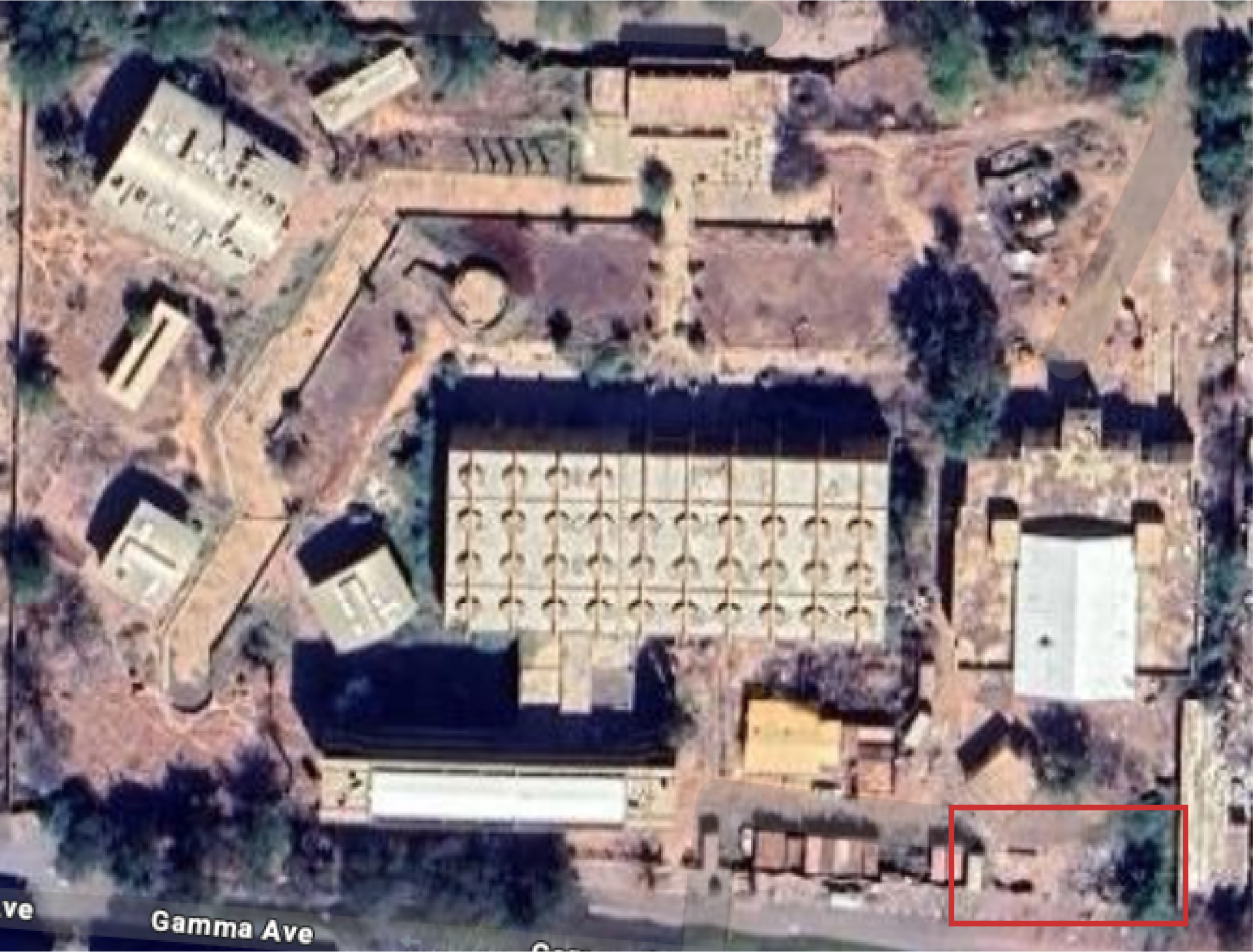
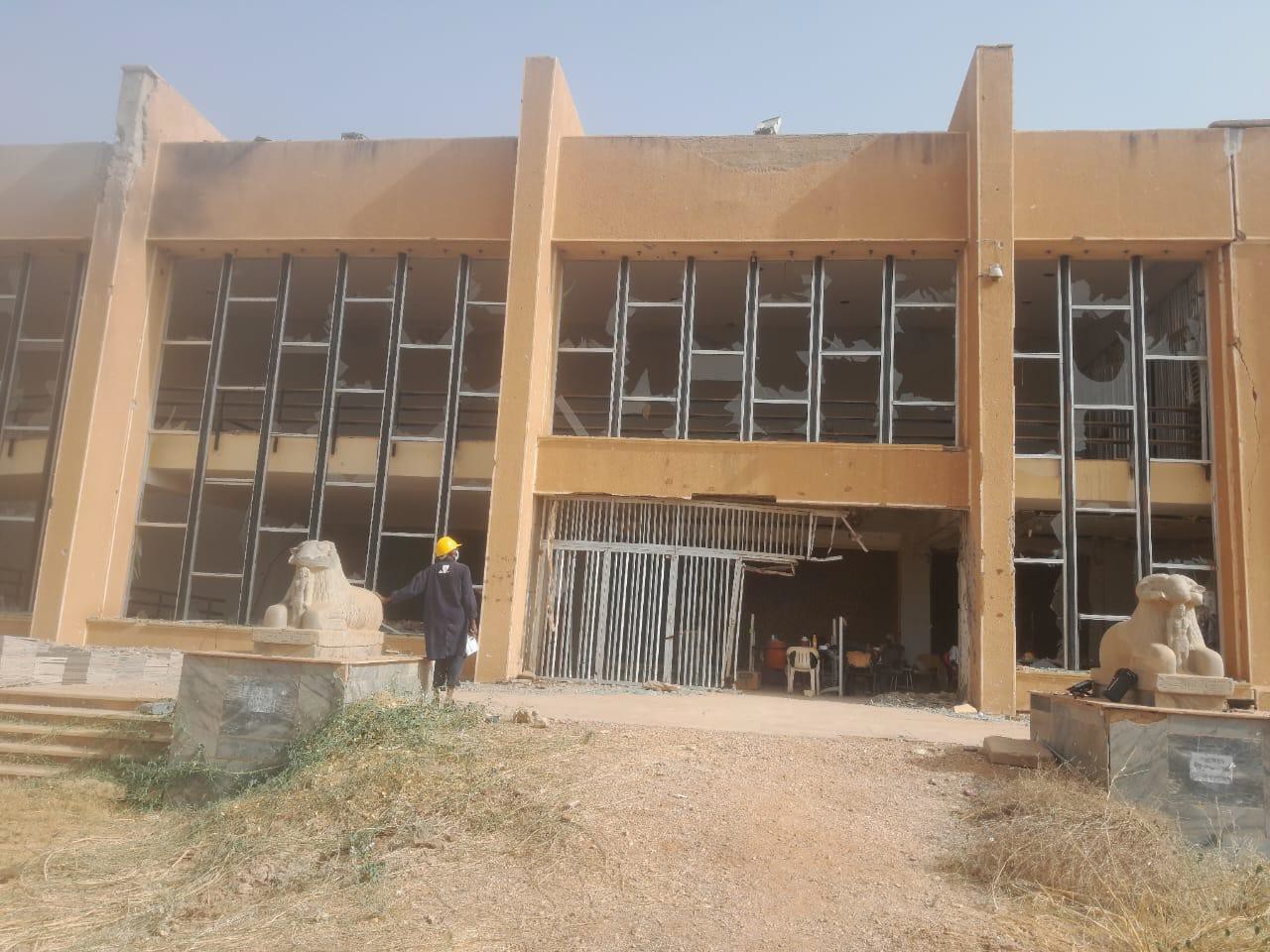
The grounds and main entrance of the Sudan National Museum in 2025. The breach in the perimeter wall is located at the bottom right of the left image. (Source: Google Maps; NCAM)
The theft and vandalism of the Museum’s collections as well as the damage to its exhibits, research labs, and administrative spaces have severely affected NCAM’s ability to protect and preserve Sudan’s diverse heritage. This project takes concrete steps towards restoring these capacities. At the end of the project, NCAM will be better able to protect the heritage present in the National Museum and to return what has been stolen.
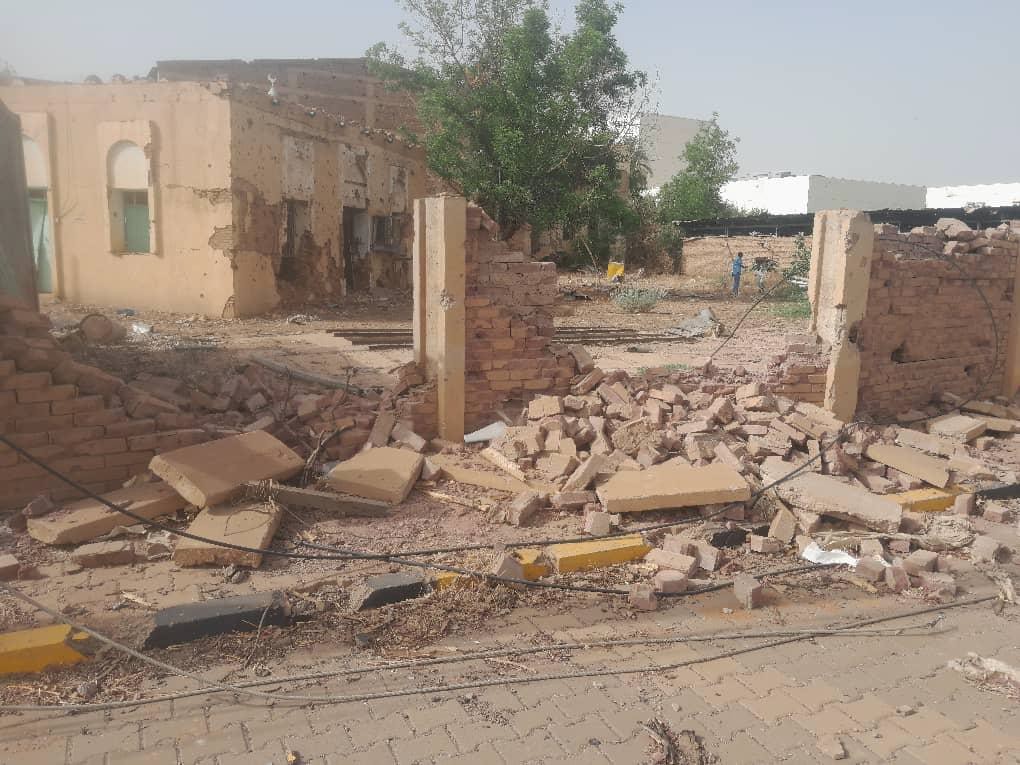
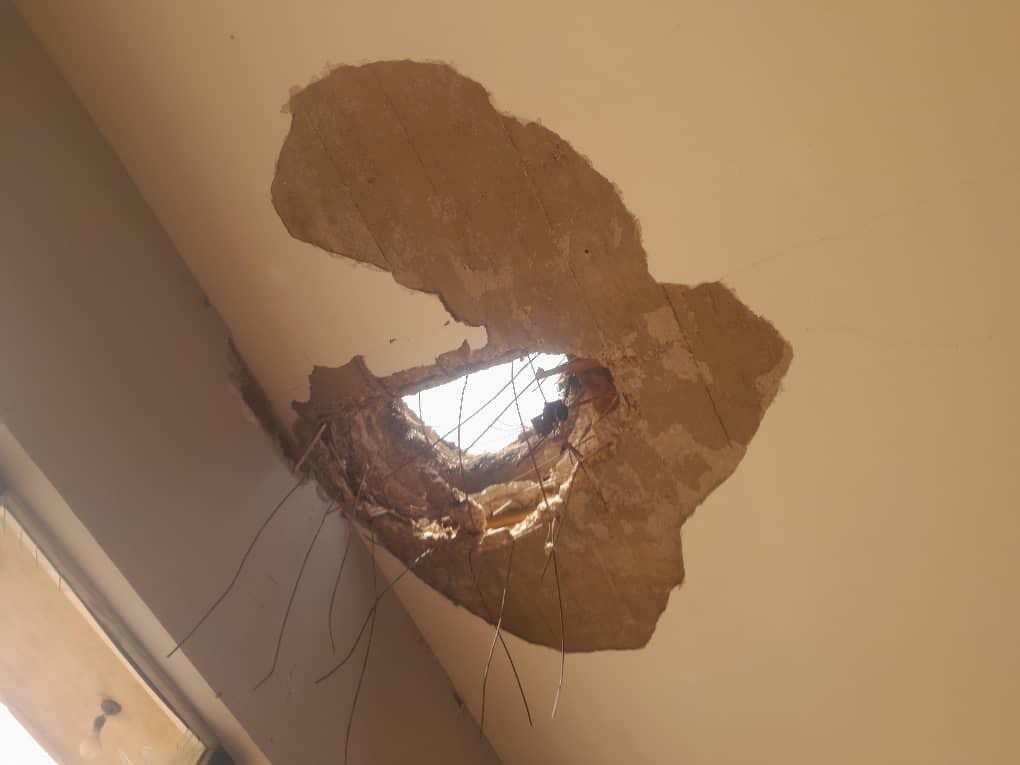
The perimeter wall at the southeastern corner of the property and an example of roof damage documented in 2025. (Source: NCAM)
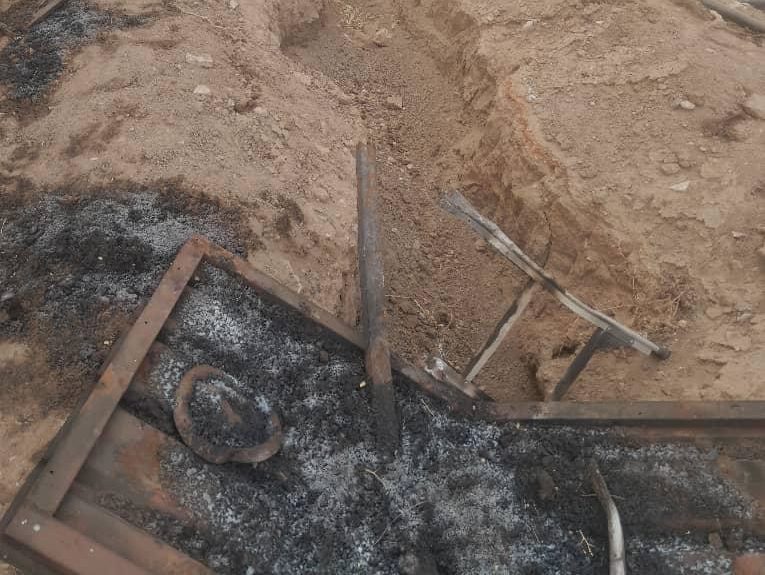
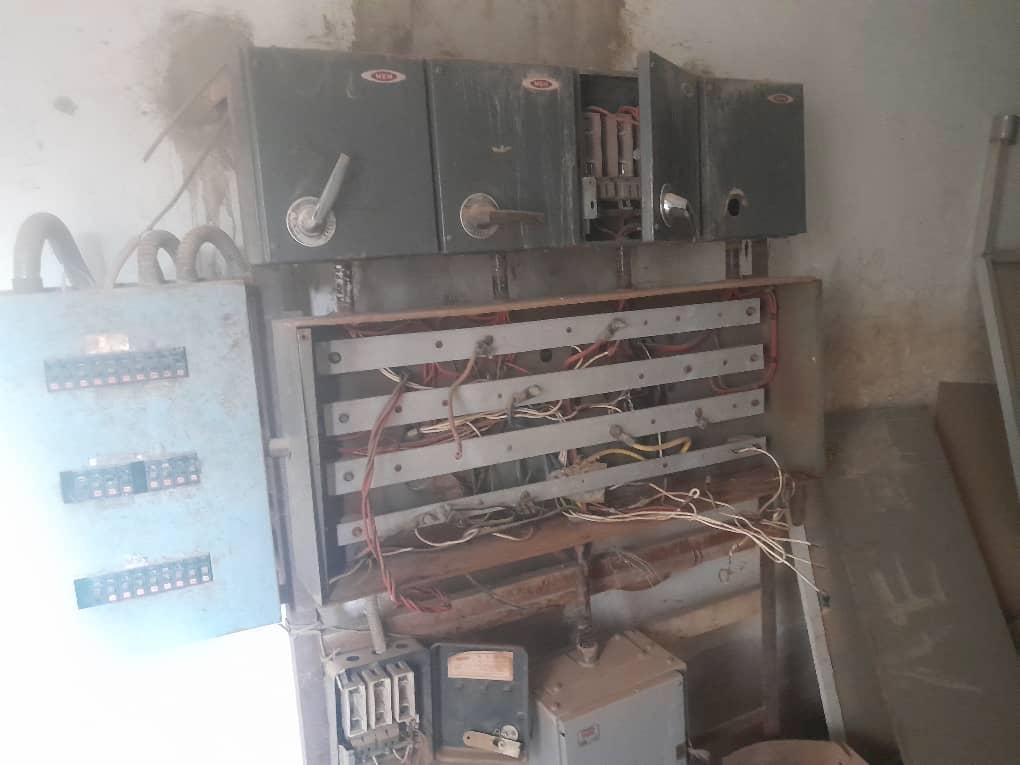
Damage to wiring and circuit breakers on the property, including the burning of wiring to extract copper, documented in 2025. (Source: NCAM)