ARS 32: The U-Shaped Building at Caesarea Maritima

Archaeological Reports Series 32: The U-Shaped Building at Caesarea Maritima

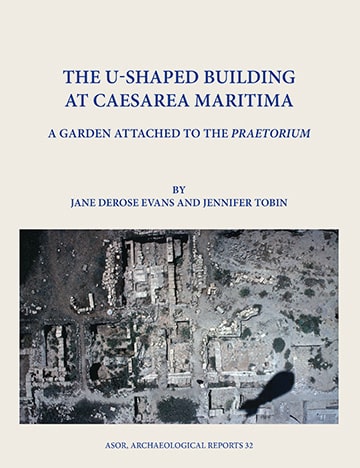
The U-Shaped Building at Caesarea Maritima: A Garden Attached to the Praetorium

by Jane DeRose Evans and Jennifer Tobin

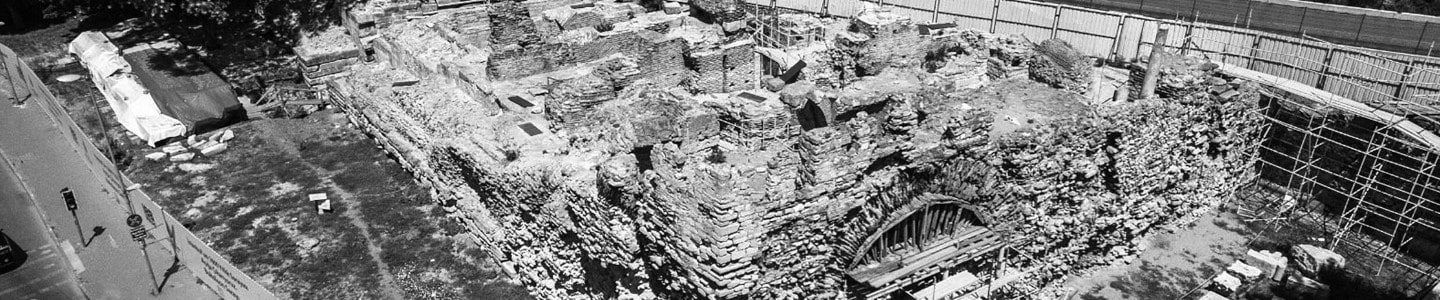
The U-Shaped Building at Caesarea is an exploration of a portion of the praetorium of the governor of Caesarea and its subsequent phases, through its excavation in the 1970s by a team led by Robert J. Bull. By examining field notes, photographs and plans, a team of specialists reconstructs the original fourth-century CE construction of a garden space and fountain; its subsequent remodeling in the mid-fifth to mid-sixth century; and its second phase as a luxuriously decorated garden and entertainment space. Partially refurbished during the short Persian occupation, the reassertion of Byzantine control led to a transformation of the area, linking it more strongly to interior spaces of the praetorium. Subsequent phases elucidate the areas use as a cemetery in the Crusader and Ottoman periods by providing information about the inhabitants and their burial practices. The volume investigates the form of a praetorium in the eastern Mediterranean, the formation of ancient garden architecture, and the composition of the inhabitants of Crusader and Ottoman Caesarea. 

ASOR Archaeological Reports, Volume 32, Series Editor Jennie Ebeling, January 2026, 214 pages, ISBN 9780897571258, $79.95.

Available from ISD — Distributor of Scholarly Books
www.isdistribution.com

Fieldwork Report: Mandy Porter

DiggerKissonerga Skalia Cyprus July 2015 – 1920x600

Archaeology in Prehistoric Cyprus Rocks

Mandy Porter, 2025 Strange/Midkiff Families Scholarship Recipient

Kissonerga-Skalia is a Bronze Age settlement on the western coast of Cyprus, 10km north of Paphos. The site was occupied from the Early Cypriot Bronze Age (c. 2500 BC) to the beginning of the Late Bronze Age (c. 1600 BC). This ASOR-affiliated project is directed by Lindy Crewe (CAARI) and Ian Hill (HARP Archaeology). This is a remarkably interesting, and sometimes puzzling, site to excavate. The soil does not usually have distinct color changes, due to being baked in the sun, so it is important to pay attention to the soil’s texture. Additionally, the site is in a plow-zone, causing the different chronological layers and artifacts to be mixed together. While these aspects may seem daunting at first, they help archaeology students learn how to excavate meticulously.

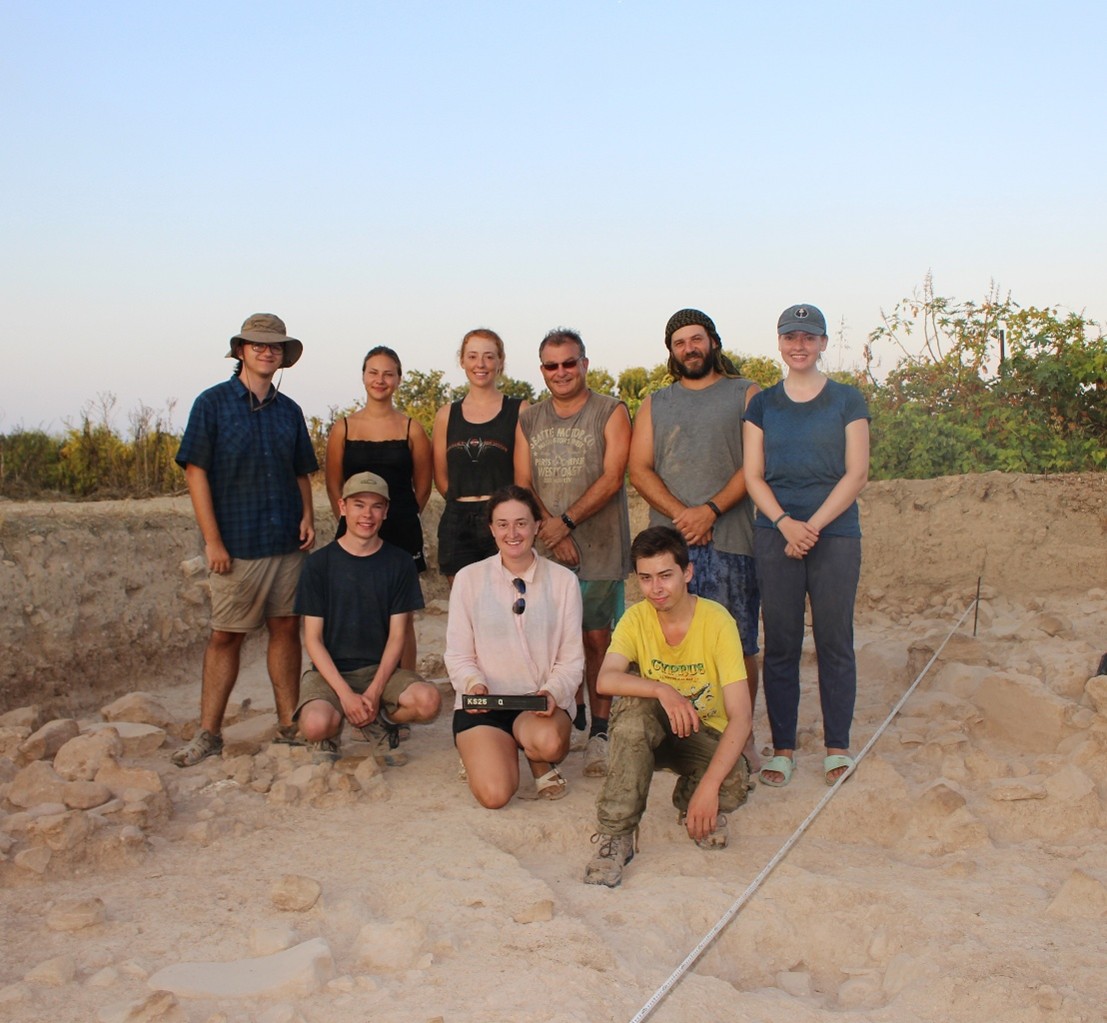
This summer was my second season at Kissonerga-Skalia, and I happily returned to my old unit, Trench Q, to pick up where I left off last year. This trench features an intact pithos, querns as well as other ground stones, and metal artifacts. Trench Q is also riddled with several wall constructions and pits. These walls cut into each other from various directions, and they feature different concentrations and sizes of stones, suggesting that they are not contemporaneous with each other. Trench Q also has a large number of rocks, many of which form the circular boundaries of pits running parallel to the walls. In order to confirm the presence of a pit, we had to identify the pit edges by defining the rocks and lightly trowelling the surrounding area to find where the soil texture transitioned from being compact to soft.

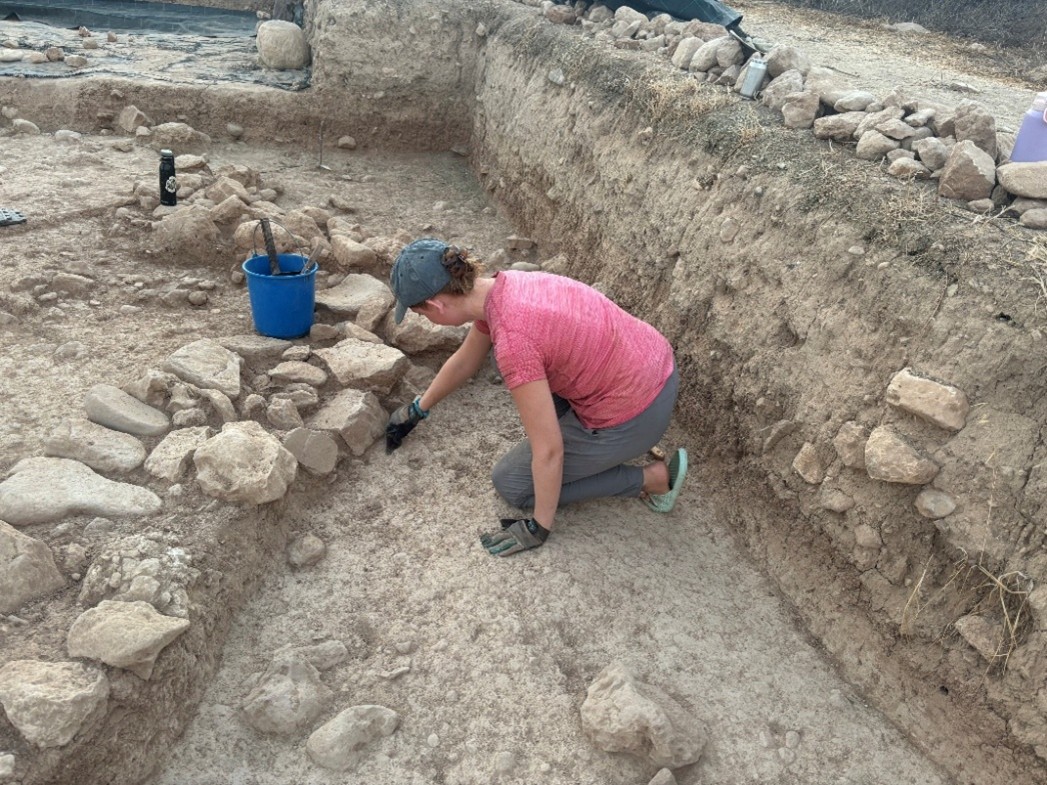
Mandy defining a compact surface and wall in Trench Q.

Another part of my trench features a jumbled heap of rocks, which I worked with most of last year. This season we attempted to articulate the pile by removing smaller, loose rocks from the top to see if we could identify the edges of a pit. We discovered that with each rock removed, it felt like two more rocks were found underneath it. The rocks will ultimately keep their secrets, but we interpret them to be either a rubble pile or the filling of a pit. This part of my trench demonstrates how archaeologists sometimes come across features that are difficult to identify or study. I spent the second half of the excavation exposing a flat, compact surface, which was probably a floor, and defining one of the walls. As we were following this surface, we realized that it continued on the other side of the wall, suggesting that this wall was not associated with the surface but that it was constructed later, cutting the floor. We concluded the season by planning every excavated section of the trench to assist future excavations at Kissonerga-Skalia.

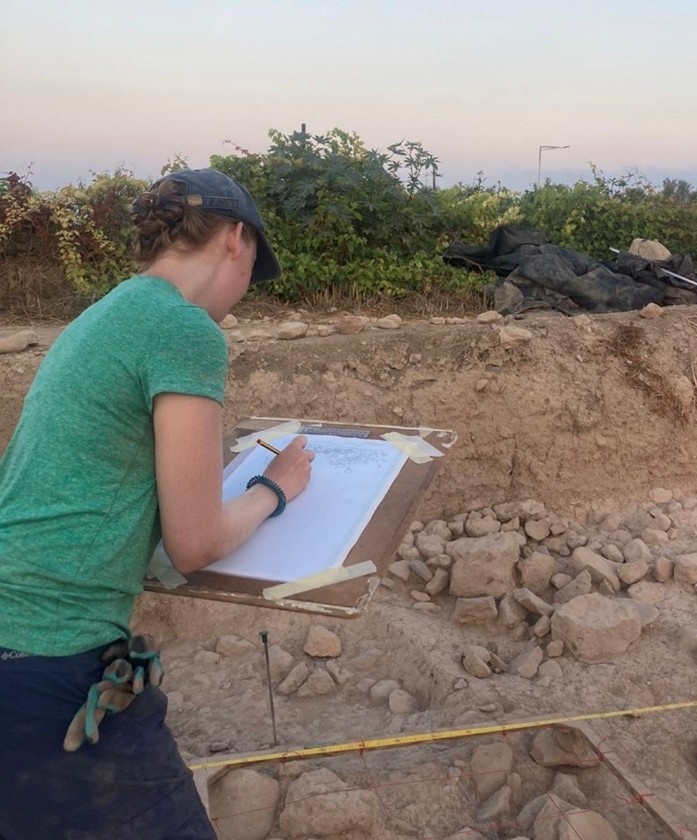
Mandy drawing an archaeological site plan.

Alongside my role on the project, my personal goals were to increase my skills in photogrammetry, begin to delve into the use of digital modelling technology, and work on my instructional skills. I have only recently begun my journey in digital archaeology, but I am increasingly interested in the use of digital tools to enhance archaeological excavation and data collection. My use of digital modelling technology has been interesting. The feeling of creating an explorable model is wonderful but the process requires an incredible amount of patience. Teaching students in the archaeological field technique was a wonderful and amazing learning opportunity.

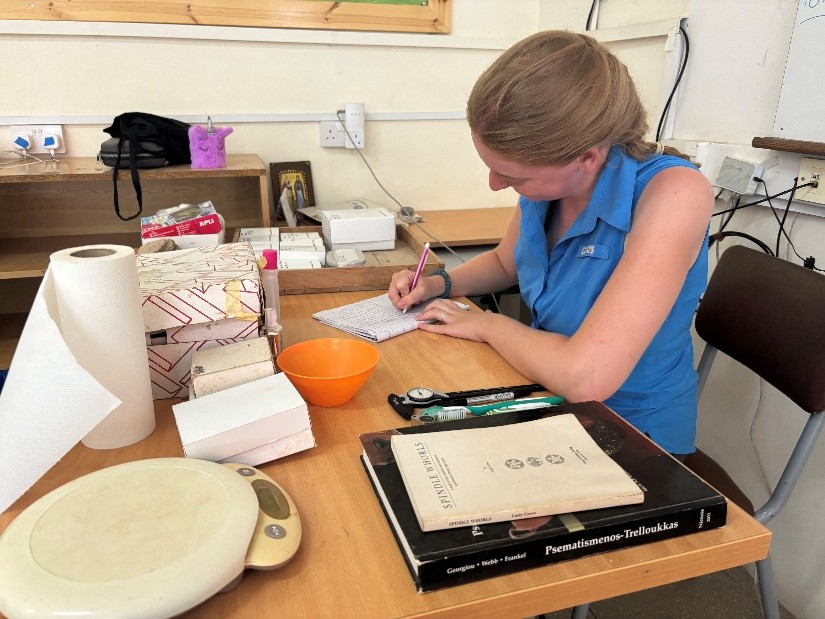
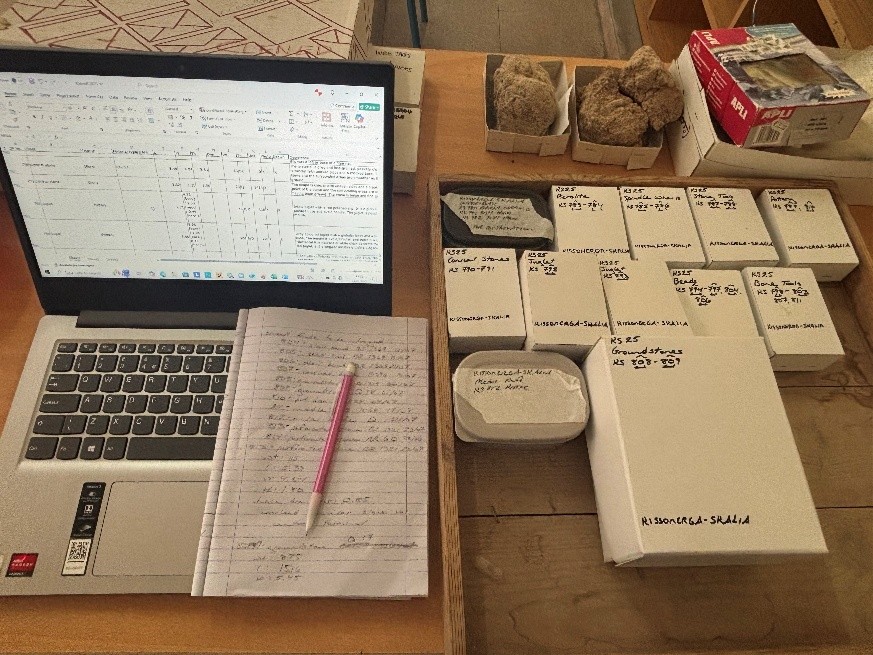
During post-excavation activities, I served as the Small Finds Registrar. In this role, I worked closely with prehistoric Cypriot material culture and studied the artifacts that my fellow students and I had excavated. The artifacts dated between the Late Chalcolithic and Middle Bronze Age. The range of small finds this season included juglets, ground stones, beads, and metal objects. I cleaned, measured, weighed, and catalogued these small finds firsthand. Some objects were too fragile to wash, so I dry brushed them to gently remove excess dirt and to articulate their shape. I researched these artifacts for typologies and comparable examples in site reports from other Cypriot sites, and I collaborated with the project’s specialists. Additionally, I made boxes for each artifact type so that the small finds could be securely transported to museum storage for future study. Through this unique opportunity, I gained experience handling artifacts as well as familiarity with various materials and object types that will be beneficial for future work in excavations or museums.

Mandy researching small finds during post-excavation activities.
Small finds from the 2025 season.
Team photo of Trench Q, Kissonerga-Skalia 2025.

Mandy Porter is a master’s student at Columbia University studying Museum Anthropology. She has a master’s degree in Classical Archaeology from the University of Oxford and a bachelor’s degree in Archaeology and Classical Studies from Dickinson College. She is also an active member of both ASOR’s Early Career Scholars Committee and Honors and Awards Committee. 

Want to help more students and early career archaeologists get into the field? Donate to the cause today by selecting “Fieldwork Scholarships” as your gift purpose!

Table of Contents for Near Eastern Archaeology 89.2 (2026)

Table of Contents for Near Eastern Archaeology 89.2 (June 2026)

You can receive NEA(and other ASOR publications) through an ASOR Membership.
Please e-mail the Membership office if you have any questions.

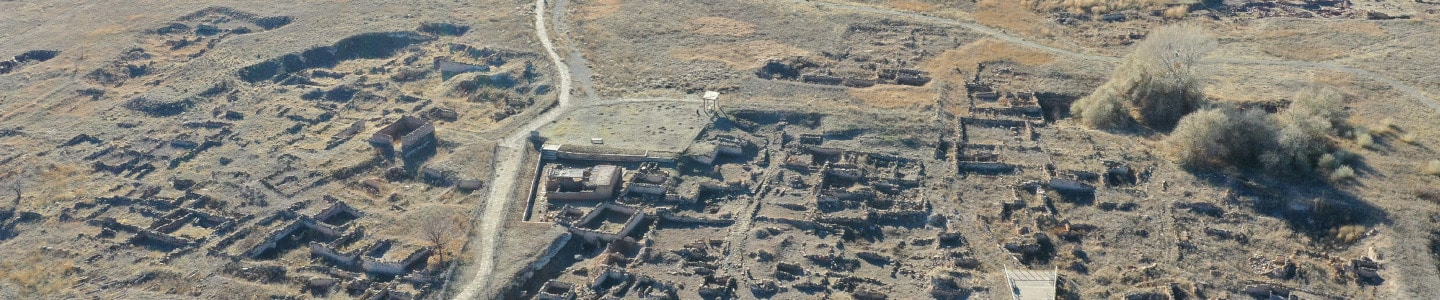
Pp. 76–87: “Settlement Pattern and Urbanization in Kültepe-Kanesh Lower Town Level II” by Mehmet Tarık Öğreten and Fikri Kulakoğlu

The site of Kültepe served as a major hub within the Assyrian trade network during the early second millennium BCE. Its expanding commercial activities, socio-economic diversity, and cosmopolitan population necessitated a structured process of urbanization. Although excavations since 1948 have revealed extensive data, the Lower Town Level II has not been evaluated holistically in terms of its settlement organization and urban layout. This study presents the first integrated reconstruction of this level’s spatial pattern, drawing on planimetric data and the distribution of architectural remains. The findings demonstrate a dual urban fabric, comprising an organically developed zone around the mound and a more formally organized network in the eastern sector, characterized by coordinated streets, intersections, squares, and infrastructure. This analysis provides new insight into early urbanization processes in Central Anatolia and clarifies Kültepe’s position within broader discussions of ancient urbanism.

ASOR Members with online access: log into ASOR’s Online Portal here. Once logged in, click the JOURNALS tab in the top navigation bar. Tutorials for how to log in to the Online Portal as well as how to navigate to the Portal Journals page can be found here.

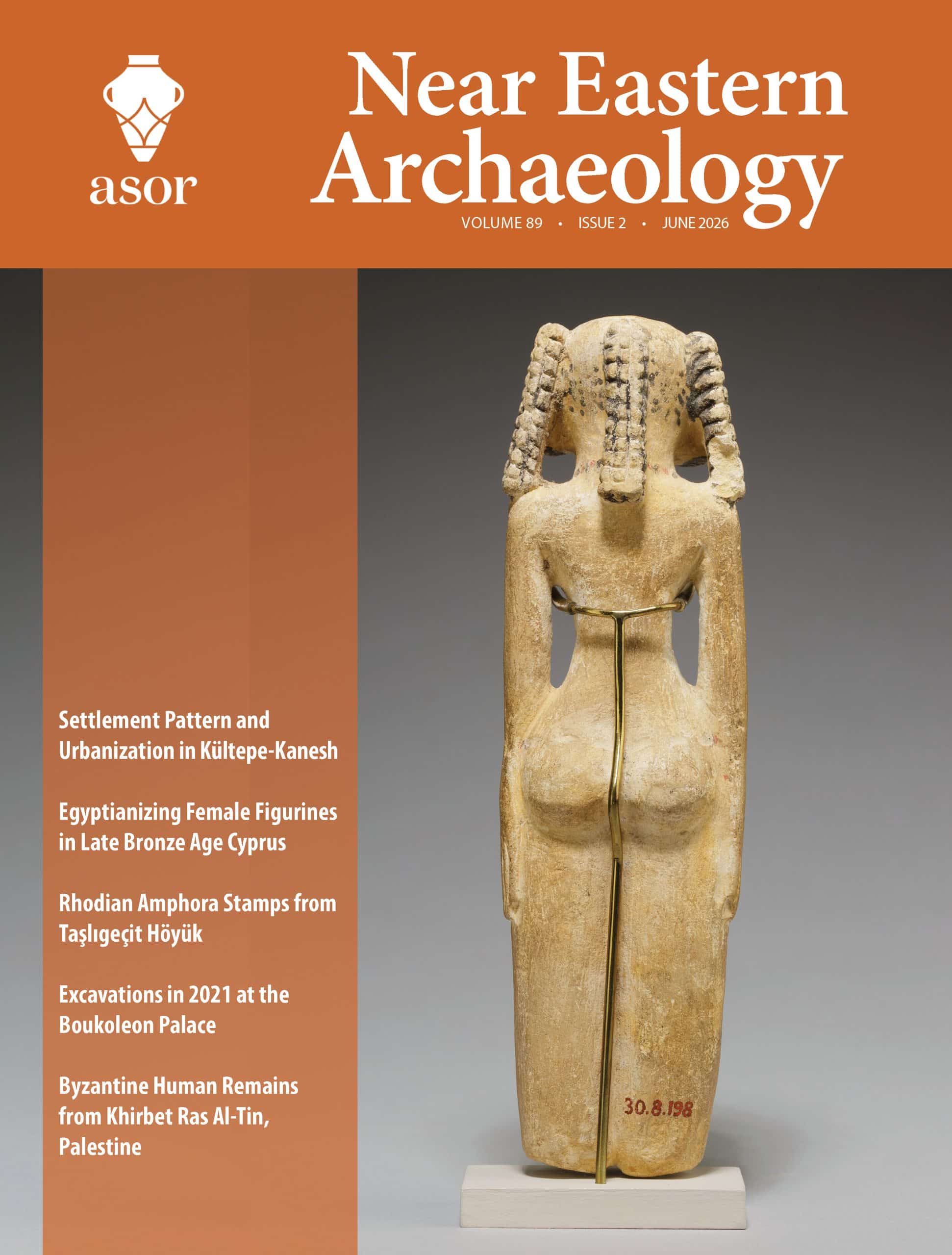
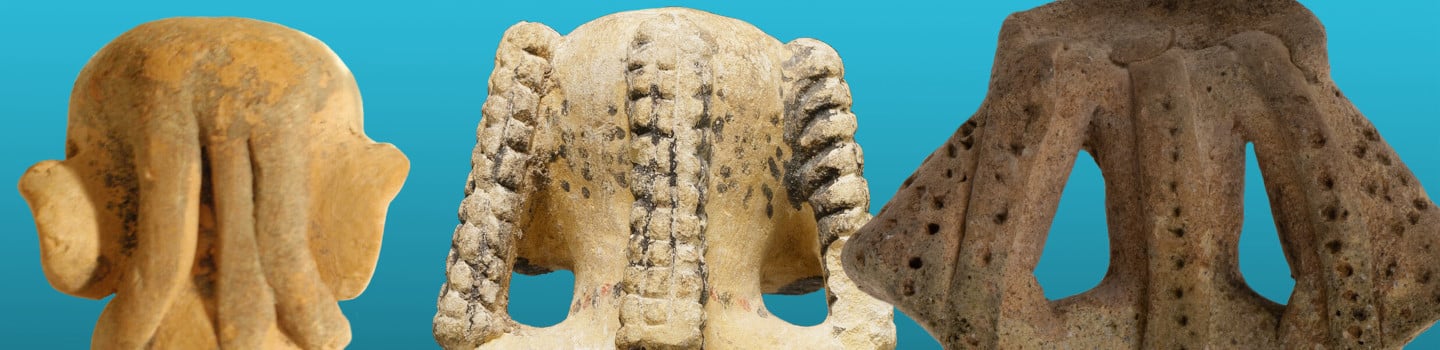
Pp. 88-99: “Egyptianizing Female Figurines in Late Bronze Age Cyprus” by Stephanie Lynn Budin

This article looks at a handful of Late Cypriot III “Normal Face” figurines that display Egyptianizing features in both posture and hairstyle. After discussing how these figurines are unique in the Cypriot corpus, it shows how the features under consideration can only come from Egyptian precedent. It ends with a discussion of how an understanding of the Egyptian prototype (especially the hairstyle) can offer new insights into the interpretation of Cypriot female figurines.

ASOR Members with online access: log into ASOR’s Online Portal here. Once logged in, click the JOURNALS tab in the top navigation bar. Tutorials for how to log in to the Online Portal as well as how to navigate to the Portal Journals page can be found here.

Pp. 100-107: “Rhodian Amphora Stamps from Taşlıgeçit Höyük” by Büşra Kavak Özdemir and Erkan Alkaç

This article discusses ten stamped Rhodian amphora handles recovered from the Hellenistic layers of Taşlıgecit Mound in the northern Levant corridor. The stamps date from about 209–205 BCE (Euphranor) to about 169/167–140/138 BCE (Kallio), documenting five eponyms and five fabricants. Notably, one amphora features a previously unrecorded connection between the eponym Aristodamos II and the fabricant Nikasion, expanding the known activity range of the latter. Two additional stamps, belonging to Theuphanes II and Aristomachos I, are also published here for the first time. Along with Seleucid coins, these stamps form the main epigraphic evidence for the Hellenistic occupation of the mound. At the same time, associated ceramic groups reveal the site’s material engagement with broader Hellenistic cultural practices. Despite the limited assemblage, it adds new, securely dated material to the broader collection of Rhodian amphora stamps. It also offers valuable data for understanding the inland distribution of Rhodian transport amphorae in South Anatolia and North Syria.

ASOR Members with online access: log into ASOR’s Online Portal here. Once logged in, click the JOURNALS tab in the top navigation bar. Tutorials for how to log in to the Online Portal as well as how to navigate to the Portal Journals page can be found here.

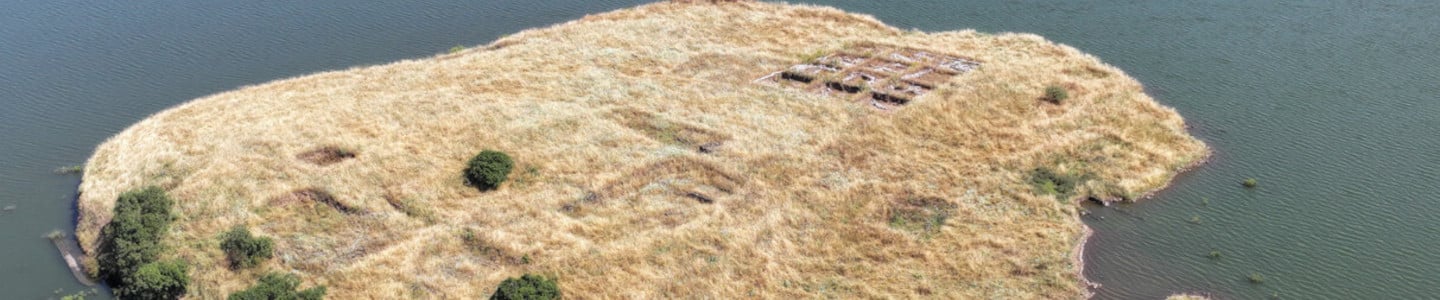
Pp. 108-127: “Evaluation of the Results of the Archaeological Excavations in 2021 at the Boukoleon Palace” by E. Füsun Alioğlu, Ayşen Kaya, and Oktay Özel

The findings of archaeological excavations carried out within the scope of the conservation and restoration works initiated by the Istanbul Metropolitan Municipality (IMM) at the Boukoleon Palace in 2021 led to the publication of this article. The historical and spatial evolution of the Boukoleon Palace, located on the coast of the Sea of Marmara, and the Marmara Seawall in this region are the focus. Archaeological data will be discussed in light of historical texts, with particular attention to how the palace and the seawall changed over time.

ASOR Members with online access: log into ASOR’s Online Portal here. Once logged in, click the JOURNALS tab in the top navigation bar. Tutorials for how to log in to the Online Portal as well as how to navigate to the Portal Journals page can be found here.

Pp. 128-139: “Stable Isotope Analysis and Forensic Reconstruction on Byzantine Human Remains from Khirbet Ras Al-Tin, Palestine” by Loay Abu Alsaud

Khirbet Ras Al-Tin is located in the West Bank, 10 km southwest of Nablus. During a rescue excavation prompted by construction plans and conducted by the Palestinian Ministry of Tourism and Antiquities, a burial chamber was discovered. Subsequent analyses of a human skull and rib fragments from the tomb, including Accelerator Mass Spectrometry radiocarbon dating and stable isotope analysis, were performed at the HEKAL Laboratory in Hungary. The individual was determined to be an 18–23-year-old male from the local population exhibiting a metopic suture, and the remains were dated between ca. 430 and 600 CE. Moreover, facial reconstruction techniques were employed, providing a rare visual insight into the physical appearance of people living in the Palestinian highlands from the sixth century CE. Isotope analysis suggests a diet rich in legumes and vegetables, possibly supplemented by meat, consistent with that of wealthy populations or specific religious communities in the region.

Please note: This article contains images of human skeletal remains.

ASOR Members with online access: log into ASOR’s Online Portal here. Once logged in, click the JOURNALS tab in the top navigation bar. Tutorials for how to log in to the Online Portal as well as how to navigate to the Portal Journals page can be found here.

2026 Grant & Fellowship Awardees

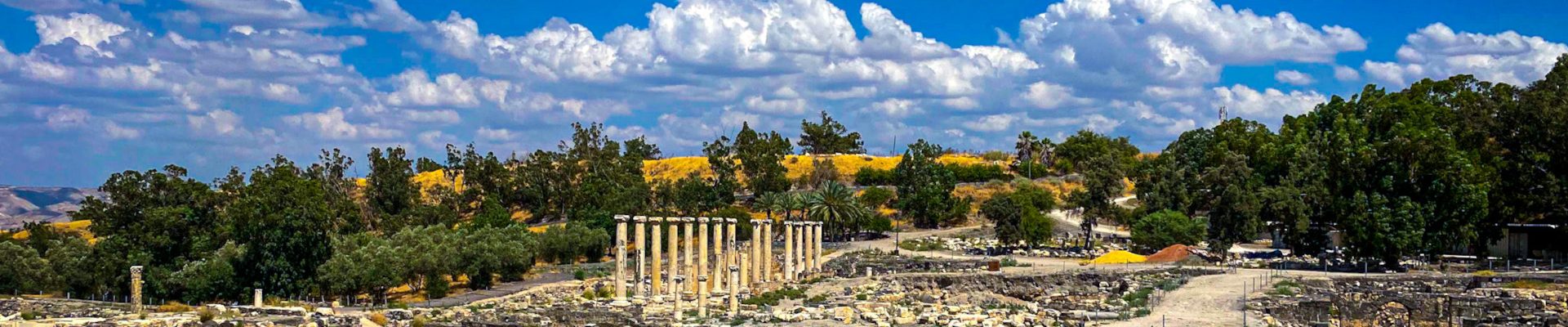
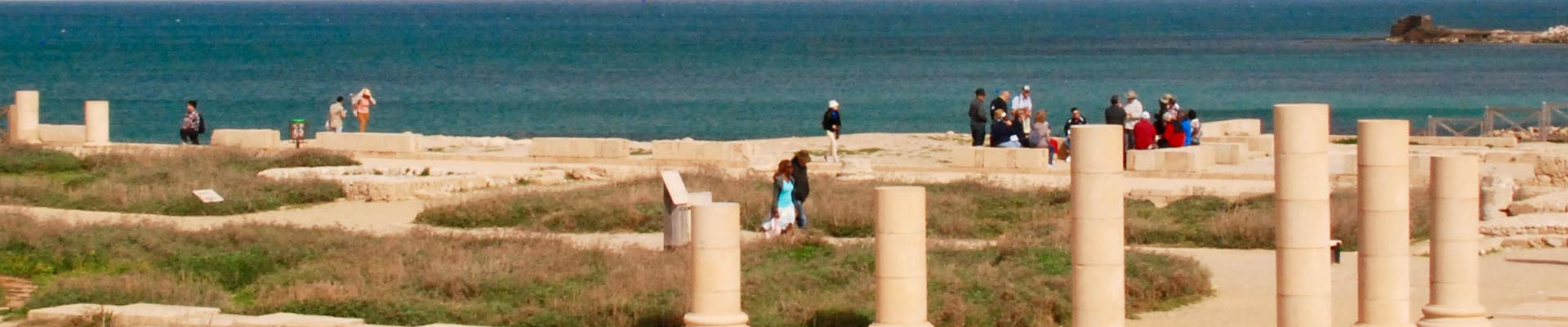
A view of columns at the site of Beit She'an in Israel.

2026 PROJECT GRANT AND RESEARCH FELLOWSHIP AWARDEES

Grants for Archaeological Projects: $70,000 awarded

Stevan B. Dana Project Grants: $25,000 awarded
  • Çağlayan Bal (University of Chicago) Toprakkale Archaeological Survey Project
  • Eva Amanda Calomino (University of Granada) Frontier Households at Tell el-Ghaba (North Sinai, Egypt): Domestic Production and Borderland Connectivity, 11th-7th centuries BCE
  • James Fraser (Albright Institute of Archaeological Research) Tsaghkasar Archaeological Project
  • James Osborne (University of Chicago) Türkemen-Karaöyük Archaeological Project
  • Anonymous
 
Stevan B. Dana Project Grants for Israel: $15,000 awarded
  • Sofia Avants (Duke University) Radiocarbon Analysis of Ritual Pool Plasters to Establish Household Use During the 2nd-3rd c. CE in Sepphoris, Galilee
  • Ido Koch (Tel Aviv University) Tel Hadid Archaeological Project
  • Omer Sergi (Tel Aviv University) Tel Shaddud Archaeological Project
 
Charles Harris Project Grants: $10,000 awarded
  • Carlo Cereti (University of California, Irvine) MAIKI: The Italian Historical-Archaeological Mission in Kurdistan
  • Sharon Steadman (State University of New York, Cortland) Climate and Economy at Late Chalcolithic Çadır Hoyük
 
Joe D. Seger Grant: $5,000 awarded
  • Lindy Crewe (Cyprus American Archaeological Research Institute) Kissonerga-Skalia Bronze Age Settlement
  • Luiza Osorio G. Silva (University of California, Irvine) Kom Firin Archaeological Project
 
Shepard Urgent Action Grants: $15,000 awarded
  • Nick Ray (Ulster University) Torca Cliff Emergency Survey
  • Hossam Abd El Azeem (Shawāhid Miṣr “Witnesses of Egypt” Heritage Initiative) Sultan al-Ashraf Inal Complex: Emergency Stabilization and Safeguarding
  • Amany Abd El Hameed (Penn Cultural Heritage Center/Penn Museum) Rescuing Egyptian Labor Archives: Emergency Stabilization of Foreign Excavation Records (1890s–1970)
  • Federico Cappella (Sapienza Università di Roma) Carthage: Emergency Documentation and Conservation of Punic Structures Threatened by Environmental Degradation

Research Fellowships: $13,000 awarded in 2026

Study of Collections Fellowships: $4,000 awarded
  • Sofia Kane (Fine Arts Museums of San Francisco) Carpet Fragments Excavated from Ballana and Qustul, ISAC/Art Institute of Chicago
  • Irene Romano (University of Arizona) Hellenistic Sculpture from Qalagta Darband, Blegen Library, ASCSA
 
Mesopotamian Fellowship: $9,000 awarded
  • Melania Zingarello (CEPAM-French National Centre for Scientific Research) Sacred Waterscapes and Early Urbanism at Rejibah (southern Mesopotamia): Canals, cultic landscapes, and long-term urban memory

Collections Fellowship Report: Laura Alvarez

Me and We in the Mirror. A Study of Self and Other from Mesopotamia to the Levantine Coast during the Fourth and Second Millennia BCE 

Laura Alvarez, University of Cambridge, 2025 Study of Collections Fellowship Recipient

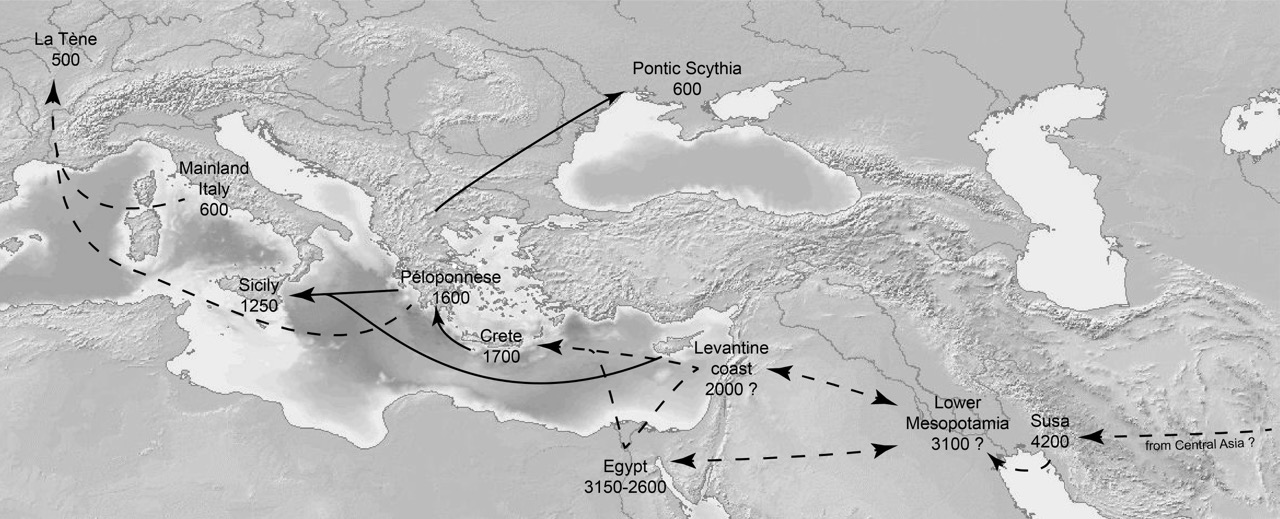
From the beginning of the fourth millennium BCE, small circular mirrors in copper alloy started appearing in funerary and temple contexts across Mesopotamia and the Levantine coast. What might seem a banal object in fact marks a major milestone in the history of both technology and perception, as mirrors offer a means of accessing what would otherwise be invisible to us directly: the face, in a left–right reversed and sometimes distorted image. Where reflections had previously been fleeting glimpses in water, mirrors now provided a more stable, manipulable, and portable medium.

Map of the earliest dates of metal mirror from Western Asia to Europe, with possible paths of spread across Eurasia.

For many years, I have wondered how mirrors may have altered perceptions of oneself and others, disrupted relational structures, or suggested new ways of conceptualising the world. A well-known historical parallel is the development of mirrors in seventeenth-century Europe, which coincided with the rise of the bourgeoisie, new notions of individuality, and the emergence of intimacy and personal comfort. But even earlier, in 12th Dynasty Egypt, Ipuwer evoked the image of a woman who once had to gaze at her reflection in water but now owned a mirror (Papyrus Leiden I 344 recto) as a way of expressing the upheaval of social revolution: access to self-awareness, once dictated by hierarchy, was shifting. Much like the performative nature of status at Versailles, this demonstrates how mirrors could become instruments of social and ideological transformation as far back as the Chalcolithic and Bronze Age periods.

In this project, my aim is to attempt to reconstruct the experiences of people interacting with mirrors, seeking insights into their perceptions of reflections and the symbolism attached to these objects. Since 2022 I have been building a dataset of mirrors from Syria, Palestine–Israel, Lebanon, Jordan, Iraq and western Iran, and have studied numerous collections worldwide.

The ASOR Study of Collections Fellowship provided the critical final support needed to complete the data collection phase of the project, which involved visiting the archaeological collections at the Louvre and the Baghdad Museum. The latter houses numerous mirrors from Agrab, Khafajeh and Kish-Tell Ingharra, Ur, Uruk, Khafajeh and Asmar, most of which remain unpublished. Although part of the work was hindered by the closure of regional airspace in mid-June, which forced the postponement of travel, I expect to conduct research in Iraq in the autumn or winter. The ultimate goal of this project is to produce a monograph, the Corpus Speculorum Orientis, restoring to this material a scholarly standing long minimised.

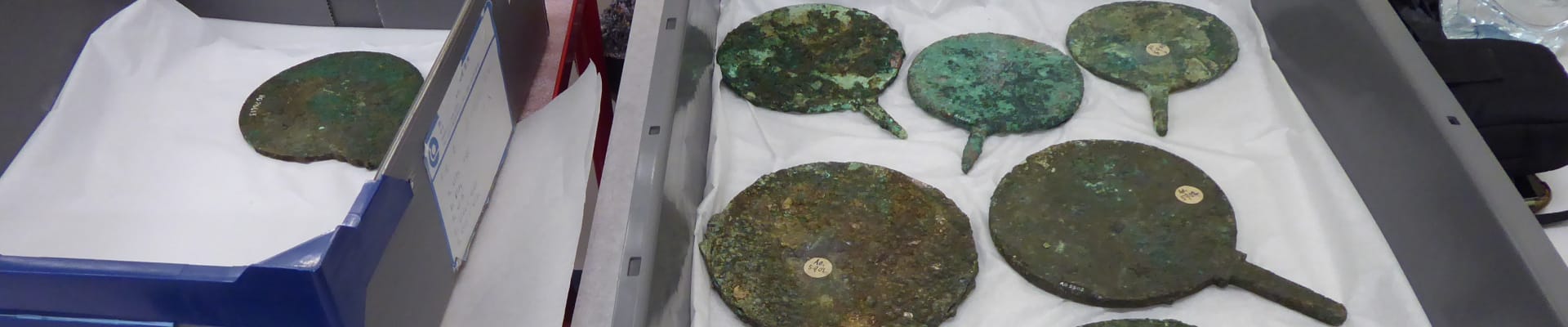
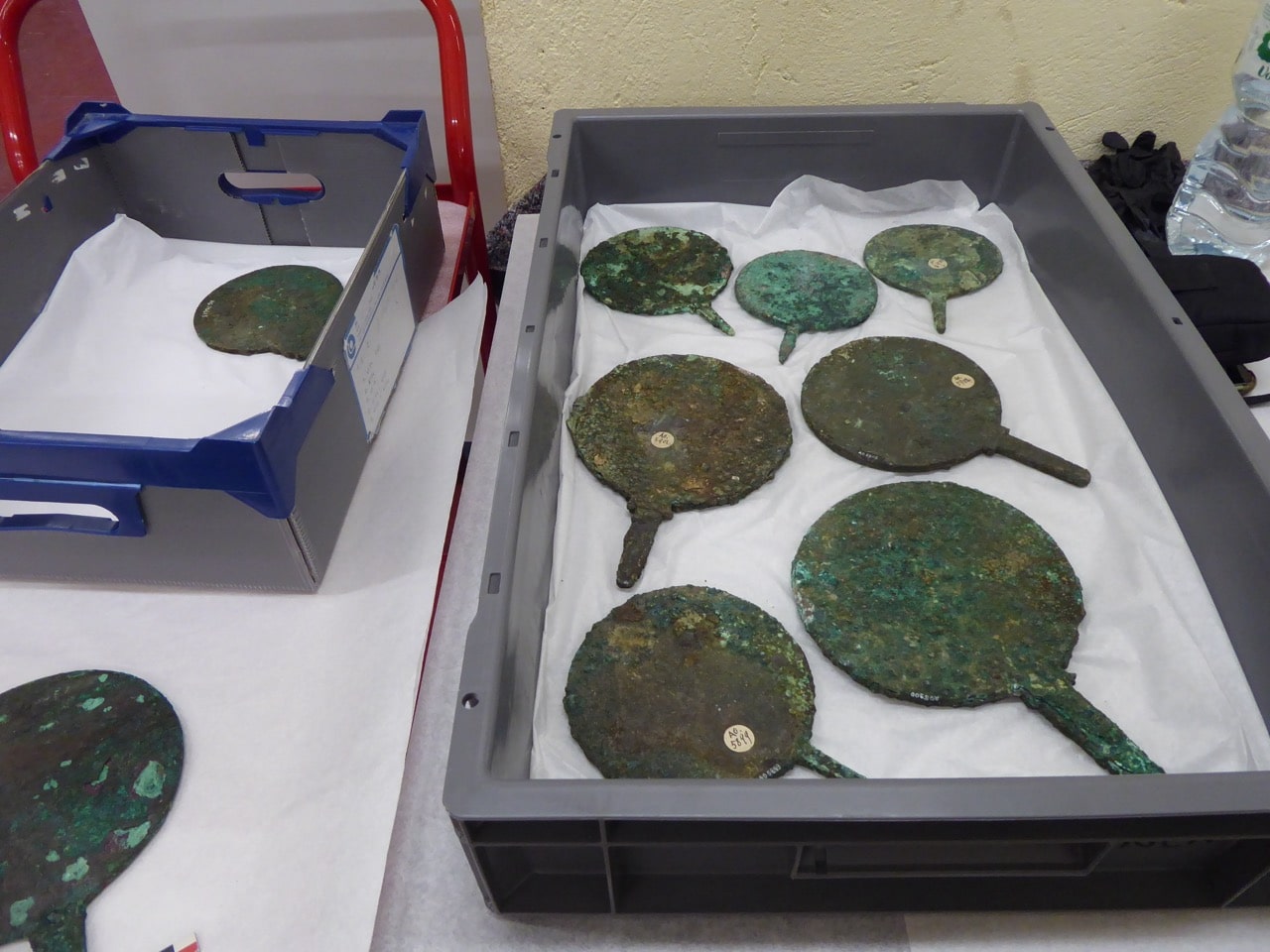
Copper-alloy mirrors from the collections of the Louvre Museum (photograph: Laura Alvarez).

The ASOR Study of Collections Fellowship provided the critical final support needed to complete the data collection phase of the project, which involved visiting the archaeological collections at the Louvre and the Baghdad Museum. The latter houses numerous mirrors from Agrab, Khafajeh and Kish-Tell Ingharra, Ur, Uruk, Khafajeh and Asmar, most of which remain unpublished. Although part of the work was hindered by the closure of regional airspace in mid-June, which forced the postponement of travel, I expect to conduct research in Iraq in the autumn or winter. The ultimate goal of this project is to produce a monograph, the Corpus Speculorum Orientis, restoring to this material a scholarly standing long minimised.

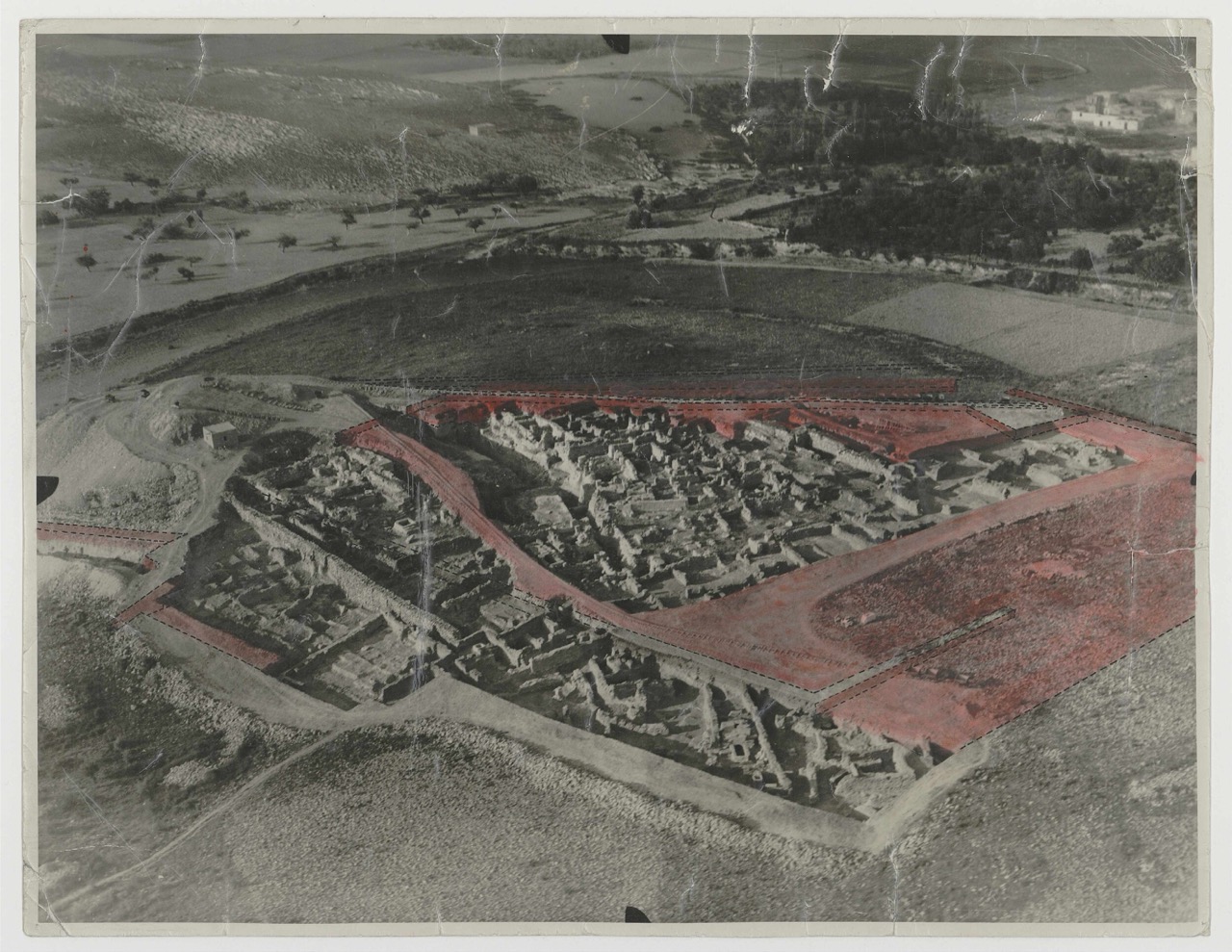
At the Louvre, I investigated ten mirrors from Sidon, acquired through the museum’s antiquities networks of Louvre curator Eugène Ledrain, whom aimed to expand the French knowledge of Levantine culture with the institutional objective of enriching the museum’s collections. I also studied mirrors from the coastal site of Ugarit (Ras Shamra), brought to Paris in the course of French excavations during the colonial and Mandate periods of the early twentieth century. In examining these objects, I paid particular attention to any surviving traces of engraved decoration, similar to those I have observed on mirrors from the Diyala region in Iraq.

Undated aerial photograph of Ugarit, from the Schaeffer fonds, Collège de France, archival reference 16 Fi 1/329-h.

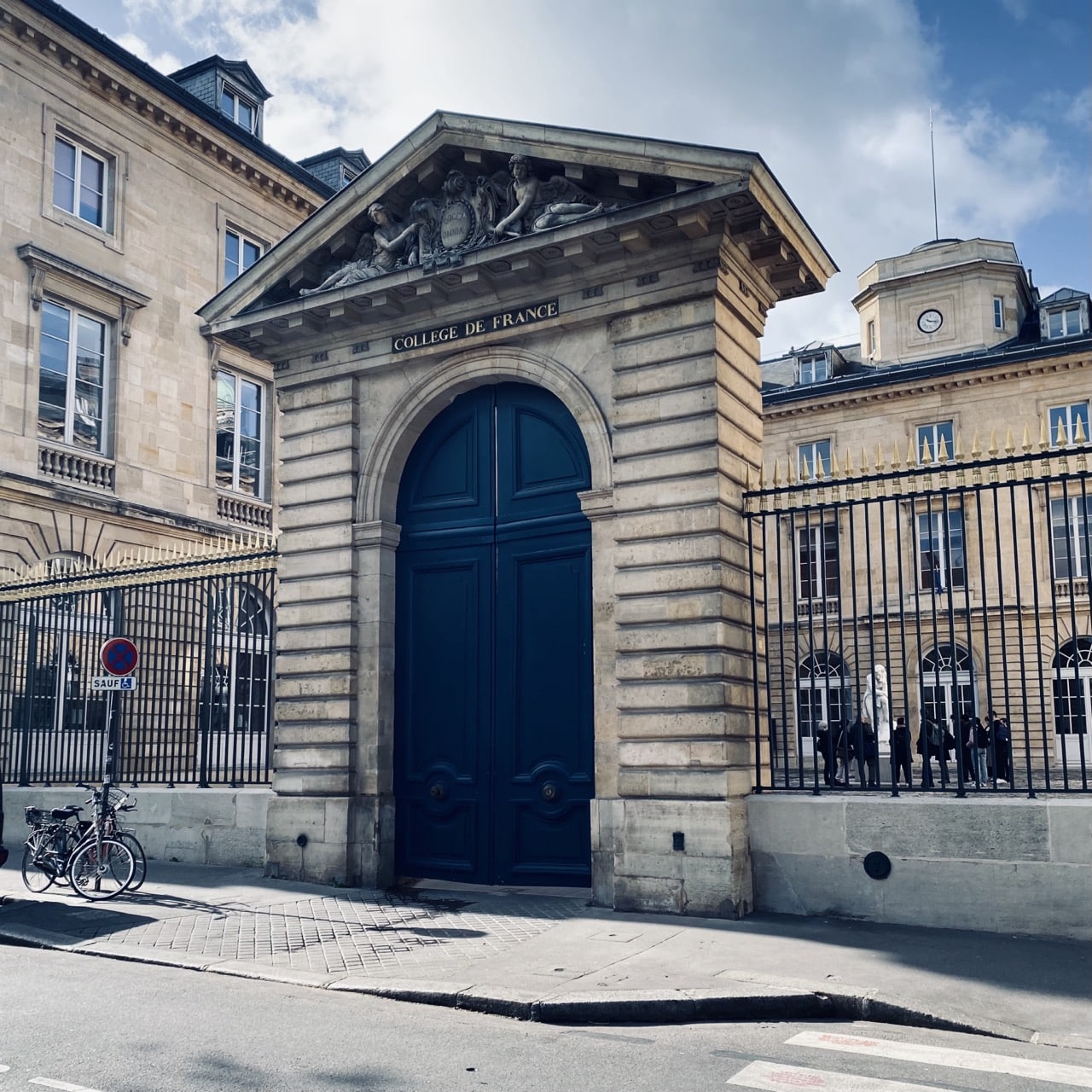
During this stay, I took the opportunity to consult the Collège de France archives, which preserve excavation documents of Claude Schaeffer, who directed work at Ras Shamra in the first half of the twentieth century, as well as to visit the National Museum of Archaeology at Saint-Germain-en-Laye (Musée d’archéologie nationale, MAN), located about an hour from Paris, which preserves material from Ugarit and its harbour, Minet el-Beida.

Entrance of the Collège de France from Place Marcelin Berthelot (photograph: Laura Alvarez).