
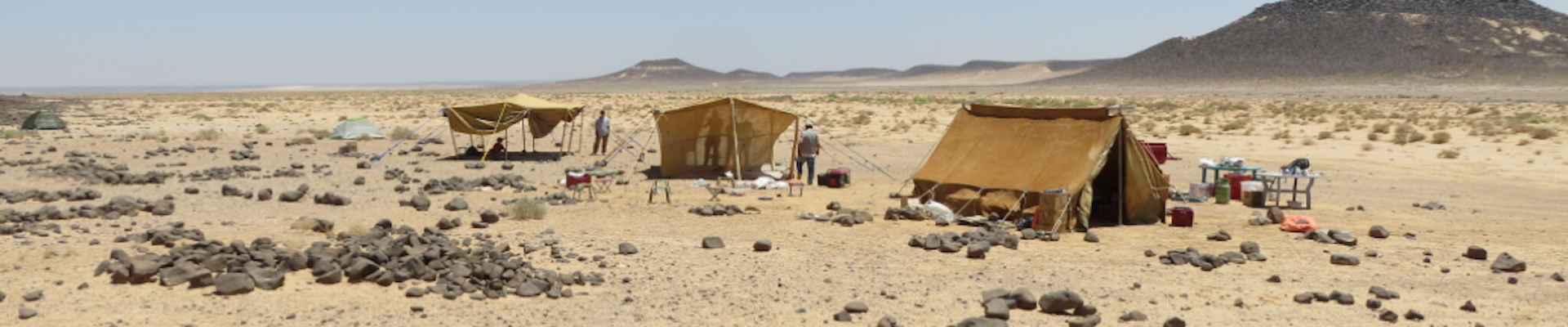
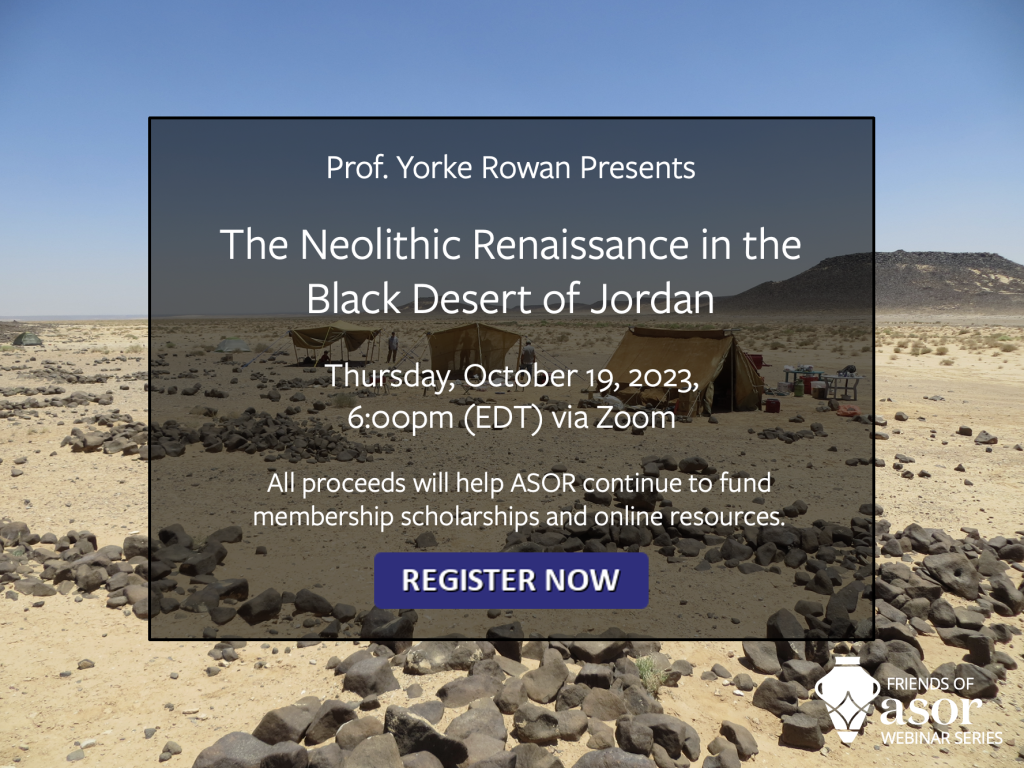
 Friends of ASOR present the next webinar in the 2023-2024 season on January 11th at 6:00pm EST presented by Dr. Yorke Rowan, moderated by Dr. Chad Hill. During the 9th to 8th millennia BCE, climatic conditions created environments that fostered increasing cereal and pulse farming, animal husbandry, and population growth. The “Neolithic Revolution” that occurred across southwest Asia during the Pre-Pottery Neolithic was followed by a much less well-understood period, the Late (or Pottery) Neolithic. Even more obscure, the deserts and steppes beyond the Fertile Crescent were considered underpopulated and of little significance to the larger neolithization process. Through the pioneering field work of people like Alison Betts, Svend Helms and Andrew Garrard, a few structures were known in the steppes and desert of eastern Jordan, an inhospitable region of basalt cobbles and insufficient rainfall for permanent farming. However, recent field research demonstrates that areas such as the Black Desert of eastern Jordan witnessed a sharp uptick in population and building, particularly during the Late Neolithic.
 New data indicates this region was much more hospitable than at present, evident in the clusters of hundreds of permanent structures and extensive chains of hunting traps known as ‘desert kites’. Other enigmatic desert features such as petroglyphs, “wheels” and paths are of unknown date and function, but attest to the recurring use of the region. Join Yorke Rowan as he presents the latest discoveries from the Black Desert of eastern Jordan.
The webinar will conclude with a live Q&A session led by Dr. Chad Hill of the University of Pennsylvania.
 Yorke Rowan is Research Professor in the Archaeology of the Southern Levant at the Institute for the Study of Ancient Cultures (formerly the OI) at the University of Chicago. He co-directs the NSF funded Kites in Context and the Eastern Badia Archaeological Project, both archaeological field programs in the Black Desert of eastern Jordan. In addition, he directs the Galilee Prehistory Project in northern Israel. He has been a Fulbright Scholar in Jordan and NEH Fellow at American Center for Overseas Research in Amman and the W. F. Albright Institute for Archaeological Research in Jerusalem. His most recent volumes include “The Social Archaeology of the Levant: from Prehistory to the Present” (with A. Yasur-Landau and E. Cline) and recently submitted the proofs for “Shiqmim II: The Phase II Excavations at a Chalcolithic settlement center in the Northern Negev Desert, Israel (1987-1993)” with T. E. Levy and M. M. Burton.
This webinar will be recorded and all paid registrants will be sent a link to view the recording.

*Please log in to the Online Portal BEFORE registering for the webinar. Once you have logged in, you will be able to register under our Events page linked above.
ASOR Sustaining Members: $0 | ASOR Members: $6.50 | Public: $13
Season Pass: ASOR Sustaining Members: $0 | ASOR Members: $75 | Public: $155
Buy one here!
Please e-mail membership@asor.org with any questions or issues with registering.
All proceeds from this webinar are used to fund scholarships for members as well as increasing ASOR’s online resources, which are free to the public.
Buy a season pass for all the webinars* of the 2023-2024 FOA Webinar Season! With a season pass, you will automatically be registered for every webinar in the season, and you will receive the recording of each webinar automatically after the event.
If you have missed webinars earlier in the season and still want to buy the pass, you will receive the links to the recordings of the webinars you missed in your automatic confirmation email after you buy the pass.
*Special symposiums may be excluded from the season pass price.
No more registering for a year if you buy your pass today!
Pricing:
ASOR Sustaining Members: $0 (automatic registration for each webinar)
Members: $75
Public: $150
Not a member yet? Click here to join as a member and receive the 50% off a season pass!

Please e-mail membership@asor.org if you have any questions or issues.
[vc_row fullwidth=”true” attached=”true” css=”.vc_custom_1496247803139{padding-top: 0px !important;padding-right: 0px !important;padding-bottom: 0px !important;padding-left: 0px !important;}”][vc_column][vc_single_image image=”92482″ img_size=”full” alignment=”center” onclick=”custom_link” link=”https://foawebinars23rowan.events.asor.org/”][/vc_column][/vc_row][vc_row fullwidth=”true” css=”.vc_custom_1496682730308{padding-top: 10px !important;padding-right: 0px !important;padding-bottom: 0px !important;padding-left: 0px !important;}”][vc_column width=”1/12″ css=”.vc_custom_1496683820796{margin-right: 10px !important;}” offset=”vc_hidden-md vc_hidden-sm vc_hidden-xs”][vc_column_text]
SHARE
[/vc_column_text][mk_image src=”http://www.asortest.org/wp-content/uploads/2017/01/social-fb-icon4.jpg” image_width=”42″ image_height=”42″ hover=”false” custom_url=”https://www.facebook.com/ASOResearch/” margin_bottom=”0″][mk_image src=”http://www.asortest.org/wp-content/uploads/2017/01/social-tw-icon4.jpg” image_width=”42″ image_height=”42″ hover=”false” custom_url=”https://twitter.com/ASOResearch?ref_src=twsrc%5Egoogle%7Ctwcamp%5Eserp%7Ctwgr%5Eauthor” margin_bottom=”0″][mk_image src=”http://www.asortest.org/wp-content/uploads/2017/01/social-in-icon4.jpg” image_width=”42″ image_height=”42″ hover=”false” custom_url=”https://www.linkedin.com/company/american-schools-of-oriental-research” margin_bottom=”0″][mk_image src=”http://www.asortest.org/wp-content/uploads/2017/01/social-ml-icon_7.jpg” image_width=”42″ image_height=”42″ hover=”false” custom_url=”mailto:info@asor.org” margin_bottom=”0″][mk_image src=”http://www.asortest.org/wp-content/uploads/2017/01/blog-icon3.jpg” image_width=”42″ image_height=”42″ hover=”false” custom_url=”http://asor.org/blog” margin_bottom=”0″][/vc_column][vc_column border_color=”rgba(255,255,255,0.01)” width=”1/6″ css=”.vc_custom_1496683923840{margin-right: 20px !important;border-left-width: 2px !important;padding-right: 20px !important;padding-left: 20px !important;border-left-color: #99422f !important;}”][mk_divider divider_color=”rgba(255,255,255,0.01)” thickness=”1″ margin_top=”3″ margin_bottom=”3″][vc_widget_sidebar sidebar_id=”ca-sidebar-39801″][/vc_column][vc_column border_color=”rgba(170,170,170,0.01)” width=”1/2″ css=”.vc_custom_1487276122024{margin-right: 10px !important;margin-bottom: 30px !important;border-right-width: 2px !important;border-bottom-width: 2px !important;padding-top: 30px !important;padding-right: 30px !important;padding-left: 20px !important;background-color: #ffffff !important;border-right-color: rgba(227,228,228,0.75) !important;border-bottom-color: rgba(227,228,228,0.75) !important;}”][vc_column_text responsive_align=”left”]
[/vc_column_text][mk_divider][vc_single_image image=”92868″ img_size=”full” alignment=”center” onclick=”custom_link” img_link_target=”_blank” link=”https://foawebinars23dessel.events.asor.org/”][mk_padding_divider size=”20″][vc_wp_text]
Friends of ASOR present the next webinar in the 2023-2024 season on November 2, 2023, at 6:00 pm EDT, presented by Dr. JP Dessel. Tell Tayinat, a large tell in the ‘Amuq Plain of Turkey close to the Turkish-Syrian border, went through many transformations in the Iron Ages II-III (10th – 6th centuries BCE). Tayinat first emerged as the capital of the Neo-Hittite/Luwian state of Walastin replete with a temple, palaces, and truly monumental statuary. The Assyrian destruction of Tayinat resulted in its remaking as Kunulua, the provincial capital of Patina/Unki. Much of the statuary was demolished and buried, and one of the temples was remodeled and became the repository of a small Assyrian archive. Kunulua was then destroyed one last time by a still enigmatic enemy sometime in the late 6th c. BCE. Join Dr. JP Dessel as he discusses this fascinating site. The webinar will conclude with a live Q&A session.
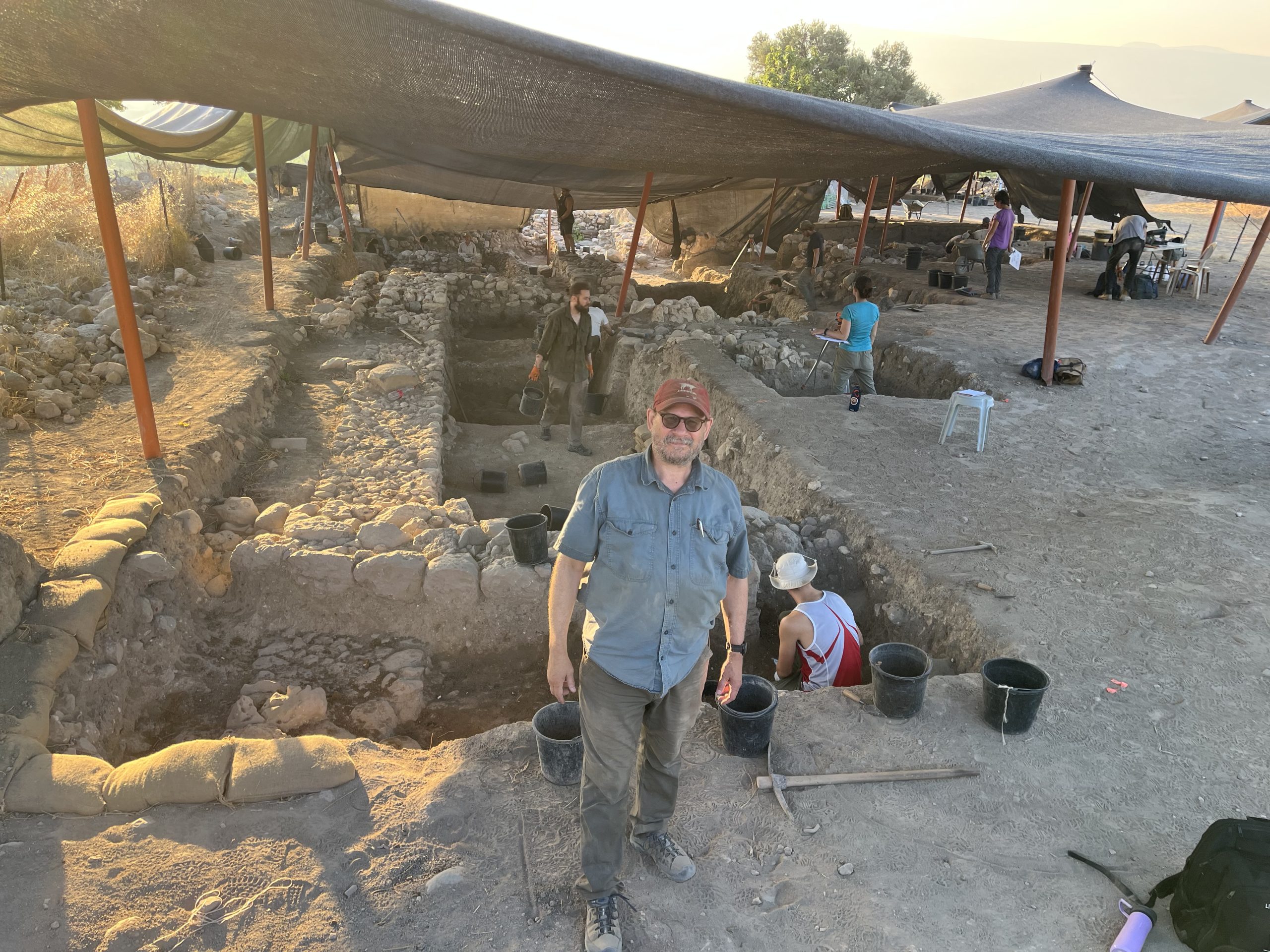
 J.P. Dessel is the Steinfeld Professor of Near Eastern Archaeology in the Department of History, and an affiliated member of the Fern and Manfred Steinfeld Program in Judaic Studies at the University of Tennessee, Knoxville. He is also the president of the Albright Institute of Archaeological Research in Jerusalem. He earned his Ph.D. in Near Eastern Studies from the University of Arizona in 1991. He has over 40 seasons in the field working in Israel, Egypt, Turkey, and North America, and co-directed the excavations at Tell el-Wawiyat and Tell ‘Ein Zippori in the Lower Galilee. His research interests include Egypto-Canaanite relations in the fourth millennium, rural complexity in the Late Bronze and Iron Ages, and ceramic technology. Currently he is a senior staff member on the Tayinat Excavation Project in Turkey, and the Tell Abel Beit Ma’acah Excavations. When Dr. Dessel isn’t in the field, he can be found in his kitchen trying to perfect the recipe for red lentil soup, he is very close.
This webinar will be recorded and all paid registrants will be sent a link to view the recording.

*Please log in to the Online Portal BEFORE registering for the webinar. Once you have logged in, you will be able to register under our Events page linked above.
ASOR Sustaining Members: $0 | ASOR Members: $6.50 | Public: $13
Season Pass: ASOR Sustaining Members: $0 | ASOR Members: $75 | Public: $155
Buy one here!
Please e-mail membership@asor.org with any questions or issues with registering.
All proceeds from this webinar are used to fund scholarships for members as well as increasing ASOR’s online resources, which are free to the public.
[/vc_wp_text][mk_divider][vc_wp_text]
Buy a season pass for all the webinars* of the 2023-2024 FOA Webinar Season! With a season pass, you will automatically be registered for every webinar in the season, and you will receive the recording of each webinar automatically after the event.
If you have missed webinars earlier in the season and still want to buy the pass, you will receive the links to the recordings of the webinars you missed in your automatic confirmation email after you buy the pass.
*Special symposiums may be excluded from the season pass price.
No more registering for a year if you buy your pass today!
Pricing:
ASOR Sustaining Members: $0 (automatic registration for each webinar)
Members: $75
Public: $150
Not a member yet? Click here to join as a member and receive the 50% off a season pass!

Please e-mail membership@asor.org if you have any questions or issues.
[/vc_wp_text][mk_divider][vc_wp_text]
Several levels of support from $50-$1,000 are available. Proceeds go towards membership scholarships and towards increasing ASOR’s virtual resources. Each sponsorship is tax-deductible and you can give your friends free registrations to a webinar! Sponsor a webinar here.
Bronze Level ($50): up to 2 guest registrations
Silver Level ($100): up to 5 guest registrations
Gold Level ($500): up to 20 guest registrations
Platinum Level ($1,000): up to 50 guest registrations
WHY SPONSOR ONLY ONE?
Season Sponsorships are also available from the ASOR Online Store here!
Bronze level: $750
Silver level: $1,500
Gold level: $2,500
Platinum level: $5,000
Diamond level: $10,000
After you sign up for a sponsorship online or over the phone, email the names and email addresses of your guests to Katherine Schmitt at membership@asor.org, who will send your guests a confirmation and the Zoom link before the webinar.[/vc_wp_text][mk_divider][vc_wp_text]
Join ASOR as a member! Click here for more details about discounts for events and other benefits of membership. Memberships start at $40 for the year as an Associate Member.
Not ready to join yet? Become a Friend of ASOR for FREE!
Click here for more details about our online resources.[/vc_wp_text][mk_divider][/vc_column][vc_column border_color=”rgba(170,170,170,0.01)” width=”1/6″ css=”.vc_custom_1496684098866{margin-right: 5px !important;margin-bottom: 20px !important;border-right-width: 2px !important;border-bottom-width: 2px !important;padding-top: 30px !important;padding-right: 10px !important;padding-left: 10px !important;background-color: #ffffff !important;border-right-color: rgba(227,228,228,0.75) !important;border-bottom-color: rgba(227,228,228,0.75) !important;}”][vc_wp_posts title=”BROWSE THE NEWS ARCHIVE” number=”4″][/vc_column][vc_column border_color=”rgba(170,170,170,0.01)” width=”1/6″ css=”.vc_custom_1496684008271{margin-right: 10px !important;margin-bottom: 30px !important;border-right-width: 2px !important;border-bottom-width: 2px !important;padding-top: 30px !important;padding-right: 20px !important;padding-left: 20px !important;background-color: #ffffff !important;border-right-color: rgba(227,228,228,0.75) !important;border-bottom-color: rgba(227,228,228,0.75) !important;}”][vc_column_text]Tweets by ASOResearch [/vc_column_text][/vc_column][/vc_row]

ASOR is accepting applications for the 2023 Student Paper Award. This award is conferred upon the author(s) of a paper presented (in-person or online) during the 2023 hybrid ASOR Annual Meeting that conveys the results of a study about ancient Near Eastern and wider Mediterranean societies in a clear, understandable and convincing fashion. The first author and presenter of the paper must be a registered student at the time of presentation in order to be eligible for consideration for this award.
Students will need to complete the following steps by November 1 to be considered for the award:

Students and Early Career Scholars at the 2019 Annual Meeting
1. Please complete this Google Form in order to apply for the Student Paper Award.
2. Submit your pre-recorded paper presentation (mp4 video, 20 minutes maximum) by November 1 to Jared Koller (jaredkoller@asor.org) using a DropBox link or other file sharing method.
Applications and recorded paper presentations are both due by November 1.
Please note that this award is independent of the Sean Dever Memorial Prize, which is conferred by the W.F. Albright Institute of Archaeological Research. To learn more about Awards presented at the Annual Meeting, please visit the Honors and Awards page. For questions and inquiries please email info@asor.org.
[vc_row fullwidth=”true” attached=”true” css=”.vc_custom_1496247803139{padding-top: 0px !important;padding-right: 0px !important;padding-bottom: 0px !important;padding-left: 0px !important;}”][vc_column][vc_single_image image=”99920″ img_size=”full” alignment=”center”][/vc_column][/vc_row][vc_row fullwidth=”true” css=”.vc_custom_1496682730308{padding-top: 10px !important;padding-right: 0px !important;padding-bottom: 0px !important;padding-left: 0px !important;}”][vc_column width=”1/12″ css=”.vc_custom_1496683820796{margin-right: 10px !important;}” offset=”vc_hidden-md vc_hidden-sm vc_hidden-xs”][vc_column_text]
SHARE
[/vc_column_text][mk_image src=”http://www.asortest.org/wp-content/uploads/2017/01/social-fb-icon4.jpg” image_width=”42″ image_height=”42″ hover=”false” custom_url=”https://www.facebook.com/ASOResearch/” margin_bottom=”0″][mk_image src=”http://www.asortest.org/wp-content/uploads/2017/01/social-tw-icon4.jpg” image_width=”42″ image_height=”42″ hover=”false” custom_url=”https://twitter.com/ASOResearch?ref_src=twsrc%5Egoogle%7Ctwcamp%5Eserp%7Ctwgr%5Eauthor” margin_bottom=”0″][mk_image src=”http://www.asortest.org/wp-content/uploads/2017/01/social-in-icon4.jpg” image_width=”42″ image_height=”42″ hover=”false” custom_url=”https://www.linkedin.com/company/american-schools-of-oriental-research” margin_bottom=”0″][mk_image src=”http://www.asortest.org/wp-content/uploads/2017/01/social-ml-icon_7.jpg” image_width=”42″ image_height=”42″ hover=”false” custom_url=”mailto:info@asor.org” margin_bottom=”0″][mk_image src=”http://www.asortest.org/wp-content/uploads/2017/01/blog-icon3.jpg” image_width=”42″ image_height=”42″ hover=”false” custom_url=”http://asor.org/blog” margin_bottom=”0″][/vc_column][vc_column border_color=”rgba(255,255,255,0.01)” width=”1/6″ css=”.vc_custom_1496683923840{margin-right: 20px !important;border-left-width: 2px !important;padding-right: 20px !important;padding-left: 20px !important;border-left-color: #99422f !important;}”][mk_divider divider_color=”rgba(255,255,255,0.01)” thickness=”1″ margin_top=”3″ margin_bottom=”3″][vc_widget_sidebar sidebar_id=”ca-sidebar-39801″][/vc_column][vc_column border_color=”rgba(170,170,170,0.01)” width=”1/2″ css=”.vc_custom_1487276122024{margin-right: 10px !important;margin-bottom: 30px !important;border-right-width: 2px !important;border-bottom-width: 2px !important;padding-top: 30px !important;padding-right: 30px !important;padding-left: 20px !important;background-color: #ffffff !important;border-right-color: rgba(227,228,228,0.75) !important;border-bottom-color: rgba(227,228,228,0.75) !important;}”][vc_column_text responsive_align=”left”]
Sarah James, University of Colorado, Boulder [/vc_column_text][mk_divider][vc_wp_text]This season of the Brač Island Project was incredibly fruitful and went well beyond our expectations based on last year’s excavations. We excavated on the site of Gradina Rat for five weeks from May 27 to June 28. The team consisted of myself, animal bone specialist Eden Franz, field directors Hannah Hungerford and Andrew Rivadeneira, and 10 graduate student volunteers. Three of these students, Tanner Frick, Claire Hook, and Louis Mainwaring Foster were generously supported by ASOR fieldwork grants.[/vc_wp_text][vc_single_image image=”99916″ img_size=”full” add_caption=”yes” alignment=”center” onclick=”img_link_large” img_link_target=”_blank” css=”.vc_custom_1729107103420{padding-right: 10px !important;}”][mk_padding_divider][vc_wp_text]We excavated this season in three areas: on the southern slope, adjacent to the 2023 trench, and at the northeastern corner of the plateau. Our goal this season was to gain more evidence to talk about the Late Bronze and Iron Ages at this site. Thanks to our previous seasons’ work, we knew how the natural bedrock impacted depositional processes at the site. For instance, we placed a 5x7m trench on the southern slope closer to the plateau than in 2022 and because we had learned that the bedrock dropped creating large pockets of undisturbed erosional fills. For this trench, we were able not only to unearth deep deposits that were radiocarbon dated to the 5th century BCE, but also locate a stretch of the original circuit wall of the hillfort(tentatively dated to the 10thc. BCE). This is an incredible discovery! Although hillforts are relatively common in the Dalmatian islands, archaeological evidence for their construction and use is definitely not. Local authorities immediately recognized its value and are working to conserve this 4m section of wall for future visitors to the site. The other two trenches on the site yielded more evidence of Bronze and Iron Age activities[/vc_wp_text][vc_single_image image=”99917″ img_size=”full” add_caption=”yes” alignment=”center” onclick=”img_link_large” img_link_target=”_blank” css=”.vc_custom_1729107153841{padding-right: 10px !important;}”][mk_padding_divider][vc_wp_text]Artifacts from the deposits above this terrace wall produced a truly remarkable range of imported Italian and Greek pottery dating from the 9th c. BCE to 1st c. CE, which suggests that this site has the longest occupational period of any hillfort in Dalmatia. It was therefore a busy season in the lab, assisted by Claire Hook, as we documented and catalogued hundreds of fragments of imported pottery. The local Bronze and Iron Age ceramics are being studied by Dr. Vedran Barbarić (University of Split)[/vc_wp_text][vc_single_image image=”99918″ img_size=”full” add_caption=”yes” alignment=”center” onclick=”img_link_large” img_link_target=”_blank” css=”.vc_custom_1729107269444{padding-right: 10px !important;}”][mk_padding_divider][vc_single_image image=”99919″ img_size=”full” add_caption=”yes” alignment=”center” css=”.vc_custom_1729107312088{padding-right: 10px !important;}”][mk_padding_divider][vc_wp_text]
We began presenting the results of these excavations in August 2024 at the annual meeting of the EAA (European Association of Archaeologists) and will spend part of next season preparing preliminary reports about the site. This grant will be warmly thanked as a supporter of this research which assisted with travel expenses and the analysis of C14 samples.
[/vc_wp_text][mk_padding_divider][/vc_column][vc_column border_color=”rgba(170,170,170,0.01)” width=”1/6″ css=”.vc_custom_1496684098866{margin-right: 5px !important;margin-bottom: 20px !important;border-right-width: 2px !important;border-bottom-width: 2px !important;padding-top: 30px !important;padding-right: 10px !important;padding-left: 10px !important;background-color: #ffffff !important;border-right-color: rgba(227,228,228,0.75) !important;border-bottom-color: rgba(227,228,228,0.75) !important;}”][vc_wp_posts title=”BROWSE THE NEWS ARCHIVE” number=”4″][/vc_column][vc_column border_color=”rgba(170,170,170,0.01)” width=”1/6″ css=”.vc_custom_1496684008271{margin-right: 10px !important;margin-bottom: 30px !important;border-right-width: 2px !important;border-bottom-width: 2px !important;padding-top: 30px !important;padding-right: 20px !important;padding-left: 20px !important;background-color: #ffffff !important;border-right-color: rgba(227,228,228,0.75) !important;border-bottom-color: rgba(227,228,228,0.75) !important;}”][vc_column_text]Tweets by ASOResearch [/vc_column_text][/vc_column][/vc_row]
Thank you to ASOR and Dr. Eric Meyers and Dr. Carol Meyers for allowing me this opportunity to participate in my first excavation! Without the Fellowship, I would not have been able to excavate in the Kurdistan Region of Iraq.

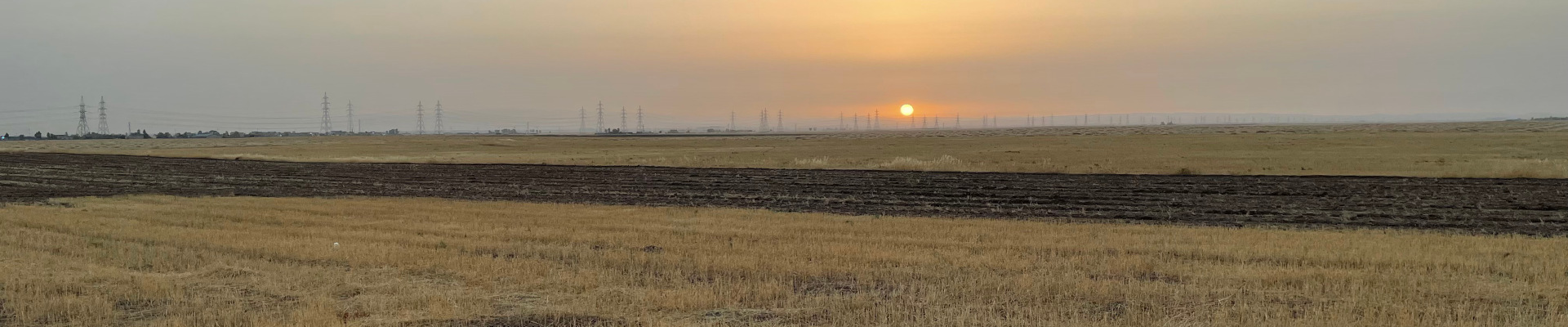
Fig. 1: Qach Rresh at sunrise. The slight outline of the mountains are visible in the distance. Photo courtesy of Sophie Vo.
My mornings started at 3:30 am—I would wake up an hour before we departed to pack lunch for the team’s second breakfast or drink coffee and slowly transition into consciousness. At 4:30am, we would pile into our driver Bapir’s van. As the sun rose, we drove east from Ankawa, the Christian district of Erbil. Typically, we arrived at our site, Qach Rresh, at 5:30am. The sun was poking through the clouds and the air was still cool. Qach Rresh, located 14 km south of Erbil and 2 km north of Trpa Spiyan, is a site which is estimated to date to the 7th-4th centuries BCE (Iron Age II and III). This includes the height of the Assyrian Empire and its subsequent collapse, including periods during which the Erbil Plain might have been under Neo-Babylonian or Median control in the 6th century and Achaemenid Persian control thereafter. Later, the administrative buildings at Qach Rresh were apparently used as trash dumping grounds after the fall of the Assyrian Empire, giving us a huge amount of data about the 6th-4th centuries that is otherwise rare on the Erbil Plain.

Fig. 2: Image of the Emlid R2 GPS system
Upon arriving at Qach Rresh, I would help Glynnis, the project registrar, set up the Emlid R2 GPS system and lay lines for magnetometry. Magnetometry is an archaeological survey method that measures the Earth’s geomagnetic field at the nanotesla (nT) level with two sensors spaced 1 meter apart. Archaeology does not solely involve digging and excavating on site. We would excavate in the mornings and perform data analysis, ceramic cataloging, and zooarchaeological analysis in the afternoons.
To record points in X-Y space, Glynnis and I set up the Emlid R2 GPS system, one of two Reach R2 systems (Figure 2). This allowed us to measure points with sub 2cm accuracy. The base RS2 sits stationary while the rover RS2 is moved to mark points. We marked points using this rover so that we could lay transect ropes every two meters for the magnetometer machine reading spaced every 50 cm (Figure 3). Figure 3 demonstrates the typical set up for surveying Qach Rresh using magnetometry.

Fig. 3: Example of the magnetometry survey setup, with transect ropes set up every two meters for machine readings spaced every 50cm.
Afterward, Dr. Creamer showed me how to conduct magnetometry by carrying the Bartington 601-2 Gradiometer suspended from our backpack straps ~20cm from the ground surface. The left and right vertical sensors needed to be held parallel to each other and perpendicular to the ground. Transects were laid out at intervals of 2m in 20x20m squares (with machine readings at every 50cm),with corner stakes laid in by GPS (Emlid Reach R2). The machine took eight measurements at a pace of one meter per second walking speed. By the end of the day, we were all walking at a cadence of one meter per second and measuring distances by counting our steps. Each square took roughly 15-20 minutes to survey with the Bartington. On average, 5,600m2 (or, roughly half a hectare) was surveyed with the Bartington per day. In the lab, geophysics results were analyzed with the open source computer applicationArchaeoFusion. Magnetometry of the site revealed important features of the rural administrative center of the Neo-Assyrian Empire, such as an animal pen and other potential buildings for future field seasons.
One of my favorite aspects of the Rural Landscapes of Imperial Iron Age Mesopotamia project was the ability to get my feet wet in the various sub-specialties of archaeology. I worked with Laurel Poolman, a zooarchaeology student, who taught me how to analyze and identify unearthed animal remains from our site. I also was able to work with the Kurdish workers, Hallo and Tayib, who taught me how to quickly and efficiently dig trenches. It was extremely valuable learning numerous archaeological methods, from learning the basics—like writing lot numbers—to interpreting animal remains and discussing magnetometer readings. As my first excavation, I gained valuable archaeology and professional experience both in and out of the field. I was also afforded the opportunity to explore my research interests and make lifelong friends on the project. I am extremely grateful to have met everyone in Kurdistan and I can’t wait to return next season!
 Sophie Vo recently graduated Emory University in May 2023 with a BS in Biology and a BA in Ancient Mediterranean Studies. Having never excavated before, she was eager to learn about the animal remains on the site and learn alongside the project’s zooarchaeologist. Afterward, Sophie continued to explore her interest in archaeology at the Brooklyn Museum in Egyptian, Classical, and Near Eastern Art. There, she utilized her excavation experience to research and examine Egyptian archaeology reports for the objects housed in the collection
Want to learn more? Visit the Project’s Website or ASOR’s TikTok and Youtube to hear about Sophie Vo’s field experience!
 ASOR, the American Society for Overseas Research, condemns in the strongest possible terms Hamas’ vicious massacre of more than a thousand innocent non-combatant Israelis on Saturday, October 7, 2023.
ASOR is an organization that fosters a community of scholars across borders. Our mission is to initiate, encourage, and support research into, and public understanding of, the history and cultures of the Near East and wider Mediterranean world. ASOR is apolitical and has no religious affiliation. ASOR has a large and diverse membership that does not speak with one voice about world politics.
We believe strongly that recent attacks by Hamas on Israeli civilians are not politics, but evil acts of terrorism. We agree and reaffirm with the President of the United States that Israel has the right and duty to protect its citizens. We also concur with a recent statement by President Biden that “the extreme elements of Hamas don’t represent all the Palestinian people.”
We grieve deeply with our Israeli colleagues. We also recognize that there is great suffering in Gaza and among the Palestinian people. We are deeply concerned for the well-being of civilians on all sides of the crisis. It is our hope that all of us will recognize and respect our common humanity.






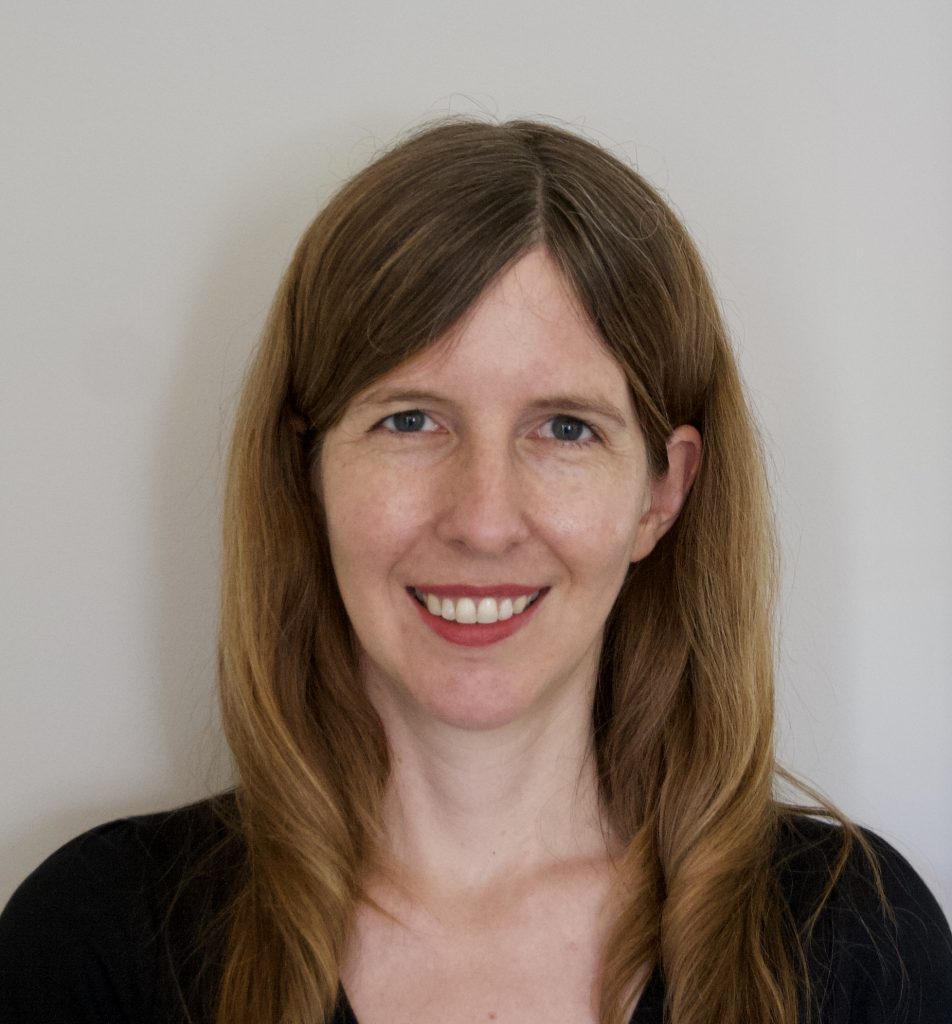
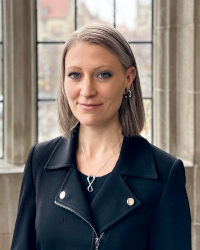
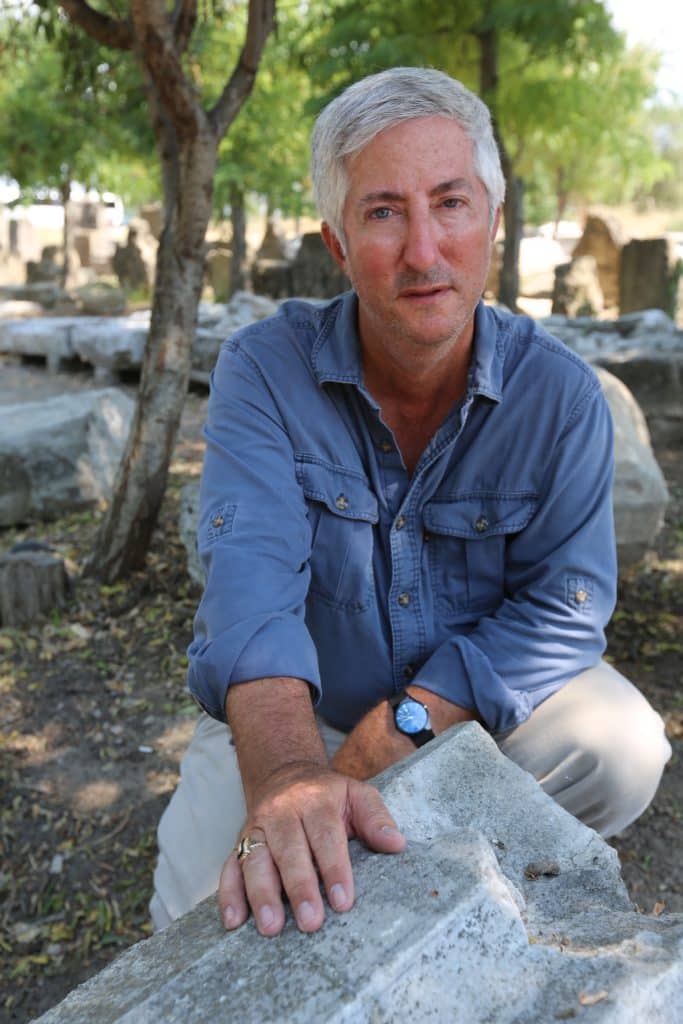
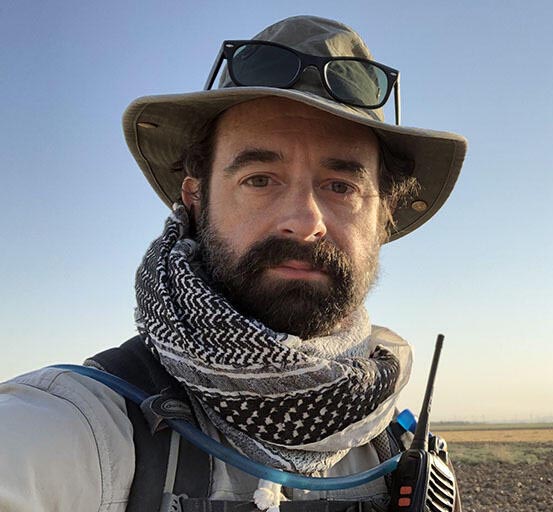
The ASOR  Trustee Nominations Committee has selected seven highly qualified members to stand for election for four open positions on the Board of Trustees. The Board sets the direction for ASOR and provides oversight for our organization. Among other responsibilities, members of the Board agree to attend two meetings each year, to participate thoughtfully in the governance process, and to contribute financially to ASOR.
There are five candidates running for two openings as Member-elected Trustees for 3-year terms (Theodore Burgh, Patricia Fall, Emily Hammer, Melissa Bailey Kutner, and Kiersten Neumann). There are two candidates for two openings as Institutionally-elected Trustees for 3-year terms (Eric Cline and Jason Ur). All ASOR members are eligible to vote in the Member-elected Trustee Election, while only Institutional Representatives of the 60 ASOR-member schools may vote in the Institutionally-elected Trustee Election.
ASOR will conduct the elections by online ballot, and all members and Institutional Representatives will receive the appropriate ballot(s) via email on or around October 10, 2023. We will send out two reminders, and all ballots must be completed by 12:00 PM Eastern Time on Monday, November 13. If you have difficulties completing the online ballot (once they are distributed), please contact Marta Ostovich at programs@asor.org.


[vc_row fullwidth=”true” attached=”true” css=”.vc_custom_1496247803139{padding-top: 0px !important;padding-right: 0px !important;padding-bottom: 0px !important;padding-left: 0px !important;}”][vc_column][mk_image src=”http://www.asor.org/wp-content/uploads/2018/11/Sialk-Tepe-1920-x-400.jpg” image_width=”1920″ image_height=”400″ hover=”false” align=”center” margin_bottom=”2″][/vc_column][/vc_row][vc_row fullwidth=”true” css=”.vc_custom_1496682730308{padding-top: 10px !important;padding-right: 0px !important;padding-bottom: 0px !important;padding-left: 0px !important;}”][vc_column width=”1/12″ css=”.vc_custom_1496683820796{margin-right: 10px !important;}” offset=”vc_hidden-md vc_hidden-sm vc_hidden-xs”][vc_column_text]
SHARE
[/vc_column_text][mk_image src=”http://www.asortest.org/wp-content/uploads/2017/01/social-fb-icon4.jpg” image_width=”42″ image_height=”42″ hover=”false” custom_url=”https://www.facebook.com/ASOResearch/” margin_bottom=”0″][mk_image src=”http://www.asortest.org/wp-content/uploads/2017/01/social-tw-icon4.jpg” image_width=”42″ image_height=”42″ hover=”false” custom_url=”https://twitter.com/ASOResearch?ref_src=twsrc%5Egoogle%7Ctwcamp%5Eserp%7Ctwgr%5Eauthor” margin_bottom=”0″][mk_image src=”http://www.asortest.org/wp-content/uploads/2017/01/social-in-icon4.jpg” image_width=”42″ image_height=”42″ hover=”false” custom_url=”https://www.linkedin.com/company/american-schools-of-oriental-research” margin_bottom=”0″][mk_image src=”http://www.asortest.org/wp-content/uploads/2017/01/social-ml-icon_7.jpg” image_width=”42″ image_height=”42″ hover=”false” custom_url=”mailto:asor@bu.edu” margin_bottom=”0″][mk_image src=”http://www.asortest.org/wp-content/uploads/2017/01/blog-icon3.jpg” image_width=”42″ image_height=”42″ hover=”false” custom_url=”http://asorblog.org/” margin_bottom=”0″][/vc_column][vc_column border_color=”rgba(255,255,255,0.01)” width=”1/6″ css=”.vc_custom_1496683923840{margin-right: 20px !important;border-left-width: 2px !important;padding-right: 20px !important;padding-left: 20px !important;border-left-color: #99422f !important;}”][mk_divider divider_color=”rgba(255,255,255,0.01)” thickness=”1″ margin_top=”3″ margin_bottom=”3″][vc_column_text]
[/vc_column_text][/vc_column][vc_column border_color=”rgba(170,170,170,0.01)” width=”1/2″ css=”.vc_custom_1487276122024{margin-right: 10px !important;margin-bottom: 30px !important;border-right-width: 2px !important;border-bottom-width: 2px !important;padding-top: 30px !important;padding-right: 30px !important;padding-left: 20px !important;background-color: #ffffff !important;border-right-color: rgba(227,228,228,0.75) !important;border-bottom-color: rgba(227,228,228,0.75) !important;}”][vc_column_text responsive_align=”left”]
[/vc_column_text][vc_column_text]Many organizations, including ASOR, are being targeted by fraudulent companies and individuals that mine for contact information to use in phishing scams such as mailing lists, fake hotel reservations, and money transfer requests. Unfortunately, ASOR members have reported receiving e-mails from fraudsters posing as ASOR representatives, even using the ASOR logo, trying to sell marketing lists or other services.
These individuals are not authorized by ASOR, the Annual Meeting hotel, or any of ASOR’s partners, to contact you on our behalf. No one from ASOR will contact you to ask for credit card information or banking details to be sent by e-mail. Always check the e-mail address of the sender – a message from ASOR will end in @asor.org (not gmail or another account).
When making hotel reservations for ASOR’s Annual Meeting, book directly in ASOR’s Room Block at the conference hotel via the link or telephone number listed on ASOR’s website. No one will call you from ASOR or the hotel asking you to make a hotel reservation. Please let us know if you receive a fraudulent e-mail or phone call. We will do everything we can to address this situation and we appreciate your cooperation.
More information on phishing scams is available on the Federal Trade Commission’s website.[/vc_column_text][/vc_column][vc_column border_color=”rgba(170,170,170,0.01)” width=”1/6″ css=”.vc_custom_1496684098866{margin-right: 5px !important;margin-bottom: 20px !important;border-right-width: 2px !important;border-bottom-width: 2px !important;padding-top: 30px !important;padding-right: 10px !important;padding-left: 10px !important;background-color: #ffffff !important;border-right-color: rgba(227,228,228,0.75) !important;border-bottom-color: rgba(227,228,228,0.75) !important;}”][vc_wp_posts title=”BROWSE THE NEWS ARCHIVE” number=”4″][/vc_column][vc_column border_color=”rgba(170,170,170,0.01)” width=”1/6″ css=”.vc_custom_1496684008271{margin-right: 10px !important;margin-bottom: 30px !important;border-right-width: 2px !important;border-bottom-width: 2px !important;padding-top: 30px !important;padding-right: 20px !important;padding-left: 20px !important;background-color: #ffffff !important;border-right-color: rgba(227,228,228,0.75) !important;border-bottom-color: rgba(227,228,228,0.75) !important;}”][vc_column_text]Tweets by ASOResearch [/vc_column_text][/vc_column][/vc_row]