
Collections Fellowship Report: Irene Romano

2026 Study of Collections Fellowship Report

Irene Bald Romano, School of Art and School of Anthropology, University of Arizona

I am pleased to present this final report of the results of my research funded in part by ASOR’s Study of Collections Fellowship during the summer of 2026. This research project is focused on a group of Late Hellenistic (2nd or early 1st centuries BCE) Greek marble sculptures excavated between 2016 and 2021 in a large Parthian administrative building or manor house (Area E Building) in Qalatga Darband, a fortified ancient town in northern Mesopotamia (eastern Iraqi Kurdistan). In November 2023, I was invited by the excavator, Dr. John MacGinnis, to study and publish these sculptures, now housed in Rania and in the Slemani Museum in Sulaymaniyah, Kurdistan, and in October 2025, I had the opportunity to travel to Kurdistan to examine the material.

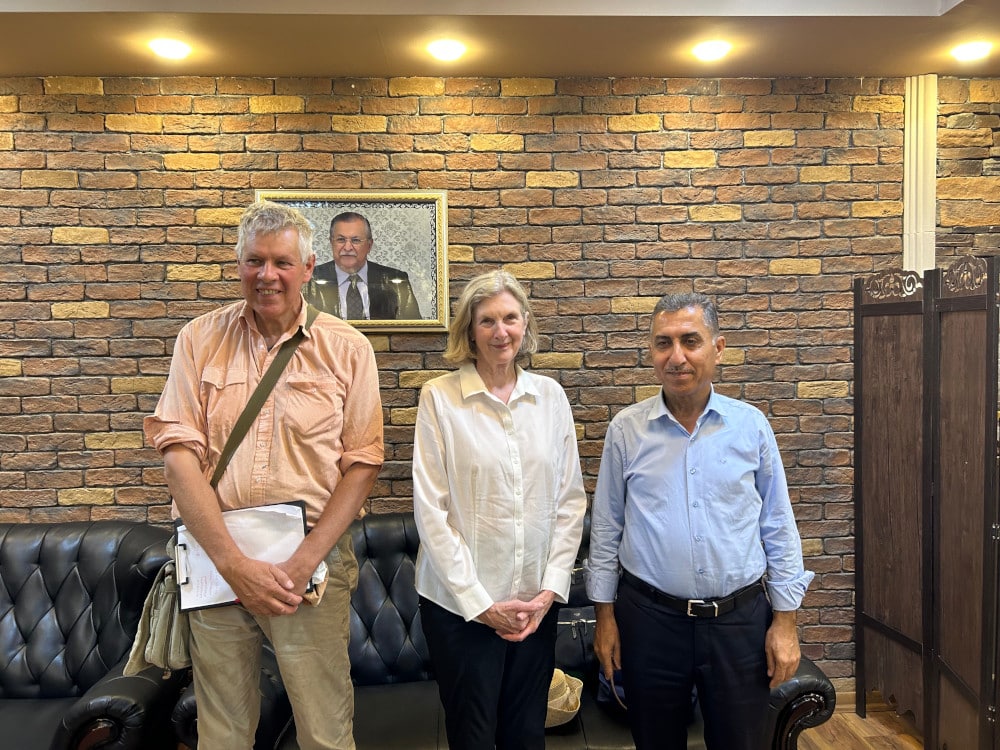
Dr. John MacGinnis, Dr. Irene Bald Romano, Dr. Hashim Hama Abdullah, Director Slemani Museum Oct 2025.
Dr. John MacGinnis, Dr. Irene Bald Romano, and Dr. Hashim Hama Abdullah, Head of the Directorate of Antiquities of Sulaymaniyah, Iraqi Kurdistan, October 2025.

The group includes around 70 marble fragments, comprising at least 10-11 statuettes that are purely Greek in style, scale, themes, material (white marble), and manufacturing techniques, forming a consistent corpus that was likely acquired on a single occasion. It is very rare to find such a large group of Greek sculptures in this part of the ancient world, and key research questions relate to where and by whom were they manufactured, how did they come to be in this particular town and building, and how were they used. There is evidence from parallel examples of sculptures of this period that these statuettes were probably manufactured in the Greek islands, possibly Rhodes or Delos, and transported east. They may have been booty taken during the wars between the Seleucid Greeks and the Parthians in the 2nd century BCE or collected by a philhellenic Parthian elite (a royal family member or governor or the like) who resided in the Area E Building.

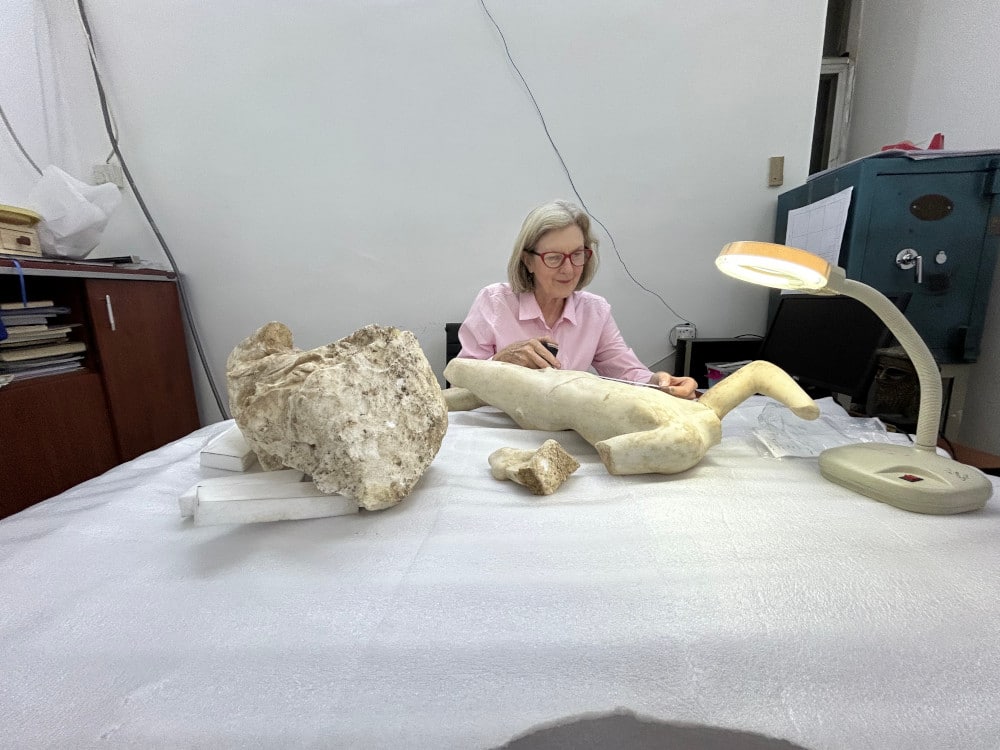
Irene Bald Romano study sculptures from Qalatga Darband in Slemani Museum October 2025.
Irene Bald Romano studies sculptures from Qalatga Darband in the Slemani Museum, Sulaymaniyah, October 2025.

Critical at this stage of my research leading to the final publication of these sculptures are: 1) analysis of the marble which is now being conducted by scientists at the Austrian Academy of Sciences in Vienna; 2) examination of similar sculptures of this period in key places such as Delos, Rhodes, and Kos, which I conducted in fall 2025 and this past summer; and 3) library research to identify comparable Greek material. For the latter, with my travel to and living expenses in Athens largely supported by the ASOR Fellowship, I used the unparalleled Blegen Library of the American School of Classical Studies at Athens. I have completed a draft of a manuscript for a long article or book-length publication, to be co-authored with Dr. MacGinnis. We are awaiting the results of the analysis of the marble from colleagues at the Austrian Academy of Sciences which will be integrated into the manuscript with an appendix added with the full scientific information. We hope to submit the manuscript to a press before the end of the calendar year.

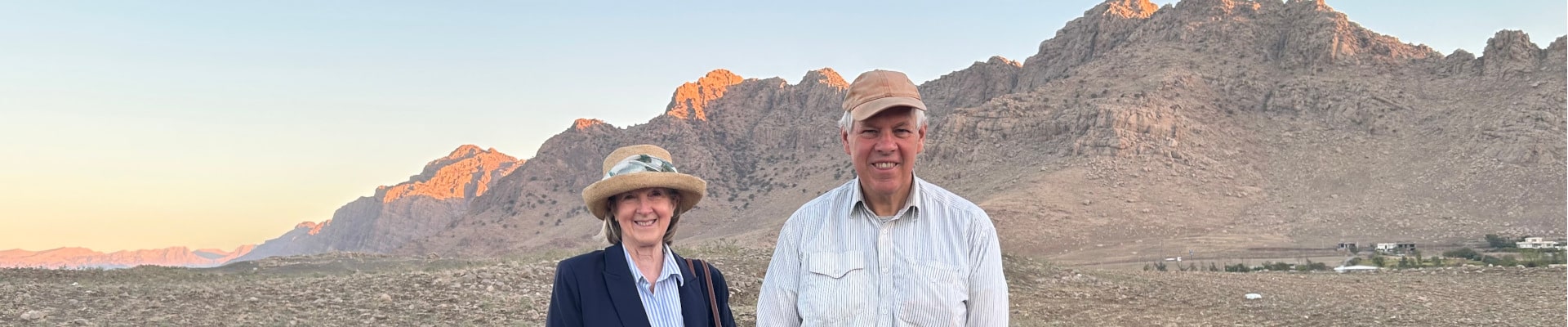
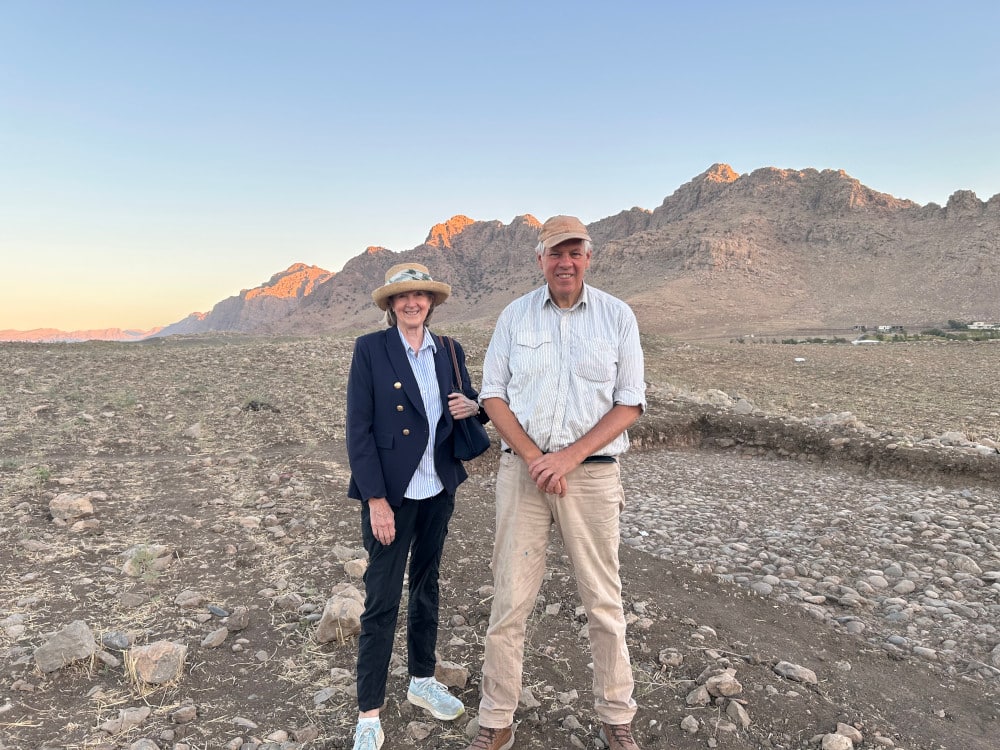
Irene Bald Romano and John MacGinnis at Qalatga Darband, Kurdistan October 2025.
Irene Bald Romano and John MacGinnis at Qalatga Darband, Iraqi Kurdistan, October 2025.

I am extremely grateful to ASOR and its donors for awarding me this fellowship to further my research on a topic that I believe is important from many perspectives. These finds lie at the nexus of critical moments in Late Hellenistic and Roman history in the East, adding to our picture of cultural interactions among minority Greek populations, the Parthians and their vassal kingdoms, and the Romans in the region. I am also deeply appreciative to John MacGinnis and many colleagues who have assisted me with this project, including those in Kurdistan who provided overwhelmingly enthusiastic support. 

Position Announcement: Director, Albright Institute of Archaeological Research

Position Announcement: Director, Albright Institute of Archaeological Research

The W. F. Albright Institute of Archaeological Research (AIAR) in East Jerusalem, an ASOR-Affiliated Overseas Research Center, invites applications for the position of Dorot Director. The Director serves as chief executive officer of the Institute, overseeing operations, financial strategy, academic programming, development, and institutional relationships with local academic, cultural, diplomatic and governmental institutions.

Candidates should hold a graduate degree, have familiarity with the region, and demonstrate leadership in Near Eastern studies or a related field (such as but not limited to archaeology, anthropology, biblical studies, history, museology, religious studies), along with experience in fundraising and institutional administration. The appointment is for up to five years, and includes a renovated three-bedroom Director’s residence on the AIAR campus.

Applications (letter, CV, and three references) are due 1 September 2026, though review will continue until the position is filled. More details and the application portal can be found here: https://aiar.org/archives/director_cfa_2026/

Please submit inquiries to the search committee chair, Prof. Eric H. Cline (ehcline@email.gwu.edu).
New ASOR-Affiliated Projects: July 2026

New ASOR-Affiliated Projects: July 2026

Currently, 150 projects are affiliated with ASOR. This includes 114 field projects and 36 publication projects. Six new projects have received ASOR affiliation since last summer. Read more about these new ASOR-affiliated projects below.

CAP is continuing to review many applications for affiliation. Stay tuned in the coming months on more newly-affiliated projects!

ASOR-affiliated projects adhere to ASOR policies, most notably the Non-Discrimination Policy, Policy on Professional Conduct, and Code of Conduct for the ASOR Annual Meeting and Other ASOR Sponsored Events. These policies affirm ASOR’s commitment to high standards for research integrity, academic mentoring and ethical professional behavior. Project Principal Investigators may apply for ASOR affiliation for their projects through the Committee for Archaeological Research and Policy (CAP).  Principal Investigators of ASOR-affiliated projects are eligible to apply for ASOR Project Grants and Shepard Urgent Action Grants. Students working on ASOR-affiliated projects are eligible to apply for Scholarships for Fieldwork Participation.

New ASOR-Affiliated Projects

Archaeological Mission at Tell el-Ghaba, North Sinai, Egypt (Eva Amanda Calomino, Agustina Scaro) 

The Tell el-Ghaba Mission is an archaeological project supported by the Egyptian Ministry of Tourism and Antiquities. It seeks to enhance our understanding of the history and archaeology of the North Sinai and Eastern Delta regions of ancient Egypt. Since 1995, we have been engaged in the archaeological recovery of the Tell el-Ghaba site. We study the materials and structures uncovered during excavations, dedicate ourselves to their conservation, and disseminate the results.This work is of great significance, as it provides insights into lesser-known aspects of Egypt’s past, including the daily lives of its inhabitants and the strategic role this site played on the eastern frontier of the Egyptian state. The area is crucial for both land and maritime trade, linking Egypt with the Levant and the broader Mediterranean region. Our mission also strives to safeguard this heritage, which is situated in a complex and vulnerable area facing numerous conservation challenges.

Tel Hadid Archaeological Project, Israel (Ido Koch, Jim Parker)


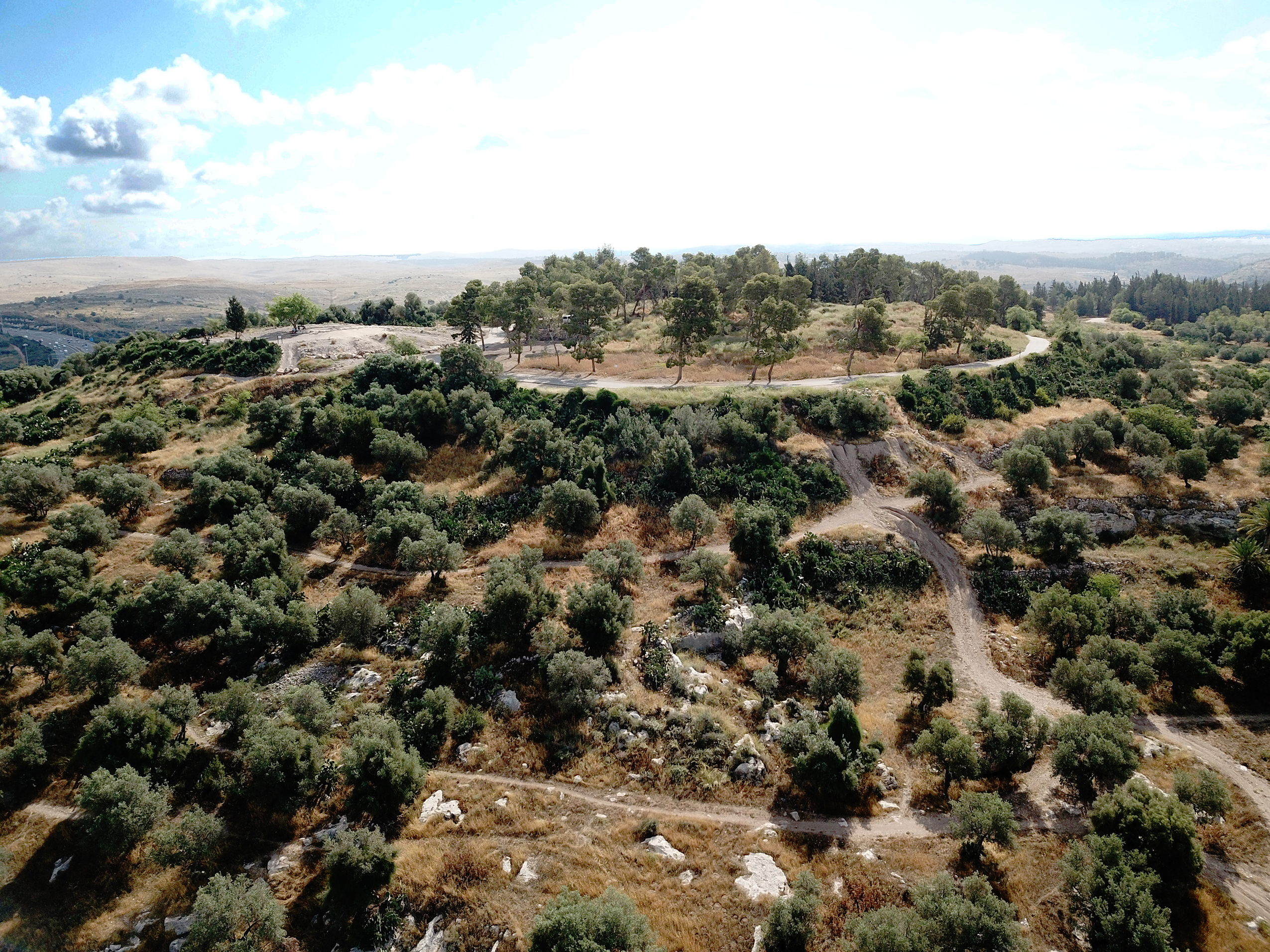
Photo by Omer Ze’evi-Berger, Tel Hadid Archaeological Project

Photo by Omer Ze’evi-Berger, Tel Hadid Archaeological Project

Tel Ḥadid is a prominent archaeological mound in central Israel overlooking the coastal plain and the Ayalon Valley, along major routes connecting the Mediterranean coast with the inland highlands. The site preserves remains from multiple periods, with particularly substantial occupation during the Iron Age, the Hellenistic, Byzantine, and Modern periods. The Tel Ḥadid Archaeological Project is an Israeli–American collaboration led by Tel Aviv University and New Orleans Baptist Theological Seminary (NOBTS). Fieldwork follows rigorous scientific standards, integrating excavation, environmental sampling, and interdisciplinary analyses. Each field season includes the participation of trained supervisors and specialists who assist with the excavation and analysis of ecofacts.

All finds are processed, conserved, and curated at Tel Aviv University, where ceramics and organic materials are treated in the university’s conservation laboratory to ensure their long-term preservation and accessibility for research. The project is committed to the responsible stewardship of the archaeological record and fully opposes the illicit trade in antiquities. The project also serves as a field school that trains undergraduate and graduate students in archaeological field methods and interdisciplinary research. Particular emphasis is placed on the study of the recent past, including the documentation of the modern village of al-Haditha and other later remains at the site. The project further promotes public engagement through outreach activities and educational tours, and is committed to the timely publication and dissemination of its results.
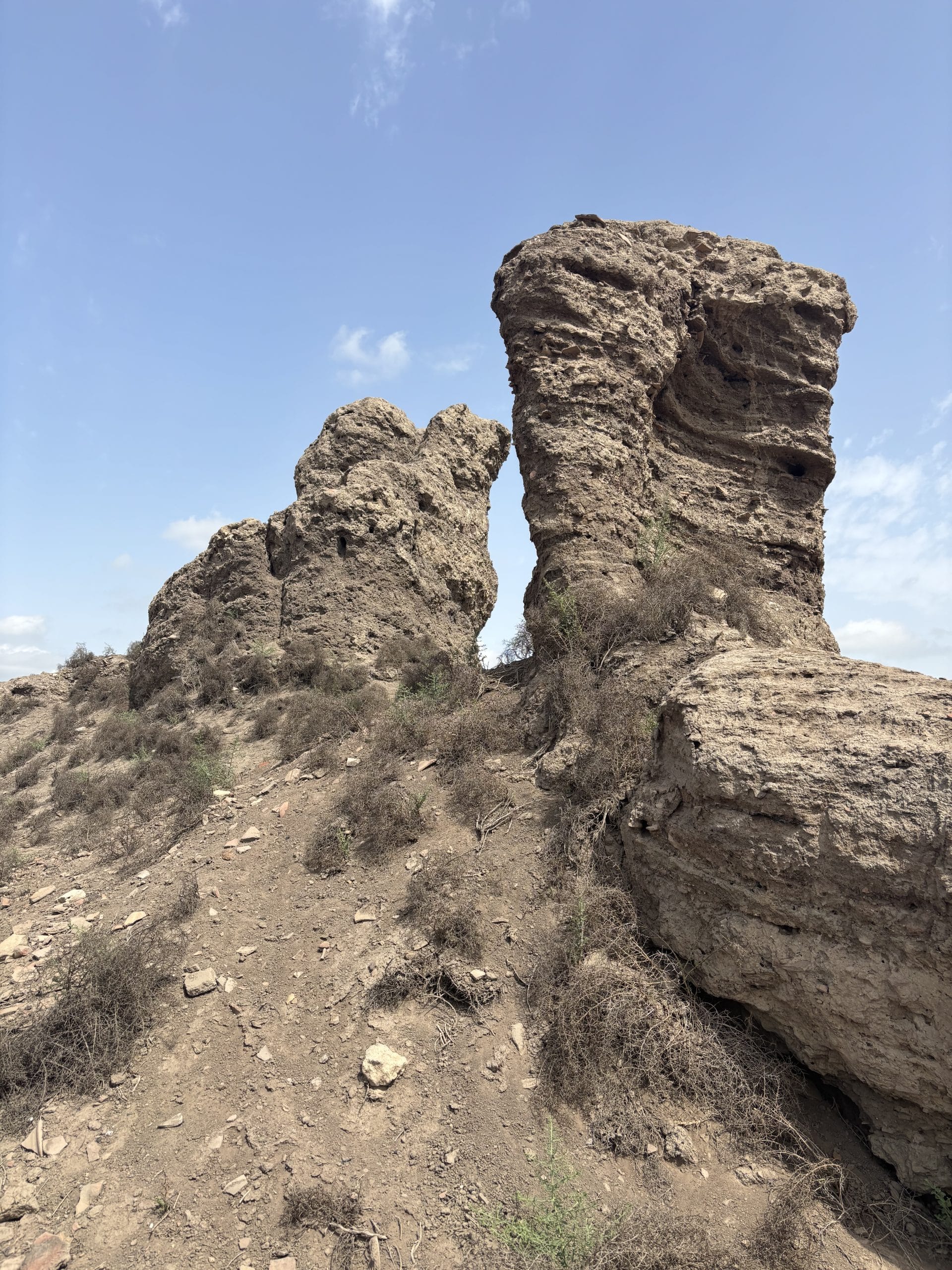
Landscape Archaeology of Southwest Sardinia Project, Italy (Elizabeth A. Murphy)

The Landscape Archaeology of Southwest Sardinia Project is an international and multi-disciplinary project conducting a diachronic archaeological landscape study of the Sulcis region of Southwest Sardinia. The Project is particularly interested in bringing to light evidence of everyday life and in identifying settlement patterns and activity areas in order to better understand rural communities in this agriculturally fertile and mineralogically rich region over time. Such research is particularly fruitful due to the region’s complex history. Repeatedly incorporated into and then disarticulated from larger political and economic structures (from Late Bronze Age and Iron Age Mediterranean systems, via the empires of Carthage and Rome, to the Byzantine reconquest, the reorganization under the judicate and subsequent European kingdoms, and finally under the Italian state), this region of southwest Sardinia provides an ideal context in which to study the influence of changing political structures on local economic practices and social organization. Thus, the results of the LASS Project serve to balance large-scale historical narratives about the island and its position in the wider Mediterranean world with the lived experiences of local rural communities.

Kom Firin Archaeological Project (KFAP), Egypt (Luiza Osorio G. Silva, Oren Siegel)

 
Remains of enclosure walls at Kom Firin, eastern mound (photo by Oren Siegel)

Remains of enclosure walls at Kom Firin, eastern mound (photo by Oren Siegel)

The Kom Firin Archaeological Project (KFAP), started in 2025 by Luiza Osorio G. Silva (University of California, Irvine) and Oren Siegel (University of Toronto), aims to build upon excavations conducted at the site by the British Museum from 2002–2011. Those excavations focused on investigating the remains of a fortified settlement built in the Ramesside period (New Kingdom) and a Late Period town, and established the site’s chronology. Kom Firin has enormous potential to illuminate the transition from the New Kingdom to the Third Intermediate Period, an understudied era. Around 1,500 years of near continuous occupation are preserved above the relatively low water table at the site, and KFAP seeks to focus its investigations on the sizable western occupation outside the fortified town to explore intersections between the state and the broader Egyptian population in these periods. The aim of our first season in 2026 is exploratory, primarily to survey and document the site and identify future targets for excavation, with a focus on this portion of the settlement mound. We work in close collaboration with the local inspectorate and the Egyptian Ministry of Tourism and Antiquities to preserve the ancient remains, as well as the local facilities and infrastructure.
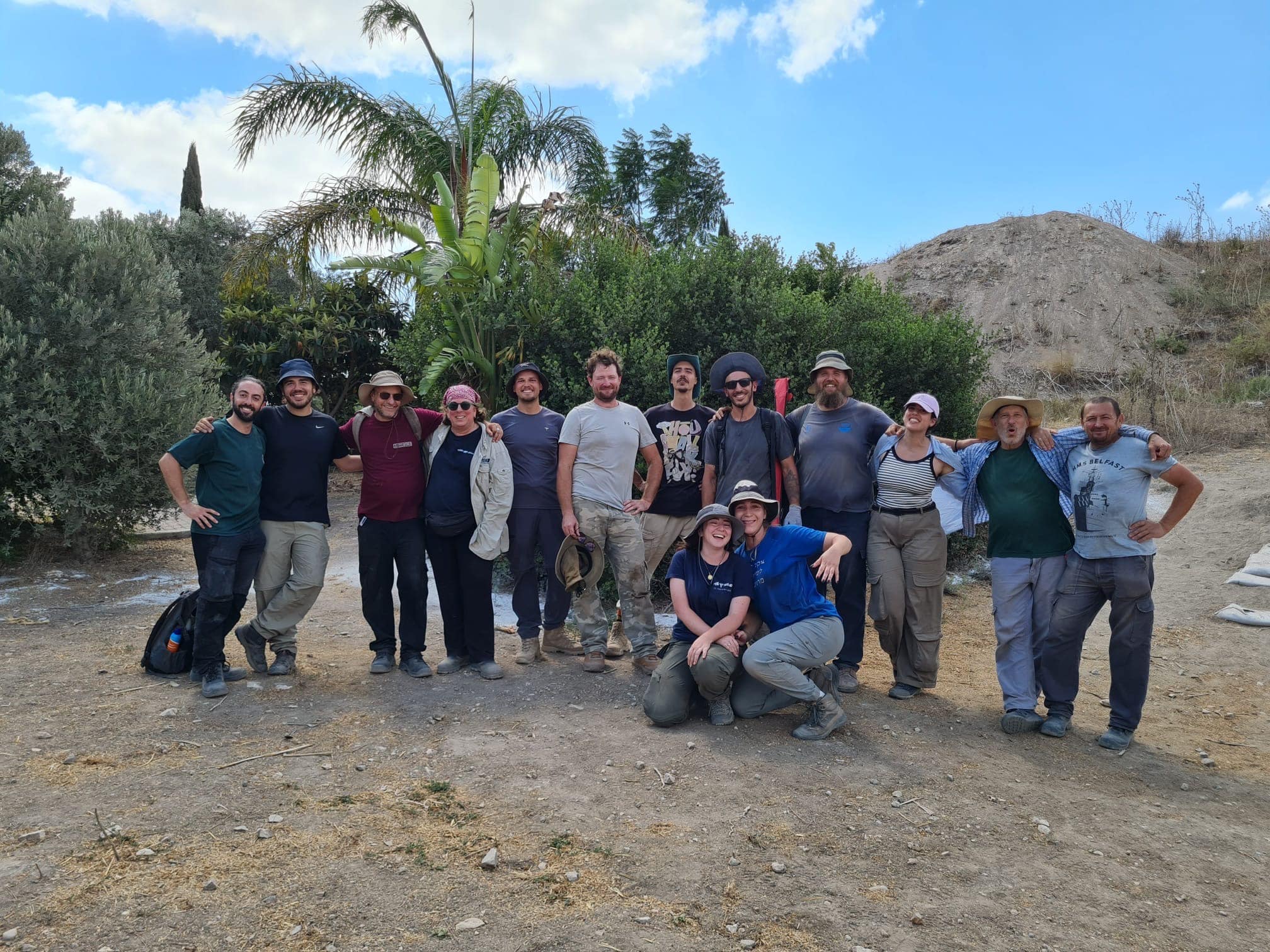
The Tel Shaddud Archaeological Project in the Jezreel Valley, Israel (Omer Sergi, Karen Covello-Paran, William Schniedewind, Joachim Krause, Hannes Bezzel)

Staff members of the Tel Shaddud
Archaeological Project

This project marks the beginning of a new and exciting journey into the heart of the Jezreel Valley. Our mission is to delve into the valley’s ancient history, to reconstruct its social fabric and rural hinterland across the millennia. We aim to clarify the nature of Egyptian imperial rule in the region and gain groundbreaking insights into the origins and formation of early monarchic Israel. We are not just digging a site; we are building a team. As we grow our expedition, we are thrilled to have you join us in the field to help bring these “big stories to light.”

Shepard Urgent Action Grant Report: Late Neolithic Settlement at Khramis Didi Gora, Georgia

Shepard Urgent Action Grant: Emergency Excavation for Data Collection from the Late Neolithic Settlement at Khramis Didi Gora, Georgia

Mariam Eloshvili (Ilia State University)

Khramis Didi Gora is one of the largest and most significant Neolithic settlements in the South Caucasus. Situated on the Kvemo Kartli Plain in southern Georgia, within the middle Kura River valley, the site belongs to the Shomu–Shulaveri culture, the earliest farming communities of the region dating to the sixth millennium BC. Together with sites such as Shulaveris Gora, Gadachrili Gora, Arukhlo, Imiris Gora, Göytepe, Hacı Elamxanlı Tepe, and Mentesh Tepe, Khramis Didi Gora forms an essential component of the archaeological record documenting the emergence of sedentary farming societies in the South Caucasus.

A map providing the location of Khramis Didi Gora.

Excavated between 1972 and 1986 under the direction of Dr. Alexander Javakhishvili and later Dr. Tengiz Kiguradze, the site yielded one of the deepest Neolithic stratigraphic sequences in Georgia, with nearly eleven metres of cultural deposits and nine architectural horizons. Despite its importance, much of the excavation remained unpublished, while the exposed excavation trench was left open for almost four decades. During this period, natural erosion, vegetation growth, and repeated seasonal weathering threatened both the preservation of the exposed archaeological deposits and the invaluable stratigraphic information they contained.

The renewed excavations at Khramis Didi Gora were initiated in 2023 as an emergency rescue project in response to the ongoing expansion of a modern cemetery, which had already covered more than one-third of the Neolithic mound. As new graves continued to destroy intact archaeological deposits, it became essential to document the site’s significance and demonstrate its outstanding scientific value. The results of the project provided the basis for protecting and fencing the remaining archaeological area, helping to prevent further destruction of one of the most important Neolithic settlements in the South Caucasus.

Khramis Didi Gora and the distribution of modern cemetery.
Khramis Didi Gora and the distribution of the modern cemetery.

The ASOR Shepard Urgent Action Grant provided a unique opportunity to preserve this endangered archaeological resource while simultaneously applying modern archaeological methods to one of the most important legacy excavations in the Caucasus. Rather than reopening extensive excavation areas, the project concentrated on the rescue documentation and scientific reassessment of the southern profile of the original trench, generating new archaeological data while preserving information that would otherwise have continued to deteriorate.

Project Objectives

The project was designed around several interconnected objectives.

The first objective was the emergency documentation and preservation of the exposed southern profile through systematic cleaning, recording, and digital documentation. Because the profile represented almost forty years of natural degradation, immediate intervention was necessary before further erosion resulted in the irreversible loss of archaeological information.

The second objective was to establish a new high-resolution stratigraphic sequence for the investigated section of the site. Previous excavations had identified nine construction horizons, but many relationships between architectural features had never been documented according to contemporary stratigraphic recording standards.

A third objective involved developing an updated chronological framework through AMS radiocarbon dating. Only three radiocarbon determinations had previously been available for Khramis Didi Gora, limiting regional chronological comparisons. The acquisition of new data represented one of the project’s highest priorities.

Finally, the project aimed to reassess the archaeological assemblages recovered from the renewed investigations, including ceramics, lithics, and bone artefacts, and integrate the site into current international discussions concerning Neolithic settlement development, technological innovation, and the spread of early farming communities across the South Caucasus.

Fieldwork and Documentation

Field investigations commenced with the careful removal of vegetation, root systems, and decades of accumulated collapse deposits covering the southern profile. Once cleaned, the profile revealed an exceptionally well-preserved sequence exceeding six metres in height and extending across approximately thirty metres of the original excavation trench.

A seventeen-metre central section was selected for intensive investigation owing to its outstanding state of preservation and stratigraphic clarity. This section was divided into south-western and south-eastern sectors, allowing each stratigraphic unit to be documented individually. Contexts were defined following the principles of archaeological stratigraphy, and their relationships were established through the construction of a Harris Matrix.

Cleaning process of the old trench where soil has accumulated for approximately 40 years.
Aerial view of the cleaned trench and Southern profile.

All exposed archaeological features were photographed, measured, described, and digitally documented using drone photography, photogrammetry, GIS, and traditional archaeological drawing techniques. Elevations of each sampled context were recorded using total station surveying equipment, ensuring precise spatial control for future analyses.

During fieldwork, thirty bioarchaeological samples were collected from secure stratigraphic contexts, including charcoal and animal bone. Ten samples representing key occupational phases were selected for AMS radiocarbon dating, significantly expanding the chronological dataset available for the site.

Sampling process from the layers of the southern Profile.
Sampling process from the layers of the Southern profile.
Sifting process of the soil.

Stratigraphic Results

The renewed investigation demonstrated that the southern profile preserves a remarkably complex architectural sequence representing repeated cycles of construction, occupation, destruction, and rebuilding (Eloshvili, 2026).

Numerous mud-brick walls, compacted clay floors, plastered surfaces, hearth installations, burnt occupation layers, ash deposits, and architectural collapse horizons were identified throughout both sectors of the profile. Rather than representing isolated structures, these remains document the gradual development of successive buildings and activity areas over several centuries (Eloshvili, 2026).

One of the most important observations concerns the architectural organisation of the settlement. The investigated profile indicates that construction was not carried out as a single settlement-wide rebuilding episode. Instead, individual buildings appear to have been demolished, reconstructed, and modified independently, producing a dynamic settlement characterised by overlapping occupational histories. Burnt deposits and courtyard surfaces suggest that open communal spaces coexisted alongside domestic structures, while multiple superimposed floor levels illustrate continuous maintenance and rebuilding throughout the occupation of the site (Eloshvili, 2026).

The new stratigraphic sequence provides a far more detailed understanding of settlement formation processes than previously available and establishes a reliable framework for future excavations elsewhere on the mound (Eloshvili, 2026).

Photogrammetry of the Southern profile.

Establishing a New Chronological Framework

Perhaps the most significant achievement of the project has been the development of a substantially revised chronological framework for Khramis Didi Gora (Eloshvili, 2026).

Eight new AMS radiocarbon dates, combined with the recalibration of three legacy determinations, have transformed our understanding of the site’s occupational history. The new results indicate that the investigated sector was occupied approximately between 5754 and 5369 cal BC, placing it firmly within the middle and later developmental stages of the Shomu–Shulaveri culture (Eloshvili, 2026).

The chronological evidence identifies at least three successive occupational phases represented within the investigated profile. Rather than indicating continuous uniform occupation, the radiocarbon sequence demonstrates gradual expansion and repeated rebuilding through time. Importantly, these dates correlate closely with chronological sequences established at other major Neolithic settlements, including Aknashen, Arukhlo, Göytepe, Gadachrili Gora, Mashavera Gora, Hacı Elamxanlı Tepe, and Mentesh Tepe (Eloshvili, 2026).

These new dates considerably improve the chronological resolution of the Caucasus Neolithic and establish Khramis Didi Gora as one of the most securely dated settlements within the regional sequence.

Drawing of the features and layers of the southern profile.
Drawing of the features and layers of the Southern profile, including approximate dates of occupation.

Material Culture

The archaeological assemblage recovered during the project provides valuable insights into the technological traditions and everyday activities of Neolithic communities.

The ceramic assemblage demonstrates considerable technological diversity, including multiple fabric groups distinguished by different tempering materials, manufacturing techniques, firing conditions, and decorative practices. The pottery reflects well-developed ceramic production traditions comparable with contemporary settlements across Georgia, Armenia, and Azerbaijan, illustrating the close cultural relationships that characterised the Shomu–Shulaveri horizon (Eloshvili, et al., 2027).

Lithic analysis revealed an extensive obsidian industry dominated by systematic blade production. Prepared cores, blades, bladelets, scrapers, racloirs, burins, sickle inserts, and retouched tools demonstrate highly organised lithic technology supported by sophisticated reduction strategies. Several sickle blades retain preserved bitumen hafting, providing direct evidence for composite harvesting tools associated with early agricultural practices (Eloshvili, et al., 2027).

The bone industry further illustrates technological specialisation within the settlement. Worked bone artefacts were manufactured primarily from domesticated animal remains using percussion, scraping, grinding, abrasion, and polishing techniques. Functional analyses indicate that pointed implements dominate the assemblage, reflecting activities associated with hide working, basketry, textile production, and other domestic crafts. Together, these artefacts provide important evidence for specialised household production and technological adaptation during the Neolithic (Eloshvili, et al., 2027).

Scientific Significance

The project represents the first comprehensive modern reassessment of Khramis Didi Gora in almost forty years. Beyond preserving a vulnerable archaeological resource, it has generated entirely new scientific data that fundamentally improves our understanding of one of the most important Neolithic settlements in the South Caucasus.

The integration of modern stratigraphic recording, digital documentation, AMS radiocarbon dating, and detailed material culture analyses demonstrates the remarkable research potential of legacy excavations. Rather than merely confirming previous interpretations, the project has refined the settlement’s chronology, clarified its architectural development, and placed Khramis Didi Gora within a much broader regional framework of Neolithic cultural development.

The results also contribute directly to wider discussions concerning the emergence of farming societies, architectural organisation, technological innovation, and interaction networks throughout the Caucasus and neighbouring regions of Southwest Asia.

Equally important, the project illustrates the value of targeted rescue investigations. By documenting archaeological deposits before further natural degradation occurred, the ASOR Shepard Urgent Action Grant has ensured that irreplaceable archaeological information has been preserved for future generations of researchers.

Dissemination and Scholarly Impact

The results of the 2023 project have already made a significant contribution to Neolithic research in the South Caucasus. Preliminary findings were presented at the 30th Annual Meeting of the European Association of Archaeologists (EAA 2024), where the project introduced the revised stratigraphic sequence and the new radiocarbon framework of Khramis Didi Gora to the international archaeological community. The presentation generated valuable discussion regarding Neolithic chronology, settlement formation, and the broader development of the Shomu–Shulaveri culture.

Calibrated radiocarbon dates from the 2023 and 1980 excavations plotted against the IntCal calibration curve.

The project has also resulted in substantial scholarly output. Two research articles have been prepared based on the ASOR-funded investigations. One article presents the revised stratigraphic sequence and updated radiocarbon chronology of the southern profile, while the second examines the archaeological assemblage recovered during the 2023 investigations. One of these studies is currently in press, while the other has been published. Together, these publications provide the first comprehensive modern reassessment of Khramis Didi Gora since the original excavations conducted between 1972 and 1986 and establish an important foundation for future research on the Neolithic of the South Caucasus.

Beyond publications, the project has created a comprehensive digital archive consisting of stratigraphic documentation, GIS datasets, photogrammetric models, and radiocarbon data that will serve as the basis for future investigations and heritage management of the site.

Long-Term Impact and Future Research

One of the most significant outcomes of the ASOR Shepard Urgent Action Grant has been its role in re-establishing active archaeological research at Khramis Didi Gora after nearly four decades. The success of the 2023 season demonstrated both the exceptional and outstanding scientific potential, providing the impetus for the continuation and expansion of the project.

Building directly upon the results of the ASOR-funded work, archaeological investigations resumed in 2025 with the opening of a new excavation trench in an area that had never previously been explored. This new phase of research is allowing us to investigate additional architectural remains, refine the settlement’s developmental sequence, and evaluate how the newly identified occupation phases relate to those documented in the southern profile.

Equally important has been the initiation of a long-term heritage management strategy aimed at protecting Khramis Didi Gora from ongoing disturbance. A substantial portion of the archaeological mound has long been occupied by a modern cemetery, severely limiting archaeological investigation and posing an increasing threat to the preservation of the site. Following the 2023 project, discussions were initiated with local authorities and the cultural heritage agency to establish a clear separation between the archaeological monument and the active cemetery. This process has now begun and represents a major step toward safeguarding the surviving archaeological deposits. The creation of a protected archaeological zone will allow future excavations to proceed in previously inaccessible areas while ensuring the long-term preservation of one of the South Caucasus’ most important Neolithic settlements.

Future research will continue to integrate archaeological excavation with geoarchaeological, bioarchaeological, archaeobotanical, zooarchaeological, and chronological analyses. Combined with GIS-based spatial modelling, drone photogrammetry, and additional radiocarbon dating, these investigations aim to reconstruct the complete developmental history of Khramis Didi Gora and further clarify its role within the emergence and expansion of early farming communities across the South Caucasus.

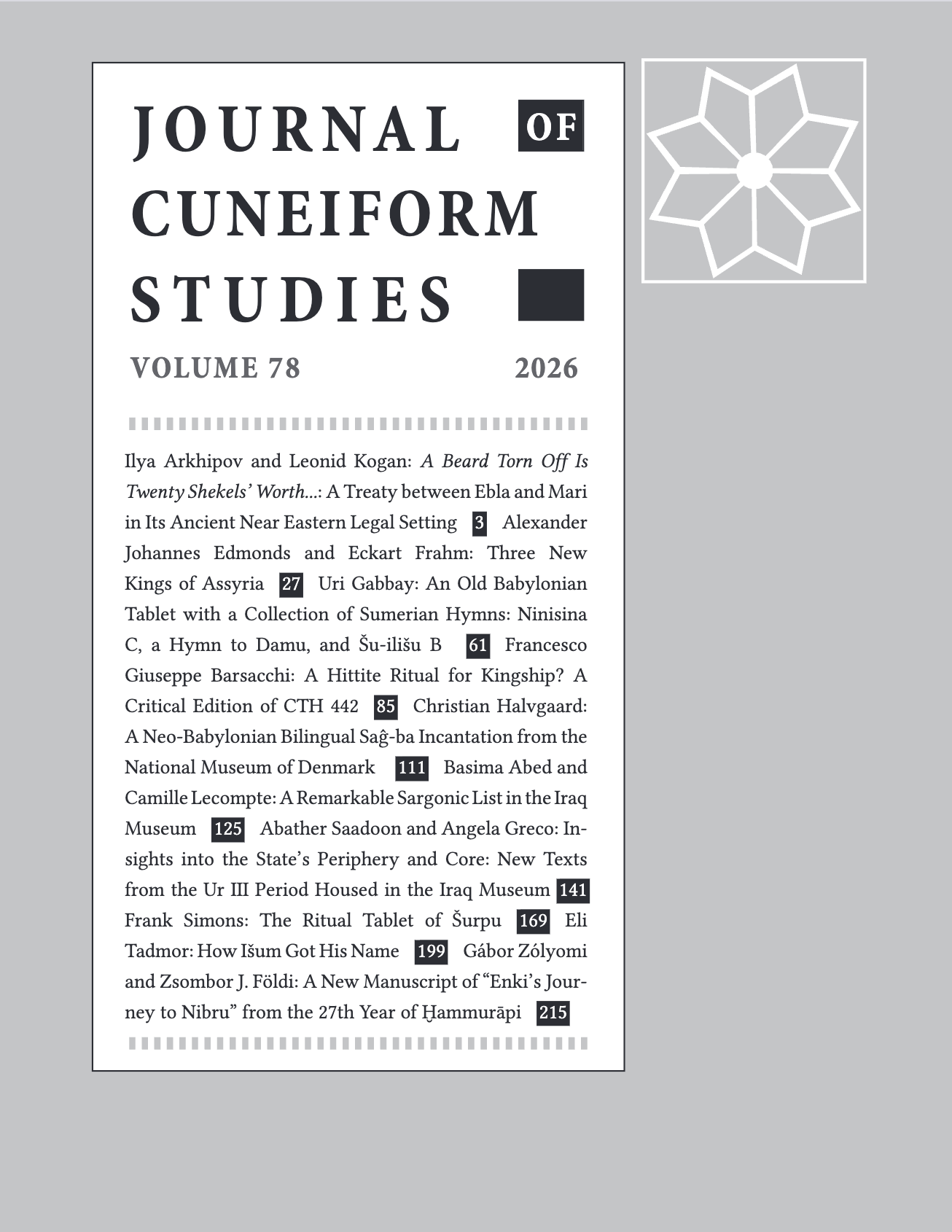
Table of Contents for JCS 78 (2026)

Table of Contents for Journal of Cuneiform Studies 78 (2026)

You can receive JCS (and other ASOR publications) through an ASOR Membership.
Please e-mail the Membership office if you have any questions.


Pp. 3-25: “A Beard Torn Off Is Twenty Shekels’ Worth…: A Treaty between Ebla and Mari in Its Ancient Near Eastern Legal Setting,” by Ilya Arkhipov and Leonid Kogan

Until recently, Assyriologists have been mostly unaware of the existence of prescriptive cuneiform law as early as in the Early Dynastic period. A deeper inquiry into the so-called chancery texts from Ebla has allowed Massimo Maiocchi and the present authors to independently conclude that compendia of prescriptive legal provisions, in their typology broadly identical to such well-known later codes as the Laws of Hammurabi, were produced (and, in all probability, implemented) in northwestern Syria as early as the latter third of the third millennium BCE (that is, ca. two hundred years before the Laws of Ur-Namma, the earliest known Mesopotamian specimen of the kind). In the present article, a detailed annotated reedition of a key source representing this text type—a collection of (mostly penal) stipulations embedded in the context of a treaty between Ebla and Mari—is proposed, with a special focus on the striking commonalities uniting ARET 16: 30 with the later Mesopotamian, Anatolian, and biblical legal codes.

ASOR Members with online access: log into ASOR’s Online Portal here. Tutorials for how to log in to the Online Portal as well as how to navigate to the Portal Journals page can be found here.

Pp. 27-59: “Three New Kings of Assyria,” by Alexander Johannes Edmonds and Eckart Frahm (OPEN ACCESS)

In this contribution, we critically examine the claim that the Assyrian King List (AKL) reliably contains all Neo-Assyrian monarchs up to Shalmaneser V, presenting three historical scenarios in which it can be demonstrated that short-lived Assyrian kings ruled parallel to or between those listed in the AKL’s first-millennium BCE portion. The first of these is a new rebel king Tiglath-pileser who rose up against his nephew Aššur-dān III in 763 BCE (most likely in the wake of a dramatic solar eclipse) and was enthroned in Aššur, before being toppled again by Aššur-dān III’s forces. The second is a new Shalmaneser who we assume succeeded Aššur-nārārī V to the Assyrian throne late in 747 BCE but lost his throne to Tiglath-pileser III a little more than a year later in 745 BCE. The third is earlier in date, a short-lived Aššur-uballiṭ whose reign was usurped by Adad-nārārī II in 912* BCE. Each king was enthroned at Aššur, and enjoyed support from some, if not all of Assyria, but was subsequently defeated or deposed. Evidence of the partial erasure of two of these kings from the historical record can be identified. The new insights thus gained into the cutthroat Assyrian “game of thrones” demonstrate that the AKL is not a reliable list of all Neo-Assyrian rulers, but rather of those who reigned long and successfully enough to be included by its editors in an idealized, consecutive order. This reframes our perspective on the motivations behind the compilation of this remarkable text, and the nature of Assyrian kingship itself.

ASOR Members with online access: log into ASOR’s Online Portal here. Tutorials for how to log in to the Online Portal as well as how to navigate to the Portal Journals page can be found here.

Pp. 61-84: “An Old Babylonian Tablet with a Collection of Sumerian Hymns: Ninisina C, a Hymn to Damu, and Šu-ilišu B,” by Uri Gabbay

The article presents an edition of a previously unpublished Old Babylonian tablet in the collection of the Kramer Institute of Assyriology of Bar Ilan University. The tablet contains three Sumerian compositions: Ninisina’s Journey to Nippur (Ninisina C), a hymn to Damu, and a hymn to An with wishes for Šu-ilišu (Šu-ilišu B). Besides the philological edition, the article deals with formal features on the tablet such as subscripts, as well as with the possible reason(s) for grouping the three compositions together on one tablet.

ASOR Members with online access: log into ASOR’s Online Portal here. Tutorials for how to log in to the Online Portal as well as how to navigate to the Portal Journals page can be found here.

Pp. 85-110: “A Hurro-Hittite Ritual for Kingship? A Critical Edition of CTH 442,” by Francesco Giuseppe Barsacchi

This article offers the first edition of the Hittite ritual composition cataloged as n. 442 in the Catalogue des Textes Hittites. The text is preserved on three fragments, with the best-preserved fragment represented by KUB 9.28. The synoptic edition of all manuscripts is introduced by a paleographic analysis and followed by a systematic commentary on all relevant grammatical and linguistic features. The structure and content of the ritual are examined in the broader framework represented by the Hittite ritual tradition of Hurrian origin. The paleography of the tablets, along with the presence of specific elements found also in the ritual of Ammiḫatna and in the itkalzi ritual, bring us to interpret the document as a late fourteenth century scribal product that reworks ritual traditions likely dating to the time of King Tutḫaliya II/III.

ASOR Members with online access: log into ASOR’s Online Portal here. Tutorials for how to log in to the Online Portal as well as how to navigate to the Portal Journals page can be found here.

Pp. 111-123: “A Neo-Babylonian Bilingual Saĝ-ba Incantation from the National Museum of Denmark,” by Christian Halvgaard

This article presents the first edition of a Neo-Babylonian cuneiform tablet containing a Sumerian Saĝ-ba incantation with an interlinear Akkadian translation. The purpose of the incantation was to strengthen an apotropaic design made of flour paste to keep demons away from the bed or house of a patient. It was utilized in a variety of different ritual settings. The tablet’s relationship to other known Saĝ-ba manuscripts is examined, and a Sippar provenience in the sixth century BCE or later is suggested based on paleographic and textual evidence.

ASOR Members with online access: log into ASOR’s Online Portal here. Tutorials for how to log in to the Online Portal as well as how to navigate to the Portal Journals page can be found here.

Pp. 125-139: “A Remarkable Sargonic List in the Iraq Museum,” by Basima Abed and Camille Lecompte

The present article publishes a remarkable school text housed in the Iraq Museum, likely originating from Sargonic Adab. The text, conical in shape, contains a list of fields, each measuring 1 iku, associated with a compilation of ad hoc personal names and unexpected terms. This study discusses the text’s content, origin, date, paleography, and its unusual names or expressions.

ASOR Members with online access: log into ASOR’s Online Portal here. Tutorials for how to log in to the Online Portal as well as how to navigate to the Portal Journals page can be found here.

Pp. 141-167: “Insights into the State’s Periphery and Core: New Texts from the Ur III Period Housed in the Iraq Museum,” by Abather Saadoon and Angela Greco

The present contribution offers the edition of eight texts from the Ur III period that were confiscated by the Iraqi authorities and subsequently entrusted to the Iraq Museum. These tablets, believed to have originated from royal archives, provide insights into economic activities of royal concern in peripheral areas or within the hinterland of the state’s core. Thereby, they contribute to adding new pieces to the puzzle of our understanding of the economy and society of the Ur III state, beyond the provincial perspective that has traditionally shaped our understanding of the period.

ASOR Members with online access: log into ASOR’s Online Portal here. Tutorials for how to log in to the Online Portal as well as how to navigate to the Portal Journals page can be found here.

Pp. 169-197: “The Ritual Tablet of Šurpu,” by Frank Simons

This article presents a new edition of the ritual Tablet of the ritual and incantation series Šurpu (“Burning”), based on a newly identified manuscript, BM 38656, which supplements and significantly extends the previously unique exemplar VAT 13613. The new fragment preserves much of the Tablet’s lost second half, clarifies numerous damaged passages, and restores the conclusion of the ritual, including additional incantation incipits and ritual instructions. Together, the two manuscripts reveal the stable transmission of the ritual Tablet for the α version of Šurpu, and confirm that an entire stage of associated incantations—omitted in modern editions—formed part of the ceremony. This study refines the structure, sequence, and performance of Šurpu, contributes improved readings throughout, and provides a more secure textual basis for understanding first-millennium ritual practice.

ASOR Members with online access: log into ASOR’s Online Portal here. Tutorials for how to log in to the Online Portal as well as how to navigate to the Portal Journals page can be found here.

Pp. 199-214: “How Išum Got His Name,” by Eli Tadmor

CT 15: 5–6, an Old Babylonian tablet of unknown provenience, tells of the origins of Išum, the divine night watchman: Ninlil bore him to her grandson Šamaš, set him on fire, and left him in the street. We learn of these events from words that Ištar, whom we find fostering the newborn in Ekur, addresses to Enlil. First, this article proposes that Ninlil’s setting alight of Išum and his subsequent fostering by Ištar serve as a native Babylonian explanation for the long-since noted similarity between the name Išum and the word išātum, “fire”: Ištar, finding a baby on fire, named him after fire itself. Second, the article defends its preference for translating the key verbal form uštāḫizma as “set ablaze.” Third, it argues that CT 15: 5–6 reflects a Mesopotamian, and more broadly ancient Near Eastern, motif of a young woman rescuing and naming a foundling. Fourth, it highlights the perennial difficulty of ascertaining the social reality underlying sources pertaining to Mesopotamian foundlings. And fifth, it reanalyzes Emar 256, an administrative document reflecting that difficulty.

ASOR Members with online access: log into ASOR’s Online Portal here. Tutorials for how to log in to the Online Portal as well as how to navigate to the Portal Journals page can be found here.

Pp. 215-233: “A New Manuscript of “Enki’s Journey to Nibru” From the Twenty-Seventh Year of Ḫammurāpi,” by Gábor Zólyomi and Zsombor J. Földi

This article presents a new manuscript of the Sumerian literary composition “Enki’s Journey to Nibru,” housed in the collection of the Musées royaux d’Art et d’Histoire, Brussels. MRAH O.343 is a two-column, Type I Old Babylonian tablet of uncertain provenance, preserving the complete text of the composition in 127 lines. The colophon permits its dating to the twenty-seventh year of Ḫammurāpi. Analysis of scribal errors suggests that MRAH O.343 was copied from memory. Based on this manuscript, the obscure line 68a of the composition can now be restored with certainty.

ASOR Members with online access: log into ASOR’s Online Portal here. Tutorials for how to log in to the Online Portal as well as how to navigate to the Portal Journals page can be found here.

ECS Poster Abstract Writing Session

Early Career Scholars Poster Abstract Writing Session

Preparing a Poster Abstract

Join ASOR’s Early Career Scholars on July 20, 2026 at 11:00am ET via Zoom for a virtual writing session on preparing a poster abstract for the 2026 Annual Meeting.

Are you thinking about submitting a poster to the 2026 ASOR Annual Meeting? Drop into our “Preparing a Poster” sessions this summer and fall. Over the span of two sessions, we will discuss how to effectively present your research in a poster format.

“Preparing a Poster Abstract” is our first session, designed to support all ASOR members through conceptualizing, proposing, composing and presenting a poster for the ASOR Annual Meeting.

The first session will focus on: (1) Conceptualizing your research and results for a poster format and (2) Composing and submitting an effective poster abstract. We will review the ASOR Annual meeting submission system and share examples of posters from previous meetings.

The second session, “Preparing a Poster,” will take place in Fall 2026 focusing on effective poster composition and presentation.

We are here to answer your questions and hope to see you in one or both sessions.

The event is FREE for the ASOR community, but registration is required.

Register Now

President’s Report to ASOR Members

President’s Report to ASOR Members

July 7, 2026

Dear ASOR Friends,

As we move into the summer months with time for our excavations, research and relaxation, I wanted to bring you some updates on what is going on, as our committees have been hard at work.

The Taskforce on the Revision of the Code of Professional Conduct has paused its meetings for the summer. As a reminder, the Code was last approved by the Board in 2015 and amended in 2019. Since then, it has become clear that we need to provide clearer guidance to committees and our membership on complicated issues, in a manner that would be consistent with our new Strategic Plan and our Values Statement. The Taskforce, which is comprised of researchers from various areas where we work and have overseas members, have discussed a rough draft of two sections of the current Code: III.A Education and III.B Stewardship. Some of the work was reorganizing these sections of the document, some was trying to move to more positive language about what ASOR members should and could do to fulfill the Strategic Plan, especially “ASOR’s place in the world”, by supporting high-quality academic research, cultivating partnerships in our educational and outreach efforts and in our combined efforts to protect cultural heritage. As the Taskforce discussed section III.B Stewardship, we took our first pass at discussing the complex issues of how we should approach site protection, artifact storage and data management; how we study archaeological heritage and cultural heritage especially in areas of open conflict; and how we respond to the problem of looting. It is very clear that our discussions need to be grounded in the knowledge of current international law and conventions, so that will be the focus of our first fall meeting(s). But it is also very clear that the process of updating the Code will need time, thought, and lots of discussion, which I hope you will join.

In case you haven’t heard, ASOR’s Committee on Archaeological Policies (CAP) was able to award $128,000 – thanks to generous donors from our membership – to 46 people who applied for excavation scholarships, project grants or research fellowships. We understand in the era of rising airline costs that these scholarships are important means of augmenting other research funds. Please reflect on whether you are able to help, especially younger scholars who need ASOR’s support!

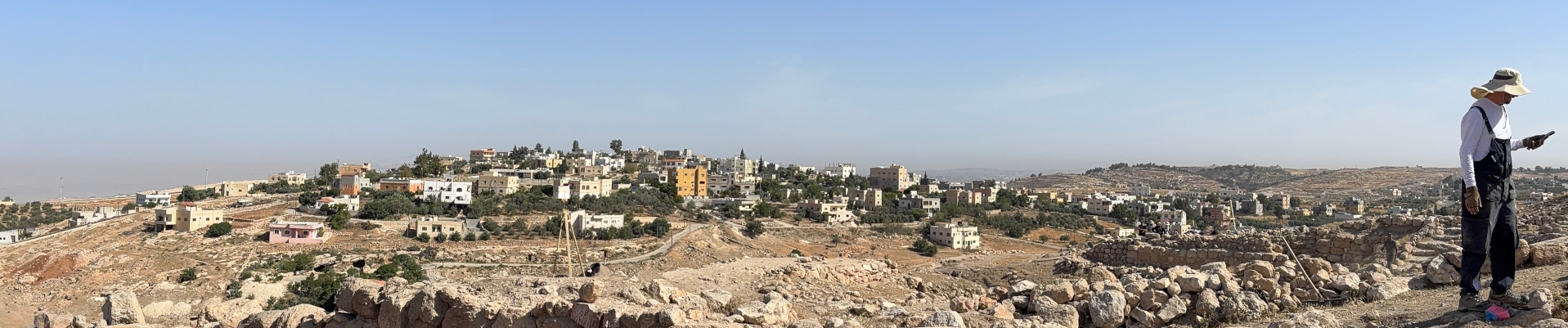
The awardees will be working in a variety of areas of ASOR’s remit: Iraq, Greece, Tunisia, Egypt, Spain, Cyprus, Türkiye, Kurdistan, Jordan, Armenia, and Chicago and Philadelphia (on legacy records), as well as to ASOR-affiliated excavations.

Judging from the preliminary schedule of the 2026 Annual Meeting developed by the Program Committee, there will be a panel for your interests, whether you are a teacher of K-12 or in higher ed; interested in cultural heritage issues; interested in new technologies (I am looking forward to “How to Prepare for when Disaster Strikes”); or if you want to catch up on the latest research in the Bronze Age, Iron Age, different materials, or various regions where ASOR members excavate and research – this is just a meager mention of the riches that will be available in Chicago, or if you prefer, online. I will be working with the Program Committee to set aside a time and place for an informal place for you, ASOR’s officers and other interested Board members to meet and talk. I hope you can stop by!

A number of members and friends of ASOR just came back from a trip to Cyprus, where we were treated to site visits led by directors of ASOR-sponsored excavations. These visits were a real highlight of the tour, culminating in a delightful dinner at CAARI, hosted by Lindy Crewe, where we got to relax and spend time talking with CAARI staff, fellows and our archaeologist friends working in Cyprus.

With best wishes,

 

Jane DeRose Evans
President
Thank You Fiscal Year 2026 Donors

Banner Image for Aayush Umesh 2025 Fieldwork Report

Thank You Fiscal Year 2026 Donors

Breaking records!

This fiscal year (July 1, 2025–June 30, 2026) was a resounding success for ASOR all because of you, our members and donors!

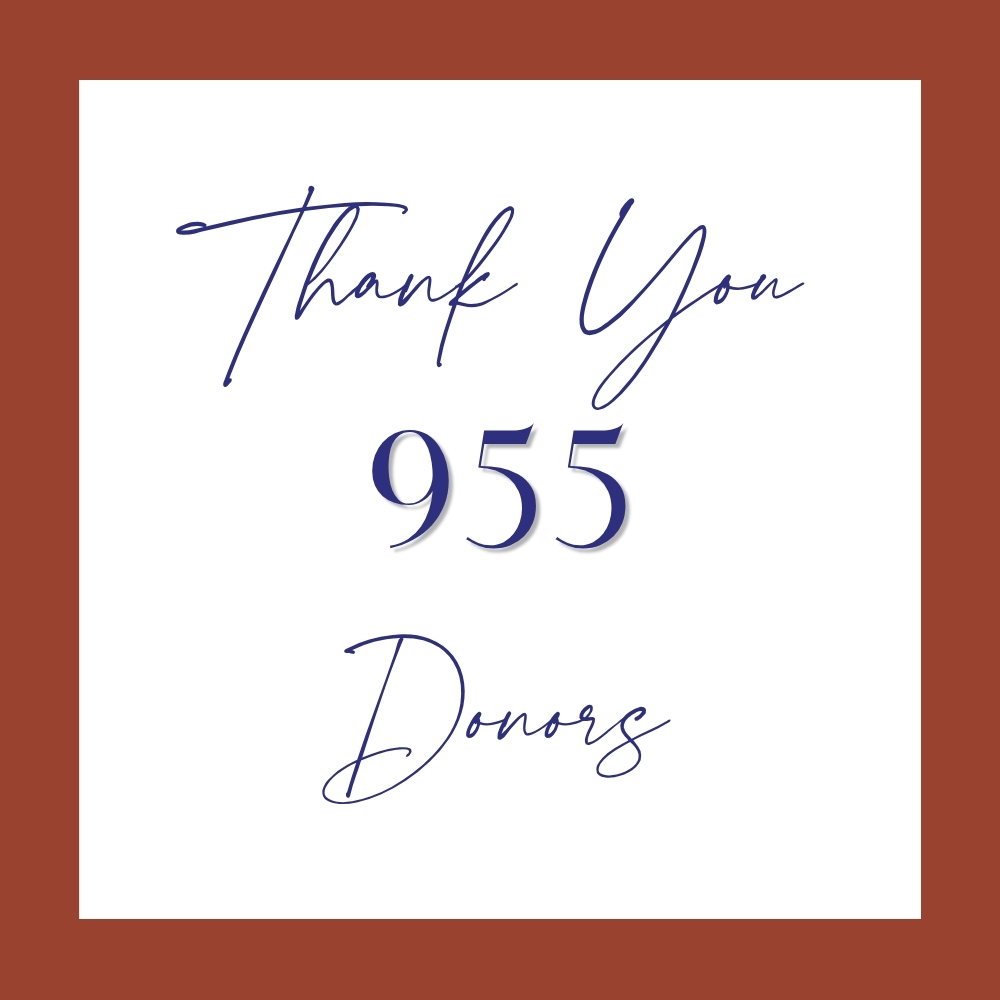
This year, a record 955 people made a gift of $5 or more! Another 190 people made a gift of less than $5 (primarily donations to help with credit card fees), making for a total of 1145 donors. Moreover, the total of all donations in FY 2026 was more than $900,000. Please click on the FY 2026 Honor Roll of Donors to see a list of people who gave at all levels. We are in the process of updating the Lifetime Honor Roll of Donors, so please check it now (and over the next month) to see the amazing list of lifetime supporters. We are continuing to update and check both lists, so please contact us with any corrections or comments (info@asor.org).

Why does high donor participation matter?

Almost half of ASOR’s membership contributed this year—an achievement that sets ASOR apart from nearly every other learned society. Moreover, the high level of donor participation from our membership is viewed positively by foundations and major donors outside ASOR and helps ASOR attract support from them.

Your donations also enable ASOR to carry out our mission. Membership dues and registration fees only account for about a quarter of our annual revenue, so we rely on grants and donations from our members and friends. Every contribution, no matter the size, helps sustain our work. Thank you again for your support. Every donor is important and every gift is meaningful.

Benefactor ($20k+) – 6
Patron ($10,000–19,999) – 8
Friend ($5,000–9,999) – 9
Sponsor ($1,000–4,999) – 40
Sustainer ($500–999) – 24
Supporter ($250–499) – 38
Contributor ($100–249) – 202
Donor ($25–99.99) – 155
Ally ($5–24.99) – 473
Gifts under $5 – 190

Donor Participation Since 2017

0 200 400 600 800 1000
402
457
461
377
509
363
456
905
924
955
FY17 FY18 FY19 FY20 FY21 FY22 FY23 FY24 FY25 FY26

Number of Donors

OTHER WAYS TO DONATE

DONATE BY PHONEDONATE BY MAILMAKE A PLEDGE
(DONATE LATER)
Call ASOR:
(703) 789-9229
ASOR
209 Commerce Street
Alexandria, VA 22314
E-mail ASOR

Fieldwork Report: Olivia Spink

Fieldwork Report: Olivia Spink

Olivia Spink, 2025 Eric and Carol Meyers Fieldwork Scholarship Recipient

I had the privilege and pleasure of attending the Tell Timai International Training Program this July in Egypt. I am so thankful to ASOR and Profs. Eric and Carol Meyers for making this dream a reality. Tell Timai or ancient Thmuis is situated in the Nile Delta, about two hours from Cairo. The site is a town that mostly dates to the Greco-Roman Period. While this was not a typical excavation season, the lectures, workshops, field trips, and training sessions working with Egyptian, American, British, and Australian colleagues was an unforgettable, unique, and informative experience. In this report, I will recount several aspects of the Program and reflect upon the skills learned experiences that ultimately armed me with not only archaeological skills applicable to my career but also with an amplified enthusiasm and drive to focus more on Egyptian archaeology in my graduate studies.

After all team members had arrived in Cairo, we spent a day in the city and our learning began immediately. After an early morning trip to see the Pyramids in Giza, we had the opportunity to visit the American Research Center in Egypt (ARCE) where we went on a guided tour of the Center and gained insight into their digital archival process. Following the visit, we attended a lecture on 19th century cultural heritage in Luxor by Sylvie Weens at the Netherlands-Flemish Institute in Cairo.

We soon departed Cairo and headed to the dig house, which was about 2 hours from the city. Once everyone was settled, we wasted no time in beginning training. Egyptian classical archaeology professor Dr. Mohamed Abouarab from Kafr El Sheikh University presented an introduction to archaeology lecture. After the lecture, we had our first fieldwork training session. Using the floor as a mock trench, with rocks and features included, we were guided through making plan drawings. Over the next few days, we had lectures on all things Timai — history, history of excavations, recent finds, technologies used, and more — delivered by project co-director Dr. JaySilverstein from Nottingham Trent University.

One of the most notable elements of the history of Timai was its destruction in the early second century BC. The destruction layer revealed evidence of widespread burning, the sudden abandonment of dwellings, the destruction of a kiln complex, the presence of weapons like arrowheads alongside numerous unburied human remains across North Tell Timai that indicate that the city of Thmouis was destroyed violently. The pattern of destruction at Timai closely resembles accounts of the destruction of Lycopolis, a city in the Busiris nome also in the Nile Delta, during the Great Revolt, which was recorded on the Rosetta Stone in 196 BC.

One particularly fascinating find was the remains of a male human body inside a kiln. The team at Timai has agreed that the body was of a man who went into hiding in a kiln to escape the violence and was then killed while he was inside of the kiln. Osteological evidence has revealed that the man was a warrior and was wounded in the armin a previous battle as shown by the healed callous fusing together his radius and ulna. However, they have also concluded that this man was also fighting in this “destruction layer’s” episode of battle, as evidenced by an unhealed fracture in his radius consistent with the ancient combat defensive parry fracture of the “shield arm.” (Silverstein and Littman 2022).

The next week, we were joined by ceramic specialist Dr. Amany Shabaan, who delivered several lectures on ceramics at Timai and also in general, everything from what to do when we find a sherd in the field through digital pottery drawing. She also helped us through workshops on sherd identification and hand pottery drawing. I have experience with sorting and cataloguing pottery, but I did not have experience with pottery drawing, which was a skill that is needed to work on the pottery team at many excavations. These training sessions learning ceramic archaeological skills were my favorite workshops! Moving from ceramecology to Zooarchaeology, we also examined a camel skeleton and a horse skeleton, both of which I had never seen before.

Later in the session, we also visited our Egyptian colleagues at their university museum, the Kafr El Sheikh Museum and attended a lecture outlining the contents of the exhibit, which was fantastic and traced the theme of a horseman killing a monster, which also signals the victory of good over evil. The early Egyptian examples include Horus killing his uncle Seth on horseback, a theme that can be seen also in later Christian examples depicting a Saint killing a monster. During my undergrad at New York University, I completed a project exploring iconographic representation of generational succession myths on the Archaic Athenian Acropolis, specifically the Hekatompedon. My project proposes that the Greeks took its inspiration from the Ancient Near East who also tended to portray their succession myths in art as well, but earlier. When I continue this research, I will absolutely include the Egyptian examples of Horus contending Seth that were exhibited at the Kafr El Sheikh Museum.

To conclude, I will mention a few of the most relevant sites and cultural trips that we went on during the Training Period; firstly, our trip to Luxor. In addition to seeing sites like theValley of the Kings, Valley of the Queens, Karnak and Luxor temple, we met with Rais Mahmood, who was an important directing archaeologist at Karnak Temple. We met him in his family home for tea and mango juice and heard about his incredible experiences and accomplishments. He graciously invited us over again the next day to have lunch. We had koshari, which is a staple of Egyptian cuisine and might be my new favorite food. He also showed us how ancient Egyptians moved blocks of stone. Later onin the day, he walked us through Luxor Temple. Thank you to Rais Mahmood and the entire Farouk family for bringing us into their home and treating our team like family.

The last days of the program were spent in Alexandria, which was the perfect end to weeks spent learning about the Greco-Roman period of Timai. Arriving at the Archaeology Museum of Alexandria, I anxiously awaited my first glimpse at the pièce de résistance, arguably the most famous piece uncovered in the history of excavations at Timai: the mosaic of Ptolemaic queen Arsinoe II with the ship on her head as the personification of the city of Alexandria. Dr. Jay Silverstein led us through several rooms that had artifacts from Timai, including the aforementioned mosaic. He pointed out severalinaccuracies in the labels and exhibition signage in relation to Timai throughout the museum. Ideas about what sources and authorities to trust were discussed amongst the group. Regardless, it was a privilege to see the pieces in such a renowned museum. While leading us through the museum, Dr. Jay reminded us of next year’s excavation plans and told us to stay tuned, and it was at that moment that I was convinced that I wanted to return to Timai to excavate next summer.

My experience at the Tell Timai International Training Program was nothing short of spectacular. This program not only strengthened my archaeological skills in areas such as site plan drawing and pottery illustration but also invigorated my academic focus, fueling a renewed passion for Egyptian archaeology that I will carry forward into my graduate research at Cornell University in the MA program in Archaeology. I leave with a clearer vision, strengthened skills, lasting connections, and an eagerness to join the next excavation season (inshaallah). My deepest gratitude goes to the Tell Timai team, ASOR, and Profs. Eric and Carol Meyers.

Olivia Spink is currently pursuing her MA in Archaeology at Cornell’s Institute of Archaeology and Material Studies.

Want to help more students and early career archaeologists get into the field? Donate to the cause today by selecting “Fieldwork Scholarships” as your gift purpose!