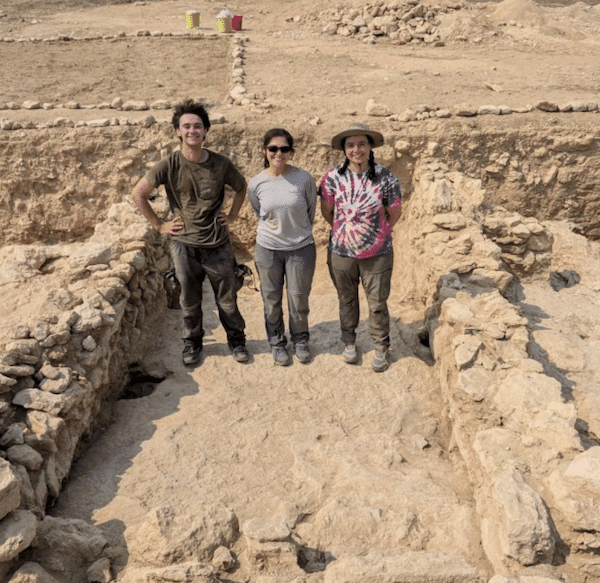
Summer Days in Bazyan – My Involvement in the Kani Shaie Archaeological Project
Brady Hill, 2024 G. Ernest Wright Fieldwork Scholarship Recipient
As a budding archaeologist researching ancient Mesopotamia, saying my opportunity to excavate in Iraqi Kurdistan was a ‘big deal’ is an understatement. Indeed, after being accepted for a Masters in Archaeology at Cambridge, I contacted my to-be supervisor Dr. Steve Renette to enquire about the university’s archaeology department and my potential dissertation topic. After discussing the discovery of Parthian period (2nd century BC – 2nd/3rd century AD) remains during his summer of 2023 excavations at Kani Shaie, Dr. Renette offered me the chance to work on this material during the project’s 2024 field work season. This was an offer I could not refuse given my strong interests in Parthian period Mesopotamia, so I quickly began applying for grants to enable my participation in the Kani Shaie Archaeological Project.
Fortunately, ASOR generously awarded me the G. Ernest Wright Fieldwork Scholarship, securing my opportunity to go to Iraqi Kurdistan. Their assistance supported my living expenses on the dig, allowing me to work at the site for the entirety of the 5-week season running from late August to late September.
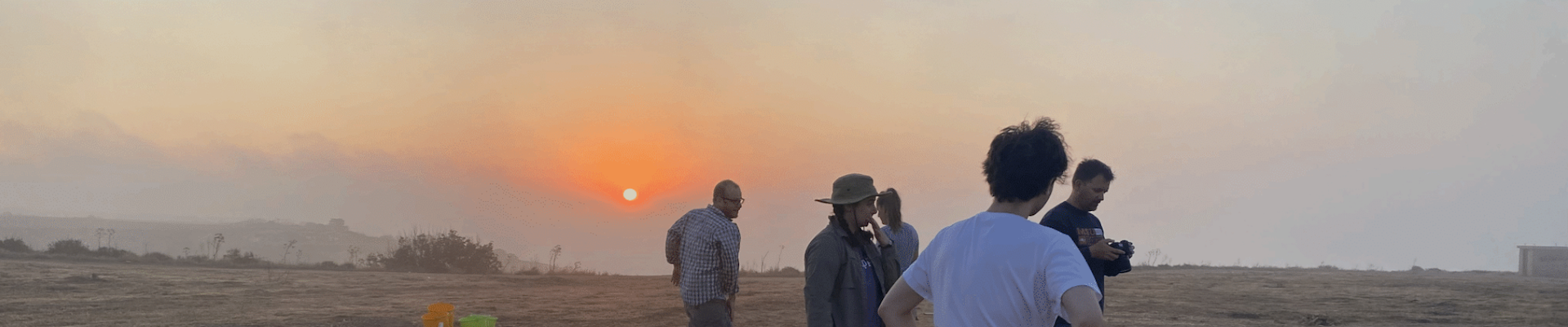
After 4 months of eagerly waiting for the fieldwork season to begin, my daily fantasies of visiting and working in Iraqi Kurdistan were finally brought to fruition once we exited Erbil International Airport and were greeted by the blistering heat of the region’s morning sun. It felt as if my countless hours of studying and researching had led up to this moment, and as we began strolling to the project driver’s car and I heard the Kurdish people speaking their beautiful language, it hit me that I was finally in this fascinating land.
Given Kani Shaie is located in Sulaymaniyah Province in the eastern half of Iraqi Kurdistan, we had a 3-hour drive from Erbil to the village of Bazyan where our accommodation was located. Once we arrived, we had to prepare the house for the next 5 weeks and the rest of the project team joining us over the coming days. After completing our preliminary tasks, it was time to begin excavating.
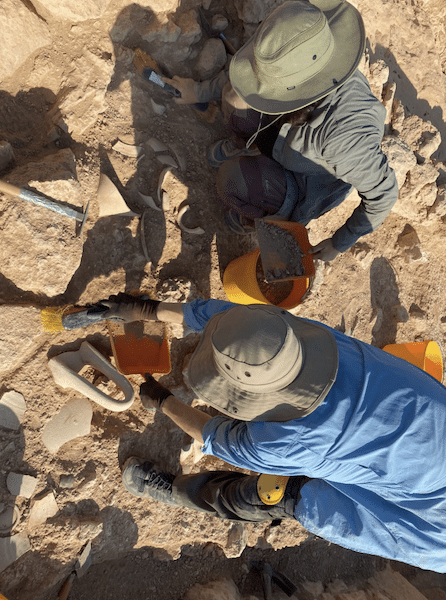
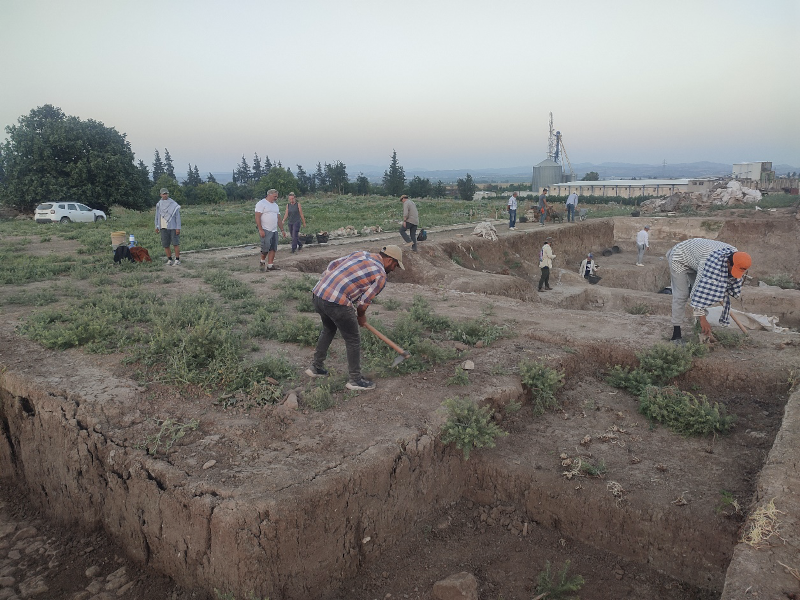
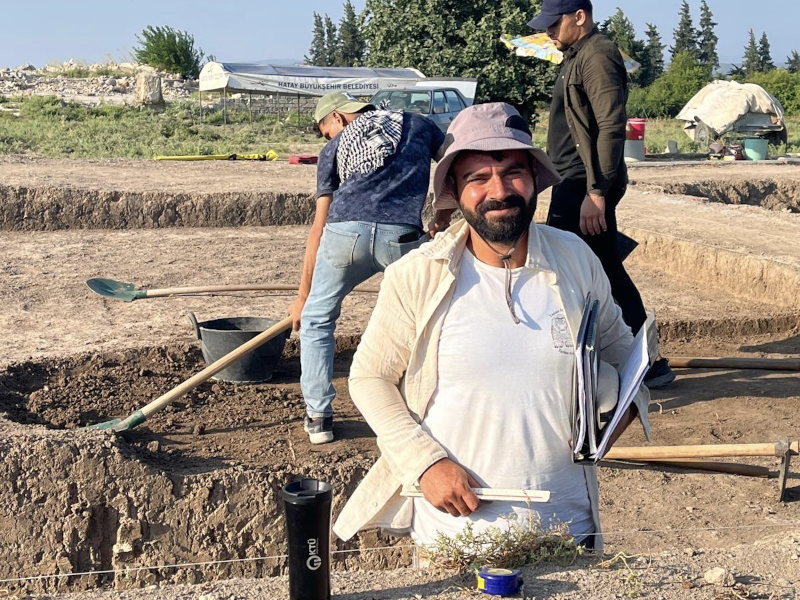
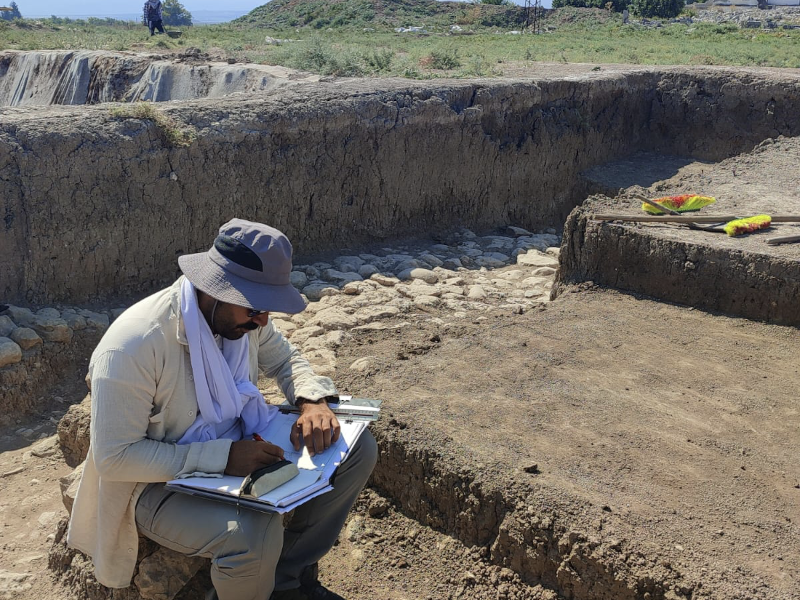
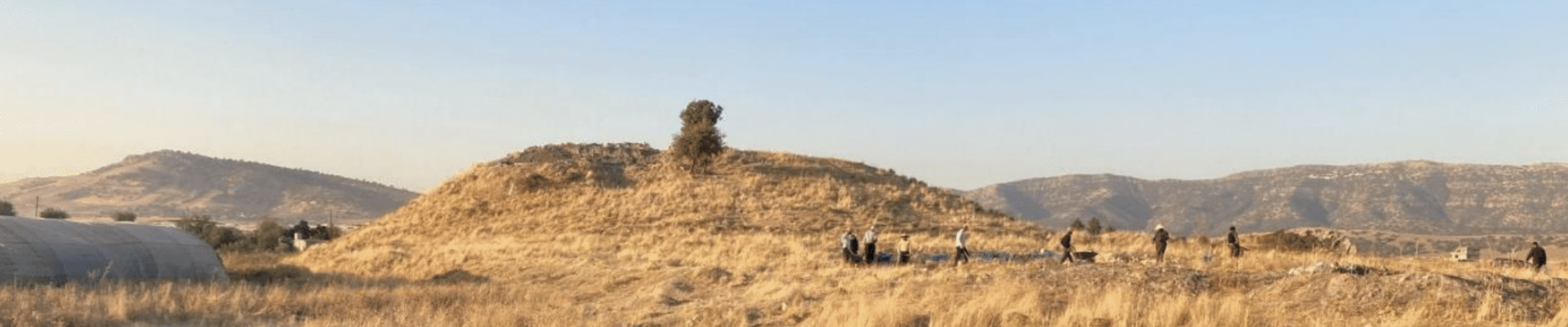
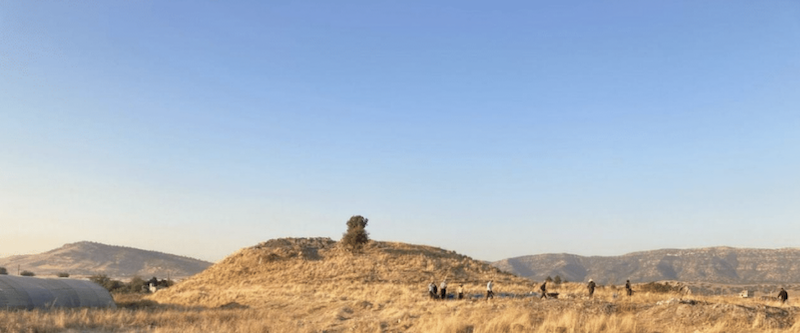
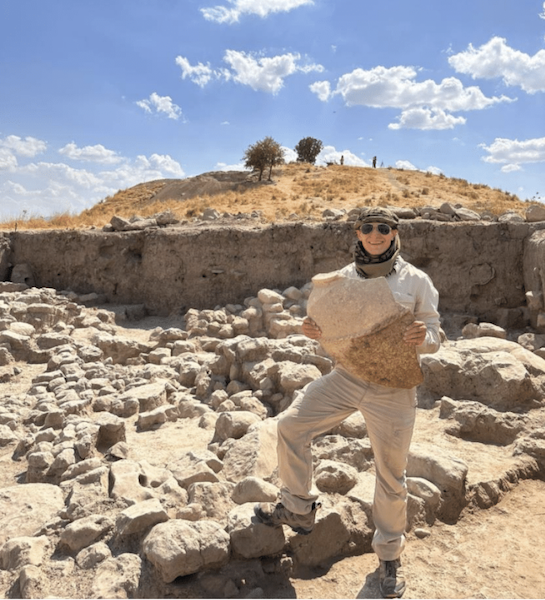
Now, despite its small size, Kani Shaie is no ordinary one or two period site but possesses a settlement history ranging from the 6th millennium BC to the Ottoman period. Therefore, the project team worked in two excavation trenches this season, one on the main settlement mound which focused upon the site’s Chalcolithic and Early Bronze Age (4th and 3rd millennium BC) occupations, and one in the ‘Lower Town’ focused on Kani Shaie’s later occupations (the Hellenistic, Parthian, and Islamic periods). With my aforementioned interests, I worked in the Lower Town and was given the task of processing and recording the plethora of ceramic finds from the trench.
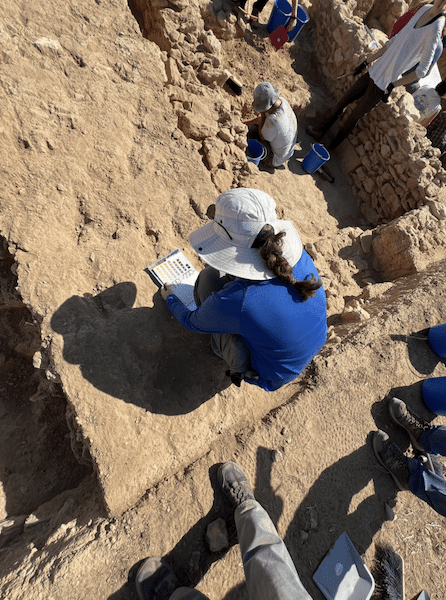
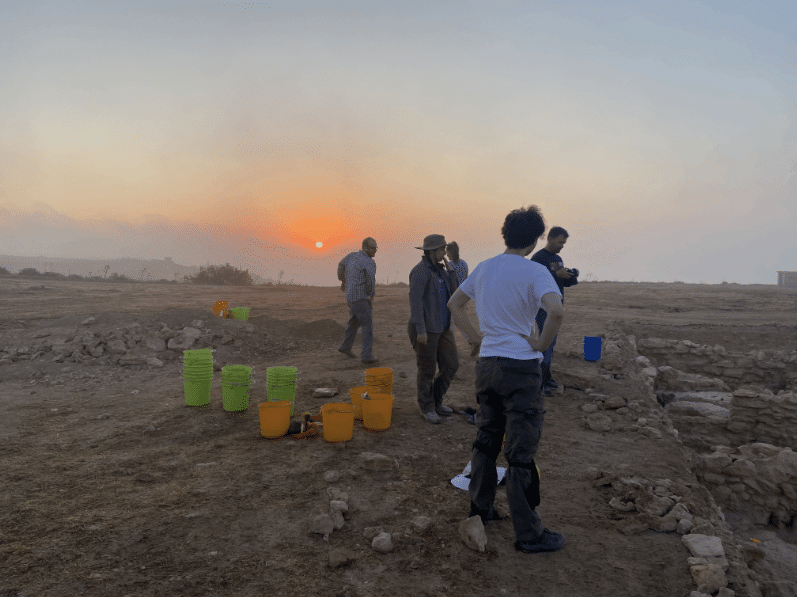
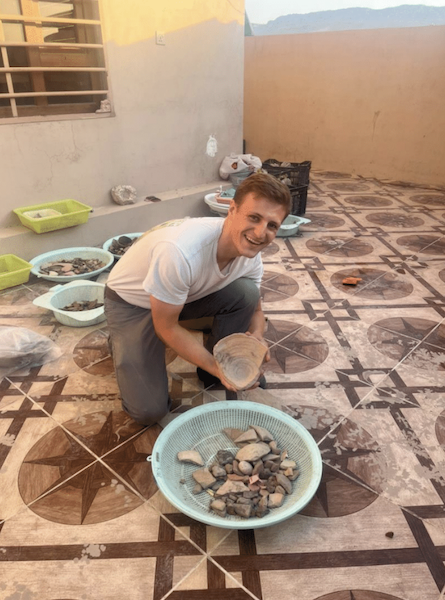
Our schedule was intense but manageable, digging from 5 am to half past noon 6 days a week, and doing post – excavation processing for the rest of the day. This consisted of pottery washing, drawing and photography, recording the daily small finds (glass bracelets and sherds, grinding stones, miscellaneous metal pieces, etc.), making sure the contexts sheets were up to date, and a whole plethora of other tasks carried out by the project’s team members. I was very fortunate to learn many new skills related to pottery recording and analysis thanks to the patience of Dr. Renette and our ceramics specialist Dr. Mike Lewis (University of Coimbra). This included my introduction to drawing pottery profiles by hand, a necessary task for archaeological publications. Though quite difficult for me at first, this work was eventually highly rewarding once I gained sufficiency in the skill, transforming me into a proper ‘pot nerd’ by the end of the season.
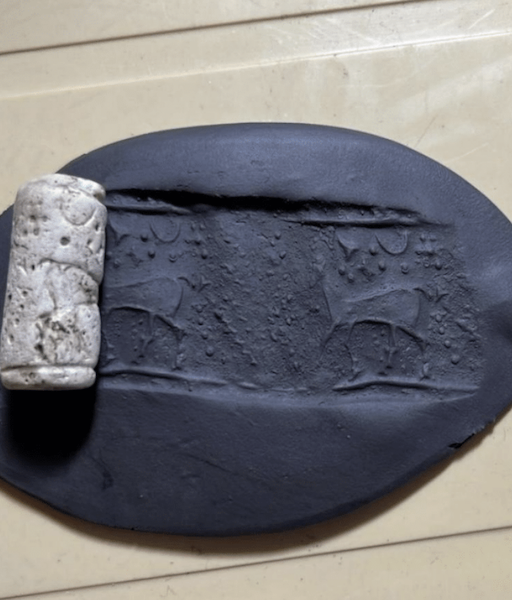
Nevertheless, some interest ing small finds emerged from these levels, including a Neo-Assyrian period (10th – 7th centuries BC) cylinder seal! Though its location within a Parthian and Islamic period context further attests to these occupation layers’ highly disturbed nature, the seal’s presence at Kani Shaie suggests a Neo-Assyrian period occupation remains to be discovered. Despite this amazing find, these initial weeks of our excavation were still rather disappointing due to the poor preservation of our trench’s archaeology, leading us to push onwards with the hope of finding more preserved Parthian period remains.
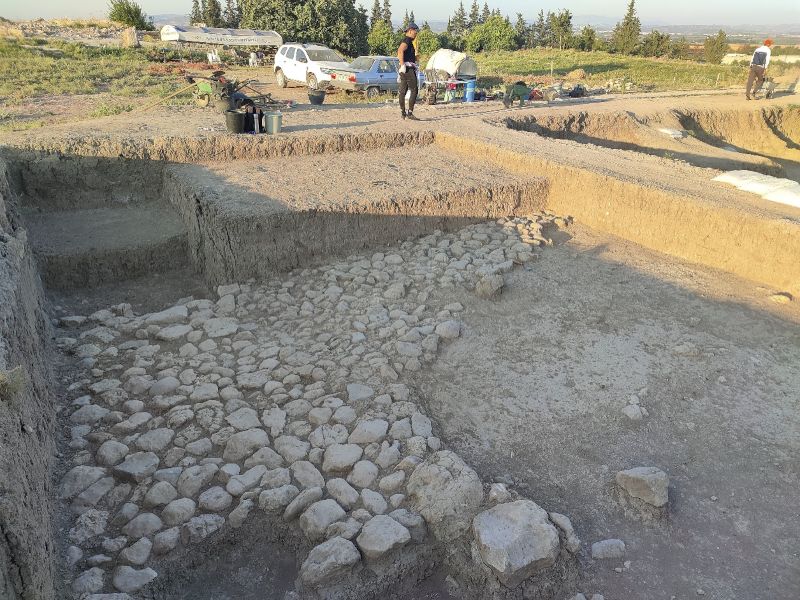
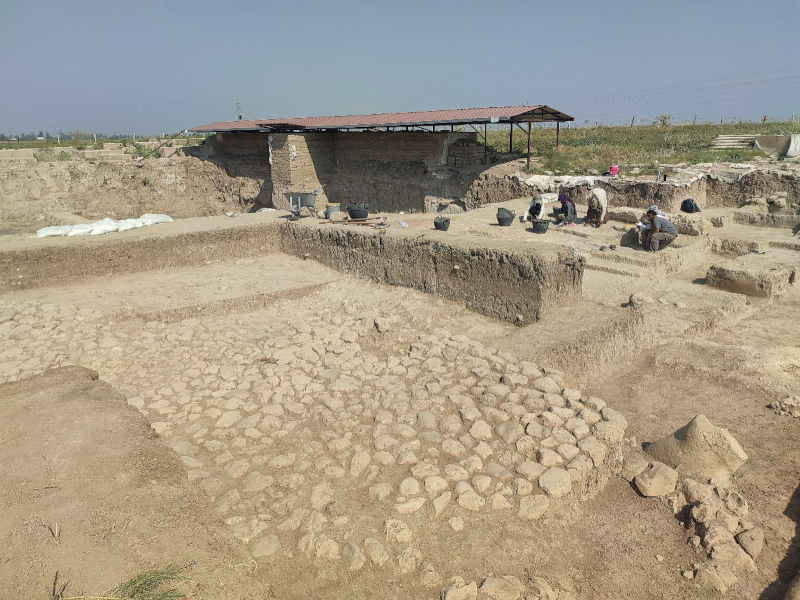
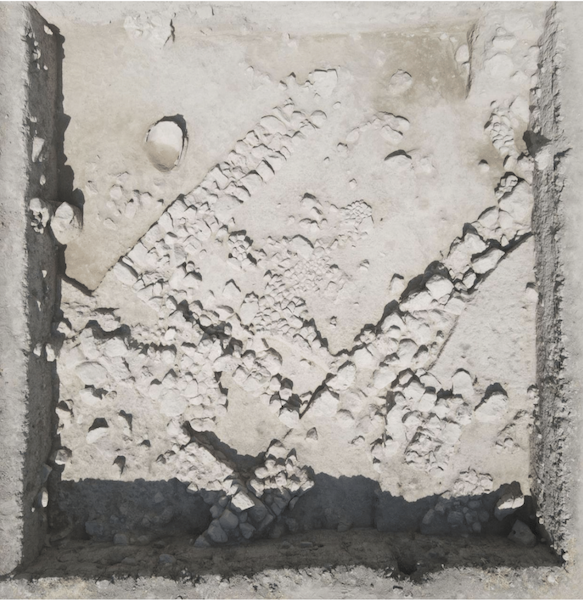
Eventually, we found something to write home about. Indeed, two linear parallel stone walls running southeast to northwest within the trench began to poke out of the ground as we dug downwards. With curiosity and great excitement, we meticulously exposed the walls, eventually revealing a substantial rectangular stone building. We had found a well-preserved pre-Islamic period level! However, there was something different about the pottery styles and shapes from the building’s associated layers, and after studying the finds in the afternoon it became apparent that this was likely not Parthian, but a Hellenistic period construction.
For those readers who are unaware, the Hellenistic period precedes the Parthian period and is characterized by the conquests of Alexander the Great between 333 BC and his death in 323 BC, and the subsequent establishment of the Seleucid Empire in Mesopotamia by one of the deceased king’s companions, Seleucus I Nicator. Along with the Parthian era, I have a great interest in Hellenistic period Mesopotamia and the Seleucid Empire, so you can imagine my excitement once we realized the building’s (rough) dating!
As typical with all field seasons, we had only a few days to excavate the structure before wrapping up the project for the year. Consequently, we were unable to fully excavate the building, but its discovery indicates a substantial Hellenistic period occupation remains to be uncovered in the coming seasons at Kani Shaie.
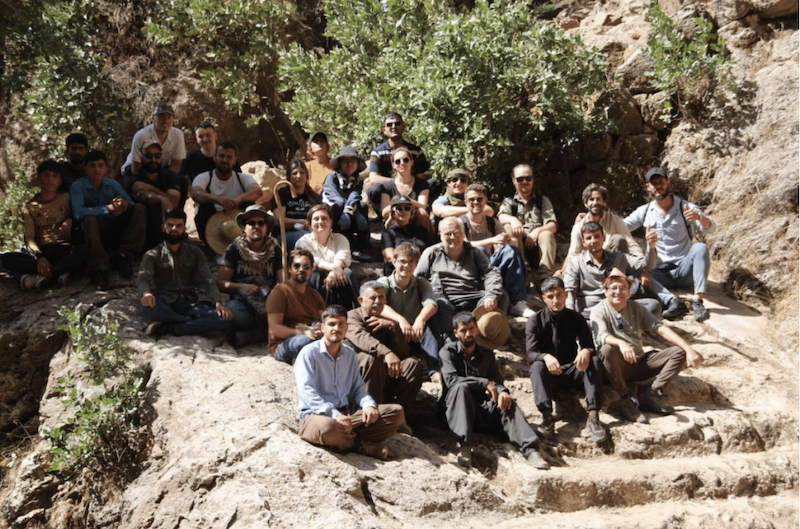
Outside of the excavation, we took team trips to archaeological sites and scenic areas of Sulaymaniyah Province during our days off, which for the most part was always a Friday. These included the Achaemenid rock cut tombs of Qizqapan and the beautiful Lake Dokan, the Paleolithic caves of Hazar Merd, and the Parthian period mountain fortress of Rabana-Merquly. Our visits served as an excellent way for the project team to relax and appreciate the lands in which we worked, finishing the afternoon with a wonderful Kurdish lunch consisting of a kebab, warm bread, and the fermented yogurt drink ‘dogh’. I particularly enjoyed the opportunities we had to immerse ourselves in Kurdish culture and their hospitality, learning new words through conversation and exploring their ways of living.
Beyond this being a fantastic field work and learning experience for myself, the plethora of Hellenistic and Parthian period pottery recovered from Kani Shaie this year has provided me with a dissertation topic for my ongoing studies at Cambridge. These periods are historically under-researched within Mesopotamian studies, in particular their ceramic forms and styles. Therefore, with all of this material and the discovery of the stone building, the 2024 season presents an excellent case study for Hellenistic and Parthian period archaeology in Iraqi Kurdistan. My original intention when applying for the Ernest G. Wright fieldwork scholarship was to use the material found at Kani Shaie for my dissertation research, however archaeology is always full of surprises and therefore nothing is guaranteed once the trowel hits the dirt. So, I am beyond elated to research a dataset that I myself was involved in uncovering.
In conclusion, I would like to thank Dr. Steve Renette and the Kani Shaie Archaeological Project’s co-director André Tomé (University of Coimbra) for their generosity and leadership over the course of the 2024 excavation season, as well as Dr. Mike Lewis for his insights and encouragement as I stumbled through pottery recording, and Dr. Glynnis Maynard for her excellent supervision of the Lower Town trench. I would also like to thank the Slemani Antiquities and Heritage Directorate and the devoted service of our Kurdish supervisor Zana Abdullkarim Qadir. Lastly, I must emphasize again that it is with ASOR’s generosity that I was able to participate in this excavation without worrying about financial barriers, and it is through them that I and many other emerging archaeologists have been empowered to take those precious fieldwork opportunities offered to them.
Brady Hill is currently studying for a master’s degree in archaeology at the University of Cambridge. Born and raised in Dallas, Texas, his research interests have taken him ‘across the pond’ to study the archaeology of ancient Mesopotamia during both his undergraduate degree at Durham University and now in Cambridge. Alongside the region’s ancient past, he possesses a strong interest in modern Middle Eastern cultures, studying Arabic and Sorani Kurdish in his free time alongside his archaeology coursework.
Want to help more students and early career archaeologists get into the field? Donate to the cause today by selecting “Fieldwork Scholarships” as your gift purpose!


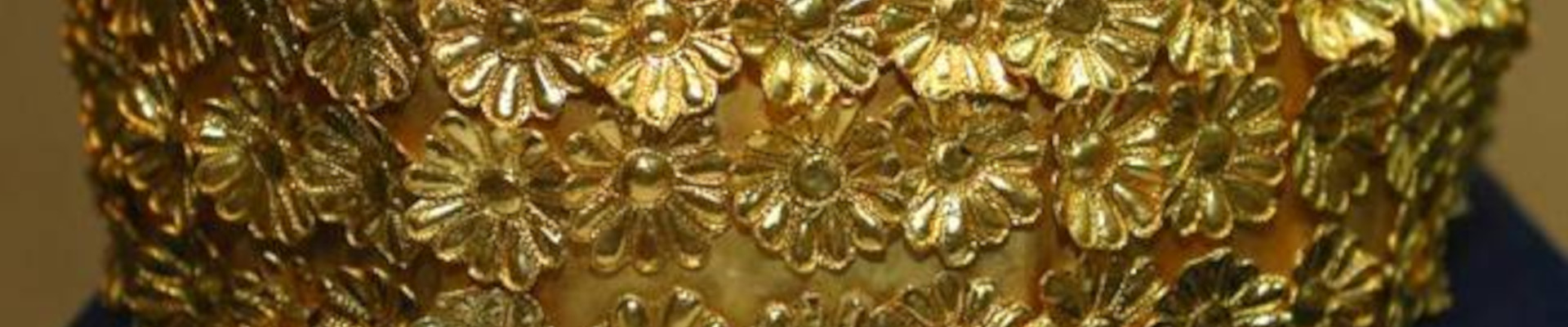
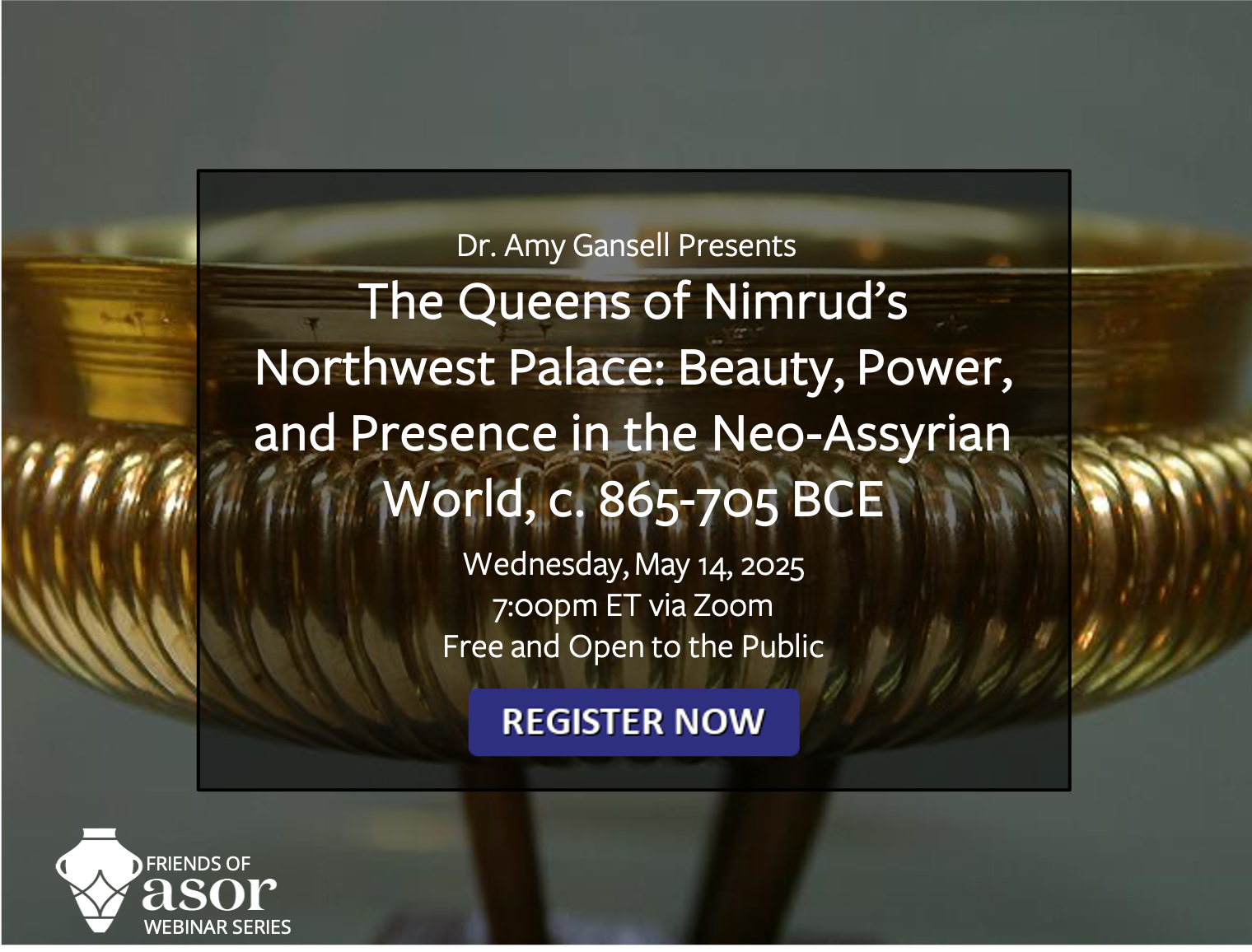
 Nearly three thousand years ago, at the ancient site of Nimrud (near modern Mosul, Iraq), a succession of ten Neo-Assyrian kings reigned in collaboration with their queens from the magnificence of the Northwest Palace, the seat of the empire and center of their world. Too often overshadowed by the well documented legacy of Neo-Assyrian kings, this presentation illuminates the queens who reigned with them. Dr. Gansell focuses on the queens of Nimrud’s Northwest Palace (c. 865–705 BCE) because it is here, in the late 1980s, that Iraqi archaeologists uncovered their partially intact royal tombs. The tombs contained heaps of precious jewelry and regalia, along with cuneiform inscriptions, and even some skeletal remains. Putting together these artifacts of death and connecting them to the art, architecture, and written record of the palace, we can learn about the names, lives, appearance, royal duties, and religious roles of the queens. Piece by piece, and layer by layer, across about 150 years of evidence, we discover the beauty, power, and presence of Nimrud’s Northwest Palace queens in life, death, and for eternity.
 Dr. Amy Gansell is Associate Professor of Art History in the Department of Art & Design at St. John’s University, where she serves as the Assistant Department Chair and Coordinator for the Women’s, Gender, and Sexuality Studies Interdisciplinary Minor. She received her PhD in the History of Art and Architecture from Harvard University in 2008. From 2008 to 2010, Dr. Gansell held a full-time position with the US Department of State as the Associate Coordinator for Afghan and Iraqi Cultural Heritage. In this capacity, she worked on diplomatic projects to restore and build professional capacity at the Afghan National Museum, the National Museum of Iraq, and the site of Babylon. Dr. Gansell returned to academic life in 2010 as a postdoctoral fellow at Emory University’s Bill and Carol Fox Center for Humanistic Inquiry, after which she taught art history to art and design students at Pratt Institute and the State University of New York’s Fashion Institute of Technology (FIT).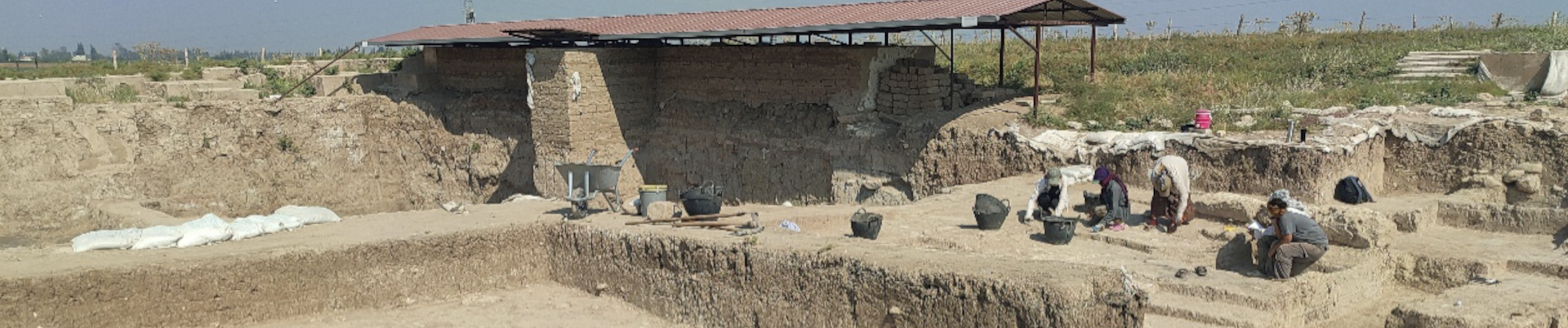


 Pp. 4–14: “From Seasonal Hunting Base to Permanent Settlement: Insights from the High-altitude Hormangan Site,” by Morteza Khanipour and Masashi Abe
 Pp. 16-23: “Tappeh Ziar: A Chalcolithic Site along the Zayandeh Rud River Basin (ZRB) in Isfahan, Iran,” by Jaleh Kamalizad and Alireza Sardari
 Pp. 24-34: “Art as the Child of Nature: Investigating the Interplay between Human Society, Environment, and Artistic Production in Prehistoric Bronze Age Cyprus,” by Zuzana Chovanec
 Pp. 36-46: “Ayios Iakovos-Dhima, Ideological Stake-Claiming, and Social Reproduction in Northeast Cyprus in the Late Bronze Age,” by Thomas John William Humphrey
 Pp. 48-56: “Ritual Banqueting at a Hellenistic Sacred Area on the top of Fabrika Hill, Nea Paphos,” by Jolanta Młynarczyk
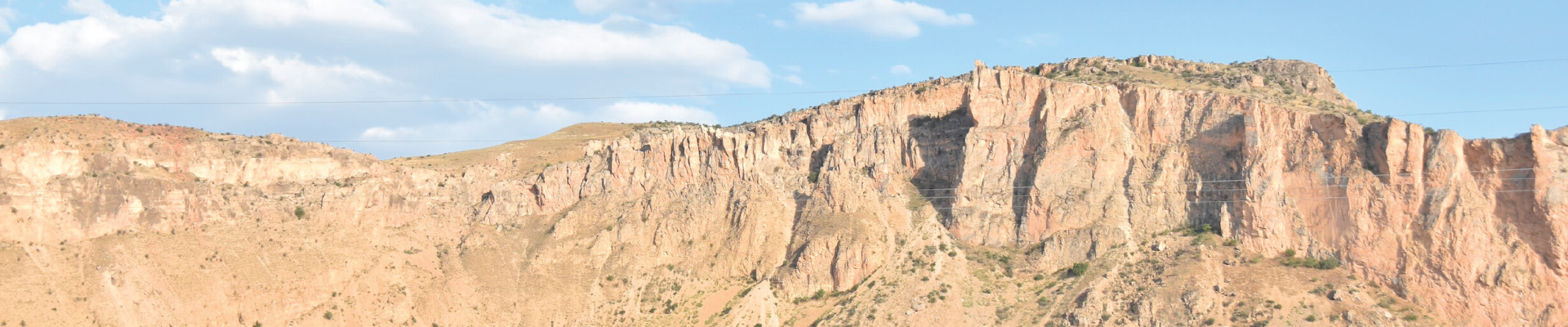
 Pp. 58-69: “Medieval Settlement Excavations at Arpa, Armenia: Regional Context and Chronology for a Silk Road Town,” by Astghik Babajanyan and Kate Franklin
 Pp. 70-77: “Byzantine Epitaphs: Unearthing New Sources of Christian Socioreligious Landscape from Southeastern Al-Karak Plateau (Southern Jordan),” by Musallam R. Al-Rawahneh
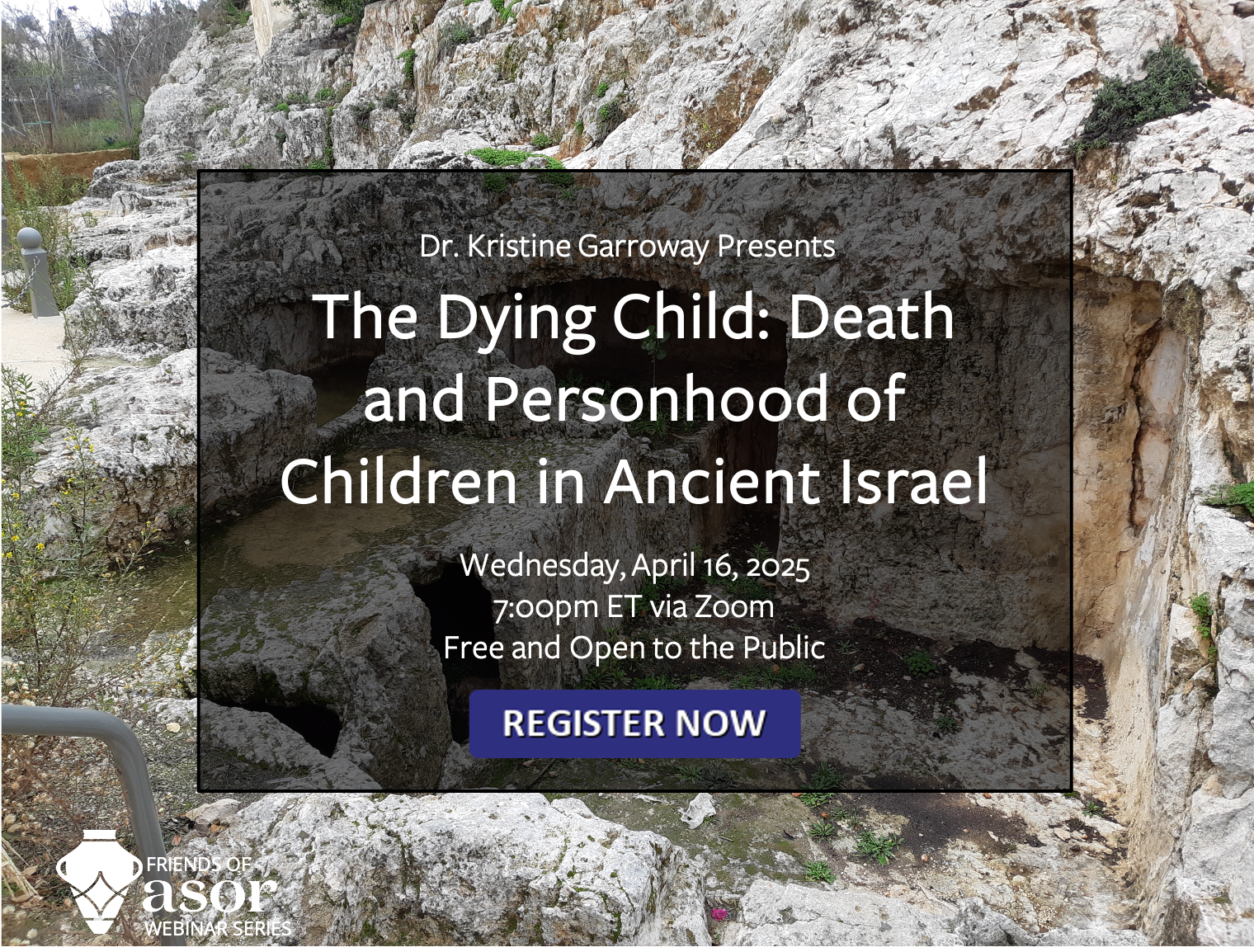
 The death of a child is perhaps the most painful, heartbreaking, and seemingly unnatural experience we have the displeasure of living with. Yet it is difficult to say with certainty whether this sentiment was shared by the inhabitants of ancient Isarel. Some anthropologists have found that in societies which experience a high rate of infant mortality and childhood death, parents remain emotionally detached from their children and do not mourn their deaths. We know that ancient Israel, like many pre-industrial societies, had a very high rate of infant mortality and childhood deaths. Did Israelites therefore care for their dying children? Did they give them a proper burial? Did they consider their children part of their families? The Hebrew Bible does not offer much information on the subject. Every time a child’s death is referenced, it is as a plot device in a narrative to prove an ethical, moral, or theological point. Abraham must sacrifice his child to show his commitment to God; Elijah shows off his wonder-working skills when he revives a dead child; David and Bathsheba’s first child dies because David committed murder and adultery; and Solomon demonstrates his wisdom when he commands a child to be cut in half. Yet, none of the biblical texts discuss how, or even if, Israelites cared for their dying children. Fortunately, there is another source to which we can turn to answer such questions: archaeology.
 Kristine Henriksen Garroway is Professor of Bible at the HUC-JIR’s Skirball Campus in Los Angeles where she joined the faculty in 2011. She received her doctorate in Hebrew Bible and Cognate Studies at the HUC-JIR/Cincinnati in 2009. She has spent time studying and researching in Israel and has participated in excavations at Ashkelon, Tel Dor, and Tel Dan. Garroway’s scholarship focuses on children using archaeology and texts of ancient Israel and Mesopotamia. She has published in various scholarly journals and is a regular contributor to
 Ethics in Archaeological Practice explores urgent topics and issues in archaeology as currently practiced in the classroom, the field, the museum, and the public sphere. While addressed primarily to archaeologists working in western Asia, the eastern Mediterranean, and North Africa, the volume raises contemporary ethical questions around race, gender, disability, climate change, and cultural heritage that are pressing and relevant to archaeology students and professionals worldwide. The fifteen contributors offer fundamental case studies and practical guidance for best practices and models of high standards of ethical practice in professional conduct. Together, they offer new approaches to advocacy and the responsible stewardship of heritage sites, collections, and the environment. These compelling and generative discussions make the case for a 21st century archaeology that is proactive and engaged with discourses addressing equity, social justice, anti-colonialism, and climate change.
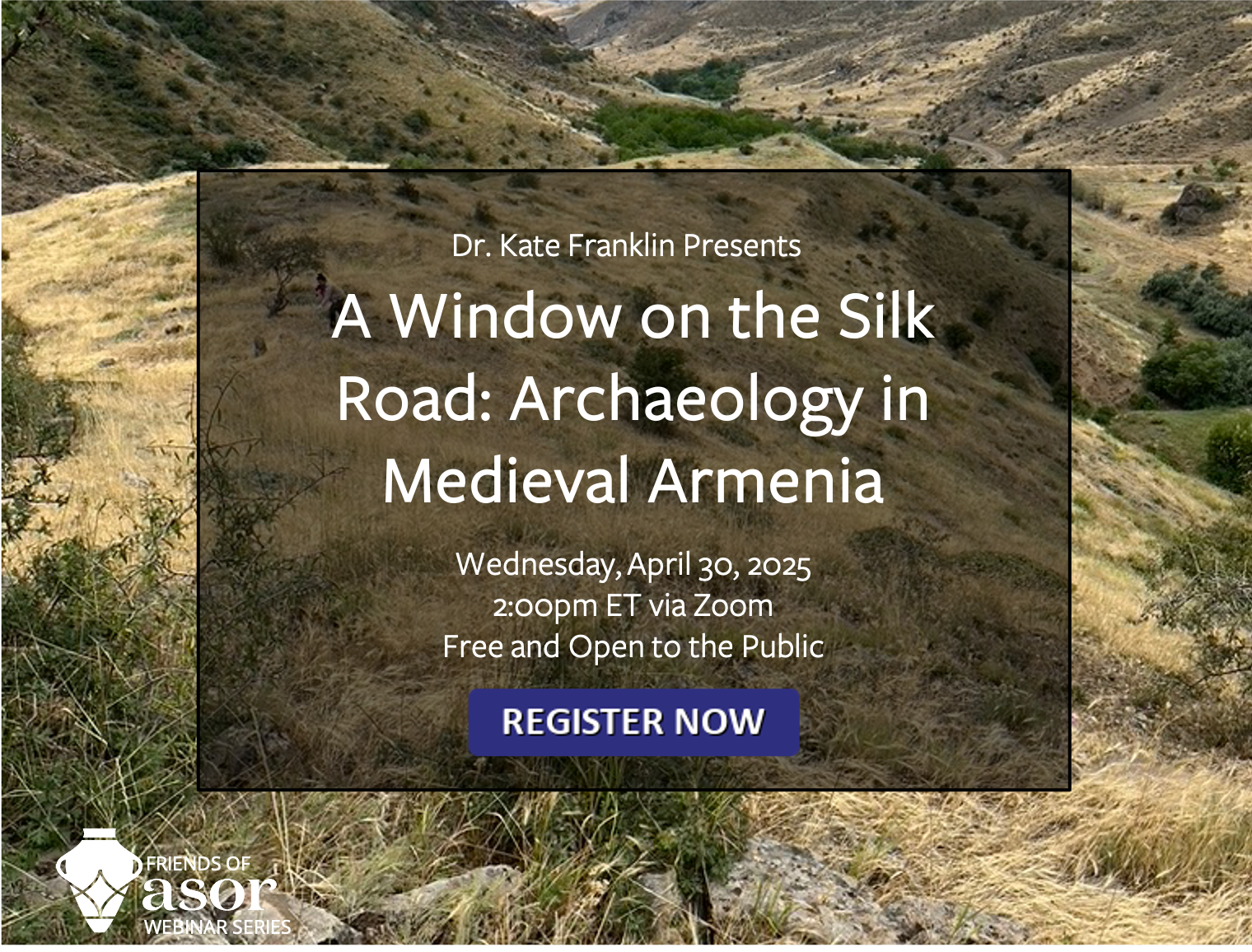
 To imagine the medieval Silk Road is to conjure up images of exotic commerce: camel caravans crossing wind-swept dunes, bustling city bazaars, silks and spices spilling from saddlebags. If these images loom large in modern imaginations of the Silk Road, how did people actually living in the Middle Ages think about long distance trade and travel? Drawing on textual, architectural and archaeological evidence, this talk explores the social lives of people living not in the city centers of medieval commerce, but in the places in-between, along the road. Specifically, the talk invites us to spend some time along the roadside with medieval people in the Armenian highlands, where special-built caravan inns housed travelers heading for the Mediterranean, to China, to the Middle East, and north into the steppe, and where people had their own imaginaries of the wider medieval world. Kate Franklin will share aspects of her work in the Republic of Armenia which show how global cultures emerge hand-in-hand with local worlds.
 Kate Franklin is Senior Lecturer in Medieval History at Birkbeck, University of London. Kate is a landscape archaeologist and historian focused on the intersections of local and large-scale social worlds in the medieval landscapes of what is now the Republic of Armenia, where she has been co-PI of the Vayots Dzor Silk Road Survey for nearly a decade. Kate’s most recent book, Landscapes and Environments of the Middle Ages(Routledge 2023, co-authored with Michael Bintley) explores the cultural history of nature in the medieval period.