Fieldwork Report: Leticia Rodriguez

rodriguezbanner-1920x400

Fieldwork Report: Leticia Rodriguez

Leticia Rodriguez, 2025 Strange/Midkiff Families Scholarship Recipient

In 2005, excavations began at the site of Antiochia ad Cragum, a city founded in the mid-first century CE and located along the rugged coastline of western Rough Cilicia (modern Türkiye). Among other civic and religious structures, Antiochia ad Cragum is home to three baths: a poorly preserved bath at the foot of the Anticragus, the Great Bath located within the city, and the Small Bath. The Small Bath, dated to the second century CE, is located about 50 meters east from the main entry point to the city, and just off the ancient, primary coastal road. In a 1967 survey of buildings at Antiochia ad Cragum, Gerhard Huber recorded a bath complex with a central hall, and banks of rooms on the north and south sides: this type of bath complex is one known from other sites in Rough Cilicia, such as at Anamur and Syedra.

With Huber’s plan as a guide, we began excavations at the Small Bath in 2018. In seven seasons of excavation, we have begun to understand the bath in its original form, adding to, and in some cases correcting Huber’s plan, and we have revealed evidence that provides a picture of how the complex was used in later periods when it no longer acted as a bathing facility, and how these functions contributed to Antiochia’s role in the later Roman economy in the region.

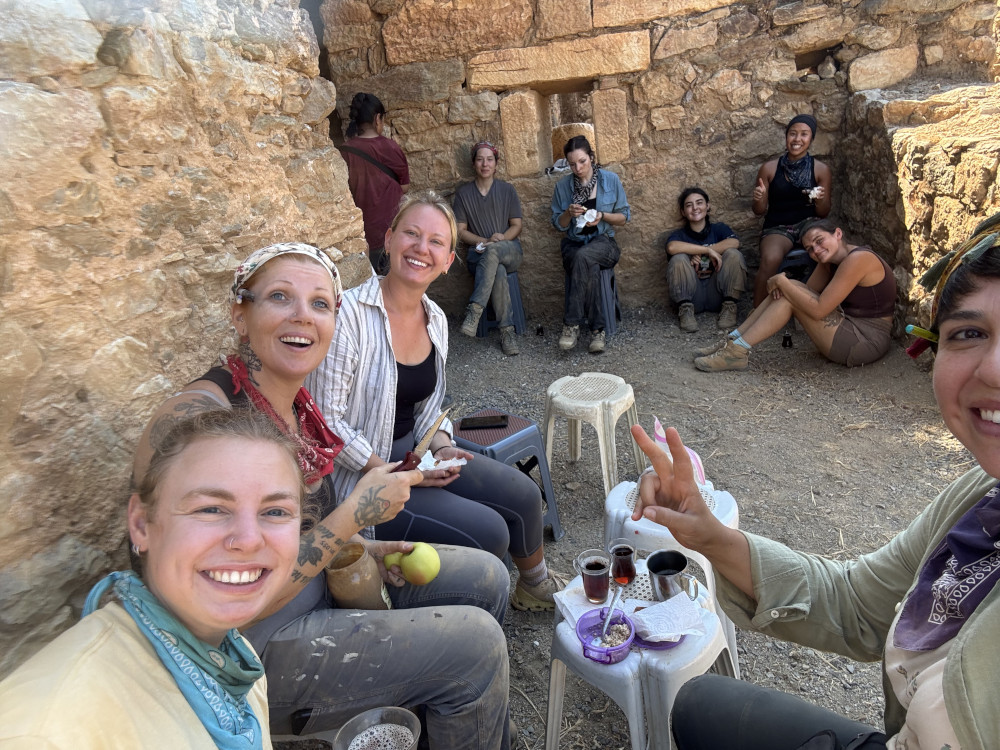
Tea break in the Small Bath.

Indeed, the 2025 season focused primarily on exploring the bath’s later industrial phases. In previous seasons we discovered a ceramic kiln built adjacent to the bath’s main entrance corridor, and evidence for wine and olive oil production within the walls of the bath’s main hall and cold rooms (explored in an article by this author and Emlyn Dodd, in preparation); in the 2024 season we discovered in the south bank of rooms a glass furnace. The goals of this summer were to complete excavation of the glass furnace, and open the westernmost room on the south bank (Room 8), the room in closest proximity to the presumed location of the bath’s praefurnium. Investigations here did not disappoint as we uncovered what appear to be a series of small kilns built seemingly in succession. With a small team and the season coming to end, however, we were not able to complete excavation of this particular area, but we look forward to doing so next year.

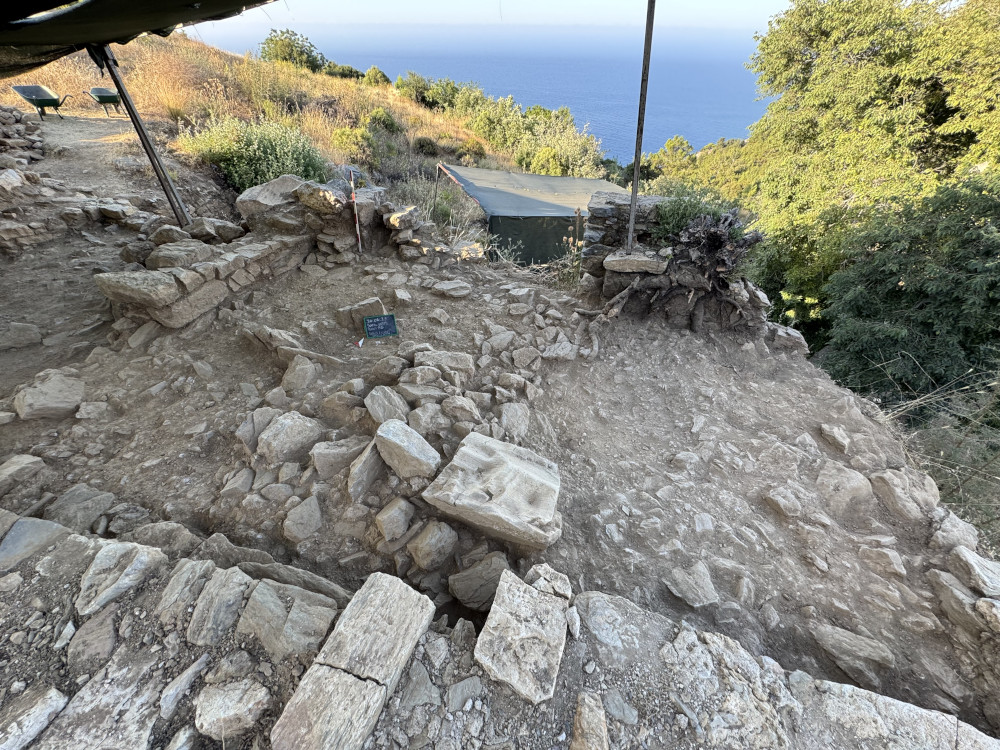
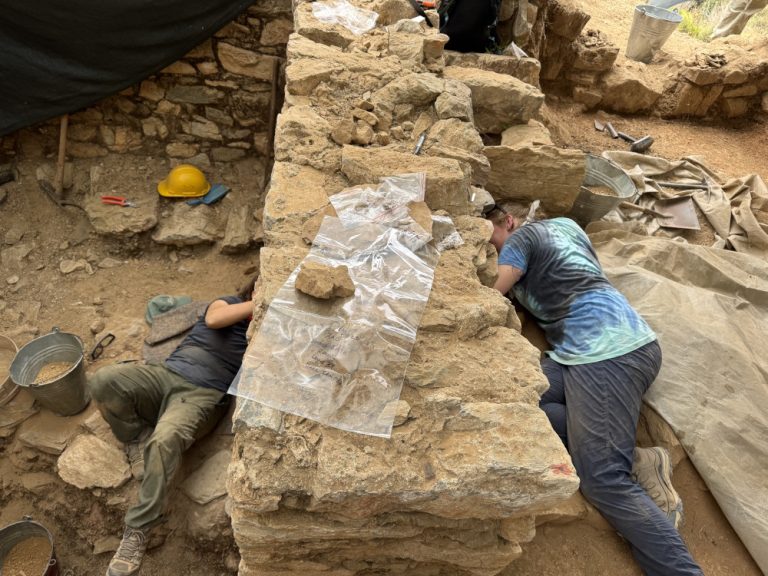
Room 8 prior to exposure of kilns.

Antiochia ad Cragum is a field school that has historically brought in students and volunteers from North America, Europe, Asia and Australia. As acting supervisor of the Small Bath excavations since 2021, and now Field Director of the site, I have had the privilege of teaching students field techniques and recording. It has been rewarding to guide undergraduates and graduate students as they explore their own research questions related to our excavations at the Small Bath through poster projects and papers, while also exploring my own research interests in collaboration with Turkish and non-Turkish colleagues in the form of publications and lectures for the public and academic communities. 

Students excavating a presumed flue of the glass furnace.
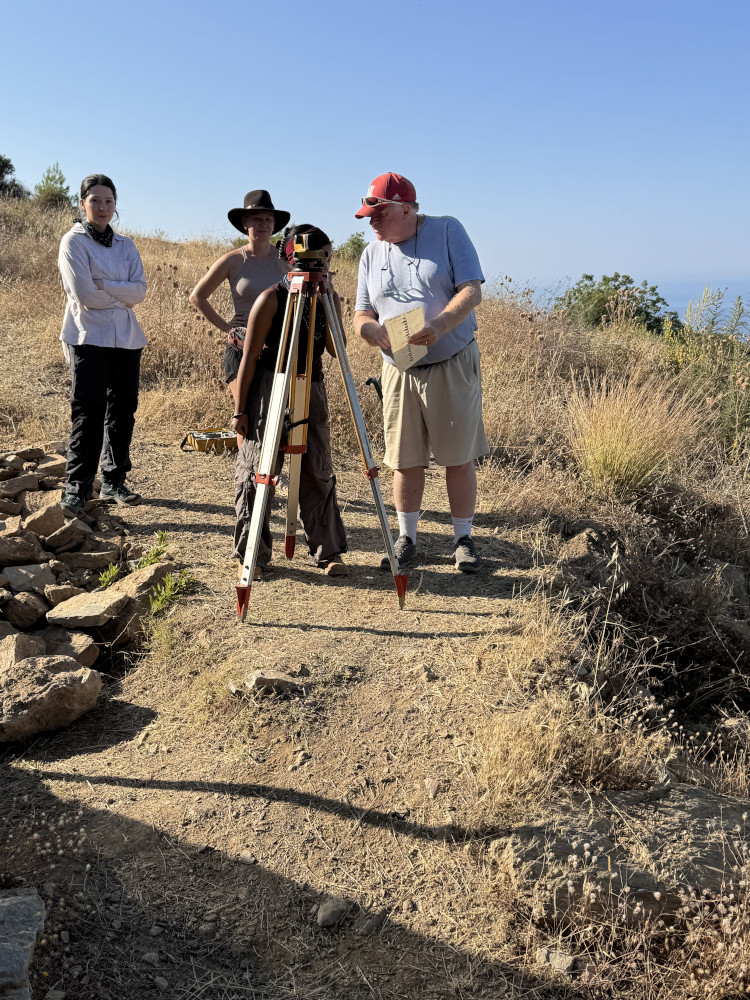
Students learning how to take elevations with the help of Project Director Dr Michael Hoff.

While I have done this in my official roles with the project, I am also a mom with two small children who has had to bring my kids with me to Türkiye every season. I have many colleagues who can identify with this position, and who know well that it can be quite complicated for many reasons, including financial. ASOR recognizes that such personal factors should not be a barrier to academic research and growth, especially to early-career scholars such as myself; I am grateful to ASOR and a summer fieldwork scholarship made possible by the late Mrs. Carolyn Midkiff Strange for the support that allowed me to continue my work at Antiochia ad Cragum for the 2025 season and, I hope, many seasons to come.          

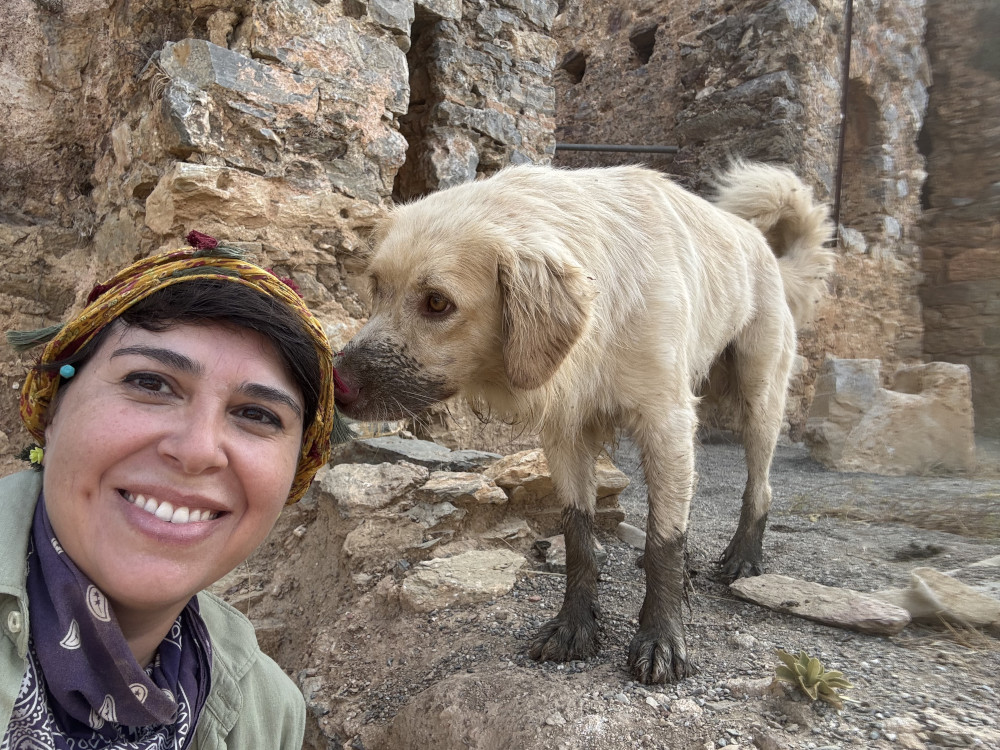
With the other Small Bath supervisor.

Leticia R. Rodriguez is an Assistant Professor of Art History, Ancient Mediterranean and Middle East at the University of Houston. She has excavated at Antiochia ad Cragum since 2019.

Want to help more students and early career archaeologists get into the field? Donate to the cause today by selecting “Fieldwork Scholarships” as your gift purpose!


Membership and Outreach Committee Seeks New Members

Membership and Outreach Committee Seeks New Members

The Membership and Outreach Committee seeks nominations (including self-nominations) from ASOR members who are interested in serving on the committee. Committee members will serve a three-year term (January 1, 2027 – December 31, 2029) with the option to renew for a second term. Committee members are expected to attend monthly meetings via Zoom and an in-person meeting at the ASOR Annual Meeting each year. Nominees must fill out the online form by October 16, 2026.

The Committee on Membership and Outreach takes responsibility for discussing matters regarding ASOR institutional and individual memberships, including (but not limited to) strategies for membership growth, appropriate membership benefits, the most fitting way to categorize individual memberships (student, recent graduate, etc.), greater enfranchisement of ASOR’s international members, and resources that members might like ASOR to provide. The committee also oversees ASOR’s outreach efforts. In addition, it advises the ASOR staff about the presentation and content of several of ASOR’s digital platforms, including ASOR social media, the ASOR LinkedIn page, ASORTv, and ASOR’s e-magazine News@ASOR.

In order to receive full consideration by the committee, the online form must be submitted by noon ET on October 16, 2026. For questions and concerns, please contact Laura Mazow, Committee Chair (mazowl@ecu.edu).

Fieldwork Report: Ella Hattem

Learning My Colors: Excavations and Pigment Analysis at Idalion, Cyprus

Ella Hattem, 2026 Platt Fieldwork Scholarship Recipient

This summer I returned to Idalion, Cyprus, as a first-time staff member, having been a volunteer during the 2025 season. I was very excited to take on more responsibility at such an exciting site and to work with the amazing friends I made this season and last. I spent most mornings in the field, where we were excavating baulks in the Eastern Terrace. At the same time, I was conducting my own project to investigate the pigments used on painted objects that had been found at the site. This included eleven registered objects that are kept at the Cyprus Museum, and several more from the site apotheke. After looking at close to thirty potential objects, I selected five for further analysis. The objects I studied primarily consisted of terracotta figurines and limestone sculpture fragments.

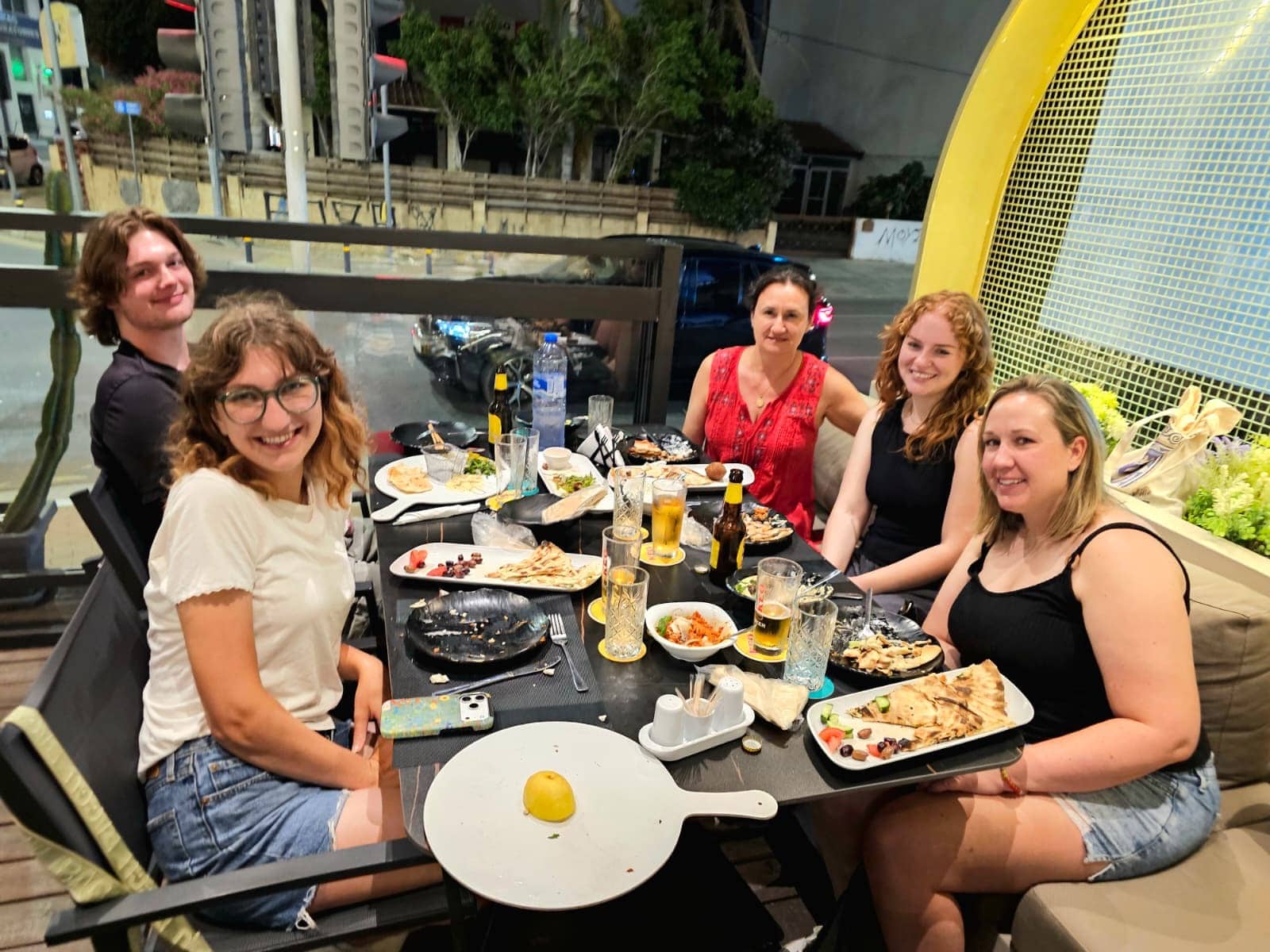
Dinner with other members of the project in Nicosia. From left to right: myself, Liam, Victoria, Cedar, and Traci.
Dinner with other members of the project in Nicosia. From left to right: Liam, myself, Victoria, Cedar, and Traci.

After visual examination, I utilized Visible-Induced Luminescence (VIL) to detect and identify Egyptian blue, followed by portable X-Ray Fluorescence (pXRF) to characterize the applied pigments for all selected objects. As a final stage of analysis, we conducted Fourier-Transform Infrared (FTIR) spectroscopy on two objects—one from the museum, andanother from the apotheke. I worked closely with the STARC lab at the Cyprus Institute, which provided both equipment and expertise to perform the pXRF and FTIR analysis. Unlike objects permanently kept at the Cyprus Museum, I was able to bring objects from the apotheke directly to the lab for analysis. I am incredibly appreciative to have been able to work with and learn from the wonderful Cyprus Institute staff. I learned a lot about technical analysis and gained meaningful experience in applying these methods to the questions I’m asking about resource use and artistic practice at Idalion, as well as its relationship with the rest of Cyprus.

As is often the case, all aspects of the work became more intense as the season progressed—necessitating more time in the field for all of us, as well as demanding I spend more time on my own project. While it meant balancing my responsibilities in the field with my pigment analysis project, I found it incredibly rewarding to get to engage in so many aspects of archaeological research at the same time, as well as to work with students while still learning myself. I really enjoyed getting to excavate at the same time as conducting rigorous object analysis, and I believed it made my work stronger and better contextualized in all aspects. 

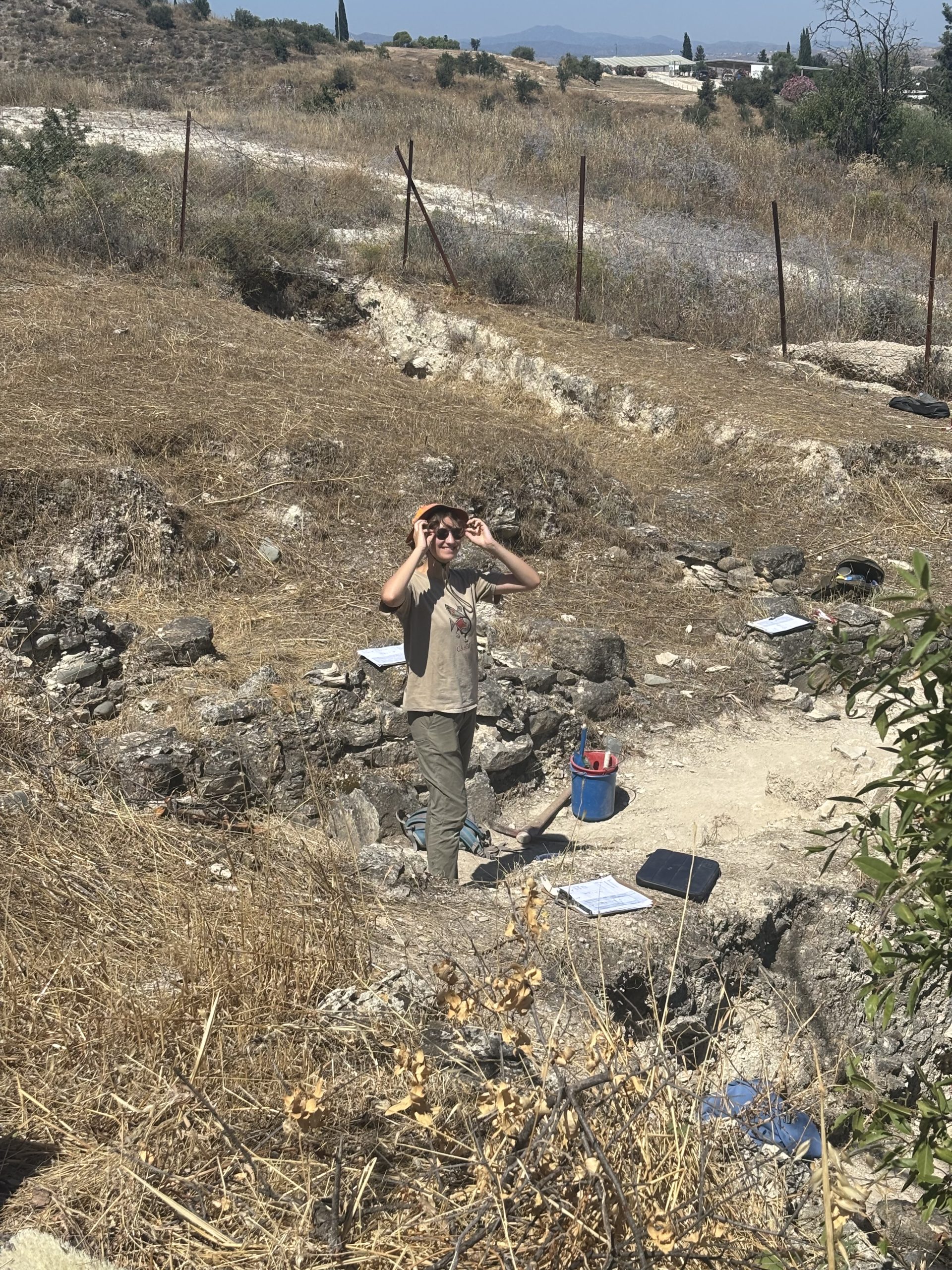
In the field, wrapping up for the day.

During the last week of the field season, one day for me looked like this:

Having already photographed and done VIL and pXRF analysis on all of the Cyprus Museum objects, I spent one final morning in the museum. Typically I would leave Nicosia with the rest of the team at 5:00 am to reach the site, about half an hour away, as the sun was rising. I would then spend the next few hours working on my assigned baulk, either alone or with a student. On the mornings I spent in the museum, however, I was able to begin work at 9:00 am.

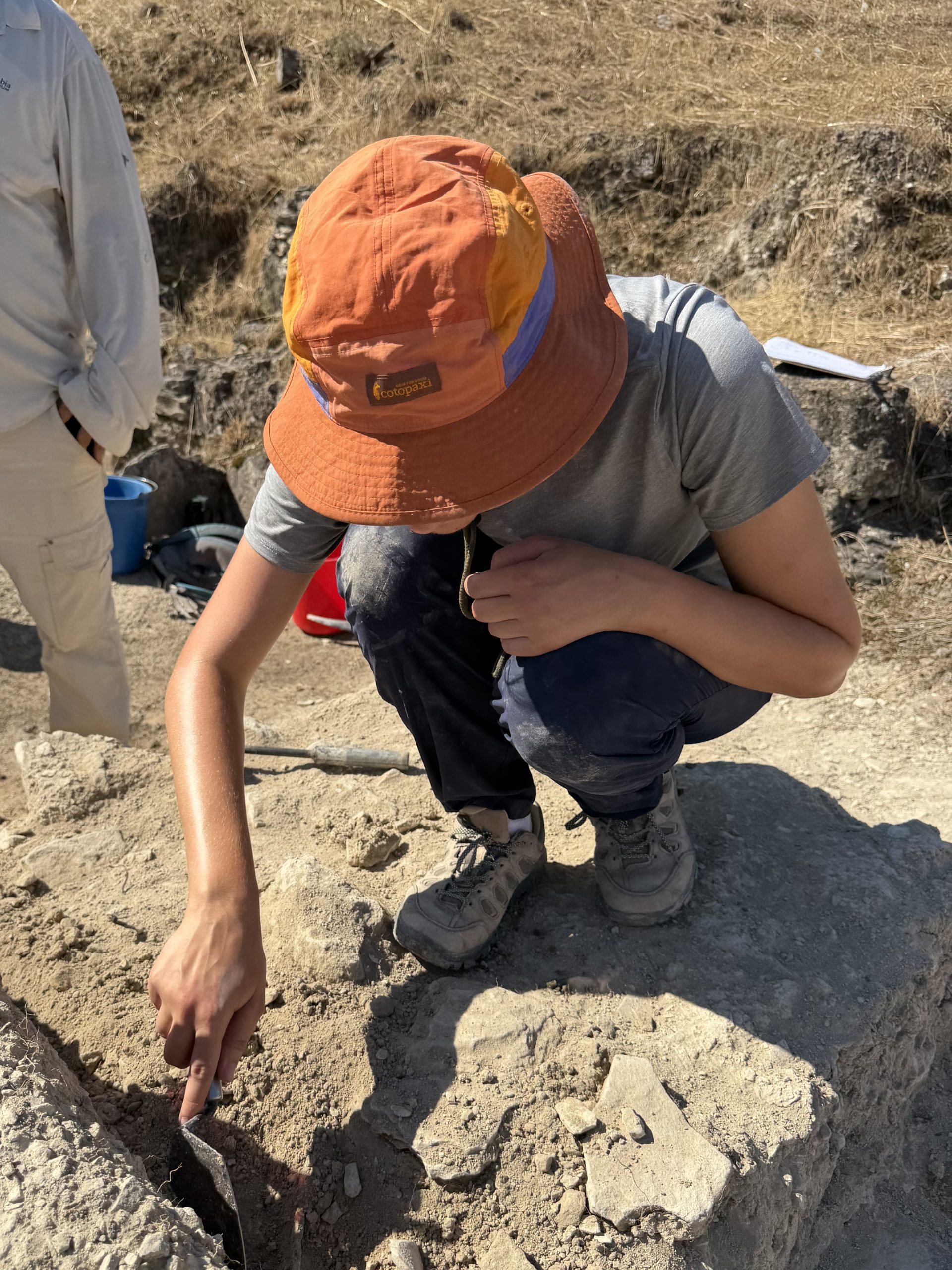
Working at my baulk
Working at my baulk

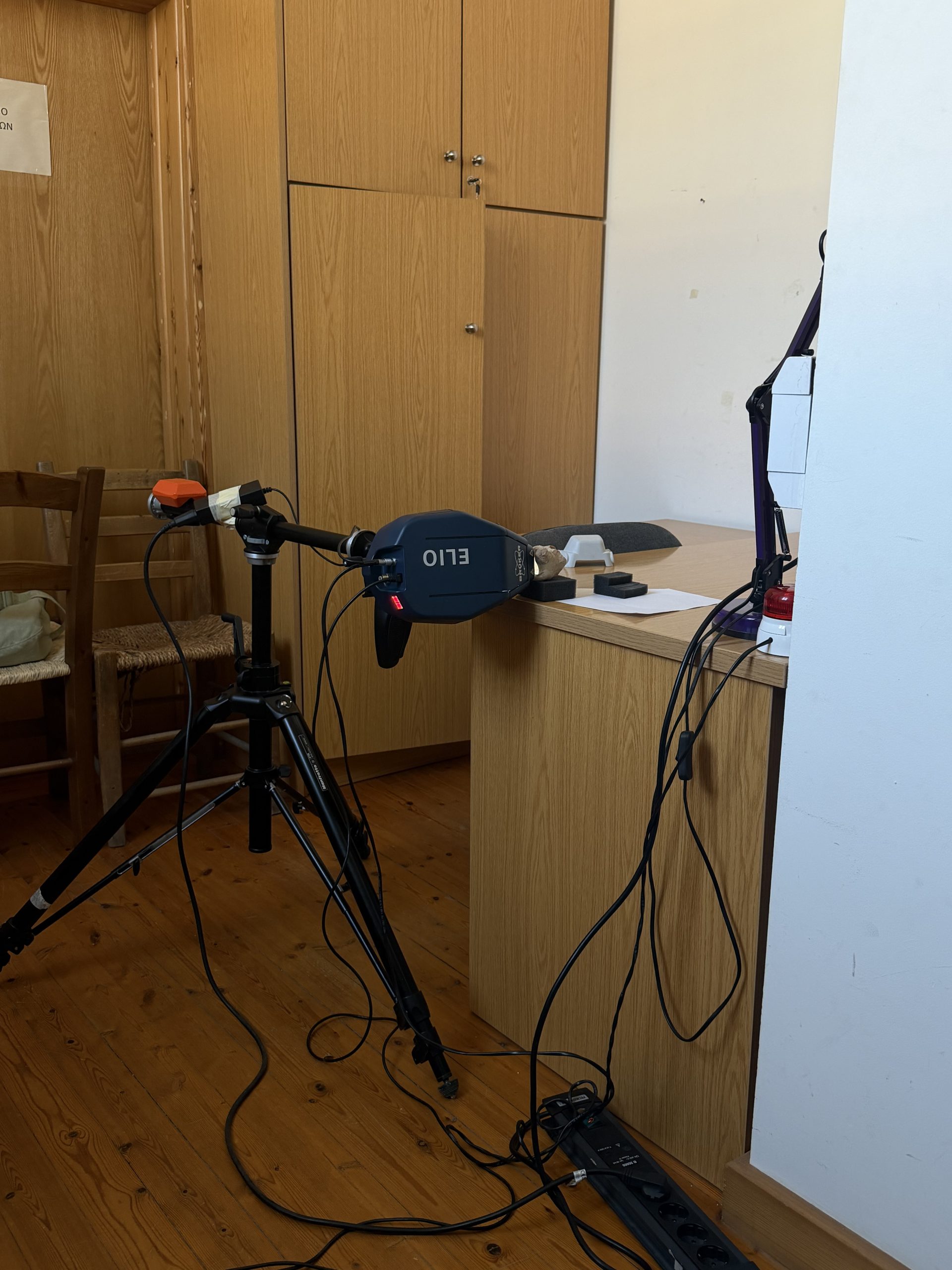
On this particular morning, the last that I would spend at the museum, I brought a 3D scanner with me. Earlier in the season, I had worked with Andreas Manoli and Pengxiao Hao to perform the pXRF analysis. On this day, we just had one FTIR point to take on a particularly puzzling object. After we concluded the analysis, I remained at the museum by myself for a few more hours to scan and generate 3D models of the eleven museum objects.

By the time I was finished at the museum, morning fieldwork had concluded. I grabbed lunch near Ledra Street and arrived back to the hotel for siesta a little after the rest of the team. I usually took this time to rest or do some light work, such as updating my spreadsheet where I tracked each step of examination for the objects. Earlier in the season, I used the siesta to work on a presentation for the field school students on the scientific techniques and methodology I was using for the project.

pXRF analysis on one of the objects at the Cyprus Museum.

Just before the end of siesta, as I did every day, I stopped by a nearby cafe to grab a delicious Cypriot freddo cappuccino before we all returned to the dig house in Dali for afternoon lab work. On most days, I would use this time to draw a new top plan and update our digital recording software with notes and photos from that morning’s excavation. As I had already done so for the previous days’ progress, I spent the afternoon going through the data I had just collected. Meanwhile, the students were sorting the pottery from the previous day, now washed and dried, to be read. Once they were done and the pottery was being analyzed, I stayed close so that I could provide the requisite information when it was time for my trench’s pottery.

Once it had cooled back down, I returned to the field with the rest of the team for evening work, which typically consisted of lighter tasks than in the morning, such as cleaning or articulation to prepare for photogrammetry. Once we were done, we went back to the house for dinner, then drove to our hotel in Nicosia.

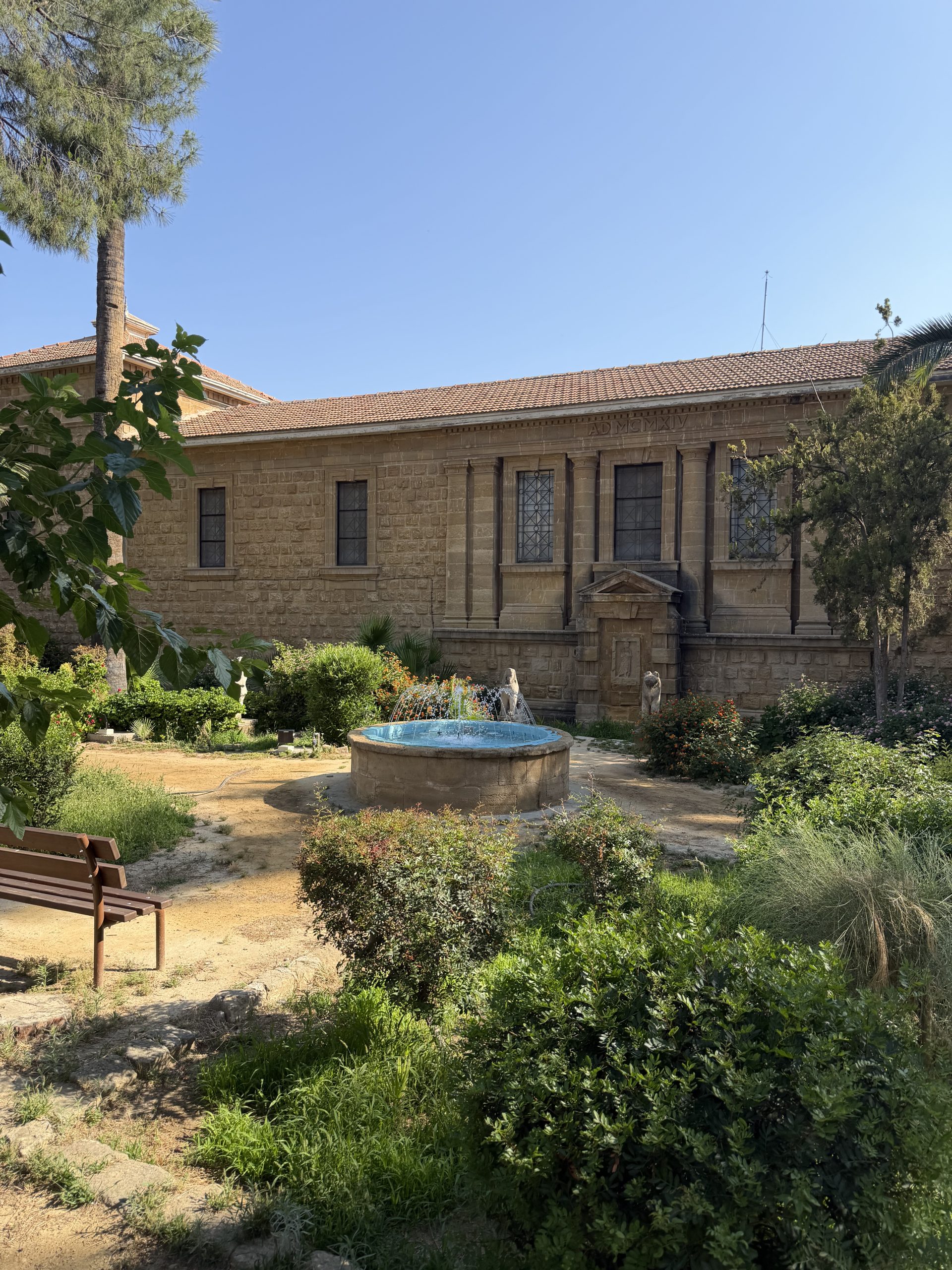
The Cyprus Museum garden.

Ella Hattem is an M.A. student in Archaeological Studies at Yale University. Aside from Idalion, she has also participated in the Iklaina and Keros projects in Greece. She is interested in ancient pigments and paintings and the implementation of scientific methodologies to understand artistic practice in the eastern Mediterranean.

Want to help more students and early career archaeologists get into the field? Donate to the cause today by selecting “Fieldwork Scholarships” as your gift purpose!

Join ASOR’s Board of Trustees

CALL FOR TRUSTEE NOMINATIONS

The Trustee Nominations Committee announces an open call for nominations and self nominations for the ASOR Board of Trustees (Class of 2029). Trustees will serve a three-year term, starting January 1, 2027. There are three primary responsibilities of the members of the Board of Trustees:

  • Governance: Being aware of issues brought forward to the Board, attending two meetings per year (at your own expense), and bringing issues of concern to the Board.
  • Fundraising and financial management: Leading in development by thinking of new opportunities, leading in giving, and providing oversight on the audited financial statements. We ask that individual trustees aspire to contribute $500 or more annually.
  • Strategic planning and policy development: Leading especially in measures that accord with ASOR’s mission.

We anticipate two openings for Membership-Elected Trustees. Any full ASOR member may be considered for nomination as an Membership-Elected Trustee. If there is someone that you would like the committee to consider—including yourself—please send the person’s name and email address to Marta Ostovich in the ASOR office. Please check with the nominee as to whether they are interested in serving on the ASOR Board of Trustees before sending in their name. If you have any questions about the responsibilities and satisfactions of being a board member, please email Kathryn Grossman, Chair of the Trustee Nominations Committee.

The ASOR office, or a representative from the Nominations Committee, will contact all nominees to describe the responsibilities in greater detail, and to make sure that the nominee is willing to have his or her name discussed by the Trustee Nominations Committee. Please note that nominees will need to submit a brief biography and a mission (or vision) statement for what they would like to accomplish as a trustee to be considered by the Nominations Committee. A sample of these statements can be found in last year’s “Meet Your Board Nominees” webpage. Brief biographies and mission statements should be ca. 200 words each and submitted via e-mail to Marta Ostovich by noon EDT on Monday, September 21, 2026.

After receiving the names of nominees, the Nominations Committee will vote on which individuals will stand for election, and the election will take place by electronic ballot over four consecutive weeks in October and November. ASOR is once again conducting online voting to ensure that more of our members are able to participate in this important process. The ASOR office will work with any person who is not able to complete an electronic ballot to ensure that everyone is included.