By Jake Hubbert, Platt Excavation Fellowship Recipient
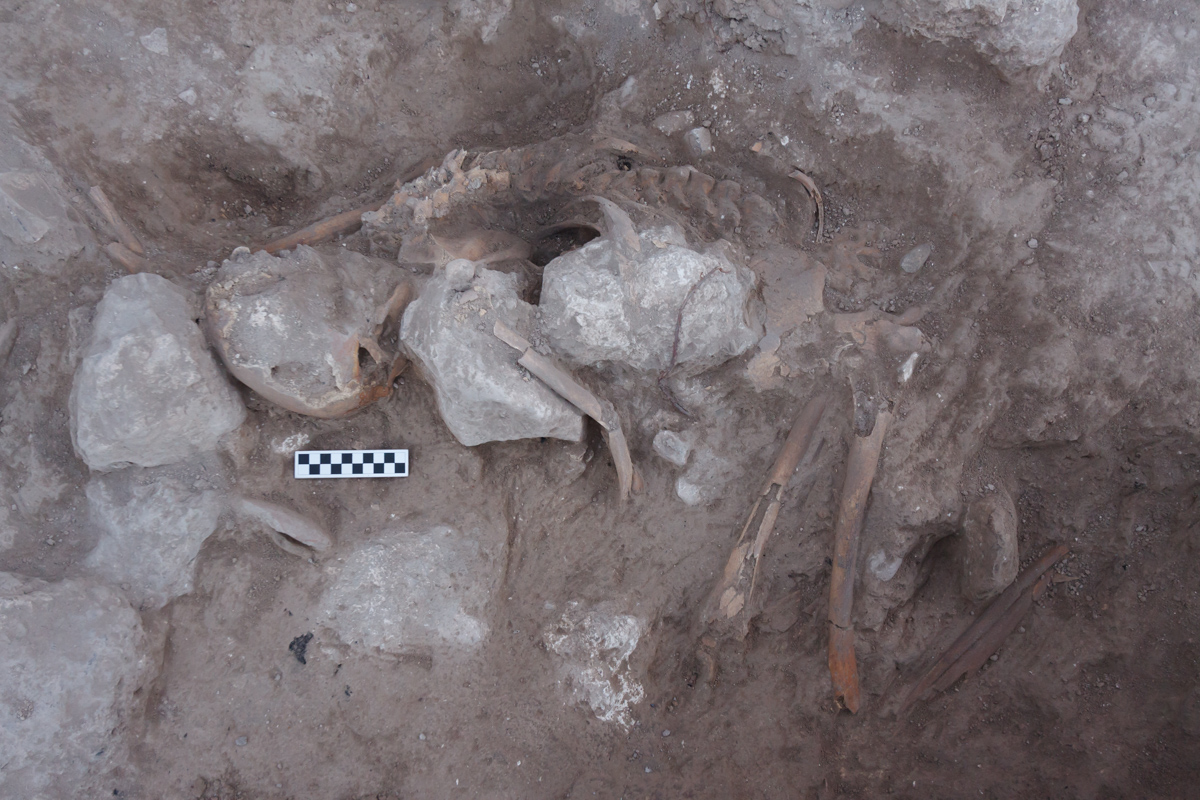
This past summer, I had the experience of a lifetime. I spent six weeks excavating with Brigham Young University in Petra, Jordan. This was part of a field school offered through Brigham Young University. For the first two weeks, I helped excavate in a place called Wadi Mataha where my fellow students and I were taught proper excavation techniques that pertain to graves and osteology. We were lucky enough to have found what we believe is a secondary burial with a variety of bones that will be later analyzed in labs back at Brigham Young University. My time there was amazing and I feel that I learned so much. I learned about the ancient Nabataeans and their burial traditions as well as about the methods and theories of archaeology in the field.
After my two weeks at Wadi Mataha, I was transferred with my group of five other students up to the Ad-Deir Monument where I was assigned to work in the Eastern Cistern B. The objective of this project, as well as that of others on the plateau, is to put back into use the water systems that were once in use by the Nabateans to aid the current Bedouin populations that live and work on the Ad-Deir plateau. Excavations therefore, were focused towards restoration. Excavation is facilitated by the fact that the built up stratigraphy is yearly erosion fill, and therefore provides very little knowledge about the chronology of the site. This has allowed us to conduct mass excavations to remove the erosion fill to make the several areas under excavation accessible. Despite the rapid pace of work and the unusual circumstances of this site, my supervisors made sure that I still learn and master proper excavation techniques such as cutting straight balks and making sure they have the proper right angles where they meet up with other balks or other trenches or pits. Other skills that I have learned include the proper process of taking levels, and the importance of taking correct levels so as to understand the volume of dirt being removed from the overall area.
My favorite part has been the utilization of my art skills. I love art but I never really understood how my art skills could transfer over to archaeology. I was able to do some simple sketches for the official field note book at the Cistern. I have also been able to learn some digital art and its importance in archaeology. Another major factor of this dig has been the opportunity to live with the Bedouin tribe and family where we stayed. Since archaeology is a part of anthropology, I loved being able to study both the dead cultures in Petra but also the living cultures which have occupied the empty shell that has been left behind. For the past year I have also been taking introduction Arabic classes and have loved it and I have loved my opportunity to use what I have learned with the Bedouins. I love what Gertrude Bell once said in relation to the Bedouins, that they are a people who love and enjoy freedom. The way they live of being able to go wherever whenever is amazing. But this will have to come later if I decide that it is in this area that I want to pursue my future in archaeology. Petra has been such an amazing place and I will forever remember it as the place where first learned to be an archaeologist.
Jake Hubbert is an undergraduate student at Brigham Young University studying archaeology. He studies the Near East and has interests in Transcaucasia as well.
ASOR/EPHE EUROPEAN SYMPOSIUM: FIRST OVERSEAS SYMPOSIUM TO BE HELD IN PARIS, FRANCE IN SEPTEMBER
[/vc_column_text][vc_column_text]The ASOR Membership and Outreach Committee is pleased to announce its first overseas outreach initiative at the Sorbonne, in partnership with Ecole Pratique des Hautes Etudes – Paris Sciences et Lettres (EPHE-PSL), in Paris, September 4-6, 2018. The event will be a scholarly symposium with honorary chairs Susan Ackerman, President of ASOR, and Hubert Bost, President of EPHE-PSL. Over 45 scholars from Europe (including Russia), Brazil, Israel, and Turkey will make presentations on the themes of Violence in the Ancient Near East and on Digital Humanities (DH), including a forum-round table in order to set up an action plan regarding the growing inequalities between training in DH, among other discussed topics. Presentations will be video recorded and live broadcast. The symposium participants will also enjoy a guided-tour of the Louvre and a social cocktail in the Luxembourg Garden among other special activities. ASOR members who happen to be in Paris during that time are welcome to join the symposium to hear the presentations. We hope this event will be a first step in expanding European membership and involvement in ASOR. Randy Younker, chair Membership and Outreach Committee, Vanessa Juloux chair, Membership and Outreach Committee Sub-committee for Europe.
For weblinks on the Paris Symposium, see the following:
By Lyndelle Webster, Heritage Excavation Fellowship Recipient[/vc_column_text][vc_column_text]With the support of a 2017 Heritage Excavation Fellowship, I spent four weeks during May-June excavating at Tel Gezer. This is a beautiful site with an impressive view over the coastal plain and the Aijalon Valley. Located near the junction between the Via Maris and a major route to Jerusalem, this was a prominent site during the Middle Bronze through Iron Age periods. In the Late Bronze Age it was the center of a major city-state, whose rulers appear in the Amarna Letters.
There are two excavation teams currently working to address important research questions at Tel Gezer. The expedition led by Dr. Steve Ortiz of Southwestern Baptist Theological Seminary and Dr. Sam Wolff of the Israel Antiquities Authority, have been working near the Iron Age gateway (central-southern edge of the tell) for the past ten years. Another team from the Israel National Parks Authority and New Orleans Baptist Seminary have been exposing an impressive water system, now dated to the Middle Bronze Age; for the past few seasons they have also worked in the nearby Middle Bronze gateway.
My PhD research concerns Late Bronze Age chronology from the perspective of radiocarbon dating, and it is in this context that I began doing some work in cooperation with the Tandy excavation, whose directors kindly gave me the opportunity to work on their material. Whilst the Iron Age has been the predominant focus of research, in the past few seasons a series of early Iron Age and Late Bronze Age strata have been excavated. For me, this provided a great opportunity to extend my research, which had begun with the Late Bronze strata of Tel Azekah – another important current excavation in the Shephelah region.
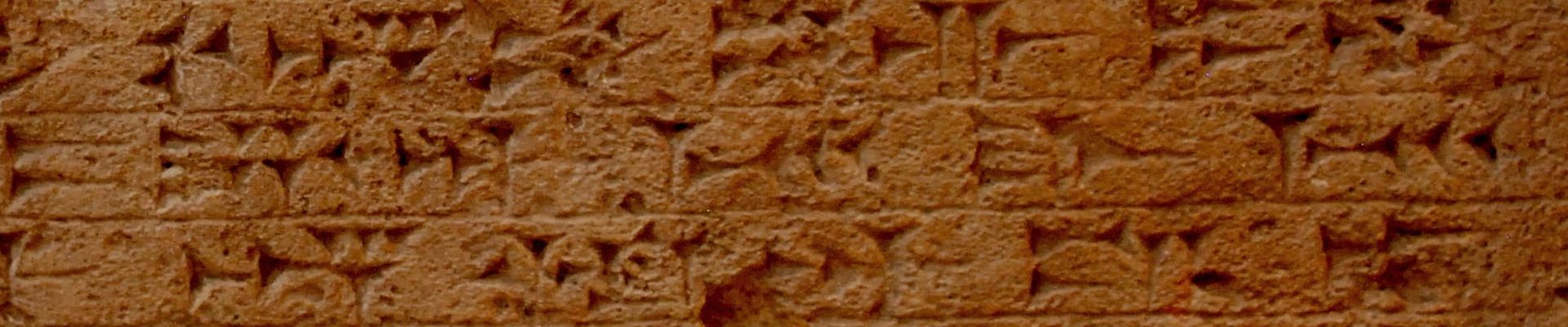
2017 was the last year in the field for the Tandy excavation team before going to publication stage. As such, it turned out to be a very exiting and productive season. A thick destruction layer was exposed, including complete vessels and much evidence of burning. Remains of three individuals were found who had clearly died as a result of the dramatic event. The excavators currently identify this destruction with the historically-recorded campaign of Merneptah in the late 13th century BCE. In the Merneptah Stela – famous for the first known reference to “Israel” – the pharaoh boasts of conquering several cities in southern Canaan, including Gezer. In another inscription Merneptah describes himself as the “subduer of Gezer”. These references make it clear that Gezer was a strategic, important site, and gaining control over it was worth boasting about.
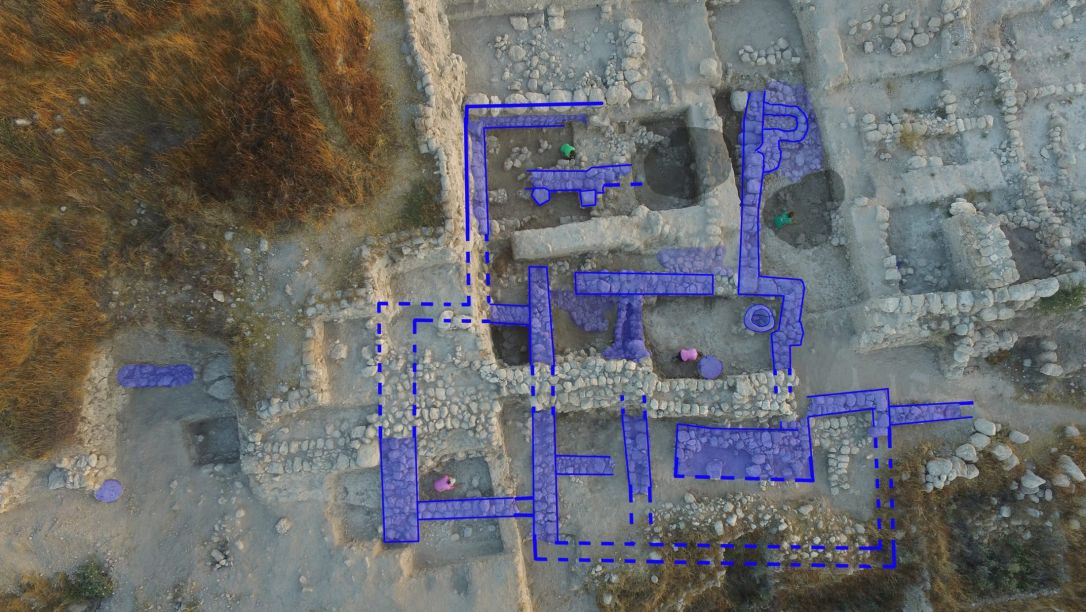
Aerial view of Field W, highlighting the Late Bronze Age stratum
which ended with a dramatic destruction event.
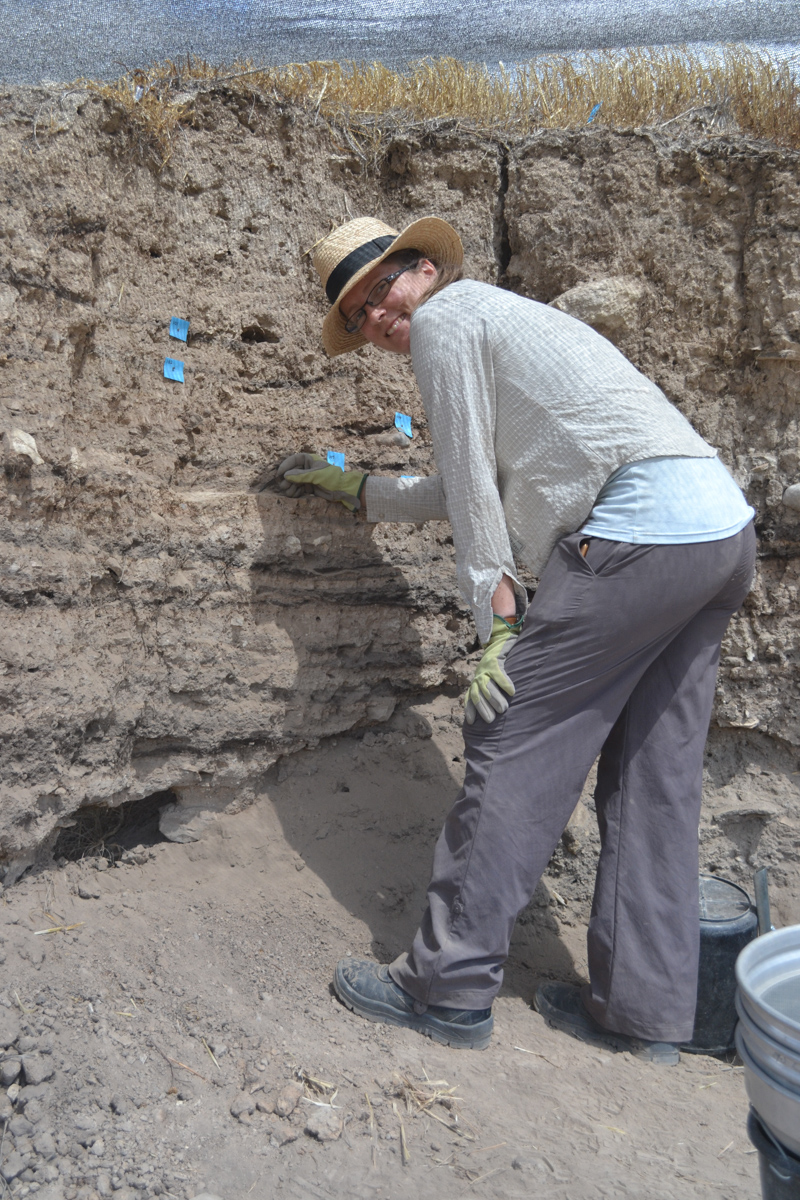
My role in the field this season was to provide support in regard to sampling for radiocarbon dating. When working with radiocarbon samples and data it is incredibly valuable to have firsthand knowledge of the archaeological contexts. Working together with the team in the field gave opportunity to discuss and evaluate contexts, and put in focused efforts to improve the number of good contexts yielding suitable material. (The target material is short-lived organics, typically seeds; at a site like Gezer these are mainly carbonized – having been preserved by burning.)
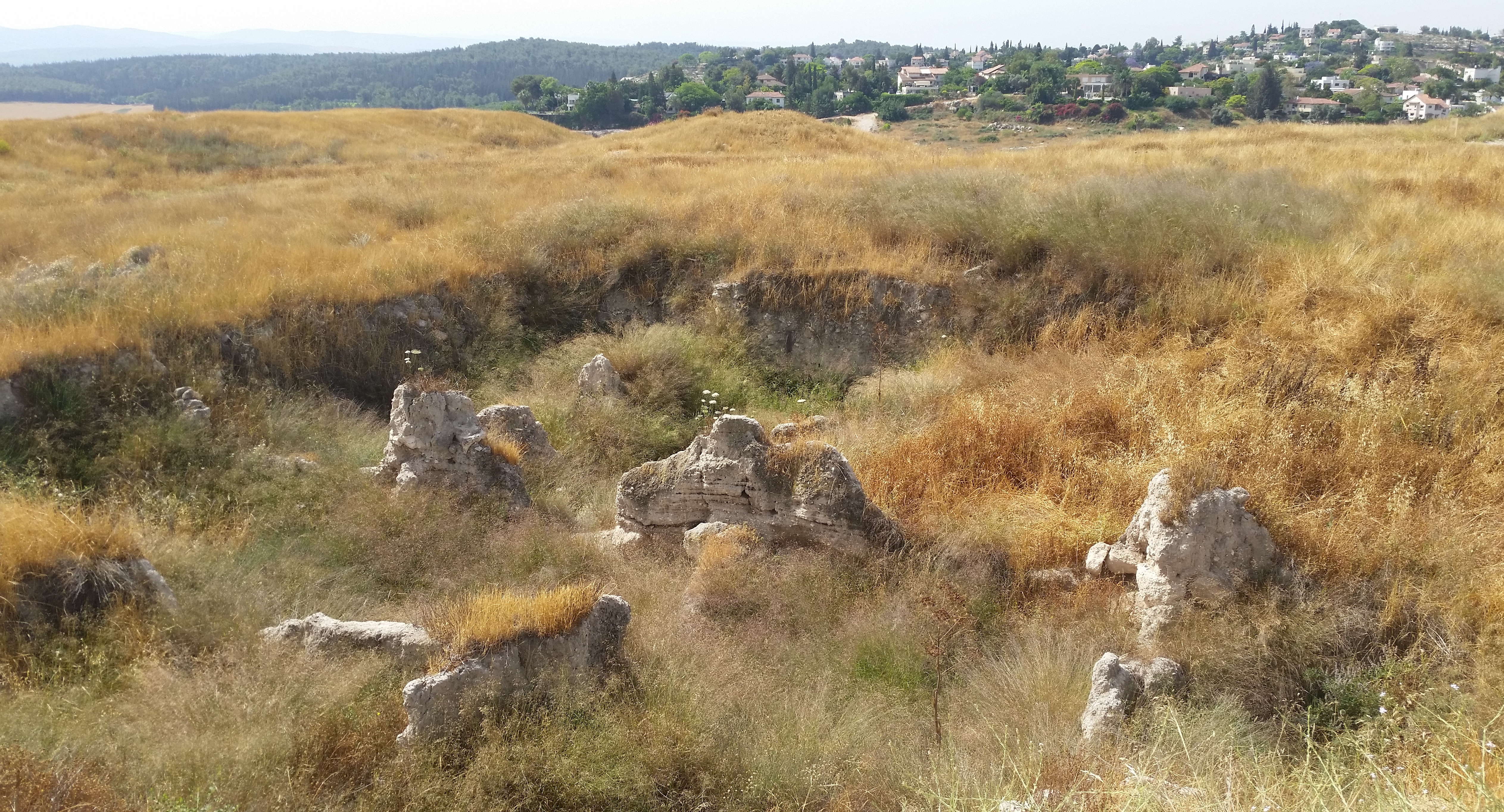
In addition to working with the excavation near the Iron Age gateway, I had the opportunity to carry out some small projects elsewhere on the tell, sampling from exposed sections left by the Hebrew Union College excavations that were conducted in the 1960s to 1980s under the direction of William Dever.
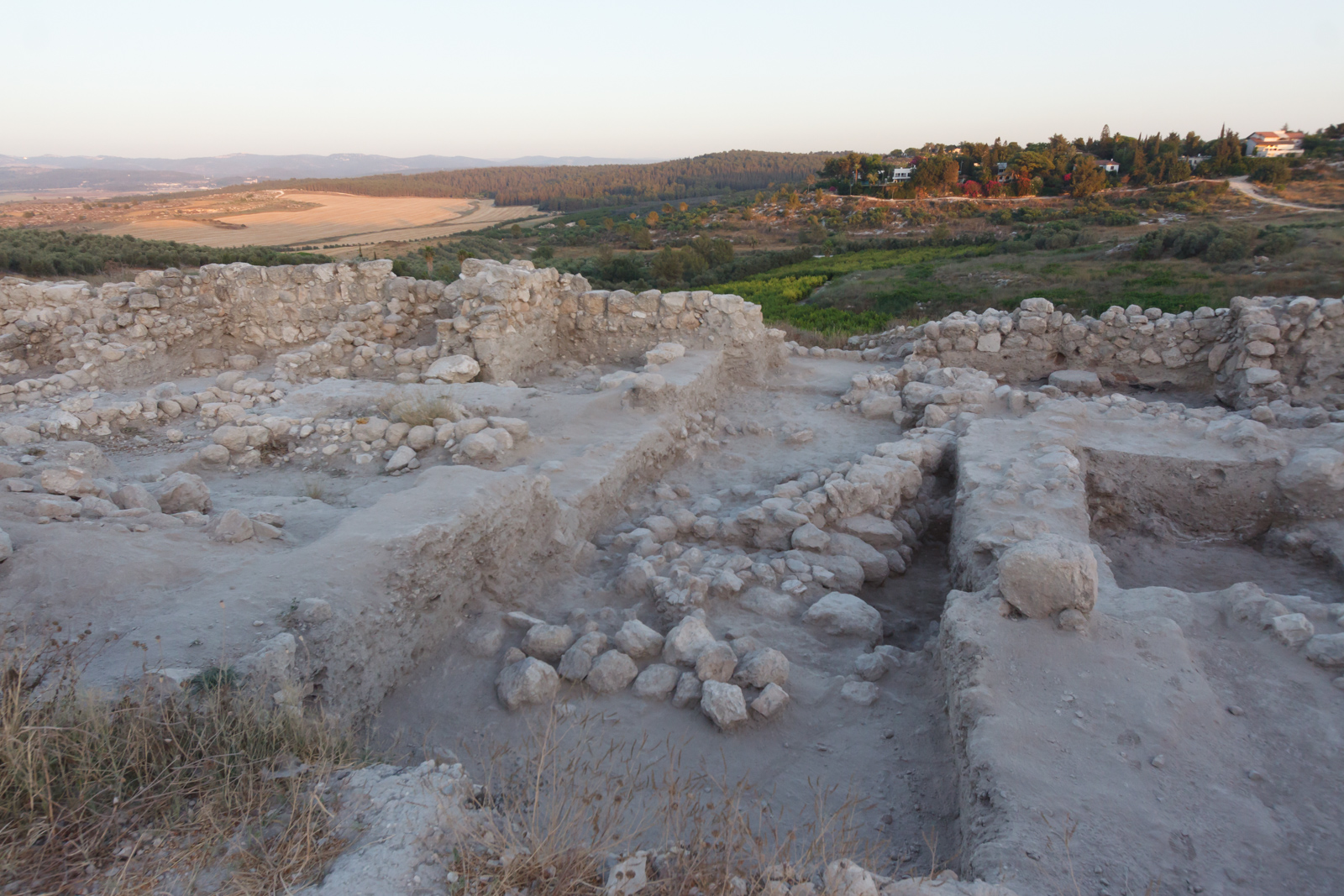
View southward across the tell; Field VI in the foreground
was excavated in the 1960s-70s by Hebrew Union College.
I am looking forward to seeing how new radiocarbon data from Tel Gezer contributes to our understanding of the Late Bronze Age, as well as other key periods under investigation at the site – the Iron and Middle Bronze Ages.
One of the best things about excavation is the people you meet and the friendships developed. It is always a little daunting to start working with a new site and a new team. I appreciated the warm welcome from the ‘Gezerites’, who quickly made me part of their team. It was a great season and wonderful group of people to work with. Thank you!
I want to express my sincerest thanks to ASOR and to Mr. Sheldon Fox, the donor for this fellowship, for supporting my field research this year.
Lyndelle Webster is a PhD student at Macquarie University and the University of Vienna. She is currently based in Vienna at the Institute for Oriental and European Archaeology at the Austrian Academy of Sciences, where she is a member of the project “Tracing transformations in the southern Levant: from collapse to consolidation in the mid-second millennium BC”. [/vc_column_text][/vc_column][vc_column border_color=”rgba(170,170,170,0.01)” width=”1/6″ css=”.vc_custom_1496684098866{margin-right: 5px !important;margin-bottom: 20px !important;border-right-width: 2px !important;border-bottom-width: 2px !important;padding-top: 30px !important;padding-right: 10px !important;padding-left: 10px !important;background-color: #ffffff !important;border-right-color: rgba(227,228,228,0.75) !important;border-bottom-color: rgba(227,228,228,0.75) !important;}”][vc_wp_posts title=”BROWSE THE NEWS ARCHIVE” number=”4″][/vc_column][vc_column border_color=”rgba(170,170,170,0.01)” width=”1/6″ css=”.vc_custom_1496684008271{margin-right: 10px !important;margin-bottom: 30px !important;border-right-width: 2px !important;border-bottom-width: 2px !important;padding-top: 30px !important;padding-right: 20px !important;padding-left: 20px !important;background-color: #ffffff !important;border-right-color: rgba(227,228,228,0.75) !important;border-bottom-color: rgba(227,228,228,0.75) !important;}”][vc_column_text]Tweets by ASOResearch [/vc_column_text][/vc_column][/vc_row]

 I spent six weeks excavating with Brigham Young University in Petra, Jordan. This was part of a field school offered through Brigham Young University. For the first two weeks, I helped excavate in a place called Wadi Mataha where my fellow students and I were taught proper excavation techniques that pertain to graves and osteology. We were lucky enough to have found what we believe is a secondary burial with a variety of bones that will be later analyzed in labs back at Brigham Young University. My time there was amazing and I feel that I learned so much. I learned about the ancient Nabataeans and their burial traditions as well as about the methods and theories of archaeology in the field.