
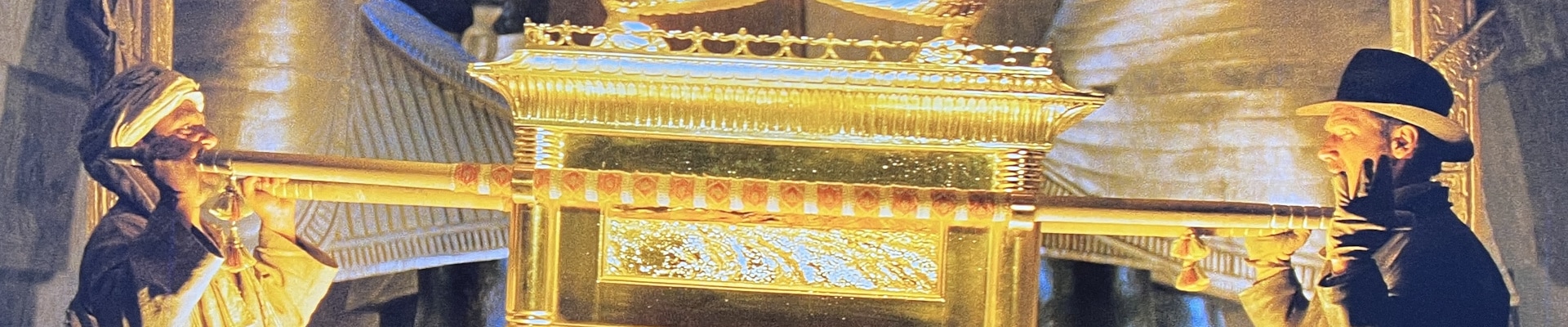
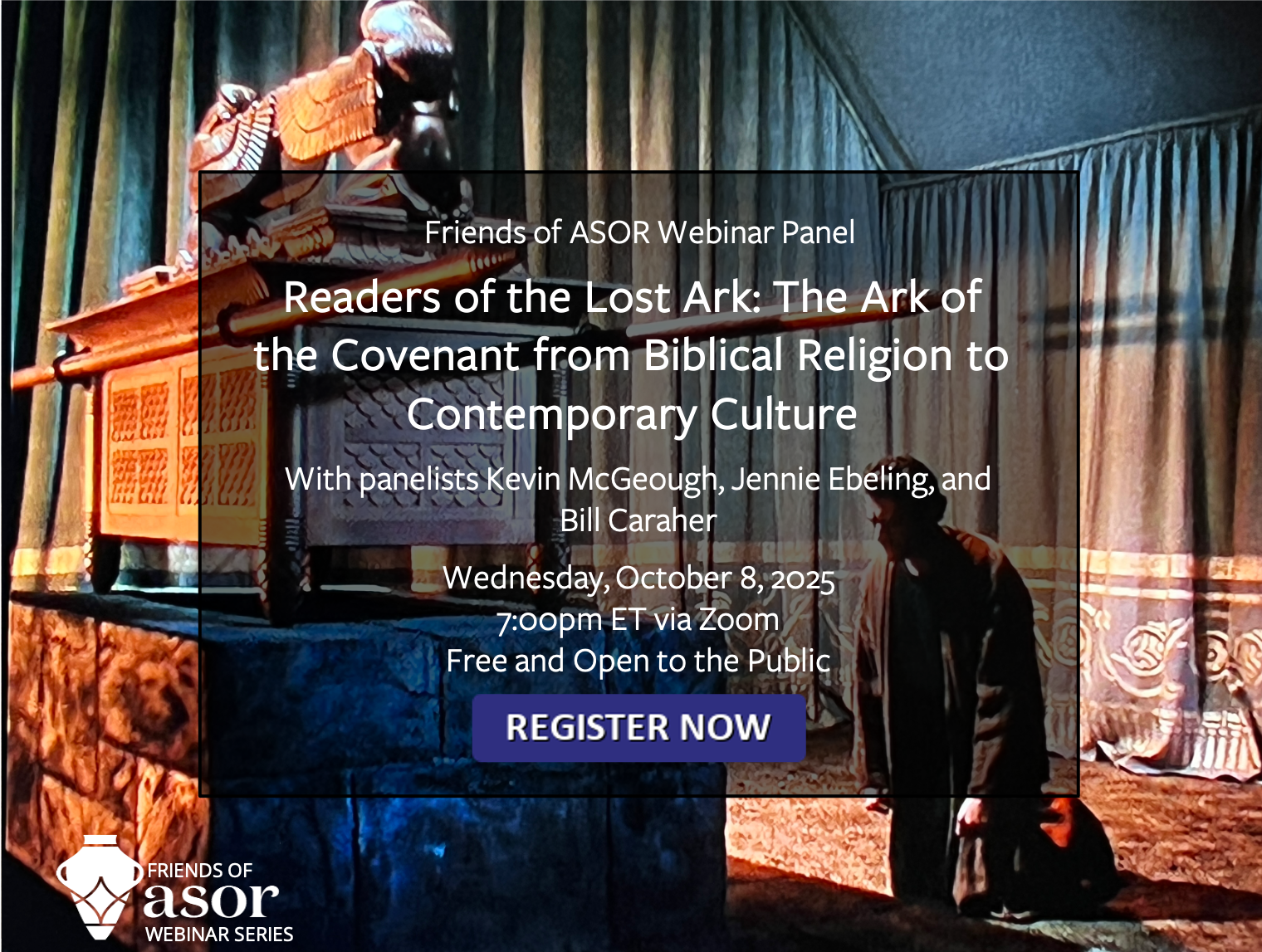
 Since the release of Raiders of the Lost Ark, the Ark of the Covenant has become one of, if not the most famous biblical “artifact,” despite the fact that scholars don’t agree on what might have happened to it or if it even really existed. Described in the Bible as a wooden chest plated with gold, adorned by cherubim, the Ark is said to have carried the tablets of the Ten Commandments and was one of the locations where God manifested His presence amongst the Israelites. The description may be straightforward and simple, but the Ark has proven to be the subject of a diverse variety of interpretations since biblical times, ranging from an imitation of an ancient Egyptian religious object to an advanced radioactive energy source capable of mass destruction. Ethiopian Christians believe the Ark resides in a church in Africa, while some have looked for it in the ancient Irish city of Tara. Early religious interpreters looked for coded messages in the biblical instructions on how to build the Ark, and modern faith communities build their own replica Arks for use in faith healing services and in Old Testament themed wax museums. All of these communities generally agree on what the Ark looked like, but what the Ark is or was, and why it matters is a different story. Join Kevin McGeough, in a lecture and conversation moderated by Jennie Ebeling and William Caraher, as he
  explores the interpretation of the Ark of the Covenant from the past two thousand years. Introducing his new book, Readers of the Lost Ark, Kevin will discuss how the Ark has been understood in different communities, from ancient Jewish and Christian commentators, through Medieval theologians, to modern ancient aliens theorists, misguided explorers, and Indiana Jones fan communities. There will be something for any “friend of ASOR” interest in this wide-ranging talk!
 Kevin M. McGeough is Professor of Archaeology in the Department of Geography & Environment at the University of Lethbridge and holds a Board of Governor’s Research Chair in Archaeological Theory and Reception. McGeough is currently co-director of excavations at Busayra in Jordan and Head-Smashed-In Buffalo Jump UNESCO World Heritage Site in Canada. He is co-editor of the journal Alberta Archaeological Review, and author of The Ancient Near East in the Nineteenth Century, and Representations of Antiquity in Film: From Griffith to Grindhouse. His most recent book, Readers of the Lost Ark: Imagining the Ark of the Covenant from Ancient Times to the Present is available from Oxford University Press.
 Jennie Ebeling is a Professor of Archaeology in the Department of Archaeology and Anthropology at the University of Evansville. Ebeling co-directed the Jezreel Expedition in Israel and is a ground stone artifact specialist with a particular interest in women’s contributions to food and drink technologies in ancient southwest Asia. She edits ASOR’s Archaeological Reports Series and is an editor-at-large for Eisenbrauns, an imprint of Penn State University Press. The co-editor of five volumes, she is the author of Women’s Lives in Biblical Times (T&T Clark, Int’l) and is currently completing a monograph on ethnography, household archaeology, and representations of life in biblical Israel.
 Bill Caraher teaches in the Department of History and American Indian Studies at the University of North Dakota. He is the editor of the Annual of ASOR and co-edited the Oxford Handbook of Early Christian Archaeology (2019) and recently published The Archaeology of Contemporary America (2025). He is an archaeologist who has worked in Greece, Cyprus, and the United States.
Friends of ASOR is pleased to announce that the first webinars of the 2025-2026 season will once again be free and open to the public with a goal to raise $10,000 so that the entire webinar season will be free. Will you support this outreach effort with a tax-deductible contribution? All donors/sponsors with gifts of $100 or more will be recognized in subsequent webinars. Help ensure these webinars stay free and available to all by donating today!

Designate your gift for “Webinars” in the drop-down menu.
[vc_row fullwidth=”true” attached=”true” css=”.vc_custom_1496247803139{padding-top: 0px !important;padding-right: 0px !important;padding-bottom: 0px !important;padding-left: 0px !important;}”][vc_column][vc_single_image image=”105723″ img_size=”1920×400″ alignment=”center”][/vc_column][/vc_row][vc_row fullwidth=”true” css=”.vc_custom_1496682730308{padding-top: 10px !important;padding-right: 0px !important;padding-bottom: 0px !important;padding-left: 0px !important;}”][vc_column width=”1/12″ css=”.vc_custom_1496683820796{margin-right: 10px !important;}” offset=”vc_hidden-md vc_hidden-sm vc_hidden-xs”][vc_column_text]
SHARE
[/vc_column_text][mk_image src=”http://www.asortest.org/wp-content/uploads/2017/01/social-fb-icon4.jpg” image_width=”42″ image_height=”42″ hover=”false” custom_url=”https://www.facebook.com/ASOResearch/” margin_bottom=”0″][mk_image src=”http://www.asortest.org/wp-content/uploads/2017/01/social-tw-icon4.jpg” image_width=”42″ image_height=”42″ hover=”false” custom_url=”https://twitter.com/ASOResearch?ref_src=twsrc%5Egoogle%7Ctwcamp%5Eserp%7Ctwgr%5Eauthor” margin_bottom=”0″][mk_image src=”http://www.asortest.org/wp-content/uploads/2017/01/social-in-icon4.jpg” image_width=”42″ image_height=”42″ hover=”false” custom_url=”https://www.linkedin.com/company/american-schools-of-oriental-research” margin_bottom=”0″][mk_image src=”http://www.asortest.org/wp-content/uploads/2017/01/social-ml-icon_7.jpg” image_width=”42″ image_height=”42″ hover=”false” custom_url=”mailto:info@asor.org” margin_bottom=”0″][mk_image src=”http://www.asortest.org/wp-content/uploads/2017/01/blog-icon3.jpg” image_width=”42″ image_height=”42″ hover=”false” custom_url=”http://asor.org/blog” margin_bottom=”0″][/vc_column][vc_column border_color=”rgba(255,255,255,0.01)” width=”1/6″ css=”.vc_custom_1496683923840{margin-right: 20px !important;border-left-width: 2px !important;padding-right: 20px !important;padding-left: 20px !important;border-left-color: #99422f !important;}”][mk_divider divider_color=”rgba(255,255,255,0.01)” thickness=”1″ margin_top=”3″ margin_bottom=”3″][vc_widget_sidebar sidebar_id=”ca-sidebar-39801″][/vc_column][vc_column border_color=”rgba(170,170,170,0.01)” width=”1/2″ css=”.vc_custom_1487276122024{margin-right: 10px !important;margin-bottom: 30px !important;border-right-width: 2px !important;border-bottom-width: 2px !important;padding-top: 30px !important;padding-right: 30px !important;padding-left: 20px !important;background-color: #ffffff !important;border-right-color: rgba(227,228,228,0.75) !important;border-bottom-color: rgba(227,228,228,0.75) !important;}”][vc_column_text responsive_align=”left”]
Gabrielle Puckett, 2025 Eric and Carol Meyers Fieldwork Scholarship Recipient [/vc_column_text][mk_divider margin_top=”10″][vc_column_text]It’s 4:00am in the sleepy town of Polis Chrysochous, Cyprus. The sun isn’t up yet, but the alley cats are finding their morning snacks. I’m on breakfast duty, so in addition to the egg boiling and tomato cutting of the night before, it’s my team’s job to go fill the coolers and water jugs for the field day ahead. We pile Landy, the beloved but ancient Land Rover of one of our co-directors, with the equipment and food for the day.[/vc_column_text][vc_single_image image=”105749″ img_size=”full” add_caption=”yes” alignment=”center”][mk_padding_divider size=”10″][vc_column_text]After our work for this morning’s breakfast is complete, we take a rest in the seats at the bottom of the apartment building and wait for the bus to arrive. I find it vital in these moments to remind myself to take in every single detail of this amazing experience so that I have things to look back on when I make the inevitable journey home. My favorite thing about these dark and tiresome mornings is the way the sun looks as it starts to rise just barely over the peaks of the mountains while the moon still shines bright above.[/vc_column_text][vc_single_image image=”105754″ img_size=”full” add_caption=”yes” alignment=”center”][mk_padding_divider size=”10″][vc_wp_text]Making our way to the bus at 5:00am and climbing in, I find my favorite seat right next to the door on the window side. A ritual I have developed for these short bus rides is to take in the view of the sea as we drive past. Of course, I am also covering myself in more sunscreen than has ever been deemed necessary because you can never be too careful.[/vc_wp_text][vc_single_image image=”105750″ img_size=”full” add_caption=”yes” alignment=”center”][mk_padding_divider size=”10″][vc_column_text]Arriving at the site of Makounta-Voules, we have the first hill climb of the day, a beautiful path (if I do say so myself) we landscaped the first day being here that only steals some breath on the journey up. I remember before this trip how worried I was that I wouldn’t like this enough to be happy with the early mornings and heat, but I can safely say that’s not an issue as I now know I need to do this for the rest of my life. I leave the trench fifteen minutes before breakfast to help with my roommate and the rest of our breakfast crew setting out the tarp on which we will feast and nap while we set out the food. At around 8:30am we can hear the call of “BREAKFAST” shout down the mountain and prepare for the incoming team ready to fuel themselves for the rest of the day.[/vc_column_text][vc_single_image image=”105751″ img_size=”full” add_caption=”yes” alignment=”center”][mk_padding_divider size=”10″][vc_column_text]We spend the day digging and taking elevations, pictures when necessary, and reminding ourselves to trust our guts while we sift. It’s Thursday, which means at the end of the day it’s time for everyone’s favorite segment: Trench Tours. We show off the work we’ve done for the week, being sure to take a look at the trenches we aren’t a part of in order to learn more about the site as a whole.[/vc_column_text][vc_single_image image=”105752″ img_size=”full” add_caption=”yes” alignment=”center”][mk_padding_divider size=”10″][vc_column_text]After the bus ride home, we have some lunch and begin pot washing, but I have a special task. I am working on a project to clean up our faunal remains from past seasons and remove their thick calcium accretions through various methods. After an hour or two of this lab work, we have some lovely free time which is always best spent at the beach. A view that I strongly believe can’t be beat is the Mediterranean Sea after a long day of digging. With a fifteen-minute walk, we arrive ready to take in the wonderfully clear water. The hours spent on this beach are some that I would be hard pressed to ever give up, let alone the friends I get to spend it with. Throughout this project I have had so many experiences that I hope aren’t limited to being once-in-a-lifetime. We are back at it bright and early tomorrow, and I just can’t stop taking in every detail knowing that there are only so many days left here—but I’ll be back.[/vc_column_text][mk_padding_divider size=”20″][vc_single_image image=”105753″ img_size=”450×600″ alignment=”center”][vc_row_inner][vc_column_inner][mk_padding_divider size=”30″ visibility=”visible-dt”][vc_wp_text]Gabrielle Puckett is an undergraduate student in her third year at the University of Tennessee Knoxville. She is a double major in Anthropology and Religious Studies and minors in both Classical Civilizations and Judaic Studies. She has a strong interest in zooarchaeology in the Near East and the applications for isotopic analysis in the area.[/vc_wp_text][/vc_column_inner][/vc_row_inner][mk_divider][vc_wp_text]
Want to help more students and early career archaeologists get into the field? Donate to the cause today by selecting “Fieldwork Scholarships” as your gift purpose!
 [/vc_wp_text][/vc_column][vc_column border_color=”rgba(170,170,170,0.01)” width=”1/6″ css=”.vc_custom_1496684098866{margin-right: 5px !important;margin-bottom: 20px !important;border-right-width: 2px !important;border-bottom-width: 2px !important;padding-top: 30px !important;padding-right: 10px !important;padding-left: 10px !important;background-color: #ffffff !important;border-right-color: rgba(227,228,228,0.75) !important;border-bottom-color: rgba(227,228,228,0.75) !important;}”][vc_wp_posts number=”5″][/vc_column][vc_column border_color=”rgba(170,170,170,0.01)” width=”1/6″ css=”.vc_custom_1496684008271{margin-right: 10px !important;margin-bottom: 30px !important;border-right-width: 2px !important;border-bottom-width: 2px !important;padding-top: 30px !important;padding-right: 20px !important;padding-left: 20px !important;background-color: #ffffff !important;border-right-color: rgba(227,228,228,0.75) !important;border-bottom-color: rgba(227,228,228,0.75) !important;}”][vc_widget_sidebar sidebar_id=”ca-sidebar-99363″][/vc_column][/vc_row]
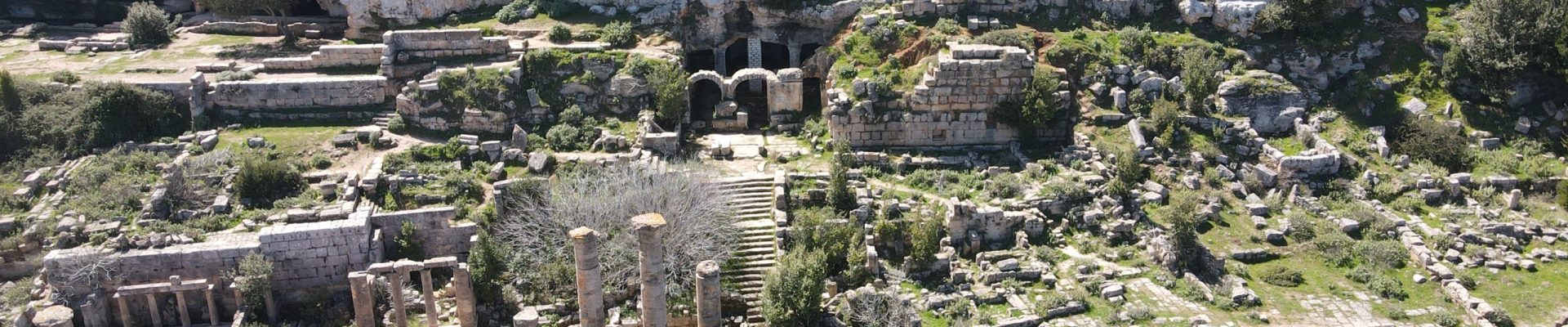



ASOR is seeking a volunteer photographer to help capture our upcoming 2025 Annual Meeting at the Hilton Boston Park Plaza from November 19–22, 2025, including our 125th Anniversary Celebrationon Saturday evening. We hope to document the special occasion with high-quality photos that will be shared on our website, social media, and future publications.
Volunteer Responsibilities:
Ideal Candidate:
This is an uncompensated position, but reimbursements and hotel nights are negotiable. To apply, please email programs@asor.org with a brief letter of interest and a sample or link to your work. Applications due October 15th.
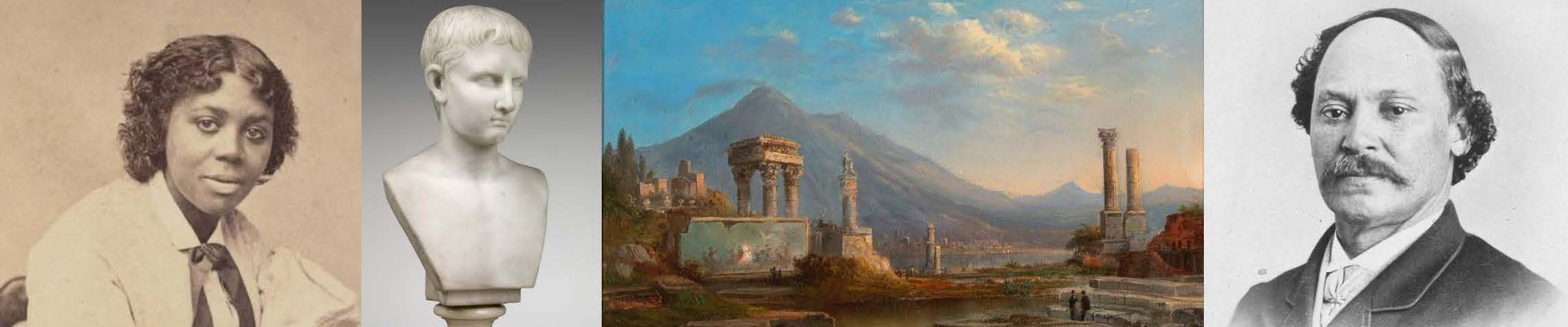
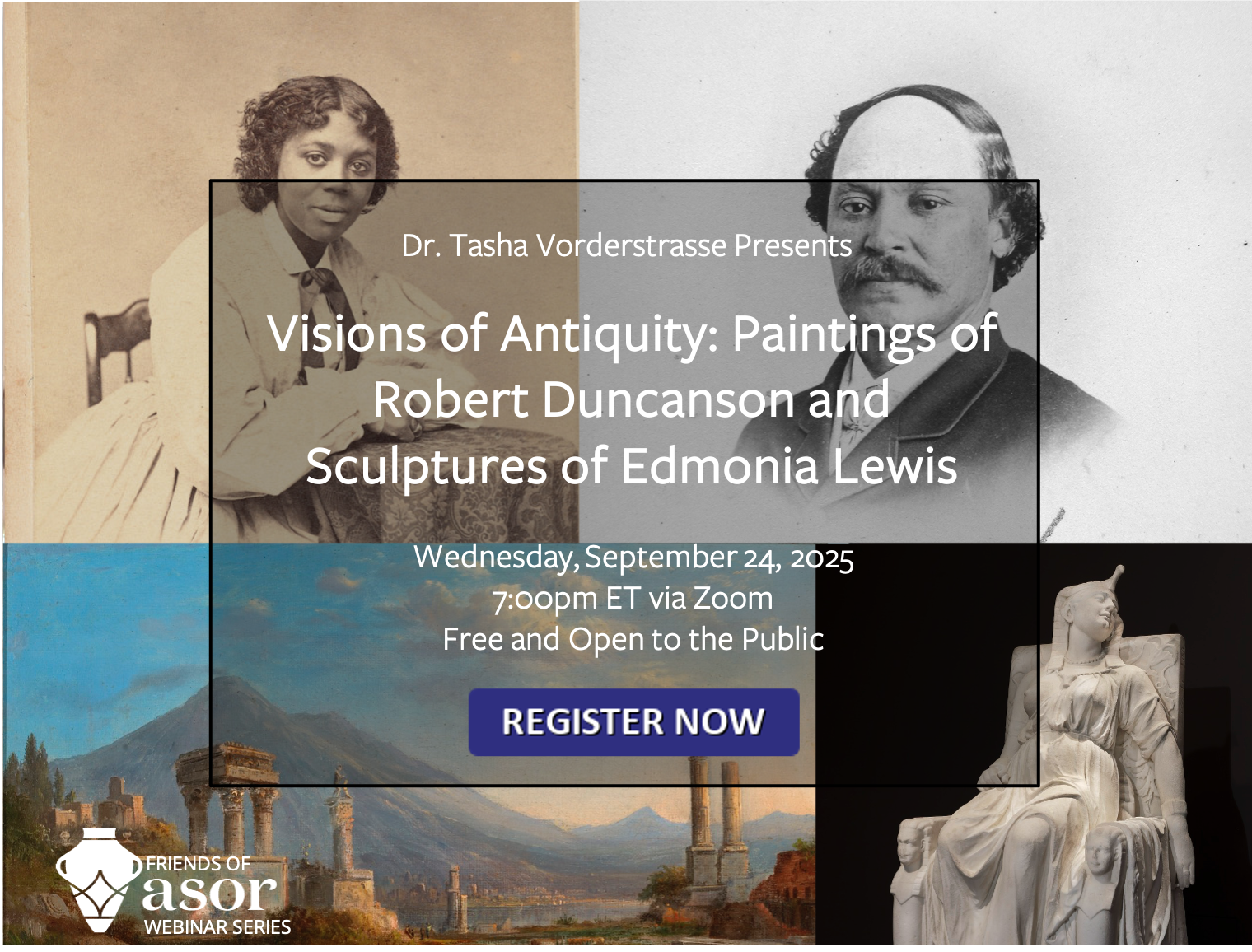
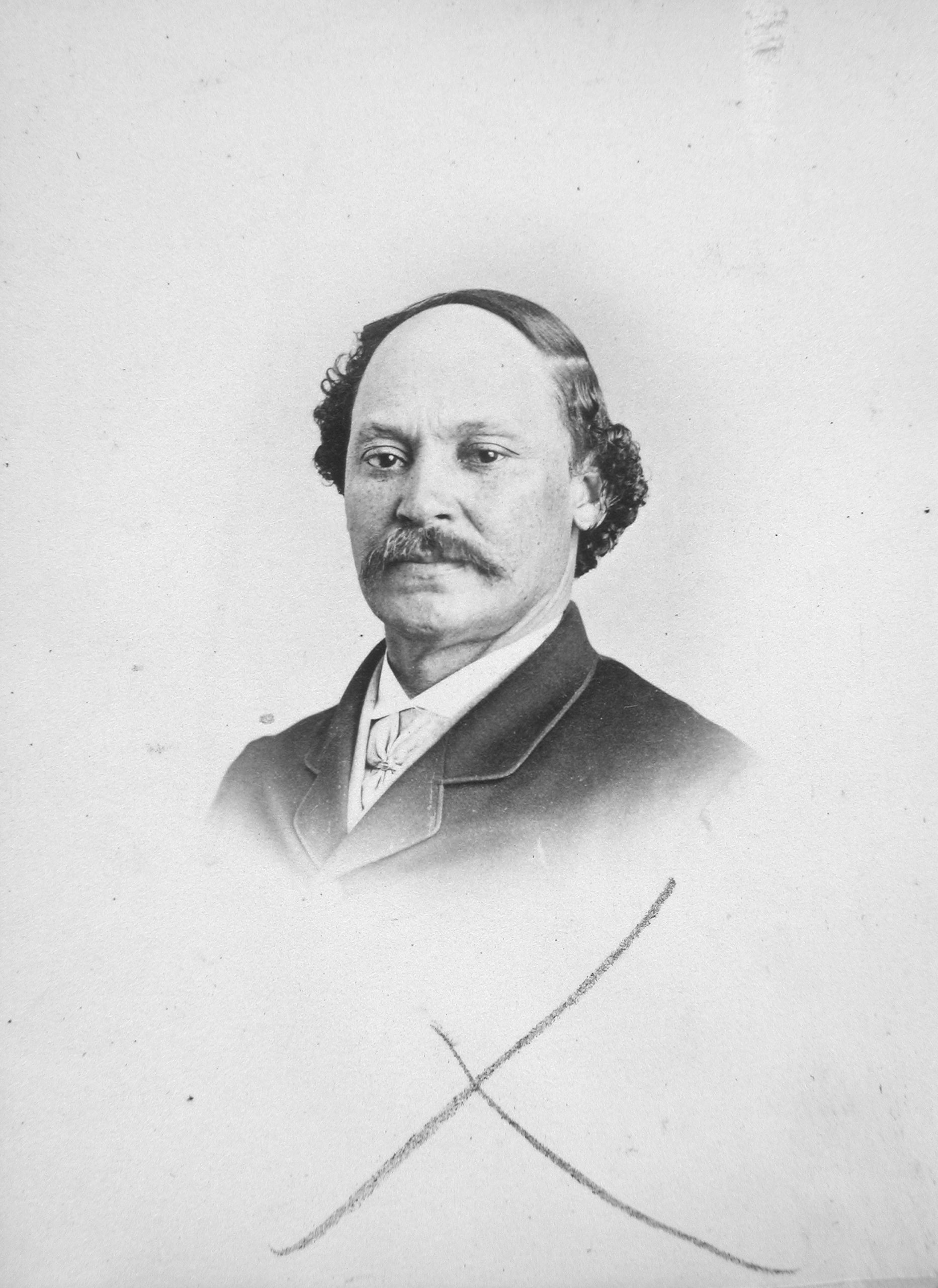
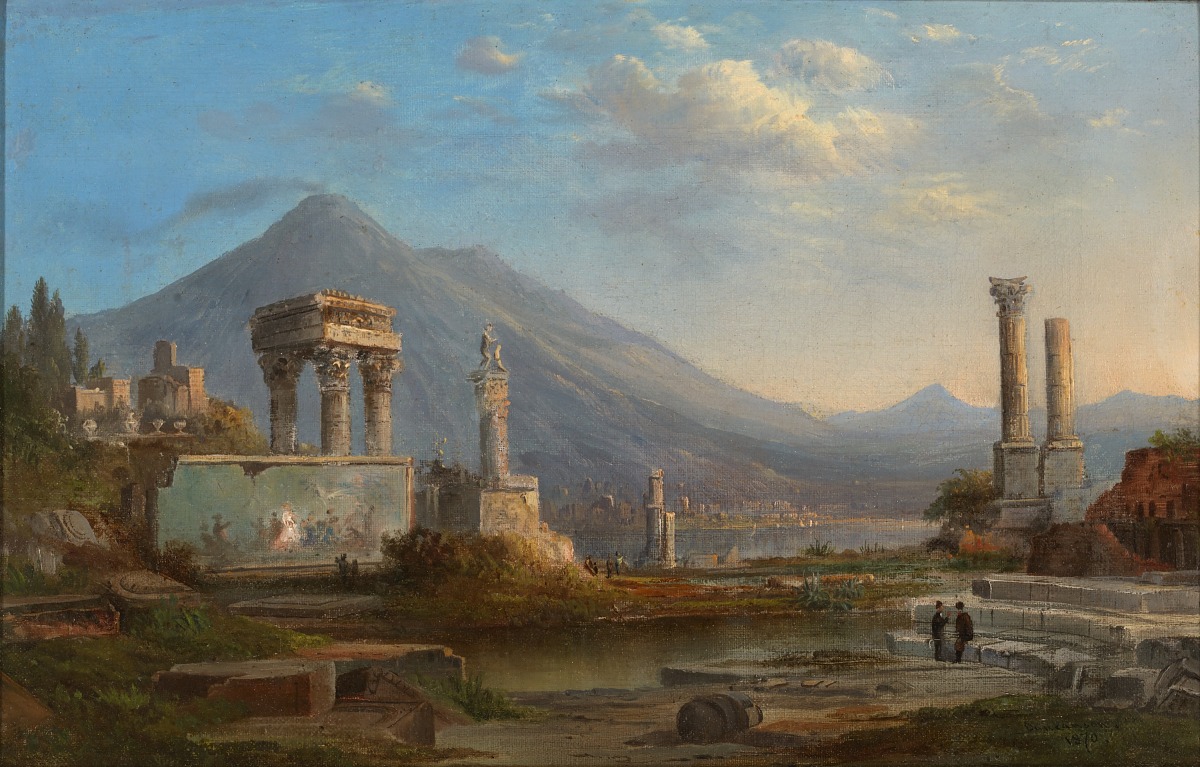
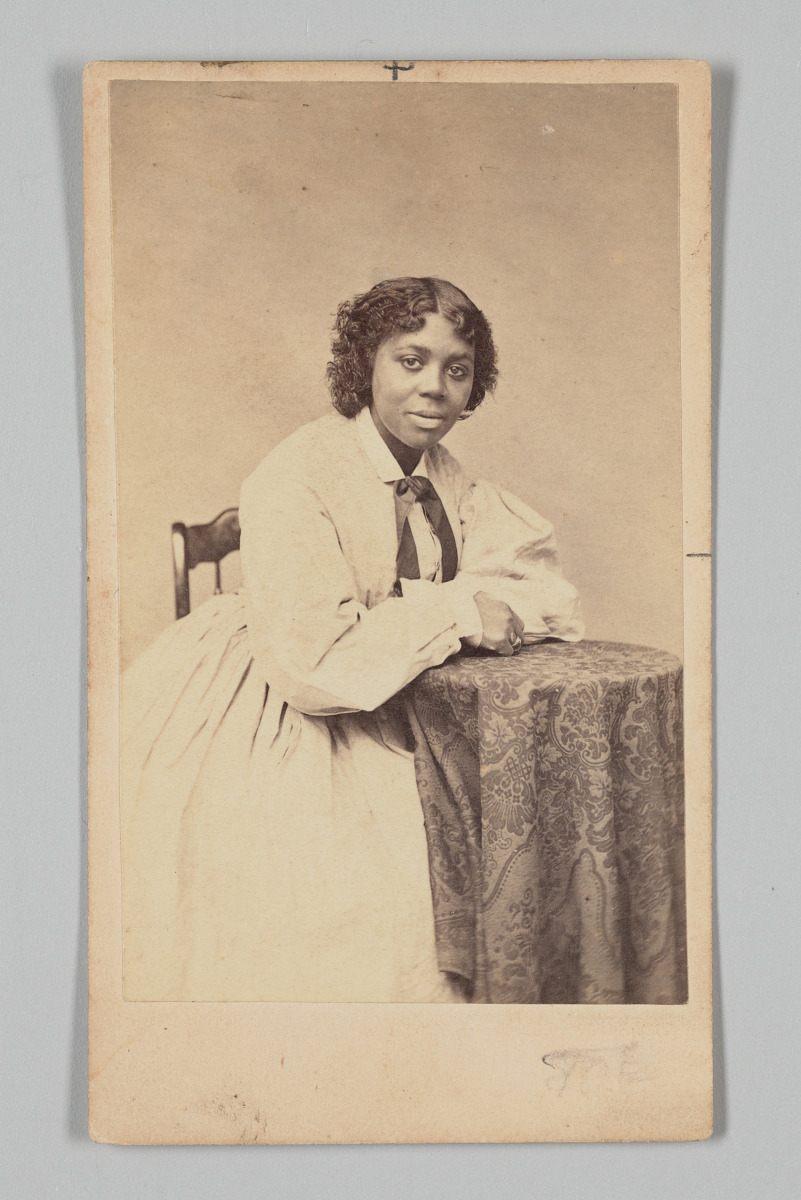
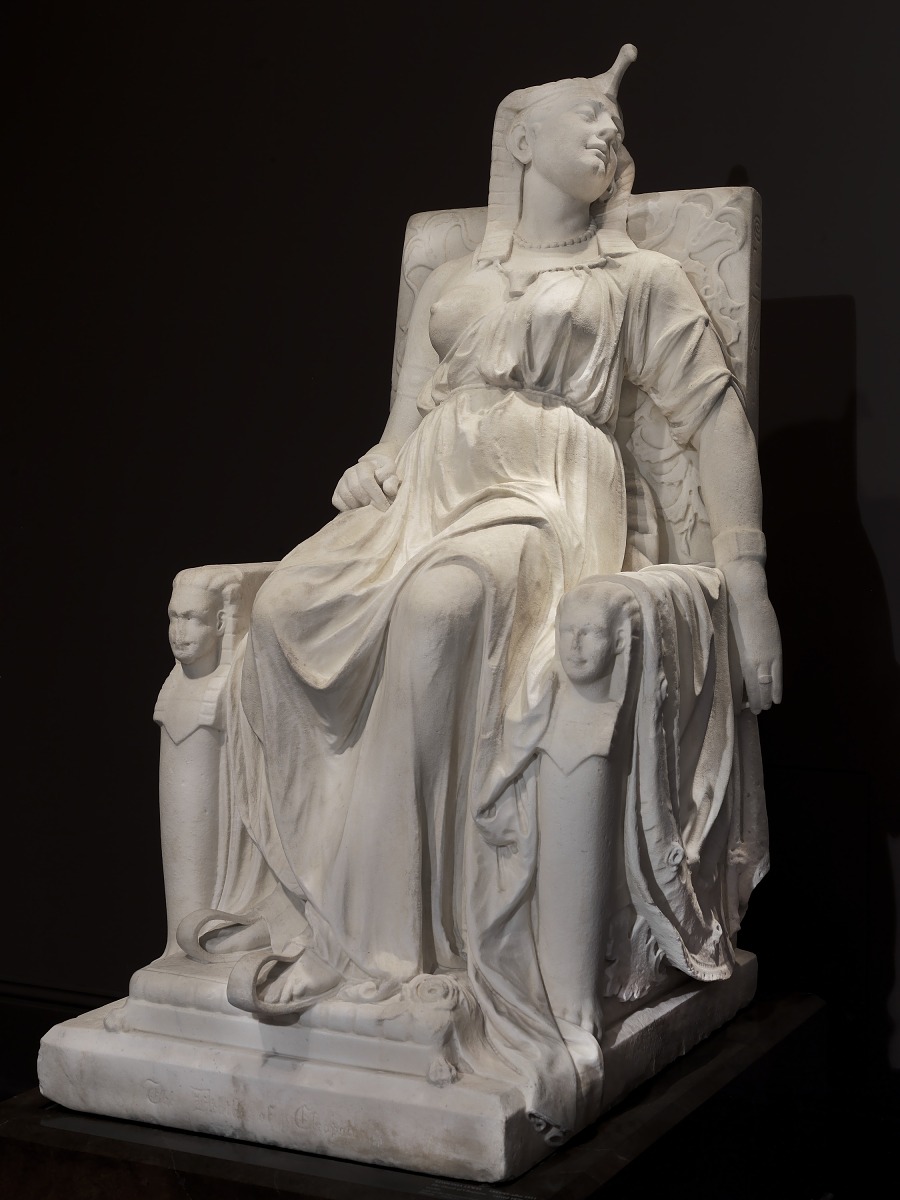
 Tasha Vorderstrasse is the Manager of the Continuing Education program at the Institute for the Study of Ancient Cultures, West Asia and North Africa (ISAC) at the University of Chicago. In her job, she coordinates the ISAC’s adult education program, in which she also teaches, in addition to giving ISAC Museum tours and providing other programming to University of Chicago students. She is also responsible for the ISAC social media pages. She received her PhD in Near Eastern Archaeology from the University of Chicago in 2004 and is interested in questions of how different forms of material culture can help us better understand how individuals constructed their identities over time. Her work on the reception of ancient and medieval West Asia and North Africa focuses on different ways in which various individuals understood and experienced the region, specifically looking at the collecting of antiquities, 19th-century photography, and how Black artists, historians, and intellectuals examined the ancient world.
Friends of ASOR is pleased to announce that the first webinars of the 2025-2026 season will once again be free and open to the public with a goal to raise $10,000 so that the entire webinar season will be free. Will you support this outreach effort with a tax-deductible contribution? All donors/sponsors with gifts of $100 or more will be recognized in subsequent webinars. Help ensure these webinars stay free and available to all by donating today!
Designate your gift for “Webinars” in the drop-down menu.
[vc_row fullwidth=”true” attached=”true” css=”.vc_custom_1496247803139{padding-top: 0px !important;padding-right: 0px !important;padding-bottom: 0px !important;padding-left: 0px !important;}”][vc_column][vc_single_image image=”105318″ img_size=”full” alignment=”center”][/vc_column][/vc_row][vc_row fullwidth=”true” css=”.vc_custom_1496682730308{padding-top: 10px !important;padding-right: 0px !important;padding-bottom: 0px !important;padding-left: 0px !important;}”][vc_column width=”1/12″ css=”.vc_custom_1496683820796{margin-right: 10px !important;}” offset=”vc_hidden-md vc_hidden-sm vc_hidden-xs”][vc_column_text]
SHARE
[/vc_column_text][mk_image src=”http://www.asortest.org/wp-content/uploads/2017/01/social-fb-icon4.jpg” image_width=”42″ image_height=”42″ hover=”false” custom_url=”https://www.facebook.com/ASOResearch/” margin_bottom=”0″][mk_image src=”http://www.asortest.org/wp-content/uploads/2017/01/social-tw-icon4.jpg” image_width=”42″ image_height=”42″ hover=”false” custom_url=”https://twitter.com/ASOResearch?ref_src=twsrc%5Egoogle%7Ctwcamp%5Eserp%7Ctwgr%5Eauthor” margin_bottom=”0″][mk_image src=”http://www.asortest.org/wp-content/uploads/2017/01/social-in-icon4.jpg” image_width=”42″ image_height=”42″ hover=”false” custom_url=”https://www.linkedin.com/company/american-schools-of-oriental-research” margin_bottom=”0″][mk_image src=”http://www.asortest.org/wp-content/uploads/2017/01/social-ml-icon_7.jpg” image_width=”42″ image_height=”42″ hover=”false” custom_url=”mailto:info@asor.org” margin_bottom=”0″][mk_image src=”http://www.asortest.org/wp-content/uploads/2017/01/blog-icon3.jpg” image_width=”42″ image_height=”42″ hover=”false” custom_url=”http://asor.org/blog” margin_bottom=”0″][/vc_column][vc_column border_color=”rgba(255,255,255,0.01)” width=”1/6″ css=”.vc_custom_1496683923840{margin-right: 20px !important;border-left-width: 2px !important;padding-right: 20px !important;padding-left: 20px !important;border-left-color: #99422f !important;}”][mk_divider divider_color=”rgba(255,255,255,0.01)” thickness=”1″ margin_top=”3″ margin_bottom=”3″][vc_widget_sidebar sidebar_id=”ca-sidebar-39801″][/vc_column][vc_column border_color=”rgba(170,170,170,0.01)” width=”1/2″ css=”.vc_custom_1487276122024{margin-right: 10px !important;margin-bottom: 30px !important;border-right-width: 2px !important;border-bottom-width: 2px !important;padding-top: 30px !important;padding-right: 30px !important;padding-left: 20px !important;background-color: #ffffff !important;border-right-color: rgba(227,228,228,0.75) !important;border-bottom-color: rgba(227,228,228,0.75) !important;}”][vc_column_text responsive_align=”left”]
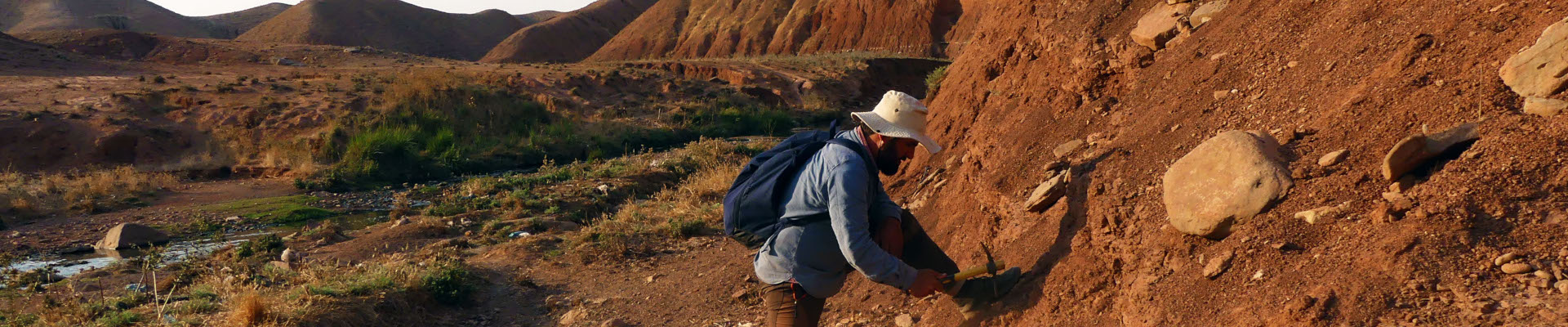
Joshua Micallef, 2025 P.E. MacAllister Fieldwork Scholarship Recipient. [/vc_column_text][mk_divider margin_top=”10″ margin_bottom=”10″][vc_wp_text]I was part of the TERRSOC ‘Reading’ Ancient Landscapes: Peasant Decision-Making and Terraced Agriculture in Central Palestine over la Longue Duree project. This year’s excavation took place in Jordan, specifically at Tell Hesban and the nearby wadi. Seeing my interest in landscape archaeology, I was assigned to the Wadi Hesban team.
The first week started with a survey of a section of the south side of Wadi Hesban. To say the vistas were breathtaking is an understatement. The landscape is dramatic, with agricultural terraces, both in use and relict, dotting the landscape. The barking of dogs and bleating of sheep and goats is an ever constant companion, and the trickle of fresh water from the local spring is a refreshing contrast to the Jordanian sun. The locals were truly friendly, as is to be expected in this region of the world. We would continue to make local connections, and be offered copious amounts of tea, throughout our time at the wadi.[/vc_wp_text][vc_single_image image=”105402″ img_size=”large” add_caption=”yes” alignment=”center” onclick=”img_link_large” img_link_target=”_blank” css=”.vc_custom_1757089224675{padding-right: 10px !important;}”][mk_padding_divider size=”20″][vc_wp_text]Shunat Dhiab, mentioned in the 1889 traveller’s account of Major C. R. Connor, was identified atop the high grounds, with two water-driven mills of possible Ottoman date located further down the slope of the wadi. During the survey, a number of possible terrace sites for excavation and sampling were identified. After the day’s trek, preliminary Optically Stimulated Luminescence (OSL) dates from the 2024 campaign awaited us at the hotel, and these supported what is known of the occupation of the area.
The second day commenced early, as would all subsequent days. Two trenches, S3 and S4, were opened behind a terrace wall located close to Shunat Dhiab. The work was hard, but always rewarding, and the vistas made the daily trek up to the site worth the effort. The trenches would continue to be excavated in the next three days, reaching depths of around two metres. Sampling commenced on trench S3 on day four. Samples for various analyses, such as soil biomarkers, OSL dating, soil texture, and microbotanical analysis, were collected. On day five, due to the absence of two of the team members, it was decided to postpone sampling of trench S4 to the second week of excavations. Thus, day five saw the opening of trench S5 lower down the slope of the wadi, below a terrace wall located close to the presumed older of the two water-driven mills. By the end of the day, the trench had reached over a meter in depth.[/vc_wp_text][vc_single_image image=”105403″ img_size=”large” add_caption=”yes” alignment=”center”][mk_padding_divider size=”20″][vc_wp_text]Week two continued in much the same vein. The first day commenced with the sampling of trench S4, with another OSL sample being taken from trench S3. At trench S5, the first OSL sample was taken from under the terraced wall. Day two saw the continuation of sampling in trench S5. One of the team members also commenced a survey of the high ground of the wadi around Shunat Dhiab. Several other structural remains, architectural fragments, and rock cut features had been observed in the area during the first week, and these were mapped via GPS points. The day ended with a search for a possible location for trench S6. Two potential sites were identified further down the wadi slope in an area that is actively cultivated. Day three commenced with photogrammetry of trench S5, which was eventually followed by drone flights to photograph the area of the wadi under investigation, creating an orthophotograph. Trench S6 was also opened after discussions with the landowner, who was more than willing to allow us to investigate and dig along the terraced walls of his field. On day 4, the final day at the wadi, trench S6 was completed, documented, and sampled.
It was undoubtedly a rewarding two weeks, though the rugged terrain and steep slopes did make the going quite tough at times. The views at the wadi were a reward in themselves, and few things could beat the sight of the sun still rising over the wadi at 6 am. The hospitable and helpful nature of the locals was also without measure, and in part, the successful completion of these two weeks could not have been possible without the Jordanian locals.[/vc_wp_text][vc_single_image image=”105270″ img_size=”large” add_caption=”yes” alignment=”center” onclick=”img_link_large” img_link_target=”_blank” css=”.vc_custom_1756908305317{padding-right: 10px !important;}”][mk_padding_divider size=”20″][vc_wp_text]The experience was undoubtedly illuminating and fulfilling. It gave me the opportunity to work closely with individuals from different countries and experience Jordanian culture and hospitality. The multi-cultural aspect of the team was truly an experience I will hold dear to me. I have also gained further hands-on experience, and especially important to me was the landscape element and the sampling of soil for various scientific tests. Sampling for OSL was particularly illuminating, with the need to ensure the sample was not exposed to light.[/vc_wp_text][mk_padding_divider size=”20″][vc_single_image image=”105404″ img_size=”medium” add_caption=”yes” alignment=”center” onclick=”img_link_large” img_link_target=”_blank” css=”.vc_custom_1757089432627{padding-right: 10px !important;}”][mk_padding_divider size=”20″][vc_wp_text]
Joshua Micallef has pursued various careers, including in the financial services sector and software testing. As of 2020, he studied at the University of Malta, attaining a BA in Archaeology (Hons) with Geography, and is currently reading for an MA Asian Studies: Islamic Archaeology at the University of Bonn. His main area of interest lies in the Medieval period of the Central Mediterranean.
[/vc_wp_text][mk_divider][vc_wp_text]
Want to help more students and early career archaeologists get into the field? Donate to the cause today by selecting “Fieldwork Scholarships” as your gift purpose!
[/vc_wp_text][mk_padding_divider size=”20″][/vc_column][vc_column border_color=”rgba(170,170,170,0.01)” width=”1/6″ css=”.vc_custom_1496684098866{margin-right: 5px !important;margin-bottom: 20px !important;border-right-width: 2px !important;border-bottom-width: 2px !important;padding-top: 30px !important;padding-right: 10px !important;padding-left: 10px !important;background-color: #ffffff !important;border-right-color: rgba(227,228,228,0.75) !important;border-bottom-color: rgba(227,228,228,0.75) !important;}”][vc_wp_posts title=”BROWSE THE NEWS ARCHIVE” number=”4″][/vc_column][vc_column border_color=”rgba(170,170,170,0.01)” width=”1/6″ css=”.vc_custom_1496684008271{margin-right: 10px !important;margin-bottom: 30px !important;border-right-width: 2px !important;border-bottom-width: 2px !important;padding-top: 30px !important;padding-right: 20px !important;padding-left: 20px !important;background-color: #ffffff !important;border-right-color: rgba(227,228,228,0.75) !important;border-bottom-color: rgba(227,228,228,0.75) !important;}”][vc_widget_sidebar sidebar_id=”ca-sidebar-99363″][/vc_column][/vc_row]

 Pp. 176–185: “From Armageddon to Chicago: The Legacy of the University of Chicago’s Megiddo Expedition” by Kiersten Neumann
The Megiddo excavation of the University of Chicago’s Institute for the Study of Ancient Cultures (previously the Oriental Institute; hereafter ISAC) was the first of many multiyear archaeological expeditions initiated by the burgeoning institute in the early twentieth century. The discovery, recording, and interpretation that took place over the fourteen seasons of fieldwork (1925–1939) under three successive field directors—Clarence S. Fisher (1925–1927), P. L. O. Guy (1927–1934), and Gordon Loud (1935–1939)—would come to lay the foundations for archaeology in the southern Levant. Accessible through ISAC’s seminal publications, museum collections (including both archaeological objects and archival records), and public exhibitions, the wealth of information and materials acquired as a result of the Megiddo Expedition are still rigorously consulted and built upon today, making it one of the most impactful and lasting endeavors in ISAC’s history.
ASOR Members with online access: log into ASOR’s Online Portal here. Once logged in, click the JOURNALS tab in the top navigation bar. Tutorials for how to log in to the Online Portal as well as how to navigate to the Portal Journals page can be found here.
 Pp. 186-193: “The Last Canaanites: Megiddo during the Iron Age I” by Eran Arie
This article explores the final stages of Canaanite Megiddo during Iron I, focusing on Strata VIB and VIA. Stratum VIB presents evidence for a modest village lacking monumental structures, while Stratum VIA marks the peak of urban development before its catastrophic destruction. The article argues for the architectural and social continuity between the Late Bronze and Iron Age I, highlighting Megiddo’s role as an independent citystate, and emphasizing its economic self-sufficiency, localized production, and Canaanite heritage. The destruction of Stratum VIA was unexpected, rapid, and complete, as there are no signs of crisis behavior.
ASOR Members with online access: log into ASOR’s Online Portal here. Once logged in, click the JOURNALS tab in the top navigation bar. Tutorials for how to log in to the Online Portal as well as how to navigate to the Portal Journals page can be found here.
 Pp. 194-203: “Before the Omrides: The Early Days of Israelite Megiddo” by Assaf Kleiman and Israel Finkelstein
Excavations in the southeastern sector of Megiddo revealed important finds that illuminate the material culture and history of the site in particular and northern Israel in general during the early days of the Northern Kingdom (Israel). This includes the appearance of public architecture and the revival of the commercial networks in the eastern Mediterranean.
SIDEBAR P. 197: Sheshonq I (Biblical Shishak) at Megiddo, byShirly Ben-Dor Evian
SIDEBAR P. 198: From Bronze to Iron, by Naama Yahalom-Mack
ASOR Members with online access: log into ASOR’s Online Portal here. Once logged in, click the JOURNALS tab in the top navigation bar. Tutorials for how to log in to the Online Portal as well as how to navigate to the Portal Journals page can be found here.
 Pp. 204-211: “Megiddo of the Omride Dynasty” by Israel Finkelstein
This article deals with the remains of Stratum VA-IVB at Megiddo. From the perspective of relative chronology (i.e., ceramic typology), it dates to the late Iron IIA. Monuments belonging to this stratum, especially two ashlar-built palaces and the six-chambered gate, had previously been associated with the construction activities of King Solomon in the tenth century BCE. Traditional archaeology considerations and radiocarbon dating now put it in the first half of the ninth century—the period of the Omride dynasty of the Northern Kingdom (Israel). First, the history of research of Stratum VA-IVB is described, followed by the presentation of new evidence from the field on two of its monuments: Palace 6000, first excavated by Yigael Yadin, and the gate, unearthed by the University of Chicago team. Finally, general issues, such as the layout of the city and its cult, are discussed.
ASOR Members with online access: log into ASOR’s Online Portal here. Once logged in, click the JOURNALS tab in the top navigation bar. Tutorials for how to log in to the Online Portal as well as how to navigate to the Portal Journals page can be found here.
 Pp. 212-220: “Horse Industry City: Eighth-Century BCE Megiddo” by Israel Finkelstein
The article deals with Stratum IVA at Megiddo, dated to the early Iron IIB, in the first half of the eighth century BCE. This layer yielded the biggest concentration of monuments in a city belonging to the Northern Kingdom. First, its construction and destruction dates are dealt with, and then the main monuments: the four-entry gate, water system, administration building with a sector devoted to cult, and the two systems of three-aisle longitudinal pillared building. The construction date and the function of the latter structures had been disputed. It is now clear that they belong to Stratum IVA and that they indeed served as stables, as first suggested in the 1920s. The number of units at Megiddo points to a developed industry, which probably specialized in breading horses and training them as war animals. This was among the most important economic ventures of the kingdom.
ASOR Members with online access: log into ASOR’s Online Portal here. Once logged in, click the JOURNALS tab in the top navigation bar. Tutorials for how to log in to the Online Portal as well as how to navigate to the Portal Journals page can be found here.
 Pp. 222-230: “Megiddo in the Age of Empires: Assyria, Egypt, and Babylonia” by Assaf Kleiman
Following the collapse of the Northern Kingdom in the late eighth century BCE, Megiddo became the capital of the Neo-Assyrian province of Magiddû. The University of Chicago excavations exposed the settlement’s distinct orthogonal layout and administrative quarter. And yet, many questions concerning its chronology, material culture, and population remained unsolved. In this article, the unique contributions of recent fieldwork conducted in the mound’s northwestern sector to the understanding of Megiddo under Assyrian, Egyptian, and Babylonian rule are highlighted
ASOR Members with online access: log into ASOR’s Online Portal here. Once logged in, click the JOURNALS tab in the top navigation bar. Tutorials for how to log in to the Online Portal as well as how to navigate to the Portal Journals page can be found here.
 Pp. 232-239: “Protecting and Presenting Armageddon: The Conservation and Public Interpretation of Tel Megiddo” by Shirly Ben-Dor Evian and Neil A. Silberman
The vital behind-the-scenes work of conservation and site presentation at Tel Megiddo is essential to preserving the site for visitation and raising public awareness about its archaeological and historical significance. Protecting the site’s extensive archaeological remains from deterioration requires ongoing conservation efforts at every scale from small finds to large excavation areas. And as Megiddo evolves from a strictly archaeological site to a cultural icon and tourism destination, the challenge of interpreting its monuments for diverse audiences has become more complex. This article explores Megiddo’s management history, conservation strategies, and interpretive approaches focused on deepening public understandings of Megiddo’s urban evolution and cultural significance.
ASOR Members with online access: log into ASOR’s Online Portal here. Once logged in, click the JOURNALS tab in the top navigation bar. Tutorials for how to log in to the Online Portal as well as how to navigate to the Portal Journals page can be found here.
 Pp. 240-247: “The Contribution of the Megiddo Expedition to the Archaeology of the Levant and Beyond” by Israel Finkelstein and Matthew J. Adams
The article summarizes the results of three decades of excavations at Megiddo, emphasizing the initial goals of the Tel Aviv University Expedition and their fulfillment. It discusses the reinvestigation of main monuments uncovered in the past, and the main archaeological and historical contributions of the dig by period.
ASOR Members with online access: log into ASOR’s Online Portal here. Once logged in, click the JOURNALS tab in the top navigation bar. Tutorials for how to log in to the Online Portal as well as how to navigate to the Portal Journals page can be found here.