FOA Webinar Panel: From Tunis to Tataouine

FRIENDS OF ASOR WEBINARS

From Tunis to Tataouine: ASOR’s Cultural Heritage Partnerships in Tunisia

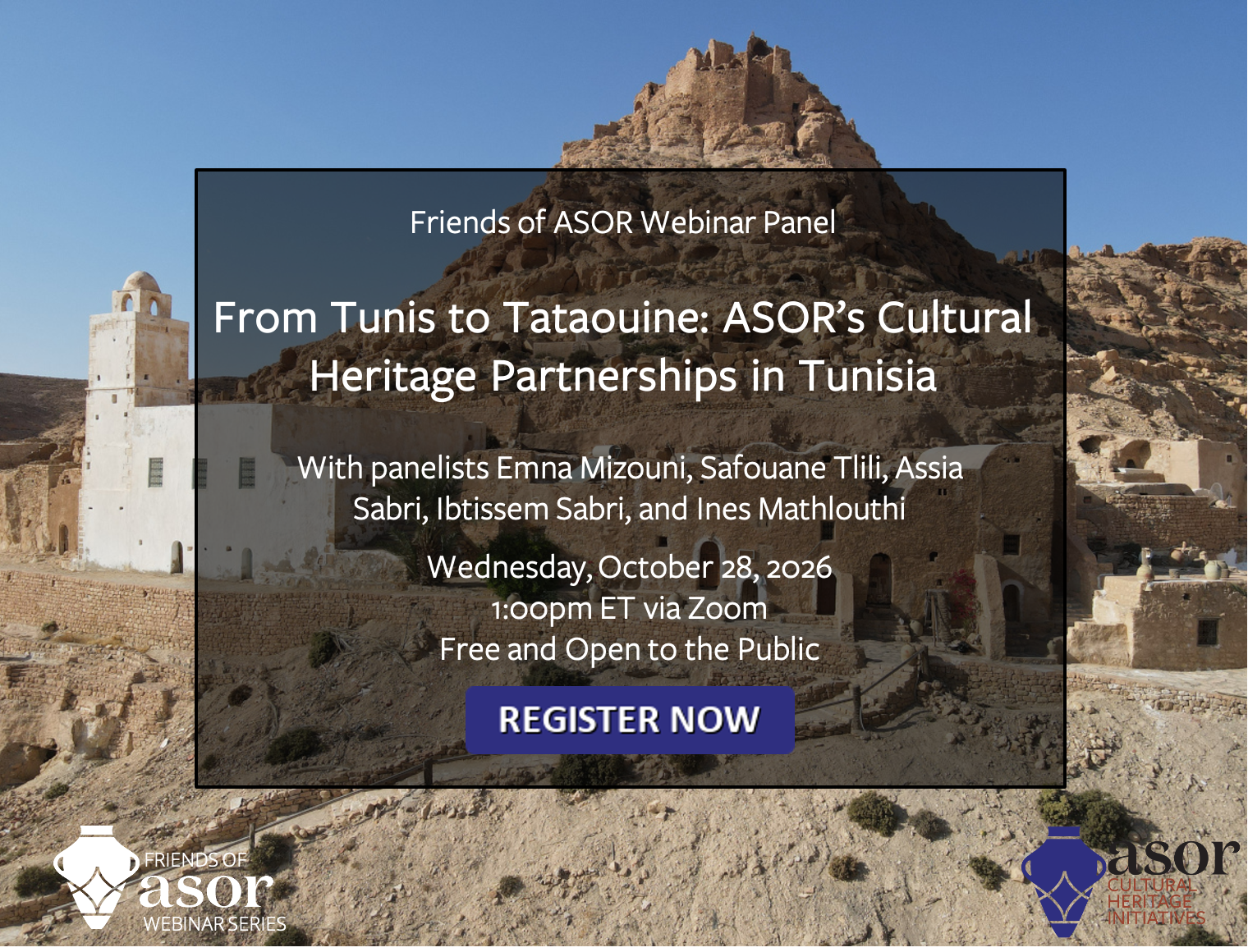
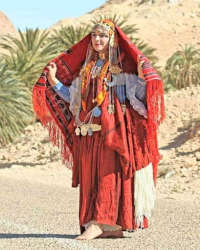
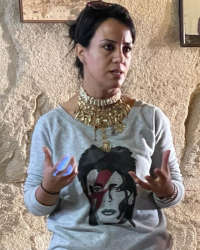
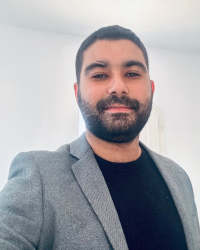
Friends of ASOR presents the next webinar of the 2026-2027 season: “From Tunis to Tataouine: ASOR’s Cultural Heritage Partnerships in Tunisia” on October 28, 2026, at 1:00 pm EDT, with panelists Emna Mizouni, Safouane Tlili, Assia Sabri, Ibtissem Sabri, and Ines Mathlouthi (moderated by Darren Ashby). This webinar will be free and open to the public. Registration through Zoom (with a valid email address) is required. This webinar will be recorded and all registrants will be sent a recording link in the days following the webinar.

Join us for a panel discussion on ASOR’s cultural partnerships in Tunisia and hear directly from local partners that make this important work possible.

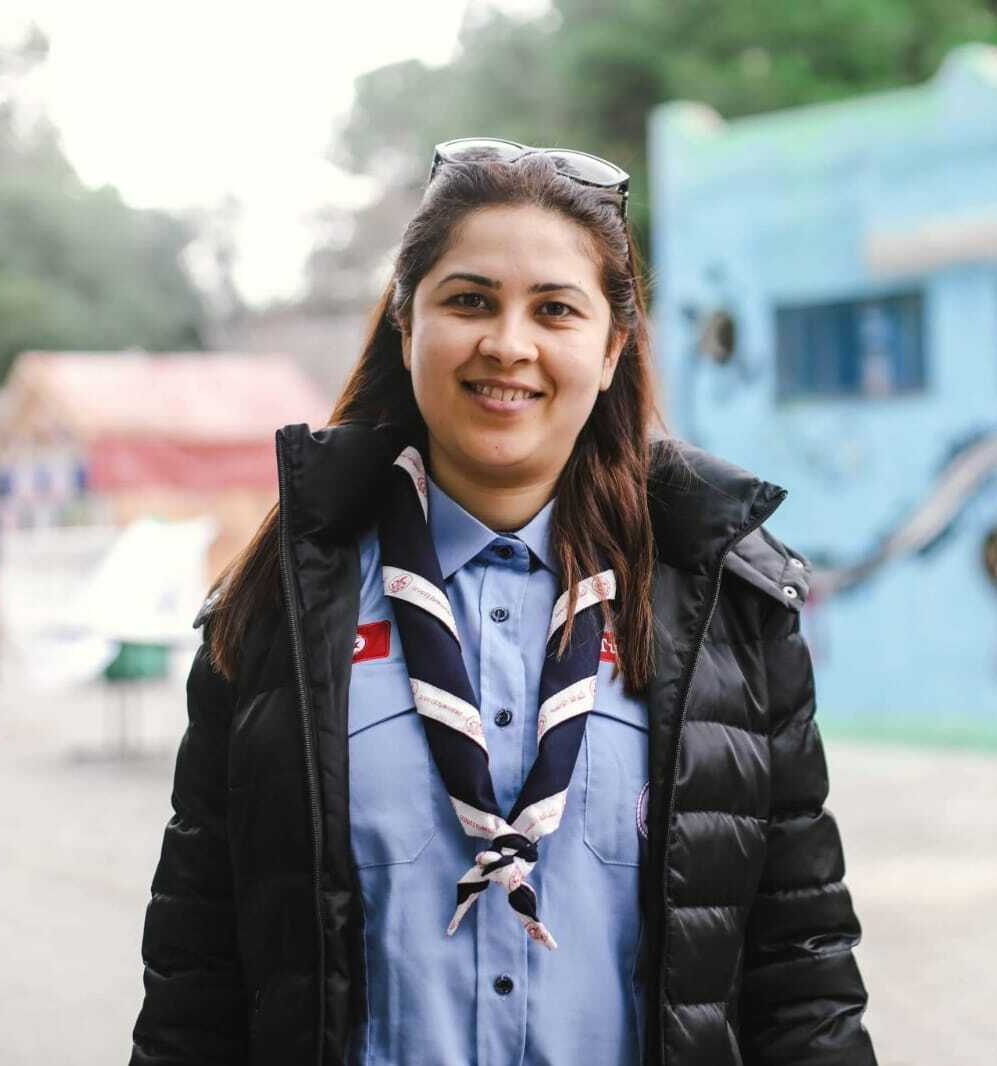
Ines Mathlouthi is a leader and project manager at the Tunisian Scouts organization. She has previously worked on TOURATH, a project aimed at preserving and protecting Tunisian national heritage for future generations, in partnership with the US Embassy in Tunis.

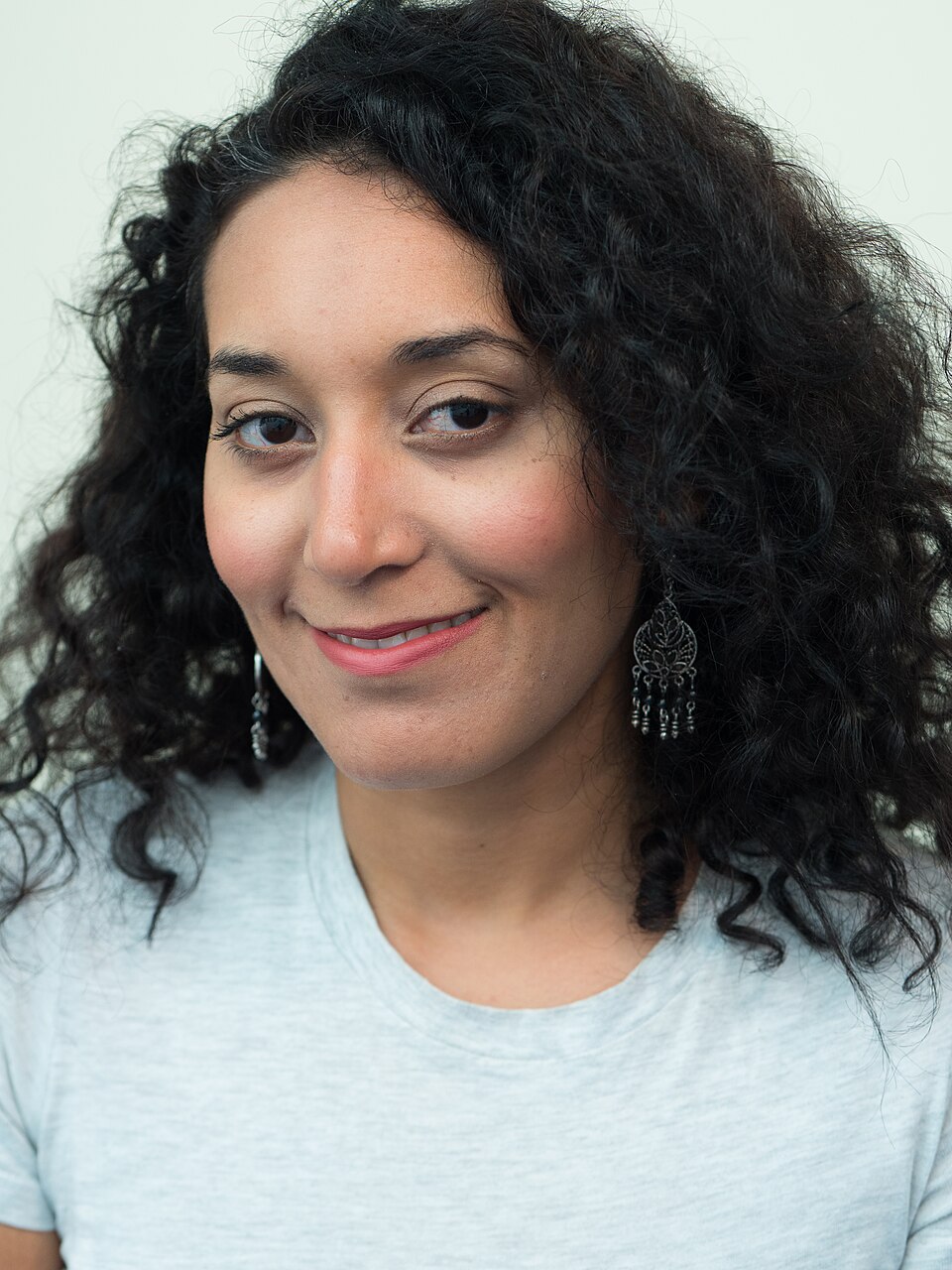
Emna Mizouni is a strategist dedicated to building equitable digital futures working at the intersection of technology, human rights, global policy, and the preservation of global cultural heritage. Her commitment to storytelling and documenting history and heritage led her to found Carthagina, an organization dedicated to preserving Tunisian heritage through digital innovation.

Assia Sabri holds a university degree in accounting and finance. She is also a traditional jewelry maker and civil society activist.

Ibtissem Sabri is a civil society activist in Tataouine in southern Tunisia. She is also a representative on the local council of Tataouine Sud in Douiret.

Safouane Tlili is a photographer who specializes in documenting the material and intangible heritage of Tunisia, especially on the island of Djerba. He has held several art exhibitions and is a civil activist in several human rights and cultural associations.

SUPPORT THE WEBINAR PROGRAM!

Friends of ASOR is pleased to announce that the first webinars of the 2026-2027 season will once again be free and open to the public with a goal to raise $10,000 so that the entire webinar season will be free. Will you support this outreach effort with a tax-deductible contribution? All donors/sponsors with gifts of $100 or more will be recognized in subsequent webinars. Make your gift today and select “webinars” from the drop-down menu.

Designate your gift for “Webinars” in the drop-down menu.

2026 Student Paper Award

2026 ANNUAL MEETING STUDENT PAPER AWARD

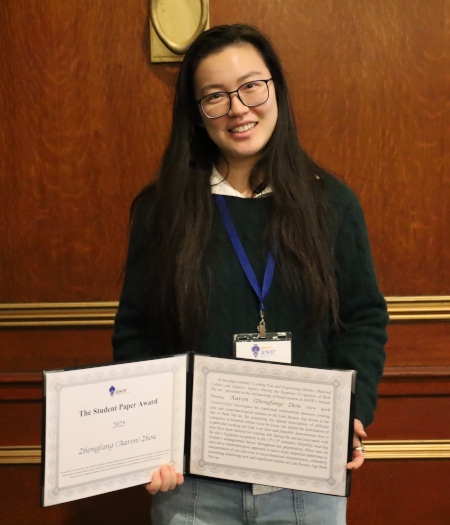
Aaren Zhou, winner of the 2025 Student Paper Award.

ASOR is accepting applications for the 2026 Student Paper Award. This award is conferred upon the author(s) of a paper presented (in-person or online) during the 2026 hybrid ASOR Annual Meeting that conveys the results of a study about ancient Near Eastern and wider Mediterranean societies in a clear, understandable and convincing fashion. The first author and presenter of the paper must be a registered student at the time of presentation in order to be eligible for consideration for this award. This year the award is accompanied by a $500 prize.

Students will need to complete the following steps by November 4 to be considered for the award:

1. Please complete this Google Form in order to apply for the Student Paper Award.

2. Upload your recorded presentation to ASOR’s Student Award Application Dropbox folder by navigating to the 2026 Annual Meeting Presenter Information page. From there, you will find instructions and the Dropbox link, as well as tips and tutorials for presenters.

Applications and recorded paper presentations are both due by November 4.

Please note that this award is independent of the Sean Dever Memorial Prize, which is conferred by the W.F. Albright Institute of Archaeological Research. To learn more about Awards presented at the Annual Meeting, please visit the Honors and Awards page. For questions and inquiries please email info@asor.org.

ECS Fall Brown Bag: Beyond the Tenure Track

Sunset at Brac Island Croatia

Early Career Scholars Fall Brown Bag: Beyond the Tenure Track

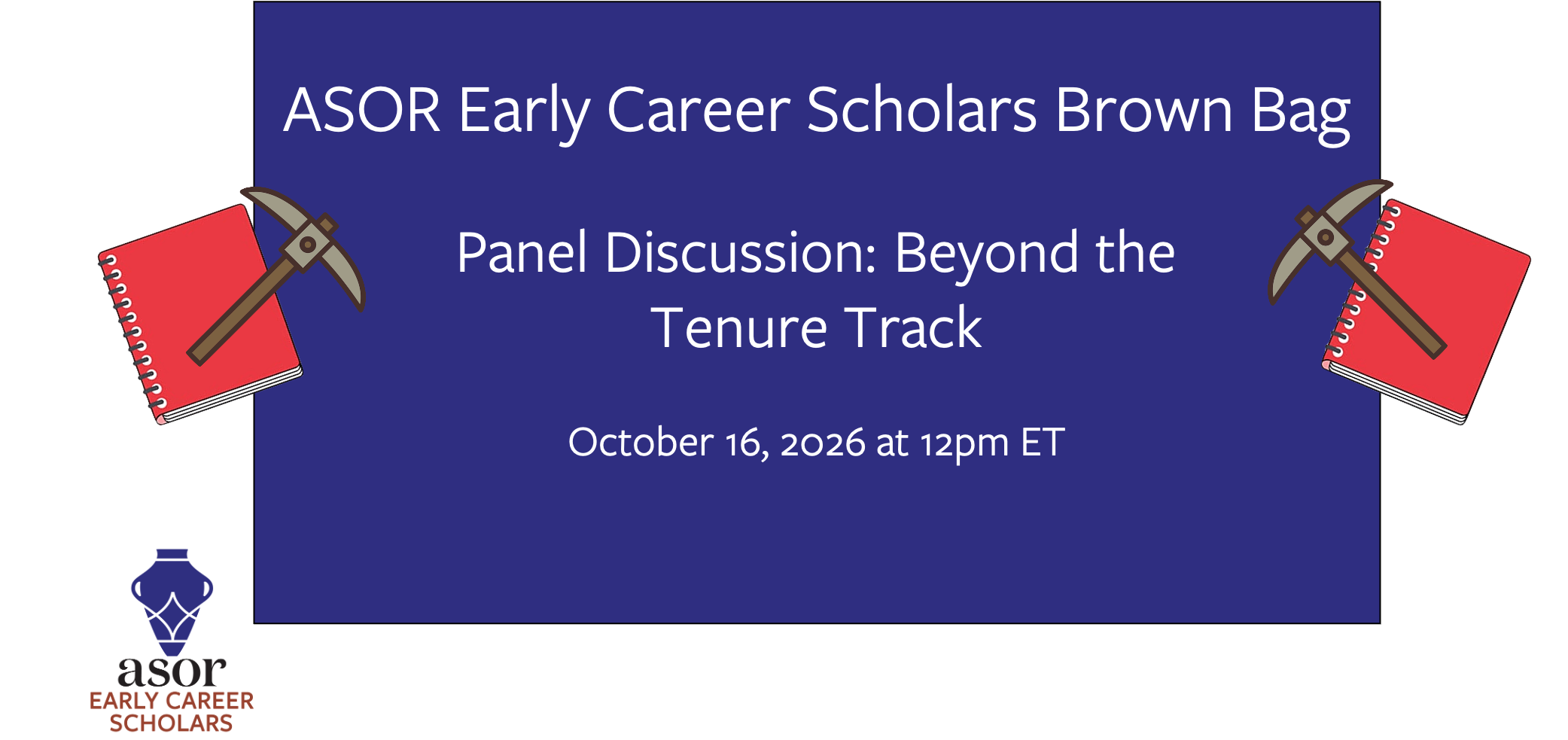
Panel Discussion: Beyond the Tenure Track

What does an archaeology career look like outside a traditional academic appointment? Join ASOR’s Early Career Scholars on October 16, 2026 at 12:00pm ET via Zoom for the Fall Brown Bag, “Beyond the Tenure Track,” a panel on career paths and opportunities outside of academia.


This discussion features panelists Zuzana Chovanec, Anashya Srinivasan, and Amanda Hope Haley—professionals working in public-facing archaeology writing, cultural resource management, the U.S. Department of State, and the tourism sector. They’ll share how they built their careers, what their work looks like day to day, and how the skills you’re developing now can translate into a range of pathways. Whether you’re a student thinking about your first job or an early career scholar looking for some advice, we hope to see you there!

The event, a part of our Brown Bag lunch series, is FREE for the ASOR community, but registration is required.

Register Now

News from ASOR’s President and Looking for Your Input

News from ASOR’s President and Looking for Your Input

October 5, 2026

Dear All,

As our profession grows and changes, one of my highest priorities as ASOR president is to involve you, our members, directly in the discussion and decision-making about ASOR’s important policies and initiatives. With the Annual Meeting approaching, I want to share some information about what to expect there and what has been happening at ASOR over the summer.

Please take a look at the Annual Meeting schedule and find the exciting talks that interest you most. I want to draw your attention to two new parts of the meeting:

Meet Your Board Members: On Friday, November 20, at 10:20 am, ASOR’s Board members will be in the Grand Ballroom to informally talk to you and hear your thoughts and ideas about all things ASOR-related. Grab your coffee or tea and come say hello.

Share Your Thoughts: Later that day at the Members’ Meeting (12:55-1:55 pm, Waldorf Room), I have set aside time for members of the Taskforce on the Review of the Code of Professional Conduct to answer questions from members. This Code, a guide for all Board and committee actions, serves as the foundation for how ASOR members contribute to ASOR’s mission and steers the actions on extremely complex and timely issues. It is also intended to be updated on a regular basis, which the Taskforce has been asked to consider. While I have initiated discussion at this level, I know that we will need time and lots more input from ASOR members before we are ready to bring a revised document to the Board. 

I am looking to you for help. Please read the Code of Professional Conduct and send us your thoughts in the anonymous survey that was sent via email today. I hope the Taskforce can get as many questions answered as possible during the meeting, but if not there, we can set up another venue to discuss the issues with ASOR members.

Here are a couple of other things that happened at ASOR over the summer:

Title IX Changes: As ASOR president, I signed a letter to the US Department of Education suggesting that the proposed changes eliminating peer review in the Title IX grant application reviews were not needed nor helpful. Both of ASOR’s overseas centers apply and receive Title IX funding. If you would like to see the letter, please let me know. I decided that writing this letter was not a contradiction of ASOR’s policy of not making political statements, as ASOR could offer expertise on this particular issue.

“Orphaned” Objects: I also signed a letter in collaboration with the Archaeological Institute of America suggesting that the proposed changes to policies on the publication of “orphaned” objects (those with no known history after 1970) was contrary to ASOR policies, which were put in place to help combat illegal excavations. This proposal was made within UNIDROIT (an international independent organization that helps to create uniform legal standards for global commerce). If you are interested in the joint letter, I can also share that with you.

ASOR Website: If you have had a chance to look at the website, please thank Jared, Moni, Marta and the committee that has been cleaning up the pages to make them more useful. The committee is also working with other ASOR committees to expand the usefulness of the site and you will see more changes in the coming months.

I’m looking forward to seeing many of you in Chicago,

Jane DeRose Evans, ASOR President

Vice President’s Report to ASOR Members

Vice President’s Report to ASOR Members

September 2026

Dear ASOR Friends,

I hope you all had a wonderful summer, perhaps having had the opportunity to get into the field, and hopefully some kind of relaxing break. As many of us gear up to return to school (and some in the United States already have), I have been filling out various “Doodle Polls” and setting up meetings with various committees leading up to the Annual Meeting in November.

One of my roles, as Vice-President of ASOR, is to lead the Chair Coordinating Council (CCC), which is explicitly charged with “monitoring the activities” of ASOR’s standing committees. While this is technically true, I prefer to think of the CCC as a means of facilitating conversations between the different committees, and an opportunity for each committee chair to share the exciting and important work that ASOR members are doing. It is a real privilege to chair the CCC, and I have a difficult time limiting our monthly meetings to just the one hour I promise everyone. The reports and discussions are so interesting and there is just so much good work that goes on.

Volunteering through one of the eight standing committees is one of major ways that ASOR members can play a role in the organization. In thinking about my own participation in ASOR, I remembered how I had been encouraged by other members throughout my career. As an undergraduate, David Hopkins and Larry Herr asked me to compile an index for Biblical Archaeologist, Tim Harrison suggested that I become more involved in ASOR Canada, Jeff Blakeley reached out to me to become a monographs editor, and Chuck Jones nudged me to take over as chair of the Publications Committee and then follow after him as Vice President. I am not sure that it ever would have occurred to me to volunteer for any of this work without having been explicitly asked by another member. So, I thought I would write to all of you, to give all of you a nudge to consider volunteering for one of the standing committees.

The committees really do very different kinds of work, and it may not be clear to all ASOR members what that work is, or even that these committees exist. More information about these committees, including current chairs and members, can be found on the ASOR website. Beyond these standing committees, ASOR also benefits from the work of affiliated research centers, our overseas committees, ASOR Canada, boards of our various publications, and ad hoc committees that are established by the President to achieve specific goals.

If you read ASOR’s newsletters (and if you are reading this, you probably do), or follow our social media, you’ll notice periodic requests for volunteers for these committees. If service on any of these sounds interesting to you, please answer those calls. But you also don’t have to wait for such a call. If you want to get more involved with ASOR, please reach out to any of the committee chairs, or to me as Vice President, either over email or in person at the Annual Meeting. Different bylaws and mandates govern the committees, some of which also include instructions on membership. Reaching out directly is really helpful, since even if there isn’t room on a committee at the moment you express interest, there likely will be soon.

I hope that you will consider participating in one of these committees. We are always looking for people with different kinds of experiences, backgrounds, and specialization. Regardless, I look forward to seeing you all at the Annual Meeting in Chicago this November.

With best wishes,

Kevin McGeough
Vice President

FOA Webinar Panel: 𝑇ℎ𝑒 𝑂𝑑𝑦𝑠𝑠𝑒𝑦

FRIENDS OF ASOR WEBINARS

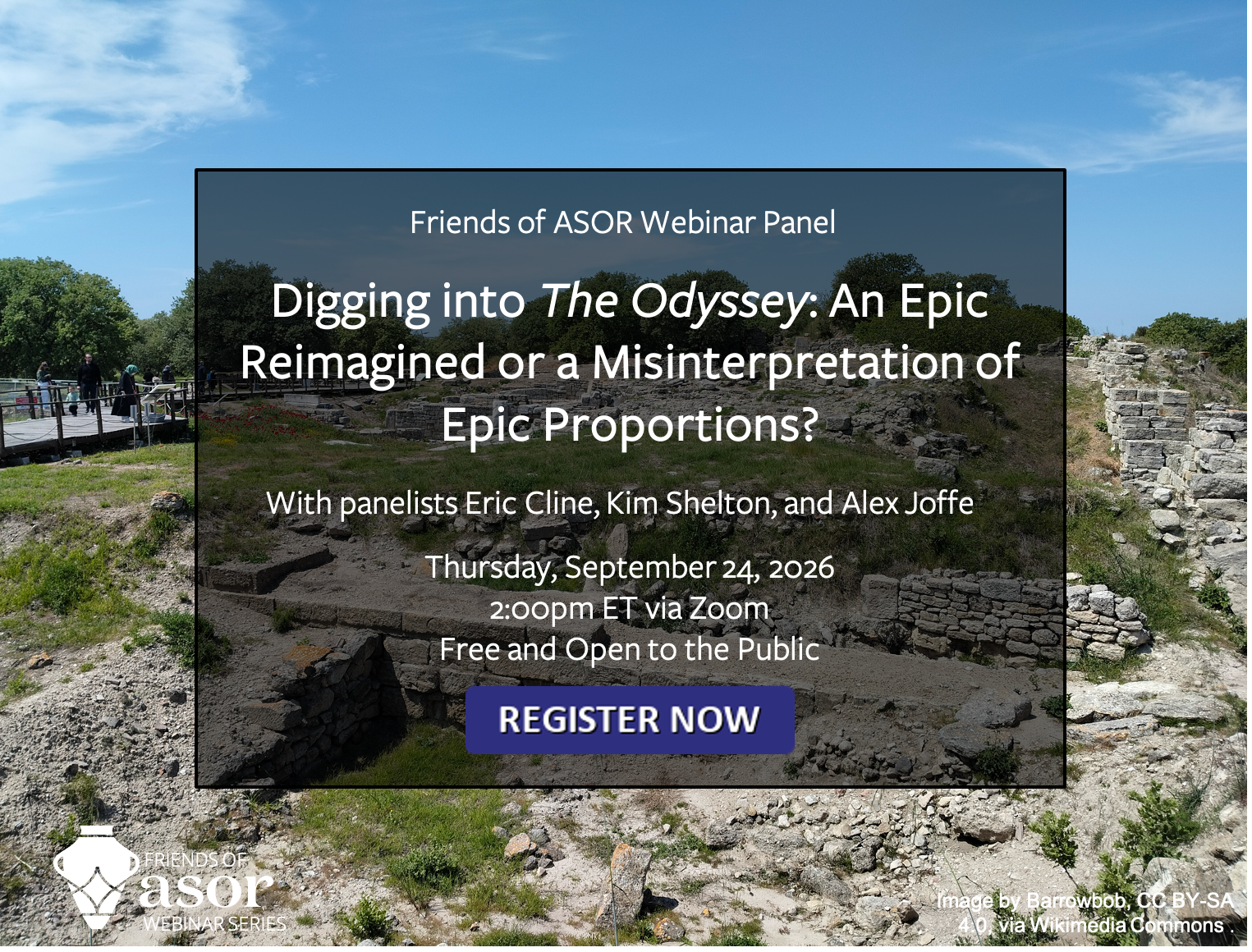
Digging into The Odyssey: An Epic Reimagined or a Misinterpretation of Epic Proportions?

Friends of ASOR presents the first webinar of the 2026-2027 season: “Digging into The Odyssey: An Epic Reimagined or a Misinterpretation of Epic Proportions?” on September 24, 2026, at 2:00 pm EDT, with panelists Eric Cline, Kim Shelton, and Alex Joffe (moderated by Jessica Nitschke). This webinar will be free and open to the public. Registration through Zoom (with a valid email address) is required. This webinar will be recorded and all registrants will be sent a recording link in the days following the webinar.

Join us for a wide-ranging panel discussion on the 2026 film adaptation of The Odyssey, and hear scholars’ thoughts on the Late Bronze Age setting, the enigmatic Sea Peoples, the omission of Odysseus’ journey to Scheria, and more. 

View the recording here on YouTube.

Eric H. Cline is Professor of Classics and Anthropology, former Chair of the Department of Classical and Near Eastern Languages and Civilizations, and current Director of the Capitol Archaeological Institute at George Washington University, in Washington DC.

Kim Shelton is the Class of 1957 Garff B. Wilson Professor of Ancient Greek & Roman Studies and the Graduate Group in Ancient History and Mediterranean Archaeology at the University of California Berkeley. She is also Director of the Archaeological Research Facility and the Nemea Center for Classical Archaeology, and First Vice President of the AIA. Shelton is an Aegean prehistorian with research interests in domestic architecture, ceramic production and economy, and religious ritual. She is the author of several publications on Mycenaean pottery, figurines, cemeteries, Mycenae’s Cult Center, and her excavations at the Sanctuary of Zeus at Nemea, Petsas House, Mycenae, and the Late Bronze Age cemeteries at Aidonia (TAPHOS).

Alex Joffe is an archaeologist and historian. He is currently the Director of Strategic Affairs for the Association for the Study of the Middle East and Africa. He has done fieldwork in Israel, Jordan, Greece, and the United States.

SUPPORT THE WEBINAR PROGRAM!

Friends of ASOR is pleased to announce that the first webinars of the 2026-2027 season will once again be free and open to the public with a goal to raise $10,000 so that the entire webinar season will be free. Will you support this outreach effort with a tax-deductible contribution? All donors/sponsors with gifts of $100 or more will be recognized in subsequent webinars. Make your gift today and select “webinars” from the drop-down menu.

Designate your gift for “Webinars” in the drop-down menu.

Friends of ASOR Tours: Tunisia 2027

FRIENDS OF ASOR TOURS

2027 Archaeological Tour of Tunisia

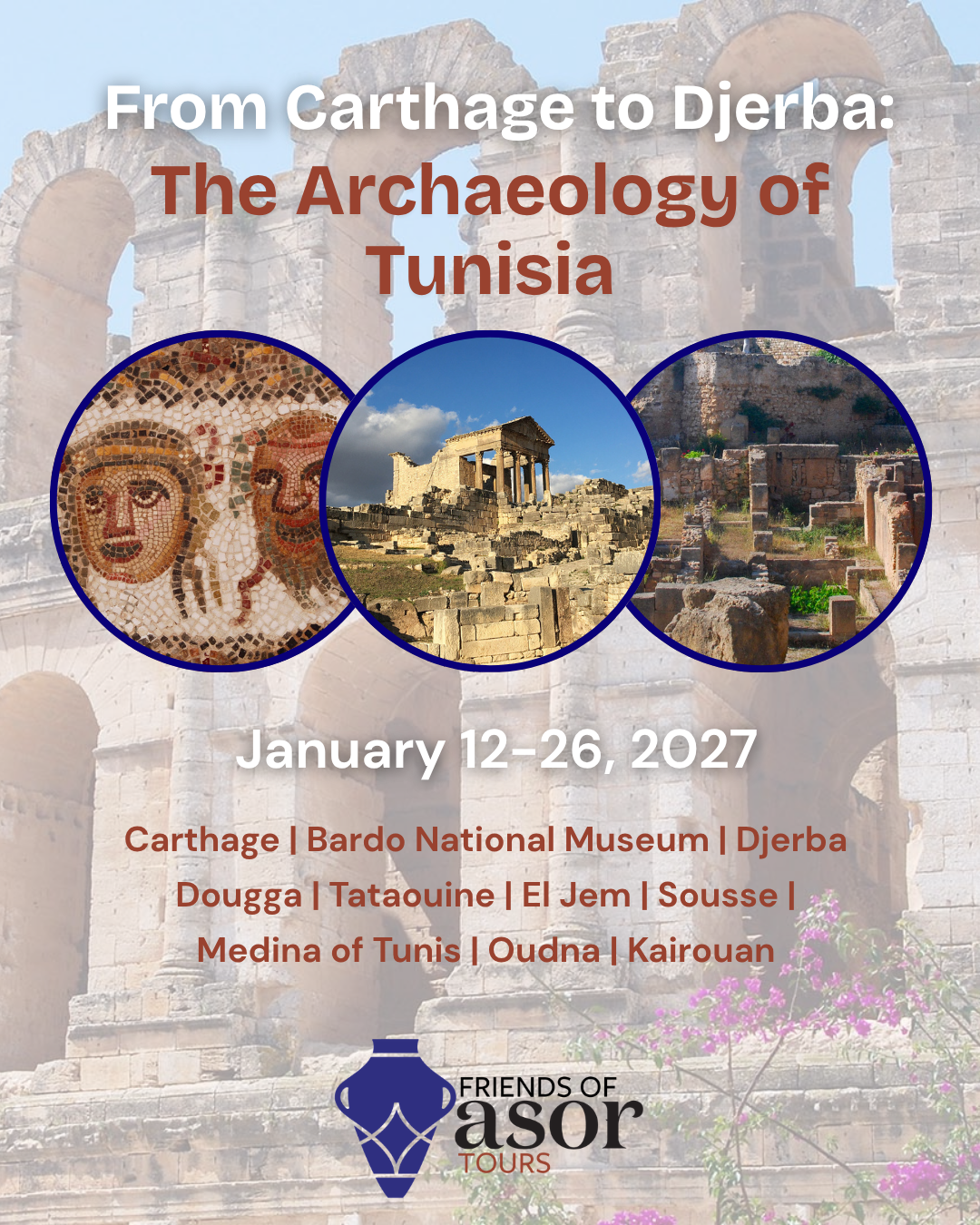
Discover Tunisia’s extraordinary blend of ancient cities, sacred landscapes, and desert fortresses on this new Friends of ASOR journey coming in January 2027. From Carthage to Djerba, explore millennia of history shaped by Phoenician, Roman, Islamic, and Amazigh cultures—a memorable experience for travelers who love archaeology, history, and heritage! Guided by expert scholars, this 15-day tour combines on-site lectures, museum visits, and cultural excursions for those eager to understand the deep history of the Maghreb.

Tour Dates: January 12 – 26, 2027

Tour Leader: Dr. Andrew G. Vaughn (ASOR Executive Director)

Highlights Include:

  • Bardo National Museum
  • Carthage
  • Medina of Tunis
  • Uthina (Oudna)
  • Dougga
  • Kairouan
  • Sousse
  • El Jem
  • Tataouine
  • Djerba
  • … and more!

*Full itinerary is subject to change.

Pricing Details:

Double occupancy from $4,000 (includes a $1,000 tax-deductible gift) | Single room supplement: +$800

Group Size: Maximum of 24 participants

Prices Include:

  • Accommodation
  • Guided site visits
  • Ground transportation
  • Breakfasts and dinners
  • Entrance fees
  • Tourist tax
  • $1,000 tax-deductible contribution that supports Friends of ASOR’s outreach initiatives, archaeological engagement, and education programs


NOT Included:

  • Flights
  • Airport transfers
  • Passport or visa fees
  • Travel insurance
  • Lunches
  • Alcoholic beverages
  • Tips

Registration Rates:

  • Early Bird (through October 20, 2026): $4,000 (including a $1,000 tax-deductible gift)
  • Super Saver (October 21 to November 13, 2026): $4,150 (including a $1,000 tax-deductible gift)
  • Advance (November 14 – December 15, 2026): $4,300 (including a $1,000 tax-deductible gift)
  • Regular (December 16, 2026 until space is full): $4,500 (including a $1,000 tax-deductible gift)

Payment Schedule:

To reserve your place: $250 non-refundable donation to Friends of ASOR Tours (applied toward your total $1,000 gift).

Full tour cost: Due by October 20, 2026 (or at registration if after this date). If this deadline presents an issue, we’d be willing to discuss an extension.

Example of payment schedule:

If you register during the Early Bird period:
First payment at registration: $250 non-refundable donation to reserve spot
Second payment on or before October 20: $3,750 remaining tour cost (includes remaining $750 tax-deductible gift)

Please e-mail us at info@asor.org or call +1 (703) 789-9229 with any questions.

Cancellation and Refund Policy:

ASOR strongly recommends that all participants purchase travel insurance because ASOR is required to make non-refundable deposits. ASOR cannot be responsible for refunds except as noted below.

All tax-deductible gifts to ASOR’s Friends of ASOR outreach initiatives are irrevocable and thus not refundable, except in the event that the tour is cancelled or rescheduled by ASOR. It is unlikely that travel insurance will cover the tax-deductible gift portion of the tour. No goods or services are provided in exchange for the gift to FOA.

Schedule of refunds for tour cost and single supplement (if any):

  • From time of payment until November 17, 2026: 90% refund of tour cost (excluding non-refundable donation[s] to Friends of ASOR)
  • From November 18, 2026 until December 7, 2026: 70% refund of tour cost (excluding non-refundable donation[s] to Friends of ASOR)
  • From December 8, 2026 until December 21, 2026: 25% refund of tour cost (excluding non-refundable donation[s] to Friends of ASOR)
  • From December 22, 2026 onward: no refund

2026 Annual Meeting Highlights

2026 ANNUAL MEETING HIGHLIGHTS

We are looking forward to seeing everyone for the Annual Meeting in November! For those coming to Chicago there are many reasons to come early and stay late. In addition to the academic program of more than 100 sessions and workshops, posters, and the Plenary Address by Kim Benzel, there are many receptions, special events, and local attractions to enjoy.

Follow along with the Academic Program and the Business Schedule on the Annual Meeting Schedules Page and in the Annual Meeting Mobile App (coming soon). Check this page often for a quick view of all the other exciting things happening at the Annual Meeting and in Chicago.
 

Chicago Highlights

November 17–24, 2026
Free admission to the Field Museum of Natural History
The Field Museum of Natural History is offering free general admission to ASOR Annual Meeting attendees. Show your ASOR name badge at the admissions desk for free entrance. For information on opening hours, planning your trip, and special exhibits (additional fee may apply), please visit their website.

November 17–24, 2026
Free admission to the Institute for the Study of Ancient Cultures (ISAC) Museum
The Institute for the Study of Ancient Cultures (ISAC) Museum is offering free general admission to ASOR Annual Meeting attendees. Show your ASOR name badge at the admissions desk for free entrance. ASOR attendees will also receive a 10% discount at the ISAC Museum Shop when they present their badge. For information on opening hours, planning your trip, and special exhibits (additional fee may apply), please visit their website.

November 17–24, 2026
Free admission to The Art Institute of Chicago 
The Art Institute of Chicago is offering free general admission to ASOR Annual Meeting attendees. Show your ASOR name badge at the admissions desk for free entrance. For information on opening hours, planning your trip, and special exhibits (additional fee may apply), please visit their website.

November 17–24, 2026
Free admission to the Adler Planetarium
The Adler Planetarium is offering free general admission to ASOR Annual Meeting attendees. Show your ASOR name badge at the admissions desk for free entrance. For information on opening hours, planning your trip, and special exhibits (additional fee may apply), please visit their website.

There are a number of special events taking place during the Annual Meeting. Some of these events require registered attendees to sign-up in advance.

Wednesday, November 18

7:00-8:30pm CST
ASOR Annual Meeting Plenary Address (Grand Ballroom, Hilton Chicago)
Dr. Kim Benzel, Curator in Charge of The Metropolitan Museum of Art, will present, “Lapis, Clay, Copper, Water: Presenting Ancient West Asian Art at The Met.” Also available online for virtual attendees. Learn more here.

Thursday, November 19

12:55-1:55pm CST
Seal Carving Workshop  (Room 4A, Hilton Chicago) 
Led by Dr. Pinar Durgun (The Morgan Museum & Library), this workshop is free for ASOR attendees. Space is limited and advance sign-up is required. Registration is full, but please email programs@asor.org to be added to the waitlist.

12:55-1:55pm CST
Early Career Scholars’ Panel (Boulevard C)
Stay tuned for more info on this event.

12:55-1:55pm CST
ASOR Roundtable Discussions (Grand Ballroom)
There will be a number of discussion topics offered during this lunchtime event. Advance sign-up will be required.

Friday, November 20

12:45-2:00pm CST
ASOR Members’ Meeting, Jane DeRose Evans, Presiding (Waldorf)
Bring your lunch and come for an update on the business of ASOR and the 2026 Honors & Awards.

8:00-10:00pm CST  
Early Career Scholars’ Reception (720 South Bar, Lobby Level)
This event is for registered ASOR attendees who are Early Career Scholars. There is no cost to attend, but space is limited and ECS members must sign-up in advance here.

Saturday, November 21

10:20-10:40am CST
ASOR Raffle Drawing (Normandie Lounge, 2nd Floor)
A fun event to highlight ASOR Exhibitors during the morning coffee break on the last day of the meeting. Join us in the Exhibit Hall (Normandie Lounge) near the registration tables to see if your raffle ticket is a winner.

12:45-2:00pm CST
ASOR Poster Session (Grand Ballroom Foyer)
Visit the ASOR Poster Hall throughout the Annual Meeting to see all of the research projects being presented, and come to the Poster Session on Saturday to talk with the presenters and ask questions.

7:00-8:00pm and 8:15-9:15pm CST
Institute for the Study of Ancient Cultures (ISAC) Museum Reception
After the sessions end on Saturday night, the Institute for the Study of Ancient Cultures (ISAC) Museum will host a reception for ASOR attendees. In addition to the permanent galleries, attendees will have the opportunity to view the new exhibition, Hartapu: The Forgotten King of Anatolia. Two time options are being offered to accommodate as many people as possible. Tickets are complimentary for ASOR attendees, however, space is limited and advanced registration is required (sign-up here).

Membership and Outreach Committee Seeks New Members

Membership and Outreach Committee Seeks New Members

The Membership and Outreach Committee seeks nominations (including self-nominations) from ASOR members who are interested in serving on the committee. Committee members will serve a three-year term (January 1, 2027 – December 31, 2029) with the option to renew for a second term. Committee members are expected to attend monthly meetings via Zoom and an in-person meeting at the ASOR Annual Meeting each year. Nominees must fill out the online form by October 16, 2026.

The Committee on Membership and Outreach takes responsibility for discussing matters regarding ASOR institutional and individual memberships, including (but not limited to) strategies for membership growth, appropriate membership benefits, the most fitting way to categorize individual memberships (student, recent graduate, etc.), greater enfranchisement of ASOR’s international members, and resources that members might like ASOR to provide. The committee also oversees ASOR’s outreach efforts. In addition, it advises the ASOR staff about the presentation and content of several of ASOR’s digital platforms, including ASOR social media, the ASOR LinkedIn page, ASORTv, and ASOR’s e-magazine News@ASOR.

In order to receive full consideration by the committee, the online form must be submitted by noon ET on October 16, 2026. For questions and concerns, please contact Laura Mazow, Committee Chair (mazowl@ecu.edu).

Fieldwork Report: Ella Hattem

Learning My Colors: Excavations and Pigment Analysis at Idalion, Cyprus

Ella Hattem, 2026 Platt Fieldwork Scholarship Recipient

This summer I returned to Idalion, Cyprus, as a first-time staff member, having been a volunteer during the 2025 season. I was very excited to take on more responsibility at such an exciting site and to work with the amazing friends I made this season and last. I spent most mornings in the field, where we were excavating baulks in the Eastern Terrace. At the same time, I was conducting my own project to investigate the pigments used on painted objects that had been found at the site. This included eleven registered objects that are kept at the Cyprus Museum, and several more from the site apotheke. After looking at close to thirty potential objects, I selected five for further analysis. The objects I studied primarily consisted of terracotta figurines and limestone sculpture fragments.

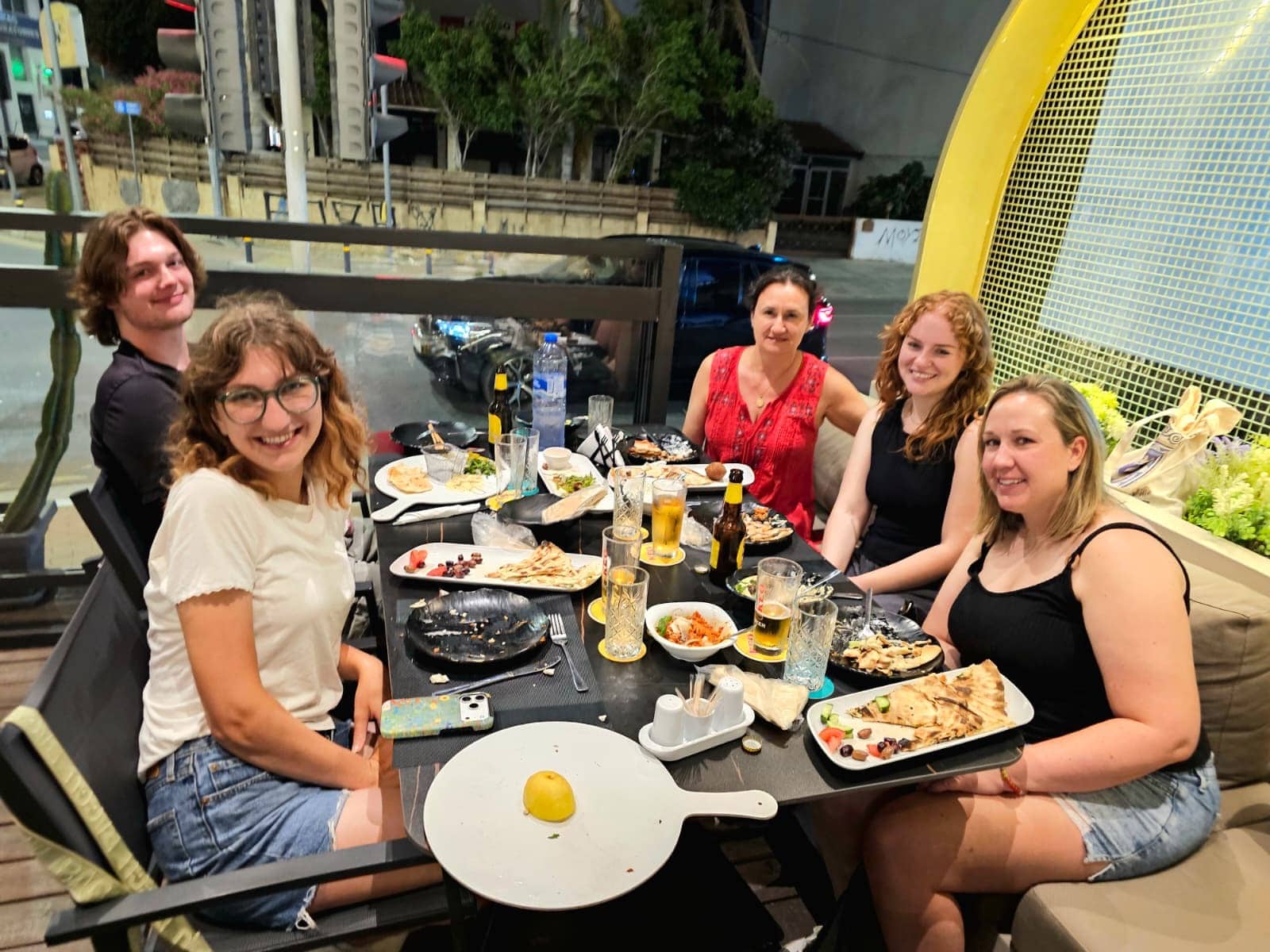
Dinner with other members of the project in Nicosia. From left to right: myself, Liam, Victoria, Cedar, and Traci.
Dinner with other members of the project in Nicosia. From left to right: Liam, myself, Victoria, Cedar, and Traci.

After visual examination, I utilized Visible-Induced Luminescence (VIL) to detect and identify Egyptian blue, followed by portable X-Ray Fluorescence (pXRF) to characterize the applied pigments for all selected objects. As a final stage of analysis, we conducted Fourier-Transform Infrared (FTIR) spectroscopy on two objects—one from the museum, andanother from the apotheke. I worked closely with the STARC lab at the Cyprus Institute, which provided both equipment and expertise to perform the pXRF and FTIR analysis. Unlike objects permanently kept at the Cyprus Museum, I was able to bring objects from the apotheke directly to the lab for analysis. I am incredibly appreciative to have been able to work with and learn from the wonderful Cyprus Institute staff. I learned a lot about technical analysis and gained meaningful experience in applying these methods to the questions I’m asking about resource use and artistic practice at Idalion, as well as its relationship with the rest of Cyprus.

As is often the case, all aspects of the work became more intense as the season progressed—necessitating more time in the field for all of us, as well as demanding I spend more time on my own project. While it meant balancing my responsibilities in the field with my pigment analysis project, I found it incredibly rewarding to get to engage in so many aspects of archaeological research at the same time, as well as to work with students while still learning myself. I really enjoyed getting to excavate at the same time as conducting rigorous object analysis, and I believed it made my work stronger and better contextualized in all aspects. 

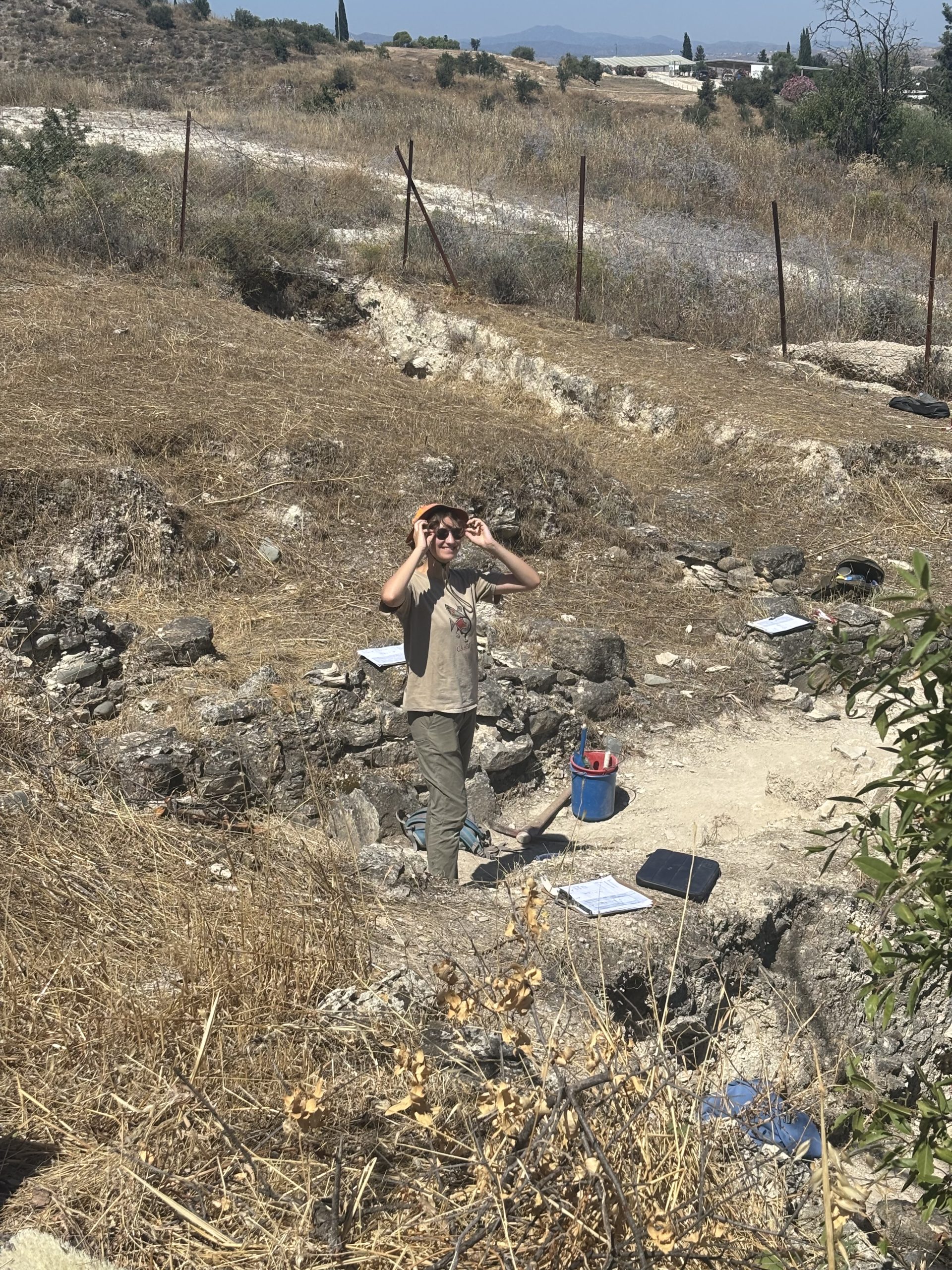
In the field, wrapping up for the day.

During the last week of the field season, one day for me looked like this:

Having already photographed and done VIL and pXRF analysis on all of the Cyprus Museum objects, I spent one final morning in the museum. Typically I would leave Nicosia with the rest of the team at 5:00 am to reach the site, about half an hour away, as the sun was rising. I would then spend the next few hours working on my assigned baulk, either alone or with a student. On the mornings I spent in the museum, however, I was able to begin work at 9:00 am.

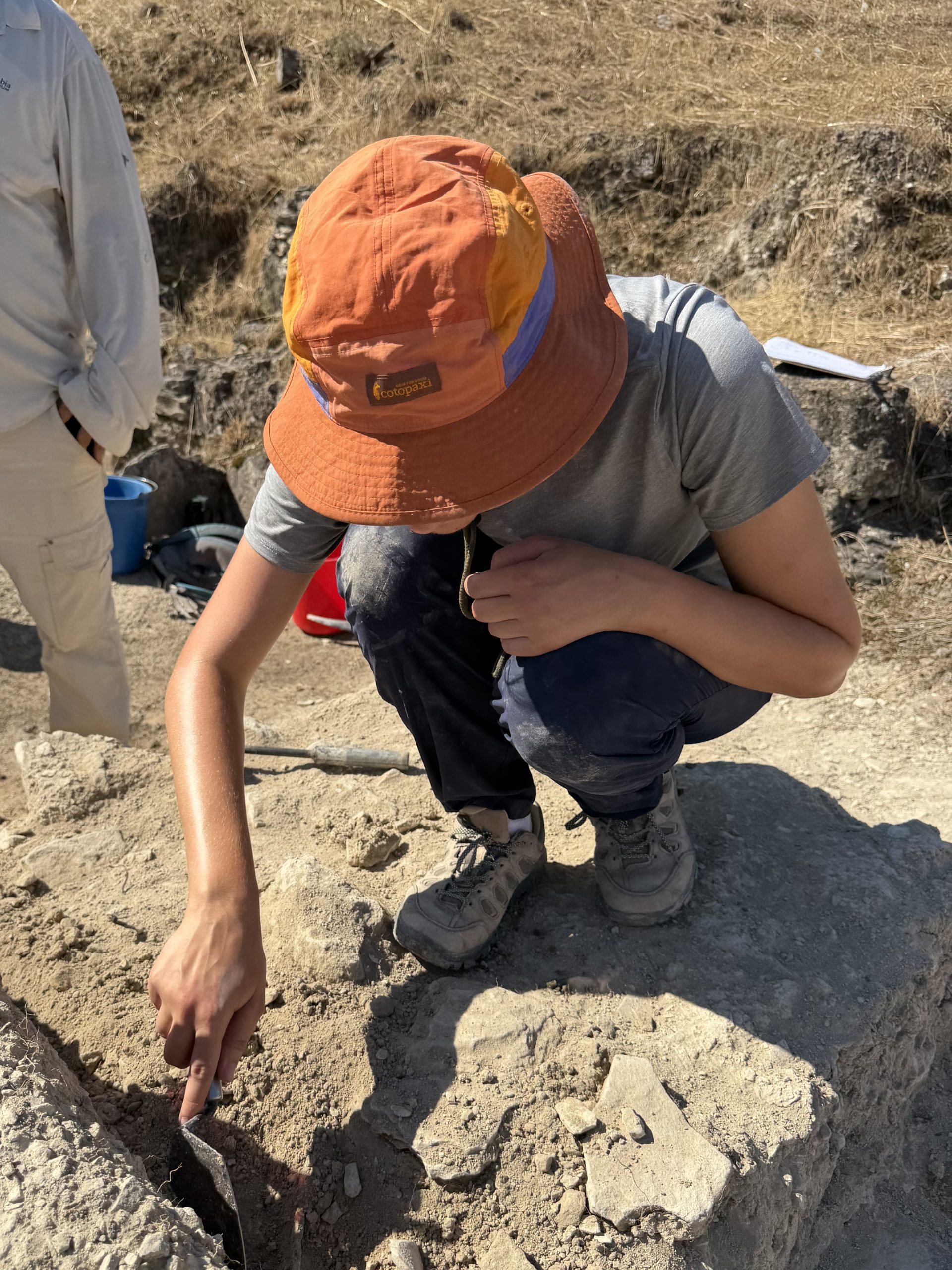
Working at my baulk
Working at my baulk

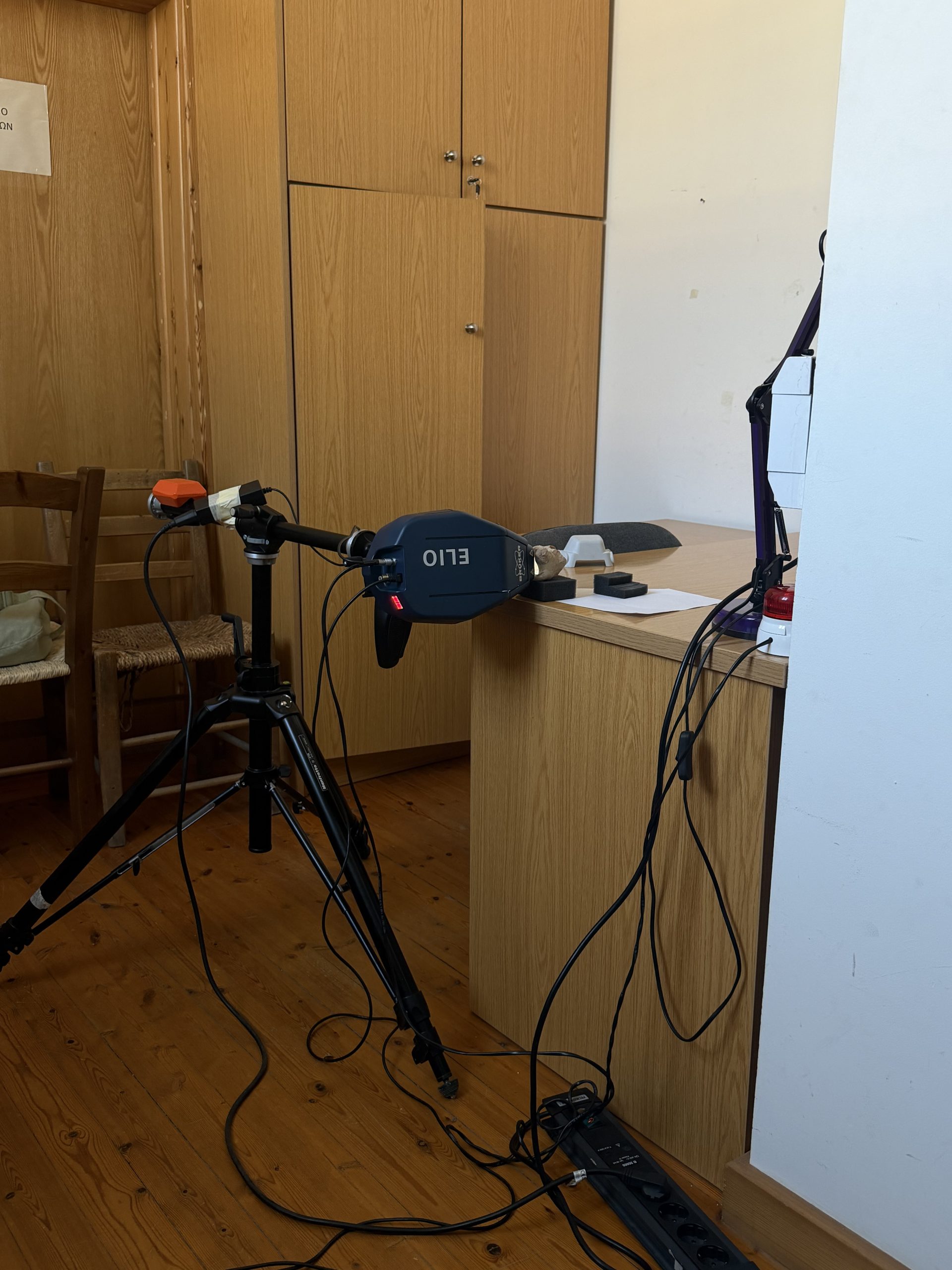
On this particular morning, the last that I would spend at the museum, I brought a 3D scanner with me. Earlier in the season, I had worked with Andreas Manoli and Pengxiao Hao to perform the pXRF analysis. On this day, we just had one FTIR point to take on a particularly puzzling object. After we concluded the analysis, I remained at the museum by myself for a few more hours to scan and generate 3D models of the eleven museum objects.

By the time I was finished at the museum, morning fieldwork had concluded. I grabbed lunch near Ledra Street and arrived back to the hotel for siesta a little after the rest of the team. I usually took this time to rest or do some light work, such as updating my spreadsheet where I tracked each step of examination for the objects. Earlier in the season, I used the siesta to work on a presentation for the field school students on the scientific techniques and methodology I was using for the project.

pXRF analysis on one of the objects at the Cyprus Museum.

Just before the end of siesta, as I did every day, I stopped by a nearby cafe to grab a delicious Cypriot freddo cappuccino before we all returned to the dig house in Dali for afternoon lab work. On most days, I would use this time to draw a new top plan and update our digital recording software with notes and photos from that morning’s excavation. As I had already done so for the previous days’ progress, I spent the afternoon going through the data I had just collected. Meanwhile, the students were sorting the pottery from the previous day, now washed and dried, to be read. Once they were done and the pottery was being analyzed, I stayed close so that I could provide the requisite information when it was time for my trench’s pottery.

Once it had cooled back down, I returned to the field with the rest of the team for evening work, which typically consisted of lighter tasks than in the morning, such as cleaning or articulation to prepare for photogrammetry. Once we were done, we went back to the house for dinner, then drove to our hotel in Nicosia.

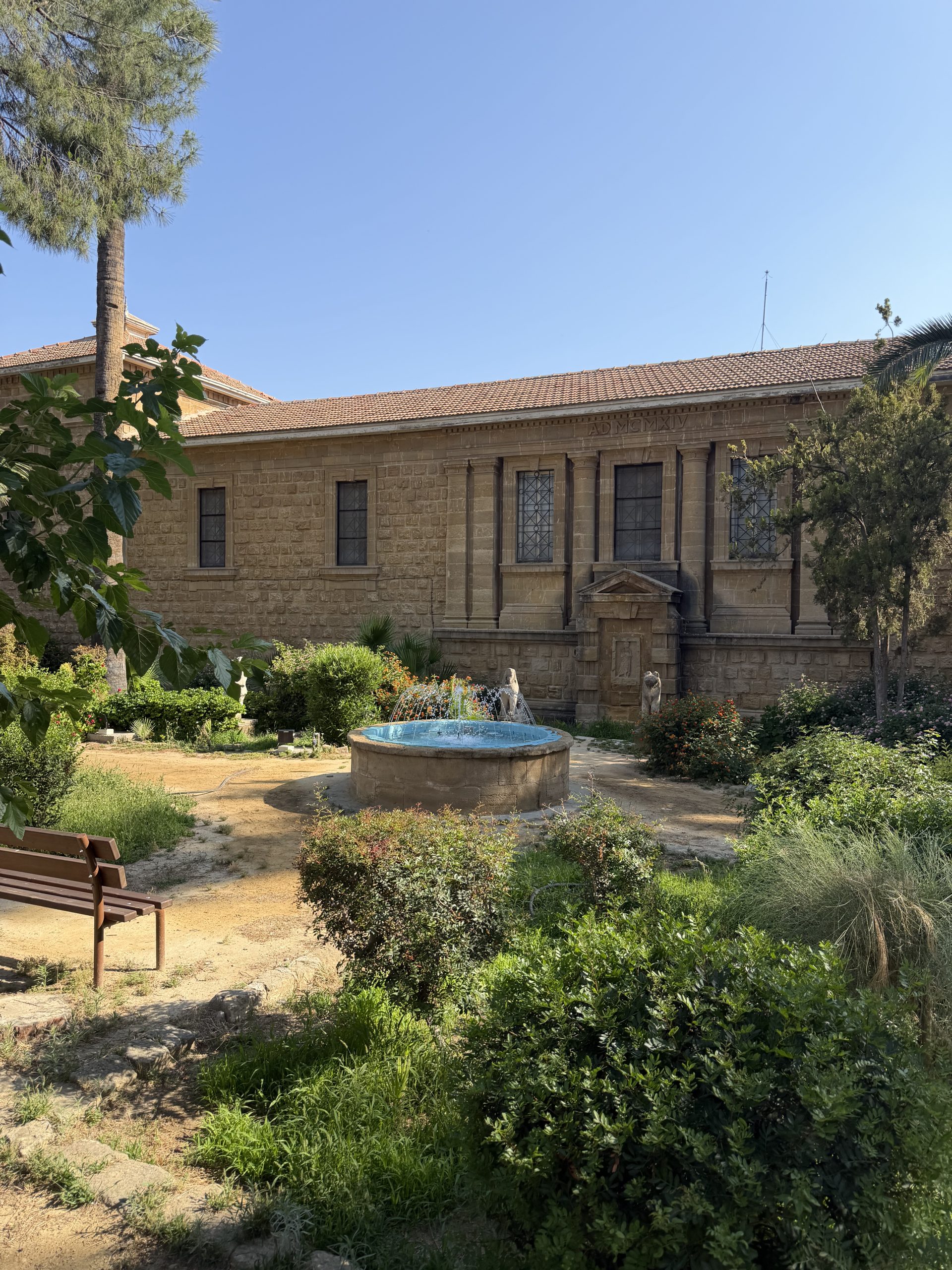
The Cyprus Museum garden.

Ella Hattem is an M.A. student in Archaeological Studies at Yale University. Aside from Idalion, she has also participated in the Iklaina and Keros projects in Greece. She is interested in ancient pigments and paintings and the implementation of scientific methodologies to understand artistic practice in the eastern Mediterranean.

Want to help more students and early career archaeologists get into the field? Donate to the cause today by selecting “Fieldwork Scholarships” as your gift purpose!