Sydney A. Pickens, 2026 Strange/Midkiff Families Scholarship Recipient
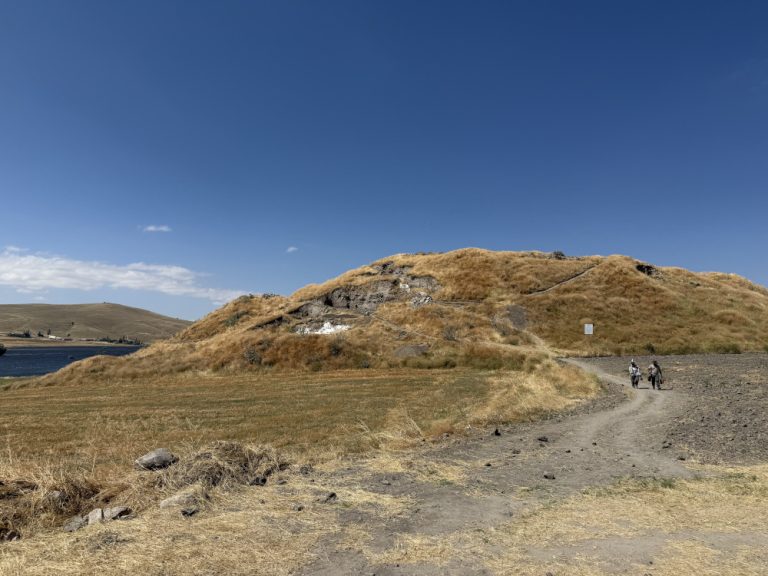
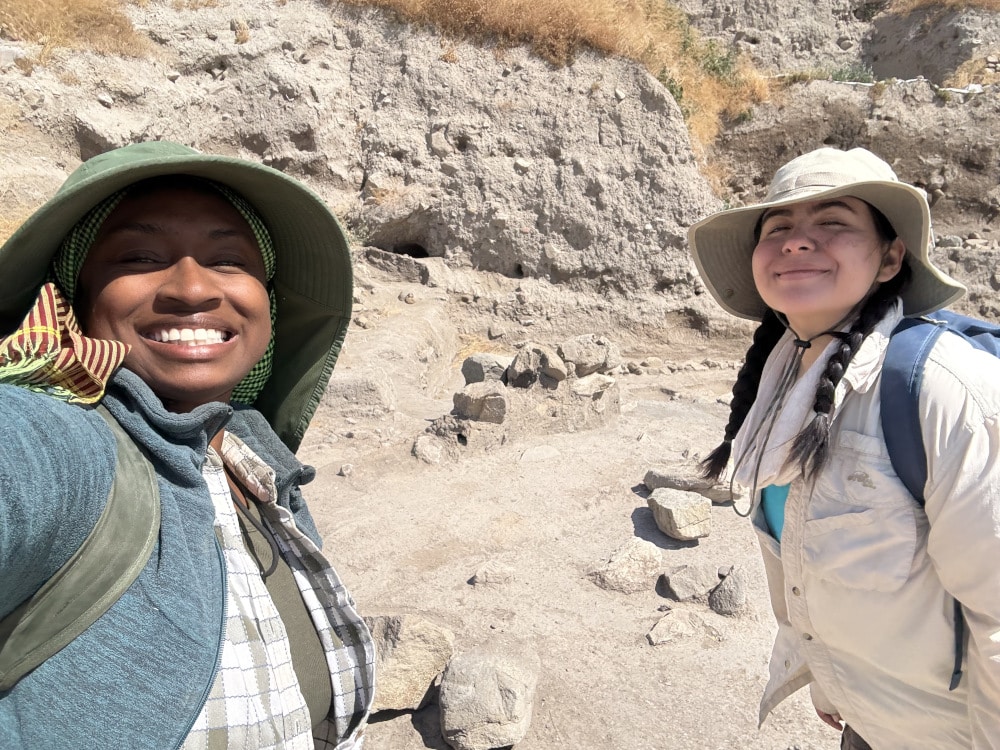
I spent the month of July in Türkiyeas amember of the ÇadırHöyük Archaeological Excavation Project, locatednear Peyniryemez Village in Sorgun, Yozgat Province.ÇadırHöyükis a tell, or artificial mound, in central Türkiye that was formed by 6,000 years of human settlement. The project explores how small rural communities adapted theirsubsistence strategies in response to environmental change and imperial control. During my time at the site, I supported this exploration through systematic excavation, documentation, and laboratory analysis.
The Çadir Höyük Archaeological Mound, facing south.
Up With the Sun
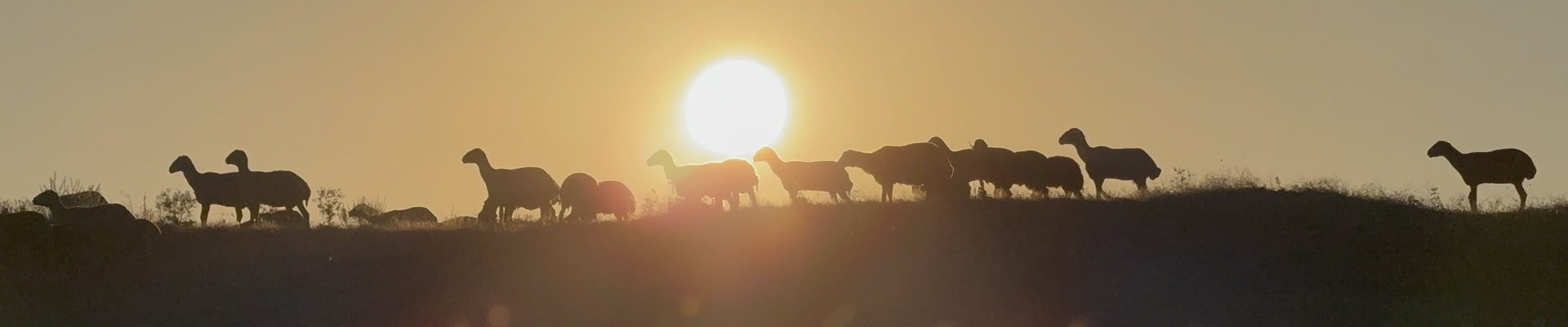
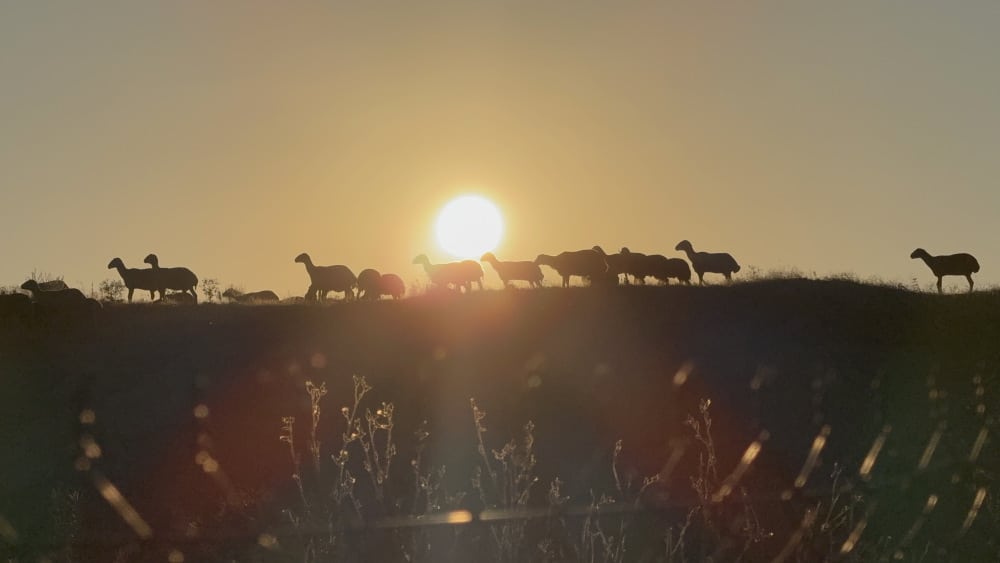
Most mornings, my eyes would flutter open at 5:15am in response to the familiar cadence of Donnie Trumpet’s Nothing Came to Me. On other days, it was the 5:00am recitation of the Adhan—the Islamic call to prayer—reverberating throughout the village. Yet on other days—and by far my favorite—it was the jangling bells of bleating sheep being herded across the central Anatolian hills.
Sheep at sunrise.
My subsequent morning routine was the same most days: drag self out of bed, wash face, brush teeth, get dressed, indulge in Çocokrem spread on bread—sometimes with a sprinkle of granola for an added flare—out the door and in the van by 6:00am, on site ready to work by 6:15am.
On Site
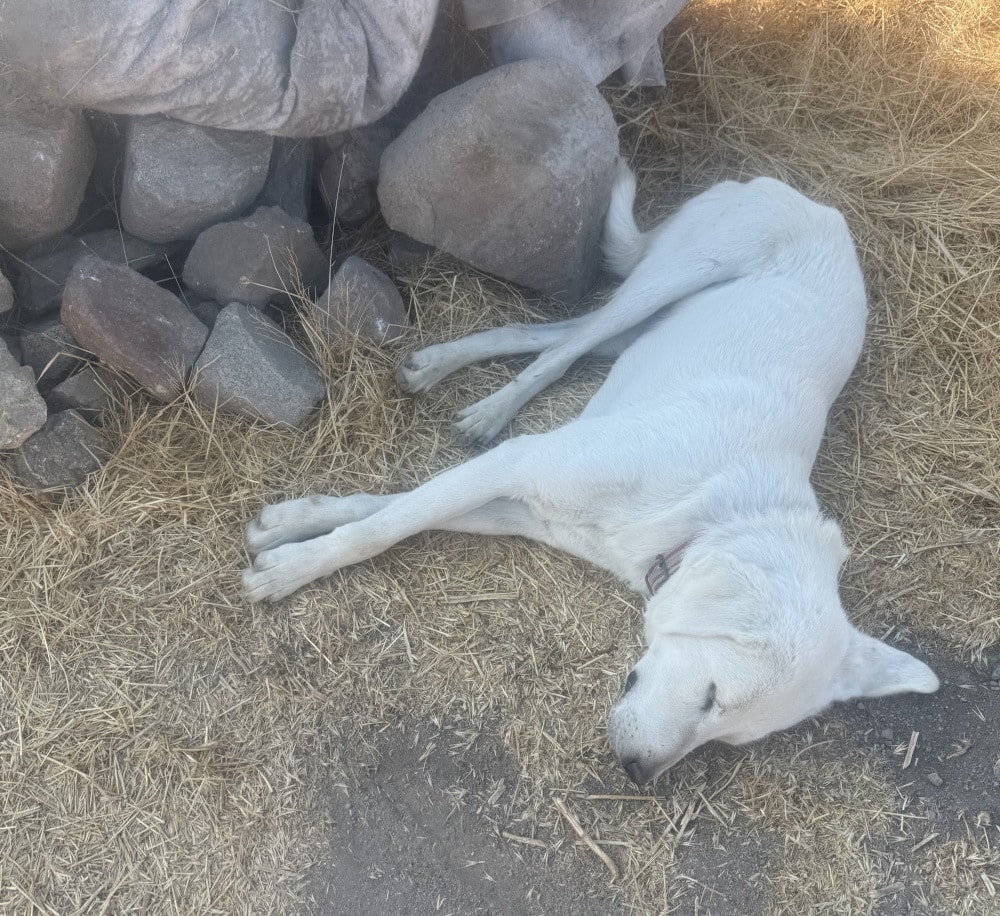
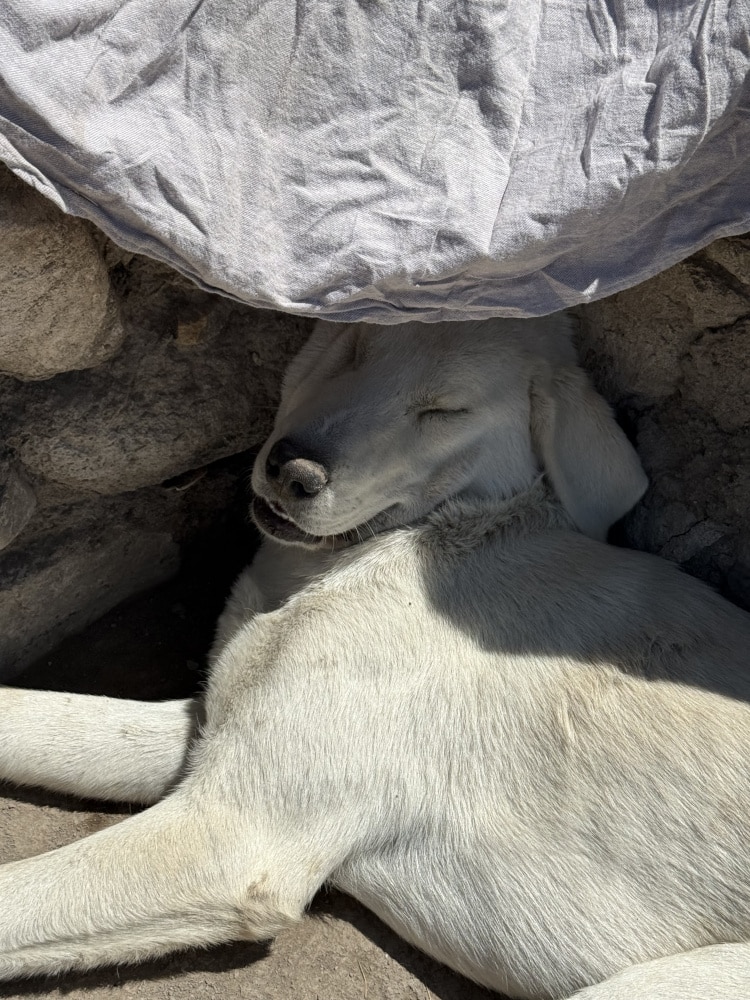
The arrival at the Çadır Höyük Archaeological Mound is stunning. My first morning on site and each morning thereafter, I beamed as I watched the sun dance across the lake. Making its first reappearance at the site in nearly a decade, the lake foreshadowed a productive field season and simultaneously affirmed the project’s emphasis on the impacts of environmental change. On our hike up and around the mound each morning, we were greeted by the wagging tail of Paşa, our friendly neighborhood Anatolian Shepard and adopted mascot for the project. More often than not, he would follow us up the mound, find a nice shady spot, and oversee excavation progress.
Paşa, trench overlord.
I spent the first two weeks of the project working in the Late Chalcolithic Period (ca. 4250–3000 BCE) trenches SES-1, SES-2, and LSS-5 training intensively under the supervision of my advisor, Dr. Laurel Darcy Hackley.Working at the bottom of the mound demanded that I move slowly, work carefully, and notice the most minute changes in soil textures and colors because removing the smallest 1–2cm layer could destroy hundreds of years of the occupational record.It taught me to look intently, ask questions, and make possible meaning out of potential traces until additional evidence appeared to support or contrast it. It activated my imagination, pushing me to see what was, and served as great archaeological skills training.
Darcy and I discussing the plan of action in LSS-5.
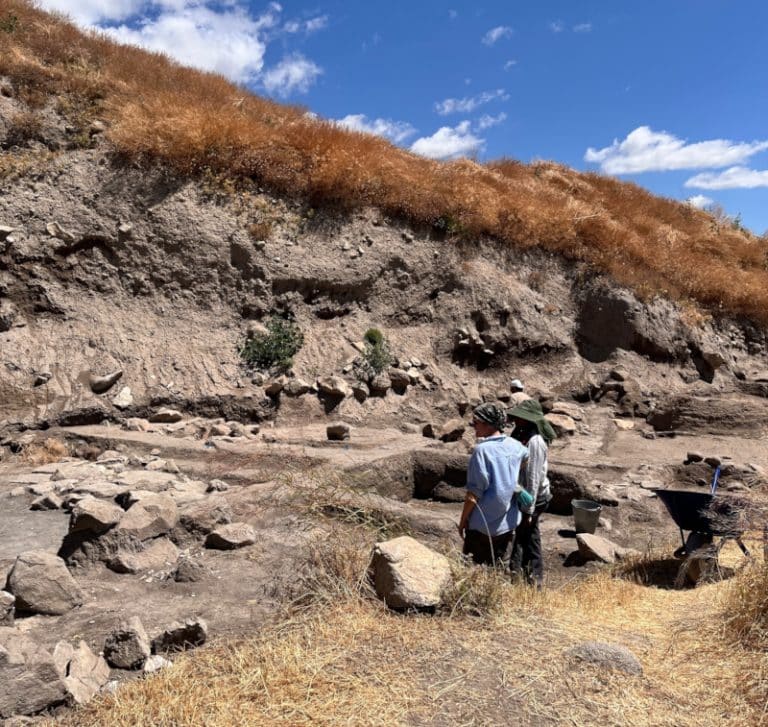
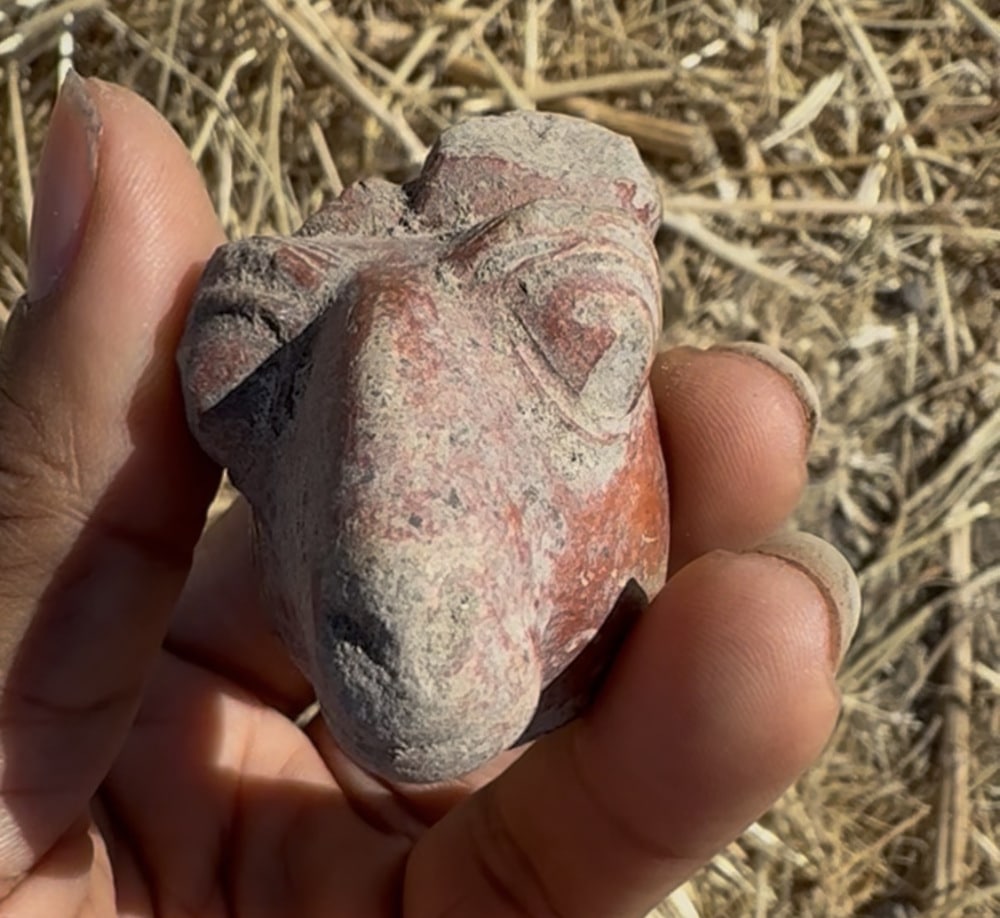
When week three rolled around and I was catapulted into the role of co-trench supervisor with my colleague Haleigh Keane, I was nervous, butready. We resumed excavations of LSS-8, a previously opened 4×10 meter trench in southwestern corner of the tell spanning the Late Chalcolithic and Early Bronze Ages. Our primary goals were to investigate a pit feature in the northwest corner of the trench and to remove walls that had been previously documented in hopes of beginning excavations of the next occupation phase.Our most exciting find came from that pit—a small ceramic sheep’s head, dated firmly to the Hittite period by its wide eyes, pronounced nose, and quirky smile.
Haleigh and I showing our work in LSS-8 on my last day in the field, after partially removing feature walls.
Hittite sheep head recovered from the pit in LSS-8.
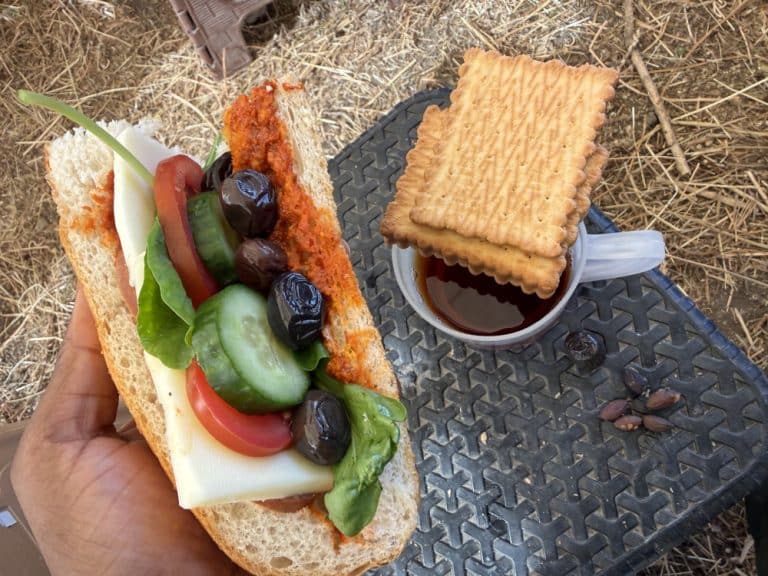
At 9am, the call for paydos! would reverberate around the site as the message spread like wildfire from trench to trench. Time to head down the mound to the break tent for second breakfast, the cherished mid-morning meal following hours of heavy physical labor. The project Bekçi, Ali, orchestrated the production, circulating all the sandwich fixings around the massive circle of excavators. First came the bread, followed by the spreads—mustard, mayo, and tomato. I always opted for a mustard and tomato combo.Next came the sliced salami and cheese, followed by tomato, cucumber, and leafy greens, and finally, the star of the show, black olives.YUM.
The Second Breakfast of Champions.
After second breakfast, we’d hike back up the mound to resume fieldwork until 12:30pm. Thereafter we’d give the trench a good sweep, clean up the site, and end the field day by 1pm. I’d customarily take the van home, hop in the shower, and squeeze in a pre-lunch nap if I could manage it.
After the Field
“Yemeeeeek!” Music to my ears. Like clockwork, people would begin filing out of their rooms and into the kitchen to help carry out food and set tables. At some point during lunch, the Project Director, Dr. Sharon Steadman would communicate any announcements for the day and reveal what time lab hours would begin: 4:30 or 5pm. We all hoped for 5pm; the fate of our post-lunch naps depended on it. When 4:30 or 5pm rolled around, we’d head to the lab to receive our assignments and begin work. I rotated lab tasks during the first two weeks or so to get oriented to the project. Pottery washing became a welcome rest and respite from the late afternoon heat. Seated beneath the shade of plum trees and laundry hanging on the line, I chatted with team members with the backdrop of cows on the move walking through the village streets.
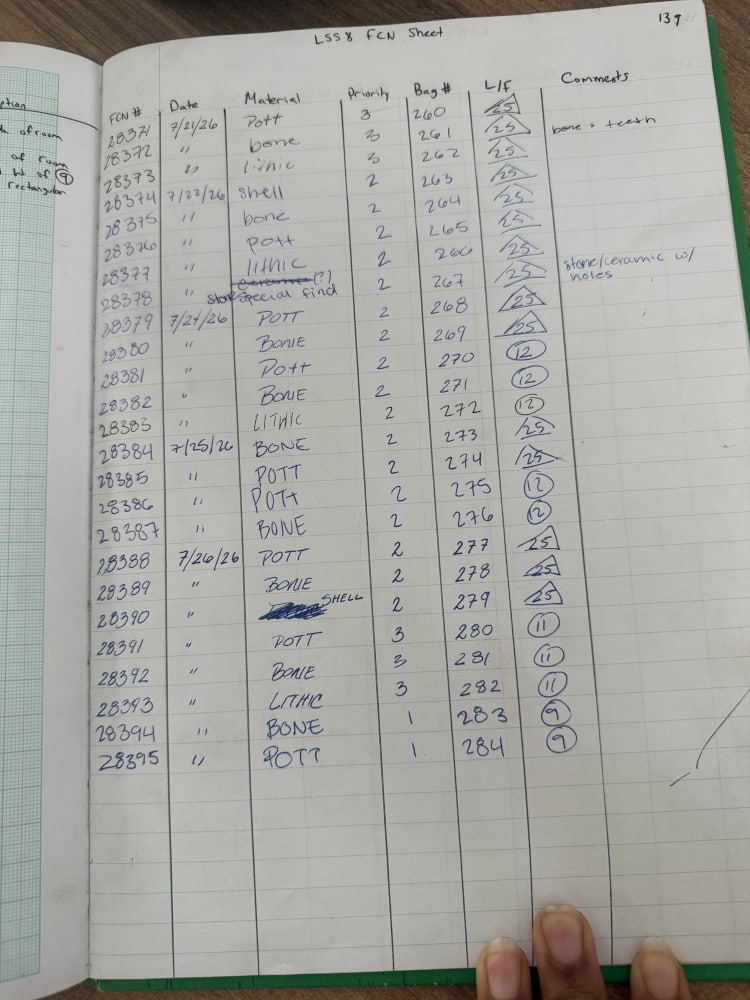
Once I assumed the role of trench supervisor, lab hours took the shape of completing the day’s field notes, documenting field catalog numbers (FCNs) and objects on feature and locus sheets and making plans for the next day’s excavations.
FCN sheet for LSS-8.
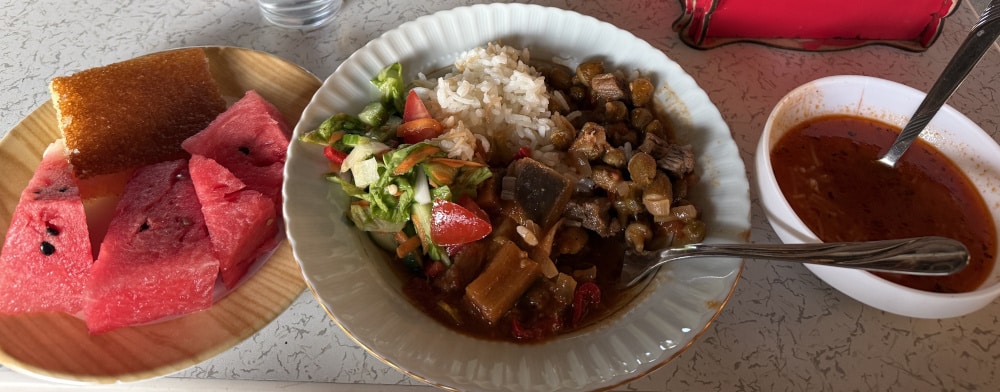
The evening call for dinner came at 7pm. Again, the entire dig site would burst with excited energy, looking forward to the culinary creations of our dig chef, Tuğba, and the pastry stylings of her daughter and sous chef, Buğlem. The meals were by far the best I’ve ever had on any excavation project.
Examples of Tuğba and Buğlem’s culinary creations.
We’d end the night with laughs over çay, board and/or card games, and sometimes even a Tango, a Lindy Hop, or two. By 10pm, I was in bed and ready to start it all againthe next morning.
Sydney A. Pickens graduated from the University of Memphis in August with Master’s degree in Art History, concentrating in Egyptian Art and Archaeology. She has since matriculated as a doctoral student at the University of California, Los Angeles (UCLA), where she is pursuing a PhD in Ancient Egyptian and Nubian Studies.
Want to help more students and early career archaeologists get into the field? Donate to the cause today by selecting “Fieldwork Scholarships” as your gift purpose!
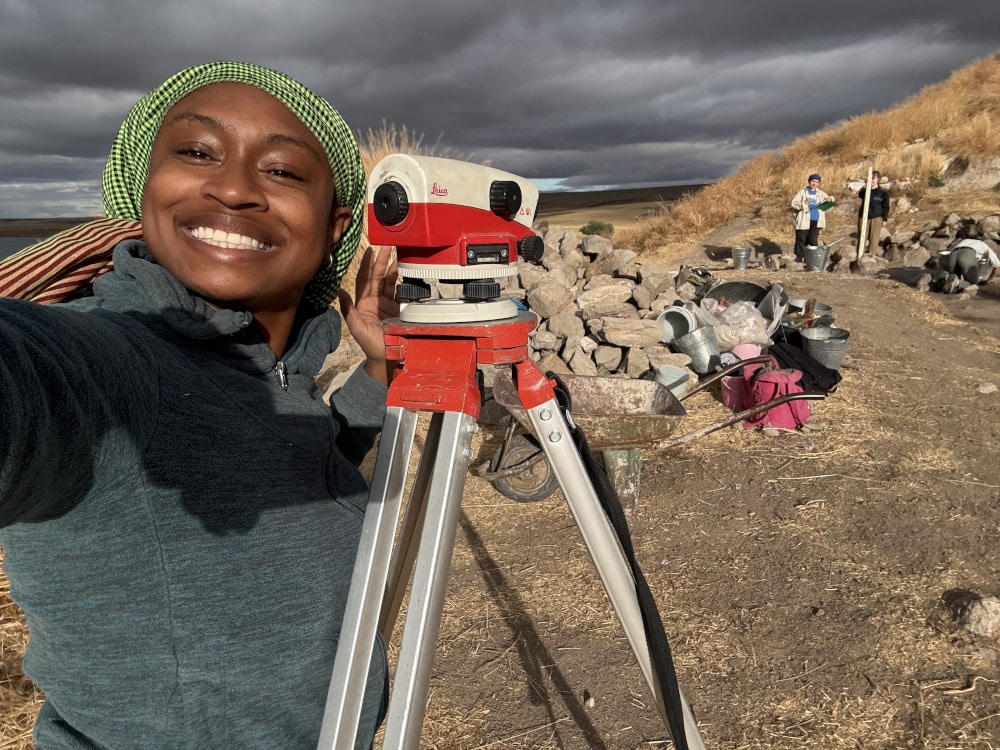 Sydney A. Pickens graduated from the University of Memphis in August with Master’s degree in Art History, concentrating in Egyptian Art and Archaeology. She has since matriculated as a doctoral student at the University of California, Los Angeles (UCLA), where she is pursuing a PhD in Ancient Egyptian and Nubian Studies.