In 2005, excavations began at the site of Antiochia ad Cragum, a city founded in the mid-first century CE and located along the rugged coastline of western Rough Cilicia (modern Türkiye). Among other civic and religious structures, Antiochia ad Cragum is home to three baths: a poorly preserved bath at the foot of the Anticragus, the Great Bath located within the city, and the Small Bath. The Small Bath, dated to the second century CE, is located about 50 meters east from the main entry point to the city, and just off the ancient, primary coastal road. In a 1967 survey of buildings at Antiochia ad Cragum, Gerhard Huber recorded a bath complex with a central hall, and banks of rooms on the north and south sides: this type of bath complex is one known from other sites in Rough Cilicia, such as at Anamur and Syedra.
With Huber’s plan as a guide, we began excavations at the Small Bath in 2018. In seven seasons of excavation, we have begun to understand the bath in its original form, adding to, and in some cases correcting Huber’s plan, and we have revealed evidence that provides a picture of how the complex was used in later periods when it no longer acted as a bathing facility, and how these functions contributed to Antiochia’s role in the later Roman economy in the region.
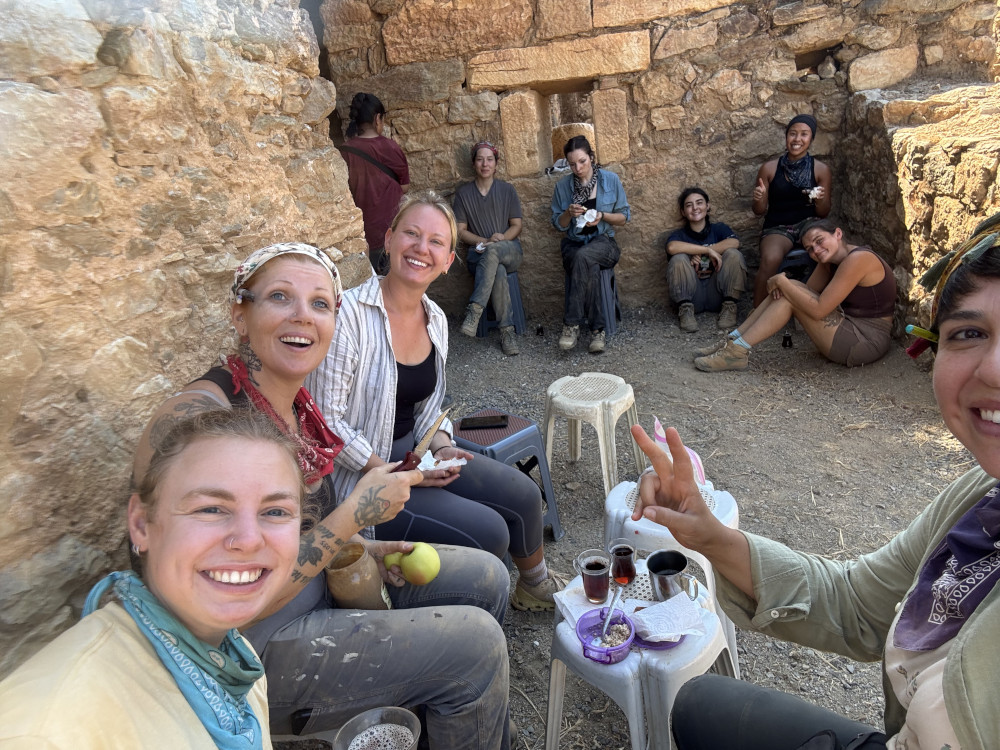
Tea break in the Small Bath.
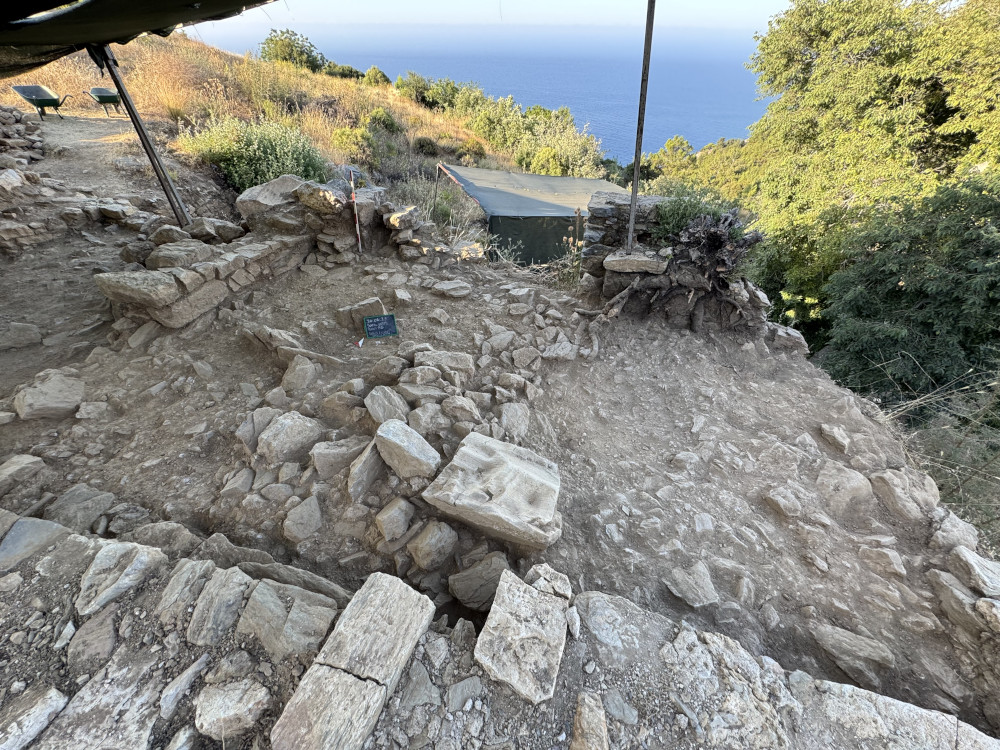
Indeed, the 2025 season focused primarily on exploring the bath’s later industrial phases. In previous seasons we discovered a ceramic kiln built adjacent to the bath’s main entrance corridor, and evidence for wine and olive oil production within the walls of the bath’s main hall and cold rooms (explored in an article by this author and Emlyn Dodd, in preparation); in the 2024 season we discovered in the south bank of rooms a glass furnace. The goals of this summer were to complete excavation of the glass furnace, and open the westernmost room on the south bank (Room 8), the room in closest proximity to the presumed location of the bath’s praefurnium. Investigations here did not disappoint as we uncovered what appear to be a series of small kilns built seemingly in succession. With a small team and the season coming to end, however, we were not able to complete excavation of this particular area, but we look forward to doing so next year.
Room 8 prior to exposure of kilns.
Antiochia ad Cragum is a field school that has historically brought in students and volunteers from North America, Europe, Asia and Australia. As acting supervisor of the Small Bath excavations since 2021, and now Field Director of the site, I have had the privilege of teaching students field techniques and recording. It has been rewarding to guide undergraduates and graduate students as they explore their own research questions related to our excavations at the Small Bath through poster projects and papers, while also exploring my own research interests in collaboration with Turkish and non-Turkish colleagues in the form of publications and lectures for the public and academic communities.
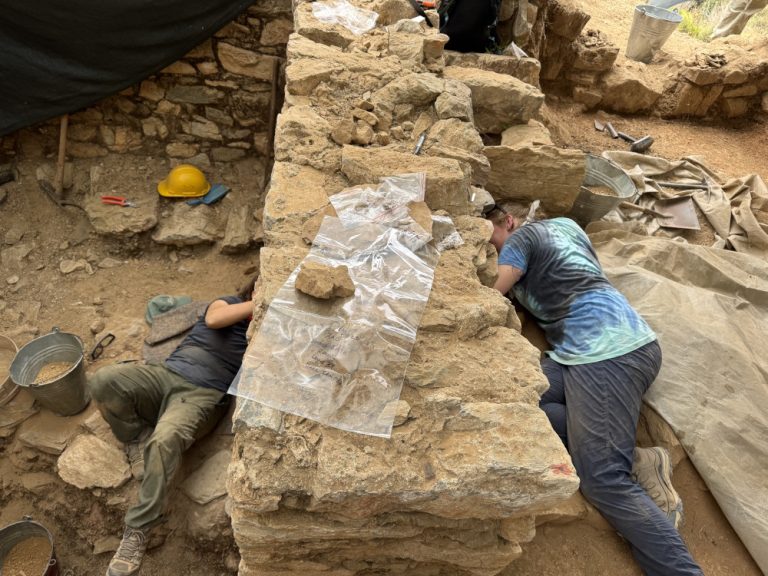
Students excavating a presumed flue of the glass furnace.
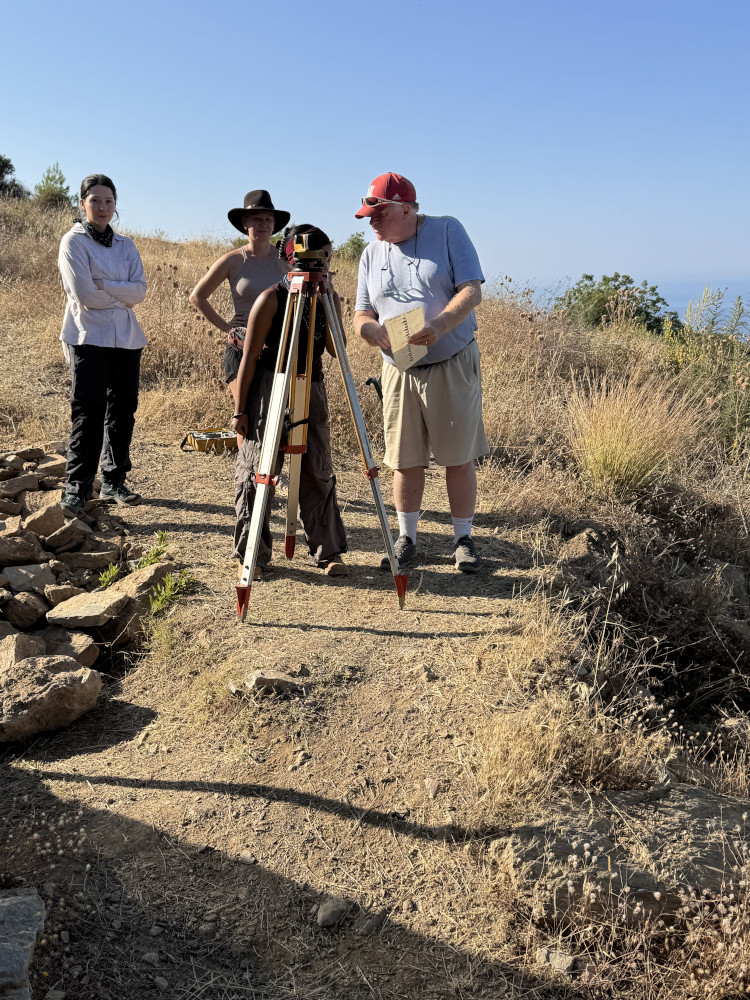
Students learning how to take elevations with the help of Project Director Dr Michael Hoff.
While I have done this in my official roles with the project, I am also a mom with two small children who has had to bring my kids with me to Türkiye every season. I have many colleagues who can identify with this position, and who know well that it can be quite complicated for many reasons, including financial. ASOR recognizes that such personal factors should not be a barrier to academic research and growth, especially to early-career scholars such as myself; I am grateful to ASOR and a summer fieldwork scholarship made possible by the late Mrs. Carolyn Midkiff Strange for the support that allowed me to continue my work at Antiochia ad Cragum for the 2025 season and, I hope, many seasons to come.
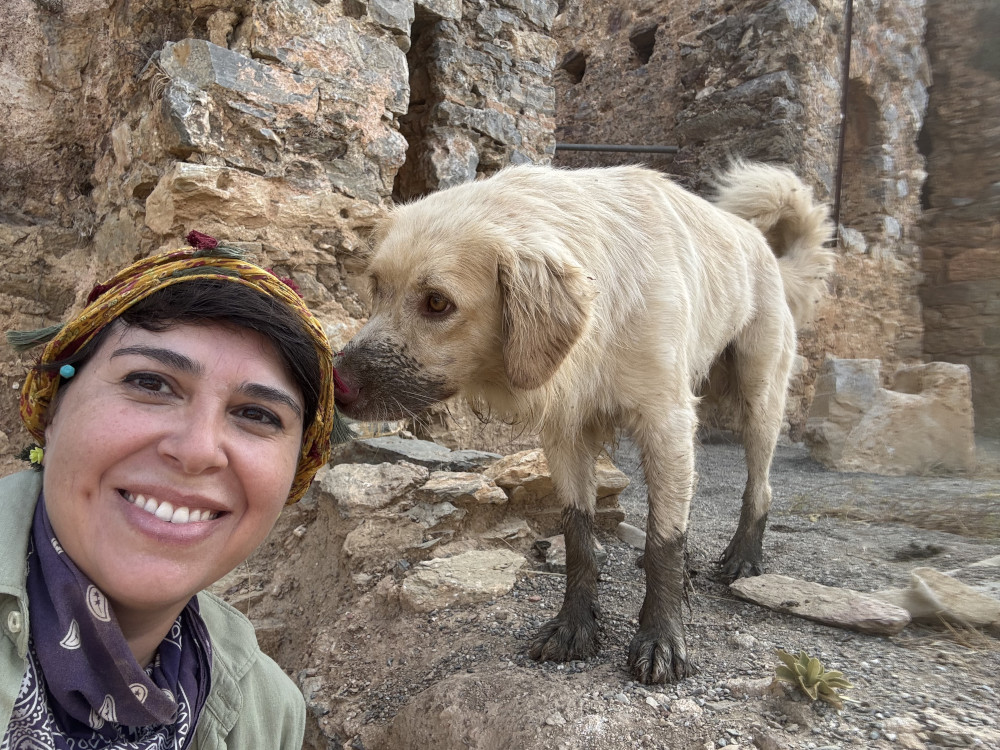
With the other Small Bath supervisor.
Leticia R. Rodriguez is an Assistant Professor of Art History, Ancient Mediterranean and Middle East at the University of Houston. She has excavated at Antiochia ad Cragum since 2019.
Want to help more students and early career archaeologists get into the field? Donate to the cause today by selecting “Fieldwork Scholarships” as your gift purpose!