ASOR Annual Meeting attendees in Boston and online will be treated to a full academic program with more than 125 sessions and 600 presentations. The academic program and business schedule can be found on the Annual Meeting Schedules page. Registered meeting attendees also have access to the Online Schedule in the ASOR Online Portal. This is where you will find paper abstracts and virtual participants will find Zoom links (posted during conference days) to attend the sessions and workshops online.
Attendees can follow the program, create personal schedules, and connect with others in the Annual Meeting Mobile App (powered by Guidebook). Download instructions will be available in the ASOR Online Portal under the 2025 ASOR Annual Meeting / Schedule once the app is ready to use.
Boston Highlights
Free admission to the Museum of Fine Arts
The Museum of Fine Arts is offering free general admission to ASOR Annual Meeting attendees from November 19–26, 2025. Show your ASOR name badge at the admissions desk for free entrance. For information on opening hours, planning your trip, and special exhibits (additional fee may apply), please visit the MFA website.
There are a number of special events taking place during the Annual Meeting for those who are coming to Boston. Some of these events require registered attendees to sign-up in advance.
Wednesday, November 19
3:00-4:30pm EST
Seal Carving Workshop (Newbury Room, Hilton Boston Park Plaza)
Led by Pinar Durgun, this workshop is free for ASOR attendees. Space is limited and advance sign-up is required. Registration is full, but please email programs@asor.org to be added to the waitlist.
3:00-5:00pm EST
Putting Objects to Work: Building Visitors’ Museum Literacy through Critical Encounters with Collections (Harvard Art Museums)
This free workshop will be led by Jennifer Thum from 3 to 5 p.m. at the Harvard Art Museums in Cambridge, MA. Space is limited and advance sign-up is required. Learn more about the museum literacy workshop here.
3:00-5:00pm EST
Little Syria Walking Tour (Chinatown Gate, Beach Street, Boston)
This tour led by Lydia Harrington from 3 to 5 p.m. takes visitors through Boston’s first Arabic-speaking neighborhood, which thrived between the 1880s and 1950s in today’s Chinatown and South End. Space is limited and sign-up is required through this link. The tour is pay what you wish, with a suggested contribution of $15 in cash, due upon arrival. Learn more about the walking tour here.
7:00-8:30pm EST
ASOR Annual Meeting Plenary Address (Hilton Boston Park Plaza, Grand Ballroom A)
Dr. Timothy P. Harrison, Director of the Institute for the Study of Ancient Cultures (ISAC) and Professor of Near Eastern Archaeology at the University of Chicago, will present, “The Middle East Cultural Heritage Crisis and Why It Matters.” Also available online for virtual attendees. Learn more here.
8:30-9:30pm EST
Welcome Reception (Hilton Boston Park Plaza, Grand Ballroom B)
Following the Plenary Address, ASOR Annual Meeting attendees are invited to network, socialize, and enjoy light refreshments as we get ready for three full days of sessions, workshops, posters, and fun.
Thursday, November 20
12:55-1:55pm EST
Early Career Scholars’ Brown-Bag Lunch (Georgian)
Panelists: Brita Lorentzen, James Fraser, Kathryn Grossman
Bring your lunch and join us for Applying to ASOR & ASOR-Affiliated Scholarships: Understanding Eligibility and Crafting Strong Applications. The panel will host representatives from the fellowship committees of ASOR, the Cyprus American Archaeological Research Institute (CAARI), and the Albright Institute of Archaeological Research (AIAR) to talk about various funding possibilities offered through these institutions.
12:55-1:55pm EST
ASOR Roundtable Discussions (The Square, Lobby Level)
There will be a number of discussion topics offered during this lunchtime event. Advance sign-up will be required.
Friday, November 21
12:55-1:55pm EST 
ASOR Members’ Meeting, Sharon Herbert, Presiding (Georgian Room, Mezzanine Level)
Bring your lunch and come for an update on the business of ASOR and the 2025 Honors & Awards.
6:30-7:30pm EST
Cyprus American Archaeological Research Institute (CAARI) Reception (Boylston Room, Mezzanine Level)
8:00-10:00pm EST
Early Career Scholars’ Reception (Off the Common, Lobby Level)
This event is for registered ASOR attendees who are Early Career Scholars. There is no cost to attend, but space is limited and ECS members must sign-up in advance here.
Saturday, November 22
10:20-10:40am EST
ASOR Raffle Drawing (Mezzanine Level)
A fun event to highlight ASOR Exhibitors during the morning coffee break on the last day of the meeting. Join us in the Exhibit Hall (Mezzanine Level) near the registration tables to see if your raffle ticket is a winner.
12:45-2:00pm EST
ASOR Poster Session (Statler Room, Mezzanine Level)
Visit the ASOR Poster Hall throughout the Annual Meeting to see all of the research projects being presented, and come to the Poster Session on Saturday to talk with the presenters and ask questions.
6:45-11:00pm EST
ASOR 125th Anniversary Celebration (Grand Ballroom A)
After the academic program ends, we invite you to a celebratory evening of exceptional dining, entertainment, and ASOR-themed activities in honor of our 125th anniversary. Enjoy inspiring remarks from speakers who have been integral in shaping ASOR’s mission. Tickets are $100 and may be purchased here. Discounted tickets are available—use code SAVE50 for a reduced ticket of $50, or use code SAVE75 for a reduced ticket of $25.

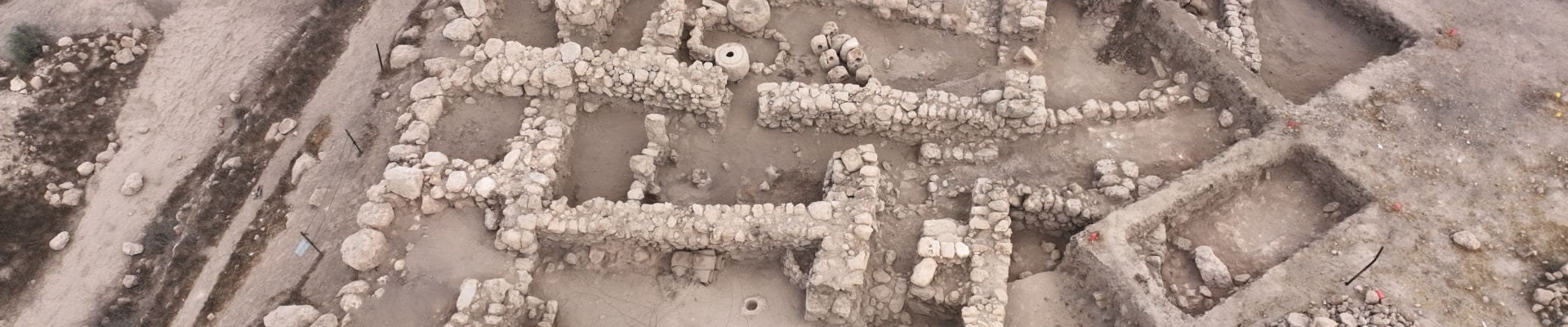
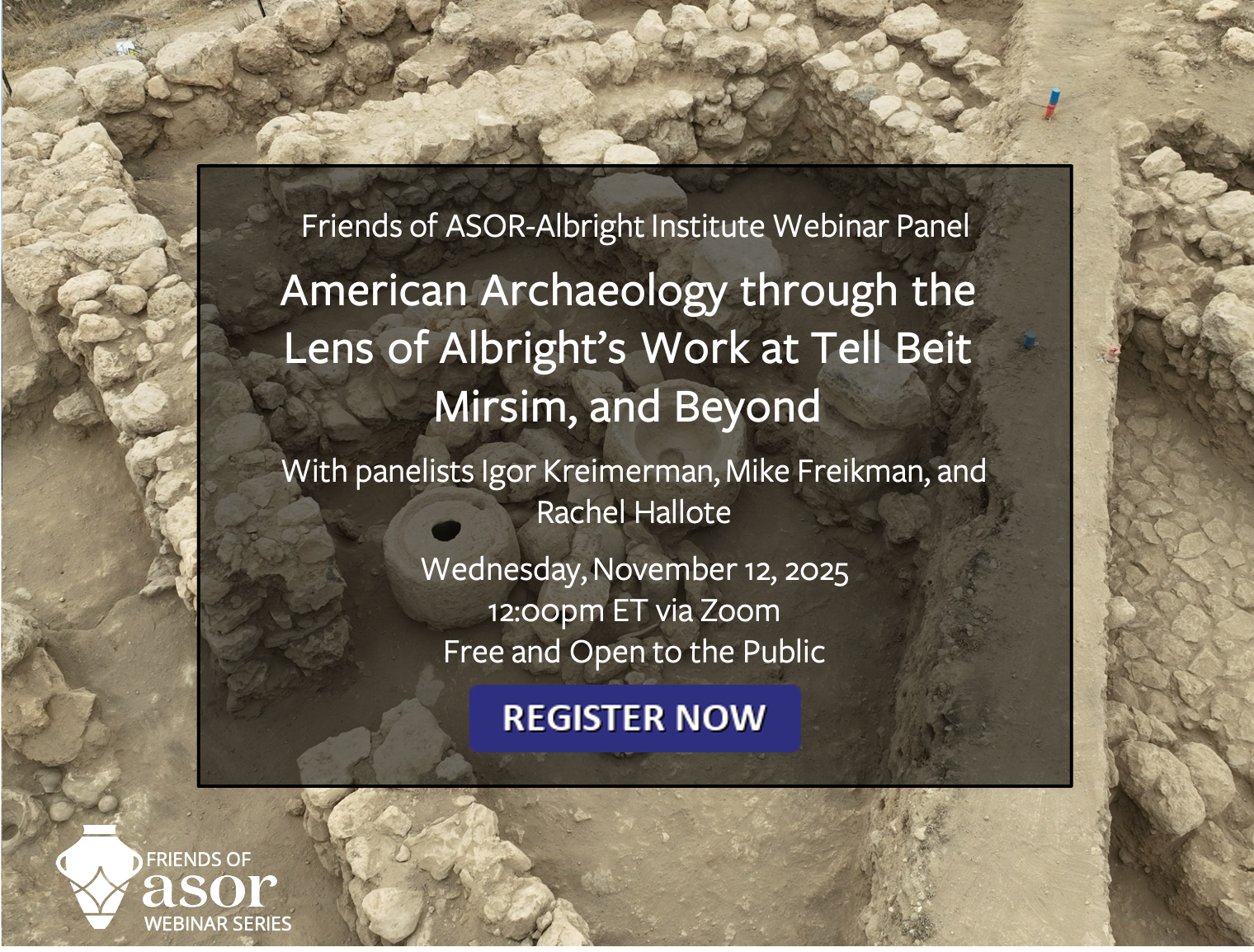
 Albright’s excavations at Tell Beit Mirsim marked a turning point in the development of Biblical Archaeology, establishing the site as a key type-site for the discipline. The innovative methods applied in both excavation and publication resonated for decades and provided the foundation for Albright’s wide-ranging synthetic studies. Over time, however, many of his conclusions and theories have been challenged and re-evaluated. The renewed excavations at Tell Beit Mirsim invite a fresh assessment of Albright’s work, comparing his insights with new evidence from the field. This presentation will reconsider the validity of his reports in light of modern scholarship and reflect on the enduring impact of his excavations.
 Dr. Igor Kreimerman is a Senior Lecturer in Archaeology and Ancient Near Eastern Studies at the Hebrew University of Jerusalem. He directs the Selz Foundation Hazor Excavations in Memory of Yigael Yadin and serves as scientific
  advisor to the Renewed Excavations at Tell Beit Mirsim. His research focuses on the social and economic structures of Bronze and Iron Age Levantine societies, as well as on human-induced site formation processes, particularly those related to construction and destruction.
 Rachel Hallote is Professor of History at Purchase College SUNY. Her research involves British and American archaeologists who excavated in Ottoman-controlled Palestine in the 19th century. She has worked at numerous archaeological sites in Israel, including Tell Miqne and Megiddo. Her publications include Bible, Map, and Spade: The American Exploration Society, Frederick Jones Bliss, and the Forgotten Story of Early American Biblical Archaeology and the co-authored volume, The Photographs of the American Palestine Exploration Society as well as many articles about archaeology and the history of the discipline. She currently co-hosts an archaeology podcast called This Week in the Ancient Near East.
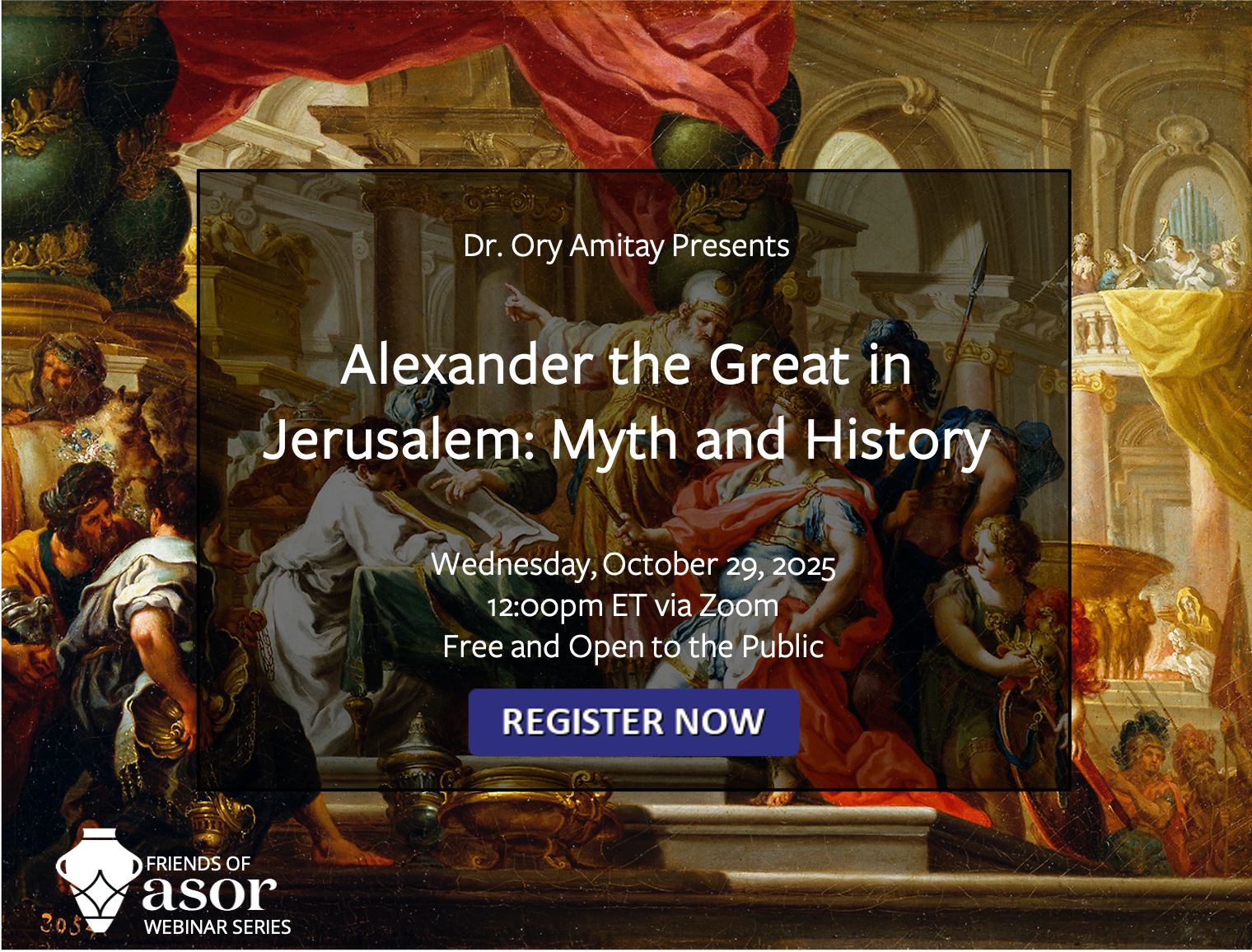
 The episode of Alexander’s visit to Jerusalem is familiar mostly through the story of Flavius Josephus. This version of the story dominates not only the public imagination but also scholarly discussion. It is generally assumed that Josephus’ story is derived from the earliest source(s) relating the story; it is consequently also the most often discussed in scholarship, mostly at the expense of any discussion of the other versions of the story. A main conclusion of Dr. Amitay’s recent book, Alexander the Great in Jerusalem: Myth and History (2025, Oxford UP), is that among the four different versions of the Alexander in Jerusalem story – which are quite different from one another – Josephus’ version is not the earliest but rather the latest, and clearly relies on two earlier versions. A second conclusion, which conforms with the consensus of previous scholarship, is that the story, in all its versions, cannot be regarded as history; it is a political myth. Therefore, rather than look in the stories for clues that might reveal some details about the history of Alexander, Dr. Amitay analyzed each of the stories for indicators that would reveal the respective contexts of their creation.
 All these contexts taken together bring us to the third major conclusion, a common denominator that dominates the tradition as a whole: new stories of Alexander in Jerusalem (at least the ones that reached us) were born as a result of a major change in the relationship between the people of Judea and their foreign rulers. These major changes include the Seleukid takeover of the southern Levant, the first arrival of Roman arms in Judea, the abolishment of Judean kingship and the institution of provincia Judaea, and the rearrangement of Judea as an independent province after the destruction of the temple. Given the continued status of Judea as a province of some empire or other during the second temple period (Hasmonean period excluded), and the suddenness and totality of the change brought about by Alexander, it is small wonder that his arrival in Jerusalem became the subject of political myths dealing with major shifts in the relationship of Judea with its foreign rulers.
 For the last twenty odd years, Ory Amitay has been teaching and conducting research in the University of Haifa. His research is situated at the intersection of two crossroads: one between myth and history, the other between various peoples of the ancient west. The topic of his new book, and of this lecture, is a clear example. Amitay’s main research strategy in analyzing historical (or rather pseudo-historical) myths is locating the obvious false factoids – parts of the story that are in blatant contradiction to known historical facts – and interpreting them not as the products of carelessness or ignorance, but rather as intentional fabrications. As such, they have both a context, where they make sense historically, and an agenda. The underlying assumption is that false factoids are fabricated with a purpose in mind. The goal is to identify both context and agenda.




 The Carolyn Midkiff Strange Committee on Growth, Innovation, and Visibility (GIV) serves as a resource for and leader in engaging and broadening the professional community of ASOR, in order to expand access to the history and cultures served by ASOR. For more information about the committee, click

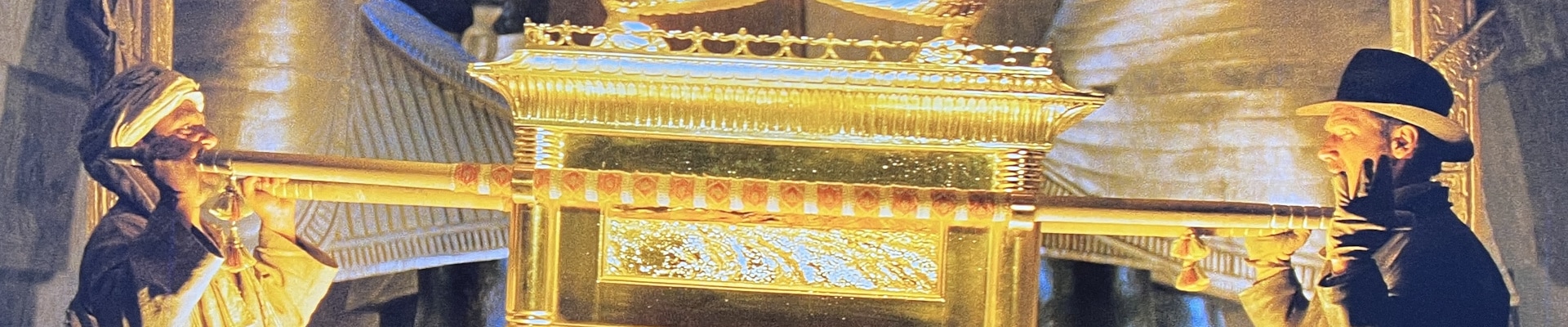
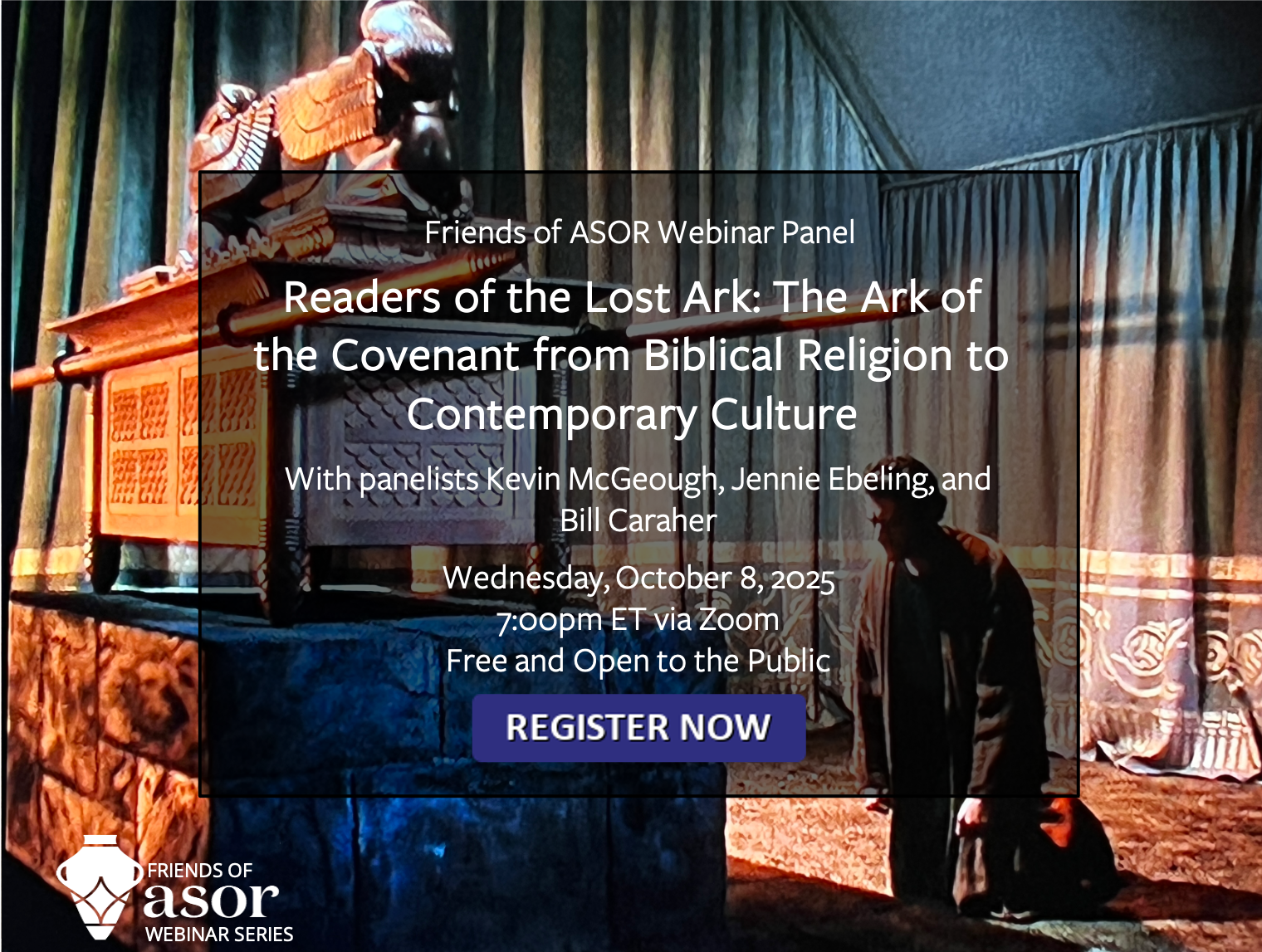
 Since the release of Raiders of the Lost Ark, the Ark of the Covenant has become one of, if not the most famous biblical “artifact,” despite the fact that scholars don’t agree on what might have happened to it or if it even really existed. Described in the Bible as a wooden chest plated with gold, adorned by cherubim, the Ark is said to have carried the tablets of the Ten Commandments and was one of the locations where God manifested His presence amongst the Israelites. The description may be straightforward and simple, but the Ark has proven to be the subject of a diverse variety of interpretations since biblical times, ranging from an imitation of an ancient Egyptian religious object to an advanced radioactive energy source capable of mass destruction. Ethiopian Christians believe the Ark resides in a church in Africa, while some have looked for it in the ancient Irish city of Tara. Early religious interpreters looked for coded messages in the biblical instructions on how to build the Ark, and modern faith communities build their own replica Arks for use in faith healing services and in Old Testament themed wax museums. All of these communities generally agree on what the Ark looked like, but what the Ark is or was, and why it matters is a different story. Join Kevin McGeough, in a lecture and conversation moderated by Jennie Ebeling and William Caraher, as he
  explores the interpretation of the Ark of the Covenant from the past two thousand years. Introducing his new book, Readers of the Lost Ark, Kevin will discuss how the Ark has been understood in different communities, from ancient Jewish and Christian commentators, through Medieval theologians, to modern ancient aliens theorists, misguided explorers, and Indiana Jones fan communities. There will be something for any “friend of ASOR” interest in this wide-ranging talk!
 Kevin M. McGeough is Professor of Archaeology in the Department of Geography & Environment at the University of Lethbridge and holds a Board of Governor’s Research Chair in Archaeological Theory and Reception. McGeough is currently co-director of excavations at Busayra in Jordan and Head-Smashed-In Buffalo Jump UNESCO World Heritage Site in Canada. He is co-editor of the journal Alberta Archaeological Review, and author of The Ancient Near East in the Nineteenth Century, and Representations of Antiquity in Film: From Griffith to Grindhouse. His most recent book, Readers of the Lost Ark: Imagining the Ark of the Covenant from Ancient Times to the Present is available from Oxford University Press.
 Jennie Ebeling is a Professor of Archaeology in the Department of Archaeology and Anthropology at the University of Evansville. Ebeling co-directed the Jezreel Expedition in Israel and is a ground stone artifact specialist with a particular interest in women’s contributions to food and drink technologies in ancient southwest Asia. She edits ASOR’s Archaeological Reports Series and is an editor-at-large for Eisenbrauns, an imprint of Penn State University Press. The co-editor of five volumes, she is the author of Women’s Lives in Biblical Times (T&T Clark, Int’l) and is currently completing a monograph on ethnography, household archaeology, and representations of life in biblical Israel.
 Bill Caraher teaches in the Department of History and American Indian Studies at the University of North Dakota. He is the editor of the Annual of ASOR and co-edited the Oxford Handbook of Early Christian Archaeology (2019) and recently published The Archaeology of Contemporary America (2025). He is an archaeologist who has worked in Greece, Cyprus, and the United States.
