Fieldwork Report: Don’Neka Hayslett

Looking Beyond: Finding the New in the Old

Don’Neka Hayslett, 2025 ASOR Fieldwork Scholarship Recipient

On my first few days at the Cadir Höyük 2025 project, I was introduced to a tool I had never used before: the dumpy level. At its core, it is a simple instrument for measuring horizontal levels—a tripod, a level head, and a staff marked with precise centimeters. But the challenge wasn’t in the setup; it was in the seeing. When I first looked through the lens, I kept getting lost in the landscape. My eyes drifted toward the mound, the hills, even the horizon, when all I really needed to find was a tiny line on the staff. It was only after practicing that I realized the trick: I had to look beyond the distractions in order to focus on what mattered. The dumpy level trained me to see not just what was directly before me but the exact measurement that would help piece together the excavation.

That realization became a metaphor for both archaeology and life. Archaeology is the art of connecting fragments—small sherds, soil layers, or architectural features—into a larger story of how people once lived. Like the dumpy level, it requires looking beyond what you can immediately see to uncover the bigger picture. Each tiny detail is meaningful, but only when joined with others does the whole emerge.
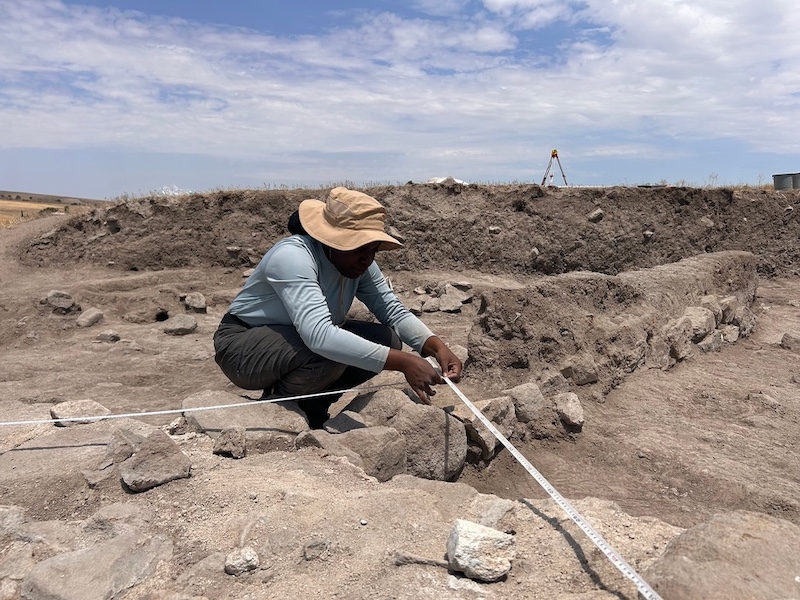
This idea also echoed a sermon I once heard about John in the book of Revelation. Exiled to Patmos, John could have focused only on his suffering or the power of Rome around him. But instead, he looked beyond his circumstances to receive visions of Christ and the churches. In doing so, he pieced together a larger truth: that God’s kingdom stood above earthly kingdoms, and that the faithful were called to live not by what was seen but by what was true.

My pastor also preached a sermon about a woman, described in Revelation as “Jezebel,” who lured people into sin. Many in that Roman city depended on her approval—or on society’s approval, to keep their businesses and livelihoods. Because the city was steeped in pagan worship with many gods, Christians were pressured into compromise. Their choice was stark: pursue wealth by following her influence, or trust God to provide. It’s unlikely that the woman’s actual name was Jezebel; rather, Jesus used the name to highlight her behavior, much like the Old Testament Jezebel who led Israel astray, claiming her words were from God. In the same way, false teaching must always be tested against Scripture. Every message should be weighed carefully, studied, and confirmed by the Word. It reminds me of using a dumpy level. You can either glance at the staff and guess your alignment, or you can use the notches to measure precisely. One way looks convincing, but the other ensures accuracy. Likewise, we must align every teaching with God’s Word rather than relying on appearances.
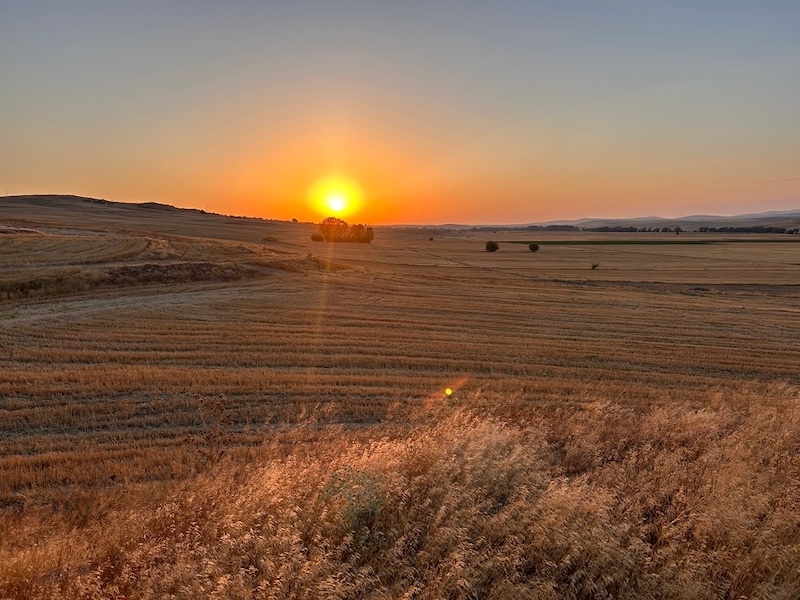
Both in the field and in faith, the discipline is the same. Whether sighting through a dumpy level or searching Scripture, the task is to look beyond what is immediate or distracting. To focus on the small pieces long enough for them to connect. To trust that fragments—whether centimeters measured in the dirt or words written on an island two thousand years ago—can be assembled into a greater whole.
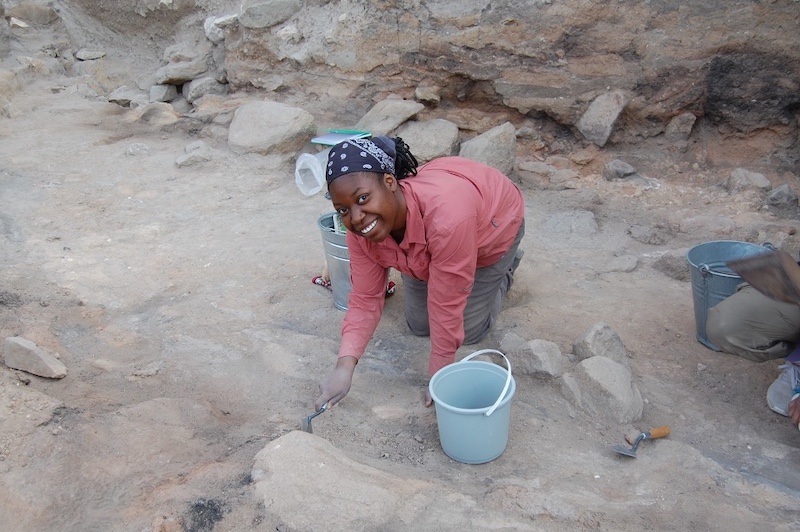
At Cadir Höyük, every careful measurement helped transform scattered stones into walls, walls into houses, and houses into a once-living community. And in my faith, every act of looking beyond reveals a glimpse of God’s larger design. Both remind me that to find the new in the old, you must learn to see beyond the surface and trust that each fragment, no matter how small, belongs to a greater story.
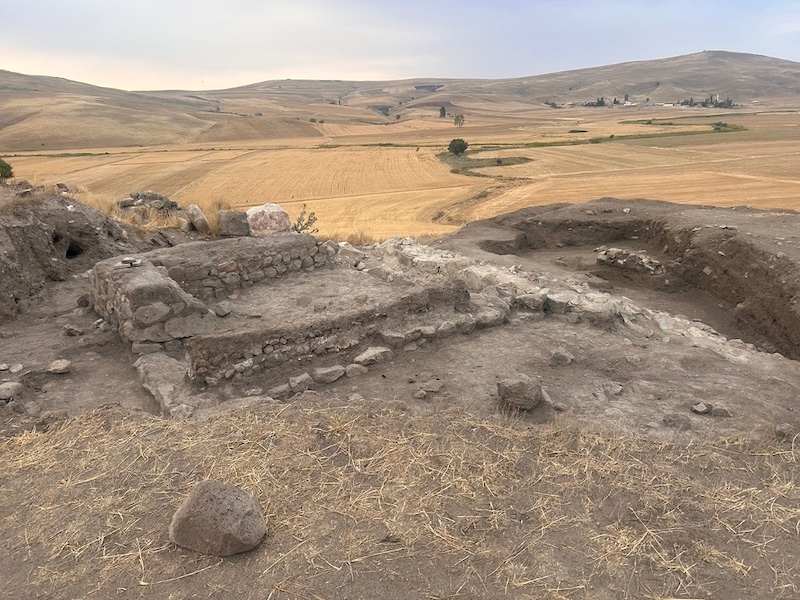
Don’Neka Hayslett is a recent graduate of the University of Memphis with a Bachelor of Arts in Anthropology and Earth Sciences. She hopes to further her knowledge of Mediterranean archaeology through various excavations and to explore how ancient art forms continue to influence contemporary culture.

Want to help more students and early career archaeologists get into the field? Donate to the cause today by selecting “Fieldwork Scholarships” as your gift purpose!

Fieldwork Report: Yishu Deng

How Archaeology Bridges the Past and Present

Yishu Deng, 2025 Eric and Carol Meyers Fieldwork Participation Scholarship Recipient 

After completing my MPhil in Archaeology degree at the University of Cambridge, I had the privilege of joining the excavation team at Kani Shaie in the Kurdistan Region of Iraq for the second consecutive year. The project is directed by my MPhil supervisor, Dr. Steve Renette, and offers a great opportunity to engage directly with ongoing archaeological research in the Near East. Fieldwork abroad is financially challenging. I was deeply honored to receive the generous support of and Eric and Carol Meyers Fieldwork Participation Scholarships through ASOR, which enabled me to continue pursuing my passion and advancing my career in archaeology.

The Kani Shaie Archaeological Project is a unique chance for my academic development. My primary research interest lies in metal production at military sites, and although Kani Shaie is modest in size, it has yielded consistent evidence of metallurgical activity across multiple seasons. A notable quantity of metal slag was found, as well as an assortment of iron artifacts, including arrowheads, blades, and other tools. This season was particularly exciting: in the Lower Town trench, we found a small crucible in situ, embedded in the middle of a firepit. Looking at it in its place of function and imagining its ancient use was profoundly inspiring.

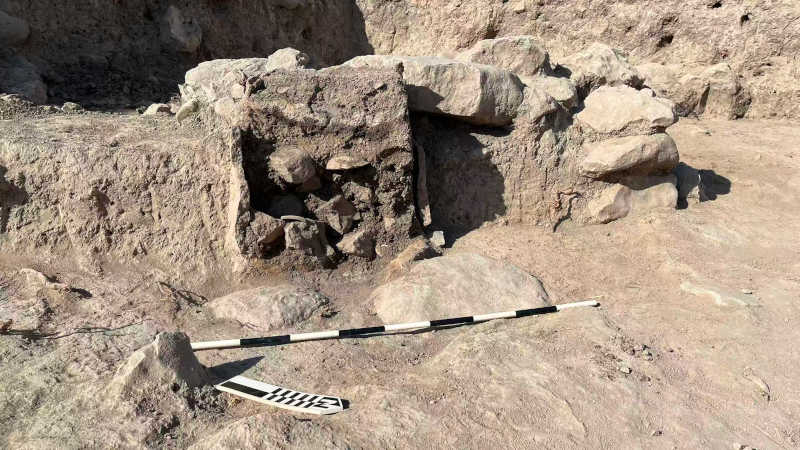
Overview of the Lower Town trench at Kani Shaie.

Another remarkable object excavated this year was a complete iron hook found inside a tanoor (traditional clay oven), which further ignited my curiosity. It is exceptionally well preserved and was also found in the place where it was used to stoke the fire or remove ashes. These simple yet powerful finds vividly evoked scenes of daily life from thousands of years ago.

In addition to metal objects, Kani Shaie has revealed a wide range of artifacts: all types of pottery, seals, sealings, figurines, spindle whorls, etc., suggesting that the site possibly served administrative, domestic, and military functions. Mapping the distribution of metal working features in relation to other potential activity areas across the site may help us understand where and how metal production occurred, and how this industrial activity related to the broader organization of the settlement. Scientific analysis of the metal artifacts may provide further insight into production techniques and the provenance of raw materials. All such studies can be interesting future research projects.

Another compelling aspect of Kani Shaie is its long history of human activities, spanning from around 6000 BCE to the Ottoman period. This long temporal sequence offers a unique opportunity to study how a site evolves through time—how it was used, reused, and transformed, as well as how excavation can be best carried out to uncover this entangled history. It is our responsibility as archaeologists to discern both the changes and the continuities in these long-lived spaces. This season, I learned a great deal not only about excavation methodology but also about how the present-day lives of people in the region can inform us in archaeological studies.

The crucible found in situ in the middle of a fire pit.
The crucible.

One particularly memorable discovery came from the potentially late Parthian to early Sassanian level in the Lower Town trench, where we uncovered five tanoors, including the one where the hook was found. The place was likely a communal cooking area. The tanoor that contained the hook was connected at the back to a raised platform made of large stones. Steve suggested that the platform may have been supporting the tanoor. Under his guidance, we left the stones in situ and carefully excavated and sectioned the exposed half of the tanoor. What followed was an unexpected revelation: the tanoor contained a remarkably well-preserved stratigraphy. The upper layers consisted of ash in varying colors, while the lower layers comprised medium-sized stones. Beneath these stones, we found the complete iron hook. Finally, there was a grey layer of ash on the bottom of the tanoor, under the iron hook.

What made this find even more meaningful was the connection to present-day practices. Local team members told me that they still have similar tanoors in their homes for baking bread. After my fervent request, Mr. Zana Abdulkareem Qader kindly took me to see one at our neighbor’s house. It was strikingly similar to the ones we had excavated. There was even a similar iron hook hanging on the wall. Moreover, the tanoor was installed inside a stone-cement platform, which supported the tanoor just like the stones that we found. This type of installation is called sart-tanoor, as Zana explained. The next day at the site, I sat on the stone platform beside the excavated structure and imitated the motions of making bread using the tanoor. The height and layout felt just right.

The tanoor section that showed exceptional stratigraphy. The stone supporting platform is in the back.

For someone like me—raised in a modern city in a different country—it had always been difficult to visualize how such installations functioned in the past. Seeing these traditions alive in the present helped me connect the dots. It was a powerful reminder of how cultural practices endure over time, and how archaeology can bridge the past and present.

The precious experience at Kani Shaie this season would not have been possible for me without the generous support of ASOR and Profs. Eric and Carol Meyers. Their scholarship significantly alleviated the financial burden of travel and living expenses, for which I would like to express my gratitude once more. I am also grateful to my supervisor Dr. Steve Renette and the project’s co-directors André Tomé and Dr. Michael Lewis. Special thanks to Mr. Zana Abdulkareem Qader for his kindness and generosity, and to other local colleagues for their hard work and friendliness. I also learned so much from other students. This season has been invaluable, and I go forward with both knowledge and gratitude.

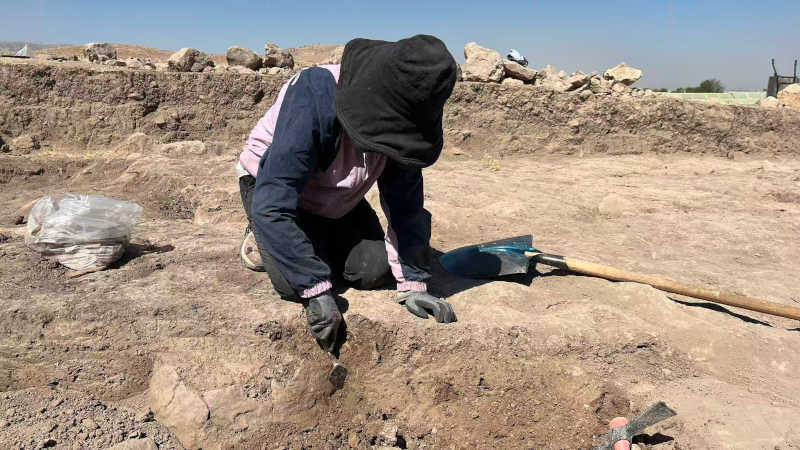
Picture of me excavating. I like covering myself to resist the sun and dust. Others often question if it is hot, and the answer is: not really.

My name is Yishu Deng, and I’m originally from Beijing, China. My current research focuses on metallurgy and military fortifications in the Ancient Near East, with a particular emphasis on the Sasanian period.

The Kani Shaie Archaeological Project Instagram page: @kani_shaie_arch_project

Want to help more students and early career archaeologists get into the field? Donate to the cause today by selecting “Fieldwork Scholarships” as your gift purpose!
Fieldwork Report: Kearyn Hall

Disturbance and Discovery: Learning from Looting at Humayma

Kearyn Hall, 2025 Harva L. Sheeler Fieldwork Scholarship Recipient

The 2025 field school began in Amman, the capital of Jordan, where our first week was devoted to lab-based training. Under the guidance of our instructors, we handled ceramics, practiced drawing profiles, reconstructed fragments, and grew accustomed to the meticulous process of cataloging. This initial week was invaluable; it allowed us to encounter the material record in a controlled environment before confronting its fragmentary and often damaged reality in the field. By the time we left Amman, I carried with me not only a set of practical skills but also a growing awareness of how even small sherds and fragments could speak volumes when studied carefully.

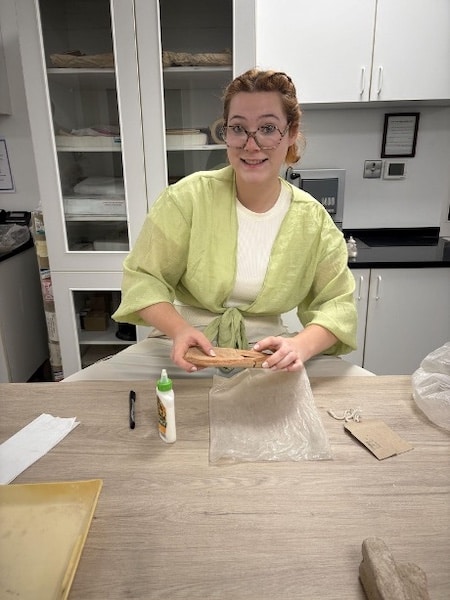
In the lab at Amman, gluing fragments to reassemble a ceramic tile.
During the first week in the lab, we not only became familiar with local pottery typologies and classifications, but also received training in photogrammetry and the collection of RTK points.

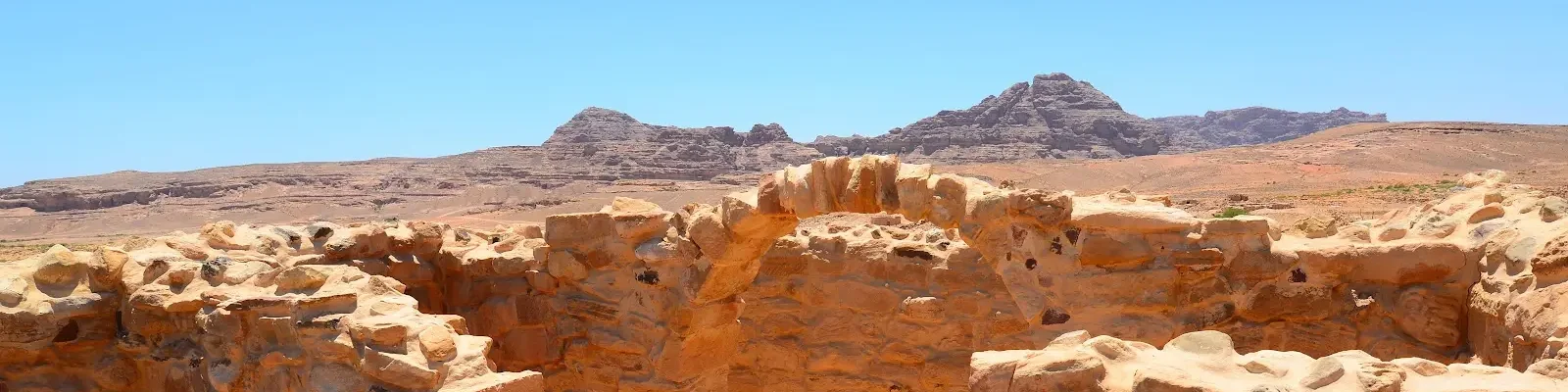
Travelling south to Humayma shifted our focus dramatically. The site itself lies in an austere yet striking landscape of desert plains framed by sandstone ridges. At first glance, it appears modest compared to monumental Nabataean or Roman centers, yet its significance lies precisely in its layered history. Established as a Nabataean settlement, later transformed by the presence of a Roman fort, and subsequently home to Byzantine churches and early Islamic occupation, Humayma presents a unique cross-section of centuries of cultural, religious, and social change. Standing within its ruins, one could trace how different communities shaped the same terrain, leaving behind traces that are at once fragile and enduring.

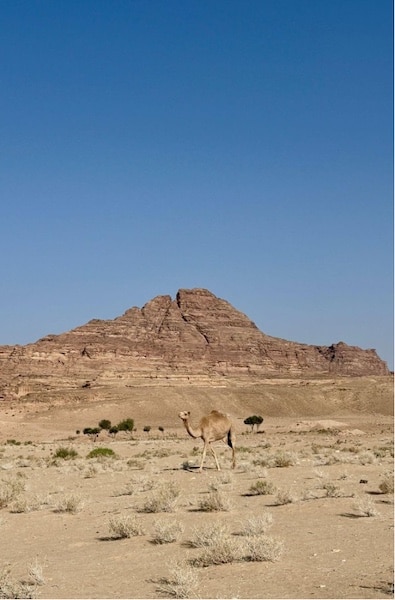
A camel standing before the Jebel Qalkha at Humayma, which was venerated as the source of water in antiquity.

Life at Humayma quickly settled into a rhythm. Early mornings were spent in the field, where small teams divided their efforts among photogrammetry, architectural recording, survey, and midden documentation. Some days were devoted to tracing architectural features with RTK mapping, others to carefully noting the distribution of ceramics within middens. Afternoons were often spent reviewing notes, comparing interpretations, and discussing questions raised by the day’s work. Evenings, though quieter, were filled with writing, preparation, and the informal but equally important conversations that come with living and learning in close quarters.

Among the many tasks we undertook, the reality of looting stood out most starkly. It was impossible to ignore; it was everywhere. Some disturbances were recent, the scars from metal detectors fresh in the soil. Graves had been torn open, leaving human remains displaced, stripped of the context that would have allowed us to understand their original placement and significance. In another area, a marble platform had been ripped apart, apparently under the assumption that it concealed valuables. In truth, it was nothing more than a built surface, its destruction a senseless erasure of evidence. These episodes made clear how devastating looting is, not only for material culture but for the fragile stories of lives once lived.

Looting also shaped our daily practice. It was evident that looters were aware of our presence, and we were advised not to linger in any single area for too long. This necessity forced us to adapt; recording and documentation were carried out with a heightened sense of urgency, trying to get everything done at once so we didn’t have to worry about it still being there tomorrow to document. It was a sobering reminder that the work of archaeology does not unfold in isolation, but in a living landscape where the past and present are in constant negotiation.

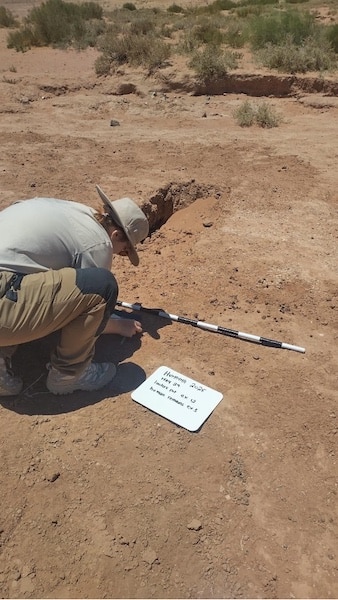
Setting up the north arrow before photographing a looter’s pit that contained human remains.

For me, the most difficult moments were those involving disturbed human remains. Confronting looted graves was unsettling; faced with the incivility of leaving someone once buried to wither away on the surface, at first, I questioned whether I was truly suited to pursue bioarchaeology. Yet when I was able to contribute to the documentation of these remains, I realized how meaningful it was simply to approach them with care and respect. That experience did not erase the destruction I witnessed, but it gave me a sense of purpose in responding to it. It reminded me that archaeology is not only about recovering knowledge, but also about honouring the people and cultures whose traces we encounter.

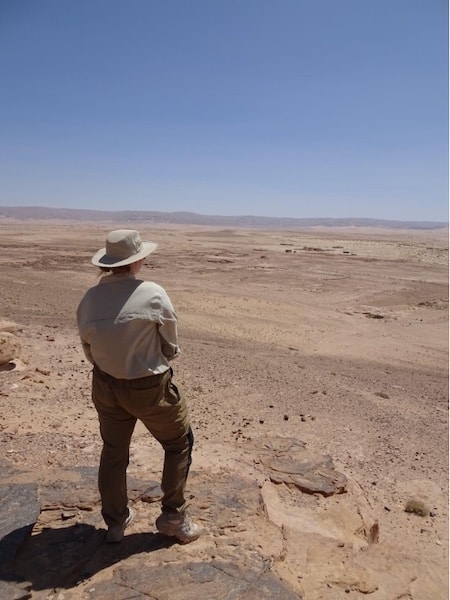
Overlooking the site of Humayma during the hike on our final day in the field.
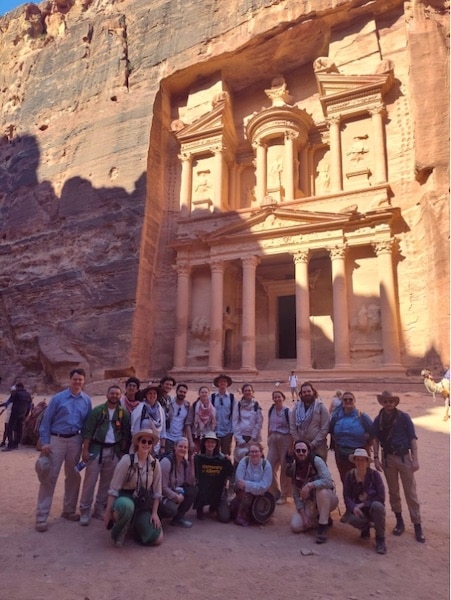
Field School group photograph at the Treasury in Petra, taken on our excursion en route from Amman to Aqaba.

I am deeply grateful to ASOR and to the Sheelers for supporting my participation in this project. This opportunity not only allowed me to gain invaluable field experience, but also helped me realize that I have found something I truly love to do. Thank you for supporting my dream and helping me take these first steps toward a career in archaeology.

Kearyn is in her final year of her Bachelor of Arts in Anthropology and Classics at the University of Alberta. She is currently applying to Master’s programs with a focus on Osteoarchaeology.

Learn more about this project here.

Want to help more students and early career archaeologists get into the field? Donate to the cause today by selecting “Fieldwork Scholarships” as your gift purpose!
2025 Dana Grant Report: Erbil Plain Archaeological Survey

2025 Dana Grant Report: Developing an Accessible Digital Ceramic Typology for the Erbil Plain Archaeological Survey (EPAS)

Elise Laugier, Utah State University

For more than a decade, the Erbil Plain Archaeological Survey (EPAS) has documented the settlement and land use history of the agricultural plain surrounding Erbil, the capital city of the Kurdistan Region of Iraq. With more than a thousand sites documented to date, EPAS has revealed the Erbil Plain to be one of the richest archaeological landscapes in northern Mesopotamia.

Drone image of the Erbil Plain near EPAS site 761, showing ongoing agricultural activity and landscape development. Image courtesy the Erbil Plain Archaeological Survey (EPAS).

In recent years, urban expansion and agricultural intensification have placed increasing pressure on the region’s archaeological sites and cultural landscapes. Rapid documentation and accurate dating of surface materials have become critical for protecting the region’s cultural heritage. The EPAS ceramic typology, long used internally by the project, offers a standardized system for identifying pottery across 21 chronological phases (from the Proto-Hassuna to the Islamic periods) but has not yet been widely available.

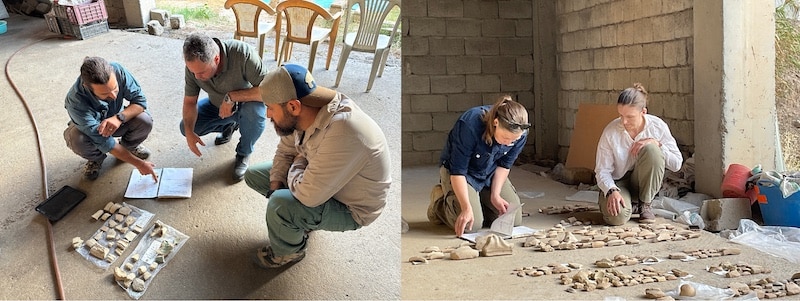
EPAS team members analyzing ceramics at the Erbil Directorate of Antiquities. From left: Jason Ur, Rebwar Jalal, Mohammed Lashkri, Elise Laugier, Madeline Ouimet.

Our goal in the last two seasons has been to expand access to EPAS’s ceramic typology by developing a bilingual, image-rich digital platform, an app that will allow archaeologists and heritage professionals to quickly identify pottery and date sites in the field. The app, accessible on both desktop and mobile devices, integrates detailed ceramic descriptions, diagnostic criteria, and color images, and will soon include both English and Kurdish. Once finalized, this accessible resource will provide students, archaeologists, and heritage officials in Iraq with a standardized system for ceramic classification, ensuring consistent documentation of sites across the Erbil Plain and adjacent regions.

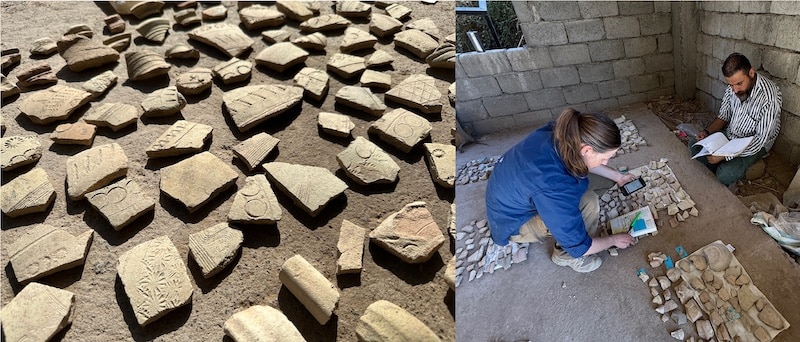
A selection of photographed sherds from the Mid-Late 3rd Millennium BCE through the Islamic periods (left). EPAS team members selecting ceramic types (right).

With support from ASOR’s Stevan B. Dana Grant, our 2025 season focused on expanding and completing the image database that underpins this typology. Working at the Museum at Erbil Directorate of Antiquities, the team processed and added dozens of images from early phases (Proto-Hassuna through Ninevite 5) to the existing ArcGIS Online mobile application. We also photographed hundreds of additional sherds representing later periods (Mid-Late 3rd Millennium through Islamic), creating a database of over 2,500 high-resolution images. Together, these materials form the foundation of the first comprehensive digital typology for the Erbil Plain.

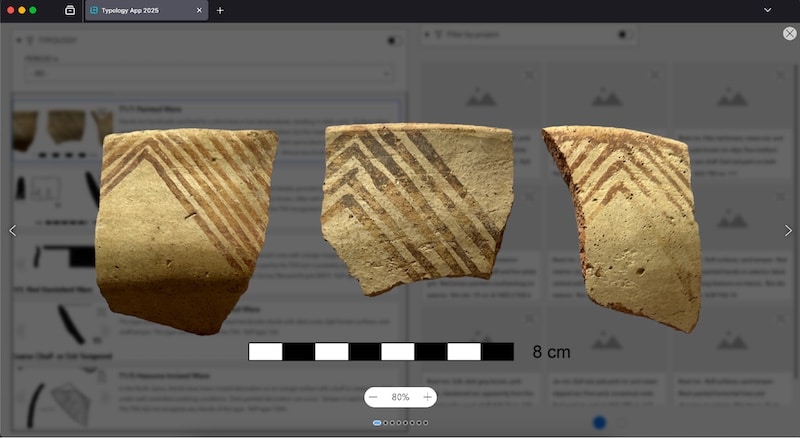
Example of the desktop EPAS Ceramic Typology interface, displaying color images and descriptive text of Hassuna Period painted sherds.

This project supports local capacity building and collaboration with Kurdish heritage professionals, ensuring that vital archaeological expertise is shared widely and sustainably. By transforming years of specialized field research into an open, bilingual reference, the project contributes to both heritage preservation and digital innovation in Mesopotamian archaeology.

We thank ASOR and the Stevan B. Dana Grant for its generous support in helping us transform a decade of research into a shared resource for the archaeological and heritage communities of the Erbil Plain and beyond.

Learn more about the project on their website or follow the project on Facebook.

2025 ASOR Honors & Awards

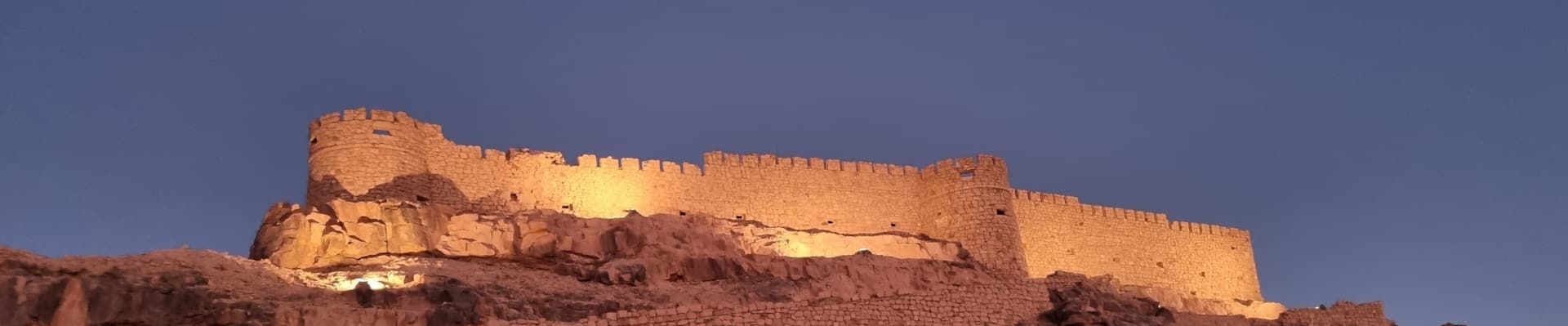
A photo of Ghat Fort in Libya, taken at night.

2025 ASOR HONORS & AWARDS


Each year at the Annual Meeting, ASOR recognizes individuals who have performed outstanding service for the organization, those who have published exceptional academic work, and those who made significant contributions to our field. The following award recipients were honored at the 2025 Annual Meeting in Boston and during the Members’ Meeting on November 21st. Awards were presented by Lynn Welton, co-chair of ASOR’s Honors and Awards Committee.

The Richard J. Scheuer Medal. This award honors an individual who has provided truly outstanding, long-term support and service contributions to ASOR (this medal is awarded when such an individual is identified).

Awarded to Sharon Herbert, for her exceptional contributions and guidance during her two terms as both Vice President and President of ASOR.

The Charles U. Harris Service Award. This award is given in recognition of long-term and/or special service as an ASOR officer or Trustee (one award is given annually).

Awarded to Charles E. Jones, Tombros Librarian for Classics and Humanities at Pennsylvania State University, for his time as ASOR Vice President from 2020-2025, most prominently his work with the Chairs Coordinating Council (CCC).

The P. E. MacAllister Field Archaeology Award. This award honors an archaeologist who, during his/her/their career, has made outstanding contributions to ancient Near Eastern and eastern Mediterranean archaeology (one award is given annually).

Awarded to Yorke Rowan, Research Professor, Institute for the Study of Ancient Cultures at the University of Chicago, for his impactful contributions to the archaeology of Eastern Badia, Wadi al-Qattafi, and major Chalcolithic sites.

Community Engagement and Public Outreach Award. This award recognizes individuals, teams, and organizations who have initiated outstanding educational, informational, or practical projects (including but not limited to classes, programs, exhibits, resources, events, and platforms) with the goal of making subjects and information about the ancient world accessible to wider (particularly non-academic) audiences.

Awarded to Chad Spigel (Trinity University) and Paul Flesher (University of Wyoming), for their development of the website for the Duke University Galilee Database, which makes publicly available all of the original field records for the 1970-1981 excavations of four synagogues of Upper Galilee: Meiron, Gush Halav, Khirbet Shema, and Nabratein. The database provides a searchable presentation of all field notes: from locus sheets and top plans to pottery readings and object lists, from daily notes to weekly and end-of-season reports.

ASOR Membership Service Award. This award recognizes individuals who have made special contributions on behalf of the ASOR membership, through committee, editorial, or office services.

Awarded to: Theodore W. Burgh, Professor, University of North Carolina Wilmington, has been an exemplary leader for ASOR’s Membership and Outreach Committee during his two terms as its chair, from 2020 through 2025.


Awarded to Allison Thomason, Professor, Southern Illinois University, Edwardsville, for her work as Co-Chair of the Program Committee for the last six years and compassionate approach to her service to ASOR.


Awarded to Vanessa Workman, University of Pennsylvania, who has served on the Early Career Scholars (ECS) Committee since 2017 and became its Co-Chair in 2023.

The W. F. Albright Service Award. This award honors an individual who has shown special support or made outstanding service contributions to one of the overseas centers (AIAR, CAARI), or to one of the overseas committees – the Baghdad Committee and the Damascus Committee. This award is given when such an individual is identified.

Awarded to Matthew J. Adams, Director of the Center for the Mediterranean World, who served as Director of the W. F. Albright Institute of Archaeological Research from 2014 to 2022, revitalizing its facilities, programs, finances, and global reach.

The G. Ernest Wright Award. This award is given to the editor/author of the most substantial volume(s) dealing with archaeological material, excavation reports and material culture from the ancient Near East and eastern Mediterranean. This work must be the result of original research published within the past two years (one award is given annually).

Awarded to Kevin D. Fisher, Associate Professor of Eastern Mediterranean Archaeology, University of British Columbia, for his substantial contribution to the archaeology of Cyprus in Monumentality, Place-Making and Social Interaction on Late Bronze Age Cyprus (Equinox Publishing).

The Frank Moore Cross Award. This award is presented to the author/editor of the most substantial volume(s) related to the history and/or religion of the ancient Near East and Eastern Mediterranean. Primary consideration will be given to historical, epigraphic, textual, and comparative literary studies; or to works that advance and/or evaluate new methodological approaches to the literary record(s). This work must be the result of original research published during the past two years (one award is given annually).

Awarded to Tiffany Earley-Spadoni, Associate Professor, University of Central Florida, for the novel analysis of Urartu as a decentralized non-urban empire with a political organization constructed around a dispersed fortified regional network in Landscapes of Warfare: Urartu and Assyria in the Ancient Middle East (University Press of Colorado).

The Nancy Lapp Popular Book Award. This award is presented to the author/editor of a book published in the last two years that offers a new synthesis of archaeological or textual evidence intended to reach an audience of scholars as well as students and the broader public (one award is given annually).

Awarded to Tate Paulette, Associate Professor at North Carolina State University, for In the Land of Ninkasi: A History of Beer in Ancient Mesopotamia (Oxford University Press), which synthesizes the long and colorful history of Mesopotamian beer.

The Joy Ungerleider Poster Award. This award is conferred upon the author(s) of the poster presenting the results of a study about ancient Near Eastern societies in a clear, legible fashion using original graphic content. Subject matter may be based in archaeological sciences, history, anthropology, epigraphy, ethnography, heritage or other scholarly approaches to understanding ancient people in the areas covered by ASOR (one award is given annually).

Awarded to Defne Bilgili, Johns Hopkins University, for the poster: “Preservation and Public Engagement at Tell Atchana, Alalakh: A Digital Reconstruction of the Middle Bronze Age Gate Complex.”

Student Paper Award. This award is conferred upon the author(s) of a paper presented during the Annual Meeting that conveys the results of a study about ancient Near Eastern and wider Mediterranean societies in a clear, understandable, and convincing fashion. The first author and presenter of the paper must be a registered student at the time of presentation in order to be eligible for consideration for this award.

Awarded to Aaren (Zhengfang) Zhou, New York  University, for her paper “Cooking Pots and Negotiating Identity: Material Culture and Adaptive Agency During the Egyptian Occupation of Beth She’an.”

Fieldwork Report: Aleyna Uyanik

Dusty, Sweaty but very Happy!

Aleyna Uyanik, 2025 Katherine Barton Platt Fellowship Recipient. 

Spending the summer in Marmaris with the Phoenix Archaeological Project has been nothing short of incredible.

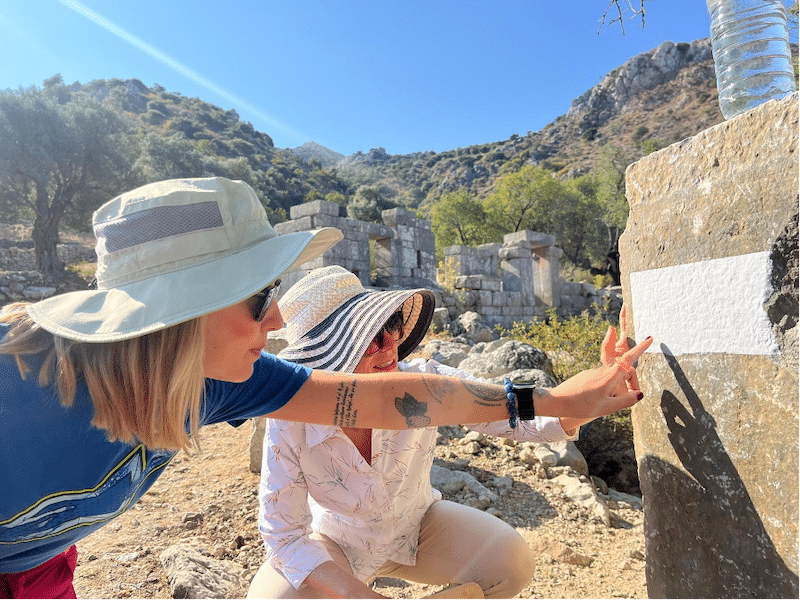
The people I worked with in the project are more than just colleagues. For me, this is one of the most beautiful aspects of our discipline. Every summer, people from different corners of the world come together in one place: Taslica. While we have scientific goals, we also share daily challenges, laughter, and mutual support under often demanding conditions. Looking back, I realize that the moments from the summer that stay with me most are the ones with the Phoenix Project team in Marmaris. It might sound cliché, but it is here that I learned the most. It was not only about archaeology, it was about so many other things. Even something as simple as a song playing on the radio on our way to the field became part of that shared memory, one that I value just as much as the ancient press stones and pottery finds we documented.

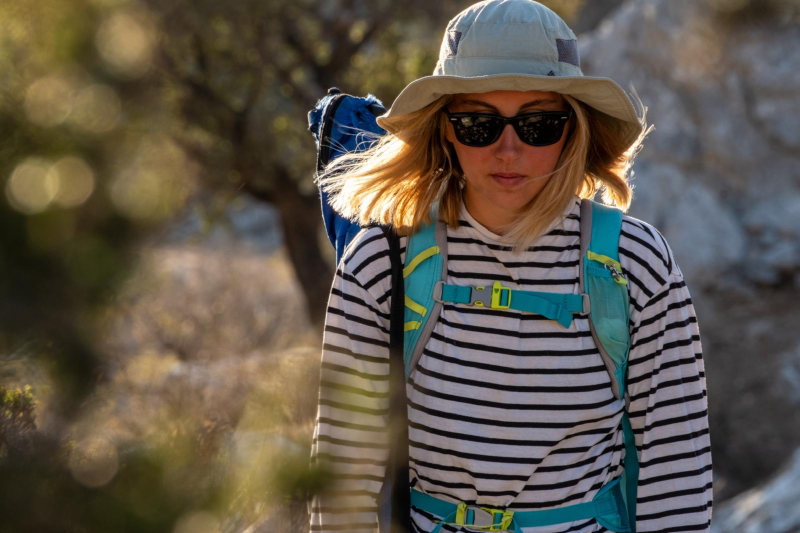
Me in the field carrying our GNSS. (Photography: Ayse Ozaydin)

Life in the Field


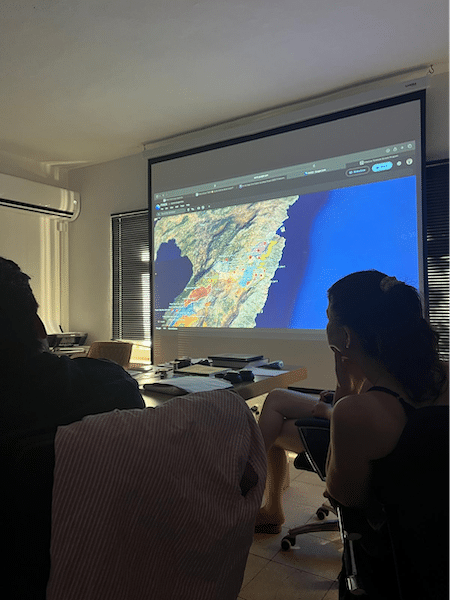
At the Phoenix Archaeological Project, we work in the ancient region of Caria, today’s Marmaris area in southwestern Turkey. The terrain is demanding: steep hills and rocky paths (which made me cry once, though thinking about it now actually makes me laugh), but that is also what makes the work so rewarding. A typical day begins early. By sunrise, we have breakfast, and shortly after, we pack our equipment and head into the hills. Every evening, during team meetings, the we set the plan for the following day. That means that when we leave in the morning, we know exactly where we are going and what we are searching for. Of course, the land itself has the power to change plans. Sometimes we encounter unexpected things, or we find a site denser in material than anticipated, which forces us to adjust our schedule.

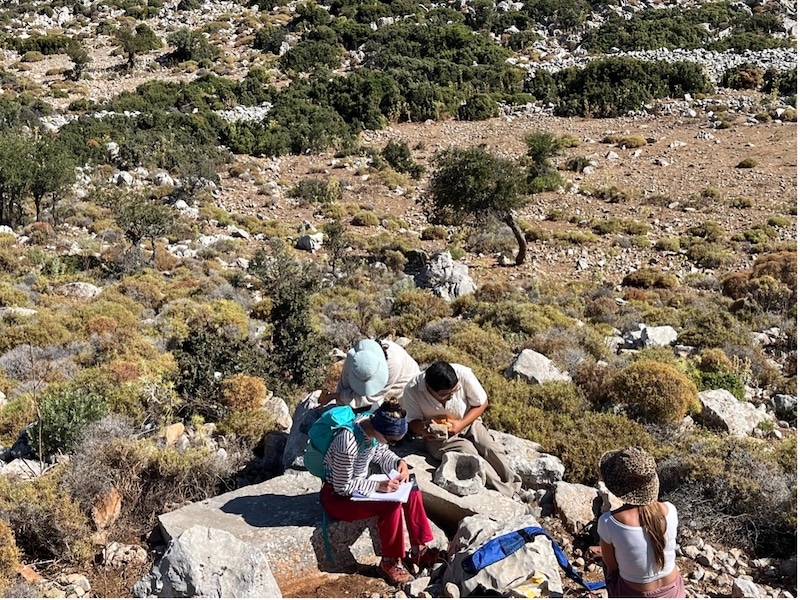
Fieldwork in the hills of "carian chersonese".
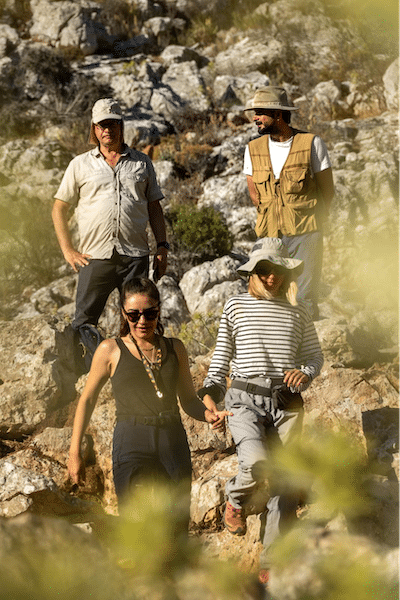
With my dear professor, Assoc. Prof. Dr. Koray Konuk and our project director Dr. Asil Yaman (top right), together with my colleague and friend Ilayda Alikaya (bottom left) and myself (bottom right). (Photography: Ayse Ozaydin)

By midday, the heat in Marmaris becomes little overwhelming. Before temperatures rise too high and our water bottles empty, we return to our research center for lunch. At lunch we discuss the morning’s work, observations from the field, and sometimes also share jokes about an oversized rabbit that startled us. Yes, we enjoyed documenting even the tiniest sherds, since they contribute meaningfully to our academic work, but we also enjoyed the moments of laughter which made the long and tiring days at the field both productive and memorable.

Me and my dear professor Dr. Anna Sitz during our sunday "estampage" practice in the field.

After lunch, we usually take  a pause to rest and take care of personal needs. In the late afternoon, office work begins. This is where “fieldwork” is turned into more scientific data. Out in the field we spent a lot of time around agricultural terraces and farm structures. We came across press stones, cisterns, and weight stones, which I helped measure and record with my teammates. Even small things like roof tiles or amphora bases around old farmhouses became important to document, because these small finds tell us a lot about the history of the place. Every time we found ceramics, we carefully recorded them, since pottery is one of the best ways to figure out the age of a structure.

One of our daily team meetings.

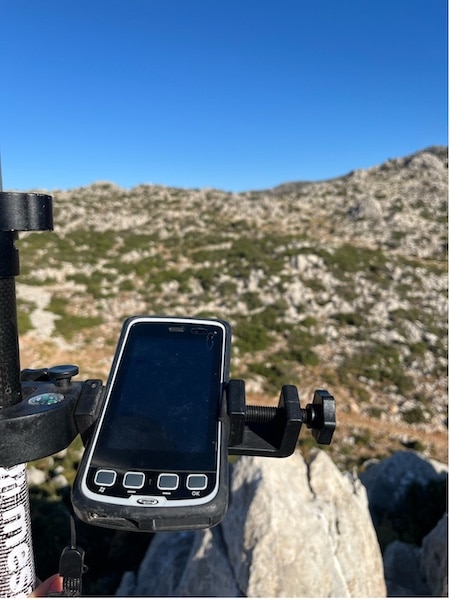
One of my main responsibilities was working with the GNSS device (the Spectra Sp60). I often walked along ancient paths and terraces to record the exact coordinates of structures and finds. At the end of the day, I would hand these over to my dear friend Bahar Cansel, who put them into QGIS so that all of our data came together in one big map. It was nice to see how the dots and lines we collected in the field turned into a detailed picture of the area.

Me recording GPS points during the morning survey.

Community and Camaraderie


What makes the Phoenix Project great is not only the research but also the community it creates. After office hours, we often gather in the garden. Dinners in the evening are followed by late-night conversations (sometimes it was not the best idea, since we have to wake up around 5am, oopsie!) with friends who, in just a few weeks, come to feel like family. Balancing personal space and constant teamwork on archaeological projects can be challenging. We live and work together nearly every hour of the day. but we always find a way to overcome any negativities.

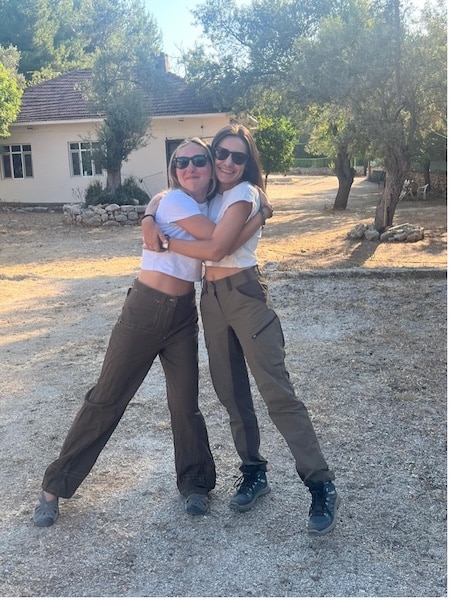
A fun coincidence: my teammate Ilayda Alikaya and I accidentally wore the same clothes on the same morning without planning it. Girlhood is everywhere.

Participating in an archaeology project can be physically demanding, but also mentally and emotionally taxing. To be honest, it is also incredibly rewarding. Every sunrise over the mountains, every small find, or architectural complexes we find, every conversation with a teammate adds to whole experience. For me, the Phoenix Project was more than a regular survey experience, it was a place where I learned academic work as well as being a team. I am so glad to continue to work with them in 2026!

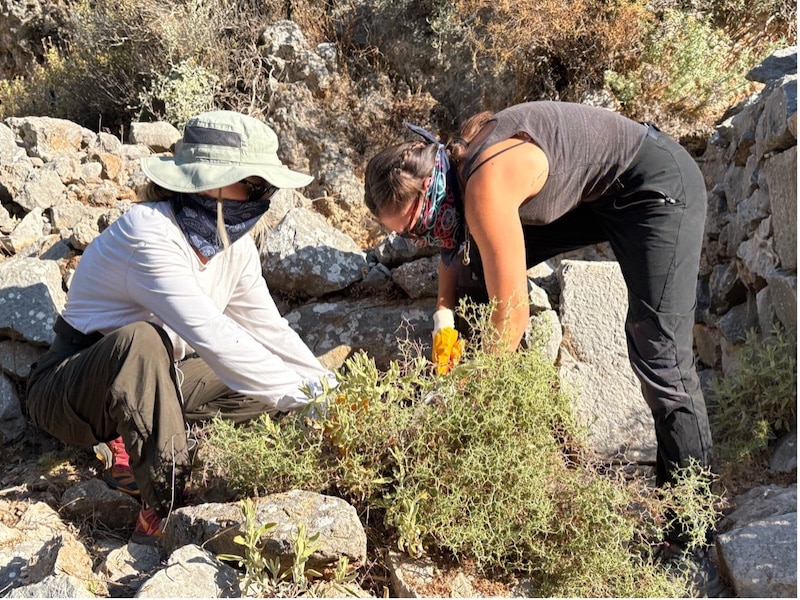
Cleaning some thorny plants to see the structure of the ancient walls and other remains.

Aleyna Uyanik is a Classical Archaeology and Philosophy student at Johannes Gutenberg University Mainz. She has worked in archaeology and museum projects in Turkey and Germany, with a focus on Greek and Roman material culture.

Phoenix Archaeological Project Website: https://www.phoenixprojesi.com/en/homepage/

Want to help more students and early career archaeologists get into the field? Donate to the cause today by selecting “Fieldwork Scholarships” as your gift purpose!
New BASOR Editors Announced

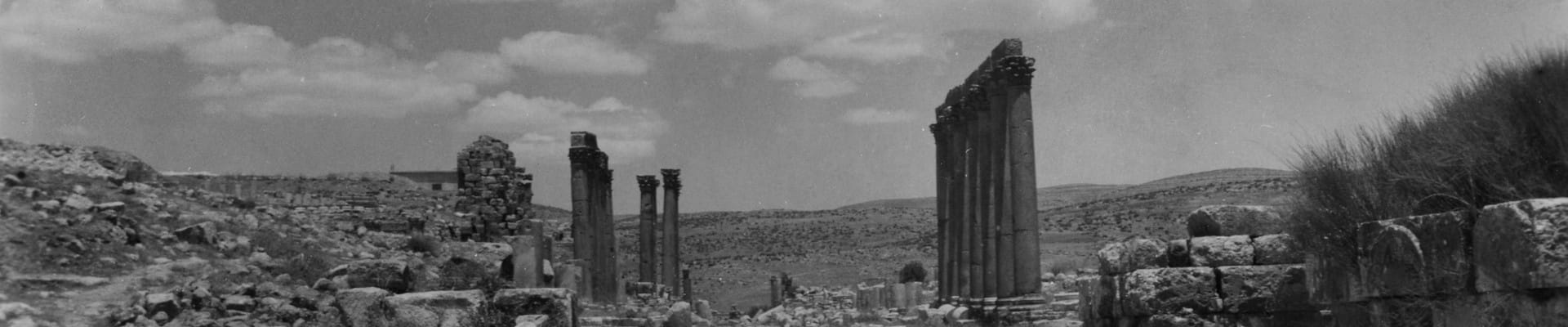
Ammonite Iron Age Tower in Jordan

NEW BULLETIN OF ASOR (BASOR) EDITORIAL TEAM ANNOUNCED

ASOR welcomes Jason Ur as a new interim co-editor of TheBulletin of the American Society of Overseas Research (BASOR). This co-editor appointment was unanimously approved by the Executive Committee on recommendation from the Committee on Publications. Ur will serve an interim term, ending December 31, 2026, alongside one of the current co-editors, Marwan Kilani. The Committee on Publications thanks the three outgoing editors, Susan Cohen, Jana Mynářová, and Regine Pruzsinszky, for their dedication, professionalism, and service.

Jason Ur is Stephen Phillips Professor of Archaeology and Ethnology in the Department of Anthropology at Harvard University. He specializes in early urbanism, landscape archaeology, and remote sensing. He was trained in Anthropology at the University of Pennsylvania (BA 1994) and in Near Eastern Languages and Civilizations at the University of Chicago (PhD 2004). He has directed field surveys in Syria, Iraq, Turkey, and Iran. He is the author of Urbanism and Cultural Landscapes in Northeastern Syria: The Tell Hamoukar Survey, 1999-2001 (2010). Since 2012, he has directed the Erbil Plain Archaeological Survey, an archaeological survey in the Kurdistan Region of northern Iraq. In 2014, he was the plenary speaker at the 2014 ASOR Annual Meeting with his talk, “The Renaissance of Archaeology in Iraq and its Kurdistan Region.”

Marwan Kilani is an Egyptologist and linguist working on cultural and linguistic interactions between Egypt and the Levant. He has a strong interest in methodological questions, and in digital humanities and computational methods applied to the study of the ancient world. He is currently a postdoctoral researcher at the University of Basel and has served as BASOR co-editor since January 1, 2021.

Those interested in publishing in BASOR should continue to submit manuscripts through the online submission system.

Final Week: October Webinar Challenge

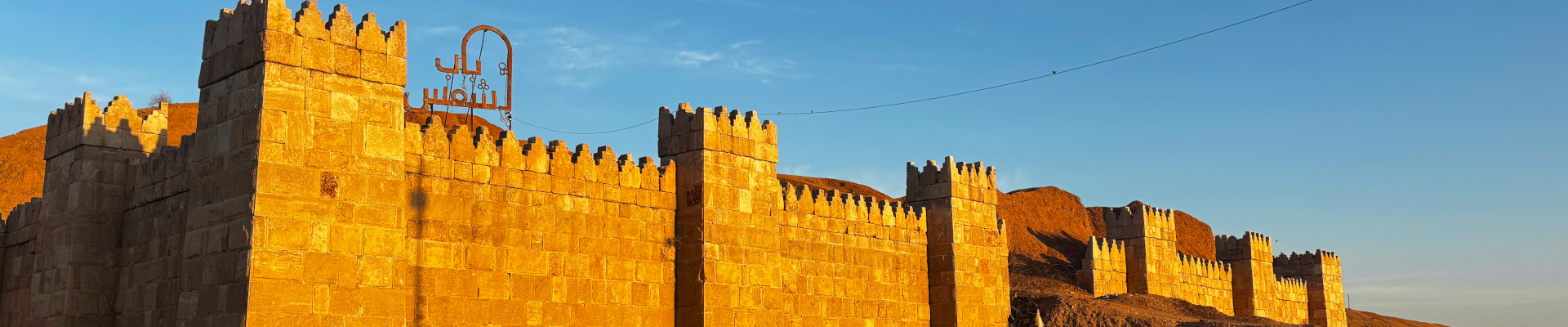
Shamash Gate at Nineveh, Iraq.

Final Week: October Webinar Challenge

Each year, ASOR offers a series of fascinating Friends of ASOR webinarsthat are free to the public. In order to keep this program running and make sure webinars stay free and accessible for all, ASOR needs to raise $10,000 every fiscal year. This year, two anonymous donors have generously pledged $3,000 in matching gifts to support the webinars. That means for every gift you make between now and November 26th, these generous donors will match your gift one-to-one until we hit $3,000.

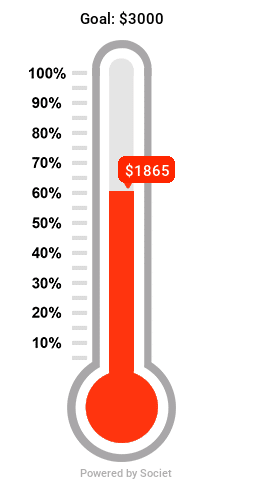
Thanks to everyone who has donated thus far. As of November 24, we are at $1,865 of our $3,000 goal. There’s still time for you to have an impact by making a gift today.

Be a part of ensuring webinars like these continue to be available for all. 100% of your gift will go towards supporting FOA Webinars. Make your gift today to help ASOR meet the Webinar Challenge. Please select “Webinars” from the dropdown menu.


OTHER WAYS TO DONATE

DONATE BY PHONEDONATE BY MAILMAKE A PLEDGE
(DONATE LATER)
Call ASOR:
703-789-9229
ASOR
209 Commerce St.
Alexandria, VA 22314
E-mail ASOR


Fieldwork Report: Andrew Rivadeneira

Sunset at Brac Island Croatia

Floating in the Adriatic

Andrew Victor Rivadeneira, 2025 Katherine Barton Platt Fieldwork Scholarship Recipient 

After 3 years of excavations at the hillfort Gradina Rat on Brač Island in Croatia, this year was a study season. The site is about an hour ferry ride from Split on the mainland. Gradina Rat has a long history of occupation from the Bronze Age through the 19th century. The focus this season was on analyzing and cataloging artifacts previously excavated, instead of on uncovering new material. As researchers, we focused on the processing of the finds and started to build a clearer picture for the function of the site for reports and publication. This was my third year as part of the project and second as a staff member. My role was to aid in processing archaeobotanical samples and help with the field reports.

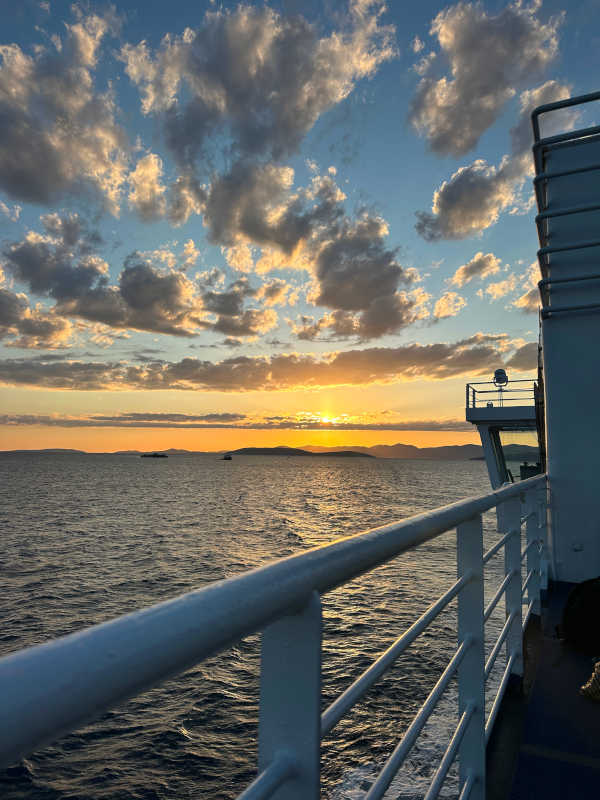
Views from the ferry boat going from Split to Supetar on Brač.

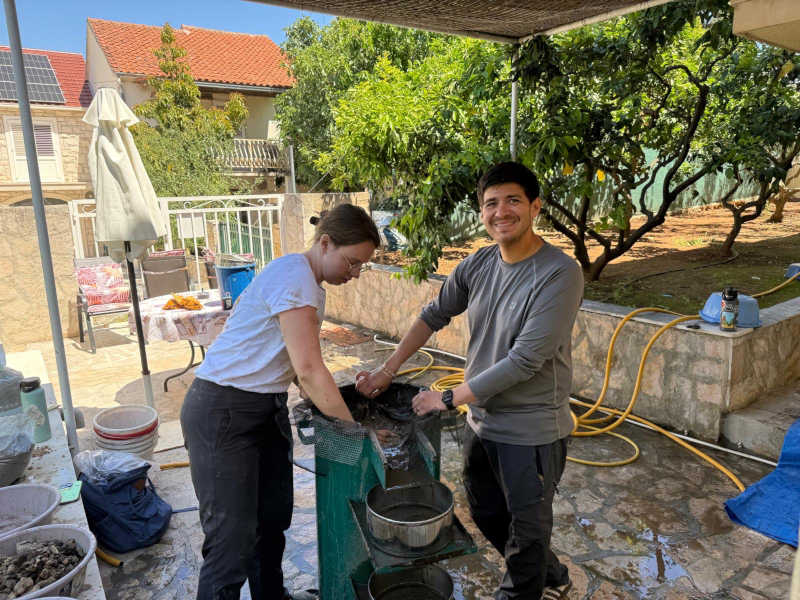
Flotation is a key archaeological method for recovering small scale artifacts such as seeds, charcoal, and fish bones from sediment. These smaller materials are hard to see during excavation of the deposits. Yet their low density allows them to float and become more visible in water, hence the flotation method. Samples were taken from each context after the modern layers and kept separated throughout the process. We used a full-sized metal water sieve device that was loaned from the University of Zadar for the last two field seasons. The drum was filled with water near the bottom, and then soil was poured from the top over the mesh in the drum. The mesh allowed the dirt to pass through while keeping larger material on the top of the mesh, and for the smaller material to float. The floating material and water then were slowly pushed out of an opening near the top of the drum. There were two different sized micro mesh trays that would then catch the material while allowing the water to filter through and out of the device. Afterwards the collected micro material was dried and later sorted.

Floating a soil sample with my colleague Hannah Hungerford.
Piece of metal found during flotation.

Sorting the floated material proved a meticulous and at times painstaking process.  Once dried, samples were transferred onto plastic trays, and then tweezers were used to separate tiny seeds, charcoal, bone, and shell. Trying to distinguish this material from compact dirt or rocks was another challenge especially for seeds. The material then was treated separately, seeds were saved for our archaeobotanist to study to help get a better understanding of possible diet, agriculture, and environment. Fish bones and scales were of particular interest when found since they are so small, and this method is one of the best ways to find them. Other bones are often too shattered and small to be identifiable in most instances to be particularly useful. Larger material gathered from the top mesh were sherds of ceramics, lithics, and metals. Sorting the top mesh was much easier and partially done during flotation.

Spending a night out with the team after the work week.

Working on this project has been extremely rewarding personally and professionally. There is still much to discover and understand about Croatian archaeology. This site provides a fascinating component in helping us understand something about the past. A portion of an early fortification wall was found on the terraced hillside, and there are plans to try to preserve it for the public. There appear to be other signs of domestic structures on the hilltop and slopes, and there is evidence for trade—both locally and abroad—with other Mediterranean civilizations for over a thousand years. The complete story of this site still needs further investigation, though for now we must work with what we currently have. Hopefully this site will soon be accessible to hikers and bikers with signage directing people to the prehistoric wall as part of a Croatian state conservation project!

Preliminary preservation of section of an early fortification wall.

Andrew Rivadeneira is a second year PhD student in Anthropology: Archaeology of the Mediterranean World at the University of Arizona. His research interests are in migration and entanglement in the central Mediterranean, digital/cyber-archaeology, and ways of bringing the ancient world to modern people.

Want to help more students and early career archaeologists get into the field? Donate to the cause today by selecting “Fieldwork Scholarships” as your gift purpose!
Collections Fellowship Report: Erin Darby

Missing Ritual Objects from the Nelson Glueck Excavations of Kheleifeh in the ASOR Archives at the American Heritage Center

Erin Darby, University of Tennessee, 2025 Study of Collections Fellowship Recipient

Paul Flesher, American Heritage Center

You never know where in the world Near Eastern archaeology will take you! Erin Darby’s 2025 ASOR Study of Collections Fellowship took her to Laramie, Wyoming where the American Heritage Center (AHC) houses the American Society of Overseas Research (ASOR) Archives (1900-2023) at the University of Wyoming. Since 2022, the AHC has been the caretaker of this important repository that includes not only documents associated with the history of ASOR but also several collections of records from American-led excavations from the early twentieth century. In her particular case, Erin was on the hunt for unpublished religious artifacts from the Nelson Glueck excavations at Tell el-Kheleifeh.

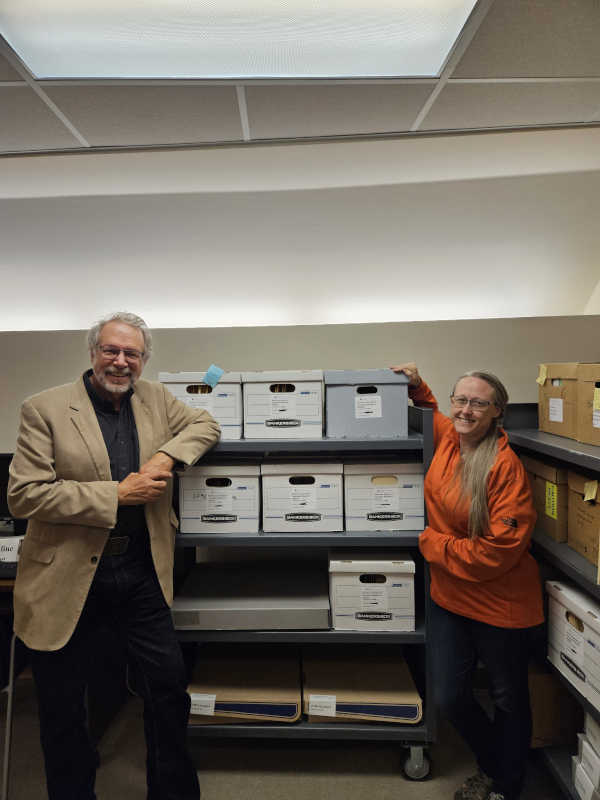
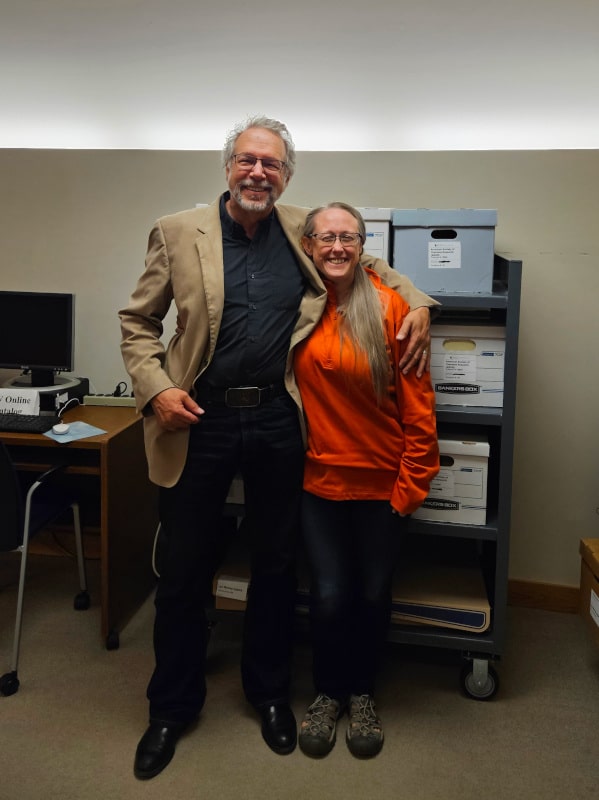
Paul and Erin with the Tell el-Kheleifeh records from the ASOR Archives in the AHC.

Kheleifeh plays a prominent role in attempts to understand the geopolitical organization of southern Israel and Jordan, particularly in the Iron IIB-C. Since its excavation in 1938-1940, scholars have been interested in whether the site was controlled by the Israelites, Judahites, Edomites, unaffiliated tribal communities, or the Neo-Assyrian and Neo-Babylonian Empires. When it comes to the study of cultic artifacts, however, Kheleifeh is most notable for its absence from the conversation.  With the support of AHC staff this past June, Erin was able to excavate a number of unpublished artifacts from the archive and create a database of cultic remains from the site. Owing to the importance of the collection, the University of Tennessee and the AHC are teaming up this coming year to digitize the site’s artifact registration lists so that scholars from anywhere in the world who are interested in the objects from Kheleifeh will be able to identify the relevant records in the AHC holdings.

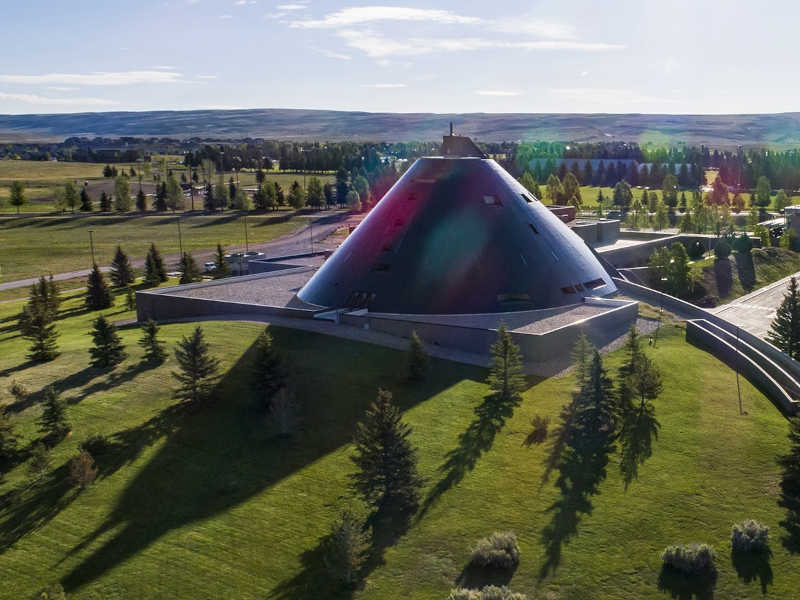
The American Heritage Center at the University of Wyoming.

Tell el-Kheleifah is only one of several sets of excavation records in the AHC’s ASOR archives. The collection also holds materials from: Khirbet et Tannur, Dibon, Issawiya, Jerash, Nippur, Beth-Zur and Carthage, as well as small holdings of records from Jerash, Lehav and Tell Hesban, and others. (In general, note that artifacts, as opposed to records, are held by Harvard University’s Museum of the Ancient Near East.)  There are several collections of Middle East photographs, with the earliest from 1875. Other sections of the collection hold records of past ASOR presidents, including those of W.F. Albright, Nelson Glueck, G. Ernest Wright, Carl Kraeling, Paul Lapp and William Dever. And of course there are ASOR administrative materials from across the decades, including records of ASOR committees and awarded grants. Overall, the American Society of Overseas Research collection holds 180 cubic feet of materials plus 155 GB of digital copies.

The American Heritage Center is an excellent home for the ASOR collection. Even though it is one of the ten largest non-government public archives in the USA and so is large enough to have the resources to look after the collection, it is small enough to care about all its collections and to look after each patron personally. The AHC has a number of services that enable scholars to access the ASOR collection. Laramie, Wyoming, the home of the American Heritage Center, is less than a three-hour drive north of Denver, or just 30 minutes by plane. Start planning a trip by consulting the finding aid for the ASOR collection, readily available online, and then request materials ahead of time from the Reference Services Department (AHCref@uwyo.edu, 307-766-3756).

Collection materials can also be accessed remotely. The Center’s Reference Services department can easily be contacted to answer remote inquiries. (Recently, we looked up old municipal records for the Albright Institute in Jerusalem.) The AHC has a large digitization lab and can digitize collection materials at cost. Finally, the Center has the RRAD program (Remote Research and Discovery) that matches a researcher with a research assistant via Zoom and document camera for a nominal cost. This enables researchers to look through collection materials remotely and identify materials they wish to study. These can then be digitized for more careful examination. The AHC looks forward to helping archaeologists and other scholars from around the world to research its historic ASOR collection.

The URL for the ASOR collection finding aid is: https://archiveswest.orbiscascade.org/ark:80444/xv346099?q=ASOR#overview.