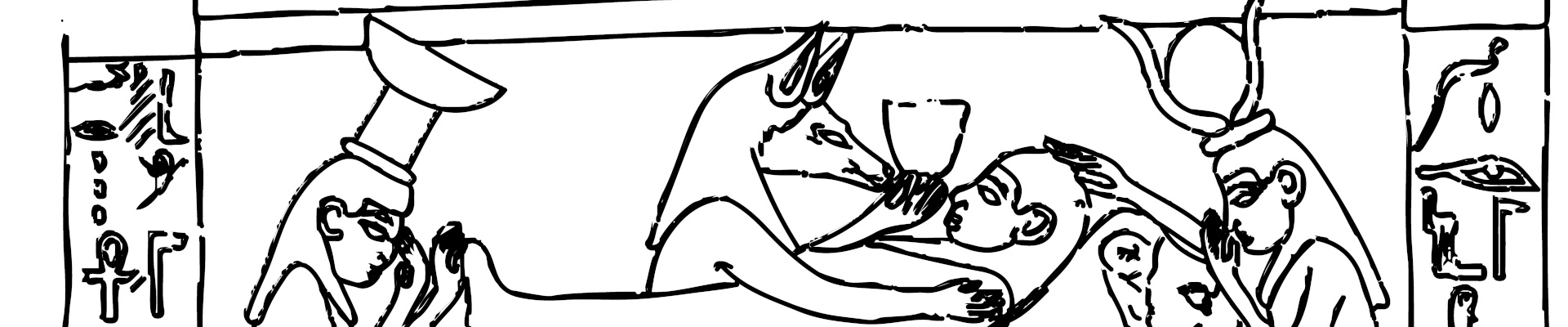
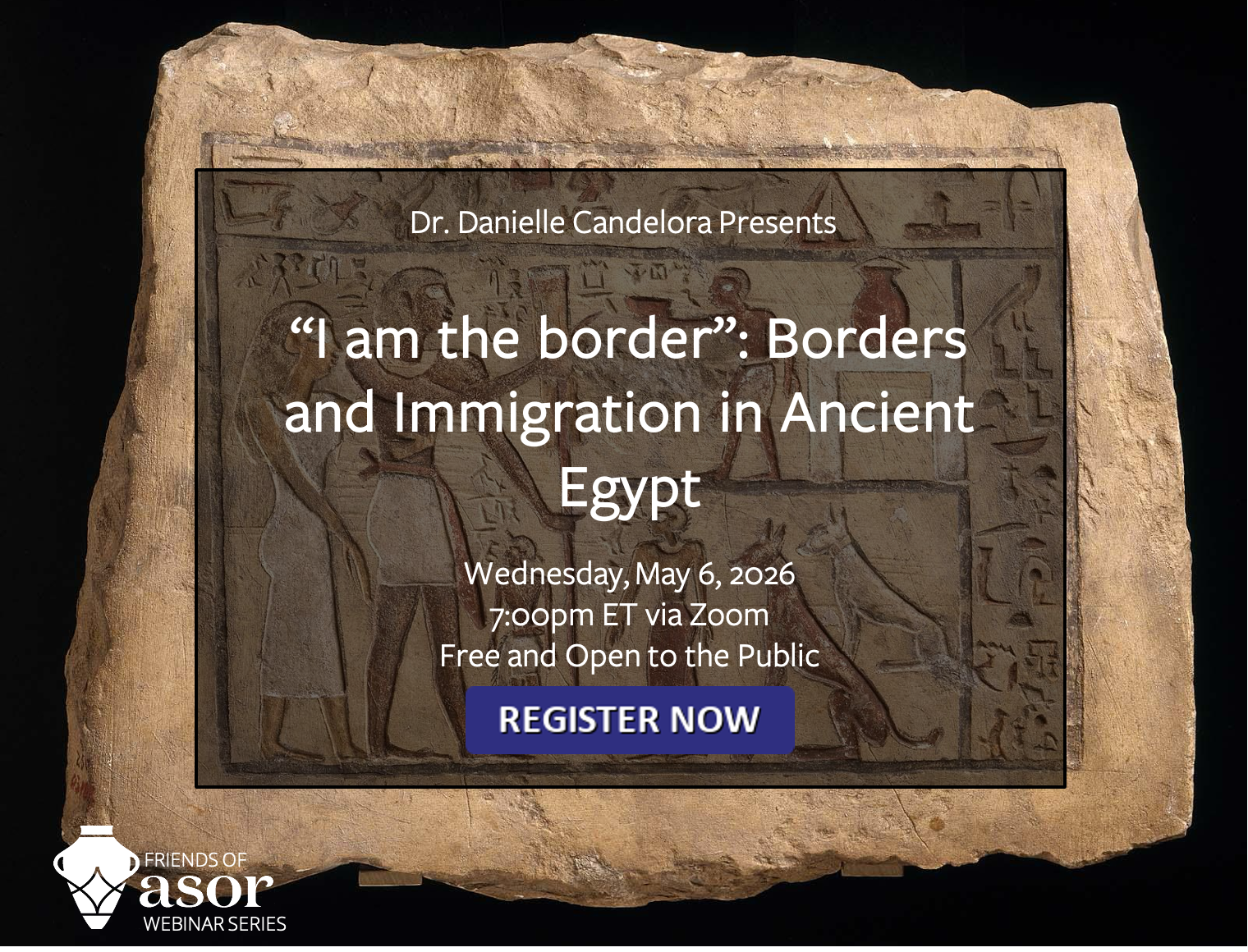
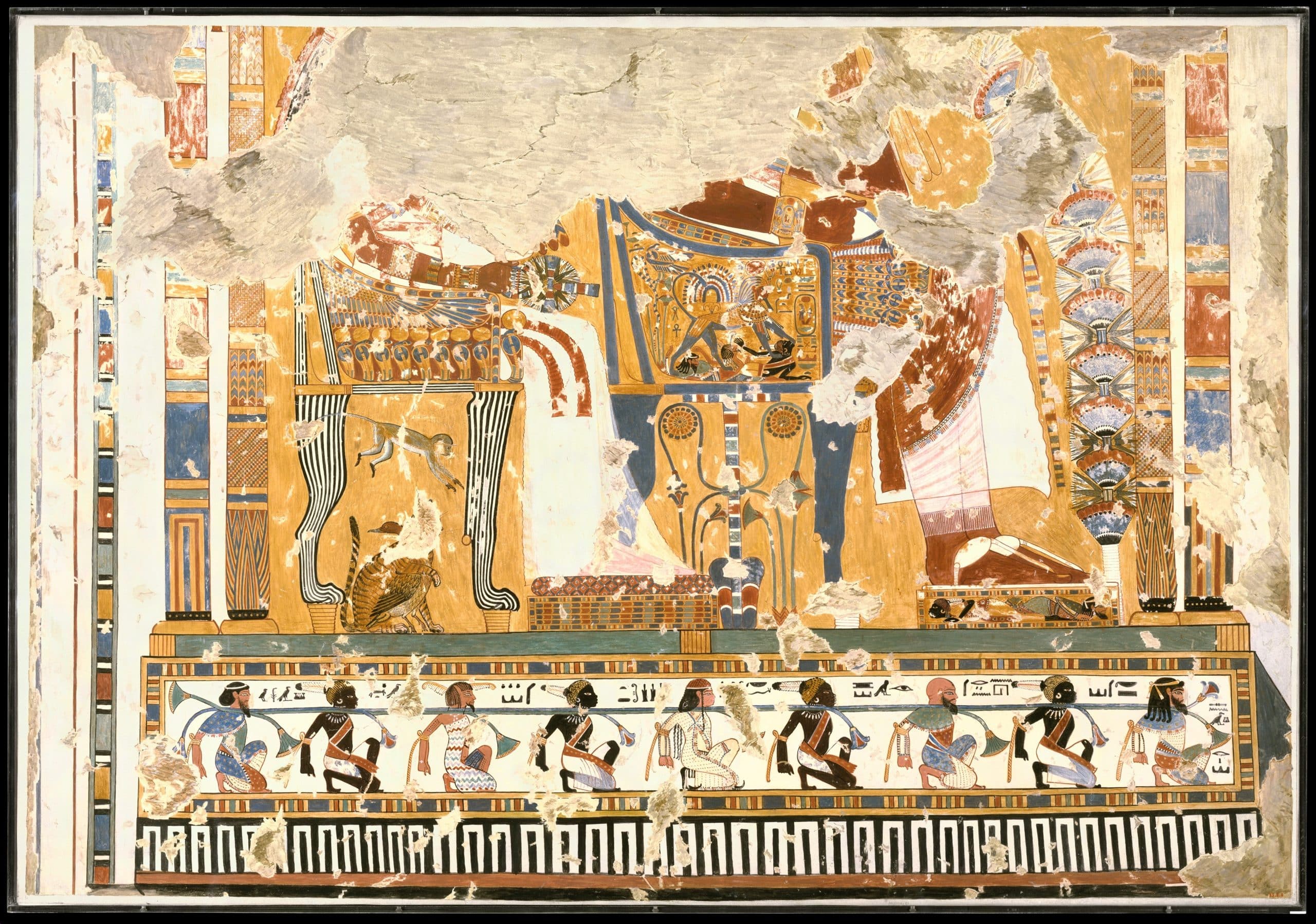
 From Tex-Mex cuisine to the use of Hinglish (mixed Hindi/English) in Bollywood movies, the influence of borderlands is ubiquitous in modern culture. Issues of borders, citizenship, and immigration are at the forefront of media headlines around the globe, and are examined across fields as diverse as Political Science and Sociology to Comparative Literature and the Visual Arts. Exploring these multiple approaches allows for new insights into the entangled concepts of borders, immigration, and identity in ancient Egypt. By treating borders not as fixed lines demarcating sovereignty and territorial control, but as processes that define differences and belonging, it is possible to focus more on lived experience and local expressions of identity. Common refrains in scholarship suggest that immigrants to Egypt would have quickly shed any indications of foreignness and tried to act, and therefore to be, as Egyptian as they could. Yet in these borderland zones, which could occur both along the boundaries of the Egyptian state and within it, there was social capital to be gained by preserving and advertising aspects of foreignness alongside Egyptian cultural adaptations. Some border communities, like those in the Eastern Delta or the oases of the Western Desert, had particular practices, traditions, and lifeways specific to their borderland homes. In other cases, personal examples can demonstrate how immigrant or borderland individuals developed and performed personal identities unique to the borderland.
 Danielle Candelora is an Egyptian archaeologist and an Assistant Professor of Classics and Egyptology at the College of the Holy Cross. She earned her Ph.D. in Near Eastern Languages and Cultures from UCLA, and her research investigates the multivariate processes of identity negotiation in contexts of immigration in ancient Egypt, including the Second Intermediate Period, New Kingdom, and Late Period. She has published extensively on the concept of borders and foreigners in ancient Egypt, how immigrants integrated into and influenced Egyptian society, as well as the cultural blending which resulted. Danielle is the co-director of both the Osiris Ptah Nebankh Research Project at South Karnak and the Museology Field School at the Museo Egizio di Torino.
Friends of ASOR is pleased to announce that the first webinars of the 2025-2026 season will once again be free and open to the public with a goal to raise $10,000 so that the entire webinar season will be free. Will you support this outreach effort with a tax-deductible contribution? All donors/sponsors with gifts of $100 or more will be recognized in subsequent webinars. Make your gift today and select “webinars” from the dropdown menu.

Designate your gift for “Webinars” in the drop-down menu.