SHARE
[/vc_column_text][mk_image src=”http://www.asortest.org/wp-content/uploads/2017/01/social-fb-icon4.jpg” image_width=”42″ image_height=”42″ hover=”false” custom_url=”https://www.facebook.com/ASOResearch/” margin_bottom=”0″][mk_image src=”http://www.asortest.org/wp-content/uploads/2017/01/social-tw-icon4.jpg” image_width=”42″ image_height=”42″ hover=”false” custom_url=”https://twitter.com/ASOResearch?ref_src=twsrc%5Egoogle%7Ctwcamp%5Eserp%7Ctwgr%5Eauthor” margin_bottom=”0″][mk_image src=”http://www.asortest.org/wp-content/uploads/2017/01/social-in-icon4.jpg” image_width=”42″ image_height=”42″ hover=”false” custom_url=”https://www.linkedin.com/company/american-schools-of-oriental-research” margin_bottom=”0″][mk_image src=”http://www.asortest.org/wp-content/uploads/2017/01/social-ml-icon_7.jpg” image_width=”42″ image_height=”42″ hover=”false” custom_url=”mailto:asor@bu.edu” margin_bottom=”0″][mk_image src=”http://www.asortest.org/wp-content/uploads/2017/01/blog-icon3.jpg” image_width=”42″ image_height=”42″ hover=”false” custom_url=”http://asorblog.org/” margin_bottom=”0″][/vc_column][vc_column border_color=”rgba(255,255,255,0.01)” width=”1/6″ css=”.vc_custom_1493004112151{margin-right: 20px !important;border-left-width: 2px !important;padding-right: 20px !important;padding-left: 20px !important;border-left-color: #99422f !important;}”][mk_divider divider_color=”rgba(255,255,255,0.01)” thickness=”1″ margin_top=”3″ margin_bottom=”3″][vc_wp_text]Countering & Preventing Illicit Trafficking
[/vc_column_text][/vc_column_inner][/vc_row_inner][vc_row_inner][vc_column_inner][mk_divider thickness=”1″ margin_top=”0″][vc_column_text responsive_align=”left”]Throughout the region where ASOR works, local laws generally consider antiquities to be national property and prohibit excavations that have not been pre-approved by the state. Given that such provisions encourage the scientific exploration of the archaeological record, a non-renewable resource widely considered to be a public good, ASOR supports local and international authorities in their work to strengthen and improve this legal framework.In times when the rule of law is weakened, archaeological resources often face additional pressure. Whether through intentional acts of looting and theft, or unsanctioned urban encroachment resulting in accidental discoveries, the marketplace for illicit antiquities continues to expand.
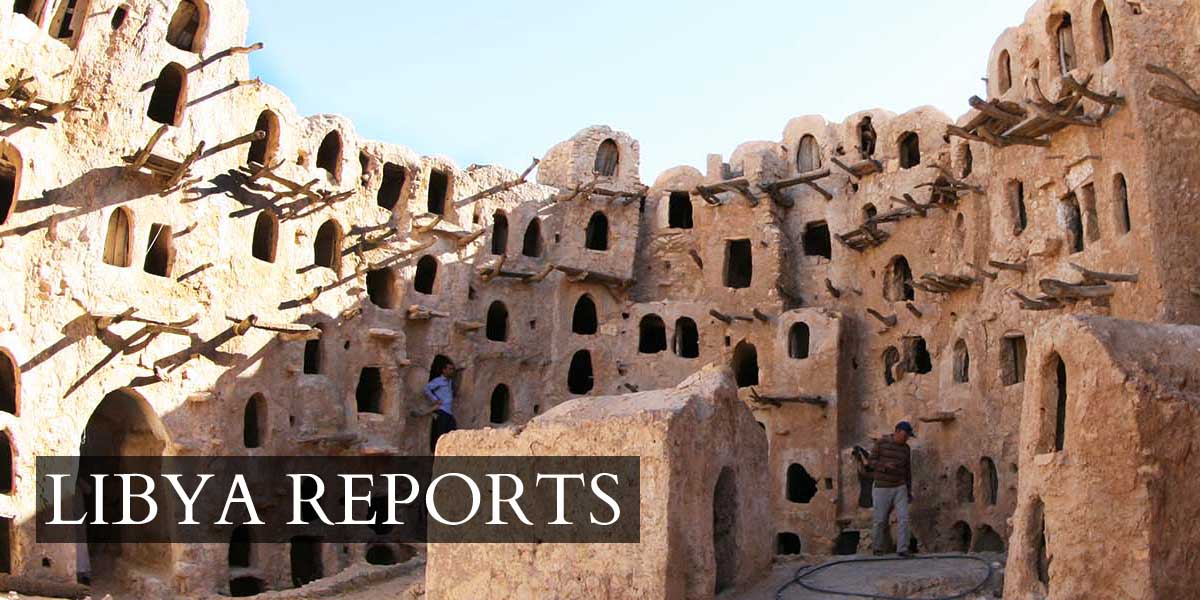
Recognizing that strong partnerships between the archaeological community and local law enforcement are too rare, and ASOR collaborates with scholars, government heritage authorities and law enforcement to facilitate the transfer of knowledge and inspire joint action to counter and prevent illicit trafficking.[/vc_column_text][mk_padding_divider size=”20″][/vc_column_inner][/vc_row_inner][vc_row_inner][vc_column_inner width=”1/2″ css=”.vc_custom_1596567121582{padding-right: 10px !important;padding-bottom: 10px !important;}”][vc_single_image image=”63942″ img_size=”full” alignment=”center” onclick=”custom_link” link=”/chi/updates/Libya”][/vc_column_inner][vc_column_inner width=”1/2″ css=”.vc_custom_1594695946509{padding-right: 5px !important;padding-bottom: 5px !important;}”][/vc_column_inner][/vc_row_inner][mk_padding_divider size=”20″][/vc_column][/vc_row]