Fieldwork Report: Ella Hattem

Learning My Colors: Excavations and Pigment Analysis at Idalion, Cyprus

Ella Hattem, 2026 Platt Fieldwork Scholarship Recipient

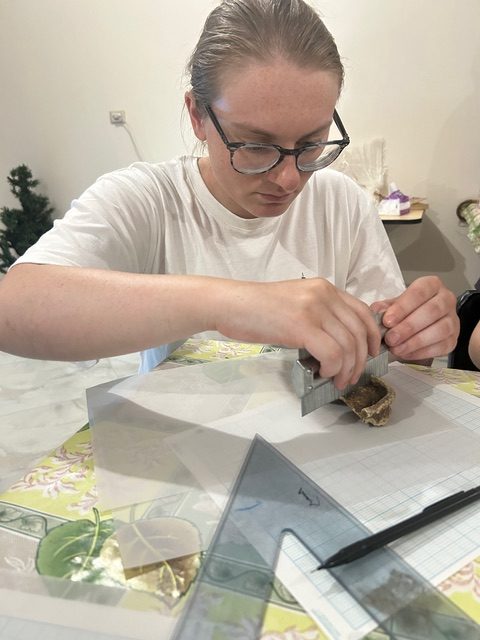
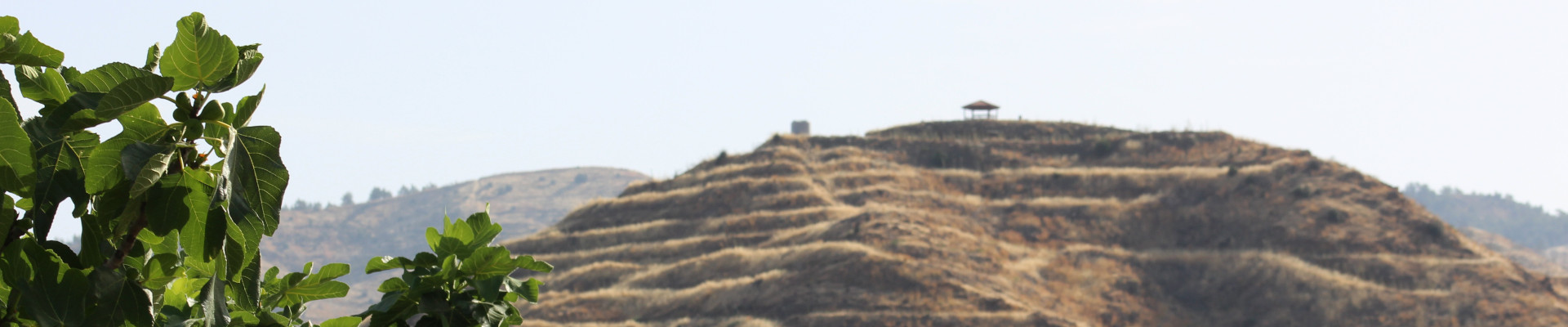
This summer I returned to Idalion, Cyprus, as a first-time staff member, having been a volunteer during the 2025 season. I was very excited to take on more responsibility at such an exciting site and to work with the amazing friends I made this season and last. I spent most mornings in the field, where we were excavating baulks in the Eastern Terrace. At the same time, I was conducting my own project to investigate the pigments used on painted objects that had been found at the site. This included eleven registered objects that are kept at the Cyprus Museum, and several more from the site apotheke. After looking at close to thirty potential objects, I selected five for further analysis. The objects I studied primarily consisted of terracotta figurines and limestone sculpture fragments.
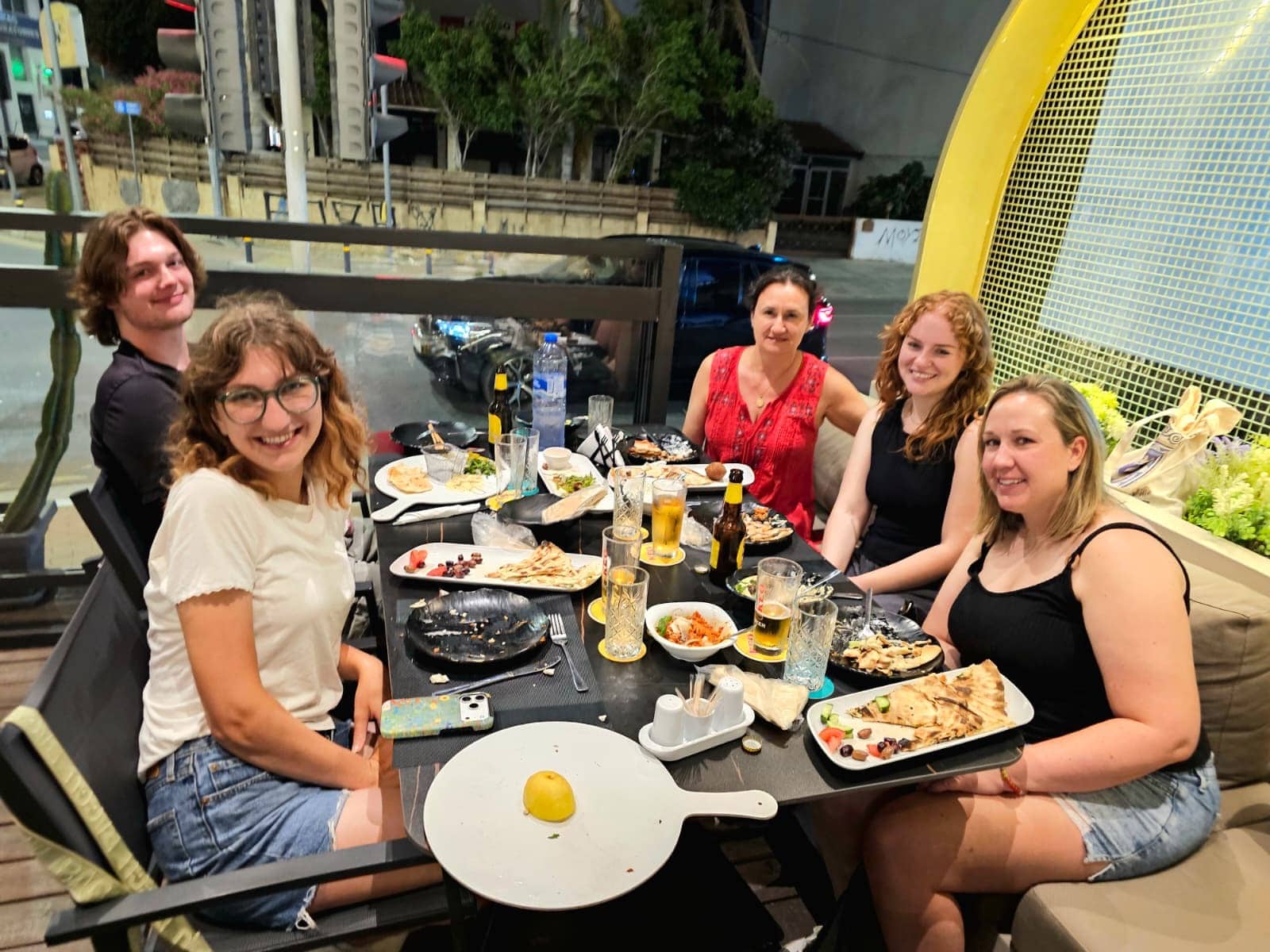
Dinner with other members of the project in Nicosia. From left to right: myself, Liam, Victoria, Cedar, and Traci.
Dinner with other members of the project in Nicosia. From left to right: Liam, myself, Victoria, Cedar, and Traci.

After visual examination, I utilized Visible-Induced Luminescence (VIL) to detect and identify Egyptian blue, followed by portable X-Ray Fluorescence (pXRF) to characterize the applied pigments for all selected objects. As a final stage of analysis, we conducted Fourier-Transform Infrared (FTIR) spectroscopy on two objects—one from the museum, andanother from the apotheke. I worked closely with the STARC lab at the Cyprus Institute, which provided both equipment and expertise to perform the pXRF and FTIR analysis. Unlike objects permanently kept at the Cyprus Museum, I was able to bring objects from the apotheke directly to the lab for analysis. I am incredibly appreciative to have been able to work with and learn from the wonderful Cyprus Institute staff. I learned a lot about technical analysis and gained meaningful experience in applying these methods to the questions I’m asking about resource use and artistic practice at Idalion, as well as its relationship with the rest of Cyprus.

As is often the case, all aspects of the work became more intense as the season progressed—necessitating more time in the field for all of us, as well as demanding I spend more time on my own project. While it meant balancing my responsibilities in the field with my pigment analysis project, I found it incredibly rewarding to get to engage in so many aspects of archaeological research at the same time, as well as to work with students while still learning myself. I really enjoyed getting to excavate at the same time as conducting rigorous object analysis, and I believed it made my work stronger and better contextualized in all aspects. 
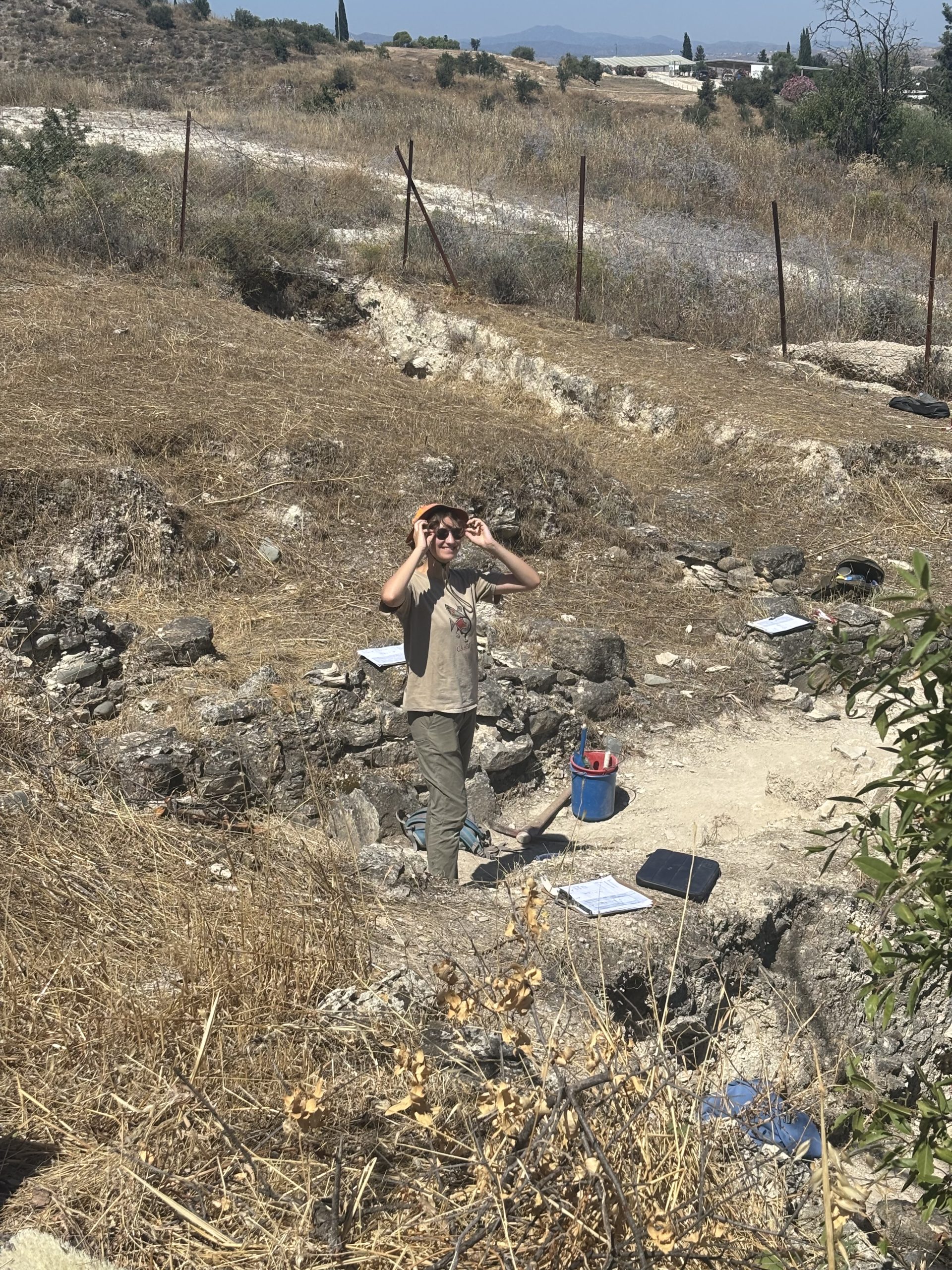
In the field, wrapping up for the day.

During the last week of the field season, one day for me looked like this:

Having already photographed and done VIL and pXRF analysis on all of the Cyprus Museum objects, I spent one final morning in the museum. Typically I would leave Nicosia with the rest of the team at 5:00 am to reach the site, about half an hour away, as the sun was rising. I would then spend the next few hours working on my assigned baulk, either alone or with a student. On the mornings I spent in the museum, however, I was able to begin work at 9:00 am.
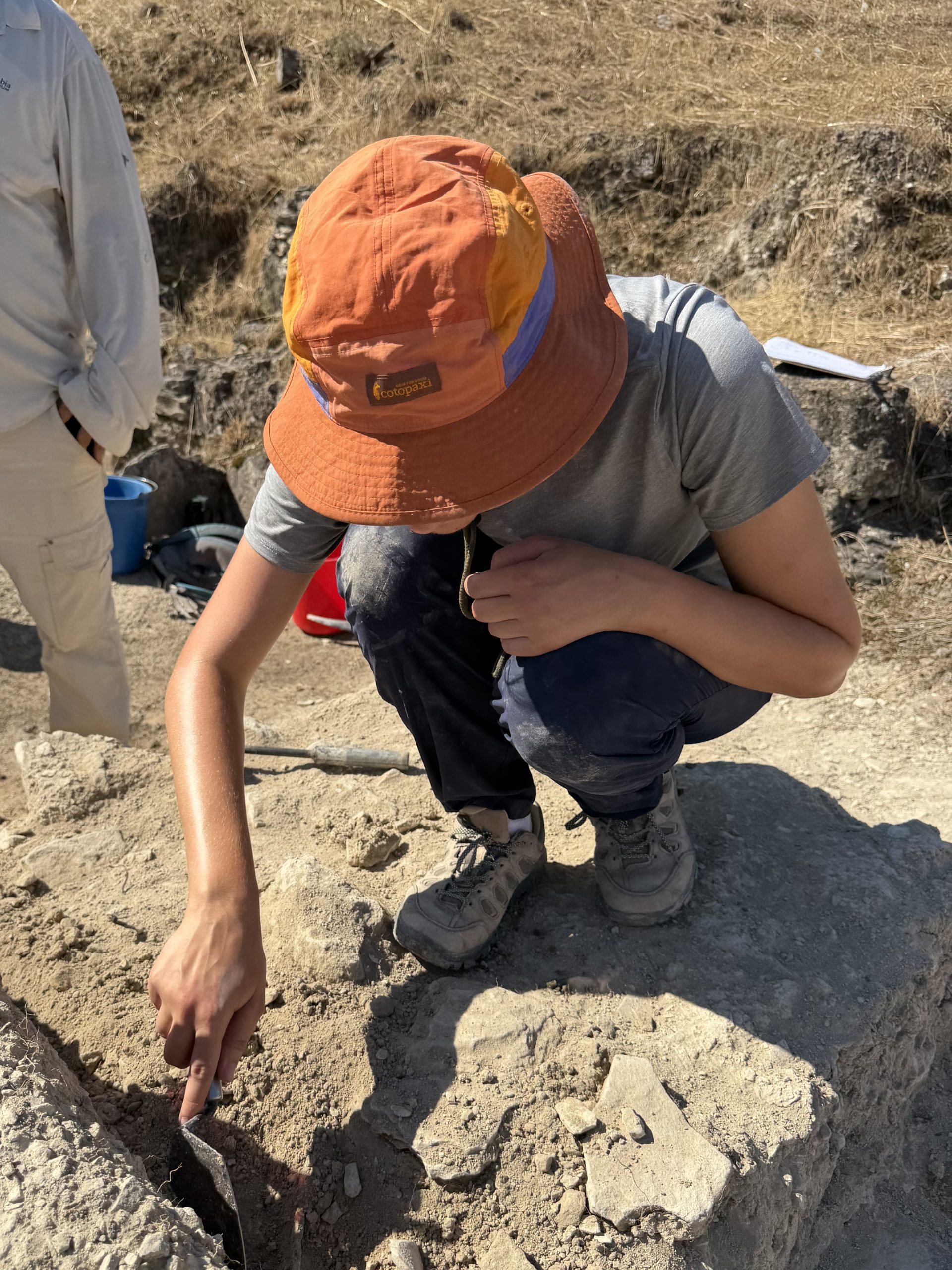
Working at my baulk
Working at my baulk

On this particular morning, the last that I would spend at the museum, I brought a 3D scanner with me. Earlier in the season, I had worked with Andreas Manoli and Pengxiao Hao to perform the pXRF analysis. On this day, we just had one FTIR point to take on a particularly puzzling object. After we concluded the analysis, I remained at the museum by myself for a few more hours to scan and generate 3D models of the eleven museum objects.

By the time I was finished at the museum, morning fieldwork had concluded. I grabbed lunch near Ledra Street and arrived back to the hotel for siesta a little after the rest of the team. I usually took this time to rest or do some light work, such as updating my spreadsheet where I tracked each step of examination for the objects. Earlier in the season, I used the siesta to work on a presentation for the field school students on the scientific techniques and methodology I was using for the project.
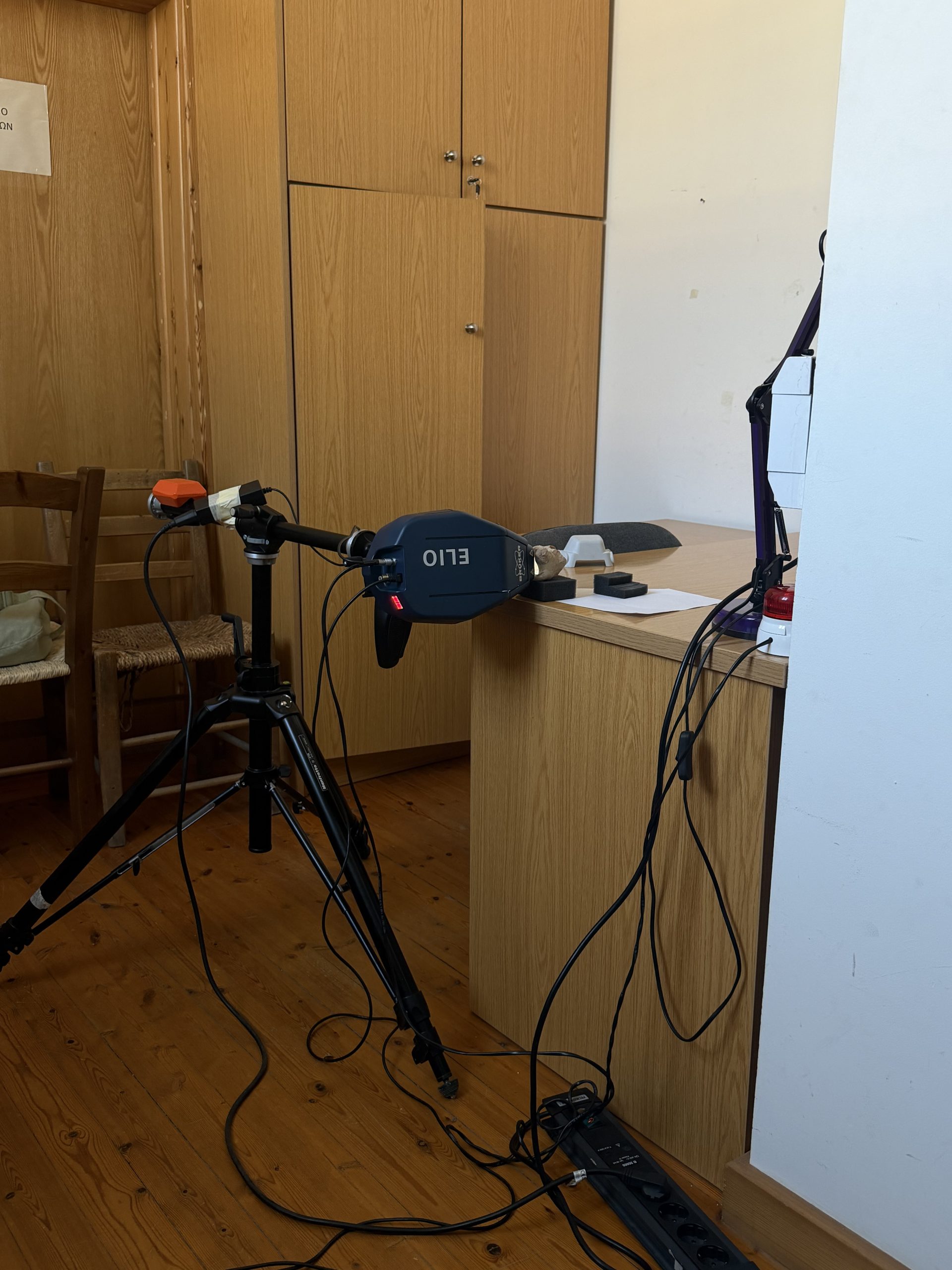
pXRF analysis on one of the objects at the Cyprus Museum.

Just before the end of siesta, as I did every day, I stopped by a nearby cafe to grab a delicious Cypriot freddo cappuccino before we all returned to the dig house in Dali for afternoon lab work. On most days, I would use this time to draw a new top plan and update our digital recording software with notes and photos from that morning’s excavation. As I had already done so for the previous days’ progress, I spent the afternoon going through the data I had just collected. Meanwhile, the students were sorting the pottery from the previous day, now washed and dried, to be read. Once they were done and the pottery was being analyzed, I stayed close so that I could provide the requisite information when it was time for my trench’s pottery.

Once it had cooled back down, I returned to the field with the rest of the team for evening work, which typically consisted of lighter tasks than in the morning, such as cleaning or articulation to prepare for photogrammetry. Once we were done, we went back to the house for dinner, then drove to our hotel in Nicosia.
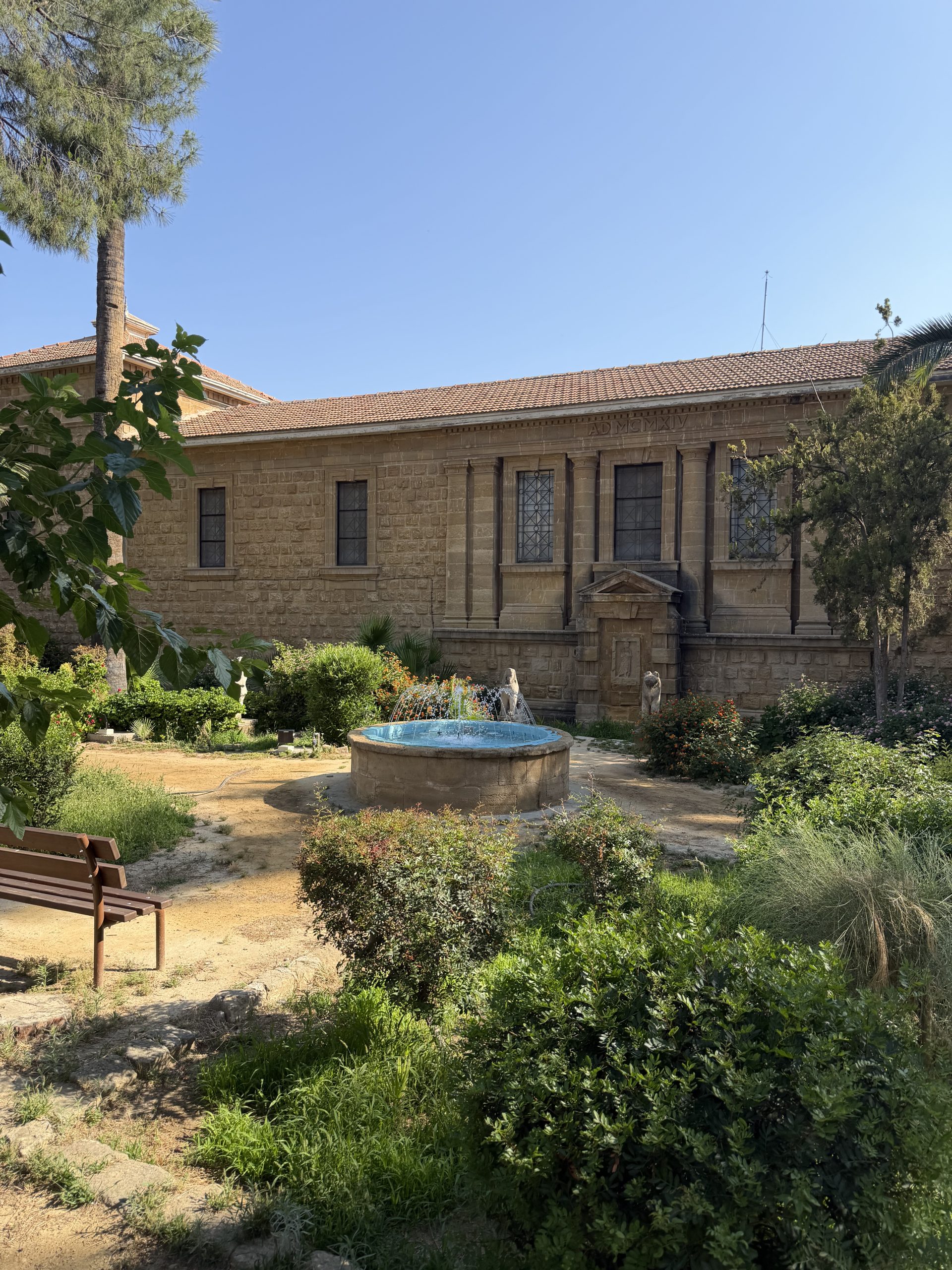
The Cyprus Museum garden.

Ella Hattem is an M.A. student in Archaeological Studies at Yale University. Aside from Idalion, she has also participated in the Iklaina and Keros projects in Greece. She is interested in ancient pigments and paintings and the implementation of scientific methodologies to understand artistic practice in the eastern Mediterranean.

Want to help more students and early career archaeologists get into the field? Donate to the cause today by selecting “Fieldwork Scholarships” as your gift purpose!

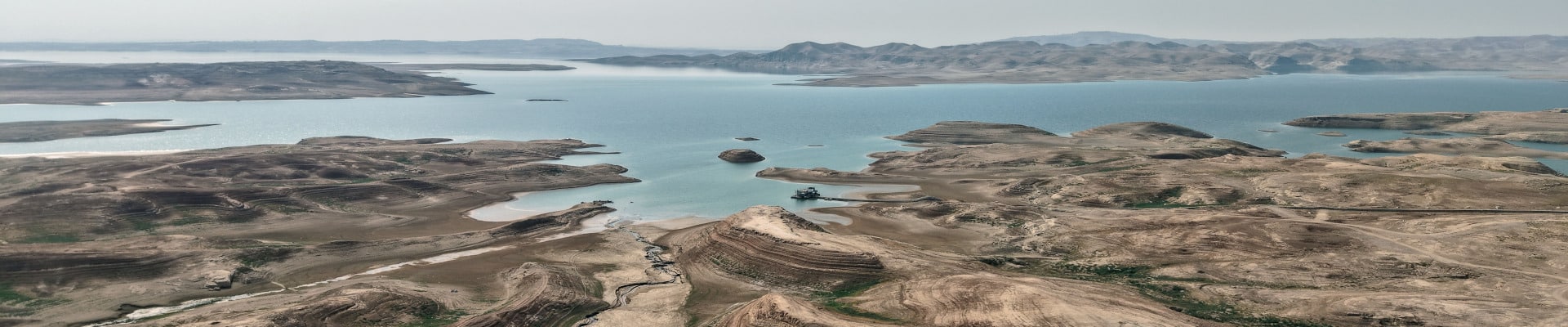
New ASOR-Affiliated Projects: July 2026

New ASOR-Affiliated Projects: July 2026

Currently, 150 projects are affiliated with ASOR. This includes 114 field projects and 36 publication projects. Six new projects have received ASOR affiliation since last summer. Read more about these new ASOR-affiliated projects below.

CAP is continuing to review many applications for affiliation. Stay tuned in the coming months on more newly-affiliated projects!

ASOR-affiliated projects adhere to ASOR policies, most notably the Non-Discrimination Policy, Policy on Professional Conduct, and Code of Conduct for the ASOR Annual Meeting and Other ASOR Sponsored Events. These policies affirm ASOR’s commitment to high standards for research integrity, academic mentoring and ethical professional behavior. Project Principal Investigators may apply for ASOR affiliation for their projects through the Committee for Archaeological Research and Policy (CAP).  Principal Investigators of ASOR-affiliated projects are eligible to apply for ASOR Project Grants and Shepard Urgent Action Grants. Students working on ASOR-affiliated projects are eligible to apply for Scholarships for Fieldwork Participation.

New ASOR-Affiliated Projects

Archaeological Mission at Tell el-Ghaba, North Sinai, Egypt (Eva Amanda Calomino, Agustina Scaro) 

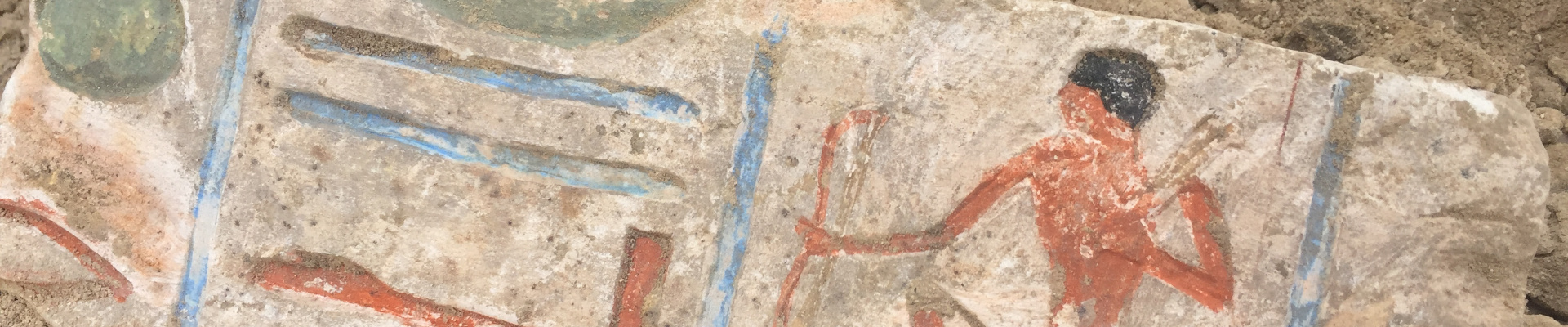
The Tell el-Ghaba Mission is an archaeological project supported by the Egyptian Ministry of Tourism and Antiquities. It seeks to enhance our understanding of the history and archaeology of the North Sinai and Eastern Delta regions of ancient Egypt. Since 1995, we have been engaged in the archaeological recovery of the Tell el-Ghaba site. We study the materials and structures uncovered during excavations, dedicate ourselves to their conservation, and disseminate the results.This work is of great significance, as it provides insights into lesser-known aspects of Egypt’s past, including the daily lives of its inhabitants and the strategic role this site played on the eastern frontier of the Egyptian state. The area is crucial for both land and maritime trade, linking Egypt with the Levant and the broader Mediterranean region. Our mission also strives to safeguard this heritage, which is situated in a complex and vulnerable area facing numerous conservation challenges.

Tel Hadid Archaeological Project, Israel (Ido Koch, Jim Parker)


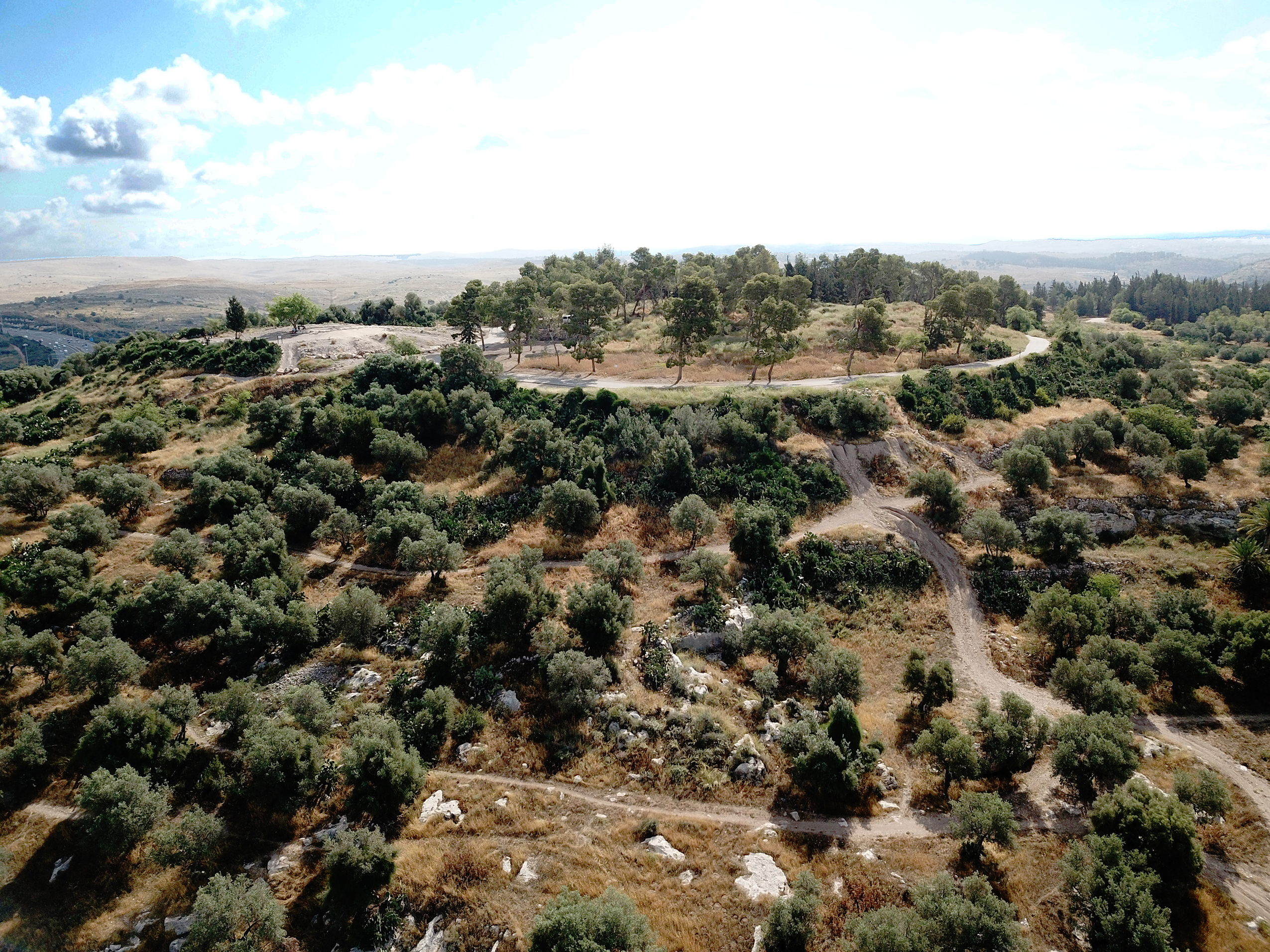
Photo by Omer Ze’evi-Berger, Tel Hadid Archaeological Project

Photo by Omer Ze’evi-Berger, Tel Hadid Archaeological Project

Tel Ḥadid is a prominent archaeological mound in central Israel overlooking the coastal plain and the Ayalon Valley, along major routes connecting the Mediterranean coast with the inland highlands. The site preserves remains from multiple periods, with particularly substantial occupation during the Iron Age, the Hellenistic, Byzantine, and Modern periods. The Tel Ḥadid Archaeological Project is an Israeli–American collaboration led by Tel Aviv University and New Orleans Baptist Theological Seminary (NOBTS). Fieldwork follows rigorous scientific standards, integrating excavation, environmental sampling, and interdisciplinary analyses. Each field season includes the participation of trained supervisors and specialists who assist with the excavation and analysis of ecofacts.

All finds are processed, conserved, and curated at Tel Aviv University, where ceramics and organic materials are treated in the university’s conservation laboratory to ensure their long-term preservation and accessibility for research. The project is committed to the responsible stewardship of the archaeological record and fully opposes the illicit trade in antiquities. The project also serves as a field school that trains undergraduate and graduate students in archaeological field methods and interdisciplinary research. Particular emphasis is placed on the study of the recent past, including the documentation of the modern village of al-Haditha and other later remains at the site. The project further promotes public engagement through outreach activities and educational tours, and is committed to the timely publication and dissemination of its results.

Landscape Archaeology of Southwest Sardinia Project, Italy (Elizabeth A. Murphy)

The Landscape Archaeology of Southwest Sardinia Project is an international and multi-disciplinary project conducting a diachronic archaeological landscape study of the Sulcis region of Southwest Sardinia. The Project is particularly interested in bringing to light evidence of everyday life and in identifying settlement patterns and activity areas in order to better understand rural communities in this agriculturally fertile and mineralogically rich region over time. Such research is particularly fruitful due to the region’s complex history. Repeatedly incorporated into and then disarticulated from larger political and economic structures (from Late Bronze Age and Iron Age Mediterranean systems, via the empires of Carthage and Rome, to the Byzantine reconquest, the reorganization under the judicate and subsequent European kingdoms, and finally under the Italian state), this region of southwest Sardinia provides an ideal context in which to study the influence of changing political structures on local economic practices and social organization. Thus, the results of the LASS Project serve to balance large-scale historical narratives about the island and its position in the wider Mediterranean world with the lived experiences of local rural communities.

Kom Firin Archaeological Project (KFAP), Egypt (Luiza Osorio G. Silva, Oren Siegel)

 
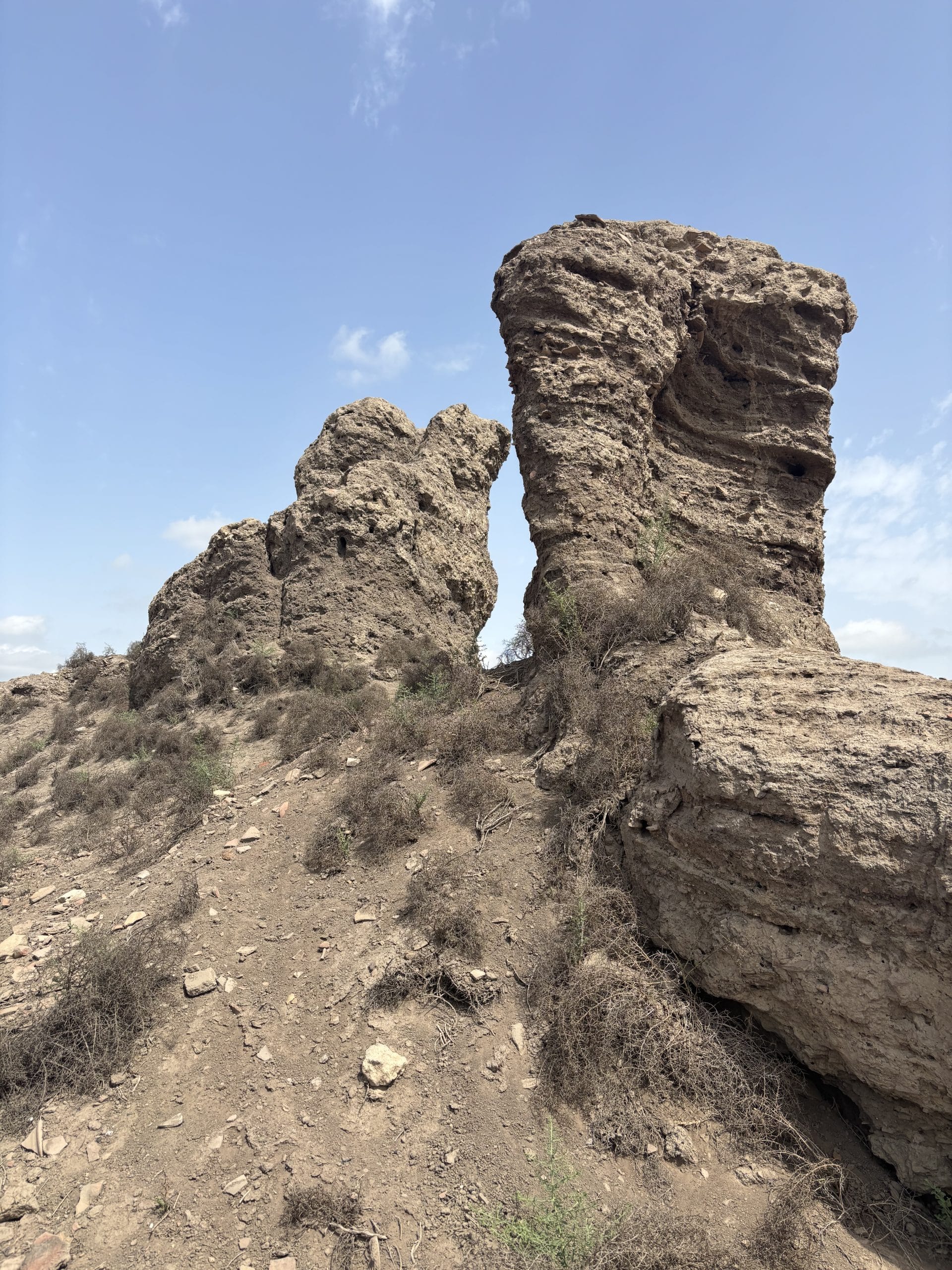
Remains of enclosure walls at Kom Firin, eastern mound (photo by Oren Siegel)

Remains of enclosure walls at Kom Firin, eastern mound (photo by Oren Siegel)

The Kom Firin Archaeological Project (KFAP), started in 2025 by Luiza Osorio G. Silva (University of California, Irvine) and Oren Siegel (University of Toronto), aims to build upon excavations conducted at the site by the British Museum from 2002–2011. Those excavations focused on investigating the remains of a fortified settlement built in the Ramesside period (New Kingdom) and a Late Period town, and established the site’s chronology. Kom Firin has enormous potential to illuminate the transition from the New Kingdom to the Third Intermediate Period, an understudied era. Around 1,500 years of near continuous occupation are preserved above the relatively low water table at the site, and KFAP seeks to focus its investigations on the sizable western occupation outside the fortified town to explore intersections between the state and the broader Egyptian population in these periods. The aim of our first season in 2026 is exploratory, primarily to survey and document the site and identify future targets for excavation, with a focus on this portion of the settlement mound. We work in close collaboration with the local inspectorate and the Egyptian Ministry of Tourism and Antiquities to preserve the ancient remains, as well as the local facilities and infrastructure.

The Tel Shaddud Archaeological Project in the Jezreel Valley, Israel (Omer Sergi, Karen Covello-Paran, William Schniedewind, Joachim Krause, Hannes Bezzel)

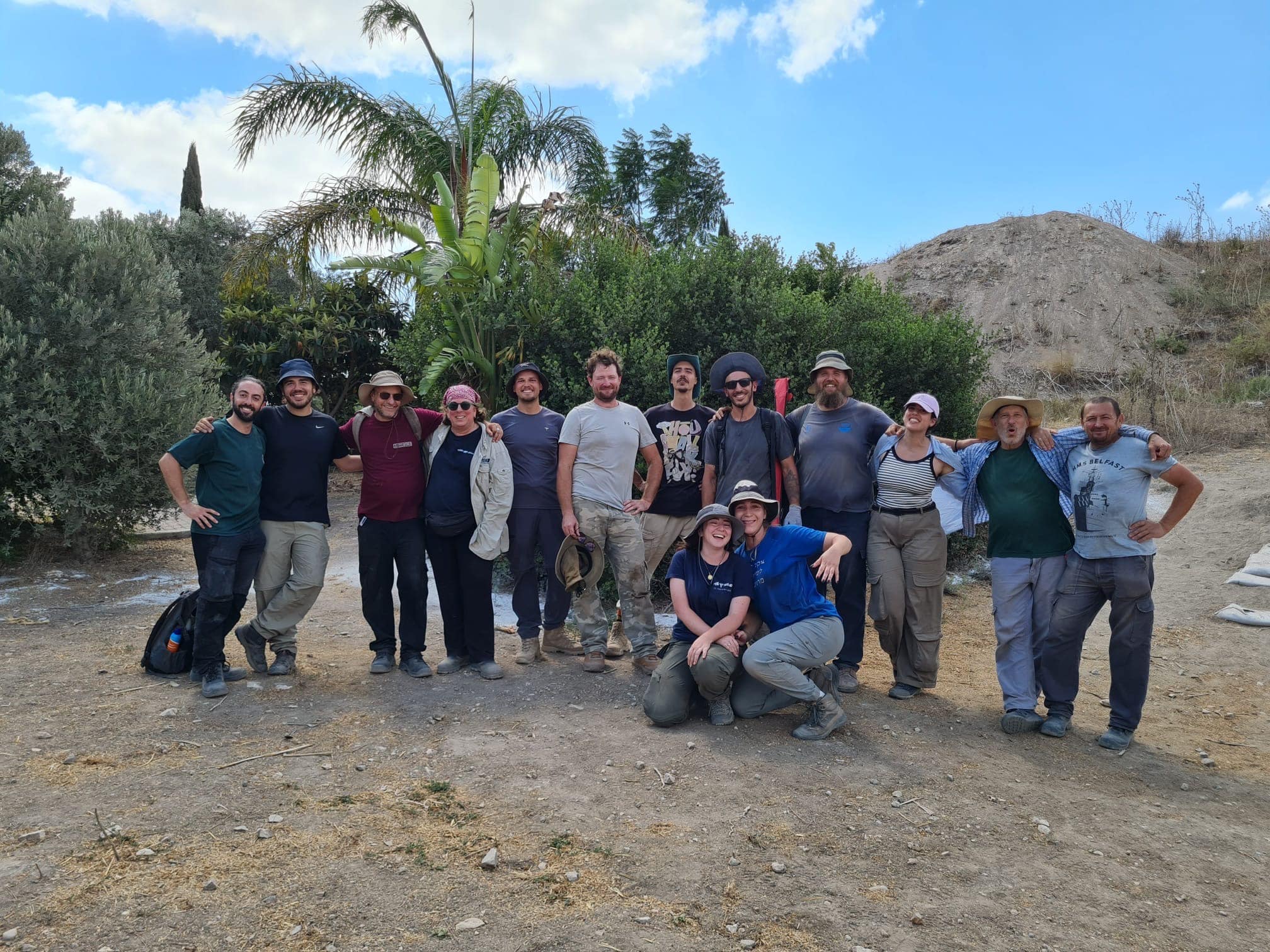
Staff members of the Tel Shaddud
Archaeological Project

This project marks the beginning of a new and exciting journey into the heart of the Jezreel Valley. Our mission is to delve into the valley’s ancient history, to reconstruct its social fabric and rural hinterland across the millennia. We aim to clarify the nature of Egyptian imperial rule in the region and gain groundbreaking insights into the origins and formation of early monarchic Israel. We are not just digging a site; we are building a team. As we grow our expedition, we are thrilled to have you join us in the field to help bring these “big stories to light.”

Fieldwork Report: Olivia Spink

Fieldwork Report: Olivia Spink

Olivia Spink, 2025 Eric and Carol Meyers Fieldwork Scholarship Recipient

I had the privilege and pleasure of attending the Tell Timai International Training Program this July in Egypt. I am so thankful to ASOR and Profs. Eric and Carol Meyers for making this dream a reality. Tell Timai or ancient Thmuis is situated in the Nile Delta, about two hours from Cairo. The site is a town that mostly dates to the Greco-Roman Period. While this was not a typical excavation season, the lectures, workshops, field trips, and training sessions working with Egyptian, American, British, and Australian colleagues was an unforgettable, unique, and informative experience. In this report, I will recount several aspects of the Program and reflect upon the skills learned experiences that ultimately armed me with not only archaeological skills applicable to my career but also with an amplified enthusiasm and drive to focus more on Egyptian archaeology in my graduate studies.

After all team members had arrived in Cairo, we spent a day in the city and our learning began immediately. After an early morning trip to see the Pyramids in Giza, we had the opportunity to visit the American Research Center in Egypt (ARCE) where we went on a guided tour of the Center and gained insight into their digital archival process. Following the visit, we attended a lecture on 19th century cultural heritage in Luxor by Sylvie Weens at the Netherlands-Flemish Institute in Cairo.

We soon departed Cairo and headed to the dig house, which was about 2 hours from the city. Once everyone was settled, we wasted no time in beginning training. Egyptian classical archaeology professor Dr. Mohamed Abouarab from Kafr El Sheikh University presented an introduction to archaeology lecture. After the lecture, we had our first fieldwork training session. Using the floor as a mock trench, with rocks and features included, we were guided through making plan drawings. Over the next few days, we had lectures on all things Timai — history, history of excavations, recent finds, technologies used, and more — delivered by project co-director Dr. JaySilverstein from Nottingham Trent University.

One of the most notable elements of the history of Timai was its destruction in the early second century BC. The destruction layer revealed evidence of widespread burning, the sudden abandonment of dwellings, the destruction of a kiln complex, the presence of weapons like arrowheads alongside numerous unburied human remains across North Tell Timai that indicate that the city of Thmouis was destroyed violently. The pattern of destruction at Timai closely resembles accounts of the destruction of Lycopolis, a city in the Busiris nome also in the Nile Delta, during the Great Revolt, which was recorded on the Rosetta Stone in 196 BC.

One particularly fascinating find was the remains of a male human body inside a kiln. The team at Timai has agreed that the body was of a man who went into hiding in a kiln to escape the violence and was then killed while he was inside of the kiln. Osteological evidence has revealed that the man was a warrior and was wounded in the armin a previous battle as shown by the healed callous fusing together his radius and ulna. However, they have also concluded that this man was also fighting in this “destruction layer’s” episode of battle, as evidenced by an unhealed fracture in his radius consistent with the ancient combat defensive parry fracture of the “shield arm.” (Silverstein and Littman 2022).

The next week, we were joined by ceramic specialist Dr. Amany Shabaan, who delivered several lectures on ceramics at Timai and also in general, everything from what to do when we find a sherd in the field through digital pottery drawing. She also helped us through workshops on sherd identification and hand pottery drawing. I have experience with sorting and cataloguing pottery, but I did not have experience with pottery drawing, which was a skill that is needed to work on the pottery team at many excavations. These training sessions learning ceramic archaeological skills were my favorite workshops! Moving from ceramecology to Zooarchaeology, we also examined a camel skeleton and a horse skeleton, both of which I had never seen before.

Later in the session, we also visited our Egyptian colleagues at their university museum, the Kafr El Sheikh Museum and attended a lecture outlining the contents of the exhibit, which was fantastic and traced the theme of a horseman killing a monster, which also signals the victory of good over evil. The early Egyptian examples include Horus killing his uncle Seth on horseback, a theme that can be seen also in later Christian examples depicting a Saint killing a monster. During my undergrad at New York University, I completed a project exploring iconographic representation of generational succession myths on the Archaic Athenian Acropolis, specifically the Hekatompedon. My project proposes that the Greeks took its inspiration from the Ancient Near East who also tended to portray their succession myths in art as well, but earlier. When I continue this research, I will absolutely include the Egyptian examples of Horus contending Seth that were exhibited at the Kafr El Sheikh Museum.

To conclude, I will mention a few of the most relevant sites and cultural trips that we went on during the Training Period; firstly, our trip to Luxor. In addition to seeing sites like theValley of the Kings, Valley of the Queens, Karnak and Luxor temple, we met with Rais Mahmood, who was an important directing archaeologist at Karnak Temple. We met him in his family home for tea and mango juice and heard about his incredible experiences and accomplishments. He graciously invited us over again the next day to have lunch. We had koshari, which is a staple of Egyptian cuisine and might be my new favorite food. He also showed us how ancient Egyptians moved blocks of stone. Later onin the day, he walked us through Luxor Temple. Thank you to Rais Mahmood and the entire Farouk family for bringing us into their home and treating our team like family.

The last days of the program were spent in Alexandria, which was the perfect end to weeks spent learning about the Greco-Roman period of Timai. Arriving at the Archaeology Museum of Alexandria, I anxiously awaited my first glimpse at the pièce de résistance, arguably the most famous piece uncovered in the history of excavations at Timai: the mosaic of Ptolemaic queen Arsinoe II with the ship on her head as the personification of the city of Alexandria. Dr. Jay Silverstein led us through several rooms that had artifacts from Timai, including the aforementioned mosaic. He pointed out severalinaccuracies in the labels and exhibition signage in relation to Timai throughout the museum. Ideas about what sources and authorities to trust were discussed amongst the group. Regardless, it was a privilege to see the pieces in such a renowned museum. While leading us through the museum, Dr. Jay reminded us of next year’s excavation plans and told us to stay tuned, and it was at that moment that I was convinced that I wanted to return to Timai to excavate next summer.

My experience at the Tell Timai International Training Program was nothing short of spectacular. This program not only strengthened my archaeological skills in areas such as site plan drawing and pottery illustration but also invigorated my academic focus, fueling a renewed passion for Egyptian archaeology that I will carry forward into my graduate research at Cornell University in the MA program in Archaeology. I leave with a clearer vision, strengthened skills, lasting connections, and an eagerness to join the next excavation season (inshaallah). My deepest gratitude goes to the Tell Timai team, ASOR, and Profs. Eric and Carol Meyers.

Olivia Spink is currently pursuing her MA in Archaeology at Cornell’s Institute of Archaeology and Material Studies.

Want to help more students and early career archaeologists get into the field? Donate to the cause today by selecting “Fieldwork Scholarships” as your gift purpose!