Learning My Colors: Excavations and Pigment Analysis at Idalion, Cyprus
Ella Hattem, 2026 Platt Fieldwork Scholarship Recipient
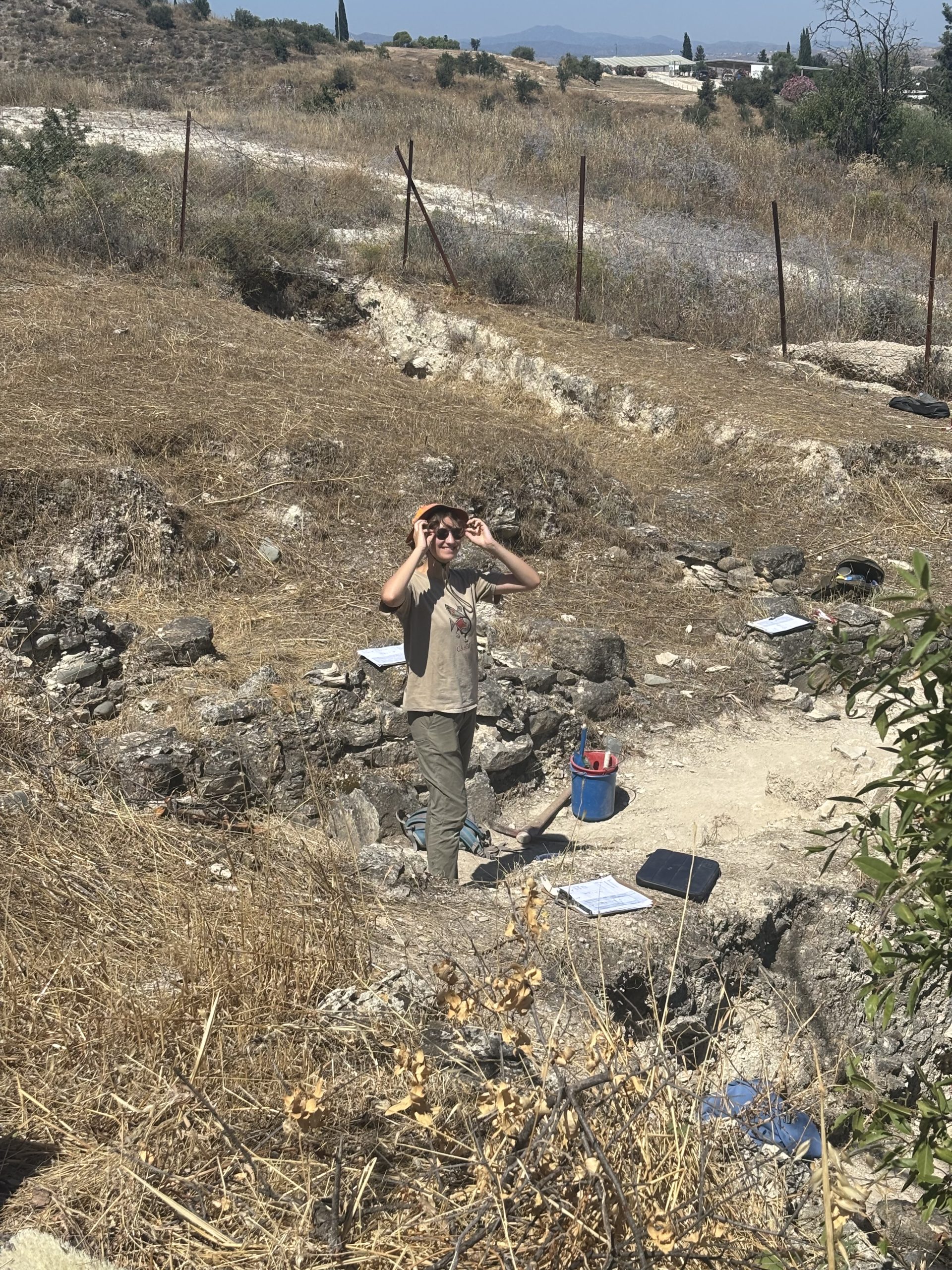
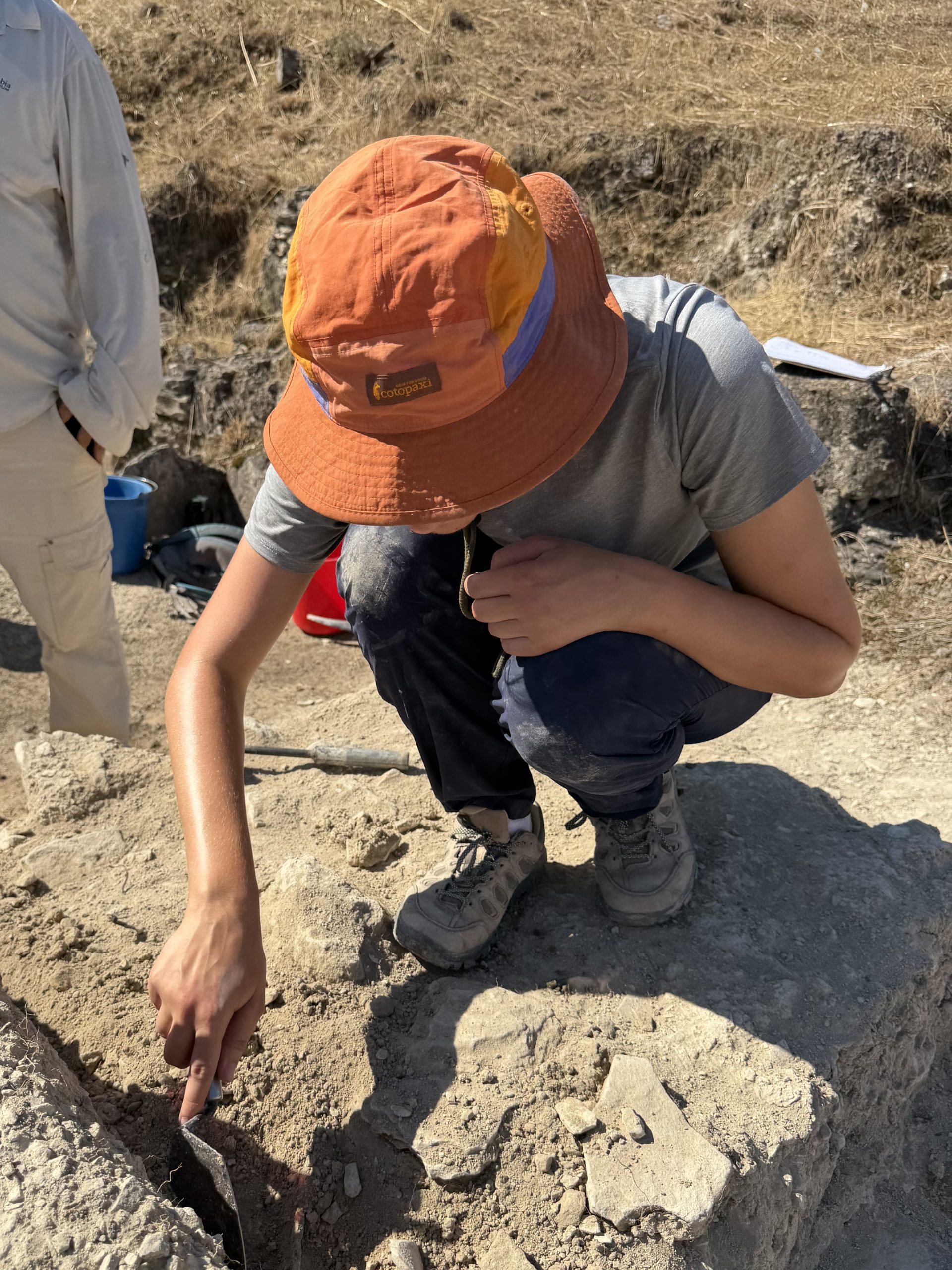
This summer I returned to Idalion, Cyprus, as a first-time staff member, having been a volunteer during the 2025 season. I was very excited to take on more responsibility at such an exciting site and to work with the amazing friends I made this season and last. I spent most mornings in the field, where we were excavating baulks in the Eastern Terrace. At the same time, I was conducting my own project to investigate the pigments used on painted objects that had been found at the site. This included eleven registered objects that are kept at the Cyprus Museum, and several more from the site apotheke. After looking at close to thirty potential objects, I selected five for further analysis. The objects I studied primarily consisted of terracotta figurines and limestone sculpture fragments.
After visual examination, I utilized Visible-Induced Luminescence (VIL) to detect and identify Egyptian blue, followed by portable X-Ray Fluorescence (pXRF) to characterize the applied pigments for all selected objects. As a final stage of analysis, we conducted Fourier-Transform Infrared (FTIR) spectroscopy on two objects—one from the museum, andanother from the apotheke. I worked closely with the STARC lab at the Cyprus Institute, which provided both equipment and expertise to perform the pXRF and FTIR analysis. Unlike objects permanently kept at the Cyprus Museum, I was able to bring objects from the apotheke directly to the lab for analysis. I am incredibly appreciative to have been able to work with and learn from the wonderful Cyprus Institute staff. I learned a lot about technical analysis and gained meaningful experience in applying these methods to the questions I’m asking about resource use and artistic practice at Idalion, as well as its relationship with the rest of Cyprus.
As is often the case, all aspects of the work became more intense as the season progressed—necessitating more time in the field for all of us, as well as demanding I spend more time on my own project. While it meant balancing my responsibilities in the field with my pigment analysis project, I found it incredibly rewarding to get to engage in so many aspects of archaeological research at the same time, as well as to work with students while still learning myself. I really enjoyed getting to excavate at the same time as conducting rigorous object analysis, and I believed it made my work stronger and better contextualized in all aspects.
During the last week of the field season, one day for me looked like this:
Having already photographed and done VIL and pXRF analysis on all of the Cyprus Museum objects, I spent one final morning in the museum. Typically I would leave Nicosia with the rest of the team at 5:00 am to reach the site, about half an hour away, as the sun was rising. I would then spend the next few hours working on my assigned baulk, either alone or with a student. On the mornings I spent in the museum, however, I was able to begin work at 9:00 am.
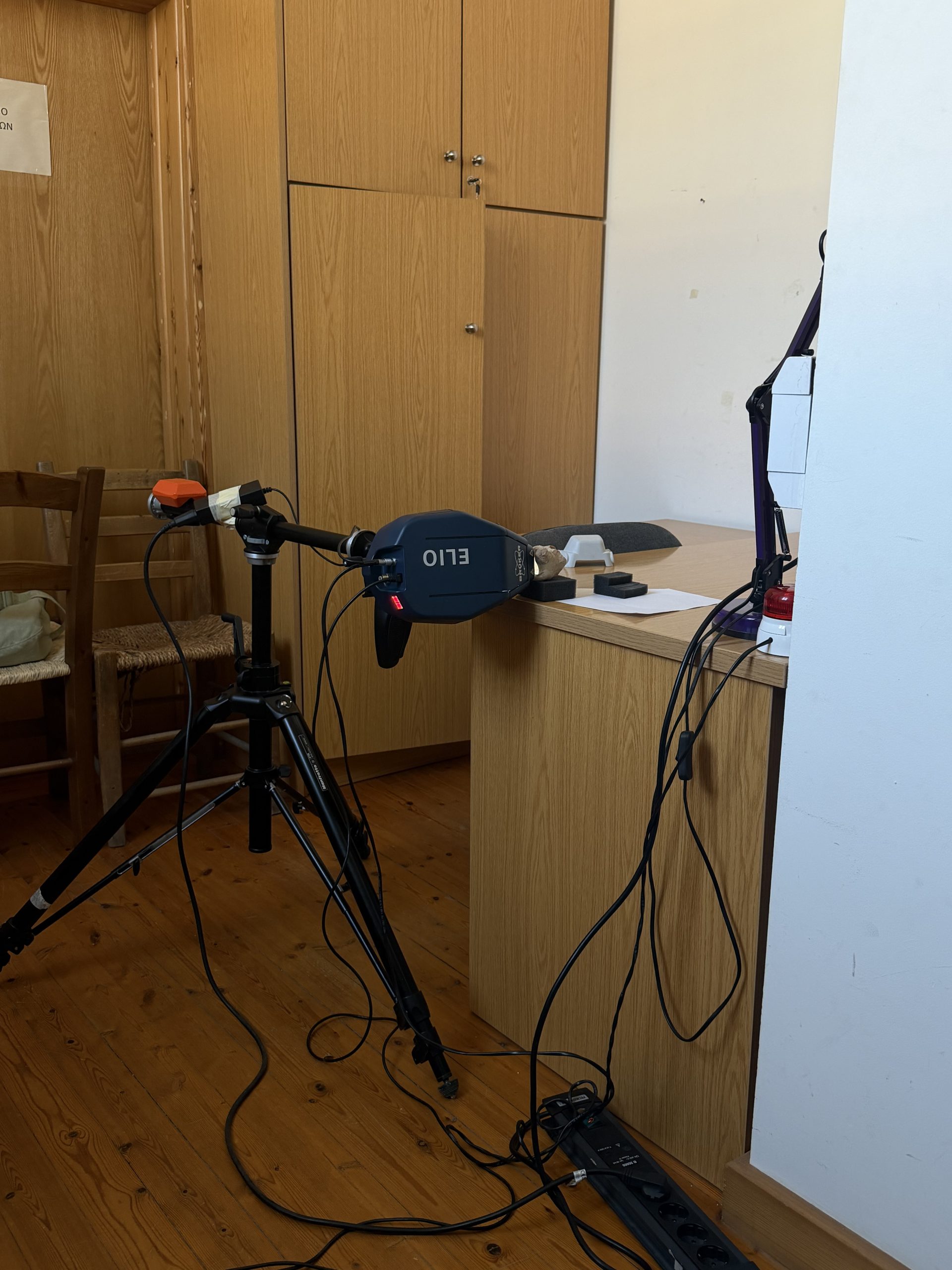
On this particular morning, the last that I would spend at the museum, I brought a 3D scanner with me. Earlier in the season, I had worked with Andreas Manoli and Pengxiao Hao to perform the pXRF analysis. On this day, we just had one FTIR point to take on a particularly puzzling object. After we concluded the analysis, I remained at the museum by myself for a few more hours to scan and generate 3D models of the eleven museum objects.
By the time I was finished at the museum, morning fieldwork had concluded. I grabbed lunch near Ledra Street and arrived back to the hotel for siesta a little after the rest of the team. I usually took this time to rest or do some light work, such as updating my spreadsheet where I tracked each step of examination for the objects. Earlier in the season, I used the siesta to work on a presentation for the field school students on the scientific techniques and methodology I was using for the project.
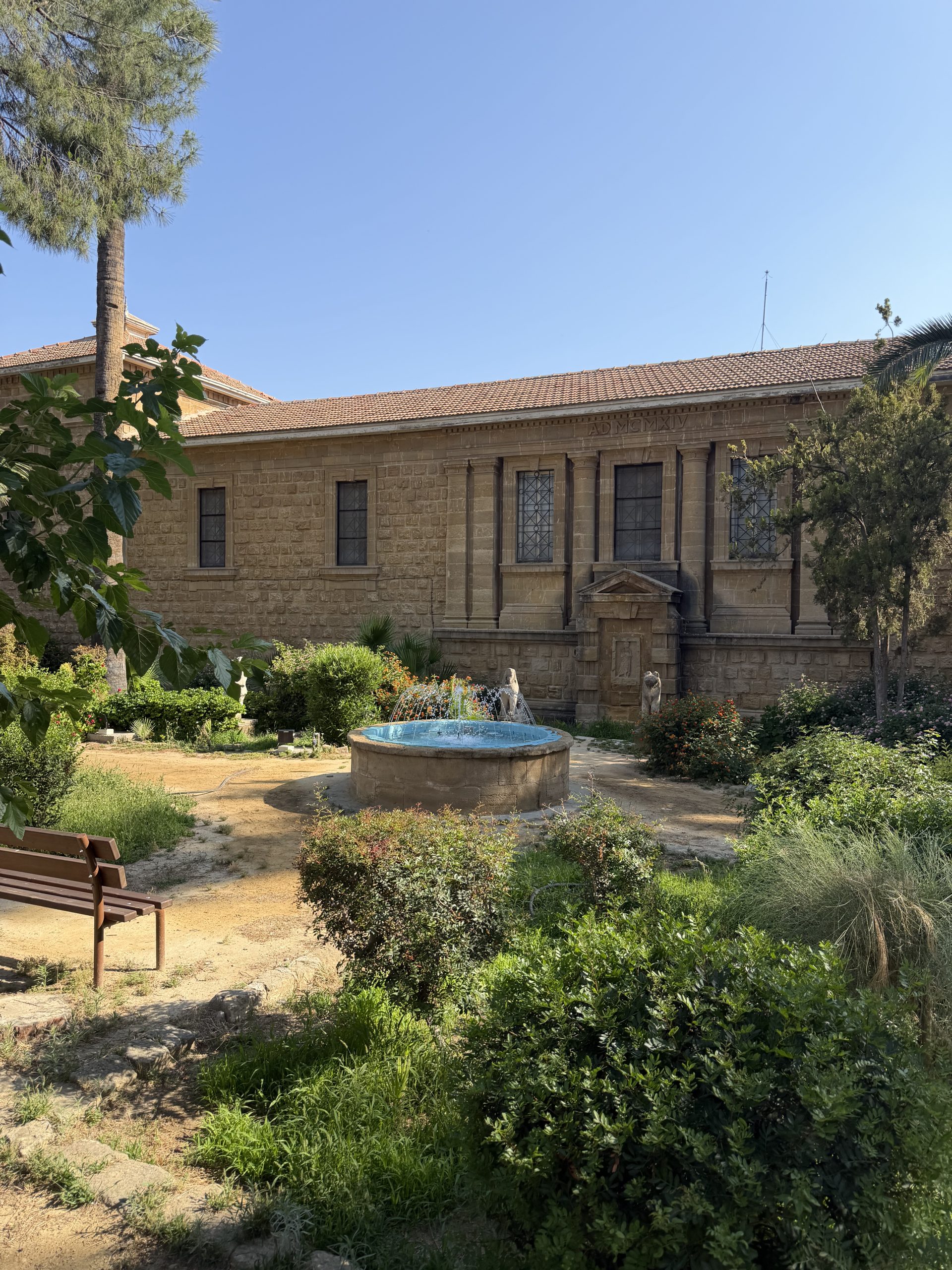
Just before the end of siesta, as I did every day, I stopped by a nearby cafe to grab a delicious Cypriot freddo cappuccino before we all returned to the dig house in Dali for afternoon lab work. On most days, I would use this time to draw a new top plan and update our digital recording software with notes and photos from that morning’s excavation. As I had already done so for the previous days’ progress, I spent the afternoon going through the data I had just collected. Meanwhile, the students were sorting the pottery from the previous day, now washed and dried, to be read. Once they were done and the pottery was being analyzed, I stayed close so that I could provide the requisite information when it was time for my trench’s pottery.
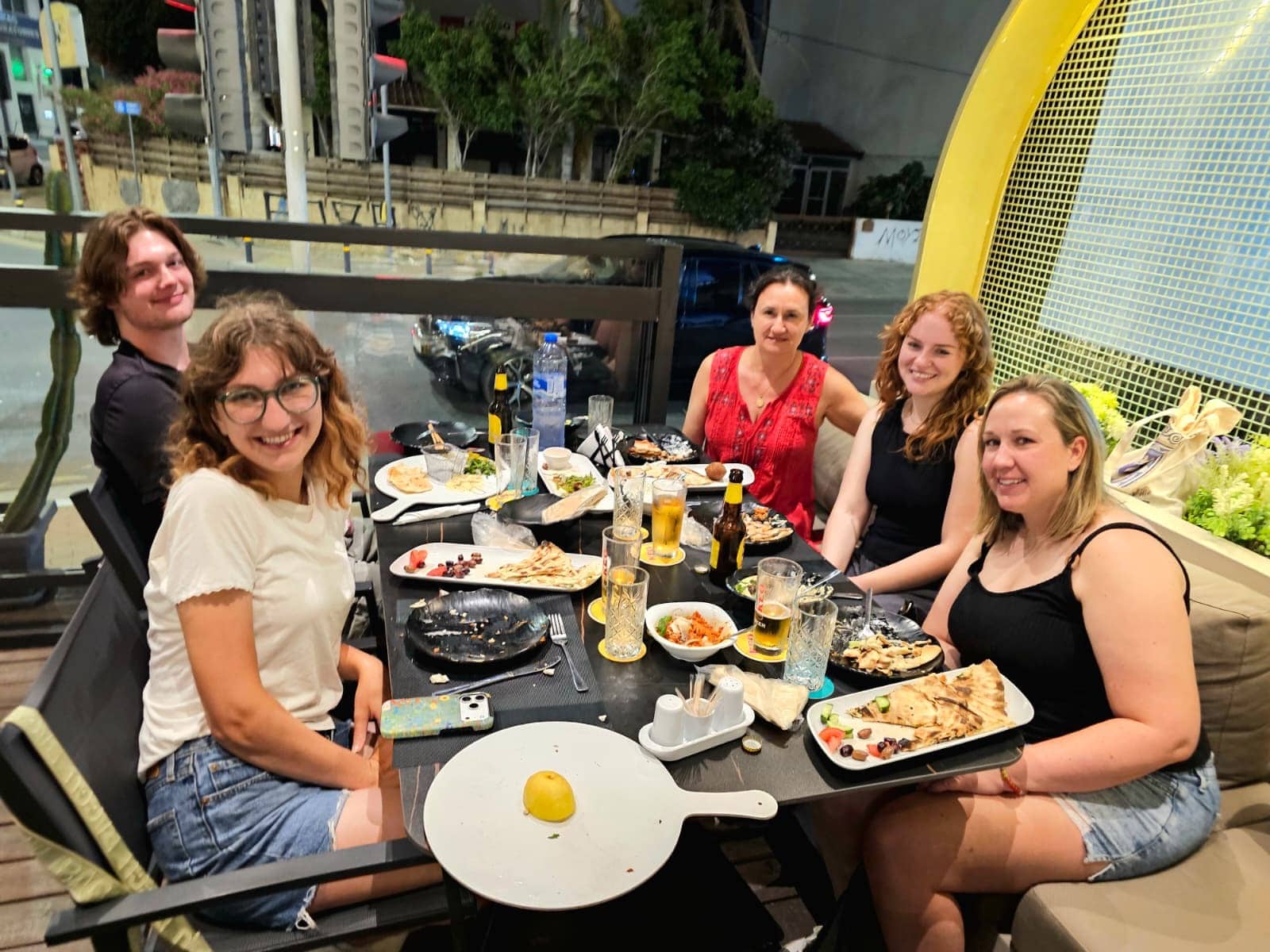
Once it had cooled back down, I returned to the field with the rest of the team for evening work, which typically consisted of lighter tasks than in the morning, such as cleaning or articulation to prepare for photogrammetry. Once we were done, we went back to the house for dinner, then drove to our hotel in Nicosia.
Ella Hattem is an M.A. student in Archaeological Studies at Yale University. Aside from Idalion, she has also participated in the Iklaina and Keros projects in Greece. She is interested in ancient pigments and paintings and the implementation of scientific methodologies to understand artistic practice in the eastern Mediterranean.
Want to help more students and early career archaeologists get into the field? Donate to the cause today by selecting “Fieldwork Scholarships” as your gift purpose!