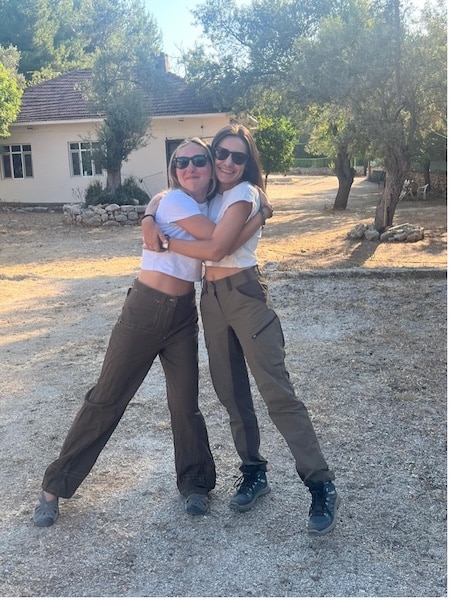
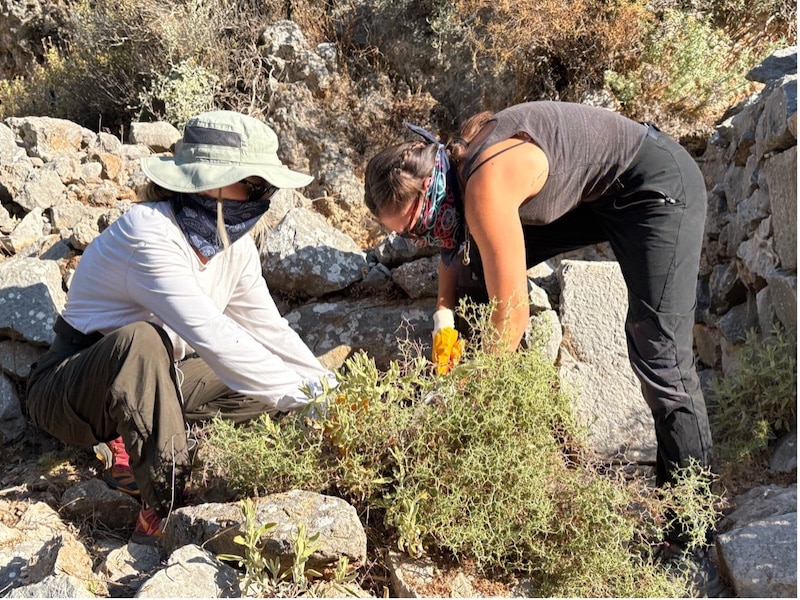
Want to help more students and early career archaeologists get into the field? Donate to the cause today by selecting “Fieldwork Scholarships” as your gift purpose!


Want to help more students and early career archaeologists get into the field? Donate to the cause today by selecting “Fieldwork Scholarships” as your gift purpose!
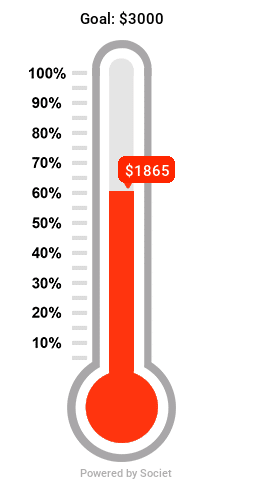 Each year, ASOR offers a series of fascinating Friends of ASOR webinarsthat are free to the public. In order to keep this program running and make sure webinars stay free and accessible for all, ASOR needs to raise $10,000 every fiscal year. This year, two anonymous donors have generously pledged $3,000 in matching gifts to support the webinars. That means for every gift you make between now and November 26th, these generous donors will match your gift one-to-one until we hit $3,000.
Thanks to everyone who has donated thus far. As of November 24, we are at $1,865 of our $3,000 goal. There’s still time for you to have an impact by making a gift today.
Be a part of ensuring webinars like these continue to be available for all. 100% of your gift will go towards supporting FOA Webinars. Make your gift today to help ASOR meet the Webinar Challenge. Please select “Webinars” from the dropdown menu.

Want to help more students and early career archaeologists get into the field? Donate to the cause today by selecting “Fieldwork Scholarships” as your gift purpose!

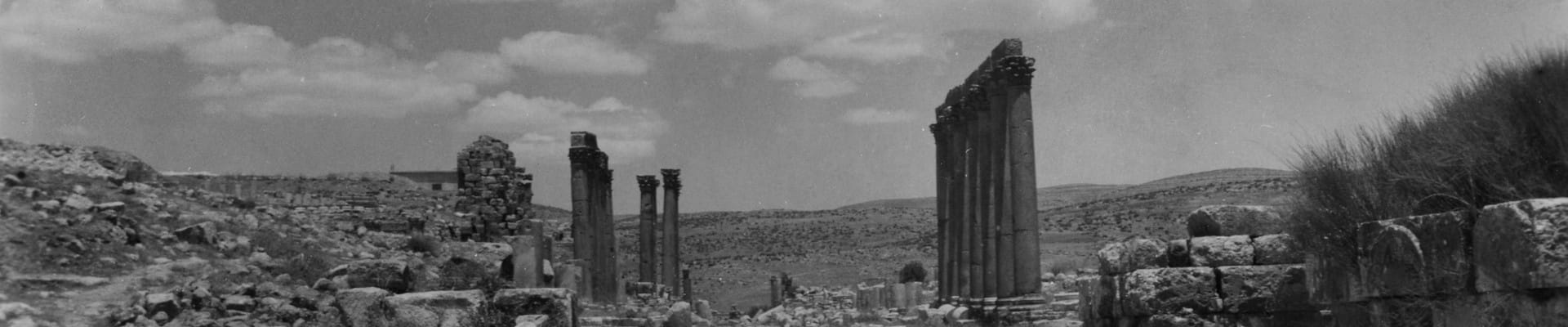
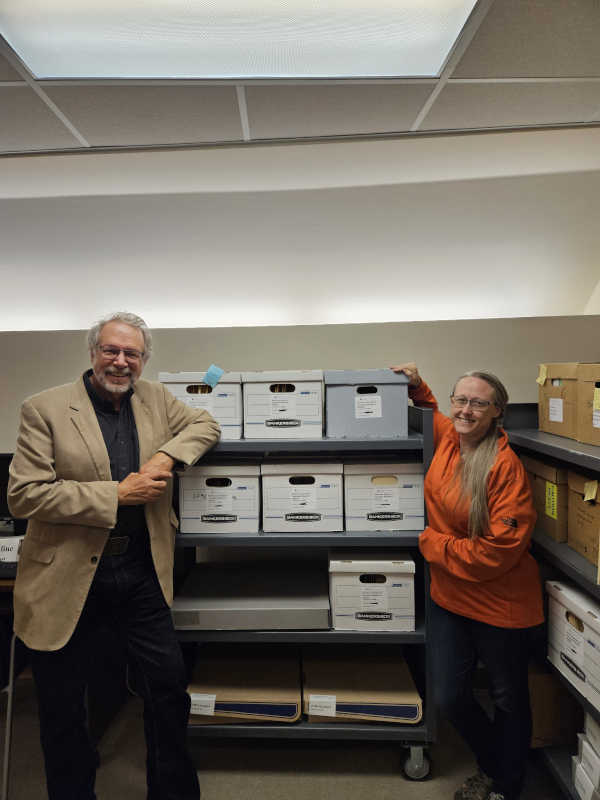
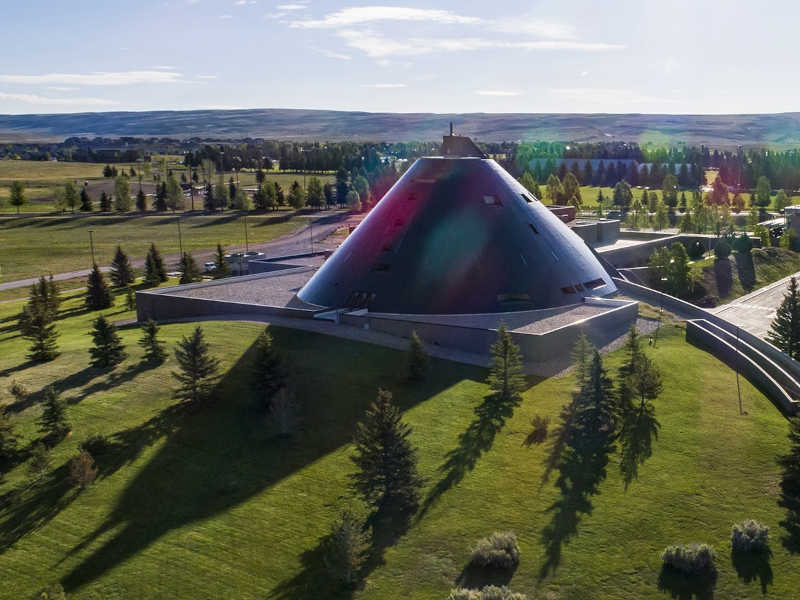
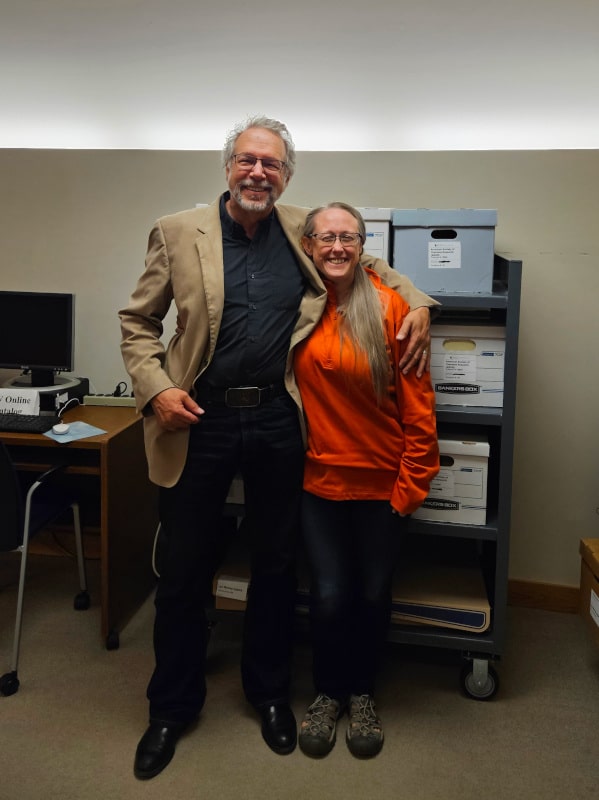 Collection materials can also be accessed remotely. The Center’s Reference Services department can easily be contacted to answer remote inquiries. (Recently, we looked up old municipal records for the Albright Institute in Jerusalem.) The AHC has a large digitization lab and can digitize collection materials at cost. Finally, the Center has the RRAD program (Remote Research and Discovery) that matches a researcher with a research assistant via Zoom and document camera for a nominal cost. This enables researchers to look through collection materials remotely and identify materials they wish to study. These can then be digitized for more careful examination. The AHC looks forward to helping archaeologists and other scholars from around the world to research its historic ASOR collection.
The URL for the ASOR collection finding aid is: https://archiveswest.orbiscascade.org/ark:80444/xv346099?q=ASOR#overview.


Want to help more students and early career archaeologists get into the field? Donate to the cause today by selecting “Fieldwork Scholarships” as your gift purpose!

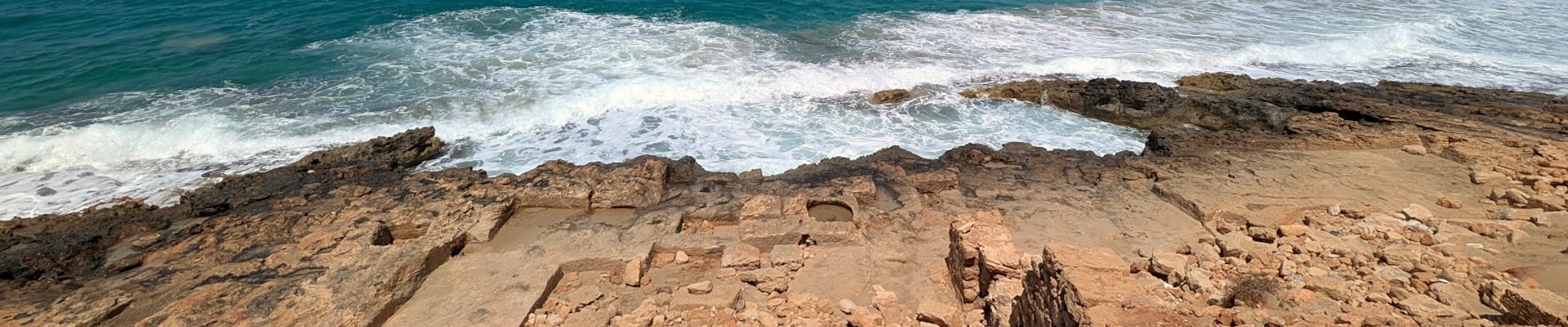
 Trustee Nominations Committee has selected six highly qualified members to stand for election for four open positions on the Board of Trustees. The Board sets the direction for ASOR and provides oversight for our organization. Among other responsibilities, members of the Board agree to attend two meetings each year, to participate thoughtfully in the governance process, and to contribute financially to ASOR.
There are four candidates running for two openings as Membership-elected Trustees for 3-year terms (Sarah Kielt Costello, Ido Koch, Nadine Panayot, and Yorke Rowan). There are two candidates for two openings as Institutionally-elected Trustees for 3-year terms (Kathryn Grossman and Michael Hasel). All ASOR members are eligible to vote in the Membership-elected Trustee Election, while only Institutional Representatives of the 60 ASOR-member schools may vote in the Institutionally-elected Trustee Election. Missions and brief biographies of the nominees will be available in the ballot.
ASOR will conduct the elections by online ballot, and all members and Institutional Representatives will receive the appropriate ballot(s) via email on or around October 16, 2025. We will send out two reminders, and all ballots must be completed by 12:00 PM Eastern Time on Monday, November 17. If you have difficulties completing the online ballot (once they are distributed), please contact Marta Ostovich at programs@asor.org.

Sarah Kielt Costello (MA Classical and Near Eastern Archaeology, Bryn Mawr College; Ph.D. Anthropology, Binghamton University) is Professor of Art History at the University of Houston – Clear Lake, a Hispanic-serving regional university dedicated to educating a broad community of scholars, including first-generation, working-class and incarcerated students. She has won two University-wide teaching awards and a University Faculty Fellowship in recognition of exemplary teaching, research and service. At UHCL, she has served in leadership roles including Department Chair and Faculty Senate Executive Committee, in which she oversaw the creation of an equitable workload policy for faculty. She has been active in archaeological fieldwork since 1995, working in Israel, Turkey, Greece, and Cyprus. In her research, Costello specializes in seals and related artifacts; ethics and museum practices; Neolithic imagery; and archaeological theory. Her recent publications include Ethics in Archaeological Practice (AASOR 2024) and Object Biographies, Selections from the Art of the Ancient World in the Menil Collection (Menil/Yale 2021), a volume that takes on the ethical challenges of unprovenienced museum collections.
Mission Statement: In the nearly 30 years that I’ve been involved with ASOR, I’ve seen its membership grow significantly and its members develop far-ranging research agendas. In recent years, ASOR members have forged research pathways into areas such as cultural heritage, sensorial archaeology, climate, bioarchaeology, and ancient dress, and have been on the forefront of developing cutting edge digital and technological approaches to archaeology. Geographically, ASOR has had the opportunity to expand beyond its traditional emphasis on the archaeology of the Bible Lands as its members have engaged in projects in Central Asia, Kurdistan, Egypt, and the Gulf states. It is vital that ASOR continue to embrace new areas of research, and at the same time, confront the ethical challenges of our time by setting agendas and policies that support best practices. Challenging political times put ASOR members in the middle of contentious issues; as a Trustee, I would help maintain our focus on our shared interests in research and stewardship of the past, and the important relationships that sustain that work.

Ido Koch is Associate Professor in the Department of Archaeology and Ancient Near Eastern Cultures at Tel Aviv University. A field archaeologist of the southern Levant, his research explores interregional connectivity, colonial encounters, visual language, craft, and material religion. He is the author of several monographs, dozens of articles, and co-editor of ten volumes. Koch co-directs the Tel Hadid Archaeological Project, the renewed excavations at Tel Qasile, and the final publication of the Tel Arad excavations—all of which place strong emphasis on innovative documentation strategies, community outreach, and the dissemination of archaeological knowledge to diverse audiences. He is co-PI of several collaborative ventures, including the historical–archaeological study of the depopulated Palestinian village of al-Haditha (one of the few academic archaeological projects addressing the recent past of Israel/Palestine), and the Stamp Seals from the Southern Levant Project together with its comprehensive open-access online companion database. Koch also serves as Editor-in-Chief of Tel Aviv: Journal of the Institute of Archaeology of Tel Aviv Universityand sits on several international editorial boards. Through his research and teaching, he integrates advanced digital tools with inclusive, community-based approaches, engaging both Jewish and Arab students, to help build inclusive and forward-looking connections between academic, archaeological, and wider communities in the study of the southern Levant.
Mission Statement: I have been a member of ASOR since 2009, have attended nearly all annual meetings since then, and have interacted with scores of ASOR members of all ages and backgrounds. ASOR has been my professional cradle and the place where I learned to appreciate the value of an international network, a value I hope my students will inherit.
As a scholar based in the Middle East, I believe ASOR must strengthen the representation of voices from the regions it studies. The societies who live in the lands whose pasts we uncover deserve a place in shaping how that past is researched, understood, and represented. As an Israeli archaeologist working on the remote and recent past of the southern Levant, I am acutely aware of the region’s diversity and complexity. Based on my experience, ASOR and its sister institutions (such as the W.F. Albright Institute) are uniquely positioned to foster dialogue between Israeli and Palestinian scholars, a dialogue urgently needed now more than ever. I see my role as a bridge: between ASOR and local scholarly and cultural communities, and between those communities themselves. In times of deepening divisions, we must hold fast to both our professional and human ties. In my fieldwork and collaborations, I strive to create spaces where Jewish and Arab students, alongside colleagues from different backgrounds and perspectives, can work together toward shared understanding. Archaeology can and should serve as a medium of dialogue, and as a reminder of our intertwined pasts and shared humanity.
Drawing on my experience directing and co-directing field projects, I recognize the need for ASOR to advance ethical, inclusive, and community-oriented archaeology. I propose developing a collaboratively produced “fieldwork toolkit,” drawing on the collective knowledge of ASOR-affiliated projects. This toolkit would guide projects that prioritize community engagement, the dissemination of results to local institutions, and accessible digital platforms for sharing data. Through such initiatives, I hope to help ASOR lead by example—making archaeology both academically rigorous and socially meaningful.

Nadine Panayot is an archaeologist currently serving as Curator of the Archaeological Museum and Associate Professor of Practice at the American University of Beirut. A graduate of Paris 1 Panthéon-Sorbonne, she specializes in the heritage of the Classical Mediterranean, with over three decades of fieldwork across Lebanon and Southwest Asia. Her work focuses on the intersection of archaeology, cultural preservation with a growing emphasis on digital technologies, and community engagement.
Previously, she chaired the Archaeology and Museology Department at the University of Balamand, where she established a Master’s program in Museum Studies and Cultural Heritage Management and co-founded the Ethnographic Museum. She has curated numerous exhibitions and interdisciplinary events, both locally and internationally, emphasizing inclusive practices, accessibility, and cross-cultural dialogue. Following the 2020 Beirut port explosion, she led the restoration of AUB’s shattered glass collection, recognized with the 2023 Nigel Williams Conservation Award (Runner-Up).
A committed advocate for community-led conservation, she directs the Hima Anfehreserve and serves on several scientific and advisory boards. A member of ICOM since 1992, she has held leadership roles in national and regional committees and currently presides over the working committee of the UNESCO National Commission while also serving on the Scientific Committee of ALIPH. In 2023, she was named Chevalier des Arts et Lettres by the French Ministry of Culture. Through her teaching, curating, and policy work, she positions museums and heritage sites as agents of resilience, healing, and social cohesion.
Mission Statement: I am committed to advancing ASOR’s mission of promoting inclusive and rigorous scholarship, safeguarding cultural heritage, and sustaining open, evidence-based inquiry that transcends political and ideological boundaries.
The protection and study of cultural heritage is not only an academic responsibility but an essential ethical imperative. The recent and ongoing destruction of heritage, represents an irreparable loss to humanity, erasing material witnesses to identity, history, and memory. Acknowledging such losses, and working collectively to prevent them, aligns with ASOR’s foundational mission to document, preserve, and interpret the human past. Upholding this principle reaffirms our shared commitment to dignity, justice, and cultural continuity, and reminds us that heritage protection is inseparable from the recognition of our common humanity.
Equally vital is ASOR’s dedication to intellectual integrity and freedom of thought. Scholarship reaches its highest potential when guided by evidence, methodological rigor, and openness to diverse perspectives. When inquiry becomes constrained by ideology, it compromises its ability to engage with complexity and nurture genuine understanding. ASOR’s continued vitality will depend on its capacity to sustain spaces where thoughtful analysis and open dialogue can thrive, uniting scholars and institutions across diverse traditions.
As a Membership-Elected Trustee, I would work to broaden equitable participation, re-engage scholars from Southwest Asia, and Africa and strengthen collaborative and digital initiatives that enhance accessibility, exchange, and trust; ensuring that ASOR remains a beacon of principled, inclusive, and forward-looking scholarship.

Yorke Rowan is an anthropological archaeologist and Research Professor at the Institute for the Study of Ancient Cultures (formerly the Oriental Institute) at the University of Chicago. He focuses on later prehistory (Late Neolithic, Chalcolithic, and Early Bronze), with thematic research interests in death, prehistoric ritual performance, and material objects mediating these human actions. He is a Fulbright Scholar to Jordan and a NEH Fellow at the W.F. Albright Institute for Archaeological Research in Jerusalem and the American Center of Research in Amman. His most recent publications include The Social Archaeology of the Levant: From Prehistory to Present (2019, Cambridge Press, co-edited with A. Yasur-Landau and E. Cline), “Desert Kites: Neolithic Infrastructure in the Margins” in Infrastructure in Archaeological Discourse: Framing Society in the Past (2024, Routledge, co-authored with A. C. Hill) and “The Black Desert Drone Survey: New Perspectives on an Ancient Landscape” in the journal Remote Sensing (2022) with A.C. Hill. He co-directs the NSF funded Kites in Context and Eastern Badia Archaeological Projects, two projects in the Black Desert of Jordan.
Mission Statement: Since the 1990s, ASOR has been fundamental to my development as a professional scholar and field archaeologist. The first grant I received for field research was an ASOR travel scholarship, and the first national professional paper I delivered was at ASOR in New Orleans. I have a long dedication to the success of ASOR, serving on the editorial boards of Bulletin of the American Schools of Overseas Research and Near Eastern Archaeology, co-chairing the Program Committee after for two previous terms on the committee, serving on the Honors and Awards Committee, and the Committee on Archaeological Policy. In addition, I co-chaired and co-organized various sessions such as the standing session “Prehistoric Archaeology” (2015, 2019-2021) and the member organized “Archaeology of Religion and Ritual” (2005-2006). My involvement with ASOR is complemented by extensive engagement with communities on the ground in different countries, emphasizing my commitment to creating more collaborative opportunities with colleagues based abroad.
The organization has grown tremendously since I joined as a graduate student, with a welcome expansion to include a broader range of topics, geographic regions, and chronological periods. This growth is not limited to scholarly interests but includes increased worldwide accessibility through a hybrid meeting format. I believe it is important to sustain and build on this positive trend to build membership, engage with members at different career stages, and seek to find new collaborative partnerships that will only strengthen ASOR. As ASOR faces new challenges like complicated funding realities, regional civil unrest, and climate change, the organization must mount new initiatives and endeavors to respond to member needs. As a member of ASOR’s Board of Trustees, my goal will be to promote its mission to disseminate knowledge of western Asia and Mediterranean ancient societies, and to make that scholarship more accessible to the public. Finding creative ways to promote our research, particularly those of our research partners, to a variety of audiences is a challenge that will strengthen our organization and continue to interest future generations of students, the public, and scholars.

Kathryn Grossman is Assistant Professor of Anthropology in the Department of Sociology and Anthropology at North Carolina State University. She is an archaeologist with expertise in the Chalcolithic and Bronze Age cultures of Cyprus and Mesopotamia and a methodological specialty in zooarchaeology. She is Director of the ASOR-affiliated Makounta-Voules Archaeological Project (Cyprus), as well as zooarchaeologist for the Kani Shaie Archaeological Project (Iraqi Kurdistan), the Wadi el-Hudi Expedition (Egypt), and the Petra North Ridge Project (Jordan). She is currently co-editing, with Jesse Casana and Eric Jensen, the final report on the excavations at Tell Qarqur, Syria.
Mission Statement: I have been involved with ASOR for seventeen years. I began attending and presenting at the annual meeting as a graduate student, and my engagement has deepened over time. I served on the Committee on Archaeological Policy for two terms, and during that time I also chaired the CAP Fellowships Subcommittee. In 2018, I presented the work of the Fellowships Subcommittee at that year’s Legacy Dinner, and in 2023 I received an ASOR Service award for my work on the CAP Fellowships Subcommittee. I chair the Archaeology of Syria sessions at the Annual Meeting, am a member of the Damascus Committee, a member of the Executive committee, the chair of the Trustees Nominations Committee, and I serve as the institutional representative for ASOR at North Carolina State University. In my time as an ASOR member, I have watched the organization grow dramatically in its geographic scope and evolve to meet the demands of 21st-century scholarship. In serving as an Institutionally-elected member on the ASOR Board of Trustees, I look forward to helping ASOR move forward with the issues that loom before us, including increasing our outreach to diverse audiences at home and abroad, and promoting the preservation of tangible and intangible cultural heritage.

Michael G. Hasel is Director of the Institute of Archaeology and Lynn H. Wood Archaeological Museum at Southern Adventist University, where he also serves as Professor of Near Eastern Studies and Archaeology since 1998.
Hasel has participated and served in administrative capacities on eleven different excavations in the Middle East, including Gezer, Ashkelon, Dor, Miqne-Ekron, Masada, and Hazor, in Israel; Idalion, Cyprus; and Jalul in Jordan. He has directed excavations and surveys at Khirbet Qeiyafa and Socoh and currently is co-director of The Fourth Expedition to Lachish. As curator of the Lynn H. Wood Archaeological Museum, Hasel was responsible for planning and displaying art and objects from the ancient Near East in a state-of-the-art exhibit entitled “Vessels in Time: A Journey into the Biblical World” and several temporary exhibits including “Peace and War: The Assyrian Conquest of Lachish” (2023-2025) and “The Ivory Comb: Lice and Literacy at Lachish” (2025).
Hasel, an ASOR member since 1989, has chaired several ASOR sessions and served on the Agenda Committee. He held the Samuel H. Kress Fellowship at the W. F. Albright Institute for Archaeological Research (AIAR) in 1995-96 and a Fulbright at the Cyprus American Archaeological Research Institute (CAARI) in 2005 and the NEH Fellowship at the Albright Institute in 2025-26. He is also a fellow of the Institute for Biblical Research and Tyndale House, Cambridge.
Hasel joined the ASOR Board in January 2014.
Mission Statement: Over the past 36 years of my involvement with ASOR, I have watched ASOR grow into a strong society representing a wide variety of interests and research foci in the ancient Near Eastern and Mediterranean worlds. During that same period, I have been actively involved in excavations in Israel, Jordan, and Cyprus while also engaged in Egyptological research. As an excavator I am interested in encouraging the archaeological interplay between text and material culture. This integration has been one of the historic strengths of ASOR and I believe it remains vital as ASOR continues to position itself as an important and relevant voice to a large segment of North America. As a museum director part of my vision is to make our field relevant for future generations through popularizing archaeological discoveries and making it accessible to a larger segment of society. This would include encouraging young scholars who are searching for direction and belonging to get involved in ASOR while fostering connections in the regions it serves. To accomplish these goals, I would welcome the opportunity to continue to support and serve as a member of the Board of Trustees for another term.
 The Carolyn Midkiff Strange Committee on Growth, Innovation, and Visibility (GIV) serves as a resource for and leader in engaging and broadening the professional community of ASOR, in order to expand access to the history and cultures served by ASOR. For more information about the committee, click here.
GIV Committee members volunteer to serve a three-year term (January 1, 2026—December 31, 2028) with the possibility to renew for a second term. Committee members are expected to attend monthly hour-long Zoom meetings during the academic year and to contribute to ongoing committee initiatives. If the time is not right for you now, this open call will be held every year.
Please fill out the committee application form, by Saturday, November 1, 2025 to be considered for the GIV Committee Class of 2028. Your responses and materials will be reviewed and considered by the current members of the GIV Committee, the Chairs Coordinating Council, and select ASOR Staff.
[vc_row fullwidth=”true” attached=”true” css=”.vc_custom_1496247803139{padding-top: 0px !important;padding-right: 0px !important;padding-bottom: 0px !important;padding-left: 0px !important;}”][vc_column][vc_single_image image=”105723″ img_size=”1920×400″ alignment=”center”][/vc_column][/vc_row][vc_row fullwidth=”true” css=”.vc_custom_1496682730308{padding-top: 10px !important;padding-right: 0px !important;padding-bottom: 0px !important;padding-left: 0px !important;}”][vc_column width=”1/12″ css=”.vc_custom_1496683820796{margin-right: 10px !important;}” offset=”vc_hidden-md vc_hidden-sm vc_hidden-xs”][vc_column_text]
SHARE
[/vc_column_text][mk_image src=”http://www.asortest.org/wp-content/uploads/2017/01/social-fb-icon4.jpg” image_width=”42″ image_height=”42″ hover=”false” custom_url=”https://www.facebook.com/ASOResearch/” margin_bottom=”0″][mk_image src=”http://www.asortest.org/wp-content/uploads/2017/01/social-tw-icon4.jpg” image_width=”42″ image_height=”42″ hover=”false” custom_url=”https://twitter.com/ASOResearch?ref_src=twsrc%5Egoogle%7Ctwcamp%5Eserp%7Ctwgr%5Eauthor” margin_bottom=”0″][mk_image src=”http://www.asortest.org/wp-content/uploads/2017/01/social-in-icon4.jpg” image_width=”42″ image_height=”42″ hover=”false” custom_url=”https://www.linkedin.com/company/american-schools-of-oriental-research” margin_bottom=”0″][mk_image src=”http://www.asortest.org/wp-content/uploads/2017/01/social-ml-icon_7.jpg” image_width=”42″ image_height=”42″ hover=”false” custom_url=”mailto:info@asor.org” margin_bottom=”0″][mk_image src=”http://www.asortest.org/wp-content/uploads/2017/01/blog-icon3.jpg” image_width=”42″ image_height=”42″ hover=”false” custom_url=”http://asor.org/blog” margin_bottom=”0″][/vc_column][vc_column border_color=”rgba(255,255,255,0.01)” width=”1/6″ css=”.vc_custom_1496683923840{margin-right: 20px !important;border-left-width: 2px !important;padding-right: 20px !important;padding-left: 20px !important;border-left-color: #99422f !important;}”][mk_divider divider_color=”rgba(255,255,255,0.01)” thickness=”1″ margin_top=”3″ margin_bottom=”3″][vc_widget_sidebar sidebar_id=”ca-sidebar-39801″][/vc_column][vc_column border_color=”rgba(170,170,170,0.01)” width=”1/2″ css=”.vc_custom_1487276122024{margin-right: 10px !important;margin-bottom: 30px !important;border-right-width: 2px !important;border-bottom-width: 2px !important;padding-top: 30px !important;padding-right: 30px !important;padding-left: 20px !important;background-color: #ffffff !important;border-right-color: rgba(227,228,228,0.75) !important;border-bottom-color: rgba(227,228,228,0.75) !important;}”][vc_column_text responsive_align=”left”]
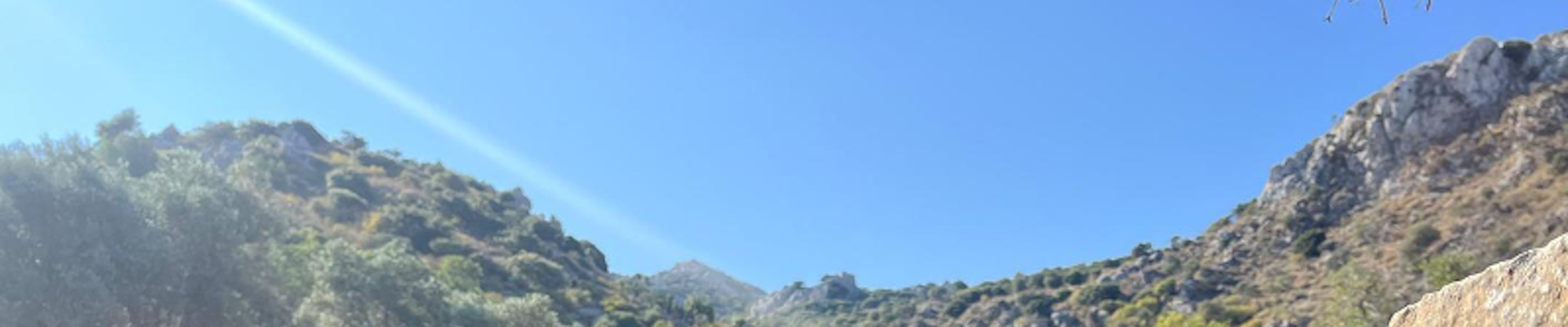
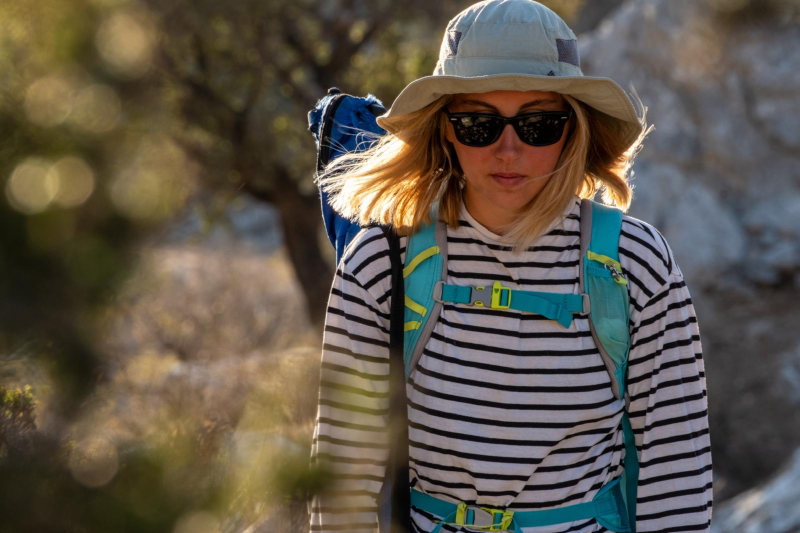
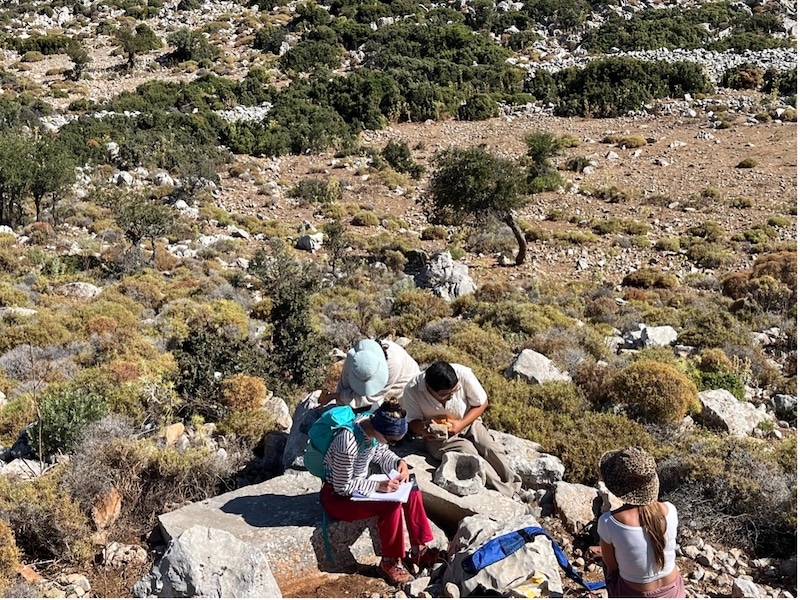
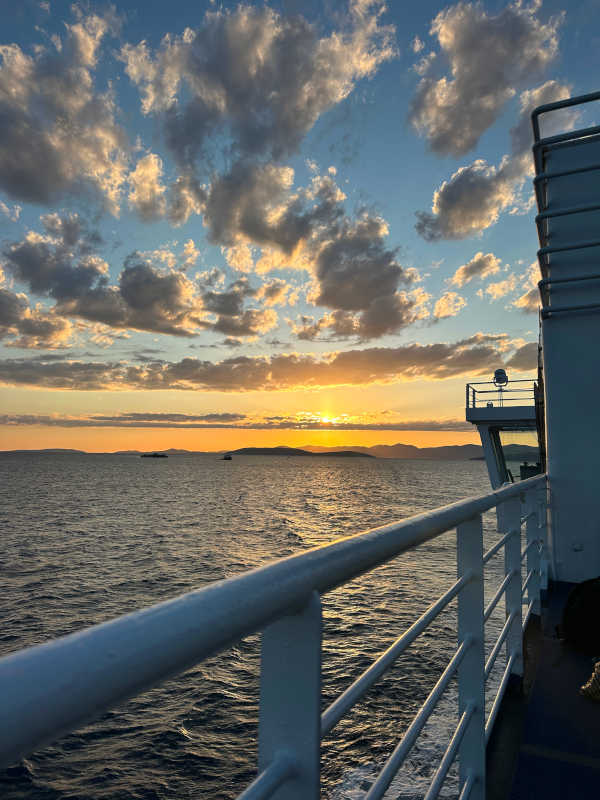
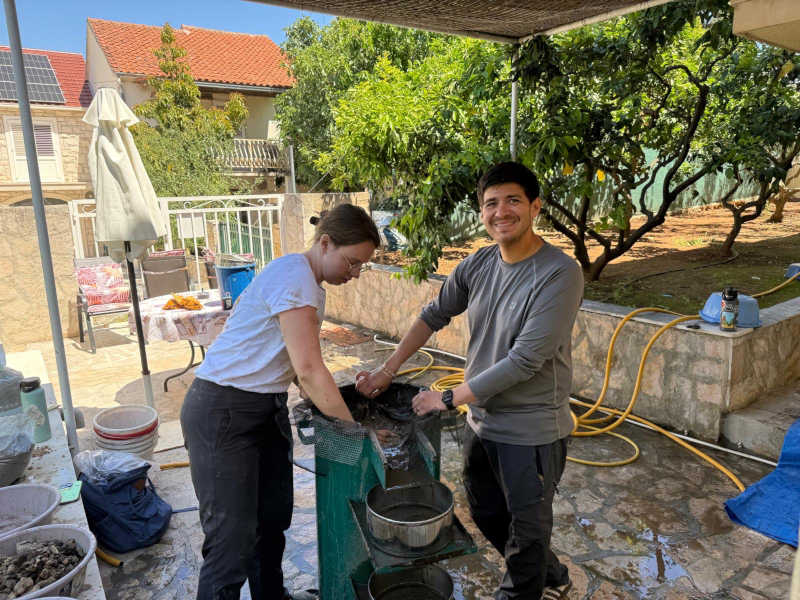
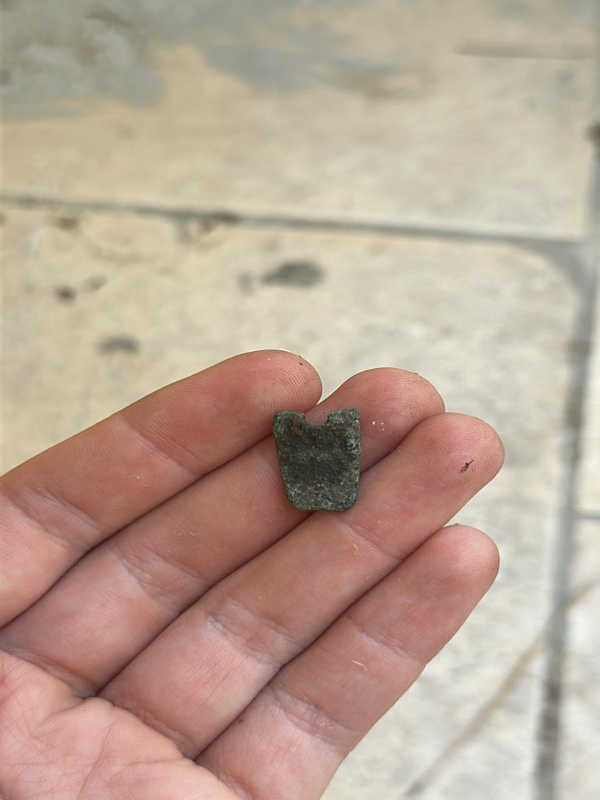
Gabrielle Puckett, 2025 Eric and Carol Meyers Fieldwork Scholarship Recipient [/vc_column_text][mk_divider margin_top=”10″][vc_column_text]It’s 4:00am in the sleepy town of Polis Chrysochous, Cyprus. The sun isn’t up yet, but the alley cats are finding their morning snacks. I’m on breakfast duty, so in addition to the egg boiling and tomato cutting of the night before, it’s my team’s job to go fill the coolers and water jugs for the field day ahead. We pile Landy, the beloved but ancient Land Rover of one of our co-directors, with the equipment and food for the day.[/vc_column_text][vc_single_image image=”105749″ img_size=”full” add_caption=”yes” alignment=”center”][mk_padding_divider size=”10″][vc_column_text]After our work for this morning’s breakfast is complete, we take a rest in the seats at the bottom of the apartment building and wait for the bus to arrive. I find it vital in these moments to remind myself to take in every single detail of this amazing experience so that I have things to look back on when I make the inevitable journey home. My favorite thing about these dark and tiresome mornings is the way the sun looks as it starts to rise just barely over the peaks of the mountains while the moon still shines bright above.[/vc_column_text][vc_single_image image=”105754″ img_size=”full” add_caption=”yes” alignment=”center”][mk_padding_divider size=”10″][vc_wp_text]Making our way to the bus at 5:00am and climbing in, I find my favorite seat right next to the door on the window side. A ritual I have developed for these short bus rides is to take in the view of the sea as we drive past. Of course, I am also covering myself in more sunscreen than has ever been deemed necessary because you can never be too careful.[/vc_wp_text][vc_single_image image=”105750″ img_size=”full” add_caption=”yes” alignment=”center”][mk_padding_divider size=”10″][vc_column_text]Arriving at the site of Makounta-Voules, we have the first hill climb of the day, a beautiful path (if I do say so myself) we landscaped the first day being here that only steals some breath on the journey up. I remember before this trip how worried I was that I wouldn’t like this enough to be happy with the early mornings and heat, but I can safely say that’s not an issue as I now know I need to do this for the rest of my life. I leave the trench fifteen minutes before breakfast to help with my roommate and the rest of our breakfast crew setting out the tarp on which we will feast and nap while we set out the food. At around 8:30am we can hear the call of “BREAKFAST” shout down the mountain and prepare for the incoming team ready to fuel themselves for the rest of the day.[/vc_column_text][vc_single_image image=”105751″ img_size=”full” add_caption=”yes” alignment=”center”][mk_padding_divider size=”10″][vc_column_text]We spend the day digging and taking elevations, pictures when necessary, and reminding ourselves to trust our guts while we sift. It’s Thursday, which means at the end of the day it’s time for everyone’s favorite segment: Trench Tours. We show off the work we’ve done for the week, being sure to take a look at the trenches we aren’t a part of in order to learn more about the site as a whole.[/vc_column_text][vc_single_image image=”105752″ img_size=”full” add_caption=”yes” alignment=”center”][mk_padding_divider size=”10″][vc_column_text]After the bus ride home, we have some lunch and begin pot washing, but I have a special task. I am working on a project to clean up our faunal remains from past seasons and remove their thick calcium accretions through various methods. After an hour or two of this lab work, we have some lovely free time which is always best spent at the beach. A view that I strongly believe can’t be beat is the Mediterranean Sea after a long day of digging. With a fifteen-minute walk, we arrive ready to take in the wonderfully clear water. The hours spent on this beach are some that I would be hard pressed to ever give up, let alone the friends I get to spend it with. Throughout this project I have had so many experiences that I hope aren’t limited to being once-in-a-lifetime. We are back at it bright and early tomorrow, and I just can’t stop taking in every detail knowing that there are only so many days left here—but I’ll be back.[/vc_column_text][mk_padding_divider size=”20″][vc_single_image image=”105753″ img_size=”450×600″ alignment=”center”][vc_row_inner][vc_column_inner][mk_padding_divider size=”30″ visibility=”visible-dt”][vc_wp_text]Gabrielle Puckett is an undergraduate student in her third year at the University of Tennessee Knoxville. She is a double major in Anthropology and Religious Studies and minors in both Classical Civilizations and Judaic Studies. She has a strong interest in zooarchaeology in the Near East and the applications for isotopic analysis in the area.[/vc_wp_text][/vc_column_inner][/vc_row_inner][mk_divider][vc_wp_text]
Want to help more students and early career archaeologists get into the field? Donate to the cause today by selecting “Fieldwork Scholarships” as your gift purpose!
[/vc_wp_text][/vc_column][vc_column border_color=”rgba(170,170,170,0.01)” width=”1/6″ css=”.vc_custom_1496684098866{margin-right: 5px !important;margin-bottom: 20px !important;border-right-width: 2px !important;border-bottom-width: 2px !important;padding-top: 30px !important;padding-right: 10px !important;padding-left: 10px !important;background-color: #ffffff !important;border-right-color: rgba(227,228,228,0.75) !important;border-bottom-color: rgba(227,228,228,0.75) !important;}”][vc_wp_posts number=”5″][/vc_column][vc_column border_color=”rgba(170,170,170,0.01)” width=”1/6″ css=”.vc_custom_1496684008271{margin-right: 10px !important;margin-bottom: 30px !important;border-right-width: 2px !important;border-bottom-width: 2px !important;padding-top: 30px !important;padding-right: 20px !important;padding-left: 20px !important;background-color: #ffffff !important;border-right-color: rgba(227,228,228,0.75) !important;border-bottom-color: rgba(227,228,228,0.75) !important;}”][vc_widget_sidebar sidebar_id=”ca-sidebar-99363″][/vc_column][/vc_row]