Table of Contents for BASOR 395 (May 2026)

Table of Contents for Bulletin of ASOR 395 (May 2026)

You can receive BASOR (and other ASOR publications) through an ASOR Membership.
Please e-mail the Membership office if you have any questions.
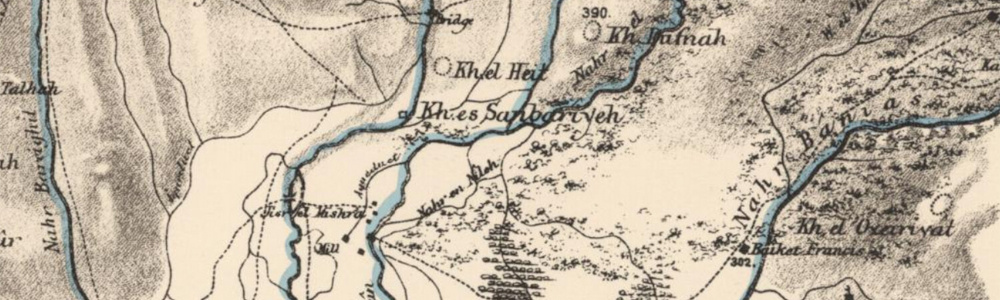
Pp. 1-15: “Preservation through Transformation: Identifying Late Roman Hula Valley Sites in Panias’s Diocletianic Boundary Stones,” by Roy Marom

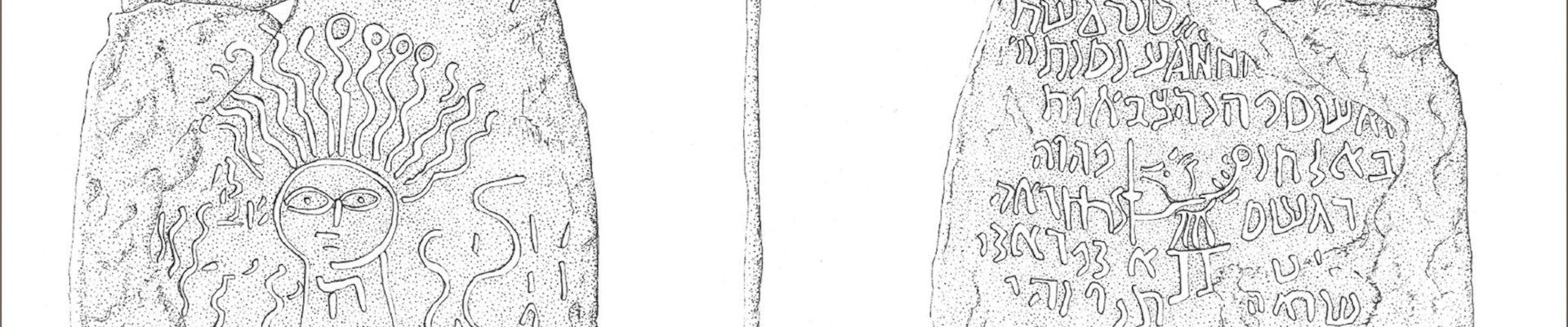
This paper identifies Late Roman sites in the Hula Valley mentioned in Diocletianic boundary stones. Employing a threefold methodological framework—toponymic preservation, archaeological evidence, and spatial analysis—it challenges longstanding assumptions that ancient toponyms in the region were entirely lost. Instead, it demonstrates that the majority of place names engraved on the boundary stones have survived, albeit through significant linguistic and morphological transformations over time: Tirthas (Khirbet Turrīthā), Golgol (Juneijil /al-Zūq al-Fawqānī), Mamsia (Marsīna), Beth-Achon (Tell al-Baṭṭīkha), Dēra (al-Dawwāra), Osea (al-ʿĀbsiya), Beth-Anath (Tell ʿAnt), and Migēramē (al-Muqārināt). These identifications are supported by historical-linguistic reconstruction, data from Ottoman and British Mandate cadastral surveys, and targeted archaeological evidence. The study highlights the complex processes of linguistic transformation—such as phonetic shifts, semantic reinterpretation, and folk etymology—that have shaped the survival of these toponyms in the northern Hula Valley. By integrating diverse sources of evidence, the paper not only revises the geographic understanding of Panias’s countryside but also proposes a replicable framework for reassessing ancient settlement continuity and cultural interaction across the broader Levantine frontier.

ASOR Members with online access: log into ASOR’s Online Portal here. Once logged in, click the JOURNALS tab in the top navigation bar. Tutorials for how to log in to the Online Portal as well as how to navigate to the Portal Journals page can be found here.

Pp. 17-45: “The Life and Afterlife of the Palace of Herod Antipas in Tiberias,” by Shulamit Miller and Frankie Snyder

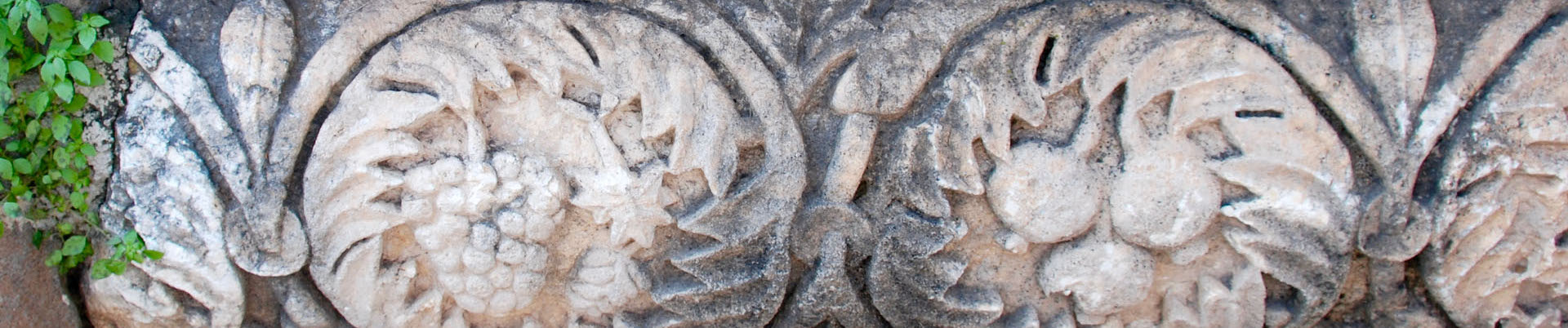
The city of Tiberias, on the western shore of the Sea of Galilee, was founded in 19/20 c.e. by King Herod Antipas as his new capital in Galilee. Remains identified as the palace of Antipas, characterized by their construction technique and decorations, were uncovered in Yizhar Hirschfeld’s excavations. This article proposes a new study of the remains, suggesting a reevaluation of the architecture, décor, and chronology that are used to substantiate the identification with the palace of Antipas. It discusses the architecture vis-à-vis palaces of Herod the Great and shows that, while there is continuity in style, there is a visible increase in investment in the Tiberias palace, at least in terms of its marble ornamentation. This article further argues that the stratigraphy defined by Hirschfeld did not differentiate between two distinct architectural phases: the first is a palatial complex, while the second attests to the repurposing of the palace into simple dwellings, probably in the 2nd century c.e. Ultimately this study provides a new understanding of the city’s early evolution as well as insights into developments of palatial architecture in the Roman southern Levant on the background of expanding Mediterranean connectivity in the early decades of the Roman Empire.

ASOR Members with online access: log into ASOR’s Online Portal here. Once logged in, click the JOURNALS tab in the top navigation bar. Tutorials for how to log in to the Online Portal as well as how to navigate to the Portal Journals page can be found here.

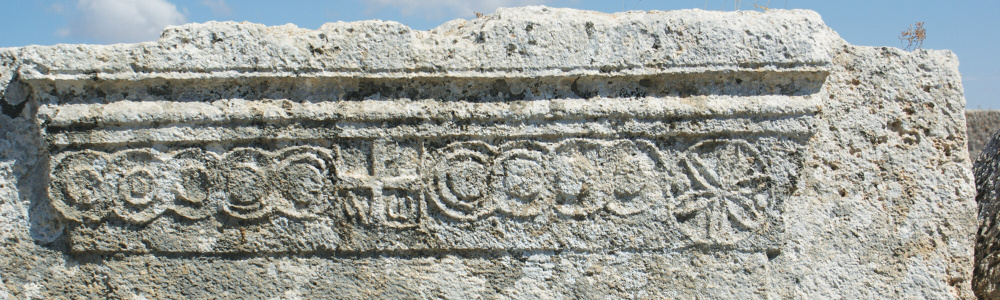
Pp. 47-63: “Baʾude, a World Heritage Site in Northern Syria from the Early Byzantine Era: A Study of the Residential Buildings and Their State of Preservation,” by Afaf Laila and Maamoun Abdulkarim

Baʾude village is part of a network of archaeological villages in northern Syria that are home to numerous well-preserved historical sites from the Roman and Byzantine periods. In 2011, these villages were inscribed on the World Heritage List due to their outstanding cultural significance. Baʾude exemplifies rural life through its architecture and interaction with the natural environment, with houses being the predominant feature of its built heritage. Many of the houses are in good condition due to the use of massive stones in their construction. Several internal facades on the ground floors, overlooking the courtyards, are relatively intact and adorned with diverse decorative styles. These unspoiled architectural elements provide valuable insight into the layout, orientation, size, and design of the houses, while the surrounding environmental factors further enhance the unique character of Baʾude.

ASOR Members with online access: log into ASOR’s Online Portal here. Once logged in, click the JOURNALS tab in the top navigation bar. Tutorials for how to log in to the Online Portal as well as how to navigate to the Portal Journals page can be found here.

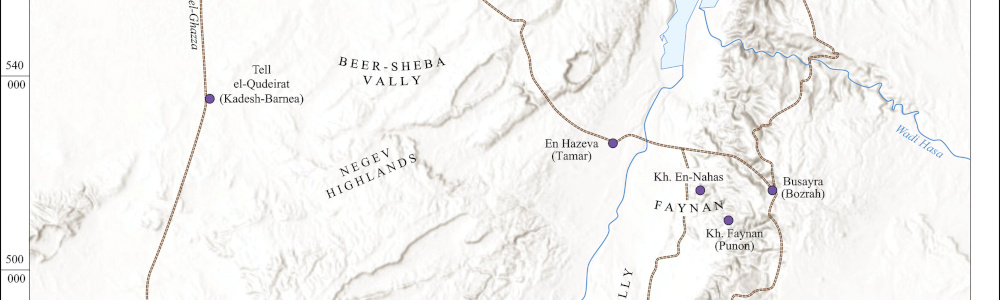
Pp. 65-103: “ʿEn Ḥaẓeva in the Arabah Valley: A “Faynanite” Signature in Late Iron Age I–Early Iron Age IIA Ceramic Assemblages,” by Doron Ben-Ami, Anat Cohen-Weinberger, and Tali Erickson-Gini

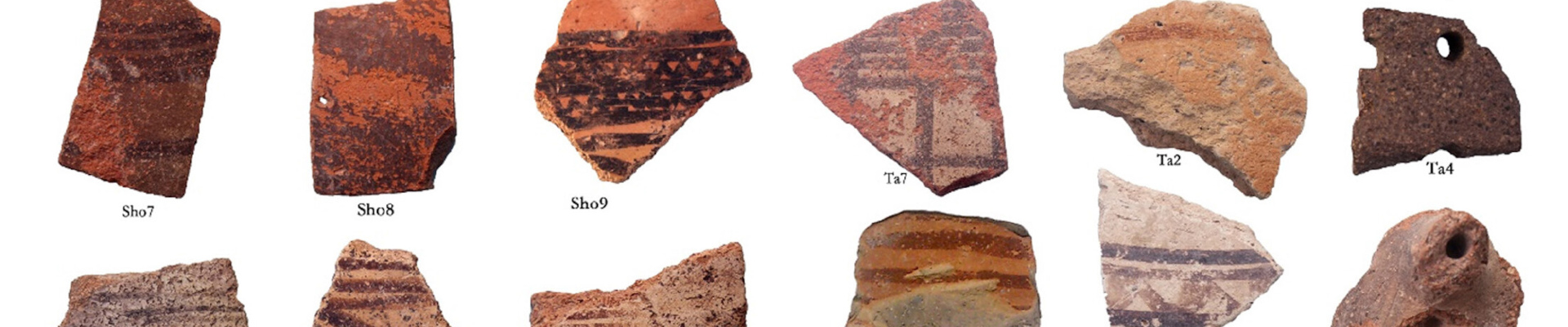
This paper presents the results of typological and petrographic analyses of the ceramic assemblages from ʿEn Ḥaẓeva Strata VIII and VII. The typological analysis concludes that the strata date to the late Iron Age I and early Iron Age IIA, respectively. The petrographic analysis reveals that a substantial percentage of the ceramic assemblage originated in the copper districts of the Arabah Valley. Considered together the analyses indicate that during these two Iron Age phases ʿEn Ḥaẓeva was an integral part of the Faynan district and testify to its essential role in the Arabah Valley’s copper trade network.

ASOR Members with online access: log into ASOR’s Online Portal here. Once logged in, click the JOURNALS tab in the top navigation bar. Tutorials for how to log in to the Online Portal as well as how to navigate to the Portal Journals page can be found here.

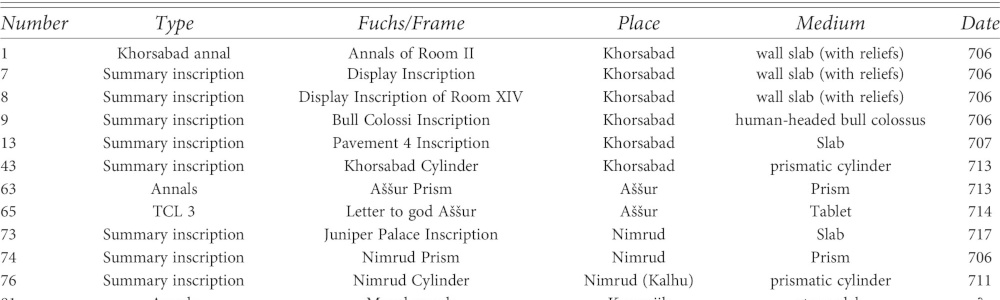
Pp. 105-122: “Sargon II’s Defeat of Egypt: Rhetoric or Historical Facts?,” by Peter Dubovský

The Khorsabad Annals portray Sargon II as an illustrious monarch who, from the outset of his reign, exerted unwavering control over the entire ancient Near East. However, the inscriptions dated to earlier years of Sargon II’s reign do not mention the conquest of Gaza, Samaria, and the defeat of the Egyptian troops attributed to his first regnal years in the Khorsabad Annals. Furthermore, an analysis of the chronology of Sargon II’s campaigns reveals the existence of at least two chronological frameworks prior to 713 b.c. This article addresses the chronological problems of Sargon II’s early reign while focusing on the Egyptian and Assyrian control of the southern Levant. It is argued that the events of the first two years did not take place as described in the Khorsabad Annals, since the annals do not reflect the historical reality of the first years of Sargon II’s reign but rather the status quo of the last years of his reign. To support this conclusion, the article presents literary techniques employed by the scribes of Khorsabad, who composed a new account of Sargon II’s reign.

ASOR Members with online access: log into ASOR’s Online Portal here. Once logged in, click the JOURNALS tab in the top navigation bar. Tutorials for how to log in to the Online Portal as well as how to navigate to the Portal Journals page can be found here.

Pp. 123-158: “Mesha’s Moab: Settlement Patterns and Site Interactions on the Madaba Plateau,” by Andrew J. Danielson, Debra Foran, Stanley Klassen, Heidi Fessler, Grant Ginson, Gregory Braun, Věra Doležálková, and Roselyn A. Campbell

Since the discovery of the Mesha Inscription, the kingdom of Moab has drawn widespread scholarly attention, with numerous surveys and excavations conducted over the past half century. Despite this research, significant questions remain regarding the origins of the kingdom, its structure, and the many settlements and sociopolitical groups that were integrated within the vision of Moab outlined by Mesha. This article presents the preliminary results from a series of archaeological surveys and excavations at several sites on the Madaba Plateau (Khirbat al-Mukhayyat, Khirbat al-Fayha, Khirbat Libb, Tall Maʿin, Khirbat Nitl, and Khirbat ad-Deleilat ash-Sharqiyah). Some of these sites were major settlements in the region during the Iron Age II period, though they have yet to enter scholarly discourse. The introduction of these preliminary summaries presents a significant step in better understanding the region of the Madaba Plateau during the Iron Age II, particularly in relation to site interrelations and hierarchy in the context of the formation of the kingdom of Moab. Preliminary Iron Age data from these sites reveal a system of numerous settlements, fortified sites, and accompanying towers/forts linked via access routes and integrated within an intentional network of intervisibility that bolstered inter-site relations and increased strategic visibility.

ASOR Members with online access: log into ASOR’s Online Portal here. Once logged in, click the JOURNALS tab in the top navigation bar. Tutorials for how to log in to the Online Portal as well as how to navigate to the Portal Journals page can be found here.

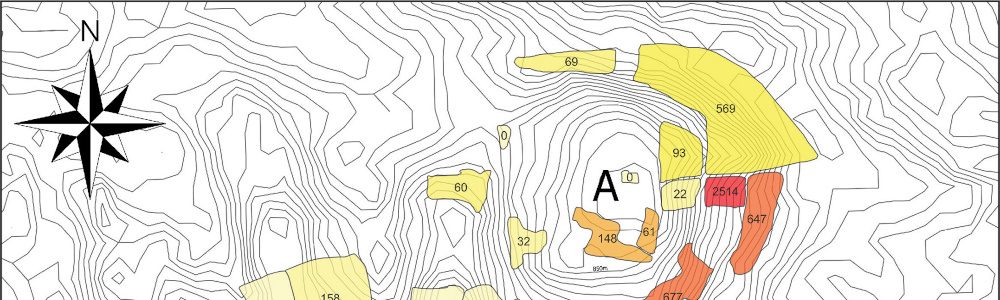
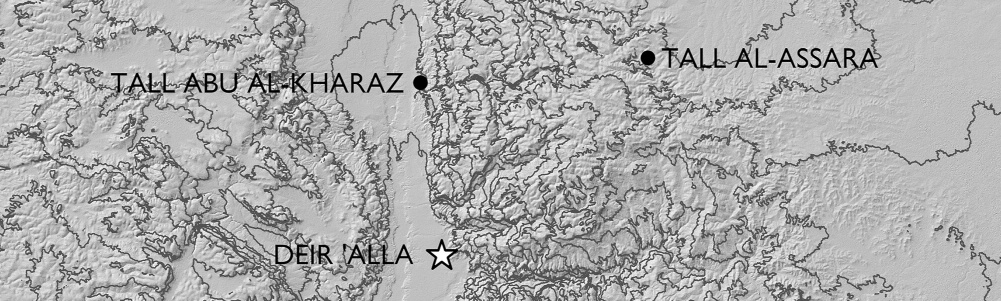
Pp. 159-178: “Connecting and Disconnecting Zones of Interaction in Northern Jordan: Tall al-Assara and Regional Connectivity in the Iron Age IIB–IIC,” by Paula Gheorghiade, Marta Lorenzon, Samuel Reinikainen, Stefan L. Smith, Maher Tarboush, Päivi Miettunen, Paula Kouki, and Antti Lahelma

This study explores landscape mobility among settlements in northwestern Jordan during the Iron Age IIB–IIC periods. Specifically, it considers how interaction changed from the IIB to IIC period in this upland region between the newly discovered site of Tall al-Assara, neighboring settlements, and sites identified during the Tall Yaʾmoun Regional Archaeological Survey (TYRAS) project. The aim is to evaluate how landscape considerations, proximity, and potential for interaction might have shaped cultural affiliations in a region that was, for a period, part of the Neo-Assyrian hinterland. A baseline for mobility across this diverse topography is first established, utilizing a spatial point dataset to model local and regional interactions from Tall al-Assara and four other settlements during the Iron Age IIB and IIC period. Second, the modeling is contextualized with published ceramic and settlement data to assess its robustness. This research contributes to the ongoing scholarly discourse on the interplay between frontier regions as buffer zones for expanding ancient Near Eastern empires, while also highlighting large-scale shifts in occupation during this transformative period.

ASOR Members with online access: log into ASOR’s Online Portal here. Once logged in, click the JOURNALS tab in the top navigation bar. Tutorials for how to log in to the Online Portal as well as how to navigate to the Portal Journals page can be found here.

Pp. 179-194: “Land Tenure and Fiscal Practices in the Aramaic Corpus of Idumea: Bow-Fields and Horse Estates,” by Mitchka Louise Marie Jeanne Shahryari

The Idumean corpus of Aramaic ostraca sheds light on the structured administrative and fiscal system in the region. This publication raised the possibility of the presence of the terms qaštu (“bow-fields”) and, albeit conjecturally, “horse-estates,” which would offer the first concrete evidence of these land-management practices within the fiscal framework of the Idumean region. These findings resonate with other key terms already mentioned by scholars, such as iškaru and references to tax collectors, which underscore the Persian institutional system of taxation, labor organization, workforce allocation, and resource management. The fiscal vocabulary and classifications of landholding revealed in these texts display parallels with Babylonian, Persepolitan, and Egyptian models, while simultaneously reflecting local adaptations. The ostraca thus demonstrate that Idumea was an integrated part of a hybrid imperial structure that linked local agricultural communities to the broader Persian administration.

ASOR Members with online access: log into ASOR’s Online Portal here. Once logged in, click the JOURNALS tab in the top navigation bar. Tutorials for how to log in to the Online Portal as well as how to navigate to the Portal Journals page can be found here.

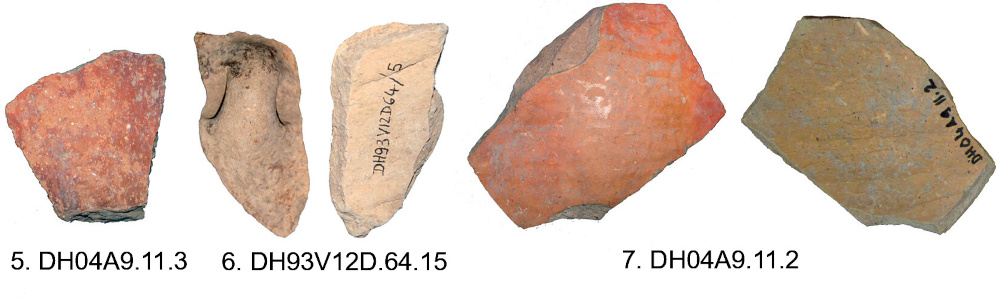
Pp. 195-242: “Dharih (Wadi al-Hasa, Jordan) in the Early Bronze Age: The Evidence from the French-Jordanian Excavations,” by Marta D’Andrea

Dharih, in the modern Tafilah region of southern Jordan, is best known as a signature site for the Nabatean and Roman periods, but the French-Jordanian team that carried out archaeological research there from the 1980s until the 2000s also uncovered evidence of human occupation through the 4th and 3rd millennia b.c.e., in the Early Bronze Age. In Transjordan, this time relates to the development and crisis of early urbanism and to the consequent regional reorganization in the non-urban period. This paper presents the Early Bronze Age evidence uncovered at Dharih, provides a chronological assessment of the finds, and analyzes the 4th and 3rd millennium b.c.e. occupation at the site within a regional context. It discusses how these previously unpublished records for the Early Bronze I–IV (ca. 3800/3700–1950/1920 b.c.e.) may help place the site and its surrounding area into regional patterns of material culture and current narratives for those periods.

ASOR Members with online access: log into ASOR’s Online Portal here. Once logged in, click the JOURNALS tab in the top navigation bar. Tutorials for how to log in to the Online Portal as well as how to navigate to the Portal Journals page can be found here.

2025 Dana Grant Report: Rediscovering Ancient Clay Landscapes


2025 Dana Grant Report: Rediscovering Ancient Clay Landscapes: Geological Prospection for Pottery Making in the Mosul Dam Region

Silvia Amicone, University of Tübingen

In November 2025, thanks to the generous support of the ASOR Stevan B. Dana Project Grant, a geological prospection was conducted along the western shore of the Mosul Dam Lake in the Kurdistan Region of Iraq. This work forms part of the ReLand Project, which investigates the archaeological landscapes of the Upper Tigris region in Iraq through survey, environmental research, and laboratory analysis.

Pottery has been a fundamental element of daily life in northern Mesopotamia for thousands of years. Yet while archaeologists have studied ceramic vessels extensively, much less attention has been given to the natural clay sources that ancient potters relied upon. Today, the shores of the Mosul Dam Lake are undergoing rapid environmental change. Seasonal fluctuations in water levels expose fresh sediment profiles, while erosion threatens to destroy important geological deposits. This moment therefore offers a rare opportunity to document clay sources before they are altered or lost.

During one week of intensive fieldwork, we systematically surveyed wadi banks, and upland slopes. Using GPS mapping, stratigraphic recording, photography, and UAV-based aerial documentation, we identified and recorded clay-rich deposits suitable for pottery production. A total of 32 clays were collected from both residual deposits formed by weathering of local bedrock and fine-grained floodplain sediments associated with wadis (ancient Tigris channels).

These two types of deposits represent different possibilities for ancient ceramic production. Residual clays, often found on slopes and eroded outcrops, are variable in composition and would have required careful preparation by potters. Floodplain clays, in contrast, are finer and more homogeneous, potentially offering highly workable raw materials. Understanding the distribution and properties of these deposits helps us reconstruct how potters selected and managed natural resources. The collected samples will now undergo laboratory analyses, including petrography, X-ray diffraction, and geochemical characterization. Their mineralogical and chemical signatures will be compared with ceramic vessels previously excavated and analyzed at archaeological sites in the region. This comparison will allow us to identify local production, distinguish imported wares, and better understand technological traditions and exchange networks in the Upper Tigris.

By documenting endangered clay landscapes, this project not only advances archaeological science but also highlights the deep connection between environment and human creativity. The ASOR Dana Grant has made it possible to preserve critical geological knowledge and to strengthen long-term research collaboration in the region.

Learn more about the project on their website or follow the ReLand project on Instagram.


Spring 2026 Book Sale

ASOR SPRING BOOK SALE

Spring is in the air, and ASOR is pleased to be holding a spring book sale for publications 2+ years old. All proceeds from book sales will go to supporting membership scholarships!

ASOR members (with a mailing address in the USA) can purchase copies of ASOR books at the discounted price of $5.00 (ca. 90% discount) + $5.00 US media mail shipping, while supplies last. All prices listed below include US media mail shipping. Due to ASOR’s licensing agreement with ISD, this offer is only available to ASOR members. We are unable to offer this discount to members without a US mailing address due to international shipping costs. Please contact membership@asor.org with any questions.

Not an ASOR member? Join as an Associate Member ($46) or Academic Member (starting at $90) first in order to take advantage of these great deals on books. More information on memberships and the benefits associated with each level can be found here.

AASOR-vol-75

AASOR 75: The Amman Theater Statue in its Iron Age Contexts. By Joel S. Burnett, with contributions by Romel Gharib and Don F. Parker. Original price $85.95. Sale price $10.00 (includes US media mail shipping).

Click here to purchase AASOR 75 in ASOR’s Online Store.

AASOR 74 Cover- The Excavations of Iraq Al-Amir, Vol II

AASOR 74: The Excavations of ‘Iraq al-Amir, Volume II. Edited by Nancy L. Lapp, with contributions by Michael S. Zimmerman, Daniel Ulvoczky, Nicholas Hudson, Adam Hartman, and Nancy L. Lapp. Original price $84.95. Sale price $10.00 (includes US media mail shipping).

Click here to purchase AASOR 74 in ASOR’s Online Store.

AASOR 73

AASOR 73: An Examination of the Stratigraphy and Neolithic-Iron Age Pottery from Tel Jezreel, Area A. Edited by Charlotte Whiting and Gloria London. Original price $84.95. Sale price $10.00(includes US media mail shipping).

Click here to purchase AASOR 73 in ASOR’s Online Store.

AASOR72-cover

AASOR 72: Bayt Farhi and the Sephardic Palaces of Ottoman Damascus in the Late 18th and 19th Centuries. Edited by Elizabeth Macaulay-Lewis, with contributions by Ezra Ashkenazie, Jeffery Burden, George H. Lewis, Judith S. McKenzie, and Jason Montgomery. Original price $84.95. Sale price $10.00(includes US media mail shipping). Only two copies left!

Click here to purchase AASOR 72 in ASOR’s Online Store.

AASOR69

AASOR 69: The Archaeology of Agro-Pastoralist Economies in Jordan. Edited by Kevin M. McGeough, with contributions by Robin M. Brown, Alan Farahani, Hannah Huynh, Natalie Mueller, Benjamin W. Porter, Jennifer Ramsay, Kevin Rielly, and Bruce Routledge. Original price $84.95. Sale price $10.00(includes US media mail shipping). SOLD OUT!

Click here to purchase AASOR 69 in ASOR’s Online Store.

AASOR 63- Views from Phlamoudhi, Cyprus

AASOR 63: Views from Phlamoudhi, Cyprus. By Joanna S. Smith. Original price $84.95. Sale price $10.00 (includes US media mail shipping). Only two copies left!

Click here to purchase AASOR 63 in ASOR’s Online Store.

ARS30 cover

ARS 30: Tel Kedesh I: The Hellenistic Archive. By Sharon C. Herbert. Original price $99.95. Sale price $10.00 (includes US media mail shipping).

Click here to purchase ARS 30 in ASOR’s Online Store.

Screenshot

ARS 29: Taanach II: The Iron Age Stratigraphy. By Mark W. Meehl. Original price $89.95. Sale price $10.00 (includes US media mail shipping).

Click here to purchase ARS 29 in ASOR’s Online Store.

ARS 27 Caesarea Maritima Book Jacket- 2020

ARS 27: Caesarea Maritima: Excavations in the Old City 1989-2003. Edited by Kenneth G. Holum. Original price $89.95. Sale price $10.00 (includes US media mail shipping). SOLD OUT!

Click here to purchase ARS 27 in ASOR’s Online Store.

ARS 20 cover

ARS 20: Cyprus and the Balance of Empires: Art and Archaeology from Justinian I to the Coeur de Lion. Edited by Charles Anthony Stewart, Thomas W. Davis, and Annemarie Weyl Carr. Original price $84.95. Sale price $10.00 (includes US media mail shipping). SOLD OUT!

Click here to purchase ARS 20 in ASOR’s Online Store.

ARS 15 cover

ARS 15: Humayma Excavation Project, 1: Resources, History, and the Water-Supply System. By John Peter Oleson. Original price $89.95. Sale price $10.00 (includes US media mail shipping). SOLD OUT!

Click here to purchase ARS 15 in ASOR’s Online Store.

JCSSS 3 cover

JCSSS 3: The Textual Criticism of Sumerian Literature. Edited by Paul Delnero. Original price $89.95. Sale price $10.00 (includes US media mail shipping). SOLD OUT!

Click here to purchase JCSSS 3 in ASOR’s Online Store.

JCSSS-2-cover

JCSSS 2: Texts from the Late Old Babylonian Period. Edited by Seth F. C. Richardson. Original price $75.00. Sale price $10.00 (includes US media mail shipping). SOLD OUT!

Click here to purchase JCSSS 2 in ASOR’s Online Store.

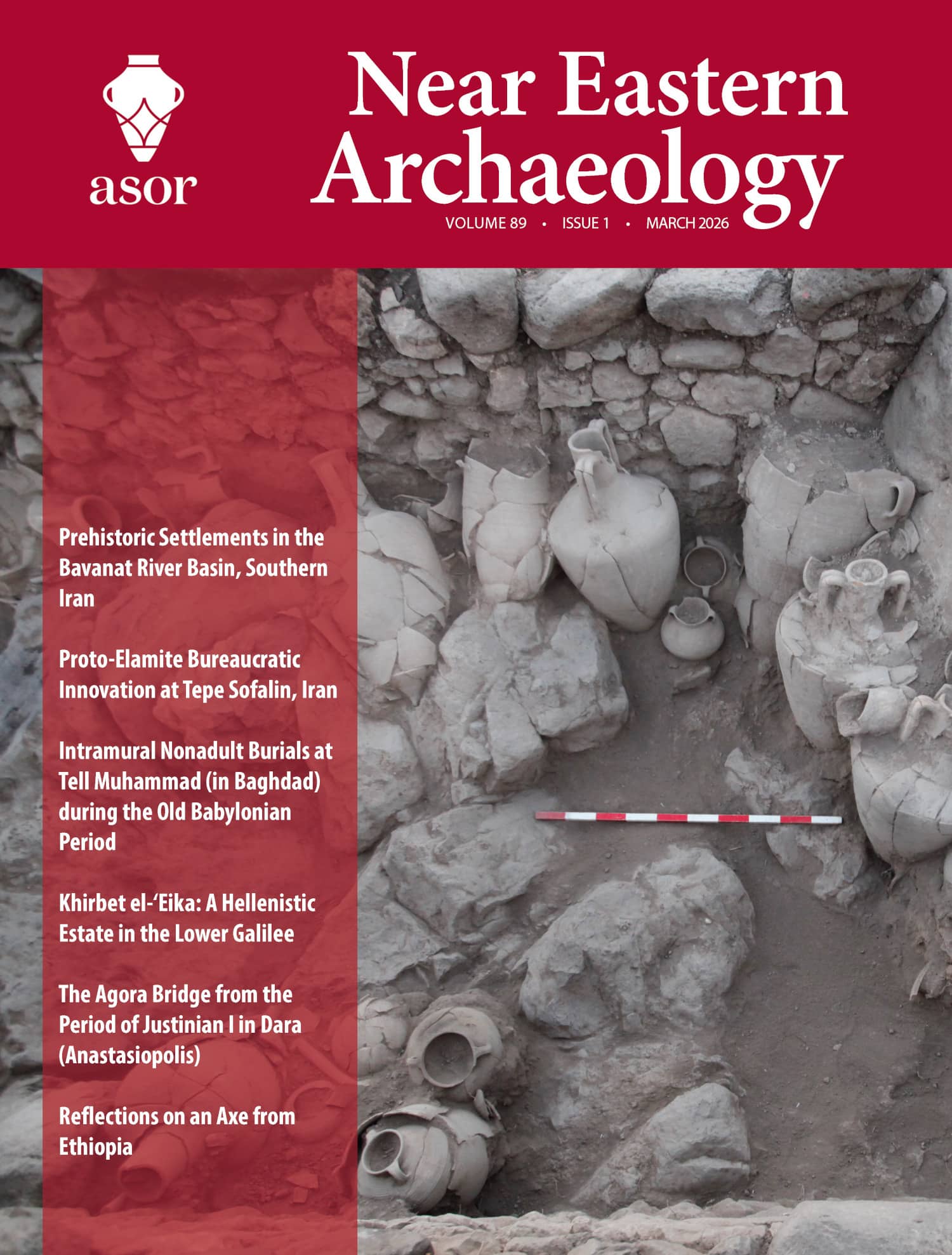
Table of Contents for Near Eastern Archaeology 89.1 (2026)

Table of Contents for Near Eastern Archaeology 89.1 (March 2026)

You can receive NEA(and other ASOR publications) through an ASOR Membership.
Please e-mail the Membership office if you have any questions.

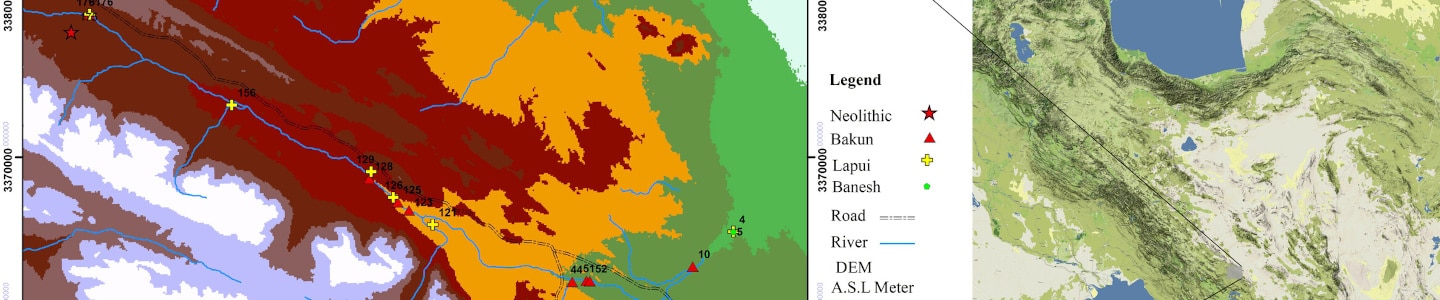
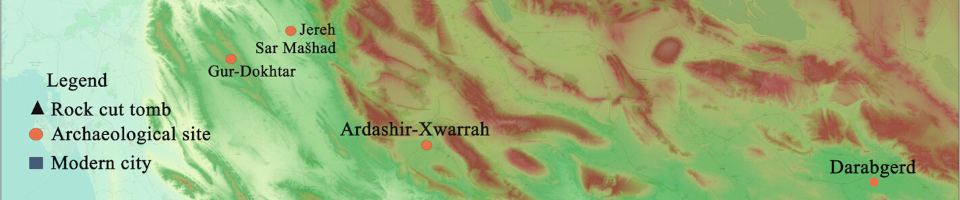
Pp. 4–14: “Evolution, Resilience, and Collapse of Prehistoric Settlements in the Bavanat River Basin, Southern Iran” by Morteza Khanipour, Mohammad Amin Mirghaderi, and Habib Emadi

Small intermontane valleys, like the Bavanat River Basin in southern Iran, are valuable for archaeological research due to their preservation of environmental and social changes. An archaeological survey in 2015 and excavations at the Hormangan site in 2016 revealed 200 sites dating from the Neolithic to the Islamic period. This article examines prehistoric settlements, cultural interactions at both regional and interregional levels, and the key factors influencing settlement formation in Bavanat, a secondary valley, during different prehistoric periods. Additionally, it explores the impact of climatic and social changes on prehistoric communities and their settlement patterns in small valleys. Archaeological evidence indicates that this region was seasonally occupied by hunter-gatherer communities during the Neolithic period as a result of climate changes associated with the 8.2 ka event. In the first half of the sixth millennium BCE, the area was abandoned but was resettled by farming communities in the late sixth millennium BCE. This way of life continued until the mid-fourth millennium BCE. With the rise of urbanization in Iran, settlements in this region, like many other parts of Fars, experienced a significant population decline.

ASOR Members with online access: log into ASOR’s Online Portal here. Once logged in, click the JOURNALS tab in the top navigation bar. Tutorials for how to log in to the Online Portal as well as how to navigate to the Portal Journals page can be found here.
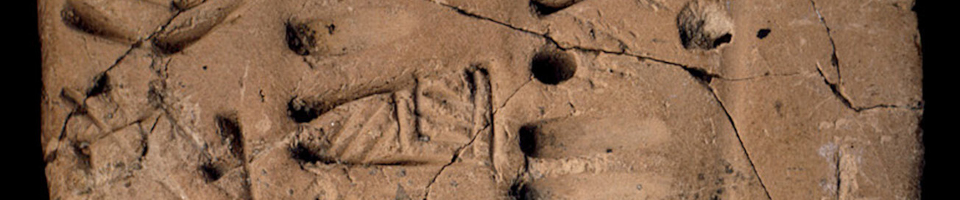
Pp. 16-23: “Script over Sealings: Proto-Elamite Bureaucratic Innovation at Tepe Sofalin, Iran” by Rouhollah Yousefi Zoshk and Morteza Hessari

This study analyzes three Proto-Elamite clay sealings (ca. 3350–2800 BCE) from Tepe Sofalin, Iran, inscribed with written signs rather than traditional seals, to probe early administrative pracricultural practices, and cultural identity of Hellenistic Galilee. Five seasons of excavation revealed a wealthy agricultural estate that flourished in the early second century BCE, complete with storage facilities and evidence of advanced farming practices. The site’s rich material culture reveals fascinating Mediterranean connections such as wine amphorae shipped from Rhodes and Kos, or fine tableware from the Phoenician coast and Asia Minor. The material culture and dietary habits point to a population with strong ties to the Phoenician coast, perhaps a genuine Phoenician population. Likely functioning as a royal land grant, the estate represents the flourishing agricultural economy that characterized Seleucid Galilee. The site’s abrupt abandonment around 144 BCE is probably connected to the internal wars in the Seleucid kingdom, involving also the Maccabees.

ASOR Members with online access: log into ASOR’s Online Portal here. Once logged in, click the JOURNALS tab in the top navigation bar. Tutorials for how to log in to the Online Portal as well as how to navigate to the Portal Journals page can be found here.
Pp. 24-35: “Intramural Nonadult Burials at Tell Muhammad (in Baghdad) during the Old Babylonian Period (1894–1595 BCE): A Preliminary Assessment of Legacy Data” by Sergio G. Russo

This article investigates infant and child burial practices at Tell Muhammad (Baghdad) during the Old Babylonian period (1894–1595 BCE). Using previously published excavation reports, it examines 53 inhumations found within a 0.8 ha area of the ancient settlement. Raw data are evaluated both qualitatively and quantitatively to provide summary statistics and highlight diachronic patterns, while accounting for limitations arising from the lack of detail in the original reports. Despite these gaps, the findings indicate that at the site, nonadult inhumations primarily consisted of jar burials placed in dedicated burial grounds, initially of a residential nature. Finally, this study outlines future research directions: on the one hand, the temporal distribution of the burials might have implications for the site chronology; on the other hand, they supplement data to known burials excavated elsewhere, which can be analyzed on a regional scale to gain more information on the Old Babylonian Mesopotamian funerary landscape.

ASOR Members with online access: log into ASOR’s Online Portal here. Once logged in, click the JOURNALS tab in the top navigation bar. Tutorials for how to log in to the Online Portal as well as how to navigate to the Portal Journals page can be found here.
Pp. 36-46: “Khirbet el-‘Eika: A Hellenistic Estate in the Lower Galilee” by Uzi Leibner and Roi Sabar

Perched on an isolated mountain overlooking the fertile Arbel Valley, Khirbet el-‘Eika offers a rare glimpse into the daily life, agricultural practices, and cultural identity of Hellenistic Galilee. Five seasons of excavation revealed a wealthy agricultural estate that flourished in the early second century BCE, complete with storage facilities and evidence of advanced farming practices. The site’s rich material culture reveals fascinating Mediterranean connections such as wine amphorae shipped from Rhodes and Kos, or fine tableware from the Phoenician coast and Asia Minor. The material culture and dietary habits point to a population with strong ties to the Phoenician coast, perhaps a genuine Phoenician population. Likely functioning as a royal land grant, the estate represents the flourishing agricultural economy that characterized Seleucid Galilee. The site’s abrupt abandonment around 144 BCE is probably connected to the internal wars in the Seleucid kingdom, involving also the Maccabees.

ASOR Members with online access: log into ASOR’s Online Portal here. Once logged in, click the JOURNALS tab in the top navigation bar. Tutorials for how to log in to the Online Portal as well as how to navigate to the Portal Journals page can be found here.
Pp. 48-57: “An Example of the Architectural Integrity of Historical Bridges: The Agora Bridge from the Period of Justinian I in Dara (Anastasiopolis)” by Hüseyin Metin and Ali Özkan

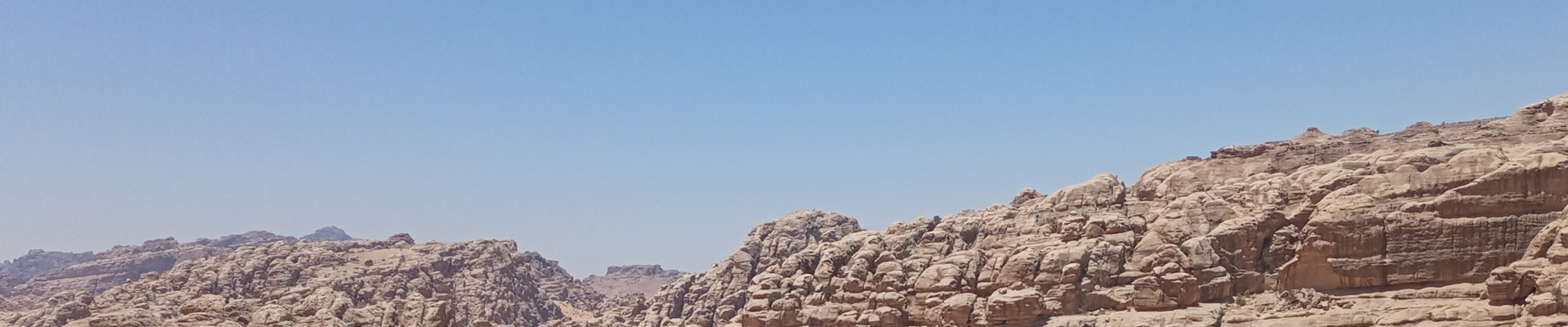
The ancient city of Dara in northern Mesopotamia lies within the borders of the Dara/Oğuz village in the Artuklu district of Mardin province, Türkiye. It was a garrison city established to protect the eastern borders of Byzantium against the Sassanids. Dara exemplifies unusual urban organization for the Byzantine period because a stream passed through the middle of the city, which was surrounded by walls, and the architecture of the city was shaped according to the route of that stream. Bridges were thus of great importance in the city’s architectural organization. A total of three bridges have been identified within the city walls of Dara, while another bridge was built outside the southern gate of the ancient city. In this study, the Agora Bridge of Dara is examined in detail. In addition, the importance of bridges in construction activities in Dara during the period of Justinian I is evaluated.

ASOR Members with online access: log into ASOR’s Online Portal here. Once logged in, click the JOURNALS tab in the top navigation bar. Tutorials for how to log in to the Online Portal as well as how to navigate to the Portal Journals page can be found here.
Pp. 58-64: “Axes as Tools: Reflections on an Axe from Ethiopia” by Aren M. Maeir

This article discusses the function and symbolism of an iron axe from contemporary Ethiopia, and suggests insights regarding axes as tools, weapons, and symbolic items in the Bronze and Iron Age southern Levant.

ASOR Members with online access: log into ASOR’s Online Portal here. Once logged in, click the JOURNALS tab in the top navigation bar. Tutorials for how to log in to the Online Portal as well as how to navigate to the Portal Journals page can be found here.
Friends of ASOR Tours: Philadelphia 2026

FRIENDS OF ASOR TOURS

Behind the Scenes: In Philadelphia

Join Friends of ASOR from April 16-17, 2026 for exclusive, behind-the-scenes access to some of Philadelphia’s premier cultural institutions, featuring expert-led tours and insights into spaces highlighting the archaeology and art of the ancient Middle East and Mediterranean.

Tour itinerary:

Thursday, April 16 | Penn MuseumParticipants will spend the day at the Penn Museum, with guided visits to the Middle East Galleries, the Preserving Assyria exhibition, and the Babylonian and Near Eastern collections. The program will also include access to the museum’s conservation laboratories, offering insight into current preservation and research practices.Friday, April 17 | Barnes FoundationThe second day starts at the Barnes Foundation with a private lecture followed by a behind-the-scenes tour of the Egyptian, Greek, and Roman collections.Friday, April 17 | Philadelphia Art MuseumThe itinerary continues in the afternoon at the Philadelphia Art Museum, with a behind-the-scenes tour with PMA conservators.

Pricing: $325

All ticket prices include a tax-deductible $150 donation to Friends of ASOR.Participants are responsible for their own transportation, hotel, and meals.

Register by clicking here or on the button below. Once you create a login to register, navigate to the top menu, hover over “Events” and select “Browse Upcoming Events.”

Space is limited, so register to secure your spot today!

Please e-mail us or call 703-789-9234 if you need registration assistance or have any questions.

Cancellation Policy

ASOR strongly recommends that all participants purchase travel insurance because ASOR is required to make non-refundable deposits. ASOR cannot be responsible for refunds except as noted below.

All tax-deductible gifts to ASOR’s Friends of ASOR outreach initiatives are irrevocable and thus not refundable.

*Full itinerary is subject to change.

Fieldwork Report: Helen Wong

Mapping Motya in a Day: Urbanism, Identity, and Geophysical Survey

Helen Wong, 2025 Katherine Barton Platt Fellowship Recipient

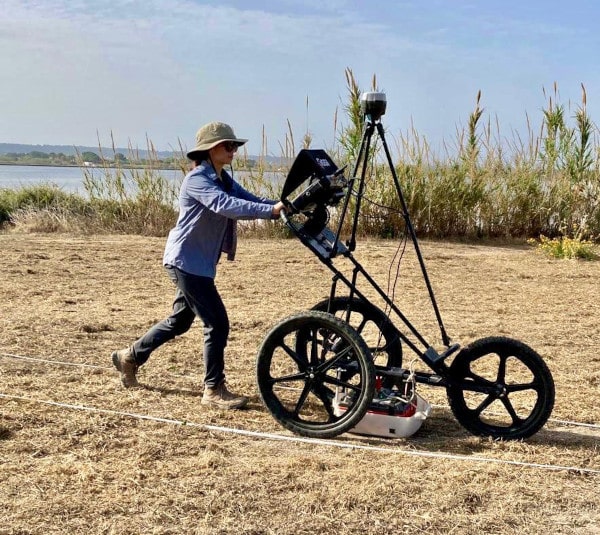
This summer, I joined the excavation team at Motya, a small island off the coast of western Sicily near Marsala, as a digital archaeology specialist with the “Space and Identity in Ancient Motya” project co-directed by Dr. Paola Sconzo and Dr. Jason Herrmann. I was responsible for helping to carry out the ongoing geophysical survey which aims to map the entire layout of the ancient city. Motya was a Phoenician/Punic foundation dating to the 8th century BCE with close ties to Carthage and constant contact with indigenous Italic cultures, creating diverse ethnic and cultural conditions. It is one of the rare examples of a Punic city which was largely not built over in later periods. The aim of the geophysical survey, which has almost mapped the entirety of the city over the last ten years, is to approach the question of cultural diversity and experience at Motya through examining its urban layout and architectural forms, which are distinct from that of native cities in the Sicilian tradition on the island. In this report, I will describe what an average day of work at Motya looked like for me.

Helen Wong conducting ground-penetrating radar survey at Motya, Sicily.

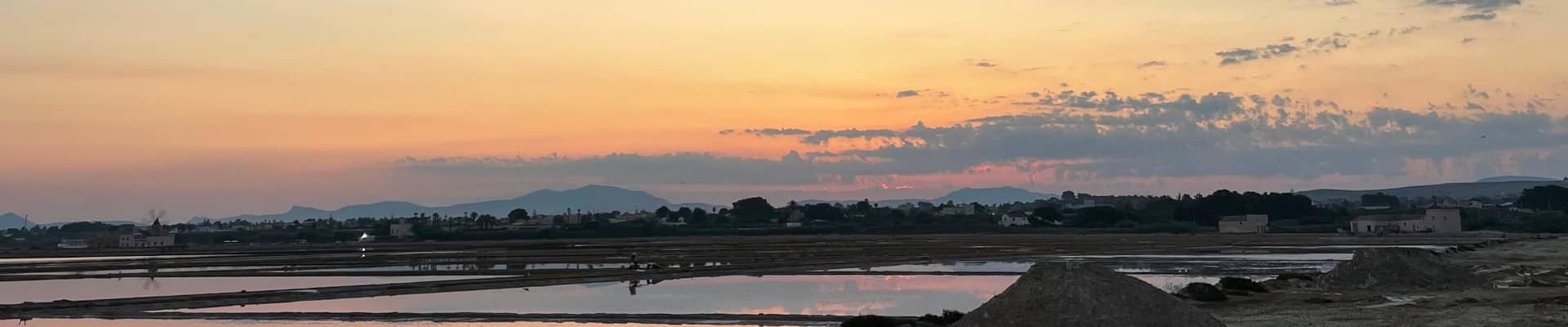
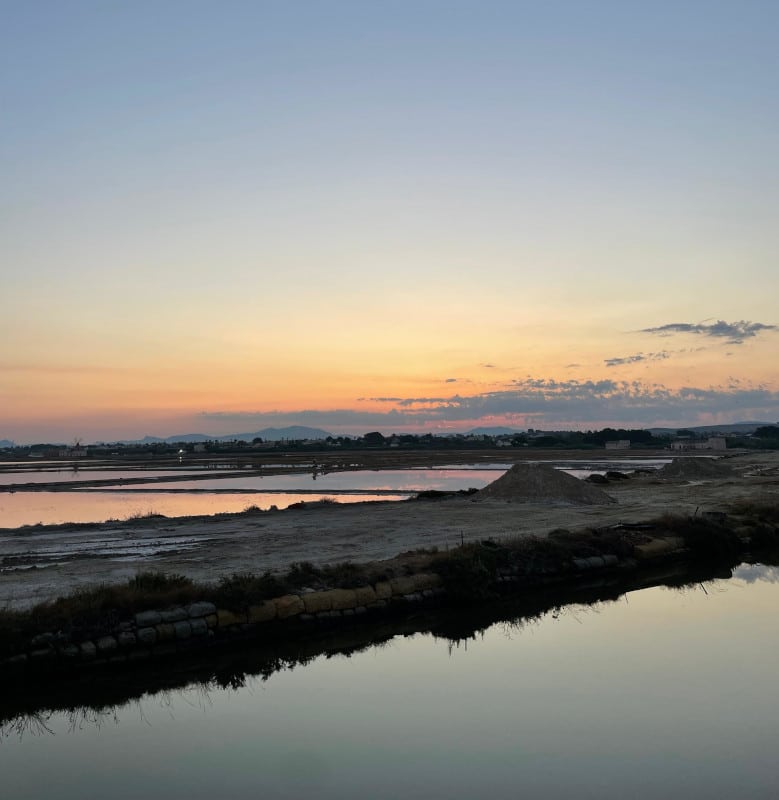
At 5:30am, I would drag myself out of bed. Ideally, we left for the island by 6am–sometimes it was a little later, but that could be made up for by a bit of careful speeding on the road, which was very scenic. The ride down to the dock where we would take a ferry to the island closely followed the coast, so even though we were only half-awake at best, we could still take in the gorgeous scenes of still water reflecting the dawn light. We would drive past the fishermen in their boats, the gulls and little birds diving into the water, and the famous salt flats of Marsala, each one delineated with careful lines of stones. Many of these salt flats are very old, even ancient. Marsala’s high-quality salt is famous, as is the sulphur scent which comes off the flats in the mornings and evenings. I came to associate it with waking up and looking forward to the start of the day.

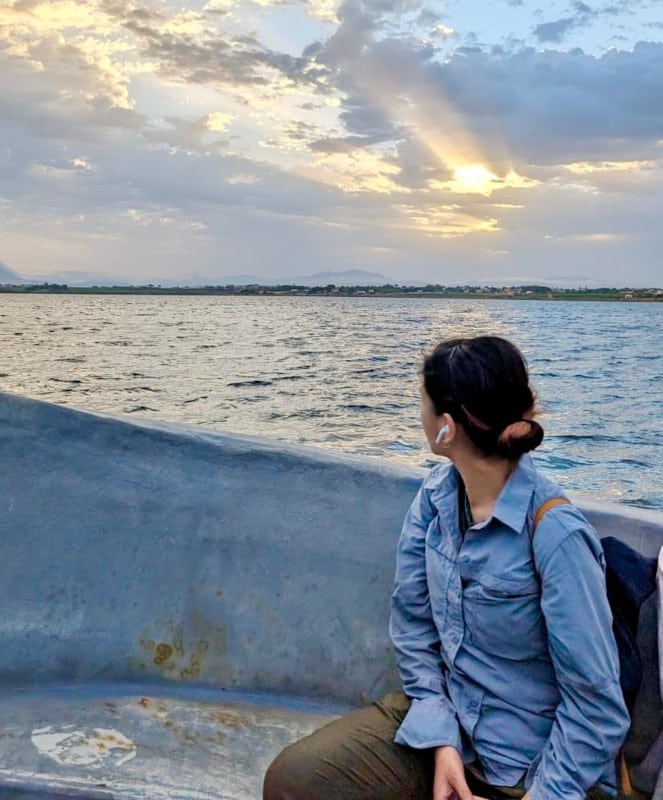
Taking the ferry to the island.

The ferry to the island took about twenty minutes. The passing scenery on the water was very beautiful, and I often found it almost meditative. Once we arrived on the island, the day truly began. We trekked up from the dock to the dig house and before starting anything else, made sure to brew dark, strong coffee. Then we would each go off and sort out our own responsibilities. For me, that meant getting out the magnetometer. We used a Bartington Grad601, a compact instrument with two sensor rods, one on each end of a rigid carrying bar. The instrument is held in front of the user and has a harness which is usually hooked onto a backpack. It is relatively light and easy to carry. The hardest part of its usage is actually very straightforward: in order for the data to be taken correctly, the user has to step in a specific beat, like band marching. When you use the Bartington enough times, it begins to have an effect on your everyday walking. At the end of the day, I would often find that I was walking in the same regulated beat even when I was no longer carrying the instrument.

Picking mulberries from the tree outside the dig house.

The survey area I was focusing on this season was an olive grove to the northeast of the island. I walked the magnetometer between the rows of trees and occasionally ran straight into low-hanging branches. I walked into one hard enough once that it knocked me on my back. Such are the hazards of keeping your head down to make sure you’re stepping in time.

The salt flats.
The salt flats.

The data, once processed, made the many times I banged myself into a tree or two worth it. The magnetometry revealed major roads in line with those in other parts of the city, as well as some walls which suggest building foundations. Larger scholarly understanding of Punic urban architecture is actually fairly limited, so this kind of data makes a significant contribution to the subject. At the end of the day, I and my teammates would pack everything up: the ropes used to delineate where I would walk, the magnetometer going back in its case, my water bottle and sunscreen dropped unceremoniously in my bag. We would take the ferry back at 6pm, be back at our accommodations by 7pm, and then have a hearty, much looked-forward-to dinner. And then we’d do it all again tomorrow.

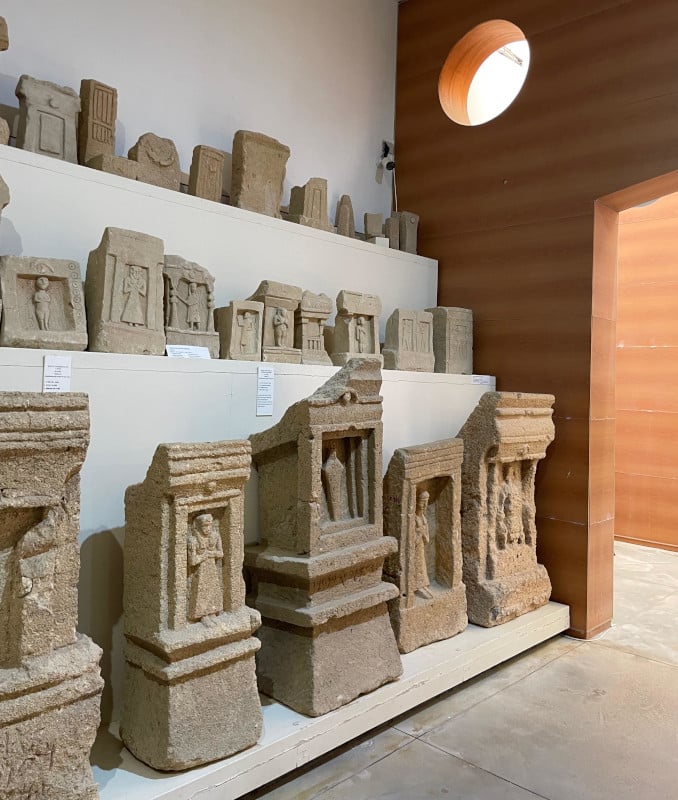
Tombstones from Motya's necropolis.

Helen Wong is a PhD candidate in the Art and Archaeology of the Mediterranean World (AAMW) program at the University of Pennsylvania. Her dissertation focuses on funerary rituals and mortuary landscapes in Hellenistic Phoenicia. She is currently the Bothmer Fellow in Greek and Roman Art at the Metropolitan Museum of Art.

Want to help more students and early career archaeologists get into the field? Donate to the cause today by selecting “Fieldwork Scholarships” as your gift purpose!

Table of Contents for Near Eastern Archaeology 88.4 (2025)

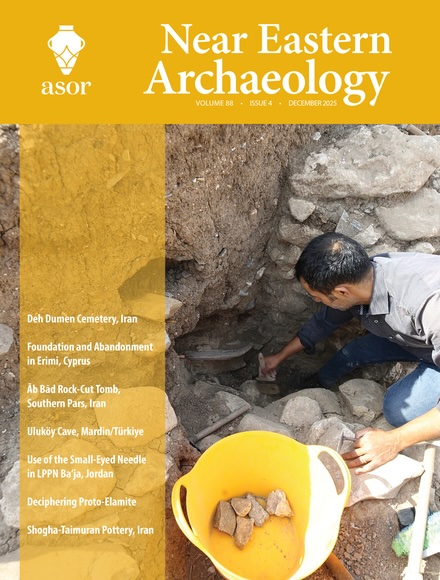
Table of Contents for Near Eastern Archaeology 88.4 (December 2025)

You can receive NEA (and other ASOR publications) through an ASOR Membership.
Please e-mail the Membership office if you have any questions.

Pp. 260–271: “Burial Practices of the Bronze Age: An Archaeological Study of the Deh Dumen Cemetery in Southern Zagros, Iran” by Reza Naseri and Morteza Khanipour

Recent rescue excavations at the Deh Dumen cemetery near the Khersan III Dam in the southern Zagros identified 20 graves. This study, based on the first excavation season, sheds light on burial practices and cultural connections of local people in the Bronze Age. Likely within Elamite territory, the cemetery includes stone and jar graves for different social groups. The excavations yielded nearly 145 artifacts, including pottery, metal, and stones. The presence of imported items, such as lapis lazuli from Central Asia and metal artifacts from the Indus Valley, indicates extensive trade relations and cultural contacts with southeastern and northeastern Iran. These findings suggest that the Zagros region had access to a trade route connecting East and West and maintained strong connections with other Elamite communities during the Bronze Age. PLEASE NOTE: This article contains images of human skeletal remains.

ASOR Members with online access: log into ASOR’s Online Portal here. Once logged in, click the JOURNALS tab in the top navigation bar. Tutorials for how to log in to the Online Portal as well as how to navigate to the Portal Journals page can be found here. 

Pp. 272-281: “Time Capsules: Evidence for Foundation and Abandonment Practices at Middle Bronze Age Erimi, Cyprus” by Luca Bombardieri and Marialucia Amadio

This article focuses on the analysis of settlement building and abandonment activities and their impact on the formation of community ideologies and ideas. Specifically, the evidence of social practices will be discussed for Prehistoric Cyprus, taking the example of the Middle Bronze Age community at Erimi in South coastal Cyprus. Through the discussion of specific evidence recovered from the workshop complex and domestic areas at this site, we aim to explore the possible connection of construction and abandonment activities with ritualized practices performed by the community to ensure and sustain long-term social cohesion and construct social memory and communal identity.

ASOR Members with online access: log into ASOR’s Online Portal here. Once logged in, click the JOURNALS tab in the top navigation bar. Tutorials for how to log in to the Online Portal as well as how to navigate to the Portal Journals page can be found here.

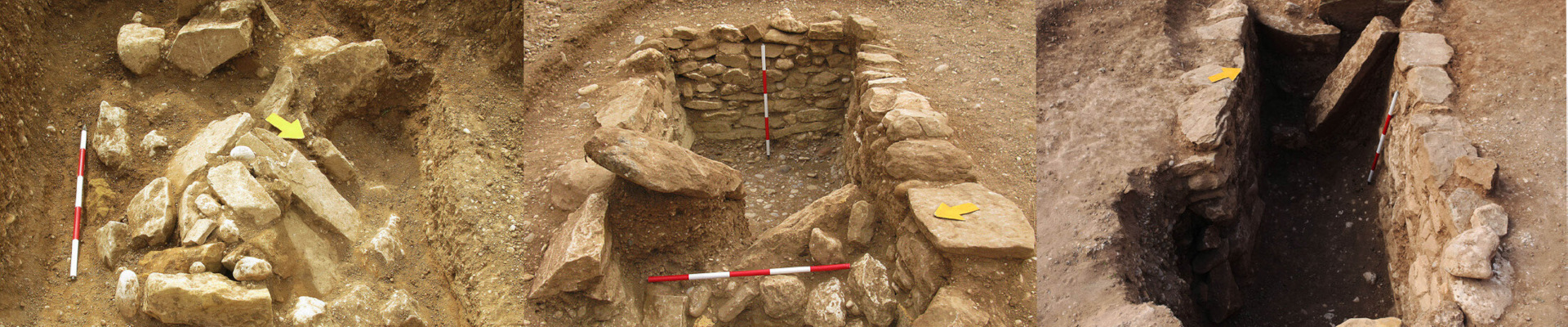
Pp. 282-291: “Āb Bād Rock-cut Tomb: Tracking Post-Achaemenid Burial Customs in Qir-o Karzin, Southern Pars, Iran” by Parsa Ghasemi, Leila Ghasemi, Alireza Mehrabi, and Aziz Rezaei

This article examines a newly discovered rock-cut tomb in Āb Bād village, Qir-o Karzin county, Iran. The tomb features a simple design with a single chamber and a burial cavity, or cist. Its facade is constructed with three overlapping rectangular registers in a stepped arrangement, devoid of decoration or relief. This reflects architectural continuity from Achaemenid rock tombs (550–330 BCE). Based on current survey evidence, it is highly probable that the construction of this tomb dates to the post-Achaemenid period (330 BCE–224 CE) and likely belonged to a high-ranking local ruler or noble of Pars under the Parthian Empire.

ASOR Members with online access: log into ASOR’s Online Portal here. Once logged in, click the JOURNALS tab in the top navigation bar. Tutorials for how to log in to the Online Portal as well as how to navigate to the Portal Journals page can be found here. 

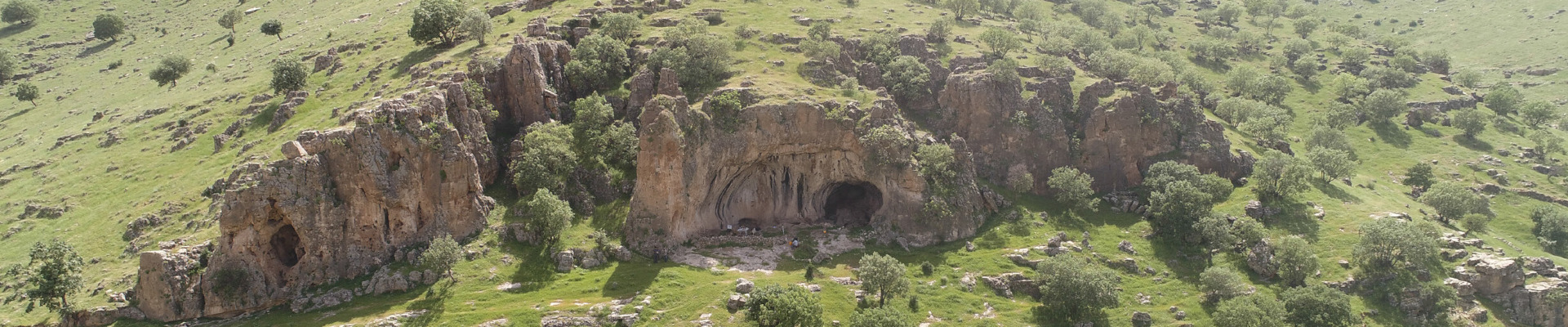
Pp. 292-303: “First Observations on the Excavations in the Terrace Area of Uluköy Cave, Mardin/Türkiye” by Ergül Kodaş, Eşref Erbil, Charlotte Labedan Kodaş, and Mehmet Şan

The emergence of sedentary societies in southeastern Anatolia has been the focus of numerous studies in recent years, particularly those concentrating on Early Neolithic mound settlements located along the riverbanks of the Euphrates Basin and the Tigris Valley. However, research on the Late Epipaleolithic communities in this region remains limited. Currently, our knowledge of the early phase of the transition to sedentary lifestyle in southeastern Anatolia is based on information gathered from only five archaeological sites, most of which are situated along the Tigris: Körtik Tepe, Çemka Höyük, Boncuklu Tarla, Biris Mezarlığı, and Söğüt Tarlası. Recently, the excavation of Ulukoy Cave in 2023 and 2024, located in the Mardin Range, led to the discovery of Epipaleolithic architectural features and lithic tools in its terrace. This article presents our initial observations from this archaeological site.

ASOR Members with online access: log into ASOR’s Online Portal here. Once logged in, click the JOURNALS tab in the top navigation bar. Tutorials for how to log in to the Online Portal as well as how to navigate to the Portal Journals page can be found here. 

Pp. 304-312: “Potential Use of the Small-Eyed Needle from Late Pre-Pottery Neolithic Baʿja in Jordan” by Bellal Abuhelaleh, Hans G. K. Gebel, Carmela Vaccaro, and Ursula Thun Hohenstein

The Pre-Pottery Neolithic sites in Jordan represent important stages in the evolution of human social structures in the Middle East. These sites reveal a remarkably complex social differentiation, as well as cultural and technological advances that paved the way for stratified socioeconomic structures in the Transjordanian Highlands. One important Late Pre-Pottery Neolithic site is Baʿja (ca. 7200–6800 BCE). Dr. Hans K. Gebel and his team from the Free University of Berlin first excavated Baʿja in 1984. Excavations resumed in 1997 and continue today. This article examines a particular bone tool: a very thin, cylindrical eyed needle, recovered in the lowermost layer of Baʿja stratigraphy. The object is notable for its dimensional smallness. In order to gather more information about its possible production technique and use, the researchers conducted a scientific experiment to produce a replica similar to the original Baʿja eyed needle.

ASOR Members with online access: log into ASOR’s Online Portal here. Once logged in, click the JOURNALS tab in the top navigation bar. Tutorials for how to log in to the Online Portal as well as how to navigate to the Portal Journals page can be found here. 

Pp. 314-323: “Recent Progress in Deciphering Proto-Elamite” by M. Willis Monroe, Kathryn Kelley, Logan Born, and Anoop Sarkar

Within about a century of the earliest inventions of writing in southern Iraq and Egypt at the end of the fourth millennium BCE, a third writing system was invented in southwestern Iran. This writing is called proto-Elamite, and it has remained undeciphered, even though a large number of tablets (now over 1,700) have been available for study since the early twentieth century. The name proto-Elamite is a conventional label, not meant to imply a known language, that was coined by V. Scheil. Proto- Elamite is a distinct corpus from the much later Linear Elamite writing system. With increasing digital documentation of this corpus, new avenues of research have opened, and over the past five years an interdisciplinary team of researchers has been making insights by combining traditional knowledge of the corpus with techniques developed in computational linguistics.

ASOR Members with online access: log into ASOR’s Online Portal here. Once logged in, click the JOURNALS tab in the top navigation bar. Tutorials for how to log in to the Online Portal as well as how to navigate to the Portal Journals page can be found here. 

Pp. 324-337: “Insights into Shogha-Taimuran Pottery: Exploring Making Centers and Cultural Significance” by Habib Emadi and Ali Aarab

The Shogha-Taimuran period refers to the second half of the second millennium BCE in the Kur River Basin of southwestern Iran, characterized by two visually distinct yet contemporaneous pottery types. To elucidate the causes of these distinctions, Neutron Activation Analysis (NAA) and X-ray Fluorescence (XRF) were conducted on the samples. Previous researchers posited Tol-e Darwazeh as the production center for Shogha-Taimuran pottery. However, this study reveals that Tol-e Taimuran also served as a production center, indicating different origins for some Taimuran pottery types and reflecting two distinct pottery traditions in the mid-second millennium BCE (Middle Elam). Analyses of Taimuran pottery, alongside other site findings, indicate connections with other areas, positioning Tol-e Taimuran as a potential main center for Shogha-Taimuran culture following the abandonment of Tol-e Malyan.

ASOR Members with online access: log into ASOR’s Online Portal here. Once logged in, click the JOURNALS tab in the top navigation bar. Tutorials for how to log in to the Online Portal as well as how to navigate to the Portal Journals page can be found here. 

Honors and Awards Committee Seeks New Members

Honors and Awards Committee Seeks New Members

The Honors and Awards Committeeseeks nominations to serve on the G. Ernest Wright Book Award sub-committee. ASOR invites nominations, including self-nominations, from ASOR members who are interested in being considered by the committee for these openings. Committee members will serve a three-year term with the possibility of two consecutive terms. Nominees must fill out the online form by January 30, 2026. The Honors and Awards Committee takes responsibility for determining the awardees for the three book awards, the field archaeology award, the “best poster” and “best student paper” awards, and the multiple membership service awards that ASOR gives annually; conducting the awards ceremony during the Members’ Meeting at the ASOR Annual Meeting; and discussing and advising the ASOR Board of Trustees about ASOR’s awards, including recommending to the Board the creation of new awards as deemed appropriate.

Three candidates are sought for the G. Ernest Wright Award sub-committee. This award is given to the author/editor of the most substantial volume(s) dealing with archaeological material, excavation reports and material culture from the ancient Near East and Eastern Mediterranean. This work must be the result of original research published within the past two years. (One award is given annually.) Candidates may also serve on the Joy Ungerleider Poster or Student Paper Award sub-committees.

Preference will be given to candidates who complement the research specialities of the existing committee members.

In order to receive full consideration by the committee the online form must be submitted by noon EST on January 30, 2026. For questions and concerns, please contact Moni Islam (info@asor.org).

Table of Contents for BASOR 394 (November 2025)

Table of Contents for Bulletin of ASOR 394 (November 2025)

You can receive BASOR(and other ASOR publications) through an ASOR Membership.
Please e-mail the Membership office if you have any questions.
BASOR-394-article-1-banner
Pp. 1-24: “Boulos el-ʿAraj: A Palestinian Quaker Archaeologist of the British Mandate Era (1926–1936),” by Jeffrey R. Zorn

Until recently, the work of Middle Easterners on archaeological projects in Palestine, and southwestern Asia and Egypt more broadly, during the period of colonialist control between the World Wars (1918–1939) has largely gone unnoticed, undocumented, and uncelebrated. However, over the last decade scholars have begun to take a long overdue interest in this subject, resulting in the appearance of an increasing number of publications addressing archaeology’s colonialist past. Egyptians, working both in Egypt itself and on projects in the Levant, have received the most attention so far. However, more work is now appearing on the roles of Palestinians during this turbulent time. This article documents and contextualizes the career of Boulos el-ʿAraj, a young Palestinian man active in British Mandate-era archaeology from ca. 1926–1936. Despite the number of excavations on which he worked, and his reputation at the time, he remains a mostly unknown figure, often going unmentioned in even recent articles dealing with Palestinian archaeologists of that era (for example, Abu Alsaud 2022, 2024), which makes documenting his career especially important.

ASOR Members with online access: log into ASOR’s Online Portal here. Once logged in, click the JOURNALS tab in the top navigation bar. Tutorials for how to log in to the Online Portal as well as how to navigate to the Portal Journals page can be found here.
BASOR-394-article-2-bannerPp. 25-42: “Unveiling the Obscure: Exploring the Function and Meaning of Levantine Shrine Models through an Ethnoarchaeological Lens,” by Itamar Weissbein

This article examines pottery vessels commonly referred to as “shrine models” or “portable shrines,” which were found throughout the Bronze and Iron Age Levant. While these vessels are often recognized for their significant religious importance, their exact functions and meanings remain unclear to modern scholars. This study aims to offer new insights into these questions by drawing on ethnoarchaeological parallels from India, suggesting that these vessels may have served as symbolic dwellings for the spirits of deities or the deceased and offering insights into potential associated religious rituals.

ASOR Members with online access: log into ASOR’s Online Portal here. Once logged in, click the JOURNALS tab in the top navigation bar. Tutorials for how to log in to the Online Portal as well as how to navigate to the Portal Journals page can be found here.
BASOR-394-article-3-bannerPp. 43-71: “Paleoenvironment and Fruit Tree Horticulture at Early Bronze Age Tel Bet Yerah: Evidence from Charcoal Remains,” by Eshel Mor, Raphael Greenberg, and Dafna Langgut

This article presents the first detailed examination of a charred wood assemblage from Early Bronze Age I–III Tel Bet Yerah (ca. 3700–2500 B.C.E.). The wood-anatomy identification of the charcoal remains aims to reconstruct the nearby natural and horticultural arboreal environment as well as the long-term human-environment relations at the site and beyond it. The assemblage provides evidence for substantial fruit-tree horticulture, mainly of olive and fig. In addition, there is evidence for exploitation of a well-developed Mediterranean woodland in the site’s vicinity, as well as of a riparian habitat. The assemblage also includes taxa rarely encountered in the regional archaeobotanical record, such as pomegranate. The transition from village to urban settlement in the Early Bronze II (ca. 3100–2850 B.C.E.) shows changes in the charred wood assemblage that parallel economic, cultural, and environmental changes evidenced in the settlement layout and other findings. Evolving cultural-economic interactions between local and “Khirbet Kerak” populations during the first part of the Early Bronze III (ca. 2850–2700 B.C.E.) are also indicated. The study also offers a general land-use scheme for the site, based on the data that emerged from this research combined with the results of other relevant paleoenvironmental and archaeobotanical studies.

ASOR Members with online access: log into ASOR’s Online Portal here. Once logged in, click the JOURNALS tab in the top navigation bar. Tutorials for how to log in to the Online Portal as well as how to navigate to the Portal Journals page can be found here.
BASOR-394-article-4-bannerPp. 73-99: “Reassessing the Levantine Tradition of Early Bronze III Bone Tubes: The View from Tell el-Hesi,” by Geoffrey Ludvik, Kara Larson, and Jeffrey A. Blakely

Incised bone tubes are an important class of artifacts associated with the 3rd millennium B.C.E. throughout the Near East and eastern Mediterranean. Typically made of ovicaprine or cattle long bones and decorated with a series of incised motifs, bone tubes are a rare find in Early Bronze (EB) elite burial and settlement contexts. New work at Tell el-Hesi, Israel, has shown that a specialized bone tube workshop was present at the site, operating only during the southern Levantine EB IIIA (2800–2700 B.C.E.). This article provides a reassessment of the Levantine tradition of bone tube manufacture and design based on the existence of the Tell el-Hesi workshop. The authors provide a detailed description of the workshop’s stratigraphic context, review its chaîne opératoire, and, using the established baseline of morphometric variation characterizing its workshop style/tradition, compare bone tubes produced elsewhere to this known production center. It is thereby demonstrated that a subset of bone tubes from other sites in the Near East share morphometric proportions, motif sequences, styles, and techniques with Tell el-Hesi. The authors interpret these artifacts as products of the Hesi workshop, providing a chronological anchor for their contexts and evidence for a bone tube exchange operating during the EB IIIA period.

ASOR Members with online access: log into ASOR’s Online Portal here. Once logged in, click the JOURNALS tab in the top navigation bar. Tutorials for how to log in to the Online Portal as well as how to navigate to the Portal Journals page can be found here.
BASOR-394-article-5-bannerPp. 101-121: “Empires, Local Traditions, and the Spread of Knowledge: A Case Study in Water Management in Early Islamic Palestine,” by Azriel Yechezkel, Gideon Avni, Bethany Walker, Meir Rotter, Yoav Negev, and Yuval Gadot

Qanat technology, most likely originating on the Iranian Plateau or in the Arabian Peninsula around the 2nd millennium B.C.E., diffused in a wave-like pattern across Eurasia over various periods throughout history, reaching the southern Levant as late as the 8th century C.E. This unique water extraction technology is based on the diversion of water from underground aquifers over great distances through man-made subterranean tunnels. It is particularly efficient in alluvium soil in arid to hyper-arid regions. This study presents a unique example of a qanat-like system found in the Judean Hills of Israel, an area characterized by a different water management tradition, based on the use of natural springs and the modification of their sources through artificial tunneling. This article argues that the knowledge and use of qanat technology in the Mediterranean area of the Judean Hills bear evidence for a top-down attempt to introduce new water management technology in the Early Islamic period. The construction of this qanat-like underground system was intended to increase the resilience of the new road network of Early Islamic Palestine, particularly the road connecting Jerusalem and Ramla.

ASOR Members with online access: log into ASOR’s Online Portal here. Once logged in, click the JOURNALS tab in the top navigation bar. Tutorials for how to log in to the Online Portal as well as how to navigate to the Portal Journals page can be found here.
BASOR-394-article-6-bannerPp. 123-145: “The “Last” Canaanean Blades: Some Insights from the Early Bronze IV Site of Khirbet Um al-Ghozlan in Jordan,” by Francesca Manclossi and James Fraser

A new study of materials recovered from the British Museum excavations at Khirbet Um al-Ghozlan in Jordan offers new insights into the production and use of Canaanean blades during the Early Bronze Age IV (EB IV) period in the southern Levant. The specialized purpose of the site, which was probably occupied seasonally for the annual production and temporary storage of olive oil, presents a unique window to observe changes in the Canaanean blade system in the 3rd millennium B.C. The assemblage suggests a significant continuity in Canaanean blade production and circulation despite the abandonment of the region’s proto-urban centers and the reconfiguration of economic, political, and social systems that defined the period of ruralization that followed. These blades, produced by a small number of flint specialists, were easily acquirable, never completely exploited, rarely recycled as ad hoc tools, and probably used for activities other than cereal harvesting. The examples at Khirbet Um al-Ghozlan suggest that some EB IV communities had a versatile tool kit, adaptable to other roles than as curved and composite sickles, which enabled them to exploit different environmental zones between the Jordan Valley floor and the uplands of the adjacent escarpment above.

ASOR Members with online access: log into ASOR’s Online Portal here. Once logged in, click the JOURNALS tab in the top navigation bar. Tutorials for how to log in to the Online Portal as well as how to navigate to the Portal Journals page can be found here.
BASOR-394-article-7-bannerPp. 147-160: “Motifs of Drought in Ugaritic Narratives,” by František Válek

This paper discusses the motifs of drought as they appear in Ugaritic narratives, namely the Baʿlu Cycle, Epic of ʾAqhatu, and Epic of Kirtu. It argues that the recurring character of these motifs can indicate that the author(s) of these compositions could have reacted to the environmental changes emerging at the end of the Late Bronze Age. Apart from discussing the relevant passages of these texts, the paper sets them within the broader cultural, political, and environmental milieu of the Late Bronze Age world. It is argued that while the author(s) might have also been inspired by existing literary lore (such as Atraḫasīs or Hittite myths of disappearing deities), the climate change, droughts, and consequent food shortages underscore the social relevance of recounting such stories. The Ugaritic narratives are discussed in the perspective of the theory of social myths, directing our attention to the social relevance of myths and the intentions of social actors. In this case, the social significance might have been in the pondering of a variety of cosmological meanings and causes in order to address the challenges and boost the social and political resilience of the Kingdom of Ugarit.

ASOR Members with online access: log into ASOR’s Online Portal here. Once logged in, click the JOURNALS tab in the top navigation bar. Tutorials for how to log in to the Online Portal as well as how to navigate to the Portal Journals page can be found here.

BASOR-394-article-8-bannerPp. 161-196: “Magic in the Levant: On Some Late Antique Amuletic Plaque-Pendants,” by Alexandra Uscatescu and Alexander Bar-Magen Numhauser

The recent translation of an inscribed magical amulet with an Aramaic text found in the macellum of Gerasa (Jerash, Jordan) presents new evidence on magical practices at the end of Late Antiquity and allows for the re-assessment of a particular group of bronze amulets made in the Syrian-Palestinian region. This analysis offers a thorough review of our knowledge about the whole group of amuletic plaque-pendants, especially regarding the syncretic aspects of this craft. Therefore, the following paper proposes to adjust the definition of this group’s features to a new typology.

ASOR Members with online access: log into ASOR’s Online Portal here. Once logged in, click the JOURNALS tab in the top navigation bar. Tutorials for how to log in to the Online Portal as well as how to navigate to the Portal Journals page can be found here.

BASOR-394-article-9-bannerPp. 197-219: “The Site of Gird Qalachogan, Iraqi Kurdistan: Salvage Excavations and Survey,” by Petra M. Creamer, Kyra Kaercher, Glynnis Maynard, Nader Babakr, Jason Ur, Rafeeq Bradosti, Khalil Barzinjy, and Timothy Matney

Gird Qalachogan is a mounded settlement in Iraqi Kurdistan located just north of Erbil’s city limits. It was primarily occupied in the Middle and Late Bronze Age, reaching a size of around 14 ha. Recent damage inflicted on the site by local construction projects has put its preservation in a dire situation, with parts of the mound being carved away by backhoe cuts. Salvage excavations were carried out in 2022 with the intent of defining and identifying features revealed in cuts on the western edge of the mound. A survey of the site and surface collections were also carried out to form a comprehensive understanding of Qalachogan’s extent and occupation periods. This article presents the results of both investigations, concluding that the site was likely once an important Bronze Age center in the 2nd millennium B.C.E. with non-sequential phases of occupation into Islamic periods. Notable finds include a monumental building and vaulted tomb dating to the Middle Bronze Age and an in-situ cremation burial potentially belonging to the Late Bronze Age.

ASOR Members with online access: log into ASOR’s Online Portal here. Once logged in, click the JOURNALS tab in the top navigation bar. Tutorials for how to log in to the Online Portal as well as how to navigate to the Portal Journals page can be found here.

Table of Contents for Maarav 29.1-2 (2025)

Table of Contents for Maarav 29.1-2 (2025)

Maarav.29.2025.cover
You can receive Maarav(and other ASOR publications) through an ASOR Membership.
Please e-mail the Membership office if you have any questions.

Pp. 1-25: ““The Anger of the Queen Has Gone Forth”: Ilimilku’s Warning to Urtenu in a Ugaritic Piggyback Letter (RS 94.2406 [KTU3 2.88])” by Heath D. Dewrell

The present essay begins with a reexamination of a “piggyback” letter from Late Bronze Ugarit, RS 94.2406 (KTU3 2.88), offering a fresh edition of this letter from an unnamed queen of Ugarit to Urtenu that contains a second letter from a certain Ilimilku to the same appended to the end. The edition presented here notes a previously unacknowledged difficulty that, once recognized and accounted for, serves to reveal a degree of tension between the queen of Ugarit and Ilimilku, her scribe. Once properly understood, it becomes clear that Ilimilku’s piggyback letter at the very least recontextualizes the queen’s letter and may well even go so far as to contradict the queen’s instructions outright. The second portion of the essay embarks on a comparison with other analogous piggyback letters from the Late Bronze age, written in both Akkadian and Hittite, to reveal that Ilimilku’s piggyback letter is hardly unique in these regards and that it was not especially uncommon for scribes to append their own letters to those of their patrons, apparently without the latter’s knowledge, often with the goal of advancing the scribes’ own interests and agendas.

ASOR Members with online access: log into ASOR’s Online Portal here. Once logged in, click the JOURNALS tab in the top navigation bar. From here you may select which journal you would like to read. If you have online access, you will see your selected journal’s current issue Table of Contents. Click on the “Current Issue” button and you will then be redirected to the University of Chicago Press’s (UCP) platform to immediately start reading any issue of your choice. Tutorials for how to log in to the Online Portal as well as how to navigate to the Portal Journals page can be found here.
Pp. 27-119: “‘The Rise of “National” Scripts in the Iron Age II: A Proposal” by Nathaniel E. Greene and Jeremy M. Hutton

Northwest Semitic paleographic data has inspired a consensus that several “national” scripts had become well-established by the Iron IIB. Many treat these scripts as expressions of self-contained identity. Moreover, they are often framed in ways that gloss over aspects of scribal training. Questions remain, however, regarding the behavioral processes that affected such developments. To account for these processes, we propose a “franchise” model of scribal training: a few centers produced scribal lineages that, once established, operated semi-independently. While some scribes may have been held “on retainer,” most likely hired themselves out on a localized “freelance” system. The selection of national scripts was thus inadvertent and not motivated by exertions of “national” identity. Royal courts of the Iron Age IIB unintentionally adopted “micro-features” of the alphabetic script that had been formalized in the scribal lineage(s) prestigious enough to enjoy employment in major centers. Rather than serving as a distinctive marker of national consciousness imposed from the top-down, the development of “national scripts” was the natural effect of local patronage and “elite emulation” of micro-features by more peripheral scribes. The nationalization of scripts was therefore incidental to the emergent national consciousness and driven by individual scribes and the training regimens connecting them.

ASOR Members with online access: log into ASOR’s Online Portal here. Once logged in, click the JOURNALS tab in the top navigation bar. From here you may select which journal you would like to read. If you have online access, you will see your selected journal’s current issue Table of Contents. Click on the “Current Issue” button and you will then be redirected to the University of Chicago Press’s (UCP) platform to immediately start reading any issue of your choice. Tutorials for how to log in to the Online Portal as well as how to navigate to the Portal Journals page can be found here.
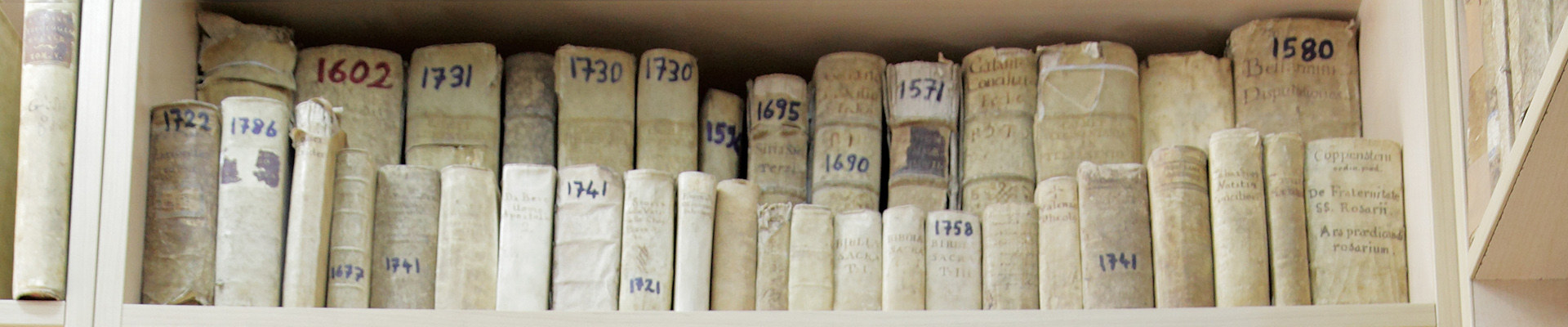

Pp. 121-178: “Conflate Readings and the Lamentations Textual Tradition” by F. W. Dobbs-Allsopp

One dimension of Lamentations’s textual tradition, namely, its propensity for conflate readings, provides the chief focus of inquiry in this essay. As I work to collect, elucidate, and clarify these conflate readings, other dimensions of these poems’ extant and reconstructable textualities come into view, viz. their rough chronology, prevalence of variability and multiformity. The phenomenon of conflate readings is well known to textual scholars of the Bible. The presenting peculiarity in Lamentations is the breakage in form to no apparent end that the preservation of such readings inevitably entails. Given how integral form is to this poetry’s operative poetics, such deformations require explanation. The solution posed posits shifts over time in the literary values that guided scribal practice when it came to the collecting and recording of variant readings. The resulting view of Lamentations’s literary history is far richer, more complex, and truer to scribal realia than that usually presumed by students of these poems.

ASOR Members with online access: log into ASOR’s Online Portal here. Once logged in, click the JOURNALS tab in the top navigation bar. From here you may select which journal you would like to read. If you have online access, you will see your selected journal’s current issue Table of Contents. Click on the “Current Issue” button and you will then be redirected to the University of Chicago Press’s (UCP) platform to immediately start reading any issue of your choice. Tutorials for how to log in to the Online Portal as well as how to navigate to the Portal Journals page can be found here.