2025 Student Paper Award

2025 ANNUAL MEETING STUDENT PAPER AWARD

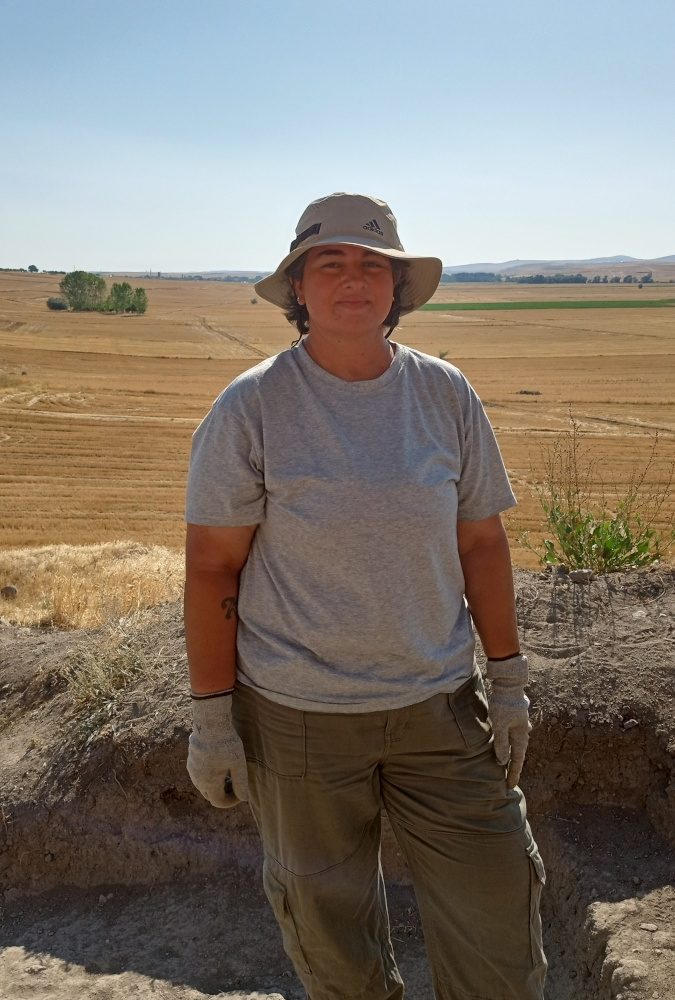
Nicole Constantine, winner of the 2024 Student Paper Award.

Nicole Constantine, winner of the 2024 Student Paper Award.

ASOR is accepting applications for the 2025 Student Paper Award. This award is conferred upon the author(s) of a paper presented (in-person or online) during the 2025 hybrid ASOR Annual Meeting that conveys the results of a study about ancient Near Eastern and wider Mediterranean societies in a clear, understandable and convincing fashion. The first author and presenter of the paper must be a registered student at the time of presentation in order to be eligible for consideration for this award. This year the award is accompanied by a $500 prize.

Students will need to complete the following steps by November 5 to be considered for the award:

1.  Please complete this Google Form in order to apply for the Student Paper Award.

2. Upload your recorded presentation to ASOR’s Student Award Application Dropbox folder by logging into the ASOR Online Portal and navigating to the 2025 ASOR Annual Meeting – Presenter Information Page here. From there, you will find instructions and the Dropbox link, as well as tips and tutorials for presenters.

Applications and recorded paper presentations are both due by November 5.

Please note that this award is independent of the Sean Dever Memorial Prize, which is conferred by the W.F. Albright Institute of Archaeological Research. To learn more about Awards presented at the Annual Meeting, please visit the Honors and Awards page. For questions and inquiries please email info@asor.org.

ASOR Seeks Volunteer Photographer for 2025 Annual Meeting

ASOR Seeks Volunteer Photographer for 2025 Annual Meeting

ASOR is seeking a volunteer photographer to help capture our upcoming 2025 Annual Meeting at the Hilton Boston Park Plaza from November 19–22, 2025, including our 125th Anniversary Celebrationon Saturday evening. We hope to document the special occasion with high-quality photos that will be shared on our website, social media, and future publications.

Volunteer Responsibilities:

  • Photograph guests, speakers, and program highlights during the Annual Meeting and 125th Anniversary Celebration
  • Provide ASOR with digital copies of the photographs after the event

Ideal Candidate:

  • Has experience photographing conferences and/or events
  • Owns and can bring personal photography equipment
  • Is comfortable engaging with attendees and taking both posed and candid shots
  • Located in the Greater Boston area or attending the Annual Meeting

This is an uncompensated position, but reimbursements and hotel nights are negotiable. To apply, please email programs@asor.org with a brief letter of interest and a sample or link to your work. Applications due October 15th.

Table of Contents for Near Eastern Archaeology 88.3 (2025)

Table of Contents for Near Eastern Archaeology 88.3 (September 2025)

nea.88.3.cover
You can receive NEA(and other ASOR publications) through an ASOR Membership.
Please e-mail the Membership office if you have any questions.
Pp. 176–185: “From Armageddon to Chicago: The Legacy of the University of Chicago’s Megiddo Expedition” by Kiersten Neumann

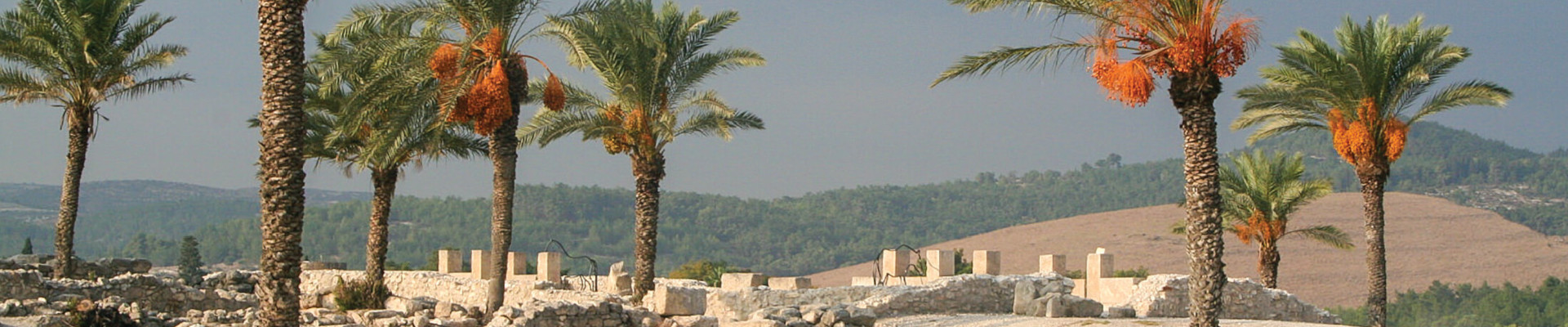
The Megiddo excavation of the University of Chicago’s Institute for the Study of Ancient Cultures (previously the Oriental Institute; hereafter ISAC) was the first of many multiyear archaeological expeditions initiated by the burgeoning institute in the early twentieth century. The discovery, recording, and interpretation that took place over the fourteen seasons of fieldwork (1925–1939) under three successive field directors—Clarence S. Fisher (1925–1927), P. L. O. Guy (1927–1934), and Gordon Loud (1935–1939)—would come to lay the foundations for archaeology in the southern Levant. Accessible through ISAC’s seminal publications, museum collections (including both archaeological objects and archival records), and public exhibitions, the wealth of information and materials acquired as a result of the Megiddo Expedition are still rigorously consulted and built upon today, making it one of the most impactful and lasting endeavors in ISAC’s history.

ASOR Members with online access: log into ASOR’s Online Portal here. Once logged in, click the JOURNALS tab in the top navigation bar. Tutorials for how to log in to the Online Portal as well as how to navigate to the Portal Journals page can be found here.

Pp. 186-193: “The Last Canaanites: Megiddo during the Iron Age I” by Eran Arie

This article explores the final stages of Canaanite Megiddo during Iron I, focusing on Strata VIB and VIA. Stratum VIB presents evidence for a modest village lacking monumental structures, while Stratum VIA marks the peak of urban development before its catastrophic destruction. The article argues for the architectural and social continuity between the Late Bronze and Iron Age I, highlighting Megiddo’s role as an independent citystate, and emphasizing its economic self-sufficiency, localized production, and Canaanite heritage. The destruction of Stratum VIA was unexpected, rapid, and complete, as there are no signs of crisis behavior.

ASOR Members with online access: log into ASOR’s Online Portal here. Once logged in, click the JOURNALS tab in the top navigation bar. Tutorials for how to log in to the Online Portal as well as how to navigate to the Portal Journals page can be found here.

Pp. 194-203: “Before the Omrides: The Early Days of Israelite Megiddo” by Assaf Kleiman and Israel Finkelstein

Excavations in the southeastern sector of Megiddo revealed important finds that illuminate the material culture and history of the site in particular and northern Israel in general during the early days of the Northern Kingdom (Israel). This includes the appearance of public architecture and the revival of the commercial networks in the eastern Mediterranean.

SIDEBAR P. 197: Sheshonq I (Biblical Shishak) at Megiddo, byShirly Ben-Dor Evian

SIDEBAR P. 198: From Bronze to Iron, by Naama Yahalom-Mack

ASOR Members with online access: log into ASOR’s Online Portal here. Once logged in, click the JOURNALS tab in the top navigation bar. Tutorials for how to log in to the Online Portal as well as how to navigate to the Portal Journals page can be found here.

Pp. 204-211: “Megiddo of the Omride Dynasty” by Israel Finkelstein

This article deals with the remains of Stratum VA-IVB at Megiddo. From the perspective of relative chronology (i.e., ceramic typology), it dates to the late Iron IIA. Monuments belonging to this stratum, especially two ashlar-built palaces and the six-chambered gate, had previously been associated with the construction activities of King Solomon in the tenth century BCE. Traditional archaeology considerations and radiocarbon dating now put it in the first half of the ninth century—the period of the Omride dynasty of the Northern Kingdom (Israel). First, the history of research of Stratum VA-IVB is described, followed by the presentation of new evidence from the field on two of its monuments: Palace 6000, first excavated by Yigael Yadin, and the gate, unearthed by the University of Chicago team. Finally, general issues, such as the layout of the city and its cult, are discussed.

ASOR Members with online access: log into ASOR’s Online Portal here. Once logged in, click the JOURNALS tab in the top navigation bar. Tutorials for how to log in to the Online Portal as well as how to navigate to the Portal Journals page can be found here.

Pp. 212-220: “Horse Industry City: Eighth-Century BCE Megiddo” by Israel Finkelstein

The article deals with Stratum IVA at Megiddo, dated to the early Iron IIB, in the first half of the eighth century BCE. This layer yielded the biggest concentration of monuments in a city belonging to the Northern Kingdom. First, its construction and destruction dates are dealt with, and then the main monuments: the four-entry gate, water system, administration building with a sector devoted to cult, and the two systems of three-aisle longitudinal pillared building. The construction date and the function of the latter structures had been disputed. It is now clear that they belong to Stratum IVA and that they indeed served as stables, as first suggested in the 1920s. The number of units at Megiddo points to a developed industry, which probably specialized in breading horses and training them as war animals. This was among the most important economic ventures of the kingdom.

ASOR Members with online access: log into ASOR’s Online Portal here. Once logged in, click the JOURNALS tab in the top navigation bar. Tutorials for how to log in to the Online Portal as well as how to navigate to the Portal Journals page can be found here.

Pp. 222-230: “Megiddo in the Age of Empires: Assyria, Egypt, and Babylonia” by Assaf Kleiman

Following the collapse of the Northern Kingdom in the late eighth century BCE, Megiddo became the capital of the Neo-Assyrian province of Magiddû. The University of Chicago excavations exposed the settlement’s distinct orthogonal layout and administrative quarter. And yet, many questions concerning its chronology, material culture, and population remained unsolved. In this article, the unique contributions of recent fieldwork conducted in the mound’s northwestern sector to the understanding of Megiddo under Assyrian, Egyptian, and Babylonian rule are highlighted

ASOR Members with online access: log into ASOR’s Online Portal here. Once logged in, click the JOURNALS tab in the top navigation bar. Tutorials for how to log in to the Online Portal as well as how to navigate to the Portal Journals page can be found here.

Pp. 232-239: “Protecting and Presenting Armageddon: The Conservation and Public Interpretation of Tel Megiddo” by Shirly Ben-Dor Evian and Neil A. Silberman

The vital behind-the-scenes work of conservation and site presentation at Tel Megiddo is essential to preserving the site for visitation and raising public awareness about its archaeological and historical significance. Protecting the site’s extensive archaeological remains from deterioration requires ongoing conservation efforts at every scale from small finds to large excavation areas. And as Megiddo evolves from a strictly archaeological site to a cultural icon and tourism destination, the challenge of interpreting its monuments for diverse audiences has become more complex. This article explores Megiddo’s management history, conservation strategies, and interpretive approaches focused on deepening public understandings of Megiddo’s urban evolution and cultural significance.

ASOR Members with online access: log into ASOR’s Online Portal here. Once logged in, click the JOURNALS tab in the top navigation bar. Tutorials for how to log in to the Online Portal as well as how to navigate to the Portal Journals page can be found here.

Pp. 240-247: “The Contribution of the Megiddo Expedition to the Archaeology of the Levant and Beyond” by Israel Finkelstein and Matthew J. Adams

The article summarizes the results of three decades of excavations at Megiddo, emphasizing the initial goals of the Tel Aviv University Expedition and their fulfillment. It discusses the reinvestigation of main monuments uncovered in the past, and the main archaeological and historical contributions of the dig by period.

ASOR Members with online access: log into ASOR’s Online Portal here. Once logged in, click the JOURNALS tab in the top navigation bar. Tutorials for how to log in to the Online Portal as well as how to navigate to the Portal Journals page can be found here.

Tunisia Tour Reservation Form

Friends of ASOR Tours: Tunisia Reservation Form

Fieldwork Report: Anjuli Latchmansingh

All That Remains at Çadır Höyük

Anjuli Latchmansingh, 2025 Strange-Midkiff Families Fieldwork Scholarship Recipient 

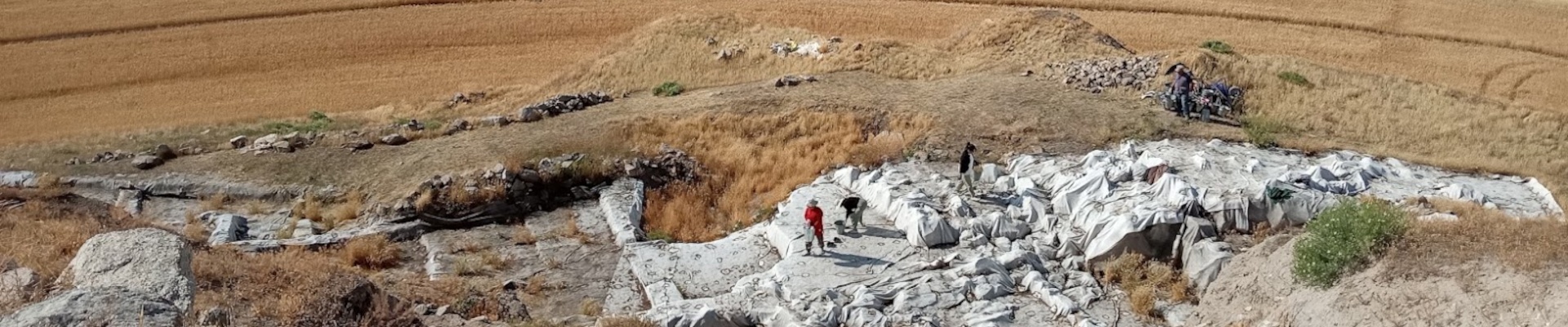
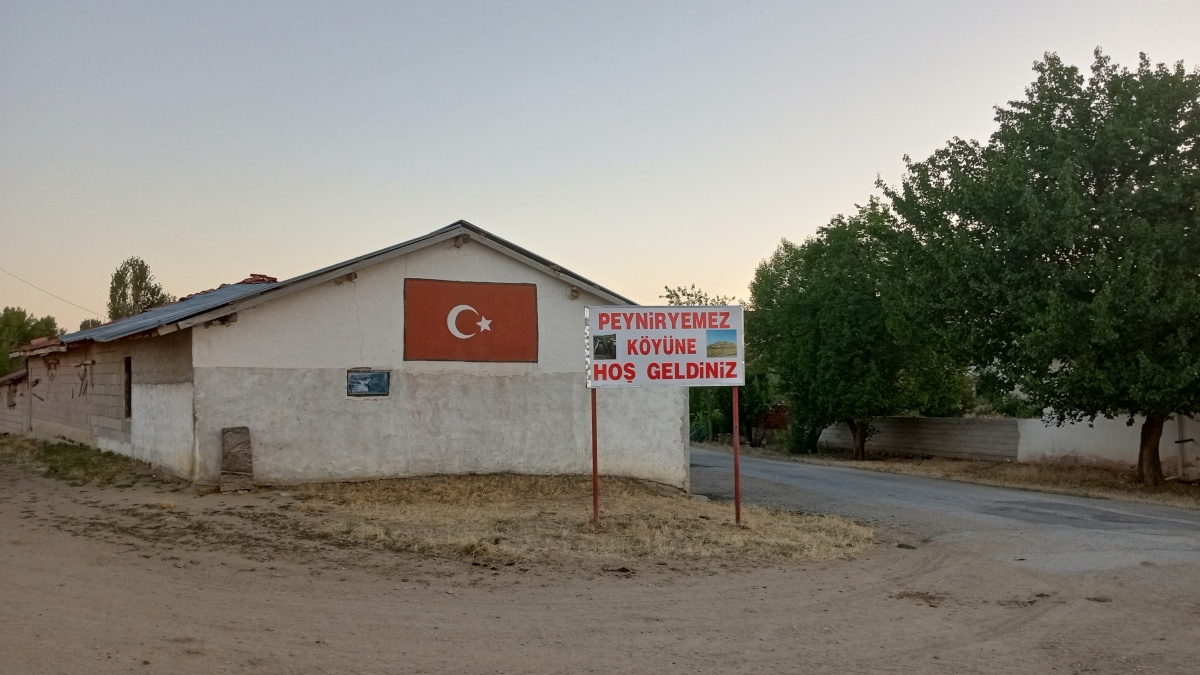
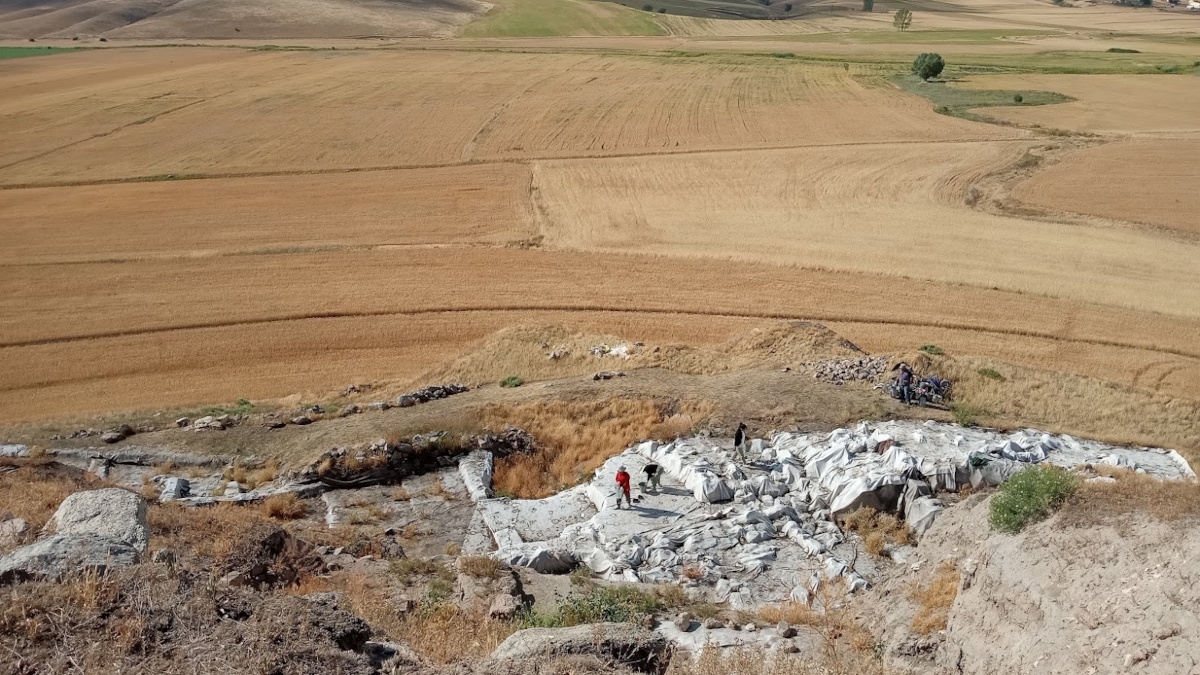
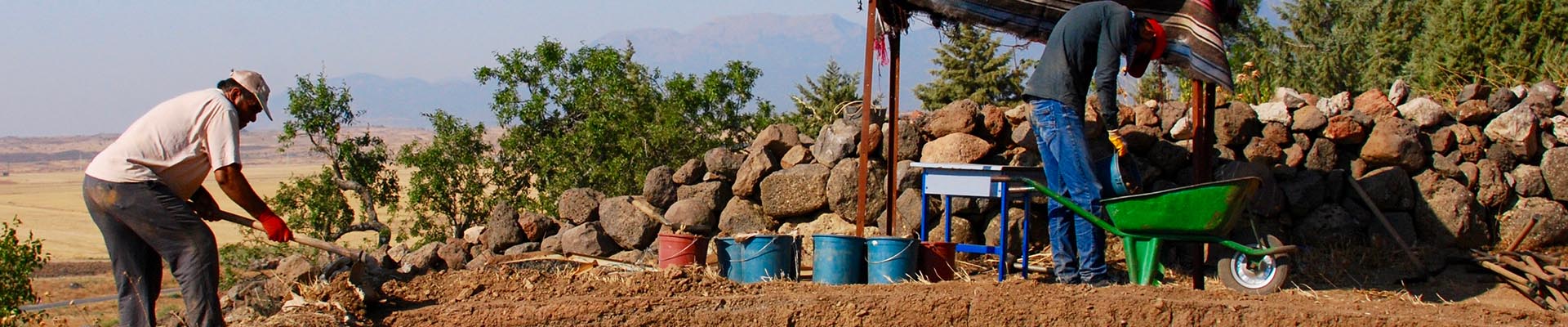
Within the village of Peynir Yemez in Türkiye is an archaeological excavation site named Çadır Höyük – an artificial mound that boasts roughly 7,000 years of human history. Evidence of human occupation on the mound comes in many forms. From pottery sherds, burials, and stone walls to glass beads and lithics, this site was once full of human activity. Yet the mound was populated by more than just homo sapiens. Animals of a wide variety were present, and their bones help tell us the human story.

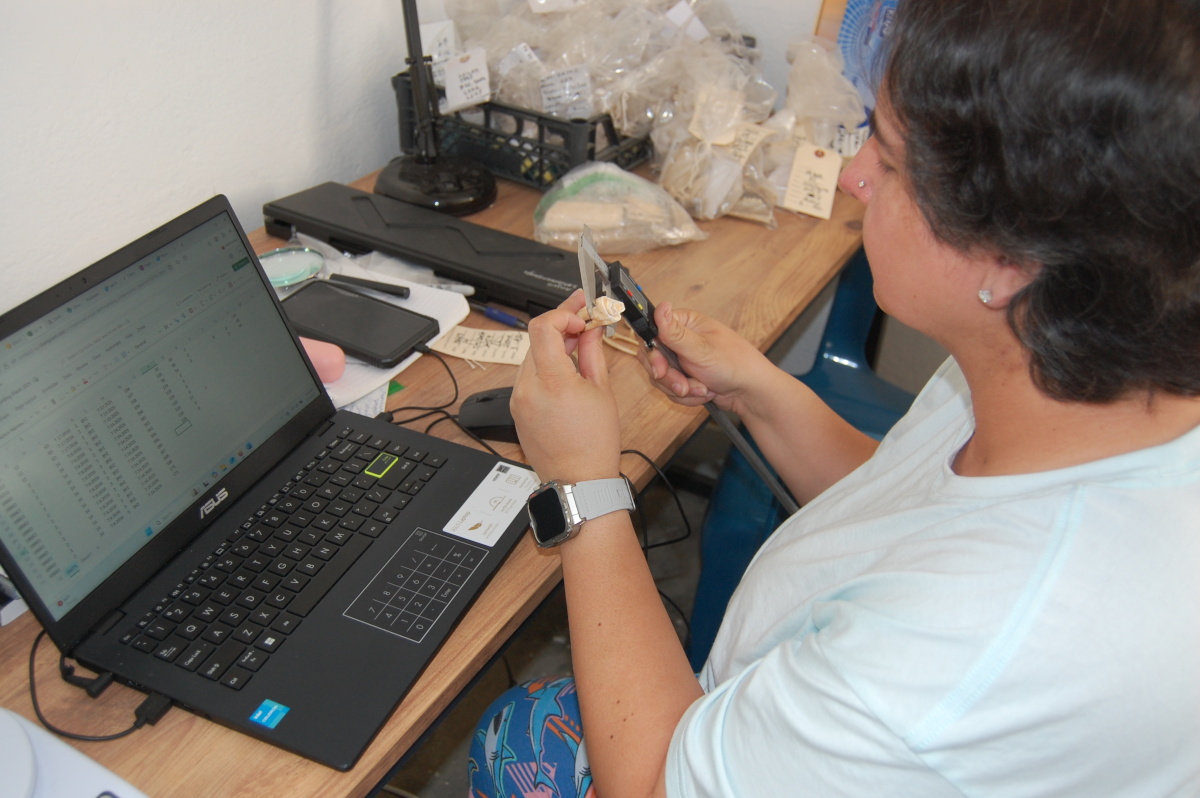
During the summer of 2025, I had the privilege of working at Çadır Höyük with Dr. Sharon R. Steadman (my professor, advisor, and the Project Director of Çadır Höyük) and a wonderful team of specialists, professors, researchers, students, and Turks for about six weeks. We worked six days a week and had Thursdays off – although many of us still found ourselves seated at our lab stations attempting to make the most of our fleeting time there. The days were long and hot. I spent my mornings in the field excavating and my afternoons in the lab analyzing faunal remains. For the season, I would be working by myself with faunal remains. I had spent the beginning of the year teaching myself about animal anatomy and specifically researching the species of animals that have been previously recorded at the site in preparation for this project.

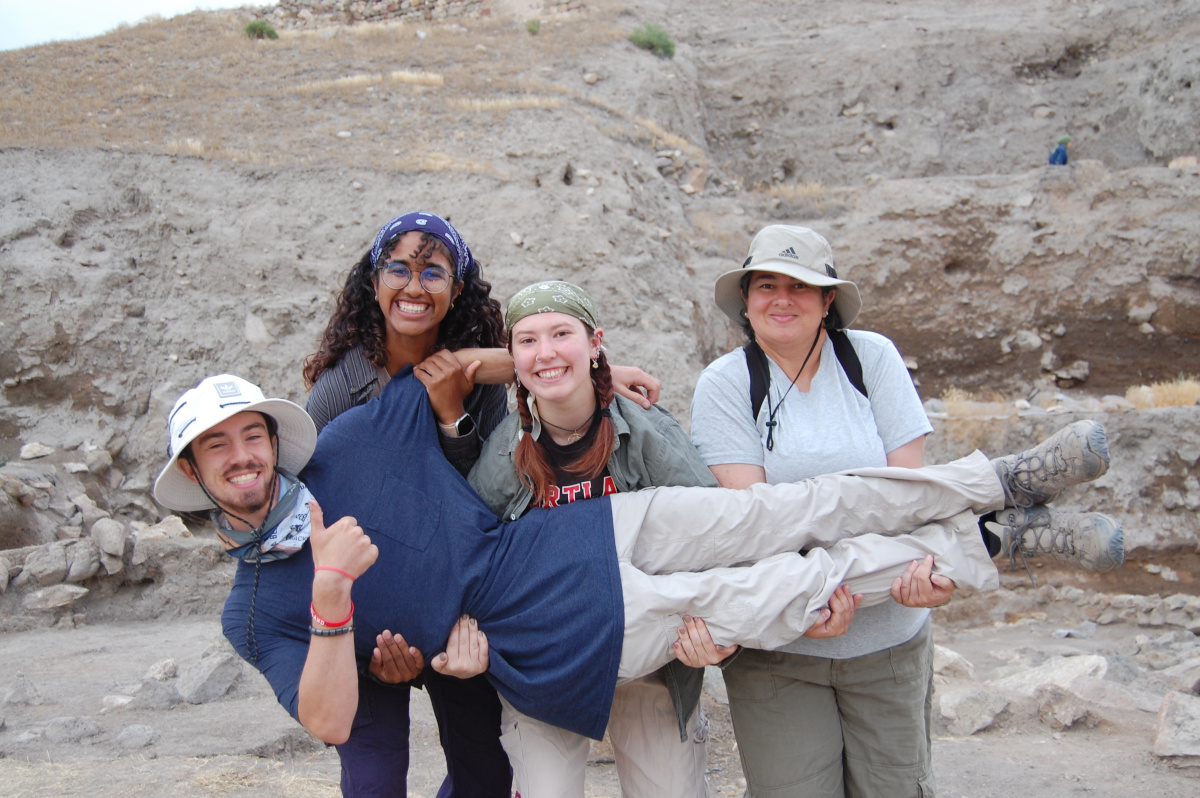
Excavating at Çadır Höyük was a unique experience. I was there with three other students from SUNY Cortland, and we were some of the first people to arrive. We opened many of the trenches for the season and I learned a great many skills and techniques. For instance, we took elevations from the trenches using an auto level on a tripod with a level rod and we learned to avoid bug bites by tucking our pants into our socks. Sometimes, it was the not-so-technical training that would prove most useful. There were, in fact, a lot of large bugs and spiders.

Not long after arriving at the site, a database and its recording protocol was sent to me created by Dr. Benjamin Arbuckle who published several works regarding faunal analyses at Çadır Höyük. Dr. Arbuckle has been an integral part of the project as the Assistant Director since 2009. His publications and the recording sheets he sent were extremely helpfulbecause I did not even know where to start or what to look for in terms of documenting. My education has been solely focused on human bones – identifying, classifying, measuring, determining pathology and trauma, and so forth. This summer, I excavated and evaluated hundreds of bones, but the vast majority of them were from animals. The exciting thing about animal bones is that not only are they all so incredibly different from kingdoms down to specific species, but even within species so much variation still exists. I honestly do not know how zooarchaeologists are able to store all thatinformation in their heads. It is quite impressive! Taking on Dr. Arbuckle’s database was challenging, important work for which I have great respect.

Animal bones differ from human bones in many ways. To give you an idea, animals tend to have many of the same bones that humans have but the shapes of those bones vary. This is in part because some become fused together, like a radius and ulna. Also, some animal bones are more curved or twisted because their muscles attach differently. Bird bones are mostly hollow, making them light enough to take flight. There are caudal vertebrae which make up animal tails, phalanges of hoofed animals, tusks, and a wide array of tooth types. Then there are horns or antlers or carapaces and plastrons to consider – because when you study the nonliving EVERY remnant is an important clue. All these unique traits are actually little hints that zooarchaeologists find and put together to create a complete picture of the animals that were present. 

Identifying the animal is only the first step. From this information, we can find MNI, NISP, look for age, sex, signs of trauma, and pathology. Then we can infer much more, such as butchering methods, husbandry, and timelines of domestication and agriculture. All of this informs archaeologists of the people of the past. Much of my time in the lab was spent interpreting the remains and recording the data. Despite my best efforts, there are still a lot of bones to be identified and recorded. So, next summer, the work will continue.

Team members at Çadır Höyük, Turkey.

From beginning to end, I had the opportunity to work with a wide range of people from all over the world, each driven bydifferent motivations. All had gravitated to this same small spot on our planet to come together for a season in a small village in central Türkiye to dig. And though I hope to meet and network with many of these professionals in the future, the Turkish people hold a special place in my heart. My time in Peynir Yemez was certainly a unique experience and I will cherish the friends and memories I have made. I will take with me the lessons I learned both in the field and the lab and use them in my next excavation experience. Understanding animal remains and being able to identify them will prove useful in my future endeavors by allowing me to understand relationships between persons and pets and sacrifices. It is my hope that the work I completed at the site proves useful in the future. I am grateful to have played a part in the research at ÇadırHöyük in the summer of 2025.

Anjuli Latchmansingh is a senior at SUNY Cortland majoring in archaeology with a minor in forensic anthropology. Her focus is on bioarchaeology with a special interest in mortuary archaeology. Anjuli has served as Archaeology Club president at Cortland, has been inducted into three national honor societies, and is currently working on her honors thesis.

Want to help more students and early career archaeologists get into the field? Donate to the cause today by selecting “Fieldwork Scholarships” as your gift purpose!

Virtual Archaeology Initiative: 2025 Dig Diaries

Virtual Archaeology Initiative: 2025 Dig Diaries

As you embark on fieldwork and research this summer, ASOR invites you to make Dig Diaries and submit them to our Virtual Archaeology Initiative.
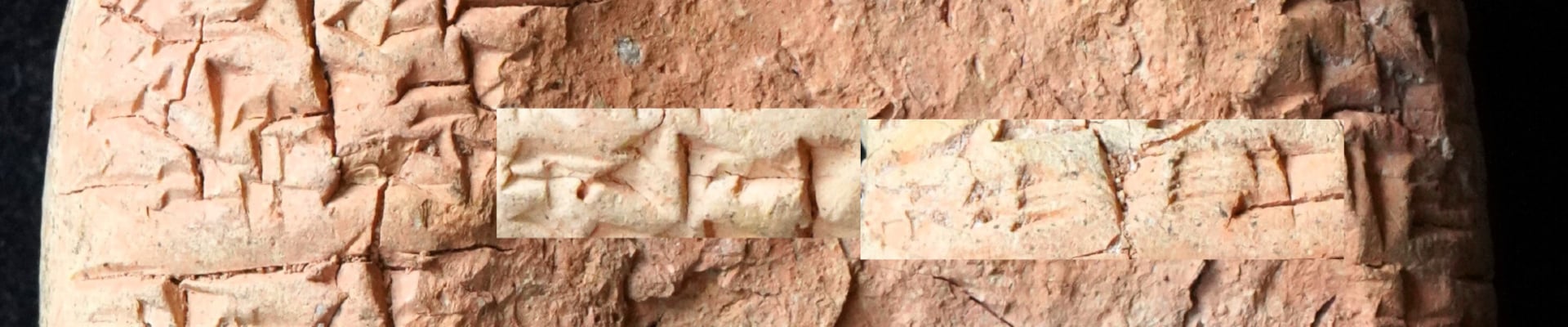
Dig Diaries can be any of the following (coordinate with your project director(s) to ensure their permission):

1) a short teaching video that explains a specific process or element of an excavation/survey, how that element fits within the overall objective of the project, and/or how it fulfills some responsibility that we as archaeologists have to study, preserve, document, and make accessible the materials we excavate;

2) a video field diary recording in which you discuss research questions for your given project/season along with progress reports throughout the season to show how those research questions are met and/or how they change;
3) a digital image with explanation of the pictured stratigraphy/object/etc.

Check out our current submissions on YouTube or TikTok for examples. We are also open to other kinds of virtual assets, so if you have a great idea, please feel free to share it with us. We hope that you choose to join us in developing Virtual Archaeology at ASOR. Submissions and any questions can be directed to info@asor.org.

Developed by ASOR’s Membership & Outreach Committee, the Virtual Archaeology Initiative is a growing collection of digital resources that illustrate or teach various steps involved in the archaeological process. In addition to creating teaching tools that will benefit students/educators and generate interest in archaeology, this will allow people who cannot or would not participate in actual excavations to feel as if they still can. Read more about the Virtual Archaeology Initiative here.

Table of Contents for JCS 77 (2025)

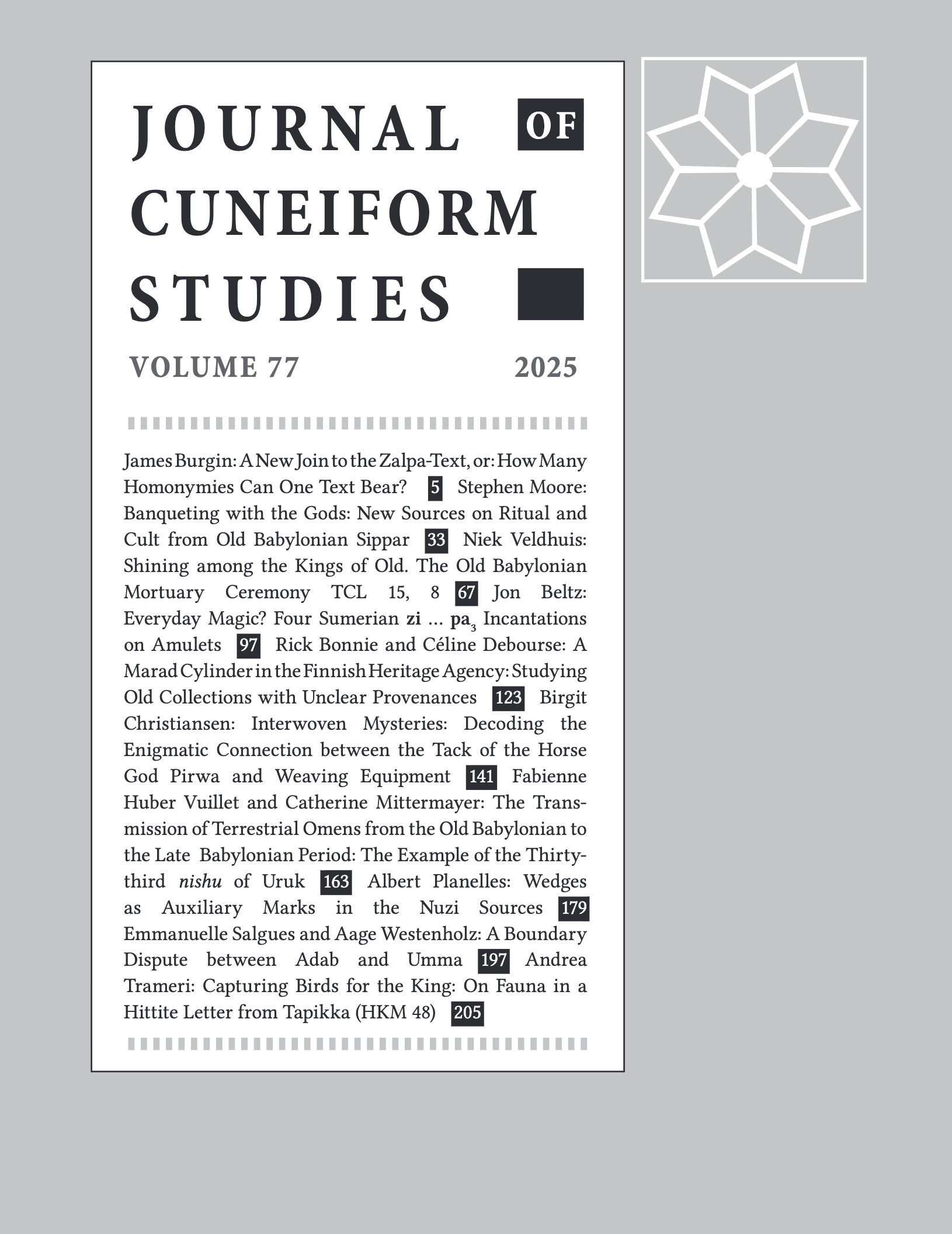
Table of Contents for Journal of Cuneiform Studies 77 (2025)

You can receive JCS (and other ASOR publications) through an ASOR Membership.
Please e-mail the Membership office if you have any questions.

This contribution provides an edition of a small new join to paragraph §10′ of the Zalpa Text (CTH 3.1), one of the most intriguing texts of early Hittite historiography. The join is notable for containing the name Ḫuzziya. The ongoing discussion on the dating of the Zalpa Text is critically reviewed, and it is argued that the Ḫuzziya mentioned in the join is Ḫuzziya I, probable founder of the Hittite kingdom. While not ending the dating debate once and for all, the join represents another step forward toward situating this puzzling text in the arc of early Hittite historiography.

ASOR Members with online access: log into ASOR’s Online Portal here. Once logged in, click the JOURNALS tab in the top navigation bar. From here you may select which journal you would like to read. If you have online access, you will see your selected journal’s current issue Table of Contents. Click on the “Current Issue” button and you will then be redirected to the University of Chicago Press’s (UCP) platform to immediately start reading any issue of your choice. Tutorials for how to log in to the Online Portal as well as how to navigate to the Portal Journals page can be found here.

This article publishes nine new texts relating to ritual and cult in Old Babylonian Sippar. On internal grounds, they likely stem from Sippar-Amnānum (Tell ed-Dēr). Seven of these explicitly attest the banquets of particular deities, including Gula, Adad, Sîn, Šamaš, and Ea. Evidence for the influence of Annunītum and her cultic household is given in the texts. One text attests a night-vigil and provides evidence for a ritual most likely connected to (Ištar) Annunītum.

ASOR Members with online access: log into ASOR’s Online Portal here. Once logged in, click the JOURNALS tab in the top navigation bar. From here you may select which journal you would like to read. If you have online access, you will see your selected journal’s current issue Table of Contents. Click on the “Current Issue” button and you will then be redirected to the University of Chicago Press’s (UCP) platform to immediately start reading any issue of your choice. Tutorials for how to log in to the Online Portal as well as how to navigate to the Portal Journals page can be found here.

This contribution provides a new edition of TCL 15, 8 (AO 5374) and interprets the text as a mortuary ceremony for an (early) Old Babylonian royal figure, who is helped in his transition from this world to the next by netherworld gods and kings of the past, and eventually ends up in the skies as a star. The new edition is an occasion to discuss the relationships among Old Babylonian Emesal liturgies and relationships between Old Babylonian and later texts. The list of past kings includes the names of Ur III monarchs as well as kings of the Isin Dynasty. Such use of the past is further illustrated by an administrative text found at Ur (U.30628) that inventories precious objects in memory of kings of both dynasties (appendix 1).

ASOR Members with online access: log into ASOR’s Online Portal here. Once logged in, click the JOURNALS tab in the top navigation bar. From here you may select which journal you would like to read. If you have online access, you will see your selected journal’s current issue Table of Contents. Click on the “Current Issue” button and you will then be redirected to the University of Chicago Press’s (UCP) platform to immediately start reading any issue of your choice. Tutorials for how to log in to the Online Portal as well as how to navigate to the Portal Journals page can be found here.

Cuneiform incantations present modern researchers with a conundrum. On the one hand, they appear to be texts spoken over an individual to heal and protect from harm, but on the other, they are written on clay tablets, a medium more associated with educated scribal literature. Inscribed amulets, however, provide examples of written incantations that clearly had a place in magical praxis. This article presents editions of four zi … pa₃ incantations from amulets—two of which are entirely new to scholarship—and uses these four texts as a test case for comparison with zi … pa₃ incantations from clay tablets. This comparison reveals that there are significant similarities between the amulet incantations and those from single incantation tablets and larger compendia, suggesting that there may be less of a divide between the Sumerian incantation tradition and actual magical praxis than is sometimes thought. At the same time, the variation among the amulet texts themselves and between the amulet texts and other early zi … pa₃ incantations indicates that the amulets are not copies or excerpts from precisely worded scripts but appear to be creative adaptations of basic forms and textual structures.

ASOR Members with online access: log into ASOR’s Online Portal here. Once logged in, click the JOURNALS tab in the top navigation bar. From here you may select which journal you would like to read. If you have online access, you will see your selected journal’s current issue Table of Contents. Click on the “Current Issue” button and you will then be redirected to the University of Chicago Press’s (UCP) platform to immediately start reading any issue of your choice. Tutorials for how to log in to the Online Portal as well as how to navigate to the Portal Journals page can be found here.

Located in the storage of the archaeological collections of the Finnish Heritage Agency lies a well-preserved clay cylinder inscribed with cuneiform script. The text on it describes the building activities of the Neo-Babylonian king Nebuchadnezzar II (604–562 BCE), and in particular recounts his renovation of the temple of the god Lugal-Marada in Marad. As one of around fifty known recensions of this inscription, the Helsinki Cylinder reveals limited new historical information. Instead, much more pressing is the question of how the cylinder arrived in Finland and how it ended up seemingly forgotten in the storage of the Finnish Heritage Agency. In this article, we trace the cylinder’s journey to Finland, discuss how we, as scholars, should deal with unprovenanced objects such as this one, and provide an edition of the text it contains.

ASOR Members with online access: log into ASOR’s Online Portal here. Once logged in, click the JOURNALS tab in the top navigation bar. From here you may select which journal you would like to read. If you have online access, you will see your selected journal’s current issue Table of Contents. Click on the “Current Issue” button and you will then be redirected to the University of Chicago Press’s (UCP) platform to immediately start reading any issue of your choice. Tutorials for how to log in to the Online Portal as well as how to navigate to the Portal Journals page can be found here.

This article aims to enhance the understanding of the Hittite god Pirwa by analyzing descriptions of his statues in two oracle texts (KBo 44.209(+) and Çorum 6-1-96) and a cult inventory (KUB 38.4). In contrast to previous interpretations, I propose that the term 𒀹dupau-x[ in KUB 38.4 obv. 4 is a noun denoting a striking weapon rather than a Luwian genitive adjective linked to el-tù-ḫu “whip.” Accordingly, Pirwa is depicted as a horseman holding a striking weapon in his right hand and a whip in his left. The study also investigates the term ašuša-, suggesting it may refer to either the god’s earrings or components of the horse tack or rider’s gear. Furthermore, the mention of a mountain in Çorum 6-1-96 obv. 5′ is interpreted not as a specific mountain name but as a mountain-shaped feature of the divine statue. The article additionally delves into the hapax legomenon karzana- in Çorum 6-1-96 obv. 6′, linking it to the noun karza(n)-, which is associated with weaving activities in festival texts. Both terms are traced to the Indo-European root *(s)ker– meaning “to cut/scratch,” proposing that while karza(n)– likely signifies a weaving stick or shuttle, karzana– might denote a stick-shaped device used as a type of insignia or a weapon.

ASOR Members with online access: log into ASOR’s Online Portal here. Once logged in, click the JOURNALS tab in the top navigation bar. From here you may select which journal you would like to read. If you have online access, you will see your selected journal’s current issue Table of Contents. Click on the “Current Issue” button and you will then be redirected to the University of Chicago Press’s (UCP) platform to immediately start reading any issue of your choice. Tutorials for how to log in to the Online Portal as well as how to navigate to the Portal Journals page can be found here.

Old Babylonian precursors of terrestrial omens generally cover topics similar to those found in the first millennium series Šumma ālu ina mēlê šakin without having identical omens. The present article will focus on a group of omens that are handed down in a hitherto unknown continuity over nearly 1500 years. They are first attested in the Old Babylonian omen compendium MS 3104 and are integrated almost verbatim as the thirty-third nisḫu in the divinatory corpus of Late Babylonian Uruk. Four excerpt tablets from Nineveh and a Neo-Babylonian manuscript have been discovered by the authors to record a choice of the very same omens. The article discusses the place of these omens in the Šumma ālu series and gives a full edition of the “thirty-third nisḫu” omens as well as copies of the newly identified manuscripts.

ASOR Members with online access: log into ASOR’s Online Portal here. Once logged in, click the JOURNALS tab in the top navigation bar. From here you may select which journal you would like to read. If you have online access, you will see your selected journal’s current issue Table of Contents. Click on the “Current Issue” button and you will then be redirected to the University of Chicago Press’s (UCP) platform to immediately start reading any issue of your choice. Tutorials for how to log in to the Online Portal as well as how to navigate to the Portal Journals page can be found here.

Ancient Near Eastern scribes used several nonphonetic signs and marks to improve the readability of their texts. One of these resources was the so-called Glossenkeil. This article presents the first study of the use of the sign, here called “wedge-mark” to avoid terminological bias in the analysis of its function, in documents from ancient Nuzi. Based on the analysis of a wide repertoire of sources, the article concludes that the sign only had a paragraphemic function and was used optionally. To understand how Nuzi scribes used the sign, other topics related to it are also discussed, such as indentation. Finally, the evidence from Nuzi is considered in the light of general ancient Near Eastern scribal practice.

ASOR Members with online access: log into ASOR’s Online Portal here. Once logged in, click the JOURNALS tab in the top navigation bar. From here you may select which journal you would like to read. If you have online access, you will see your selected journal’s current issue Table of Contents. Click on the “Current Issue” button and you will then be redirected to the University of Chicago Press’s (UCP) platform to immediately start reading any issue of your choice. Tutorials for how to log in to the Online Portal as well as how to navigate to the Portal Journals page can be found here.

In this article, we present an updated edition of a Sargonic document first published by Bertrand Lafont in 2020. We offer several new readings and perspectives but admit that our understanding of the text is still incomplete. The preserved portion of the text records a land claim against Adab by Šubur-Nagarpae, the ensi of Umma usually known as Šubur, and settled by Naramsin in favor of Adab. The process involved witnesses from neighboring (yeta’ātim) towns and Adab, but also cities from much further east, Tallani, Ibrat, and Pašime. The last preserved section of the text describes the “piling up of the boundary markers” (in sapāki pulukke) in the presence of both ensis. Lugal-ša, ensi of Adab, is attested here for the first time.

ASOR Members with online access: log into ASOR’s Online Portal here. Once logged in, click the JOURNALS tab in the top navigation bar. From here you may select which journal you would like to read. If you have online access, you will see your selected journal’s current issue Table of Contents. Click on the “Current Issue” button and you will then be redirected to the University of Chicago Press’s (UCP) platform to immediately start reading any issue of your choice. Tutorials for how to log in to the Online Portal as well as how to navigate to the Portal Journals page can be found here.

This article presents a new edition and commentary of the Hittite letter HKM 48, from the ancient town of Tapikka (Maşat Höyük), dating approximately to the early fourteenth century BCE. In this letter, two subordinates of the Hittite king, Mariya and Ḫapiri, write to their lord with news on a task they were assigned: the capture of birds and, perhaps, other animals. The second part of the article discusses various aspects of interest within the letter’s content. In particular, a novel understanding of the primary concerns of the text and of the logic within the epistolary exchange is proposed, primarily centered on a new identification of the animals mentioned in a passage difficult to interpret.

ASOR Members with online access: log into ASOR’s Online Portal here. Once logged in, click the JOURNALS tab in the top navigation bar. From here you may select which journal you would like to read. If you have online access, you will see your selected journal’s current issue Table of Contents. Click on the “Current Issue” button and you will then be redirected to the University of Chicago Press’s (UCP) platform to immediately start reading any issue of your choice. Tutorials for how to log in to the Online Portal as well as how to navigate to the Portal Journals page can be found here.

Thank You Fiscal Year 2025 Donors

Banner Image for Dominique Langis-Barsetti Post

Thank You Fiscal Year 2025 Donors

We did it (once again)!

This fiscal year (July 1, 2024–June 30, 2025) was a resounding success for ASOR. The reason? You, our members and donors!

While participation has always been high with ASOR members, the percentage of members who have donated $5 or more above their membership dues sharply increased during the past two years. This is in part thanks to a new membership module that makes it easier to include a “add-on” gift or credit card fee contribution when making any ASOR purchase. Because membership dues and subscription fees account for only about 25% of ASOR’s annual revenue, these additional gifts are transformative.

This year, a record 924 people made a gift of $5 or more! Another 211 people made a gift of less than $5 (primarily donations to help with credit card fees), making for a total of 1135 donors. Moreover, the total of all donations in FY 2025 was more than $500,000. Please click on the FY 2025 Honor Roll of Donors to see a list of people who gave at all levels. We are in the process of updating the Lifetime Honor Roll of Donors, so please check it now (and next month) to see the amazing list of lifetime supporters. We are updating and checking these lists, so please contact us with any corrections or comments (info@asor.org).

Benefactor ($20k+) – 8
Patron ($10,000–19,999) – 8
Friend ($5,000–9,999) – 12
Sponsor ($1,000–4,999) – 33
Sustainer ($500–999) – 27
Supporter ($250–499) – 34
Contributor ($100–249) – 196
Donor ($25–99.99) – 107
Ally ($5–24.99) – 499
Gifts under $5 – 211

Donor Participation Since 2016

0 200 400 600 800 1000
405
402
457
461
377
509
363
456
905
924
FY16 FY17 FY18 FY19 FY20 FY21 FY22 FY23 FY24 FY25

Number of Donors

Why does high donor participation matter?

Nearly half of ASOR’s membership contributed this year—an achievement that sets ASOR apart from nearly every other learned society. Moreover, the high level of donor participation from our membership is viewed positively by foundations and major donors outside ASOR and helps ASOR attract support from them.

Your donations also enable ASOR to carry out our mission. Subscriptions and memberships only account for about a quarter of our annual budget, so we rely on grants and donations from our members and friends. Every contribution, no matter the size, helps sustain our work. Thank you again for your support. Truly, every donor is important, and every gift is meaningful.


Fiscal Year 2025 Honor Roll

ASOR Legacy Circle Members

OTHER WAYS TO DONATE

DONATE BY PHONEDONATE BY MAILMAKE A PLEDGE
(DONATE LATER)
Call ASOR:
(703) 789-9229
ASOR
209 Commerce Street
Alexandria, VA 22314
E-mail ASOR

DC Day of Archaeology 2025

DC Day of Archaeology 2025

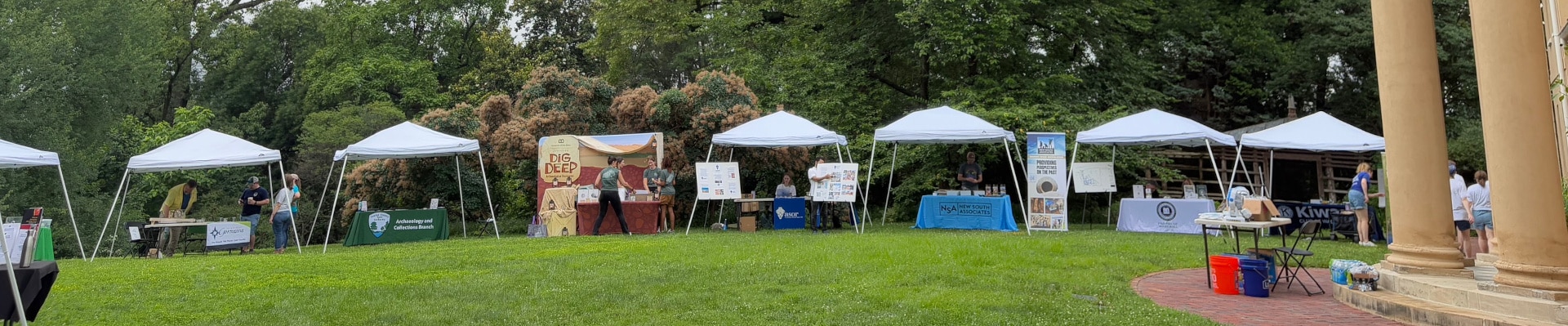
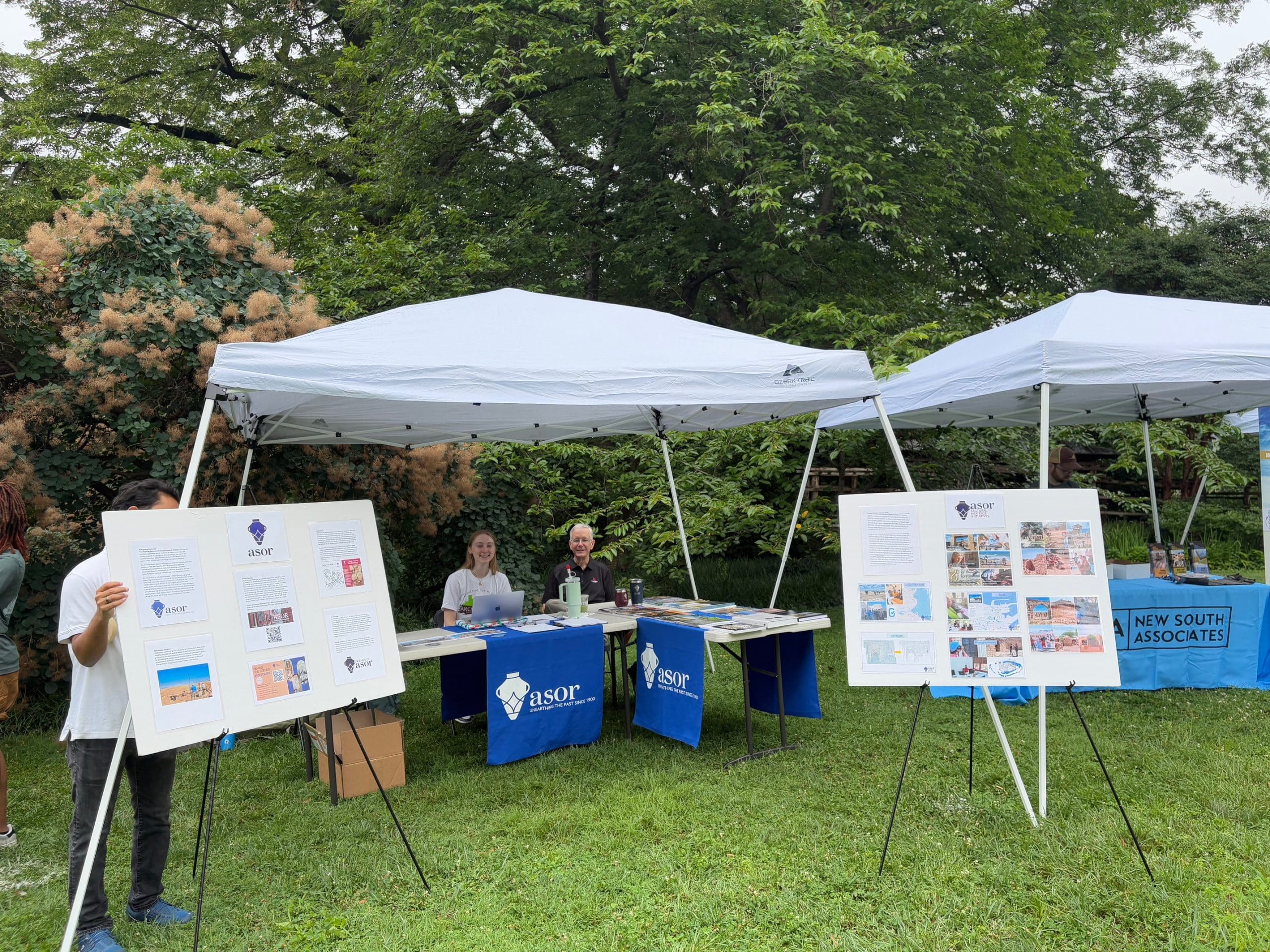
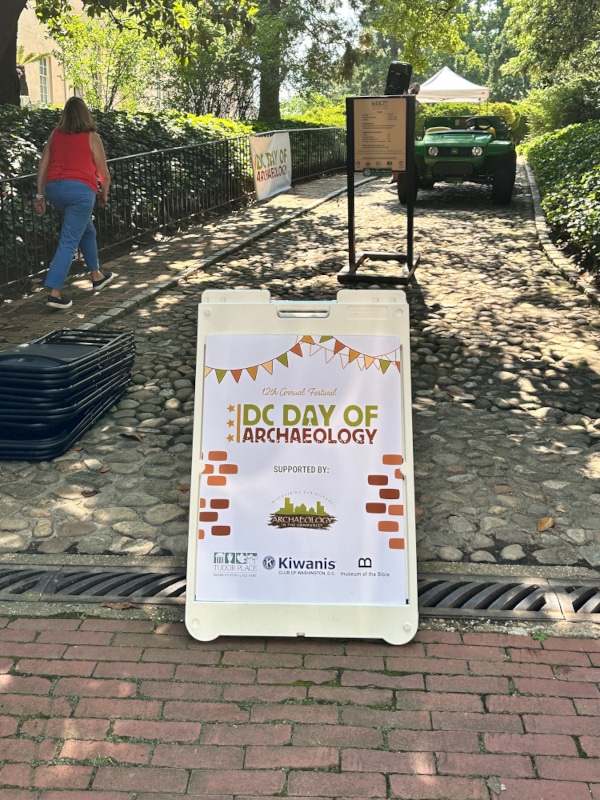
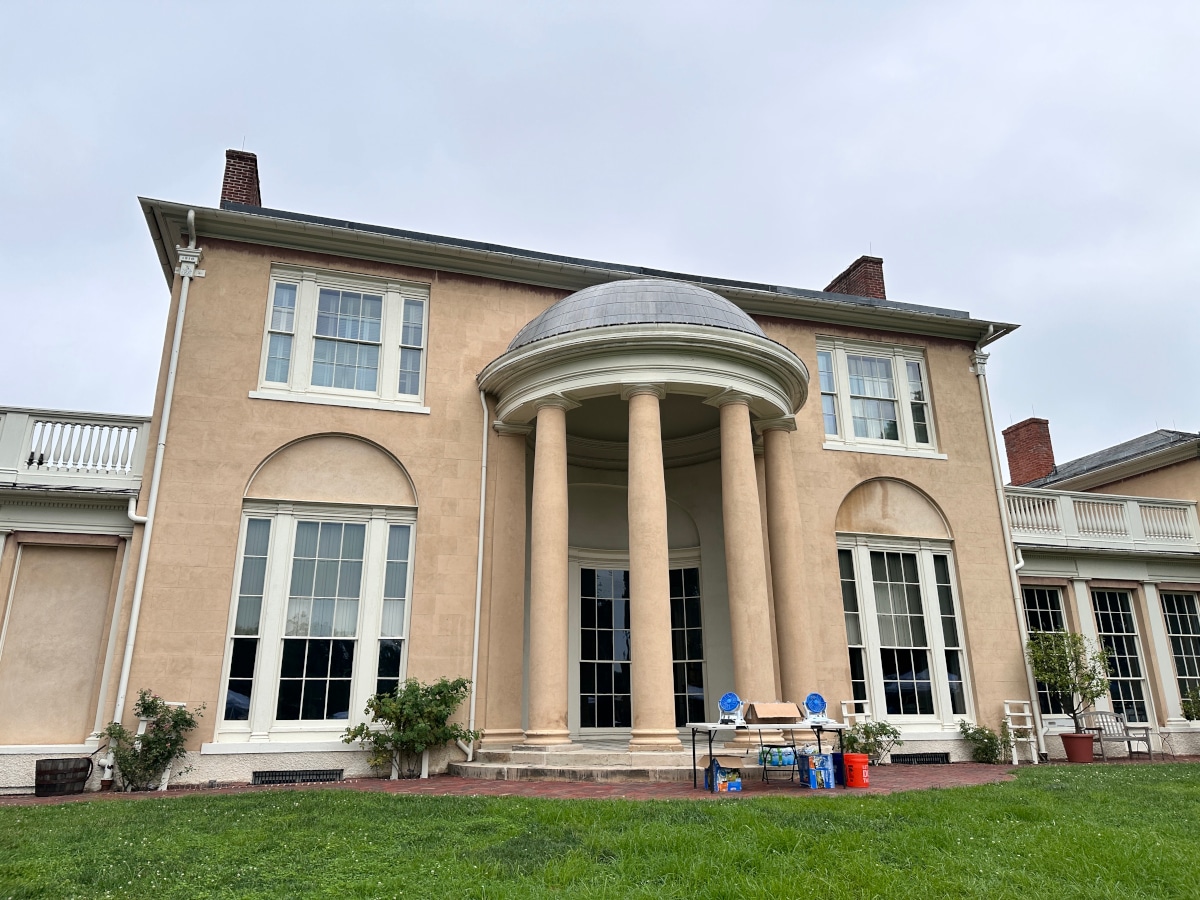
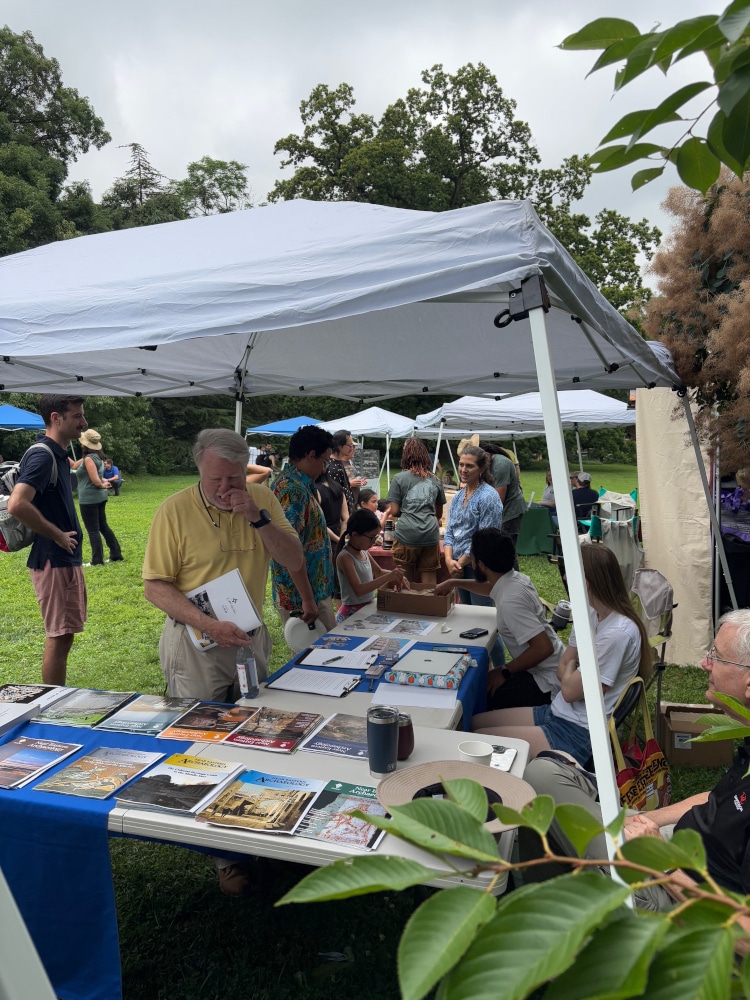
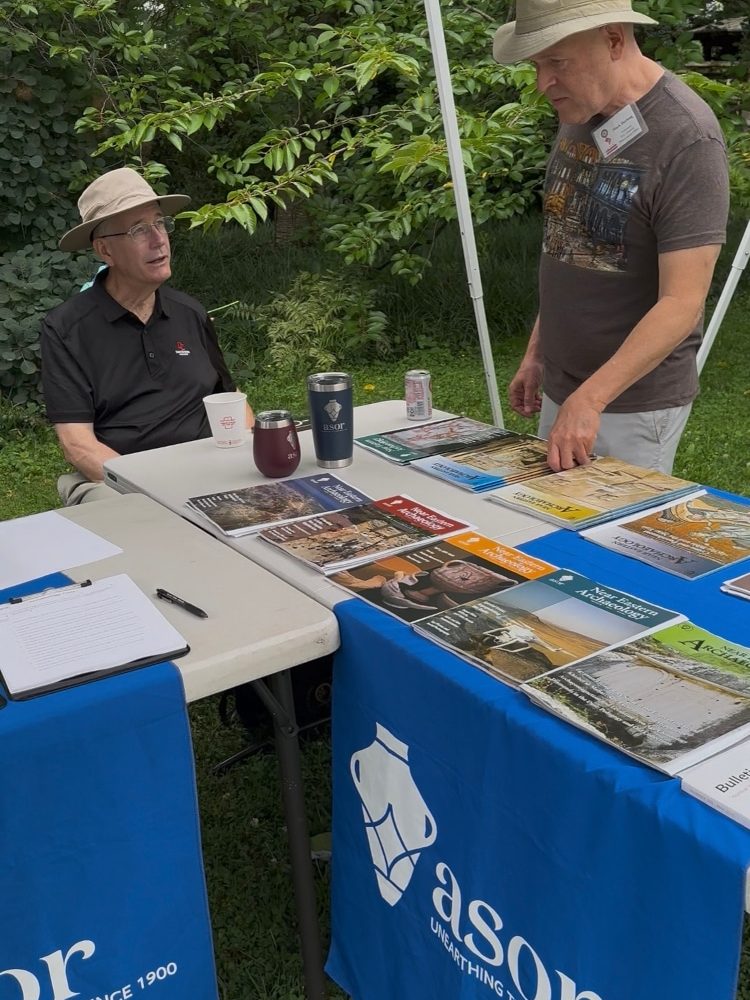
This past Saturday, June 28, ASOR was pleased to participate in the annual DC Day of Archaeology Festival organized by Archaeology in the Community (AITC). With 15 organizations and over 300 participants, the event gathered archaeological organizations around the DMV at the historic Tudor Place in Washington, D.C. for a day of community outreach and sharing of archaeological knowledge. Participants were able to visit the tables of local organizations to learn about a wide variety of archaeological topics and resources.

ASOR staff at the ASOR table
Entrance to the event
The south facade of Tudor Place

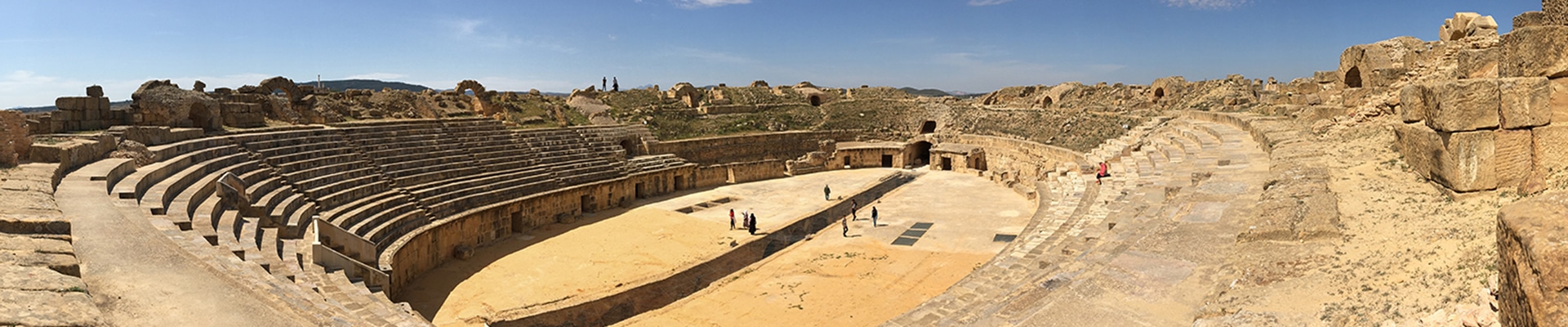
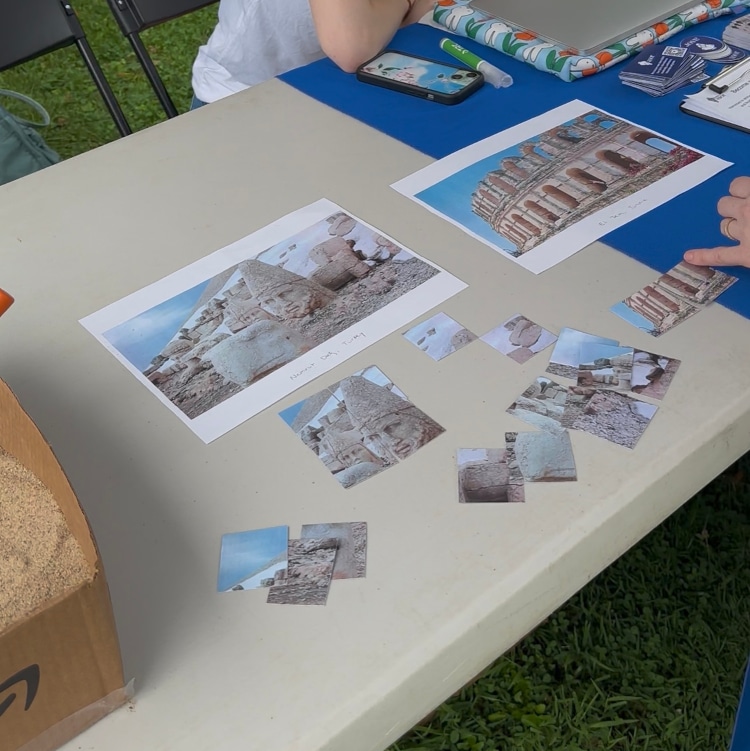
The ASOR table included several activities for a variety of ages and knowledge levels, as well as informative posters about our organization and Cultural Heritage Initiatives. For children, we provided a sandbox for digging up ancient Egyptian “artifacts,” and two puzzles of images from the Amphitheatre of El Jem in Tunisia and the statue heads at the hierothesion in Nemrut Dag, Turkiye. We also had copies ofNear Eastern Archaeology to give out, as well as ASOR swag.

Puzzles of El Jem and Nemrut Dag
Young archaeologists excavating for artifacts
Attendees browsing the ASOR table
ASOR staff speaking with a volunteer

ASOR is proud to once again support a successful DC Day of Archaeology! As part of our mission to make archaeology accessible and engaging for all, we were excited to connect with members of the public, share the latest discoveries, and highlight the importance of preserving cultural heritage. Events like these are vital for sparking curiosity, encouraging dialogue, and inspiring future generations of archaeologists.

Thank you to everyone who stopped by—we loved hearing your questions and sharing in your enthusiasm.
See you next year!

Table of Contents for Near Eastern Archaeology 88.2 (2025)

Table of Contents for Near Eastern Archaeology 88.2 (June 2025)

nea-88.2-cover
You can receive NEA(and other ASOR publications) through an ASOR Membership.
Please e-mail the Membership office if you have any questions.
Pp. 88–95: “Megiddo, the Mother of All Tells: An Introduction” by Israel Finkelstein and Matthew J. Adams

In this introduction the authors describe the goals of the Tel Aviv University Expedition team on the outset of the project thirty years ago and ask whether they have been fulfilled. Special emphasis is given to the unique Megiddo Strato-Ceramic-Radiocarbon chain of actions. The stratigraphy of Megiddo is also summarized.

ASOR Members with online access: log into ASOR’s Online Portal here. Once logged in, click the JOURNALS tab in the top navigation bar. Tutorials for how to log in to the Online Portal as well as how to navigate to the Portal Journals page can be found here.

Pp. 96-101: “A Brief History of Excavations at Megiddo” by Eric H. Cline

This article provides a brief history of the four archaeological expeditions to Megiddo, including the excavation areas and methodology of each, as well as some of their major finds. The survey begins with Gottlieb Schumacher (1903–1905), continues with the University of Chicago (1925–1939), followed by Yigael Yadin/Hebrew University of Jerusalem (1960 and early 1970s), and ends with a brief overview of the Tel Aviv University Consortium (1994–present).

ASOR Members with online access: log into ASOR’s Online Portal here. Once logged in, click the JOURNALS tab in the top navigation bar. Tutorials for how to log in to the Online Portal as well as how to navigate to the Portal Journals page can be found here.

Pp. 102-111: “Vegetation and Climate of Megiddo and Its Surroundings during the Bronze and Iron Ages” by Dafna Langgut

This survey article seeks to reconstruct the environmental and climatic conditions at Tel Megiddo during the Bronze and Iron Ages. It aims to illuminate both the natural and man-made landscape of the site, with a focus on how plants were utilized by its inhabitants. In the absence of continuous, high-resolution paleoclimate records from Megiddo or its immediate surroundings, climate records from other nearby locations within the Mediterranean vegetation zone are used to provide a detailed reconstruction of the climate and environment. Archaeobotanical remains collected over the years from excavations at Tel Megiddo are analyzed to understand the use of plants for construction, wooden crafts, and fuel. Additionally, horticultural practices, dietary habits, and the use of plants for medicinal and ritual purposes are revealed.

ASOR Members with online access: log into ASOR’s Online Portal here. Once logged in, click the JOURNALS tab in the top navigation bar. Tutorials for how to log in to the Online Portal as well as how to navigate to the Portal Journals page can be found here.

Pp. 112-119: “Animal Economy at Megiddo: From the Middle Bronze III to the Iron I” by Lidar Sapir-Hen

This paper explores trends in animal economy in two neighborhoods in Megiddo, between the MB III, when the palace was established in the northwest of the tell, and the Late Iron Age I, when the city was destroyed. Results show that throughout this time span, Area K inhabitants were engaged with production activities, like herding and ploughing, while Area H inhabitants, located near the palace, were provided with animals and their products. At the same time, the two neighborhoods shared the source of livestock animals, implying an internal food production system. The use of animals and their products to establish social disparity demonstrates the urban nature of the site in the discussed periods and emphasizes the central role that livestock animals play in the life of the population.

PLEASE NOTE: This article contains images of human skeletal remains.

ASOR Members with online access: log into ASOR’s Online Portal here. Once logged in, click the JOURNALS tab in the top navigation bar. Tutorials for how to log in to the Online Portal as well as how to navigate to the Portal Journals page can be found here.

Pp. 120-125: “Megiddo Microgeoarchaeology in the Field and in the Lab” by Ruth Shahack-Gross

Micro-geoarchaeological research at Tel Megiddo targets questions about construction materials, occupation deposits in domestic and public sectors of the city, destruction, abandonment, and postdepositional processes. Since 2006, employing primarily the methods of micromorphology, infrared spectroscopy, phytolith, dung spherulite, and wood ash analysis, significant insights have been gained. This article presents three case studies that show the strength of micro-geoarchaeology for obtaining a general understanding of the history and archaeology of Megiddo’s inhabitants: (1) characterization of domestic trash deposits, (2) characterization of construction materials and the implications for understanding the natural resources that were used by the site’s inhabitants, and (3) understanding the mechanism and processes that took place during Megiddo’s most famous destruction by fire.

ASOR Members with online access: log into ASOR’s Online Portal here. Once logged in, click the JOURNALS tab in the top navigation bar. Tutorials for how to log in to the Online Portal as well as how to navigate to the Portal Journals page can be found here.

Pp. 126-137: “Megiddo in the Third Millennium BCE: Rise and Fall of Urban Life” by Matthew J. Adams

Megiddo has provided some of the most iconic architecture for the Early Bronze Age Levant, including the well-known Stratum XIX broad-room temple complex and the large round altar of Stratum XVII–XVI, both excavated by the Oriental Institute team in the 1930s. The Tel Aviv University Megiddo Expedition was able to add the Great Temple of the EB I, the largest and most monumental structure of its period in all of the Levant, even rivaling contemporary structures in Egypt and Mesopotamia. This article traces the developments at Megiddo from the end of the fourth millennium to the end of the third, from a temple-centered to a palace-centered society and back again.

ASOR Members with online access: log into ASOR’s Online Portal here. Once logged in, click the JOURNALS tab in the top navigation bar. Tutorials for how to log in to the Online Portal as well as how to navigate to the Portal Journals page can be found here.

Pp. 138-152: “Megiddo in the Middle Bronze Age: Chronology, Urbanization, and Population” by Matthew J. Adams, Mario A. S. Martin, Zachary Dunseth, Assaf Yasur-Landau, and Israel Finkelstein

This article deals with Middle Bronze Megiddo, emphasizing its importance for understanding this period at the site, and in the entire southern Levant in general. We focus on new evidence for exceptional accumulation of layers for the earliest Middle Bronze layer, radiocarbon dated to the early twentieth century BCE, and for the first fortification system also dated to the twentieth century BCE. We also deal with the complex history of the fortifications, including gates, and the phenomenon of intramural burials, some of them of monumental nature.

PLEASE NOTE: This article contains images of human skeletal remains.

ASOR Members with online access: log into ASOR’s Online Portal here. Once logged in, click the JOURNALS tab in the top navigation bar. Tutorials for how to log in to the Online Portal as well as how to navigate to the Portal Journals page can be found here.

Pp. 154-165: “The Rule of an Empire: Megiddo in the Late Bronze Age” by Mario A. S. Martin and Israel Finkelstein

During the Egyptian empire in the Late Bronze Age Megiddo was the hub of a city-state linked to all areas of the eastern Mediterranean, and its fate was determined by the macro-political events of the time. Early in the period, especially in the aftermath of the Battle of Megiddo in 1457 BCE, the city was in decline. A long spell of revival and prosperity ensued in the fourteenth (Amarna Age) and thirteenth centuries. The twelfth century brought a period of crisis, which caused the downfall of the Late Bronze city in several steps; various quarters were hit at different times and intensity. The final blow is marked by the fiery destruction of the palace district in the early eleventh century, more than a generation after the demise of the Egyptian empire.

ASOR Members with online access: log into ASOR’s Online Portal here. Once logged in, click the JOURNALS tab in the top navigation bar. Tutorials for how to log in to the Online Portal as well as how to navigate to the Portal Journals page can be found here.