In 106 CE, Rome annexed the Nabataean Kingdom and transformed it into the Roman province of Arabia. While the move ended the political independence of the people living in modern Jordan, southern Syria, the Negev, and northern Saudi Arabia, core elements of Nabataean religion survived. Not long after the annexation, in the 2nd century CE, the Nabataean temple at Khirbet et-Tannur was constructed in Central Jordan, over four miles from the nearest village. Despite the distance, and the steep climb, the pilgrimage site thrived for centuries until its destruction in the 363 CE earthquake. In the subsequent centuries, Tannur’s rare visitors were primarily interested in iconoclastic behavior, not worship.
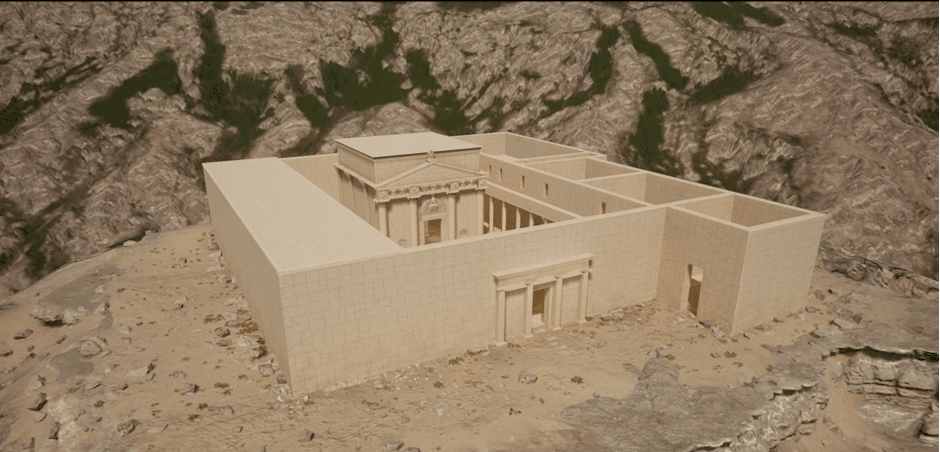
Image courtesy of the Cincinnati Art Museum.
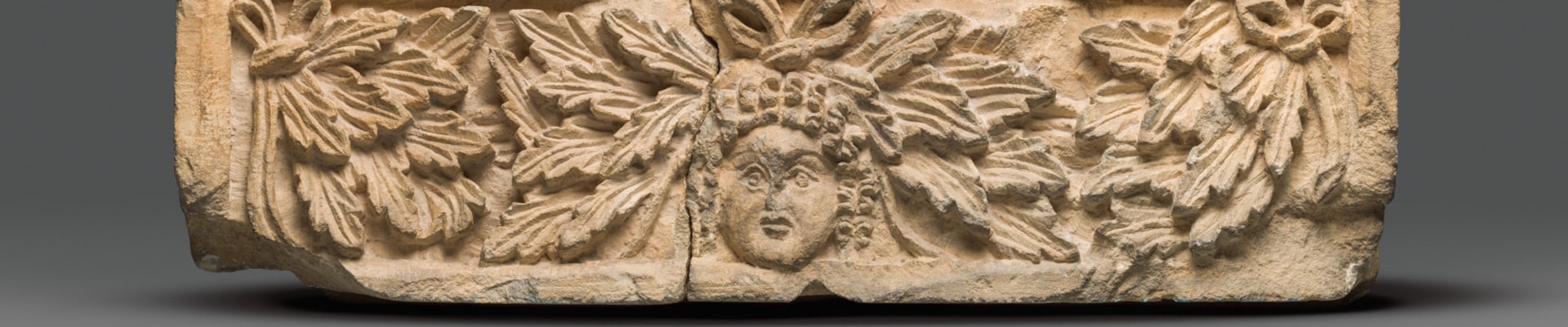
Khirbet et-Tannur lay in ruins until Nelson Glueck and his team began excavation of the site on behalf of the Transjordanian Department of Antiquities and the American Schools of Oriental Research in 1937. Their rediscovery of the Zodiac Roundel with Bust of the Goddess Tyche (Cincinnati Art Museum, 1939.233) and a plethora of other unique sculpture reintroduced the ancient Nabataeans to the world and landed Glueck on the cover of Time magazine. And yet, the site remained largely unpublished until Judith McKenzie’s work in 2013.
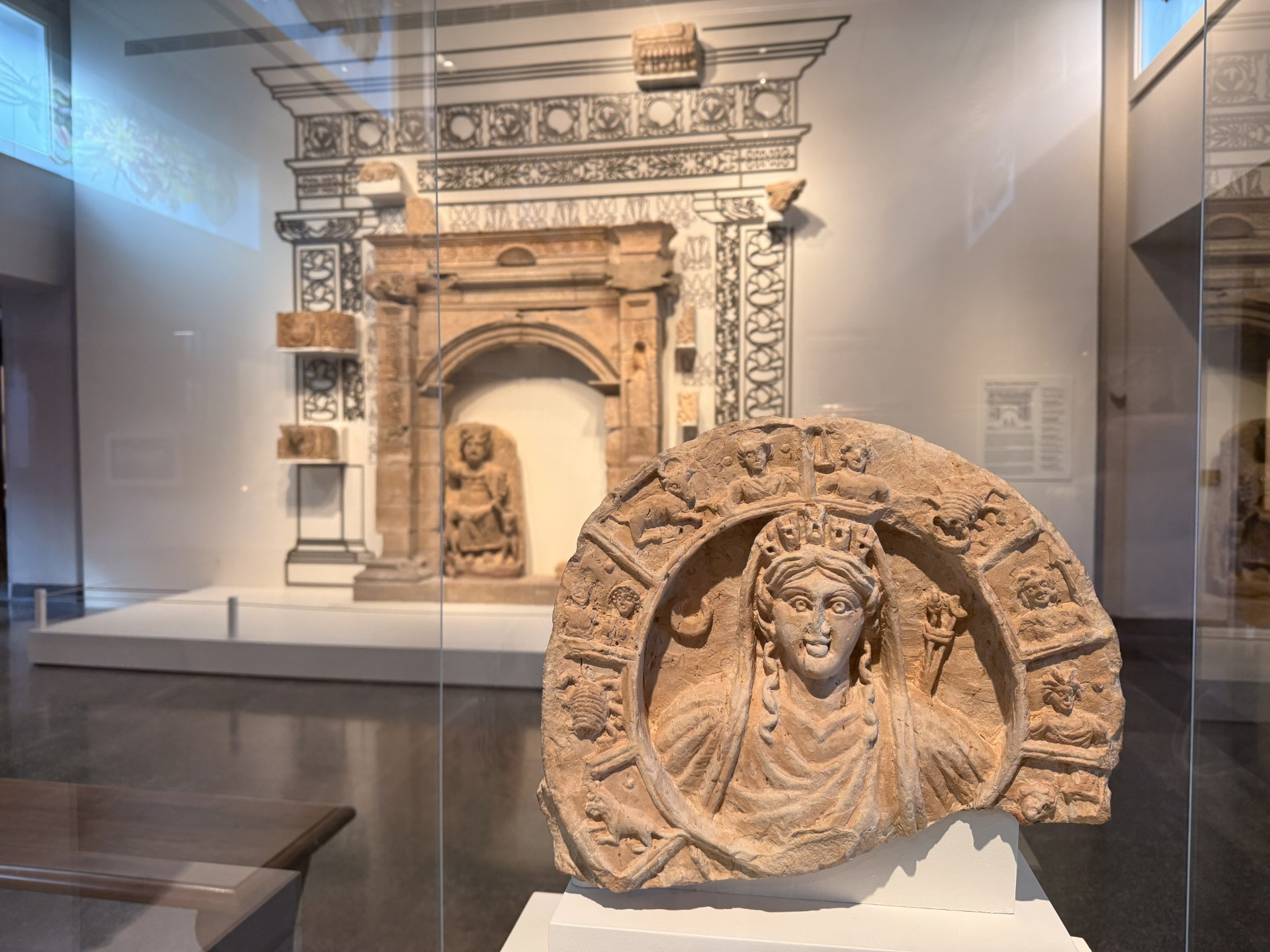
Image courtesy of the Cincinnati Art Museum.
This lecture travels the site’s two millennia history, from its ancient construction and destruction in the Roman period, through Glueck’s adventures in the early-to-mid 20th century, to McKenzie’s publication and the reinstallation of the collection in 2021 at the Cincinnati Art Museum. It explores how Khirbet et-Tannur’s excavations transformed our understanding of the Nabataeans, explains how the materials came to be in Cincinnati, and demonstrates how 21st century innovations (a digital flythrough of the site and an interactive platform) and museum best practices facilitate new connections with the past. Through technology both ancient and new, the Nabataeans at Khirbet et-Tannur live on.
 Sarah Wenner, PhD, is the jointly appointed Provenance Researcher & Object Historian at the Cincinnati Art Museum and Assistant Professor at the American Center of Research (Amman, Jordan). A specialist in ancient ceramics and the Nabataeans, Wenner has worked in Jordan for over a decade, including at Petra, Humayma, Wadi Ramm, Aqaba, Khirbet al-Khalde, and Udhruh, as well as at Pompeii (Italy), Tharros (Sardinia), and Monticello (USA). Her research investigates the building of Roman cities through the recycling of ancient waste.
Friends of ASOR is pleased to announce that the first webinars of the 2025-2026 season will once again be free and open to the public with a goal to raise $10,000 so that the entire webinar season will be free. Will you support this outreach effort with a tax-deductible contribution? All donors/sponsors with gifts of $100 or more will be recognized in subsequent webinars. Make your gift today and select “webinars” from the dropdown menu.

Designate your gift for “Webinars” in the drop-down menu.