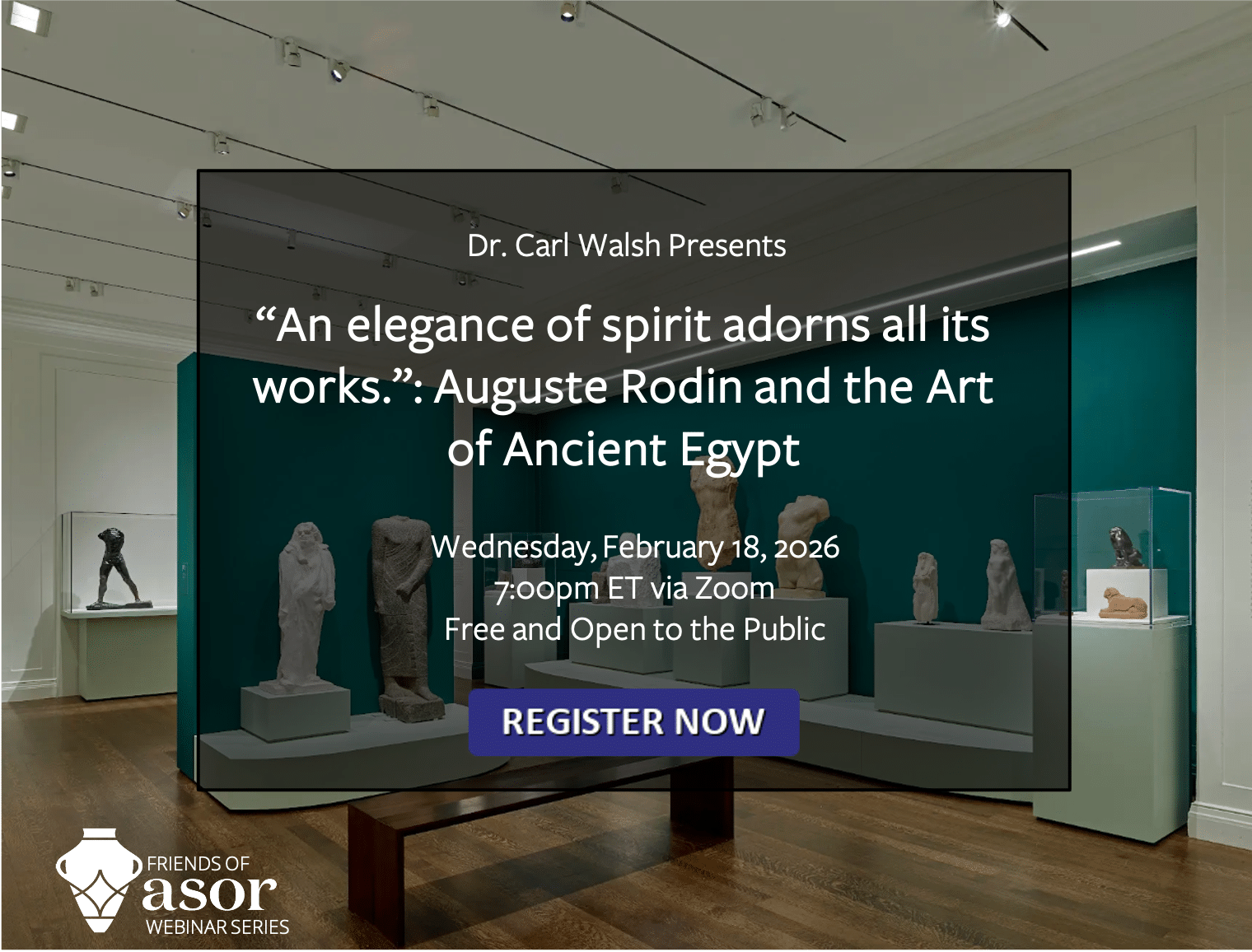
FOA Webinar: Carl Walsh

FRIENDS OF ASOR WEBINARS

“An elegance of spirit adorns all its works.”: Auguste Rodin and the Art of Ancient Egypt

Friends of ASOR present the next webinar of the 2025-2026 season on February 18, 2026, at 7:00 pm EST, presented by Carl Walsh. This webinar will be free and open to the public. Registration through Zoom (with a valid email address) is required. This webinar will be recorded and all registrants will be sent a recording link in the days following the webinar.

Auguste Rodin. Le Succube (The Succubus). Bronze. 1888 (model), 1890 (casting). Musée Rodin: S.520.


Most people would not conceive of any connection between the works of the master French sculptor Auguste Rodin (1840–1917) and the art of ancient Egypt. Rodin is celebrated as one of the founders of modernist sculpture, who crafted sensual and expressive bodies that embraced the subject and materiality of the medium. Ancient Egyptian sculptors, on the other hand, presented highly codified representations of the human form, which have often been viewed as static, rigid, and somewhat devoid of emotion. The two certainly present radically different bodily aesthetics, divorced by vast temporal and cultural contexts. How then, can we see them as meaningfully related?

This is one of the key questions framing the current exhibition Rodin’s Egypt, now on display at the Institute for the Study of the Ancient World at New York University, in collaboration with the Musée Rodin in Paris, until March 15, 2026. The show explores Rodin’s admiration for the art of ancient Egypt and how he engaged and responded to the Egyptian antiquities he amassed over the course of his life. In this talk, Dr. Walsh will discuss how Rodin became interested in ancient Egyptian art in his waning years and the profound—if subtle—impact it had on the sculptor’s practice through the objects which you can see in the exhibition.

Dr. Carl Walsh holds a PhD in Archaeology from University College London and is an assistant exhibition curator at the Institute for the Study of the Ancient World at New York University. He is dedicated to crafting accessible and engaging stories about the ancient world and has curated multiple exhibitions at ISAW covering the ancient societies of Iraq, Etruria, Islamic Spain, and Egypt, as well as early modern art and photography. He has co-edited Teaching Ancient Egypt in Museums: Pedagogies in Practice, which delves into ethical best practices for engaging learners about ancient Egypt using museum objects and is currently working on a follow up volume that looks more broadly about teaching about ancient West Asia, North Africa, and the Mediterranean in museums. Carl’s research focuses on Bronze Age cross-cultural interactions and his current projects focus on the material culture—such as board games, cosmetics, furniture, and pottery—of the kingdom of Kerma (Kush) in modern Sudan, and considers how these objects reveal the complex interactions between societies across North Africa.

SUPPORT THE WEBINAR PROGRAM!

Friends of ASOR is pleased to announce that the first webinars of the 2025-2026 season will once again be free and open to the public with a goal to raise $10,000 so that the entire webinar season will be free. Will you support this outreach effort with a tax-deductible contribution? All donors/sponsors with gifts of $100 or more will be recognized in subsequent webinars. Make your gift today and select “webinars” from the dropdown menu.

Designate your gift for “Webinars” in the drop-down menu.

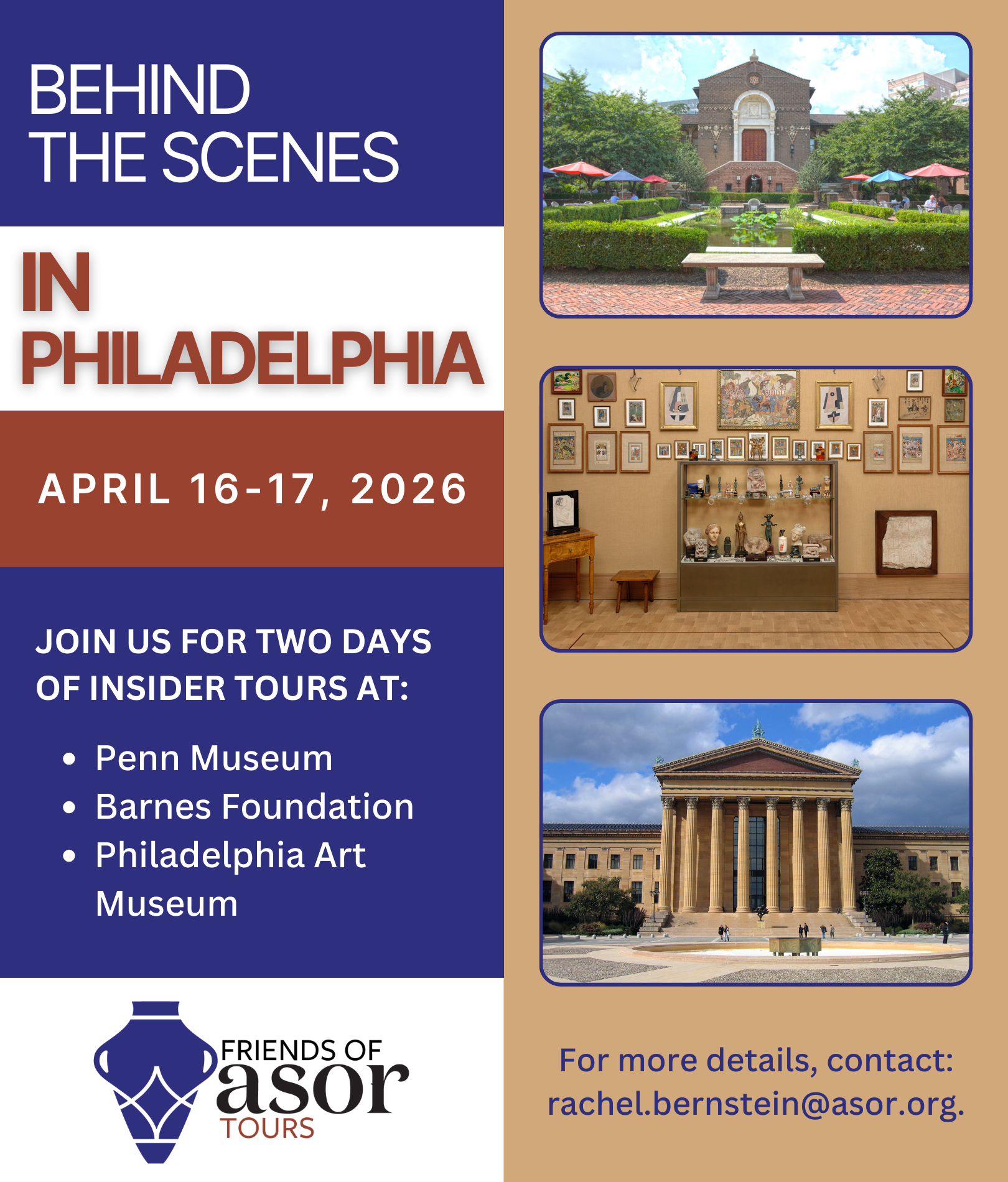
Friends of ASOR Tours: Philadelphia 2026

FRIENDS OF ASOR TOURS

Behind the Scenes: In Philadelphia

Join Friends of ASOR from April 16-17, 2026 for exclusive, behind-the-scenes access to some of Philadelphia’s premier cultural institutions, featuring expert-led tours and insights into spaces highlighting the archaeology and art of the ancient Middle East and Mediterranean.

Tour itinerary:

Thursday, April 16 | Penn MuseumParticipants will spend the day at the Penn Museum, with guided visits to the Middle East Galleries, the Preserving Assyria exhibition, and the Babylonian and Near Eastern collections. The program will also include access to the museum’s conservation laboratories, offering insight into current preservation and research practices.Friday, April 17 | Barnes FoundationThe second day starts at the Barnes Foundation with a private lecture followed by a behind-the-scenes tour of the Egyptian, Greek, and Roman collections.Friday, April 17 | Philadelphia Art MuseumThe itinerary continues in the afternoon at the Philadelphia Art Museum, with a behind-the-scenes tour with PMA conservators.

Pricing: $325

All ticket prices include a tax-deductible $150 donation to Friends of ASOR.Participants are responsible for their own transportation, hotel, and meals.

Register by clicking here or on the button below. Once you create a login to register, navigate to the top menu, hover over “Events” and select “Browse Upcoming Events.”

Space is limited, so register to secure your spot today!

Please e-mail us or call 703-789-9234 if you need registration assistance or have any questions.

Cancellation Policy

ASOR strongly recommends that all participants purchase travel insurance because ASOR is required to make non-refundable deposits. ASOR cannot be responsible for refunds except as noted below.

All tax-deductible gifts to ASOR’s Friends of ASOR outreach initiatives are irrevocable and thus not refundable.

*Full itinerary is subject to change.

FOA Webinar: Benyamin Storchan

FRIENDS OF ASOR WEBINARS

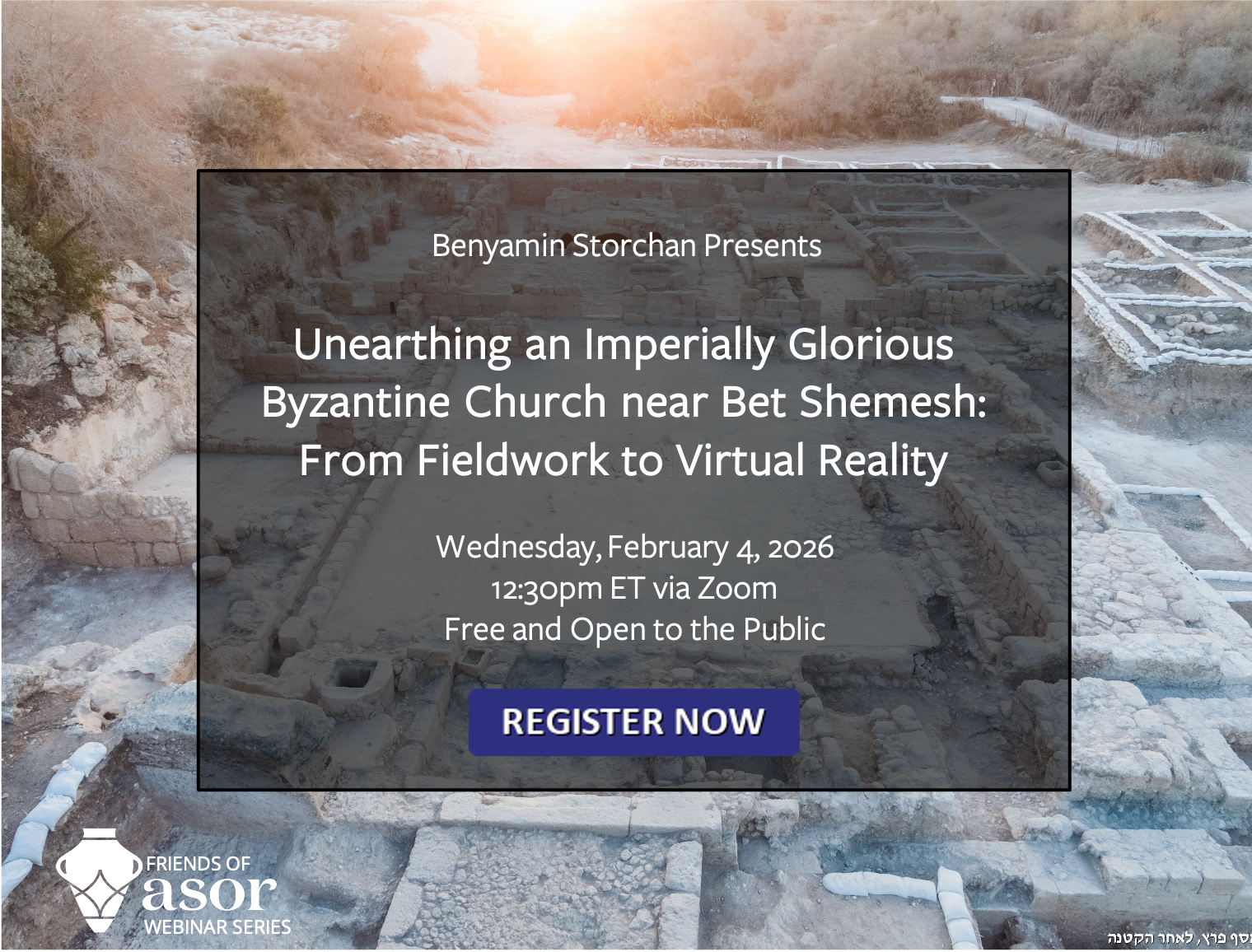
Unearthing an Imperially Glorious Byzantine Church near Bet Shemesh: From Fieldwork to Virtual Reality

Friends of ASOR present the next webinar of the 2025-2026 season on February 4, 2026, at 12:30 pm EST, presented by Benyamin Storchan. This webinar will be free and open to the public. Registration through Zoom (with a valid email address) is required. This webinar will be recorded and all registrants will be sent a recording link in the days following the webinar.

In the heart of the Holy Land, just 15 miles southwest of Jerusalem, lies one of the most remarkable Byzantine churches discovered in recent decades. The archaeological excavations at the Church of the Glorious Martyr unearthed a fascinating five-century story of faith and pilgrimage, yet the greatest mystery remains unsolved: who was the Glorious Martyr venerated in the sacred crypt? This lecture chronicles the remarkable transformation of a simple burial cave that evolved during the Byzantine period into a magnificent pilgrimage site funded by the emperor himself. Based on ancient pilgrim accounts, the site may be connected with a shrine dedicated to the biblical prophet Zechariah that appears on the famous sixth-century Madaba Map. The excavations demonstrate that the church survived political upheavals, earthquakes, and religious transitions, continuing to function even under early Islamic rule. Though the site was abandoned in the tenth century, its archaeological legacy continues to illuminate our understanding of Byzantine pilgrimage, religious architecture, and the complex relationship between Christianity and Islam in the Holy Land. Through 3D modelling and reconstruction, we can now experience the church as ancient pilgrims once did, complete with marble panels, bronze gates, and flickering oil lamps in the sacred crypt below.

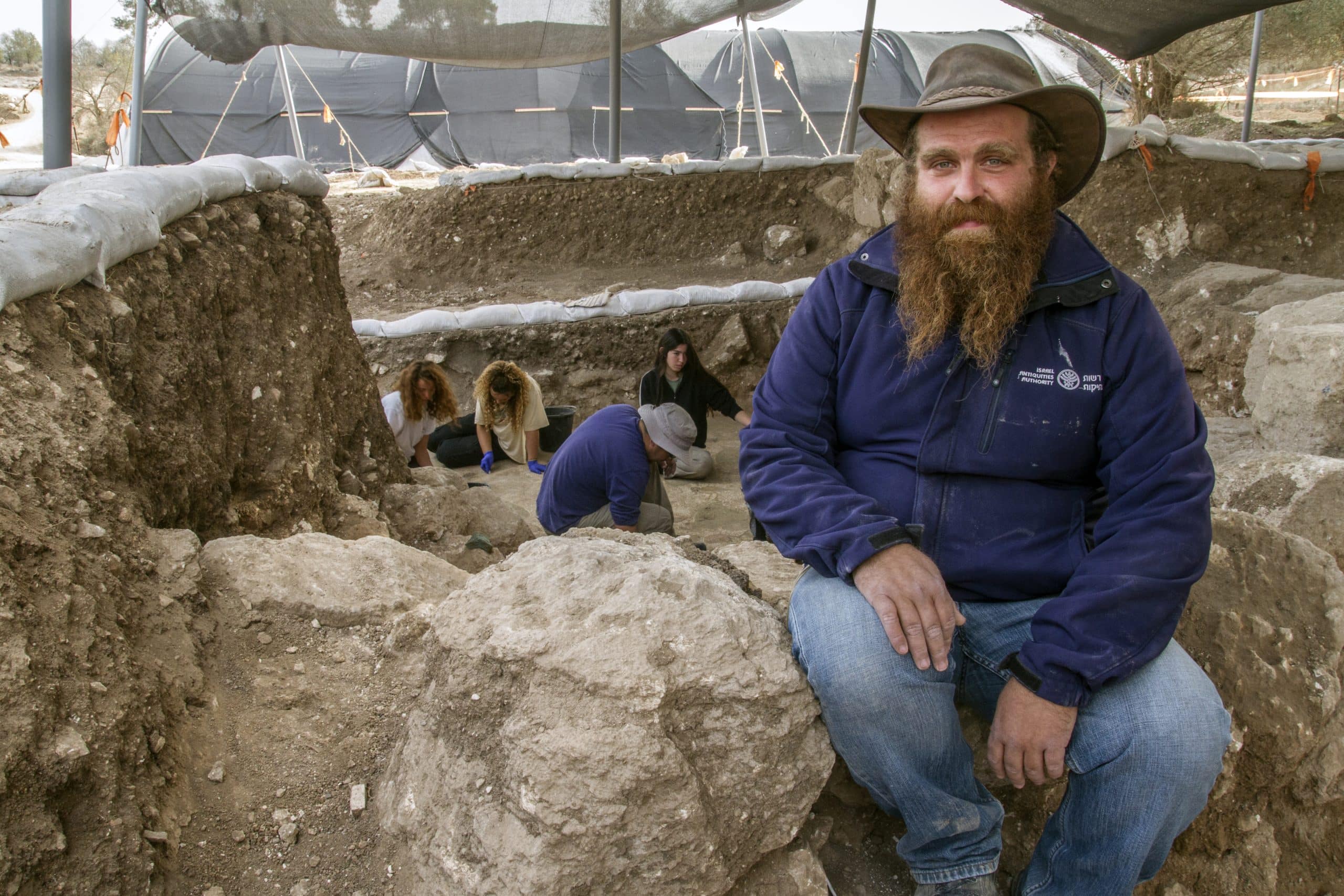
Benyamin Storchan is a research excavation archaeologist for the Jerusalem Region of the Israel Antiquities Authority. He is currently a PhD candidate at Ben Gurion University of the Negev, writing a dissertation on Byzantine churches in the Holy Land during the transition to the early Islamic Period. Storchan has directed several large-scale excavations, including the Glorious Martyr excavations, the Pre- and Proto-historic settlements at Eshtaol, and landscape archaeology projects near Bet Shemesh. He has published multiple articles on Byzantine churches in the Holy Land, oil lamp production in the Roman period, and numerous final excavation reports.

SUPPORT THE WEBINAR PROGRAM!

Friends of ASOR is pleased to announce that the first webinars of the 2025-2026 season will once again be free and open to the public with a goal to raise $10,000 so that the entire webinar season will be free. Will you support this outreach effort with a tax-deductible contribution? All donors/sponsors with gifts of $100 or more will be recognized in subsequent webinars. Make your gift today and select “webinars” from the dropdown menu.


Designate your gift for “Webinars” in the drop-down menu.

MEDIA RELEASES

MEDIA RELEASES

Official announcements and media statements from ASOR will be listed on this page. The American Society of Overseas Research (ASOR) is a non-profit 501(c)(3) organization whose mission is to initiate, encourage, and support research into, and public understanding of, the history and cultures of the Near East and wider Mediterranean world, from the earliest times. ASOR is apolitical and has no religious affiliation.

2026


2025

HOTEL RESERVATIONS

HOTEL RESERVATIONS

Hilton Chicago
720 South Michigan Avenue
Chicago, IL 60605

ASOR’s 2026 Annual Meeting will take place at the Hilton Chicago located at 720 South Michigan Avenue in downtown Chicago. Overlooking Grant Park and Lake Michigan, the Hilton Chicago is ideally situated within walking distance of many great restaurants, shopping, public transportation, and many of Chicago’s top attractions like the Museum Campus and Millennium Park. The Hilton Chicago is a contemporary environment to enjoy ASOR sessions during the day and explore Chicago during the evening.

Reservations: ASOR has negotiated the discounted rates of $159 single/double, $184 triple, and $209 quad for reservations in ASOR’s block at the Hilton Chicago. You are encouraged to make a reservation early. ASOR’s block of rooms often sells out before the meeting, even over the summer, and rooms in Chicago are in high demand. Cancellations may be made until 3:00pm EST, 72 hours prior to arrival.

Make your reservation online in ASOR’s group block or call 1-877-865-5320 and request the group rate for ASOR Annual Meeting (code ASO).

*Note: The hotel destination fee is waived for ASOR attendees. The auto-generated hotel confirmation may show a destination fee, but this fee will not show up on your bill. 

Parking: The parking garage at the Hilton Chicago offers self parking (entrances on Wabash Avenue and Balbo Street) at $72 for 24 hours with in/out privileges. Valet Parking is available at the Michigan Avenue entrance, or at the Balbo Parking Garage entrance at the rate of $88 for 24 hours.

Public Transportation: From Chicago O’Hare International Airport, take the CTA Blue Line (the only subway train leaving O’Hare) to the Jackson stop and walk 0.6 miles southeast to the Hilton Chicago (720 S. Michigan Avenue). From Midway Airport, The Hilton Chicago is 1/2 mile from the Roosevelt stop on the CTA Orange Line.

Dining: At the Hilton Chicago you can enjoy farm-to-fork fare, tap-to-pint favorites, and live entertainment at Kitty O’Sheas pub, or savor on small bites at  720 South Bar + Grill in the hotel lobby. Light fare and “on the go” items are available at Herb N’ Kitchen. Within a short walk of the hotel you will find a variety of restaurants from casual to fine dining.

Travel Information: As part of ASOR’s commitment toward carbon neutrality, we encourage all attendees who can to consider traveling to Chicago by train or bus. Visit our travel page for more information and savings on travel to and around Chicago.

Chicago Highlights: Did you know that Chicago is home to 56 museums, 125 art galleries, and 20 neighborhood art centers? It boasts 26 miles of lakefront, 580 parks and 26 beaches. We will be updating this page regularly with fun facts about the Windy City and links to some of Chicago’s best attractions.

FOA Webinar: Sarah Wenner

FRIENDS OF ASOR WEBINARS

Experiencing Khirbet et-Tannur: The Story of a Nabatean Temple from the Second through 21st Century

Friends of ASOR present the next webinar of the 2025-2026 season on January 21, 2026, at 7:00 pm EST, presented by Sarah Wenner. This webinar will be free and open to the public. Registration through Zoom (with a valid email address) is required. This webinar will be recorded and all registrants will be sent a recording link in the days following the webinar.

In 106 CE, Rome annexed the Nabataean Kingdom and transformed it into the Roman province of Arabia. While the move ended the political independence of the people living in modern Jordan, southern Syria, the Negev, and northern Saudi Arabia, core elements of Nabataean religion survived. Not long after the annexation, in the 2nd century CE, the Nabataean temple at Khirbet et-Tannur was constructed in Central Jordan, over four miles from the nearest village. Despite the distance, and the steep climb, the pilgrimage site thrived for centuries until its destruction in the 363 CE earthquake. In the subsequent centuries, Tannur’s rare visitors were primarily interested in iconoclastic behavior, not worship.

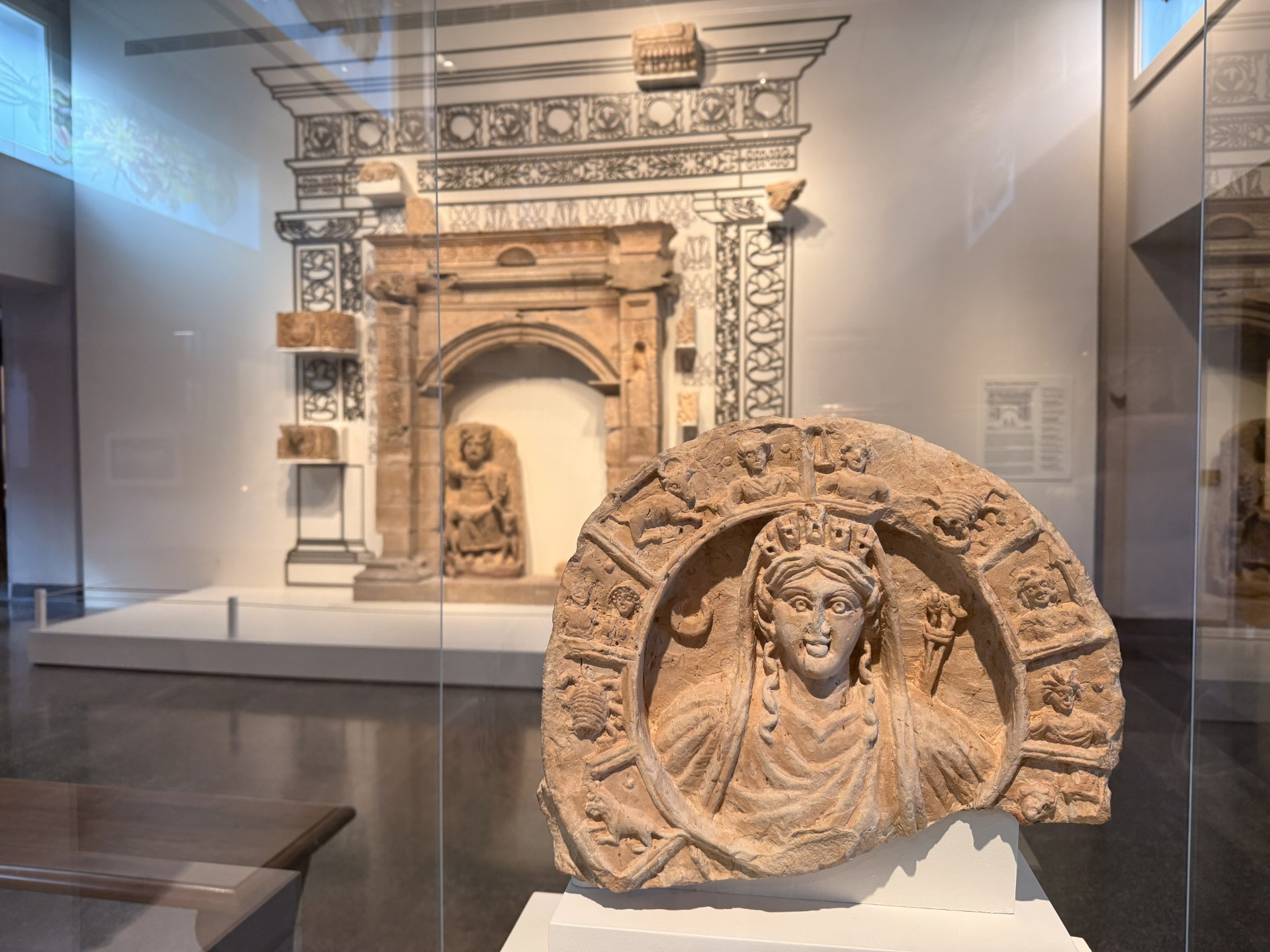
Image courtesy of the Cincinnati Art Museum.


Khirbet et-Tannur lay in ruins until Nelson Glueck and his team began excavation of the site on behalf of the Transjordanian Department of Antiquities and the American Schools of Oriental Research in 1937. Their rediscovery of the Zodiac Roundel with Bust of the Goddess Tyche (Cincinnati Art Museum, 1939.233) and a plethora of other unique sculpture reintroduced the ancient Nabataeans to the world and landed Glueck on the cover of Time magazine. And yet, the site remained largely unpublished until Judith McKenzie’s work in 2013.

Image courtesy of the Cincinnati Art Museum.


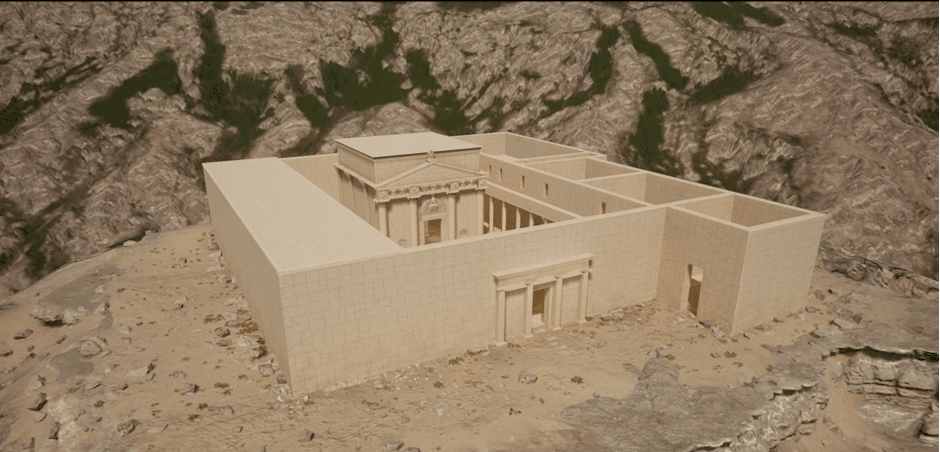
This lecture travels the site’s two millennia history, from its ancient construction and destruction in the Roman period, through Glueck’s adventures in the early-to-mid 20th century, to McKenzie’s publication and the reinstallation of the collection in 2021 at the Cincinnati Art Museum. It explores how Khirbet et-Tannur’s excavations transformed our understanding of the Nabataeans, explains how the materials came to be in Cincinnati, and demonstrates how 21st century innovations (a digital flythrough of the site and an interactive platform) and museum best practices facilitate new connections with the past. Through technology both ancient and new, the Nabataeans at Khirbet et-Tannur live on.

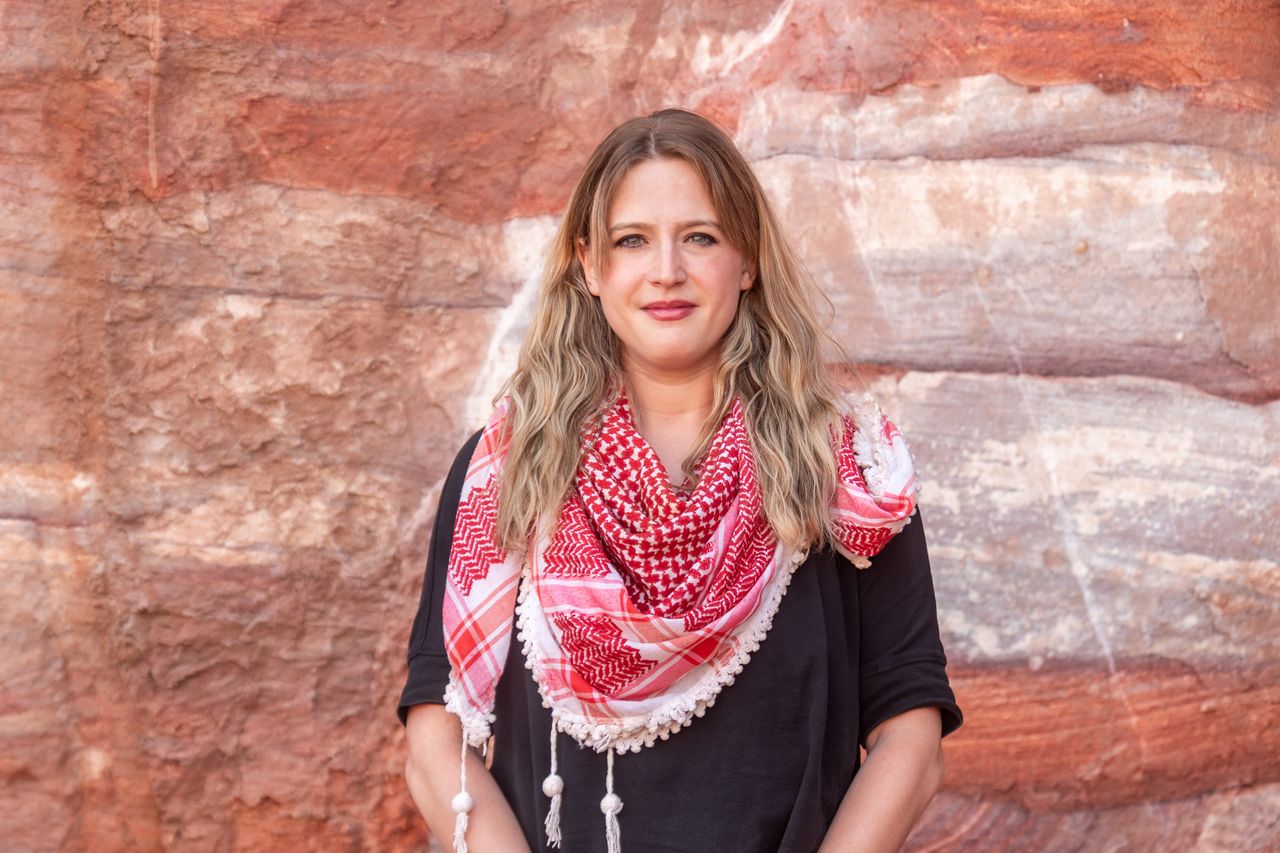
Sarah Wenner, PhD, is the jointly appointed Provenance Researcher & Object Historian at the Cincinnati Art Museum and Assistant Professor at the American Center of Research (Amman, Jordan). A specialist in ancient ceramics and the Nabataeans, Wenner has worked in Jordan for over a decade, including at Petra, Humayma, Wadi Ramm, Aqaba, Khirbet al-Khalde, and Udhruh, as well as at Pompeii (Italy), Tharros (Sardinia), and Monticello (USA). Her research investigates the building of Roman cities through the recycling of ancient waste.

SUPPORT THE WEBINAR PROGRAM!

Friends of ASOR is pleased to announce that the first webinars of the 2025-2026 season will once again be free and open to the public with a goal to raise $10,000 so that the entire webinar season will be free. Will you support this outreach effort with a tax-deductible contribution? All donors/sponsors with gifts of $100 or more will be recognized in subsequent webinars. Make your gift today and select “webinars” from the dropdown menu.

Designate your gift for “Webinars” in the drop-down menu.
2026 Trustee Nominations Committee

2026 TRUSTEE NOMINATIONS COMMITTEE

The Trustee Nominations Committee is responsible for developing a slate of candidates for the annual trustee election and for presenting these candidates to the electorate. Typically, this slate consists of candidates for four positions: two individual trustees (candidates who are either academic or contributing members of ASOR) and two institutional trustees (candidates who represent organizations that are ASOR institutional members).

  • Kathryn Grossman, chair
  • Theodore Burgh
  • Helen Dixon
  • Emily Hammer
  • Jason Ur
  • Jane DeRose Evans (ex officio)
  • Sheldon Fox (ex officio)

Past Trustee Nominations Committee Members

2026 Facilities Committee

2026 FACILITIES COMMITTEE

The Facilities Committee formulates and makes recommendations to the Executive Committee and the Board regarding the repair and maintenance of ASOR facilities and improvements and renovations to ASOR facilities, including proposed improvement and renovation expenditures.

  • Alex Brooks, Chair
  • Michael Hasel
  • Alex MacAllister
  • Jane DeRose Evans (ex officio)
  • Sheldon Fox (ex officio)
  • Emily Miller Bonney (ex officio)
  • Andrew G. Vaughn (ex officio, non-voting)

Past Facilities Committee Members

2026 Officers Nominations Committee

2026 OFFICERS NOMINATIONS COMMITTEE

The Officers Nominations Committee is responsible for nominating new officers for ASOR as the terms of incumbent officers expire. These officers include the Chair of the Board, the President, the Vice-President, the Secretary, and the Treasurer. 

  • Lisa Ackerman, Chair
  • Sarah Costello
  • Ido Koch
  • Carol Meyers
  • Ricardo St. Hilaire
  • Jane DeRose Evans (ex officio)
  • Sheldon Fox  (ex officio)
  • Andrew G. Vaughn (ex officio, non-voting)

Past Officers Nominations Committee Members

2026 Committee on Archaeological Research and Policy (CAP)

2026 COMMITTEE ON ARCHAEOLOGICAL RESEARCH AND POLICY (CAP)

The Committee on Archaeological Research and Policy takes responsibility for designating archaeological fieldwork projects and archaeological publication projects as “CAP-affiliated,” thereby indicating that these projects have agreed to conform to the ASOR Policy on Professional Conduct and the Statement of General Standards for Projects Affiliated with ASOR. CAP-affiliated projects are eligible to apply for ASOR grants that support projects (Dana, Gold, Harris, and Seger Archaeological Project Grants). Some ASOR scholarships that support students’ participation in archaeological fieldwork are also available only for work at CAP-affiliated excavations. The committee is also responsible for discussing and debating matters of archaeological research and policy, especially with the goal of developing guidelines and resources for ASOR members and others regarding the highest scholarly and ethical standards for archaeological fieldwork and publications.  In addition, through a subcommittee, it awards ASOR project grants and scholarships for fieldwork participation, unless otherwise specified in donor agreements. 

Georgia Andreou, Chair (until December 31, 2026)

Class of 2026

Carrie Atkins (2nd term)
Müge Durusu-Tanrıöver (1st term)
Patricia Fall (2nd term)
Emily Hammer (2nd term)
Craig A. Harvey (1st term)
Matthew D. Howland (1st term)
Sarah Kansa (1st term)
Brita Lorentzen (2nd term)
Kathryn Morgan (2nd term)
Julia Nikolaus (1st term)
Tate Paulette (2nd term)
Stephanie Selover (2nd term)

Class of 2027

Ahmad Emrage (2nd term)
Laurel Hackley (2nd term)

Ex Officio

  • Jane DeRose Evans (ASOR President)
  • Jamie Fraser (AIAR Executive Director)
  • Jesse Casana (Damascus Committee Chair)
  • Jay Crisostomo (Baghdad Committee Chair)
  • David Graf (Saudia Arabia Committee Chair)
  • Lindy Crewe (CAARI Executive Director)
  • Andrew G. Vaughn (ASOR Executive Director, non-voting)

CAP Fellowship Committee

  • Patricia Fall, Chair
  • Georgia Andreou
  • Carrie Atkins
  • Müge Durusu-Tanrıöver
  • Laurel Hackley
  • Matthew D. Howland
  • Brita Lorentzen
  • Julia Nikolaus
  • Tate Paulette
  • Stephanie Selover

ASOR-Affiliated Archaeological Projects

Past Committee on Archaeological Research and Policy Members