Fieldwork Report: Andrew Rivadeneira

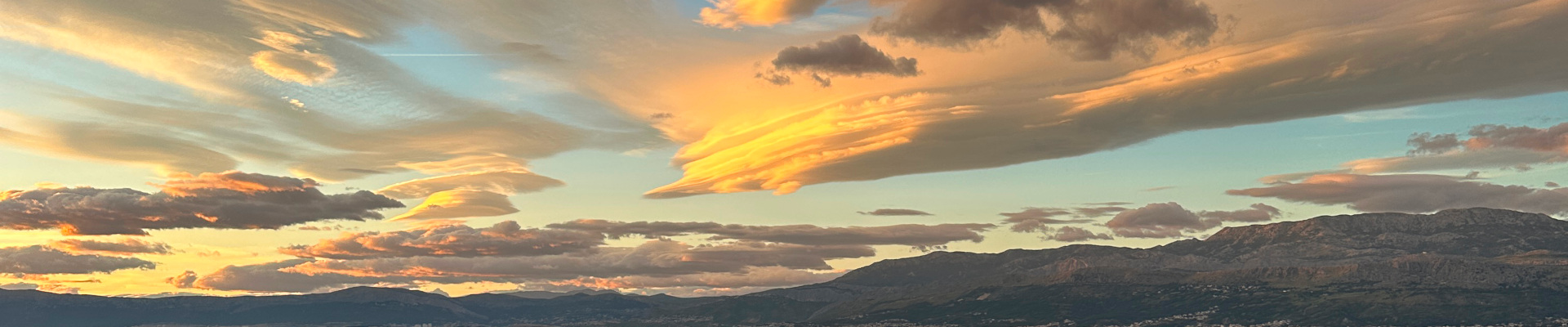
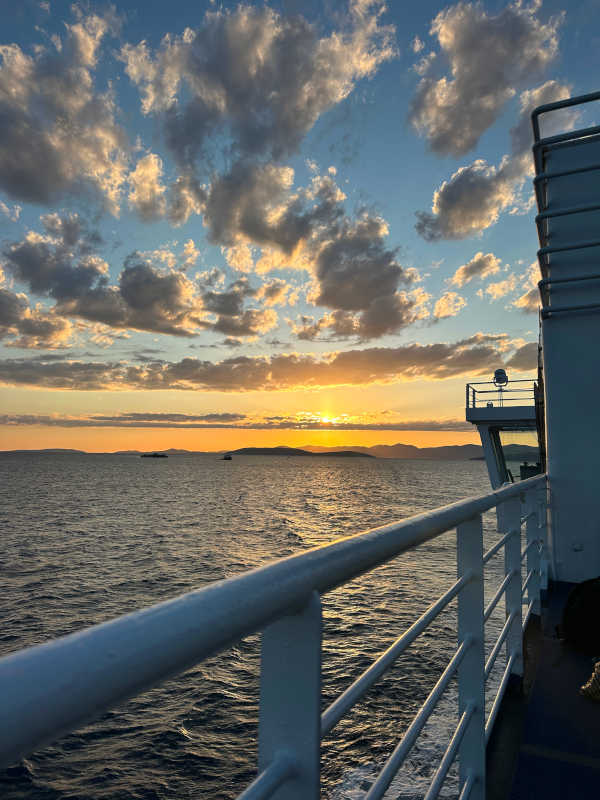
Sunset at Brac Island Croatia

Floating in the Adriatic

Andrew Victor Rivadeneira, 2025 Katherine Barton Platt Fieldwork Scholarship Recipient 

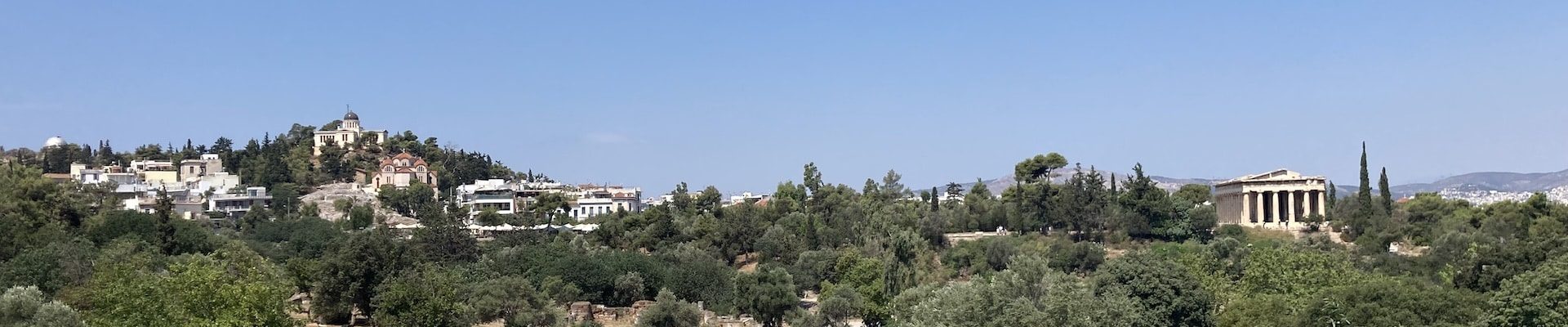
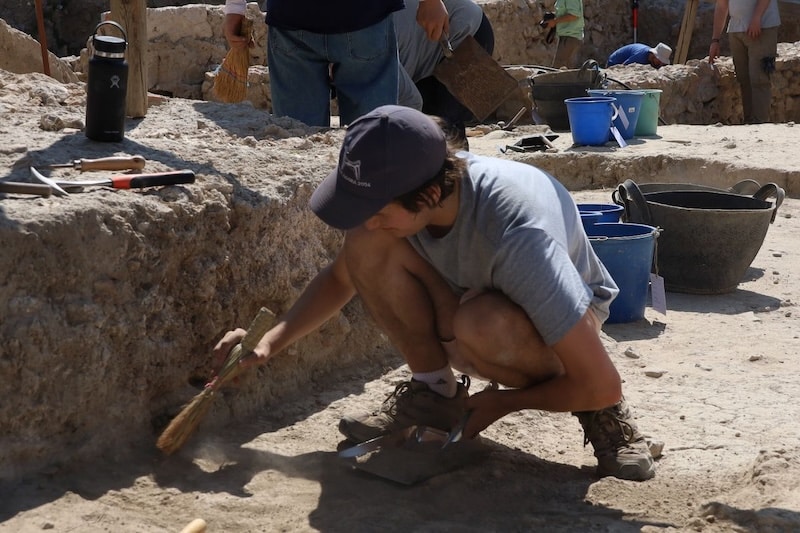
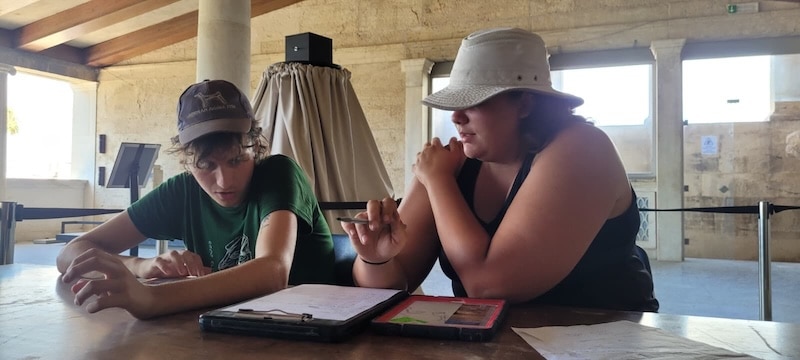
After 3 years of excavations at the hillfort Gradina Rat on Brač Island in Croatia, this year was a study season. The site is about an hour ferry ride from Split on the mainland. Gradina Rat has a long history of occupation from the Bronze Age through the 19th century. The focus this season was on analyzing and cataloging artifacts previously excavated, instead of on uncovering new material. As researchers, we focused on the processing of the finds and started to build a clearer picture for the function of the site for reports and publication. This was my third year as part of the project and second as a staff member. My role was to aid in processing archaeobotanical samples and help with the field reports.

Views from the ferry boat going from Split to Supetar on Brač.

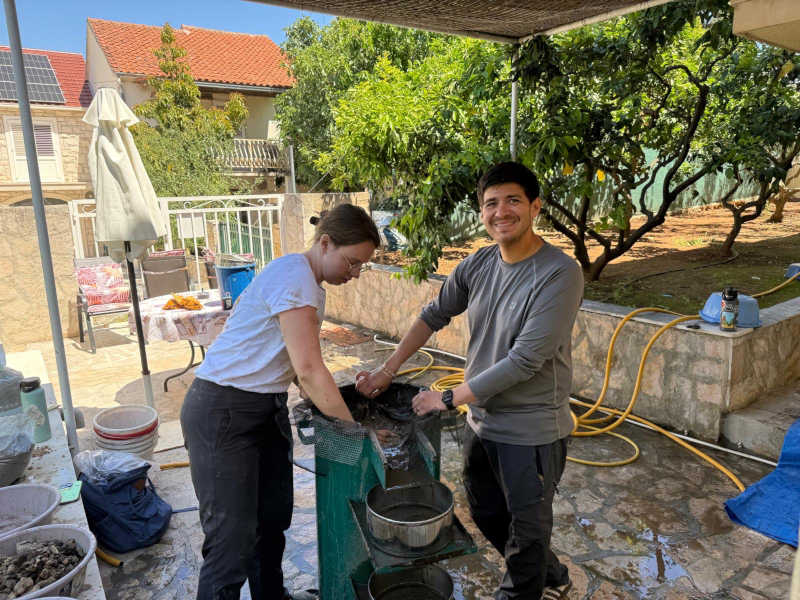
Flotation is a key archaeological method for recovering small scale artifacts such as seeds, charcoal, and fish bones from sediment. These smaller materials are hard to see during excavation of the deposits. Yet their low density allows them to float and become more visible in water, hence the flotation method. Samples were taken from each context after the modern layers and kept separated throughout the process. We used a full-sized metal water sieve device that was loaned from the University of Zadar for the last two field seasons. The drum was filled with water near the bottom, and then soil was poured from the top over the mesh in the drum. The mesh allowed the dirt to pass through while keeping larger material on the top of the mesh, and for the smaller material to float. The floating material and water then were slowly pushed out of an opening near the top of the drum. There were two different sized micro mesh trays that would then catch the material while allowing the water to filter through and out of the device. Afterwards the collected micro material was dried and later sorted.

Floating a soil sample with my colleague Hannah Hungerford.
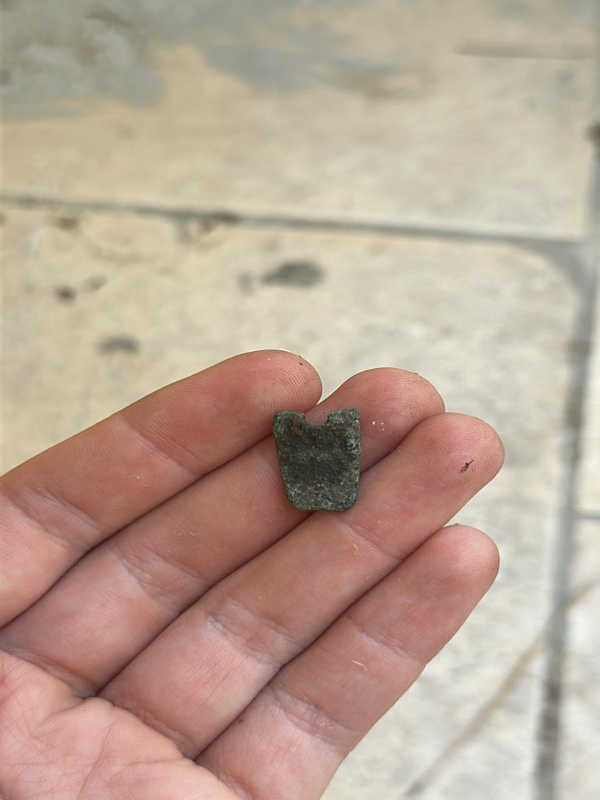
Piece of metal found during flotation.

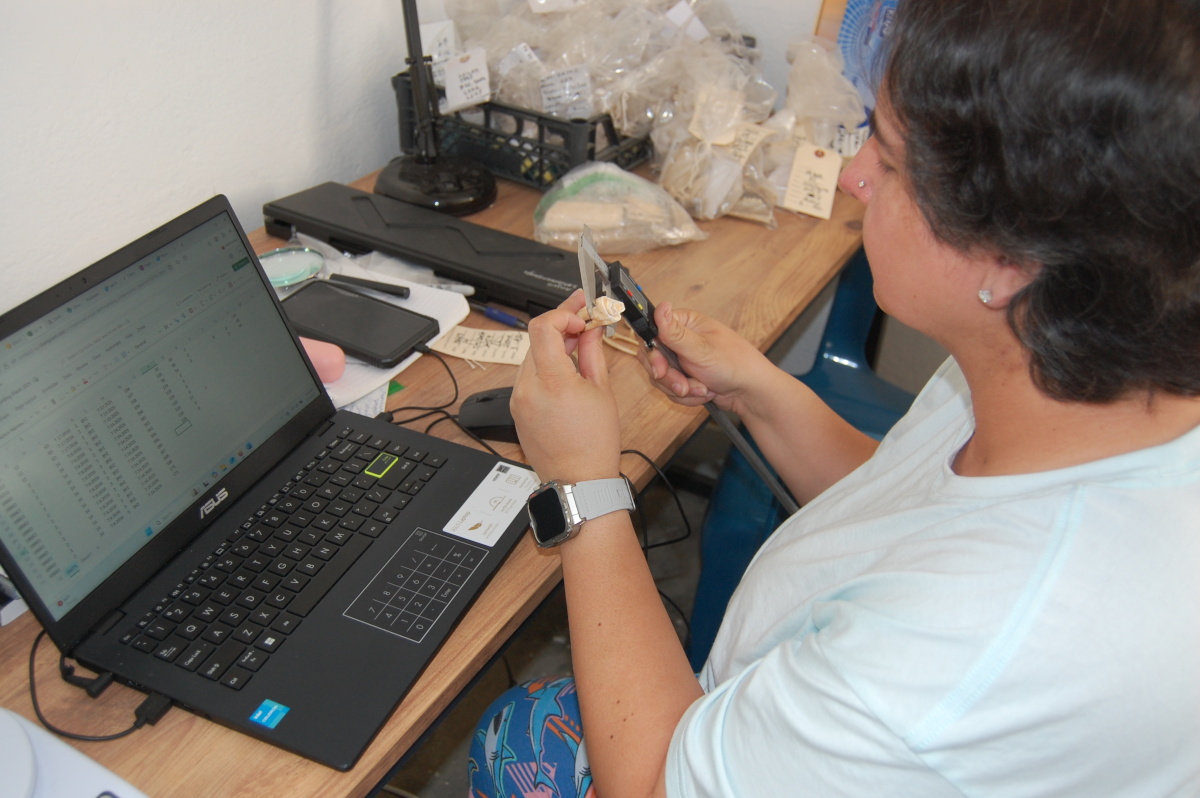
Sorting the floated material proved a meticulous and at times painstaking process.  Once dried, samples were transferred onto plastic trays, and then tweezers were used to separate tiny seeds, charcoal, bone, and shell. Trying to distinguish this material from compact dirt or rocks was another challenge especially for seeds. The material then was treated separately, seeds were saved for our archaeobotanist to study to help get a better understanding of possible diet, agriculture, and environment. Fish bones and scales were of particular interest when found since they are so small, and this method is one of the best ways to find them. Other bones are often too shattered and small to be identifiable in most instances to be particularly useful. Larger material gathered from the top mesh were sherds of ceramics, lithics, and metals. Sorting the top mesh was much easier and partially done during flotation.

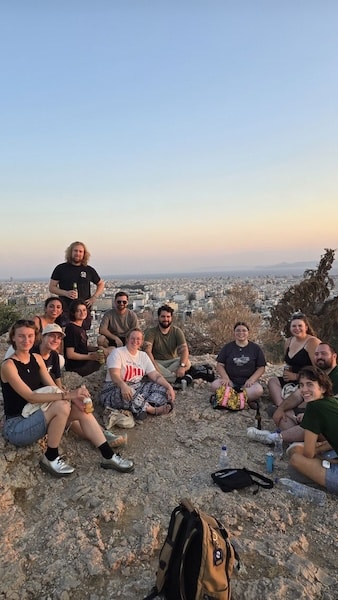
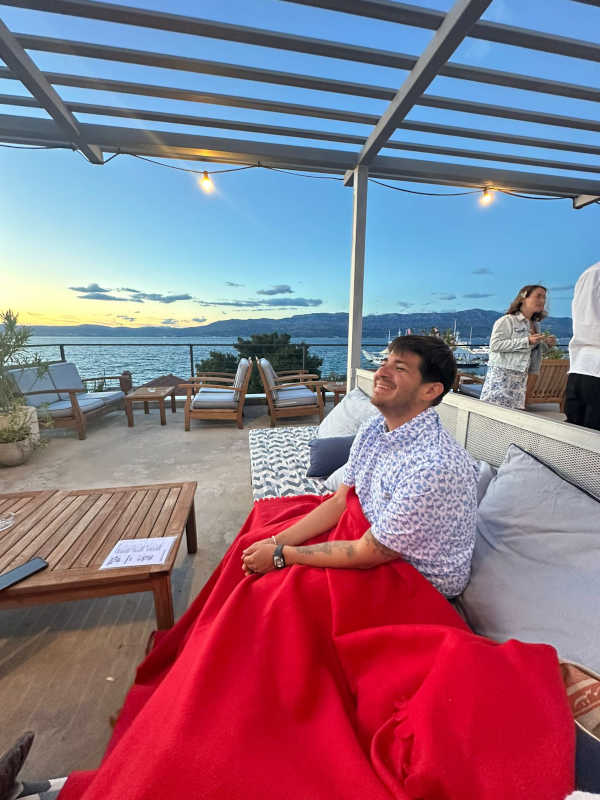
Spending a night out with the team after the work week.

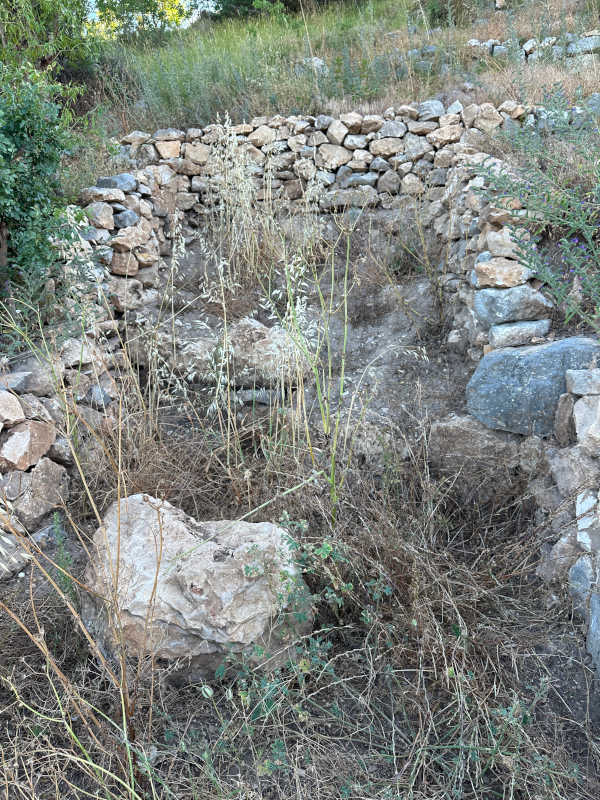
Working on this project has been extremely rewarding personally and professionally. There is still much to discover and understand about Croatian archaeology. This site provides a fascinating component in helping us understand something about the past. A portion of an early fortification wall was found on the terraced hillside, and there are plans to try to preserve it for the public. There appear to be other signs of domestic structures on the hilltop and slopes, and there is evidence for trade—both locally and abroad—with other Mediterranean civilizations for over a thousand years. The complete story of this site still needs further investigation, though for now we must work with what we currently have. Hopefully this site will soon be accessible to hikers and bikers with signage directing people to the prehistoric wall as part of a Croatian state conservation project!

Preliminary preservation of section of an early fortification wall.

Andrew Rivadeneira is a second year PhD student in Anthropology: Archaeology of the Mediterranean World at the University of Arizona. His research interests are in migration and entanglement in the central Mediterranean, digital/cyber-archaeology, and ways of bringing the ancient world to modern people.

Want to help more students and early career archaeologists get into the field? Donate to the cause today by selecting “Fieldwork Scholarships” as your gift purpose!


Collections Fellowship Report: Erin Darby

Missing Ritual Objects from the Nelson Glueck Excavations of Kheleifeh in the ASOR Archives at the American Heritage Center

Erin Darby, University of Tennessee, 2025 Study of Collections Fellowship Recipient

Paul Flesher, American Heritage Center

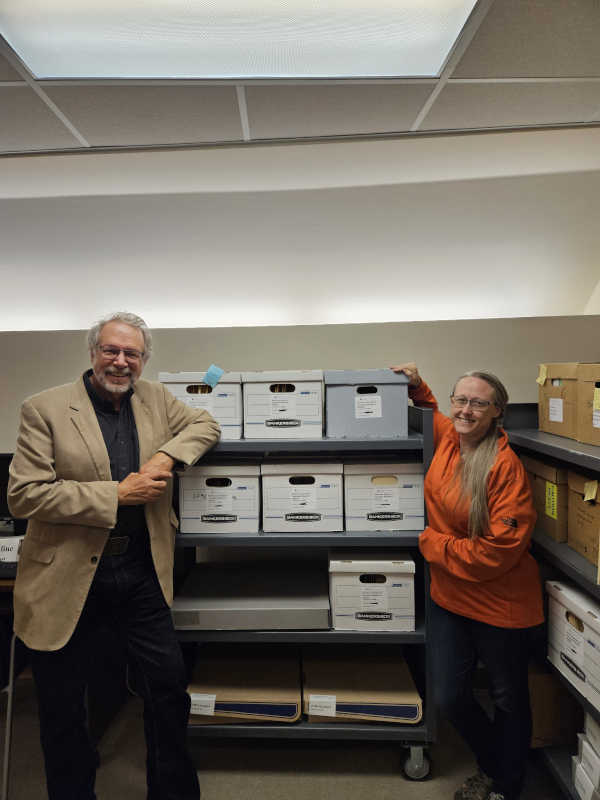
You never know where in the world Near Eastern archaeology will take you! Erin Darby’s 2025 ASOR Study of Collections Fellowship took her to Laramie, Wyoming where the American Heritage Center (AHC) houses the American Society of Overseas Research (ASOR) Archives (1900-2023) at the University of Wyoming. Since 2022, the AHC has been the caretaker of this important repository that includes not only documents associated with the history of ASOR but also several collections of records from American-led excavations from the early twentieth century. In her particular case, Erin was on the hunt for unpublished religious artifacts from the Nelson Glueck excavations at Tell el-Kheleifeh.

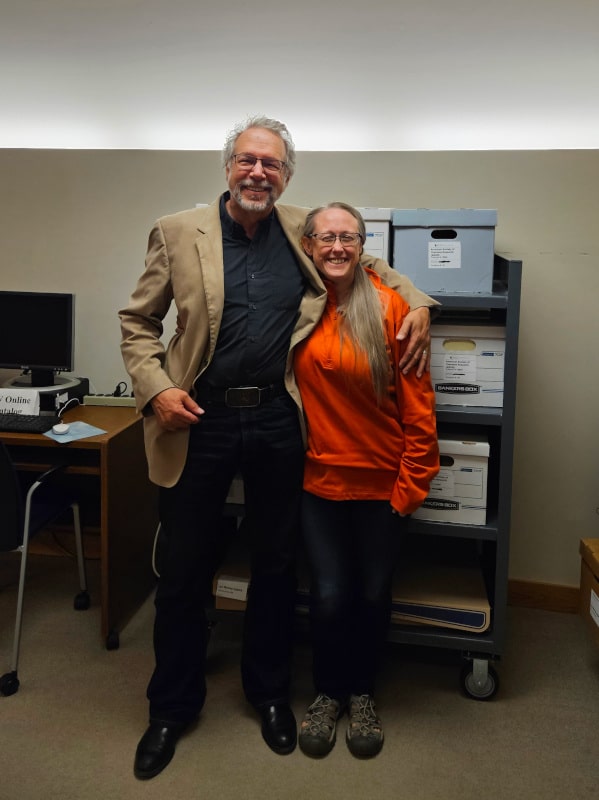
Paul and Erin with the Tell el-Kheleifeh records from the ASOR Archives in the AHC.

Kheleifeh plays a prominent role in attempts to understand the geopolitical organization of southern Israel and Jordan, particularly in the Iron IIB-C. Since its excavation in 1938-1940, scholars have been interested in whether the site was controlled by the Israelites, Judahites, Edomites, unaffiliated tribal communities, or the Neo-Assyrian and Neo-Babylonian Empires. When it comes to the study of cultic artifacts, however, Kheleifeh is most notable for its absence from the conversation.  With the support of AHC staff this past June, Erin was able to excavate a number of unpublished artifacts from the archive and create a database of cultic remains from the site. Owing to the importance of the collection, the University of Tennessee and the AHC are teaming up this coming year to digitize the site’s artifact registration lists so that scholars from anywhere in the world who are interested in the objects from Kheleifeh will be able to identify the relevant records in the AHC holdings.

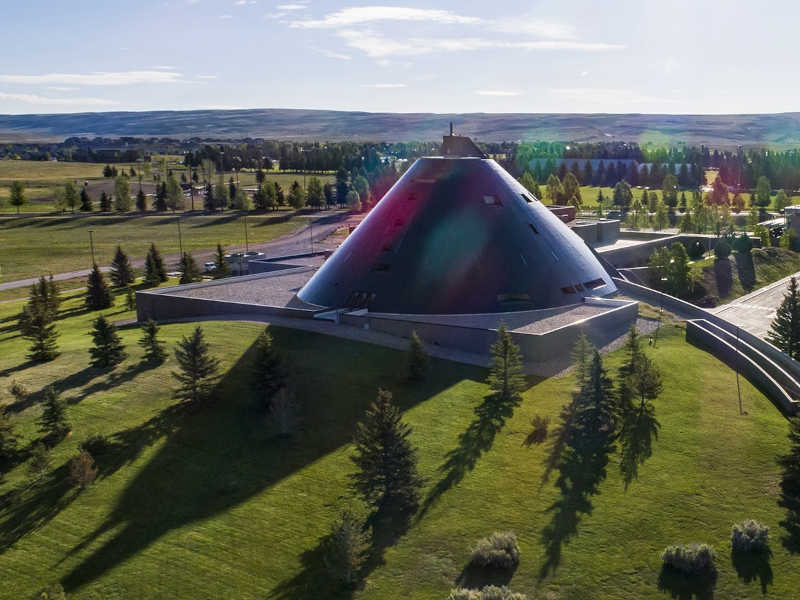
The American Heritage Center at the University of Wyoming.

Tell el-Kheleifah is only one of several sets of excavation records in the AHC’s ASOR archives. The collection also holds materials from: Khirbet et Tannur, Dibon, Issawiya, Jerash, Nippur, Beth-Zur and Carthage, as well as small holdings of records from Jerash, Lehav and Tell Hesban, and others. (In general, note that artifacts, as opposed to records, are held by Harvard University’s Museum of the Ancient Near East.)  There are several collections of Middle East photographs, with the earliest from 1875. Other sections of the collection hold records of past ASOR presidents, including those of W.F. Albright, Nelson Glueck, G. Ernest Wright, Carl Kraeling, Paul Lapp and William Dever. And of course there are ASOR administrative materials from across the decades, including records of ASOR committees and awarded grants. Overall, the American Society of Overseas Research collection holds 180 cubic feet of materials plus 155 GB of digital copies.

The American Heritage Center is an excellent home for the ASOR collection. Even though it is one of the ten largest non-government public archives in the USA and so is large enough to have the resources to look after the collection, it is small enough to care about all its collections and to look after each patron personally. The AHC has a number of services that enable scholars to access the ASOR collection. Laramie, Wyoming, the home of the American Heritage Center, is less than a three-hour drive north of Denver, or just 30 minutes by plane. Start planning a trip by consulting the finding aid for the ASOR collection, readily available online, and then request materials ahead of time from the Reference Services Department (AHCref@uwyo.edu, 307-766-3756).

Collection materials can also be accessed remotely. The Center’s Reference Services department can easily be contacted to answer remote inquiries. (Recently, we looked up old municipal records for the Albright Institute in Jerusalem.) The AHC has a large digitization lab and can digitize collection materials at cost. Finally, the Center has the RRAD program (Remote Research and Discovery) that matches a researcher with a research assistant via Zoom and document camera for a nominal cost. This enables researchers to look through collection materials remotely and identify materials they wish to study. These can then be digitized for more careful examination. The AHC looks forward to helping archaeologists and other scholars from around the world to research its historic ASOR collection.

The URL for the ASOR collection finding aid is: https://archiveswest.orbiscascade.org/ark:80444/xv346099?q=ASOR#overview.

Fieldwork Report: David Rhys Sharpe

A view from the area of Idalion looking down at the modern village of Dali.

Fulfilling a Freshman’s Dream: Digital Archaeology at Idalion, Cyprus.

David Rhys Sharpe, Southern Adventist University, 2026 Eric & Carol Meyers Scholarship Recipient

“You’re majoring in archaeology and computer science? Are you planning to try and combine those?”

I hear that question almost every time I tell someone my undergraduate major. I usually smile politely and respond that yes, I’m looking at how to combine my two majors. There’s just been one problem.

I haven’t known how.

Certainly, I can read research papers, but knowing how to use technology in the field is a different skill entirely. As far back as my freshman year, I wanted to learn the practical side of digital archaeology, but I didn’t have much chance to do so. Eventually, I moved away from pursuing archaeology directly and refocused on biblical studies.

I was one of nine students from Southern Adventist University who joined the American Expedition to Idalion, Cyprus for three weeks of the 2026 season. It was my last class before graduation. Even before the dig started, the scholarship was already a godsend—with graduate school approaching financial pressure on my family had been pronounced. But I wouldn’t realize how much of a godsend it would be until after the dig. One simple opportunity changed my interests and goals in a way I’d never expected. One of the associate directors, Andrew Wright, managed a variety of technological tools for the dig, including positioning sensors, 3D scanners, and a database system. Early on, he started showing interested volunteers how to use these tools. For the first time, I got to see how digital archaeology worked in the field.

A view from the area of Idalion looking down at the modern village of Dali.

The first of these systems was the real-time kinematic (RTK) positioning sensors. Capable of calculating centimeter-level accurate points, the RTK system used a base station that had to be set up and taken down every day. Andrew Wright put another student and I in charge of setting up the RTK sensors each day, making sure they were level and ready to take elevations. This was one of my first practical lessons in using technology in the field—often the most difficult part is not the technology itself. Leveling the tripod and tribrach was by far the most time-consuming and tricky part of the setup process.

Later on, Andrew Wright showed the volunteers how to use an Artec Spider II 3D scanner to create a 3D model of artifacts. A few of us, myself included, had the opportunity to take a scan of an object ourselves. I digitized a small statue fragment found near the beginning of the season. The scanner was both incredibly easy to use and incredibly powerful, creating a detailed model in minutes.

Another incredible opportunity was getting a basic introduction to OCHRE, a database application developed by the University of Chicago. A massive, incredibly sophisticated system, OCHRE provided a powerful, flexible way to keep track of all the data turned up during an excavation. It let us keep track of loci, pottery buckets, features, and special finds with ease. Above any other tool, OCHRE helped me get a feel of how data recording works in the field.

Me during the first week of excavation, cleaning rainwash from a square in the Lower City. Photo Credit: Karis McConnell.

Learning about positioning sensors, 3D scanners, and OCHRE reawakened my dormant interest in digital archaeology. Just as influential, however, was a conversation with another associate director, Valerie Woelfel, about the power GIS can bring to excavations. She had worked on a startling variety of sites, able to contribute her GIS skills to projects spanning different archaeological contexts. That conversation reshaped my research interests. My goal now is to develop skills in digital archaeology in order to be able to contribute in a similar fashion to a variety of archaeological projects.

Although my focus is still biblical studies, my first real taste of digital archaeology demonstrated the power archaeological excavation can bring to textual studies—and the power technology can bring to an excavation. It gave me a reason to continue pursuing archaeology and a way to put it into practice. And that would have been significantly more difficult without this scholarship’s sponsors and their generosity. Receiving a scholarship for Idalion relieved a great deal of financial pressure and opened the door to putting my freshman-year dream into action. 

A sunrise from the dig house uphill from the site.

David Rhys Sharpe is a recent graduate of Southern Adventist University with a B.A. in Archaeology and Computer Science. His passion is studying the world of the Bible and integrating linguistics and archaeological context into textual studies. He is preparing for an M.A. program in the Bible and the Ancient Near East at the Hebrew University of Jerusalem.

Project Links: 

Idalion project website: https://ochre.uchicago.edu/project/idalion

Want to help more students and early career archaeologists get into the field? Donate to the cause today by selecting “Fieldwork Scholarships” as your gift purpose!
Fieldwork Report: Gabrielle Puckett

[vc_row fullwidth=”true” attached=”true” css=”.vc_custom_1496247803139{padding-top: 0px !important;padding-right: 0px !important;padding-bottom: 0px !important;padding-left: 0px !important;}”][vc_column][vc_single_image image=”105723″ img_size=”1920×400″ alignment=”center”][/vc_column][/vc_row][vc_row fullwidth=”true” css=”.vc_custom_1496682730308{padding-top: 10px !important;padding-right: 0px !important;padding-bottom: 0px !important;padding-left: 0px !important;}”][vc_column width=”1/12″ css=”.vc_custom_1496683820796{margin-right: 10px !important;}” offset=”vc_hidden-md vc_hidden-sm vc_hidden-xs”][vc_column_text]

 SHARE

[/vc_column_text][mk_image src=”http://www.asortest.org/wp-content/uploads/2017/01/social-fb-icon4.jpg” image_width=”42″ image_height=”42″ hover=”false” custom_url=”https://www.facebook.com/ASOResearch/” margin_bottom=”0″][mk_image src=”http://www.asortest.org/wp-content/uploads/2017/01/social-tw-icon4.jpg” image_width=”42″ image_height=”42″ hover=”false” custom_url=”https://twitter.com/ASOResearch?ref_src=twsrc%5Egoogle%7Ctwcamp%5Eserp%7Ctwgr%5Eauthor” margin_bottom=”0″][mk_image src=”http://www.asortest.org/wp-content/uploads/2017/01/social-in-icon4.jpg” image_width=”42″ image_height=”42″ hover=”false” custom_url=”https://www.linkedin.com/company/american-schools-of-oriental-research” margin_bottom=”0″][mk_image src=”http://www.asortest.org/wp-content/uploads/2017/01/social-ml-icon_7.jpg” image_width=”42″ image_height=”42″ hover=”false” custom_url=”mailto:info@asor.org” margin_bottom=”0″][mk_image src=”http://www.asortest.org/wp-content/uploads/2017/01/blog-icon3.jpg” image_width=”42″ image_height=”42″ hover=”false” custom_url=”http://asor.org/blog” margin_bottom=”0″][/vc_column][vc_column border_color=”rgba(255,255,255,0.01)” width=”1/6″ css=”.vc_custom_1496683923840{margin-right: 20px !important;border-left-width: 2px !important;padding-right: 20px !important;padding-left: 20px !important;border-left-color: #99422f !important;}”][mk_divider divider_color=”rgba(255,255,255,0.01)” thickness=”1″ margin_top=”3″ margin_bottom=”3″][vc_widget_sidebar sidebar_id=”ca-sidebar-39801″][/vc_column][vc_column border_color=”rgba(170,170,170,0.01)” width=”1/2″ css=”.vc_custom_1487276122024{margin-right: 10px !important;margin-bottom: 30px !important;border-right-width: 2px !important;border-bottom-width: 2px !important;padding-top: 30px !important;padding-right: 30px !important;padding-left: 20px !important;background-color: #ffffff !important;border-right-color: rgba(227,228,228,0.75) !important;border-bottom-color: rgba(227,228,228,0.75) !important;}”][vc_column_text responsive_align=”left”]

Early Mornings, Endless Memories

Gabrielle Puckett, 2025 Eric and Carol Meyers Fieldwork Scholarship Recipient [/vc_column_text][mk_divider margin_top=”10″][vc_column_text]It’s 4:00am in the sleepy town of Polis Chrysochous, Cyprus. The sun isn’t up yet, but the alley cats are finding their morning snacks. I’m on breakfast duty, so in addition to the egg boiling and tomato cutting of the night before, it’s my team’s job to go fill the coolers and water jugs for the field day ahead. We pile Landy, the beloved but ancient Land Rover of one of our co-directors, with the equipment and food for the day.[/vc_column_text][vc_single_image image=”105749″ img_size=”full” add_caption=”yes” alignment=”center”][mk_padding_divider size=”10″][vc_column_text]After our work for this morning’s breakfast is complete, we take a rest in the seats at the bottom of the apartment building and wait for the bus to arrive. I find it vital in these moments to remind myself to take in every single detail of this amazing experience so that I have things to look back on when I make the inevitable journey home. My favorite thing about these dark and tiresome mornings is the way the sun looks as it starts to rise just barely over the peaks of the mountains while the moon still shines bright above.[/vc_column_text][vc_single_image image=”105754″ img_size=”full” add_caption=”yes” alignment=”center”][mk_padding_divider size=”10″][vc_wp_text]Making our way to the bus at 5:00am and climbing in, I find my favorite seat right next to the door on the window side. A ritual I have developed for these short bus rides is to take in the view of the sea as we drive past. Of course, I am also covering myself in more sunscreen than has ever been deemed necessary because you can never be too careful.[/vc_wp_text][vc_single_image image=”105750″ img_size=”full” add_caption=”yes” alignment=”center”][mk_padding_divider size=”10″][vc_column_text]Arriving at the site of Makounta-Voules, we have the first hill climb of the day, a beautiful path (if I do say so myself) we landscaped the first day being here that only steals some breath on the journey up. I remember before this trip how worried I was that I wouldn’t like this enough to be happy with the early mornings and heat, but I can safely say that’s not an issue as I now know I need to do this for the rest of my life. I leave the trench fifteen minutes before breakfast to help with my roommate and the rest of our breakfast crew setting out the tarp on which we will feast and nap while we set out the food. At around 8:30am we can hear the call of “BREAKFAST” shout down the mountain and prepare for the incoming team ready to fuel themselves for the rest of the day.[/vc_column_text][vc_single_image image=”105751″ img_size=”full” add_caption=”yes” alignment=”center”][mk_padding_divider size=”10″][vc_column_text]We spend the day digging and taking elevations, pictures when necessary, and reminding ourselves to trust our guts while we sift. It’s Thursday, which means at the end of the day it’s time for everyone’s favorite segment: Trench Tours. We show off the work we’ve done for the week, being sure to take a look at the trenches we aren’t a part of in order to learn more about the site as a whole.[/vc_column_text][vc_single_image image=”105752″ img_size=”full” add_caption=”yes” alignment=”center”][mk_padding_divider size=”10″][vc_column_text]After the bus ride home, we have some lunch and begin pot washing, but I have a special task. I am working on a project to clean up our faunal remains from past seasons and remove their thick calcium accretions through various methods. After an hour or two of this lab work, we have some lovely free time which is always best spent at the beach. A view that I strongly believe can’t be beat is the Mediterranean Sea after a long day of digging. With a fifteen-minute walk, we arrive ready to take in the wonderfully clear water. The hours spent on this beach are some that I would be hard pressed to ever give up, let alone the friends I get to spend it with. Throughout this project I have had so many experiences that I hope aren’t limited to being once-in-a-lifetime. We are back at it bright and early tomorrow, and I just can’t stop taking in every detail knowing that there are only so many days left here—but I’ll be back.[/vc_column_text][mk_padding_divider size=”20″][vc_single_image image=”105753″ img_size=”450×600″ alignment=”center”][vc_row_inner][vc_column_inner][mk_padding_divider size=”30″ visibility=”visible-dt”][vc_wp_text]Gabrielle Puckett is an undergraduate student in her third year at the University of Tennessee Knoxville. She is a double major in Anthropology and Religious Studies and minors in both Classical Civilizations and Judaic Studies. She has a strong interest in zooarchaeology in the Near East and the applications for isotopic analysis in the area.[/vc_wp_text][/vc_column_inner][/vc_row_inner][mk_divider][vc_wp_text]

Want to help more students and early career archaeologists get into the field? Donate to the cause today by selecting “Fieldwork Scholarships” as your gift purpose!
[/vc_wp_text][/vc_column][vc_column border_color=”rgba(170,170,170,0.01)” width=”1/6″ css=”.vc_custom_1496684098866{margin-right: 5px !important;margin-bottom: 20px !important;border-right-width: 2px !important;border-bottom-width: 2px !important;padding-top: 30px !important;padding-right: 10px !important;padding-left: 10px !important;background-color: #ffffff !important;border-right-color: rgba(227,228,228,0.75) !important;border-bottom-color: rgba(227,228,228,0.75) !important;}”][vc_wp_posts number=”5″][/vc_column][vc_column border_color=”rgba(170,170,170,0.01)” width=”1/6″ css=”.vc_custom_1496684008271{margin-right: 10px !important;margin-bottom: 30px !important;border-right-width: 2px !important;border-bottom-width: 2px !important;padding-top: 30px !important;padding-right: 20px !important;padding-left: 20px !important;background-color: #ffffff !important;border-right-color: rgba(227,228,228,0.75) !important;border-bottom-color: rgba(227,228,228,0.75) !important;}”][vc_widget_sidebar sidebar_id=”ca-sidebar-99363″][/vc_column][/vc_row]

Fieldwork Report: Joshua Micallef

[vc_row fullwidth=”true” attached=”true” css=”.vc_custom_1496247803139{padding-top: 0px !important;padding-right: 0px !important;padding-bottom: 0px !important;padding-left: 0px !important;}”][vc_column][vc_single_image image=”105318″ img_size=”full” alignment=”center”][/vc_column][/vc_row][vc_row fullwidth=”true” css=”.vc_custom_1496682730308{padding-top: 10px !important;padding-right: 0px !important;padding-bottom: 0px !important;padding-left: 0px !important;}”][vc_column width=”1/12″ css=”.vc_custom_1496683820796{margin-right: 10px !important;}” offset=”vc_hidden-md vc_hidden-sm vc_hidden-xs”][vc_column_text]

 SHARE

[/vc_column_text][mk_image src=”http://www.asortest.org/wp-content/uploads/2017/01/social-fb-icon4.jpg” image_width=”42″ image_height=”42″ hover=”false” custom_url=”https://www.facebook.com/ASOResearch/” margin_bottom=”0″][mk_image src=”http://www.asortest.org/wp-content/uploads/2017/01/social-tw-icon4.jpg” image_width=”42″ image_height=”42″ hover=”false” custom_url=”https://twitter.com/ASOResearch?ref_src=twsrc%5Egoogle%7Ctwcamp%5Eserp%7Ctwgr%5Eauthor” margin_bottom=”0″][mk_image src=”http://www.asortest.org/wp-content/uploads/2017/01/social-in-icon4.jpg” image_width=”42″ image_height=”42″ hover=”false” custom_url=”https://www.linkedin.com/company/american-schools-of-oriental-research” margin_bottom=”0″][mk_image src=”http://www.asortest.org/wp-content/uploads/2017/01/social-ml-icon_7.jpg” image_width=”42″ image_height=”42″ hover=”false” custom_url=”mailto:info@asor.org” margin_bottom=”0″][mk_image src=”http://www.asortest.org/wp-content/uploads/2017/01/blog-icon3.jpg” image_width=”42″ image_height=”42″ hover=”false” custom_url=”http://asor.org/blog” margin_bottom=”0″][/vc_column][vc_column border_color=”rgba(255,255,255,0.01)” width=”1/6″ css=”.vc_custom_1496683923840{margin-right: 20px !important;border-left-width: 2px !important;padding-right: 20px !important;padding-left: 20px !important;border-left-color: #99422f !important;}”][mk_divider divider_color=”rgba(255,255,255,0.01)” thickness=”1″ margin_top=”3″ margin_bottom=”3″][vc_widget_sidebar sidebar_id=”ca-sidebar-39801″][/vc_column][vc_column border_color=”rgba(170,170,170,0.01)” width=”1/2″ css=”.vc_custom_1487276122024{margin-right: 10px !important;margin-bottom: 30px !important;border-right-width: 2px !important;border-bottom-width: 2px !important;padding-top: 30px !important;padding-right: 30px !important;padding-left: 20px !important;background-color: #ffffff !important;border-right-color: rgba(227,228,228,0.75) !important;border-bottom-color: rgba(227,228,228,0.75) !important;}”][vc_column_text responsive_align=”left”]

Fieldwork Report: Joshua Micallef

Joshua Micallef, 2025 P.E. MacAllister Fieldwork Scholarship Recipient. [/vc_column_text][mk_divider margin_top=”10″ margin_bottom=”10″][vc_wp_text]I was part of the TERRSOC ‘Reading’ Ancient Landscapes: Peasant Decision-Making and Terraced Agriculture in Central Palestine over la Longue Duree project. This year’s excavation took place in Jordan, specifically at Tell Hesban and the nearby wadi. Seeing my interest in landscape archaeology, I was assigned to the Wadi Hesban team.

The first week started with a survey of a section of the south side of Wadi Hesban. To say the vistas were breathtaking is an understatement. The landscape is dramatic, with agricultural terraces, both in use and relict, dotting the landscape. The barking of dogs and bleating of sheep and goats is an ever constant companion, and the trickle of fresh water from the local spring is a refreshing contrast to the Jordanian sun. The locals were truly friendly, as is to be expected in this region of the world. We would continue to make local connections, and be offered copious amounts of tea, throughout our time at the wadi.[/vc_wp_text][vc_single_image image=”105402″ img_size=”large” add_caption=”yes” alignment=”center” onclick=”img_link_large” img_link_target=”_blank” css=”.vc_custom_1757089224675{padding-right: 10px !important;}”][mk_padding_divider size=”20″][vc_wp_text]Shunat Dhiab, mentioned in the 1889 traveller’s account of Major C. R. Connor, was identified atop the high grounds, with two water-driven mills of possible Ottoman date located further down the slope of the wadi. During the survey, a number of possible terrace sites for excavation and sampling were identified. After the day’s trek, preliminary Optically Stimulated Luminescence (OSL) dates from the 2024 campaign awaited us at the hotel, and these supported what is known of the occupation of the area.

The second day commenced early, as would all subsequent days. Two trenches, S3 and S4, were opened behind a terrace wall located close to Shunat Dhiab. The work was hard, but always rewarding, and the vistas made the daily trek up to the site worth the effort. The trenches would continue to be excavated in the next three days, reaching depths of around two metres. Sampling commenced on trench S3 on day four. Samples for various analyses, such as soil biomarkers, OSL dating, soil texture, and microbotanical analysis, were collected. On day five, due to the absence of two of the team members, it was decided to postpone sampling of trench S4 to the second week of excavations. Thus, day five saw the opening of trench S5 lower down the slope of the wadi, below a terrace wall located close to the presumed older of the two water-driven mills. By the end of the day, the trench had reached over a meter in depth.[/vc_wp_text][vc_single_image image=”105403″ img_size=”large” add_caption=”yes” alignment=”center”][mk_padding_divider size=”20″][vc_wp_text]Week two continued in much the same vein. The first day commenced with the sampling of trench S4, with another OSL sample being taken from trench S3. At trench S5, the first OSL sample was taken from under the terraced wall. Day two saw the continuation of sampling in trench S5. One of the team members also commenced a survey of the high ground of the wadi around Shunat Dhiab. Several other structural remains, architectural fragments, and rock cut features had been observed in the area during the first week, and these were mapped via GPS points. The day ended with a search for a possible location for trench S6. Two potential sites were identified further down the wadi slope in an area that is actively cultivated. Day three commenced with photogrammetry of trench S5, which was eventually followed by drone flights to photograph the area of the wadi under investigation, creating an orthophotograph. Trench S6 was also opened after discussions with the landowner, who was more than willing to allow us to investigate and dig along the terraced walls of his field. On day 4, the final day at the wadi, trench S6 was completed, documented, and sampled.

It was undoubtedly a rewarding two weeks, though the rugged terrain and steep slopes did make the going quite tough at times. The views at the wadi were a reward in themselves, and few things could beat the sight of the sun still rising over the wadi at 6 am. The hospitable and helpful nature of the locals was also without measure, and in part, the successful completion of these two weeks could not have been possible without the Jordanian locals.[/vc_wp_text][vc_single_image image=”105270″ img_size=”large” add_caption=”yes” alignment=”center” onclick=”img_link_large” img_link_target=”_blank” css=”.vc_custom_1756908305317{padding-right: 10px !important;}”][mk_padding_divider size=”20″][vc_wp_text]The experience was undoubtedly illuminating and fulfilling. It gave me the opportunity to work closely with individuals from different countries and experience Jordanian culture and hospitality. The multi-cultural aspect of the team was truly an experience I will hold dear to me. I have also gained further hands-on experience, and especially important to me was the landscape element and the sampling of soil for various scientific tests. Sampling for OSL was particularly illuminating, with the need to ensure the sample was not exposed to light.[/vc_wp_text][mk_padding_divider size=”20″][vc_single_image image=”105404″ img_size=”medium” add_caption=”yes” alignment=”center” onclick=”img_link_large” img_link_target=”_blank” css=”.vc_custom_1757089432627{padding-right: 10px !important;}”][mk_padding_divider size=”20″][vc_wp_text]

Joshua Micallef has pursued various careers, including in the financial services sector and software testing. As of 2020, he studied at the University of Malta, attaining a BA in Archaeology (Hons) with Geography, and​ is currently reading for an MA Asian Studies: Islamic Archaeology at the University of Bonn. His main area of interest lies in the Medieval period of the Central Mediterranean.

[/vc_wp_text][mk_divider][vc_wp_text]

Want to help more students and early career archaeologists get into the field? Donate to the cause today by selecting “Fieldwork Scholarships” as your gift purpose!
[/vc_wp_text][mk_padding_divider size=”20″][/vc_column][vc_column border_color=”rgba(170,170,170,0.01)” width=”1/6″ css=”.vc_custom_1496684098866{margin-right: 5px !important;margin-bottom: 20px !important;border-right-width: 2px !important;border-bottom-width: 2px !important;padding-top: 30px !important;padding-right: 10px !important;padding-left: 10px !important;background-color: #ffffff !important;border-right-color: rgba(227,228,228,0.75) !important;border-bottom-color: rgba(227,228,228,0.75) !important;}”][vc_wp_posts title=”BROWSE THE NEWS ARCHIVE” number=”4″][/vc_column][vc_column border_color=”rgba(170,170,170,0.01)” width=”1/6″ css=”.vc_custom_1496684008271{margin-right: 10px !important;margin-bottom: 30px !important;border-right-width: 2px !important;border-bottom-width: 2px !important;padding-top: 30px !important;padding-right: 20px !important;padding-left: 20px !important;background-color: #ffffff !important;border-right-color: rgba(227,228,228,0.75) !important;border-bottom-color: rgba(227,228,228,0.75) !important;}”][vc_widget_sidebar sidebar_id=”ca-sidebar-99363″][/vc_column][/vc_row]

Fieldwork Report: Aidan Gregg

Learning to Lead in the Heart of Athens

Aidan Gregg, 2025 Katherine Barton Platt Fellowship Recipient 

In the bustling center of metropolitan Athens, the sounds of city life blend with those of pickaxes striking the earth, brushes revealing beautiful artifacts, and—of course—ceaseless debate as to whether the soil is indeed greyish-brown or brownish-grey. For nearly 100 years, the American School of Classical Studies at Athens has helmed the excavations of the Athenian Agora. Each year, students and professionals from across the world flock to Athens to excavate one of the most important sites in the Greek world. This year, I had the opportunity to work at the Agora as an assistant supervisor and take an important step in my career as an archaeologist. 

The most important part of excavation is sweeping... though perhaps not the most exciting. Photo by Luis Rodriguez-Perez (UCLA).

I excavated at the Agora for the first time as a volunteer in the summer of 2024, just before beginning the final year of my undergraduate education. While I had prior excavation experience, I could never imagine how impactful it would be on my development as an archaeologist. As a site that practices total collection of material—even plastic—I gained a breadth of archaeological experience. In addition to dry sieving all of the excavated material, we took samples for archaeobotanical flotation. We placed the soil we collected in a basin of water, so we can keep even the smallest seeds. The emphasis on professional skill development and intellectual growth at the Agora made me fall in love with the site, the project, and the people. But the most important lesson came this year, when I learned to be a leader.

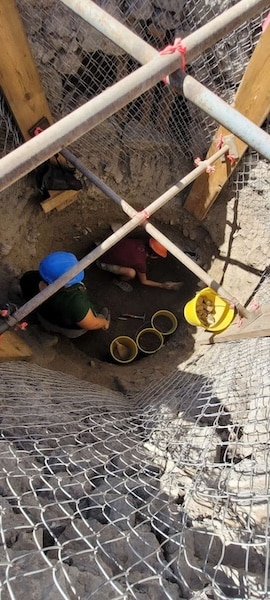
My supervisor, Katrina Kuxhausen-DeRose (UCLA), and I excavate in a pit deep beneath the surface. Photo by Luis Rodriguez-Perez.

When I was invited to return to the Athenian Agora as an assistant supervisor, I knew there was nothing I would rather do with my summer. As excited as I was, I was also quite nervous to enter a leadership position like this for the first time. I was younger and had less field experience than many of the volunteers. For the first few weeks, I maintained a perpetual state of anxiety about making a mistake or revealing to others that I was unsure of myself. In the field, we have to pay close attention to changes in the soil to determine whether the deposit we are excavating has changed. In the particular Ottoman context we were excavating, we battled these soil changes ferociously, having to remain eagle-eyed for even the slightest change in color or texture—not an easy task. For the first time, I found myself in a position where people around me asked what I thought was happening; often, I had no clue. As a born perfectionist and someone deeply invested in the work I do, this was frequently anxiety-inducing—as I’m sure anyone starting a new job has experienced. But, as is often the case, this discomfort provided an outlet for growth.

Katrina shows me the logistics of processing finds at the end of the season. Photo by Luis Rodriguez-Perez.

Perhaps the most important thing I learned was to be comfortable being wrong, not knowing the answers, and owning mistakes. In turn, letting go of the need to be right and the fear of making a mistake allowed others at every level of experience and every age the space to be wrong too; it allowed us all to be able to learn from each other. At the Agora, our field director, Dr. Debby Sneed, consistently emphasized to us that mistakes are an opportunity to grow, not a source of shame. This summer, learning to be wrong made me more confident in myself, more able to learn from others, and a better archaeologist altogether.

My friends and I celebrate our last night in Athens atop Philopappos Hill, or the Hill of the Muses. Photo by Daisy Wang.

Anyone who has participated in archaeological fieldwork knows that it is an opportunity for personal discovery just as much as it is for professional growth. Over two short months, I grew like a wild herb nurtured by the Greek sun, soil, and incredible archaeologists around me. I am forever grateful for my time at the Athenian Agora, and look forward to what comes next.

Next to Grave Circle A at Mycenae, I am reminded of why I love what I do so much. Photo by Luis Rodriguez-Perez.

Aidan Gregg is a first-year PhD student in Classical Archaeology at the University of California, Berkeley, and a graduate of Butler University. He is interested in the archaeology of burial, gender, and archaeological theory in the Aegean Bronze Age. He has participated in excavations at Ancient Nemea and the Athenian Agora and worked on material from Petsas House at Mycenae, the Bronze Age cemetery at Aidonia, and the Northeastern cemetery of Thebes.

Want to help more students and early career archaeologists get into the field? Donate to the cause today by selecting “Fieldwork Scholarships” as your gift purpose!

Fieldwork Report: Anjuli Latchmansingh

All That Remains at Çadır Höyük

Anjuli Latchmansingh, 2025 Strange-Midkiff Families Fieldwork Scholarship Recipient 

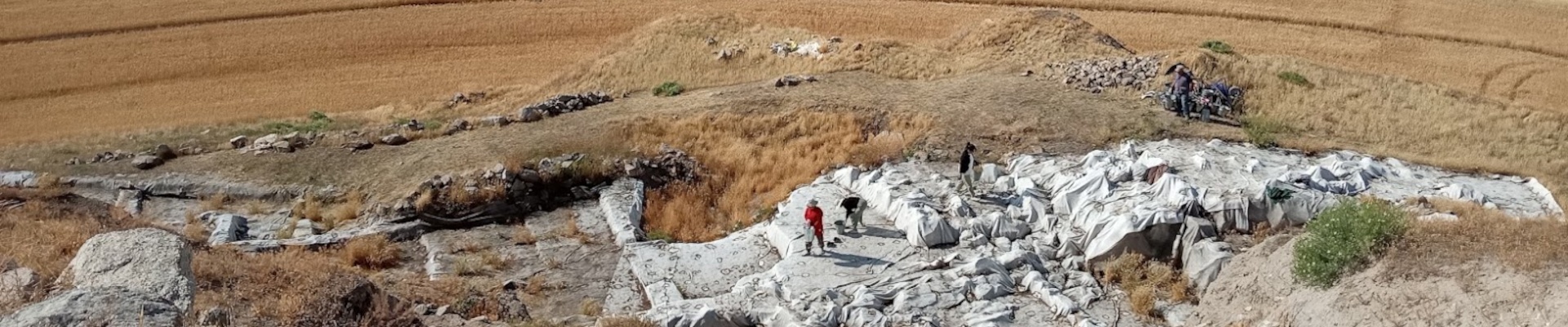
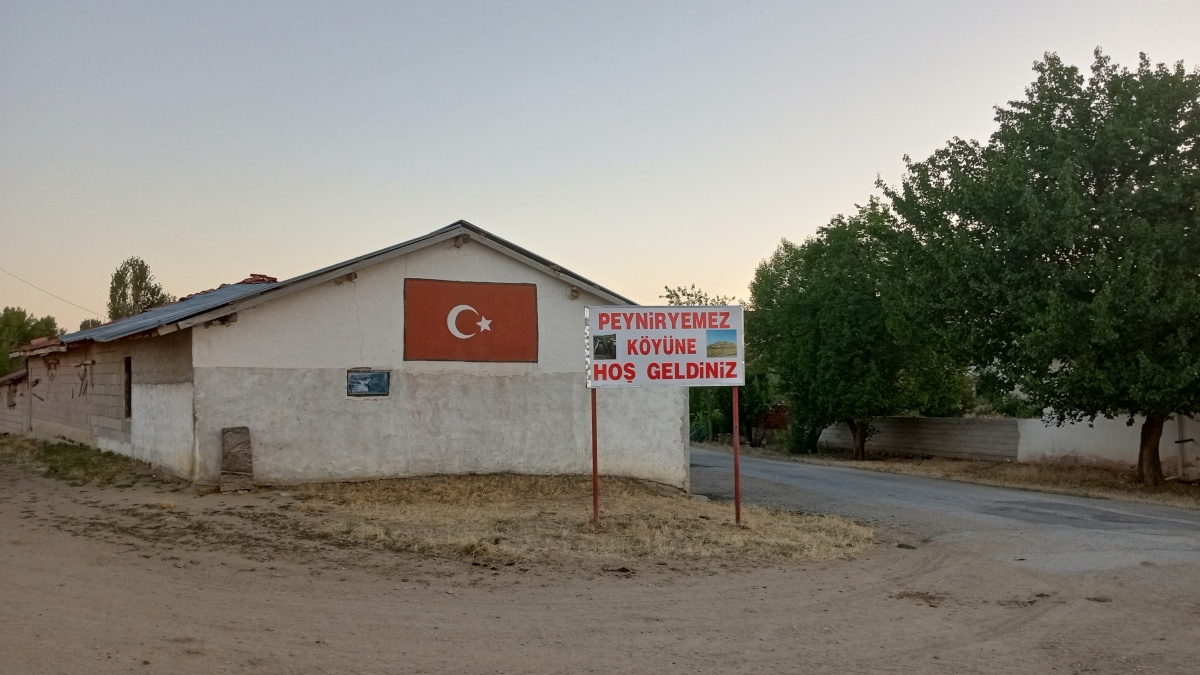
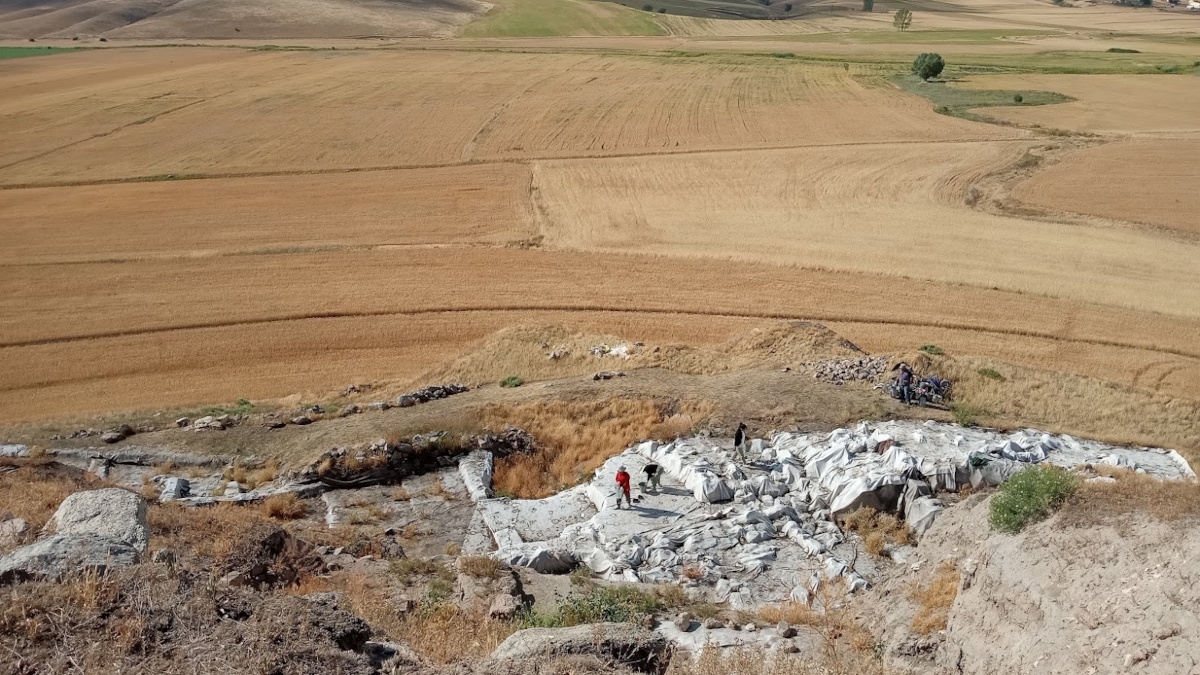
Within the village of Peynir Yemez in Türkiye is an archaeological excavation site named Çadır Höyük – an artificial mound that boasts roughly 7,000 years of human history. Evidence of human occupation on the mound comes in many forms. From pottery sherds, burials, and stone walls to glass beads and lithics, this site was once full of human activity. Yet the mound was populated by more than just homo sapiens. Animals of a wide variety were present, and their bones help tell us the human story.

During the summer of 2025, I had the privilege of working at Çadır Höyük with Dr. Sharon R. Steadman (my professor, advisor, and the Project Director of Çadır Höyük) and a wonderful team of specialists, professors, researchers, students, and Turks for about six weeks. We worked six days a week and had Thursdays off – although many of us still found ourselves seated at our lab stations attempting to make the most of our fleeting time there. The days were long and hot. I spent my mornings in the field excavating and my afternoons in the lab analyzing faunal remains. For the season, I would be working by myself with faunal remains. I had spent the beginning of the year teaching myself about animal anatomy and specifically researching the species of animals that have been previously recorded at the site in preparation for this project.

Excavating at Çadır Höyük was a unique experience. I was there with three other students from SUNY Cortland, and we were some of the first people to arrive. We opened many of the trenches for the season and I learned a great many skills and techniques. For instance, we took elevations from the trenches using an auto level on a tripod with a level rod and we learned to avoid bug bites by tucking our pants into our socks. Sometimes, it was the not-so-technical training that would prove most useful. There were, in fact, a lot of large bugs and spiders.

Not long after arriving at the site, a database and its recording protocol was sent to me created by Dr. Benjamin Arbuckle who published several works regarding faunal analyses at Çadır Höyük. Dr. Arbuckle has been an integral part of the project as the Assistant Director since 2009. His publications and the recording sheets he sent were extremely helpfulbecause I did not even know where to start or what to look for in terms of documenting. My education has been solely focused on human bones – identifying, classifying, measuring, determining pathology and trauma, and so forth. This summer, I excavated and evaluated hundreds of bones, but the vast majority of them were from animals. The exciting thing about animal bones is that not only are they all so incredibly different from kingdoms down to specific species, but even within species so much variation still exists. I honestly do not know how zooarchaeologists are able to store all thatinformation in their heads. It is quite impressive! Taking on Dr. Arbuckle’s database was challenging, important work for which I have great respect.

Animal bones differ from human bones in many ways. To give you an idea, animals tend to have many of the same bones that humans have but the shapes of those bones vary. This is in part because some become fused together, like a radius and ulna. Also, some animal bones are more curved or twisted because their muscles attach differently. Bird bones are mostly hollow, making them light enough to take flight. There are caudal vertebrae which make up animal tails, phalanges of hoofed animals, tusks, and a wide array of tooth types. Then there are horns or antlers or carapaces and plastrons to consider – because when you study the nonliving EVERY remnant is an important clue. All these unique traits are actually little hints that zooarchaeologists find and put together to create a complete picture of the animals that were present. 

Identifying the animal is only the first step. From this information, we can find MNI, NISP, look for age, sex, signs of trauma, and pathology. Then we can infer much more, such as butchering methods, husbandry, and timelines of domestication and agriculture. All of this informs archaeologists of the people of the past. Much of my time in the lab was spent interpreting the remains and recording the data. Despite my best efforts, there are still a lot of bones to be identified and recorded. So, next summer, the work will continue.

Team members at Çadır Höyük, Turkey.

From beginning to end, I had the opportunity to work with a wide range of people from all over the world, each driven bydifferent motivations. All had gravitated to this same small spot on our planet to come together for a season in a small village in central Türkiye to dig. And though I hope to meet and network with many of these professionals in the future, the Turkish people hold a special place in my heart. My time in Peynir Yemez was certainly a unique experience and I will cherish the friends and memories I have made. I will take with me the lessons I learned both in the field and the lab and use them in my next excavation experience. Understanding animal remains and being able to identify them will prove useful in my future endeavors by allowing me to understand relationships between persons and pets and sacrifices. It is my hope that the work I completed at the site proves useful in the future. I am grateful to have played a part in the research at ÇadırHöyük in the summer of 2025.

Anjuli Latchmansingh is a senior at SUNY Cortland majoring in archaeology with a minor in forensic anthropology. Her focus is on bioarchaeology with a special interest in mortuary archaeology. Anjuli has served as Archaeology Club president at Cortland, has been inducted into three national honor societies, and is currently working on her honors thesis.

Want to help more students and early career archaeologists get into the field? Donate to the cause today by selecting “Fieldwork Scholarships” as your gift purpose!

Fieldwork Report: Aayush Umesh

Banner Image for Aayush Umesh 2025 Fieldwork Report

Finding My Path

Aayush Umesh, 2025 Eric and Carol Meyers Fieldwork Scholarship Recipient 

A year ago today, I had no idea that I would become an Islamic archaeologist. My path has been full of twists and turns. In the last four years at the University of Georgia, I have completed a bachelor’s degree with double majors in theatre and communication studies and a minor in Arabic. I entered college with ambitions to attend law school. Eventually, however, I found archaeology, and tried my hand at excavation last summer at Antiochia ad Cragum, Türkiye. I fell in love and attended both the ASOR and AIA Annual Meetings in 2024 and 2025, respectively. At the ASOR Annual Meeting, I met Professor Bethany Walker, the head of the Islamic Archaeology Research Unit at the University of Bonn. Upon meeting her and listening to the work of her graduate students, the next segment of my path had been illuminated. I decided to pursue the MA in Islamic Archaeology at the University of Bonn and to accompany the university for fieldwork at Tall Hisban, Jordan, from May 18-29, 2025.

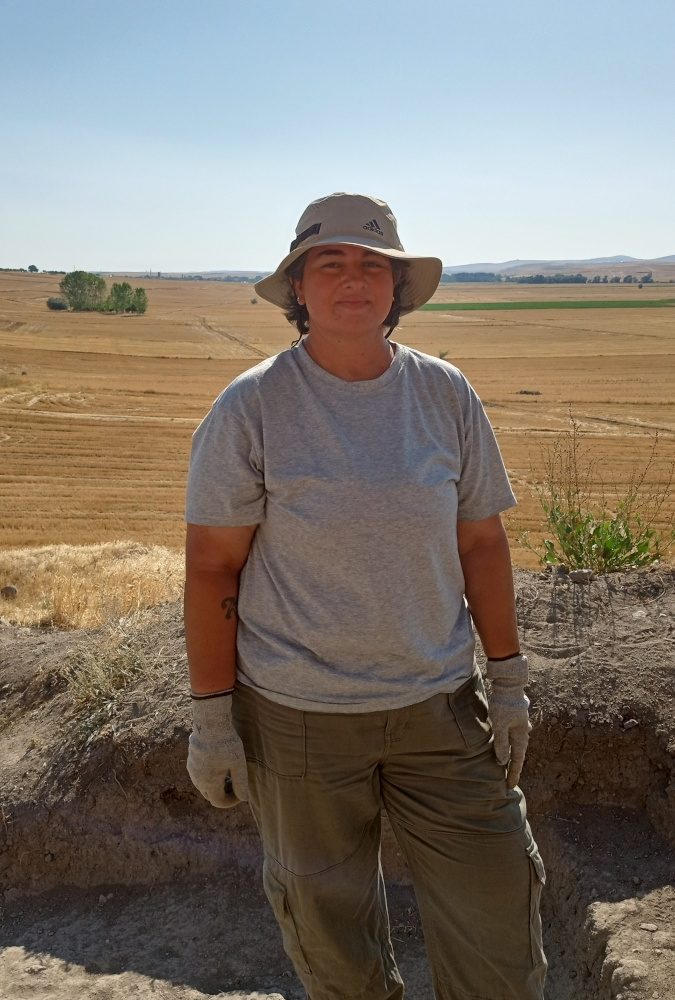
Photo of Aayush Umesh in Tall Hisban
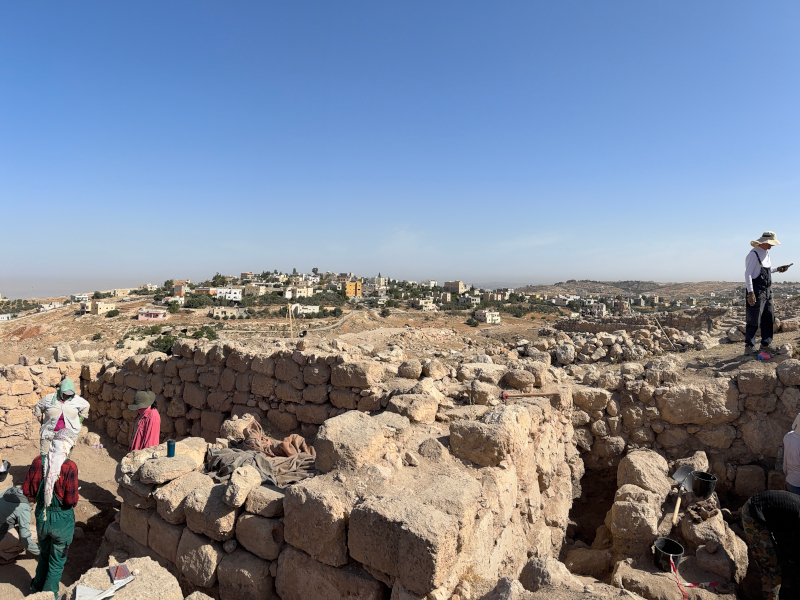
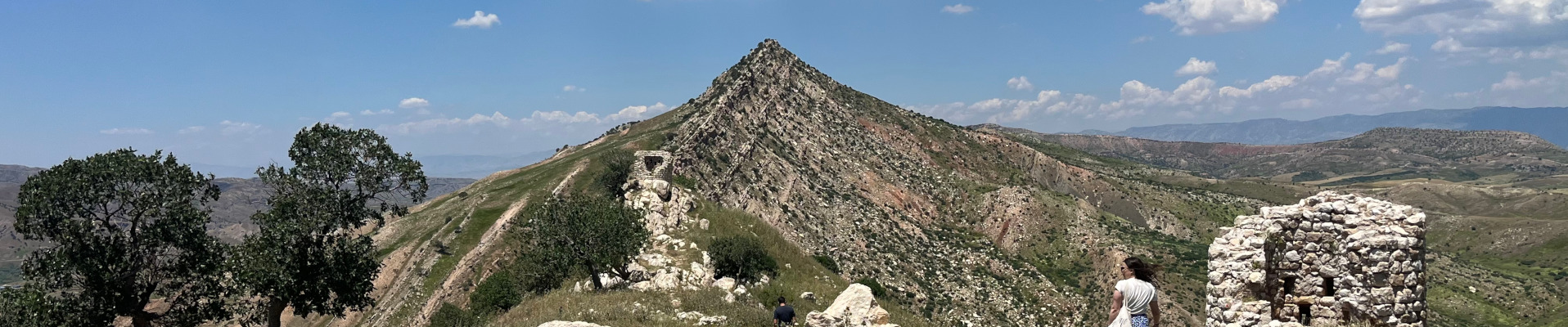
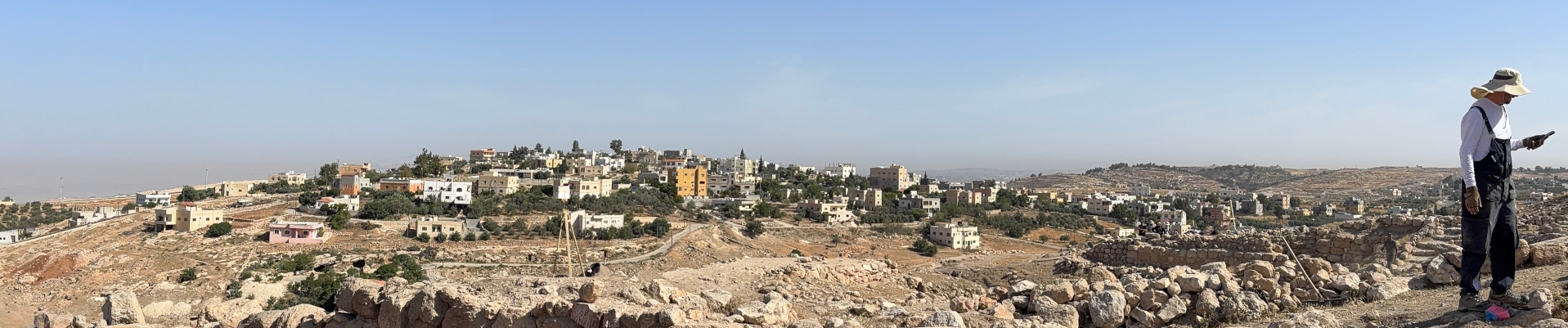
A panoramic view from Tall Hisban.
Photo from Aayush Umesh in Tall Hisban
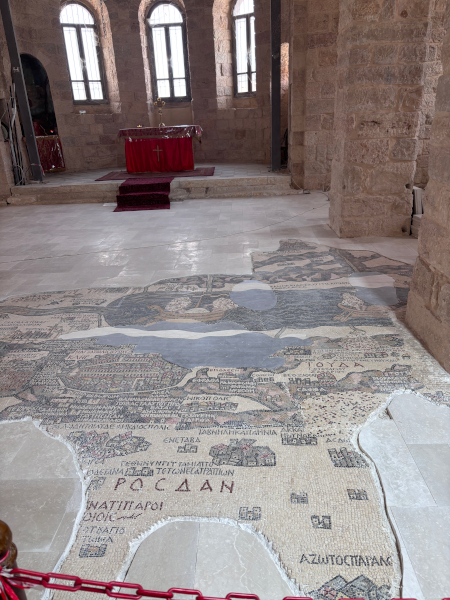
Madaba Map on the floor of the St. George Greek Orthodox Church.

Tall Hisban is around a 30-minute drive from Madaba, the “City of Mosaics” that houses the Madaba Map (the oldest surviving cartographic depiction of the Holy Land as a large floor mosaic on the floor of the St. George Greek Orthodox Church). Madaba today is a vibrant city boasting harmonious Christian and Muslim communities, spectacular archaeology, delicious Jordanian cuisine, talented mosaic artisans, and proximity to the capital city of Amman (which is less than an hour’s drive). Our team stayed at Salome Hotel, a gorgeous accommodation for guests in Madaba with simple yet beautiful amenities and a kind, hospitable staff.

Tall Hisban is a breathtaking site with millennia of occupation, with excavated material culture representing periods from Paleolithic to Late Islamic. A stroll through the site takes one up Roman stairs to Byzantine houses, through Islamic bathhouses reusing Christian baptismal basins to the entrances of previously settled underground cave systems. Old and new are engaged in a remarkable dance at Tall Hisban, best captured by the abundant spolia utilized in its diverse features’ constructions as well as in the tell’s modern residential surroundings.

Photo from Aayush Umesh in Tall Hisban
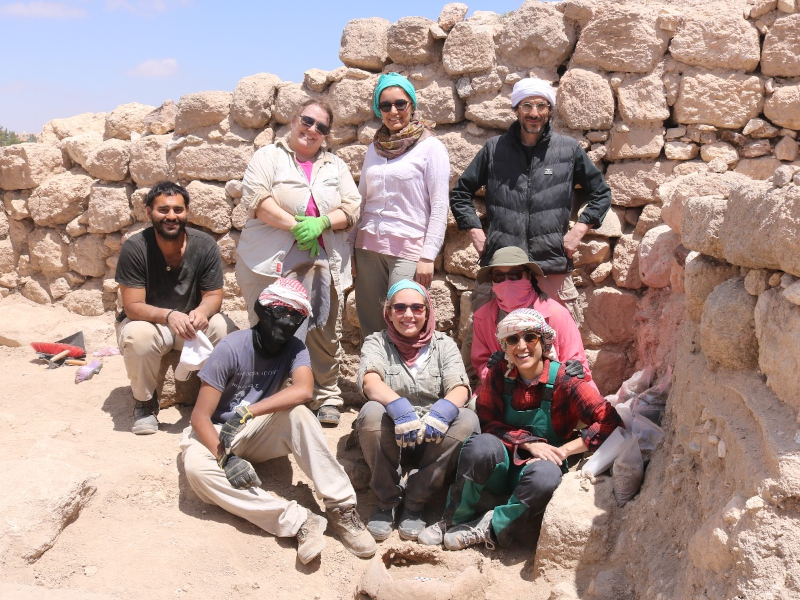
Me and some teammates in our square.

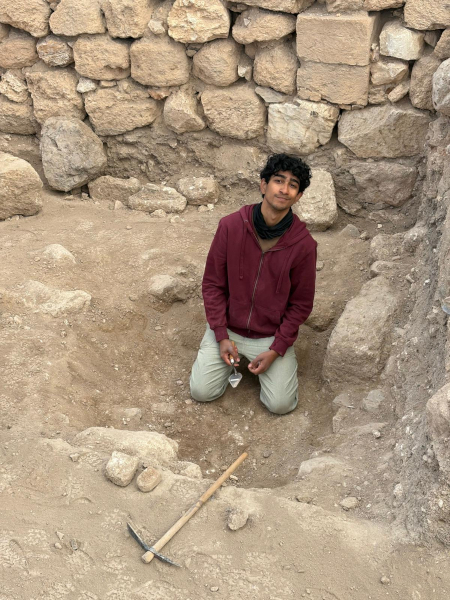
I was assigned to a square which had been identified in a previous season as an Ayyubid-era kitchen. Our goal was to continue excavating this square, passing the Ayyubid layer and investigating those beneath to determine the usage of the space in earlier Islamic eras. Our objective this excavation season was to gain a better understanding of the dietary practices of the inhabitants of Tall Hisban by comparing data procured at the tell to data procured at a nearby wadi (valley) that had been historically used for agricultural purposes. As such, many soil samples were taken during excavation for botanical analysis, particularly in areas high in charcoal or surrounding excavated cookwares. Some of the most outstanding discoveries were tabuns, or traditional clay ovens, which contain a multitude of data.

Photo from Aayush Umesh in Tall Hisban
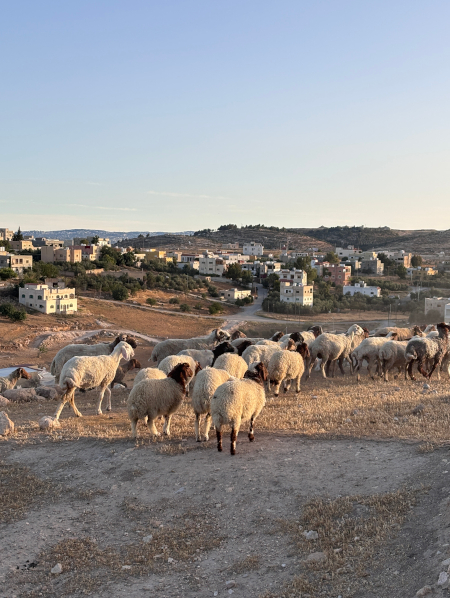
Sheep would greet us each morning at the site.

Upon returning to the hotel each afternoon, the group would reconvene for pottery washing and counting after a nap. It was inspiring watching Prof. Walker identify the period or region of any given sherd in seconds! Pottery washing was a great educational experience because I was able to acquaint myself with many types and periods of wares including Byzantine, Umayyad, Abbasid, Ayyubid, Mamluk, and Fatimid.


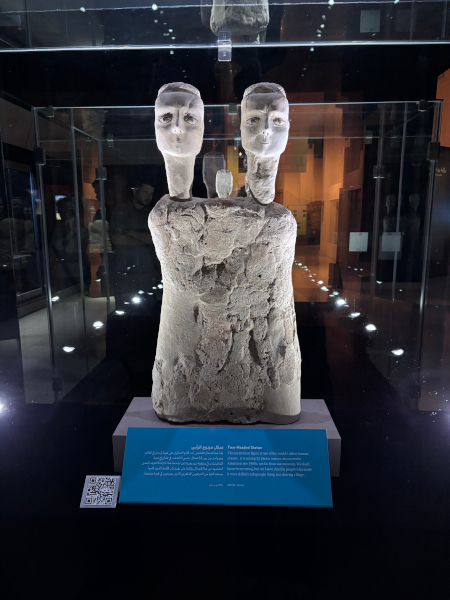
Having completed a minor in Arabic at UGA, I was thrilled to have this opportunity to develop my skills in spoken Arabic, particularly in the Jordanian dialect. I learned many helpful field vocabulary words from Jordanian workmen onsite including the words for trowel, pottery, shovel, dustpan, glass, pickaxe, and more! The team had one free weekend, and while most used this time to visit Petra, I decided to visit Amman instead with Prof. Walker and another teammate. We spent some time at the Jordan Museum, where I was able to stand just inches away from both the Dead Sea Scrolls and the Ain Ghazal statues. We then visited the Amman Citadel as well. The Jordan Archaeological Museum is located on the citadel, and features excavated artefacts from Tall Hisban and many other sites in Jordan.

Photo from Aayush Umesh in Tall Hisban
The Ain Ghazal statues at the Jordan Museum.

My time at Tall Hisban was nothing short of life-changing. Through this experience, I made over a dozen friends at the University of Bonn, which will make my transition far easier as I relocate to Germany this fall. I am thrilled that I have found my path—Islamic archaeology—and have been given the opportunity to study with one of the world’s leading Islamic archaeologists. I look forward to returning to Tall Hisban in future excavation seasons and continuing the work that we did this summer.

Photo from Aayush Umesh in Tall Hisban
Me in the field!

Aayush Umesh is a recent graduate of the University of Georgia with a Bachelor of Arts in Theatre and Communication Studies. He hopes to become a professor in Islamic archaeology at a major research university, focusing in the Levant and/or South Asia. He will soon begin a Master of Arts degree in Islamic Archaeology at the University of Bonn, supervised by Prof. Bethany Walker.

Want to help more students and early career archaeologists get into the field? Donate to the cause today by selecting “Fieldwork Scholarships” as your gift purpose!
Fieldwork Report: Lonnie Reid

Banner photo for Lonnie Reid.

Magnetometry in the Erbil Plain

Lonnie Reid, 2024 Fieldwork Scholarship Recipient. 

My name is Lonnie Reid and thanks to ASOR’s scholarship, I had the opportunity to go to the Kurdistan Region of Iraq as a part of the Rural Landscapes of Iron Age Mesopotamia Project (RLIIM), run by Dr. Petra Creamer. For my report, instead focusing just on a specific trench, as we had multiple open this season, I will talk mainly about our main survey method, magnetometry.

But before we jump in, Qach Rresh is a Neo-Assyrian site in the Erbil plain that appears to be a transition center for goods going in and out of the major nearby city. Due to this, there are items of everyday transport on site such as pottery and arrowheads, and some things that you wouldn’t see everyday, but that’s a topic for another time.

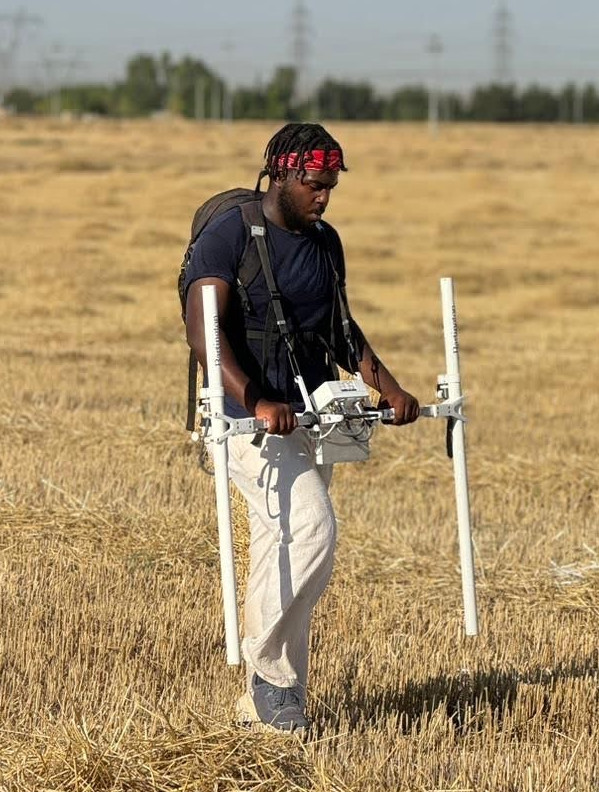
A magnetometer is a survey device that senses the slight magnetic changes in the atmosphere using the poles on either side of the device. The poles sense magnetic fields for about a meter in every direction. The device is so sensitive that the person operating it cannot wear any amount of magnetic clothing or have electronic devices on them. So sadly, while we were marching up and down rows of wheat for an hour or two at a time, we couldn’t have music or a podcast going.

A magnetometer works by taking a reading of the magnetic field every second. So to keep the readings from overlapping, we would have to walk at a constant pace of a meter per second, up and down a tape measure grid, so that we would know we are walking straight and at pace at all times. Funnily enough, the technology for magnetometers has remained fairly consistent over the years, meaning it’s old, so there’s a bit of manual adjusting we had to do before every use. The poles that measure magnetism can come off for easier transportation, meaning that we had to level them before each use to make sure that the poles were reading at the same height. Also to make sure the readings are stable, we had to hold the magnetometer out in front of us, which was also just as draining as walking. It appears light as parts are made of PVC material, but I promise, balancing those sensors on the sides is no joke.

Photo of Lonnie Reid operating a magnetometer.

The magnetometry team was always comprised of three people, one person holding the device and walking, and the other two would set up and move the grid system, so that as soon as one twenty by twenty square block was done, another could immediately start. I think the record for the most blocks done in a day was 16. Once you get into a groove, it’s pretty zen. But as I mentioned before, the lack of music does make it a long endeavor.

But why is magnetometry important? It’s a non-destructive survey method that allows archaeologists to plan out where they want to set up trenches, without needing to make an initial trench. This allows for areas with potential interest to be found sooner than just by choosing a spot based on the topsoil or by location near previous trenches.

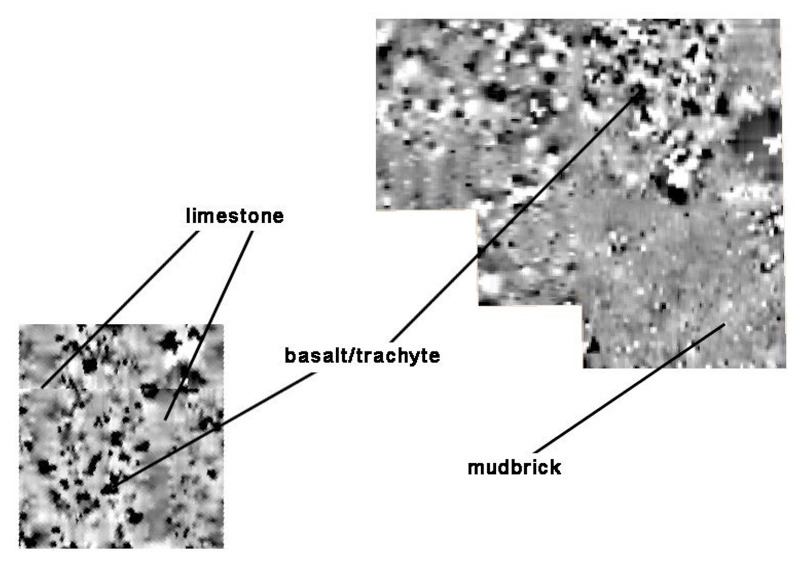
Magnetometer reading of limestone, basalt/trachyte, and mud brick.

Finally, I mentioned that the magnetometer has not really had a technological update in a few decades, so how do we process the data? Well the magnetometer itself does not know where it is within space, so that’s why we have to time out our steps at a meter per second. The machine does know that we walk up and down a grid in a zigzag pattern and whichever direction we face to begin with, must be the same direction for all of the squares to keep the data consistent. When uploading the raw data to the computer, it comes out as pixels, some shade of grey between black and white. The more white an area is, the more magnetic it is and the darker an area is, the less magnetic it is. Different types of stones and other materials will have their own magnetic signature. For example, basalt shows up black as it has little magnetism, whereas limestone is a medium gray, but mudbrick appears white. So eventually, you get a magnetic map of the area that shows where potential buildings used to lie due to the magnetic presence of the building materials.

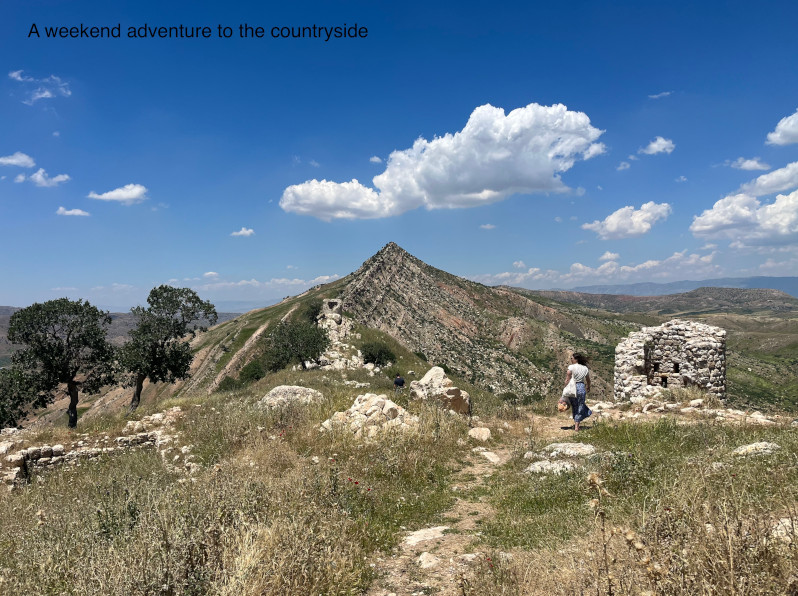
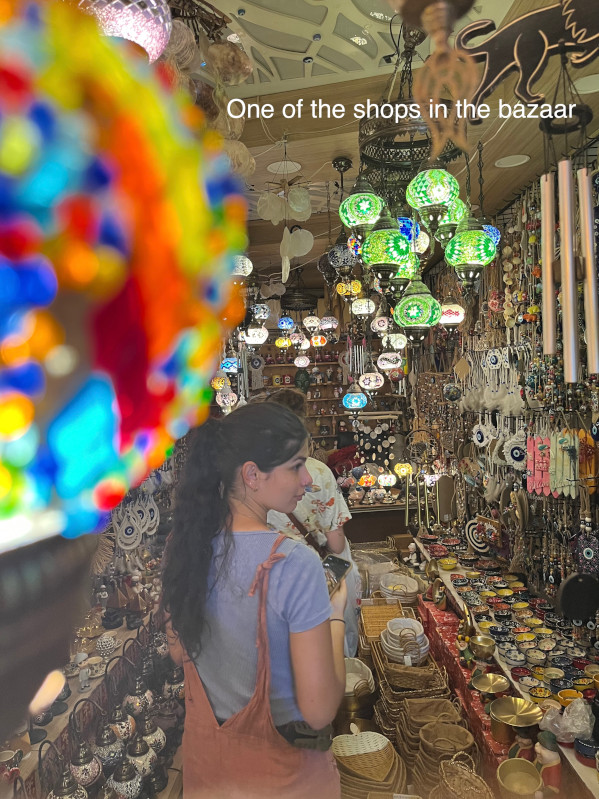
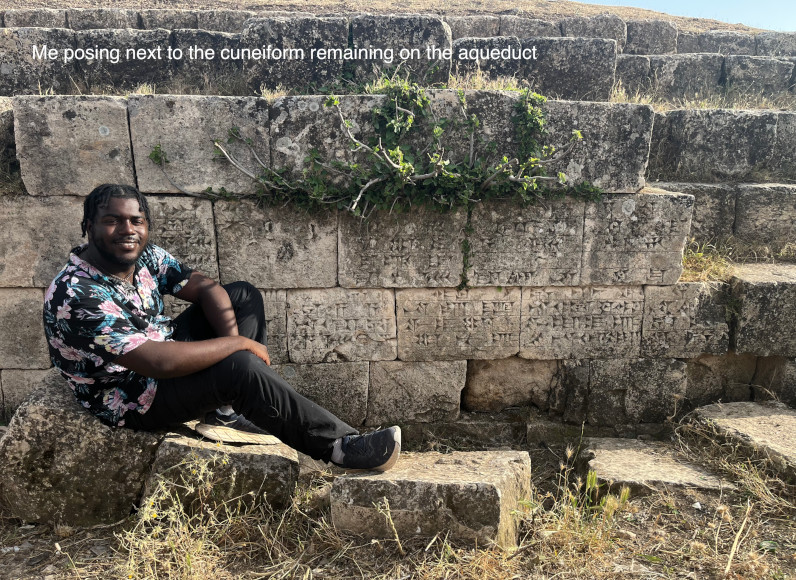
Magnetometry might have been the most intensive yet fun part of my fieldwork this past summer. But the trip wasn’t just all digging and marching. On the weekends we would make day trips to other archaeological sites in the greater Erbil area, and mingle with some of the locals and friends of the project. Our adventures included visiting Shanidar Cave, the bazaar, and a still standing aqueduct in Jerwan.

A shop in the bazaar.
Photo of Lonnie Reid sitting next to cuneiform remains on the aqueduct.

Lonnie Reid is a recent graduate of Emory University who studied math and art history. Currently a high school math teacher at Rabun Gap-Nacoochee School, Lonnie enjoys using both sides of his brain, and hopes to be able to discover more in the field for years to come.

Want to help more students and early career archaeologists get into the field? Donate to the cause today by selecting “Fieldwork Scholarships” as your gift purpose!
Fieldwork Report: Gabbi Graber

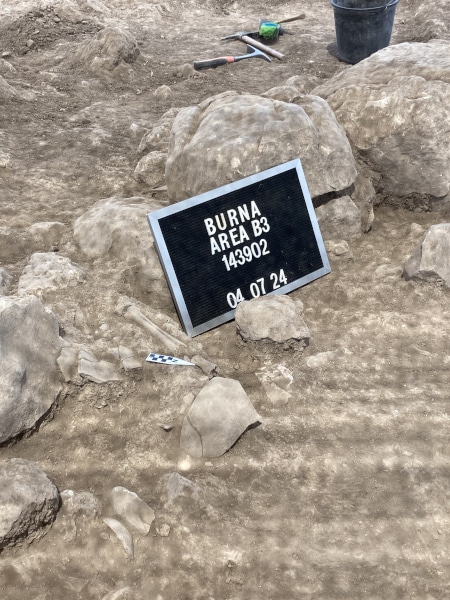
Photo of Tel Burna, Israel

Memorized Movement

Gabbi Graber, 2024 Stevan B. Dana Fieldwork Scholarship Recipient

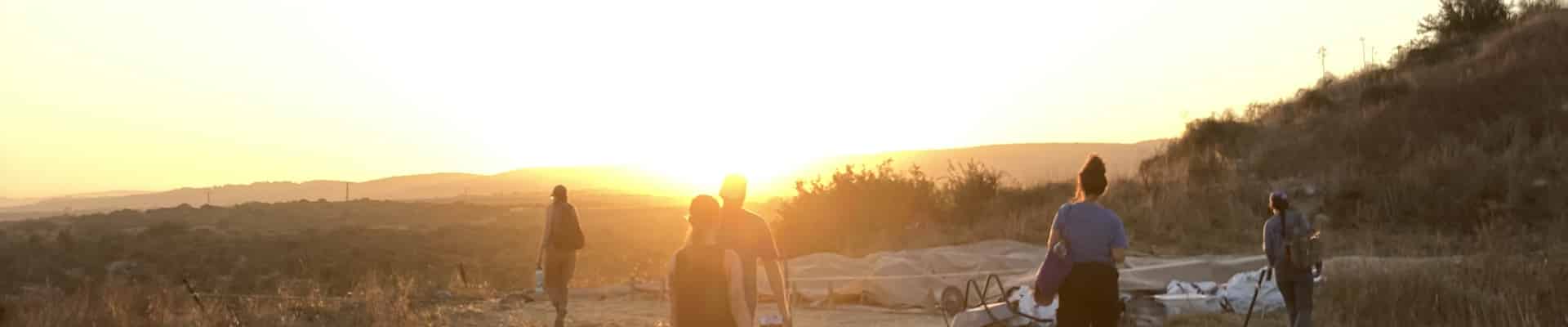
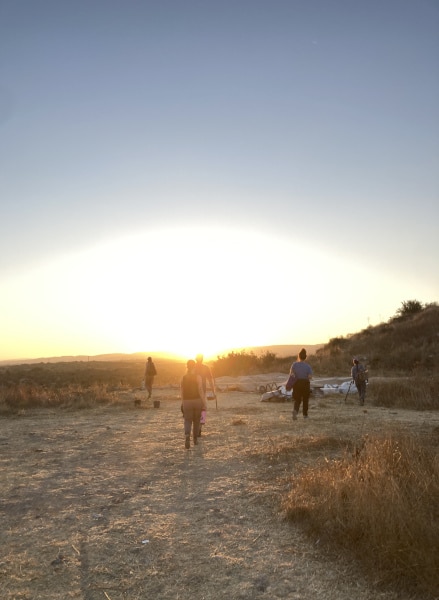
My alarm goes off at 4:50 a.m. and in a blur of confusion it takes a moment to remember that I am not in my bed in Alabama but instead am in a kibbutz in Israel. It’s day four and I have learned and practiced the exact time I need to make sure my bag is packed, coffee is made, and my water bottles are filled. In this flurry of well-practiced movement, everyone silently packs into the same car we’ve ridden in all week to arrive at Tel Burna before 6:00. The Shephelah hills roll around us as we listen to a dramatic Disney soundtrack calling forth nostalgia and lyrics long since memorized. We make the final ascent up to the site as the sun rises behind Tel Burna.

Photo of Tel Burna, Israel

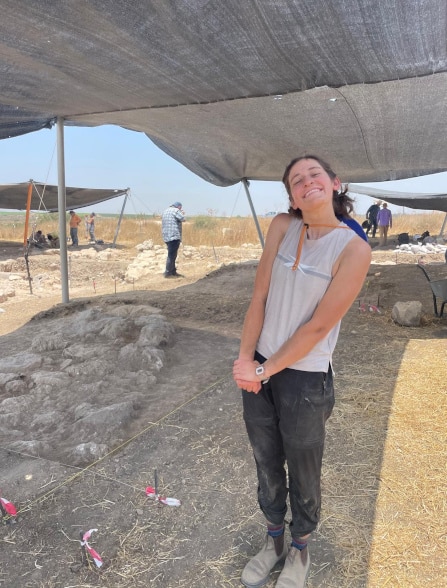
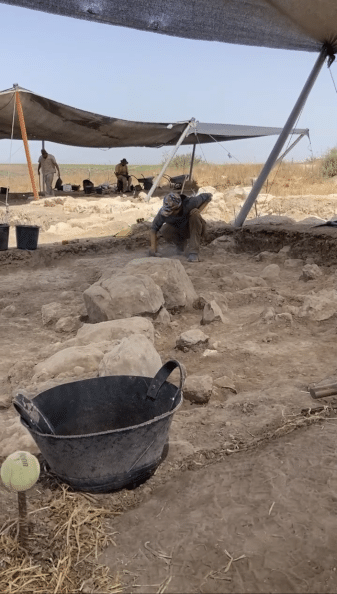
It feels almost instinctual that the first order of business, before the sun even begins to beat down, is to lift and place shade cloths over the open squares. People begin to scatter to their respective spaces as the area supervisor, makes the necessary adjustments for the day and communicates with the square supervisors. Seamless rotations of who is picking and who is cleaning allow for needed water breaks as the level of ground slowly lowers. As we dig, our eyes become better at spotting the indicative sherds from the body sherds. A sharp jar goes up my elbow as I hit the stone that will be the first evidence of a wall cutting straight through our square. A loud voice breaks us from the focus, and everyone grabs their preferred breakfast items knowing what will sit well with still four more hours of digging. As I work with a patishe, I listen to the conversation of the Dig Director, area supervisor, and my square supervisor about the pattern of the walls and where we will need to open a new square. I check my watch and with not much time left to dig in the day I swiftly switch to sweeping the square starting in a corner to move cohesively with the others in my unit. What I thought was bedrock on day one I now know to be the packed dirt we will remove tomorrow. Many hands make the end of the day move faster as we organize tools, lower shade cloths, and pack up the cars. The drive back to the kibbutz involves more singing of childhood songs, laughing at inside jokes, and wistful longings of a post-dig ice cream.

Photo of Tel Burna, Israel

We each grab a brush and bucket of pottery, and I am always drawn to a bucket that was from the square I dug. Pottery washing clumps us back together as we recall different sherds and the squares they came from. Every ear is bent towards the main table where the experts sit examining and reading pottery as the square supervisors talk through their square. They casually lift a sherd and quickly place it in its period. This leaves volunteers and students alike astounded at the practiced eye of a well-seasoned archaeologist able to date a sherd by touch and sight alone.

Photo of Tel Burna, Israel

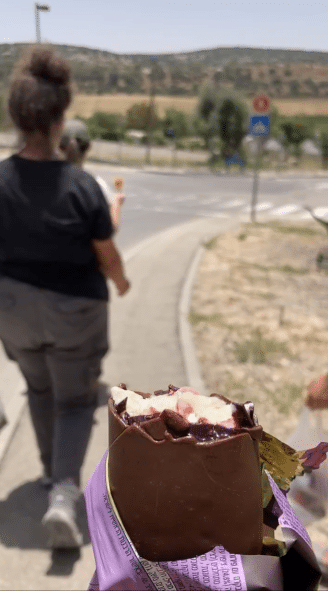
Dirt washed down the drain and feeling slightly more human, we again hop in the cars and hike up a new tell with new site lines that help explain the importance of the geographical placement of Tel Burna within its valley system. The day has been long and full, and dinner can switch quickly between laughter and silent, tired camaraderie. Dirt mustaches, sweat stains, repeat outfits, and tired conversations bond a group that is half repeat diggers and brand-new strangers.

Photo of Tel Burna, Israel

To think that I knew none of this a mere four days ago is astounding. There is still much to learn and as I heard well-experienced archaeologists in the field say “we’ve never seen this before” or I think about potentially being a square supervisor in the future. A mere four days ago I did not know what a tag was, and now I have the license number memorized. And while the pick does not feel comfortable in my hand it feels more natural that it did on Monday. I knew as soon as my first day in the field was over that I wanted to spend more days, months, summers, and years becoming seasoned and trained in this profession, for each day on site becomes a day of new discoveries in the art of what becomes practiced and perfected memorized movement.

Photo of Tel Burna, Israel

Gabbi Graber is a recent M.A. graduate from Jerusalem University College studying Biblical History and Geography and will begin her Ph.D. in Ancient Near Eastern Archaeology at Lipscomb University this fall.

Want to help more students and early career archaeologists get into the field? Donate to the cause today by selecting “Fieldwork Scholarships” as your gift purpose!