Fieldwork Report: Lorenzo Guardiano

Between River and Desert: September in Aswan

Lorenzo Guardiano, 2024 Katherine Barton Platt Fieldwork Scholarship Recipient

Since 2022, I have been part of the EIMAWA (Egyptian-Italian Mission at West Aswan) archaeological mission, directed by Prof. Patrizia Piacentini and Prof. Fahmy el-Amin, which sees cooperation between the University of Milan and the Egyptian Ministry of Tourism and Antiquities. The mission operates in the necropolis surrounding the Mausoleum of the Aga Khan on the western bank of Aswan and started in 2017 as an archaeological preservation and excavation mission in an area affected by looting. The necropolis contains more than 400 tombs dating from the 7th century BC to 2nd century AD.
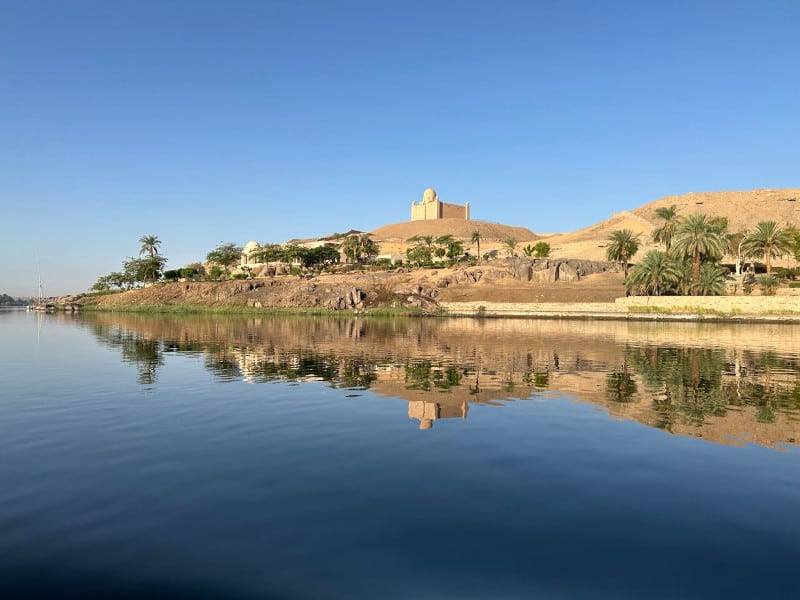
Figure 1: The mausoleum of Aga Khan, next to the necropolis excavated by EIMAWA
The mausoleum of Aga Khan, next to the necropolis excavated by EIMAWA.

I specialized in Egyptian epigraphy of the New Kingdom and Graeco-Roman Period by working initially on the critical edition of all astronomical ceilings of New Kingdom temples and tombs in Egypt during my Ph.D. years. During my research fellowship at University of Milan, I worked on the preparation of a volume of the Cairo Museum’s Catalogue Général on private statuary of the Late and Graeco-Roman Period – the core of which is a manuscript by Bernard V. Bothmer, housed in the Archives of Egyptology at the University of Milan, which I revised, updated and supplemented with the edition of texts that Prof. Bothmer had left out. Participating therefore in the EIMAWA Mission as epigraphist of the team is a most valuable opportunity for me to work in the field with Egyptian epigraphy, particularly from the Graeco-Roman Period.
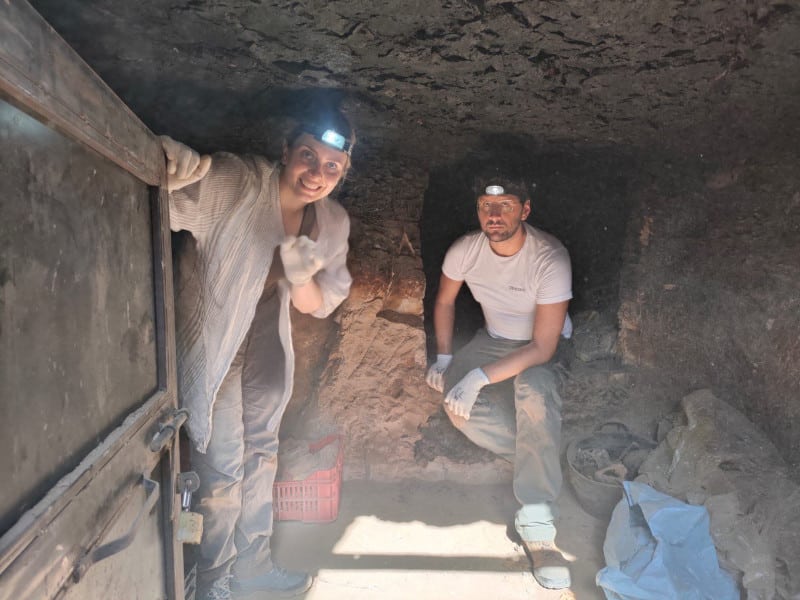
My unquiet face as I help anthropologist Alice study mummies
My unquiet face as I help anthropologist Alice study mummies.

That is why I decided to send in my application for a Scholarship for Fieldwork Participation from ASOR in order to join the EIMAWA mission of September. When, on May 3, 2024, I received an email from ASOR with the news that I had won a Katherine Barton Platt Fieldwork Scholarship I literally jumped for joy! Indeed, this scholarship gave me the opportunity to continue and complete, together with Prof. Piacentini, the epigraphic study of all the inscriptions found on the site from 2019 to the present.
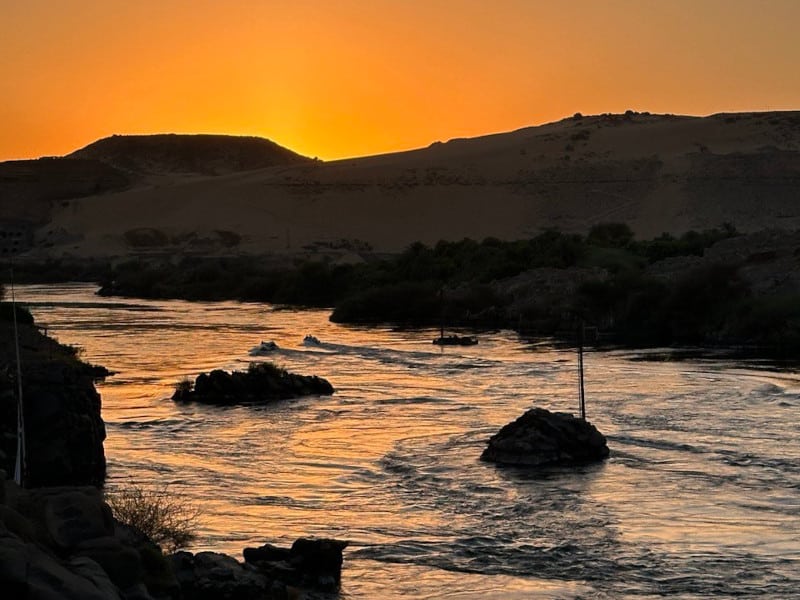
Figure 4: The setting of the sun from our house in Sehel Island
The setting of the sun from our house in Sehel Island.

So, on September 10 I left for Aswan with a team of scholars from various disciplines: Egyptologists, anthropologists, radiologists, chemists, restorers, engineers, etc. The first few days challenged us with extreme weather conditions (temperatures of about 44 degrees!) and the site being in the middle of the desert! But even these temperatures failed to discourage us from doing our work and so, from our home on Sehel Island, we took the boat each morning to the site where, together with the Egyptian team, we discovered and excavated a tomb between two previously excavated ones. Back home, we would spend the afternoon working on the collected data, which we presented each day at the 6:30 p.m. meeting.

This very afternoon meeting was the most awaited moment of the day since it took place in the veranda of our house in Sehel Island. Before our eyes (and our data-filled computers), the sky was ablaze with the setting sun that descended just behind two knolls drawing the perfect hieroglyph of akhet (“horizon”). There was no fatigue or worry that did not fade away as we walked out of our rooms and were dazzled by the setting sun or moon between the river and the desert, smiling at the song of the ibis that perched on the cliff in front of the house or admiring the elegant flight of the hawk Horus that often passed over our heads. The poignant beauty of Egypt is shown in all its moving power on the first cataract of the Nile, the natural boundary of ancient Egypt.
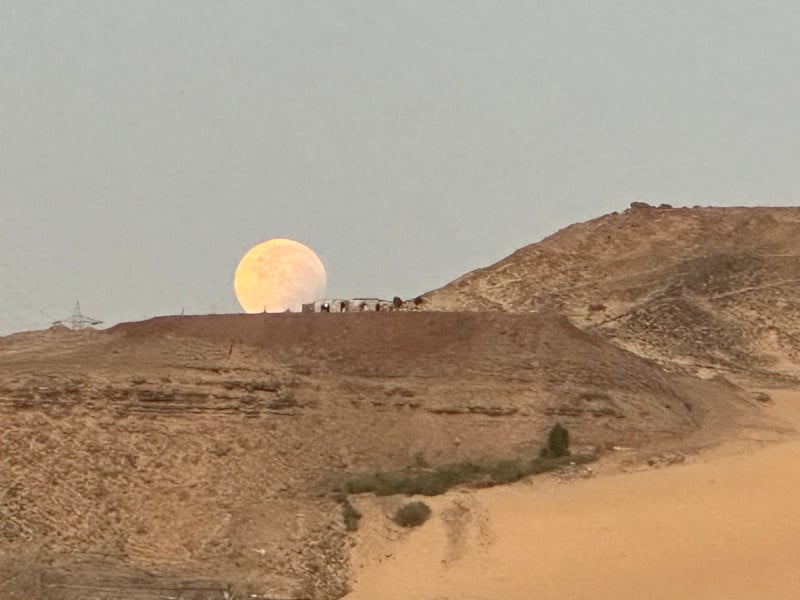
Figure 5: And to make sure we don’t miss anything...the setting of the moon!
And to make sure we don’t miss anything...the setting of the moon!

Beyond the beauty that filled our eyes, taking part in the September mission gave me the opportunity to complete together with Prof. Piacentini the study and edition of all the hieroglyphic texts unearthed in recent years. The resulting paper has been sent to an international Egyptological journal (Aegyptus 104) and has already been accepted for publication in December. But this mission not only allowed me to refine my epigraphic field studies – working with experts from other disciplines allowed me to enrich my cultural background. I was able to follow every step of the excavation of a new tomb and learn a lot about archaeological methodologies (especially in extreme environmental conditions such as those of the Aswan Desert), I lent a hand to anthropologists in their reconnaissance of human remains, learning a lot from their discipline, and I listened to the timely reports of the restorer and chemist on the treatment of materials.

But the main enrichment was the human one. Working and living side by side with many people for three weeks was a really good experience. I made new friendships and consolidated existing ones. I interacted with the local community and became, along with the other mission members, a resident of Aswan! And for all this, I have to thank the mission director Prof. Piacentini, ASOR who gave me the opportunity to join the team, and, finally, Egypt for the beauty with which it continues to fill our lives every day.
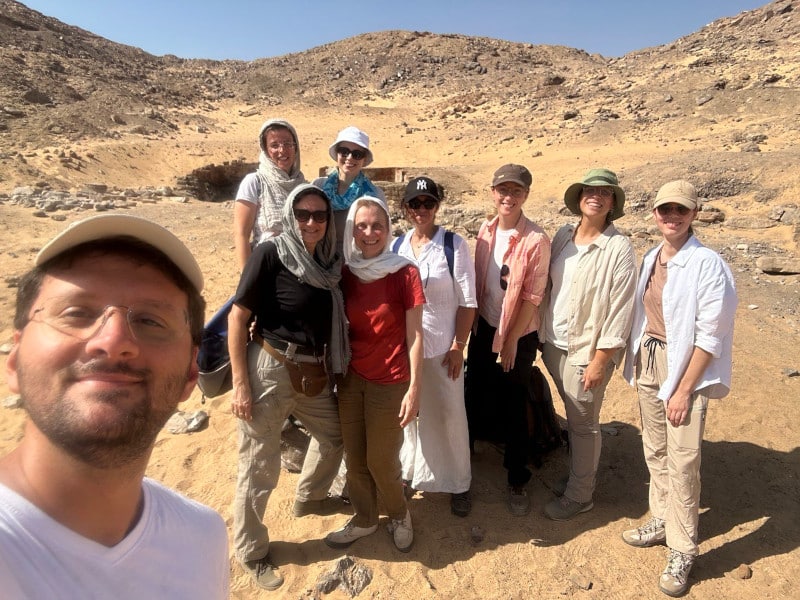
Figure 2: The EIMAWA team
Lorenzo Guardiano and the 2024 Egyptian Italian Mission at West Aswan team.

Lorenzo Guardiano is a research fellow in Egyptology at the University of Milan where he obtained his PhD in 2022. His areas of research are Egyptian astronomy and cosmology and the hieroglyphic epigraphy of the New Kingdom and the Ptolemaic Period. His book “Il Cielo dei Faraoni. I soffitti astronomici nell’Egitto del Nuovo Regno” was published in 2024 by Milano University Press.

Want to help more students and early career archaeologists get into the field? Donate to the cause today by selecting “Fieldwork Scholarships” as your gift purpose!
Fieldwork Report: Louis Mainwaring Foster

Stumbling Over Rocks

Louis Mainwaring Foster, 2024 BIPOC Fieldwork Scholarship Recipient

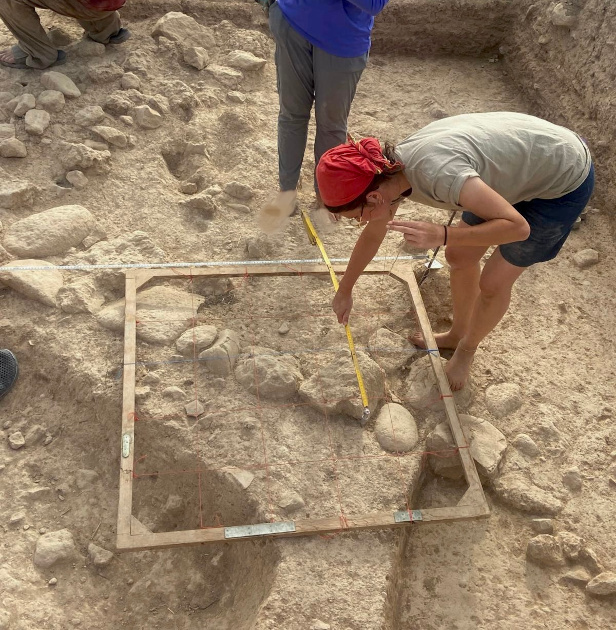
Thanks to this scholarship, I spent part of my summer working on the Brač Island Project along with a mixed team of students from University of Colorado Boulder, England, and Croatia. This summer was the last full season of excavation before a study season in 2025, thus there were a lot of objectives.

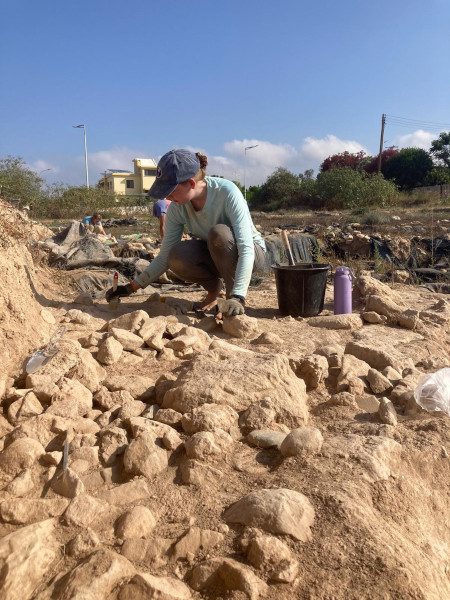
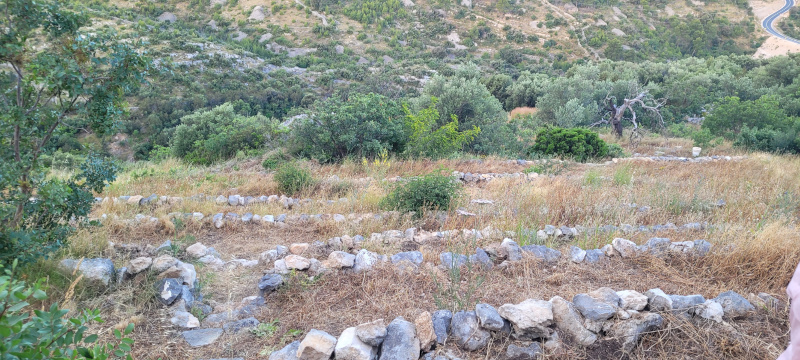
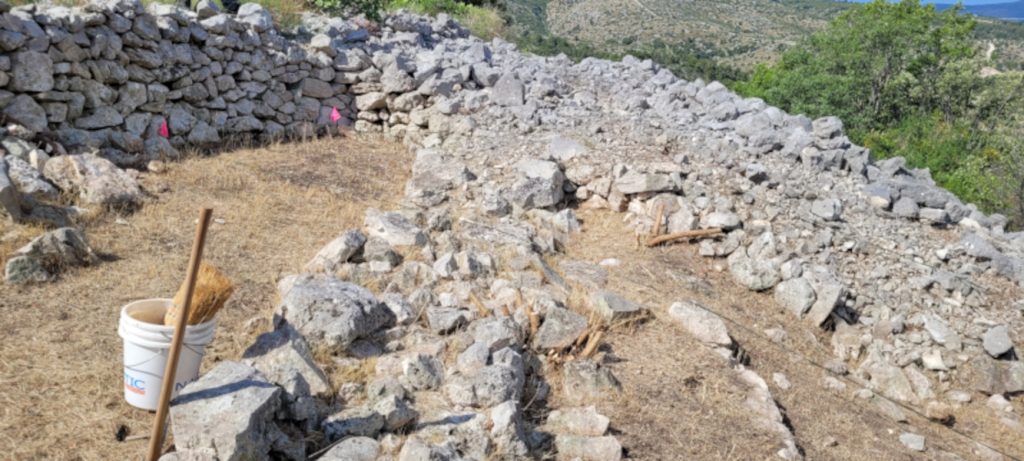
For the sake of the brevity of this report, my discussion of my time on the project will focus on Areas 1: the new terrace trench on the steep southern slope of Gradina Rat. This terrace trench’s aim was twofold, the first being to give a greater context to activity on the site during the Iron age and second to analyze the variety of finds from the large-pottery rich erosional deposit down this slope. After spending some time clearing away plants and other debris, a 3×5 meter trench was laid out across 3 terraces, with focus being placed on the fifth and sixth trenches from the top 19th century terrace walls. The excavation proceeded smoothly despite the islands attempts to impede us, Brač being known for being covered in lots and lots of rocks. The terrace trench produced material and soil ranging from the topsoil that accumulated above the 19th century terrace fill all the way down to fill from around the late 9th to 6th century BCE.

The methodology of our excavation process involved adapting the details and instructions from the Corinth Excavations Archaeological Manual by Alicia Carter Johnson, Guy D. R. Sanders, and Sarah A. James. This manual really aided me when I was trying to make sense of the material we were excavating. Details in the manual helped delineate soil layers based on composition, finds, and color change. We were often rotating between excavating, filling forms, and sieving in order to give us a big picture perspective all the while being guided by our trench supervisors. Being part of filling in the detailed forms for each layer helped me understand ways to break down the process of appraising the information that was being uncovered on site. Many of the details present in the Corinth manual along with the guidance of my trench supervisors will be crucial tools for helping me on future excavations.

The layer of the deposit in the terrace trench that I really enjoyed excavating was the 1st century BCE Erosional Deposit 2. This stratum was distinguishable by the compact, light yellowish brown, sandy/clayey silt. As is usual on Brač, about half of the inclusions were small boulders and cobbles, but there was also a large sample of pottery. There were also other types of inclusions along with this soil, namely charcoal, animal bones, shell, and a few chunks of building materials (clay and daub).  I have never seen daub in person, so the presence of white and yellow clay might indicate a large presence of a decomposing wattle and daub construction. In my experience, these sorts of finds are the best since the information and building techniques that we learn about in class come to life in the field.

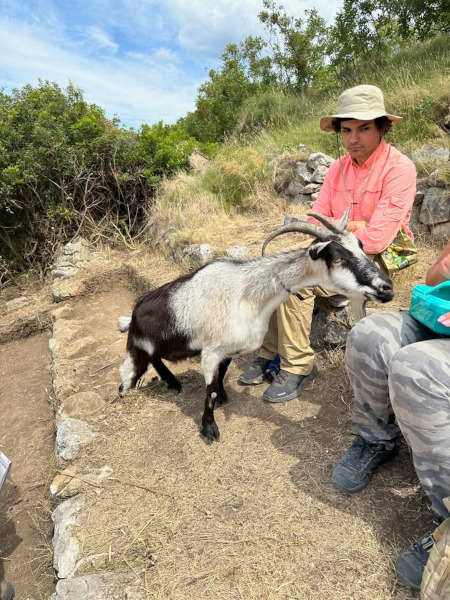
A variety of interesting finds, learning new excavation methodology, and enjoying the Mediterranean sun are some of the reasons I love to excavate. Every couple of days, a local visitor, in the form of a playful goat, Lola, dropped by the trenches to say hello and remind us to stay hydrated. Other fauna visitors included a snake that was trapped beneath one of the backfill tarps, which I luckily managed to extract without any bites.

After a hard days work on site and afternoon duties like pottery wash or pottery sorting, one could find me either in a local pub watching the pre-tournament matches for the 2024 Euros, relaxing at the beach, or eating lots of bakery items. I really enjoyed getting the opportunity to sort pottery since I find it very challenging and I always marvel at how easily experts can distinguish types of pottery that looks completely the same to my eye. It was also interesting to notice the presence of pottery from local sources, Rome, and Greece from a variety of periods all in one site and wonder how and why that might occur. I learned so much during this season of the Brač Island Project and I am grateful to ASOR for aiding me with this experience.

Louis Mainwaring Foster is currently a Master’s student in the Classical Art and Archaeology track of the Classics department at the University of Colorado Boulder. His thesis is focused on questions of identity and cross cultural influence in Hellenistic Bactria. When he is not buried in the books, one can often find him dancing to Afrobeats and reggaeton music or training for a marathon. Louis is always eager for the opportunity to travel to other countries and immerse himself in other cultures and make more international friends.

For more information about the Brač Island Archaeological Project, visit their website: https://bracislandproject.com/

Want to help more students and early career archaeologists get into the field? Donate to the cause today by selecting “Fieldwork Scholarships” as your gift purpose!
Call for Early Career Scholars Committee Members

Early Career Scholars: Call for New Members of the Community & Advocacy Subcommittee

The Early Career Scholars (ECS) Committee is looking for new members for our Community & Advocacy Subcommittee. The current mission of the subcommittee is to create opportunities for community building and social engagement among our members, as well as outreach and improved visibility of ECS’s activities and members’ work through online platforms. The committee requires a commitment to two hour-long meetings and 2-3 hours of outside work per month. We especially seek those who enjoy creative approaches to online social engagement for our virtually-based community.

If you wish to be considered by the committee, please fill out the application form here. Review of applications will begin on October 25th, 2024.

Please fill out this online form if you are interested in being part of the Early Career Scholars Committee. 

Join ASOR’s DEI Committee

The palatial complex, an impressive feature of the site that is already excavated and viewable to the public.

Join ASOR’s DEI Committee

The Diversity, Equity, and Inclusion (DEI) Committee serves as a resource and advocate for social justice and equity issues within ASOR and its membership, in order to expand access to the history and cultures of the ancient Near East and Mediterranean world. For more information about the committee and its current members, click here.

DEI Committee members volunteer to serve one term (3 years) with the possibility to renew for a second term. We have space for 3 new members in the Class of 2027 (January 1, 2025—December 31, 2027). If the time is not right for you now, this open call will be held every year.

Please fill out the committee application form, by Sunday, November 3, 2024 to be considered for the DEI Committee Class of 2027. Your responses and materials will be reviewed and considered by the current members of the DEI Committee, the Chairs Coordinating Council, and select ASOR Staff.

Fieldwork Report: Sheldon Harmacy

A Triumphant Return to the Field

Sheldon Harmacy, 2024 Strange/Midkiff Families Fieldwork Scholarship

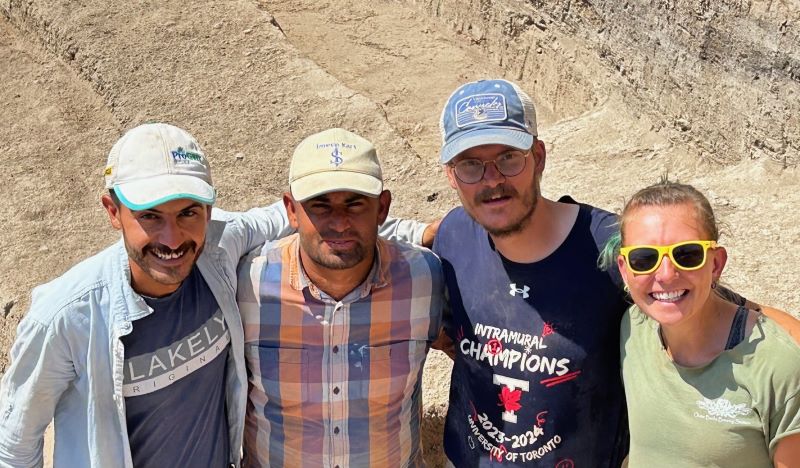
Photo 1: The crew for Square G4. 65 this season, from left to right, Cafir, Abas, Sheldon (me), and Rose
Photo 1: The crew for Square G4. 65 this season, from left to right, Cafir, Abas, Sheldon (me), and Rose.

This summer I excitedly returned to fieldwork as part of the University of Toronto’s team working with the Tayinat Archaeological Project (TAP). The site is integral to my proposed thesis research which aims to explore the role and place of chipped stone technologies following the proliferation of metal technologies in the region. I previously participated in the excavations of Tell Tayinat during the 2022 season, following the completion of my master’s degree. Unfortunately, due to the devastating earthquake that occurred in the region during the spring of 2023, I did not return to the site for the 2023 season. Coming back for this season, I came prepared to both continue to grow and learn as a scholar but also deal with new challenges and resets afforded to the project via the events of 2023. I am incredibly thankful to ASOR and the Strange/Midkiff Families Fellowship for their financial support which allowed me to participate in this season’s investigations.

The damage from 2023 affected much of the region including the major city of Antakya which included the dig house and depot for the TAP project. As such, this year they had to reset and start again from the ground up. Ahead of the field season, the TAP Senior Staff worked feverishly to acquire land and construct a new home for the project as well as set up the various administrative and laboratory spaces and paperwork needed to run the field season. As we were the first to experience this new set up, it was not without its bumps and bruises, but many of us came in ready for the challenge, banding together as a team to work hard and turn our new space into the project’s home.

The site of Tell Tayinat itself, is a large archaeological mound located within the Amuq Valley of Southern Türkiye. The site has a long history of archaeological investigations, beginning with the Braidwood Survey in the 1930s and more recently with the Amuq  Valley Regional Project and associated excavations headed by Dr. Timothy Harrison and the University of Toronto in the late 1990s and early 2000s. The archaeological explorations of the mound itself have focused on the upper mound and identified two major occupational layers, one dated to the Iron Age, and another dated to the Early Bronze Age.

My role in the investigations of the site were as a Square Supervisor within the Early Bronze Area of the site (Field 1). I oversaw both the day-to-day excavation of a specific square but also the various forms of paperwork and digital recording as well as a detailed season report related to the square itself. This was all performed in dialogue with an Area Supervisor, who in my case was Dr. Lynn Welton, a Tayinat veteran and one of the senior staff. Working and learning from Dr. Welton, I continued to hone my skills and approach to the archaeological methods used in the region, in particular dealing with mudbrick, as well as utilizing the OCHRE program for digital recording.

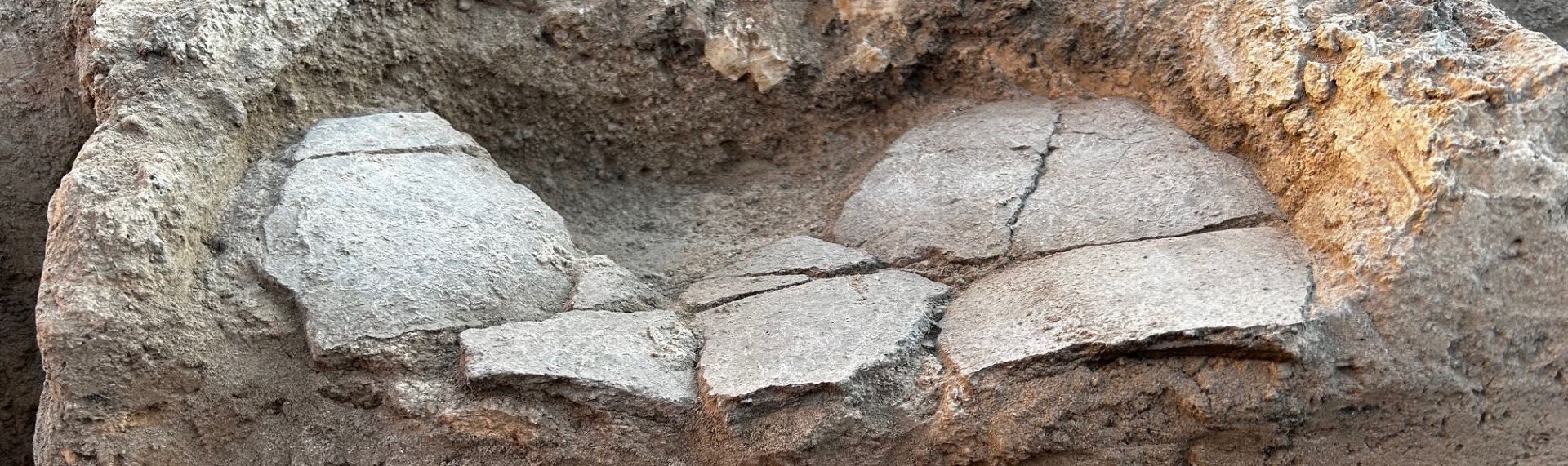
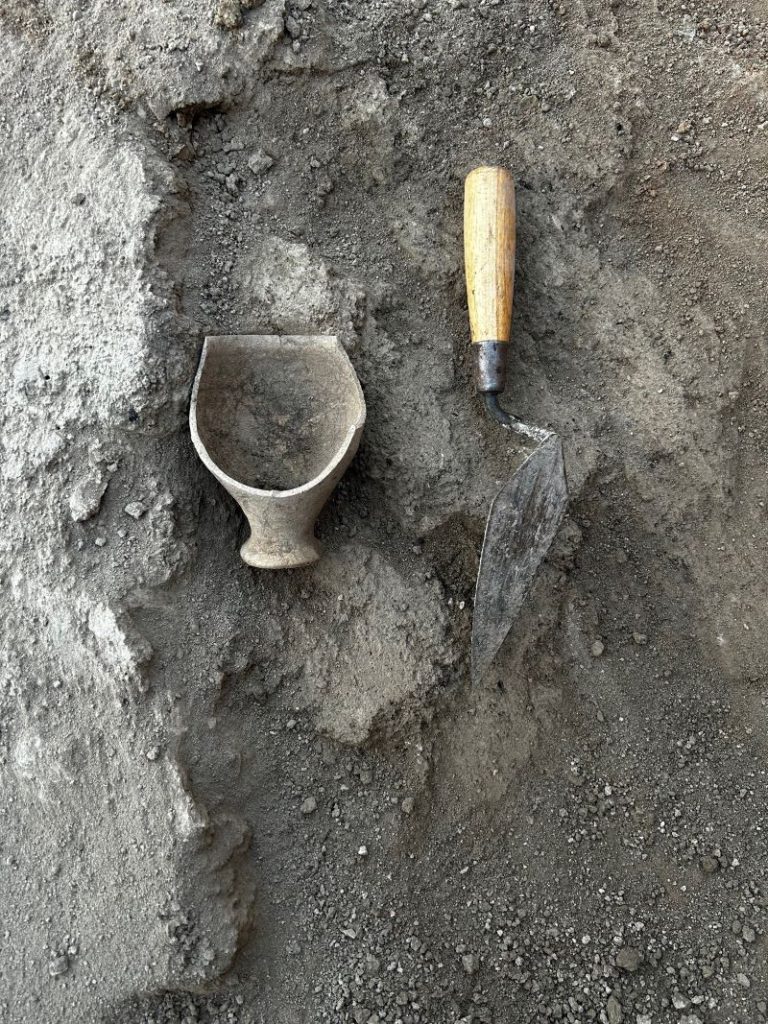
Photo 2: A near complete goblet found within some fill early in the season
Photo 2: A near complete goblet found within some fill early in the season.

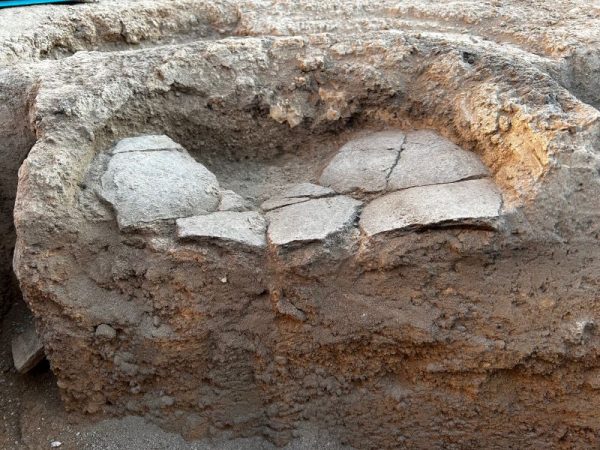
My particular square for this season was the same square that I had worked in during the 2022 season. In 2022, we identified a primary phase of architecture for the square and a later ephemeral occupation which was composed of a series of cooking installations cut into the architecture of the primary phase. Our goals for this season were to completely expose and delineate the architecture of the primary phase and attempt to ascertain the function of the various rooms therein. Across the various weeks of excavation, we were ultimately successful in this goal. We were able to delineate the southwestern boundaries of a large building within which were seven relatively small rooms. Curiously similar to the later phase consisting of ephemeral cooking installations, the major elements found within the main phase in the square also pertained to cooking. This included large volumes of coarse ware pottery and a series of ovens, some of which were quite large and possessed associated storage bins.

Returning to the field as part of the TAP project this summer allotted me an exciting field season that provided me with many challenges and opportunities to continue to grow as a field archaeologist and scholar. I look forward to participating in the project in the future—indeed towards the end of the season we uncovered a lower phase of architecture beneath this season’s, which will be an exciting facet of exploration for next season!

Photo 3: A hazelnut (?), one of many charred remains found alongside the coarse wares and cooking instillations this season.
Photo 4: A cross section of one of the various cooking instillations excavated this year.

Sheldon Harmacy is a PhD student at the University of Toronto where he explores the relationship between changing materiality and technological progress in the context of the Early Brone Age of the Ancient Near East. He is a proud alumni of both the University of Lethbridge and University of Toronto receiving both a BA in Archaeology and Geography (2019) and an MA in Near and Middle Eastern Civilizations (2022). He has participated in the last two field seasons at Tell Tayinat and aims to utilize the lithic (chipped stone) assemblage from the site for his thesis research.

Tayinat Archaeological Project Website: https://tayinat.artsci.utoronto.ca/

Photo 5: Myself and my partner Mariah (another member of the excavation) on a weekend excursion to the Titus Tunnel Aquaduct in Hatay.

Want to help more students and early career archaeologists get into the field? Donate to the cause today by selecting “Fieldwork Scholarships” as your gift purpose!
Fieldwork Report: Suzanne Gilles

A Month on the Island

Suzanne Gilles, 2024 Katherine Barton Platt Fieldwork Scholarship Recipient

On 7th of May 2024, I received an email from ASOR telling me that I had been awarded a scholarship to excavate at the site of Kissonerga-Skalia, in Cyprus. This email gave a whole new perspective on what my summer was going to be.

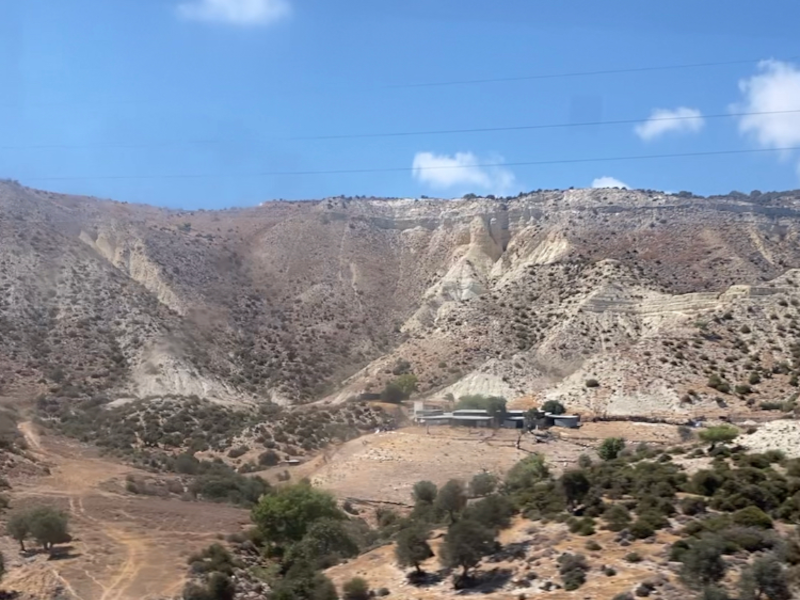
The dig lasted a month, under the Mediterranean sun, with the island’s humidity, and with a light breeze during the afternoons. I was surrounded by this amazing scenery of the Troodos mountains, the blue waters of the sea, and so many archaeological sites to visit.

I have always been curious to understand what Cyprus was like during Antiquity and more precisely during the Bronze Age. I want to specialize in Levantine archaeology and the link between the island and the mainland is something that I wanted to explore in my research. The excavation at Kissonerga-Skalia was the perfect opportunity for me to learn more about it.

View from the Troodos mountains (Image credit: Suzanne Gilles)

This site is located in the south-western part of the island and was occupied continuously from the beginning of the Early Bronze Age (c.2600) until the beginning of the Late Bronze Age (c.1600). It also has an earlier Chalcolithic occupation that is connected to the nearby site of Kissonerga-Mosfilia.

The excavation is focused on uncovering the industrial area of the site, where a number of features have already been identified, including an oven-like installation, probably used to produce beer! The installations were very diverse, as were the finds, that were a great sample to understand what Cyprus looked like during this period of history.

For the first time, I saw Cyprus as an independent and innovative island, and not as a region whose material culture is merely the product of continental influence. By observing the shapes of the pottery, artifacts, the architectural features and the organization of the settlements, I began slowly to understand the regional specificities.

Plan drawings on site (Image credit: Talia Neelis)

I’ve learned so much from this experience. The excavation being a field school, we were not only trained to excavate, but also to do pottery dating, drawing plans, photography. There was a real desire to show us as much as possible and to share a common passion for Cypriot archaeology.

For four weeks, we lived as a community with a very strict routine: waking up at 4:30am, walking to the site at 5am, working until 12:30 to avoid the afternoon heat and then coming back from the site to do some post-excavation work. I will cherish the little moments that made this intense schedule so enjoyable: eating the delicious chocolate cookies during the breaks, swimming in the sea after a long day, washing the pottery with fresh water.

Amanda, Suzanne’s coworker defining rocks (Image credit: Suzanne Gilles)

On the site, I was assigned to articulate stones, a plaster surface and all the small finds that could be found in these areas, such as pottery, bones, stone tools, and two amazing beads that were my highlights of the season!

However, as all the archaeology students know, even if you are going on an excavation to learn about new methods and cultures, you discover and come back with much more than that. The people that you meet on this little journey shape you as a human being and a future archaeologist. I am so grateful for all the memories and life lessons that I am taking back to France, which are bringing me a bit closer to my dream career.

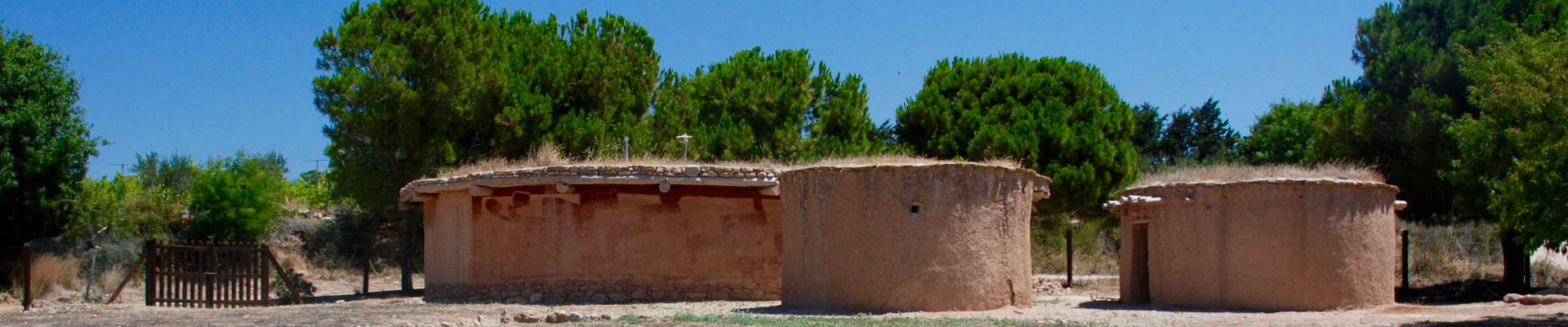
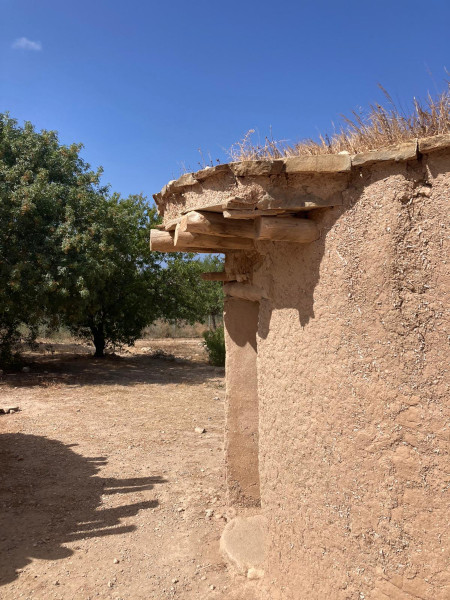
Reconstruction of a Late Chalcolithic house in Lemba, a neighboring site (Image credit: Suzanne Gilles)
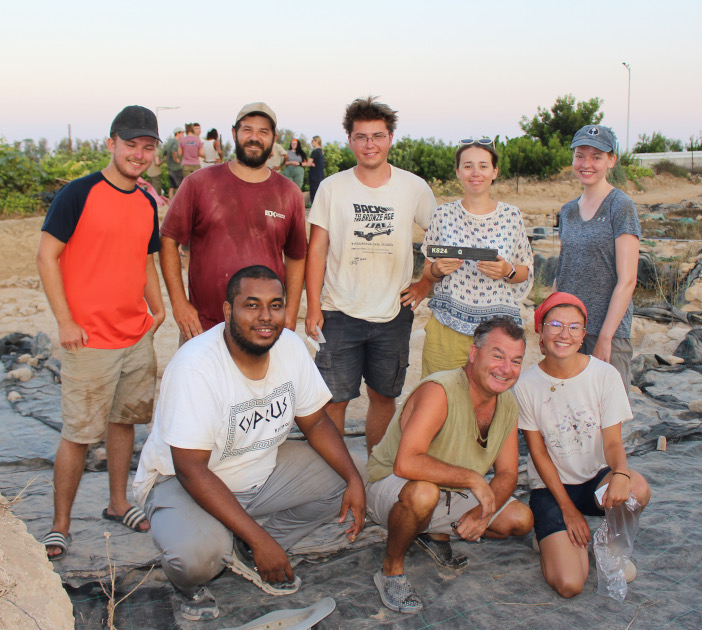
Team from Suzanne’s area (Image credit: Ian Hill)

Suzanne Gilles is a 20-year-old graduate student in the Near Eastern Studies specialty in the School of the Louvre, Paris (France). She wants to specialize in Levantine archaeology during the Bronze Age.

Want to help more students and early career archaeologists get into the field? Donate to the cause today by selecting “Fieldwork Scholarships” as your gift purpose!
Updates from the Strange Center

UPDATES FROM THE JAMES F. STRANGE CENTER

Since 2019, ASOR has called the James F. Strange Center in Alexandria, VA home. The building has provided space for the ASOR team to grow and thrive, but the passing years have meant that our home was in need of some improvements. A leaking drain from our 3rd-floor HVAC unit pointed to the need for some facilities upgrades.

After reviewing a number of proposals and quotes for the work, ASOR contracted with Cardinal Plumbing and HVAC for:

  • New hot water heater to replace our 30+ year-old model.
  • New HVAC systems (furnace and air conditioning) for all three floors of the building.
  • New drain for the 3rd-floor system.
  • New thermostats on all floors that can be controlled remotely.
  • New flue piping in the basement.

The 1st and 2nd floor now have 92% high efficiency systems. The 3rd floor space was unfortunately too small to accommodate the higher efficiency system.

This is was a large project which involved multiple days of work from our industrious HVAC team. The outcome of this project is that the ASOR office is in great shape for the fall and for many years to come!

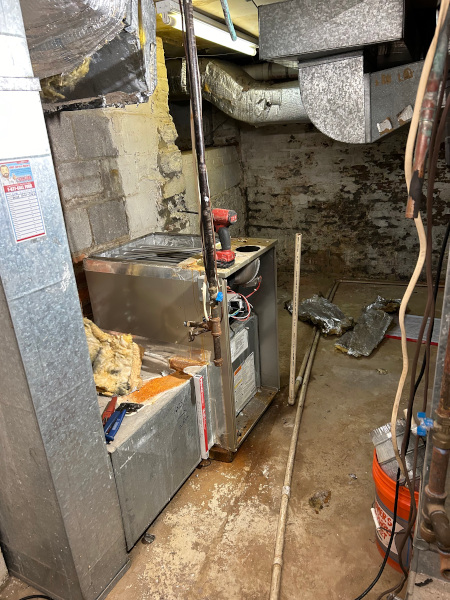
Removing old HVAC units from the basement of the Strange Center.
Removal of old HVAC units from the basement of the Strange Center.
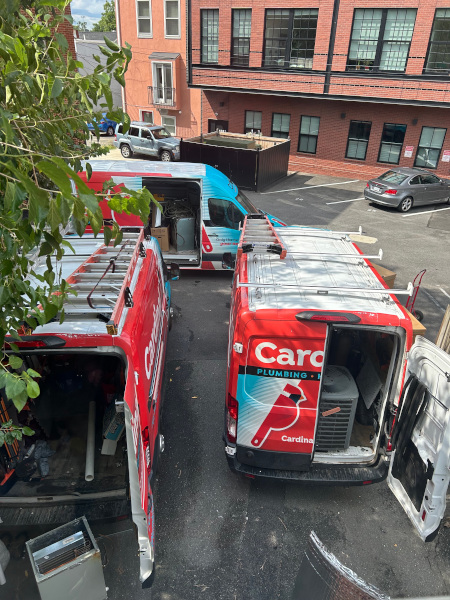
Cardinal vans behind the Strange Center.
Fleet of Cardinal vans ready to tackle the project.
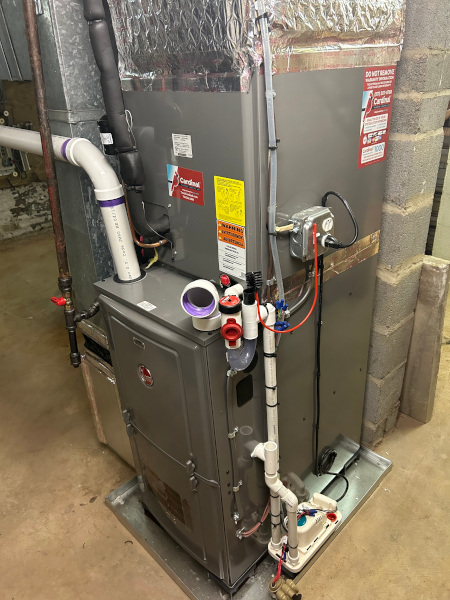
New HVAC unit in the Strange Center basement.
New high-efficiency unit in the Strange Center basement.
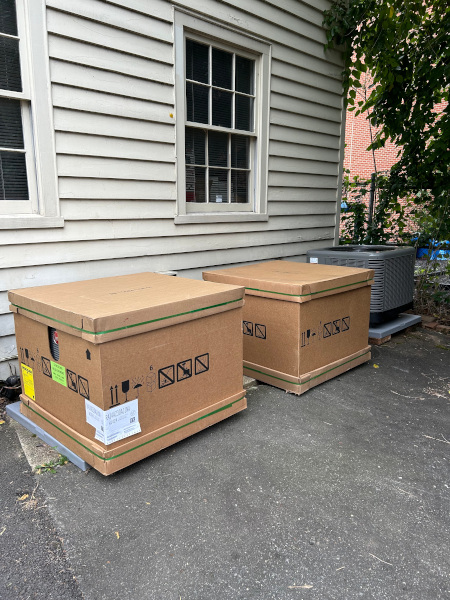
New outdoor units behind the Strange Center.
New outdoor units ready for install.

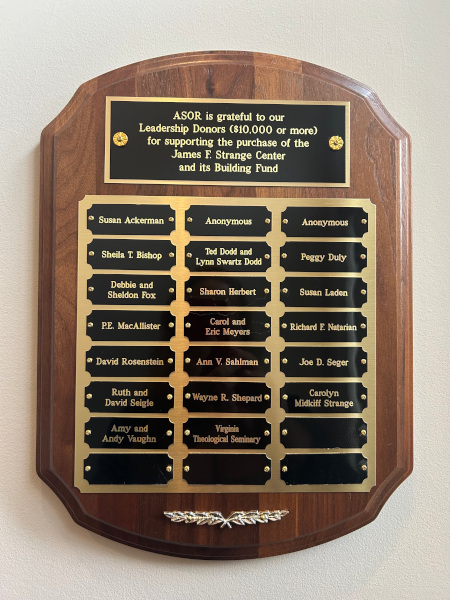
The good news is that not only does the Strange Center have great, new, up-to-date equipment, ASOR was able to pay for these upgrades by using distributions from the endowed Building Fund. Thank you to everyone who has made gifts to this fund over the years. Your gifts ensure that ASOR’s home in Alexandria can continue to thrive and grow. There is still room to add your name to the plaque. Make a gift to the Building Fund today.

Building Fund donor plaque in the Strange Center
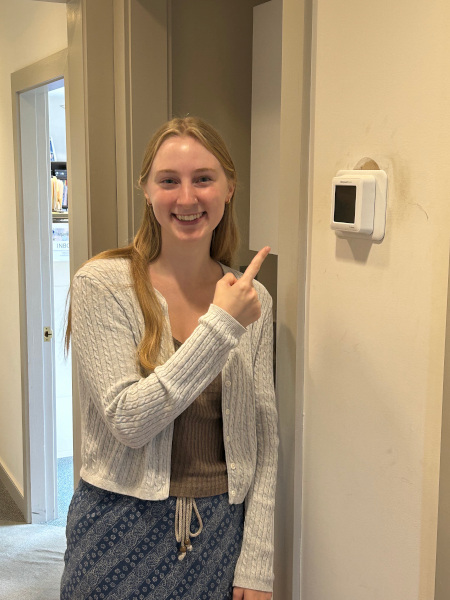
Regan demonstrates how to use the thermostat at the Strange Center.
Regan demonstrating how to use the new thermostats.
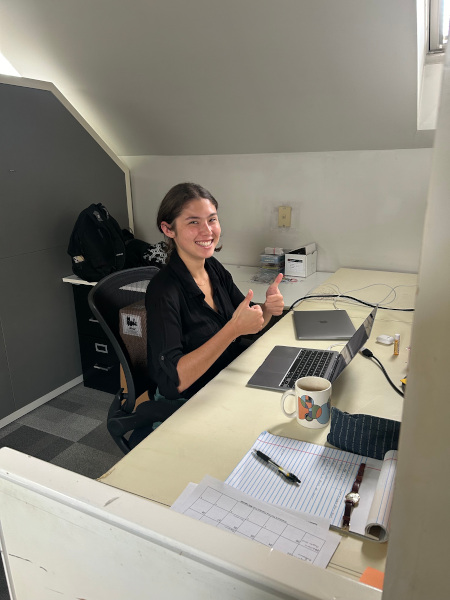
Lucia working on the third floor of the Strange Center.
Lucia enjoys working in the cool environment.

Join ASOR’s Board of Trustees

CALL FOR TRUSTEE NOMINATIONS

The Trustee Nominations Committee announces an open call for (self) nominations for the ASOR Board of Trustees (Class of 2027). Trustees will serve a three-year term, starting January 1, 2025. There are three primary responsibilities of the members of the Board of Trustees:
  • Governance: Being aware of issues brought forward to the Board, attending two meetings per year (at your own expense), and bringing issues of concern to the Board.
  • Fundraising and financial management: Leading in development by thinking of new opportunities, leading in giving, and providing oversight on the audited financial statements. We ask that individual trustees aspire to contribute $500 or more annually.
  • Strategic planning and policy development: Leading especially in measures that accord with ASOR’s mission.


We anticipate two openings for Membership-Elected Trustees. Any full ASOR member may be considered for nomination as an Membership-Elected Trustee. If there is someone that you would like the committee to consider—including yourself—please send the person’s name and email address to Marta Ostovich in the ASOR office. Please check with the nominee as to whether they are interested in serving on the ASOR Board of Trustees before sending in their name. If you have any questions about the responsibilities and satisfactions of being a board member, please email Kathryn Grossman, Chair of the Trustee Nominations Committee.

The ASOR office, or a representative from the Nominations Committee, will contact all nominees to describe the responsibilities in greater detail, and to make sure that the nominee is willing to have his or her name discussed by the Trustee Nominations Committee. Please note that nominees will need to submit a brief biography and a mission (or vision) statement for what they would like to accomplish as a trustee to be considered by the Nominations Committee. A sample of these statements can be found in last year’s “Meet Your Board Nominees” webpage. Brief biographies and mission statements should be ca. 200 words each and submitted via e-mail to Marta Ostovich by noon EDT on September 23, 2024.

After the Committee selects individuals for nomination, the election will take place by electronic ballot during October. ASOR is once again conducting online voting to ensure that more of our members are able to participate in this important process. The ASOR office will work with any person who is not able to complete an electronic ballot to ensure that everyone is included.

In order to receive full consideration by the committee, nominations (including supporting documents) should be submitted to programs@asor.org by noon EDT on September 23, 2024.

Communications Manager Job Opening

COMMUNICATIONS MANAGER JOB OPENING

December 2024 Update: This position has been filled. 

The American Society of Overseas Research (ASOR) seeks candidates for a full-time Communications Manager to oversee outreach efforts in the areas of social media and communications with ASOR members and the public. This person will also manage the Friends of ASOR (FOA) outreach program. This in-person position is located at The James F. Strange Center—headquarters of ASOR, 209 Commerce St., in historic Old Town Alexandria, VA.

Founded in 1900, the ASOR is a 501(c)(3) non-profit whose mission is to initiate, encourage, and support research into, and public understanding of, the history and cultures of the Near East and wider Mediterranean world, from the earliest times.

The Communications Manager is responsible for ASOR’s marketing and communications strategies. They directly oversee all FOA programming and manage ASOR social media strategies to engage both the public and ASOR members and friends. This position reports to ASOR’s Assistant Director, Marta Ostovich.

Primary Responsibilities:

Communications

  • Under the direction of the Assistant Director, develop and implement a media relations and outreach program. Provide expertise and oversight for ASOR’s social media.
  • Under the direction of the Assistant Director, develop and implement ASOR’s social media strategies using key platforms that connect with our membership and build relationships with those interested in archaeology and history to expand our membership.
  • Monitor and engage with followers on ASOR’s social media accounts, and analyze social media metrics to improve engagement with the public.
  • Work with ASOR staff members to maintain high-quality customer service for our 2,200 members and 17,000 Friends of ASOR (FOA).
  • Work with ASOR staff members to write and edit copy for internal and external communications including press releases, newsletters, social media posts, and website content for a general audience. Ensure consistent brand messaging across all communications.
  • Help prepare materials for presentations, speeches, and meetings.
  • Assist with ASOR’s off-site Annual Meeting (in November of each year) by providing general administrative support including but not limited to, processing payments, answering questions, assisting with communications for attendees, and making all attendees feel welcome. Travel to the meeting is required (once per year).

Friends of ASOR

  • Expand the communications component of FOA, building membership and generating interest in the programs.
  • Manage existing FOA programming including:
  • Design new FOA programming and oversee operating budget for growing FOA programming.
  • Develop and implement a 5-year plan to increase revenue from FOA programs.

Qualifications / Skills Needed:

  • Bachelor’s degree (or equivalent work experience) in a related field such as Communications, Public Relations, or Marketing.
  • 1-2 years of experience (3-5 preferred) in a communications role, with demonstrated experience and expertise in social media.
  • Familiarity with AP Style.
  • Understanding of digital marketing concepts and strategies.
  • Ability to work effectively in a team environment.
  • Excellent attention to detail and accuracy.
  • Strong written and verbal communication skills.
  • Excellent organizational and time management skills.
  • Ability to work independently and handle multiple tasks simultaneously.
  • Experience with social media management.
  • Proficient in Microsoft Office, graphic/image editing (Adobe Creative Suite, Canva, etc.), and popular social media platforms. Website maintenance experience (WordPress) is a plus.

Compensation and Benefits: Salary $60,000-$75,000, based on experience. Benefits include paid vacation, holidays, and sick time; employer retirement contribution after vesting period (currently 6%); and benefit dollars (currently $650 per month).

How To Apply: E-mail letter of interest, resume, and contact information for three references to Marta Ostovich at programs@asor.org. The letter of interest should discuss how ASOR as an organization fits into the applicant’s training and career goals. Please include your name and “Communications Manager” in the subject line.

We are currently reviewing applications on a rolling basis.

ASOR is an equal opportunity employer and all qualified applicants will receive consideration for employment without regard to race, color, gender, religion, national origin, disability, veteran status, age, marital status, sexual orientation, gender identity, genetic information, or any other class protected by federal or state law (EEO/AA).

AM24 Student Travel Grants and Session Assistant Support

2024 ANNUAL MEETING STUDENT TRAVEL GRANTS AND SESSION ASSISTANT SUPPORT

Student Travel Grants

Application Deadline: 5PM ET, August 26, 2024

ASOR is once again pleased to announce up to ten travel scholarships of $250 for students enrolled at an institution that is an institutional member of ASOR (see list of Institutional Members). Funding for these scholarships comes from the institutional membership fees. Applications must be submitted by email and are due by 5PM ET on August 26, 2024. In order to receive the funds, the institutional dues for the student’s school must be current for 2024-2025, and the student must stay at the ASOR hotel. Students need not present a paper in order to be eligible. Preference will be given to students from schools that did not receive an award recipient in the previous year. Recipients will be notified on or around September 6, 2024.

Eligibility: Students must be enrolled at at an institution that is an institutional member of ASOR (see list of Institutional Members).

Apply: Email Marta Ostovich with the following information with the subject heading “Student Travel Grants Application”:

  • A brief (200 words) statement explaining why you want to attend the Annual Meeting and how the experience will help your career goals.
  • Information about the degree program in which you are presently enrolled.


Previous Recipients

Thomas/Bishop Session and Workshop Assistants

ASOR is seeking Session/Workshop Assistants to help support the hybrid aspects of the 2024 Annual Meeting. In exchange for Session Assistant service, ASOR will cover a set number of nights at the Hilton Boston Park Plaza as well as Annual Meeting registration fees. Funding for Session Assistants is made possible through the Thomas/Bishop Annual Meeting Endowment. Session Assistants provide technical support to Session Chairs during sessions in Boston and on Zoom.

Eligibility: Zoom proficiency and the ability to multi-task are required. Session Assistants will need to be present for all three days (Thursday-Saturday, November 21-23) of the Annual Meeting, and for a training session on Wednesday, November 20.

Apply: Please fill out this interest form. 

Email Marta Ostovich at programs@asor.org with any questions. ASOR will contact those who have been selected as Session Assistants in August to work on scheduling.

Note: Selected Session Assistants are required to make their own reservations in ASOR’s block at the Hilton Boston Park Plaza. A credit will be applied to their reservation based on their service hours.