This fiscal year (July 1, 2023–June 30, 2024) was a record one for ASOR. Donor numbers have been steadily increasing over the past couple of years and this year 905 of ASOR members chose to make a gift of $5 or more! In addition, another 407 people made a gift of less than $5 (primarily from donations to cover credit card fees). Even better news—the cash donations in FY 2024 totaled more than $1,600,000!
Thanks to you, our generous donors, for helping ASOR carry out our mission. It is truly gratifying to see our members and friends choosing to invest in ASOR. Please review the long list of colleagues who donated to make ASOR’s work possible this fiscal year. We are still updating and checking this list, so please contact us with any corrections or comments (info@asor.org).
This large number of donors (almost half of ASOR’s membership) is something that distinguishes ASOR from all other learned societies. And it matters, as the high level of donor participation from our membership engages the attention of foundations and major donors outside ASOR and helps us attract gifts and support from them.
Your donations also enable ASOR to carry out our mission. Subscriptions and memberships only account for about a quarter of our annual budget, so we rely on grants and donations from our members and friends. Even modest gifts add up to create significant support for ASOR, Truly, every donor is important, and every gift is meaningful.
What We Lose in Wars. A Personal View from the President of ASOR.
I have served nearly 5 years as President of ASOR. Much of the past year, since October 7th, has been taken up in discussions about statements: should ASOR as an organization say something, anything, about current political events, most urgently the war in Gaza? As a group dedicated to the study of the past from multiple viewpoints, we have elected for the most part (See ASOR’s single statement of Oct. 16th, 2023, behind which I still stand.) to remain silent. We are not as an organization taking sides. This has the dubious advantage of pleasing no one. Despite its disadvantages, I share the consensus of ASOR’s leadership—my fellow Officers, Executive Committee, and Board of Trustees—that this is the best path for an organization that seeks to provide a welcoming forum where all our members feel free to express their opinions.
Today, I write my own thoughts as one archaeologist who has spent a long career documenting the past in Greece, Israel, and Egypt, and who has been entrusted with the leadership of ASOR by you, its members.
Archaeologists love disasters. Perversely, destruction preserves. Fire bakes unfired clay into nearly indestructible ceramic. Paper documents are turned to ash; stones and pots bear silent witness to people forever lost. In our more macabre moments we archaeologists joke that we love nothing more than a good earthquake or volcanic eruption. We are the ambulance chasers of antiquity, examining, some would say desecrating, the dead in the name of science. We train ourselves to be dispassionate spectators, but of course that is impossible. Each of us, based on our own upbringing, background and experience, reacts viscerally to past and present acts of destruction and loss of life.
ASOR’s core mission is the preservation and study of antiquities in the Near East and wider Mediterranean. We cannot study what war has irrevocably destroyed. Today we face a war in Gaza that scholars estimate has damaged or destroyed at least 57% of all buildings in the territory—the Great Omari Mosque, Saint Porphyrios Greek Orthodox Church, and Pasha Museum in Gaza City to name only three that touch directly on ASOR’s fields of study. In recent years we have seen the destruction of countless sites in Syria and Iraq—the vast Hellenistic city of Dura-Europos reduced to looters’ potholes, much of Palmyra, rubble, countless lives lost and many others crippled.
I ask myself, we all ask ourselves, what can ASOR do in the face of such destruction? Never enough. Beyond our core mission to initiate, encourage, and support research into, and public understanding of the history and cultures of the Near East we are striving to do what we can, where we can, when we can to help our colleagues in need. We pick up the pieces after disasters with our Shepherd Urgent Action Grants. We raise funds to help displaced students continue their educations, we work with local citizens to document and publish their pasts and present efforts to preserve them using open access computer programs. These are only a few of the things we are doing today as we strive to document and save the monuments of past peoples. It can never be enough; no number of monuments can compensate for even a single life lost; but with the help of our members we persevere—one day, one memory at a time.
I am proud to be a member of ASOR even in these dark times. I hope you are as well. I would welcome thoughts from you, our members, on more ways we can act positively in this troubled region.
[/vc_column_text][mk_divider][vc_wp_text]Currently, 137 projects are affiliated with ASOR. This includes 108 field projects and 29 publication projects. Seven new projects have received ASOR affiliation since last summer. Read more about these new ASOR-affiliated projects below!
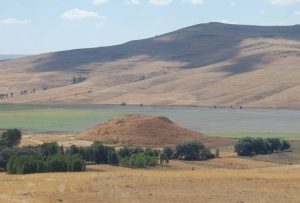
Paths to Urban Growth in the Nineveh Plain (PUG) explores the origins of early urbanism in Northern Iraq during the 5th and 4th millennia BC through excavations at the sites of Tepe Gawra and Tell ‘Arna/Gogjeli. Tepe Gawra has been the hallmark site for the development of complexity during the Ubaid and Late Chalcolithic periods in the ancient Near East. Past excavations at the site revealed a local development of a sophisticated infrastructure manifest in construction of temples, monumental architecture, and elaborate administrative technologies. Due to these features, Tepe Gawra has been characterized as an administrative centre atop of a regional polity. However, recent survey carried out by our team at Tepe Gawra has identified the presence of a lower town, potentially indicative of the presence of domestic occupation. Further, due to the lack of excavated sites of the same time period in the surrounding region, it is difficult to determine if the features identified at Tepe Gawra are unique, or if the features that characterize it are common at other sites in the Nineveh Plain, such as Tell ‘Arna/Gogjeli. Excavations at Tell ‘Arna/Gogjeli allow us to compare the processes occurring at the two sites, test regional assumptions on the centrality of Tepe Gawra, assess networks of interactions within the region, and build a more complete picture on the process of urban developments in northern Iraq.
A Clash of Kings — South-central Anatolian political geography between Phrygia and Assyria, Cappadocia, Turkey (Michele Massa)
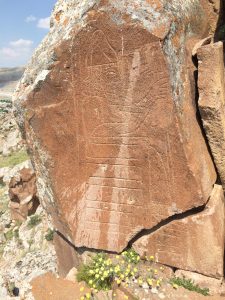
Carved depiction of Great King Hartapu, who ruled in the 8th century BCE in the Konya Plain.
This three-year project aims to reconstruct the political geography of the Tabalian confederation, a group of small kingdoms in south-central Anatolia (Türkiye) that existed during the late 9th-early 7th centuries BCE squeezed in between the two major powers of the time, Phrygia and Assyria. While we have extensive written sources (including Assyrian annals and local Luwian monumental inscriptions) and significant archaeological data (excavated and surveyed settlements and forts, landscape monuments) covering this period, very little interdisciplinary research has been done to synthesize them into a coherent picture.
Our goal is to reassess this varied evidence within an integrative analytical environment where we can combine conceptual frameworks and methods stemming from history, philology, landscape archaeology and digital archaeology. We plan in particular to (a) create high-resolution 3D and RTI models of key Luwian inscriptions; which in turn (b) provide improved translations of these monuments, particularly those shedding light on relations between different Tabalian rulers; and (c) integrate textual-borne evidence with a GIS-led analysis of human and natural landscapes to sketch the diachronically changing Tabalian power networks and map them onto real-world geographies.
Çadır Höyük is located on the north central Anatolian plateau. There has been continuous occupation at Çadır for at least 6,000 years (late 6th millennium BCE to the 13th century CE). Excavations commenced in 1994, continuing to the present time. Steadman is the fourth project director, preceded by Gorny (1994-2009), McMahon (with whom she co-directed, 2010-2019), and Şerifoğlu (2020-2021). Excavations include (trenches are 10 x 10 m): ten trenches exposing the Chalcolithic occupation (lower S slope); over ten trenches dedicated to Byzantine occupation (summit); six trenches focused on Hittite/Bronze Age occupation (N and E slope); four trenches dedicated to the Iron Age (various areas); previous excavations and a few current trenches having investigated the Classical/Hellenistic periods.
We have a housing/research compound which comfortably houses 30 people. A four room-lab provides ample research area. A newly-built conservation lab is separate. We have a two-room equipment storage facility, and a three-room storage depot for archaeological materials. A guard lives at this compound year-round.
Our senior research team has been with the project for a decade or more. Each year we train undergrad/grad students, from Türkiye and elsewhere, in field and lab methods. We have a strong and inclusive publication history.
[/vc_wp_text][mk_divider][vc_wp_text]
Horvat Midras Excavation Project, Israel (Orit Peleg-Barkat, Gregg E. Gardner)
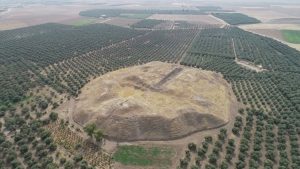
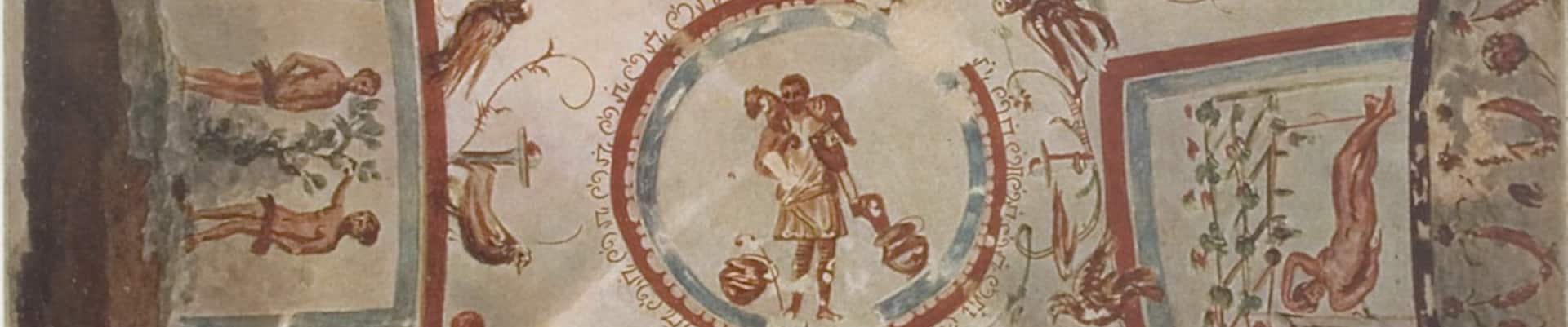
[/vc_wp_text][vc_row_inner][vc_column_inner width=”1/2″][vc_wp_text]This project aims to enhance our understanding of rural life in the Southern Levant by excavating Horvat Midras, Israel, the site of an ancient village with several phases of occupation over two millennia. We are especially interested in understanding the village’s social and religious character, how it changed, its daily life, and the impact of military conflicts, migration, and resettlement efforts. Located between Jerusalem and the Mediterranean coast, in the Shephelah or Judean Foothills region, Horvat Midras was inhabited by several different groups from the 4th century BCE to 16th century CE, including Idumeans, Jews, Roman polytheists, Byzantine Christians, and Muslims under the Umayyads, Mamluks, and Ottomans. Our initial surveys and excavations suggest that the site was profoundly transformed following the Roman suppression of the Second Jewish Revolt in 132-136 CE, which was followed by Roman resettlement of the village and construction projects that would have an enduring impact. This project began in 2015 with the Hebrew University of Jerusalem’s Institute of Archaeology and since 2018 has been a joint-venture together with the University of British Columbia (Canada).[/vc_wp_text][/vc_column_inner][vc_column_inner width=”1/2″][mk_padding_divider][vc_single_image image=”96589″ img_size=”medium” add_caption=”yes” alignment=”center”][mk_padding_divider size=”20″][vc_single_image image=”96590″ img_size=”medium” add_caption=”yes” alignment=”center”][/vc_column_inner][/vc_row_inner][mk_divider][vc_wp_text]
Exploring Continuity and Transition in Southern Jordan (Jennifer Ramsay, Bjorn Anderson, Craig Harvey)
The Exploring Continuity and Transition in Southern Jordan (CTSJ) project is a multi-disciplinary group of American and Canadian collaborators that plan to conduct a survey focusing on sites previously identified as having evidence of multiperiod occupation between Petra and Humayma in southern Jordan. The main aim of this survey is to investigate these archaeological sites for signs of continuity or shifts in cultural practices over time, specifically between the Iron Age and the Nabataean period. While several sites in the region have undergone preliminary surveys noting material culture from various periods, only a few have been extensively excavated. Many of the sites identified have very limited information and no chronological verification from excavations. Therefore, our primary interest lies in enhancing our understanding of Nabataean prehistory, particularly regarding cultural activities (ritual, funerary, agriculture, engineering) during the Iron Age and their continuity or transition into the Nabataean period. There is a significance gap in our understanding of this period (approx. 539-300 BCE) in the prehistory of Jordan, which needs to be addressed. A review of published archaeological findings in the area has revealed this gap in our comprehension of this period, which has prompted new research inquiries that can only be addressed initially through a survey of specific sites in the region.
Since 1977, the University of Palermo has led research at the site of ancient Motya, an island city in western Sicily founded by Phoenician colonists in the 8th century BCE that grew into a strategic Carthaginian center. This project made several noteworthy contributions to the scholarship of the Mediterranean in its early years, including the documentation of a large pottery workshop that features kilns of Levantine tradition and the revelation of the world-renowned “Youth of Motya” statue, a mid-5th century BCE masterpiece crafted of Parian marble. After 2013, the Palermo Archaeological Mission has grown to become a multinational project with active collaborations with the University of Pennsylvania and the University of Tübingen. Current research foci at Motya include the excavation of pre-Phoenician contexts to understand Bronze Age land use and settlement, excavation of Punic monumental buildings and public spaces, excavation of the archaic necropolis coupled with bio-archaeological and genetic research, and extensive geophysical prospection, surface survey, and test excavations to understand the development of Motya’s urban structure and changes in the ethnic identities of its residents over time. These ongoing research efforts are integrated with education including a field school where students from the University of Palermo and elsewhere come together to gain experience in all facets of archaeological fieldwork.
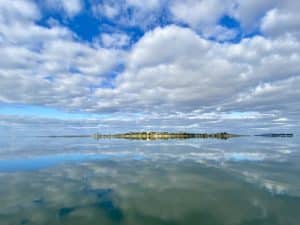
The Sebittu Project is a long-term study of the agrarian economies and environmental impacts of imperial expansion during the Iron Age of Iraqi Kurdistan. Centered on a cluster of seven villages, hamlets, and farmsteads in the Erbil Plain, the Sebittu Project looks at Neo-Assyrian imperial economy through a “bottom-up” perspective. The Sebittu Project focuses on the collection and intepretation of paleobotanical, zooarchaeological, and environmental data from primary contexts to address broad research questions regarding models of Assyrian imperial expansion, internal organization of agrarian settlements, regional economies, paleoenvironment conditions, and human impacts on the landscape.
The Publications Committee of the American Society of Overseas Research announces a call for nominations (self-nominations welcome) for the position of Editor of Near Eastern Archaeology for a term to begin January 1, 2025. ASOR Journal Editors serve a three-year term (eligible to be renewed once).
Near Eastern Archaeology, the more popular publication of ASOR, brings to life the ancient world from Mesopotamia to the wider Mediterranean with authoritative analyses and vibrant images. NEA (ISSN 1094-2076) is published four times each year (quarterly) in March, June, September, and December.
The Editor of Near Eastern Archaeology currently receives an annual stipend of $13,000. The Editor—working with an Assistant Editor, Editorial Board, the Publications Committee, and ASOR’s publishing partner The University of Chicago Press—holds full editorial control ofNear Eastern Archaeology. The editor works remotely but is expected to attend the ASOR Annual Meeting to attend both the annual Committee on Publications meeting and the annual meeting of the NEA Editorial Board.
Self-nominations are preferred and should include the following items: 1) a one-paragraph academic biography; 2) a brief statement describing why the candidate is interested in the position; and 3) contact information (including e-mail and telephone number). If a candidate is being nominated by another person, we seek the candidate’s name, a short academic history, a brief statement describing why the candidate would be appropriate for the position, contact information, and, most importantly, a statement from the candidate that she or he agrees to being nominated.
Candidates are also encouraged to contact the current editor, Stephanie Budin (nea-editor@asor.org), or the Chair of the Publications Committee, Kevin McGeough (kmcgeough@gmail.com), for more information about the position and its responsibilities. Nominations for the position should be directed to the ASOR Office c/o Marta Ostovich (programs@asor.org).
Review of applications will begin on September 15, 2024, and will continue until the position is filled. The Publications Committee intends to recommend a candidate to the ASOR Executive Committee of the Board of Trustees and the full ASOR Board before the Annual Meeting in Boston in November 2024.
An Archaeological Survey of the Iraqi Western Desert
Dr. Jaafar Jotheri, Department of Archaeology, University of Al-Qadisiyah
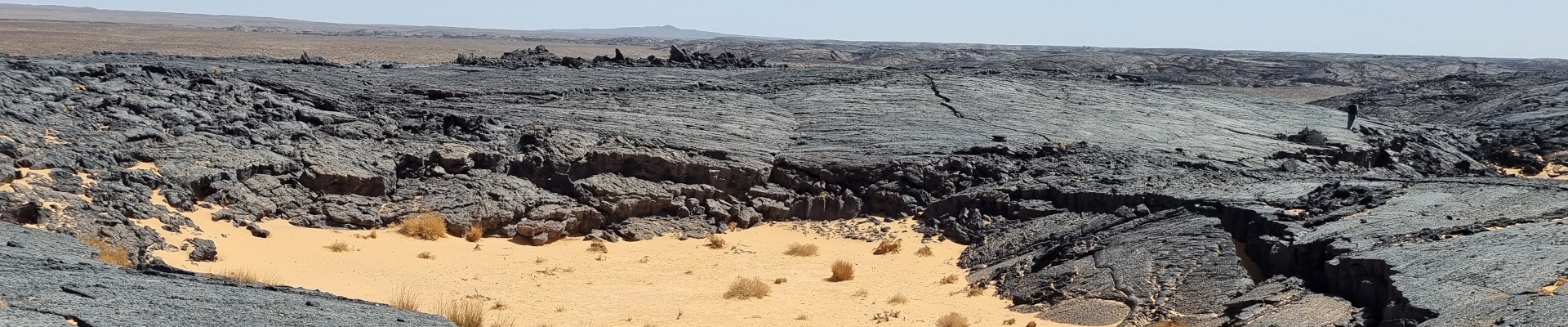
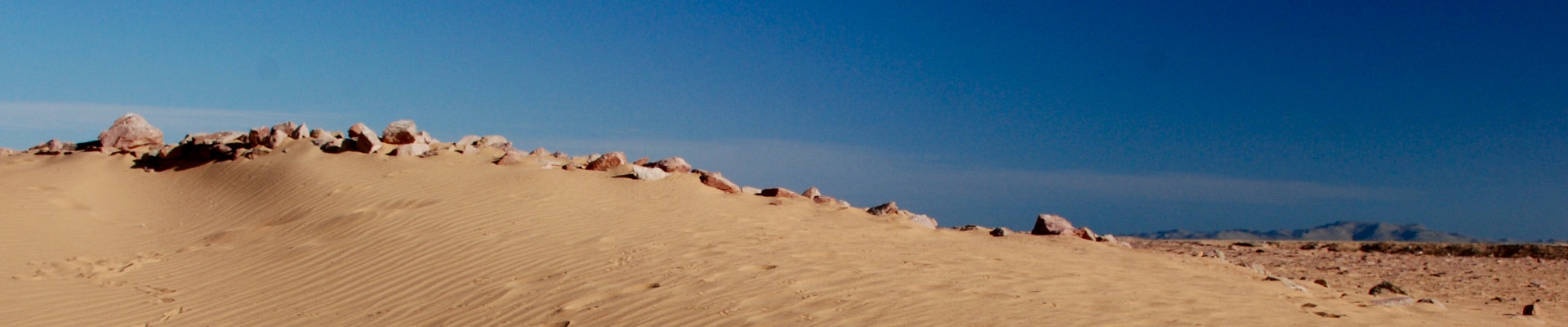
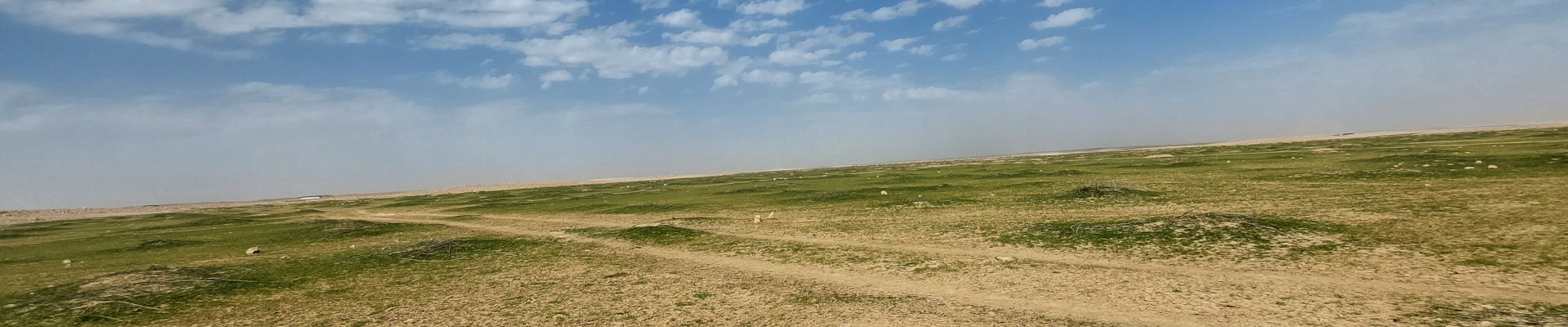
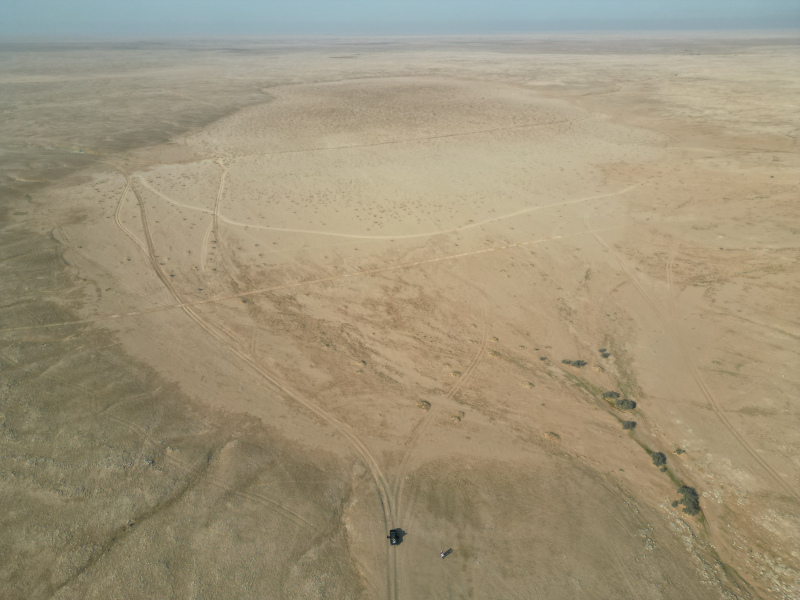
The Iraqi Western Desert has finally been archaeologically surveyed. For decades, this part of Iraq was ignored by both local and international archaeologists. Most Iraqi and international projects focus on Mesopotamia’s floodplain, steppe, and mountains, but not its western desert. One side effect of this project, funded by an ASOR Mesopotamian Fellowship, is that the Iraqi Western Desert is now attracting more local and international researchers. Local postgraduate students have started to take archaeological projects in this area for their theses, and scholars have begun visiting the desert for potential future research projects. More importantly, the Iraqi Official Heritage Authorities have started to create new records and databases for the archaeological sites in this part of Iraq. This project has put the archaeology of this desert in the spotlight and sparked much interest in future research. The dissemination of every step of this project has helped other stakeholders follow its progress and wait with interest for its outcome.
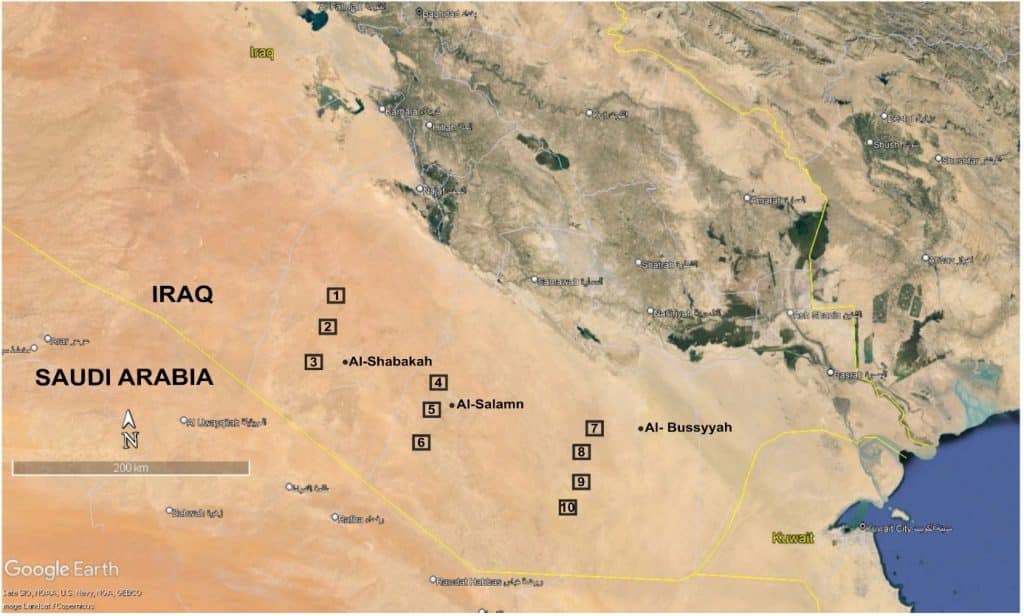
Figure 1: Location map of the ten field trip locations.
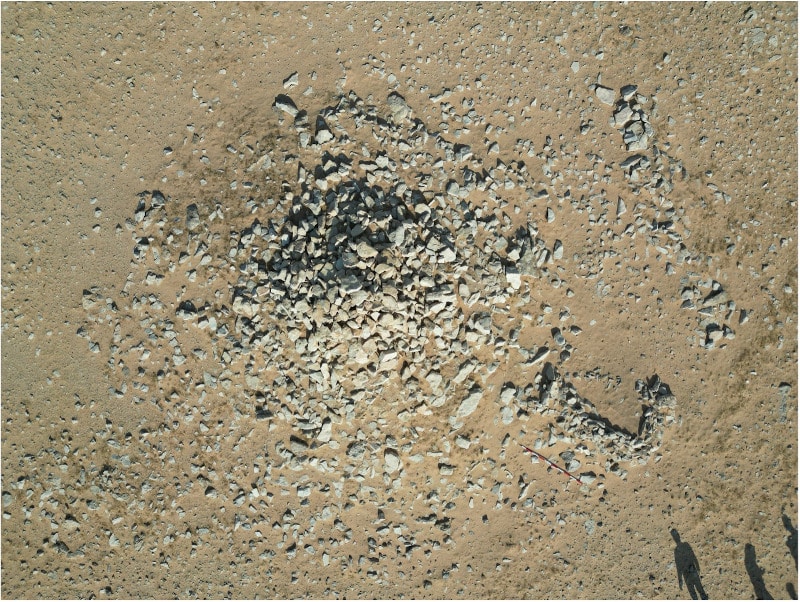
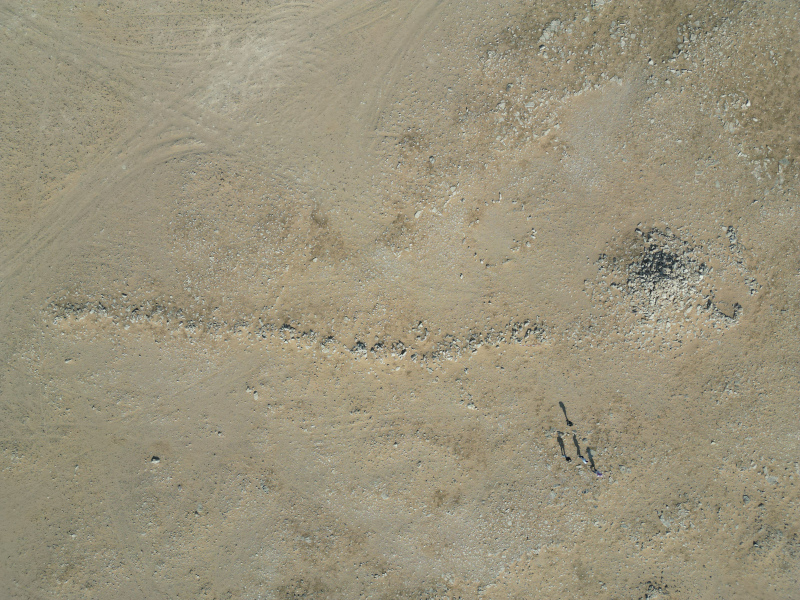
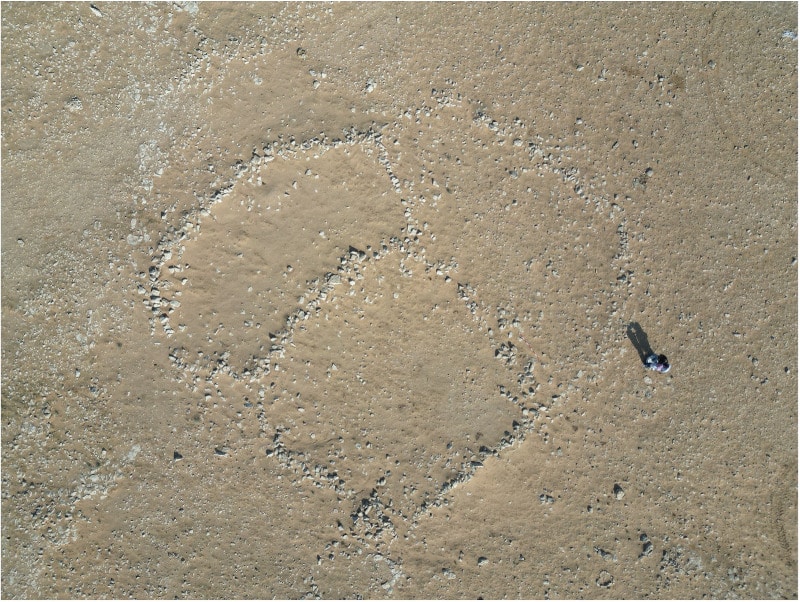
The combination of research methods this project followed has benefited the Iraqi university students and staff. For example, 16 Iraqi students (from Al-Qadisiyah, Kufa, and ThiQar Universities) have been trained in the techniques of remote sensing and GIS to identify more archaeological sites in the desert. We managed to locate and map more than 300 potential sites (enclosures, pendants, and tombs-graves-burials) in the desert using systematic and inclusive remote-sensing surveys.
Figure 2: A drone image shows a tomb-grave-burial in the Iraqi Western Desert in December 2023.
Figure 3: A drone image shows a pendant in the Iraqi Western Desert in December 2023.
Figure 4: A drone image shows Jaafar Jotheri standing close to an enclosure feature in the Iraqi Western Desert in December 2023.
Figure 5: A drone image shows a palaeolake in the Iraqi Western Desert in December 2023.
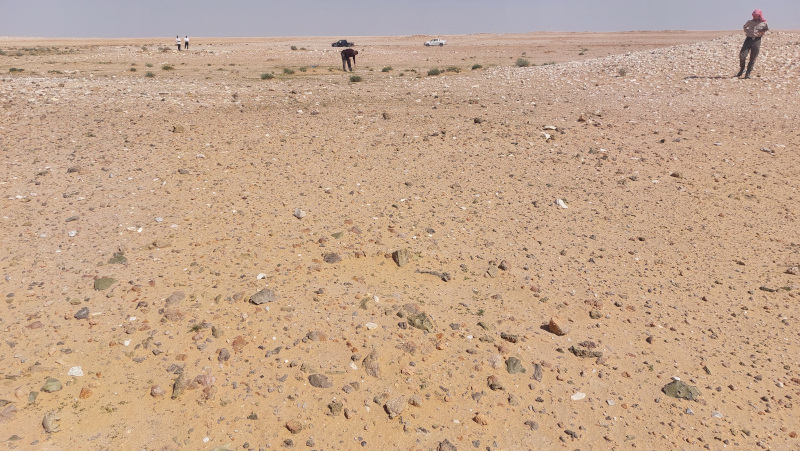
After completing the office work, we conducted fieldwork, which consisted of ten trips, each to a different part of the desert. Locations were selected based on the remote sensing results. We took five students for fieldwork training that involved identifying the sites that had already been mapped, drawing sketches of the sites, collecting lithics, taking photos, and using drone images. More than 500 lithic samples have been collected, classified, and photographed. These samples will be studied more in the university lab as they show a mix of ages from Palaeolithic to Neolithic. We used two 4×4 cars to travel in the desert, and we were accompanied by guides from the local Bedouin people who knew the roads well. Optically Stimulated Luminescence (OSL) samples were collected from the sediments under the rocks of clusters of enclosures to determine the age of construction of these features. These samples are on their way to the OSL lab. We were lucky to have Dr. Stefan Smith from the University of Helsinki and Dr. Ella Egberts from the University of Leicester with us on two field trips to the desert.
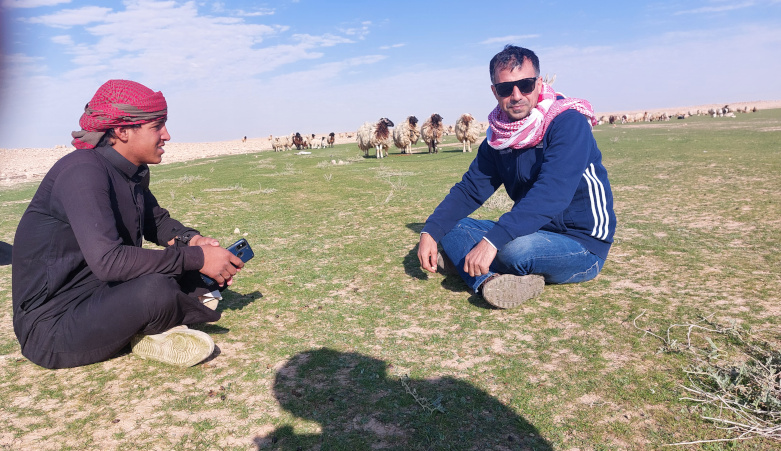
Figure 6: Jaafar Jotheri interviewed some local bedouins about their interpretation of the archaeological features in the Iraqi Western Desert in December 2023.
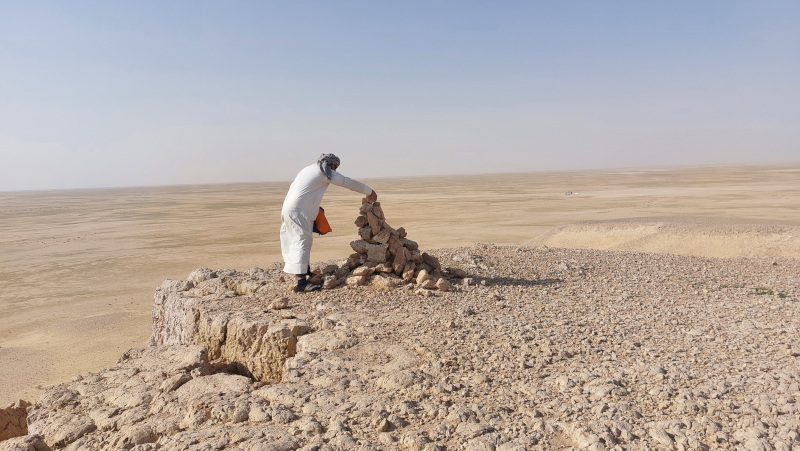
Figure 7: A local bedouin volunteered to repair a tomb-grave-burial feature in the Iraqi Western Desert in December 2023.
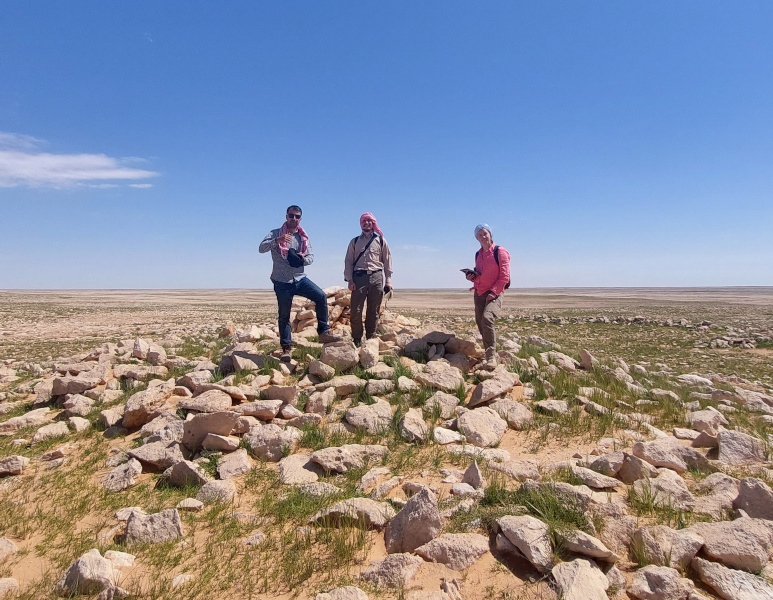
Jaafar Jotheri (recipient of a Mesopotamian Fellowship),, Stefan Smith and Ella Egberts in one of the field trips in the Iraqi Western Desert in March 2024.
Figure 9: Collecting lithics in the Iraqi Western Desert in March 2024.
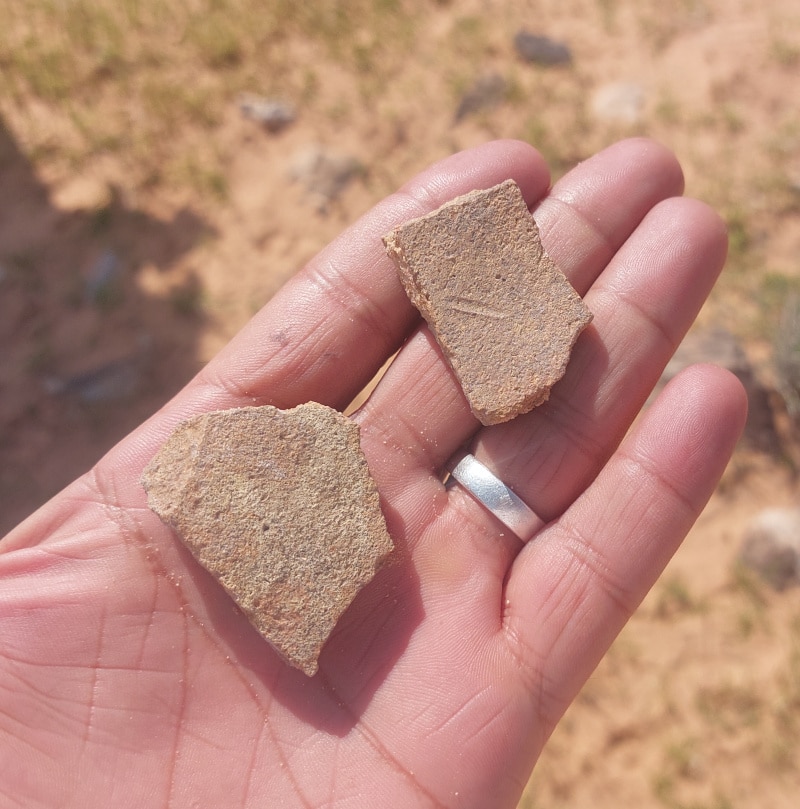
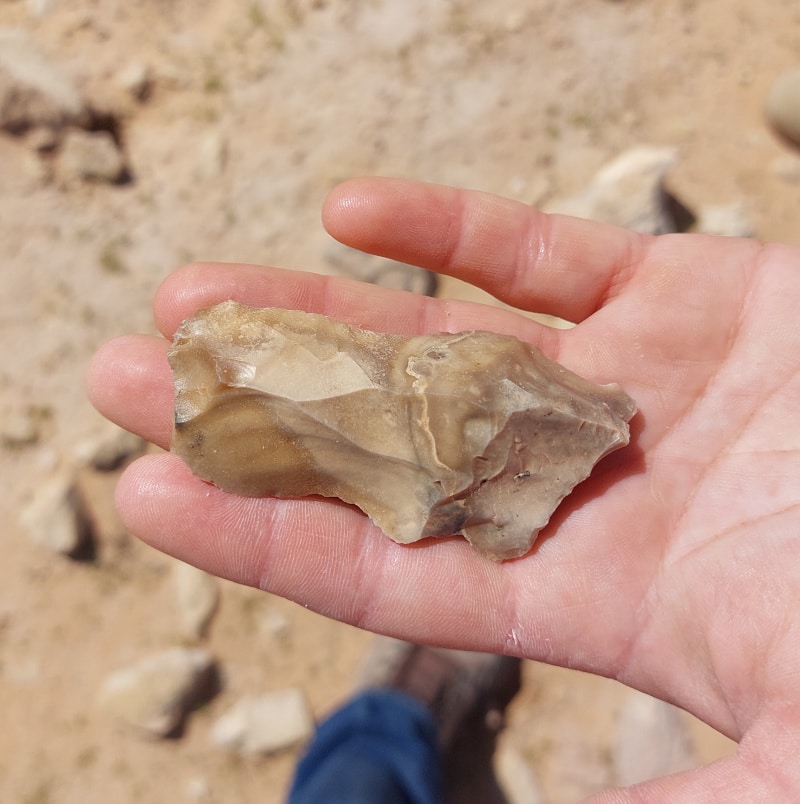
Figures 10 and 11: Some ceramics and lithics collected during fieldwork.
Although the results have not been finalized yet, I delivered three talks about the preliminary findings of this project at international conferences. The first was entitled “What Archaeology and Heritage do we have in the Iraqi Western Desert?” at the British Association of the Near Eastern Archaeology conference January 3–5 in Glasgow. The second paper, “The Natural and Cultural Heritage of the Water Springs in the Iraqi Desert,” was part of an online workshop on bioarchaeology in Mesopotamia at Kiel University, Germany. The third was “Archaeological Features from the Iraqi Western Desert,” which was delivered in person at the 5th International Scientific Conference of the Mesopotamian Archaeology held on March 6th at the University of Al-Qadisiyah. A portion of the results are being prepared for publication in an international journal, and more will be published in a local Iraqi journal. I also submitted an abstract to the ASOR annual conference that will be held this November, which I plan to attend in person.
[/vc_column_text][mk_divider][vc_row_inner][vc_column_inner width=”2/3″ css=”.vc_custom_1706024108985{padding-right: 10px !important;}”][vc_column_text]March Fellowship Madness 2024 has officially come to a close. Thanks to our wonderful donors, ASOR raised $4,750 for Excavation Scholarships. While we did not fully meet our goal, thanks to your gifts ASOR has made tremendous progress toward sending additional students into the field this summer. We are so grateful for the generosity of our donors in supporting the next generation of archaeologists.
Each year, ASOR sponsors many Fieldwork Scholarships for students and volunteers to take part in ASOR Affiliated Projects. ASOR is able to provide these scholarships with the partnership of you, our many members and donors. Your gifts truly make a difference in the lives of students and volunteers interested in fieldwork.
Thank you to each and every one of the donors, members, and Friends of ASOR who contributed this March Fellowship Madness. Read below to see how previous scholarship recipients have been impacted by our generous members.[/vc_column_text][/vc_column_inner][vc_column_inner width=”1/3″][vc_wp_text][/vc_wp_text][/vc_column_inner][/vc_row_inner][mk_divider][vc_column_text]
Hear what past scholarship recipients have to say about their experiences in the field:
“Being on a dig isn’t just that three week or six-week session. It turns into a life experience. Not just the memory aspect of it. It can motivate you to care more about your physical condition and health. You make friends from all over the world and stay in contact on social media. It makes you more interesting to your family and friends, having unique stories to tell and pictures to share. If you read the Bible or history books it gives you “I was there” pictures in your mind of the real thing.
One of my favorite pictures from this summer at Tel Hazor Lower City is of me standing above the “hole” I helped dig in six weeks. By itself, the picture isn’t amazing. But when I tell the people I show it to that we started at ground level in the year 2023, and six weeks and nine feet later it was the year 1750 BC more than 3,700 years ago–it becomes amazing! Lots of people like movies and books about time travel; sitting comfortably watching a movie or reading a book. I was there. I touched the stones and artifacts. I time traveled. Words cannot adequately express this phenomenon. You’ll just have to go to a dig one of these summers and see for yourself.”
-John Rinks, 2023 Stevan B. Dana Fieldwork Scholarship Recipient
“What an exciting season in the field! It was fun to make new friends, learn from many capable archaeologists, and excavate such an interesting and historically significant site. It was inexpressibly rewarding to get back into field work after several years away. I am grateful to ASOR and the P.E. MacAllister Scholarship for making it possible for me to return to the field.“
“As an archaeology student, my education is all about developing my archaeological understandings and perfecting my craft. This is why we all go to school. But there is just something so special and amazing about the moments in our educational journeys when what we have worked to learn evolves from mere theory to applied practice.“
“Overall, this was an unforgettable experience where I got to learn new skills in the field, make meaningful connections, and see new things. I am grateful to Dr. Kevin Fisher and Sheri Pak for organizing this trip and to Dr. Eric and Dr. Carol Meyers for their generous scholarship. Without all your support, my participation in this project would not have been possible!“
-Isabelle Sauvé, 2023 Eric and Carol Meyers Fieldwork Scholarship Recipient
“I can’t say that I didn’t expect how talented, hardworking, and experienced the professors I worked under were; the knowledge they imparted to us students was extraordinary just like their CVs would tell you. What I did not expect was the level of personal support and kindness they extended. I will never forget how these experts at the top of their field still made time to guide me, an undergraduate fresh out of my first year in college. They didn’t just lead by example; they also provided invaluable mentorship. Months later, I am still brushing off the dust from my work clothes, yet what remains even more vividly from this experience than the dust on my belongings or the treasured trowel displayed on my shelf are the wonderful memories of my first adventure in archaeology!“
-Hania Kantzer, 2023 Stevan B. Dana Fieldwork Scholarship Recipient
“It was the exceptional privilege for me to participate in the Huqoq Excavation Project for their final year, not only because it supplemented my academic studies and offered me a close-up view of the Holy Land, but also because it augmented my understanding of the significance of archaeology. For this reason, I am profoundly grateful for those individuals whose assistance made my participation in the Huqoq Excavation Project possible, as well as all the directors, team leaders, and fellow members who made it such an unforgettable and phenomenal experience.“
“This July I was fortunate enough to travel to Israel for the first time and participate in the archaeological dig at Tel Abel Beth Maacah, near Metula in Galilee, and it was an unforgettable experience. As an Old Testament student much of my time is focused on the literary and linguistic areas of biblical studies, but on the recommendation from one of my professors I applied to be a participant in the excavation at ABM. This experience, although brief, has given me a practical perspective on my current academic endeavors. Thank you to ASOR and the scholarship donors who made this trip possible.”
“My first excavation season at Gird-I Matrab was a wonderful experience, full of surprising discoveries. I had the opportunity to work with an amazing international team and to discover more about Kurdish culture. I visited places and I met people that contributed to my personal and academic growth. I really look forward to being back in Gird-I Matrab next year!“
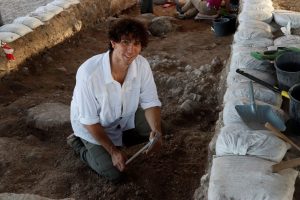
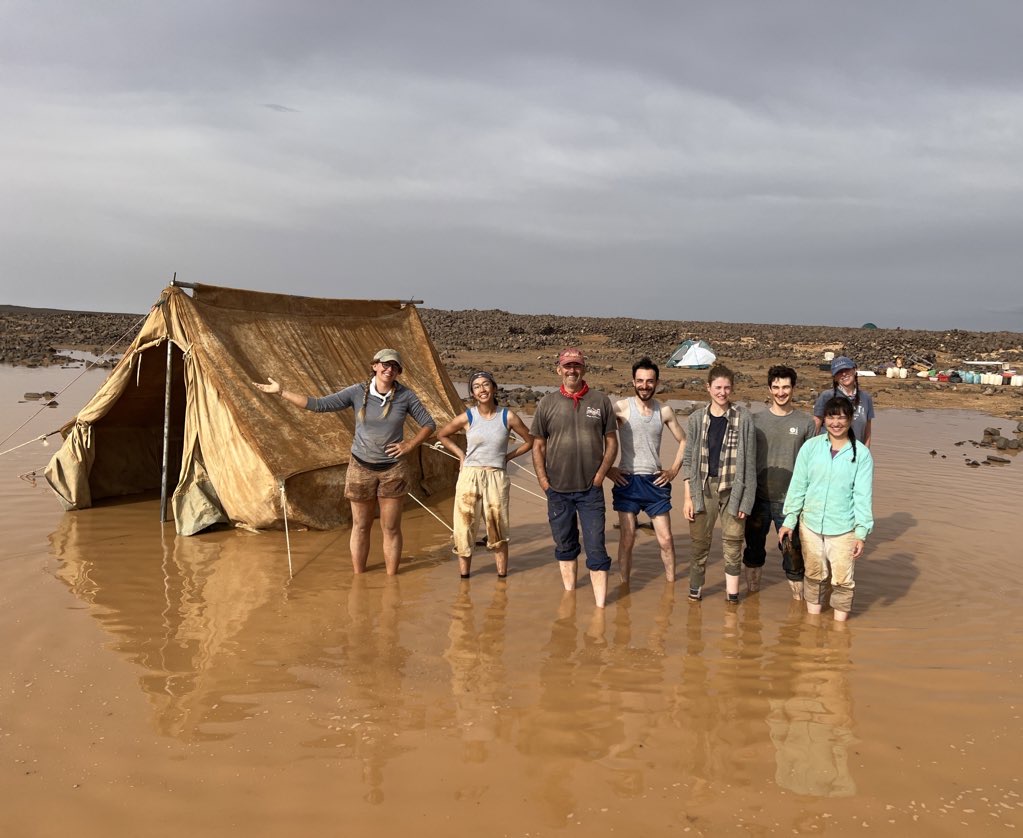
“One of my favorite things about archaeology is being part of a community forged through hard work, friendship, collegiality and mutual support. There is almost no better feeling than being covered in mud from head to toe, exhausted, hot, thirsty and hungry and yet somehow finding the energy for a race to the car for the best seat for the ride home while laughing all the way. Being part of this kind of family–a chosen family some might say–is a real privilege and one I look forward to every year.“
-Hélène Maloigne, 2023 Strange and Midkiff Families Fieldwork Scholarship Recipient
“In sum, the hands-on learning at Tel Dan helped me better understand the concepts I learned in my archaeology seminars (especially pottery typology!), the tools and methods used on archaeological digs, and how archaeologists make decisions in real time about what they are finding. Overall, I learned many things about archaeology and archaeological methods while on the dig that I never could have learned in the classroom.“
-Andrew Bock, 2022 Stevan B. Dana Fieldwork Scholarship Recipient
“In addition to all of the fieldwork, spending time with all of the individuals with the same passion for archaeology was amazing. I will have future colleagues and friends for life.“
-Zachary Griffith, 2022 Eric and Carol Meyers Fieldwork Scholarship Recipient
[/vc_column_text][mk_divider][vc_row_inner][vc_column_inner width=”2/3″ css=”.vc_custom_1706024108985{padding-right: 10px !important;}”][vc_column_text]As of April 10, we have raised $4,750 of our $6,000 goal for March Fellowship Madness. Each year, ASOR sponsors many Fieldwork Scholarships for students and volunteers to take part in ASOR Affiliated Projects. Currently, there are funds to provide scholarships for 40 students, but with your help, we aim to raise $6,000 during March Fellowship Madness to send three additional students into the field during summer 2024.
Thanks to our generous members, we are almost to our goal, which is why we have decided to extend March Fellowship Madness into April. 100% of your gift will go towards Fieldwork Scholarships for students this summer. Please support archaeology’s next generation by making a gift today and selecting “Excavation Scholarships” as the designation for your gift.[/vc_column_text][vc_wp_text][/vc_wp_text][/vc_column_inner][vc_column_inner width=”1/3″][vc_wp_text][/vc_wp_text][mk_padding_divider][/vc_column_inner][/vc_row_inner][vc_row_inner][vc_column_inner width=”1/3″ css=”.vc_custom_1712000838400{padding-right: 20px !important;}”][vc_single_image image=”88991″ img_size=”medium” add_caption=”yes” alignment=”center”][mk_padding_divider size=”30″][vc_single_image image=”85816″ img_size=”medium” add_caption=”yes” alignment=”center”][mk_padding_divider size=”30″][vc_single_image image=”95577″ img_size=”medium” add_caption=”yes” alignment=”center”][mk_padding_divider size=”30″][/vc_column_inner][vc_column_inner width=”1/3″ css=”.vc_custom_1712000851462{padding-right: 20px !important;}”][vc_single_image image=”96194″ img_size=”medium” add_caption=”yes” alignment=”center”][mk_padding_divider size=”30″][vc_single_image image=”96178″ img_size=”medium” add_caption=”yes” alignment=”center”][mk_padding_divider size=”30″][vc_single_image image=”94775″ img_size=”medium” add_caption=”yes” alignment=”center”][mk_padding_divider size=”30″][/vc_column_inner][vc_column_inner width=”1/3″][vc_single_image image=”95213″ img_size=”medium” add_caption=”yes” alignment=”center”][mk_padding_divider size=”30″][vc_single_image image=”85077″ img_size=”medium” add_caption=”yes” alignment=”center”][mk_padding_divider size=”30″][vc_single_image image=”93897″ img_size=”medium” add_caption=”yes” alignment=”center”][mk_padding_divider size=”30″][/vc_column_inner][/vc_row_inner][mk_table]
This is the final week of ASOR’s March Fellowship Madness. Each year, ASOR sponsors many Fieldwork Scholarships for students and volunteers to take part in ASOR Affiliated Projects. Currently, there are funds to provide scholarships for 40 students, but with your help, we aim to raise $6,000 during March Fellowship Madness to send three additional students into the field during Summer 2024. As of March 28, we have raised $4,300 of our $6,000 goal. [/vc_column_text][vc_wp_text][/vc_wp_text][vc_column_text]Thank you to everyone who has already donated this month. We owe so much to our generous members; even a small donation of just $10 can add up to make a big difference. 100% of your gift will go towards Fieldwork Scholarships for students. Please support archaeology’s next generation by making a gift today and selecting “Excavation Scholarships” as the designation for your gift.[/vc_column_text][/vc_column_inner][vc_column_inner width=”1/3″][vc_wp_text][/vc_wp_text][mk_padding_divider][/vc_column_inner][/vc_row_inner][mk_table]
Dana Grant Report: Bioarchaeology of Deir el-Medina Research Project
Anne Austin, University of Missouri, St. Louis
Note: This report includes data derived from and images of human remains.
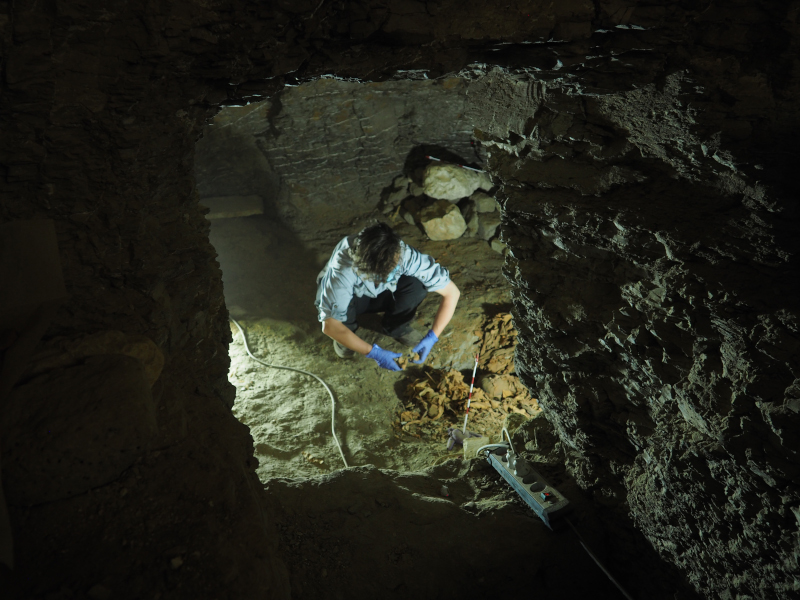
The 2024 season of the Bioarchaeology of Deir el-Medina Research Project was made possible through a Stevan B. Dana Grant. This funding allowed us to complete research in three tombs that we have been working in since 2019.
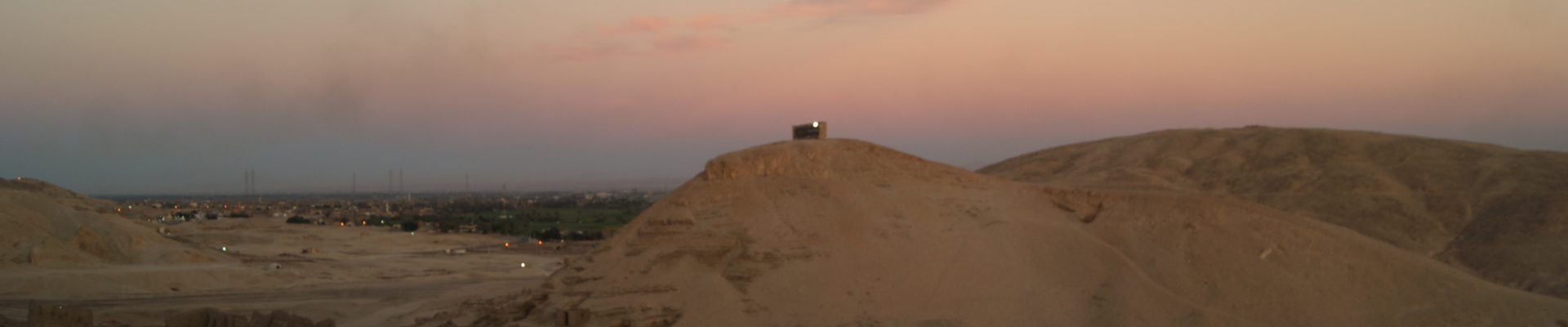
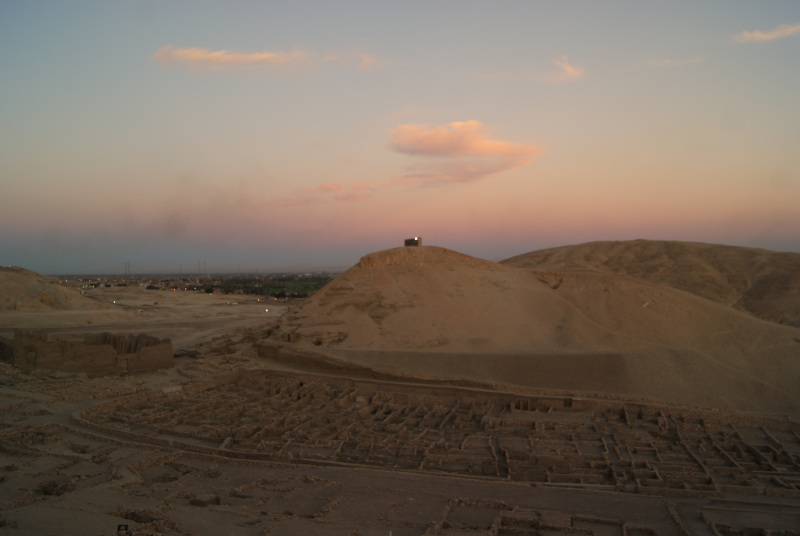
Deir el-Medina was the village for the families of workmen who cut and decorated the royal tombs during Egypt’s New Kingdom period (1550-1070 B.C.E.). This site offers a critical window into ancient Egypt due to its thousands of daily life texts documented on ostrich and papyri. Excavations of the village and surrounding tombs have also elucidated non-royal burial practices and domestic architecture, lending incredible insights into ancient Egyptian daily life. Despite its importance, however, the human remains at the site were never studied prior to our research team joining the Institut Français d’Archéologie Orientale mission.
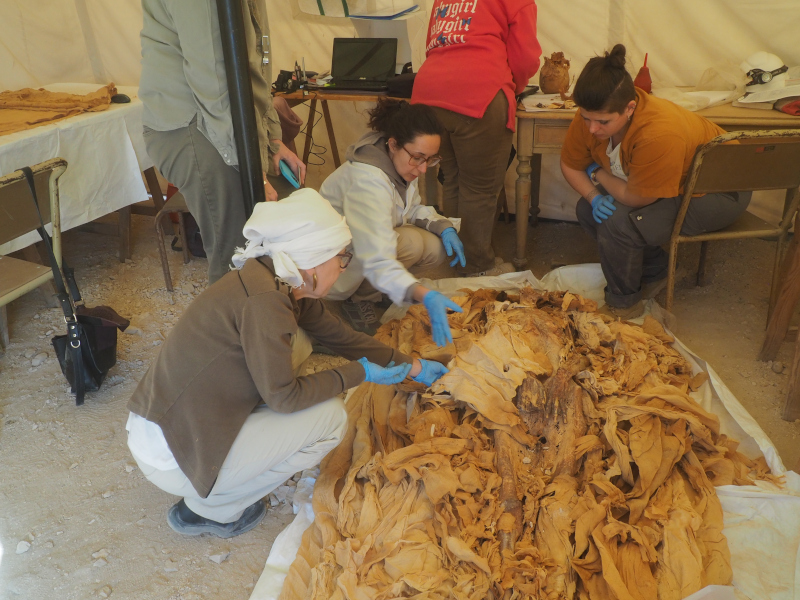
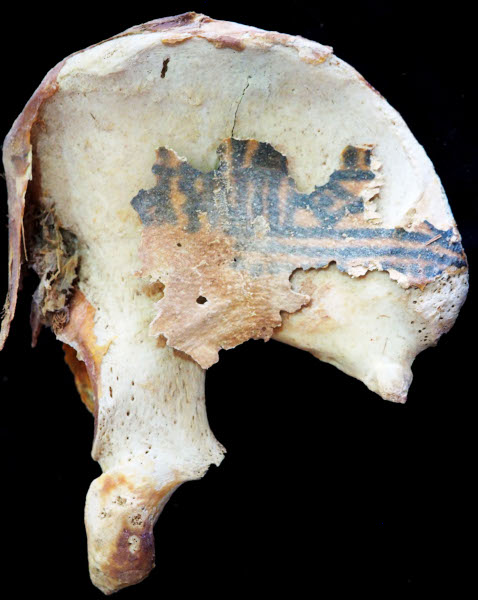
Since 2013, the Deir el-Medina Bioarchaeology Project has been inventorying, analyzing, documenting, and conserving the human remains at Deir el-Medina to learn more about ancient Egyptian health practices, tattooing, burial practices, and demography. This season, our objective was to complete the analysis of human remains from three tombs where we have worked previously: Theban Tomb 217, Theban Tomb 298, and Pit 1340. These three tombs span the site’s occupation and their completion allows us to interrogate new research questions including differences in health across family tombs and periods.
One of the most important research areas this season was the burials from the 18th Dynasty. This early period of Deir el-Medina’s history is also the one we know the least about since few texts have been recovered. We studied these men, women, and children side-by-side with experts on linen, mummification, and coffins to build rich biographies of each person from the 18th Dynasty both during their life and after their death.
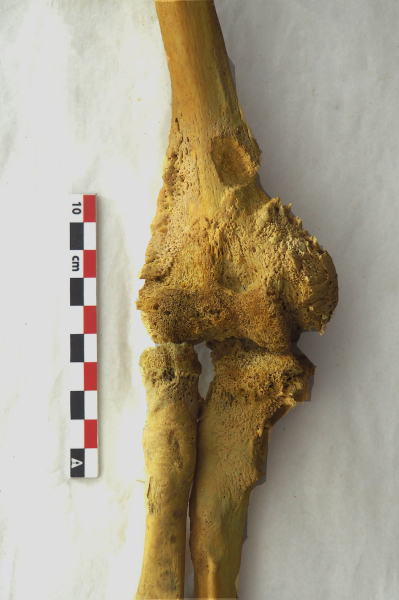
We also worked inside the tombs to maintain the best environmental conditions for the preservation and conservation of the human remains. In TT 298, this meant descending a 5-meter ladder into the tomb shaft where ASOR grant funds allowed us to purchase storage to organize and protect the human remains while keeping them in their original resting place. TT 298 has provided fascinating insights into daily life including unusual examples of pathology and tattooing.
Hania Kantzer, 2023 Stevan B. Dana Fieldwork Scholarship Recipient
If you had asked me a year ago if I’d be up for working eight hours a day, six days a week, in the summer heat, starting at around 5 am every morning, I probably wouldn’t have been as enthusiastic as I am now. However, almost as soon as I began, I realized what an honor, what an unforgettable experience, and what an education it was!
Huqoq, an ancient Jewish village nestled about three miles to the west of Capernaum and Migdal (Magdala) in the Galilee region of Israel, has been the site of ongoing excavations since 2011. Dr. Jodi Magness of the University of North Carolina at Chapel Hill, leading the excavation, has unearthed a remarkable Late Roman synagogue dating back to the early fifth century C.E. This synagogue is adorned with mosaics which not only depict a range of biblical scenes but also mark the very first instance of a non-biblical narrative ever discovered in an ancient synagogue. When I was working for the Center for Jewish Studies on campus at my school, I presented to many classrooms (once, even to Professor Magness’ class) about this excavation as a possible research opportunity. Whether I persuaded others very well, I don’t know, but I definitely convinced myself! I ended up applying to join her team for Summer 2023.
Professor Jodi Magness with current and former UNC students at the Huqoq excavations (Photo credit: Jim Haberman).
Sunrise at the kibbutz.
On the first day of the dig, right after getting introduced to our fellow team members, we dove straight into work. That routine carried us through the next five weeks. My alarm was always set for 4:11, which gave me precisely 19 minutes to change into my work clothes, splash my face with cold water, fill my water bottle, apply sunscreen, have a quick bite of a cracker, and catch the bus. During the bus ride, we’d all exchange groggy glances, then trek down a dusty road to reach our excavation site. We’d hurriedly set up our shade cloths just as the sun started to rise. Witnessing the sunrises every morning became one of my most cherished memories of the excavation. Orange light from the east and the cool morning air made me forget any reluctance I had about getting up early. It was during this time that our area supervisor would brief us on the day’s tasks.
In the beginning, I started with relatively simpler tasks like carrying buckets or sweeping exposed pavement. Gradually, I progressed to more complex responsibilities, such as sifting for artifacts. After a minor hand injury, I was temporarily assigned breakfast duty. However, I soon returned to the field, where I tackled tasks like articulating walls and revealing plaster. I even learned how to take elevations and document our finds. The variety of assignments the area supervisors had for us ensured that we kept gaining experience and improving our archaeological skills. Boredom was certainly never an issue! We worked closely with professors and experts in different materials who patiently explained concepts as we advanced.
Me working on site (Photo credit: Jim Haberman).
Following our 8 a.m. breakfast and a refreshing watermelon break around 11 a.m., with plenty of water breaks in between to stay hydrated, we would dismantle the shade cloths and make our way back for a lengthy, comprehensive shower, followed by an even more lengthy and comprehensive lunch. Postlunch, our tasks typically involved cleaning potsherds and organizing our finds. Often, later in the afternoon, we were able to attend lectures delivered by experts specializing in conservation, pottery, mosaics, plasters, and glass. They had already been invaluable resources during our working hours, but listening to them delve deeper into their expertise was truly fascinating. After supper, we were free to play pickup basketball games on the kibbutz’s court, hike up a nearby mountain to watch the sun set, or simply enjoy card games in the courtyard. Our evenings usually wrapped up around 8 p.m., as I prepared to turn in for the night, knowing that come the next morning, the familiar schedule would resume.
Once or twice a week, we had the opportunity to visit other excavation sites, both ongoing and completed. This was such a cool way to contextualize our own work! Halfway through our dig, we embarked on a weekend trip to Jordan, with stops at remarkable sites like Machaerus and the Madaba map. It was a fantastic chance for us to unwind for a couple of days, be tourists, and immerse ourselves in the local culture of the region we had been diligently working in for an extended period.
On one of our field trips to visit Gamla.
I can’t say that I didn’t expect how talented, hardworking, and experienced the professors I worked under were; the knowledge they imparted to us students was extraordinary just like their CVs would tell you. What I did not expect was the level of personal support and kindness they extended. I will never forget how these experts at the top of their field still made time to guide me, an undergraduate fresh out of my first year in college. They didn’t just lead by example; they also provided invaluable mentorship. Months later, I am still brushing off the dust from my work clothes, yet what remains even more vividly from this experience than the dust on my belongings or the treasured trowel displayed on my shelf are the wonderful memories of my first adventure in archaeology!
Hania Kantzer is a sophomore at the University of North Carolina at Chapel Hill studying chemistry and Asian studies. This past summer, she was a grateful recipient of the Stevan B. Dana Fieldwork Scholarship through ASOR, and was able to work as a student researcher on the Huqoq Excavation Project.
For more information about the Huqoq Excavation Project visit the project website:
Want to help more students and early career archaeologists get into the field? Donate to the cause today by selecting “Excavation Scholarships” as your gift purpose!



 [/vc_wp_text][/vc_column_inner][/vc_row_inner][mk_divider][vc_column_text]
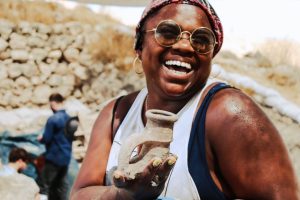 “
“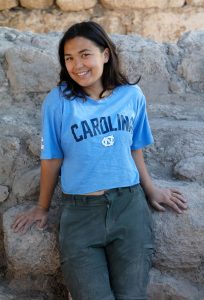 “
“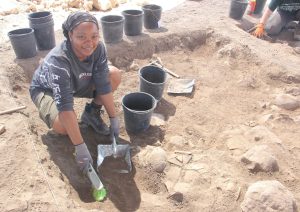 “This July I was fortunate enough to travel to Israel for the first time and participate in the archaeological dig at Tel Abel Beth Maacah, near Metula in Galilee, and it was an unforgettable experience. As an Old Testament student much of my time is focused on the literary and linguistic areas of biblical studies, but on the recommendation from one of my professors I applied to be a participant in the excavation at ABM. This experience, although brief, has given me a practical perspective on my current academic endeavors. Thank you to ASOR and the scholarship donors who made this trip possible.”
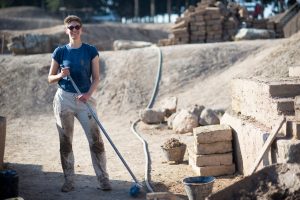 “
“ “
“





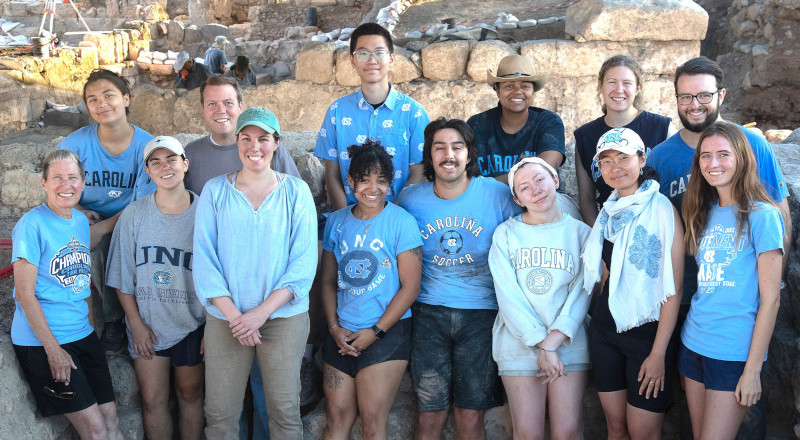


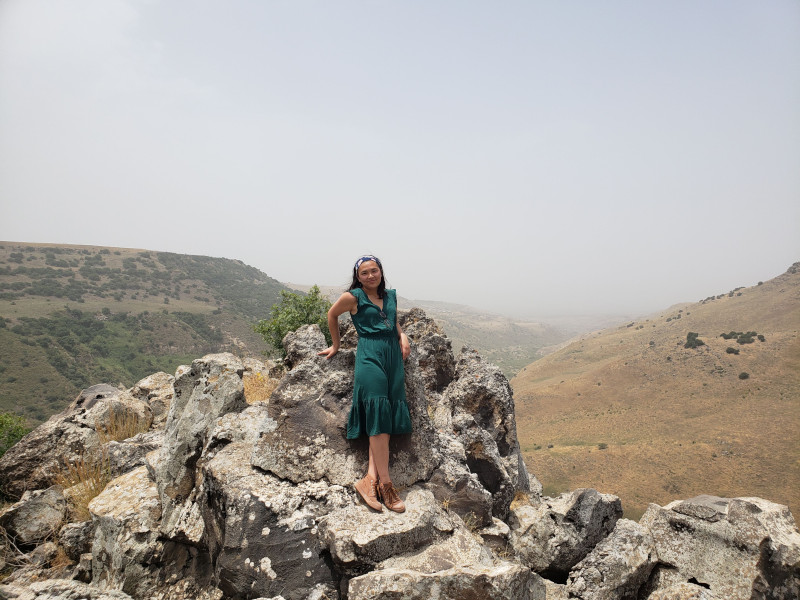
 Hania Kantzer is a sophomore at the University of North Carolina at Chapel Hill studying chemistry and Asian studies. This past summer, she was a grateful recipient of the Stevan B. Dana Fieldwork Scholarship through ASOR, and was able to work as a student researcher on the Huqoq Excavation Project.