

2024 Dana Grant Report: Modeling Punic Space at Motya

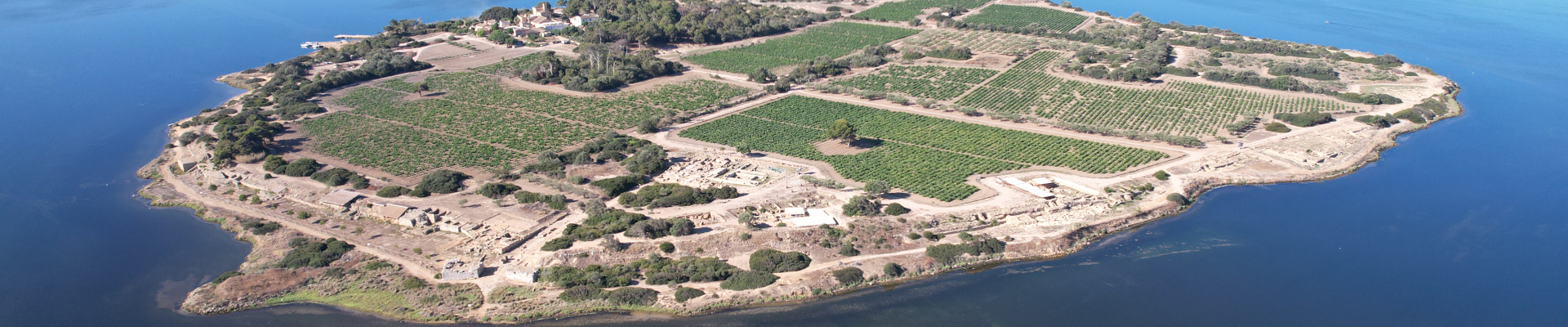
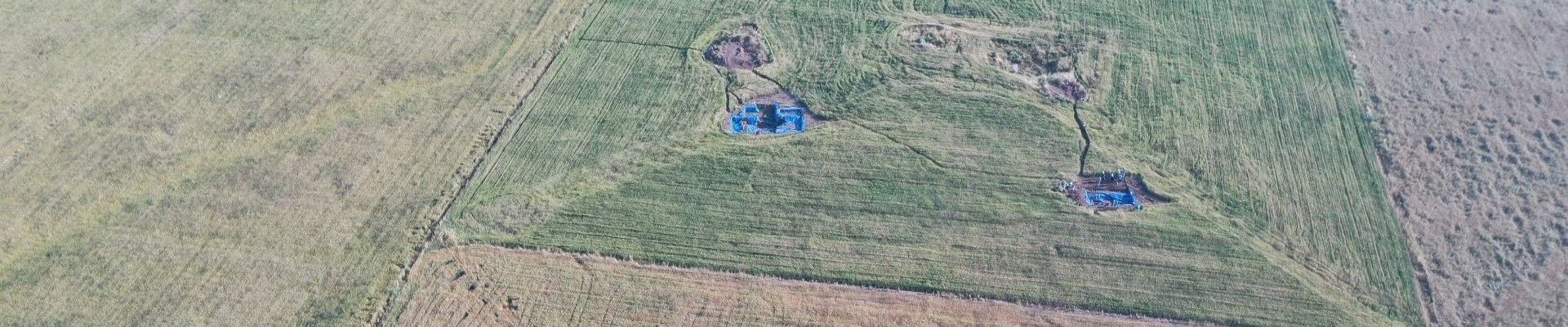
Aerial view of the island of Motya, Sicily, Italy.

2024 Dana Grant Report: Modeling Punic Space at Motya

Jason Herrmann, University of Pennsylvania and Paola Sconzo, University of Palermo

Ancient Motya (modern Isola San Pantaleo, Sicily, Italy), founded in the late 8th century BCE by Phoenician wayfarers, was a significant hub in the central Mediterranean, serving as a crucial point of contact between Carthage and Sicily at the city’s height in the 5th century BCE. Unlike many other Phoenician-Punic urban centers, Motya has remained largely undisturbed by subsequent occupations, offering archaeologists a rare and valuable opportunity to study Punic urban planning in its original context.

Since 2017, we have been conducting comprehensive geophysical surveys on the island for the Space and Identity at Ancient Motya project. Our goal is to map the layout of the city’s structures and to use their configuration to interpret Motya’s social organization and expressions of ethnic identity. This project is a collaboration between the University of Palermo and the Penn Museum and operates as a subproject under the University of Palermo Archaeological Mission to Motya, with the support of the Superintendency for Cultural and Environmental Heritage of Trapani.

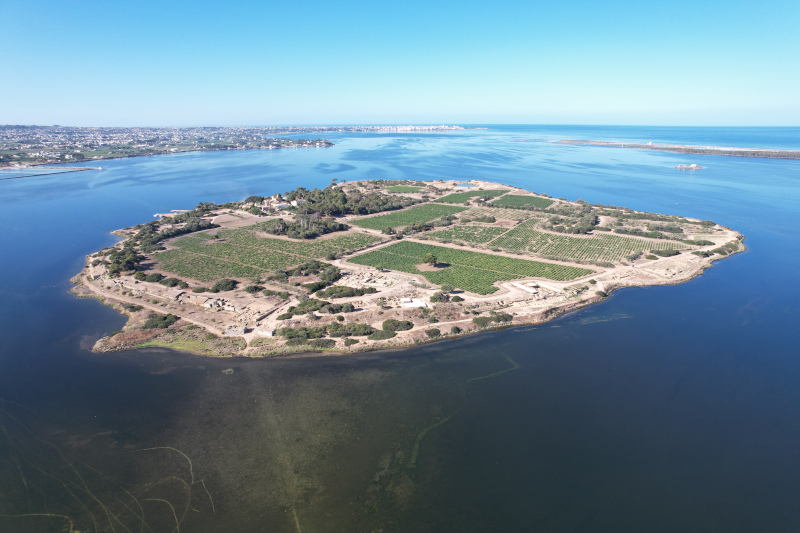
View of Motya
Fig. 1. Motya was situated on an island in the Marsala Stagnone in western Sicily. By the 5th century BCE, the fortified city of Motya covered the entire island and was connected to the Sicilian mainland by a causeway, now submerged and visible in the foreground of the above image.
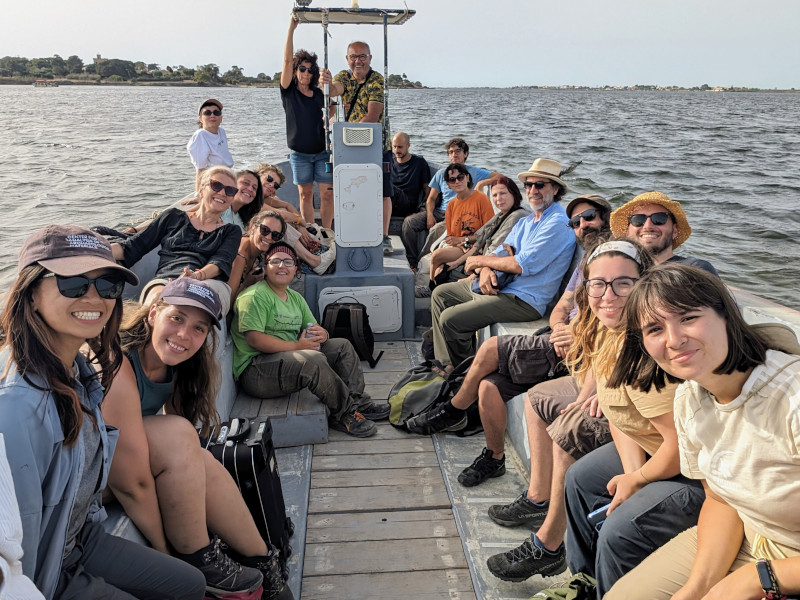
Students and team members on the boat to site.
Fig. 2. Many students and team members were housed on the Sicilian mainland and traveled by boat to and from Motya daily for fieldwork.

Thanks to the support of the ASOR Stevan B. Dana Grant, our multidisciplinary project was able to continue with the assistance of an international team of eleven students from the University of Palermo and the University of Pennsylvania. These students contributed to both the geophysical survey and the ongoing excavations carried out toward two primary objectives. The first was to expand the geophysical survey coverage beyond the areas that were accessible for magnetic gradiometry in previous years. To this end, ground-penetrating radar (GPR) and electrical soil resistance helped to document subsurface features where vegetation or other surface conditions made magnetic gradiometry unfeasible.

Our second goal was to further investigate ambiguous features observed in the magnetic gradiometry that required additional clarification. One area of particular interest was a depression in the northeast sector of the island where magnetic data were inconclusive. Here we employed GPR, a technique that measures how radio waves are reflected off changes in the textures of buried materials. Preliminary results show that, unlike the rest of the island, this area was not covered with streets and houses during Motya’s urban expansion, suggesting that it was reserved for some special purpose.

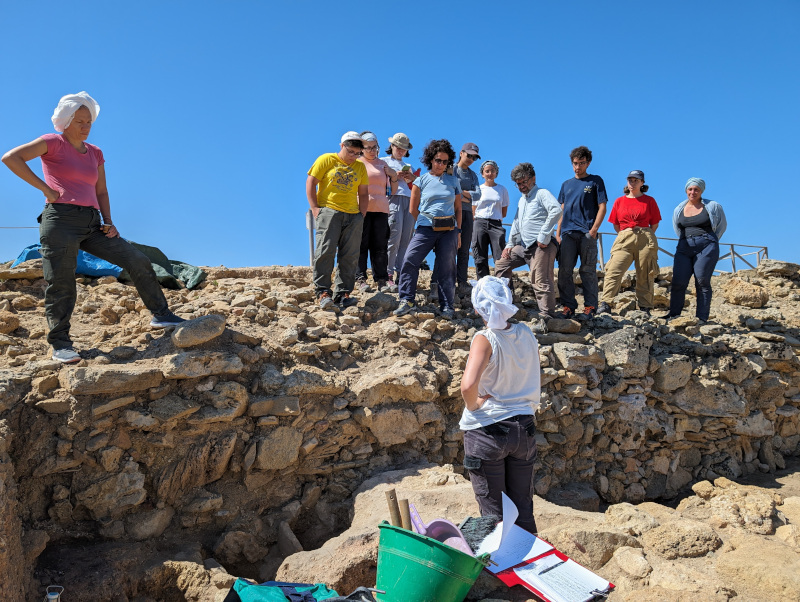
Excavation of Motya's fortification wall.
Fig. 3. Excavation continued in protected contexts adjacent to the Motya’s fortification wall where early 6th and 7th century contexts are preserved.
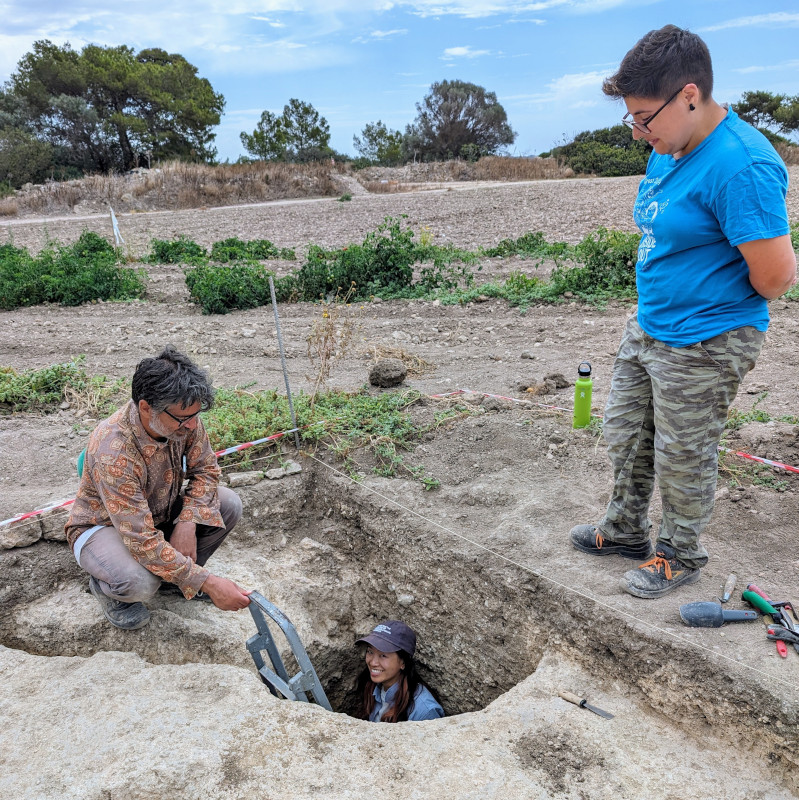
Team members in pit revealed by magnetic gradiometry data.
Fig. 4. Features observed in the geophysical data from previous seasons were verified through test excavations, including a deep pit that was visible in the magnetic gradiometry data and seemed to date to the early 6th and 7th centuries BCE. From left: Prof. Giuseppe Minunno, Helen Wong and Sarah Maria Messina.

We were also interested in determining the depths of key features across the island to aid the development of a digital reconstruction of the ancient city and landscape. For this, we combined GPR with electrical soil resistance, a method that measures the ease with which an electrical current travels in sediments, to measure the depth of streets that had been previously mapped in the magnetic data. Unlike magnetic gradiometry, GPR and electrical resistance data allow for precise estimation of the depths of the observed features, providing critical information for reconstructing the ancient city’s layout.

We thank ASOR and the Stevan B. Dana project grant for enabling broad student participation in our 2024 field season. Because of this support, we have been able to come closer to a complete map of Motya’s ancient urban plan with geophysical survey and have been able to verify some of the features we observed in the geophysical data through excavation. This information, supported by data from aerial surveys, surface collection, and legacy excavations is enabling us to develop detailed interpretations of the use of space for multiple phases of the life of ancient Motya, and establish a strong foundation for future work on this island site.

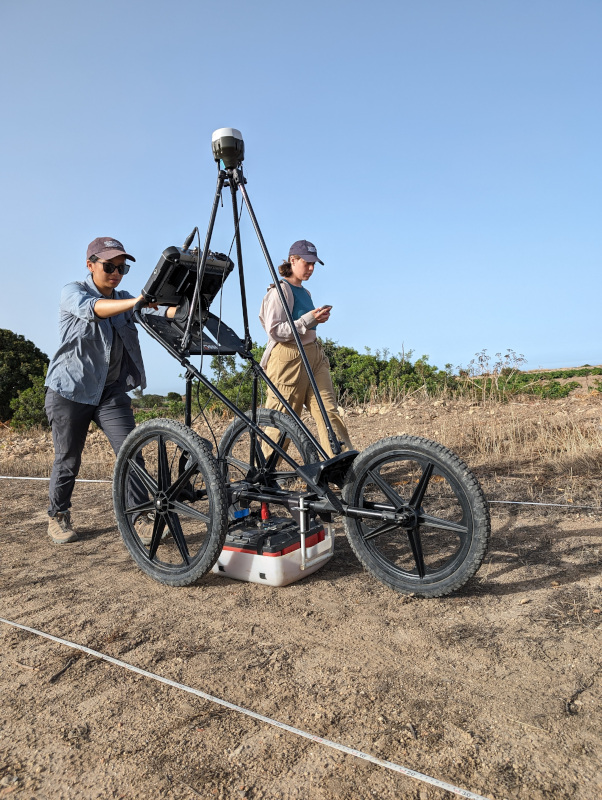
Conducting ground-penetrating radar survey
Fig. 5. Ground-penetrating radar surveys were carried out on areas where we wanted to confirm our interpretations of the magnetic data or where other geophysical surveys would not be effective because of the surface conditions. From left: Helen Wong and Mary Elizabeth Alexander.

Learn more on the project’s website.

Follow the Mozia Project and UPenn’s Center for the Analysis of Archaeological Materials on Instagram.

Fieldwork Report: Nate Welch

A Short Month in Iraq

Nate Welch, 2024 Steinmetz Fellowship Recipient

The project I was able to join this season is titled “Rural Landscapes of Iron Age Imperial Mesopotamia” or RLIIM for short. The project was spearheaded and directed by Dr. Petra Creamer with the assistant director and my professor being Dr. Kyra Kaercher. These very talented women have been on this project for several seasons prior to my arrival and have an impressive systematic approach to excavating the several trenches held within the site.

I am not an archaeologist but a biologist, however I did learn the importance of proper technique. An example that comes to mind is the pickaxe. The pointed end is preferred as damage will be minimal compared to the blunt crushing end. Archaeology is destructive in nature and cannot easily be undone. That statement rung in my ears the entire time I was in Iraq and knowing that helped me cope with the meticulous digging taking place day in and day out.

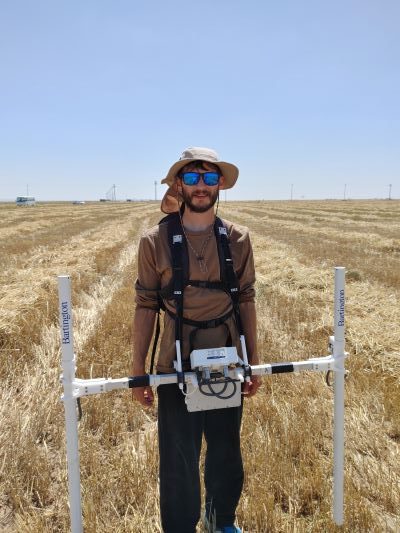
What broke up the monotony of digging was the discovery of ceramic sherds, bone, spindle whorls and various other items. The ceramics were coming up by the bucketful with over 10,000 pieces by the end of the short season. These sherds were then painstakingly cleaned, analyzed and categorized by the team. This was how the majority of the days were spent however my true calling came when the farmers harvested their grain. With the fields cut down we were now able to collect magnetometry data.

I had learned of the process from my professor in my first archaeology course, however I had no hands-on experience until now. Walking with the contraption strapped to a backpack felt almost natural after the first day however I know those who were able to watch from a distance would argue otherwise. The idea was simple, walk back and forth in 20-meter increments for hours while keeping the instrument as steady as possible. The practice was a little more difficult with uneven terrain and spiky vegetation stabbing into your feet and legs all while trying to stay in step with the timer which beeped every time you should have gone one meter exactly. I haven’t even mentioned the fact that there was no shade, and temperatures would be near the 100-degree Fahrenheit mark. With all this in mind the director did an excellent job ensuring nobody would become a casualty of heat illness.

It is appropriate now to confess that I loved every day I got to spend there and all the work that went into the project. My back and knees aching were small prices to pay, and I would gladly do it again. I personally love the busy work that the ceramics and tedious digging provided because physical labor is what I do best. By nature, I am somewhat of an introvert and this opportunity allowed me to step out of my comfort zone and interact with people from all over the world.

I have done this before when I joined the Marines, however I had never been to Iraq, and I can say that my presumptions of the area were entirely incorrect. The people were very friendly, the food was great and there was so much to do and explore such as Shanidar Cave which we were able to tour. I understand I kept this report rather vague, but it sums up the journey quite well and I am the type of person that doesn’t like to disclose too much because it is not my project, and the truly exciting things should come from the director when she publishes her reports.

I’ve always been interested in history and tied in with that is archeology which made this experience all the better. I hope more opportunities like this will arise for me, but I fear my dog won’t let me leave so easily next time.

Want to help more students and early career archaeologists get into the field? Donate to the cause today by selecting “Fieldwork Scholarships” as your gift purpose!

Collections Fellowship Report: Jennie Ebeling

2024 Study of Collections Fellowship Report

Jennie Ebeling, University of Evansville

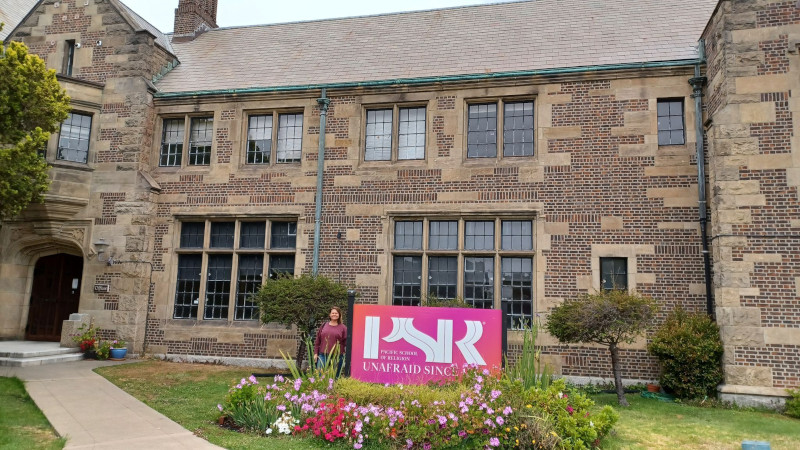
Fig 1: Outside the Pacific School of Religion in Berkeley, CA.

In recent decades, many archaeologists who research Bronze and Iron Age sites in the southern Levant have shifted their focus from investigating historical questions to asking more anthropological ones. Household archaeology approaches can be applied not only to ongoing excavation projects, but also to legacy collections, as has been demonstrated by studies that have utilized the rich artifact assemblages from Iron Age Tell en-Nasbeh (biblical Mizpah). William Frederic Badè of the Pacific School of Religion (PSR) in Berkeley, CA directed excavations at Tell en-Nasbeh, Palestine for five seasons between 1926 and 1935 on behalf of PSR and ASOR and brought some of the excavated artifacts to Berkeley through partage in the 1930s. While many of the artifacts in the collection have been published or made available through Open Context, some 150 ground stone artifacts in the Badè Museum of Biblical Archaeology at PSR have never been assessed by a stone artifact specialist and published. In summer 2024, I was awarded an ASOR Collections Fellowship to study the mortars, stone vessels, handstones, pestles, grinders, scrapers, weights, sling stones, and other stone artifacts in the collection to learn how this these artifacts can contribute to our understanding of daily life activities at Tell en-Nasbeh in the first half of the first millennium BCE.

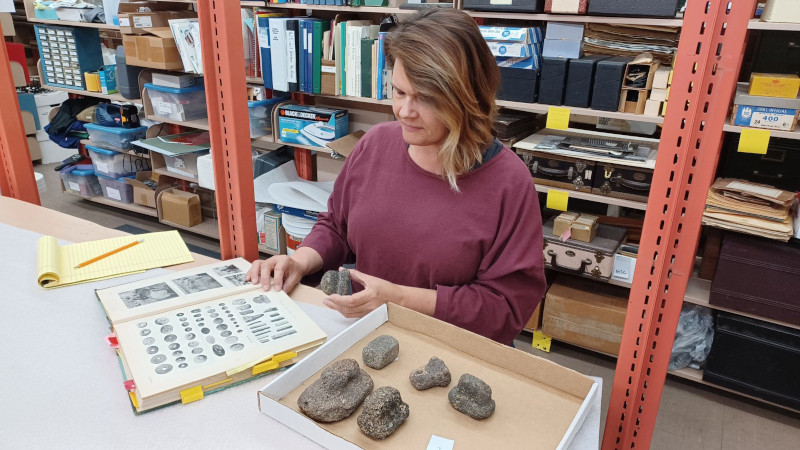
Fig 2: Studying the collection of scoria scrapers in the storeroom.

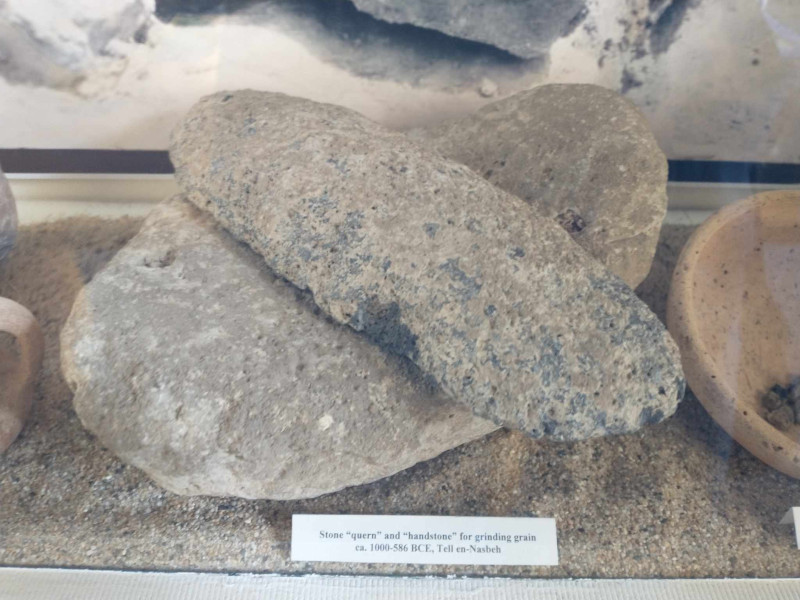
During a ten-day research period in June 2024, I examined all of the ground stone artifacts kept in the Badè Museum storeroom. In addition to assessing, measuring, sketching,and photographing each object, I searched the publications, photographs, and original field ledgers and artifact cards for all available documentation of them. While the collection primarily comprises small, complete objects –most of them handheld processors made of limestone, flint, and other materials available locally –several fragments of large and more specialized objects are among the assemblage along with artifacts made of basalt that were probably brought from Galilee or farther north. Particularly interesting is a small collection of tools made of scoria, a highly vesicular volcanic rock. While similar artifacts are known from other Iron Age sites in the region, their functions are not completely understood. One object was described as a “foot scraper” in McCown’s Tell en-Nasbeh I apparently on the basis of ethnographic information: they “are supposed to have been used to rub the thick and sometimes painful callouses from the soles of the peasant’s feet” (1947: 250). Other artifacts were likely used in food processing and other activities. Ongoing research of this material will offer more insights into the function of household spaces at Tell en-Nasbeh during the Iron Age. I would like to thank Aaron Brody, Director of the Badè Museum of Biblical Archaeology, for his help and encouragement and ASOR for making this research possible.

Fig 3: A handstone and grinding slab set on display in the Badè Museum of Biblical Archaeology.

Fieldwork Report: Evelyn Patterson

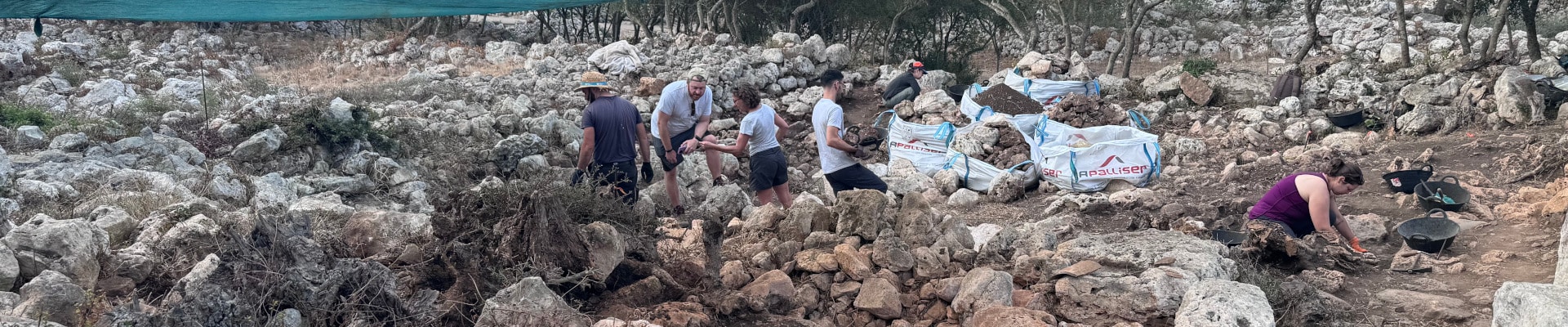
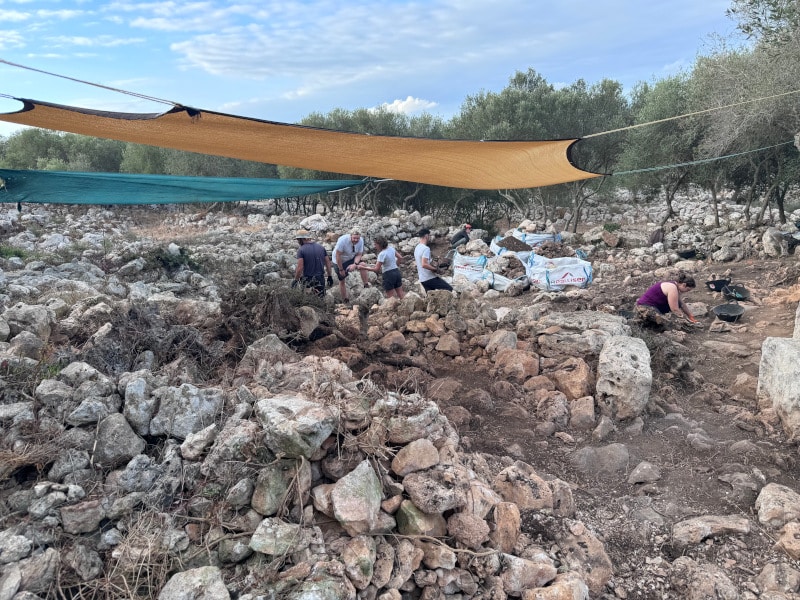
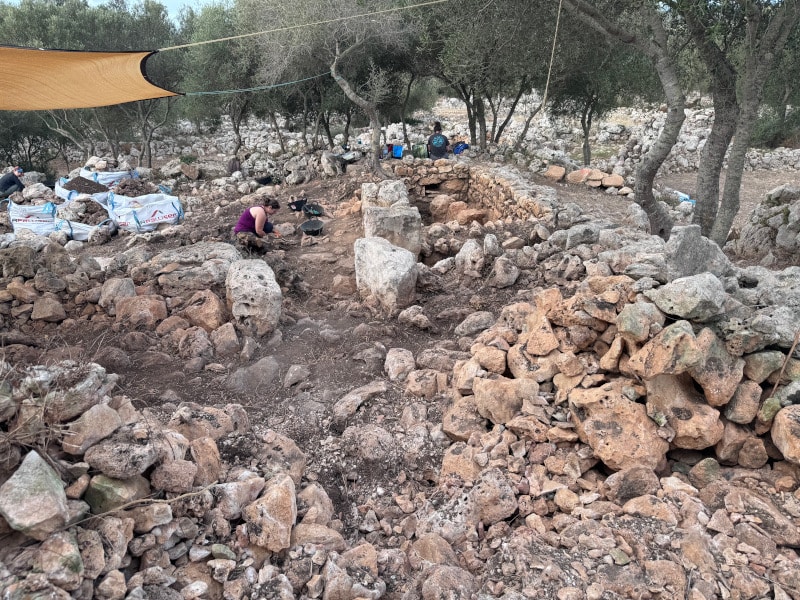
MAP team members excavating in SPU 7. Looking to the south.

Multi-Temporal Excavation with the Menorca Archaeological Project at the Site of Torre d’en Galmés, Menorca, Spain

Evelyn Patterson, 2024 Strange-Midkiff Scholarship Recipient

With the generous award of the Strange–Midkiff Fieldwork Scholarship from ASOR this summer, I was able to return for a second year of excavation with the Menorca Archaeological Project (MAP) at Torre d’en Galmés, Menorca, Spain. The MAP project is directed by Dr. Amalia Pérez-Juez (Boston University), Dr. Alexander Smith (SUNY Brockport), and Dr. Kathleen Forste (Boston University), and involves the work of a team of truly spectacular people. Last summer, I received a Summer Undergraduate Research grant from SUNY Brockport to travel to Menorca and work with the MAP team for one month from June 15th to July 15th. During the following fall and spring semesters, I did independent research for an Honors College thesis based on an object found by the MAP team in 2021. I was thrilled to be invited back to excavate for another month this summer, and this fieldwork scholarship made that possible.

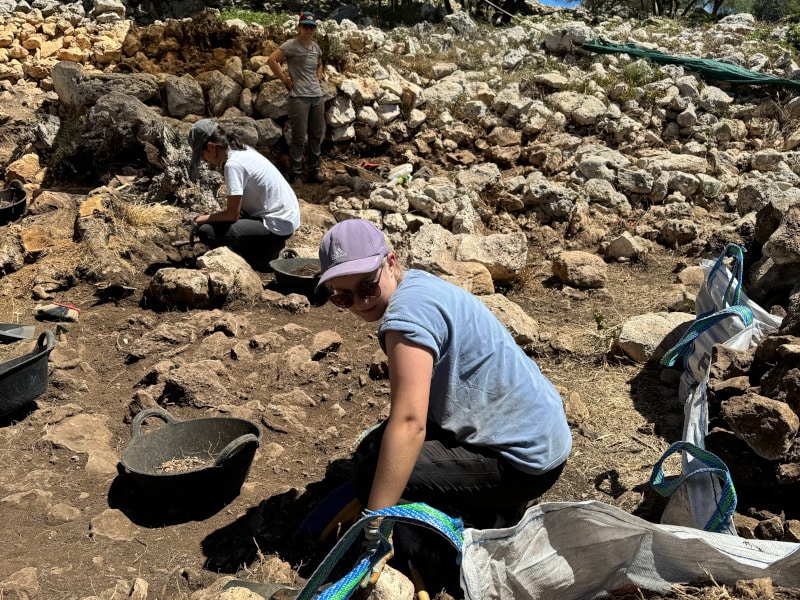
Image 1: Evelyn excavating in the patio of SPU 7. Photo by A. Smith.

The Menorca Archaeological Project is primarily concerned with the investigation of the multi-temporal remains of Torre d’en Galmés, the largest preserved prehistoric site in the Spanish Balearic Islands. This site displays evidence of multiple periods of occupation and interaction, with an array of megalithic indigenous domestic structures dating to the Post-Talayotic or Late Iron Age (550-123 B.C.E.) and a series of later structures built during the Medieval Islamic period of occupation in the 12th and 13th centuries C.E. The stark contrast and interactions of the structures is fascinating and raises an interest in understanding the use and re-use of spaces and materials over time, and the shifting social structures of the populations that used them, both within the communities of Menorca itself and within the greater Mediterranean context.

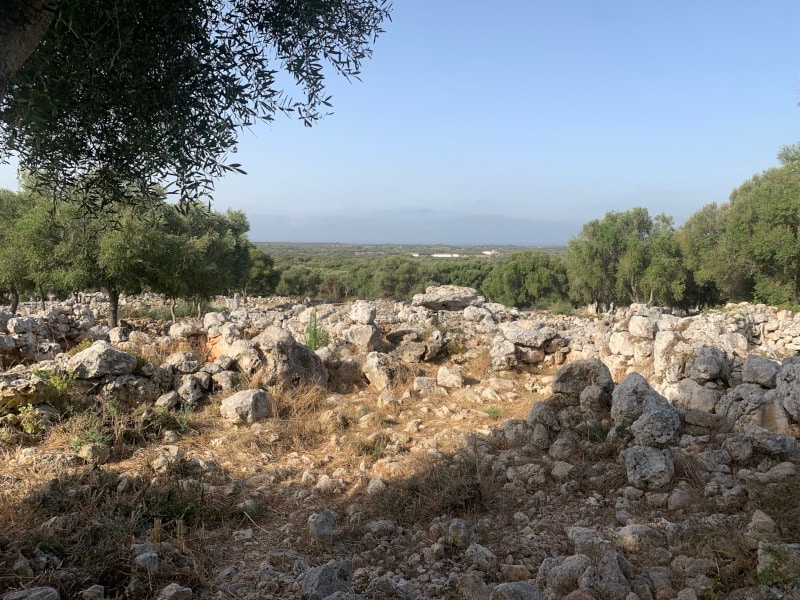
Image 2: View of the site of Torre d’en Galmés. Looking to the south of SPU 7.

Torre d’en Galmés, along with other sites around Menorca, is absolutely covered with the remains of limestone rubble from collapsed structures. This was the primary building material of the megalithic domestic and ritual spaces of the Bronze and Iron Age, and in the Medieval Period. The presence of all this stone means that excavation involves an incredible amount of rock-moving and trained eyes to see the remains of walls or features. This summer, the MAP team focused heavily on the task of clearing up the central patio and surrounding walls of Spatial Unit 7, a series of later Medieval period rooms which were constructed with the incorporation of rubble and remaining megalithic limestone rocks used in an earlier Post-Talayotic structure.

Image 3A
MAP team members excavating in SPU 7. Looking to the south.

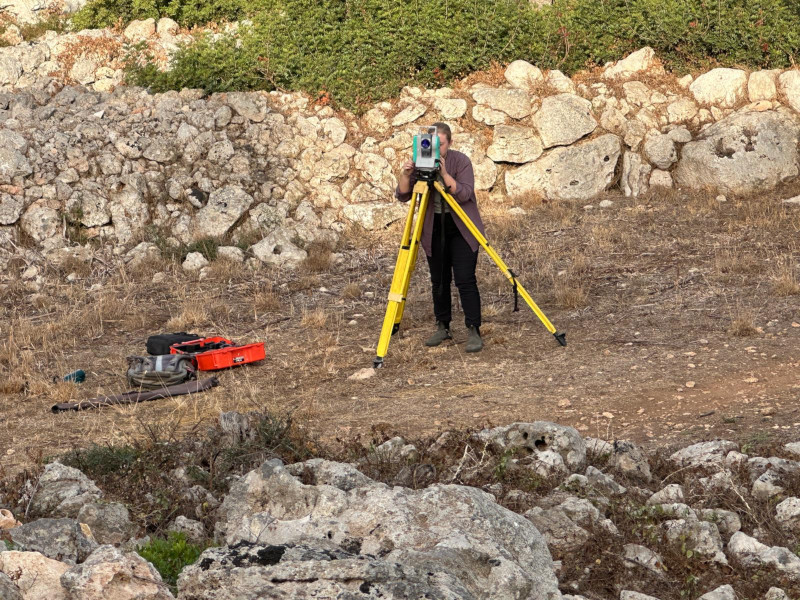
Even with a focus on defining the architecture, plenty of ceramic sherds were found as well, a substantial portion of which consisted of the remains of ceramic roof tiles, with some areas of preserved tile-falls and mortar. Other ceramic sherds appeared as repio, the fill used in the construction of the stone walls, and consisted of a mix of Post-Talayotic, Roman, Punic, Islamic, and other typologies of ceramics. In addition to excavation, our work this summer was concerned with lab work and data collection. I practiced taking spatial data points using a total station to outline features and interesting in situ finds, mark spots for phytolith and archaeobotanical sampling, set up new areas to excavate, and track the depth of our excavations. This is a skill I continued to use at another project, the Frost Town Archaeology field school, later in the summer, where I got to supervise students and teach them about archaeological techniques and collecting data. We also used this season to organize all the old finds from past seasons and input the information into an updated database. This was an insight into the reality of the meticulous process of documenting and photographing the collection to decide what needs to be kept physically, and what only needs to be kept digitally.

Image 4: Evelyn taking points of SPU 7 at the total station.

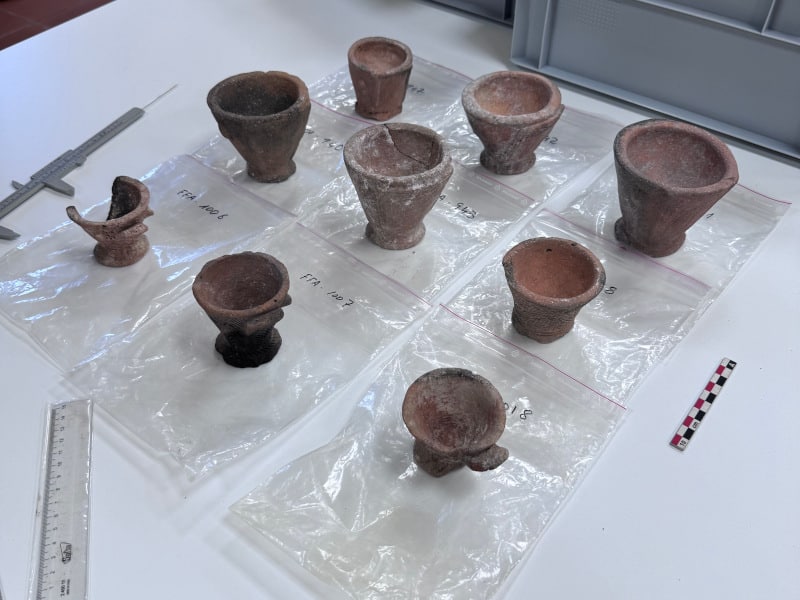
Returning to Menorca this summer also gave me a chance to revisit the basis of my thesis that I wrote for the SUNY Brockport Honors College, which was advised by Dr. Alexander Smith. Last summer in 2023, I was incredibly lucky to have left Menorca with an idea for my thesis, investigating interpretations of indigenous Post-Talayotic ritual objects. I spent both semesters of my senior year preparing my research and I was proudly able to present it at SUNY Brockport’s’ Scholars Day on April 15th and at the Summer Undergraduate Research Conference at Suffolk Community College on April 26th. This summer I went back to the Museu de Menorca with clearer goals in mind of what objects and documents I wanted to see in order to further expand on my research in the future.

Image 5: Array of Post-Talayotic ceramic “high-bottomed cups” from the Museu de Menorca.

My involvement with the MAP team these past two summers has given me numerous insights and hands-on opportunities to explore my interests in the field. I am so grateful to the team for welcoming me and helping me to build my professional network in the field. I look forward to continuing my work with the team in future excavation seasons, and to exploring other projects. I extend my thanks to Mrs. Carolyn Midkiff-Strange and the Midkiff-Strange Fieldwork Scholarship, ASOR, the entire Menorca Archaeological Project team, the Museu de Menorca, and SUNY Brockport.


Evelyn Patterson graduated in May of 2024 from SUNY Brockport with a BS in Anthropology and a minor in Museum Studies and Public History. In addition to working with the Menorca Archaeological Project in Spain, Evelyn has also excavated with the Frost Town Archaeology Project in the Finger Lakes region of New York. She has assisted in laboratory research internships, created project signage and academic posters, and has presented a completed independent research thesis.

Want to help more students and early career archaeologists get into the field? Donate to the cause today by selecting “Fieldwork Scholarships” as your gift purpose!

Fieldwork Report: Liza Davis

A Day in the Life at the East Church, Antiochia ad Cragum

Liza Davis, 2024 Member-Supported Fellowship Recipient

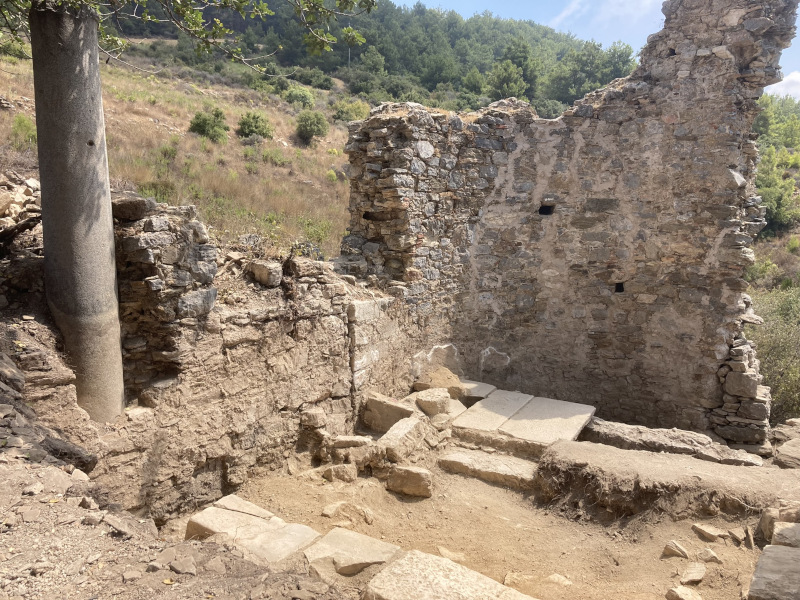
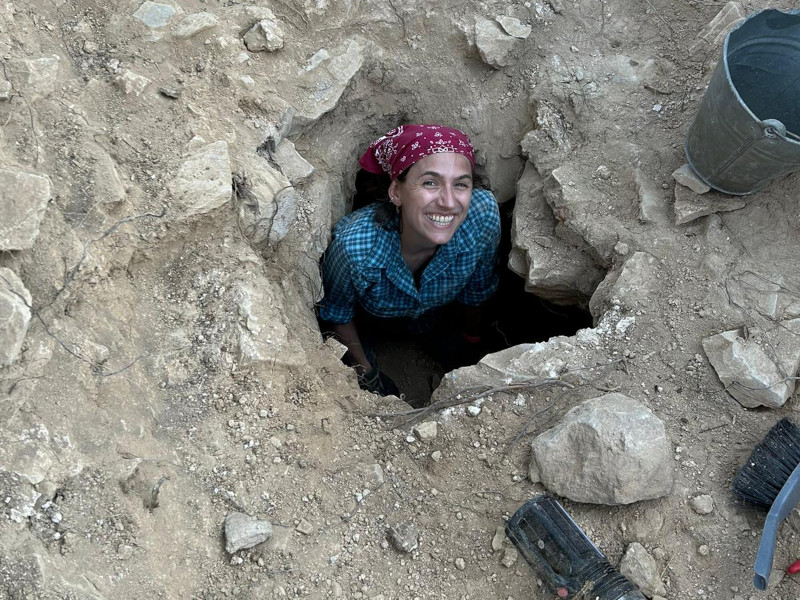
This summer, I had the privilege of working as a trench supervisor at Antiochia ad Cragum, a Roman city located outside of Gazipaşa, Türkiye. Antiochia was an important regional hub and boasted a large colonnaded street lined with shops, multiple baths, areas for the production of olive oil and wine, monumental tombs, and several early Christian churches. In the 2024 season, excavation began on an east-facing apsidal building located on the road approaching the city’s Main Gate from the east. This building has been described as a church by earlier researchers, and so we decided to creatively title this new area of excavation the East Church.

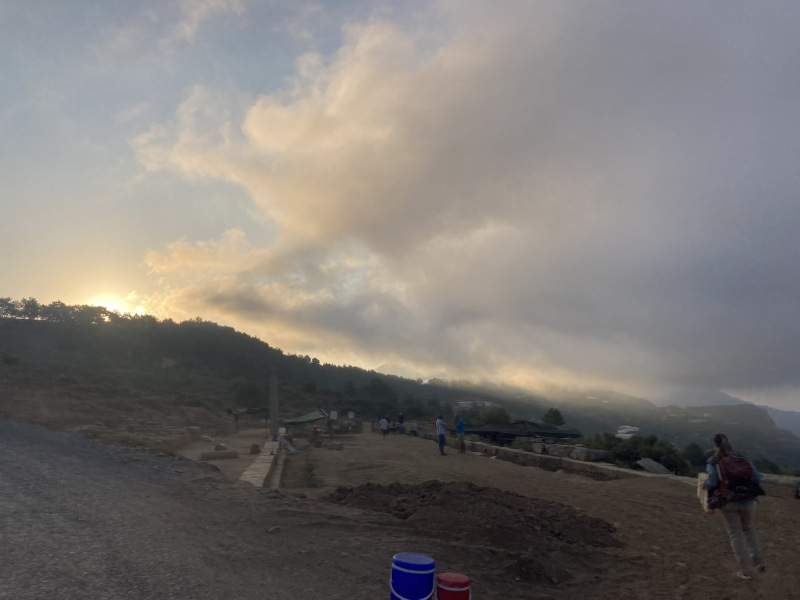
Daily life as an excavator at Antiochia quickly fell into a pleasant routine. We left Gazipaşa around 5:30 and arrived at site by 6:00 AM, early enough to see the sun rising and watch flocks of swallows soaring high overhead. Breakfast is served on site by Ayşe, a woman from the nearby village of Güney and the wife of Rahmi the site guard. For the uninitiated, Turkish breakfast is quite the spread: tomatoes, cucumbers, olives, a variety of cheeses, jams and jellies, and bottomless ekmek (bread). Sometimes there would be hard-boiled eggs, borek (a savory pastry made from phyllo dough, cheese, and parsley), or potatoes with scrambled eggs. And, of course, strong Turkish çay (tea) served in the ubiquitous glass cups and sweetened with as many cubes of sugar as you desire.

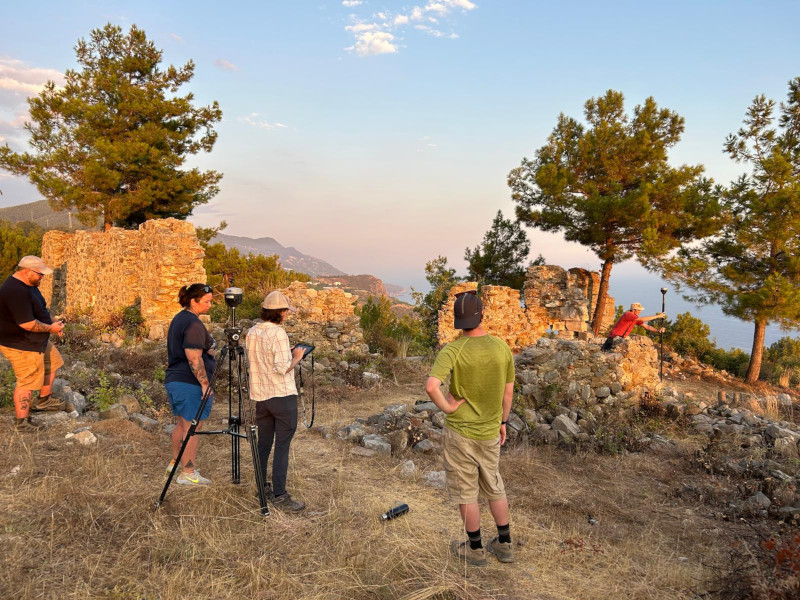
After such a feast, it could be difficult to get motivated to go to work, but the sun rose quickly and the relative cool of the morning soon dissipated. It was about a ten-minute trek to the East Church, laden with our field packs, cameras, iPads for digital trench recording, and RTKs (Real-Time Kinematic devices, a kind of super-powered GPS that allows for centimeter-level accuracy). We divided into our two trenches and got to work. One trench was just outside of the building, in what has been deemed the church’s narthex, and the other (my trench) was in the apse of the building. We began each day by going over our daily goals and cueing up the all-important dig playlist. Somehow, our trench anthem ended up being “Paradise by the Dashboard Light” by Meat Loaf… do not ask me why, because I don’t know. But I can tell you that those opening chords will forever remind me of dusty days in the East Church.

We took a çay break at 10:00, huddling in the shade cast by some standing walls south of the church. Twice a week, there would be pişi, fluffy discs of fried bread—delicious and filling. After the break, we would return to work for a few more hours, reassessing our progress toward our daily goals and adjusting as necessary. At the end of the day, my trench mates would clean up our tools as I took some final notes in our iPad-based recording software (called Kiosk) and took closing photos of the trench for the day. Around 12:50, we would begin the walk out, which always felt much longer in the heat of the afternoon than it did at 6:45 AM. Lunch was served at 1:00 and was a veritable feast of Turkish home cooking: stuffed peppers, eggplant and potatoes stewed in a spicy tomato sauce, cacık (a cold yogurt and cucumber soup—very refreshing), bulgur and rice pilaf, and once a week a delicious semolina and peanut cake soaked in honey. Lunch was always a fun, social time, spent discussing the day’s progress with people working in other areas at site.

The four weeks I spent at Antiochia this summer were such an incredible opportunity for me. My dissertation research focuses on early Christian experience in the eastern Mediterranean, so the chance to excavate an early Christian church was so important for me. This fall back at Brown, I will be working on my dissertation, greatly enriched and informed by the days spent at Antiochia this summer.

Liza Davis is a sixth-year doctoral candidate at the Joukowsky Institute for Archaeology and the Ancient World at Brown University. Her research focuses on the lived religious experience of non-elite and rural people in Late Antique Asia Minor.

Want to help more students and early career archaeologists get into the field? Donate to the cause today by selecting “Fieldwork Scholarships” as your gift purpose!

2024 Student Paper Award

2024 ANNUAL MEETING STUDENT PAPER AWARD


Morganne Ottobre, winner of the 2023 Student Paper Award.

ASOR is accepting applications for the 2024 Student Paper Award. This award is conferred upon the author(s) of a paper presented (in-person or online) during the 2024 hybrid ASOR Annual Meeting that conveys the results of a study about ancient Near Eastern and wider Mediterranean societies in a clear, understandable and convincing fashion. The first author and presenter of the paper must be a registered student at the time of presentation in order to be eligible for consideration for this award. This year the award is accompanied by a $500 prize.

Students will need to complete the following steps by November 6 to be considered for the award:

1.  Please complete this Google Form in order to apply for the Student Paper Award.

2.  Submit your pre-recorded paper presentation (mp4 video, 20 minutes maximum) by November 6 to Jared Koller (jaredkoller@asor.org) using a DropBox link or other file sharing method.

Applications and recorded paper presentations are both due by November 6.

Please note that this award is independent of the Sean Dever Memorial Prize, which is conferred by the W.F. Albright Institute of Archaeological Research. To learn more about Awards presented at the Annual Meeting, please visit the Honors and Awards page. For questions and inquiries please email info@asor.org.
ASOR Welcomes Rachel Bernstein as Communications Manager

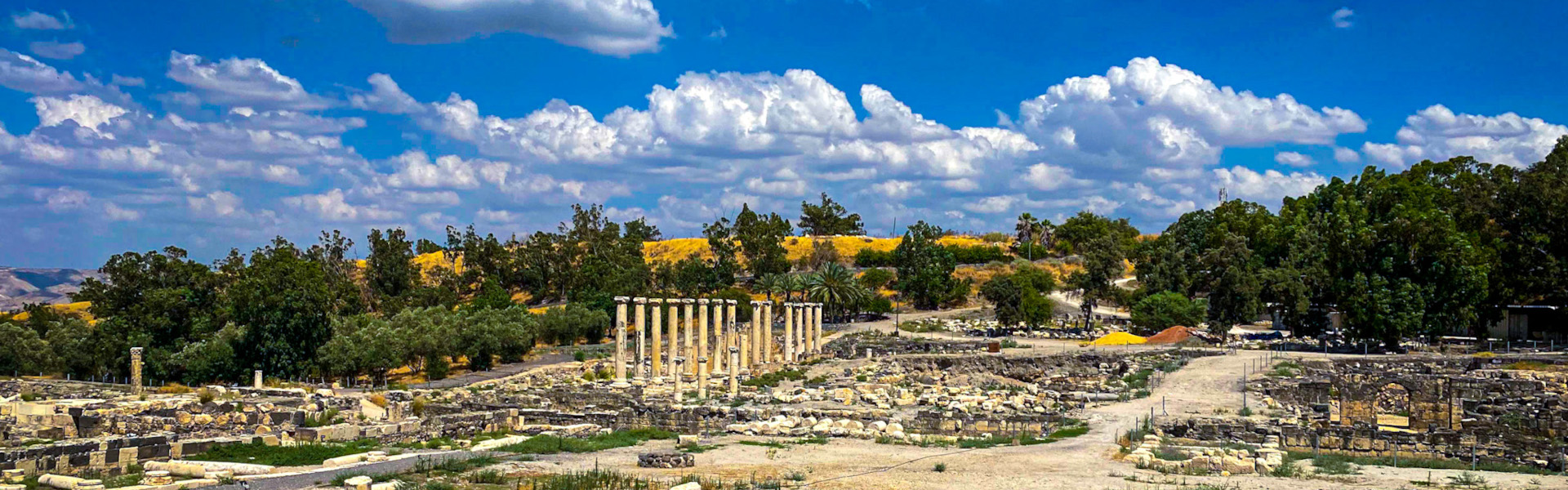
A view of columns at the site of Beit She'an in Israel.

ASOR WELCOMES RACHEL BERNSTEIN AS COMMUNICATIONS MANAGER

Rachel Bernstein joined ASOR on October 1 as Communications Manager. She has a Ph.D. in Desert Studies and Archaeology from Ben-Gurion University of the Negev, as well as an M.A. in Desert Studies from Ben-Gurion University of the Negev and a B.A. in English from Goucher College.

Rachel has been acquainted with ASOR for a number of years. She previously was an Educational and Cultural Affairs Junior Research Fellow at the W.F. Albright Institute of Archaeological Research in 2022.
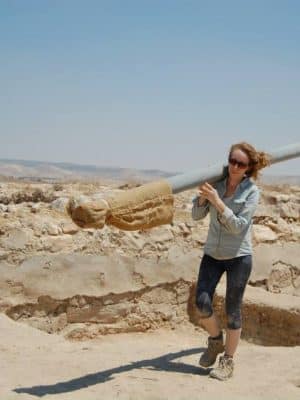
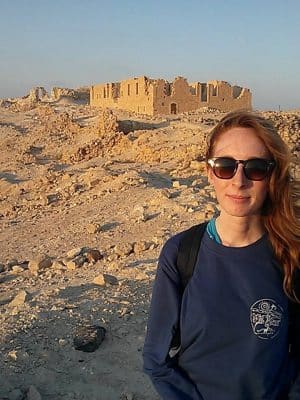
Rachel participated in her first survey of a Middle to Late Epipalaeolithic period site exposed during a salvage project conducted by the Israel Antiquities Authority at the site of Ashalim in the Negev highlands in 2014. Since then, she participated in seasons at Horvat Tsalit and Nessana in the Negev Desert with Ben-Gurion University of the Negev and Haifa University. She received the Society for Classical Studies Ludwig Koenen Fellowship for papyrology training at Leiden University in 2017. Her doctoral research developed the socioeconomic profile of early Christian monasteries in the Negev Desert.

Rachel also has several years of experience in journalism and communications. She started her career as a reporter for news outlets in Baltimore and Washington, D.C., and coordinated communications and social media efforts for an international master’s in public health program at the Hebrew University in Jerusalem. She also served as an editor and contributing writer for The Jerusalem Post while concluding her Ph.D.

She most recently was the Editorial Assistant for Studies in Late Antiquity: A Journal, published by University of California Press.

Rachel is delighted to join ASOR as Communications Manager, where she’ll oversee outreach efforts in social media and communications with ASOR members and the public. She looks forward to supporting the ASOR community!

Fieldwork Report: Victoria Wilson

On the Street Where You Lived: Household Archaeology at Kurd Qaburstan

Victoria Wilson, 2024 Strange-Midkiff Fieldwork Scholarship Recipient

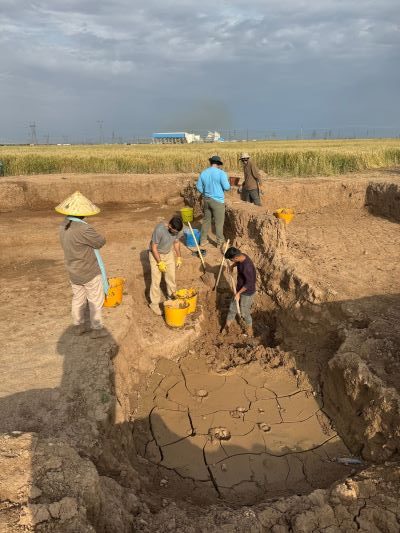
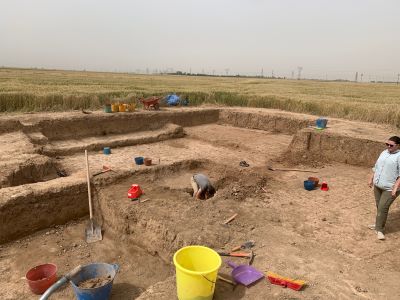
I spent my summer in a hole in a barley field in Iraq.

First, some background on the project that brought me to said field: Kurd Qaburstan is a fortified urban site located in the Kurdistan Region of Iraq and suspected of being the ancient site of Qabra, a regional capital on the Erbil Plain during the Middle Bronze Age.

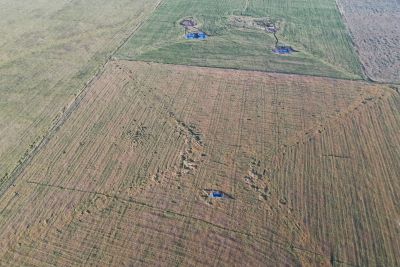
Excavations began in 2013 and as the project progressed multiple monumental buildings have been detected through magnetometry and explored through excavation: most notably being a temple and palace. In 2014, magnetometry identified a concentration of agglutinated architecture in the northwest sector of the site.

With the layout displaying similarities to other domestic areas in the ancient Near East, this sector became known as the Northwest Neighborhoods. Magnetometry data could further show the streets that divided the blocks of architecture, and one of these city blocks has become the focus of my dissertation.

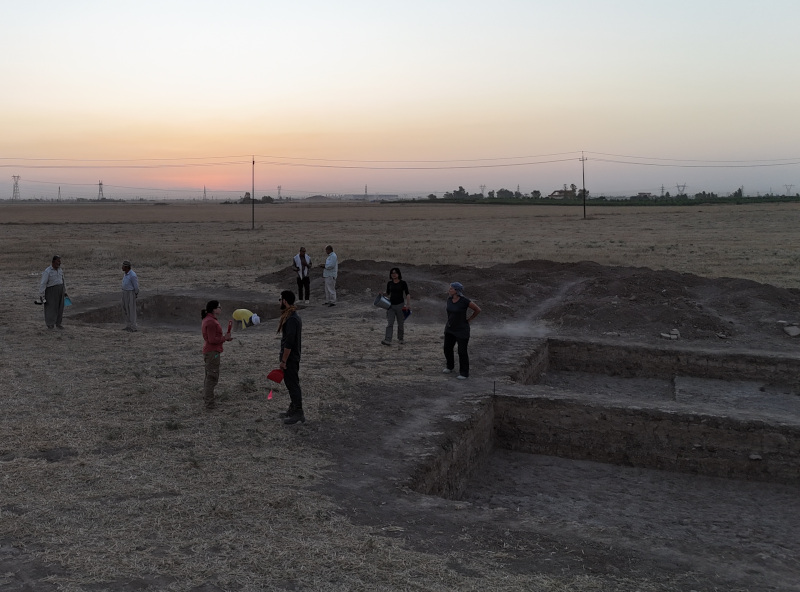
Northwest Neighborhood at sunrise

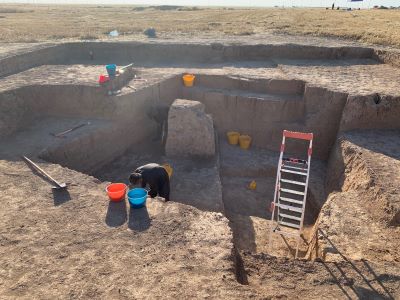
Now we can go back to the holes in the barley field. Or to describe my scholarly efforts less glibly: I spent this field season supervising three trenches in the Northwest Neighborhoods, investigating domestic contexts to better our understanding of the lifeways of these ancient urbanites. While my goal for the season had been to practice household archaeology in the most literal sense –peering into the interior of a house –two of the trenches missed the mark slightly and had us examining a domestic exterior space: a expansive pebble surface that was likely part of a courtyard.

Near the tail-end of the season we reexamined the magnetometry data and opened a new trench just north of the initial two trenches that would place us within the walls of the structure. Right at the end of the season one of those walls was found and so the 2025 season will see us explore the structure further.

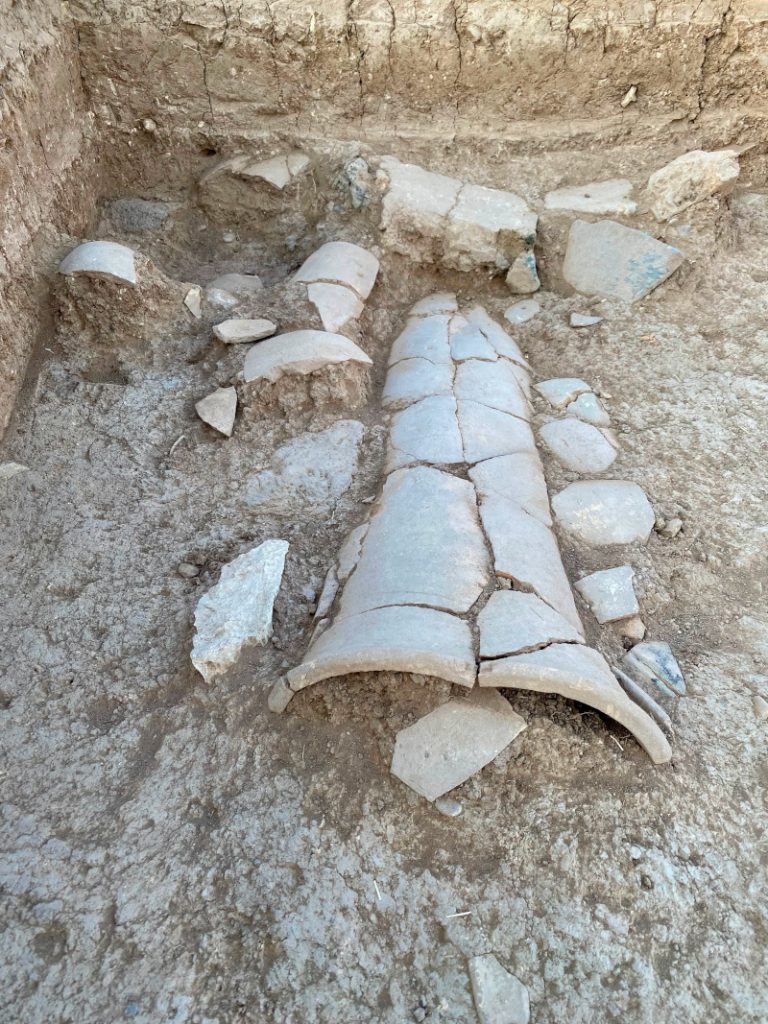
Ceramic drain - view facing south

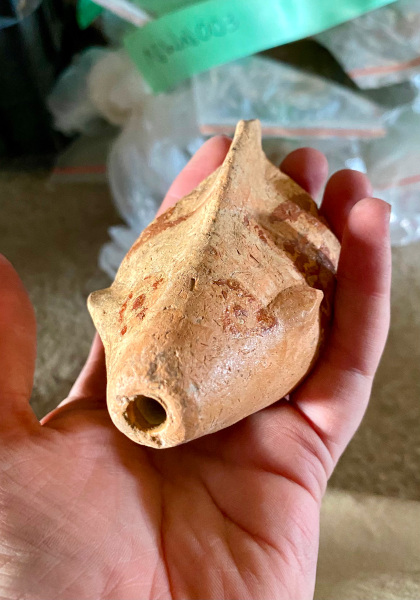
While in the trenches one can easily lose sight of the larger goals of a project: in the blazing Middle Eastern heat, the stress of juggling paperwork and strategizing data collection, the macro goals of investigating neighborhood dynamics and city planning can melt away. But as they say: it’s the little things in life –and in this case it was a little ceramic fish that helped me refocus on the human aspect of my investigations.

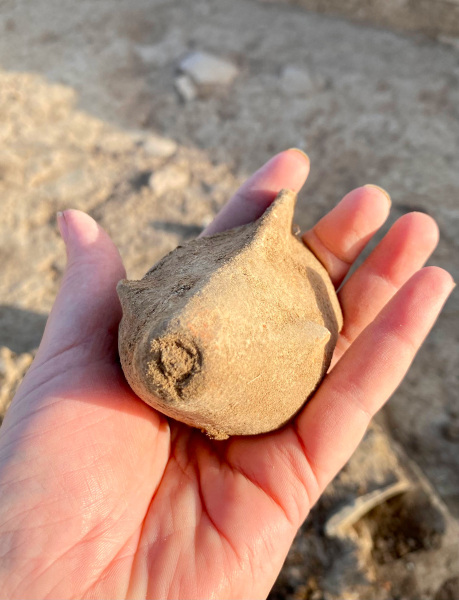
When it was pulled from what was known informally as the “pottery volcano” (which could be an upper floor collapse or trash deposition – the jury is still out on the most likely interpretation) it was just an oddly shaped hollow ceramic object. Personally, I thought it might be a pig when I first held it due to the “snout.” The local museum conservator, Nihayat, could immediately tell there was paint underneath the encrusted dirt. After the object was cleaned and conserved it was revealed to be part of a fish-shaped juglet.

This is an object that had been created with a personal touch over 3,000 years ago. Found among a large utilitarian domestic assemblage that needed to be recorded and quantified, the fish juglet reminded me that this collection had once been more than a data point for a dissertation buthad once belonged to people who had crafteditand kept it in their homes until its eventual deposition. Where now there were holes in a modern barley field, there had once been a courtyard nestled in a neighborhood, which was itself part of the urban landscape that was ancient Qabra.

Ceramic fish at moment of discovery
Ceramic fish after cleaning and conservation
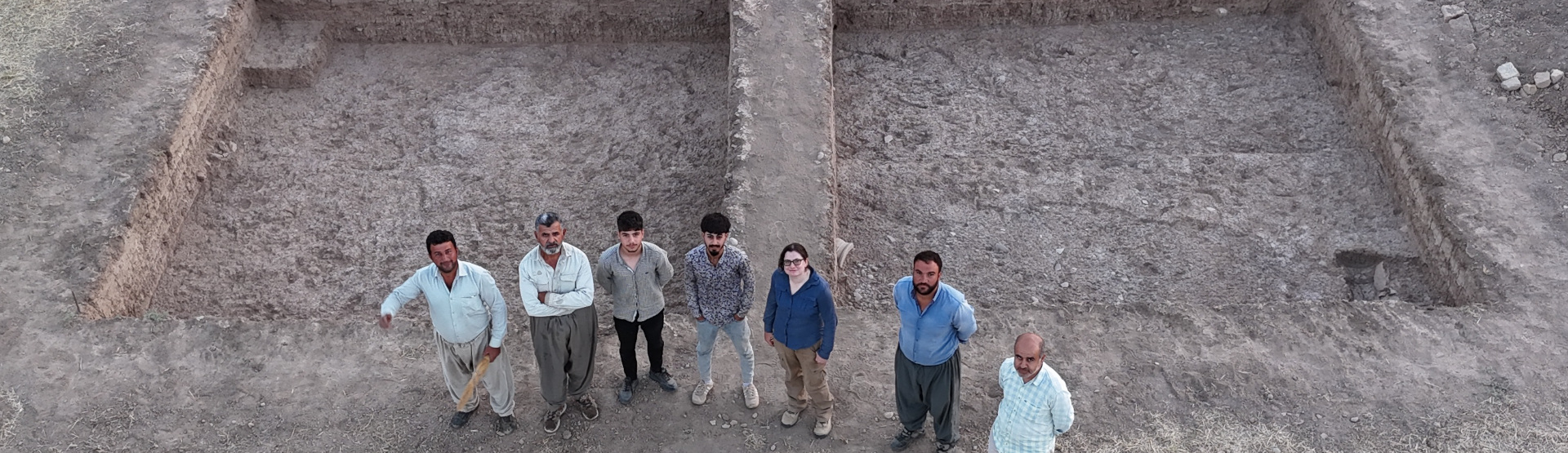
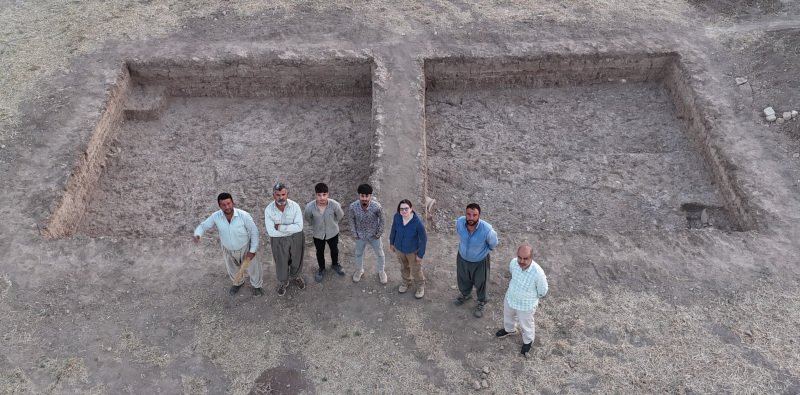
Group photo by the trenches. (Photo courtesy of The Kurd Qaburstan Project).

Victoria Wilson is a PhD candidate in the Department Near Eastern Studies at the Johns Hopkins University studying Mesopotamian Archaeology. Victoria’s research interests include urbanism and household archaeology.

To learn more, see the Kurd Qaburstan Project (KQP) website. The KQP thanks the Directorate-General of Antiquities of the Kurdistan Regional Government, Director-General Kak Kaify Mustafa Ali, and our colleagues in the Erbil Department of Antiquities, Director Kak Nader Babakr.

Want to help more students and early career archaeologists get into the field? Donate to the cause today by selecting “Fieldwork Scholarships” as your gift purpose!

2024 Nominees for ASOR Board Elections

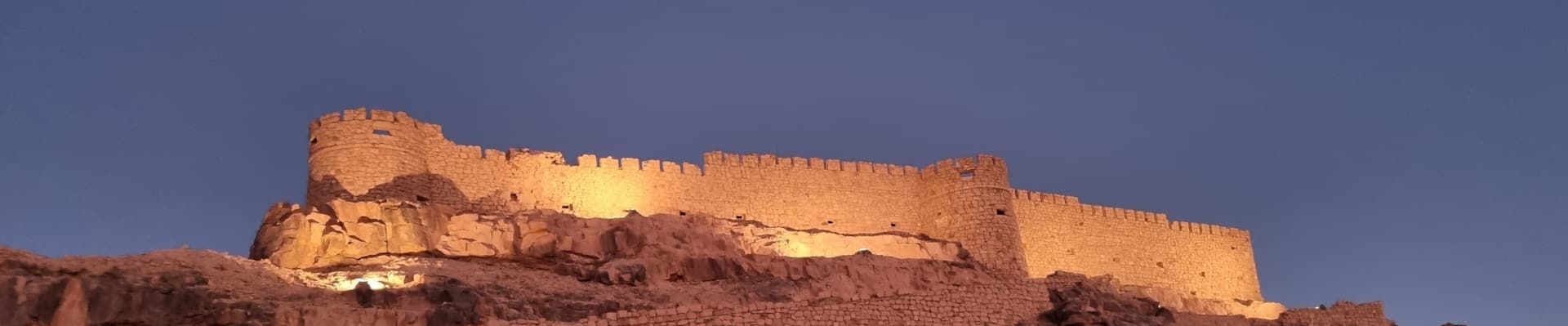
A photo of Ghat Fort in Libya, taken at night.

2024 NOMINEES FOR ASOR BOARD ELECTIONS

The ASOR Trustee Nominations Committee has selected six highly qualified members to stand for election for four open positions on the Board of Trustees. The Board sets the direction for ASOR and provides oversight for our organization. Among other responsibilities, members of the Board agree to attend two meetings each year, to participate thoughtfully in the governance process, and to contribute financially to ASOR.

There are four candidates running for two openings as Member-elected Trustees for 3-year terms (Helen Dixon, Asa Eger, Paul Flesher, and Emily Hammer). There are two candidates for two openings as Institutionally-elected Trustees for 3-year terms (Andrea Berlin and Lynn Swartz Dodd).  All ASOR members are eligible to vote in the Member-elected Trustee Election, while only Institutional Representatives of the 60 ASOR-member schools may vote in the Institutionally-elected Trustee Election.

ASOR will conduct the elections by online ballot, and all members and Institutional Representatives will receive the appropriate ballot(s) via email on or around October 16, 2024. We will send out two reminders, and all ballots must be completed by 12:00 PM Eastern Time on Monday, November 18. If you have difficulties completing the online ballot (once they are distributed), please contact Marta Ostovich at programs@asor.org.
Nominees for Membership-elected Trustees
(two to be elected)

Helen Dixon
Helen Dixon

Helen Dixon serves as Assistant Professor of History at East Carolina University in the University of North Carolina system, where she teaches ancient Near Eastern, Greek, and Roman history, in addition to Public History and Museum Studies. As a specialist in Phoenician history, culture, and religion, she has conducted archaeological, museum, and archive research in Lebanon, Syria, Israel, Palestine, Jordan, Cyprus, Turkey, Malta, Egypt, and Tunisia.  Her work on Phoenician sacred space was recognized by the J. Paul Getty Foundation, which named her 2021 Villa Residential Scholar, and she currently serves as public historian on both an NSF and NEH grant aimed at studying historic African American cemeteries in eastern North Carolina from a restorative justice perspective. Prior to her current appointment, she held positions as Assistant Professor of Religious Studies at Wofford College in South Carolina, as Postdoctoral Researcher in the Faculty of Theology at the University of Helsinki, and as Postdoctoral Teaching Fellow in the History Department at North Carolina State University, following her PhD in Near Eastern Studies (2013) from the University of Michigan.

Mission Statement: ASOR is my academic family. I have been an attendee since first sneaking in from SBL in 2007 (sorry Andy!) and have found support and mentorship here that was not always present in my home institution. Some of this support has been financial: I’ve been the recipient of ASOR student travel grants (2008 and 2009) and the Study of Collections Award (2023), and I have begun to give back to the organization as I am able. In terms of service to ASOR, I have chaired member-organized sessions periodically since the 2010 “Death and Burial in the Ancient Near East,” facilitated several standing sessions including “Archaeology of Lebanon,” and was an early member of the Junior Scholars (now Early Career Scholars) Committee, followed by serving as a member and then co-chair of the ASOR Program Committee (2016-2022), for which I was granted the ASOR Membership Service Award in 2022. I am fiercely devoted to ASOR even as I recognize that we suffer from the problems shared by many organizations who rely on donor support, government permits, very few (marvelous) staff, and lots of volunteer labor. My goal would be to push ASOR to be a more active ally to scholars, institutions, and regions that are doing excellent work without the financial and political assets that shape power in our field. I am especially interested in amplifying the work of our partners in the Middle East in places where we do not currently have an American research center, considering the work ASOR’s network already does as a group of dedicated scholar-administrators.

Asa Eger
Asa Eger

Asa Eger is Professor of the Islamic World in the Departments of History and Ancient Mediterranean Studies and Archaeology at the University of North Carolina at Greensboro. His research focuses on Islamic and Byzantine history and archaeology of the eastern Mediterranean, with a focus on frontiers and the relationship between cities and hinterlands. He is the author of The Islamic-Byzantine Frontier: Interaction and Exchange Among Muslim and Christian Communities and co-author of Antioch: A History, both winners of ASOR’s G. Ernest Wright Book Award in 2015 and 2022. He has directed excavations and surveyed all around southeast Turkey since 2001, as well as Israel, Cyprus, and Greece. He currently co-directs excavations at Caesarea, Israel, surveys with the Kozkalesi Archaeological Project in the Hatay, and studies the 1930s Antioch collections at Princeton University and the 1970s survey material from the Tell Rifa’at Survey, the hinterland of Aleppo, at the Louvre.

He has been a member of ASOR for 20 years and served on the Program Committee for 6 of those years (2013-2019). He has co-chaired 4 multi-year sessions: “The Byzantine and Early Islamic Near East” (2006-2008), “Islamic Frontiers and Borders in the Near East and Mediterranean” (2011-13), “The Archaeology of Monasticism” (2014-16), “Islamic Seas and Shores: Connecting the Medieval Maritime World” (2021, 2023), plus “Field Schools in Practice: A Round-Table Discussion” (2019). He also has received the 2023 ASOR Stevan B. Dana Project Grant and Heritage Grant twice.

Mission Statement:

From my first ASOR meeting exactly 20 years ago, I have always felt a sense of belonging to this organization that serves many functions, but among them, a home away from our various temporary homes abroad, where we can continue the conversations left in the field. I love this organization for its intimacy. Small meetings without too many concurrent sessions and no job interviews make the annual conference a pleasure to attend. As compared to AIA or SAA, one can see this in the quality of papers and the strong ability for people to network – an essential component for archaeologists who conduct research largely through collaborative means. I feel strongly about maintaining these principles, but deepening and expanding the scholarship that ASOR supports both from within, through grants, publications, and meetings, and externally by encouragement and recruitment throughout the academic and public community.

If I were to give my vision of ASOR 8 years ago, I would have had a lot to say about reorganizing and reprioritizing the annual meetings and publications and grants to represent archaeologists working on all periods and breaking away from the traditional Biblical and Levant centered hold. However, ASOR has confidently evolved. My vision would be to maintain this breadth of scope even more comprehensively and in a balanced fashion. I would work to insure that these periods are adequately represented and spaced appropriately in the annual meetings within ASOR but also actively recruit scholars and students to present and publish with ASOR. Geographically, I would also insure that the Near East is more broadly defined and that cultural spheres in later periods (Roman, Byzantine, Islamic) included areas towards Central Asia, the Caucasus, North Africa, islands of the Mediterranean, and the Balkans. Shifting current political conflict poses challenges for fieldwork and such areas have opened up where others closer to the central lands have closed.  I would love to see dialogue across individual periods and regions. Diachronic studies of single regions framed by landscape, environment, and settlement; comparisons on the role of empires and other political systems, trans-spatial examinations of interregional trade are but a sampling of potential original research that advances how we envision the Near East and truly benefit from one another’s work by stepping outside of our individual fields. Apart from meetings, this can also manifest in ASOR becoming more financially active in helping new projects get underway and disseminating the breadth of its scholarship in academic and public circles.

Paul Flesher
Paul Flesher

Paul Flesher began his academic career by studying the history and religion of Judaism and the ancient Near East with degrees from Rochester and Oxford before earning a PhD from Brown University. Currently, he is Professor of Religious Studies at the University of Wyoming and the director of the American Heritage Center, the nationally ranked archive where the ASOR records reside.

An expert in the Jewish writings of the Hellenistic and Roman eras, Paul draws upon archaeological and textual data to reconstruct the ancient past. In the early 1990s, he began working in scholarly partnerships to translate, edit and publish works that brought the two perspectives together.

In 1986, as a graduate student, Paul got involved with the Albright Institute of Archaeological Research in Jerusalem, and ultimately excavated at Tel Miqne, the Huqoq synagogue, and now Legio, home of Rome’s VI Legion. In 2016, he served as the Albright’s Seymour Gitin Distinguished Professor, and more recently as an ASOR trustee.

His research specialty focuses on synagogues, particularly those in Galilee, and the rites practiced in them. The excavated synagogue structures there provided the ritual locations for the Judaism described in and supported by the Roman-era Rabbinic writings. His publications include three written and nine edited volumes in addition to numerous articles. In recent years, Paul helped edit The Old Testament in Archaeology and History (Ebeling, et al., 2017) and he has been writing and speaking on the archeo-acoustics of ancient synagogues

Mission Statement: The heart of ASOR is field research. While its activities include publication, dissemination and education, everything starts with excavation. Covid and the ongoing war has significantly interfered with that. By 2025, our members will have been unable to dig for four of six years. How will we revive that activity and reinvigorate the discipline?

Our discipline and its future is shaped by our field research and the people who work with us and support us: our students, our colleagues, and our friends. Restarting excavation is not merely (!) a practical concern, but one of human connections and moral considerations. How will we re-enter a region where people are filled with fear, anger, hardship, and grief?

Our current excavation model relies heavily on undergraduates. Can we interest them in coming back, persuade them it is safe? Will it be safe?  What about training new faculty-level practitioners in near eastern archaeology? They need experience to become competent excavators, gain skills in reading pottery and lithics, and hone their ability to lead an excavation—to say nothing of other skills and abilities.

ASOR will need to lead and provide guidance in this revival. Its research centers will need to provide on-the-ground assessment of circumstances. Its members will need to advise each other and shape our society’s approach. If elected a trustee, I will use my decades of experience on the ground to work with ASOR’s membership and leadership to negotiate the challenges facing our discipline and strive to bring about its renewal.

Emily Hammer
Emily Hammer

Emily Hammer is Assistant Professor of Archaeology and Digital Humanities at the University of Pennsylvania. She is an anthropological archaeologist interested in the development of urbanism and the history of mobile pastoralism in greater Mesopotamia, including the highland peripheries of the north and the alluvial plains of the south. She has surveyed and excavated in Iraq, Azerbaijan, Turkey, and the United Arab Emirates. Professionally she is known for her technical expertise in spatial analysis and both quantitative and visual analysis of remote sensing imagery, especially newly-declassified sources of archival imagery (including imagery from U-2 spy planes and Hexagon spy satellites). Her forthcoming book, The Archaeology of Pastoralism, Mobility, and Society: Beyond the Grass Paradigm (Cambridge, early 2025) weaves together often-segregated literature on Middle Eastern, African, and Central Asian pastoralism. As a participant in the global collaborative project “LandCover6K,” she works with other historians and archaeologists to reconstruct land use over the last 6000 years across southwest Asia for inclusion in models of long-term climate and anthropogenic land cover change. Emily holds a PhD in Anthropology from Harvard University (2012) and a BA both in Mathematics and Classical & Near Eastern Archaeology from Bryn Mawr College (2006).

Mission Statement:  

ASOR has been central to my professional life from the beginning of graduate school continuing until today. I value the knowledge that I gain and the networks that I build at each annual meeting. In recent years I have contributed to the life of the organization through service on several standing committees, the Committee on Archaeological Research and Policy (CAP, two terms, including terms on the Fellowships Committee) and the Cultural Heritage Committee. I have further had the opportunity to participate in shaping ASOR’s evolving current directions through service on the Ad Hoc Committee on ASOR’s Name and the Ad Hoc Committee for ASOR’s Code of Conduct for Fieldwork Projects. Additionally, I co-chaired the “Landscapes of Settlement in the Ancient Near East” annual meeting session each year from 2015-2022. As a parent of young children, I have become active in efforts to make field archaeology and ASOR itself more friendly to those with caregiving responsibilities.

ASOR has grown tremendously in the 17 years that I have been a member, and I have been excited to witness it expand to include both a more diverse group of members and scholarship concerned with a broader geographic area. As a Board Member, I would advocate for initiatives that help sustain and capitalize on this growth in the diversity of our membership and research interests. Furthering the important work of existing ASOR committees such as Early Career Scholars, Diversity, Equity, and Inclusion, and Initiative on the Status of Women is key for ASOR to adapt to meet the sometimes-disparate needs of members with various goals at different career stages. I hope to advocate for more ASOR programming targeted at supporting members in challenges we all face with ever-changing workplace, classroom, and research funding environments, as all aspects of our professional lives are reshaped by AI and by declining resources for the humanities. As a primarily North American-based organization, I believe that we must do much more to encourage and support truly equal collaborative partnerships with our local colleagues abroad. We must continue to confront the colonialist legacies of our disciplines, recruit diverse students to our fields, and find creative ways to communicate our research to a broader audience—in part through digital innovations.

Nominees for Institutionally-elected Trustees
(two to be elected):

Andrea Berlin
Andrea M. Berlin

Andrea M. Berlin is the James R. Wiseman Chair in Classical Archaeology at Boston University. She is an active field archaeologist who has been excavating in the eastern Mediterranean for over forty years, working on projects from Troy in Turkey to Coptos in southern Egypt to Paestum, in Italy. Her specialty is the Near East from the time of Alexander the Great through the Roman era, about which she has written/edited six books and over 70 articles. She is especially interested in studying the realities of daily life, and in exploring the intersection of political and cultural change in antiquity.

Andrea is the founder of the Levantine Ceramics Project, which began as a “light bulb” idea in 2011, and is now an established research tool with over 600 contributors from over 30 countries around the world.

She is a past winner of ASOR’s P.E. MacAllister Field Archaeology Award for outstanding contributions to ancient Near Eastern and Eastern Mediterranean archaeology. This year her contributions to the field were recognized by the Archaeological Institute of America, which awarded her the 2025 Gold Medal for Distinguished Archaeological Achievement.

Mission Statement: ASOR has been instrumental to my career from the start, beginning with the award of a Samuel H. Kress Pre-Doctoral Fellowship back in 1984. Over the many years since then, I have attended annual meetings, served on the board and as a member of CAP and COP, and published in its journals. I have watched with pleasure as ASOR’s intellectual vitality and professional footprint have continually expanded, solidifying its standing among the wider consortium of international scholarly organizations. ASOR has held fast to high standards in the dissemination of research while also broadening its sphere to accommodate an array of new initiatives, including especially ones focused on cultural heritage preservation and digital publication. Of the latter, the one closest to my heart is the Levantine Ceramics Project (LCP; levantineceramics.org), a crowd-sourced application devoted to archaeological ceramics covering 7000 years of life in the Levant. I founded the LCP in 2011; it now flourishes under the umbrella of ASOR projects. In common with all members and friends of ASOR, I believe that study of the history and archaeology of the Near East and eastern Mediterranean creates knowledge that is meaningful, valuable, and relevant to us today. I know that to ensure ASOR’s continued ability to support that study, we must all contribute as we can to the organization and its mission. As a member of the Board of Trustees, I hope to pay back some of what ASOR has done for the field and for me, and to help keep it strong for the next generation of scholars and students.

Lynn Swartz Dodd
Lynn Swartz Dodd

Lynn Swartz Dodd is Professor of the Practice of Religion and Spatial Sciences at the University of Southern California’s Dornsife College of Letters, Arts and Sciences. She serves as Director of the Archaeology Research Center and Extended Reality Lab, and Director of the Interdisciplinary Archaeology Undergraduate Program. She has been designated as a USC Dornsife Distinguished Faculty Fellow and received a Mellon Mentoring Award.

Dodd’s research centers on archaeology and politics, particularly the ways that beliefs about the past are visible in tangible materials or socio-political change. As Curator of USC’s Archaeology Research Center, she is engaged in technical material studies, provenance research, and the development of virtual experiences that support both preservation and wider access to heritage materials. As a grad student, she worked in archaeological projects on land in Egypt and Syria, and underwater in Oman. She then spent more than a decade working in southeastern Turkey on surveys and excavations, including Kenan Tepe in the upper Tigris River region. She is advancing publication of the University of Chicago’s excavations at Tell al-Judaidah (Amuq).

Mission Statement: I have had the honor of serving ASOR for two terms as Secretary of the Board of Trustees, for multiple terms on the Committee on Archaeological Policy, the Committee on Publications, as Chair of CAP’s Fellowships Committee, and as Chair of the Ad Hoc Ethics Working Group during the time when ASOR developed its first holistic professional conduct policy. Presently, I serve on the Finance Committee, Cultural Heritage Committee, and Trustee Development Committee.

I understand ASOR’s significant growth as a reflection of the generosity and commitment of our members to research, publication, inspiring teaching, public communication, and transformative heritage projects. I support ASOR’s on-going efforts to encourage diversity of participation and perspectives and to be a civil forum in which scholars and others from a wide geographic area of interaction can engage and learn from one another.

I serve as the Institutional Representative at the University of Southern California. As an Institutional Representative to the ASOR Board of Trustees, I am committed to enhancing the visible, reciprocal benefits for Institutional and Individual ASOR members. I will encourage ASOR to pursue initiatives that support relevance, diversity, mutual respect, and expanded professional opportunities for ASOR members, including partnerships with non-profits and other organizations that amplify ASOR members’ efforts in research, documentation, publication, and community heritage investment. I will continue to support ASOR personally
with financial resources while I also encourage others to support ASOR’s mission as Chair of the Development Committee. I want to see expanded resources available to all our members for the support of impactful heritage projects, novel research, and wider public understanding of the history and cultures of the Near East and wider Mediterranean.

Shepard Urgent Action Grant Report: Rescue Excavation in SW Georgia

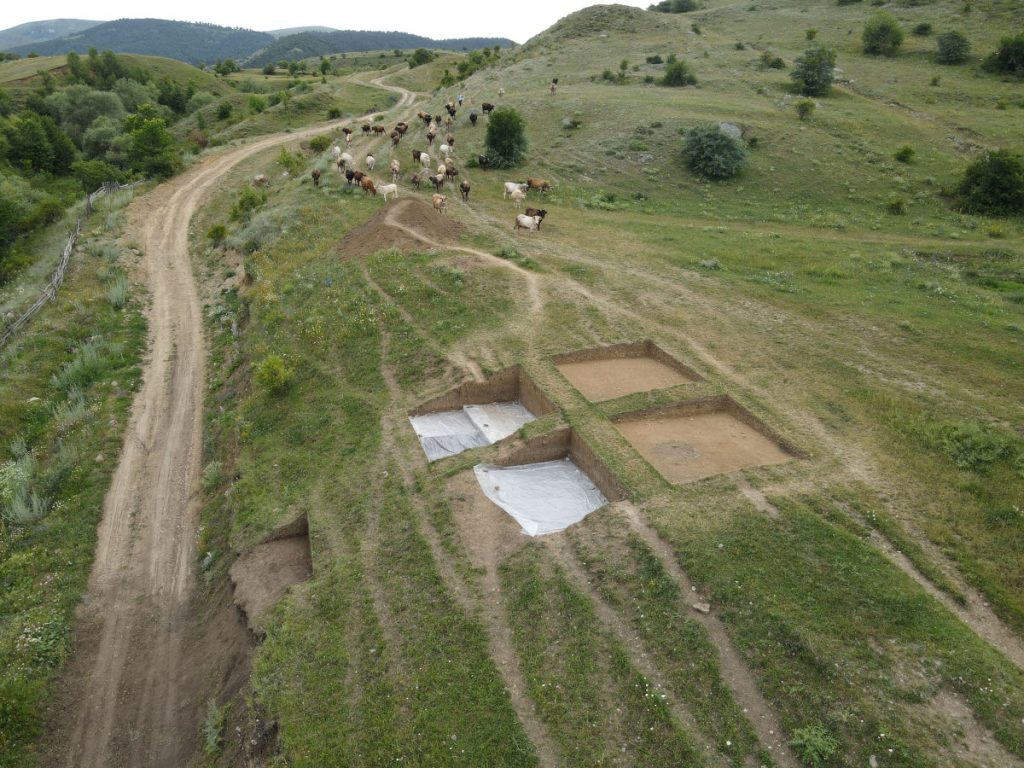
Excavation area view near Pkhero in Georgia.

2024 Shepard Urgent Action Grant: Rescue Excavation of a Chalcolithic Settlement in Southwest Georgia

Gia Chilingarashvili, Ivane Javakhishvili Tbilisi State University and Georgian National Museum

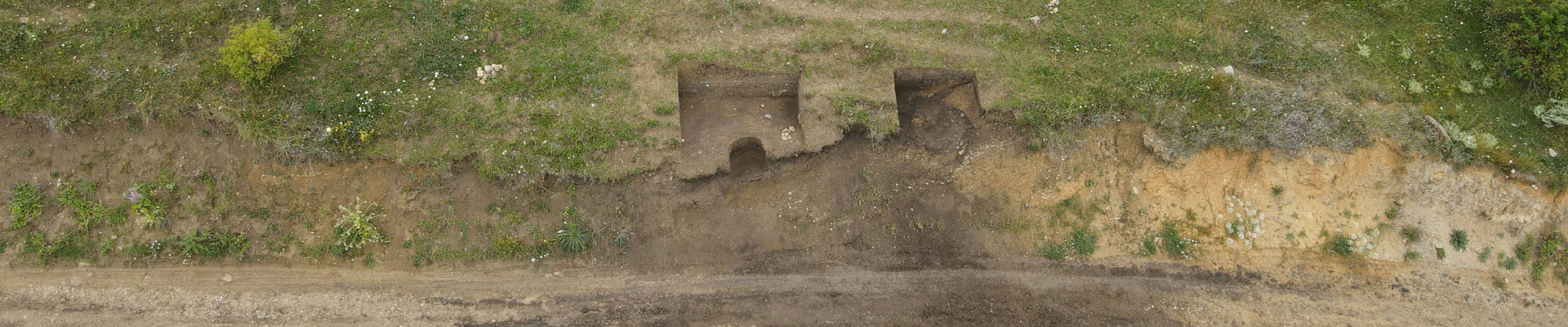
Thanks to a 2024 Shepard Urgent Action Grant,  our project team conducted a 20-day small-scale excavation at a recently discovered Chalcolithic site in the village of Pkhero in southwest Georgia. This site has suffered damage from both natural and human activities. Urgent excavations became necessary after a portion of the settlement was destroyed during road construction, resulting in a 1-2-meter-high section that continued to collapse periodically. Ongoing erosion, exacerbated by heavy rainfall, threatened to destroy the remaining archaeological layers. Immediate intervention was essential to prevent further loss of the settlement.

The aim of the rescue operation was to collect primary data to determine the nature of the monument by examining its stratigraphy and collecting samples. This data will enable us to develop a long-term strategy for research and conservation of the site. Additionally, the results will help us implement plans to protect the site from further damage.

Archaeological sites from the Chalcolithic period are extremely sparse in Georgia. This site holds significant scientific potential for understanding various aspects of late prehistory in the South Caucasus. The settlement’s location is noteworthy, as it is situated near the Persati Plateau, an alpine pastoral zone that serves as one of the region’s primary pastures and economic resources. Geographically, this area represents the only natural pathway connecting the still-active alpine pastures (Fig.1).

Archaeological site and access pathway to the pastures.
Fig.1 “Tradition Echoes” Archaeological site and access pathway to the pastures.

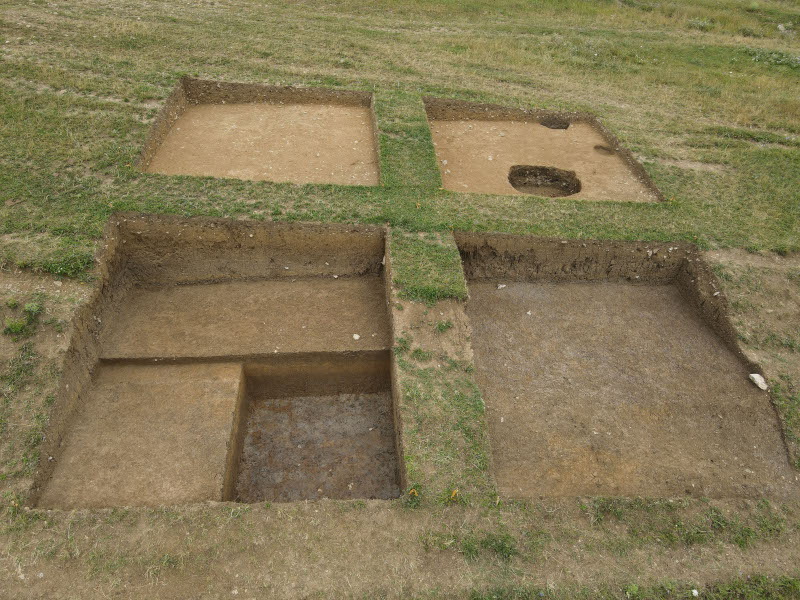
According to the plan, a 10 x 10-meter trench designated as E3 was excavated in the selected area and divided into four equal squares by 1-meter-wide bulkheads. In square E3.2, a classical pit and two early medieval pits were uncovered near the surface, containing an abundance of pottery sherds.

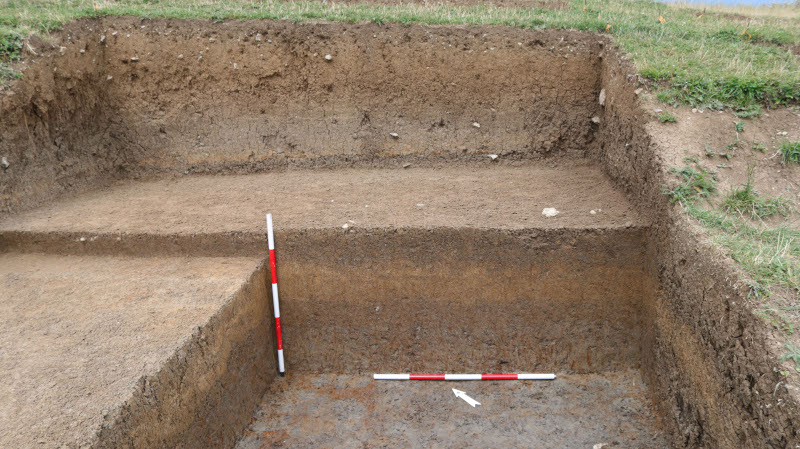
After 20 days of fieldwork, we determined that the site features clay layers measuring 3 meters in height, overlaying the Chalcolithic horizon. Evidence of subsequent activities from the Classical and Medieval periods is present within the upper levels of this clay (Fig.2). The genesis of the intense clay remains unclear; however, stratigraphy indicates that sedimentation occurred repeatedly over time. The alternating loam layers vary in color, and in some cases, they are separated by thin, brownish granular layers (Fig.3). This suggests that accumulation was not a one-time event and likely occurred after the Late Chalcolithic, rather than before the Classical era. Samples from each clay layer were collected for sedimentological and palynological analysis.

The main excavation area, Square E3.
Fig. 2 The main excavation area, Square E3.
Clay deposits in Square E3.
Fig.3 Clay deposits in Square E3.

It is important to note that the clay sediments were not sterile. Even at a depth of 2 meters, they contained abundant charcoal inclusions, along with a small quantity of obsidian fragments and ceramic sherds. This trench reached a maximum depth of 2.5 meters in square E3.3, and we were unable to access the Chalcolithic layer due to the thickness of the clay and time constraints. It can, however, be assumed that the Chalcolithic layer does exist beneath it, and that activities from later periods did not penetrate down to this layer.

This assumption is supported by two small trenches (N1 and N2) located adjacent to the main excavation, positioned above an artificial cut associated with road construction (Fig.4). The purpose of excavating these features was to investigate the disturbed pits containing prehistoric material observed in the profile.

View of the Excavation Area.
Fig. 4 View of the Excavation Area, showing area disturbed by road construction.

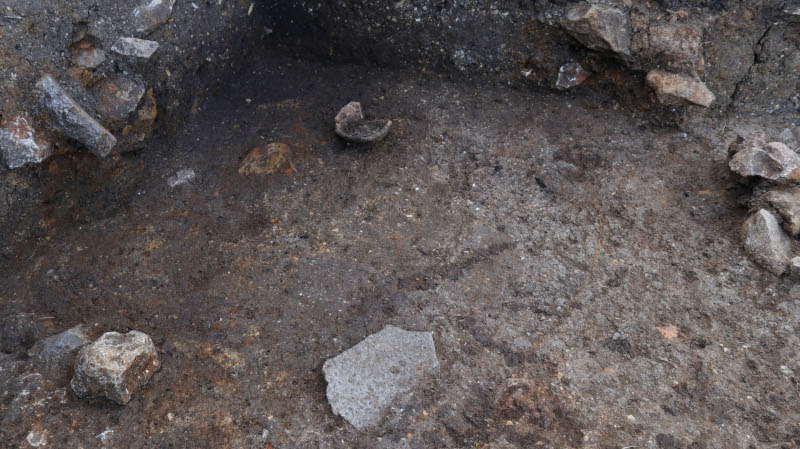
In the small trenches located approximately two meters from the main excavation, we confirmed the presence of the Chalcolithic layer. This layer contained a substantial amount of archaeological material, including a small vessel and a grinding stone, both of which were recorded in situ in Trench N1 (Fig.5). Although the context of these findings remains unclear, the associated feature extends into the unexcavated area toward Square E3. We did not widen the trench, as the primary focus was a half-destroyed pit, the excavation of which yielded a wide variety of materials. In the second trench, a Chalcolithic pit was identified, along with an intensive cultural layer that extends beneath the clay deposits toward Square E3.

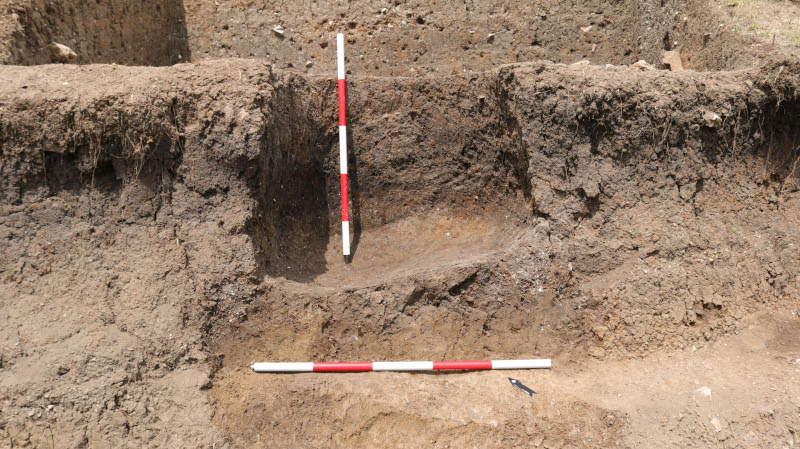
During our work in the Chalcolithic layers, we noted that all layers from this period, including those within the pits and the bottoms of the pits, slope toward the west (Fig.6) It is noteworthy that the clay layers above and the later pits do not exhibit a similar slope. This noted slope is attributed to a natural event that occurred in the late prehistoric period, which caused the settlement to incline toward the west. This event may have contributed to the abandonment of the settlement.

Chalcolithic vessel and grinding stone.
Fig. 5 Chalcolithic vessel and grinding stone.
Excavated pit in Trench N2, showing the sloped bottom of the pit.
Fig.6 Excavated pit in Trench N2, showing the sloped bottom of the pit.

In summary, our excavation has yielded valuable insights into this significant Chalcolithic site. Moving forward, the analysis of the collected materials will enhance our understanding of late prehistory in the South Caucasus.

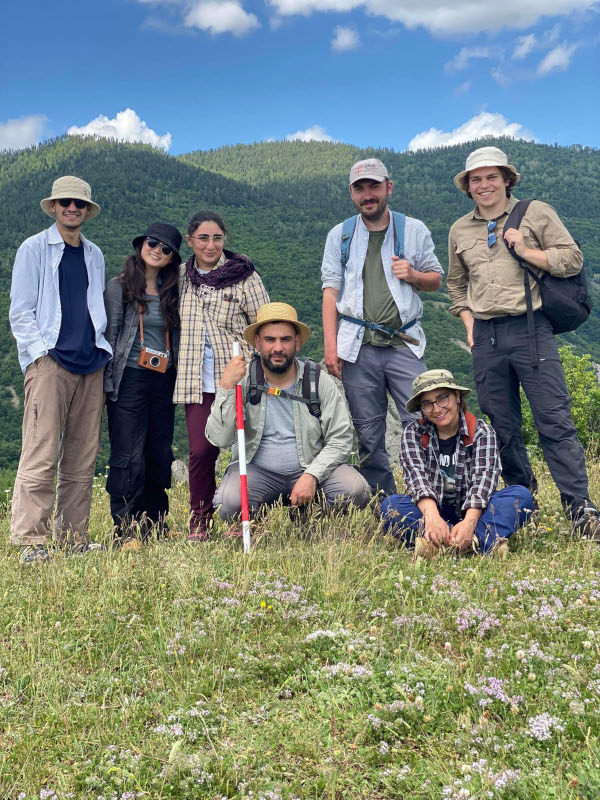
The expedition team for rescue excavations of a chalcolithic settlement in southwest Georgia.
The expedition team.

Established in 2020 with annual contributions, the Shepard Urgent Action Grants program was created to support emergency and rapid response activities on archaeological sites in the greater Mediterranean region. Shepard Grants have provided over $74,000 in support of projects with urgent need since the program began. While preference is given to projects and teams with current ASOR affiliation, applications will be considered from all projects. All 2024 grant funds have been awarded, and pending the receipt of funds, ASOR plans to resume accepting applications for Shepard Grants in 2025.

Read more about the grant program here.