UNEARTHING THE PAST SINCE 1900

Ongoing Updates: We’re currently making improvements to our website to enhance your experience. Some features may be temporarily unavailable or behave unexpectedly. Thank you for your patience and understanding.

[vc_row fullwidth=”true” attached=”true” css=”.vc_custom_1496247803139{padding-top: 0px !important;padding-right: 0px !important;padding-bottom: 0px !important;padding-left: 0px !important;}”][vc_column][vc_single_image image=”99350″ img_size=”full” alignment=”center”][/vc_column][/vc_row][vc_row fullwidth=”true” css=”.vc_custom_1496682730308{padding-top: 10px !important;padding-right: 0px !important;padding-bottom: 0px !important;padding-left: 0px !important;}”][vc_column width=”1/12″ css=”.vc_custom_1496683820796{margin-right: 10px !important;}” offset=”vc_hidden-md vc_hidden-sm vc_hidden-xs”][vc_column_text]

 SHARE

[/vc_column_text][mk_image src=”http://www.asortest.org/wp-content/uploads/2017/01/social-fb-icon4.jpg” image_width=”42″ image_height=”42″ hover=”false” custom_url=”https://www.facebook.com/ASOResearch/” margin_bottom=”0″][mk_image src=”http://www.asortest.org/wp-content/uploads/2017/01/social-tw-icon4.jpg” image_width=”42″ image_height=”42″ hover=”false” custom_url=”https://twitter.com/ASOResearch?ref_src=twsrc%5Egoogle%7Ctwcamp%5Eserp%7Ctwgr%5Eauthor” margin_bottom=”0″][mk_image src=”http://www.asortest.org/wp-content/uploads/2017/01/social-in-icon4.jpg” image_width=”42″ image_height=”42″ hover=”false” custom_url=”https://www.linkedin.com/company/american-schools-of-oriental-research” margin_bottom=”0″][mk_image src=”http://www.asortest.org/wp-content/uploads/2017/01/social-ml-icon_7.jpg” image_width=”42″ image_height=”42″ hover=”false” custom_url=”mailto:info@asor.org” margin_bottom=”0″][mk_image src=”http://www.asortest.org/wp-content/uploads/2017/01/blog-icon3.jpg” image_width=”42″ image_height=”42″ hover=”false” custom_url=”https://asor.org/blog” margin_bottom=”0″][/vc_column][vc_column border_color=”rgba(255,255,255,0.01)” width=”1/6″ css=”.vc_custom_1496683923840{margin-right: 20px !important;border-left-width: 2px !important;padding-right: 20px !important;padding-left: 20px !important;border-left-color: #99422f !important;}”][mk_divider divider_color=”rgba(255,255,255,0.01)” thickness=”1″ margin_top=”3″ margin_bottom=”3″][vc_widget_sidebar sidebar_id=”ca-sidebar-39801″][/vc_column][vc_column border_color=”rgba(170,170,170,0.01)” width=”1/2″ css=”.vc_custom_1487276122024{margin-right: 10px !important;margin-bottom: 30px !important;border-right-width: 2px !important;border-bottom-width: 2px !important;padding-top: 30px !important;padding-right: 30px !important;padding-left: 20px !important;background-color: #ffffff !important;border-right-color: rgba(227,228,228,0.75) !important;border-bottom-color: rgba(227,228,228,0.75) !important;}”][vc_column_text responsive_align=”left”]

2024 Seger Grant Report: Phoenix Archaeological Project (PAP), Turkey

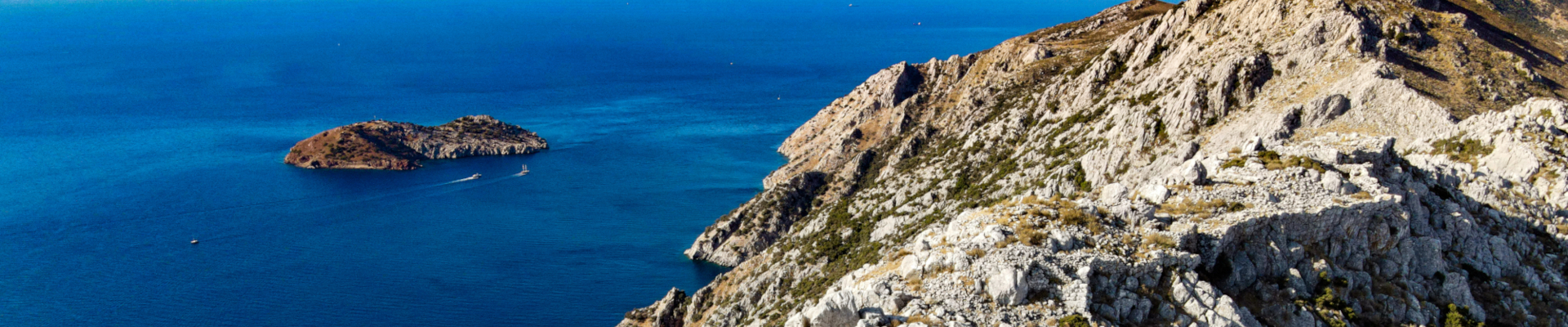
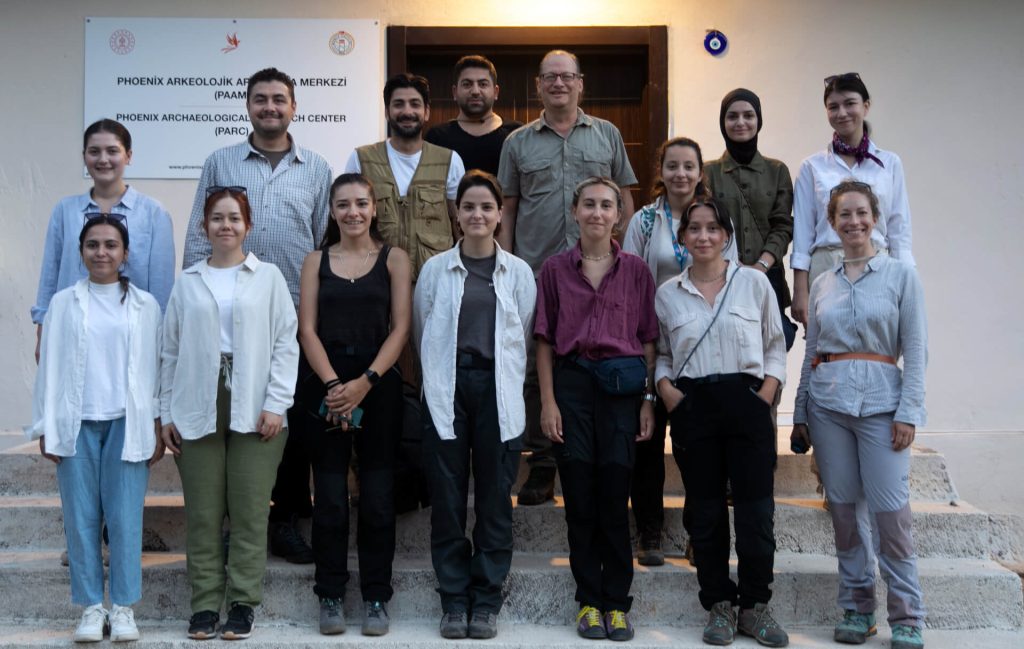
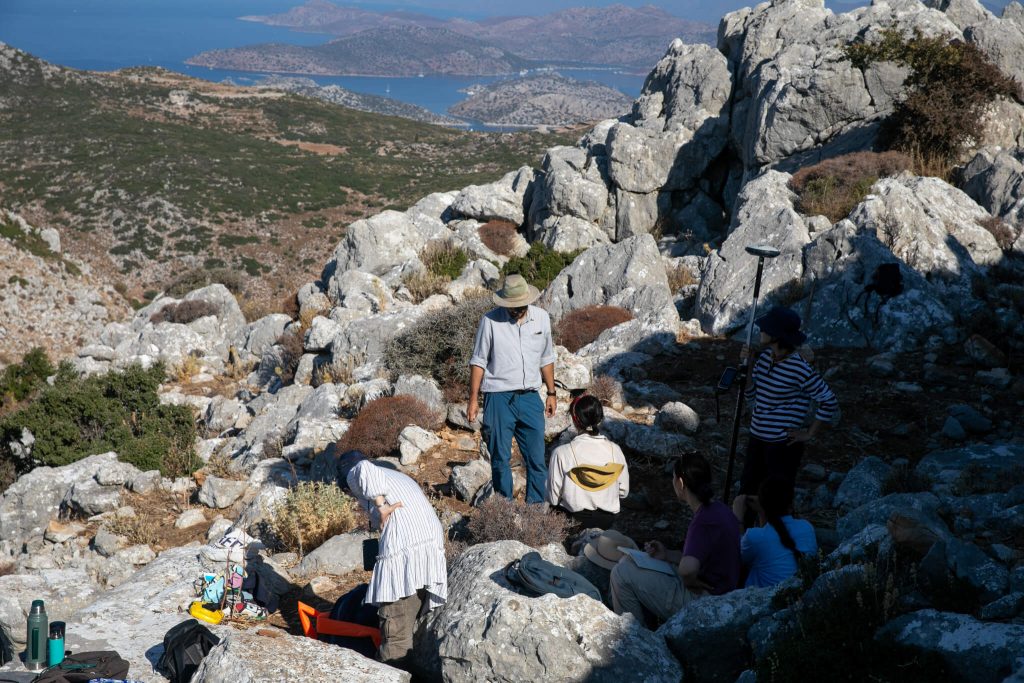
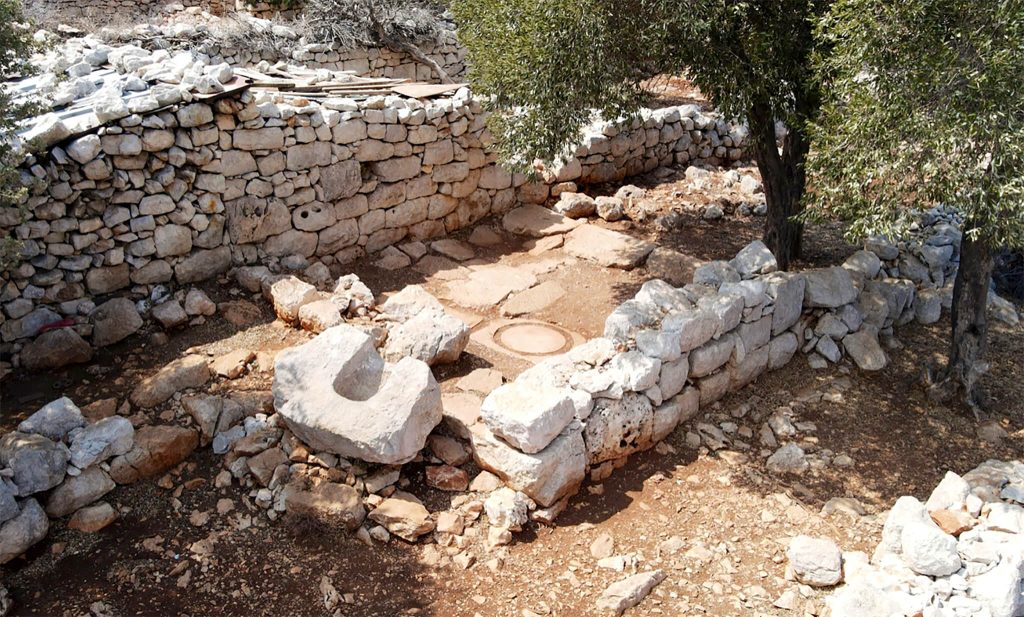
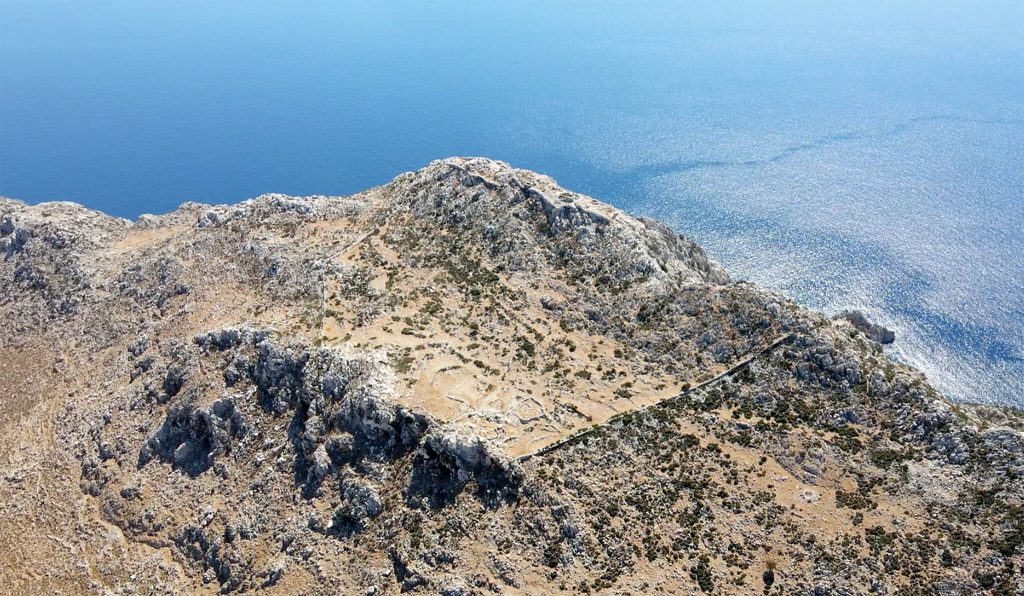
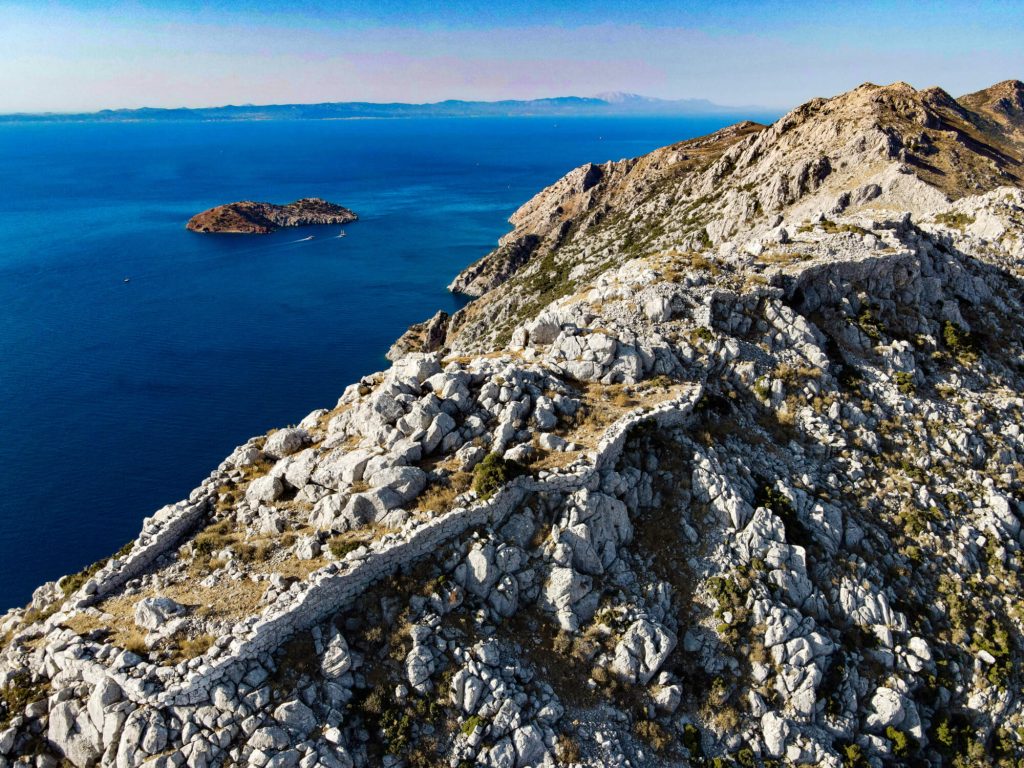
Dr. Asil Yaman, Director, Phoenix Archaeological Project (PAP)[/vc_column_text][mk_divider][vc_wp_text]The Phoenix Archaeological Project (PAP), established in 2021 under the direction of Dr. Asil Yaman, is an interdisciplinary research initiative with permits from the Ministry of Culture and Tourism of Turkey. Based in Muğla province’s Marmaris district, the project focuses on the archaeological survey of ancient Phoenix and neighboring sites such as Thysannous and Casara. Supported by the Joe D. Seger Project Grant, PAP aims to document the region’s tangible and intangible cultural heritage while contributing to the preservation of its landscape. The project’s diverse international team includes experts in Archaeology and other disciplines (Fig. 1-2).[/vc_wp_text][vc_single_image image=”99340″ img_size=”full” add_caption=”yes” alignment=”center”][mk_padding_divider size=”20″][vc_single_image image=”99341″ img_size=”full” add_caption=”yes” alignment=”center”][mk_padding_divider size=”20″][vc_wp_text]The 2024 field season focused on documenting previously unexplored heritage in Phoenix’s eastern and northern chora. The team uncovered in-situ farmsteads and olive oil workshops from the 4th century BCE, along with agricultural terraces, rock-cut cisterns, and stepped-base pyramidal tombs. PAP team also discovered ancient roads linking the farmsteads to Serçe Liman, Phoenix’s commercial harbor, offering new insights into Hellenistic agricultural practices (Fig. 3). [/vc_wp_text][vc_single_image image=”99342″ img_size=”full” add_caption=”yes” alignment=”center”][mk_padding_divider size=”20″][vc_wp_text]A major exploration took place in the northeastern chora, where the team identified a second acropolis surrounded by polygonal walls. Below it, we discovered a settlement enclosed by geländemauer-type walls and uncovered a rock-cut sacred space possibly dedicated to Cybele. Another settlement, with Cyclopean-walled dwellings, was also discovered, shedding light on Phoenix’s Early Iron Age development, settlement patterns, and local cult practices (Fig. 45). [/vc_wp_text][vc_single_image image=”99343″ img_size=”full” add_caption=”yes” alignment=”center”][mk_padding_divider size=”20″][vc_single_image image=”99344″ img_size=”full” add_caption=”yes” alignment=”center”][mk_padding_divider size=”20″][vc_wp_text]The team’s discoveries also included basilicas and chapels from the Early and Middle Byzantine periods, which highlight the medieval sacred organization of Phoenix. Additionally, the discovery of an abandoned village and windmills dating to the Late Ottoman Period underscores the continuity of Phoenix’s rural lifestyle over 2800 years.

PAP’s 2024 season also involved flora studies, documenting new fig types and previously unidentified plant species, contributing to a better understanding of the region’s biodiversity. The project further incorporated oral history interviews with elders from Taşlıca village, which captured local stories and traditional knowledge, enriching the documentation of Phoenix’s intangible heritage.

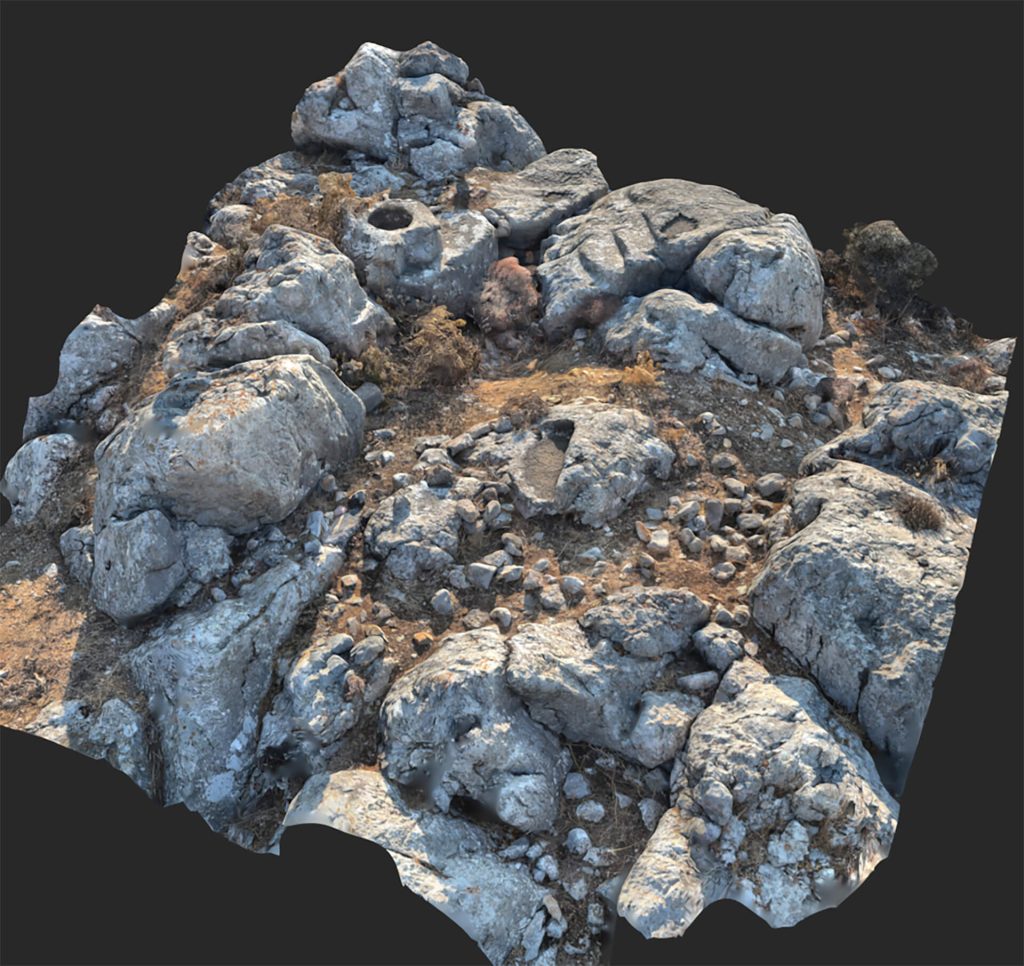
The team produced detailed site plans and architectural drawings of the newly discovered buildings, creating essential records for future preservation. We also developed a comprehensive 3D digital map of the 1-million-hectare area using Real Time Kinetic (RTK) aerial vehicles. LiDAR scans and photogrammetry were conducted on the settlements and artifacts, and all data was meticulously recorded in a web-based database (Fig. 6).[/vc_wp_text][vc_single_image image=”99345″ img_size=”full” add_caption=”yes” alignment=”center”][mk_padding_divider size=”20″][vc_wp_text]The Phoenix Archaeological Project expresses its deep gratitude to ASOR and the Joe D. Seger Project Grant for their generous support. Special thanks go to the Ministry of Culture and Tourism of Turkey, the General Directorate of Cultural Assets and Museums, as well as the project’s main sponsor, Söktaş A.Ş., Kayhan Family and the Historic Phoenix Archaeological Association (HPAA). The invaluable contributions of the entire team and interns were crucial to the success of the 2024 field season.

Learn more about the Phoenix Archaeological Project (PAP) here.[/vc_wp_text][mk_divider margin_top=”10″][vc_wp_text]ASOR plans to award two Seger Project Grants of $2,500 each during 2025. Apply by February 24, 2025 for consideration.[/vc_wp_text][/vc_column][vc_column border_color=”rgba(170,170,170,0.01)” width=”1/6″ css=”.vc_custom_1496684098866{margin-right: 5px !important;margin-bottom: 20px !important;border-right-width: 2px !important;border-bottom-width: 2px !important;padding-top: 30px !important;padding-right: 10px !important;padding-left: 10px !important;background-color: #ffffff !important;border-right-color: rgba(227,228,228,0.75) !important;border-bottom-color: rgba(227,228,228,0.75) !important;}”][vc_wp_posts title=”BROWSE THE NEWS ARCHIVE” number=”4″][/vc_column][vc_column border_color=”rgba(170,170,170,0.01)” width=”1/6″ css=”.vc_custom_1496684008271{margin-right: 10px !important;margin-bottom: 30px !important;border-right-width: 2px !important;border-bottom-width: 2px !important;padding-top: 30px !important;padding-right: 20px !important;padding-left: 20px !important;background-color: #ffffff !important;border-right-color: rgba(227,228,228,0.75) !important;border-bottom-color: rgba(227,228,228,0.75) !important;}”][vc_column_text] [/vc_column_text][/vc_column][/vc_row][vc_row][vc_column][/vc_column][/vc_row]

Leave a Reply