

 Pp. 1-22: “Nabatean Tent Sites on the Ruhot Plain, Central Negev, and Nomadic Visibility,” by Maayan Margulis and Steven A Rosen
Nabatean campsites, reflecting the desert nomadic pastoral component of Nabatean society, constitute part of the larger and better-known Nabatean system of caravan routes and associated sites, in addition to village and urban centers dating between the late 4th century b.c.e. and the early 3rd century c.e. Campsites have rarely been explored in depth, although numerous small Nabatean camps and campsites have been registered in many surveys in the Negev. Four such sites in the Ruhot Plain, north of the Makhtesh Ramon, are detailed here. Architectural, geographic, and ceramic analyses show that these sites contrast with those associated with the classic Nabatean Incense Road, and for that matter, sedentary Nabatean society. The sites can be compared to nomadic systems associated with earlier Timnian, and later Byzantine and Early Islamic desert pastoral systems, as well as modern desert societies. Together, the materials offer a perspective on a little explored aspect of Nabatean society, the pastoral nomadic component, and an example of the archaeology of pastoral camps, often claimed to be inaccessible to archaeological study.
 Pp. 23-43: “Olive Oil Production in the North-East Temple of Canaanite Lachish,” by Itamar Weissbein and Yosef Garfinkel
This article presents the results of the 2023 excavation at Tel Lachish, which re-examined Installation BB1132, uncovered in the central hall of a Late Bronze III structure dubbed the North-East Temple. As a result of the recent excavation, the installation was identified as an olive oil press. The article discusses the significance of olive oil production in Late Bronze Age Lachish and the possible role that its production played in the cultic activity conducted in the structure.
 Pp. 45-55: “Qaṭrāyīṯ and the Linguistic History of Ancient East Arabia,” by Ahmad Al-Jallad
Qaṭrāyīṯ is a Syriac term that refers to the vernacular of east Arabia in the Early Islamic period. This linguistic variety is known from a small collection of lexical glosses in Syriac sources. Recently, Mario Kozah (2021, 2022) collected and examined about 40 Qaṭrāyīṯ lexical items, based on which he declared Qaṭrāyīṯ to be a dialect of Arabic. The purpose of this study is to re-assess the evidence, using a sounder linguistic methodology, to better determine the etymological origin of the Qaṭrāyīṯ vocabulary and, as much as possible, its phylogenetic position in Semitic. The results of this study increase the resolution of our image of east Arabia’s early linguistic history.
 Pp. 57-78: “Reflections on the Circulation of Extraordinary Items in Early Chalcolithic Southwest Asia: Sourcing the Obsidian Mirror and Giant Blade Core of Kabri (Israel),” by Ron Shimelmitz, Tristan Carter, Branden Cesare Rizzuto, Rose Moir, Sariel Shalev, and Danny Rosenberg
The 6th-millennium B.C. obsidian mirror and giant blade core from Kabri, northern Israel, have long been considered epitomes of Southwest Asian Early Chalcolithic technical and artistic virtuosity. Nevertheless, even almost 70 years after their discovery, they are yet to be integrated into the growing body of research on obsidian circulation from Anatolian sources to prehistoric communities of the southern Levant. This paper presents for the first time the results of a provenience study employing handheld X-ray fluorescence spectrometry (hhXRF), showing that the obsidian used to fashion the mirror derives from East Göllü Dağ, central Anatolia, while the raw material used to make the giant blade core originates from the Bingöl B source in eastern Anatolia. Drawing on these results, it is suggested that the research of the obsidian trade and Early Chalcolithic social networks implicated in it can benefit from a more multifaceted distinction between sources, technologies, and end-products. Situating this work within the recent turn to more holistic characterization studies, alongside employing the theoretical lens of Joan Gero (1989), the authors argue that the mirror and blade core represent “extraordinary objects,” well-suited for the mediation of social relations in the context of emergent political and economic complexity.
 Pp. 79-97: “The Vanished Fire Temple of Sarab-e Murt: A Tentative Interpretation of the Archaeological Evidence,” by Yousef Moradi
This paper presents the results of archaeological excavations at the southwestern site of Sarab-e Murt in western Iran. The investigations, conducted in 2008, revealed intriguing remnants of a significant sacred building, now obliterated due to the construction of a dam. All that remains of this structure are a few fragmentary walls, portions of a plastered floor, two clay installations, and five gypsum stepped stands. The architectural remnants are positioned in two distinct sections. In Section B, the structures are too limited in scope to allow for a comprehensive understanding of its original layout. Conversely, Section A, despite the fragmentary nature of the material, offers a more promising avenue for interpretation. By drawing parallels with well-preserved Sasanian Chahar-Taqs documented in other locations, a tentative reconstruction of this section as a Chahar-Taq with a bay on each side becomes conceivable. These archaeological findings suggest the existence of a Sasanian fire temple, distinguished by its unique architectural design. This temple served as a revered place of worship for the local Zoroastrian community in the Gilan-e Gharb Plain during the 4th–5th centuries C.E., and possibly even slightly earlier.
 Pp. 99-153: “The Sacred Precinct of Tel Dan Revisited,” by Levana Tsfania-Zias
The sacred precinct or “High Place” of Tel Dan has been the subject of several studies since its excavation by Avraham Biran a half-century ago. The biblical account attributes its construction to Jeroboam I, at the northern border of his new Israelite kingdom. This account was taken at face value by Biran and by subsequent researchers. The stratified monumental features of the sacred precinct were attributed mainly to the 10th–8th centuries b.c.e. and its construction phases attributed to the more powerful, long-reigning Israelite kings mentioned in the biblical text—Jeroboam I, Ahab, and Jeroboam II. However, an analysis of the stratigraphy, architectural features, and the material culture of the Persian, Hellenistic, and Roman periods reveals that much of what was assigned to the Iron Age should be reassigned to those later periods. Much of the material culture of the Tel Dan sacred precinct has parallels in Phoenician material culture.
 Pp. 155-168: “Remarks on the Ugarit Diplomatic Relations with Ḫatti and Egypt in the Late 13th Century B.C.,” by Eduardo Torrecilla
This paper addresses the seemingly contradictory foreign policy of Ugarit in the late 13th century B.C., since one can find Ugarit kings’ declarations of vassalage to Egypt while apparently being Hittite subordinates. It is stressed that in an empire-vassal relationship, a powerful subordinate is aware of having a strong hand, albeit not the upper one. The subordinate needs to defend their own interests, even when the counterparts know that the hierarchy is ultimately to be respected. Still, Ugarit no doubt remained loyal to Ḫatti, which welcomed the excellent relations between the courts of Ugarit and Egypt. Thus, the Hittite reprimands found in the House of Urtēnu archive do not necessarily tell of the sovereign’s weakness, but merely of two parties bargaining or “haggling” in search of a deal that better suits and protects each other’s interests.
ASOR Members with online access: log into ASOR’s Online Portal here. Once logged in, click the JOURNALS tab in the top navigation bar. Tutorials for how to log in to the Online Portal as well as how to navigate to the Portal Journals page can be found here.
 Pp. 169-188: “An Intermediate Bronze Age Bead Assemblage from a Burial Cave at Givʿat Reḥelim (Tell es-Safa) in Northern Israel,” by Shlomit Bechar, Anastasia Shapiro, Yinon Shivtiel, and Uri Berger
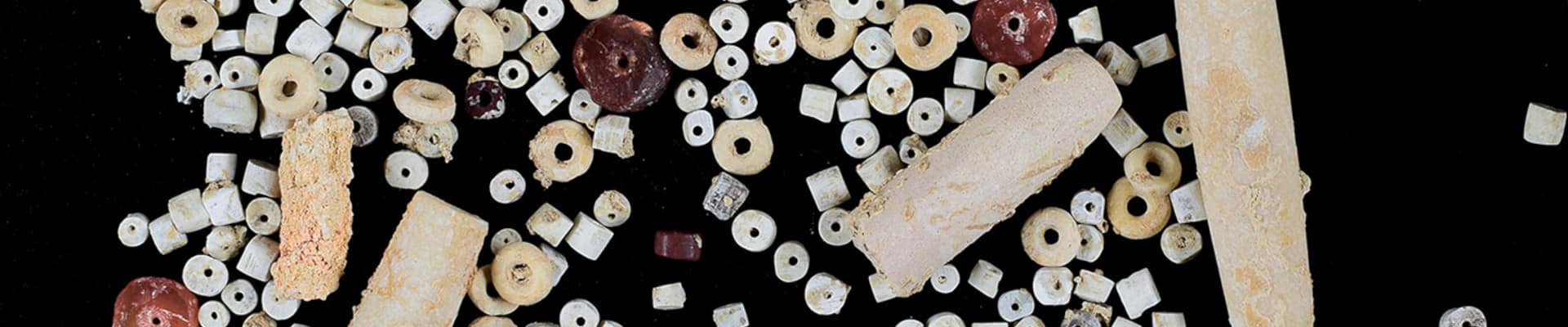
Givʿat Reḥelim (Tell es-Safa) is located on the outskirts of Kibbutz Ayyelet HaShaḥar, in the southern part of the Hula Valley, in the northern part of modern-day Israel. About 50 caves were surveyed on the hill, including several intact burial caves dating to the Intermediate Bronze Age. A small excavation in one of the caves exposed a rich funerary assemblage, including dozens of beads made of carnelian, faience, red coral, and stone. Some of these materials are non-endemic to the southern Levant, and some of the beads were made using technologies that are foreign to the region; these facts indicate trade contacts with distant manufacturing centers. Determining their locations will shed more light on the complex international trade systems of the Intermediate Bronze Age (2500–2000 B.C.E.) in the Levant.
ASOR Members with online access: log into ASOR’s Online Portal here. Once logged in, click the JOURNALS tab in the top navigation bar. Tutorials for how to log in to the Online Portal as well as how to navigate to the Portal Journals page can be found here.
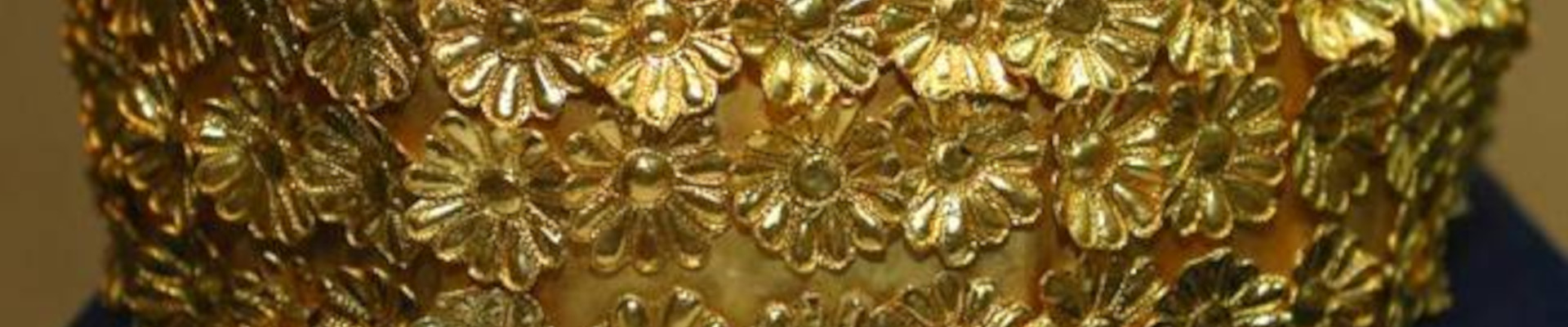
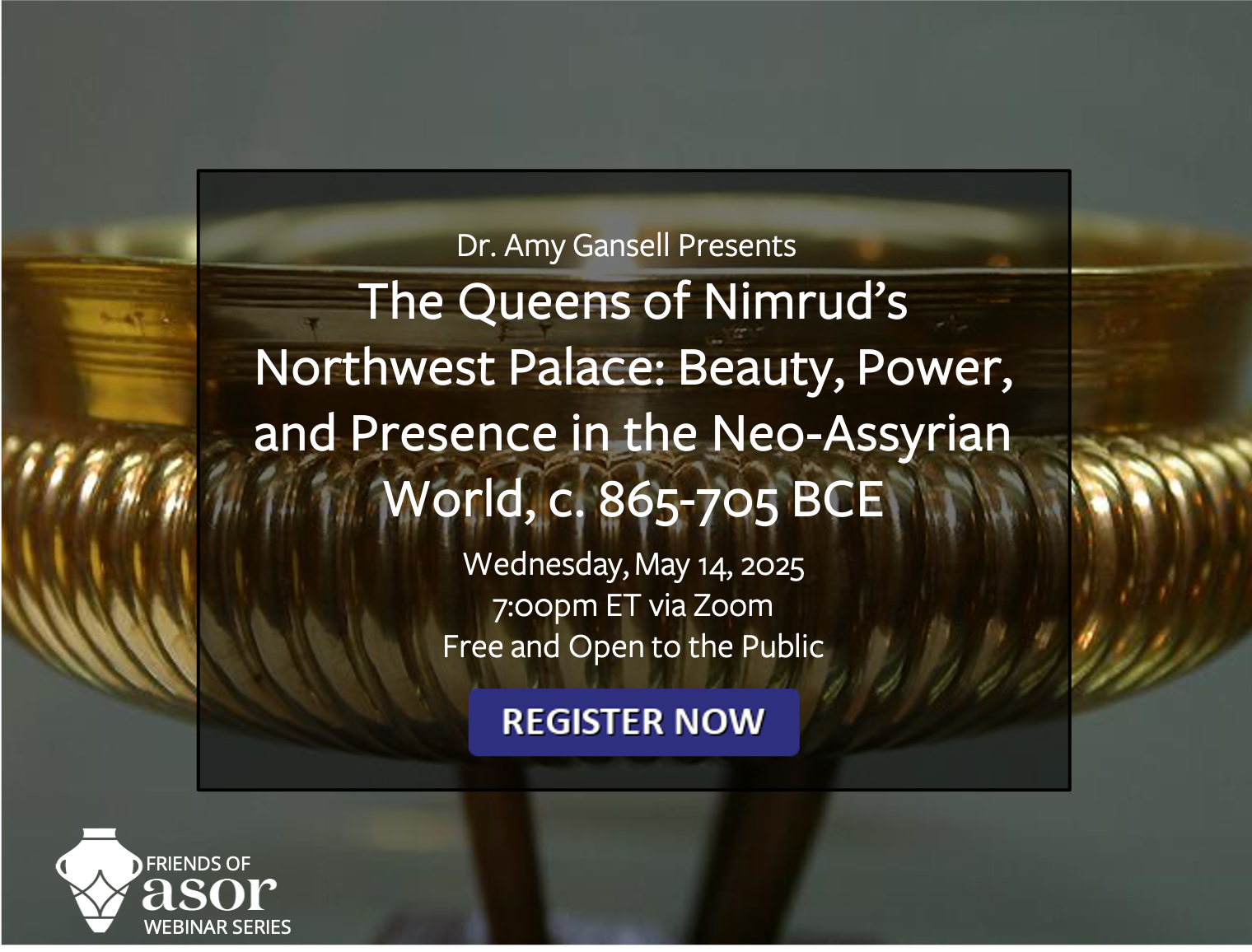
 Nearly three thousand years ago, at the ancient site of Nimrud (near modern Mosul, Iraq), a succession of ten Neo-Assyrian kings reigned in collaboration with their queens from the magnificence of the Northwest Palace, the seat of the empire and center of their world. Too often overshadowed by the well documented legacy of Neo-Assyrian kings, this presentation illuminates the queens who reigned with them. Dr. Gansell focuses on the queens of Nimrud’s Northwest Palace (c. 865–705 BCE) because it is here, in the late 1980s, that Iraqi archaeologists uncovered their partially intact royal tombs. The tombs contained heaps of precious jewelry and regalia, along with cuneiform inscriptions, and even some skeletal remains. Putting together these artifacts of death and connecting them to the art, architecture, and written record of the palace, we can learn about the names, lives, appearance, royal duties, and religious roles of the queens. Piece by piece, and layer by layer, across about 150 years of evidence, we discover the beauty, power, and presence of Nimrud’s Northwest Palace queens in life, death, and for eternity.
 Dr. Amy Gansell is Associate Professor of Art History in the Department of Art & Design at St. John’s University, where she serves as the Assistant Department Chair and Coordinator for the Women’s, Gender, and Sexuality Studies Interdisciplinary Minor. She received her PhD in the History of Art and Architecture from Harvard University in 2008. From 2008 to 2010, Dr. Gansell held a full-time position with the US Department of State as the Associate Coordinator for Afghan and Iraqi Cultural Heritage. In this capacity, she worked on diplomatic projects to restore and build professional capacity at the Afghan National Museum, the National Museum of Iraq, and the site of Babylon. Dr. Gansell returned to academic life in 2010 as a postdoctoral fellow at Emory University’s Bill and Carol Fox Center for Humanistic Inquiry, after which she taught art history to art and design students at Pratt Institute and the State University of New York’s Fashion Institute of Technology (FIT).

 Pp. 4–14: “From Seasonal Hunting Base to Permanent Settlement: Insights from the High-altitude Hormangan Site,” by Morteza Khanipour and Masashi Abe
 Pp. 16-23: “Tappeh Ziar: A Chalcolithic Site along the Zayandeh Rud River Basin (ZRB) in Isfahan, Iran,” by Jaleh Kamalizad and Alireza Sardari
 Pp. 24-34: “Art as the Child of Nature: Investigating the Interplay between Human Society, Environment, and Artistic Production in Prehistoric Bronze Age Cyprus,” by Zuzana Chovanec
 Pp. 36-46: “Ayios Iakovos-Dhima, Ideological Stake-Claiming, and Social Reproduction in Northeast Cyprus in the Late Bronze Age,” by Thomas John William Humphrey
 Pp. 48-56: “Ritual Banqueting at a Hellenistic Sacred Area on the top of Fabrika Hill, Nea Paphos,” by Jolanta Młynarczyk
 Pp. 58-69: “Medieval Settlement Excavations at Arpa, Armenia: Regional Context and Chronology for a Silk Road Town,” by Astghik Babajanyan and Kate Franklin
 Pp. 70-77: “Byzantine Epitaphs: Unearthing New Sources of Christian Socioreligious Landscape from Southeastern Al-Karak Plateau (Southern Jordan),” by Musallam R. Al-Rawahneh
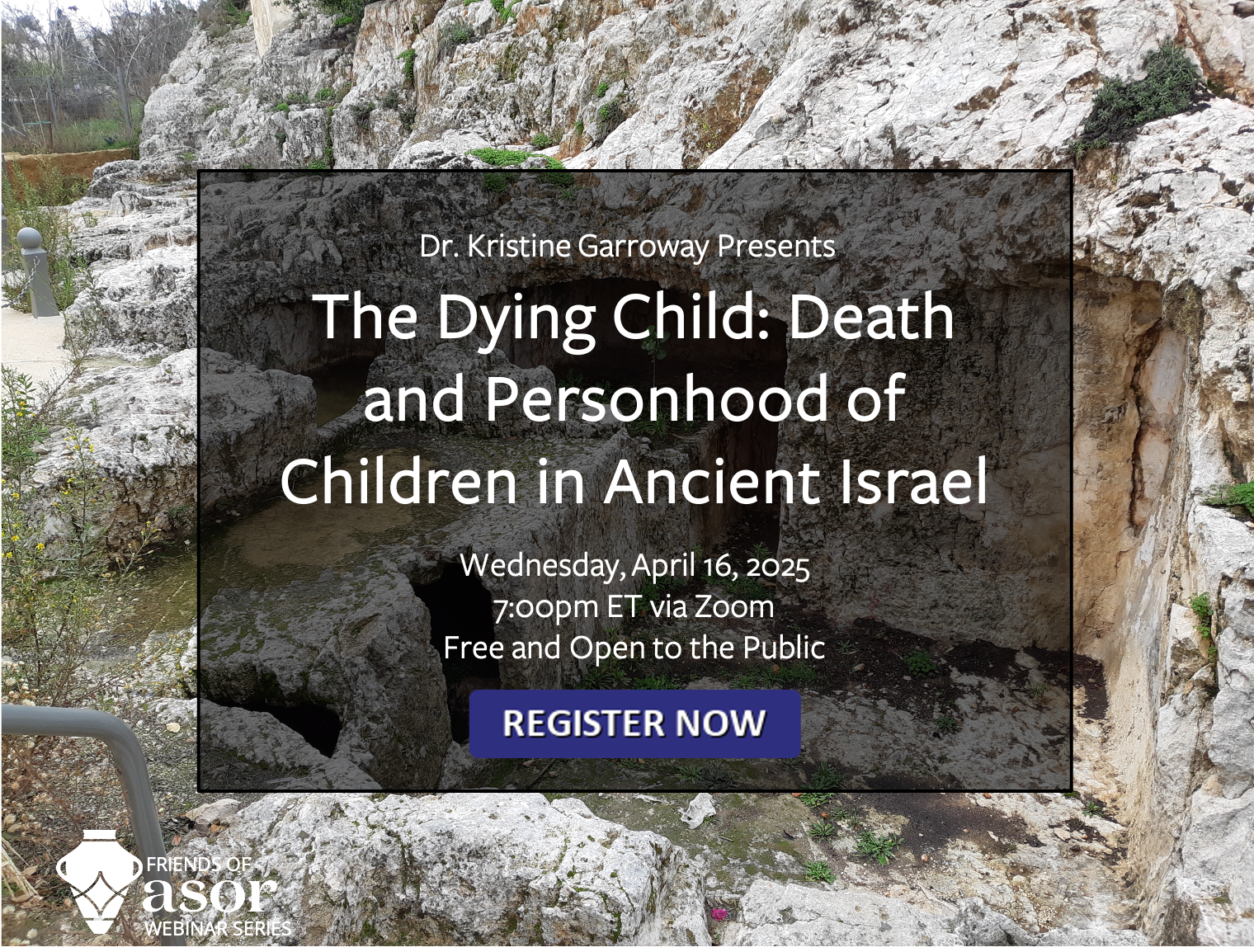
 The death of a child is perhaps the most painful, heartbreaking, and seemingly unnatural experience we have the displeasure of living with. Yet it is difficult to say with certainty whether this sentiment was shared by the inhabitants of ancient Isarel. Some anthropologists have found that in societies which experience a high rate of infant mortality and childhood death, parents remain emotionally detached from their children and do not mourn their deaths. We know that ancient Israel, like many pre-industrial societies, had a very high rate of infant mortality and childhood deaths. Did Israelites therefore care for their dying children? Did they give them a proper burial? Did they consider their children part of their families? The Hebrew Bible does not offer much information on the subject. Every time a child’s death is referenced, it is as a plot device in a narrative to prove an ethical, moral, or theological point. Abraham must sacrifice his child to show his commitment to God; Elijah shows off his wonder-working skills when he revives a dead child; David and Bathsheba’s first child dies because David committed murder and adultery; and Solomon demonstrates his wisdom when he commands a child to be cut in half. Yet, none of the biblical texts discuss how, or even if, Israelites cared for their dying children. Fortunately, there is another source to which we can turn to answer such questions: archaeology.
 Kristine Henriksen Garroway is Professor of Bible at the HUC-JIR’s Skirball Campus in Los Angeles where she joined the faculty in 2011. She received her doctorate in Hebrew Bible and Cognate Studies at the HUC-JIR/Cincinnati in 2009. She has spent time studying and researching in Israel and has participated in excavations at Ashkelon, Tel Dor, and Tel Dan. Garroway’s scholarship focuses on children using archaeology and texts of ancient Israel and Mesopotamia. She has published in various scholarly journals and is a regular contributor to
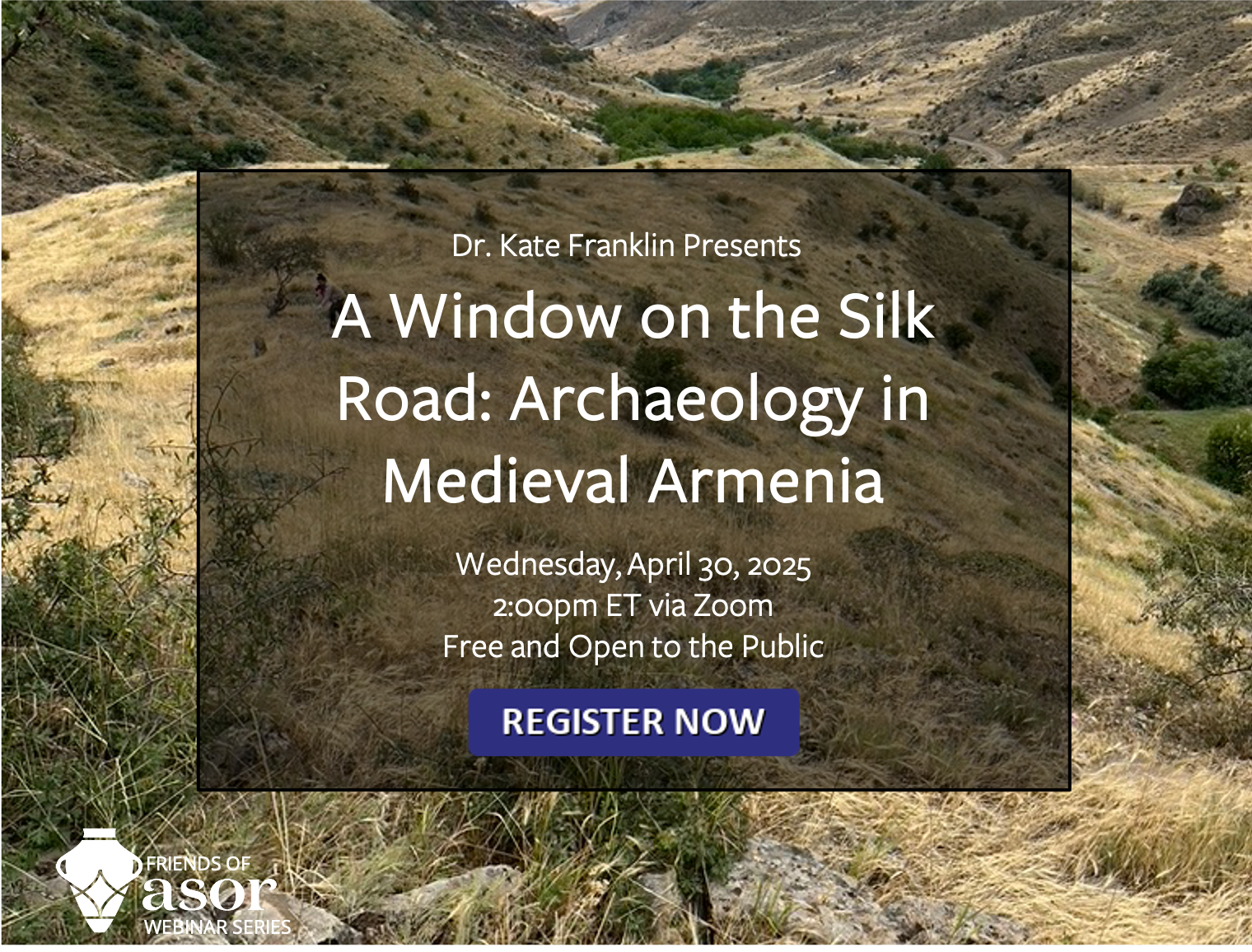
 To imagine the medieval Silk Road is to conjure up images of exotic commerce: camel caravans crossing wind-swept dunes, bustling city bazaars, silks and spices spilling from saddlebags. If these images loom large in modern imaginations of the Silk Road, how did people actually living in the Middle Ages think about long distance trade and travel? Drawing on textual, architectural and archaeological evidence, this talk explores the social lives of people living not in the city centers of medieval commerce, but in the places in-between, along the road. Specifically, the talk invites us to spend some time along the roadside with medieval people in the Armenian highlands, where special-built caravan inns housed travelers heading for the Mediterranean, to China, to the Middle East, and north into the steppe, and where people had their own imaginaries of the wider medieval world. Kate Franklin will share aspects of her work in the Republic of Armenia which show how global cultures emerge hand-in-hand with local worlds.
 Kate Franklin is Senior Lecturer in Medieval History at Birkbeck, University of London. Kate is a landscape archaeologist and historian focused on the intersections of local and large-scale social worlds in the medieval landscapes of what is now the Republic of Armenia, where she has been co-PI of the Vayots Dzor Silk Road Survey for nearly a decade. Kate’s most recent book, Landscapes and Environments of the Middle Ages(Routledge 2023, co-authored with Michael Bintley) explores the cultural history of nature in the medieval period.


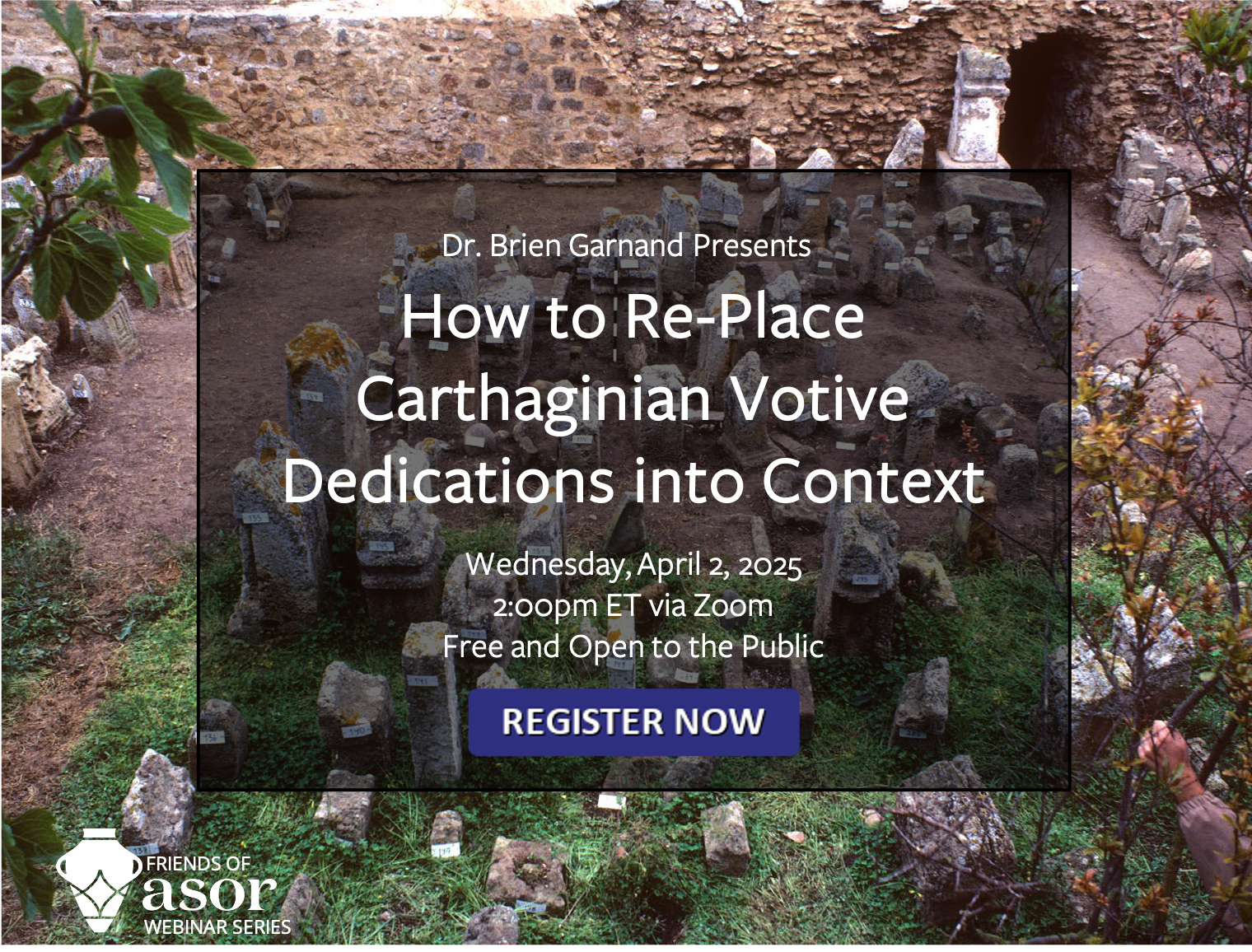
 Upcoming anniversaries of American excavations offer an opportunity to reassess the importance of Carthage, famous for its contacts and conflicts with Greeks and Romans across the Mediterranean and infamous for its alleged ritual infanticide. Two American teams conducted excavations at the city’s liminal open-air votive precinct, where one finds cremated infant remains buried in urns beneath stone memorials bearing dedications to the Mistress, Tinnit Visage-of-Ba‘l, and to the Lord, Ba‘l Hammon.
 The centennial and golden anniversaries of American excavations fast approach—one hundred years ago, F. W. Kelsey of the University of Michigan led a campaign under the auspices of the AIA (1925); fifty years ago, L. E. Stager of University of Chicago led another under the auspices of ASOR (1976-1979). Both teams excavated in the same propriété Regulus-Salammbô, with Stager’s Punic Project excavations picking up where Kelsey had left off. Even before the American campaigns, many stelae had already been extracted through clandestine or amateur excavation, including hasty extractions made just before Kelsey arrived on site, depriving us of their context. Nevertheless, our archival research at the University of Michigan has uncovered excavation records that, in combination with the Punic Project records, allow us to locate stela in plan and section. We have made practice scans of stelae, in the Netherlands and Denmark, in anticipation of scanning individual stela now held in Tunisian museum store rooms. This talk will demonstrate how 3D models of individual stelae can be replaced into their original positions by using archival site plans and annotated photographs and in reference to the positions of those stelae still in situ, and it will demonstrate how we can create a precise scale model of the Regulus-Salammbô sector.
 Brien Garnand is a research associate of the Harvard Museum of the Ancient Near East (HMANE) and a visiting researcher at the Netherlands Institute for the Near East (NINO), currently a member of a research group at the Israel Institute for Advanced Studies (IIAS). He has contributed to the final excavation report from the ASOR Punic Project Carthage excavations since 1993, recently co-editing a preview of that report in a thematic volume of the Journal of Ancient History (Infants as Votive Offerings 2023). Besides cataloging artifacts in the basement of the HMANE and in the store rooms of the Musée national de Carthage, he has scoured the archives of the F. W. Kelsey Museum of Archaeology at the University of Michigan and the J. B. Chabot archives at the Université catholique de Louvain in preparation for an exhibition timed to correspond with the issue of the Punic Project final report on the the 50th/100th anniversaries of American excavations. He once served as assistant director of the Stanford University Excavations at Mt. Polizzo in Sicily, and he has extensive experience in North Africa, both in field survey (Project Jerba—University of Pennsylvania/AAR/INP) and in excavation (Carthage Bir Messaouda—University of Amsterdam/INP). His current research focuses on votive stelae, both putting the formulaic-poetic language of Phoenician inscriptions into the context of Ancient Near Eastern literature and putting the sanctuary of Tinnit and Ba‘l in Carthage into the context of votive precincts across the Mediterranean. A mobility grant from NINO (2022) allowed him to test 3D scanning methods, and a recent ASOR Dar Ben Gacem fellowship (2023) supported a research visit to the Carthage precinct where he prepared a preliminary 3D site model.
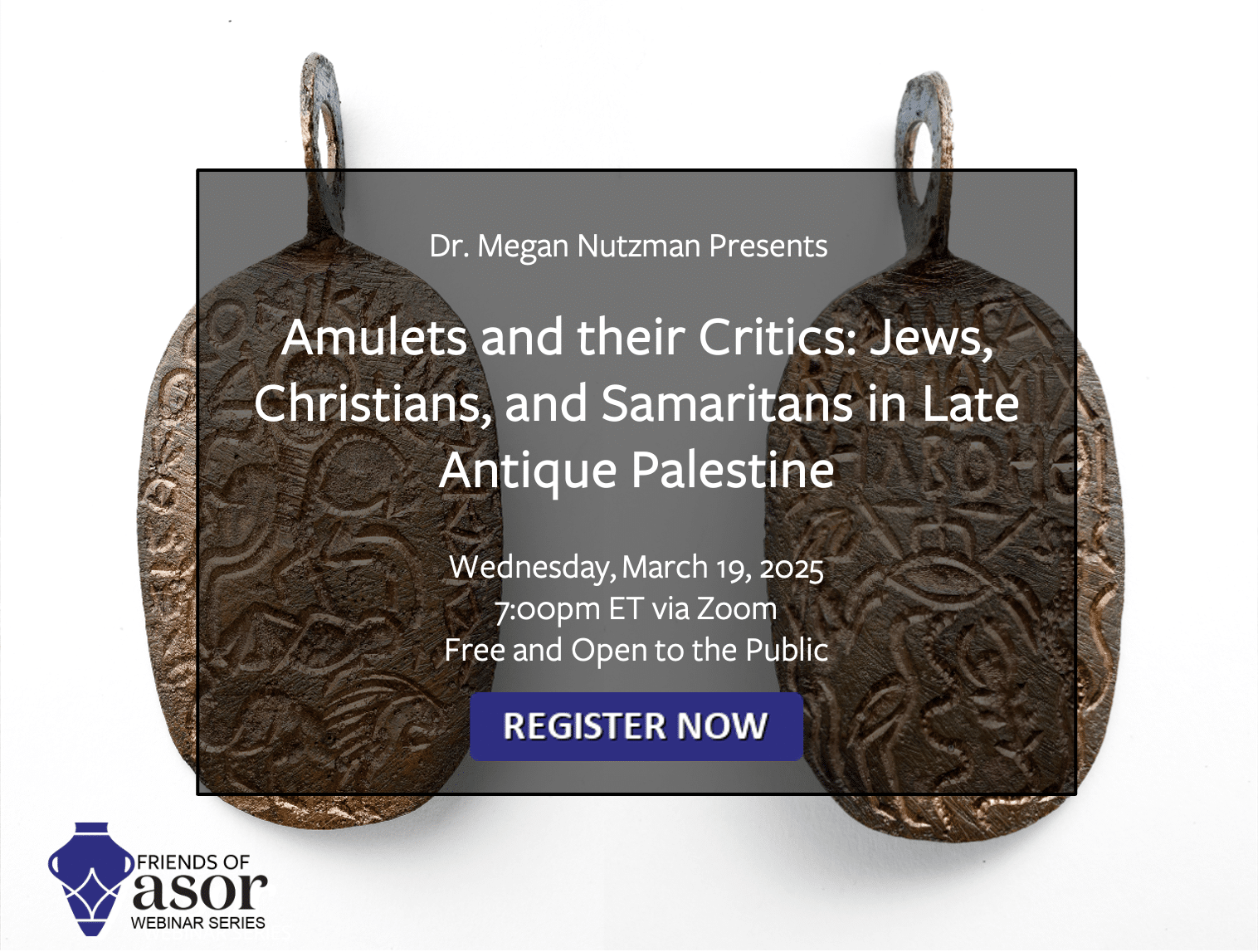
 Medical treatments in the ancient Mediterranean world were rudimentary and often unsuccessful, and so individuals routinely looked for divine aid to cure their afflictions. This lecture considers one of the most common forms of ritual healing employed in Roman and late antique Palestine: amulets. A variety of amulets will be considered in this talk. For example, some amulets contained longer texts written on thin metal sheets or pieces of papyrus, which were then rolled and placed in a case that could be attached to a person’s body. Other amulets took the form of rings, bracelets, pendants, and gemstones, which typically had shorter texts, often accompanied by vivid illustrations.
 With circumstances of close cultural contacts—such as prevailed in Palestine—the setting was ripe for Jews, Samaritans, and Christians to borrow forms of ritual healing that were perceived to be efficacious and to alter them to fit their own religious framework. This is particularly true for amulets, which employed similar techniques including the quotation of biblical passages and the use of magical symbols and names. As a result of these overlapping amulet traditions, it can be difficult in some cases even to be certain about the religious community to which the person who created the amulet or the person who wore the amulet belonged. The cultural and religious interactions revealed by amulets demonstrate the porousness of the boundaries that separated these communities, and made them the subject of polemical discourse among elite authors trying to police collective borders.
 Megan Nutzman is Associate Professor of History at Old Dominion University. She received her PhD in Classics from the University of Chicago and holds an M.T.S. and a Th.M. from Holy Cross Greek Orthodox School of Theology. Her research focuses on the history and material culture of Greek and Roman cults, Jews, and Christians in the eastern Mediterranean, and especially on interactions among them. Her 2022 book, Contested Cures: Identity and Ritual Healing in Roman and Late Antique Palestine, received the Frank Moore Cross book award in 2023. It examines the various methods that people used to seek divine healing and the rhetoric of elite authors who used the acceptance or avoidance of certain healing rituals as markers of group identity. Some of her other publications have considered Jewish epitaphs from Rome, hot springs as sites of ritual healing, the relationship between amulets and tefillin, and the portrayal of Mary in the Protevangelium of James. She has received funding for her research from the Albright Institute for Archaeological Research in Jerusalem, from the Frankel Institute for Advanced Judaic Studies at the University of Michigan, from the American Council of Learned Societies, and from the National Endowment for the Humanities. At ODU, she teaches courses on ancient Greece and Rome and on early Christianity.
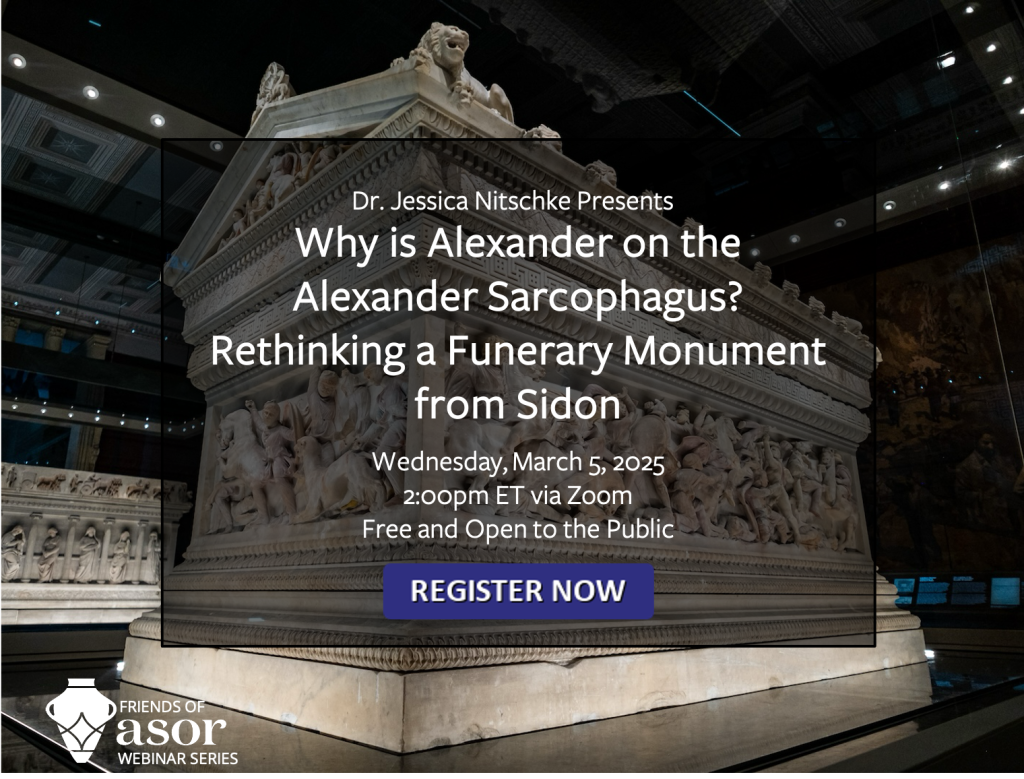

 Jessica Nitschke is a Research Fellow and contract Lecturer in the Department of Ancient Studies at Stellenbosch University in South Africa; she is also the editor of ASOR’s outreach publication
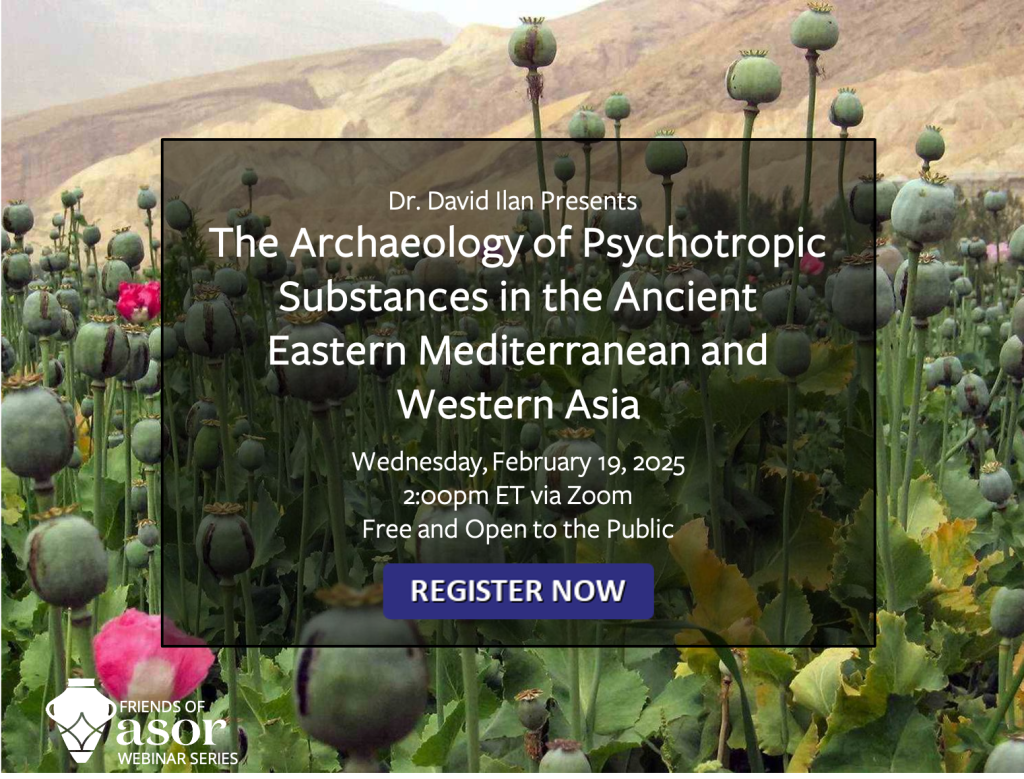
 The texts of the ancient Near East and eastern Mediterranean Bronze and Iron Ages (including the Hebrew Bible) hint at the use of psychotropic substances (“hallucinogens”) in religious and shamanistic rituals. But the archaeological evidence for this is thin on the ground. This talk will look at the various available hallucinogenic substances and at recent research that indicates their consumption by human beings before examining artifacts that Dr. Ilan (and now others) believe are related to achieving altered states of consciousness. These include ring kernoi, seal impressions from the Aegean region, metal sceptres from the Chalcolithic period, ivory wands from the Late Bronze and Iron Ages, and the altars from the Iron Age temple at Tel Arad. The “high place” takes on a new meaning!
 A native of Los Angeles, David llan was the director of the Nelson Glueck School of Biblical Archaeology at the Hebrew Union College in Jerusalem from 2003 to 2024. He has excavated at Tel Arad, Tel Malhata, Tel Yoqneam and Tel Megiddo and directed the excavations at Tel Dan from 2005 to 2022. He teaches at the Hebrew Union College and has taught at Tel Aviv University, Hebrew University, Johns Hopkins University and spent a sabbatical year in 2019-2020 at the Center for the Study of Origins of the University of Colorado, Boulder. Dr. Ilan specializes in mortuary archaeology, the archaeology of religion and ritual, ground stone artifacts, ceramic typology and technology, and the Chalcolithic period, the Middle Bronze Age and the early Iron Age of the southern Levant. He is the editor of the journal NGSBA Archaeology and the monograph series of the Nelson Glueck School. Dr. Ilan has published three final excavation reports and numerous articles in scholarly journals and in the popular press. His most recent articles deal with the praxis and paraphernalia of ritual action and religious belief in the ancient Near East, including the use of psychotropic substances.