 Eric H. Cline is Professor of Classics and Anthropology, Director of the Capitol Archaeological Institute, and former Chair of the Department of Classical and Near Eastern Languages and Civilizations at The George Washington University, in Washington DC. With degrees from Dartmouth, Yale, and the University of Pennsylvania, he is an active field archaeologist with more than 30 seasons of excavation and survey experience, including ten seasons at the site of Megiddo (biblical Armageddon) in Israel and eight seasons at Tel Kabri, also in Israel, where he is currently Co-Director. His 2014 book 1177 BC: The Year Civilization Collapsed was considered for a Pulitzer Prize. He is the author or editor of 20 books, which have been translated into sixteen languages, as well as nearly 100 articles, and several recorded lecture courses.
 Kathlyn (Kara) Cooney is a professor of Egyptian Art and Architecture and Chair of the Department of Near Eastern Languages and Cultures at UCLA. Cooney’s research in coffin reuse, primarily focusing on the 21st Dynasty, is ongoing. Her book Recycling for Death will appear in the coming year with American University Press in Cairo. This research investigates the socioeconomic and political turmoil that has plagued the period, ultimately affecting funerary and burial practices in ancient Egypt. Her latest book, When Women Ruled the World: Six Queens of Egypt, was published in 2018 by National Geographic. Her next book, The Good Kings: Absolute Power in Ancient Egypt and the Modern World appears with National Geographic in 2021.
 Jennie Ebeling is associate professor of archaeology at the University of Evansville and co-director (with Norma Franklin) of the Jezreel Expedition in Israel. A former Fulbright fellow, she has been awarded fellowships from the NEH, the Lady Davis Trust, and the W.F. Albright Institute of Archaeological Research in Jerusalem for research in Israel and Jordan. Ebeling served as an ASOR Trustee for nine years and Vice President (Membership) for three and received the Charles U. Harris Service Award in 2013. She currently edits ASOR’s Archaeological Report Series. Ebeling is the co-editor of four volumes and the author of Women’s Lives in Biblical Times (T&T Clark, Int’l, 2010).
 Ahmad Emrage is ASOR’s representative for heritage activities in Libya (East), Dr. Emrage manages ASOR’s cultural heritage grants and activities in the eastern area of Libya. He also serves as a senior advisor for ASOR’s work throughout Libya and North Africa. Emrage holds the B.A. and M.A. degrees in Archaeology from University of Benghazi, and the Ph.D. degree from the School of Archaeology and Ancient History, University of Leicester. During the 2019–20 academic year, Emrage held a Fulbright Fellowship to teach courses on Libyan cultural heritage at Oberlin College (Ohio, USA).
 Lawrence (Larry) T. Geraty, President Emeritus, Director of the Foundation Board and Associate Director of the Center for Near Eastern Studies at La Sierra University, has been engaged with Near Eastern archaeology and with ASOR and its affiliate schools for more than five decades. In this time, he has taken on leadership roles as ASOR President from 2002 to 2006 and by serving on the ASOR Board through 2016 and acting as an Honorary Trustee since then. Larry has also served as ACOR trustee (1976-2002), Secretary-Treasurer (1983) and vice-president (1993). The creation of the newly endowed ASOR Lawrence T. Geraty Community Archaeology Endowment will heighten awareness of cultural heritage by engaging and facilitating partnerships with local communities in heritage protection and community archaeology.
 Felix Höflmayer studied Egyptology and Classical Archaeology at the University of Vienna and received his PhD in 2010. From 2009 to 2013, he was a researcher at the Orient Department of the German Archaeological Institute, in Amman (Hashemite Kingdom of Jordan) and Berlin. From 2013 to 2015, he was the Post-Doctoral Fellow at the Oriental Institute of the University of Chicago. In 2015, he returned to the Austrian Academy of Sciences in Vienna. Felix teaches at the Institute of Old Testament Studies and Biblical Archaeology, the Institute of Oriental Studies, and the Institute of Egyptology at the University of Vienna. Since 2017, he co-directs the Austrian excavations at Tel Lachish (Israel) together with Katharina Streit.
 Katherine Jones is a statistician and data scientist, and is currently pursuing graduate studies in mathematics at The George Washington University. In her professional work, Kate focuses on quantitative economic analysis; she works on teams which study antitrust and competition effects, often using Big Data.
 Thomas Kline is a partner at the law firm Cultural Heritage Partners in Washington, D.C. He is responsible for a number of groundbreaking cases, including setting precedent in the law governing recovery of antiquities and Nazi-looted art. Tom advises clients on a wide variety of art and cultural property matters, including ownership, theft, authenticity, breach of contract, and insurance. Since 1989 he has specialized in cultural heritage-related litigation, arbitration, alternative dispute resolution, and advice and counseling, representing governments, museums, churches, foundations, and families. Tom is an Adjunct Professorial Lecturer at The George Washington University, Museum Studies Program.
 Carol Meyers received the A.B. with honors from Wellesley College and the M.A. and Ph.D. in Near Eastern and Judaic Studies from Brandeis University. She is currently the Mary Grace Wilson Professor Emerita of Religious Studies at Duke University. Meyers is the author of more than 450 articles, reports, reference-book entries, and reviews; and she has authored, co-authored, or edited twenty-two books. Her 2013 book, Rediscovering Eve: Ancient Israelite Women in Context, is a landmark study of women in ancient Israelite society. Meyers has worked on numerous digs since she was an undergraduate, and she has been a staff member and then co-director of several archaeological projects in Israel. She has been a frequent consultant for media productions relating to archaeology and the Bible, including A&E’s Mysteries of the Bible series, DreamWorks’s “Prince of Egypt,” NOVA’s “The Bible’s Buried Secrets,” and several National Geographic documentaries.
 Megan A. Perry is Professor of Anthropology with East Carolina University. She holds degrees from the University of New Mexico (Ph.D.), Case Western Reserve University (M.A.), and Boston University (B.A.). Her primary research interests involve investigating human skeletal remains to assess ancient disease, diet, and mobility patterns, in addition to mortuary practices of ancient populations in 1st to 6th century A.D. Jordan. Professor Perry has been working on archaeological projects in Jordan for over 25 years, and she is on the Board of the American Center of Overseas Research (ACOR) in Amman, Jordan.
 Debora Heard is a Ph.D. Candidate in Anthropology at the University of Chicago specializing in Nubian archaeology and Egyptian history and language. Her current research compares the inscriptions and iconography of Kushite temples dedicated to the gods Amun and Apedemak. For more than a decade, she has given public lectures on various aspects of ancient Nubian society, particularly the role of royal women in Kushite society. A member of several archaeological and ancient studies organizations, she is the organizer and a founding member of the newly-launched William Leo Hansberry Society, which is committed to providing African-descended people pathways to careers in ancient Nile Valley and Northeast African Studies.
 William Raynolds is Co-director of the Garden Collection at the Egyptian Museum in Cairo (Egypt), a consultant for the World Monuments Fund (Haiti), the J. M. Kaplan Fund, the American Archaeological Mission in Libya, and Co-Director of ASOR Cultural Heritage Initiatives. Following his time at Yarmouk University (Jordan), where he was a Fulbright Fellow affiliated with the Department of Archaeology, Mr. Raynolds completed his MSc. in Historic Preservation from Columbia University, New York (2009).
 Christopher Rollston (MA, Ph.D. Johns Hopkins University) is Professor of Northwest Semitic Languages and Literatures at George Washington University (Washington, D.C.), where he is Chair of the Department of Classical and Near Eastern Languages and Civilizations. His research focuses heavily on writing and literacy in the world of the Bible, ancient scribal education, ancient Israelite religion, modern forged inscriptions. He has lectured and published widely in the field. For six years, he co-edited (with Eric H. Cline) BASOR. Rollston’s volume entitled Forging History in the Ancient World of the Bible & the Modern World of Biblical Studies is forthcoming with Eerdmans.
 Stuart Swiny: Born in Scotland, and educated in France and England, Professor Swiny completed his doctoral degree at the London University, Institute of Archaeology. He has conducted archaeological and anthropological research in Iran, Afghanistan, Cyprus, and has also excavated in France, Turkey (underwater), and Egypt. Swiny served as longtime Director of the Cyprus American Archaeological Research Institute (CAARI). In 1996, he was appointed professor in Classics and Anthropology at the University at Albany, and later served as director of the Institute of Cyrpriot Studies. Swiny, archaeologist whose work on Cyprus now spans six decades, is currently the Curator of the Sawin Museum in Dover, MA.
 Susan Ackerman is the Preston H. Kelsey Professor of Religion, Professor of Women’s, Gender, and Sexuality Studies, and the former Chair of both the Department of Religion and the Program in Women’s, Gender, and Sexuality Studies at Dartmouth College. She also earned her A.B. degree at Dartmouth, and earned a Masters of Theological Studies at Harvard Divinity School and a Ph.D. in Near Eastern Languages and Civilizations from the Harvard Graduate School of Arts and Sciences. Her research specialties include the religion of ancient Israel, women and gender in ancient Israel, myth and ritual studies in ancient Israel. She recently completed a draft of a new book, on women and the religion of ancient Israel, and is currently at work on another book on Israelite women’s life-cycle rituals.
 Theodore (Teddy) Burgh is Professor and Chair of the Department of Philosophy and Religion at the University of North Carolina Wilmington. His research specialties include the archaeology of ancient Israel and the Near East, the Hebrew Bible, archaeomusicology (the study of ancient music culture), the reconstruction of Syro-Palestinian and Near Eastern music culture and cataloging musical artifacts, utilization analysis of Syro-Palestinian sacred and secular space, and ethnomusicology. Burgh is himself an accomplished musician (he plays flute, clarinet, and saxophone), and in addition to his university career, he enjoys composing and performing. He is a member of the FROG Project and Lee Venters and Vermillion Sands (Wilmington, NC). Burgh has been on the ASOR Board of Trustees since 2015, and he is currently Chair of ASOR’s Membership and Outreach Committee.
 Erin Darby is an associate professor of Religious Studies at the University of Tennessee. She is an expert in the Hebrew Bible, archaeology, and ancient Near Eastern history and literature. At the University of Tennessee, she is one of the founding members of the Partnership for the Academic Study of Early Judaism, the Knoxville ArabFest cultural festival, the UT Archaeology Day outreach event, and the Tennessee Initiative for Middle East Studies. Darby is also the co-director of the ASOR-affiliated ‘Ayn Gharandal Archaeological Project in southern Jordan, where she is excavating a Nabataean-Islamic period site and leading the UT Dig Jordan study abroad program.
 Tiffany Earley-Spadoni is an Assistant Professor of History at the University of Central Florida. She directs the ASOR-affiliated Vayots Dzor Fortress Landscapes Project in Armenia, and is the Chair of ASOR’s Early Career Scholars Committee. She is a field archaeologist and historian of the ancient Near East. She has authored numerous articles in esteemed scholarly publications such as the Journal of Archaeological Science and Advances in Archaeological Practice. Her monograph project, Landscapes of Warfare: Urartu in Ancient Near Eastern Context is under advance contract with the University Press of Colorado. She received her PhD from the Johns Hopkins University.
 Timothy Harrison is Professor of Near Eastern Archaeology in the Department of Near and Middle Eastern Civilizations at the University of Toronto. Dr. Harrison earned the Ph.D. in Near Eastern Archaeology from the University of Chicago. He has directed excavations at the Bronze and Iron Age site of Tell Madaba, Jordan, and currently is directing the Tayinat Archaeological Project on the Plain of Antioch in southeastern Turkey. In 2012, he launched the CRANE Project (Computational Research on the Ancient Near East), an international consortium of projects conducting research in the Orontes Watershed (www.crane.utoronto.ca). He served as President of ASOR from 2008–2013.
 Ann-Marie Knoblauch is Associate Professor of Art History and Associate Director of the School of Visual Arts at Virginia Tech. Her research interests bridge east and west, especially Cyprus and Greece during the archaic and classical periods. She is especially concerned with articulating the voices of underrepresented groups in the ancient Mediterranean world — non-Athenian and non-male — through the material culture left behind. This approach to the ancient world manifests itself in two main research endeavors, investigations into the visual iconography of Athenian women and active fieldwork on the island of Cyprus. Knoblauch has been involved in the excavations of Idalion, Cyprus, since 1998, and on Cyprus, she has also excavated at Yeronisos Island. She has also excavated in Israel and Greece.
 Sydney A. Pickens is a dancer, archaeologist, and educator who is passionate about making archaeology accessible and exciting through embodied learning. She is an Archaeology Educator for Archaeology in the Community, and specializes in K-12 archaeology educational programming.
 Tine Rassalle is a PhD candidate in the Religious Studies department at the University of North Carolina at Chapel Hill. She has an MA in Archaeology of the ancient Near East from Gent University (Belgium) and another BA in Hebrew and Aramaic Languages and Cultures from Leiden University (the Netherlands). Her main research focuses on the material culture of ancient Judaism and early Christianity in Palestine. She is currently finishing up her dissertation project: a digital database of coin deposits found in ancient synagogues from Late Antique Palestine. Tine is the field supervisor of the Horvat Kur excavations in the Galilee, an executive staff member of SASA (Save Ancient Studies Alliance), and a member of the ASOR Early Career Scholars Committee.

Cynthia Shafer-Elliott (Ph.D., The University of Sheffield) is Associate Dean of the School of Theology and Leadership and Associate Professor of Hebrew Bible & Archaeology at William Jessup University. Dr. Shafer-Elliott specializes in the cultural and social contexts of ancient Israel and Judah, particularly within domestic contexts. Her publications include: Food in Ancient Judah: Domestic Cooking in the Time of the Hebrew Bible (2013) and editor of The 5 Minute Archaeologist in the Southern Levant (2016), along with numerous chapters, encyclopedia articles, articles, essays, and papers presented on food, households, and gender. She is currently co-editing the T & T Clark Handbook of Food in the Hebrew Bible and Ancient Israel. An experienced field archaeologist, she is part of the archaeological excavations at Tel Halif and Tel Abel Beth Maacah.
 Michael K. Toumazou is a native of Famagusta, Cyprus. He attended Franklin & Marshall College (BA, Physics & Classics, 1977), Loyola University of Chicago (MA, Classics, 1980) and Bryn Mawr College (MA, & Ph.D., Classical & Near Eastern Archaeology, 1983, 1987). He has taught at Davidson College (Davidson, NC) since 1987 where he served as Chair of the Department of Classics (1995-2001), directed Davidson’s Classics Study Abroad Program (2003, 2007, 2012) and received Davidson’s most prestigious teaching award in 2003. In 1990 he founded, and since then directed, the Athienou Archaeological Project in Athienou, Cyprus, in conjunction with an archaeological field school, supported by multiple NSF-REU-Site Awards (1995-2015). As an NEH Senior Scholar at CAARI (spring 1995) he investigated looting practices on Cyprus. Toumazou has translated into English two books on Cypriot topics, has lectured widely and published many reports and articles on his field work on the island.


 The Trustee Nominations Committee announces an open call for (self) nominations for the ASOR Board of Trustees (Class of 2024). There are three primary responsibilities of the members of the Board of Trustees:



 We did it (again)!
 A Time for Change
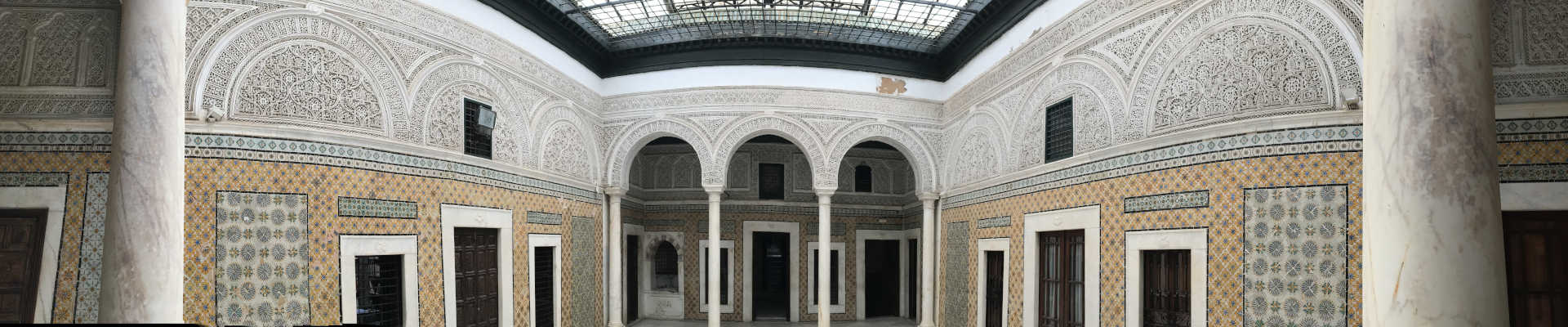
 A Time for Change
 A Time for Change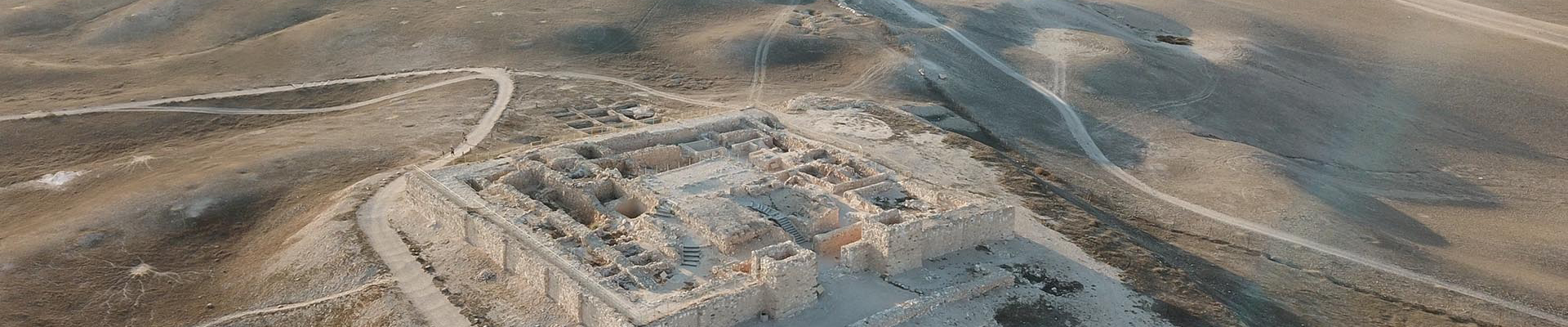



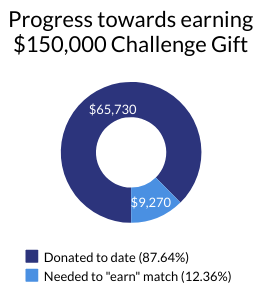
 This ambitious, expedited campaign is made possible by a 2:1 leadership pledge of $150,000 by Trustee Carolyn Midkiff Strange. We can reach our goal by raising $75,000. Every dollar contributed (up to $75,000) will be matched with two dollars. A contribution of $100, will be matched with $200; a gift of $5,000, will be matched with $10,000; and so forth.