مبادرات التراث الثقافي في أفريقيا اليوم

[vc_row fullwidth=”true” attached=”true” css=”.vc_custom_1496247803139{padding-top: 0px !important;padding-right: 0px !important;padding-bottom: 0px !important;padding-left: 0px !important;}”][vc_column][vc_single_image image=”92761″ img_size=”full” alignment=”center”][/vc_column][/vc_row][vc_row fullwidth=”true” css=”.vc_custom_1620063527766{padding-top: 0px !important;padding-right: 0px !important;padding-bottom: 0px !important;padding-left: 0px !important;}”][vc_column width=”1/12″ css=”.vc_custom_1496683820796{margin-right: 10px !important;}” offset=”vc_hidden-md vc_hidden-sm vc_hidden-xs”][vc_column_text]

 SHARE

[/vc_column_text][mk_image src=”http://www.asortest.org/wp-content/uploads/2017/01/social-fb-icon4.jpg” image_width=”42″ image_height=”42″ hover=”false” custom_url=”https://www.facebook.com/ASOResearch/” margin_bottom=”0″][mk_image src=”http://www.asortest.org/wp-content/uploads/2017/01/social-tw-icon4.jpg” image_width=”42″ image_height=”42″ hover=”false” custom_url=”https://twitter.com/ASOResearch?ref_src=twsrc%5Egoogle%7Ctwcamp%5Eserp%7Ctwgr%5Eauthor” margin_bottom=”0″][mk_image src=”http://www.asortest.org/wp-content/uploads/2017/01/social-in-icon4.jpg” image_width=”42″ image_height=”42″ hover=”false” custom_url=”https://www.linkedin.com/company/american-schools-of-oriental-research” margin_bottom=”0″][mk_image src=”http://www.asortest.org/wp-content/uploads/2017/01/social-ml-icon_7.jpg” image_width=”42″ image_height=”42″ hover=”false” custom_url=”mailto:info@asor.org” margin_bottom=”0″][mk_image src=”http://www.asortest.org/wp-content/uploads/2017/01/blog-icon3.jpg” image_width=”42″ image_height=”42″ hover=”false” custom_url=”http://asor.org/blog” margin_bottom=”0″][/vc_column][vc_column border_color=”rgba(255,255,255,0.01)” width=”1/6″ css=”.vc_custom_1496683923840{margin-right: 20px !important;border-left-width: 2px !important;padding-right: 20px !important;padding-left: 20px !important;border-left-color: #99422f !important;}”][mk_divider divider_color=”rgba(255,255,255,0.01)” thickness=”1″ margin_top=”3″ margin_bottom=”3″][vc_widget_sidebar sidebar_id=”ca-sidebar-39801″][/vc_column][vc_column border_color=”rgba(170,170,170,0.01)” width=”1/2″ css=”.vc_custom_1487276122024{margin-right: 10px !important;margin-bottom: 30px !important;border-right-width: 2px !important;border-bottom-width: 2px !important;padding-top: 30px !important;padding-right: 30px !important;padding-left: 20px !important;background-color: #ffffff !important;border-right-color: rgba(227,228,228,0.75) !important;border-bottom-color: rgba(227,228,228,0.75) !important;}”][vc_column_text responsive_align=”left”]

مبادرات التراث الثقافي في أفريقيا اليوم

[/vc_column_text][vc_row_inner][vc_column_inner width=”1/2″ css=”.vc_custom_1711131898290{padding-right: 10px !important;}”][vc_wp_text]
View Page in English
[/vc_wp_text][/vc_column_inner][vc_column_inner width=”1/2″][vc_wp_text]
Voir cette page en français
[/vc_wp_text][/vc_column_inner][/vc_row_inner][mk_divider][vc_wp_text]

جدول البرنامج

انقر على روابط الجلسة أدناه لعرض الجدول الزمني لكل يوم

[/vc_wp_text][vc_row_inner][vc_column_inner width=”1/3″ css=”.vc_custom_1711469918695{padding-right: 10px !important;}”][vc_wp_text]
الخميس 11 نيسان/أبريل

ليبيا

[/vc_wp_text][/vc_column_inner][vc_column_inner width=”1/3″ css=”.vc_custom_1711469927415{padding-right: 10px !important;}”][vc_wp_text]
الجمعة 12 نيسان/أبريل

شمال افريقيا

[/vc_wp_text][/vc_column_inner][vc_column_inner width=”1/3″][vc_wp_text]
السبت 13 نيسان/أبريل

الساحل

[/vc_wp_text][/vc_column_inner][/vc_row_inner][vc_single_image image=”95724″ img_size=”full” alignment=”center” onclick=”custom_link”][mk_padding_divider size=”20″][vc_wp_text]

تعلن ASOR CHI بفخر عن مبادرات التراث الثقافي في أفريقيا اليوم، وهي ندوة مجانية مدتها ثلاثة أيام تسلط الضوء على عمل المتخصصين في التراث المحلي والأكاديميين ومنظمات المجتمع المدني لحماية التراث الثقافي والحفاظ عليه وتعزيزه في شمال أفريقيا ومنطقة الساحل. ترحب بكم ASOR لحضور الندوة عبر تطبيق ZOOM في الفترة الممتدة من 11 إلى 13 أبريل/نيسان، والتي ستتضمن نشاطات التراث الثقافي في ليبيا (11 أبريل/نيسان)، والمغرب العربي (12 أبريل/نيسان)، ومنطقة الساحل (13 أبريل/نيسان).ستستمر كل جلسة من الساعة 11:00 إلى الساعة 13:00 بتوقيت شرق الولايات المتحدة.

  • لا يشترط التسجيل لحضور هذا الحدث. يرجى العودة إلى صفحة الويب هذه في كل يوم من أيام الندوة للوصول إلى رابط Zoom.
  • سيتم توفير ترجمة فورية باللغات العربية والإنجليزية والفرنسية.
[/vc_wp_text][mk_padding_divider size=”20″][mk_divider margin_bottom=”30″][vc_wp_text]

حماية التراث الثقافي الليبي

الخميس 11 نيسان/أبريل 2024

١١-١٢ بتوقيت شرق الولايات المتحدة | العروض التقديمية (10 دقائق لكل منها)

١٢-١ بتوقيت شرق الولايات المتحدة | المناقشات الخاضعة للإشراف

[/vc_wp_text][mk_button style=”outline” corner_style=”rounded” outline_skin=”#2f2f80″ outline_hover_skin=”#ffffff” url=”https://asor-org.zoom.us/j/85986119884″ target=”_blank” align=”center”]انضم إلى الندوة على زووم[/mk_button][mk_divider][vc_wp_text]
رؤساء الجلسة

عايدة م. الجروشي

الجمعية الأمريكية للأبحاث الخارجية ASOR

احمد إمراج

الجمعية الأمريكية للأبحاث الخارجية ASOR

[/vc_wp_text][mk_divider divider_width=”one_half” thickness=”1″][vc_wp_text]

جيف امبرلينج

جامعة ميشيغان، الولايات المتحدة الأمريكية

التراث الثقافي في الأوقات المضطربة: المشاركة التعاونية في الكرو وجبل البركل، السودان
[/vc_wp_text][mk_divider divider_width=”one_third” thickness=”1″][vc_wp_text]

مفتاح أحمد الحداد

جامعة الزيتونة ودائرة الآثار، ليبيا

نهج عملي لحماية مواقع التراث الثقافي من النشاط البشري في ليبيا: وادي ماجر كمثال لدراسة حالة
[/vc_wp_text][mk_divider divider_width=”one_third” thickness=”1″][vc_wp_text]

أحمد بوزيان

جامعة ليستر، المملكة المتحدة

معاصر الزيتون القديمة وإنتاج الزيت في برقة (شمال شرق ليبيا)
[/vc_wp_text][mk_divider divider_width=”one_third” thickness=”1″][vc_wp_text]

عايدة م. الجروشي

الجمعية الأمريكية للأبحاث الخارجية ASOR

توثيق الاستمرار في تحويل مركز طرابلس التاريخي: تغيير حي بلخير
[/vc_wp_text][mk_divider divider_width=”one_third” thickness=”1″][vc_wp_text]

خالد محمد الهدار

جامعة بنغازي، ليبيا

وضع المتاحف الأثرية الليبية أثناء الحرب والسلم وسبل حمايتها
[/vc_wp_text][mk_divider divider_width=”one_third” thickness=”1″][vc_wp_text]

جوليا نيكولاوس

علم الآثار البحرية المهددة بالانقراض في شمال أفريقيا; جامعة أولستر، المملكة المتحدة

استكشاف آثار تغير المناخ وتآكل السواحل على التراث البحري في ليبيا
[/vc_wp_text][mk_divider margin_bottom=”30″][vc_wp_text]

التراث الثقافي في شمال افريقيا

الجمعة 12 نيسان/أبريل 2024

١١-١٢،٢٠ بتوقيت شرق الولايات المتحدة | العروض التقديمية (10 دقائق لكل منها)

١٢،٢٠-١ بتوقيت شرق الولايات المتحدة | المناقشات الخاضعة للإشراف

[/vc_wp_text][mk_button style=”outline” corner_style=”rounded” outline_skin=”#2f2f80″ outline_hover_skin=”#ffffff” url=”https://asor-org.zoom.us/j/81853412565″ target=”_blank” align=”center”]انضم إلى الندوة على زووم[/mk_button][mk_divider][vc_wp_text]
رئيسة الجلسة

رتيبة ريجالما

جامعة ابن زهر، المغرب

[/vc_wp_text][mk_divider divider_width=”one_third” thickness=”1″][vc_wp_text]

عواطف بحرون

جامعة منوبة، تونس

المقبرة اليهودية المهددة بالانقراض في مدينة سليمان، تونس
[/vc_wp_text][mk_divider divider_width=”one_third” thickness=”1″][vc_wp_text]

جمال الدين بن سعيدان

قرطاجينا، تونس

توثيق التراث المهدد بالانقراض كأداة للتواصل بين الأقليات التونسية
[/vc_wp_text][mk_divider divider_width=”one_third” thickness=”1″][vc_wp_text]

لسعد دنداني ونوال الدريسي

جامعة منوبة، تونس

مقابر الأقلية اليهودية في تونس بين المفهوم التراثي والتشغيل السياحي: إنجاز خريطة تفاعلية للمقابر اليهودية
[/vc_wp_text][mk_divider divider_width=”one_third” thickness=”1″][vc_wp_text]

جمال مغيوزي

الجمعية الأمريكية للأبحاث الجمعية الأمريكية للأبحاث الخارجية ASOR

نحو الحفاظ على التراث والحوار بين الثقافات
[/vc_wp_text][mk_divider divider_width=”one_third” thickness=”1″][vc_wp_text]

عبد الكريم أوغيناز

مؤسسة الأطلس الكبير، المغرب

الحفاظ على التراث المادي للمغرب: جهود تقييم الحالة ورسم الخرائط من قبل مؤسسة الأطلس الكبير والجمعية الأمريكية للبحوث الخارجية
[/vc_wp_text][mk_divider divider_width=”one_third” thickness=”1″][vc_wp_text]

رتيبة ريجالما

جامعة ابن زهر، المغرب

تجربة الحقيبة المتحفية في المغرب
[/vc_wp_text][mk_divider divider_width=”one_third” thickness=”1″][vc_wp_text]

آسيا صبري، ابتسام صبري، بلقاسم غمري

مخبر الدويريت، تونس

التراث الأمازيغي ضمن مشروع الجمعية الأميركية للأبحاث الخارجية ASOR في تونس
[/vc_wp_text][mk_divider divider_width=”one_third” thickness=”1″][vc_wp_text]

صفوان التليلي

جمعية قرطاجينا، تونس

المساجد الإباضية في جزيرة جربة التونسية: إرث على طريق الانقراض
[/vc_wp_text][mk_divider margin_bottom=”30″][vc_wp_text]

التراث الثقافي في منطقة الساحل

السبت 13 نيسان/أبريل 2024

١١-١٢،٢٠ بتوقيت شرق الولايات المتحدة | العروض التقديمية (10 دقائق لكل منها)

١٢،٢٠-١ بتوقيت شرق الولايات المتحدة | المناقشات الخاضعة للإشراف

[/vc_wp_text][mk_button style=”outline” corner_style=”rounded” outline_skin=”#2f2f80″ outline_hover_skin=”#ffffff” url=”https://asor-org.zoom.us/j/85773313906″ target=”_blank” align=”center”]انضم إلى الندوة على زووم[/mk_button][mk_divider][vc_wp_text]
رئيس الجلسة

جان بول كودوغو

المجلس الدولي للمتاحف ICOM أفريقيا

[/vc_wp_text][mk_divider divider_width=”one_half” thickness=”1″][vc_wp_text]
إدارة التراث في الأوقات غير الآمنة
[/vc_wp_text][mk_divider divider_width=”one_half” thickness=”1″][vc_wp_text]

ايسوف بليمة

جمعية IKAM، بوركينا فاسو

انعدام الأمن والتحديات ووجهات النظر الحالية حول تراث منطقة الساحل
[/vc_wp_text][mk_divider divider_width=”one_third” thickness=”1″][vc_wp_text]

أبوتو كوناتي

جمعية AESPAT، مالي

التدريب على توثيق التراث المهدد للمجتمعات في مالي
[/vc_wp_text][mk_divider divider_width=”one_half” thickness=”1″][vc_wp_text]
دور الجمعيات الثقافية في الحفاظ على التراث
[/vc_wp_text][mk_divider divider_width=”one_half” thickness=”1″][vc_wp_text]

كادياتو سو

جمعية AESPAT، مالي

رفع الوعي المجتمعي وتوثيق التراث الثقافي المهدد في بلدة مينيدجان في مالي
[/vc_wp_text][mk_divider divider_width=”one_third” thickness=”1″][vc_wp_text]

بوريما تيمي

جمعية مبادرات دوجون (ADI)، مالي

جهود جمعية مبادرات دوجون لتوثيق والحفاظ على التراث الثقافي المالي
[/vc_wp_text][mk_divider divider_width=”one_third” thickness=”1″][vc_wp_text]

رهينا بالارابي

جمعية ORALITÉ PLUS، النيجر

أعمال التراث الثقافي التي تقوم بها جمعية ORALITÉ PLUS في النيجر
[/vc_wp_text][mk_divider divider_width=”one_third” thickness=”1″][vc_wp_text]

بيار غويندو

البعثة الثقافية بباندياجارا، مالي

البعثة الثقافية في باندياجارا: العمل على منحدرات باندياجارا (مالي) بالشراكة مع جمعيات ADI و ASOR
[/vc_wp_text][mk_divider divider_width=”one_half” thickness=”1″][vc_wp_text]
حماية التراث والحفاظ عليه من خلال التفاعل الاجتماعي
[/vc_wp_text][mk_divider divider_width=”one_half” thickness=”1″][vc_wp_text]

ماكي غاربا

الثقافة والفنون والإنسانية (CAH)، النيجر جمعية

تثمين وتنشيط الثقافات والمهارات التقليدية في النيجر: حالة النقل العملي للنساء الخزافات من بوبون
[/vc_wp_text][mk_divider divider_width=”one_third” thickness=”1″][vc_wp_text]

كينتيجا بينجدويندي جيرار

جمعية KOOMBI، بوركينا فاسو

دور ومكانة الحداد في مجتمع الموسي في بوركينا فاسو
[/vc_wp_text][mk_divider margin_bottom=”30″][vc_wp_text]

المشرفون / المحاضرون

[/vc_wp_text][mk_divider][vc_wp_text]
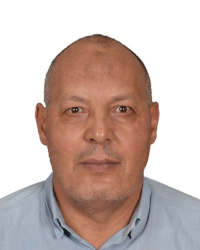
د. مفتاح الحداد هو أستاذ في الآثار والتاريخ القديم بجامعة الزيتونة في ترهونة، ليبيا. حصل على الدكتوراه في علم الآثار من جامعة ليستر عام 2010. وفي عام 2012، أصبح أول مدير لمركز توثيق ورقمنة التراث الثقافي التابع لإدارة الآثار الليبية. وقد شارك منذ ذلك الحين في عدد من المشاريع التعاونية بين دائرة الآثار والبعثات والمؤسسات الأثرية الأجنبية، بما في ذلك EAMENA، التدريب على العمل والشراكة من أجل التراث

[/vc_wp_text][mk_divider divider_width=”one_third” thickness=”1″][vc_wp_text]
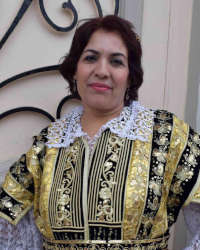
عواطف بحرون هي مستشارة في التراث وحافظة في متحف القائد الحبيب بورقيبة. هي طالبة دكتوراه في علوم التراث في جامعة منوبة وموضوع اطروحتها هي: “الجماعة اليهودية في مدينة نابل وتأثيرها على يهود الكاب بون في تونس”.

[/vc_wp_text][mk_divider divider_width=”one_third” thickness=”1″][vc_wp_text]

رهينا بالارابي، وُلدت في نيامي، النيجر، ووقعت في حب رواية القصص في سن مبكرة جدًا. في عام 2007، ظهرت لأول مرة في مجال السرد القصصي وبحلول عام 2008 أسست شركتها المسرحية. وهي تدير حاليًا المنظمة الفنية والثقافية ORALITÉ PLUS

[/vc_wp_text][mk_divider divider_width=”one_third” thickness=”1″][vc_wp_text]
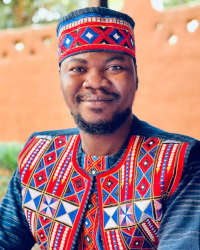
ايسوف بليمة، يعمل في IKAM BURKINA SARL وهي منظمة غير ربحية متخصصة في التدريب على ريادة الأعمال الثقافية، على الإدارة والإدارة الثقافية. تعمل IKAM كمركز موارد للصناعات الثقافية والإبداعية في بوركينا فاسو.

[/vc_wp_text][mk_divider divider_width=”one_third” thickness=”1″][vc_wp_text]

جمال الدين بن سعيدان هو عضو في الأقلية الأمازيغية التونسية. هو شغوف بالتاريخ ويشارك في مبادرات مختلفة تهدف إلى حماية التراث التونسي وتوثيقه وتعزيزه. جمال هو عضو في جمعية قرطاجينا التونسية.

[/vc_wp_text][mk_divider divider_width=”one_third” thickness=”1″][vc_wp_text]
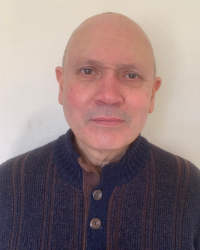
د. أحمد محمد بوزيان هو باحث مشارك في مشروع EAMENA في كلية الآثار والتاريخ القديم، جامعة ليسستر، المملكة المتحدة. كما عمل محاضرًا متفرغًا في علم الآثار الكلاسيكية بقسم الآثار بجامعة بنغازي من عام 1994 إلى عام 2012، بما في ذلك دورات تدريس الفخار الروماني وعلم الآثار الميدانية وتقنيات التنقيب الأثري، بالإضافة إلى مهارات ما بعد التنقيب. أدار الدكتور بوزيان العديد من المشاريع الميدانية بما في ذلك أعمال التنقيب في مدينة توشيرا القديمة (توكرا الحديثة) من عام 1994 إلى عام 2012، وحفريات جامعة عمر المختار التدريبية في موقع بالاجراي القديم (البيضاء حاليًا) من عام 2001 إلى عام 2006، وكان المدير المشارك للحفريات الأنجلو/ليبية في أوسبيريدس من عام 1995 الى عام 2006.

[/vc_wp_text][mk_divider divider_width=”one_third” thickness=”1″][vc_wp_text]

لسعد دنداني، أستاذ مساعد بالمعهد العالي للصناعات التراثية بتونس. دكتور في التاريخ المعاصر وباحث في السياحة والتراث في تونس والمغرب العربي. كاتب العديد من المقالات حول تاريخ السياحة في تونس. نشر كتاب حول “سياحة السيارات في تونس”.

[/vc_wp_text][mk_divider divider_width=”one_third” thickness=”1″][vc_wp_text]

نوال الدريسي، أستاذة مساعدة في كلية الآداب والفنون والعلوم الإنسانية بمنوبة. طالبة دكتوراه (السنة النهائية) في السياسة الأمريكية والعلاقات الدولية. تحمل درجة الماجستير في السياسة الخارجية الأمريكية من جامعة ليستر بالمملكة المتحدة. هي أيضًا سفيرة السلام لمنظمة اليونسكو

[/vc_wp_text][mk_divider divider_width=”one_third” thickness=”1″][vc_wp_text]
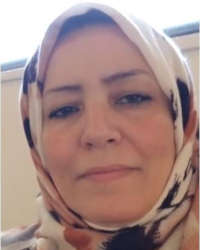
عايدة م. الجروشي، مهندسة معمارية من ليبيا، حصلت على درجة الدكتوراه في استخدام الأراضي والتخطيط والإدارة والتصميم مع تخصص في الحفاظ على التاريخ من كلية الهندسة المعمارية في جامعة تكساس التقنية. تتمحور أبحاث الجروشي حول التخطيط للحفاظ على التراث التاريخي، وتاريخ التخطيط، والتخطيط والتنمية الدوليين، والنظرية النقدية، والتنمية غير المتكافئة، ودراسات العلوم والتكنولوجيا. د. الجروشي تدرس التقاطع بين الحفاظ على التاريخ والتحضر.

[/vc_wp_text][mk_divider divider_width=”one_third” thickness=”1″][vc_wp_text]
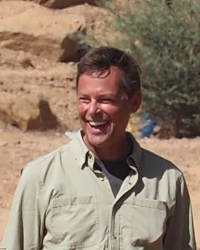
جيف إمبرلينج هو عالم آثار وأمين متحف متخصص في منطقة الشرق الأوسط وشمال أفريقيا. منذ عام 2016، يعمل مع فريق من علماء الآثار السودانيين والدوليين وأخصائيي الترميم لإشراك المجتمعات في التعليم والحفاظ على موقع التراث العالمي لليونسكو “جبل البركل ومواقع منطقة نبتان” في شمال السودان. امتد هذا العمل خلال ثورة شعبية، وانقلاب عسكري، والآن حرب أهلية في السودان.

[/vc_wp_text][mk_divider divider_width=”one_third” thickness=”1″][vc_wp_text]
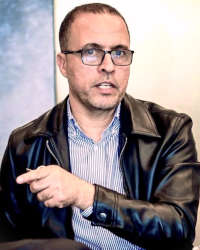
د. أحمد إمراج هو أستاذ مشارك بقسم الآثار بكلية الآداب جامعة بنغازي. حصل على البكالوريوس والماجستير في الآثار من جامعة بنغازي. وفي عام 2014، حصل على درجة الدكتوراه من كلية الآثار والتاريخ القديم، جامعة ليستر في المملكة المتحدة. خلال العام الدراسي 2019-2020، حصل إمراج على منحة فولبرايت لتدريس دورات حول التراث الثقافي الليبي في كلية أوبرلين (أوهايو، الولايات المتحدة الأمريكية).

بصفته ممثل ASOR لأنشطة التراث في ليبيا، يدير د. إمراج منح وأنشطة التراث الثقافي لASOR في ليبيا.

[/vc_wp_text][mk_divider divider_width=”one_third” thickness=”1″][vc_wp_text]
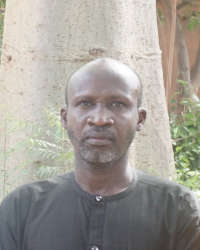
حصل ماكي غاربا على الماجستير المهني في إدارة الثقافة التراثية من جامعة سنجور بالإسكندرية في مصر. وهو رئيس ومؤسس جمعية الثقافة والفنون والإنسانية (CAH). يعمل غاربا من أجل التراث الثقافي على الأراضي النقابية والجماهيرية في النيجر. يقوم غاربا بتنسيق العديد من المشاريع في المجالات الثقافية والتنمية والتماسك الاجتماعي في النيجر من خلال بوابة التنوع الثقافي https://niger.spla.pro

[/vc_wp_text][mk_divider divider_width=”one_third” thickness=”1″][vc_wp_text]
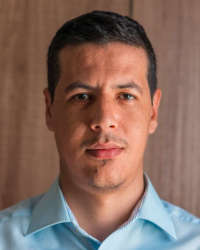
بلقاسم غمري هو مهندس ميكانيكي ومصور فوتوغرافي حر، مهتم بأساليب وتقنيات توثيق والحفاظ على التراث الثقافي والحضاري.

[/vc_wp_text][mk_divider divider_width=”one_third” thickness=”1″][vc_wp_text]
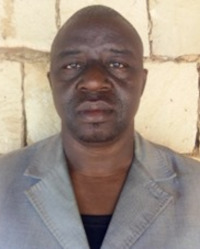
ولد بيير جويندو في نومبوري (باندياجارا) في مالي. حصل على درجة الماجستير في التاريخ والجغرافيا من المدرسة العليا للأساتذة في باماكو-مالي عام 1999، ودبلوم في الدراسات المهنية المتقدمة (يعادل درجة الماجستير الثاني) في إدارة التراث الثقافي من جامعة سنجور بالإسكندرية في مصر حصل عليه عام 2005

هو محترف في مجال التراث الثقافي، وبعد عامين من الخدمة في عالم المنظمات غير الحكومية، عمل ويستمر في العمل من أجل الحفاظ على القيم الثقافية وتعزيزها على مستوى البعثة الثقافية في باندياجارا حيث يتولى منصب المدير. يشغل منصب رئيس القسم منذ عام 2013

[/vc_wp_text][mk_divider divider_width=”one_third” thickness=”1″][vc_wp_text]
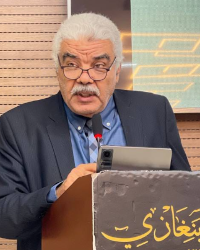
د. خالد الهدار هو أستاذ مشارك في علم الآثار بجامعة بنغازي شرق ليبيا. منذ الثورة الليبية عام 2011، لعب دورًا فعالًا في التوثيق ورفع مستوى الوعي حول الاتجار غير المشروع بالممتلكات الثقافية الليبية. وفي عام 2022، نشرت هيئة المدن التاريخية الليبية كتابه، “كنز بنغازي المفقود: دراسة توثيقية”، تتناول بالتفصيل اختفاء المجموعة الأثرية المهمة التي كانت موجودة في البنك الوطني للتجارة في بنغازي.

[/vc_wp_text][mk_divider divider_width=”one_third” thickness=”1″][vc_wp_text]
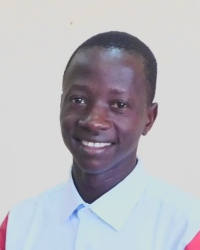
أبوتو كوناتي خريج درجة الماجستير في الثقافة والتنمية من جامعة العلوم الاجتماعية والإدارة في باماكو، مالي. يعمل كوناتي حاليًا كعالم آثار ومدرس في كلية التاريخ والجغرافيا بجامعة العلوم الاجتماعية والإدارة في باماكو، بالإضافة إلى كونه مستشار ومنسق محلي لمبادرات التراث الثقافي لASOR في منطقة الساحل.

[/vc_wp_text][mk_divider divider_width=”one_third” thickness=”1″][vc_wp_text]
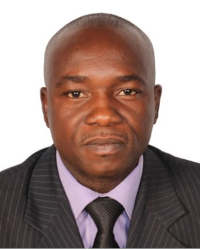
جان بول كودوجو تدرب كمؤرخ ومحاور معتمداً وسائط متعددة ومستشار في إدارة التراث الثقافي. استفاد من سلسلة من الدورات التدريبية رفيعة المستوى في إدارة التراث الثقافي. شغل تدريجيًا مناصب عليا في مجال إدارة المتاحف ولديه معرفة جيدة بسياسات المتاحف الأفريقية. يشغل حالياً منصب رئيس التحالف الإقليمي لأفريقيا في جمعية المجلس الدولي للمتاحف ICOM أفريقيا. ويعمل أيضا كمستشار لASOR في منطقة الساحل.

[/vc_wp_text][mk_divider divider_width=”one_third” thickness=”1″][vc_wp_text]
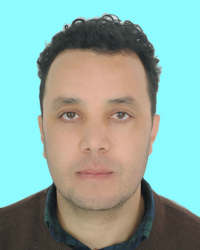
ولد جمال المغيوزي بوادي دادس بتنغير بالمغرب. حصل على الإجازة في اللغة الإنجليزية من جامعة القاضي عياض بمراكش. كان دائمًا مهتمًا بالثقافة والتراث. أصبح منسقًا ثقافيًا ميدانيًا في برنامج USAIDـDAKIRA لمؤسسة الأطلس الكبير وفي برنامج مبادرات التراث الثقافي لASOR في المغرب بين عامي 2021 و2023. خلال هذه التجارب، طور اهتماماته في الإثنوغرافيا والأنثروبولوجيا والتراث المحلي والثقافات المشتركة.

[/vc_wp_text][mk_divider divider_width=”one_third” thickness=”1″][vc_wp_text]
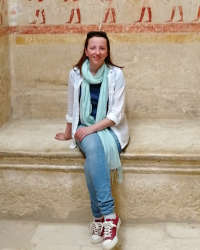
جوليا نيكولاوس هي عالمة آثار متخصصة في شمال أفريقيا، في مجال الاستشعار عن بعد وحماية التراث خاصة في ليبيا ومصر وتونس. تتمحور أبحاثها حول التغييرات طويلة المدى في المواقع الأثرية والمناظر الطبيعية، والتي تتضمن استكشاف التحديات الحديثة التي تواجه التراث مثل التحضر والتوسع الزراعي والتأثيرات المرتبطة بالمناخ.

[/vc_wp_text][mk_divider divider_width=”one_third” thickness=”1″][vc_wp_text]
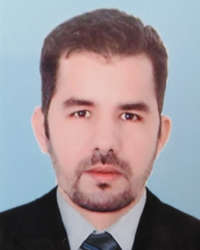
عبد الكريم أوكيناز حاصل على شهادة الدكتوراه، لديه خبرة 8 سنوات في نظم المعلومات الجغرافية، متمكن من إدارة قواعد البيانات المكانية وإنشاء الخرائط لتنفيذ مشاريع التخطيط الحضري والريفي. كمهندس نظم المعلومات الجغرافية عمل في العديد من المكاتب والمنظمات غير الحكومية. وكان أيضًا مستشارًا مستقلاً. وتشمل واجباته جمع البيانات وتحليلها مستخدماً الاستشعار عن بعد لمعالجة صور الأقمار الصناعية وإنشاء خرائط تفاعلية على منصات الإنترنت، بالإضافة لإتقان برامج نظم المعلومات الجغرافية ArcGIS ، QGIS،GOOGLE EARTH PRO ،SAS PLANET بالإضافة إلى ذلك، لديه خبرة في المعالجة التصويرية للصور الرقمية وتوليد بيانات مكانية ثلاثية الأبعاد لاستخدامها في تطبيقات نظم المعلومات الجغرافية وتوثيق التراث الثقافي.

[/vc_wp_text][mk_divider divider_width=”one_third” thickness=”1″][vc_wp_text]
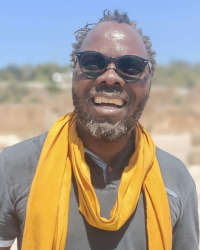
يرتكز كينتيجا بينجدويندي جيرار (المعروف أيضا باسم KPG) على مهنته كحداد من بوركينا فاسو بناءً على المعرفة التي نقلها والده عن أسلافه. تدرب أيضا في الفن المسرحي في واغادوغو وأسس نفسه كقاص مشهور، مما قاده إلى الفوز بالميدالية الفضية في دورة الألعاب الفرانكفونية السادسة عشرة لعام 2009 في بيروت. إن نقل التراث الثقافي غير المادي يقع في قلب رؤيته؛ ولهذا السبب، أنشأ في عام 2008 مركز كومبي الثقافي في أربولي، قريته الأصلية، لتدريب الشباب على ممارسات رواية القصص والرقص والموسيقى.

[/vc_wp_text][mk_divider divider_width=”one_third” thickness=”1″][vc_wp_text]
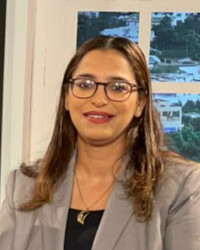
رتيبة ريجالما أستاذة بجامعة ابن زهر متخصصة في الآثار والتراث. وهي خريجة المعهد الوطني للآثار والتراث ورئيسة قسم سابقة بوزارة الثقافة المغربية. لدى د. ريجالما عدة مقالات حول علم الآثار والتراث وشاركت أيضا في ندوات على المستوى الوطني والدولي.

[/vc_wp_text][mk_divider divider_width=”one_third” thickness=”1″][vc_wp_text]
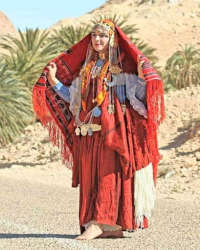
آسيا الصابري متحصلة على شهادة جامعية في تخصص المحاسبة والمالية. هي أيضا حرفية في المصوغ التقليدي وناشطة في المجتمع المدني.

[/vc_wp_text][mk_divider divider_width=”one_third” thickness=”1″][vc_wp_text]
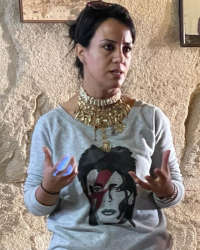
ابتسام الصابري ناشطة بالمجتمع المدني بتطاوين ونائبة في المجلس المحلي بتطاوين الجنوبية على الدويرات.

[/vc_wp_text][mk_divider divider_width=”one_third” thickness=”1″][vc_wp_text]
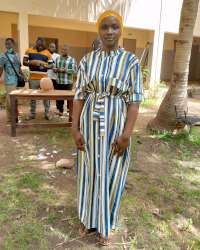
كادياتو سو هي من غرب مالي، وبالتحديد من منطقة نيورو في منطقة الساحل. تشغل منصب رئيسة جمعية رابطة الطلاب والمتعاطفين من أجل حماية التراث الثقافي AESPAT. كادياتو شغوفة بالثقافة، والقراءة، والسفر، والاكتشاف.

[/vc_wp_text][mk_divider divider_width=”one_third” thickness=”1″][vc_wp_text]
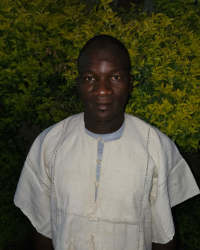
ولد بوريما تيمي في يندوما سوغول، إقليم دوجون في مالي. حصل على درجة الماجستير في التاريخ والآثار عام 2011 بعد مناقشة أطروحته حول موضوع السيغوي وتعاليمه في منطقة تورو. يعمل حاليا مع الجمعية غير الحكومية جمعية مبادرات دوجون (ADI)، منذ مارس/آذار 2016 كمدير برنامج في قسم الثقافة.

[/vc_wp_text][mk_divider divider_width=”one_third” thickness=”1″][vc_wp_text]
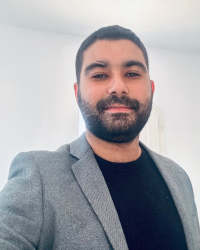
صفوان التليلي مصور فوتوغرافي متخصص في توثيق التراث المادي وغير المادي لتونس، خاصة في جزيرة جربة. أقام العديد من المعارض الفنية وهو ناشط مدني في العديد من الجمعيات الحقوقية والثقافية.

[/vc_wp_text][mk_padding_divider][/vc_column][vc_column border_color=”rgba(170,170,170,0.01)” width=”1/6″ css=”.vc_custom_1496684098866{margin-right: 5px !important;margin-bottom: 20px !important;border-right-width: 2px !important;border-bottom-width: 2px !important;padding-top: 30px !important;padding-right: 10px !important;padding-left: 10px !important;background-color: #ffffff !important;border-right-color: rgba(227,228,228,0.75) !important;border-bottom-color: rgba(227,228,228,0.75) !important;}”][vc_wp_posts title=”BROWSE THE NEWS ARCHIVE” number=”4″][/vc_column][vc_column border_color=”rgba(170,170,170,0.01)” width=”1/6″ css=”.vc_custom_1496684008271{margin-right: 10px !important;margin-bottom: 30px !important;border-right-width: 2px !important;border-bottom-width: 2px !important;padding-top: 30px !important;padding-right: 20px !important;padding-left: 20px !important;background-color: #ffffff !important;border-right-color: rgba(227,228,228,0.75) !important;border-bottom-color: rgba(227,228,228,0.75) !important;}”][/vc_column][/vc_row]
Symposium ASOR CHI : Initiatives du Patrimoine Culturel en Afrique aujourd’hui

[vc_row fullwidth=”true” attached=”true” css=”.vc_custom_1496247803139{padding-top: 0px !important;padding-right: 0px !important;padding-bottom: 0px !important;padding-left: 0px !important;}”][vc_column][vc_single_image image=”92761″ img_size=”full” alignment=”center”][/vc_column][/vc_row][vc_row fullwidth=”true” css=”.vc_custom_1620063527766{padding-top: 0px !important;padding-right: 0px !important;padding-bottom: 0px !important;padding-left: 0px !important;}”][vc_column width=”1/12″ css=”.vc_custom_1496683820796{margin-right: 10px !important;}” offset=”vc_hidden-md vc_hidden-sm vc_hidden-xs”][vc_column_text]

 SHARE

[/vc_column_text][mk_image src=”http://www.asortest.org/wp-content/uploads/2017/01/social-fb-icon4.jpg” image_width=”42″ image_height=”42″ hover=”false” custom_url=”https://www.facebook.com/ASOResearch/” margin_bottom=”0″][mk_image src=”http://www.asortest.org/wp-content/uploads/2017/01/social-tw-icon4.jpg” image_width=”42″ image_height=”42″ hover=”false” custom_url=”https://twitter.com/ASOResearch?ref_src=twsrc%5Egoogle%7Ctwcamp%5Eserp%7Ctwgr%5Eauthor” margin_bottom=”0″][mk_image src=”http://www.asortest.org/wp-content/uploads/2017/01/social-in-icon4.jpg” image_width=”42″ image_height=”42″ hover=”false” custom_url=”https://www.linkedin.com/company/american-schools-of-oriental-research” margin_bottom=”0″][mk_image src=”http://www.asortest.org/wp-content/uploads/2017/01/social-ml-icon_7.jpg” image_width=”42″ image_height=”42″ hover=”false” custom_url=”mailto:info@asor.org” margin_bottom=”0″][mk_image src=”http://www.asortest.org/wp-content/uploads/2017/01/blog-icon3.jpg” image_width=”42″ image_height=”42″ hover=”false” custom_url=”http://asor.org/blog” margin_bottom=”0″][/vc_column][vc_column border_color=”rgba(255,255,255,0.01)” width=”1/6″ css=”.vc_custom_1496683923840{margin-right: 20px !important;border-left-width: 2px !important;padding-right: 20px !important;padding-left: 20px !important;border-left-color: #99422f !important;}”][mk_divider divider_color=”rgba(255,255,255,0.01)” thickness=”1″ margin_top=”3″ margin_bottom=”3″][vc_widget_sidebar sidebar_id=”ca-sidebar-39801″][/vc_column][vc_column border_color=”rgba(170,170,170,0.01)” width=”1/2″ css=”.vc_custom_1487276122024{margin-right: 10px !important;margin-bottom: 30px !important;border-right-width: 2px !important;border-bottom-width: 2px !important;padding-top: 30px !important;padding-right: 30px !important;padding-left: 20px !important;background-color: #ffffff !important;border-right-color: rgba(227,228,228,0.75) !important;border-bottom-color: rgba(227,228,228,0.75) !important;}”][vc_column_text responsive_align=”left”]
Symposium ASOR CHI

Initiatives du Patrimoine Culturel en Afrique aujourd’hui

[/vc_column_text][vc_row_inner][vc_column_inner width=”1/2″ css=”.vc_custom_1711131898290{padding-right: 10px !important;}”][vc_wp_text]
View Page in English
[/vc_wp_text][/vc_column_inner][vc_column_inner width=”1/2″][vc_wp_text]
مشاهدة الصفحة باللغة العربية
[/vc_wp_text][/vc_column_inner][/vc_row_inner][mk_divider][vc_wp_text]

Calendrier du programme

Cliquez sur les liens des sessions ci-dessous pour consulter le programme de chaque journée.

[/vc_wp_text][vc_row_inner][vc_column_inner width=”1/3″ css=”.vc_custom_1711469918695{padding-right: 10px !important;}”][vc_wp_text]
Jeudi 11 avril

Libye

[/vc_wp_text][/vc_column_inner][vc_column_inner width=”1/3″ css=”.vc_custom_1711469927415{padding-right: 10px !important;}”][vc_wp_text]
Vendredi 12 avril

Maghreb

[/vc_wp_text][/vc_column_inner][vc_column_inner width=”1/3″][vc_wp_text]
Samedi 13 avril

Sahel

[/vc_wp_text][/vc_column_inner][/vc_row_inner][vc_single_image image=”95724″ img_size=”full” alignment=”center” onclick=”custom_link”][mk_padding_divider size=”20″][vc_column_text]

ASOR CHI est fier d’annoncer les Initiatives du patrimoine culturel en Afrique aujourd’hui, un symposium gratuit de trois jours qui met en lumière le travail des professionnels du patrimoine local, des universitaires et des organisations de la société civile pour protéger, préserver et promouvoir le patrimoine culturel en Afrique du Nord et au Sahel. ASOR vous invite à assister au symposium via Zoom du 11 au 13 avril, qui présentera des travaux en Libye (11 avril), au Maghreb (12 avril) et au Sahel (13 avril). Chaque session durera de 11h00 à 13h00 EDT/Heure de l’Amérique de l’Est.

  • Aucune inscription n’est nécessaire pour assister à cet événement. Veuillez revenir sur cette page Web chaque jour du symposium pour accéder au lien Zoom.
  • Une traduction simultanée en arabe, anglais et français sera fournie.
[/vc_column_text][mk_padding_divider size=”20″][mk_divider margin_bottom=”30″][vc_wp_text]

Protéger le patrimoine culturel libyen

JEUDI 11 AVRIL 2024

11h00 – 12h00 EDT (15h00 – 16h00 GMT) | Présentations (10 minutes chacune)

12h00 – 13h00 EDT (16h00 – 17h00 GMT) | Discussions modérées

[/vc_wp_text][mk_button style=”outline” corner_style=”rounded” outline_skin=”#2f2f80″ outline_hover_skin=”#ffffff” url=”https://asor-org.zoom.us/j/85986119884″ target=”_blank” align=”center”]Rejoignez le symposium sur Zoom[/mk_button][mk_divider][vc_wp_text]
MODÉRATEURS

Aïda M. Ejroushi

American Society of Overseas Research (ASOR)

Ahmad Emrage

American Society of Overseas Research (ASOR)

[/vc_wp_text][mk_divider divider_width=”one_half” thickness=”1″][vc_wp_text]

Geoff Emberling

Université de Michigan

Le patrimoine culturel en temps tumultueux : engagement collaboratif à El-Kurru et Jebel Barkal, Soudan
[/vc_wp_text][mk_divider divider_width=”one_third” thickness=”1″][vc_wp_text]

Muftah Ahmed Alddad

Université Azzaytuna et Département des Antiquités, Libye

Une approche pratique pour la protection des sites du patrimoine culturel contre l’activité anthropique en Libye : le Wadi Majer comme étude de cas
[/vc_wp_text][mk_divider divider_width=”one_third” thickness=”1″][vc_wp_text]

Ahmed Buzaïan

Université de Leicester, Royaume-Uni

Anciens pressoirs à olives et production d’huile en Cyrénaïque (nord-est de la Libye)
[/vc_wp_text][mk_divider divider_width=”one_third” thickness=”1″][vc_wp_text]

Aïda M. Ejroushi

American Society of Overseas Research (ASOR)

Documenter la poursuite de la transformation du centre historique de Tripoli : changement du quartier de Bilkhair
[/vc_wp_text][mk_divider divider_width=”one_third” thickness=”1″][vc_wp_text]

Khaled M.A. Elhaddar

Université de Benghazi, Libye

Le statut des musées archéologiques libyens durant la guerre et la paix et les moyens de les protéger
[/vc_wp_text][mk_divider divider_width=”one_third” thickness=”1″][vc_wp_text]

Julia Nikolaus

MarEA, Université d’Ulster. Royaume-Uni

Explorer les effets du changement climatique et de l’érosion côtière sur le patrimoine maritime de la Libye
[/vc_wp_text][mk_divider margin_bottom=”30″][vc_wp_text]

Patrimoine culturel au Maghreb

VENDREDI 12 AVRIL 2024

11h00 – 12h20 EDT (15h00 – 16h20 GMT) | Présentations de 10 minutes

12h20 – 13h00 EDT (16h20 – 17h00 GMT) | Discussions modérées

[/vc_wp_text][mk_button style=”outline” corner_style=”rounded” outline_skin=”#2f2f80″ outline_hover_skin=”#ffffff” url=”https://asor-org.zoom.us/j/81853412565″ target=”_blank” align=”center”]Rejoignez le symposium sur Zoom[/mk_button][mk_divider][vc_wp_text]
MODÉRATRICE

Ratiba Rigalma

Université Ibn Zohr, Maroc

[/vc_wp_text][mk_divider divider_width=”one_third” thickness=”1″][vc_wp_text]

Awatef Bahroun

Université de la Manouba, Tunisie

Le cimetière juif en voie de disparition de la ville de Soliman, Tunisie
[/vc_wp_text][mk_divider divider_width=”one_third” thickness=”1″][vc_wp_text]

Jamel Eddine Ben Saidane

Carthagina, Tunisie

Documenter le patrimoine en danger comme outil de connexion des minorités tunisiennes
[/vc_wp_text][mk_divider divider_width=”one_third” thickness=”1″][vc_wp_text]

Lassaad Dandani & Nawel Drissi

Université de la Manouba, Tunisie

Cimetières de la minorité juive en Tunisie entre conception patrimoniale et emploi touristique : finalisation d’une carte interactive des cimetières juifs
[/vc_wp_text][mk_divider divider_width=”one_third” thickness=”1″][vc_wp_text]

Jamal Maghiouzi

American Society of Overseas Research (ASOR)

Vers la préservation du patrimoine et dialogues interculturel
[/vc_wp_text][mk_divider divider_width=”one_third” thickness=”1″][vc_wp_text]

Abdelkarim Ouguinaz

High Atlas Foundation, Maroc

Préserver le patrimoine matériel du Maroc : évaluation et cartographie effectuées par la Fondation du Haut Atlas et l’American Society of Overseas Research (ASOR)
[/vc_wp_text][mk_divider divider_width=”one_third” thickness=”1″][vc_wp_text]

Ratiba Rigalma

Université Ibn Zohr, Maroc

L’expérience de la valise muséale au Maroc
[/vc_wp_text][mk_divider divider_width=”one_third” thickness=”1″][vc_wp_text]

Assia Sabri, Ibtissem Sabri et Belgacem Guemri

Laboratoire Douiret, Tunisie

Le patrimoine amazigh au sein du projet ASOR en Tunisie
[/vc_wp_text][mk_divider divider_width=”one_third” thickness=”1″][vc_wp_text]

Safouane Tlili

Carthagina, Tunisie

Mosquées ibadites de l’île tunisienne de Djerba : un héritage en voie d’extinction
[/vc_wp_text][mk_divider margin_bottom=”30″][vc_wp_text]

Patrimoine culturel au Sahel

SAMEDI 13 AVRIL 2024

11h00 – 12h20 EDT (15h00 – 16h20 GMT) | Présentations (10 minutes chacune)

12h20 – 13h00 EDT (16h20 – 17h00 GMT) | Discussions modérées

[/vc_wp_text][mk_button style=”outline” corner_style=”rounded” outline_skin=”#2f2f80″ outline_hover_skin=”#ffffff” url=”https://asor-org.zoom.us/j/85773313906″ target=”_blank” align=”center”]Rejoignez le symposium sur Zoom[/mk_button][mk_divider][vc_wp_text]
MODÉRATEUR

Jean-Paul Koudougou

International Council of Museums (ICOM) Afrique

[/vc_wp_text][mk_divider divider_width=”one_half” thickness=”1″][vc_wp_text]
I – Gestion du patrimoine en période d’insécurité
[/vc_wp_text][mk_divider divider_width=”one_half” thickness=”1″][vc_wp_text]

Issouf Balima

IKAM, Burkina Faso

Insécurité, défis et perspectives actuelles sur le patrimoine du Sahel
[/vc_wp_text][mk_divider divider_width=”one_third” thickness=”1″][vc_wp_text]

Aboutou Konaté

AESPAT, Mali

Formation à la documentation du patrimoine menacé des communautés au Mali
[/vc_wp_text][mk_divider divider_width=”one_half” thickness=”1″][vc_wp_text]
II – Rôles des associations culturelles dans la préservation du patrimoine
[/vc_wp_text][mk_divider divider_width=”one_half” thickness=”1″][vc_wp_text]

Kadiatou Sow

AESPAT, Mali

Sensibilisation des communautés et documentation du patrimoine culturel menacé dans la commune de Minidjan au Mali
[/vc_wp_text][mk_divider divider_width=”one_third” thickness=”1″][vc_wp_text]

Boureima Teme

Association Dogon Initiatives (ADI), Mali

Les efforts de l’Association Dogon Initiatives pour la documentation et la préservation du patrimoine culturel du Mali
[/vc_wp_text][mk_divider divider_width=”one_third” thickness=”1″][vc_wp_text]

Rahina Balarabé

Oralité Plus, Niger

L’action en faveur du patrimoine culturel d’Oralité Plus au Niger
[/vc_wp_text][mk_divider divider_width=”one_third” thickness=”1″][vc_wp_text]

Pierre Guindo

Mission Culturelle Bandiagara, Mali

Mission Culturelle de Bandiagara : travail sur les falaises de Bandiagara (Mali) en partenariat avec ADI et ASOR
[/vc_wp_text][mk_divider divider_width=”one_half” thickness=”1″][vc_wp_text]
III – Sauvegarde et préservation du patrimoine à travers les actions communautaires
[/vc_wp_text][mk_divider divider_width=”one_half” thickness=”1″][vc_wp_text]

Maki Garba

Culture, Art et Humanité (CAH), Niger

La valorisation et la revitalisation des cultures et savoir-faire traditionnels au Niger : le cas de la transmission pratique des femmes potières du Boubon
[/vc_wp_text][mk_divider divider_width=”one_third” thickness=”1″][vc_wp_text]

Kientega Pingdewindé Gérard

Koombi Culture, Burkina Faso

Rôle et place du forgeron dans la société des Mossé au Burkina Faso
[/vc_wp_text][mk_divider margin_bottom=”30″][vc_wp_text]

Conférenciers / Présentateurs

[/vc_wp_text][mk_divider][vc_wp_text]

Dr. Mftah Alhddad est professeur d’archéologie et d’histoire ancienne à l’université Azzaytuna de Tarhuna, en Libye. Il a obtenu son doctorat en archéologie de l’Université de Leicester en 2010. En 2012, il est devenu le premier directeur du Centre de documentation et de numérisation du patrimoine culturel du Département libyen d’archéologie. Depuis, il a été impliqué dans un nombre de projets de collaboration entre le DoA (Département d’Antiquités) et des missions et institutions archéologiques étrangères, notamment EAMENA, Training in Action et Partnership for Heritage.[/vc_wp_text][mk_divider divider_width=”one_third” thickness=”1″][vc_wp_text]

Awatef Bahroun est consultante en patrimoine et conservatrice au musée Habib Bourguiba. Elle est doctorante en sciences du patrimoine à l’université de Manouba et le sujet de sa thèse est : « La communauté juive de la ville de Nabeul et son impact sur les juifs du Cap Bon en Tunisie ».[/vc_wp_text][mk_divider divider_width=”one_third” thickness=”1″][vc_wp_text]

Rahina Balarabé, née à Niamey au Niger. Rahina est tombée amoureuse du conte dès son plus jeune âge. En 2007, elle fait ses débuts dans le conte et en 2008 et fonde sa compagnie de théâtre. Elle dirige actuellement l’organisme artistique et culturel Oralité Plus.[/vc_wp_text][mk_divider divider_width=”one_third” thickness=”1″][vc_wp_text]

Issouf Balima travaille avec IKAM Burkina Sarl, une association à but non lucratif spécialisée dans la formation à l’entrepreneuriat culturel (Maaya), au management et à l’administration culturelle. IKAM sert de centre de ressources pour les industries culturelles et créatives du Burkina Faso.

 [/vc_wp_text][mk_divider divider_width=”one_third” thickness=”1″][vc_wp_text]

Jamel Eddine Ben Saidane est membre de la minorité amazighe de Tunisie. Il est passionné d’histoire et participe à diverses initiatives visant à protéger, documenter et promouvoir le patrimoine tunisien. Jamal est membre de l’Association tunisienne Carthagina.

 [/vc_wp_text][mk_divider divider_width=”one_third” thickness=”1″][vc_wp_text]

Dr Ahmed M. A. Buzaian est chercheur associé à l’EAMENA, à l’école d’archéologie et d’histoire ancienne à l’université de Leicester, Royaume-Uni. Il a également été chargé de cours à temps plein en archéologie classique au département d’archéologie de l’université de Benghazi, de 1994 à 2012, y compris des cours sur la poterie romaine, l’archéologie de terrain et les techniques de fouilles archéologiques, ainsi que les compétences post-fouille. Dr Buzaian a dirigé de nombreux projets de terrain, notamment des fouilles dans l’ancienne ville de Teucheira (aujourd’hui Tocra) de 1994 à 2012, des fouilles de formation de l’université Omar al-Mukhtar sur l’ancien site de Balagrae (aujourd’hui al-Beida) de 2001 à 2006. Il a aussi co-dirigé les fouilles anglo-libyennes à Euesperides (1995-2006).

 [/vc_wp_text][mk_divider divider_width=”one_third” thickness=”1″][vc_wp_text]

Lassaad Dandani, Maitre-Assistant à l’Institut Supérieur des Métiers du Patrimoine de Tunis. Docteur en Histoire contemporaine et chercheur en tourisme et patrimoine en Tunisie et au Maghreb. Auteur de plusieurs articles sur l ’histoire du tourisme en Tunisie. Il a publié un livre sur « Le tourisme automobile en Tunisie ».[/vc_wp_text][mk_divider divider_width=”one_third” thickness=”1″][vc_wp_text]

Nawel Driss est chargée de cours à la Faculté des Lettres, Arts et Sciences Humaines de la Manouba. Chercheure doctorante (dernière année) en politique américaine et relations internationales. Titulaire d’un master en politique étrangère américaine de l’Université de Leicester, au Royaume-Uni. Elle est également ambassadeur de la paix à l’UNESCO.[/vc_wp_text][mk_divider divider_width=”one_third” thickness=”1″][vc_wp_text]

Dr. Aida M. Ejroushi, une architecte libyenne, a obtenu son doctorat en aménagement du territoire, planification, gestion et conception avec une spécialisation en préservation historique du Collège d’architecture de la Texas Tech University aux Etats-Unis. Les recherches d’Ejroushi portent sur la planification de la préservation historique, l’histoire de la planification, la planification et le développement internationaux, la théorie critique, le développement inégal et les études scientifiques et technologiques. Dr. Ejroushi examine aussi l’intersection entre la préservation historique et l’urbanisation.[/vc_wp_text][mk_divider divider_width=”one_third” thickness=”1″][vc_wp_text]

Geoff Emberling est archéologue et conservateur de musée spécialisé du Moyen-Orient et de l’Afrique du Nord. Depuis 2016, il travaille avec une équipe d’archéologues et de conservateurs soudanais et internationaux pour impliquer les communautés dans l’éducation et la préservation du site du patrimoine mondial de l’UNESCO de « Gebel Barkal et sites de la région de Napatan » dans le nord du Soudan. Ce travail a eu lieu durant une révolution populaire, un coup d’État militaire et actuellement une guerre civile au Soudan.[/vc_wp_text][mk_divider divider_width=”one_third” thickness=”1″][vc_wp_text]

Dr. Ahmad S. M. Emrage est professeur associé au département d’archéologie de la Faculté des arts de l’Université de Benghazi. Il est aussi titulaire d’une licence et d’une maîtrise en archéologie de l’Université de Benghazi. En 2014, il a obtenu un doctorat à l’école d’archéologie et d’histoire ancienne de l’Université de Leicester, au Royaume-Uni. Au cours de l’année universitaire 2019-2020, Emrage a obtenu une bourse Fulbright pour donner des cours sur le patrimoine culturel libyen à Oberlin College (Ohio, États-Unis).

En tant que représentant d’ASOR pour les activités patrimoniales en Libye, Dr. Emrage gère les subventions et les activités du patrimoine culturel d’ASOR en Libye.[/vc_wp_text][mk_divider divider_width=”one_third” thickness=”1″][vc_wp_text]

Maki Garba est titulaire d’un Master professionnel en gestion du patrimoine culturel de l’Université Senghor d’Alexandrie en Égypte. Il est président et fondateur de l’Association Culture, Art et Humanité (CAH). Garba travaille pour le patrimoine culturel sur les terrains associatifs et publics au Niger. Garba coordonne plusieurs projets dans les domaines de la culture, du développement et de la cohésion sociale au Niger à travers le Portail de la Diversité Culturelle https://niger.spla.pro[/vc_wp_text][mk_divider divider_width=”one_third” thickness=”1″][vc_wp_text]

Belgacem Guemri est ingénieur en mécanique et photographe indépendant qui s’intéresse aux méthodes et techniques de documentation et de préservation du patrimoine culturel et civilisationnel.[/vc_wp_text][mk_divider divider_width=”one_third” thickness=”1″][vc_wp_text]

Pierre Guindo est né à Nombori (Bandiagara) au Mali. Il est titulaire d’une Maîtrise en Histoire-Géographie de l’Ecole Normale Supérieure de Bamako-Mali obtenue en 1999, et d’un Diplôme d’Etudes Professionnelles Approfondies (équivalent d’un Master II) en Gestion du Patrimoine Culturel de l’Université Senghor d’Alexandrie en Egypte obtenu en 2005.

Professionnel donc dans le domaine du patrimoine culturel, après deux ans de service dans le monde des ONG, il a œuvré et continue d’œuvrer pour la préservation et la promotion des valeurs culturelles au niveau de la Mission Culturelle de Bandiagara où il est gestionnaire, occupant le poste de chef de service depuis 2013.[/vc_wp_text][mk_divider divider_width=”one_third” thickness=”1″][vc_wp_text]

Dr. Khaled el Haddar est professeur associé d’archéologie à l’Université de Benghazi, dans l’est de la Libye. Depuis la révolution libyenne de 2011, il a joué un rôle déterminant dans la documentation et la sensibilisation au trafic illicite de biens culturels libyens. En 2022, l’Autorité libyenne des villes historiques a publié son livre, « The Missing Benghazi Treasure : a Documentary Study », détaillant la disparition de l’importante collection archéologique qui avait été conservée à la Banque nationale du commerce de Benghazi.[/vc_wp_text][mk_divider divider_width=”one_third” thickness=”1″][vc_wp_text]

Aboutou Konate est diplômé d’un Master en Culture et Développement de l’Université des Sciences Sociales et de Gestion de Bamako, Mali. Actuellement, il est archéologue et instructeur à la Faculté d’histoire et de géographie de l’Université des sciences sociales et de gestion, ainsi que consultant coordonnateur local d’ASOR au Mali dans le cadre des initiatives du patrimoine culturel au Sahel.[/vc_wp_text][mk_divider divider_width=”one_third” thickness=”1″][vc_wp_text]

Jean-Paul Koudougou a suivi une formation d’histoire et de communication multimédia. En tant que consultant en gestion du patrimoine culturel, il a bénéficié d’une série de formations de haut niveau en gestion du patrimoine culturel. Il a progressivement occupé des postes à responsabilité dans le domaine de la gestion des musées et a gagné une bonne connaissance des politiques muséales africaines. Il est président de l’Alliance régionale ICOM Afrique (ICOM-Afrique) et consultant pour ASOR.[/vc_wp_text][mk_divider divider_width=”one_third” thickness=”1″][vc_wp_text]

Jamal Maghiouzi est né dans la vallée du Dadès, à Tinghir, au Maroc. Il est titulaire d’une licence en anglais de l’université Kaddi Ayyad de Marrakech. Il a toujours été intéressé par la culture et le patrimoine. Il est devenu coordinateur culturel de terrain au programme USAID-Dakira/Programme des minorités religieuses et ethniques de la Fondation High Atlas et au programme des Initiatives du Patrimoine Culturel d’ASOR entre 2021 et 2023. Au cours de ces expériences, il a développé ses intérêts pour l’ethnographie, l’anthropologie, le patrimoine local et pour les dialogues interculturels.

 [/vc_wp_text][mk_divider divider_width=”one_third” thickness=”1″][vc_wp_text]

Julia Nikolaus est une archéologue spécialisée en Afrique du Nord, avec une expertise en télédétection et en protection du patrimoine notamment en Libye, en Égypte et en Tunisie. Ses recherches se concentrent sur les changements à long terme des sites et paysages archéologiques, et comprennent l’exploration des défis les plus récents du patrimoine tels que l’urbanisation, l’expansion agricole et les impacts liés au climat.[/vc_wp_text][mk_divider divider_width=”one_third” thickness=”1″][vc_wp_text]

Abdelkarim Ouguinaz est titulaire d’un doctorat. Expert en SIG avec 8 ans d’expérience dans le domaine des SIG. Il est capable de gérer des bases de données spatiales et de créer des cartes pour entreprendre des projets d’aménagement urbain et rural. En tant qu’ingénieur SIG, il a travaillé dans divers bureaux et ONG. Il a également été consultant indépendant. Ses tâches incluent la collecte et l’analyse des données, l’utilisation de la télédétection pour traiter des images satellitaires et créer des cartes interactives sur des plateformes en ligne. Il maîtrise les logiciels SIG tels qu’ArcGIS, QGIS, Google Earth Pro, SasPlanet. De plus, il a de l’expérience dans le traitement photogrammétrique d’images numériques et dans la génération de données spatiales 3D à utiliser dans les applications SIG et la documentation du patrimoine culturel.[/vc_wp_text][mk_divider divider_width=”one_third” thickness=”1″][vc_wp_text]

Kientega Pingdewindé Gérard (alias KPG) ancre son métier de forgeron burkinabè sur un savoir ancestral transmis par son père. Il est également formé à l’art théâtral à Ouagadougou et s’mpose comme un conteur renommé, ce qui lui vaut de remporter la médaille d’argent aux XVIes Jeux de la Francophonie de 2009 à Beyrouth. La transmission du patrimoine culturel immatériel est au cœur de sa vision ; pour cela, il crée en 2008 le Centre Culturel Koombi à Arbollé, son village natal, pour former les jeunes aux pratiques du conte, de la danse et de la musique.[/vc_wp_text][mk_divider divider_width=”one_third” thickness=”1″][vc_wp_text]

Ratiba Rigalma est professeure à l’université Ibn Zohr, spécialisée en archéologie et patrimoine. Elle est diplômée de l’Institut national d’archéologie et du patrimoine et ancienne chef de service au ministère marocain de la Culture. Dr. Rigalma a publié plusieurs articles sur l’archéologie et le patrimoine et a participé à des séminaires au niveau national et international.[/vc_wp_text][mk_divider divider_width=”one_third” thickness=”1″][vc_wp_text]

Assia Sabri est titulaire d’un diplôme universitaire en comptabilité et finance. Elle est également artisane de bijoux traditionnels et militante de la société civile.[/vc_wp_text][mk_divider divider_width=”one_third” thickness=”1″][vc_wp_text]

Ibtissem Sabri est militante de la société civile à Tataouine dans le sud tunisien. Elle est également représentante au conseil local de Tataouine Sud à Douiret.[/vc_wp_text][mk_divider divider_width=”one_third” thickness=”1″][vc_wp_text]

Kadiatou Sow est originaire de l’ouest du Mali, plus précisément de la région de Nioro dans la région du Sahel. Elle est présidente de l’Association des étudiants et sympathisants pour la protection du patrimoine culturel (AESPAT). Kadiatou est passionnée de culture, de lecture, de voyages et de découvertes.[/vc_wp_text][mk_divider divider_width=”one_third” thickness=”1″][vc_wp_text]

Boureima Teme est né à Yendouma Sogol, Pays Dogon au Mali. Il a obtenu son master en Histoire et Archéologie en 2011 après avoir soutenu sa thèse sur le thème du sigui et de ses enseignements dans le domaine du Tôôrô. Actuellement, il travaille au sein de l’ONG Association Dogon Initiatives (ADI) depuis mars 2016 dans le volet culture en tant que chargé de programme.[/vc_wp_text][mk_divider divider_width=”one_third” thickness=”1″][vc_wp_text]

Safouane Tlili est photographe spécialisé dans la documentation du patrimoine matériel et immatériel de la Tunisie, notamment sur l’île de Djerba. Il a organisé plusieurs expositions d’art et est un militant civil au sein de plusieurs associations culturelles ou de défense des droits de l’homme.[/vc_wp_text][mk_padding_divider][/vc_column][vc_column border_color=”rgba(170,170,170,0.01)” width=”1/6″ css=”.vc_custom_1496684098866{margin-right: 5px !important;margin-bottom: 20px !important;border-right-width: 2px !important;border-bottom-width: 2px !important;padding-top: 30px !important;padding-right: 10px !important;padding-left: 10px !important;background-color: #ffffff !important;border-right-color: rgba(227,228,228,0.75) !important;border-bottom-color: rgba(227,228,228,0.75) !important;}”][vc_wp_posts title=”BROWSE THE NEWS ARCHIVE” number=”4″][/vc_column][vc_column border_color=”rgba(170,170,170,0.01)” width=”1/6″ css=”.vc_custom_1496684008271{margin-right: 10px !important;margin-bottom: 30px !important;border-right-width: 2px !important;border-bottom-width: 2px !important;padding-top: 30px !important;padding-right: 20px !important;padding-left: 20px !important;background-color: #ffffff !important;border-right-color: rgba(227,228,228,0.75) !important;border-bottom-color: rgba(227,228,228,0.75) !important;}”][/vc_column][/vc_row]

(Back-up) Symposium ASOR CHI : Initiatives du Patrimoine Culturel en Afrique aujourd’hui

[vc_row fullwidth=”true” attached=”true” css=”.vc_custom_1496247803139{padding-top: 0px !important;padding-right: 0px !important;padding-bottom: 0px !important;padding-left: 0px !important;}”][vc_column][vc_single_image image=”92761″ img_size=”full” alignment=”center”][/vc_column][/vc_row][vc_row fullwidth=”true” css=”.vc_custom_1620063527766{padding-top: 0px !important;padding-right: 0px !important;padding-bottom: 0px !important;padding-left: 0px !important;}”][vc_column width=”1/12″ css=”.vc_custom_1496683820796{margin-right: 10px !important;}” offset=”vc_hidden-md vc_hidden-sm vc_hidden-xs”][vc_column_text]

 SHARE

[/vc_column_text][mk_image src=”http://www.asortest.org/wp-content/uploads/2017/01/social-fb-icon4.jpg” image_width=”42″ image_height=”42″ hover=”false” custom_url=”https://www.facebook.com/ASOResearch/” margin_bottom=”0″][mk_image src=”http://www.asortest.org/wp-content/uploads/2017/01/social-tw-icon4.jpg” image_width=”42″ image_height=”42″ hover=”false” custom_url=”https://twitter.com/ASOResearch?ref_src=twsrc%5Egoogle%7Ctwcamp%5Eserp%7Ctwgr%5Eauthor” margin_bottom=”0″][mk_image src=”http://www.asortest.org/wp-content/uploads/2017/01/social-in-icon4.jpg” image_width=”42″ image_height=”42″ hover=”false” custom_url=”https://www.linkedin.com/company/american-schools-of-oriental-research” margin_bottom=”0″][mk_image src=”http://www.asortest.org/wp-content/uploads/2017/01/social-ml-icon_7.jpg” image_width=”42″ image_height=”42″ hover=”false” custom_url=”mailto:info@asor.org” margin_bottom=”0″][mk_image src=”http://www.asortest.org/wp-content/uploads/2017/01/blog-icon3.jpg” image_width=”42″ image_height=”42″ hover=”false” custom_url=”http://asor.org/blog” margin_bottom=”0″][/vc_column][vc_column border_color=”rgba(255,255,255,0.01)” width=”1/6″ css=”.vc_custom_1496683923840{margin-right: 20px !important;border-left-width: 2px !important;padding-right: 20px !important;padding-left: 20px !important;border-left-color: #99422f !important;}”][mk_divider divider_color=”rgba(255,255,255,0.01)” thickness=”1″ margin_top=”3″ margin_bottom=”3″][vc_widget_sidebar sidebar_id=”ca-sidebar-39801″][/vc_column][vc_column border_color=”rgba(170,170,170,0.01)” width=”1/2″ css=”.vc_custom_1487276122024{margin-right: 10px !important;margin-bottom: 30px !important;border-right-width: 2px !important;border-bottom-width: 2px !important;padding-top: 30px !important;padding-right: 30px !important;padding-left: 20px !important;background-color: #ffffff !important;border-right-color: rgba(227,228,228,0.75) !important;border-bottom-color: rgba(227,228,228,0.75) !important;}”][vc_column_text responsive_align=”left”]
Symposium ASOR CHI

Initiatives du Patrimoine Culturel en Afrique aujourd’hui

[/vc_column_text][vc_row_inner][vc_column_inner width=”1/2″ css=”.vc_custom_1711131898290{padding-right: 10px !important;}”][vc_wp_text]
View Page in English
[/vc_wp_text][/vc_column_inner][vc_column_inner width=”1/2″][vc_wp_text]
مشاهدة الصفحة باللغة العربية
[/vc_wp_text][/vc_column_inner][/vc_row_inner][mk_divider][vc_column_text responsive_align=”left”]

April 11-13, 2024 | 11:00 – 13:00 EDT

Aucune inscription nécessaire

[/vc_column_text][vc_single_image image=”95724″ img_size=”full” alignment=”center” onclick=”custom_link”][mk_padding_divider size=”20″][vc_column_text]ASOR CHI est fier d’annoncer la tenue des Initiatives du patrimoine culturel en Afrique aujourd’hui, un symposium gratuit de trois jours qui met en lumière le travail des professionnels du patrimoine locaux, des universitaires et des organisations de la société civile pour protéger, préserver et promouvoir le patrimoine culturel en Afrique du Nord et au Sahel. Le symposium aura lieu du 11 au 13 avril et présentera des travaux en Libye (11 avril), au Maghreb (12 avril) et au Sahel (13 avril). Chaque session durera de 11h00 à 13h00 EDT. Une interprétation simultanée en arabe, anglais et français sera assurée.

Le programme complet et les détails supplémentaires seront annoncés prochainement.[/vc_column_text][mk_padding_divider size=”20″][/vc_column][vc_column border_color=”rgba(170,170,170,0.01)” width=”1/6″ css=”.vc_custom_1496684098866{margin-right: 5px !important;margin-bottom: 20px !important;border-right-width: 2px !important;border-bottom-width: 2px !important;padding-top: 30px !important;padding-right: 10px !important;padding-left: 10px !important;background-color: #ffffff !important;border-right-color: rgba(227,228,228,0.75) !important;border-bottom-color: rgba(227,228,228,0.75) !important;}”][vc_wp_posts title=”BROWSE THE NEWS ARCHIVE” number=”4″][/vc_column][vc_column border_color=”rgba(170,170,170,0.01)” width=”1/6″ css=”.vc_custom_1496684008271{margin-right: 10px !important;margin-bottom: 30px !important;border-right-width: 2px !important;border-bottom-width: 2px !important;padding-top: 30px !important;padding-right: 20px !important;padding-left: 20px !important;background-color: #ffffff !important;border-right-color: rgba(227,228,228,0.75) !important;border-bottom-color: rgba(227,228,228,0.75) !important;}”][/vc_column][/vc_row]

FOA Webinar: Meet the Directors of the Overseas Research Centers on Feb. 11

FRIENDS OF ASOR WEBINARS

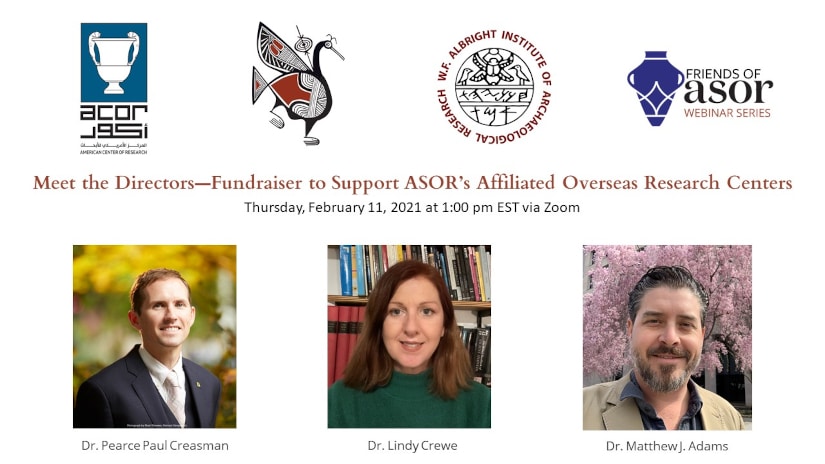
Meet the Directors—Fundraiser to Support ASOR’s Affiliated Overseas Research Centers

Join us for a roundtable discussion with the directors of the 3 Overseas Research Centers affiliated with ASOR—located in Jerusalem (AIAR: W. F. Albright Institute of Archaeological Research), Nicosia, Cyprus (CAARI: Cyprus American Archaeological Research Institute), and Amman, Jordan (ACOR: American Center of Research). All proceeds will support the three research centers. The webinar will begin with an introduction about the mission of each center and each center’s current and future projects. A discussion will follow, moderated by former ASOR President, Prof. Susan Ackerman of Dartmouth College. The webinar will conclude with a Q&A portion with the audience.

Dr. Matthew J. Adams (AIAR) has been the Director of the W.F. Albright Institute of Archaeological Research in Jerusalem since 2014. He is a specialist in Egyptology and Near Eastern Archaeology and broad interests across space and time in the ancient world. He is currently Director of the Jezreel Valley Regional Project and Co-director of the Megiddo Expedition and the excavations of the base of the Roman Legio VI Ferrata at Legio, Israel. His work in Palestine includes co-directing the excavations at Solomon’s Pools. He is also a Field Director at the site of Mendes in Egypt, which formed the subject of his Ph.D. dissertation at The Pennsylvania State University.

Dr. Pearce Paul Creasman (ACOR) has been director of ACOR since February 2020. From 2009-2020, he was a professor and curator at the University of Arizona, focusing on the heritage, archaeology, and environment of the Middle East and North Africa, where he remains affiliated faculty. Since 2012, he served as director of the University of Arizona’s Egyptian Expedition. Having worked in several countries in the region, his most recent archaeological project is directing the excavations at the pyramids and royal necropolis of Nuri, Sudan, a UNESCO World Heritage Site. Dr. Creasman’ s formal training includes a Ph.D. in nautical archaeology from Texas A&M University. With more than 100 publications, he has been recognized for his work by several institutions including: the White House’s Office of Science and Technology Policy, as a fellow of The Explorer’s Club and the Royal Geographic Society, and was honored as one of the National Geographic Society’s “Geniuses” for 2021.

Dr. Lindy Crewe (CAARI) was awarded her Ph.D. in Archaeology from the University of Edinburgh in 2004. She is the author of two monographs, two edited volumes and over 30 articles on Cypriot archaeology. Her research has focussed on the prehistory of the eastern Mediterranean, primarily Cyprus and interconnections with the surrounding region. She is an expert on Bronze Age Cypriot pottery and is Director of excavations at the Bronze Age settlement of Kissonerga Skalia near Paphos. She previously worked as Curator of Cypriot Antiquities in the Department of Greece in Rome at the British Museum, as a Lecturer in Archaeology at the University of Manchester and has been in her current role of Director of the Cyprus American Archaeological Research Institute (CAARI) in Nicosia since 2017.

ASOR Sustaining Members: $0 | ASOR Members: $5 | Public: $10

To receive your ASOR member discount, log into the online store. If you are new to ASOR, please click on the “New Visitor Registration” link to register your e-mail address and choose a password for our online store. Once logged in, navigate to “Meeting and Event Registration” to register for the webinar and pay the fee. Each paid registrant will receive a confirmation e-mail when you pay for the webinar. If you do not receive this e-mail, then you are not registered. Please e-mail membership@asor.org with any questions or issues with registering.

You will be e-mailed the Zoom Webinar link in the week prior to the lecture on February 11, 2021. If you do not receive the link by the close of business on the Monday before the webinar, please e-mail membership@asor.org immediately. All webinars are recorded and all paid registrants will be sent a link to view the recording.

All proceeds from this webinar will support ASOR’s affiliated Overseas Research Centers (ACOR, AIAR, and CAARI).

WHY SPONSOR A WEBINAR?

Several levels of support from $50-$1,000 are available. Proceeds go towards membership scholarships and towards increasing ASOR’s virtual resources. Each sponsorship is tax-deductible and you can give your friends free registrations to a webinar!

Bronze Level ($50): up to 2 guest registrations
Silver Level ($100): up to 5 guest registrations
Gold Level ($500): up to 20 guest registrations
Platinum Level ($1,000): up to 50 guest registrations

After you sign up for a sponsorship online or over the phone, email the names and email addresses of your guests to Felice Herman at membership@asor.org, who will send your guests a confirmation and the Zoom link before the webinar.

WANT TO SAVE $5.00 ON THE NEXT WEBINAR?

Join ASOR as a member! Click here for more details about discounts for events and other benefits of membership. Memberships start at $40 for the year as an Associate Member.

Not ready to join yet? Become a Friend of ASOR for FREE!

Click here for more details about our online resources.

PAST WEBINARS

You can now purchase the link to the recording of any webinar. You can also purchase the bundle packages of all webinars from the 2020-2022 seasons. Please e-mail membership@asor.org for purchase details.

To see a printable pdf of the webinar titles from the 2020-2021 season, please click here. To see a printable pdf of the webinar titles from the 2021-2022 season, please click here.

Pricing:

Members: $6.00 per recording
Non-Members: $12.00 per recording
Bundle of 2020-2021 Webinars: $75.00
Bundle of 2021-2022 Webinars: $75.00
Bundle of 2020-2022 Webinars: $125.00

2021-2022 Season

A World at War: Protecting Cultural Heritage in Times of Conflict
Patty Gerstenblith (DePaul University), Lisa Ackerman (Columbus Citizens Foundation), Andrew Cohen (Government Professional and Cultural Heritage Expert) | May 12, 2022

Preserving Cultural Heritage in Hisban and Umm al-Jimal, Jordan
Øystein LaBianca (Andrews University), Elizabeth Osinga (Umm al-Jimal Archaeological Project), Darrell Rohl (Calvin University) | April 24, 2022

Back to the Field: Recent Discoveries & Summer Plans 2022
Lorenzo d’Alfonso (ISAW), Kathryn Grossman (NC State University), James R. Strange (Samford University) | April 3, 2022

Uncovering What is Nubian Beneath the Veneer of Egyptianness: Excavating the Archives
Debora Heard (University of Chicago) | March 20, 2022

Where Are They Now?: A Preview of 2022 ASOR-Affiliated Fieldwork Projects
Michael Given (University of Glasgow), Xenia-Paula Kyriakou (Florida Gulf Coast University), Stephen Batiuk (University of Toronto), Monique Roddy (Walla Walla University), Kent Bramlett (La Sierra University), Friedbert Ninow (La Sierra University), and Michael Hoff (University of Nebraska-Lincoln) | March 8, 2022

Excavations at Tel Gezer: A Personal Story
Sam Wolff (Tel Gezer Laboratory) | February 20, 2022

Tel Rehov: A Major Bronze and Iron Age City in the Jordan Valley
Amihai Mazar (Hebrew University of Jerusalem), Nava Panitz-Cohen ( Hebrew University of Jerusalem), Nota Kourou (Athens University), Naama Yahalom-Mack (Hebrew University of Jerusalem), Robert Mullins (Azusa Pacific University) | February 10, 2022

The Not-So-Innocents Abroad: The Beginnings of American Biblical Archaeology
Rachel Hallote (Samford University) | January 20, 2022

Synagogues as Jesus Knew Them
James R. Strange (Samford University) | December 2, 2021

Under Jerusalem: The Buried History of the World’s Most Contested City
Andrew Lawler | November 4, 2021

Jesus and Jerusalem on TV: How Do Bible Documentaries Get Made?
Robert Cargill (University of Iowa) | October 17, 2021

Digging the Divine?: Judahite Pillar Figurines and the Archaeology of Israelite Religion
Erin Darby (University of Tennessee) | October 7, 2021

David, Solomon, and Rehoboam’s Kingdom—The Archaeological Evidence
Yosef Garfinkel (Hebrew University of Jerusalem) | September 19, 2021

From Standing Stones to Sacred Emptiness: Textual and Visual Portrayals of Israel’s God
Theodore Lewis (Johns Hopkins University) | August 29, 2021

2020-2021 Season

Making May Matter: Webinarathon to Endow Diversity
Multiple Speakers | May 21-23, 2021

Archaeogaming: Why Video Games Deserve Their Own Archaeology
Tine Rassalle (University of North Carolina at Chapel Hill), Shannon Martino (Morton College), Matthew Winter (University of Arizona), Michael Zimmerman (Rhode Island) | April 18, 2021

How the Bible Became a Book
William Schniedewind (UCLA) | March 21, 2021

The Mysteries of Mithras in Caesarea: Exploring the Cult’s Rites and Remains
Jane DeRose Evans (Temple University), Alexandra Ratzlaff (Brandeis University) | March 11, 2021

Archaeology and the Hidden Religious Culture of Israelite Women
Carol Meyers (Duke University) | February 21, 2021

Meet the Directors—Fundraiser to Support ASOR’s Affiliated Overseas Research Centers
Matthew J. Adams (AIAR), Pearce Paul Creasman (ACOR), Lindy Crewe (CAARI) | February 11, 2021

Early Synagogues, Jesus, and Galilee—A Jewish Perspective
Eric Meyers (Duke University) | December 13, 2020

Home Sweet Home: Ancient Israelite Households in Context
Cynthia Shafer-Elliott (William Jessup University) | October 18, 2020

Priestesses in the Days of Solomon and Ahab
Susan Ackerman (Dartmouth College) | September 13, 2020

Digging Deeper: How Archaeology Works
Eric H. Cline (The George Washington University) | August 9, 2020

2021 ASOR Excavation Grants and Summer Stipends

[vc_row fullwidth=”true” attached=”true” css=”.vc_custom_1496247803139{padding-top: 0px !important;padding-right: 0px !important;padding-bottom: 0px !important;padding-left: 0px !important;}”][vc_column][vc_single_image image=”67772″ img_size=”full” alignment=”center”][/vc_column][/vc_row][vc_row fullwidth=”true” css=”.vc_custom_1496682730308{padding-top: 10px !important;padding-right: 0px !important;padding-bottom: 0px !important;padding-left: 0px !important;}”][vc_column width=”1/12″ css=”.vc_custom_1496683820796{margin-right: 10px !important;}” offset=”vc_hidden-md vc_hidden-sm vc_hidden-xs”][vc_column_text]

 SHARE

[/vc_column_text][mk_image src=”http://www.asortest.org/wp-content/uploads/2017/01/social-fb-icon4.jpg” image_width=”42″ image_height=”42″ hover=”false” custom_url=”https://www.facebook.com/ASOResearch/” margin_bottom=”0″][mk_image src=”http://www.asortest.org/wp-content/uploads/2017/01/social-tw-icon4.jpg” image_width=”42″ image_height=”42″ hover=”false” custom_url=”https://twitter.com/ASOResearch?ref_src=twsrc%5Egoogle%7Ctwcamp%5Eserp%7Ctwgr%5Eauthor” margin_bottom=”0″][mk_image src=”http://www.asortest.org/wp-content/uploads/2017/01/social-in-icon4.jpg” image_width=”42″ image_height=”42″ hover=”false” custom_url=”https://www.linkedin.com/company/american-schools-of-oriental-research” margin_bottom=”0″][mk_image src=”http://www.asortest.org/wp-content/uploads/2017/01/social-ml-icon_7.jpg” image_width=”42″ image_height=”42″ hover=”false” custom_url=”mailto:info@asor.org” margin_bottom=”0″][mk_image src=”http://www.asortest.org/wp-content/uploads/2017/01/blog-icon3.jpg” image_width=”42″ image_height=”42″ hover=”false” custom_url=”http://asor.org/blog” margin_bottom=”0″][/vc_column][vc_column border_color=”rgba(255,255,255,0.01)” width=”1/6″ css=”.vc_custom_1496683923840{margin-right: 20px !important;border-left-width: 2px !important;padding-right: 20px !important;padding-left: 20px !important;border-left-color: #99422f !important;}”][mk_divider divider_color=”rgba(255,255,255,0.01)” thickness=”1″ margin_top=”3″ margin_bottom=”3″][vc_column_text]

NEWS@ASOR E-NEWSLETTER

ANCIENT NEAR EAST TODAY E-NEWSLETTER

PAST ASOR NEWS, MONTH BY MONTH

LIFETIME HONOR ROLL OF DONORS

FY20 HONOR ROLL OF DONORS

ASOR ANNUAL MEETING

[/vc_column_text][/vc_column][vc_column border_color=”rgba(170,170,170,0.01)” width=”1/2″ css=”.vc_custom_1487276122024{margin-right: 10px !important;margin-bottom: 30px !important;border-right-width: 2px !important;border-bottom-width: 2px !important;padding-top: 30px !important;padding-right: 30px !important;padding-left: 20px !important;background-color: #ffffff !important;border-right-color: rgba(227,228,228,0.75) !important;border-bottom-color: rgba(227,228,228,0.75) !important;}”][vc_column_text responsive_align=”left”]

UPDATES TO ASOR GRANTS AND FELLOWSHIPS FOR 2021

[/vc_column_text][mk_divider][vc_wp_text]In light of the global pandemic, ASOR’s Committee on Archaeological Research and Policy (CAP) decided to limited grants and scholarships to proposals that do not entail international travel and can be verified as safe and feasible at the time of application. Thus, excavation grants and fellowships to individuals will look a little different this year.

Grants to Archaeological Projects. ASOR will again be offering Charles Harris Grants (three grants of $2500 each), and a Joe D. Seger Grant (one grant of $2500 in matching funds). Applications for these grants should come from the PIs of ASOR-affiliated projects and applicants for the Seger grant should be prepared to describe their matching funds. For the 2021 granting cycle, the Harris and Seger grants cannot be used to support international travel or fieldwork. Instead, these grants will support any non-fieldwork research, analysis, or publication components of ASOR affiliated projects during 2021. Applications for Harris and Seger Grants will be due February 15, 2021. The project must demonstrate that the proposal is safe and feasible given current conditions and restrictions.

Individual Support (Summer Stipends). For almost 15 years, ASOR has been providing students and volunteers the opportunity to participate in archaeological research overseas via our Excavation Fellowships (Dig Scholarships). In 2021, we plan to continue our support for research participation in non-fieldwork contexts; rather than providing dig scholarships, we will be supporting summer employment for research that is safe and feasible. This year, we will be offering twenty five (25) Summer Stipends of $1500 (undergraduates) or $2000 (graduate students) each to support participation in qualifying non-fieldwork components of ASOR-affiliated research projects. Applications for the 2021 Summer Stipends will be made jointly by students and the PI of the project they intend to work on. PIs should select no more than two students with whom they wish to apply for funding (one graduate student and one undergraduate student). We expect that no excavation project will be awarded more than one Summer Stipend. Ten Summer Stipends will be reserved for graduate students, and ten for undergraduates. In addition, five more Summer Stipends will be dedicated for students from under-represented groups, who identify as BIPOC. Students must be ASOR members to apply, but that requirement will be waived for the five stipends dedicated for BIPOC students. Those who receive a Summer Stipend will also be eligible to apply for a registration scholarship for the 2021 ASOR Annual Meeting. Scholarships for the Annual Meeting will be guaranteed if the students state that they have a financial need. BIPOC students will be eligible for partial travel grants to the Annual Meeting. Applications for Summer Stipends will be due February 15, 2021.

Click here for more information on applying for Summer Stipends.

[/vc_wp_text][/vc_column][vc_column border_color=”rgba(170,170,170,0.01)” width=”1/6″ css=”.vc_custom_1496684098866{margin-right: 5px !important;margin-bottom: 20px !important;border-right-width: 2px !important;border-bottom-width: 2px !important;padding-top: 30px !important;padding-right: 10px !important;padding-left: 10px !important;background-color: #ffffff !important;border-right-color: rgba(227,228,228,0.75) !important;border-bottom-color: rgba(227,228,228,0.75) !important;}”][vc_wp_posts title=”BROWSE THE NEWS ARCHIVE” number=”4″][/vc_column][vc_column border_color=”rgba(170,170,170,0.01)” width=”1/6″ css=”.vc_custom_1496684008271{margin-right: 10px !important;margin-bottom: 30px !important;border-right-width: 2px !important;border-bottom-width: 2px !important;padding-top: 30px !important;padding-right: 20px !important;padding-left: 20px !important;background-color: #ffffff !important;border-right-color: rgba(227,228,228,0.75) !important;border-bottom-color: rgba(227,228,228,0.75) !important;}”][vc_column_text] [/vc_column_text][/vc_column][/vc_row]

ASOR Board Summary—December 2020

[vc_row fullwidth=”true” attached=”true” css=”.vc_custom_1496247803139{padding-top: 0px !important;padding-right: 0px !important;padding-bottom: 0px !important;padding-left: 0px !important;}”][vc_column][vc_single_image image=”70052″ img_size=”full” alignment=”center”][/vc_column][/vc_row][vc_row fullwidth=”true” css=”.vc_custom_1496682730308{padding-top: 10px !important;padding-right: 0px !important;padding-bottom: 0px !important;padding-left: 0px !important;}”][vc_column width=”1/12″ css=”.vc_custom_1496683820796{margin-right: 10px !important;}” offset=”vc_hidden-md vc_hidden-sm vc_hidden-xs”][vc_column_text]

 SHARE

[/vc_column_text][mk_image src=”http://www.asortest.org/wp-content/uploads/2017/01/social-fb-icon4.jpg” image_width=”42″ image_height=”42″ hover=”false” custom_url=”https://www.facebook.com/ASOResearch/” margin_bottom=”0″][mk_image src=”http://www.asortest.org/wp-content/uploads/2017/01/social-tw-icon4.jpg” image_width=”42″ image_height=”42″ hover=”false” custom_url=”https://twitter.com/ASOResearch?ref_src=twsrc%5Egoogle%7Ctwcamp%5Eserp%7Ctwgr%5Eauthor” margin_bottom=”0″][mk_image src=”http://www.asortest.org/wp-content/uploads/2017/01/social-in-icon4.jpg” image_width=”42″ image_height=”42″ hover=”false” custom_url=”https://www.linkedin.com/company/american-schools-of-oriental-research” margin_bottom=”0″][mk_image src=”http://www.asortest.org/wp-content/uploads/2017/01/social-ml-icon_7.jpg” image_width=”42″ image_height=”42″ hover=”false” custom_url=”mailto:info@asor.org” margin_bottom=”0″][mk_image src=”http://www.asortest.org/wp-content/uploads/2017/01/blog-icon3.jpg” image_width=”42″ image_height=”42″ hover=”false” custom_url=”http://asor.org/blog” margin_bottom=”0″][/vc_column][vc_column border_color=”rgba(255,255,255,0.01)” width=”1/6″ css=”.vc_custom_1496683923840{margin-right: 20px !important;border-left-width: 2px !important;padding-right: 20px !important;padding-left: 20px !important;border-left-color: #99422f !important;}”][mk_divider divider_color=”rgba(255,255,255,0.01)” thickness=”1″ margin_top=”3″ margin_bottom=”3″][vc_column_text]

NEWS@ASOR E-NEWSLETTER

ANCIENT NEAR EAST TODAY E-NEWSLETTER

PAST ASOR NEWS, MONTH BY MONTH

FY20 HONOR ROLL OF DONORS

LIFETIME HONOR ROLL OF DONORS

ASOR ANNUAL MEETING

[/vc_column_text][/vc_column][vc_column border_color=”rgba(170,170,170,0.01)” width=”1/2″ css=”.vc_custom_1487276122024{margin-right: 10px !important;margin-bottom: 30px !important;border-right-width: 2px !important;border-bottom-width: 2px !important;padding-top: 30px !important;padding-right: 30px !important;padding-left: 20px !important;background-color: #ffffff !important;border-right-color: rgba(227,228,228,0.75) !important;border-bottom-color: rgba(227,228,228,0.75) !important;}”][vc_column_text responsive_align=”left”]

SUMMARY OF THE DECEMBER 2020, ASOR BOARD OF TRUSTEES MEETING

[/vc_column_text][mk_divider][vc_column_text]The ASOR Board held its regular winter meeting last Wednesday (December 16, 2020). The agenda was full, with many important items. The most important decision was the unanimous vote to approve the new name, “The American Society of Overseas Research).” See the notice by Sharon Herbert.
The Board also had other important discussions and votes; those items are summarized below:

  1. Election of new trustees and officers:
    • Elected a new Treasurer: Dr. Emily Miller Bonney was elected for a three-year term, beginning January 1, 2021. Emily is a current ASOR Trustee member of ASOR’s Finance Committee, and she is Professor of Liberal Studies and Dean Pollak Library at California State Fullerton. Emily has previously worked as an attorney, with experience in financial cases.
    • Appointed a new Board-elected trustee: Alex MacAllister, Regional Manager for MacAllister Machinery, was elected to fill an unexpired term as a member of the Class of 2022. A graduate of Purdue University, with a degree in organizational leadership and supervision, he also studied the ancient world and archaeology. He has traveled and studied in Turkey, Jordan, and several countries in the Mediterranean.
    • Elected for another three-year term (Class of 2023), the following Board-elected Trustees: Peggy Duly, Susan Laden, W. Mark Lanier, Joe D. Seger.
    • Welcomed Trustees elected by the membership and institutional representatives: Theodore Burgh (re-elected by membership), Melissa Bailey Kutner (first term, elected by membership), Carol Meyers (re-elected by institutional representatives), and Jason Ur (first term, elected by institutional representatives).
    • Said thank you and farewell (for now) to outgoing trustees: Sheila Bishop, Joe Greene, Heather McKee, and Eric Welch.
  2. Treasurer’s Report and Financial Matters
    • Received a clean audit for Fiscal Year 2020 (link).
    • Reviewed the Fiscal Year Budget-to-actual, showing a $5,000 operating loss—would have been an $8,000 surplus if not for several adjusting entries for overstatements in Books from prior years.
    • Established new named endowment accounts: formally approved guidelines and policies for the Herbert Mason Fund and a Board-Designated Building Fund.
    • Increased ASOR’s endowment distribution rate: voted to increase distribution percentage from 3.5% to 5.0%, based on averages from the last 12 quarters. The increased distribution follows reaching a market level of $1.5 million for the Endowment for Operations.
    • Reviewed and discussed new financial oversight and services provided by Todd Mann Management Group and Charity CFO.
  3. Discussion of the future of the Annual Meeting
    • Received written and oral reports from ASOR staff and Program Committee Co-chairs, Dr. Helen Dixon and Dr. Allison Thomason. It was reported that the Virtual Annual Meeting has 1085 registrants from 39 countries and six continents.
    • Reviewed finances of the Virtual Annual Meeting: Board Members discussed a report from Andy Vaughn that detailed the lower revenues and increased expenses that will likely make the VAM $70,000 unfavorable compared to the in-person meeting in San Diego. The estimate is that the VAM will be $85,000 unfavorable compared to the forecasts for a Boston Meeting.
    • Discussed two components (virtual and in-person) for the 2021 Annual Meeting. The in-person component will be held in Chicago over the normal dates, and the virtual component will take place online three weeks later.
    • Affirmed Annual Meeting Scholarships: It was announced and discussed that full or partial scholarships would be available for any member with a need to attend either or both components of the 2021 Annual Meeting.
  4. Discussion and affirmation of Carbon-neutrality Goal for Annual Meeting
    • Goal of being carbon-neutral for the Annual Meeting by 2025. The Board received the recommendation from President Sharon Herbert, Executive Director Andy Vaughn, and the Program Committee that ASOR set a goal of having our Annual Meeting be carbon-neutral by 2025.
    • President Herbert announced that she would form an ad hoc committee to study the topic and make recommendations for actualizing the goal.
    • Board members were supportive of setting this as an aspiration goal, and several members noted the cultural environment and the natural environment face threats from adverse, human-induced climate change. It was observed that many of ASOR members make a common cause to protect both together, and that carbon-neutrality is strategically important for thinking of what ASOR should be when we enter the 2nd quarter of the 21st century.
  5. Discussion of ASOR Online Resources
    • ASOR Board Members received a lengthy written report from Andy Vaughn that outlined extensive updates to the ASOR website for photo collections, maps, and educational resources.
    • Board Members discussed ways to further enhance online resources. Members who have contributed images and other resources were thanked, and everyone was encouraged to recruit support for these crowd-sourced collections.
  6. Discussion of Cultural Heritage Initiatives

[/vc_column_text][/vc_column][vc_column border_color=”rgba(170,170,170,0.01)” width=”1/6″ css=”.vc_custom_1496684098866{margin-right: 5px !important;margin-bottom: 20px !important;border-right-width: 2px !important;border-bottom-width: 2px !important;padding-top: 30px !important;padding-right: 10px !important;padding-left: 10px !important;background-color: #ffffff !important;border-right-color: rgba(227,228,228,0.75) !important;border-bottom-color: rgba(227,228,228,0.75) !important;}”][vc_wp_posts title=”BROWSE THE NEWS ARCHIVE” number=”4″][/vc_column][vc_column border_color=”rgba(170,170,170,0.01)” width=”1/6″ css=”.vc_custom_1496684008271{margin-right: 10px !important;margin-bottom: 30px !important;border-right-width: 2px !important;border-bottom-width: 2px !important;padding-top: 30px !important;padding-right: 20px !important;padding-left: 20px !important;background-color: #ffffff !important;border-right-color: rgba(227,228,228,0.75) !important;border-bottom-color: rgba(227,228,228,0.75) !important;}”][vc_column_text] [/vc_column_text][/vc_column][/vc_row]

Call for Honors and Awards Committee Members

[vc_row fullwidth=”true” attached=”true” css=”.vc_custom_1496247803139{padding-top: 0px !important;padding-right: 0px !important;padding-bottom: 0px !important;padding-left: 0px !important;}”][vc_column][vc_single_image image=”60747″ img_size=”full” alignment=”center”][/vc_column][/vc_row][vc_row fullwidth=”true” css=”.vc_custom_1496682730308{padding-top: 10px !important;padding-right: 0px !important;padding-bottom: 0px !important;padding-left: 0px !important;}”][vc_column width=”1/12″ css=”.vc_custom_1496683820796{margin-right: 10px !important;}” offset=”vc_hidden-md vc_hidden-sm vc_hidden-xs”][vc_column_text]

 SHARE

[/vc_column_text][mk_image src=”http://www.asortest.org/wp-content/uploads/2017/01/social-fb-icon4.jpg” image_width=”42″ image_height=”42″ hover=”false” custom_url=”https://www.facebook.com/ASOResearch/” margin_bottom=”0″][mk_image src=”http://www.asortest.org/wp-content/uploads/2017/01/social-tw-icon4.jpg” image_width=”42″ image_height=”42″ hover=”false” custom_url=”https://twitter.com/ASOResearch?ref_src=twsrc%5Egoogle%7Ctwcamp%5Eserp%7Ctwgr%5Eauthor” margin_bottom=”0″][mk_image src=”http://www.asortest.org/wp-content/uploads/2017/01/social-in-icon4.jpg” image_width=”42″ image_height=”42″ hover=”false” custom_url=”https://www.linkedin.com/company/american-schools-of-oriental-research” margin_bottom=”0″][mk_image src=”http://www.asortest.org/wp-content/uploads/2017/01/social-ml-icon_7.jpg” image_width=”42″ image_height=”42″ hover=”false” custom_url=”mailto:info@asor.org” margin_bottom=”0″][mk_image src=”http://www.asortest.org/wp-content/uploads/2017/01/blog-icon3.jpg” image_width=”42″ image_height=”42″ hover=”false” custom_url=”http://asor.org/blog” margin_bottom=”0″][/vc_column][vc_column border_color=”rgba(255,255,255,0.01)” width=”1/6″ css=”.vc_custom_1496683923840{margin-right: 20px !important;border-left-width: 2px !important;padding-right: 20px !important;padding-left: 20px !important;border-left-color: #99422f !important;}”][mk_divider divider_color=”rgba(255,255,255,0.01)” thickness=”1″ margin_top=”3″ margin_bottom=”3″][vc_column_text]

NEWS@ASOR E-NEWSLETTER

ANCIENT NEAR EAST TODAY E-NEWSLETTER

PAST ASOR NEWS, MONTH BY MONTH

FY20 HONOR ROLL OF DONORS

ASOR ANNUAL MEETING

[/vc_column_text][/vc_column][vc_column border_color=”rgba(170,170,170,0.01)” width=”1/2″ css=”.vc_custom_1487276122024{margin-right: 10px !important;margin-bottom: 30px !important;border-right-width: 2px !important;border-bottom-width: 2px !important;padding-top: 30px !important;padding-right: 30px !important;padding-left: 20px !important;background-color: #ffffff !important;border-right-color: rgba(227,228,228,0.75) !important;border-bottom-color: rgba(227,228,228,0.75) !important;}”][vc_column_text responsive_align=”left”]

Call for Honors and Awards Committee Members

[/vc_column_text][mk_divider][vc_wp_text]The Honors and Awards Committee seeks nominations to serve on the G. Ernest Wright Book Award and Frank Moore Cross Book Award sub-committees. ASOR invites nominations, including self-nominations, from ASOR members who are interested in being considered by the committee for this opening. Committee members will serve a three-year term with the possibility of two consecutive terms. Nominees must fill out the online form by January 31, 2021. The Honors and Awards Committee takes responsibility for determining the awardees for the three book awards, the field archaeology award, the “best poster” award, and the multiple membership service awards that ASOR gives annually; conducting the awards ceremony during the Members’ Meeting at the ASOR Annual Meeting; and discussing and advising the ASOR Board of Trustees about ASOR’s awards, including recommending to the Board the creation of new awards as deemed appropriate. 

Two candidates are sought for the Frank Moore Cross Award sub-committee. This award is presented to the author/editor of the most substantial volume(s) related to the history and/or religion of the ancient Near East and Eastern Mediterranean. Primary consideration will be given to historical, epigraphic, textual, and comparative literary studies; or to works that advance and/or evaluate new methodological approaches to the literary record(s). This work must be the result of original research published during the past two years. (One award is given annually.)

One candidate is sought for the G. Ernest Wright Award sub-committee. This award is given to the author/editor of the most substantial volume(s) dealing with archaeological material, excavation reports and material culture from the ancient Near East and Eastern Mediterranean. This work must be the result of original research published within the past two years. (One award is given annually.)

In order to receive full consideration by the committee the online form must be submitted by noon EDT on January 15, 2021. For questions and concerns, please contact Meagan Shirley (info@asor.org) [/vc_wp_text][/vc_column][vc_column border_color=”rgba(170,170,170,0.01)” width=”1/6″ css=”.vc_custom_1496684098866{margin-right: 5px !important;margin-bottom: 20px !important;border-right-width: 2px !important;border-bottom-width: 2px !important;padding-top: 30px !important;padding-right: 10px !important;padding-left: 10px !important;background-color: #ffffff !important;border-right-color: rgba(227,228,228,0.75) !important;border-bottom-color: rgba(227,228,228,0.75) !important;}”][vc_wp_posts title=”BROWSE THE NEWS ARCHIVE” number=”4″][/vc_column][vc_column border_color=”rgba(170,170,170,0.01)” width=”1/6″ css=”.vc_custom_1496684008271{margin-right: 10px !important;margin-bottom: 30px !important;border-right-width: 2px !important;border-bottom-width: 2px !important;padding-top: 30px !important;padding-right: 20px !important;padding-left: 20px !important;background-color: #ffffff !important;border-right-color: rgba(227,228,228,0.75) !important;border-bottom-color: rgba(227,228,228,0.75) !important;}”][vc_column_text] [/vc_column_text][/vc_column][/vc_row]

Shepard Urgent Action Grant: Tabira Gate, Ashur

2020 SHEPARD GRANT: THE TABIRA GATE STABILIZATION PROJECT AT ASHUR

ASOR Editorial Note: The ASOR Team is pleased to share a report from the inaugural Shepard Urgent Action Grant for stabilization work at the Tabira Gate at Ashur. These grants are intended to provided emergency funds to carry out critical stabilization, excavation, or documentation projects. Because time of of the essence with these proposals, funds for the grants can be disbursed 4-6 weeks after an application is received. The Tabira Gate at Ashur is an ideal inaugural project because the mudbrick structure was in danger of irreparable damage if repairs were not made before the rainy season this fall.

The Shepard Urgent Action Grant enabled a team from the American University of Iraq, Sulaimani (AUIS) to manufacture the mudbricks required to stabilize the structure, to pay for the added testing measures and PPE, and to pay a Community Liaison Officer responsible for interviewing the local community. The following report from Dr. Tobin Hartnell of AUIS provides a wonderful illustration of how these grants can provide critical support for time-sensitive projects.

Site Background and Significance

When the site of Aššur was founded in the mid-third millennium BCE, the eponymous god Aššur was virtually indistinguishable from countless other gods. Rather, the Sumerian god Enlil (King of the Gods) and goddess Ishtar (God of War and Fertility) were amongst the most significant local gods. By the end of the third millennium (during the Ur III dynasty, 2112 – 2004 BCE), the god Aššur evolved into the dominant local god. By the Old Assyrian period (c. 19th century BCE), Aššur grew to become the dominant god in māt Aššur (the land of Assyria, i.e. northern Mesopotamia).

From the city’s foundation in Sumerian times until its destruction in 612 BCE, the city of Aššur never lost its connection to the dominant female goddess Ishtar (God of War and Fertility). The Tabira Gate serves as the unique link between the main sanctuary of the gods (ina libbi, the heart of the city), and Ishtar’s gardens (the bit akītu). The gateway served as the primary route for processions of people and gods who would visit Ishtar’s gardens or Aššur’s ziggurat and temple. Given Assur’s status as the pre-eminent sanctuary of northern Mesopotamia, there was likely regular traffic along the processional way and through the Tabira Gate, especially during the Spring festivals.

The destroyed Tabira Gate at the World Heritage Site of Ashur. (Photo: Tobin Hartnell, AUIS CACHE)

The Tabira Gate visible today resembles the Middle Bronze Age (18th century BCE) triple arch city gateway of Tel Dan (Israel-Palestine), yet the kings of Aššur constructed the gateway with baked brick. The archaeological arrangement of the gateway implies a connection to the Terrasse des Neuen Palastes (Terrace of the New Palace), seemingly first built by the Assyrian King Aššur-uballit I (1353 – 1318 BCE). Thus, the gateway visible today is most likely originally a Middle Assyrian structure (c. 14th century BCE).

Today, the Tabira Gate serves as a primary symbol of the archaeological site because it is one of the few ancient structures that stand vertically above 1 m. Together with the ziggurat, the gateway serves as an iconic feature of the ancient site for visitors.

Shepard Urgent Action Grant Enables Critical Repairs

Arch during stabilization work. (Photo: Akam Omer Ahmed, AUIS CACHE)

ISIL attempted to destroy Ashur’s Assyrian-era gateway (the Tabira Gate) in May 2015 (ASOR CHI Weekly Report 42-43) by setting an explosive between the Central and Outer Arch. Whilst the explosion resulted in significant damage to the pillars supporting both arches, the Outer Arch remained particularly vulnerable to collapse because it lacked concrete reinforcement. Over the subsequent five years, bricks from the arch itself periodically fell whilst the damaged pillar gradually weakened through exposure to the elements.

In September 2020, the Center for Archaeology and Cultural Heritage at the American University of Iraq, Sulaimani (AUIS) launched a project to stabilize the damaged pillar. This project was jointly funded by an ALIPH Foundation Emergency Grant and ASOR’s Shepard Urgent Action Grant. The Shepard Urgent Action Grant fully funded the necessary protective health equipment to support the team during the COVID-19 pandemic.

ASOR’s contribution also supported the work of our Community Liaison Officer (Akam Omer Ahmed) who interviewed the local community about their attitudes to heritage. Kak Akam also helped coordinate the project tasks with our construction partner (Bashtabia Organization for the Arts) and the authorized representatives of the State Board of Archaeology and Heritage (SBAH). Finally, ASOR’s grant supported making two thousand extra mud bricks, so that the project could continue with any urgent actions during the rainy season.

Making traditional libn bricks on site at Ashur. (Photo: Akam Omer Ahmed, AUIS CACHE)
Making mudbricks. (Photo: Bashtabia Organization)
Protective Gear used during the Tabira Gate Stabilization Project. (Photo: Bashtabia Organization for the Arts; Courtesy of AUIS CACHE)

I am pleased to report that the stabilization project was successfully completed. The arch now stands under its own weight and it is in no immediate danger of falling. However, significant work remains to be done. The baked brick floor of the gateway is no longer water-proof, and the outer facade is badly cracked. The Central and Inner Arches still need significant attention. AUIS is ready to work with our partners to implement the next stage of rehabilitation, as further funding becomes available.

The Outer Arch of the Tabira Gate after the Stabilization Project is complete. (Photo: Akam Omer Ahmed, A UIS CACHE)
Stabilized arch. (Photo: Akam Omer Ahmed, AUIS CACHE)

Thank you to the ASOR Shepard Urgent Action Grant Committee, to the local Iraqi Representatives of SBAH, to the Minister of Culture, His Excellency Hassan Nadhem, and his team for supporting our rehabilitation work at Ashur. Thank you to our construction partner, Bashtabia Organization for the Arts. Thank you also to Mrs. Yalda Razmahang, who oversaw the Community Outreach Project, as well as His Excellency, ex-Minister of Science and Technology, Faris Jejjo, who helped coordinate permissions to visit Ashur over the last two years. Thank you to all of our students who worked at Ashur over the last two years, including Adam Azad Tawfeeq and Mohammed Dler.

-Dr. Tobin Hartnell, Director of AUIS Center for Archaeology and Cultural Heritage

AUIS Center for Archaeology and Cultural Heritage

AUIS CACHE Facebook

This is the inaugural Shepard Urgent Action Grant. Established in 2020 with annual contributions, the “Shepard Urgent Action Grants” program was created to support emergency and rapid response activities on archaeological sites in the greater Mediterranean region. While preference will be given to excavation projects and teams with current ASOR affiliation, applications will be considered from all projects. Non-affiliated teams may apply for affiliation at the same time that they submit a Shepard Urgent Action Grant application. Read more about applying for a Shepard Urgent Action Grant here.

Virtual Annual Meeting Recap

[vc_row fullwidth=”true” attached=”true” css=”.vc_custom_1496247803139{padding-top: 0px !important;padding-right: 0px !important;padding-bottom: 0px !important;padding-left: 0px !important;}”][vc_column][vc_single_image image=”64581″ img_size=”full” alignment=”center”][/vc_column][/vc_row][vc_row fullwidth=”true” css=”.vc_custom_1496682730308{padding-top: 10px !important;padding-right: 0px !important;padding-bottom: 0px !important;padding-left: 0px !important;}”][vc_column width=”1/12″ css=”.vc_custom_1496683820796{margin-right: 10px !important;}” offset=”vc_hidden-md vc_hidden-sm vc_hidden-xs”][vc_column_text]

 SHARE

[/vc_column_text][mk_image src=”http://www.asortest.org/wp-content/uploads/2017/01/social-fb-icon4.jpg” image_width=”42″ image_height=”42″ hover=”false” custom_url=”https://www.facebook.com/ASOResearch/” margin_bottom=”0″][mk_image src=”http://www.asortest.org/wp-content/uploads/2017/01/social-tw-icon4.jpg” image_width=”42″ image_height=”42″ hover=”false” custom_url=”https://twitter.com/ASOResearch?ref_src=twsrc%5Egoogle%7Ctwcamp%5Eserp%7Ctwgr%5Eauthor” margin_bottom=”0″][mk_image src=”http://www.asortest.org/wp-content/uploads/2017/01/social-in-icon4.jpg” image_width=”42″ image_height=”42″ hover=”false” custom_url=”https://www.linkedin.com/company/american-schools-of-oriental-research” margin_bottom=”0″][mk_image src=”http://www.asortest.org/wp-content/uploads/2017/01/social-ml-icon_7.jpg” image_width=”42″ image_height=”42″ hover=”false” custom_url=”mailto:info@asor.org” margin_bottom=”0″][mk_image src=”http://www.asortest.org/wp-content/uploads/2017/01/blog-icon3.jpg” image_width=”42″ image_height=”42″ hover=”false” custom_url=”http://asor.org/blog” margin_bottom=”0″][/vc_column][vc_column border_color=”rgba(255,255,255,0.01)” width=”1/6″ css=”.vc_custom_1496683923840{margin-right: 20px !important;border-left-width: 2px !important;padding-right: 20px !important;padding-left: 20px !important;border-left-color: #99422f !important;}”][mk_divider divider_color=”rgba(255,255,255,0.01)” thickness=”1″ margin_top=”3″ margin_bottom=”3″][vc_column_text]

NEWS@ASOR E-NEWSLETTER

ANCIENT NEAR EAST TODAY E-NEWSLETTER

PAST ASOR NEWS, MONTH BY MONTH

LIFETIME HONOR ROLL OF DONORS

FY20 HONOR ROLL OF DONORS

ASOR VIRTUAL ANNUAL MEETING

[/vc_column_text][/vc_column][vc_column border_color=”rgba(170,170,170,0.01)” width=”1/2″ css=”.vc_custom_1487276122024{margin-right: 10px !important;margin-bottom: 30px !important;border-right-width: 2px !important;border-bottom-width: 2px !important;padding-top: 30px !important;padding-right: 30px !important;padding-left: 20px !important;background-color: #ffffff !important;border-right-color: rgba(227,228,228,0.75) !important;border-bottom-color: rgba(227,228,228,0.75) !important;}”][vc_column_text responsive_align=”left”]

ASOR 2020 Virtual Annual Meeting Recap

[/vc_column_text][mk_divider][vc_wp_text]ASOR’s 2020 Virtual Annual Meeting was a great success! Thank you to everyone who participated from around the world. There were 1,085 registrants from 39 countries and 6 continents!

More than 430 presenters shared their work in over 80 sessions and workshops on the 2020 Virtual Program. Paper presentation recordings, poster PDF files, and recordings of sessions and workshops will continue to be available to registered attendees through June of 2021. If you missed the meeting, there is still time to gain access to the digital academic content from ASOR’s Virtual Annual Meeting when you buy access to ASOR’s Online Library.

While we would have liked to see everyone in Boston, it was a privilege to provide a platform for our global membership to connect, share, and engage on subjects from the Mediterranean to the Indian Ocean. ASOR is committed to growing and developing our digital offerings, not only during the pandemic, but as a continuing resource for members. As part of this commitment, and with consent from presenters, we will be sharing some content from ASOR’s Virtual Annual Meeting on our public-facing site, ASORtv. Currently you can listen to ASOR’s Executive Director, Andrew Vaughn, give the welcome remarks for our first-ever virtual meeting and watch Monica Hanna’s thought-provoking  plenary address, “Does the Future of the Past Lie in the Hands of the Living?”
“Everything was so clear, the website software worked beautifully, and we had all the support we needed–you’ve blown all the other professional societies out of the water. It was so nice to be able to connect with colleagues and carry on with the meeting–honestly, it felt like a little slice of normalcy and was a bright spot for me in this challenging fall.” – Jessie DeGrado

During a time when travel has been restricted and many cultural and social attractions are closed, ASOR attendees were treated to two virtual museum tours, “Treasures of Ancient Egypt: Sunken Cities,” at the Virginia Museum of Fine Arts, and “The Dura-Europas and Gerasa Collections” at the Yale University Art Gallery.
The virtual format offered enhanced options for an inclusive and more accessible meeting, not only in terms of global attendee participation, but also in terms of the academic program. ASOR’s Program Committee (PC) had the herculean task of reworking our program, designed for an in-person meeting, into one that would best reach scholars and enthusiasts at their homes, offices, or wherever they were connecting from during the pandemic.

Helen Dixon and Allison Thomason, co-chairs of the Program Committee, would like to thank the dedicated members of the PC for their wise counsel and constructive engagement this year – overcoming the disruption of our usual meeting timeline, the learning curve that comes with new partners and platforms, time zone and other scheduling challenges, as well as worries over our members’ workloads and semesters-from-home. We also want to thank all of the 2020 Session and Workshop Chairs for their flexibility and willingness to adapt to the new format. Thanks to the PC and these Chairs, we were able to put together a strong and diverse program, adding several sessions on cultural heritage, including the plenary by Monica Hanna, and new member-organized sessions and workshops, such as Online Photo Archives as Tools for Archaeological Heritage Preservation and Engagement. We also welcomed scholars and heritage professionals from Libya to the ASOR Annual Meeting program, including a presentation on the Museums in a Suitcase Program. We are happy to report that the virtual format enabled many people to participate who might not normally have the chance: nearly 40% of presenters were from outside of the USA, and 35% attended from outside of North America. Thanks again to all attendees, presenters, and chairs, as well as the tremendous work of the ASOR staff for making our first all-virtual Annual Meeting a success!

“In this time of pandemic, when I start to feel isolated, this ASOR meeting was a breath of fresh air!” – Laura Battini

As 2020 comes to an end, we are hopeful that the new year will bring an end to the global pandemic and that we will be able to meet in person for ASOR’s next Annual Meeting, November 17-20, 2021, in Chicago. ASOR is also planning to continue with a virtual component to be held online in December. Please watch for the 2021 Call for Member-Organized Sessions and Workshops to post next week. Members will be invited to submit proposals for the in-person meeting and/or the virtual component.
All of us at ASOR wish our friends and colleagues around the world a healthy, safe, and joyful New Year!

[/vc_wp_text][vc_row_inner][vc_column_inner width=”1/2″ css=”.vc_custom_1607362836149{margin-right: 10px !important;}”][vc_wp_text]

“This was one of the best virtual meetings I have attended this year! The format worked very well. I’m looking forward to watching many of the presentations over the holidays when I’ll have more time.” – Anonymous

  “I wish all conferences would have a virtual component. It is also wonderful to be able to view to sessions in my own time as I can see so many more than I would be able to see in person.” – Anonymous

[/vc_wp_text][/vc_column_inner][vc_column_inner width=”1/2″ css=”.vc_custom_1607365040056{padding-left: 10px !important;}”][vc_single_image image=”69418″ img_size=”full”][/vc_column_inner][/vc_row_inner][/vc_column][vc_column border_color=”rgba(170,170,170,0.01)” width=”1/6″ css=”.vc_custom_1496684098866{margin-right: 5px !important;margin-bottom: 20px !important;border-right-width: 2px !important;border-bottom-width: 2px !important;padding-top: 30px !important;padding-right: 10px !important;padding-left: 10px !important;background-color: #ffffff !important;border-right-color: rgba(227,228,228,0.75) !important;border-bottom-color: rgba(227,228,228,0.75) !important;}”][vc_wp_posts title=”BROWSE THE NEWS ARCHIVE” number=”4″][/vc_column][vc_column border_color=”rgba(170,170,170,0.01)” width=”1/6″ css=”.vc_custom_1496684008271{margin-right: 10px !important;margin-bottom: 30px !important;border-right-width: 2px !important;border-bottom-width: 2px !important;padding-top: 30px !important;padding-right: 20px !important;padding-left: 20px !important;background-color: #ffffff !important;border-right-color: rgba(227,228,228,0.75) !important;border-bottom-color: rgba(227,228,228,0.75) !important;}”][vc_column_text] [/vc_column_text][/vc_column][/vc_row]

Board of Trustees Election Results

[vc_row fullwidth=”true” attached=”true” css=”.vc_custom_1496247803139{padding-top: 0px !important;padding-right: 0px !important;padding-bottom: 0px !important;padding-left: 0px !important;}”][vc_column][vc_single_image image=”68789″ img_size=”full” alignment=”center”][/vc_column][/vc_row][vc_row fullwidth=”true” css=”.vc_custom_1496682730308{padding-top: 10px !important;padding-right: 0px !important;padding-bottom: 0px !important;padding-left: 0px !important;}”][vc_column width=”1/12″ css=”.vc_custom_1496683820796{margin-right: 10px !important;}” offset=”vc_hidden-md vc_hidden-sm vc_hidden-xs”][vc_column_text]

 SHARE

[/vc_column_text][mk_image src=”http://www.asortest.org/wp-content/uploads/2017/01/social-fb-icon4.jpg” image_width=”42″ image_height=”42″ hover=”false” custom_url=”https://www.facebook.com/ASOResearch/” margin_bottom=”0″][mk_image src=”http://www.asortest.org/wp-content/uploads/2017/01/social-tw-icon4.jpg” image_width=”42″ image_height=”42″ hover=”false” custom_url=”https://twitter.com/ASOResearch?ref_src=twsrc%5Egoogle%7Ctwcamp%5Eserp%7Ctwgr%5Eauthor” margin_bottom=”0″][mk_image src=”http://www.asortest.org/wp-content/uploads/2017/01/social-in-icon4.jpg” image_width=”42″ image_height=”42″ hover=”false” custom_url=”https://www.linkedin.com/company/american-schools-of-oriental-research” margin_bottom=”0″][mk_image src=”http://www.asortest.org/wp-content/uploads/2017/01/social-ml-icon_7.jpg” image_width=”42″ image_height=”42″ hover=”false” custom_url=”mailto:info@asor.org” margin_bottom=”0″][mk_image src=”http://www.asortest.org/wp-content/uploads/2017/01/blog-icon3.jpg” image_width=”42″ image_height=”42″ hover=”false” custom_url=”http://asor.org/blog” margin_bottom=”0″][/vc_column][vc_column border_color=”rgba(255,255,255,0.01)” width=”1/6″ css=”.vc_custom_1496683923840{margin-right: 20px !important;border-left-width: 2px !important;padding-right: 20px !important;padding-left: 20px !important;border-left-color: #99422f !important;}”][mk_divider divider_color=”rgba(255,255,255,0.01)” thickness=”1″ margin_top=”3″ margin_bottom=”3″][vc_column_text]

NEWS@ASOR E-NEWSLETTER

ANCIENT NEAR EAST TODAY E-NEWSLETTER

PAST ASOR NEWS, MONTH BY MONTH

LIFETIME HONOR ROLL OF DONORS

FY20 HONOR ROLL OF DONORS

ASOR VIRTUAL ANNUAL MEETING

[/vc_column_text][/vc_column][vc_column border_color=”rgba(170,170,170,0.01)” width=”1/2″ css=”.vc_custom_1487276122024{margin-right: 10px !important;margin-bottom: 30px !important;border-right-width: 2px !important;border-bottom-width: 2px !important;padding-top: 30px !important;padding-right: 30px !important;padding-left: 20px !important;background-color: #ffffff !important;border-right-color: rgba(227,228,228,0.75) !important;border-bottom-color: rgba(227,228,228,0.75) !important;}”][vc_column_text responsive_align=”left”]

2020 ASOR BOARD OF TRUSTEES ELECTION RESULTS

[/vc_column_text][mk_divider][vc_wp_text]

Thank you to all the ASOR members who voted in this year’s Board of Trustees election!

The Board of Trustees sets the direction for ASOR and provides oversight for our organization. Among other responsibilities, members of the Board agree to attend two meetings each year, to participate thoughtfully in the governance process, and to contribute financially to ASOR. All ASOR members are eligible to vote in the Member-elected Trustee Election, while only Institutional Representatives of the 70 ASOR-member schools may vote in the Institutionally-elected Trustee Election.

Melissa Bailey Kutner and Theodore Burgh will serve 3-year terms as Member-elected Trustees.

Carol Meyers and Jason Ur will serve 3-year terms as Institutionally-elected Trustees.

Read more about the newly-elected Trustees below.[/vc_wp_text][mk_divider][vc_row_inner][vc_column_inner width=”1/4″][mk_image src=”http://www.asor.org/wp-content/uploads/2020/10/IMG_4124.jpeg” image_width=”200″ image_height=”250″ hover=”false”][/vc_column_inner][vc_column_inner width=”3/4″][vc_column_text]

Melissa Bailey Kutner

Melissa Bailey Kutner is Assistant Professor in the department of Ancient Studies at the University of Maryland, Baltimore County. Her research focuses on the late Byzantine economy of Jordan and on the Roman economy more broadly, including issues of standardization and cognitive approaches to value. She has excavated at a variety of sites in Jordan since 2008, and since 2017 has acted as a co-director of the Dhiban Excavation and Development Project. This project investigates long-term occupation at the site of Dhiban in west-central Jordan: how such occupation has waxed and waned in relation to broader regional and political developments and how inhabitants of the site reused and repurposed architecture and features of the landscape. Dr. Kutner focuses especially on the late Byzantine prosperity of the site and its early Islamic transition. She also served as chair of the Archaeology of the Byzantine Near East session at ASOR for six years.

Mission Statement: Throughout my career as an archaeologist, ASOR has played a central role in supporting my own and my colleagues’ research. I am excited to see ASOR continue to grow in ways that increase its diversity, vibrancy, accessibility, and relevance, and I look forward to supporting the goals of ASOR’s mission statement, including excavation, outreach, education, and raising awareness of heritage issues. Since threats to heritage often coincide with intense humanitarian crises, I am especially interested in spreading awareness of the dangers to heritage in ways that also forefront the needs of local communities, and that see archaeological heritage as inextricably linked to human needs and not in opposition to them. I am also interested in promoting best practices in field schools, including ongoing reflection on teaching methods, curricula, and inclusive policies, and encouraging more diversity among field school participants. While my university classes are full of a wide and diverse range of students, those who actually come to Jordan tend to be less so, often because of economic challenges. I hope to increase opportunities for them to excavate and conduct research, and to explore additional ways that ASOR-related research can be made relevant to their lives.[/vc_column_text][/vc_column_inner][/vc_row_inner][mk_divider][vc_row_inner][vc_column_inner width=”1/4″][mk_image src=”http://www.asor.org/wp-content/uploads/2017/10/burgh-e1511882918316.jpg” image_width=”200″ image_height=”250″ hover=”false”][/vc_column_inner][vc_column_inner width=”3/4″][vc_column_text]

Theodore Burgh

Theodore Burgh is Professor and Chair of the Department of Philosophy and Religion at the University of North Carolina Wilmington. He holds his degrees from the University of Arizona (M.A./Ph.D.), Howard University (M.A.), and Hampton University (B.A.). His research interests are the archaeology of ancient Israel and the Near East, the Hebrew Bible, archaeomusicology (the study of ancient music culture), the reconstruction of Syro-Palestinian and Near Eastern music culture and cataloging musical artifacts, utilization analysis of Syro-Palestinian sacred and secular space, and ethnomusicology.

Mission Statement: I have been an active ASOR member since 1996 and a part of the membership committee for nearly 20 years. I now serve as Chair of this incredible group.

As a trustee, I will continue to bring commitment and experience. Building on existing success, ASOR can expand its services to the Academy generally and to members specifically. For example, as a result of the pandemic, we have demonstrated that we can work and thrive virtually. We should continue these efforts to develop virtual archaeology as a sustained part of our organization. Moreover, we should continue implementing technology (e.g, live streaming, recorded Zoom lectures and papers). The popularity and inclusiveness of Zoom lectures displays the desire and need for this approach in the 21st century. These kinds of venues share the fabulous work of our field with new people and those who previously had little to no access to these invaluable sources.

Lastly, I would like to see continued energy with the membership and outreach committee. Efforts with the Friends of ASOR will be essential to maintaining the organization’s future membership and developing inclusivity.[/vc_column_text][/vc_column_inner][/vc_row_inner][mk_divider][vc_row_inner][vc_column_inner width=”1/4″][mk_image src=”http://www.asor.org/wp-content/uploads/2020/10/Carol-Meyers2.jpg” image_width=”200″ image_height=”250″ hover=”false”][/vc_column_inner][vc_column_inner width=”3/4″][vc_column_text]

Carol Meyers

A native Pennsylvanian, Meyers earned her A.B. with honors at Wellesley College and her M.A. and Ph.D. in Near Eastern Studies at Brandeis. She began archaeological field work as an undergraduate; subsequently she worked for decades at numerous sites in Israel and co-directed several projects in Galilee. She is currently Mary Grace Wilson Professor Emerita at Duke University.

Meyers specializes in biblical studies, archaeology, and the study of women in the biblical world. A prolific scholar, she is the author of more than 450 articles, reports, reference-book entries, and reviews; and she has authored, co-authored, or edited twenty-two books. Her 2013 book, Rediscovering Eve: Ancient Israelite Women in Context is a landmark multidisciplinary study of women in ancient Israel. Meyers has also written several biblical commentaries; two of them were co-authored with her spouse Eric Meyers, as have been the final excavation reports of several excavations. She is now co-editing a book on food and foodways in ancient Israel (Bloomsbury) and another on households in the biblical world (Oxford).

Meyers has served ASOR in many capacities, including multiple terms on the publications and archaeological-policy committees, since the 1970s. She is currently vice-president of the AIAR, and in 2013 she was president of the Society of Biblical Literature.

Mission Statement: As a member for many decades, I have seen ASOR respond repeatedly to numerous challenges—including economic, political, ideological, and technological ones—and come out stronger. At present, the constraints of a pandemic have added to the ongoing challenges. I’m especially concerned about what the curtailment of field work means for our many archaeological projects, and I believe the board must help those projects remain vital with or without a consistent presence in the field. Similarly, the issue of diversity has emerged recently and requires ASOR’s compassion and action. I hope that the new strategic plan now being developed will help our organization find appropriate ways to address these and other issues and to insure that all members, both junior and senior ones, have a voice.

The energy and wisdom that ASOR’s management team has brought to the task of creating the 2021 virtual annual meeting have been exemplary and inspiring. Also, the concern about the appropriateness of the ASOR name has been addressed with great care, and the outcome of the surveys and deliberations signal a spirit of sensitivity as we move further into this decade. My hopes for the future are that our organization will continue to meet the challenges of these difficult times.[/vc_column_text][/vc_column_inner][/vc_row_inner][mk_divider][vc_row_inner][vc_column_inner width=”1/4″][mk_image src=”http://www.asor.org/wp-content/uploads/2020/10/Ur-Photo-Square.jpg” image_width=”200″ image_height=”250″ hover=”false”][/vc_column_inner][vc_column_inner width=”3/4″][vc_column_text]

Jason Ur

Jason Ur is Stephen Phillips Professor of Archaeology and Ethnology in the Department of Anthropology at Harvard University. He specializes in early urbanism, landscape archaeology, and remote sensing, particularly the use of declassified US intelligence imagery. He was trained in Anthropology at the University of Pennsylvania (BA 1994) and in Near Eastern Languages and Civilizations at the University of Chicago (PhD 2004). He has directed field surveys in Syria, Iraq, Turkey, and Iran. He is the author of Urbanism and Cultural Landscapes in Northeastern Syria: The Tell Hamoukar Survey, 1999-2001 (2010). Since 2012, he has directed the CAP-affiliated Erbil Plain Archaeological Survey, an archaeological survey in the Kurdistan Region of northern Iraq. He is also preparing a history of Mesopotamian cities.

Ur joined ASOR as a student member in the late 1990s.  He held the ASOR Mesopotamian Fellowship in 2000-2001 and served on the Committee on Mesopotamian Civilization from 2009-2013. He was the plenary speaker at the 2014 ASOR annual meeting. He organized and chaired the Settlement and Society in the Ancient Near East session from 2008-2010. The Archaeology of the Kurdistan Region of Iraq session, which he founded and chaired from 2017-2019, has now been accepted as a Standing Session.

Mission Statement: As a member of ASOR’s Board of Trustees, I will promote its mission to create and disseminate knowledge of the history and culture of the societies of the Near East, past and present. I intend to champion a geographically-inclusive ASOR that involves broader areas of West Asia beyond ASOR’s traditional areas of strength, and a comparative anthropological perspective to complement its culture-historical emphases. I’m particularly interested to amplify new voices in ASOR: those of our research partners in the Middle East, and those of the next generation of scholars in our graduate and undergraduate classrooms. Finally, I hope to advocate for digital methods of research and outreach, with the goal of making ASOR members’ scholarship more accessible to our colleagues, to the public, and to future generations.[/vc_column_text][/vc_column_inner][/vc_row_inner][/vc_column][vc_column border_color=”rgba(170,170,170,0.01)” width=”1/6″ css=”.vc_custom_1496684098866{margin-right: 5px !important;margin-bottom: 20px !important;border-right-width: 2px !important;border-bottom-width: 2px !important;padding-top: 30px !important;padding-right: 10px !important;padding-left: 10px !important;background-color: #ffffff !important;border-right-color: rgba(227,228,228,0.75) !important;border-bottom-color: rgba(227,228,228,0.75) !important;}”][vc_wp_posts title=”BROWSE THE NEWS ARCHIVE” number=”4″][/vc_column][vc_column border_color=”rgba(170,170,170,0.01)” width=”1/6″ css=”.vc_custom_1496684008271{margin-right: 10px !important;margin-bottom: 30px !important;border-right-width: 2px !important;border-bottom-width: 2px !important;padding-top: 30px !important;padding-right: 20px !important;padding-left: 20px !important;background-color: #ffffff !important;border-right-color: rgba(227,228,228,0.75) !important;border-bottom-color: rgba(227,228,228,0.75) !important;}”][vc_column_text] [/vc_column_text][/vc_column][/vc_row]