Seger Grant Report: Phoenix Archaeological Project

2024 Seger Grant Report: Phoenix Archaeological Project (PAP), Turkey

Dr. Asil Yaman, Director, Phoenix Archaeological Project (PAP)

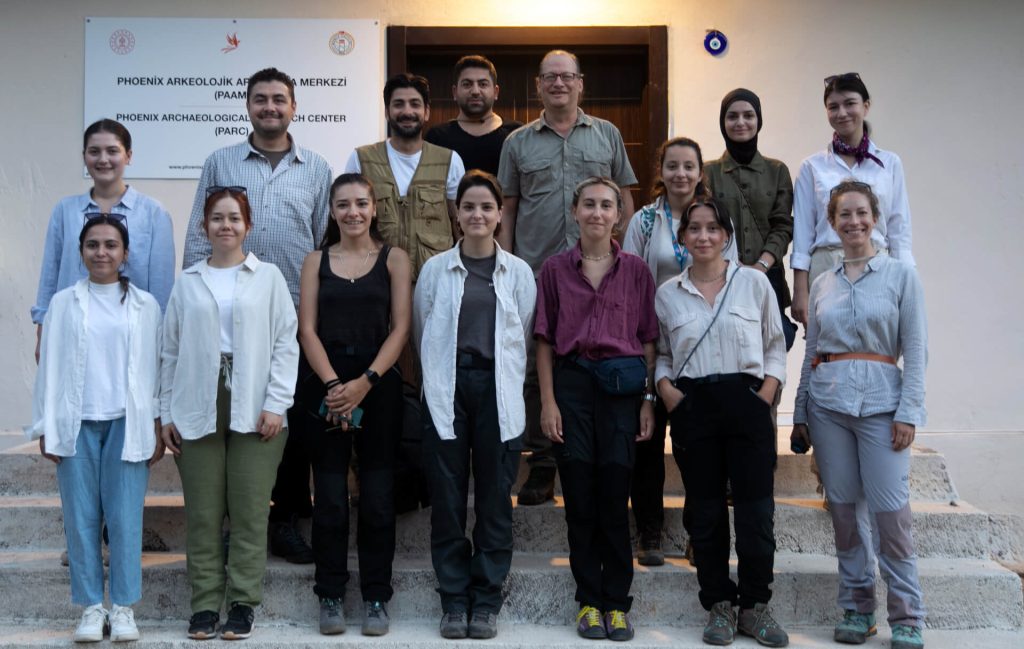
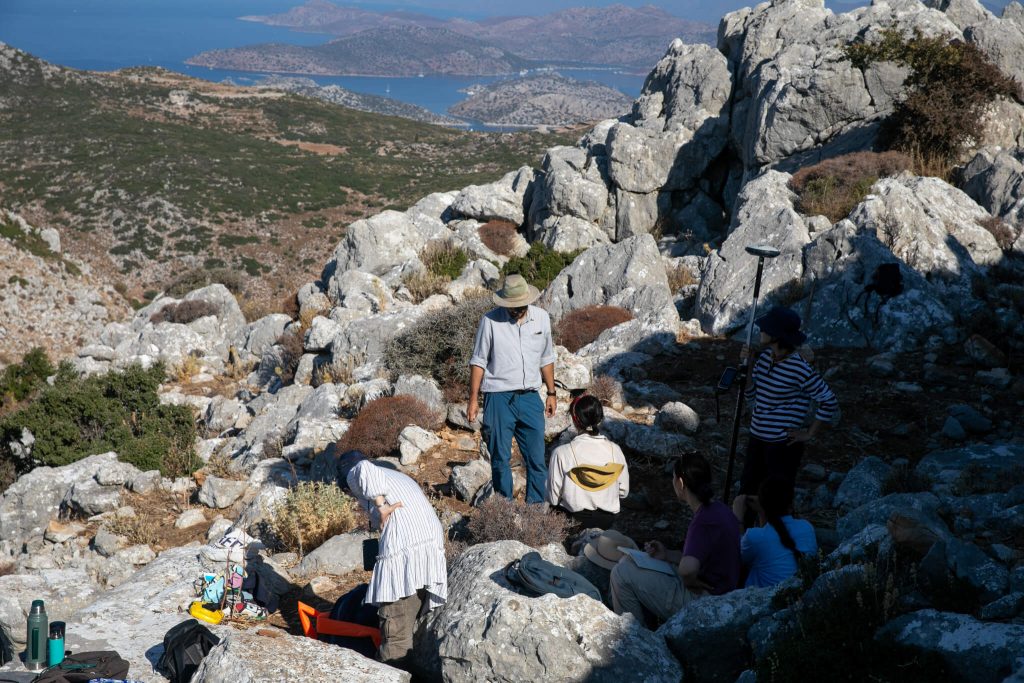
The Phoenix Archaeological Project (PAP), established in 2021 under the direction of Dr. Asil Yaman, is an interdisciplinary research initiative with permits from the Ministry of Culture and Tourism of Turkey. Based in Muğla province’s Marmaris district, the project focuses on the archaeological survey of ancient Phoenix and neighboring sites such as Thysannous and Casara. Supported by the Joe D. Seger Project Grant, PAP aims to document the region’s tangible and intangible cultural heritage while contributing to the preservation of its landscape. The project’s diverse international team includes experts in Archaeology and other disciplines (Fig. 1-2).

Fig. 1. PAP Team, 2024 (PAP Archive)
Fig. 2. A footage from the fieldwork (PAP Archive)

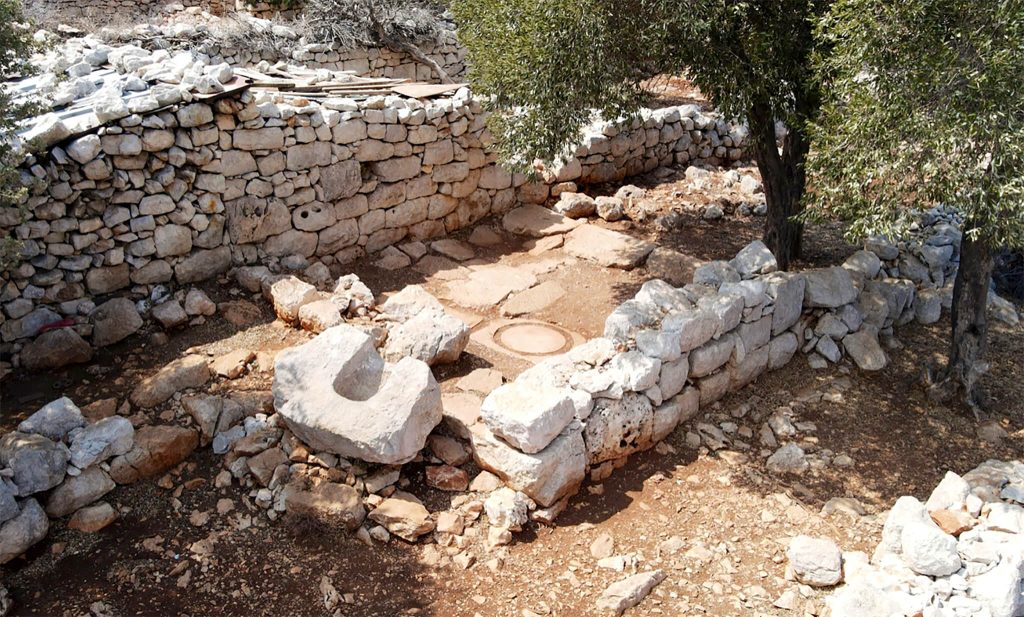
The 2024 field season focused on documenting previously unexplored heritage in Phoenix’s eastern and northern chora. The team uncovered in-situ farmsteads and olive oil workshops from the 4th century BCE, along with agricultural terraces, rock-cut cisterns, and stepped-base pyramidal tombs. PAP team also discovered ancient roads linking the farmsteads to Serçe Liman, Phoenix’s commercial harbor, offering new insights into Hellenistic agricultural practices (Fig. 3). 

Fig. 3. An olive oil workshop at Phoenix (PAP Archive)

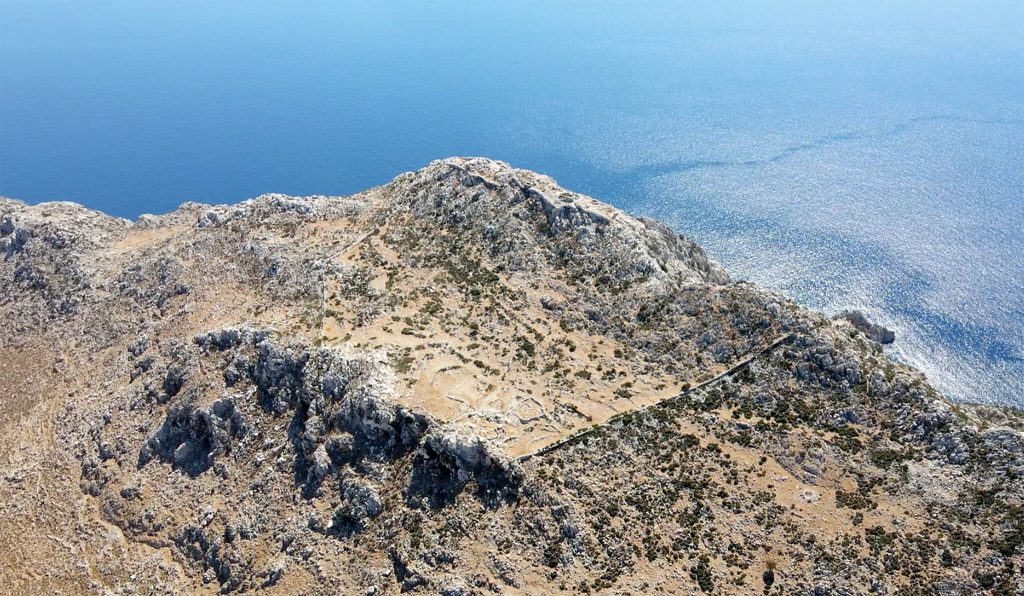
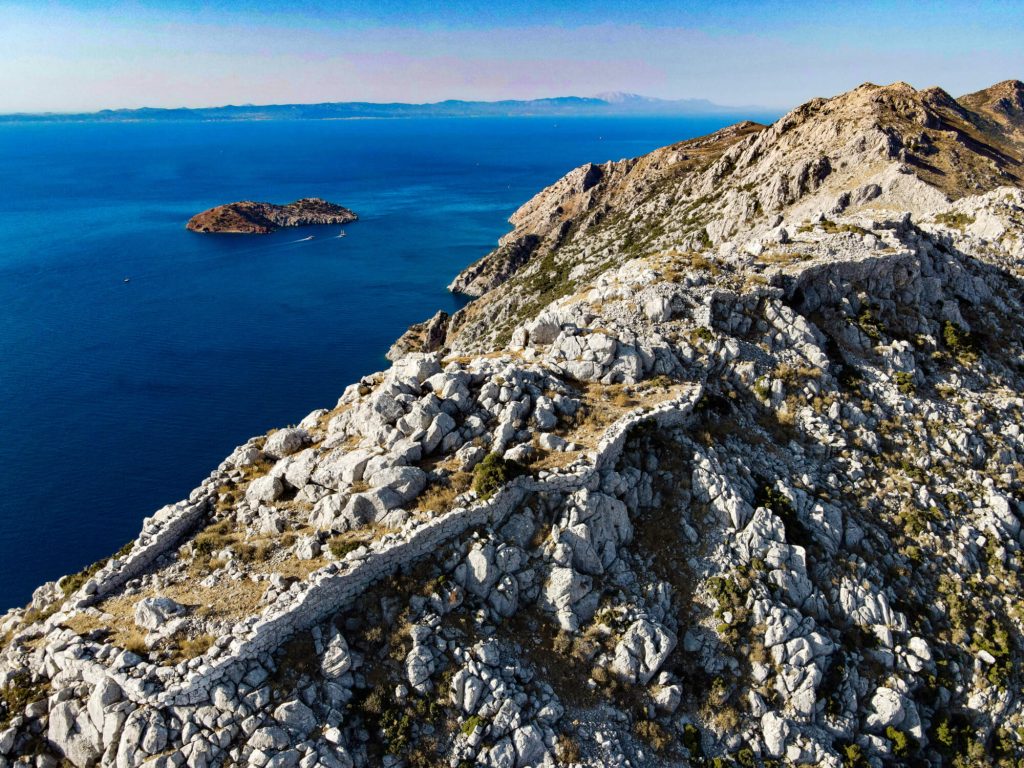
A major exploration took place in the northeastern chora, where the team identified a second acropolis surrounded by polygonal walls. Below it, we discovered a settlement enclosed by geländemauer-type walls and uncovered a rock-cut sacred space possibly dedicated to Cybele. Another settlement, with Cyclopean-walled dwellings, was also discovered, shedding light on Phoenix’s Early Iron Age development, settlement patterns, and local cult practices (Fig. 4–5). 

Fig. 4. Acropolis and the lower settlement (PAP Archive)
Fig. 5. Acropolis at Kaledağ (PAP Archive)

The team’s discoveries also included basilicas and chapels from the Early and Middle Byzantine periods, which highlight the medieval sacred organization of Phoenix. Additionally, the discovery of an abandoned village and windmills dating to the Late Ottoman Period underscores the continuity of Phoenix’s rural lifestyle over 2800 years.

PAP’s 2024 season also involved flora studies, documenting new fig types and previously unidentified plant species, contributing to a better understanding of the region’s biodiversity. The project further incorporated oral history interviews with elders from Taşlıca village, which captured local stories and traditional knowledge, enriching the documentation of Phoenix’s intangible heritage.

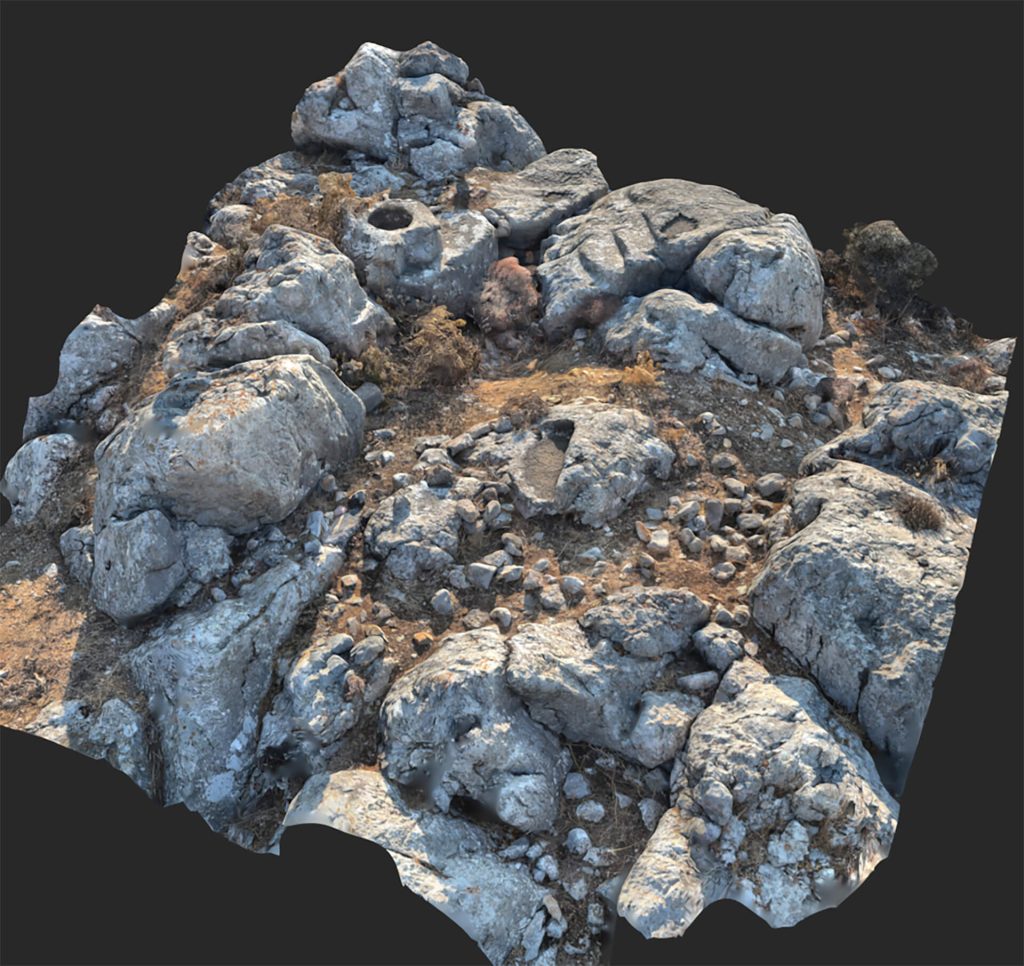
The team produced detailed site plans and architectural drawings of the newly discovered buildings, creating essential records for future preservation. We also developed a comprehensive 3D digital map of the 1-million-hectare area using Real Time Kinetic (RTK) aerial vehicles. LiDAR scans and photogrammetry were conducted on the settlements and artifacts, and all data was meticulously recorded in a web-based database (Fig. 6).

Fig. 6. Lidar scanning of Cybele Open Air Rock-Cut Sacred Space (PAP Archive)

The Phoenix Archaeological Project expresses its deep gratitude to ASOR and the Joe D. Seger Project Grant for their generous support. Special thanks go to the Ministry of Culture and Tourism of Turkey, the General Directorate of Cultural Assets and Museums, as well as the project’s main sponsor, Söktaş A.Ş., Kayhan Family and the Historic Phoenix Archaeological Association (HPAA). The invaluable contributions of the entire team and interns were crucial to the success of the 2024 field season.

Learn more about the Phoenix Archaeological Project (PAP) here.

ASOR plans to award two Seger Project Grants of $2,500 each during 2025. Apply by February 24, 2025 for consideration.

Cultural Heritage Committee Seeks New Members

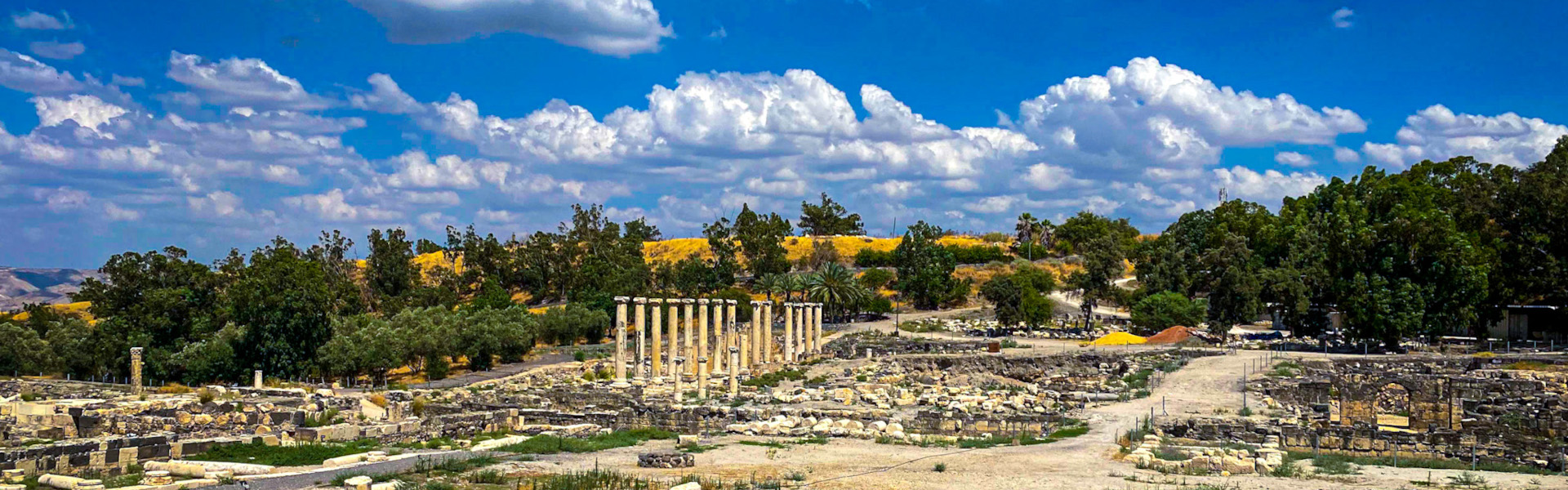
A view of columns at the site of Beit She'an in Israel.

Cultural Heritage Committee Seeks New Members

*10/23/2024 – The Cultural Heritage Committee is no longer accepting applications. Thank you for your interest.

ASOR’s Cultural Heritage Committee is placing a call for consideration for membership on the Committee for the class of 2027 with a number of open slots beginning January 2025. You can read about the Committee’s charge and purpose here.

The Committee has actively worked to energize ASOR’s membership to respond to renewal requests of Memoranda of Understanding (MoU) under the US Cultural Property Implementation Act for areas central to ASOR’s mission; hosted an FOA webinar “A World at War: Protecting Cultural Heritage in Times of Conflict“; organized a workshop, “Giving it Back: Repatriation and the Ownership of Antiquity”, at the 2023 Annual Meeting; and will be hosting another workshop, “Repatriation in the Global Context”, at the upcoming 2024 Annual Meeting.

Committee members serve a three-year renewable term and are expected to attend monthly committee meetings, conducted via Zoom. All committee members should be members of ASOR.

Please email a brief CV and explain why you are interested in being a part of this committee and what insights you would bring to the committee on cultural heritage issues to the Chair of the committee, Jane DeRose Evans: jevans@temple.edu. We are especially interested in applications from ASOR members who are based outside of North America, as well as from Early Career Scholars.

Mesopotamian Fellowship Report: Agnese Vacca

“Crafting Complexity”. Pottery Production and Consumption at Helawa (Erbil Plain) between the Ubaid and Late Chalcolithic Periods

Agnese Vacca, University of Milan, Mesopotamian Fellowship Recipient

Aims of the “Crafting Complexity” Project

The project aims at studying pottery production and consumption at Helawa (Erbil Plain) in a diachronic perspective–from the Ubaid to the Late Chalcolithic period (5th-4th millennium BC) – by means of technological and archaeometric analyses to ultimately explore the process of craft specialization and standardization, and their major implications for our understanding of complex societies in this crucial area of Northern Mesopotamia. Several studies focusing on ceramics have, in fact, pointed out that major changes in pottery production and distribution occurred in Mesopotamia in connection with the process of 4th millennium BCE urbanization, resulting in a highly specialized and intensified production performed at an extra-household level, reflected in the emergence of a standardized and mass-produced repertoire.

The project targets encompass the realization of mineralogical and petrographic characterization (thin sections, XRD, XRF, Raman Spectroscopy) on a selected sample of vessels (ca. 100 sherds) to reconstruct pottery traditions within the Helawa assemblage, understood as the result of different systems of production and consumption, passed down within a group or society. Furthermore, compositional analyses (INAA) are also envisaged to investigate ceramic production and circulation at an extra-site level, facilitating the comparison with the results already obtained for the pottery assemblage of nearby Chalcolithic sites such as Surezha, investigated by an American expedition of the Oriental Institute of Chicago (Stein 2018; Minc et al. 2019).

As a major output, the project aims at producing a database encompassing qualitative (drawings and photos) and quantitative (metric, petrographic, chemical) data intertwined with a solid stratigraphic and typo-chronological ceramic sequence, anchored to C14 dates. This dataset has the potential to carry out multivariate analyses to investigate in a diachronic perspective the relationship between the technical dimension of ceramic production, the degree of specialization, the transmission of knowledge between potters, and the socio-economic organization of prehistoric communities at Helawa, providing a frame of reference from a key-site to be compared with neighboring settlements in the Erbil Plain and more broadly in the Trans-Tigridian region.


The site of Helawa and the MAIPE Expedition in the Erbil Plain

During the last decades, dozens of international projects were launched in the Kurdistan Region of Iraq contributing to the definition of a new theoretical framework for this key area located in the Trans-Tigridian region, between the well-known Jazirah region and Southern Mesopotamia (Kopanias et al. 2015).

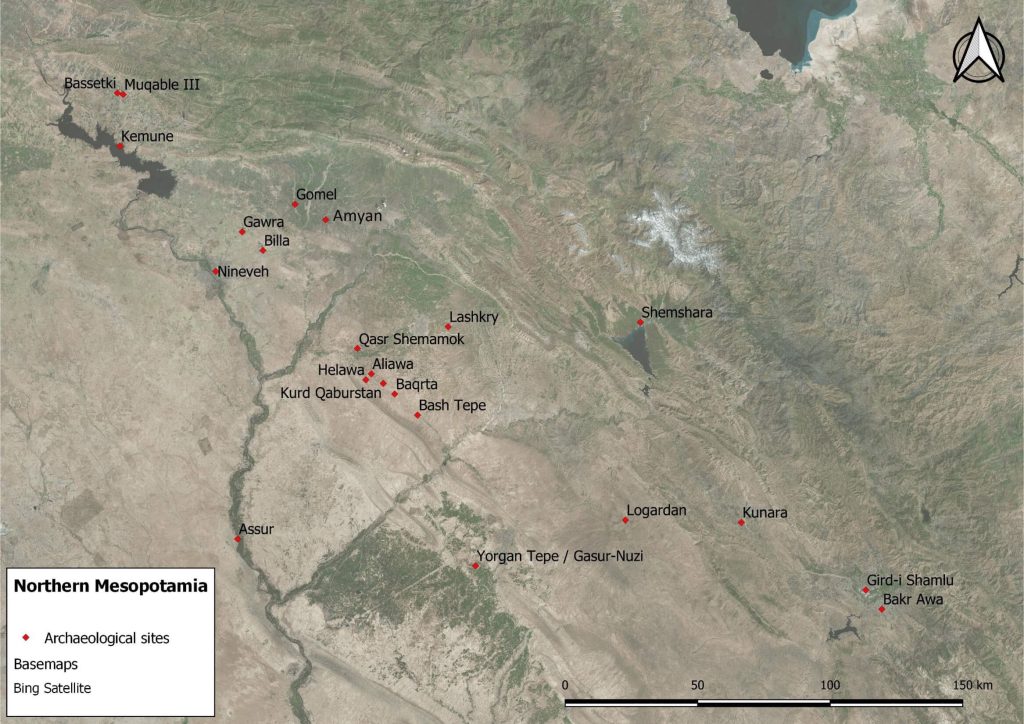
Tell/Gird Helawa (ca. 10ha) is situated about 28 km south-west from the modern city of Erbil, in the fertile Erbil plain, and has been investigated since 2013 – together with the site of Aliawa – by the MAIPE Expedition (Missione Archeologica Italiana nella Piana di Erbil) of the University of Milan under the direction of Luca Peyronel, with Agnese Vacca as Vice-director (Fig.1). Archaeological investigations at the sites of Helawa and Aliawa, with their multi-period occupation, allow an integrated reconstruction of the history of the region from the first Neolithic villages (ca. 7th millennium BC) to the fortified centers of the Parthian and Sasanian periods down to the early Islamic Age (3rd century BC-8th century AD). The MAIPE project carries out archaeological excavations, geo-archaeological and geophysical research, bio-archaeological studies and archaeometric analyses in agreement with the Iraqi State Board of Antiquities and Heritage and the Directorate of Antiquities of the Iraqi Kurdistan Region, promoting activities to enhance the local historical-archaeological heritage and disseminating the project’s results.

Fig. 1. Map of the Trans-Tigridian region with the location of Helawa and Aliawa in the Erbil Plain.

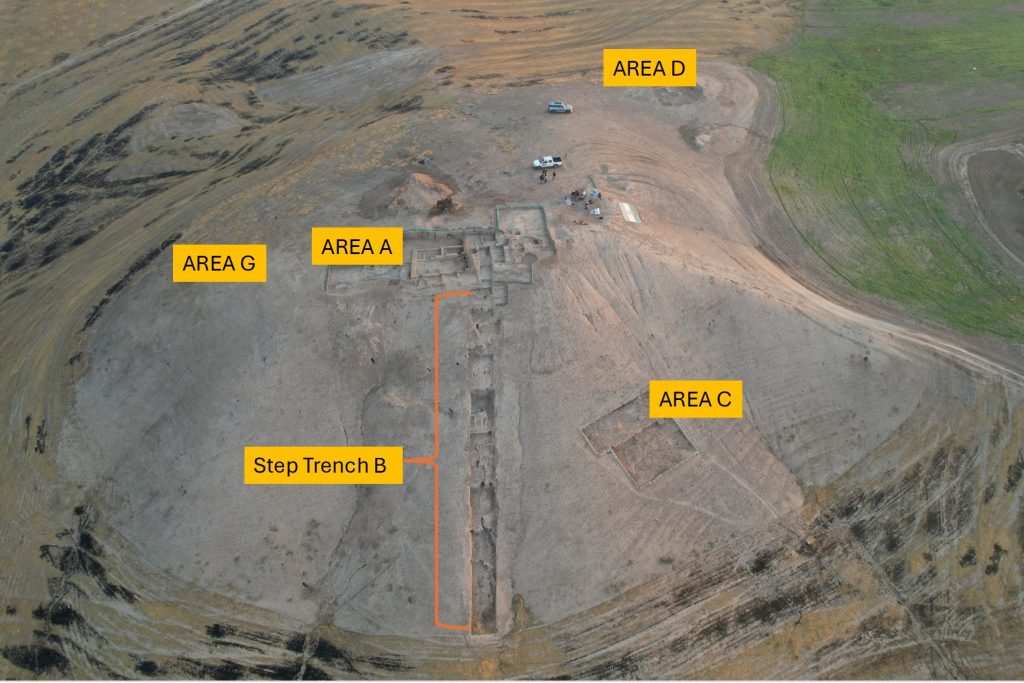
The 2016-2023 archaeological investigations carried out on the top of the Helawa mound (Area A) and along its southern slopes (Step Trench B) brought to light a seamless Halaf to Late Chalcolithic 3 (LC) sequence featuring an exceptional state of preservation of the structures, with rich in situ inventories encompassing complete and restorable vessels (Peyronel et al. 2019; Peyronel, Vacca 2020; Vacca et al. 2020). Moreover, two pottery workshops dating to the Ubaid and LC1 were excavated, allowing the analysis of both direct evidence of ceramic manufacture (furnaces and installations), and indirect variables inferred from the products themselves (Fig. 2).

Fig. 2. Tell Helawa with excavated areas 2016-2023. Viewed from the drone. ©MAIPE.

The last phase of occupation of the prehistoric mound dates to the early LC 3 (ca. 3850-3600 BC), and encompasses domestic structures excavated on the lower mounded area to the north-east (Area D)and one large tripartite building with adjoined rooms to the east and a courtyard paved with pebbles and sherds to the west (Area A, Step Trench B; Figs 2-3). After the LC 3 period, the site was abandoned and reoccupied a few centuries later, during the mid-2nd millennium BC.

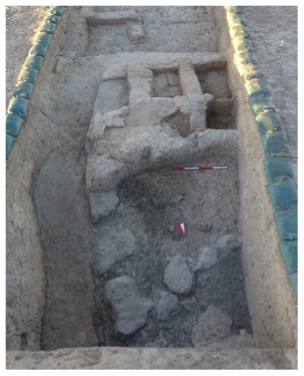
Fig. 3. Helawa, schematic plan of excavated levels in Step Trench B and Area A. ©MAIPE.

A large number of vessels has been collected from the Ubaid and Late Chalcolithic contexts excavated thus far and sorted out for chrono-typological studies (ca. 3042 diagnostic sherds). Pottery finds have been classified in relation to the detailed stratigraphic and architectural sequence allowing the reconstruction of a relative ceramic periodization, that has been then anchored to a series of radiocarbon dating obtained for the Ubaid and Late Chalcolithic levels (Vacca, Peyronel 2022). This preliminary typological and functional classification of the pottery assemblage from stratified contexts represents a solid base to carry out targeted analyses on techno-morphological and techno-petrographic feature.

Materials and Method

The available dataset consists of 3042 sherds from the 2016-2022 excavations at Helawa, which have been already drawn, filed, and arranged in the MAIPE GIS platform. The whole assemblage has been sorted out in major ceramic classes, or ware groups (e.g., Simple Ware, Painted Simple Ware, Gray Ware, Cooking Ware), based on observable macroscopic characteristics, such as paste colour, hardness, inclusions, and surface treatment. Within each ware group, vessels have been then sorted out according to specific shape classes (open/closed) and morpho-functional types previously defined based on the statistical occurrence of formal and stylistic attributes (Fig. 4).

Fig. 4. Helawa, Late Chalcolithic 1-3 ceramic types. ©MAIPE.

Out of 3042 sherds, 100 diagnostic fragments (25 dating to the Ubaid, 25 to the LC1, 25 to the LC2 and 25 to the LC3) have been selected and imported in Italy in agreement with the Directorate of Antiquities to carry out archaeometric analyses. Selected sherds are being analysed according to two main interrelated tasks:

1) Technological analyses: the different types of vessels classified according to morphological criteria, have been also studied and described based on recognizable diagnostic features related to specific techniques, methods, and tools, making use of digital high-resolution images obtained with a portable microscope (Dino-lite®) and experimental reference material (Roux and Courty 1998). Different manufacturing techniques (e.g., slab modelling, moulding, coiling, and throwing) have been identified, considering that each method produces characteristic surface features or macro-traces that can be interpreted as distinct manufacturing modes or potter’s gestures. Information about the formation and shaping process, including the use of rotative kinetic energy (RKE), has thus been described through the observation of macro traces recognised on the surface of the vessels and in cross-section. These descriptions have then been compared with information on the distribution and alignment of voids gathered through the analysis of thin sections. 

2) Mineralogical-petrographic investigations: a selection of 100 sherds has already been sampled and submitted to petrographic analyses at the Department of Earth Science of the University of Milan (G.D. Gatta, G. Morabito, D. Comboni). Pottery samples are being analysed in thin section under polarizing optical microscope, using SEM with attached X-ray spectrometer and EMP, to define petrographic groups homogeneous in the microstructure and groundmass, and to obtain a detailed characterisation of inclusions, matrix, porosity, and slip. Moreover, the mineral composition is being determined by X-ray diffraction of the selected ceramics (XRF) at the Department of Geosciences, University of Padova (L. Maritan). The ware groups, previously defined through macroscopic observations of sherds, are thus being reassessed according to petrographic groups suggesting a reduced number of fabric types identified through petrographic analysis compared with those recognized by the excavators.

Moreover, a selection of 50 sherds that have been previously thin sectioned in Milan have been shipped to the USA to perform multielement bulk compositional analyses (INAA) at the Oregon State University Archaeometric Laboratory (L. Minc). Instrumental Neutron Activation Analysis is aimed to explore compositional variation in ceramics in the Erbil Plain, comparing the results of the Helawa assemblage with that obtained for the site of Surezha (Minc et al. 2019) and more broadly with analyses of ceramics from the northernmost site of Tepe Gawra (Rothman and Blackman 2003). Furthermore, the chemical composition of pottery will be compared with geomorphological samples collected in the area around the site and already processed by the Department of Earth Science of the University of Milan (A. Zerboni, L. Forti).

Preliminary Results 

While archaeometric analyses are still ongoing some preliminary results can be described in terms of petrofabrics and manufacture of vessels in a diachronic perspective, from the Ubaid to the Late Chalcolithic period. Overall, the mineralogical association of the analyzed samples is very similar, suggesting the use of comparable raw material sources through time, with a difference in the composition of the fabrics mainly related to the addition of aggregates as well as to firing temperature, the latter resulting in newly formed phases such pyroxene and gehlenite (Morabito et al. in press). The composition and mineralogy of pottery is compatible with clay sediments found in the surrounding area suggesting that the use of local clay is highly probable. 

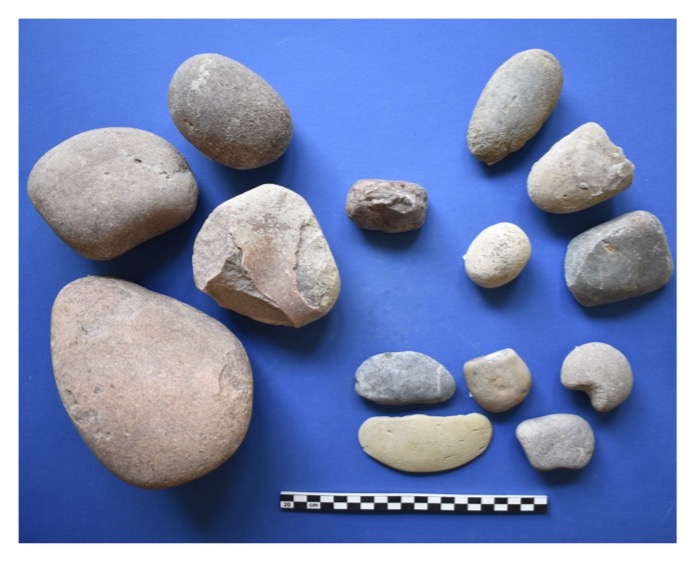
Local production is also envisaged by the discovery of firing structures dating to the Ubaid and Late Chalcolithic 1 respectively. In fact, excavations in Step Trench B, brought to light an Ubaid pottery production area with a large rectangular-shaped kiln (nearly cut through toward the east by a later pit), standing over 0.50 m high, with the firing chamber filled with ashy layers and overfired vessels. Immediately to the south of the kiln were a series of small rectangular mudbrick rooms that have been interpreted as pottery manufacturing installations and bins for clay preparation (Fig. 5). The small finds retrieved in association with the pottery workshop mainly consist of few ring scrapers, grinding stones, mortars, and lithic implements that could relate to the preparation of clay and the grinding of pigments (Peyronel et al. 2019). A parallel for the Helawa pottery workshop is represented by the Late Ubaid/LC 1 complex excavated at Tell Kosak Shamali on the Euphrates Rier, where similar small rooms made of mudbricks connected to kilns were brought to light (Nishiaki et al. 1999). 

In the next LC 1 phase the function of the area is maintained, as documented by the occurrence of numerous kiln wasters, overfired vessels and ring scrapers collected from dumping layers associated with pits and a probable kiln laying beyond the excavation area to the north-west.  

Fig. 5. Helawa, Ubaid pottery kiln K.119 (to the right); stone tools and ring scrapers for pottery manufacture (to the left). ©MAIPE.

Fig. 5. Helawa, Ubaid pottery kiln K.119 (to the right); stone tools and ring scrapers for pottery manufacture (to the left). ©MAIPE.

Even through the centuries and down to modern times, the area of Helawa/Aliawa seems to have been strictly related to pottery production as suggested by the presence of clay quarries identified by geomorphological investigations in the surroundings of Tell Aliawa, and the identification at the same site of an industrial area for pottery production dating to the Akkadian period (mid-late mid-3rd millennium BC), with mudbrick platforms and installations for clay preparation and vessels shaping, and fifty large kilns, some of which reaching 2 m in diameter, organized in clusters and connected each other through a sophisticated system of underground ducts. Pottery production is documented also in later periods, in the 2nd millennium BC, as well as in the Islamic age. Nowadays, traditional brick factories are still operational around Mastawa/Aliawa, extracting clay from local quarries, which is mixed with chaff, water and tempered with straw, shaped through rectangular molds, sun dried and ultimately fired in modern kilns.  

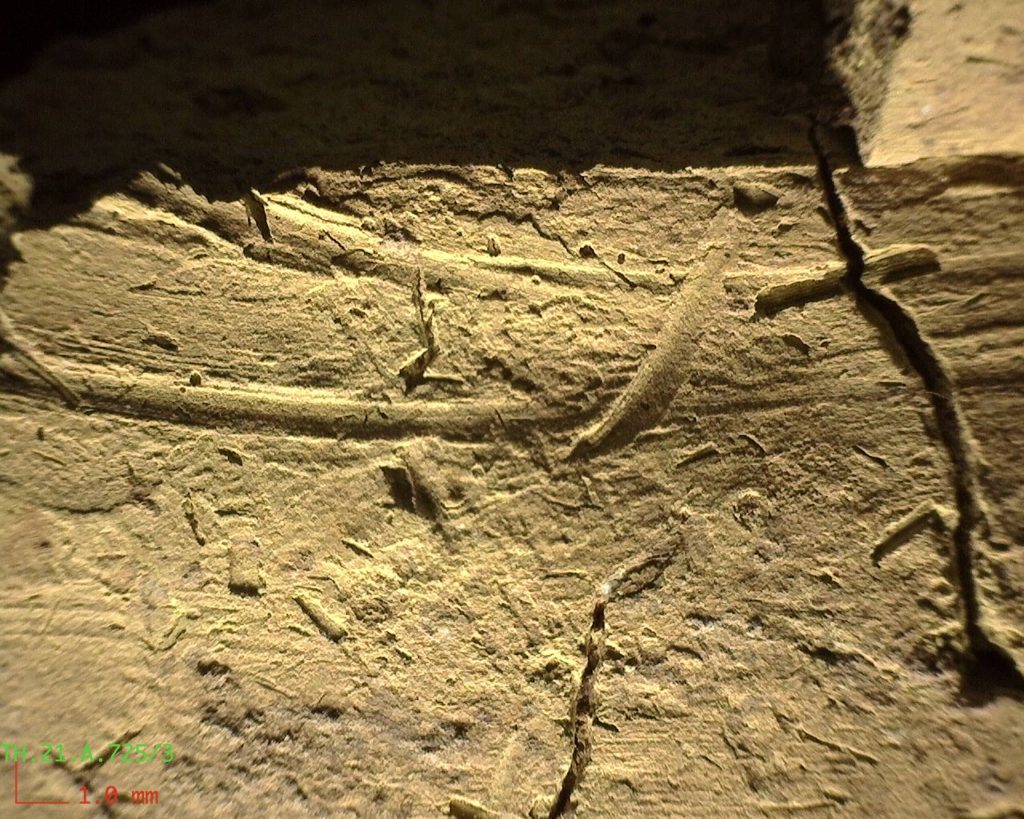
Analyses on the mineralogical composition of sherds (XRD, polarized-light optical microscopy) suggest high firing temperatures during the Ubaid period compared to the Late Chalcolithic, when medium-low firing conditions prevail (Morabito et al in press). The clay composition and recipes employed from one period to the next in the manufacturing of clay vessels indicates a shift from the use of mainly mineral-tempered (Fig. 6a) to coarser chaff-tempered pastes (Fig. 6b) that facilitate to the one hand the shaping of vessels and, to the other, their drying and firing, avoiding shrinkage cracks and thermal shock (Skibo, Schiffer and Reid 1989).  

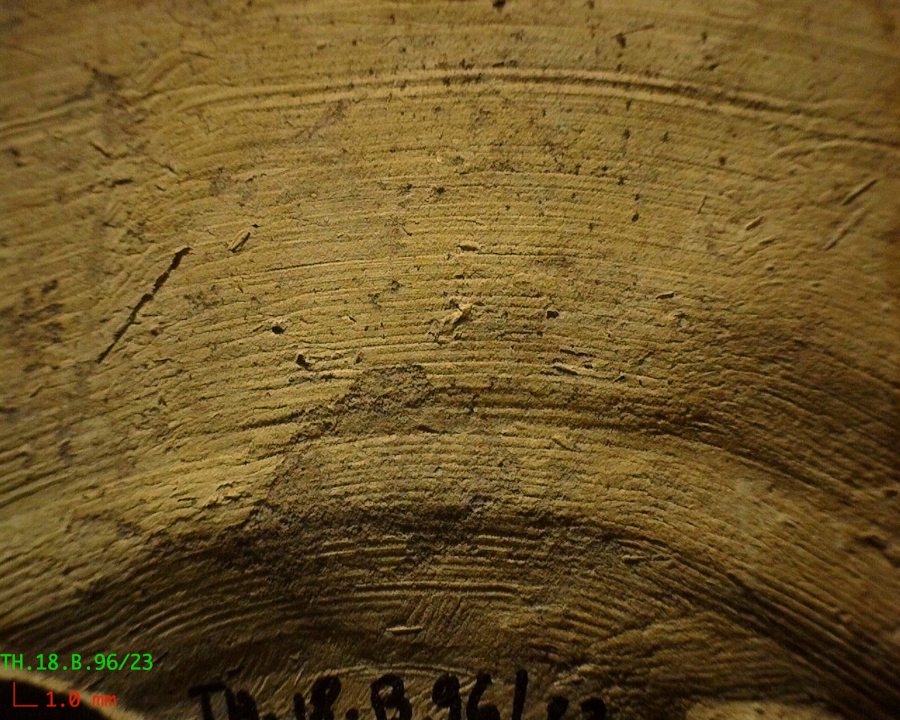
Finally, the observation of both thin sections under polarized microscope and vessel’s surfaces with a Dino-Light digital microscope (Fig. 6) provides information about the shaping techniques and the tools employed by the potters. In particular, diagnostic elements derived by the microscopic observation of the shape and orientation of voids, as well as the presence of surface features (e.g., concentric parallel striations, fissures and ridges) are being noted to identify the shaping techniques employed and the possible use of rotative devices (Baldi and Roux 2016). Data collected for both the Ubaid and Late Chalcolithic periods will be tested against experimental replica.

Fig. 6a) Ubaid (TH.18.B.96/23) and 6b) LC3 (TH.21.A.725/3) sherds from Helawa. Photo taken with Dino-Light digital microscope (©MAIPE).

Fig. 6a) Ubaid (TH.18.B.96/23) and 6b) LC3 (TH.21.A.725/3) sherds from Helawa. Photo taken with Dino-lite® digital microscope (©MAIPE).

References 

Baldi, J.S., Roux, V. 
2016 The innovation of the potter’s wheel: a comparative perspective between Mesopotamia and the southern Levant, Levant 48(3): 236–253, https://doi.org/10.1080/00758914.2016.1230379.

Kopanias, K., MacGinnis, J., Ur, J. 
2015 Archaeological Projects in the Kurdistan Region in Iraq, The Directorate of Antiquities of Kurdistan, Erbil. 

Minc, L., Alden, J., Stein, G.J. 
2019 A preliminary assessment of ceramic style and chemical composition during the Chalcolithic era at Surezha, Iraqi Kurdistan, Paléorient 45(2): 121–136. 

Morabito, G., Comboni, D., Gatta, G.D. 
in press Mineralogical-petrographic investigation of the sherds from the Helawa archaeological site, in L. Peyronel, A. Vacca (eds), Helawa Excavations I – The Southern Stratigraphic Trench (Step Trench B), Milano University Press, Milan. 

Nishiaki, Y., Koizumi, T., Le Mière, M., Oguchi, T. 
1999 Prehistoric Occupations at Tell Kosak Shamali, the Upper Euphrates, Syria, Akkadica 113: 13–68. 

Peyronel, L., Minniti, C., Moscone, D., Naime, Y., Oselini, V., Perego, R., Vacca, A. 
2019 The Italian archaeological expedition in the Erbil Plain, Kurdistan Region of Iraq. Preliminary report on the 2016-2018 excavations at Helawa, Mesopotamia 54: 1–104.  

Peyronel, L., Vacca, A. 
2020 Socio-economic complexity at the Late Chalcolithic site of Tell Helawa, Kurdistan Region of Iraq, Paléorient 46(1-2): 83–107. 

Roux, V., Courty, M.-A.
1998 Identification of wheel-fashioning methods: technological analysis of 4th–3rd millennium BC oriental ceramics, Journal of Archaeological Science 25: 747–763. 

Rothman M., Blackman, J. 
2003 Late fifth and early fourth millennium exchange systems in Northern Mesopotamia: chemical characterization of Sprig and Impressed Wares, Al-Rāfidān: Journal of Western Asiatic Studies 24: 1–21. 

Skibo, J.M., Schiffer, M.B., Reid, K.C. 
1989 Organic-tempered pottery: An experimental study, American Antiquity 54(1): 122–146. 

Stein, G.J. 
2018 Excavations at Surezha (Erbil Plain, Kurdistan Region, Iraq) 2017, in C. Woods (ed.), Oriental Institute Annual Report 2017-2018, Chicago: 29–43. 

Vacca, A., Moscone, D., Rosati, P.  
2020 Managing Survey Data from Helawa, Erbil Plain (Kurdistan Region of Iraq), in M. Iamoni (ed.), From the Prehistory of Upper Mesopotamia to the Bronze and Iron Age Societies of the Levant. Proceedings of the Broadening Horizon 5, Udine, Vol. 1 (West & East Monograph 2), Udine: 107–124.   

Vacca, A., Peyronel, L. 
2022 Towards a definition of the Late Chalcolithic Period in the Erbil Plain: The contribution of the Helawa pottery sequence, in J.S. Baldi, M. Iamoni, L. Peyronel, P. Sconzo (eds), Late Chalcolithic Northern Mesopotamia in Context: Papers from a Workshop Held at the 11th ICAANE in Munich, April 5th 2018 (Subartu 48), Turnhout: 85–103.
Introducing ANE Today’s New Website

Introducing The Ancient Near East Today’s New Website

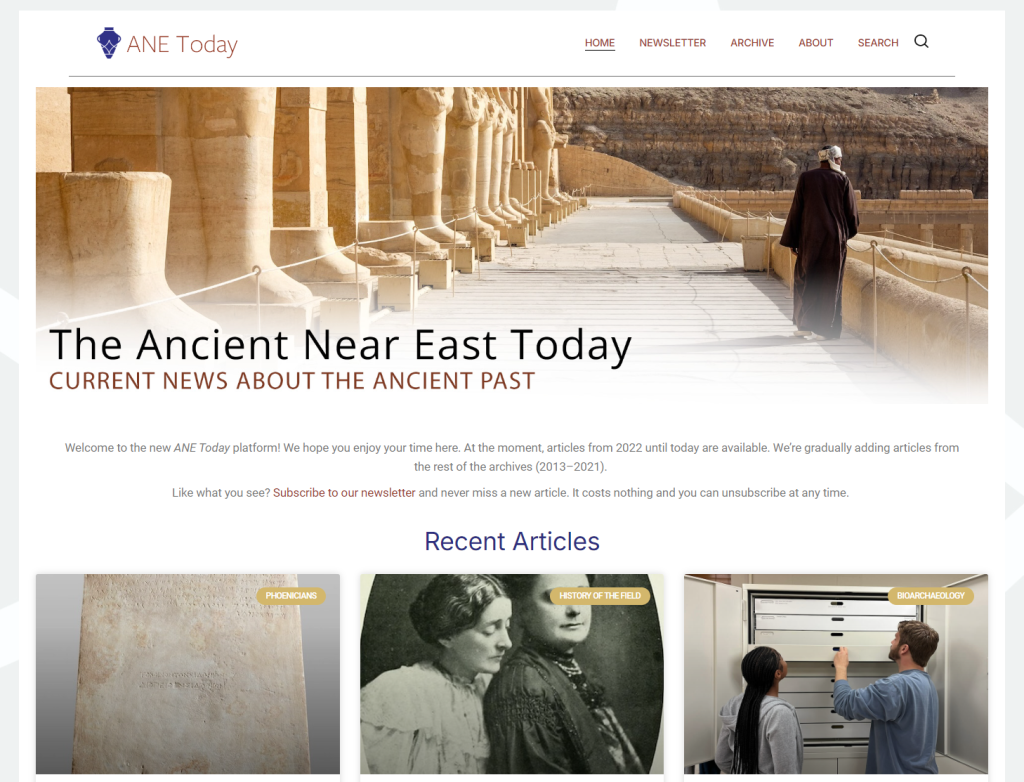
ASOR is pleased to announce the launch of our new website for The Ancient Near East Today (ANE Today), our open-access digital platform for public scholarship, disseminating the latest research, insights, and news about the ancient Near East and beyond. Free to everyone, ANE Today constitutes an important part of ASOR’s mission to encourage public understanding of the cultures and history of the Near East from earliest times until today.
THE ANCIENT NEAR EAST TODAY HOMEPAGE

The website presents a fresh, streamlined interface and will be the new home for all things ANE Today. All past and future ANE Today articles will be found here rather than ASOR’s main website. At the moment, all articles from 2022 to present are available.  We are in the process of updating and migrating the remaining archives (2013–2021) and hope to have them all available by the end of the year.

ANE TODAY’S SEARCH AND CATEGORIES

A search function has been added to ease your experience (and allow you to easily find that one ANE Today article you’ve been looking to cite in your paper). Contributors can find the new url for their past article by simply searching their surname. Not sure what you’re looking for? Categories have been added to help you explore our content.

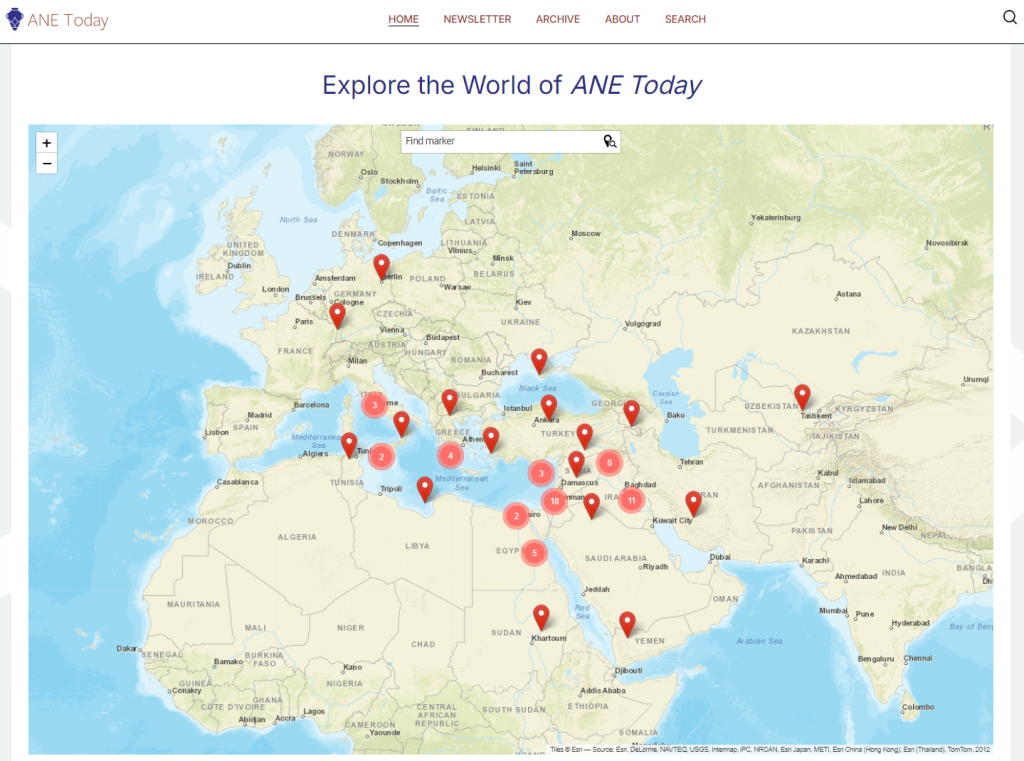
ANE TODAY’S MAP FEATURE

A new feature we are excited about is an interactive map, located at the bottom of the homepage, allowing you to browse ANE Today articles based on the location of their subject matter. You can even enter the keyword from an article title in the map’s search bar to locate where an article’s subject matter is primarily based. 

Not familiar with ANE Today? ANE Today publishes short, informative articles by emerging and established scholars discussing a variety of topics related to the ancient world. These articles are aimed at non-specialists, providing the public, students, and researchers alike with snapshots of the latest research and thinking about the ancient world. The geographic scope is broad, covering the region from the Atlantic to Afghanistan and anywhere that ancient Near Eastern materials and culture have made an impact.

In addition, ANE Today publishes a biweekly newsletter. This includes not only early access to our latest article, but also a curated selection of links to relevant content — recent news stories related to the ancient world, new books, museum exhibitions, online lectures, podcasts — together with announcements about ASOR activities and opportunities. Issues of the ANE Today are disseminated biweekly via email to anyone who has registered with the Friends of ASOR. To receive The Ancient Near East Today Newsletter, sign-up here — it’s free and you only need to provide a name and email address.

As always, we are interested to know what you think about what can be improved. Feel free to share your thoughts about the new platform with us at info@asor.org.

AASOR 76 & 77: City and Cemetery

Annual of ASOR 76 & 77: City and Cemetery

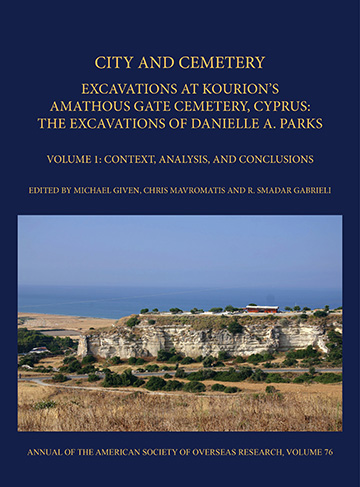
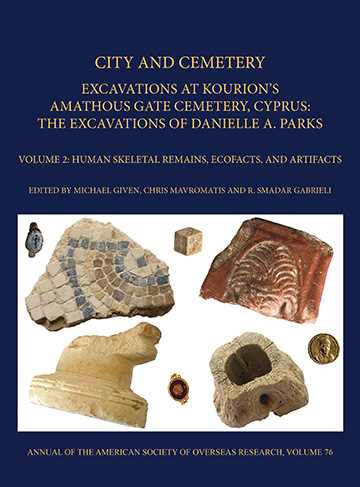
City and Cemetery: Excavations at Kourion’s Amathous Gate Cemetery, Cyprus: The Excavations of Danielle A. Parks.

Volume 1: Context, Analysis, and Conclusions
Volume 2: Human Bone, Ecofacts, and Artifacts

ed. by Michael Given, Chris Mavromatis, and R. Smadar Gabrieli

The Amathous Gate Cemetery played a key role in the spatial and social organization of the well-preserved city of Kourion on the south coast of Cyprus, and in its transformations between the Hellenistic and Byzantine periods, from massively destructive earthquakes and the rise of Christianity to new social and administrative structures. The excavations were directed by the late Danielle A. Parks from 1995 to 2000, and found striking evidence for burial and commemoration, a wide range of material culture, and a large assemblage of well-preserved human remains. The project uses an innovative methodology for analyzing mixed stratigraphy and legacy data, which we offer to those researching sites with similar challenges.

Volume 1 presents the chamber tombs and cist tombs, quarrying evidence, and deposition activity from the cleanup after the 370s CE earthquake. It integrates the stratigraphy with the analysis of the material culture and the recording of rock-cut features, and gives a broad interpretation of the results of the whole project.

Volume 2 presents detailed descriptions and interpretations of the ecofacts and artifacts. These include human and animal bone, pottery, lamps, figurines, stone objects, painted plaster, glass, jewelry, coins, and loom weights. Scientific methods include isotopic analysis of the bones, Neutron Activation Analysis of the pottery, and spectroscopic analysis of the glass.

Annual of ASOR, Volume 76, Series Editor William Caraher, June 2024, 296 pages, 147 illustrations & 28 tables. ISBN 9780897571203, $89.95.

Annual of ASOR, Volume 77, Series Editor William Caraher, June 2024, 432 pages, 143 illustrations & 58 tables. ISBN 9780897571210, $99.95.

Special Offer for ASOR Members

ASOR members (with a mailing address in the USA) can purchase a copy of AASOR 76 at the discounted price of $35.00 (65% discount + $5.00 US shipping) while supplies last. Members can also purchase a copy of AASOR 77 at the discounted price of $40.00 (65% discount + $5.00 US shipping) while supplies last. Purchases are restricted to one volume per member. We are unable to offer this discount to members without a US mailing address due to international shipping costs, but you can purchase and ship a copy through the ISD link below. Please contact programs@asor.org with any questions. Click here to purchase your discounted copy in ASOR’s online store.

Available from ISD — Distributor of Scholarly Books
www.isdistribution.com

2024 Dana Grant Report: Exploring Continuity and Transition in Southern Jordan

2024 Dana Grant Report: Exploring Continuity and Transition in Southern Jordan

Jennifer Ramsay, SUNY Brockport; Björn Anderson, University of Iowa; and Craig A. Harvey, University of Alberta

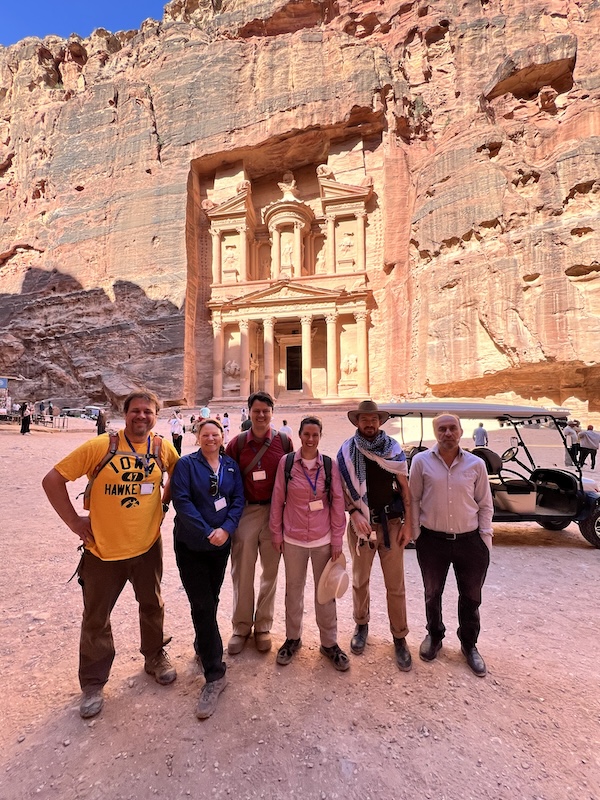
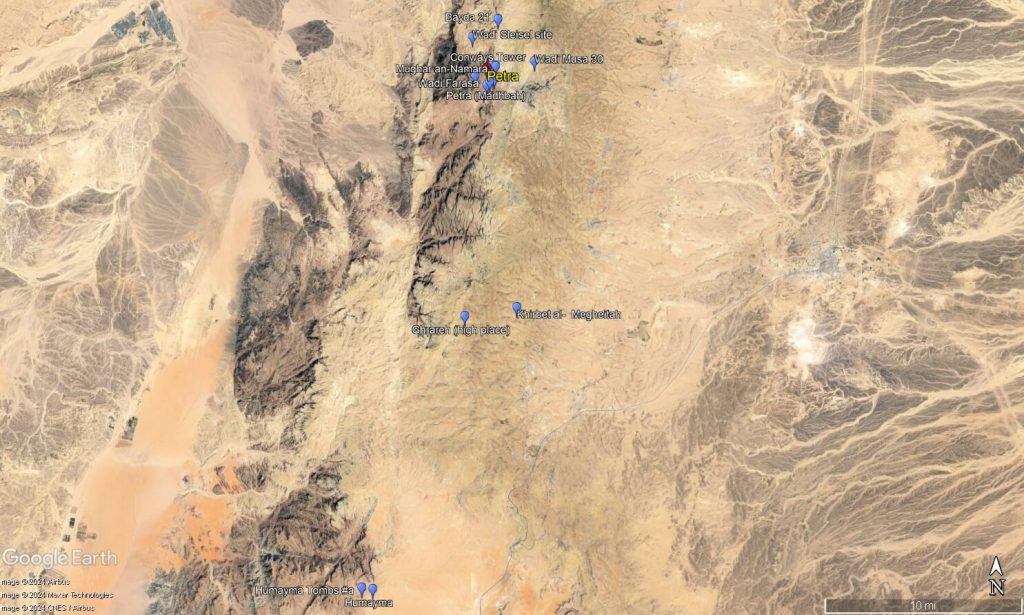
Under the direction of Dr. Jennifer Ramsay (SUNY Brockport), Dr. Björn Anderson (University of Iowa) and Dr. Craig A. Harvey (University of Alberta) (fig. 1), and with the generous support from the Stevan B. Dana project grant, our project launched its first season as a feasibility survey. The primary goal of this survey was to explore archaeological sites around Petra for signs of continuity or transitions in cultural practices from the Iron Age to the Nabataean period (approx. 539-300 BCE). Previous surveys in the region noted material culture from  these periods, but few sites have undergone extensive excavation. This project aims to fill the gap in our understanding of this transitional period by focusing on cultural activities such as ritual, funerary, agriculture, and engineering practices. The survey targeted 12 selected sites where Iron Age and Nabataean material culture overlap, including Conway’s Tower, Mughar an-Nasara, Wadi Farasa, Jebel al-Khutbah, Madhbah, Khirbet al-Megheitah, Bayda, Wadi Musa, Umm el-Biyara, Ghrareh, and Humayma (fig. 2)

Figure 1 The project team in front of al-Khazneh (the Treasury) in Petra (from left to right, Dr. Björn Anderson, Dr. Jennifer Ramsay, Dr. Craig Harvey, Dr. Amanda Harman, Josh Feland and Abdullah al-Saket).
The project team in front of al-Khazneh (the Treasury) in Petra (from left to right, Dr. Björn Anderson, Dr. Jennifer Ramsay, Dr. Craig Harvey, Dr. Amanda Harman, Josh Feland and Abdullah al-Saket).
Figure 2 Map of sites explored during the 2024 feasibility survey.

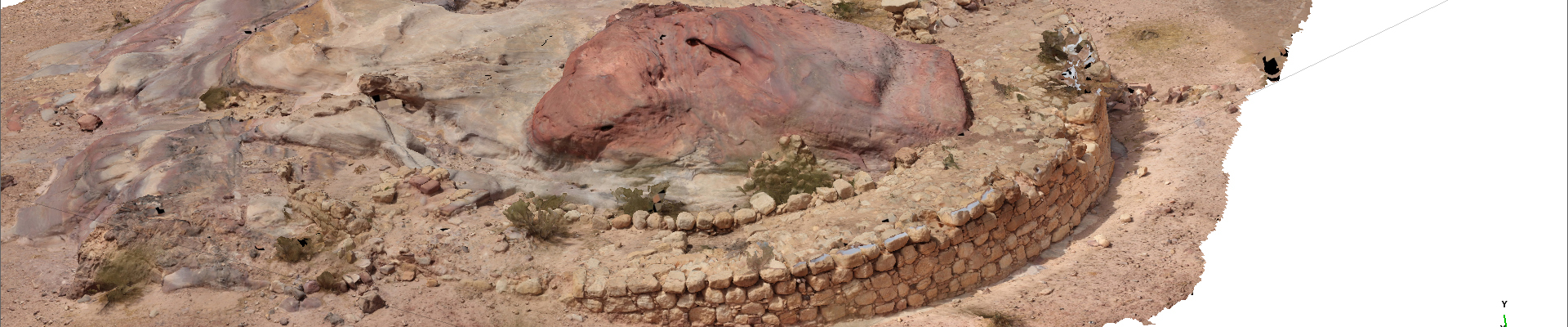
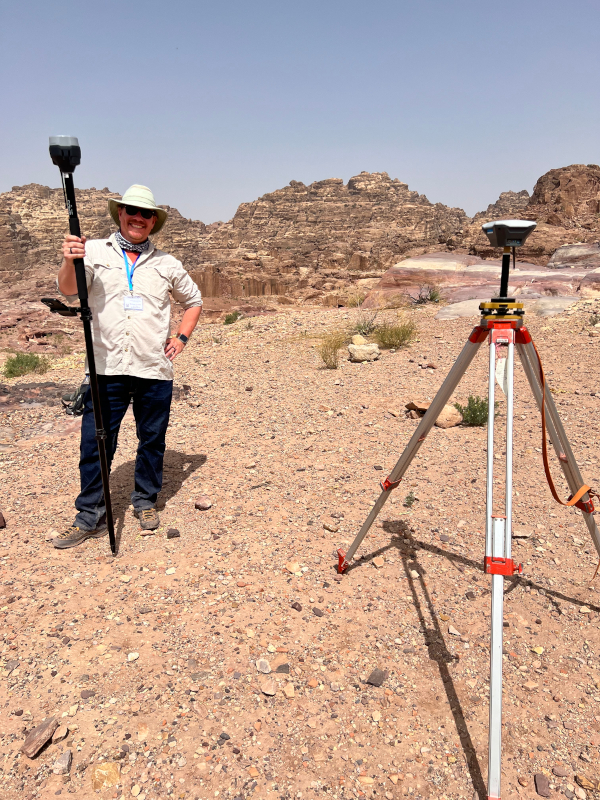
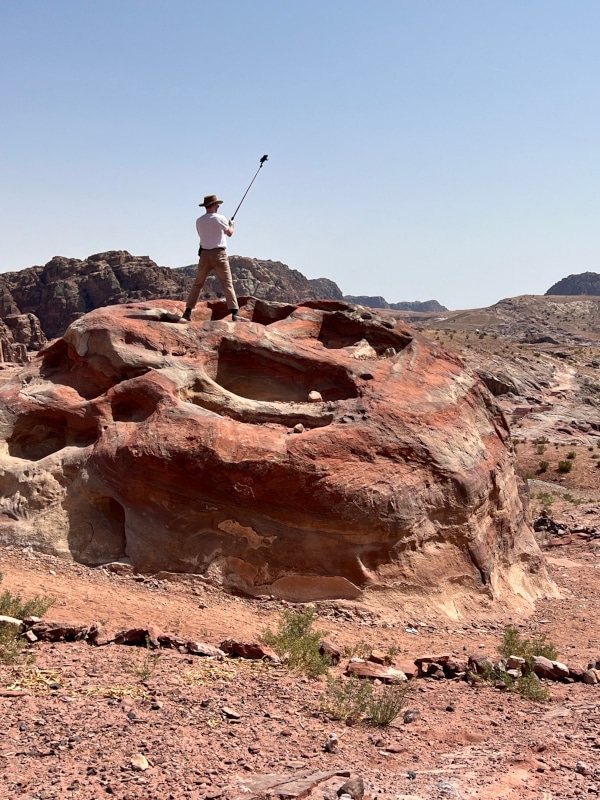
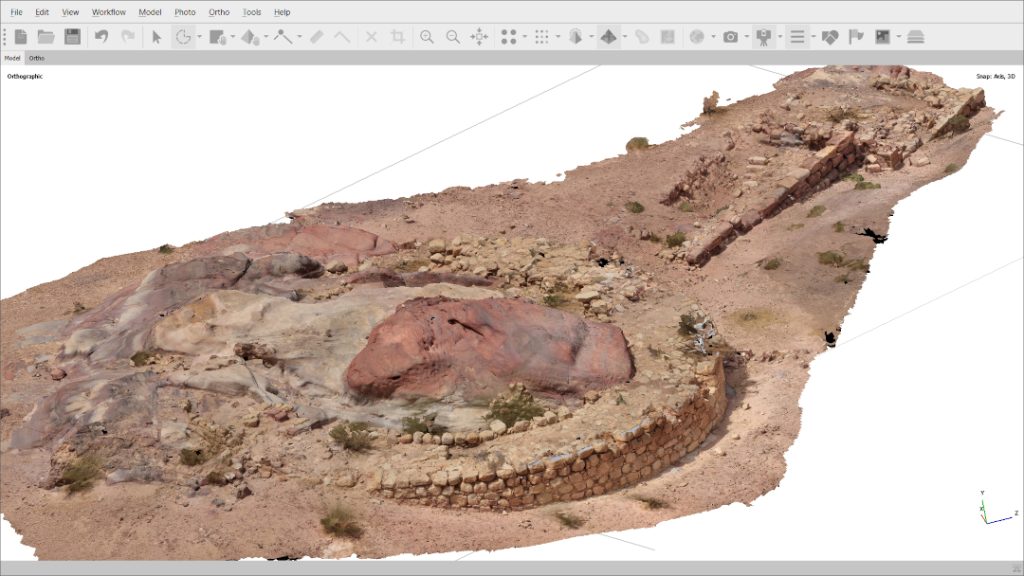
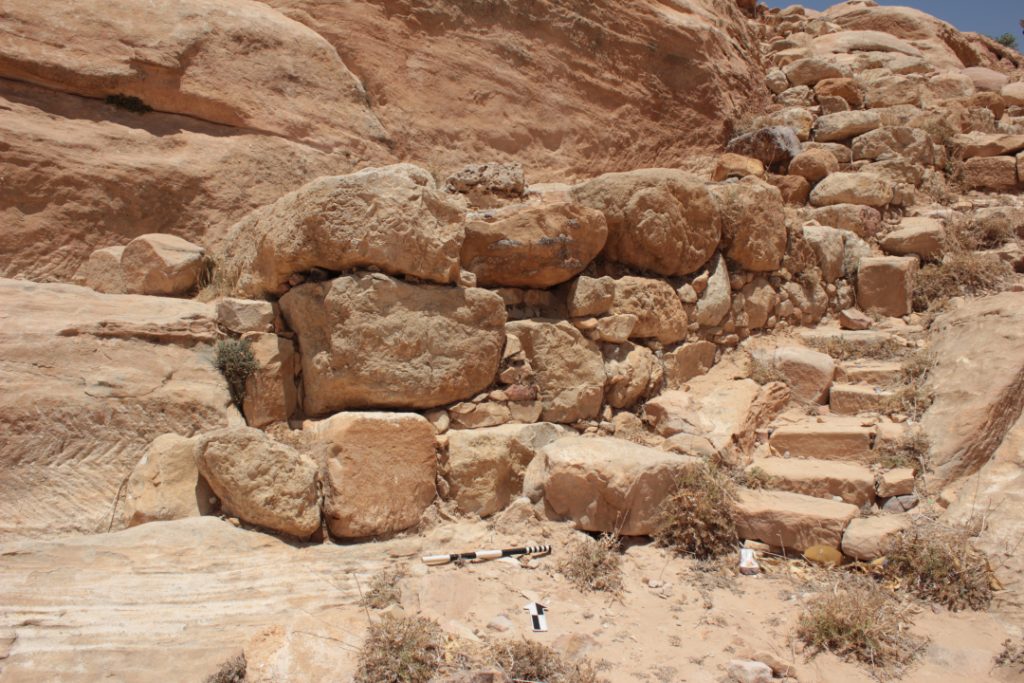
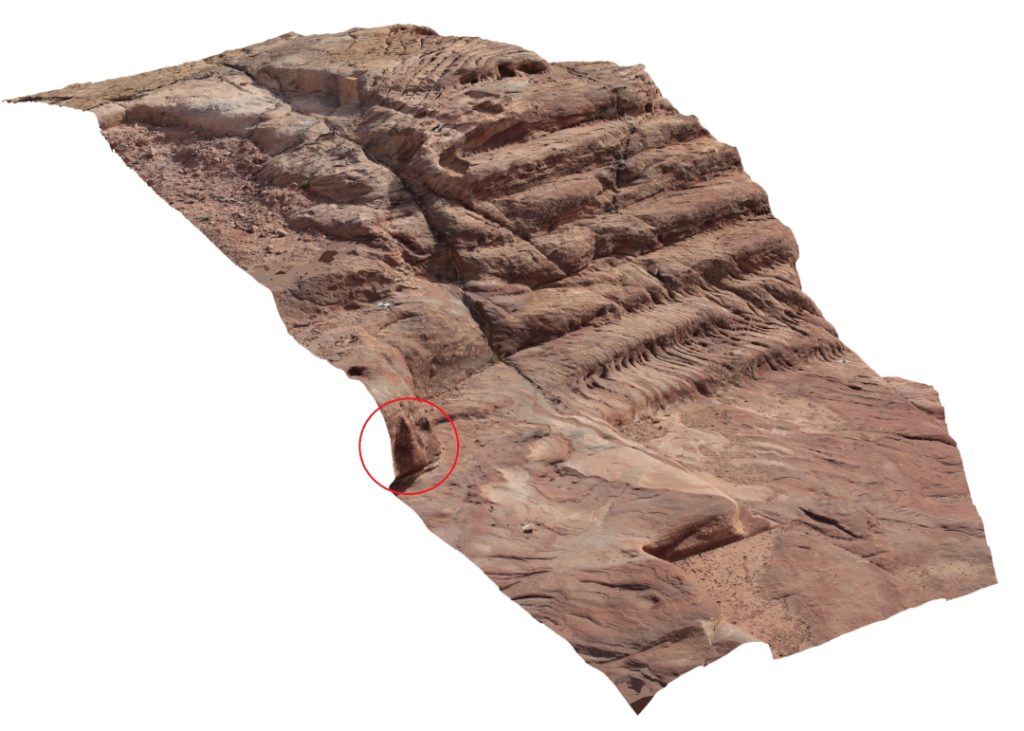
The field survey, conducted from May 15th to 30th, involved documenting archaeological evidence using Real-Time Kinematic positioning (RTK) with an Emlid RS+ device (fig. 3), traditional and photogrammetric photography (fig. 4), and written descriptions. No artifacts were collected; instead, surface pottery and lithics were recorded through notes and photographs. Over the two-week survey, the team visited and documented 12 sites. Significant accomplishments included high precision photogrammetry of Conway’s Tower (fig. 5), recording of undocumented architectural features across multiple sites (fig.6), including an apparently unknown nefesh at Mughar an-Nasara (fig. 7), and evaluation of likely Zoroastrian influences in funerary practices at Wadi al-Farasa. However, urban encroachment and looting have heavily impacted some sites, including several in the Petra Park; “Site 30” in Wadi Musa seems to have been entirely bulldozed and no traces remain.

Figure 3 Dr. Matt Vincent using RTK to survey in Petra.
Figure 4 Josh Feland carrying out photogrammetry of funerary features in Petra.
Figure 5 Photogrammetry capture of Conway’s Tower.
Figure 6 Possible Iron Age wall under Nabataean features of the ‘Dionysian Hall’ at Bayda.
Figure 7 Photogrammetry image of a potentially undocumented nefesh at Mughar an-Nasara, to the left of the staircase in circle.

The survey helped to identify several sites with promise to elucidate both continuity and transition between the Iron Age and Nabataean periods in the Petra region. Further exploration and detailed analysis are planned and the project aims to continue surveys and eventually undertake targeted excavations to deepen our knowledge of this transitional period. We would like to thank ASOR and the Stevan B. Dana project grant for making our work this summer possible. We also would like to thank the Department of Antiquities of Jordan and their representative Abdullah al-Saket, the Petra Archaeological Park and Qais Tweissi, the American Center of Research (ACOR) in Amman, and various funding sources for their support. We also acknowledge the wonderful contributions of our team members, Dr. Amanda Hardman, Dr. Matt Vincent, graduate student Josh Feland (University of Alberta) and our ceramic virtual consultant Dr. Sarah Wenner.

Fall Internships at ASOR

FALL INTERNSHIPS AT ASOR

*All of our fall internships have been filled. Thank you for your interest.*
ASOR seeks candidates for part-time internship positions to begin on or around September 9th. These paid internships are for the fall semester (September-December) with the possibility of renewal for the spring semester. Interns are expect to work 10–15 hours per week at ASOR’s headquarters—The James F. Strange Center, 209 Commerce St., in historic Old Town Alexandria, VA. Hours and schedule are flexible depending on school or other commitments.

Founded in 1900, the ASOR is a 501(c)(3) non-profit whose mission is to initiate, encourage, and support research into, and public understanding of, the history and cultures of the Near East and wider Mediterranean world, from the earliest times. Please visit www.asor.org for more information.

Primary Responsibilities:

  • Maintain high-quality customer service for ASOR’s members and friends
  • Assist with maintenance of ASOR’s website.
  • Assist with ASOR’s Annual Meeting in Boston (November 20-23) by providing off-site administrative support including but not limited to, processing registration and exhibitor payments, answering attendee questions via email, and promoting the Annual Meeting on the ASOR website and social media platforms.
  • Provide general office support (e.g., scanning, copying, ordering supplies, and processing mail, orders, and bills)
  • Assist with membership and donation mailings
  • Perform other office duties as assigned

Qualifications / Skills Desired:

  • General office skills
  • Customer service
  • Microsoft Office
  • Database management
  • Familiarity with social media platforms (Instagram, Facebook, TikTok, and X/Twitter)
  • Graphic and image design and editing (Adobe Photoshop, Canva, etc.)
  • Website management (WordPress or similar)
  • Excellent communication and interpersonal skills
  • Attention to detail; ability to multitask and to prioritize

Compensation: $15/hr

How To Apply: E-mail your resume and a brief statement of interest to Marta Ostovich at programs@asor.org. Please include your name and “ASOR Internship” in the subject line.

Review of applications will begin immediately and continue until the positions are filled.

ASOR is an equal opportunity employer and all qualified applicants will receive consideration for employment without regard to race, color, gender, religion, national origin, disability, veteran status, age, marital status, sexual orientation, gender identity, genetic information, or any other class protected by federal or state law (EEO/AA).

Mount Zion – Female Union Band Society Cemetery Documentation Workshop Recap

Mount Zion – Female Union Band Society Cemetery Documentation Workshop Recap

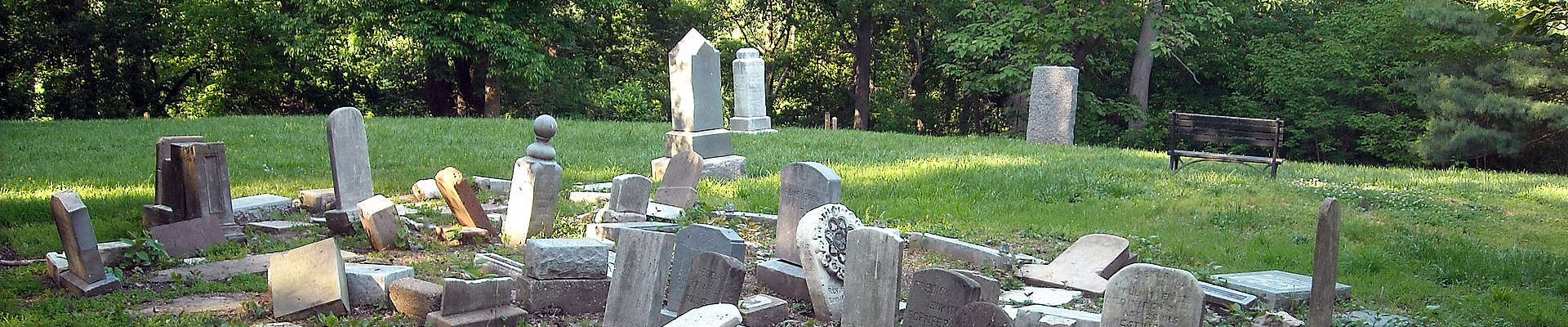
From June 27 – 30, ASOR was pleased to host the Mount Zion – Female Union Band Society Cemetery Documentation Workshop in partnership with Archaeology in the Community (AITC) and Black Georgetown Foundation. This public 3-day hybrid workshop on cemetery documentation took place online through Zoom and in-person at the Mount Zion – Female Union Band Society Cemetery in Washington, D.C.

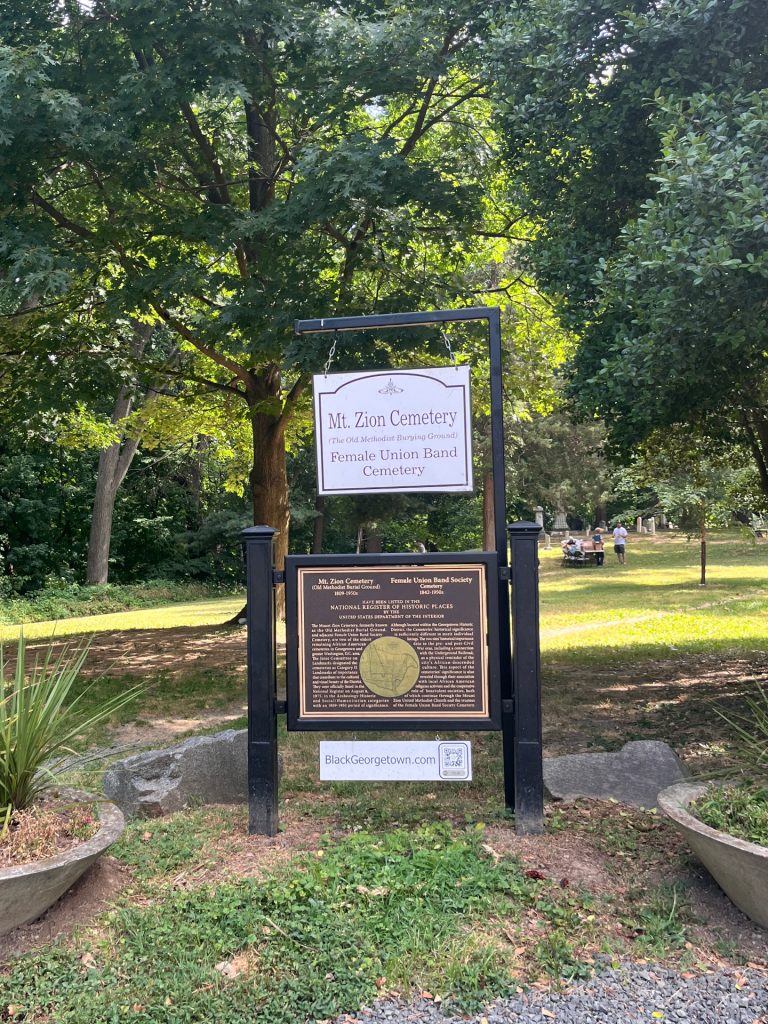
The entrance to Mount Zion - Female Union Band Society Cemetery.

The workshop commenced with a Zoom session on June 27 covering a brief history of the cemetery, the fundamentals of cemetery documentation, and an introduction to the two heritage documentation techniques participants would use at the in-person session – KoboToolbox and photogrammetry. The session was recorded and can be viewed here.


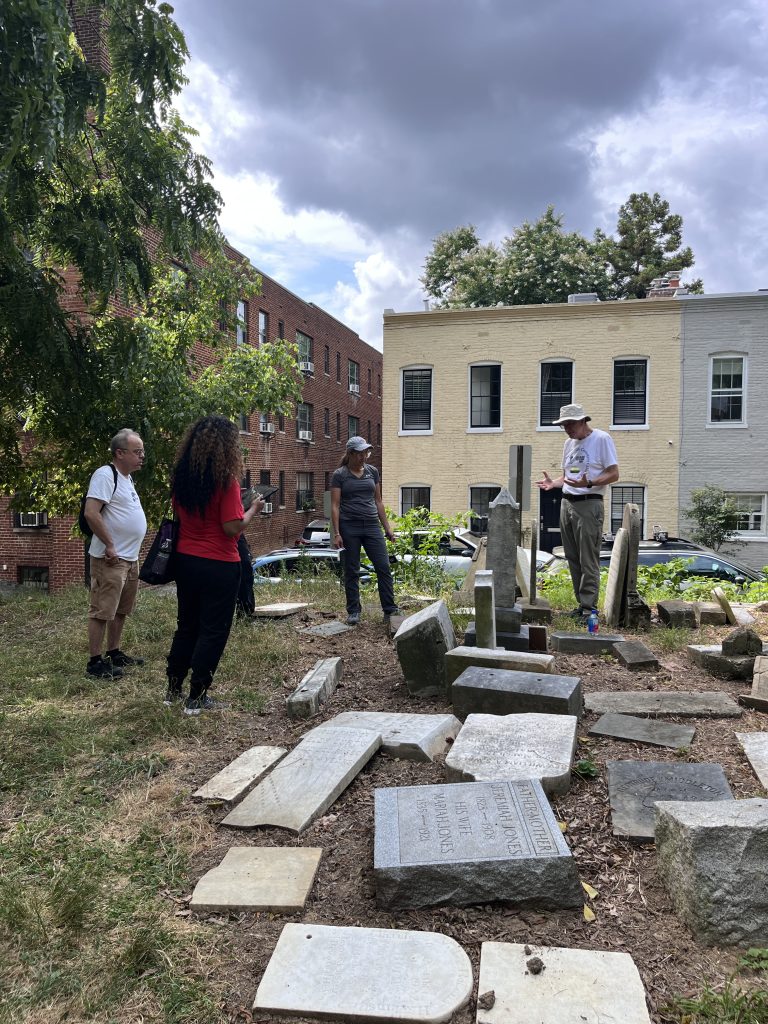
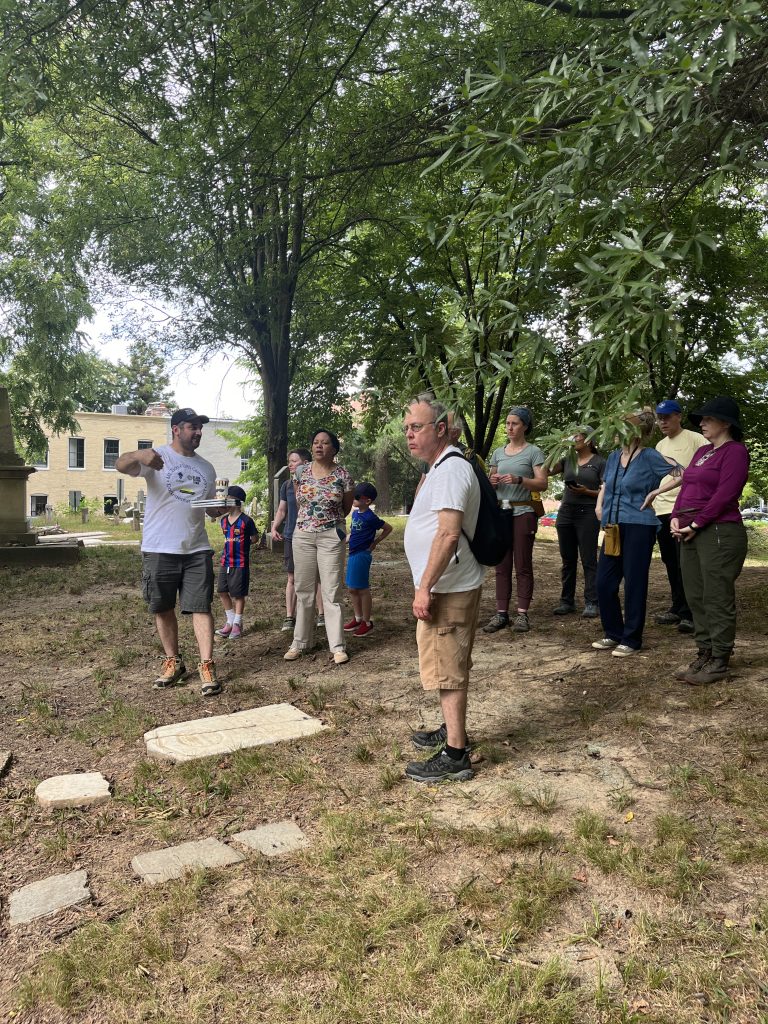
On June 29, participants joined staff from ASOR, AITC, and Black Georgetown Foundation, as well as members from the William Leo Hansberry Society, at the cemetery to engage in the on-site training session and gain valuable, practical experience in cemetery documentation techniques. This included cataloging tombstones and historical markers using KoboToolbox, a free and open source software for location and descriptive data collection. Participants were sorted into groups to practice recording different sections of the cemetery. Using tools like handheld GPS devices, tape measures, whiteboards, and photo scales, participants compiled data from the tombstones and uploaded them into a custom form on KoboToolbox.

Participants attending the on-site training on June 29 at the cemetery.
ASOR staff instruct participants on how to use Kobotoolbox to collect data.
ASOR staff and participants discuss how to document a tombstone.

After collecting data via KoboToolbox, staff proceeded to instruct participants on the basics of photogrammetry. Photogrammetry is a process using two-dimensional (2D) images to provide measurement data which can then be input into photogrammetric software, such as Agisoft Metashape, to create 3D models. These 3D models can be highly useful and aid archaeologists in uncovering hidden details of objects and buildings. This method also preserves heritage sites digitally and facilitates accurate reconstructions.


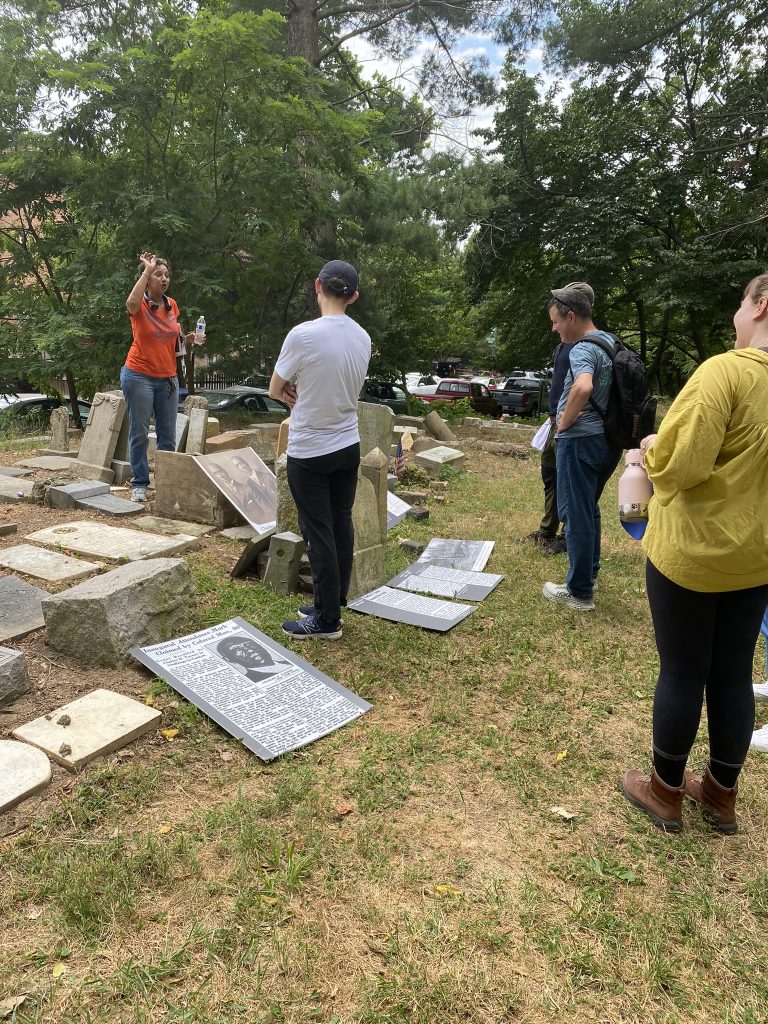
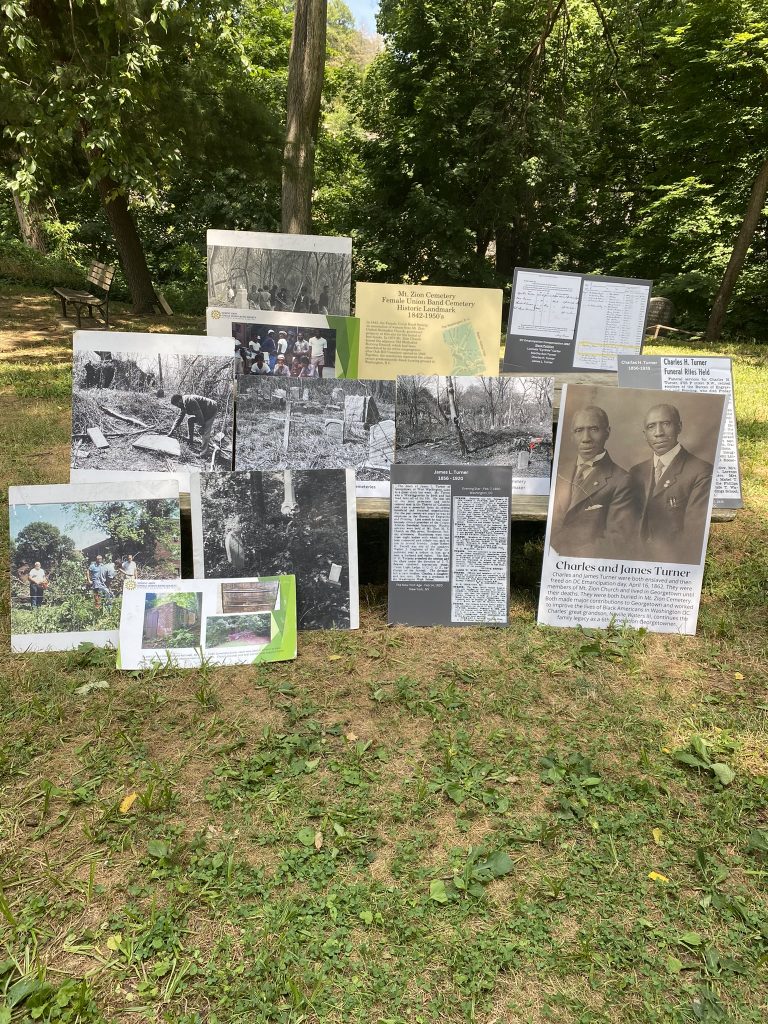
Lisa Fager, the Executive Director of Black Georgetown Foundation, was able to join the on-site training and offer an extensive and fascinating tour of the cemetery grounds. Bringing along several posters and visual aids for participants to view, Lisa described the history of African-American cemeteries in Washington, D.C., the cemetery’s association with the Underground Railroad, and the notable individuals buried on the grounds including Charles Turner, also known as “the Black Mayor of Georgetown.” Read more about the history of the cemetery here.

ASOR staff instruct participants on how to take photographs for photogrammetry.
Lisa Fager, the Executive Director of Black Georgetown Foundation, gives a tour of the cemetery.
Posters about the history of the cemetery.

The final session of the workshop on June 30 via Zoom focused on how to process & analyze data collected through KoboToolbox and how to create 3D models through photogrammetry. The session was recorded and can be viewed here. ASOR staff collected photos from participants and processed them to create 3D models; one of the models is shown below.

ASOR is proud to have hosted this successful introduction to heritage documentation workshop. Part of our core mission is to develop engaging programs of outreach for the general public, and we are grateful for all those who participated in this event. Thank you to everyone who attended, and we hope to see you at future events!

Collections Fellowship Report: Jon Paul Heyne

2024 Collections Fellowship Report: Social Mobility of the Medieval Mediterranean: The Case of the Franciscan Custody

Jon Paul Heyne, Assistant Professor of History at the University of Dallas

Shortly after the collapse of the Crusader States in the late thirteenth century, small bands of Franciscan friars traveled to Jerusalem to undertake a daunting task: the renewal of a Latin Christian presence in the Holy Land. Courting patronage from the monarchs and pontiffs of Europe and cooperation from the Mamluk sultans of Egypt, the friars succeeded in their project. Forming the Franciscan Custody of the Holy Land c.1333, they gained not only important rights at many of the Holy City’s Christian shrines but also ownership of plots of property—with gardens, cisterns, and residences—first on Mt. Sion in Jerusalem but then later in Bethlehem and Ramla.

Beyond significantly marking a new phase in Latin Christian relations with the Levant, this establishment of the Franciscan Custody demonstrates the social fluidity of the Late Medieval Mediterranean. In uprooting themselves from the Latin West to reside in the Islamic world of the Eastern Mediterranean, the Franciscans dramatically altered their social dynamics with numerous parties—rising in standing in the eyes of some, falling to a minority status in the eyes of others, and taking on social relations with many whom they would never have encountered without making the transit across the sea.

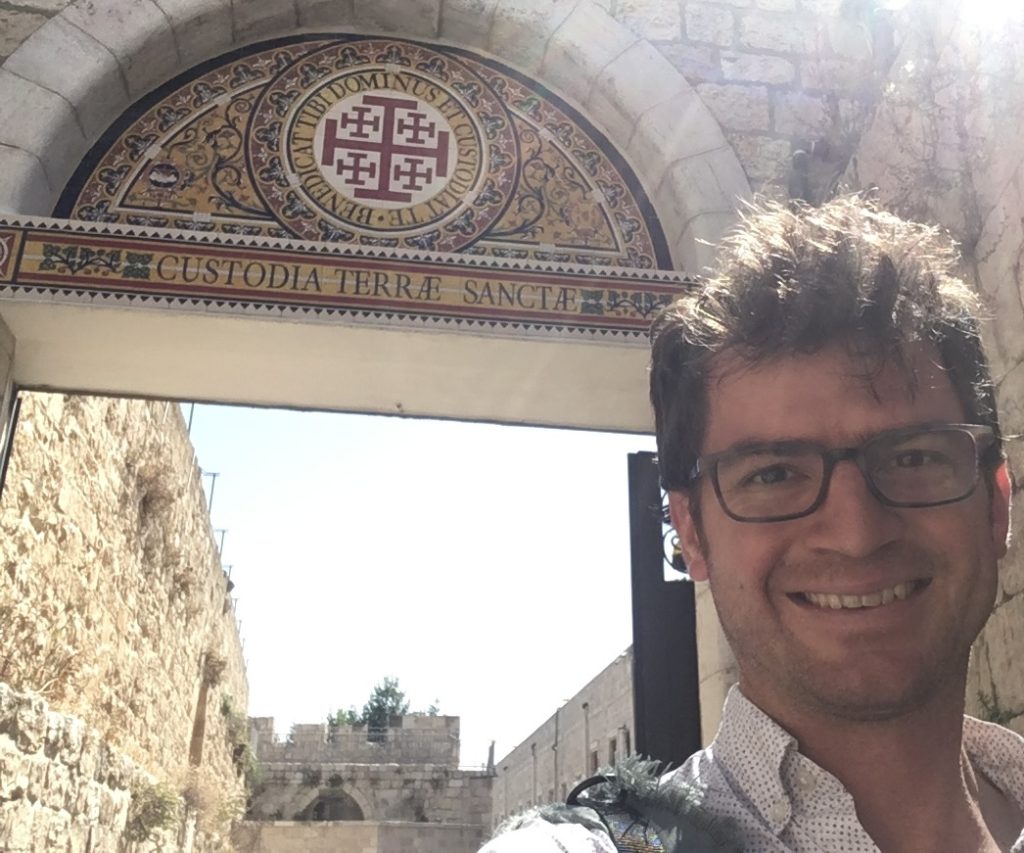
In front of the Franciscan Archivio Storico della Custodia di Terra Santa in Jerusalem. Photo courtesy of author.

With generous funding from ASOR’s Collections Fellowship and the assistance of archivist Fr. Narcyz Klimas, I returned to the Franciscan Archivio Storico della Custodia di Terra Santa to hunt down several unedited purchase deeds related to the history of the Custody. Seemingly dull and overly formulaic, these deeds recount the friars’ acquisition of properties throughout the Holy Land and thus offer some of the most concrete evidence for the development and expansion of their presence in the region in the fourteenth and fifteenth centuries. Additionally, these records provide fascinating details on the Franciscans’ relationships with others in the area, illustrating how the friars negotiated with local Muslim authorities, Italian laywomen, merchants in Ramla, and Armenian archbishops (to name just a few). As I continue the work of transcribing and translating these documents, I offer my sincerest thanks to ASOR and its donors for this opportunity to advance my research.

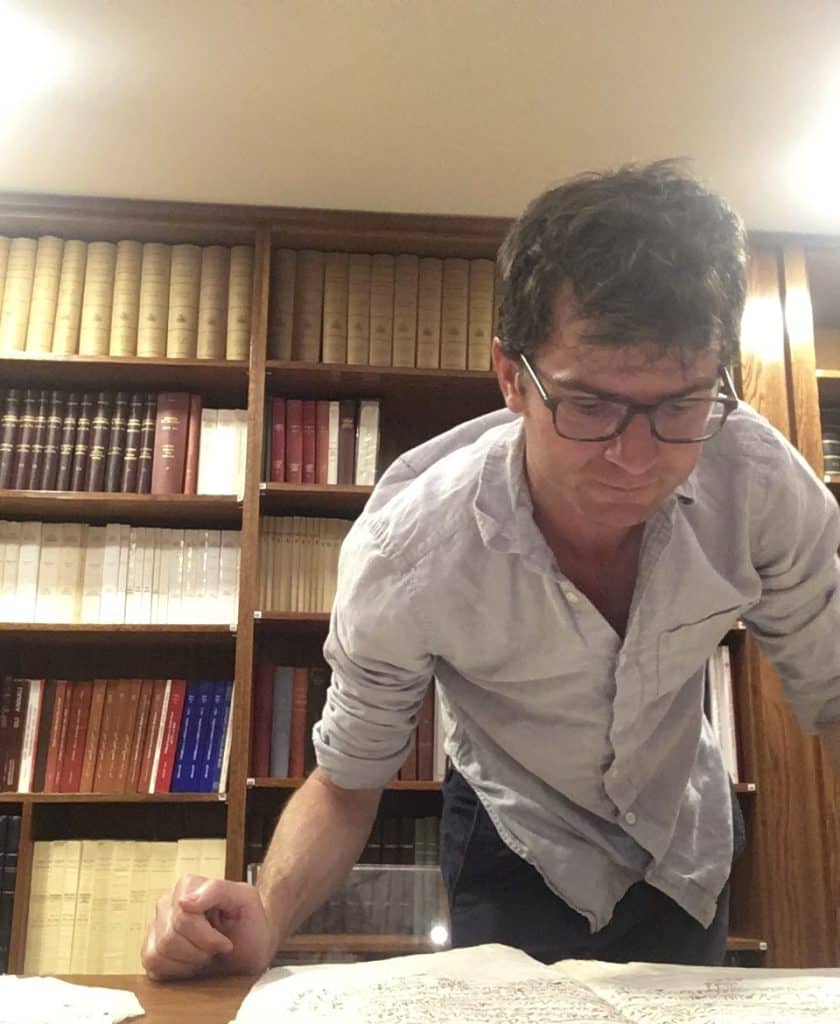
Examining one of the records related to the history of the Custody. Photo courtesy of author.

Call for President and Secretary Nominations

CALL FOR PRESIDENT & SECRETARY NOMINATIONS 2024

The Officers Nominations Committee of the American Society of Overseas Research announces a General Call for Candidates for service as Officers of the Corporation. All officers serve on the ASOR Executive Committee. Nominating an officer is an important way for members to participate in the governance of their organization, and we encourage you to nominate or self-nominate!

Two positions are currently open for nominations:

President of ASOR: this person leads the organization, supervises the Executive Director, and is the public face of ASOR. The term of office for this position is three years beginning January 1, 2026; however, the actual total minimum commitment will be five years with the first year (calendar year 2025) as President Elect, followed by a three-year term of office (calendar year 2026-28), and a final year as Past President (calendar year 2029). The position is renewable for a second three-year term. A general description of the Office of President and its responsibilities is in the ASOR Bylaws (see Article IV, Section 4.4). The President is expected to attend all appropriate meetings of the corporation and be available for other travel as necessary.

NOTE: After much discussion, the Board of Trustees approved the role of President Elect and reduced the term of Past President in May 2024. Both changes will require revision to the Bylaws, which we expect to be approved at the November meeting before voting on the President Elect. The changes were intended to shorten the total commitment required by an individual to serve as ASOR President and thus potentially attract more nominations for this important office. A strong majority on the Board also felt there should be no expectation or preference for the ASOR President to serve a second three-year term since we want to encourage nominations of individuals who plan to seek one term as well as those who might be interested in two terms.

Secretary of ASOR: this person is responsible for the minutes of all meetings of the corporation and acts as custodian of the official records of ASOR. The term of office for this position is three years beginning January 1, 2025. The position is renewable for a second three-year term. A general description of the Office of Secretary and its responsibilities is in the ASOR Bylaws (see Article IV, Section 4.9). The Secretary is expected to attend all appropriate meetings of the corporation.

Inquiries should be addressed to Bob Mullins (ramullins@apu.edu), Chair of the Officers Nominations Committee. The other members of the committee are Carol Meyers, Lisa Ackerman, Rick St.-Hilaire, and Sarah Costello, Sharon Herbert (ex-officio, voting), Sheldon Fox (ex-officio, voting), and Andy Vaughn (ex-officio, non-voting).

Nominations should include the candidate’s name, the position for which the candidate is nominated, a one-paragraph academic biography – including membership and activities in ASOR, a brief statement as to why the candidate would be appropriate for the position, and the candidate’s contact information. Self-nominations are encouraged. The Officers Nominations Committee will ask semi-finalists to submit further information, including, but not limited to, a CV and a vision statement.

Nominations should be submitted via e-mail to Bob Mullins (ramullins@apu.edu), Chair of the Officers Nominations Committee. Review of applications and nominations will begin on August 15, 2024, and continue until the position is filled.

The Officers Nominations Committee expects to present nominees for President Elect and Secretary to the ASOR Board of Trustees for a vote at the November 24, 2024 Board meeting in Boston, MA.