[vc_row fullwidth=”true” attached=”true” css=”.vc_custom_1496247803139{padding-top: 0px !important;padding-right: 0px !important;padding-bottom: 0px !important;padding-left: 0px !important;}”][vc_column][vc_single_image image=”83699″ img_size=”full” alignment=”center”][/vc_column][/vc_row][vc_row fullwidth=”true” css=”.vc_custom_1496682730308{padding-top: 10px !important;padding-right: 0px !important;padding-bottom: 0px !important;padding-left: 0px !important;}”][vc_column width=”1/12″ css=”.vc_custom_1496683820796{margin-right: 10px !important;}” offset=”vc_hidden-md vc_hidden-sm vc_hidden-xs”][vc_column_text]
SHARE
[/vc_column_text][mk_image src=”http://www.asortest.org/wp-content/uploads/2017/01/social-fb-icon4.jpg” image_width=”42″ image_height=”42″ hover=”false” custom_url=”https://www.facebook.com/ASOResearch/” margin_bottom=”0″][mk_image src=”http://www.asortest.org/wp-content/uploads/2017/01/social-tw-icon4.jpg” image_width=”42″ image_height=”42″ hover=”false” custom_url=”https://twitter.com/ASOResearch?ref_src=twsrc%5Egoogle%7Ctwcamp%5Eserp%7Ctwgr%5Eauthor” margin_bottom=”0″][mk_image src=”http://www.asortest.org/wp-content/uploads/2017/01/social-in-icon4.jpg” image_width=”42″ image_height=”42″ hover=”false” custom_url=”https://www.linkedin.com/company/american-schools-of-oriental-research” margin_bottom=”0″][mk_image src=”http://www.asortest.org/wp-content/uploads/2017/01/social-ml-icon_7.jpg” image_width=”42″ image_height=”42″ hover=”false” custom_url=”mailto:asor@bu.edu” margin_bottom=”0″][mk_image src=”http://www.asortest.org/wp-content/uploads/2017/01/blog-icon3.jpg” image_width=”42″ image_height=”42″ hover=”false” custom_url=”http://asorblog.org/” margin_bottom=”0″][/vc_column][vc_column border_color=”rgba(255,255,255,0.01)” width=”1/6″ css=”.vc_custom_1496683923840{margin-right: 20px !important;border-left-width: 2px !important;padding-right: 20px !important;padding-left: 20px !important;border-left-color: #99422f !important;}”][mk_divider divider_color=”rgba(255,255,255,0.01)” thickness=”1″ margin_top=”3″ margin_bottom=”3″][vc_widget_sidebar sidebar_id=”ca-sidebar-39801″][/vc_column][vc_column border_color=”rgba(170,170,170,0.01)” width=”1/2″ css=”.vc_custom_1487276122024{margin-right: 10px !important;margin-bottom: 30px !important;border-right-width: 2px !important;border-bottom-width: 2px !important;padding-top: 30px !important;padding-right: 30px !important;padding-left: 20px !important;background-color: #ffffff !important;border-right-color: rgba(227,228,228,0.75) !important;border-bottom-color: rgba(227,228,228,0.75) !important;}”][vc_row_inner][vc_column_inner css=”.vc_custom_1570040186774{padding-right: 10px !important;}”][vc_column_text]
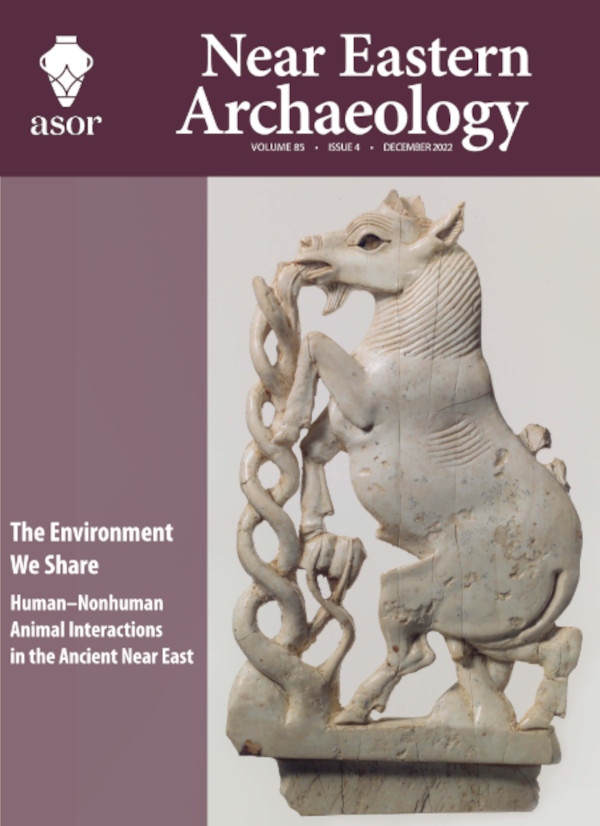
Table of Contents for Near Eastern Archaeology 85.3 (September 2022)
[/vc_column_text][/vc_column_inner][/vc_row_inner][mk_divider thickness=”1″ margin_top=”10″ margin_bottom=”30″][vc_row_inner][vc_column_inner width=”1/2″ css=”.vc_custom_1651246129117{padding-right: 10px !important;padding-bottom: 15px !important;}”][vc_single_image image=”83687″ img_size=”medium” alignment=”center” onclick=”custom_link” img_link_target=”_blank” link=”https://www.journals.uchicago.edu/toc/nea/2022/85/3″][/vc_column_inner][vc_column_inner width=”1/2″][vc_wp_text]
Please e-mail the Membership office if you have any questions.
[/vc_wp_text][/vc_column_inner][/vc_row_inner][mk_divider thickness=”1″ margin_top=”30″ margin_bottom=”30″][vc_row_inner][vc_column_inner css=”.vc_custom_1570041002103{padding-right: 10px !important;}”][vc_single_image image=”83669″ img_size=”full” alignment=”center” onclick=”custom_link” img_link_target=”_blank” link=”https://www.journals.uchicago.edu/doi/10.1086/720752″][mk_padding_divider size=”10″][vc_column_text]
Pp. 180–191: “Archaeological Survey Report on Paleolithic Sites of Harsin County in the Central Zagros, Iran,” by Mohammad Eghbal Chehri
The valleys and margins of the intermountain plains between Harsin and Bisotun are some of the most important regions in the Central Zagros, where numerous sites from different prehistoric periods have been discovered. Archaeological evidence from the region indicates that scattered human groups were present in the foothills and intermountain areas during the late Pleistocene period. Most archaeological studies in the region have focused on Mount Bisotun. Therefore, an intensive and thorough study is required in order to find new Paleolithic sites in the intermountain valleys leading to the city of Harsin. Archaeological surveys in the region have led to the identification of twenty-one new sites from the Middle Paleolithic to the Epipaleolithic period. In this article, the results of the archaeological survey of the middle Paleolithic to Epipaleolithic sites in the region are discussed.
ASOR Members with online access: navigate to the token link email sent to you (search for “token link” in inbox) before attempting to read this article. Once you have activated your member token, click here to access the above article on The University of Chicago Press Journals’ website.[/vc_column_text][/vc_column_inner][/vc_row_inner][mk_divider thickness=”1″ margin_top=”10″ margin_bottom=”30″][vc_row_inner][vc_column_inner css=”.vc_custom_1570041002103{padding-right: 10px !important;}”][vc_single_image image=”83686″ img_size=”full” alignment=”center” onclick=”custom_link” img_link_target=”_blank” link=”https://www.journals.uchicago.edu/doi/10.1086/720751″][mk_padding_divider size=”10″][vc_column_text]
Pp. 192–199: “Radiometric Dating of Wadi Zarqa Ma’in 1, a Limestone Sinkhole Natural Faunal Trap near the Dead Sea, Using Data from Test Pitting and a Portable Coring System,” by ames Pokines, Jeremy A. Beller, Amer S. A. al-Souliman, Osama Samawi, Christopher J. H. Ames, Carlos E. Cordova, and April Nowell Fink
Wadi Zarqa Ma’in 1 (WZM-1) is a natural faunal trap sinkhole ten kilometers southwest of the city of Madaba in Jordan, near the Dead Sea. The limestone karst feature measures over thirty meters in maximum depth and is a significant regional source of faunal, microbotanical, and sedimentological data recording climate change and paleoecology. A new method of sampling was tested during summer 2019 involving the use of a backpacksized Shaw Portable Core Drill that allowed a narrow-bore sampling through the mixed fine sediment and boulder matrix. The maximum depth reached below surface through a combination of test pitting and coring was 8.8 m. Multiple locations could be sampled for radiocarbon analysis, and the deepest (7.85 m) sample yielded a calibrated date of 3644–3382 BCE.
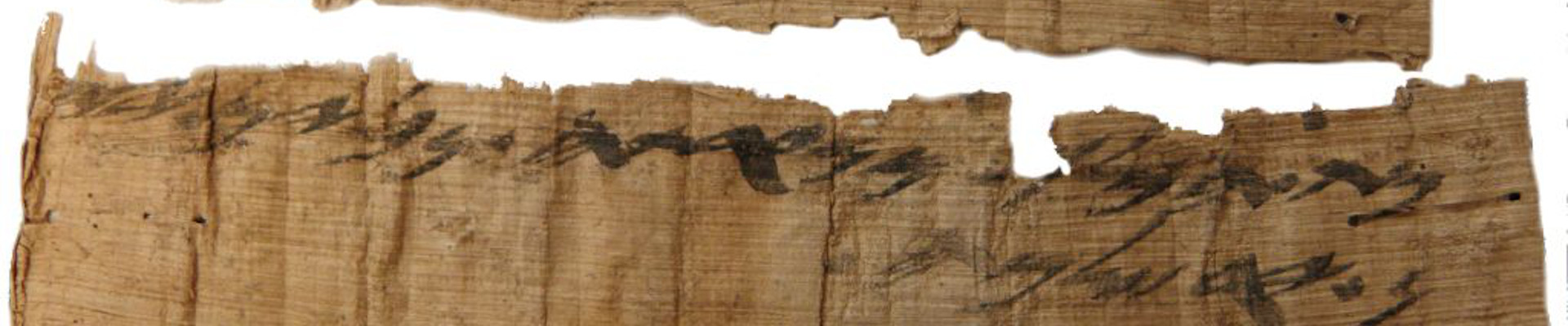
ASOR Members with online access: navigate to the token link email sent to you search for “token link” in inbox) before attempting to read this article. Once you have activated your member token, click here to access the above article on The University of Chicago Press Journals’ website.[/vc_column_text][/vc_column_inner][/vc_row_inner][mk_divider thickness=”1″ margin_top=”10″ margin_bottom=”30″][vc_row_inner][vc_column_inner css=”.vc_custom_1570041002103{padding-right: 10px !important;}”][vc_single_image image=”83678″ img_size=”full” alignment=”center” onclick=”custom_link” img_link_target=”_blank” link=”https://www.journals.uchicago.edu/doi/10.1086/720749″][mk_padding_divider size=”10″][vc_column_text]Pp. 200–210: “Rediscovering the Royal Steward Inscription: A Photographic Study,” by Matthew Suriano and Chris McKinny
The Royal Steward Inscription is one of the more famous artifacts in biblical archaeology, but its original context and setting is less-known due to the circumstances following Charles Clermont-Ganneau’s discovery in 1870. The acquisition and removal of the inscriptions from Silwan resulted in the fragmentation of the once prominent monolithic sepulcher of an important official. Today, the inscriptions are in the British Museum separated from the tomb they once adorned. The tomb in Jerusalem is surrounded by the modern residences of Silwan. The visible nature of the inscribed monument is lost. Recently identified nineteenth-century photographs of the Royal Steward Inscription in situ, however, shed light on the inscription’s context and offer a rare window into the viewshed of the tomb. The photographs provide the impetus for a history of research that reveals many ironies surrounding the Tomb of the Royal Steward and the inscriptions it once bore.
ASOR Members with online access: navigate to the token link email sent to you (search for “token link” in inbox) before attempting to read this article. Once you have activated your member token, click here to access the above article on The University of Chicago Press Journals’ website.[/vc_column_text][/vc_column_inner][/vc_row_inner][mk_divider thickness=”1″ margin_top=”10″ margin_bottom=”30″][vc_row_inner][vc_column_inner css=”.vc_custom_1570041002103{padding-right: 10px !important;}”][vc_single_image image=”83680″ img_size=”full” alignment=”center” onclick=”custom_link” img_link_target=”_blank” link=”https://www.journals.uchicago.edu/doi/10.1086/720750″][mk_padding_divider size=”10″][vc_column_text]
Pp. 211–219: “A Previously Unpublished Ceramic Assemblage of the Babylonian–Persian Periods from Tell en-Naṣbeh,” by Jeffrey Zorn
Archival work among the Tell en-Naṣbeh materials housed in the Badè Museum in Berkeley, California, turned up evidence of a previously unpublished assemblage of in situ storage jars that was excavated in April, 1932. These jars seem to belong to the Babylonian–Persian periods. While the assemblage was obviously known to the excavators, for some unknown reason the jars were not published or discussed as such in the original 1947 site report. This paper discusses how the archival material was discovered, issues involving the interpretation of these old excavation materials, the unusual context of the jars, parallels for the jars and how they add to our knowledge of the site and its history following the Babylonian destruction of Jerusalem.
ASOR Members with online access: navigate to the token link email sent to you (search for “token link” in inbox) before attempting to read this article. Once you have activated your member token, click here to access the above article on The University of Chicago Press Journals’ website.[/vc_column_text][/vc_column_inner][/vc_row_inner][mk_divider thickness=”1″ margin_top=”10″ margin_bottom=”30″][vc_row_inner][vc_column_inner css=”.vc_custom_1570041002103{padding-right: 10px !important;}”][vc_single_image image=”83682″ img_size=”full” alignment=”center” onclick=”custom_link” img_link_target=”_blank” link=”https://www.journals.uchicago.edu/doi/10.1086/721013″][mk_padding_divider size=”10″][vc_column_text]
Pp. 220–227: “The Nabatean Flood Control System of Wadi Hremiyyeh, Petra: Restoring and Learning from the Past,” by Catreena Hamarneh, Nizar Abu-Jaber, Safa’ Joude, Abdullah Al-Rawabdeh, Qasem Abdelal, and Khaldoon Al Qudah
A project to restore the function of an ancient Nabatean flood control system that had previously protected the Plaza of the Treasury (Al-Khazna), Petra, is described herein. The project involves a large, multidisciplinary team, numerous stakeholders, and a difficult setting. It involves training, outreach, documentation, archaeological investigation, hydrological modeling, architectural conservation and rehabilitation. Previous studies had indicated that such flood control systems operate by controlling water flow from the headwaters in order to prevent sudden surges of water. Since Petra often suffers from the effects of flash floods, the Petra Development and Tourism Regional Authority (PDTRA) asked the researchers to explore the possibility of controlling modern-day floods using these systems. This culminated in the partial rebuilding of the flood control system and important lessons on their limitations and how they work.
ASOR Members with online access: navigate to the token link email sent to you (search for “token link” in inbox) before attempting to read this article. Once you have activated your member token, click here to access the above article on The University of Chicago Press Journals’ website.[/vc_column_text][/vc_column_inner][/vc_row_inner][mk_divider thickness=”1″ margin_top=”10″ margin_bottom=”30″][vc_row_inner][vc_column_inner css=”.vc_custom_1570041002103{padding-right: 10px !important;}”][vc_single_image image=”83684″ img_size=”full” alignment=”center” onclick=”custom_link” img_link_target=”_blank” link=”https://www.journals.uchicago.edu/doi/10.1086/720748″][mk_padding_divider size=”10″][vc_column_text]
Pp. 228–237: “A Bioarchaeological Investigation of Fraternal Stillborn Twins from Tell el-Hesi,” by Jaime Ullinger, Lesley Gregoricka, Rebecca Bernardos, David Reich, Amel Langston, Paige Ferreri, and Brittney Ingram
A double nonadult burial excavated at the Ottoman period (1600–1800 CE) cemetery at Tell el-Hesi was hypothesized to belong to a set of stillborn twins. This study incorporated the use of multiple bioarchaeological techniques in order to assess both the age and survival of the perinates. Cranial and long-bone measurements were undertaken to determine age at death, while stable carbon and nitrogen isotopes were considered alongside microCT assessments of bacterial bioerosion in the cortices of long bones to identify whether these infants were born alive and had breastfed. Ancient DNA analysis can now identify twins with greater certainty and was also employed to confirm the sex and biological relationship between these two individuals. Using these various lines of evidence, we test two hypotheses, ultimately finding support for both: (1) the two perinates buried together from Tell el-Hesi were fraternal female twins; and (2) these perinates were likely stillborn.
ASOR Members with online access: navigate to the token link email sent to you (search for “token link” in inbox) before attempting to read this article. Once you have activated your member token, click here to access the above article on The University of Chicago Press Journals’ website.[/vc_column_text][/vc_column_inner][/vc_row_inner][mk_divider thickness=”1″ margin_top=”10″ margin_bottom=”30″][vc_row_inner][vc_column_inner css=”.vc_custom_1570041002103{padding-right: 10px !important;}”][vc_column_text]
ASOR Members with online access: navigate to the token link email sent to you before attempting to read this issue. Once you have activated your member token, click here to access the the entire issue, including book reviews, on The University of Chicago Press Journals’ website.
[/vc_column_text][/vc_column_inner][/vc_row_inner][/vc_column][vc_column border_color=”rgba(170,170,170,0.01)” width=”1/6″ css=”.vc_custom_1496684098866{margin-right: 5px !important;margin-bottom: 20px !important;border-right-width: 2px !important;border-bottom-width: 2px !important;padding-top: 30px !important;padding-right: 10px !important;padding-left: 10px !important;background-color: #ffffff !important;border-right-color: rgba(227,228,228,0.75) !important;border-bottom-color: rgba(227,228,228,0.75) !important;}”][vc_wp_posts title=”BROWSE THE NEWS ARCHIVE” number=”4″][/vc_column][vc_column border_color=”rgba(170,170,170,0.01)” width=”1/6″ css=”.vc_custom_1496684008271{margin-right: 10px !important;margin-bottom: 30px !important;border-right-width: 2px !important;border-bottom-width: 2px !important;padding-top: 30px !important;padding-right: 20px !important;padding-left: 20px !important;background-color: #ffffff !important;border-right-color: rgba(227,228,228,0.75) !important;border-bottom-color: rgba(227,228,228,0.75) !important;}”][vc_column_text] [/vc_column_text][/vc_column][/vc_row]





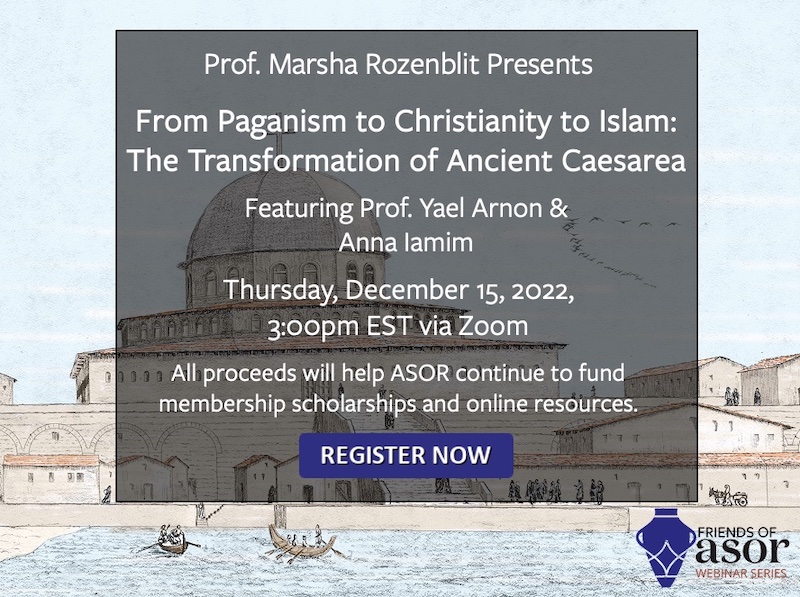


 Marsha Rozenblit is the Harvey M. Meyerhoff Professor of Jewish History at the University of Maryland. She is a specialist in the history of the Jews in Austria-Hungary and its successor states, and she has written several books and many scholarly articles on such topics as the Jews of Vienna, the impact of World War I on the Jews, and Jewish marriage and courtship practices. She is the moderator of this session because her late husband Kenneth Holum directed the land excavations on the Temple Platform at Caesarea for many years. After his death in 2017, she oversaw the publication of the final reports from his excavations at Caesarea.
 Yael Arnon is a Professor of Archaeology at Oranim College in Israel. At the beginning of her academic career, she focused on early Islamic archaeology, especially material culture. Over the years, she has expanded her studies to include artistic and architectural aspects of archaeology as well as more recent periods of history in the Islamic world in general and the Land of Israel in particular. In 2008, Arnon published a book about the material culture of the early Islamic and Crusader periods in Caesarea, and the relationship between pottery styles and coin dating (Oxford University Press). Arnon’s future research includes changes in Islamic art over time, in particular in Israel and the Galilee. For many years she worked as registrar and ceramicist at Caesarea.
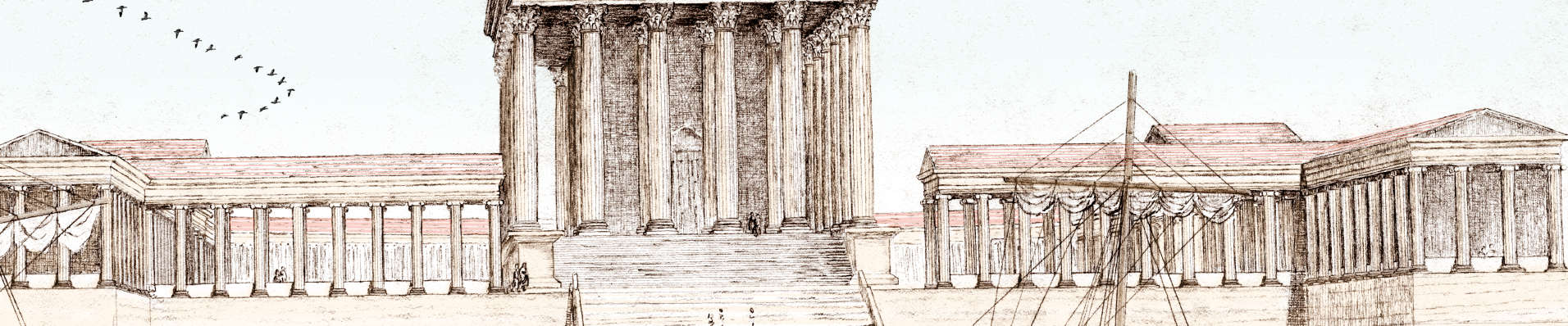
 Anna Iamim was a long-time friend and colleague of Ken Holum. At Caesarea, she produced the graphic field documentation, contributed chapters, and drew the architectural reconstructions on the cover of Caesarea Maritima: Excavations in the Old City 1989-2003, Final Reports, Vol. 1, edited by Kenneth G. Holum, ASOR, Archaeological Reports 27 (2020).





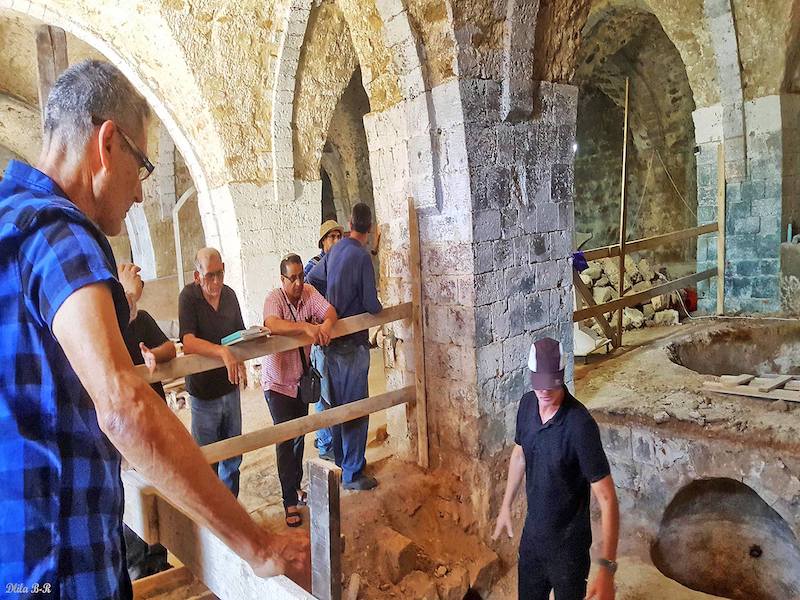
 Sharon Herbert is the Charles K. Williams II Distinguished University Professor of Classical Archaeology Emerita and Research Associate at the Kelsey Museum of Archaeology at the University of Michigan. Formerly, she served as the chair of the Department of Classical Studies and Director of the Interdepartmental Program in Classical Art and Archaeology at Michigan, where she has enjoyed a remarkable career as a field archaeologist, teacher, and academic administrator since she joined the Michigan faculty in 1973. She is also the former Curator of Greek and Hellenistic Collections and Director Emerita (1997-2013) of the University of Michigan’s Kelsey Museum.
 Andrew (Andy) Vaughn became ASOR’s Executive Director in 2007. Prior to this appointment, Vaughn taught at Gustavus Adolphus College in St. Peter, MN from 1997–2007, where he was Associate Professor of Hebrew Bible and later served as Chair of Department of Religion. His teaching and research interests include cultural heritage, history, archaeology, Semitic languages, and Israelite religion. He is a past recipient of the Mitchell Dahood Prize for Biblical Scholarship, and he was a Fulbright Fellow at Tel Aviv University from 1993–94. Since 2014, Vaughn has served as Co-Director of ASOR Cultural Heritage Initiatives and overseen major heritage projects in Syria, Iraq, Libya, Tunisia, Morocco, and (most recently) the Sahel (Mali, Niger, and Burkina Faso).
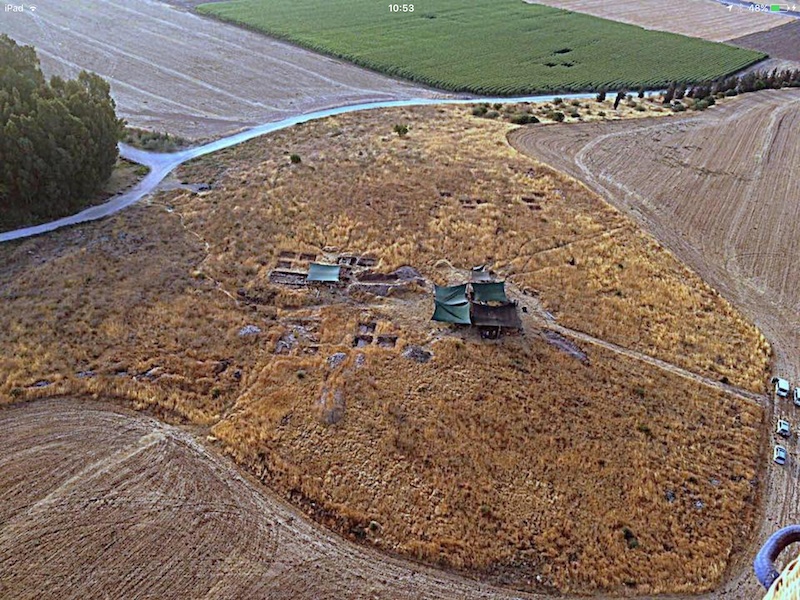
 Norma Franklin is a field archaeologist who is happiest with complex stratigraphy. Other interests include ancient building techniques, water systems, and technology — old and new. Her research has focused on the three key cities of the Northern Kingdom of Israel: Samaria, Megiddo and Jezreel. She took part in the previous expedition Jezreel in 1990, directed by David Ussishkin of Tel Aviv University. In 1992 she became a founding member of the Megiddo Expedition, and served as a field archaeologist, successively directing 4 of the excavation areas. She resigned in 2011 in order to launch the Jezreel Expedition. Norma is the co-director of the Jezreel Expedition and a Research Associate at the Zinman Institute of Archaeology at the University of Haifa, Israel and an Associate Fellow of the W.F. Albright Institute of Archaeological Research in Jerusalem.
 Yoav Arbel received his B.A. in Archaeology and African Studies from The Hebrew University of Jerusalem and his M.A. and Ph.D. from the UCLA, San Diego. He was a staff member in various large-scale projects at Gamla, Bet She’an, and Maresha and regional projects at the Negev. Arbel was also a member of staff in excavations in England, Germany, Turkey, Jordan and Tanzania. Many of the salvage excavations he directed with the Israel Antiquities Authority took place in and around Jaffa. Arbel’s focuses his research on Historical Archaeology, and most of his publications discuss Jaffa and Israel’s archaeology and history in the Ottoman period.
 Shlomit Bechar is a post-doctoral fellow at The Haifa Center for Mediterranean History at the University of Haifa. She also conducts ongoing research at the Institute of Archaeology at The Hebrew University of Jerusalem. Shlomit received her M.A. in 2012 and Ph.D. in 2019, both from the Hebrew University of Jerusalem. She has been digging at Tel Hazor since 2007 and became co-director of the excavations in 2015. Her book, Political Change and Material Culture in Middle to Late Bronze Age Canaan, was published in 2022 by Eisenbrauns, and she is co-author of Hazor VII and is currently co-authoring Hazor VIII.
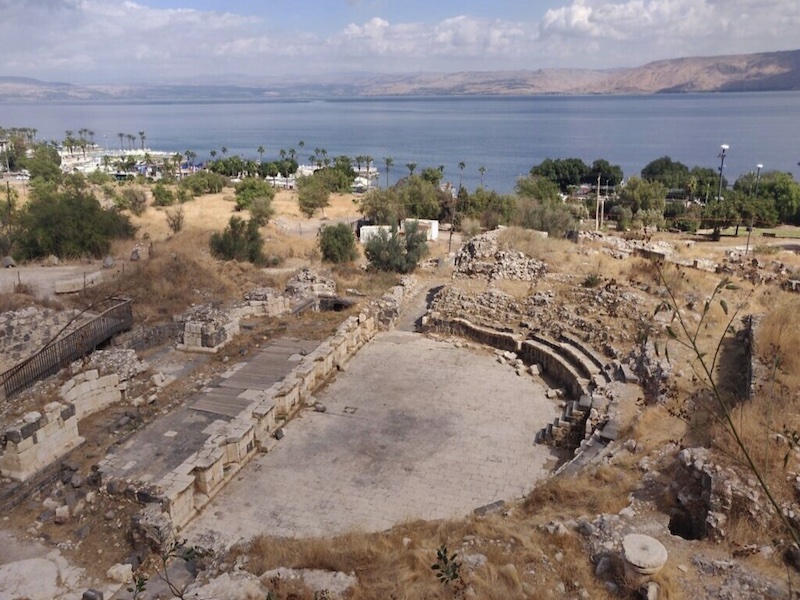
 Katia Cytryn is Senior Lecturer at the Institute of Archaeology and Dept. of Islamic and Middle Eastern Studies at The Hebrew University of Jerusalem. She specializes in Islamic Archaeology and Material Culture and teaches a variety of courses, from introductions to specialized seminars, dealing with her main areas of expertise: Umayyads, Mamluks, Mosque Architecture and road archaeology. While her research on Mamluks and road archaeology goes back to her doctoral thesis, her interest on the Umayyads and early Islamic mosque architecture deepened following her ongoing archaeological projects at Khirbat al-Minya and at Tiberias, both on the western side of the Sea of Galilee.
 Meir Edrey is the Professional Director & Research Associate of the Leon Recanati Institute for Maritime Studies at the University of Haifa. He is also an Adjunct Lecturer and Post-doctoral fellow in the Department of Maritime Civilizations. Meir’s research focuses on the Phoenician Culture during the first millennium B.C.E. in the Orient and the Occident, dealing specifically with issues related to Phoenician terrestrial and maritime religion and cultic practices. His recent studies include different aspects of the material culture of Tel Kabri, Tel Achziv, and the underwater site of Shavei Zion. He is also the director of the Kh. es-Suwweida Excavation Project (GIF funded).
 Michael Eisenberg is a senior researcher at The Zinman Institute of Archaeology at the University of Haifa. He does research in Cultural History, Historical Anthropology, Cultural Anthropology and mainly Classical Period Archaeology. He is also the Director of the Hippos of the Decapolis Excavations Project. His other interests include military architecture, the art of fortifications, and siege warfare during the Hellenistic and Roman periods.
 Adi Erlich is a researcher at the Zinman Institute of Archaeology and a senior lecturer in the departments of Art History and Archaeology at the University of Haifa. Her Ph.D. was published as a monograph, The Art of Hellenistic Palestine (Oxford 2009). She studies art and archaeology at sites in Israel from the fifth century B.C.E. to the seventh century C.E., with a focus on terracotta figurines. She is a member of the executive board of the Association for Coroplastic Studies (ACoSt) and is the director of the Beth She’arim excavations, a main Jewish town in Galilee in the Roman period.
 Yuval Gadot is the head of the Jacob M. Alkow Department of Archaeology and Ancient Near Eastern Cultures at Tel Aviv University. Since 2013, he has directed Tel-Aviv University excavations in the ‘City of David’ and is co-directing the “Lautenschläger Azekah Expedition.” His research in Jerusalem covers the ancient urban city and an interdisciplinary study of its rural landscape. Gadot obtained his Ph.D. in 2004 from Tel-Aviv University. Gadot’s publications include The Bronze Age Cemetery at ‘Ara (2014), Ramat Rahel III – Final Publication of Yohanan Aharoni’s Excavations at Ramat-Raḥel (2016), and the co-editing of “Rethinking Israel,” an edited volume published in honor of Prof. Israel Finkelstein (2017).
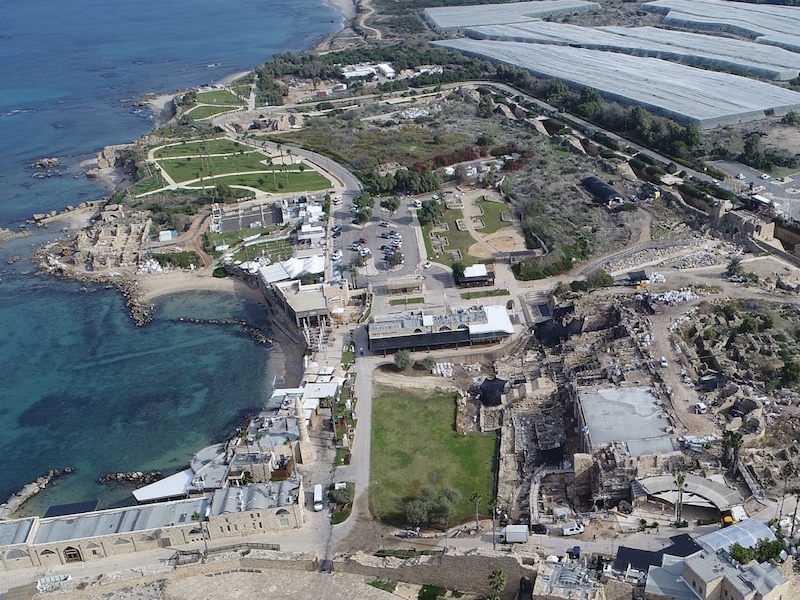
 Peter Gendelman is a senior archaeologist with the Israel Antiquities Authority. Gendelman’s main research focus encompasses the area of Caesarea, a port city originally built by King Herod that served as an administrative center during the Roman Empire and the capital of a Byzantine province as well. Caesarea is considered one of the most impressive archaeological sites of Israel. As the head of excavations at Caesarea, Dr. Gendelman and his team have unearthed stunning finds like an altar dedicated to Augustus Caesar and a mother-of-pearl tablet bearing the inscription of a menorah. He also takes part in restoration and conservation efforts to preserve the area for tourists.
 David Gurevich is an archaeologist as well as a former Fulbright Post-Doctoral Fellow in 2014-2015. With both an M.A. and Ph.D. in Archaeology from the University of Haifa, Dr. Gurevich’s main academic focuses include the history and archaeology of Jerusalem and Temple Mount, particularly during the Second Temple period. He has given lectures covering more modern topics as well, including geo-politics and Israel’s role in our international world. He also founded the academic program “Ambassadors Online” through Haifa University which aims to prepare Israeli students to take part in international conversations. Along with his many academic accolades, Dr. Gurevich is a licensed tour guide in Israel.
 Yakov Kalman is an agriculturalist and archaeologist who started his career in the early 1970’s surveying and excavating various sites in the Negev Highlands. In the early 1990’s, he spent four years in the Arava, excavating at Ein Hazeva for the Israel Antiquities Authority. He has worked at Masada and Jericho, and since 1997 has worked as field supervisor at Lower Herodium, and then on the mount’s eastern slope, where he helped exposed Herod’s tomb and private theatre. He has also worked as co-director and field supervisor at Horkania (Judean Desert), and at Bet Loya (Lachish area). He is currently an MA archaeology student at the Hebrew University.
 Robert Kool is a senior Curator at the Coin Department with the Israel Antiquities Authority (IAA). Some of his research interests include medieval and crusader coinages and seals, as well as both the monetary and economic developmental history of Jerusalem in the Mamluk and Ottoman periods. Through the study of coinages, Kool has identified many rare finds, including a 2,000 year old silver coin that may have been minted in the Temple of Jerusalem during the Great Jewish Revolt against the Romans in the Second Temple period.
 Igor Kreimerman is a lecturer in the Department of Archaeology and Ancient Near Eastern Studies at The Hebrew University of Jerusalem. His research combines the use of geoarchaeology, experimental archaeology and traditional archaeological methods for the study of formation processes, especially construction and destruction, in the Bronze and Iron Age Levant. His areas of interest are the archaeology of the Bronze Age and Iron Age in Israel, ancient construction materials and techniques, architecture, urban planning, destruction by fire, the seam between archaeology and text-based disciplines. He currently serves as the director of the renewed excavations at Tel Beit Mirsim.
 Zvi Lederman is a professor of archaeology at Tel Aviv University. Dr. Lederman is also the director of excavations at Tel Beth-Shemesh, a unique border site ideal for the examination of trade, communication, and interaction between the different ethnic and cultural groups that interacted with one another during the Iron Age. As a border site, Tel Beth-Shemesh reveals much information about the interplay and conflict between the local people and the Philistines. Dr. Lederman has excavated several villages and cities within Tel Beth-Shemesh that indicate conflict and rivalry between different factions.
 Shelley-Anne Peleg is a specialist on cultural heritage, conservation procedures of cultural built heritage (archeological sites and historical cities) with a focus on the Old City of Akko. She is fellow researcher and lecturer in the Department of Israel Studies at the University of Haifa, and a lecturer at Kinneret College. Her Ph.D. dissertation was based on 25 years of work at the Israel Antiquities Authority. During that time, she served as the Director of the International Conservation Center – Citta’ di Roma (situated in the Old City of Akko). She established national and international curricula and training programs in practical conservation and cultural heritage studies at Akko.
 Issa Sarie Issa Sarie is a lecturer of anthropology and archaeology at the Institute of archaeology at Al Quds University. Sarie received his education from Birzeit University, Yarmouk University, and The Hebrew University of Jerusalem. He is also a fellow of the Albright Institute of Archaeological Research in Jerusalem. He has lectured and worked in both the U.S. and in France. His research interest is broad and multidisciplinary in that it combines archaeology and anthropology. His main research focus is the impact of agriculture invention, animal husbandry, and domestication on human health status during the Natufian and Neolithic periods.
 Katharina Schmidt recently accepted the post of the Director of the W.F. Albright Institute in Jerusalem in June 2022. From 2016 to 2022, she was the Director of the German Protestant Institute of Archaeology (GPIA) in Amman, Jordan. She studied Near Eastern Archaeology, Assyriology, and Pre-and Proto History at the Ludwig-Maximilians University in Munich (Ph.D. in 2016). Dr. Schmidt has done fieldwork throughout the Near East and Europe including Jordan, Syria, Turkey, and Germany. Since 2016, she has directed the Tall Zira´a excavation project (Jordan). She has curated a special public outreach exhibition in the Jordan National Museum and coordinated a cultural heritage project with UNESCO.
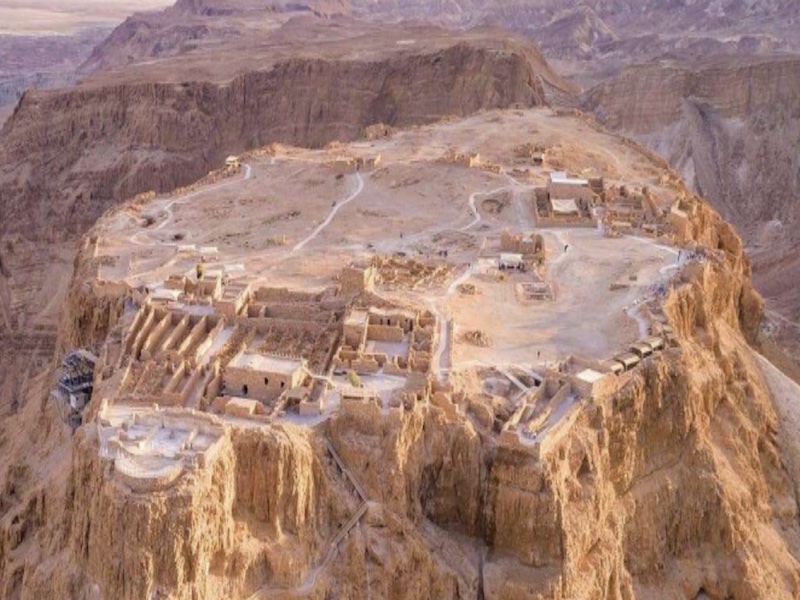
 Guy Stiebel is a senior lecturer in Department of Archaeology and Ancient Near Eastern Cultures, Tel Aviv University, Israel and leads the archaeological expedition to the World Heritage site of Masada. He earned his Ph.D. at UCL for the study of militaria in Roman Palestine. Stiebel has published extensively on military archaeology and history. The new discoveries at Masada, most notably those concerning the horticulture and viniculture of King Herod, were recognized by the Third Shanghai Archaeological Forum, being awarded one of the 10 World discoveries in Archaeology. Stiebel was recently nominated by Israel’s Minister of Culture as the Chair of the Israel Archaeological Council.
 Katharina Streit is currently a postdoctoral researcher at the Martin Buber Society of Fellows in the Humanities at The Hebrew University of Jerusalem, researching development and changes in material culture from the Middle to the Late Bronze Ages (Material Culture Project). She co-directs the Tel Lachish excavations with Felix Höflmayer and Ilan Sharon. Katharina has published extensively on chronological questions and radiocarbon dating from the Chalcolithic to the Iron Ages. Katharina began her studies at the University of Freiburg, received her undergraduate training at Oxford University, and finished her M.A. and Ph.D. studies at the Institute of Archaeology of The Hebrew University of Jerusalem.
 Aharon Tavger is currently a post-doctoral fellow at the Hebrew University of Jerusalem. Aharon received his M.A. in 2012 from Bar-Ilan University, and his Ph.D. in 2019 from Ariel University. His research combines the use of historical-geography and archaeology, focusing mainly on the highlands of Ancient Israel and Judah during the Bronze and Iron Ages and the Persian period. Since 2016, he has served as a senior staff member in the archaeological expedition to Tel Burna, and currently serves as the lab director of the project. Aharon also as the director of the Heritage Center for the Study of the Kingdom of Israel at Ariel University.
 Joe Uziel graduated with his Ph.D. from Bar-Ilan University in 2008. He has since worked for the Israel Antiquities Authority (IAA), excavating several areas in the City of David and the Western Wall Tunnels, uncovering a range of finds from the Middle Bronze Age through to the Mamluk period. Joe’s discoveries have inspired further research on the archaeology of Jerusalem, particularly relating to the Bronze and Iron Ages and Roman period. In January 2020, Joe was named head of the Dead Sea Scrolls Unit at the IAA. The Dead Sea Scroll Unit is dedicated to the conservation, curation, documentation, and research of the Dead Sea Scrolls.
 Sam Wolff received his Ph.D. from University of Chicago in 1986. He was Field Supervisor and later Assistant Director at the 1985-1990 excavations at Ashkelon (Israel). In 1991, he began a 25-year career as a field archaeologist at the Israel Antiquities Authority (IAA). He has excavated at the Iron Age I site of Ein Hagit, the multi-period site of Tel Megadim, and the Iron Age II site at Tel Hamid, a satellite of Tel Gezer. He worked as Co-Director and photographer at the 2006-2017 excavations at Tel Gezer. Since retiring from the IAA in 2017, he has been managing the Tel Gezer laboratory.
 Assaf Yasur-Landau is a professor in the Department of Maritime Civilizations at the University of Haifa, the director of the Laboratory for Coastal Archaeology and Underwater Survey, and a senior researcher at the Leon Recanati Institute for Maritime Studies. After attending Tel Aviv University for both his M.A. and Ph.D. degrees, Dr. Yasur-Landau attended Harvard University to complete his post-doctoral research. As an archaeologist interested in the connections between the Aegean and the Levant during the Bronze Age, he is involved in several archaeological projects including codirecting both the excavations at Tel Kabri and the underwater excavations at the ancient port of Tel Dor.
 Irit Ziffer is an archaeologist, art historian, and the former curator of the Ceramics and Nehushtan pavilions at the Eretz Israel Museum in Tel Aviv. She received her Ph.D. in ancient Near Eastern art from Tel Aviv University, and was an Andrew W. Mellon Fellow in Art History at the Metropolitan Museum of Art from 2007-2008. Dr. Ziffer’s academic interests lie in the methods in which the ruling class utilized art and images for political purposes. She has also taught in the Department of Archaeology and ancient Near Eastern Cultures at Tel Aviv University and took part in the Aphek-Antipatris excavations from 1976-1979 and 1981-1982.

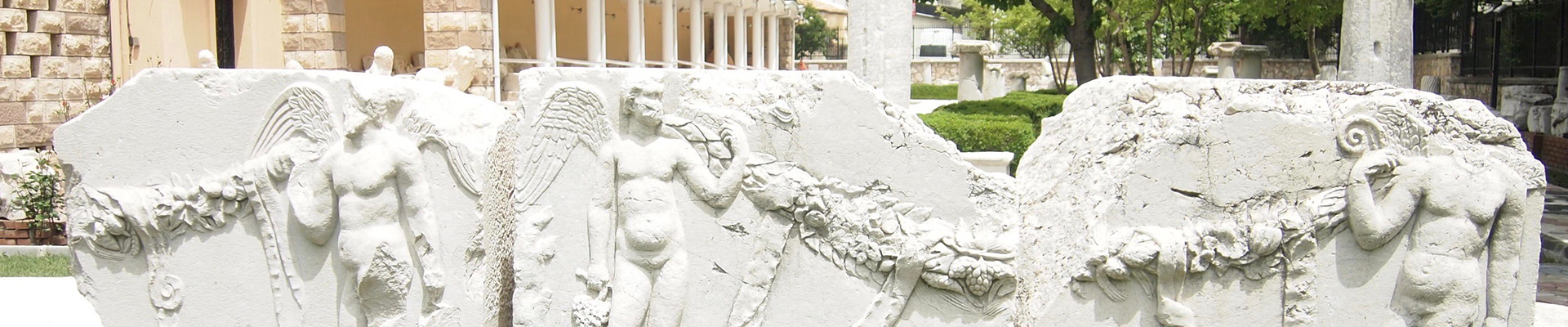


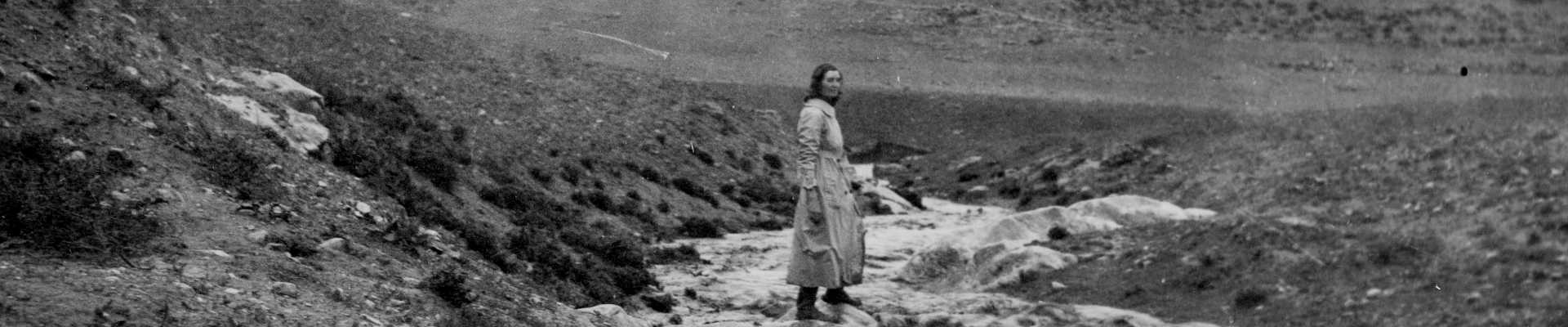
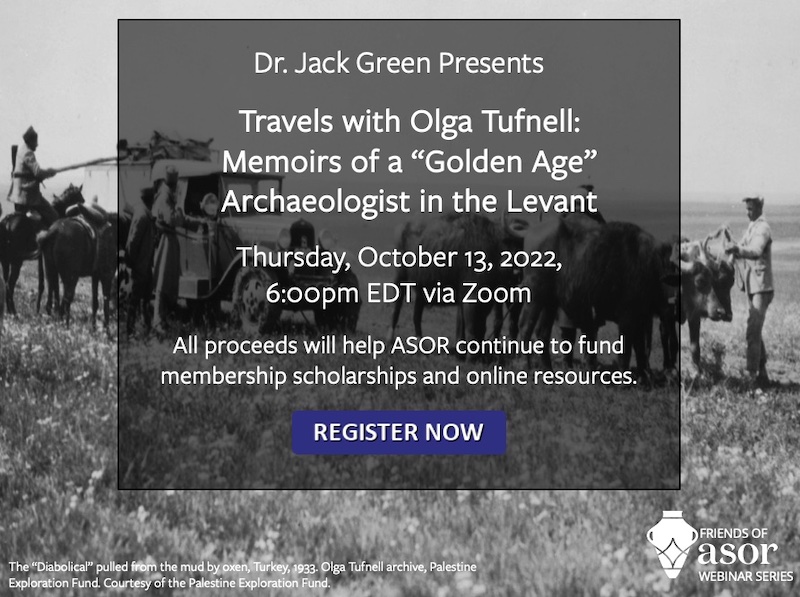

 Dr. Jack Green, also known as Dr. John D.M. Green, is the Jeffrey Horrell ‘75 and Rodney Rose Director and Chief Curator of the Miami University Art Museum within the College of Creative Arts (Oxford, Ohio). His interests include museum and cultural heritage studies, and the intersection of art and archaeology, and histories of archaeology and museums. Jack’s research focuses on ancient Jordan including the Tell es-Sa‘idiyeh Cemetery Publication Project (British Museum), following his Ph.D thesis (UCL, 2006) on the Late Bronze and Early Iron Age period at this site.
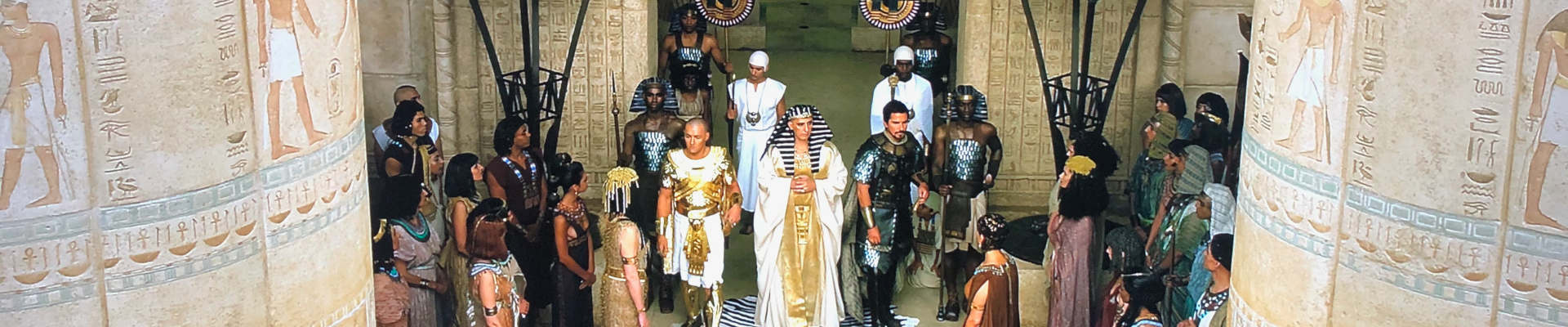
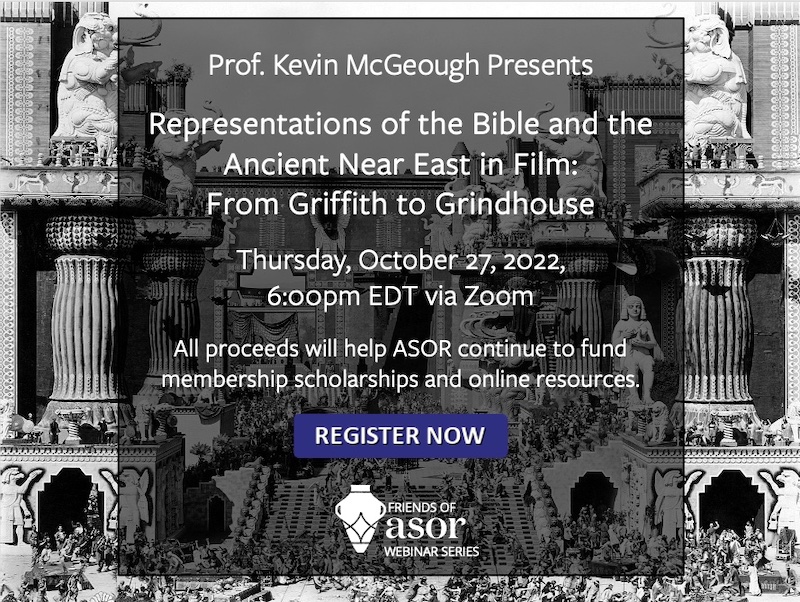

 Dr. Kevin McGeough is Professor of Archaeology in the Department of Geography & Environment at the University of Lethbridge where he holds a Board of Governor’s Research Chair in Archaeological Theory and Reception. The University of Lethbridge is likely the only university in the world in which biblical Hebrew is taught in a geography department. He has excavated in Israel, Egypt, Turkey, Jordan, and Canada and is a co-director of The University of Lethbridge-Royal Alberta Museum Excavations at Head-Smashed-In Buffalo Jump, in southern Alberta.