
SHARE
[/vc_column_text][mk_image src=”http://www.asortest.org/wp-content/uploads/2017/01/social-fb-icon4.jpg” image_width=”42″ image_height=”42″ hover=”false” custom_url=”https://www.facebook.com/ASOResearch/” margin_bottom=”0″][mk_image src=”http://www.asortest.org/wp-content/uploads/2017/01/social-tw-icon4.jpg” image_width=”42″ image_height=”42″ hover=”false” custom_url=”https://twitter.com/ASOResearch?ref_src=twsrc%5Egoogle%7Ctwcamp%5Eserp%7Ctwgr%5Eauthor” margin_bottom=”0″][mk_image src=”http://www.asortest.org/wp-content/uploads/2017/01/social-in-icon4.jpg” image_width=”42″ image_height=”42″ hover=”false” custom_url=”https://www.linkedin.com/company/american-schools-of-oriental-research” margin_bottom=”0″][mk_image src=”http://www.asortest.org/wp-content/uploads/2017/01/social-ml-icon_7.jpg” image_width=”42″ image_height=”42″ hover=”false” custom_url=”mailto:info@asor.org” margin_bottom=”0″][mk_image src=”http://www.asortest.org/wp-content/uploads/2017/01/blog-icon3.jpg” image_width=”42″ image_height=”42″ hover=”false” custom_url=”http://asor.org/blog” margin_bottom=”0″][/vc_column][vc_column border_color=”rgba(255,255,255,0.01)” width=”1/6″ css=”.vc_custom_1490365673198{margin-right: 20px !important;border-left-width: 2px !important;padding-right: 20px !important;padding-left: 20px !important;border-left-color: #99422f !important;}” el_class=”sticky-sidenav”][mk_divider divider_color=”rgba(255,255,255,0.01)” thickness=”1″ margin_top=”3″ margin_bottom=”3″][vc_widget_sidebar sidebar_id=”ca-sidebar-50561″][/vc_column][vc_column border_color=”rgba(170,170,170,0.01)” width=”8/12″ css=”.vc_custom_1490225606852{margin-right: 10px !important;margin-bottom: 30px !important;border-right-width: 2px !important;border-bottom-width: 2px !important;padding-top: 30px !important;padding-right: 30px !important;padding-left: 20px !important;background-color: #ffffff !important;border-right-color: rgba(227,228,228,0.75) !important;border-bottom-color: rgba(227,228,228,0.75) !important;}”][vc_row_inner][vc_column_inner css=”.vc_custom_1589904992427{margin-right: 10px !important;}”][vc_single_image image=”104436″ img_size=”250×134″ alignment=”center”][mk_padding_divider size=”20″][vc_wp_text]KoboToolbox | QGIS | LibreCAD | Photogrammetry
[/vc_wp_text][mk_padding_divider size=”20″][vc_wp_text]طورت ASOR وشركاؤها سلسلة من البرامج التعليمية والوحدات التدريبية التي تهدف إلى مساعدة المتخصصين في التراث الثقافي على إجراء الاستبيانات وتقييمات الحالة من خلال أدوات وبرامج مفتوحة المصدر، بما في ذلك QGIS و KoboToolbox و LibreCAD و RealityCapture.
توفر هذه الوحدات دروس تعليمية تشرح خطوة بخطوة كيفية تنزيل التطبيقات والبرامج وتثبيتها واستخدامها بشكل فعال أثناء جمع البيانات وتحليلها وإخراجها.
[/vc_wp_text][vc_row_inner][vc_column_inner width=”1/2″][vc_wp_text]View Page in English
[/vc_wp_text][/vc_column_inner][vc_column_inner width=”1/2″][vc_wp_text]Voir cette page en français
[/vc_wp_text][/vc_column_inner][/vc_row_inner][mk_divider thickness=”1″ margin_top=”10″][mk_padding_divider size=”20″][vc_wp_text]توثيق الموقع
[/vc_wp_text][mk_divider divider_width=”one_third” thickness=”1″ margin_top=”10″][vc_single_image image=”81632″ img_size=”150×150″ alignment=”center”][mk_padding_divider size=”20″][vc_wp_text]KoboToolbox & KoboCollect
صندوق ادوات كوبو KoBoToolbox عبارة عن حزمة برامج مجانية ومفتوحة المصدر لموقع مجموعة بيانات وصفية. يمكن جمع المعلومات في مواقع التراث من خلال الأجهزة اللوحية والهواتف باستخدام تطبيق KoBoCollect أو من خلال واجهة متصفح شبكة الانترنت، حتى عندما تكون هذه الأجهزة غير متصلة بالإنترنت. يمكن بعد ذلك مزامنة بيانات الموقع والبيانات الوصفية المسجلة في الميدان مع برنامج GIS بمجرد إعادة الاتصال بالإنترنت.
[/vc_wp_text][mk_padding_divider size=”20″][mk_divider thickness=”1″ margin_top=”10″][mk_padding_divider size=”20″][vc_wp_text]الإلكترونية ASOR بوابة
*هام* على المستخدمين الراغبين في الوصول إلى الدروس التعليمية إنشاء حساب مستخدم على بوابة ASOR الإلكترونية. هذا الحساب مجاني، ولا يتطلب اشتراكًا للوصول إلى الدروس.
شاهد هذا الفيديو لمعرفة كيفية إعداد حسابك مجانًا في البوابة.
يمكنك العثور على معلومات إضافية حول بوابة ASOR هنا.
[/vc_wp_text][mk_padding_divider size=”20″][mk_divider divider_width=”one_third” thickness=”1″ margin_top=”10″][mk_padding_divider size=”20″][vc_row_inner][vc_column_inner width=”3/4″ css=”.vc_custom_1746709255217{padding-right: 10px !important;}”][vc_wp_text]إنشاء حساب لمستخدم
تعرف على كيفية إنشاء حساب مستخدم جديد في KoboToolbox.
[/vc_wp_text][mk_button style=”outline” corner_style=”rounded” outline_skin=”#99422f” outline_hover_skin=”#ffffff” url=”https://chi-kobo-ar.events.asor.org/portals/0101CreatingAUserAccount” target=”_blank” align=”right”]درس[/mk_button][/vc_column_inner][vc_column_inner width=”1/4″][mk_padding_divider size=”20″][vc_wp_text]01.01
[/vc_wp_text][/vc_column_inner][/vc_row_inner][mk_divider divider_width=”one_half” thickness=”1″ margin_top=”10″][vc_row_inner][vc_column_inner width=”3/4″ css=”.vc_custom_1746709262874{padding-right: 10px !important;}”][vc_wp_text]إنشاء مسح / مشروع جديد
أنشئ أول نموذج استبيان (مشروع) في KoboToolbox. يقدم هذا الدرس أيضًا مقدمةً لموقع Kobo الإلكتروني وبعض الإعدادات العامة للبدء.
[/vc_wp_text][mk_button style=”outline” corner_style=”rounded” outline_skin=”#99422f” outline_hover_skin=”#ffffff” url=”https://chi-kobo-ar.events.asor.org/portals/0102CreatingANewSurveyProject” target=”_blank” align=”right”]درس[/mk_button][/vc_column_inner][vc_column_inner width=”1/4″][mk_padding_divider size=”20″][vc_wp_text]01.02
[/vc_wp_text][/vc_column_inner][/vc_row_inner][mk_divider divider_width=”one_half” thickness=”1″ margin_top=”10″][vc_row_inner][vc_column_inner width=”3/4″ css=”.vc_custom_1746709270197{padding-right: 10px !important;}”][vc_wp_text]نموذج الاستبيان | أنواع الأسئلة (حقول قاعدة البيانات)
تعرف على كيفية عمل أنواع الأسئلة عند استخدام منشئ النماذج في Kobo.
[/vc_wp_text][mk_button style=”outline” corner_style=”rounded” outline_skin=”#99422f” outline_hover_skin=”#ffffff” url=”https://chi-kobo-ar.events.asor.org/portals/0103SurveyFormQuestionTypesDatabaseFields” target=”_blank” align=”right”]درس[/mk_button][/vc_column_inner][vc_column_inner width=”1/4″][mk_padding_divider size=”20″][vc_wp_text]01.03
[/vc_wp_text][/vc_column_inner][/vc_row_inner][mk_divider divider_width=”one_half” thickness=”1″ margin_top=”10″][vc_row_inner][vc_column_inner width=”3/4″ css=”.vc_custom_1746709278513{padding-right: 10px !important;}”][vc_wp_text]نموذج الاستبيان | الميزات المتقدمة
هذا الدرس مُصمَّم لمستخدمي Kobo المُتقدِّمين. تعلَّم كيفية إنشاء تسلسلات هرمية بين أسئلة النموذج (حقول قاعدة البيانات) وكيفية مشاركة المشاريع مع مستخدمي Kobo الآخرين.
[/vc_wp_text][mk_button style=”outline” corner_style=”rounded” outline_skin=”#99422f” outline_hover_skin=”#ffffff” url=”https://chi-kobo-ar.events.asor.org/portals/0104SurveyFormAdvancedFeatures” target=”_blank” align=”right”]درس[/mk_button][/vc_column_inner][vc_column_inner width=”1/4″][mk_padding_divider size=”20″][vc_wp_text]01.04
[/vc_wp_text][/vc_column_inner][/vc_row_inner][mk_divider divider_width=”one_half” thickness=”1″ margin_top=”10″][vc_row_inner][vc_column_inner width=”3/4″ css=”.vc_custom_1746709291862{padding-right: 10px !important;}”][vc_wp_text]نشر نموذج الاستبيان (المشروع)
لماذا يُعد نشر مشروعك أمرًا مهمًا؟ تعرّف على كيفية نشر مشروعك ولماذا يجب عليك نشره عند إجراء أي تعديلات على نموذج مشروعك.
[/vc_wp_text][mk_button style=”outline” corner_style=”rounded” outline_skin=”#99422f” outline_hover_skin=”#ffffff” url=”https://chi-kobo-ar.events.asor.org/portals/0105DeployingASurveyFormProject” target=”_blank” align=”right”]درس[/mk_button][/vc_column_inner][vc_column_inner width=”1/4″][mk_padding_divider size=”20″][vc_wp_text]01.05
[/vc_wp_text][/vc_column_inner][/vc_row_inner][mk_divider divider_width=”one_half” thickness=”1″ margin_top=”10″][vc_row_inner][vc_column_inner width=”3/4″ css=”.vc_custom_1746709300683{padding-right: 10px !important;}”][vc_wp_text]جمع البيانات باستخدام اتصال الإنترنت
يوضح هذا الدرس كيفية جمع البيانات عبر موقع Kobo الإلكتروني بعد الانتهاء من نموذج مشروعك. تعمل خطوات هذا البرنامج التعليمي عند توفر اتصال بالإنترنت. تعمل هذه المنهجية على جميع الأجهزة.
[/vc_wp_text][mk_button style=”outline” corner_style=”rounded” outline_skin=”#99422f” outline_hover_skin=”#ffffff” url=”https://chi-kobo-ar.events.asor.org/portals/0106CollectingDataWithAnInternetConnection” target=”_blank” align=”right”]درس[/mk_button][/vc_column_inner][vc_column_inner width=”1/4″][mk_padding_divider size=”20″][vc_wp_text]01.06
[/vc_wp_text][/vc_column_inner][/vc_row_inner][mk_divider divider_width=”one_half” thickness=”1″ margin_top=”10″][vc_row_inner][vc_column_inner width=”3/4″ css=”.vc_custom_1746709309600{padding-right: 10px !important;}”][vc_wp_text]تحرير البيانات
يمكن للمستخدمين تعديل البيانات بعد جمعها في كوبو. يقدم هذا الدرس إرشادات حول إجراء تعديلات على البيانات المجمعة.
[/vc_wp_text][mk_button style=”outline” corner_style=”rounded” outline_skin=”#99422f” outline_hover_skin=”#ffffff” url=”https://chi-kobo-ar.events.asor.org/portals/0107EditingDataCollectedInKobo” target=”_blank” align=”right”]درس[/mk_button][/vc_column_inner][vc_column_inner width=”1/4″][mk_padding_divider size=”20″][vc_wp_text]01.07
[/vc_wp_text][/vc_column_inner][/vc_row_inner][mk_divider divider_width=”one_half” thickness=”1″ margin_top=”10″][vc_row_inner][vc_column_inner width=”3/4″ css=”.vc_custom_1746709317140{padding-right: 10px !important;}”][vc_wp_text]تنزيل تطبيق KoboCollect (أجهزة Android فقط)
يمكن لمستخدمي Kobo جمع البيانات حتى بدون اتصال بالإنترنت عبر تطبيق KoboCollect. يُمكنهم تنزيل هذا التطبيق على أي جهاز يعمل بنظام Android. للأسف، هذه الطريقة غير مُناسبة لمستخدمي iPhone أو iPad.
[/vc_wp_text][mk_button style=”outline” corner_style=”rounded” outline_skin=”#99422f” outline_hover_skin=”#ffffff” url=”https://chi-kobo-ar.events.asor.org/portals/0108DownloadingTheKobocollectAppAndroidDevicesOnly” target=”_blank” align=”right”]درس[/mk_button][/vc_column_inner][vc_column_inner width=”1/4″][mk_padding_divider size=”20″][vc_wp_text]01.08
[/vc_wp_text][/vc_column_inner][/vc_row_inner][mk_divider thickness=”1″ margin_top=”10″][vc_row_inner][vc_column_inner width=”3/4″ css=”.vc_custom_1746709324470{padding-right: 10px !important;}”][vc_wp_text]جمع البيانات في KoboCollect (بدون اتصال بالإنترنت)
تعرّف على كيفية جمع البيانات باستخدام تطبيق KoboCollect دون اتصال بالإنترنت. يوفر هذا الدرس أيضًا خطوات إرسال البيانات المخزنة محليًا على KoboCollect إلى مشروعك الرئيسي على موقع Kobo الإلكتروني.
[/vc_wp_text][mk_button style=”outline” corner_style=”rounded” outline_skin=”#99422f” outline_hover_skin=”#ffffff” url=”https://chi-kobo-ar.events.asor.org/portals/0109CollectingDataInKobocollectWithoutAnInternetConnection” target=”_blank” align=”right”]درس[/mk_button][/vc_column_inner][vc_column_inner width=”1/4″][mk_padding_divider size=”20″][vc_wp_text]01.09
[/vc_wp_text][/vc_column_inner][/vc_row_inner][mk_divider divider_width=”one_half” thickness=”1″ margin_top=”10″][vc_row_inner][vc_column_inner width=”3/4″ css=”.vc_custom_1746709123008{padding-right: 20px !important;}”][vc_wp_text]تصدير البيانات من مشروع Kobo
هل انتهيت من جمع البيانات؟ سيوضح لك هذا البرنامج التعليمي كيفية تصدير البيانات الوصفية وملفات الوسائط إلى جهاز الكمبيوتر المحلي لديك، وقاعدة البيانات، وحتى إلى نظام معلومات جغرافية (GIS) لرسم الخرائط.
[/vc_wp_text][mk_button style=”outline” corner_style=”rounded” outline_skin=”#99422f” outline_hover_skin=”#ffffff” url=”https://chi-kobo-ar.events.asor.org/portals/0110ExportingDataFromAKoboProject” target=”_blank” align=”right”]درس[/mk_button][/vc_column_inner][vc_column_inner width=”1/4″][mk_padding_divider size=”20″][vc_wp_text]01.10
[/vc_wp_text][/vc_column_inner][/vc_row_inner][mk_padding_divider size=”20″][vc_wp_text]






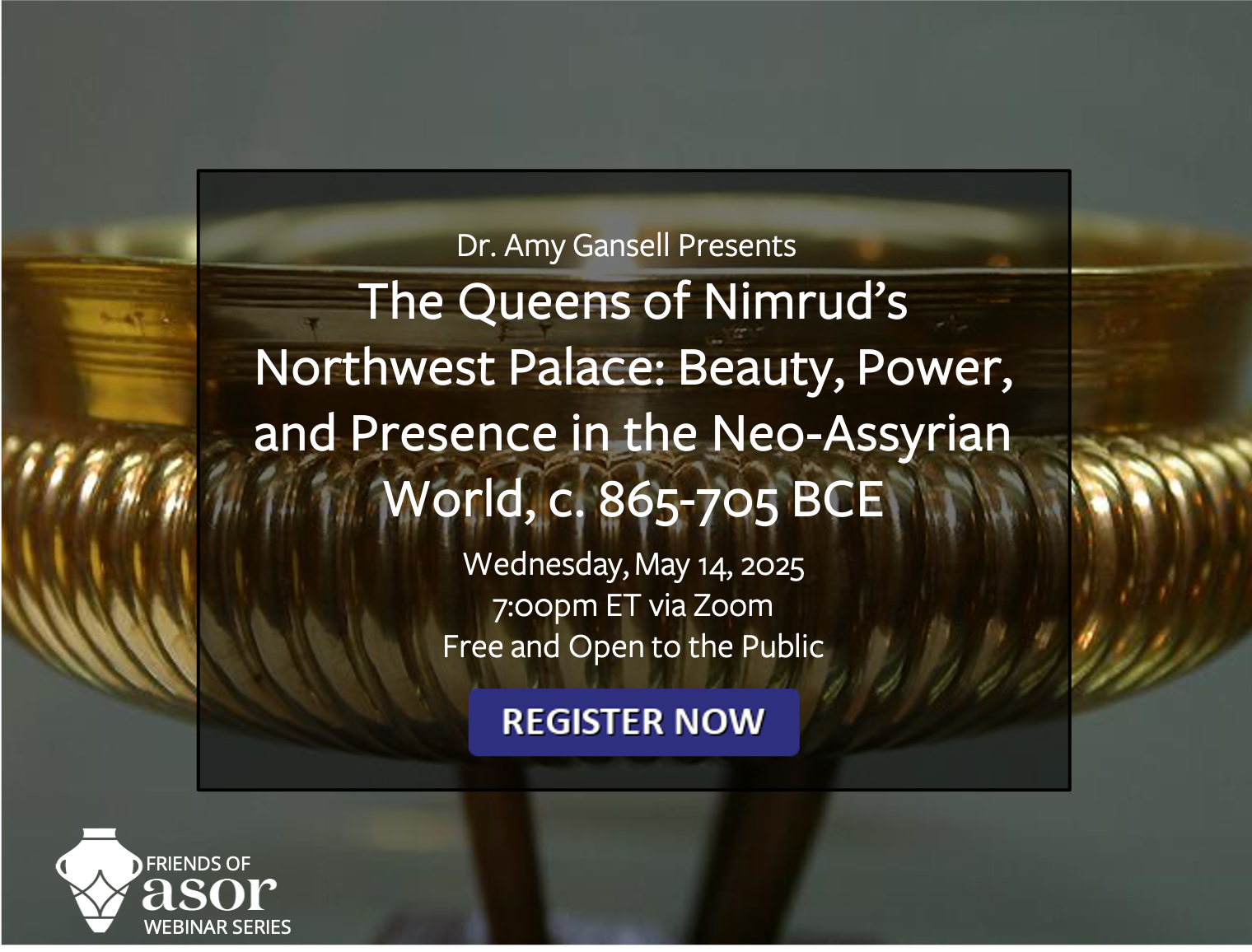
 Nearly three thousand years ago, at the ancient site of Nimrud (near modern Mosul, Iraq), a succession of ten Neo-Assyrian kings reigned in collaboration with their queens from the magnificence of the Northwest Palace, the seat of the empire and center of their world. Too often overshadowed by the well documented legacy of Neo-Assyrian kings, this presentation illuminates the queens who reigned with them. Dr. Gansell focuses on the queens of Nimrud’s Northwest Palace (c. 865–705 BCE) because it is here, in the late 1980s, that Iraqi archaeologists uncovered their partially intact royal tombs. The tombs contained heaps of precious jewelry and regalia, along with cuneiform inscriptions, and even some skeletal remains. Putting together these artifacts of death and connecting them to the art, architecture, and written record of the palace, we can learn about the names, lives, appearance, royal duties, and religious roles of the queens. Piece by piece, and layer by layer, across about 150 years of evidence, we discover the beauty, power, and presence of Nimrud’s Northwest Palace queens in life, death, and for eternity.
 Dr. Amy Gansell is Associate Professor of Art History in the Department of Art & Design at St. John’s University, where she serves as the Assistant Department Chair and Coordinator for the Women’s, Gender, and Sexuality Studies Interdisciplinary Minor. She received her PhD in the History of Art and Architecture from Harvard University in 2008. From 2008 to 2010, Dr. Gansell held a full-time position with the US Department of State as the Associate Coordinator for Afghan and Iraqi Cultural Heritage. In this capacity, she worked on diplomatic projects to restore and build professional capacity at the Afghan National Museum, the National Museum of Iraq, and the site of Babylon. Dr. Gansell returned to academic life in 2010 as a postdoctoral fellow at Emory University’s Bill and Carol Fox Center for Humanistic Inquiry, after which she taught art history to art and design students at Pratt Institute and the State University of New York’s Fashion Institute of Technology (FIT).

 Pp. 4–14: “From Seasonal Hunting Base to Permanent Settlement: Insights from the High-altitude Hormangan Site,” by Morteza Khanipour and Masashi Abe
 Pp. 16-23: “Tappeh Ziar: A Chalcolithic Site along the Zayandeh Rud River Basin (ZRB) in Isfahan, Iran,” by Jaleh Kamalizad and Alireza Sardari
 Pp. 24-34: “Art as the Child of Nature: Investigating the Interplay between Human Society, Environment, and Artistic Production in Prehistoric Bronze Age Cyprus,” by Zuzana Chovanec
 Pp. 36-46: “Ayios Iakovos-Dhima, Ideological Stake-Claiming, and Social Reproduction in Northeast Cyprus in the Late Bronze Age,” by Thomas John William Humphrey
 Pp. 48-56: “Ritual Banqueting at a Hellenistic Sacred Area on the top of Fabrika Hill, Nea Paphos,” by Jolanta Młynarczyk
 Pp. 58-69: “Medieval Settlement Excavations at Arpa, Armenia: Regional Context and Chronology for a Silk Road Town,” by Astghik Babajanyan and Kate Franklin
 Pp. 70-77: “Byzantine Epitaphs: Unearthing New Sources of Christian Socioreligious Landscape from Southeastern Al-Karak Plateau (Southern Jordan),” by Musallam R. Al-Rawahneh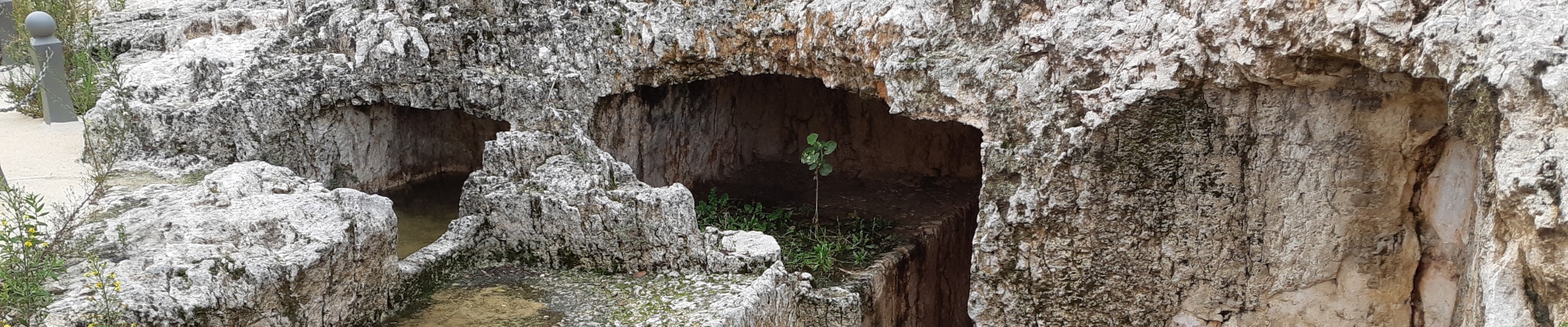
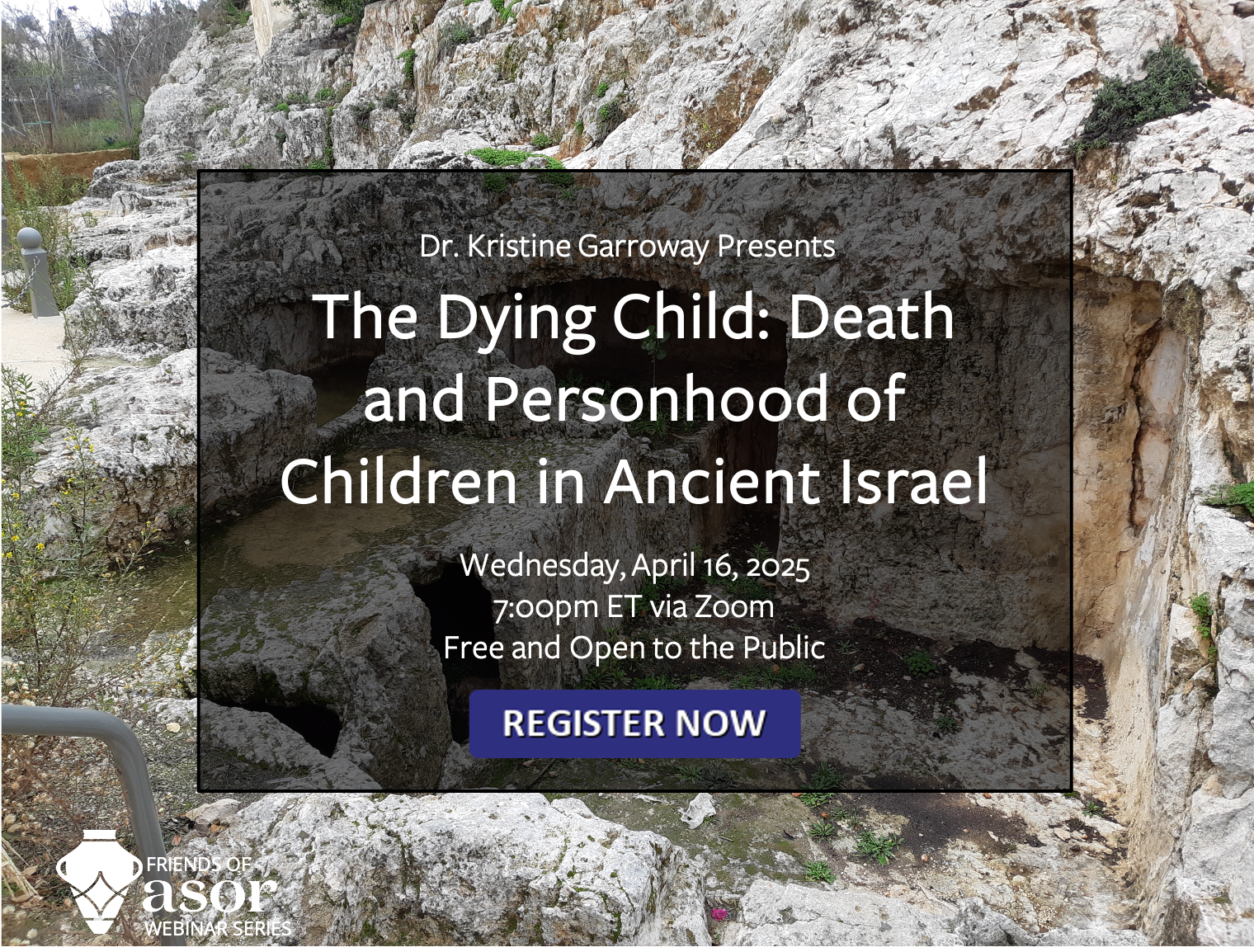
 The death of a child is perhaps the most painful, heartbreaking, and seemingly unnatural experience we have the displeasure of living with. Yet it is difficult to say with certainty whether this sentiment was shared by the inhabitants of ancient Isarel. Some anthropologists have found that in societies which experience a high rate of infant mortality and childhood death, parents remain emotionally detached from their children and do not mourn their deaths. We know that ancient Israel, like many pre-industrial societies, had a very high rate of infant mortality and childhood deaths. Did Israelites therefore care for their dying children? Did they give them a proper burial? Did they consider their children part of their families? The Hebrew Bible does not offer much information on the subject. Every time a child’s death is referenced, it is as a plot device in a narrative to prove an ethical, moral, or theological point. Abraham must sacrifice his child to show his commitment to God; Elijah shows off his wonder-working skills when he revives a dead child; David and Bathsheba’s first child dies because David committed murder and adultery; and Solomon demonstrates his wisdom when he commands a child to be cut in half. Yet, none of the biblical texts discuss how, or even if, Israelites cared for their dying children. Fortunately, there is another source to which we can turn to answer such questions: archaeology.
 Kristine Henriksen Garroway is Professor of Bible at the HUC-JIR’s Skirball Campus in Los Angeles where she joined the faculty in 2011. She received her doctorate in Hebrew Bible and Cognate Studies at the HUC-JIR/Cincinnati in 2009. She has spent time studying and researching in Israel and has participated in excavations at Ashkelon, Tel Dor, and Tel Dan. Garroway’s scholarship focuses on children using archaeology and texts of ancient Israel and Mesopotamia. She has published in various scholarly journals and is a regular contributor to
 Ethics in Archaeological Practice explores urgent topics and issues in archaeology as currently practiced in the classroom, the field, the museum, and the public sphere. While addressed primarily to archaeologists working in western Asia, the eastern Mediterranean, and North Africa, the volume raises contemporary ethical questions around race, gender, disability, climate change, and cultural heritage that are pressing and relevant to archaeology students and professionals worldwide. The fifteen contributors offer fundamental case studies and practical guidance for best practices and models of high standards of ethical practice in professional conduct. Together, they offer new approaches to advocacy and the responsible stewardship of heritage sites, collections, and the environment. These compelling and generative discussions make the case for a 21st century archaeology that is proactive and engaged with discourses addressing equity, social justice, anti-colonialism, and climate change.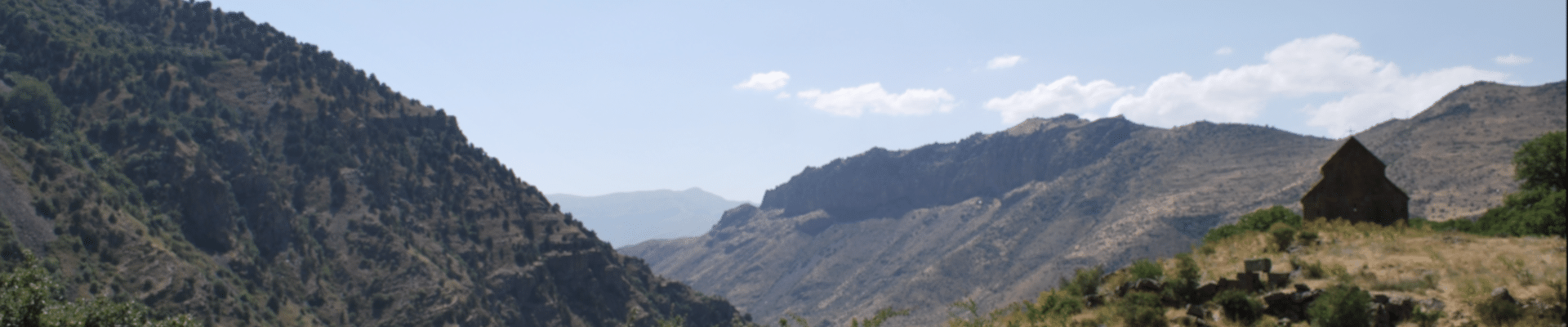
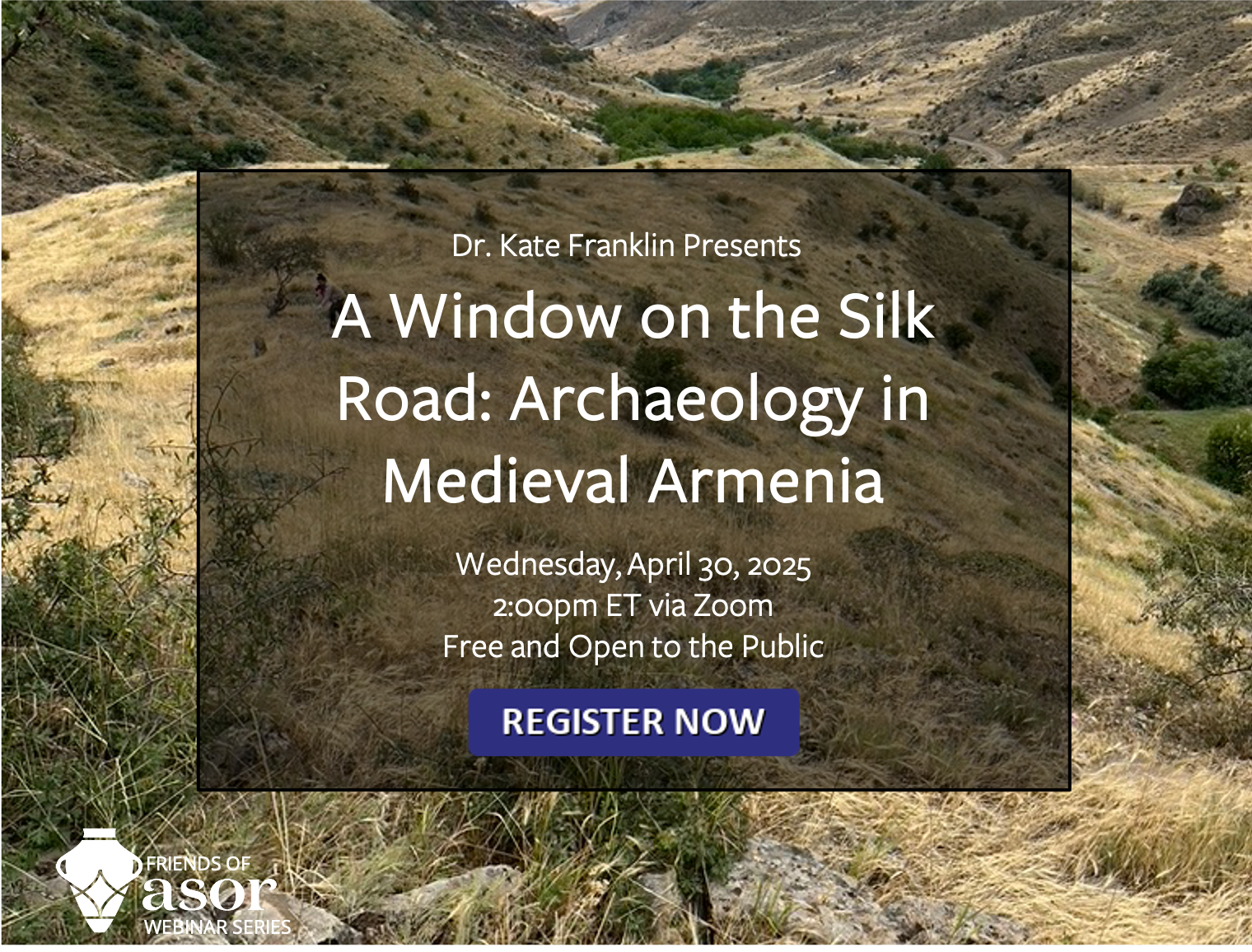
 To imagine the medieval Silk Road is to conjure up images of exotic commerce: camel caravans crossing wind-swept dunes, bustling city bazaars, silks and spices spilling from saddlebags. If these images loom large in modern imaginations of the Silk Road, how did people actually living in the Middle Ages think about long distance trade and travel? Drawing on textual, architectural and archaeological evidence, this talk explores the social lives of people living not in the city centers of medieval commerce, but in the places in-between, along the road. Specifically, the talk invites us to spend some time along the roadside with medieval people in the Armenian highlands, where special-built caravan inns housed travelers heading for the Mediterranean, to China, to the Middle East, and north into the steppe, and where people had their own imaginaries of the wider medieval world. Kate Franklin will share aspects of her work in the Republic of Armenia which show how global cultures emerge hand-in-hand with local worlds.
 Kate Franklin is Senior Lecturer in Medieval History at Birkbeck, University of London. Kate is a landscape archaeologist and historian focused on the intersections of local and large-scale social worlds in the medieval landscapes of what is now the Republic of Armenia, where she has been co-PI of the Vayots Dzor Silk Road Survey for nearly a decade. Kate’s most recent book, Landscapes and Environments of the Middle Ages(Routledge 2023, co-authored with Michael Bintley) explores the cultural history of nature in the medieval period.
 [/vc_wp_text][/vc_column_inner][/vc_row_inner][/vc_column][/vc_row][vc_row][vc_column][/vc_column][/vc_row]