March Fellowship Madness 2025 — In Our 125th Year!

[vc_row fullwidth=”true” attached=”true” css=”.vc_custom_1496247803139{padding-top: 0px !important;padding-right: 0px !important;padding-bottom: 0px !important;padding-left: 0px !important;}”][vc_column][vc_single_image image=”94401″ img_size=”full” alignment=”center”][/vc_column][/vc_row][vc_row fullwidth=”true” css=”.vc_custom_1496682730308{padding-top: 10px !important;padding-right: 0px !important;padding-bottom: 0px !important;padding-left: 0px !important;}”][vc_column width=”1/12″ css=”.vc_custom_1496683820796{margin-right: 10px !important;}” offset=”vc_hidden-md vc_hidden-sm vc_hidden-xs”][vc_column_text]

 SHARE

[/vc_column_text][mk_image src=”http://www.asortest.org/wp-content/uploads/2017/01/social-fb-icon4.jpg” image_width=”42″ image_height=”42″ hover=”false” custom_url=”https://www.facebook.com/ASOResearch/” margin_bottom=”0″][mk_image src=”http://www.asortest.org/wp-content/uploads/2017/01/social-tw-icon4.jpg” image_width=”42″ image_height=”42″ hover=”false” custom_url=”https://twitter.com/ASOResearch?ref_src=twsrc%5Egoogle%7Ctwcamp%5Eserp%7Ctwgr%5Eauthor” margin_bottom=”0″][mk_image src=”http://www.asortest.org/wp-content/uploads/2017/01/social-in-icon4.jpg” image_width=”42″ image_height=”42″ hover=”false” custom_url=”https://www.linkedin.com/company/american-schools-of-oriental-research” margin_bottom=”0″][mk_image src=”http://www.asortest.org/wp-content/uploads/2017/01/social-ml-icon_7.jpg” image_width=”42″ image_height=”42″ hover=”false” custom_url=”mailto:info@asor.org” margin_bottom=”0″][mk_image src=”http://www.asortest.org/wp-content/uploads/2017/01/blog-icon3.jpg” image_width=”42″ image_height=”42″ hover=”false” custom_url=”http://asor.org/blog” margin_bottom=”0″][/vc_column][vc_column border_color=”rgba(255,255,255,0.01)” width=”1/6″ css=”.vc_custom_1496683923840{margin-right: 20px !important;border-left-width: 2px !important;padding-right: 20px !important;padding-left: 20px !important;border-left-color: #99422f !important;}”][mk_divider divider_color=”rgba(255,255,255,0.01)” thickness=”1″ margin_top=”3″ margin_bottom=”3″][vc_widget_sidebar sidebar_id=”ca-sidebar-39801″][/vc_column][vc_column border_color=”rgba(170,170,170,0.01)” width=”1/2″ css=”.vc_custom_1487276122024{margin-right: 10px !important;margin-bottom: 30px !important;border-right-width: 2px !important;border-bottom-width: 2px !important;padding-top: 30px !important;padding-right: 30px !important;padding-left: 20px !important;background-color: #ffffff !important;border-right-color: rgba(227,228,228,0.75) !important;border-bottom-color: rgba(227,228,228,0.75) !important;}”][vc_column_text responsive_align=”left”]

March Fellowship Madness 2025 — In Our 125th Year!

[/vc_column_text][mk_divider margin_top=”10″][vc_row_inner][vc_column_inner css=”.vc_custom_1706024108985{padding-right: 10px !important;}”][vc_column_text]

Thank you to everyone who was part of ASOR’s 2025 March Fellowship Madness. Your generous donations raised $4,725 this year and ASOR can now fund 2 additional fieldwork scholarships.

Each year, ASOR sponsors many Fieldwork Scholarships for students and volunteers to take part in ASOR-affiliated projects. With your help, we aim to raise $6,000 to send three more students into the field during Summer 2025. Right now, ASOR is able to award 47 fieldwork scholarships in 2025 and with your help, we’ll make it to 50!

We’re looking forward to celebrating our 125th anniversary with you and planning the future (hopefully another 125 years at least!) to provide a bright future for the next generations of archaeologists.

[/vc_column_text][/vc_column_inner][/vc_row_inner][mk_gallery images=”101677,101477,101413,101344,101284,101069″ column=”6″ enable_title=”false” item_id=”1740691625-67c0d8a942a8f”][vc_row_inner][vc_column_inner][vc_column_text]

ASOR provides these scholarships with your partnership. You are enabling ASOR to establish new scholarships and grants through endowed funds, but your annual support (i.e., gifts this year) will allow ASOR to send more eager students and early career scholars into the field. Please support archaeology’s next generation by making a gift today and selecting “Fieldwork Scholarships” as the designation for your gift. You may also make a designated gift by choosing any category from the drop-down menu on the donations module.

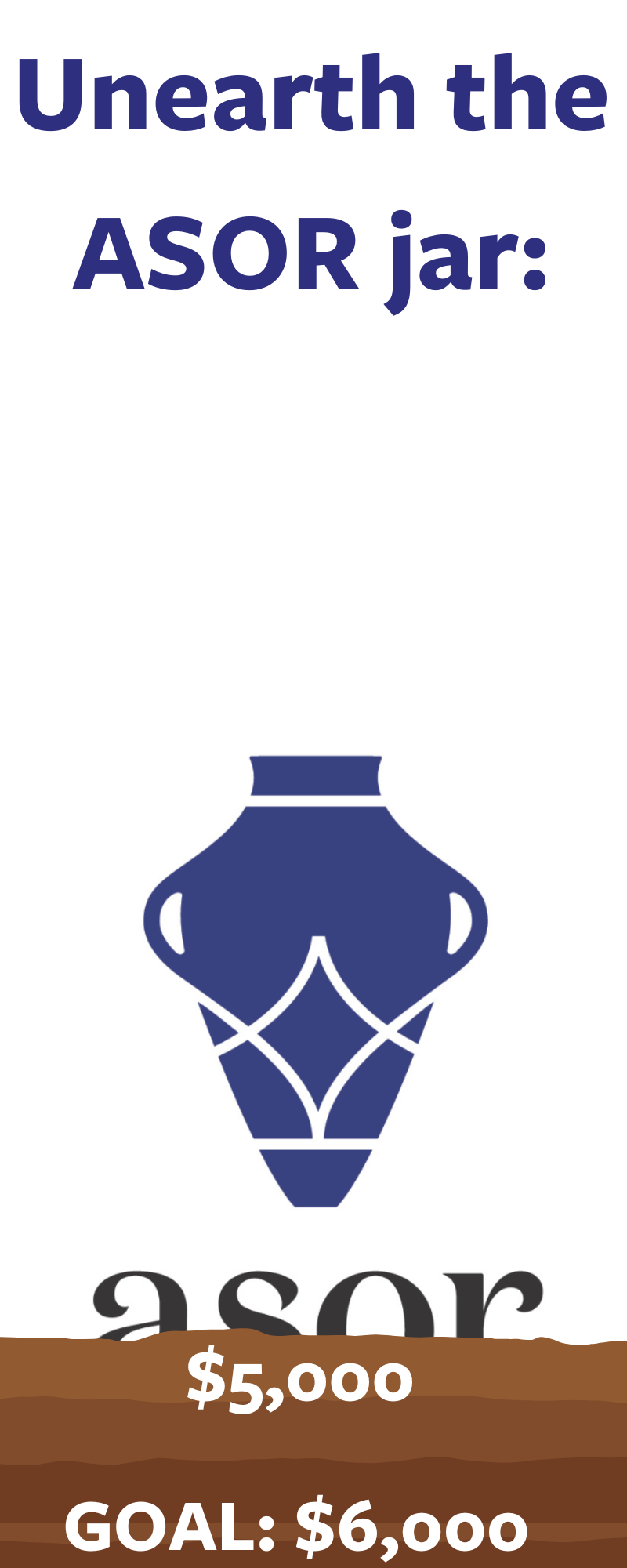
[/vc_column_text][/vc_column_inner][/vc_row_inner][vc_row_inner][vc_column_inner css=”.vc_custom_1706024108985{padding-right: 10px !important;}”][vc_column_text]The past 125 years owe so much to our generous members; even a small donation of just $10 adds up to make a big difference. 100% of your gift will go toward Fieldwork Scholarships for students. Keep track of our March Fellowship Madness 2025 donation progress here — with each $1,000 donated, we’ll excavate more of the ASOR jar![/vc_column_text][vc_wp_text][/vc_wp_text][/vc_column_inner][/vc_row_inner][/vc_column][vc_column border_color=”rgba(170,170,170,0.01)” width=”1/6″ css=”.vc_custom_1496684098866{margin-right: 5px !important;margin-bottom: 20px !important;border-right-width: 2px !important;border-bottom-width: 2px !important;padding-top: 30px !important;padding-right: 10px !important;padding-left: 10px !important;background-color: #ffffff !important;border-right-color: rgba(227,228,228,0.75) !important;border-bottom-color: rgba(227,228,228,0.75) !important;}”][vc_wp_posts title=”BROWSE THE NEWS ARCHIVE” number=”4″][vc_widget_sidebar sidebar_id=”ca-sidebar-99363″][/vc_column][/vc_row]
Fieldwork Report: Sarah “Gigi” Konecki-Brazeal

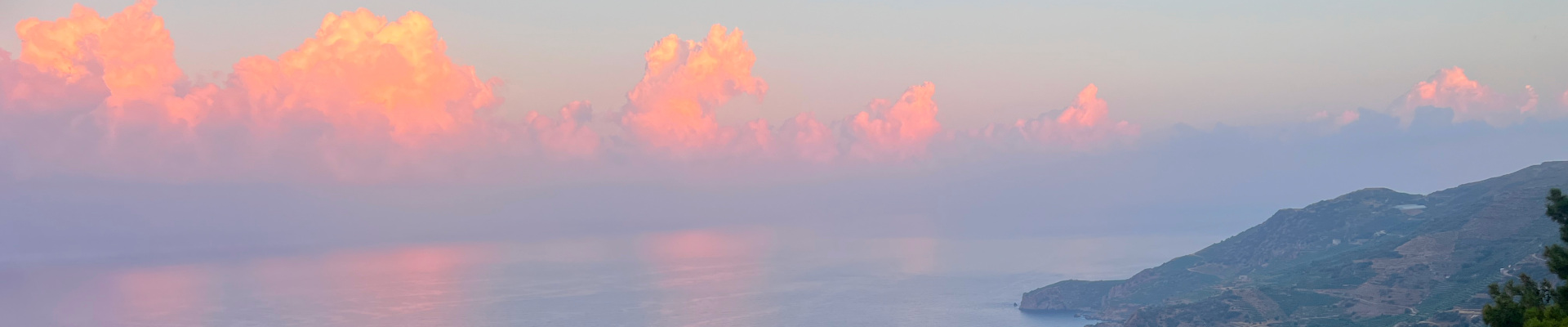
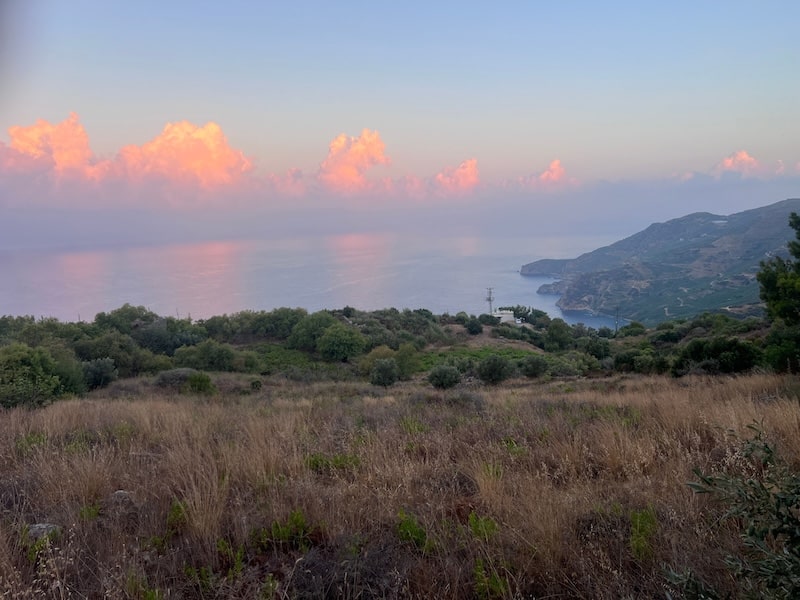
Clouds and the landscapes of Antiochia ad Cragum in Turkey

Archaeology: A Deeply Human Endeavor

Sarah “Gigi” Konecki-Brazeal, 2024 P.E. MacAllister Fieldwork Scholarship Recipient 

First surveyed in the 60s and left untouched for decades, Antiochia ad Cragum is a first-century Roman city founded by Antiochus IV of Commagene around 44 CE. Perched on the “cragus” roughly 300M above the Mediterranean, the city has yielded many great finds over the past 20 years, including two bathing complexes and a plethora of questions about the evolution of this city from a bustling polis to a site of extensive industry. At some point in this city’s lifespan, many of the buildings, including both bath complexes, were converted to industry. Evidence of wine and oil production, as well as ceramic, glass, and metal production, have been found throughout the site.

A view of the Mediterranean from Antiochia ad Cragum.

Excavations began on the Small Bath in 2018 and will continue for the foreseeable future. This type of bath is known as a hall bath and might be a bit unfamiliar to those already versed in Roman bathing complexes. The architecture of the bath situates a great hall with mosaiced floors through the center of the building with tepidaria (cold rooms) and caldaria (hot rooms) on either side. The hall leads to a large wading pool on the west end of the complex, and the building itself has one main entrance on the east end. To date, three frigidaria and one caldarium have been excavated. In addition, the cistern for the bathing complex was uncovered entirely during the 2023 and 2024 seasons. It is suspected that two more caldaria exist along the southern side of the complex, and there is the hope of locating the praefurnium there as well.

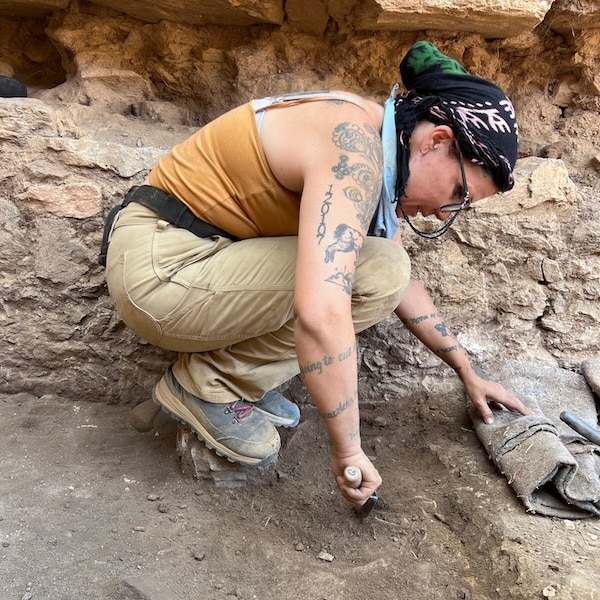
Me, perched on a rock digging in an area precariously peppered with finds. A great way to avoid artifact breakage!

In the summer of 2022, I came to Antiochia ad Cragum as an undergrad, looking to fulfill my field school requirement and find out if I had what it took to work in the field of archaeology. I was sent to the small bath to work under the direction of Dr. Leticia Rodriguez, and I had no idea what to expect. It was A LOT of digging, and A LOT of giant rocks, and A LOT of wheelbarrows. In the second week Dr. Rodriguez decided to open up Frigidarium 4 on the westside of the Small Bath and asked for volunteers. Frigidarium 4 was almost entirely full of fill that had washed down the mountainside and into the now roofless room. It looked like an impossible task, and nobody really wanted to start at the beginning again, especially when the trenches that had been opened the previous week were starting to look like something. So naturally, I volunteered. Again, it was nothing but dirt and large rocks which had fallen from the wall or ceiling. It was hot, it was dirty, my legs and arms felt like noodles at the end of the day…and I couldn’t wait to go back.

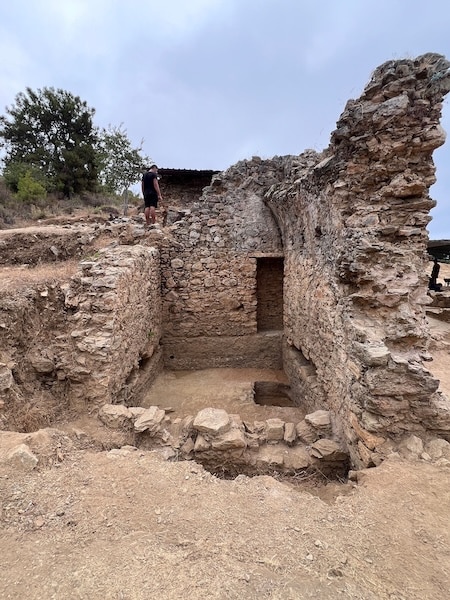
Frigidarium 4 at the end of the 2024 season

What should have taken a couple of weeks to clear and document has now taken us three seasons to uncover, with no sign of a floor at the end of the 2024 season. Since removing surface fill, Frigidarium 4 has yielded many spectacular finds owing to its conversion to a trash pit sometime (we think) in the fifth century. They say you can learn much about a man by going through his trash, and I agree. Everything these people were doing, using, making, participating in, and ultimately discarding have been found in my trench. We have learned so much about what these people were doing and what they found valuable by examining the findings from Frigidarium 4. Detritus from industry, personal items, evidence of what people ate, and the animals they raised – not only for food but for textile production – have all been found in Frigidarium 4, which still has more to tell us.

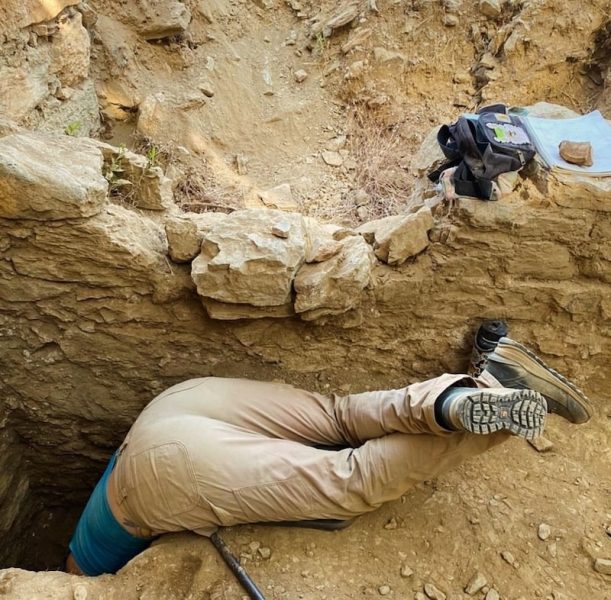
Digging a sondage in a last-ditch effort to locate the floor before covering Frigidarium 4 up for the off season.

The connection one feels to the people of the past when finding and carefully preserving their once-lost history isn’t easy to put into words, but it keeps me coming back year after year. Every season, we get a little closer to uncovering these peoples’ stories and piecing together the lives of those who were, up until now, forgotten. There is a beauty in unearthing something that once sat in the hands of a person over 1500 years ago, a strange intimacy with someone whose name you can never know and whose face you will never see. Additionally, there is an overwhelming sense of civic duty that comes with uncovering these items and sending them home to a conservation lab or museum where they will find new life. These things belonged to people once, and those people have been forgotten. But with our work in Antiochia ad Cragum, they live again, and the Turkish people reclaim a piece of their heritage that they may not have realized they’d lost.

Ultimately, archaeology is a profoundly human endeavor that contributes to a sense of connection: connection to our past and to each other. A connection that bridges borders, cultures, and time. A connection that I hope, brings us all closer to one another on the most fundamental of levels.

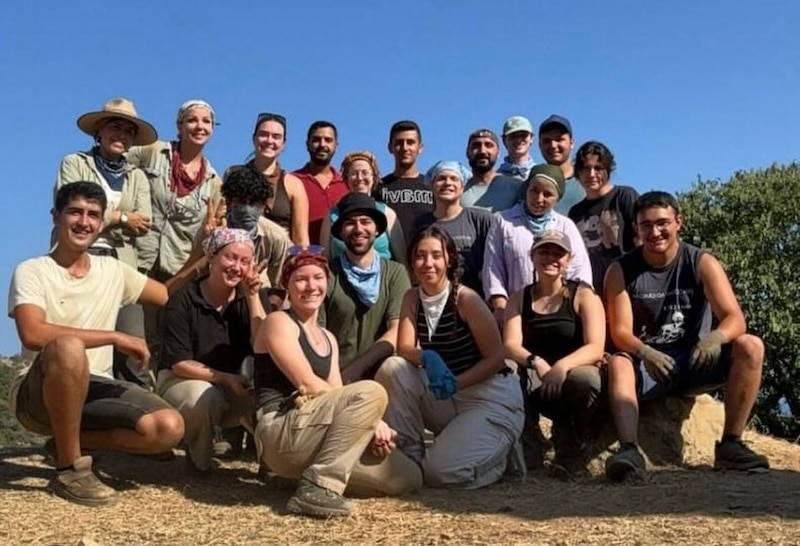
The humans of the Small Bath 2024.

Sarah “Gigi” Konecki-Brazeal is a graduate student at Arizona State University studying Art History, Archaeology, and Studio Art. She is a practicing artist who merges her artistic work with her academic research. In addition to being a trench supervisor and field assistant and Antiochia ad Cragum, Gigi also works as an illustrator and lithic analyst for the Bandafassi Regional Archeological Project. She plans to write her dissertation on ancient tattooing practices and go on to teach at the university level while continuing her fieldwork in Turkey and beyond.

Learn more about the Antiochia ad Cragum Archaeological Research Project here. 

Want to help more students and early career archaeologists get into the field? Donate to the cause today by selecting “Fieldwork Scholarships” as your gift purpose!

Spring Book Sale

ASOR SPRING BOOK SALE

Spring is in the air, and ASOR is pleased to be holding a spring book sale for publications 2+ years old. Take advantage of ASOR’s spring cleaning and add some of these books to your reading list this season!

ASOR members (with a mailing address in the USA) can purchase copies of ASOR books at the discounted price of $15.00 (ca. 80% discount + $5.00 US media mail shipping) through April 30, 2025, while supplies last. All prices listed below include US media mail shipping. Due to ASOR’s licensing agreement with ISD, this offer is only available to ASOR members. We are unable to offer this discount to members without a US mailing address due to international shipping costs. Please contact membership@asor.org with any questions.

Not an ASOR member? Join as an Associate Member ($45) or Academic Member (starting at $84) first in order to take advantage of these great deals on books. More information on memberships and the benefits associated with each level can be found here.

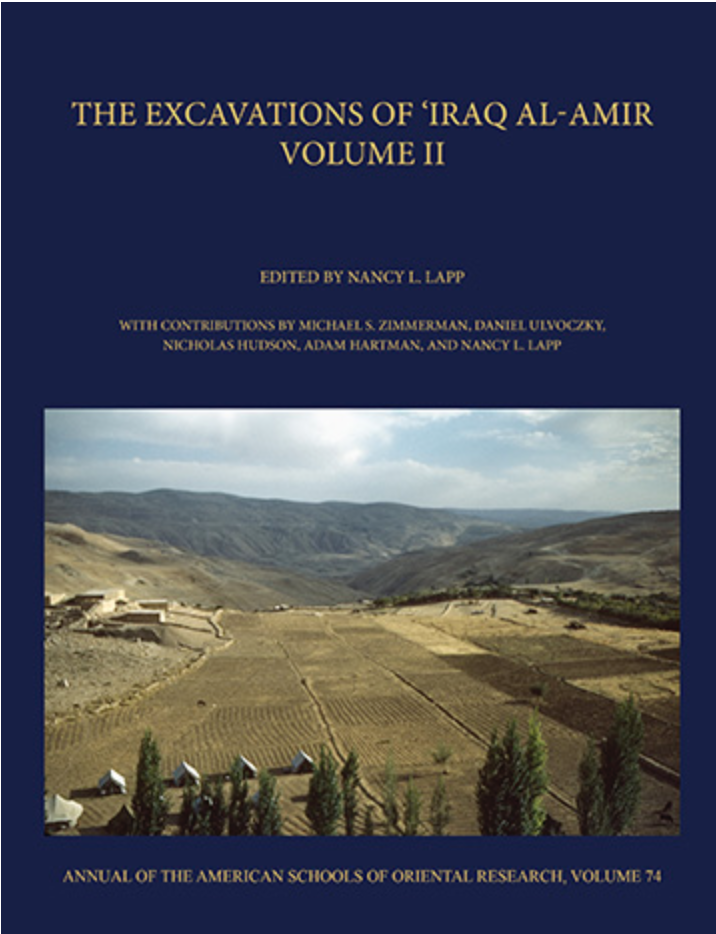
AASOR 74: The Excavations of ‘Iraq al-Amir, Volume II. Edited by Nancy L. Lapp, with contributions by Michael S. Zimmerman, Daniel Ulvoczky, Nicholas Hudson, Adam Hartman, and Nancy L. Lapp. Original price $84.95. Sale price $15.00 (includes US media mail shipping).

Click here to purchase AASOR 74 in ASOR’s Online Store.

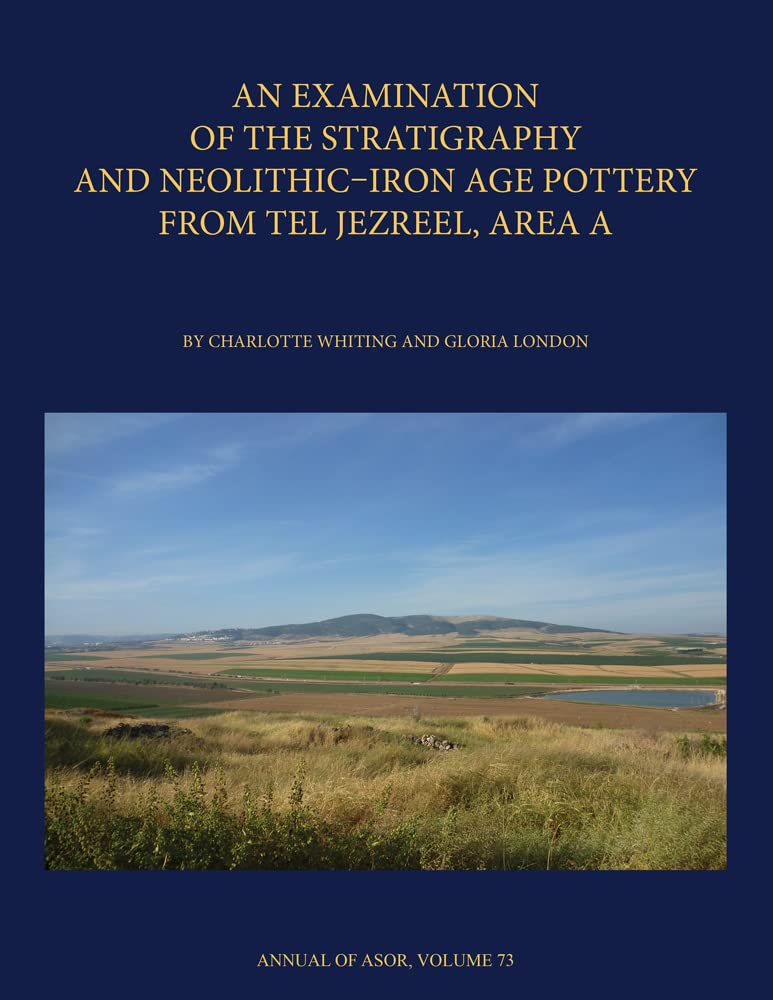
AASOR 73: An Examination of the Stratigraphy and Neolithic-Iron Age Pottery from Tel Jezreel, Area A. Edited by Charlotte Whiting and Gloria London. Original price $84.95. Sale price $15.00 (includes US media mail shipping).

Click here to purchase AASOR 73 in ASOR’s Online Store.

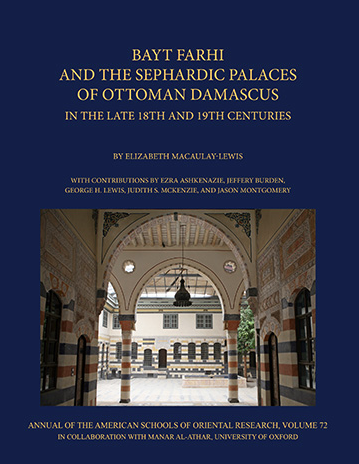
AASOR 72: Bayt Farhi and the Sephardic Palaces of Ottoman Damascus in the Late 18th and 19th Centuries. Edited by Elizabeth Macaulay-Lewis, with contributions by Ezra Ashkenazie, Jeffery Burden, George H. Lewis, Judith S. McKenzie, and Jason Montgomery. Original price $84.95. Sale price $15.00 (includes US media mail shipping).

Click here to purchase AASOR 72 in ASOR’s Online Store.

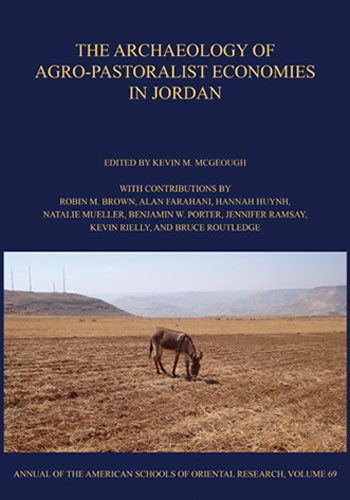
AASOR 69: The Archaeology of Agro-Pastoralist Economies in Jordan. Edited by Kevin M. McGeough, with contributions by Robin M. Brown, Alan Farahani, Hannah Huynh, Natalie Mueller, Benjamin W. Porter, Jennifer Ramsay, Kevin Rielly, and Bruce Routledge. Original price $84.95. Sale price $15.00 (includes US media mail shipping).

Click here to purchase AASOR 69 in ASOR’s Online Store.

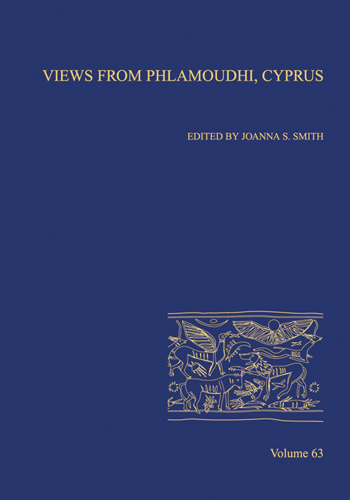
AASOR 63: Views from Phlamoudhi, Cyprus. By Joanna S. Smith. Original price $84.95. Sale price $15.00 (includes US media mail shipping).

Click here to purchase AASOR 63 in ASOR’s Online Store.

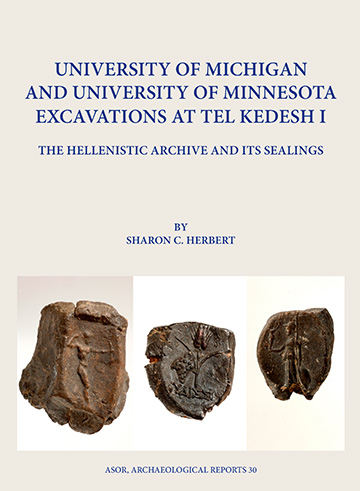
ARS 30: Tel Kedesh I: The Hellenistic Archive. By Sharon C. Herbert. Original price $99.95. Sale price $15.00 (includes US media mail shipping).

Click here to purchase ARS 30 in ASOR’s Online Store.

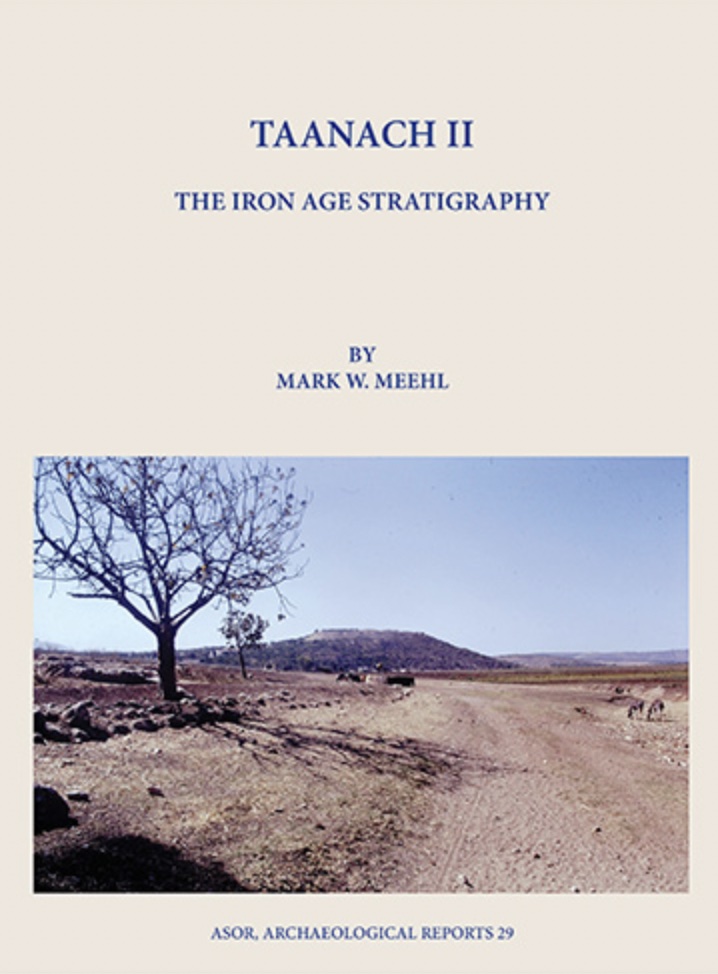
ARS 29: Taanach II: The Iron Age Stratigraphy. By Mark W. Meehl. Original price $89.95. Sale price $15.00 (includes US media mail shipping).

Click here to purchase ARS 29 in ASOR’s Online Store.


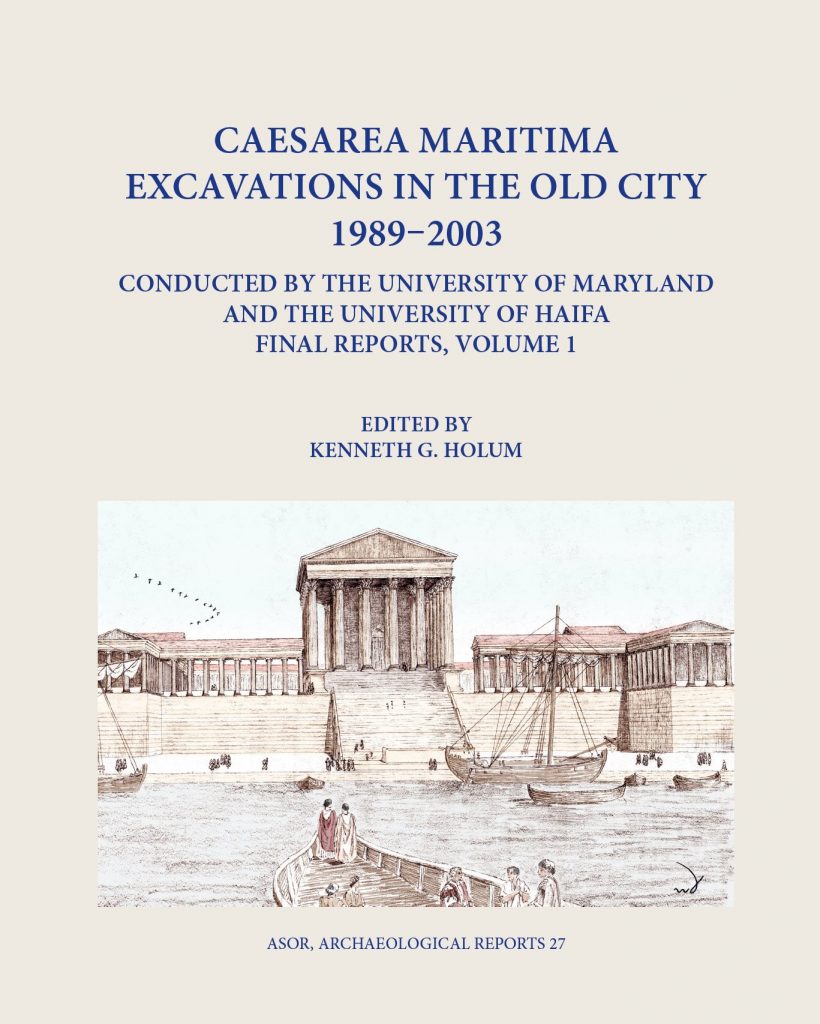
ARS 27: Caesarea Maritima: Excavations in the Old City 1989-2003. Edited by Kenneth G. Holum. Original price $89.95. Sale price $15.00 (includes US media mail shipping).

Click here to purchase ARS 27 in ASOR’s Online Store.

ARS 20: Cyprus and the Balance of Empires: Art and Archaeology from Justinian I to the Coeur de Lion. Edited by Charles Anthony Stewart, Thomas W. Davis, and Annemarie Weyl Carr. Original price $84.95. Sale price $15.00 (includes US media mail shipping).

Click here to purchase ARS 20 in ASOR’s Online Store.

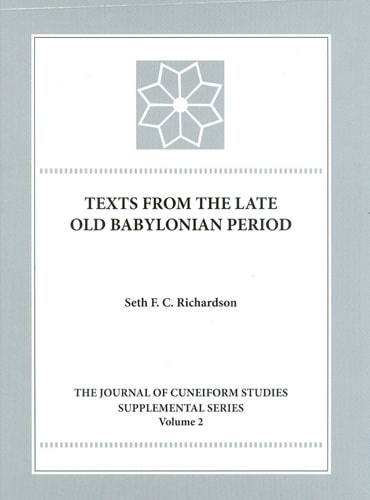
JCSSS 2: Texts from the Late Old Babylonian Period. Edited by Seth F. C. Richardson. Original price $75.00. Sale price $15.00 (includes US media mail shipping).

Click here to purchase JCSSS 2 in ASOR’s Online Store.

JCSSS 3: The Textual Criticism of Sumerian Literature. Edited by Paul Delnero. Original price $89.95. Sale price $15.00 (includes US media mail shipping).

Click here to purchase JCSSS 3 in ASOR’s Online Store.

Save the Date for ASOR’s 125th Anniversary Celebration

Save the Date for Our 125th Anniversary Celebration

Boston | November 22, 2025, at 7 p.m.

ASOR is turning 125—and we want you to be part of the celebration!

Our special anniversary dinner will take place during this year’s Annual Meeting in Boston, and we hope you’ll join us for this unforgettable evening of community, celebration, and reflection on ASOR’s history. 

 ⏰ We’ll be kicking off the festive occasion at 6:45 p.m. on Saturday, November 22, 2025, at the Hilton Boston Park Plaza. Enjoy an evening of exceptional dining, entertainment, and ASOR-themed activities, featuring speakers who have been integral to ASOR’s mission. Your presence will help make this milestone truly meaningful.


Register Now


 🎟 Tickets are $100 (ASOR’s cost), but we’re committed to making the event accessible for all. If you need financial assistance to attend, use code SAVE50 for $50 tickets, or SAVE75 for $25 tickets. Sponsorship tickets are also available—and dinner tickets above $100 may be tax-deductible. If you are able, please consider a sponsorship so that you can support the discounted tickets described above.

When purchasing your ticket, please specify your dinner entree choice: beef, chicken, fish, or vegetarian.

 👗 Dress code: Cocktail attire/festive, black-tie optional.

If you haven’t done so already, click here to register for the Annual Meeting and join our celebration in November.

ECS Research in Action: Rennan Lemos

ECS_Rennan_Lemos-1920x400

Early Career Scholars Research in Action: Rennan Lemos

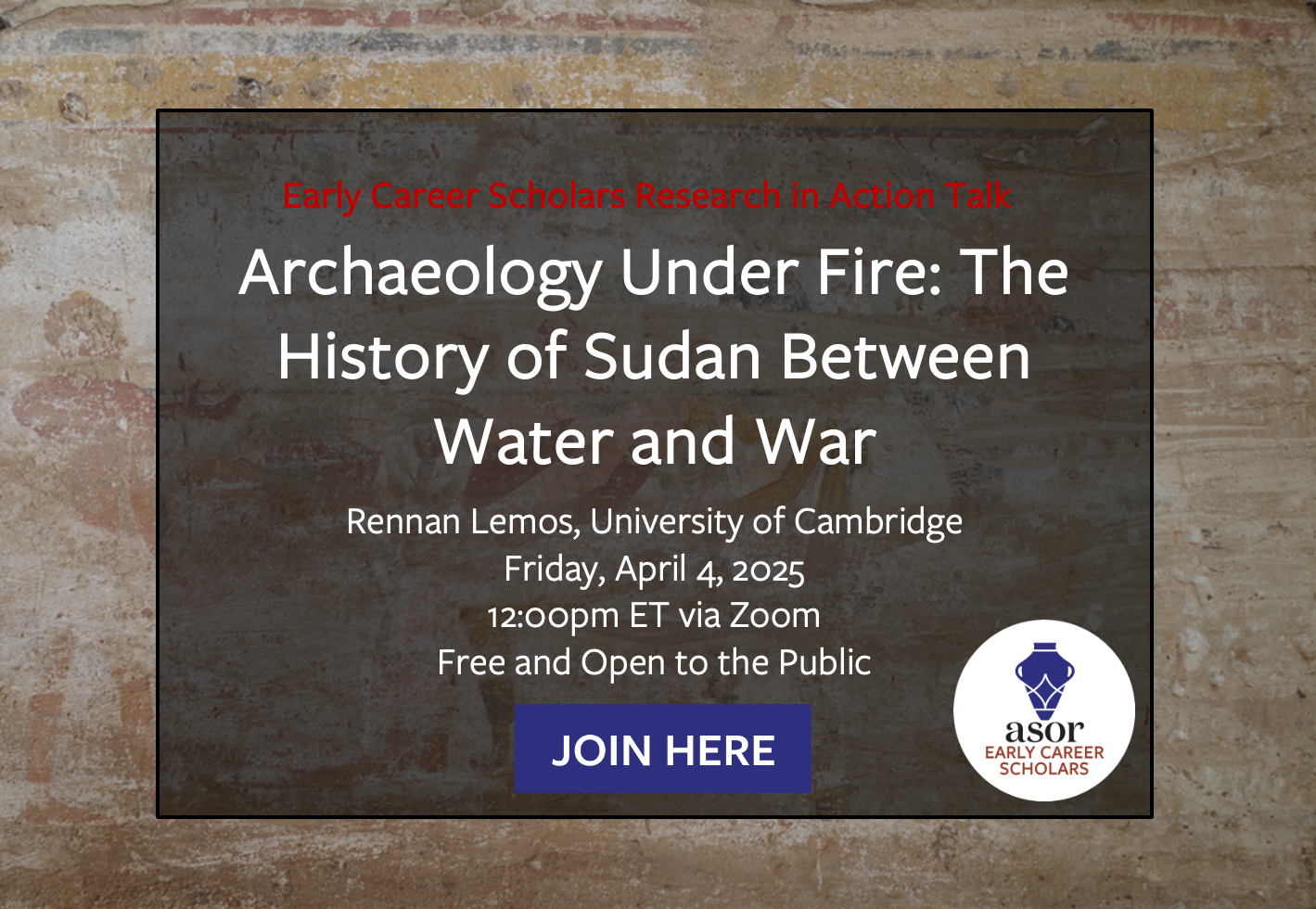
Archaeology Under Fire: The History of Sudan Between Water and War

Join ASOR’s Early Career Scholars on April 4, 2025 at 12:00pm ET via Zoom for a virtual Research in Action talk from Dr. Rennan Lemos about cultural heritage in Sudan.

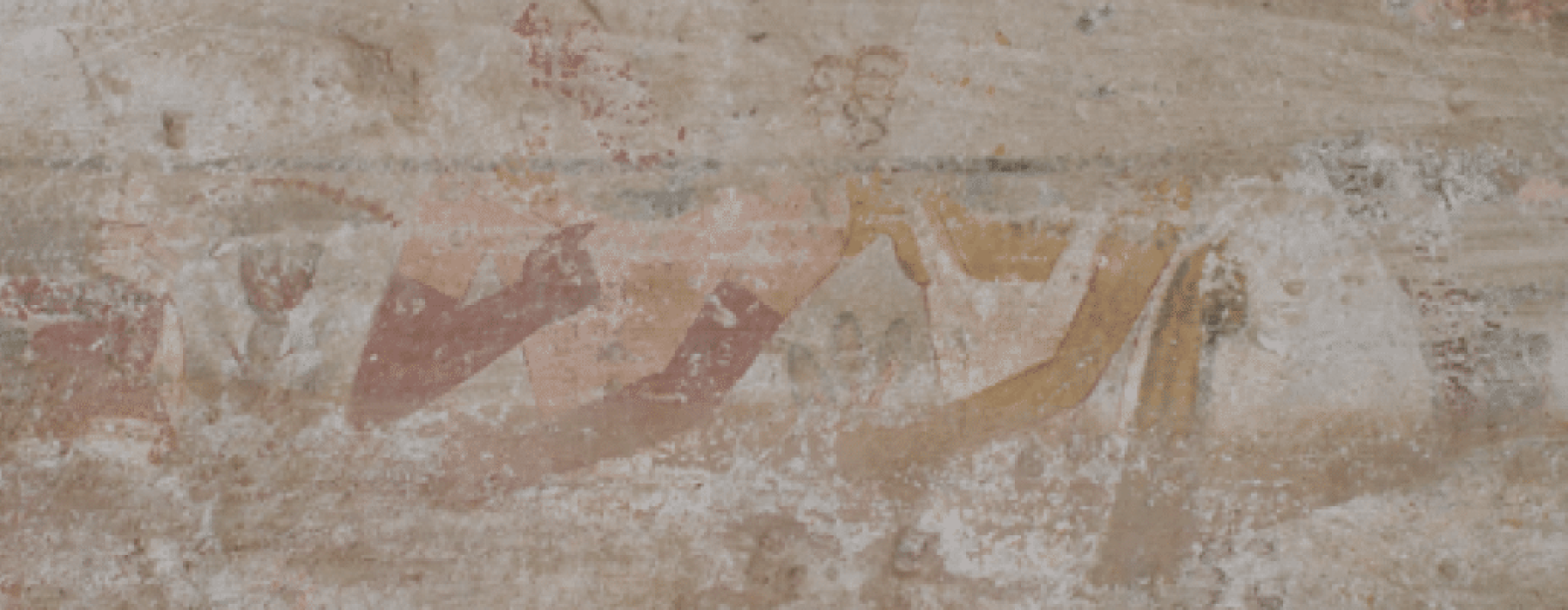
Abstract: The history of archaeology in northern Sudan is, to a large extent, a history of salvage excavations. Successive dam projects in Lower Nubia have posed a tremendous threat to the region’s archaeology, resulting in significant losses but also producing one of the most comprehensive records of archaeological heritage in a single area. Drawing on archival materials and recent fieldwork, this talk will explore how Sudan’s archaeological heritage has been endangered—first by the flooding of Lower Nubia and now by war—and how a history of major threats has shaped the region’s heritage.

Presenter: Rennan Lemos teaches Egyptian and Sudanese archaeology at the University of Cambridge. He co-directs the Djehutyhotep Project and is assistant director of the Sanam Temple Project in Sudan. In 2024, he was a recipient of the Annual Prize “à la mémoire de Jean Leclant”, awarded by the Michela Schiff Giorgini Foundation.

The event, a part of our “Research in Action” series, is FREE for the ASOR community, but registration is required.

FOA Webinar: Brien Garnand

FRIENDS OF ASOR WEBINARS

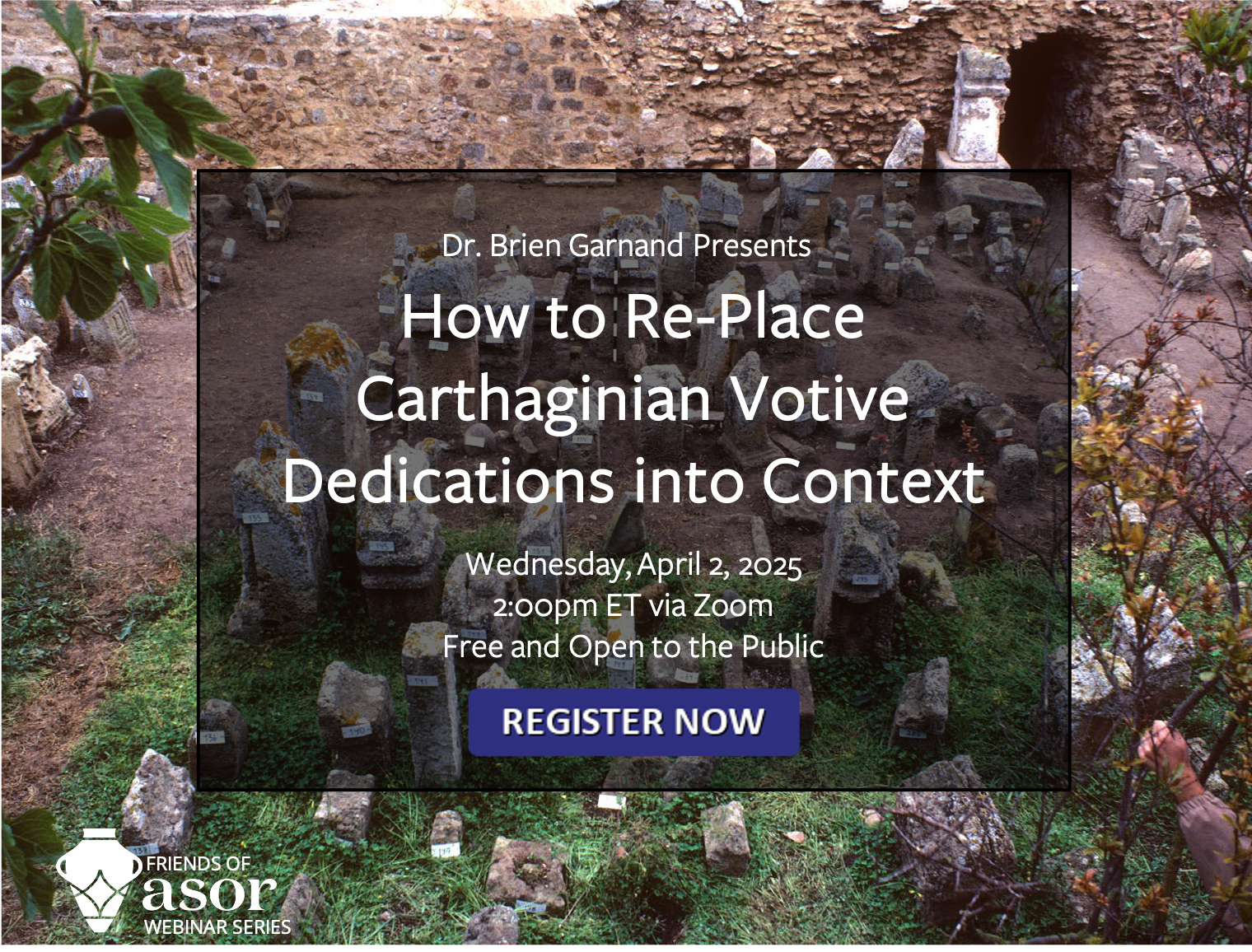
How to Re-Place Carthaginian Votive Dedications into Context

Friends of ASOR present the next webinar of the 2024-2025 season on April 2, 2025, at 2:00 pm EDT, presented by Dr. Brien Garnand. This webinar will be free and open to the public. Registration through Zoom (with a valid email address) is required. This webinar will be recorded and all registrants will be sent a recording link in the days following the webinar.

Upcoming anniversaries of American excavations offer an opportunity to reassess the importance of Carthage, famous for its contacts and conflicts with Greeks and Romans across the Mediterranean and infamous for its alleged ritual infanticide. Two American teams conducted excavations at the city’s liminal open-air votive precinct, where one finds cremated infant remains buried in urns beneath stone memorials bearing dedications to the Mistress, Tinnit Visage-of-Ba‘l, and to the Lord, Ba‘l Hammon.

The Carthaginian precinct remained in use from the city’s foundation (ca.800 BCE) until its destruction by Rome (146 BCE). Thousands of inscribed stelae found there provide the vast majority ( > 90%) of the Phoenician-Punic epigraphic corpus and provide evidence for the development of alphabetic writing; uninscribed stelae add to iconographic repertoires; and key amulet and urn typologies arise from this site. In sum, no Phoenician precinct stands anywhere near equal in importance to this singular sanctuary, one of the most studied and least understood cultural features of Phoenician-Punic society. Interpretation of the site remains difficult—in no small part due to a lack of stratigraphic data since final reports have not been forthcoming.

The centennial and golden anniversaries of American excavations fast approach—one hundred years ago, F. W. Kelsey of the University of Michigan led a campaign under the auspices of the AIA (1925); fifty years ago, L. E. Stager of University of Chicago led another under the auspices of ASOR (1976-1979). Both teams excavated in the same propriété Regulus-Salammbô, with Stager’s Punic Project excavations picking up where Kelsey had left off. Even before the American campaigns, many stelae had already been extracted through clandestine or amateur excavation, including hasty extractions made just before Kelsey arrived on site, depriving us of their context. Nevertheless, our archival research at the University of Michigan has uncovered excavation records that, in combination with the Punic Project records, allow us to locate stela in plan and section. We have made practice scans of stelae, in the Netherlands and Denmark, in anticipation of scanning individual stela now held in Tunisian museum store rooms. This talk will demonstrate how 3D models of individual stelae can be replaced into their original positions by using archival site plans and annotated photographs and in reference to the positions of those stelae still in situ, and it will demonstrate how we can create a precise scale model of the Regulus-Salammbô sector.

Brien Garnand is a research associate of the Harvard Museum of the Ancient Near East (HMANE) and a visiting researcher at the Netherlands Institute for the Near East (NINO), currently a member of a research group at the Israel Institute for Advanced Studies (IIAS). He has contributed to the final excavation report from the ASOR Punic Project Carthage excavations since 1993, recently co-editing a preview of that report in a thematic volume of the Journal of Ancient History (Infants as Votive Offerings 2023). Besides cataloging artifacts in the basement of the HMANE and in the store rooms of the Musée national de Carthage, he has scoured the archives of the F. W. Kelsey Museum of Archaeology at the University of Michigan and the J. B. Chabot archives at the Université catholique de Louvain in preparation for an exhibition timed to correspond with the issue of the Punic Project final report on the the 50th/100th anniversaries of American excavations. He once served as assistant director of the Stanford University Excavations at Mt. Polizzo in Sicily, and he has extensive experience in North Africa, both in field survey (Project Jerba—University of Pennsylvania/AAR/INP) and in excavation (Carthage Bir Messaouda—University of Amsterdam/INP). His current research focuses on votive stelae, both putting the formulaic-poetic language of Phoenician inscriptions into the context of Ancient Near Eastern literature and putting the sanctuary of Tinnit and Ba‘l in Carthage into the context of votive precincts across the Mediterranean. A mobility grant from NINO (2022) allowed him to test 3D scanning methods, and a recent ASOR Dar Ben Gacem fellowship (2023) supported a research visit to the Carthage precinct where he prepared a preliminary 3D site model.
SPONSOR A WEBINAR!

Several levels of support from $50-$1,000 are available. Proceeds go towards membership scholarships and towards increasing ASOR’s virtual resources. Each sponsorship is tax-deductible and includes benefits! Sponsor a webinar here. 

WHY SPONSOR ONLY ONE?

Season Sponsorships are also available from the ASOR Online Store here!

Click here for more information on the benefits of becoming a season sponsor or sponsoring a single webinar.

Harris Grant Report: Menorca Archaeological Project

2024 Harris Grant Report: Menorca Archaeological Project (MAP), Spain

Alexander Smith, SUNY-Brockport

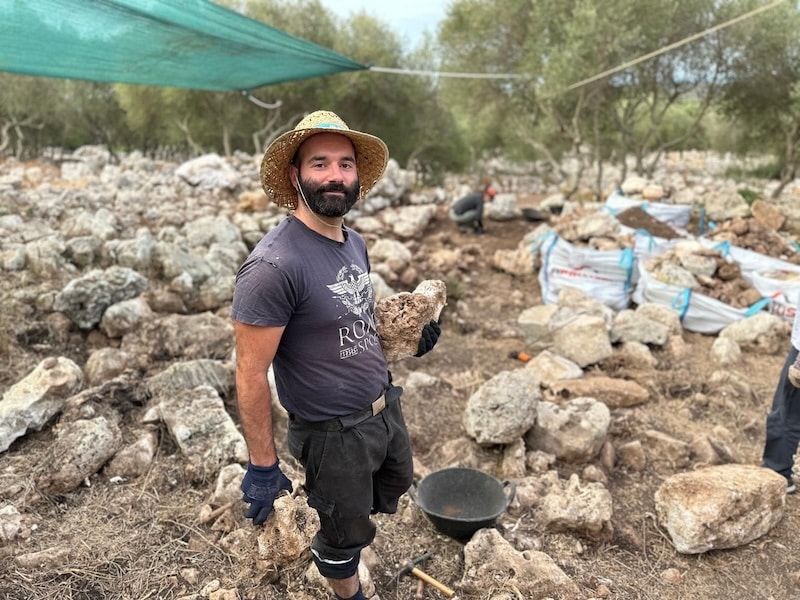
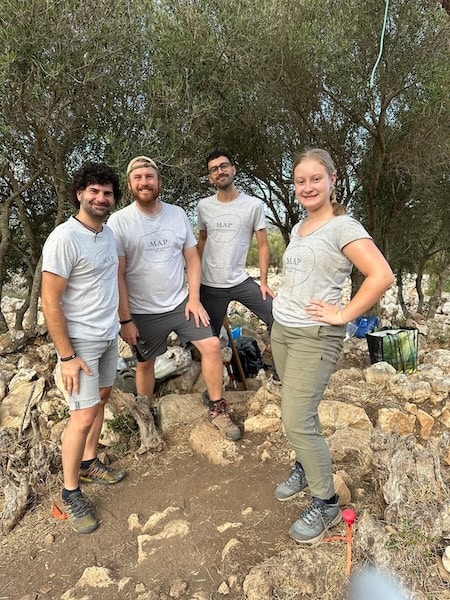
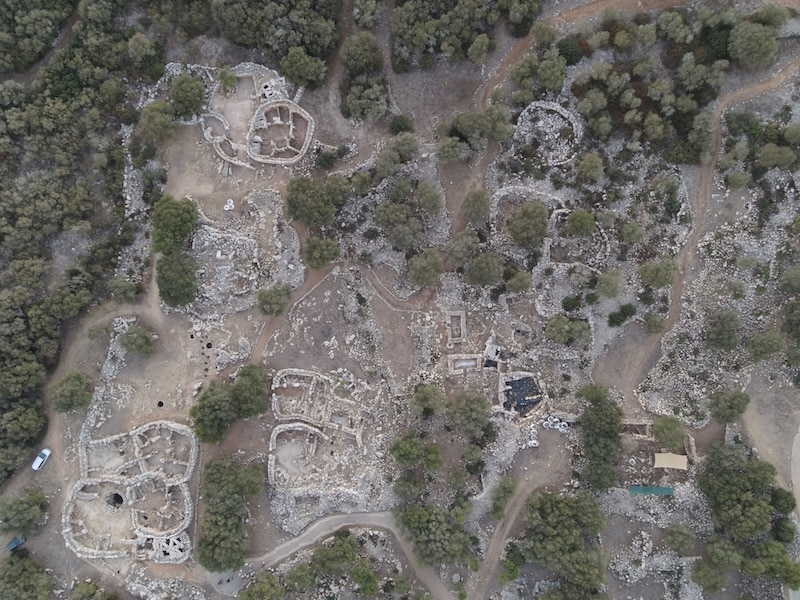
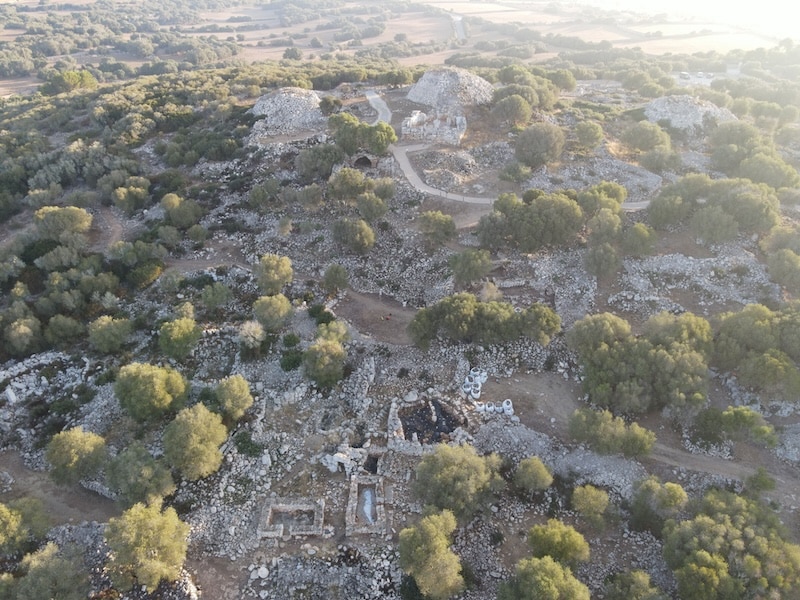
The Menorca Archaeological Project (MAP) received the 2024 Charles Harris Project Grant for their ongoing work at the site of Torre d’en Galmés in Menorca, Spain. MAP was established in 2020 as a project dedicated to the lesser-known histories of the island of Menorca, including the medieval Islamic period from the 10th to 13th centuries C.E. Since 2020, MAP’s team has been excavating a series of medieval houses at the site of Torre d’en Galmés. Although known for megalithic Iron Age houses, monuments, and ceremonial centers, the site was also settled from the 11th to 13th centuries as part of an influx of Muslim groups from Mallorca and mainland Iberia. These people set up an alquería or rural farming village at the site until their forced removal by the Kingdom of Aragon in 1287 C.E.

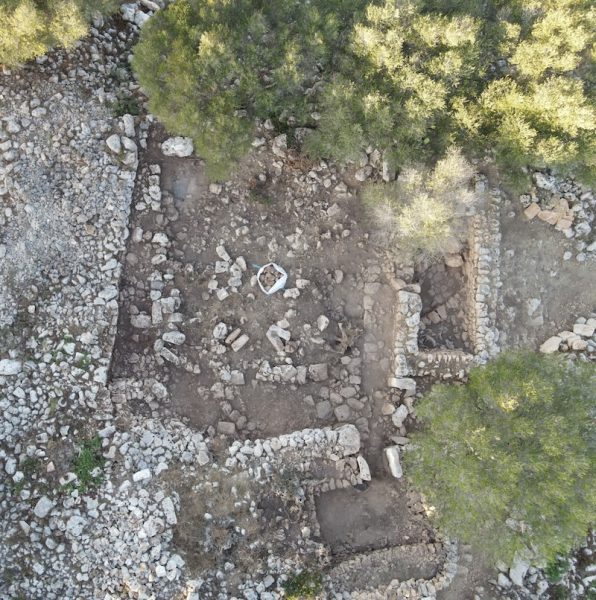
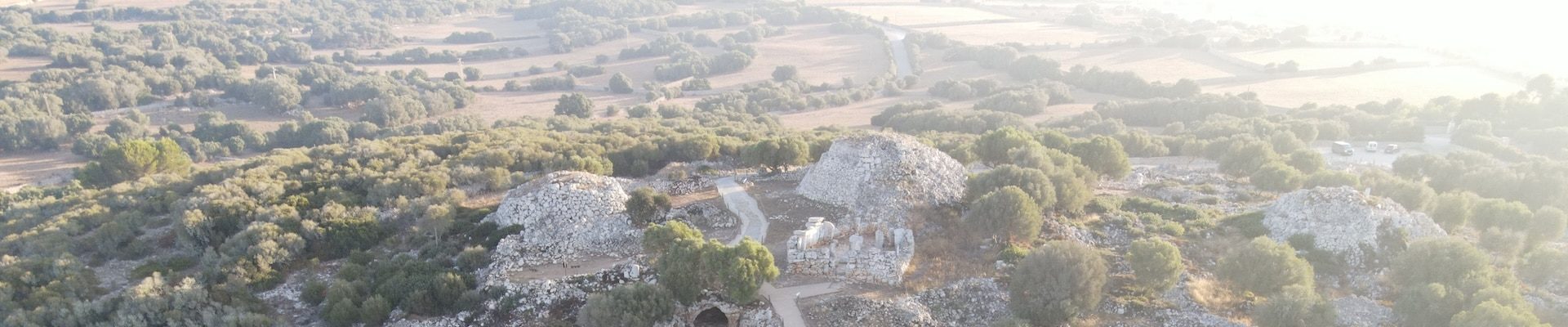
Drone footage of Galmés. Excavation of SPU 7 in the bottom right corner, north is to the right. Photo credit J. Deya
Torre d'en Galmés facing north. Photo credit J. Deya

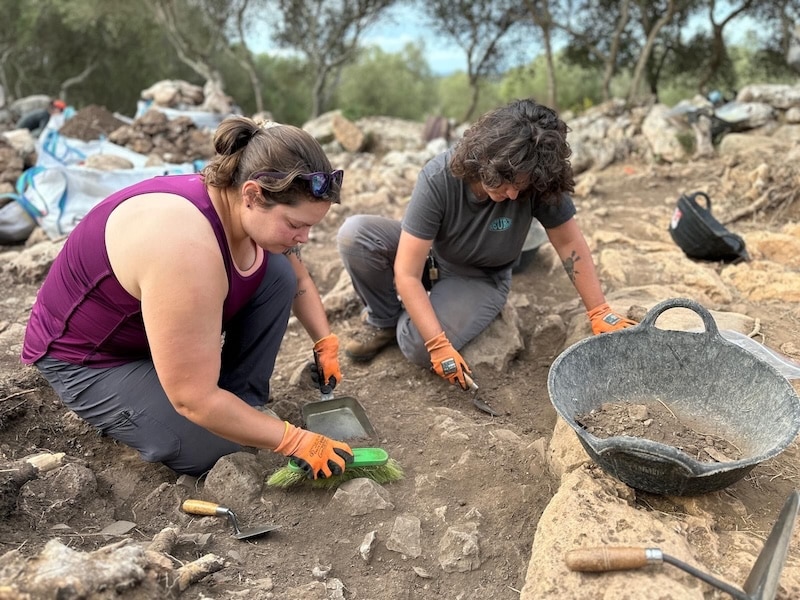
In 2024 with the generous support of ASOR and the Harris Grant, the MAP team focused on the excavation of SPU or Spatial Unit 7, which is a large medieval house complex. Measuring at over 200 square meters with at least four distinctive rooms and a central patio, the house has proven to be one of the largest rural examples yet encountered on Menorca. As part of our excavation campaign, the team discovered a wealth of information on the daily life of the Muslim medieval residents of Torre d’en Galmés, including consumptive patterns and spatial arrangements of the house that reflect trends seen on Mallorca and the mainland.

Drone photo of SPU 7 at the end of excavation. Photo credit J. Deya
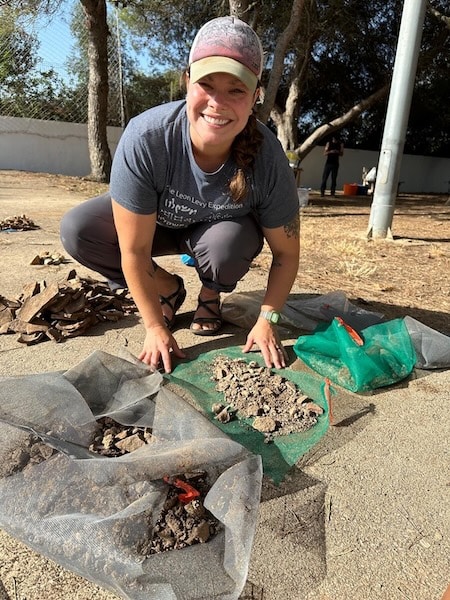
Kathleen Forste managing flotation samples in lab. Photo credit A. Smith
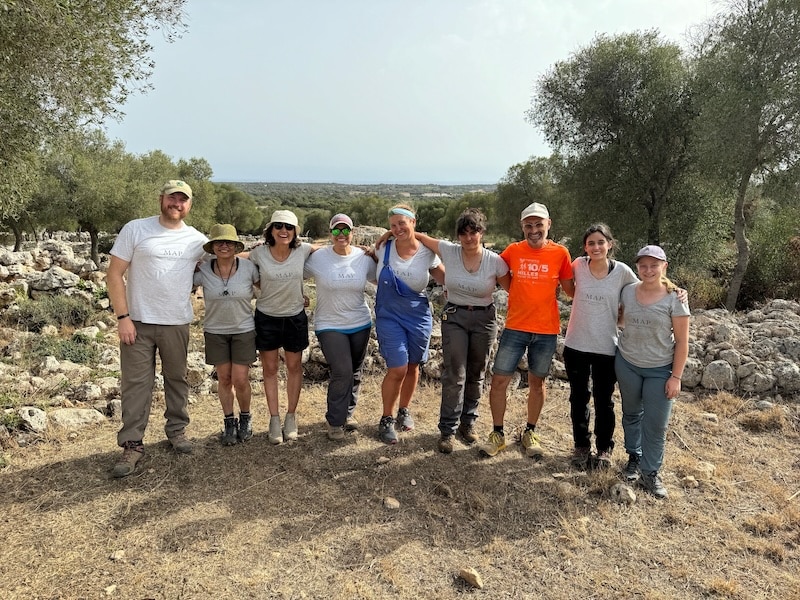
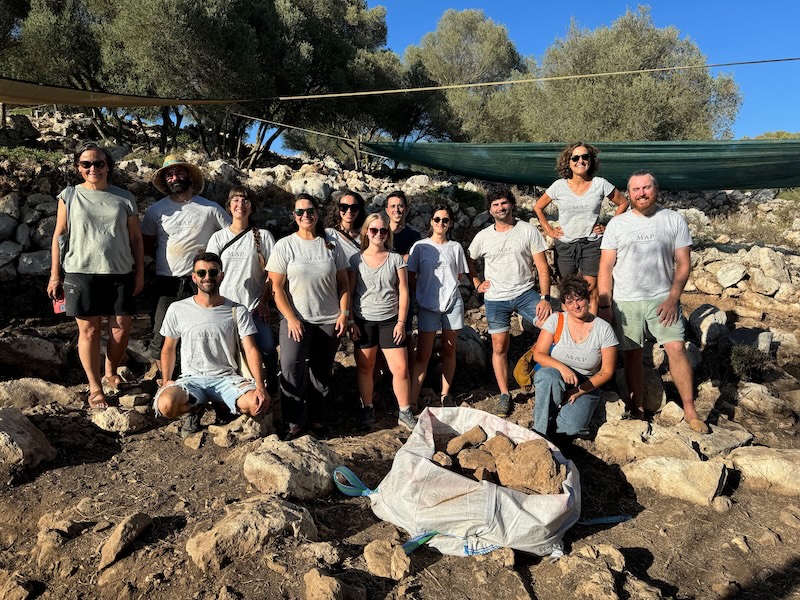
The team midway through the season. Photo credit A. Smith

Over the course of four weeks, our team cleared the SPU 7 area of over 30 metric tons of stone, outlined architectural features and room boundaries to further our understanding of the complex’s shape, and excavated areas of the central patio for micro-environmental sampling. The team took paleobotanical and phytolith samples through out the complex to reconstruct work and cooking spaces of the house.

Jose Maria Moreno Narganes moving stones in SPU 7. Photo credit A. Pérez-Juez
Kathleen Forste and Marta Blanco Noel excavating in the patio of SPU 7. Photo credit A. Pérez-Juez
The crew taking a break next to SPU 7. Photo credit A. Pérez-Juez

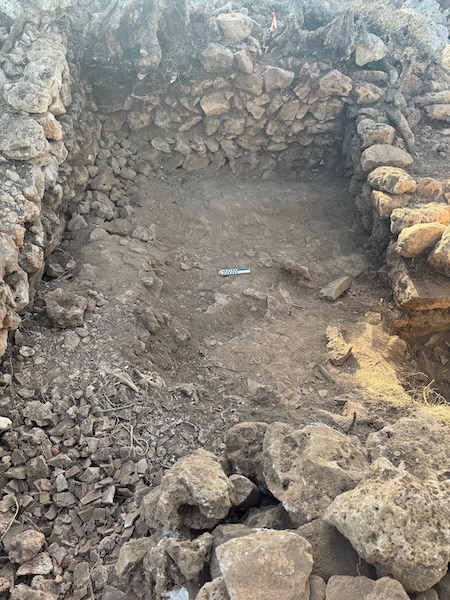
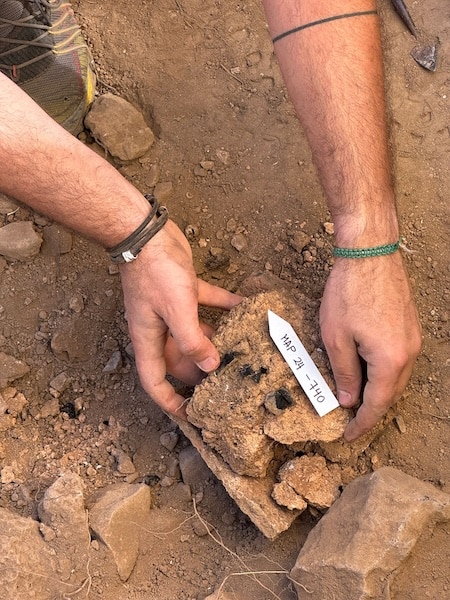
The highlight of the 2024 season came in the last days of excavation with the discovery of a preserved room in the northern section of the house structure. In 2023, the entrance to the area was thought to be the threshold of an outer door, but upon further excavation this past summer, we discovered a room with a clear roof collapse deposit and what we hope will be well-preserved stratigraphy underneath. We were able to recover intact roof tiles with mortar attached, as well as promising indications of material culture beneath. We will return to the space in 2025 to excavate and sample the space thoroughly.

Newly found room with roof collapse. Photo credit A. Smith
Roof tile and mortar excavated in the newly found room. Photo credit A. Smith

The future of MAP is currently centered on the completion of the SPU 7 complex excavation, which is changing our understanding of Torre d’en Galmés, as well as medieval settlement and domestic complexity in the rural spaces of Menorca more generally. What we once thought were relatively simple, standalone dwellings repurposed from a long-abandoned Iron Age site, have turned into a complex arrangement of interrelated structures that showcase a large agricultural village with indications of urban planning and impressive family compounds. In 2025, we will return to complete our analyses of SPU 7 and will move to publication and museum exhibition of our findings on Menorca in subsequent years.

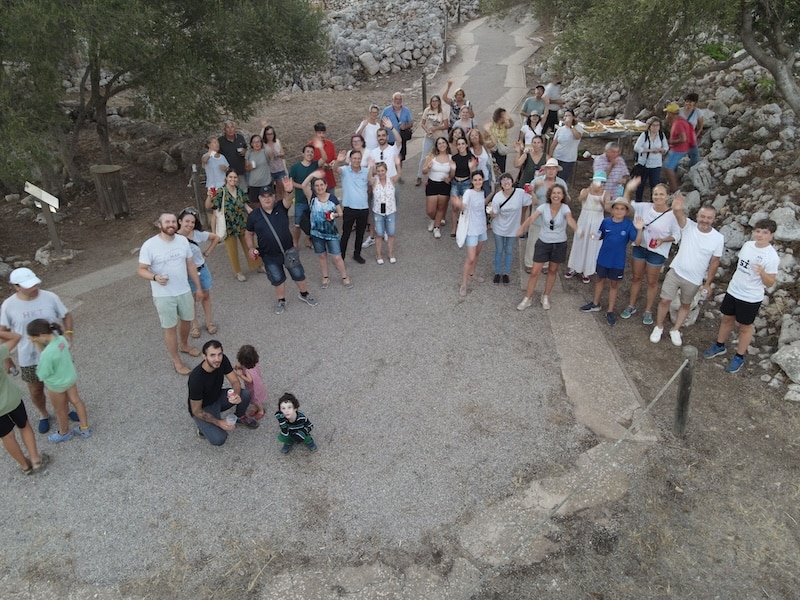
The team during our Open Doors Day for the public. Photo credit A. Smith
Menorca Archaeological Project team at Torre d'en Galmes in 2024. Photo credit A. Smith
Our Open Doors Day for the Public celebration. Photo credit J. Deya

Learn more about the Menorca Archaeological Project (MAP) on their website or their Instagram!

What is the Online Library?

Online Library FAQs

Why do I need the Online Library?

The Online Library gives you access to thousands of presentations on topics from prehistory to the modern era in the Near East and greater Mediterranean world.

Missed a paper from the Annual Meeting that everyone is talking about? Here’s your chance to view the recording of that paper. Found a webinar from last year that you really wish you had attended? The Online Library will catch you up and make you feel like you haven’t missed a thing. Fascinated by the ancient world? These recordings will provide you with a detailed view into people’s lives in the past and introduce you to ancient cities and cultures.

The Online Library is also a great way to catch up with your colleagues and see their research or check out what’s new from a site that interests you.

How do I get access?

The easiest way to gain access is by registering for the 2026 Annual Meeting. This means you’ll have access to all of the current recordings, plus everything from the 2026 meeting, through June 30, 2027. Not interested in registering for the Annual Meeting? You can also purchase the Online Library on its own.

How do I use the Online Library?

You can view the Online Library at your own pace and schedule—the recordings are always available to you whenever you want to delve deeper into a particular topic or explore something brand new.

Simply log into the Online Portal, and hover over the tab that says “Resources” in the top navigation bar. You’ll find Online Library as one of the drop-down options.

Screenshot of accessing the Online Library from the member portal homepage.


Once you click on Online Library, it will bring you to the Annual Meeting recordings and Friends of ASOR webinars, listed by year and season, respectively.

Online Library screenshot of AM recordings and FOA webinars.

For the Annual Meeting presentations, click on the year of the meeting you wish to view from. The following video has further instructions on accessing presentations and content from the Annual Meeting.

Need to pause? No problem! It will be here waiting for you when you’re ready to resume.

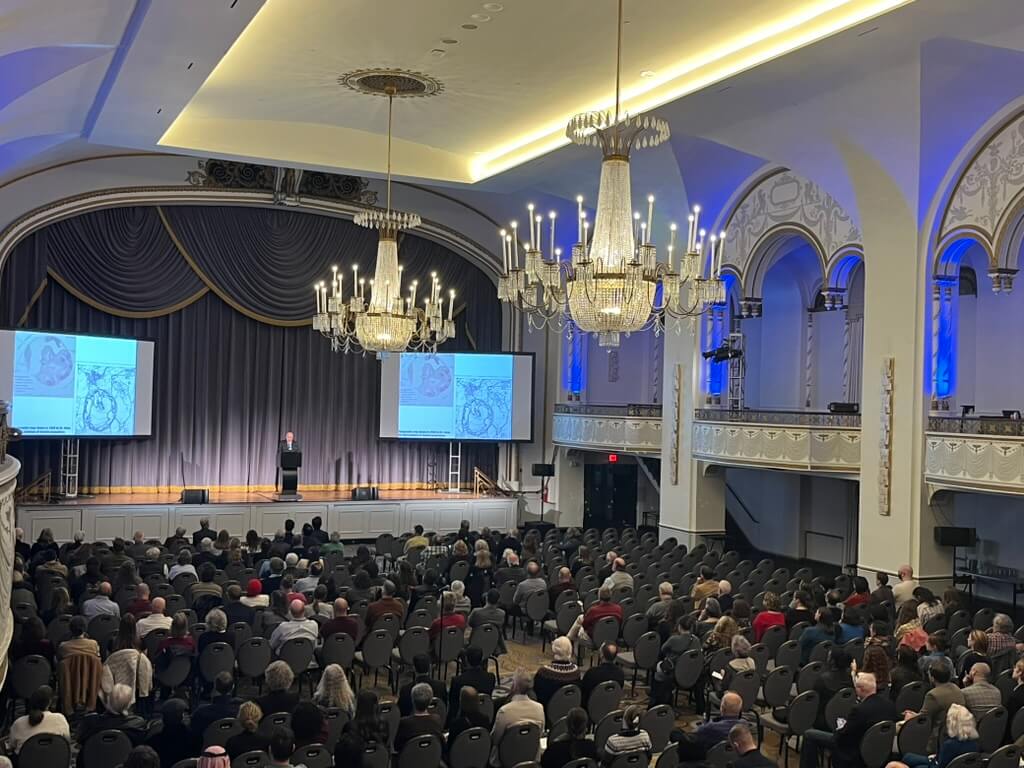
ASOR’s 2025 Annual Meeting was a resounding success. Scholars, archaeologists, and historians from around the world gathered to exchange ideas, present groundbreaking research, and celebrate the vibrant world of the Near East and wider Mediterranean world. ASOR is pleased to announce that recordings from the 2025 Annual Meeting in Boston are now available to view in the Online Library.


This initiative not only helps preserve the wealth of knowledge shared but also ensures that those who couldn’t attend the event in person still have access to session and workshop presentations (nearly 500 in total).

Accessing the FOA Webinars

To access the Friends of ASOR webinars, navigate to the season you wish to search from and the list of available recorded sessions will appear. Note that the 2025-26 season is still ongoing, so not all sessions are yet available.

Online Library screenshot of FOA webinars.

Click on the desired session and enjoy the recording!

FOA Webinar featuring Kathleen Sheppard.

Recordings are available until June 30, 2027 for AM26 attendees.

Reminder about 2026 Annual Meeting Registration: you will gain free access to the Online Library platform with your 2026 Annual Meeting registration—and you’ll have access to the Online Library content (through June 30, 2027).