نالوت تستضيف ورشة عمل للتوعية بأهمية المحافظة على الموروث الثقافى
الجزء الأول
طلال بريون و وليام راينولدز
بالتعاون مع الزملاء في ليبا ومن خلال دعم وزاره الخارجية الأمريكية عن طريق تمويل السفير للحفاظ علي التراث و فريق عمل الثقافة والآثار ومكتب السفاره الأمريكية الليبي الخارجي
قامت ASOR بنشر رساله امل من خلال يوم تطوعي للتراث والثقافة في العطلة وذلك من خلال ورشه عمل لمده يوم واحد.
انتصار العريبي ، هى أحد أكثر أعضاء فريق الحقيبة المتحفية تلقائيةً وشجاعة ، زحفت إلى أسفل حجيرة صغيرة مظلمة. حركت ضوء هاتفها النقال أمامها لإستطلاع القبو المظلم فى الأسفل. وأوضحت تفسيراً لما وجدته: “كانت درجة الحرارة باردة في الداخل ، وكانت هناك جرار تخزين فخارية مدمجة في الجدران” ، وهي “جيدة للحفاظ على جميع أنواع الطعام طويل ىلآمد بشكل طازج ، مثل القمح والشعير والزيتون وزيت الزيتون والتمر المجفف والتين ، وبينما كنت أنظر حولي ، فوجئت بإيجاد جص نحت بارز على شكل صليب متصل بعناية على الجدار الخلفي
كانت قد دخلت إلى قلب قصر نالوت ، وهو مخزن حبوب محصن كان بمثابة مخازن مركزية للمدينة لقرون. تقريبًا في شكل دائري ، يتكون من مئات الحجيرات الصغيرة ، التي تحتوى على مخازن المواد الغذائية للعائلات . كانت كل حجيرة (خلية) عبارة عن صندوق ودائع آمن وثلاجة. وبحسب دليلنا ، سليمان عمرو يحمد ، فإن التصميم هو شهادة على براعة المجتمع المحلى الذى قام بالبناء ، وكذلك علامة على الأخطار التي واجهها. حاول المهاجمون دائماً تهديد المحاصيل الزراعية على طول حافة جبل نفوسة الليبي ، وكان مخزن الحبوب يعتبر إستراتيجية حيوية لحماية المجتمع وبقائه
على الرغم من أن قصر نالوت هو واحد من العديد من مخازن الحبوب المحصنة التي تميز البلدات في جميع أنحاء منطقة جبل نفوسة ، بما في ذلك أمثلة بارزة أخرى مثل قصر الحاج وقصر كاباو ، إلا أنه الوحيد الذي تم بناؤه بكثافة كبيرة ، مع وجود مجمع حجيرات قائم بذاته في وسطه ، وهو علامة على النجاح المعمارى والغذائى . وأوضح سليمان يحمد أن علامة الصليب التي عثرت عليها انتصار لم تكن غير عادية بالنظر إلى أن الموقع المحصن قد خدم مجتمعًا متنوعًا بما في ذلك اليهود والمسيحية المُبكرة. يحمل مسجد أبي محمد الكباوي القريب أيضًا علامات الصليب ونجمة داوود ، وهي شهادات على إعادة الاستخدام المتتالية عبر الزمن
شكل أفراد المجتمع مجتمعًا أكثر تسامحًا مع الاختلافات الدينية ، بسبب هويتهم العرقية المشتركة. في نالوت وفي جميع أنحاء منطقة جبل نفوسة ، تعرف الغالبية بأنها بربرية أو أمازيغية. وهم يعتبرون من أحفاد النوميديون الذين انضموا إلى الجنرال الرومانى سكيبيو وشاركوا فى هزيمة حنيل برقة في معركة زاما عام 202 قبل الميلاد ، التى أنهت الحرب البونية الثانية ، يظل الأمازيغ متحدين من خلال التزام قوي بلغة وثقافة غنية مشتركة. ومع ذلك ، فقد تغيرت هذه الثقافة بسرعة
منذ أوائل الثمانينيات ، تم هجر كل من القصر والمدينة القديمة المحيطة به من قبل السكان المحليين الذين بنوا منازل جديدة سواء من مواردهم الذاتية أو بتسهيلات مصرفية من الحكومة وبدأوا بتخزين طعامهم في خزائن وثلاجات حديثة بدلاً من غرف الطوب الطينية. توسعت نالوت بسرعة خلال هذه الفترة ، وبدأت النواة التاريخية تتحلل بعد مغادرة سكانها. عاش أحد رواد الكشافة المحلية فى نالوت ، خليفة كافو ، من خلال هذه التغييرات. مثل العديد من أقرانه ، تذكر أن الحياة في المدينة القديمة أفضل من الحياة في المنازل الجديدة الأكبر بكثير ، حيث تعيش عائلته الآن بالقرب من مدخل المدينة القديمة . يعود إلى منزله المهجور من حين الى أخر و يتمنى أن يجد طريقة لتقديم حماية دائمة للمدينة القديمة ومشاركتها مع الأجيال القادمة
كافح الأمازيغ في منطقة جبل نفوسة لمحاولة الحصول على جزء يسير من موارد الدولة في ظل نظام القذافي. ومع ذلك ، منذ الثورة الليبية عام 2011 ، نشطت جمعيات مجنمع مدنى فى نالوت بشكل خاص لحشد الموارد المالية لحماية تراثها الثقافي ، وتسعى الآن إلى التواصل مع مزيد من الشركاء الذين يسعون الى ذات هذا الهدف. كان هذا بالضبط نوع و مستوى الحوار التي كنا نسعى إليه أثناء أحدث ورشة عمل للتوعية بأهمية المحافظة على الموروث الثقافي في نالوت.
لدى مغادرة طرابلس في وقت سابق من هذا اليوم ، سمع فريقنا نيران المدفعية الثقيلة قريبة من وسط مدينة طرابلس وأطرافها ، واتخذنا طريقًا دائريًا لتجنب مناطق الصراع النشطة أثناء سفرنا. المصاعب والمخاطر التي واجهناها على الطريق تم نسيانها مع حماس الترحيب بنا فى نالوت . على مدار أربعة أيام ، اجتمع أكثر من 168 شخصًا يمثلون 12 مؤسسة وطنية وإقليمية لمناقشة ثراء هذا التراث الثقافي واستراتيجيات حمايته. نخطط لترجمة هذا الحوار الفاعل والبناء إلى عمل ملموس من خلال برنامج الحقائب المتحفية الحالي بالإضافة إلى تحفيز المتطوعين للمساهمة في مشاريع الصيانة المستمرة
الفاعليات الخاصه بحدث التراث الثقافي لمده خمس ايام في مدينه صبراته ليبيا
بالتعاون مع زملائنا في ليبيا و بدعم من وزاره الخارجيه الامريكه من خلال تمويل السفير للحفاظ علي التراث أستطاعت منطمه أسور ان تبعث رساله امل من خلال الانشطه التطوعيه لعطله نهايه الاسبوع الخاصه بالمورث الثقافي ( الانشطه المنبثقه) أحدث هذه الانشطه عقد في الفتره من 11 الي 15 فبراير في مدينه صبراته في ليبيا وهي مدينة ساحلية قديمة تأسست في العصور البونية وغزتها روما فيما بعد
صبراته تعد احد مواقع للتراث العالمي الخمس لليونسكو في ليبيا .و تقع صبراتة على طول الساحل الغربي لليبيا ،وعلي الرغم من روعه هذه المدنيه لكن لسوء الحظ كانت ملاذاً للمهربين الليبيين وتجار البشر. قبل أربع سنوات فقط ، وايضا موقعًا لعمليات إعدام من قبل داعش
وحتي يومنا هذا يستمر القتال في العاصمة طرابلس المجاورة ، ولا تزال ليبيا في حالة اضطراب خاصه في المنطقه الغربيه وبالرغم من هذه الظروفه العصيبه التي تواجهه ليبا تواصل أسور و الزملاء الليبيون فكره تعزيز الاحساس بالتراث والتاكيد ان فكره الحفاظ ورعايه التراث مسؤليه المجتمع باكمله
وقد تشمل فعاليات التراث الثقافي التطوعية لعده ايام مجموعه من الانشطه مثل ورش عمل ومحاضرات وزيارات ميدانية وصيانة وتنظيف الموقع. في صبراتة ، وقد حضرهذه الانشظه 145 مشاركًا ، وشارك عدد أكبر في زيارات الموقع وتنظيف بعض المواقع الاثريه
وكان لي مشروع الحقيبه المتحفيه دورا بارزا في هذا البرنامج وقد تطوع 18 متخصص في هذا الحدث منهم المدربين والمدرسين و اساتذه الجامعات اما بالنسبه للحضورفقد حضر العديد من الطالبه والاساتذه من جامعه صبراته وعدد من قادت وقائدات الكشافه و ظباط من شرطه السياحه بالاضافه الي عدد من الاثرين من هئيه الاثارالليبيه و عدد سبعه من الصحفين ومراسل من طاقم التلفزيون الإقليمي.
قامت جامعه صبراته بتنظيم الحدث وكان لها دورا فعلا من خلال تقديم التسيهلات والمساعدات الماليه بلاضافه الي مشاركه عدد من المؤسسات الاخري التي ساهت في تنطيم الحدث مثل بلدية صبراتة ومفتشية صبراتة للآثار وتنظيم مدن التراث العالمي الليبية.
والجدير بالذكر اننا استفادنا من تعاون ومشاركه الكشافه والمرشدات والشرطة السياحية وهيئة حماية الآثار. وعلي الرغم من تركيز الحدث على العمل التطوعي المحلي لحماية التراث الليبي في صبراته ، جاء المشاركون من جميع أنحاء ليبيا ، بما في ذلك القيرمة الجرمة ، الفخخ جرمة ، هون ، سرت ، بنغازي ، بني وليد ، غدامس ، نالوت ، زوارة ، صبراتة ، وطرابلس
لم يكن نجاح هذا الحدث ممكنا بدون الدعم المذهل من جميع المشاركين الذين حضروا من جميع أنحاء البلاد للتطوع معا. يشهد هذا التعاون الواسع النطاق على الدعم الواسع الانتشار الذي تتلقاه برامج التراث الثقافي حتى في الأوقات الصعبة
لافتة الترحيب بورشه العمل
زياره ميدانيه لي أحد المواقع الاثريه في صبراته
ترميم فخار
تنظيف الموقع الاثري
تنظيف الفسيفساء
ورشه ومحاضره في قاعه مكتبه صبراته
المشاريكين في مشروع الحقيبه المتحفيه ومعهم احد الحقائب
بالتعاون مع الزملاء في ليبا ومن خلال دعم وزاره الخارجية الأمريكية عن طريق تمويل السفير للحفاظ علي التراث و فريق عمل الثقافة والآثار ومكتب السفاره الأمريكية الليبي الخارجي
قامت ASOR بنشر رساله امل من خلال يوم تطوعي للتراث والثقافة في العطلة وذلك من خلال ورشه عمل لمده يوم واحد.
هذا المقال هو تحديث لي اخر فاعليات انشطه التوعيه والتواصل الخاصه بالمورث الثقافي الليبي التي عقدت في مدينه غدامس
(وقد استغرقت ورشه العمل مده يومًا واحدًا استخدمت فيه الحقيبه المتحفيه التي تم وصف محتويتها في المقال السابق (نظرة عامة على حقيبة متحفيه ليبيه
لقد حقق مشروع الحقيبة المتحفيه نجاحًا هائلاً في نشر الوعي بالتراث الثقافي في بنغازي وصبراتة وطرابلس. وليس ذلك فحسب بل قد توسّع المشروع الآن في واحدة من أقدم مدن ما قبل الصحراء ، غدامس – الواقعة في غرب ليبيا ، عند تقاطع حدود تونس وليبيا والجزائر
مدينه غدامس هي أحد مواقع التراث العالمي الخمسة لليونسكو في ليبيا وتتميز هذه المدينه العريقه بتاريحها الغني ، و العديد من المباني ذات الطراز معماري المميز والمصنوعه من الطوب اللبن ، بالاضافه الي شهره هذه المدينه بالتراث الامادي وهذا يرتبط بتجارة القوافل عبر الصحراء. لهذا تعد غدامس موقع مثالي لمشروع حقيبة المتحفيه ، ويتم التخطيط للعديد من الانشظه الخاصه بالمورث الثقافي خلال الأشهر القادمة علي نظاق اوسع لي إتاحة الفرصة لعدد اكبر من المشاركين
منظر جوي للطراز المعماري لي احد للمستوطنات التقليدية في غدامس
تفاعل الطلاب في إحدى فعاليات انشطه التوعية و التواصل الخاصه بالتراث الثقافي في غدامس باستخدام الحقيبة المتحفيه
ويقوم السيد احمد مالك بقياده نشاط الحقيبه المتحفيه في مدينه غدامس ومن الجدير بالذكر ان السيد مالك بذل مجهود كبير في تعديل محتويات الحقيبة المتحفيه لكي تتكييف مع مجتمع مدينه غدامس ، وقد اضاف مالك العديد من الادوات والمعدات التي تحاكي تراث وتاريخ وعادات مدينه غدامس
احمد مالك يقوم بشرح احد مقتنيات الحقيبه المتحفيه للطلاب
قام مالك بتطوير برامج التوعية والتعليم لطلاب المدارس الابتدائية لزياده توعيتهم بي التراثهم الثقافي في مدينه غدامس، والحياة اليومية لأسلافهم ، والمواقع التاريخية في غدامس ، بما في ذلك جولة في المتحف المحلي. كما تعاون مالك مع مكتبة غدامس وذلك من اجل استمرار برنامج التوعيه في العطلة الشتوية
زياره الطلاب لي المتحف المحلي في مدينه غدامس الا انه من المعروف ان معظم المتاحف في ليبيا ليست مفتوحه لزياره في الوقت الحالي نظرا لي عدم استقرار البلاد
(تابعونا لكي يوصلكم كل جديد بخصوص مشروع الحقيبه المتحفيه وسيتم عرض المزيد من المقالات حول اخر انشظه التوعيه الخاصه بالمورث الثقافي علي (اني اليوم و اخبار اسور
بالإضافة إلى ذلك ، يتم التخطيط لعقد نهاية الأسبوع التطوعي للتراث الثقافي في منتصف شهر فبراير في مدينه صبراتة ، وسنقدم تحديثًا لحدث نهاية الأسبوع هذا في مارس 2020
Ancient Egyptians had ambivalent attitudes towards foreigners. Most royal propaganda was negative, but the reality was quite different. Read More[/vc_column_text][mk_divider thickness=”1″ margin_top=”10″][vc_column_text]
All cultures have calendars. Many also make stone monuments. Hittites’ stone calendar included depictions of some of their thousands of gods. Read More[/vc_column_text][mk_divider thickness=”1″ margin_top=”10″][vc_column_text]
Capable of carrying heavy loads over rough terrain, the humble donkey was the jeep of late prehistory. Can we determine when and how they were domesticated? Read More[/vc_column_text][mk_divider thickness=”1″ margin_top=”10″][vc_column_text]
Long before sugar, there was honey. How did this sticky sweetness go from something collected by brave hunter-gatherers to an industrial product? Read More[/vc_column_text][mk_divider thickness=”1″ margin_top=”10″][/vc_column_inner][/vc_row_inner][/vc_column][/vc_row]
[/vc_column_text][mk_divider][vc_wp_text]The ASOR family is a strong and close one, and that fact has never been more evident than in these challenging and stressful times. Please know that we at ASOR are doing all that we can to serve our constituents, while keeping the safety and health of our members, volunteers, officers, and employees as our highest priority.
As part of our ongoing efforts to support our members, we are pleased to announce membership scholarships that are available for any current or lapsed ASOR member. Thanks to several anonymous donors, we have received pledges to pay the membership fee for those who have experienced a financial hardship related (directly or indirectly) to the COVID-19 pandemic.
The application process is simple—if you have a membership that expired on December 31, 2019, March 31, 2020, or one that will expire on June 30, 2020, please send a confidential e-mail to Felice Herman or Andy Vaughn with a brief statement. We have enough pledged funds to cover all requests from these dates. If you previously had a print-delivery only membership, but would like both print delivery and online access, please let us know. We will provide both options for scholarship recipients if requested in order to assist members during this time when online content is needed more than in the past.
If you had a membership that expired on September 30, 2019 (or earlier), please send Andy or Felice a brief note explaining why the support is needed. We will do our best to support those requests on a case-by-case basis.
If you have any questions or suggestions, or if you would like to make a donation to support these scholarships, please e-mail Andy Vaughn.[/vc_wp_text][/vc_column][vc_column border_color=”rgba(170,170,170,0.01)” width=”1/6″ css=”.vc_custom_1496684098866{margin-right: 5px !important;margin-bottom: 20px !important;border-right-width: 2px !important;border-bottom-width: 2px !important;padding-top: 30px !important;padding-right: 10px !important;padding-left: 10px !important;background-color: #ffffff !important;border-right-color: rgba(227,228,228,0.75) !important;border-bottom-color: rgba(227,228,228,0.75) !important;}”][vc_wp_posts title=”BROWSE THE NEWS ARCHIVE” number=”4″][/vc_column][vc_column border_color=”rgba(170,170,170,0.01)” width=”1/6″ css=”.vc_custom_1496684008271{margin-right: 10px !important;margin-bottom: 30px !important;border-right-width: 2px !important;border-bottom-width: 2px !important;padding-top: 30px !important;padding-right: 20px !important;padding-left: 20px !important;background-color: #ffffff !important;border-right-color: rgba(227,228,228,0.75) !important;border-bottom-color: rgba(227,228,228,0.75) !important;}”][vc_column_text]Tweets by ASOResearch [/vc_column_text][/vc_column][/vc_row]
ANNUAL MEETING UPDATE: PAPER PROPOSAL DECISIONS ISSUED
[/vc_column_text][mk_divider][vc_wp_text]Paper proposal decision notifications were issued on May 1, for the 2020 ASOR Annual Meeting. A record number of paper proposals were accepted, and the 2020 academic program is the largest and broadest to date. Notifications were auto-generated from ASOR’s online abstract management system powered by Oxford Abstracts and sent to the e-mail address associated with the abstract submission. Co-authors should check with the person who submitted the abstract to find out if their paper was accepted. Please check your spam folder for an e-mail from “ASOR 2020” if you submitted an abstract and have not yet received a decision notification.[/vc_wp_text][vc_single_image image=”55592″ img_size=”full”][mk_padding_divider][vc_wp_text]Please contact Arlene Press, ASOR’s Director of Meetings and Events, if you submitted an abstract and have not received a decision notification, or if you have any questions about the 2020 ASOR Annual Meeting.
Because of the uncertainty of travel during the ongoing COVID-19 pandemic, and because of the changing situation for many of our members, ASOR extended the Early Bird registration rate until July 8, 2020. In late June, we will re-evaluate the situation and see if a further extension seems warranted.[/vc_wp_text][/vc_column][vc_column border_color=”rgba(170,170,170,0.01)” width=”1/6″ css=”.vc_custom_1496684098866{margin-right: 5px !important;margin-bottom: 20px !important;border-right-width: 2px !important;border-bottom-width: 2px !important;padding-top: 30px !important;padding-right: 10px !important;padding-left: 10px !important;background-color: #ffffff !important;border-right-color: rgba(227,228,228,0.75) !important;border-bottom-color: rgba(227,228,228,0.75) !important;}”][vc_wp_posts title=”BROWSE THE NEWS ARCHIVE” number=”4″][/vc_column][vc_column border_color=”rgba(170,170,170,0.01)” width=”1/6″ css=”.vc_custom_1496684008271{margin-right: 10px !important;margin-bottom: 30px !important;border-right-width: 2px !important;border-bottom-width: 2px !important;padding-top: 30px !important;padding-right: 20px !important;padding-left: 20px !important;background-color: #ffffff !important;border-right-color: rgba(227,228,228,0.75) !important;border-bottom-color: rgba(227,228,228,0.75) !important;}”][vc_column_text]Tweets by ASOResearch [/vc_column_text][/vc_column][/vc_row]
تحديث أخبار نشاطات فريق الحقيبة المتحفية الليبى – درج
بالتعاون مع الزملاء في ليبا ومن خلال دعم وزاره الخارجية الأمريكية عن طريق تمويل السفير للحفاظ علي التراث و فريق عمل الثقافة والآثار ومكتب السفاره الأمريكية الليبي الخارجي
قامت ASOR بنشر رساله امل من خلال يوم تطوعي للتراث والثقافة في العطلة وذلك من خلال ورشه عمل لمده يوم واحد.
تستخدم نشاطات وفعاليات أحداث التوعية التراثية لـ اسورالتي تستغرق يومًا واحدًا حقيبة أدوات المتحف ، الحقيبة المتحفية “مجموعات أدوات” التي تم الحديث عنها في نظرة عامة على الحقيبة المتحفية الليبية. تستمر شعبية الحقائب المتحفية الليبية في النمو بفضل العمل الشاق الذي يقوم به فريقنا (انظر المقالات السابقة من غدامس وطرابلس وصبراتة وبنغازى وشحات). تتناول المقالة أدناه تقريرًا عن اجتماع في درج ، حيث التقى أعضاء المجلس البلدى بدرج والمسؤولون المحليون وبعض الأهالى بأعضاء فريق مشروع حقيبة متحف اسور وطلبوا أن يكونوا جزءًا من المشروع.
الترحيب بقافلة (كارفان) الحقيبة المتحفية بدرج .
طلال بريون و ويل رينولدز
تقع درج في غرب ليبيا بين نالوت وغدامس. تم وضع علامة على الخريطة في المربع الأحمر.
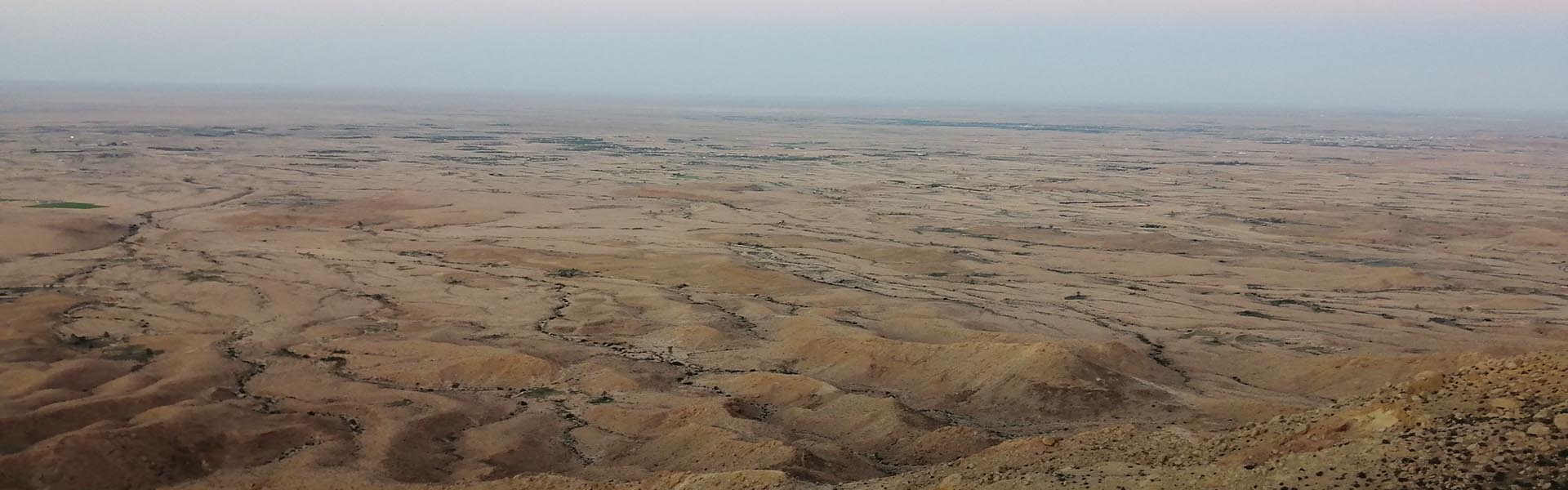
حتى في الأوقات الأكثر استقرارًا ، يمكن أن يكون الترحال خلال فصل الربيع إلى الصحراء الليبية خطيراً . تسبب بعض الرياح الموسمية القادمة من الجنوب خلال شهر مارس ، التي تهب شمالًا من قلب الصحراء ، في تحريك وتشكيل بعض الكثبان الرملية بطرق غير متوقعة ، وتمتد وتتراكم في مسارات وأشكال جديدة على مدى ساعات. يمكن أن يكتشف السائق في أسوأ الحالات أن الطريق أمامه مغلقة بالرمال. وبحلول الوقت الذي قطعت فيه كارفان سيارات الفريق الطريق المكسورة والمتضررة ، وجدوا أن كثيبًا رملياً آخر غير متوقع أغلق الطريق أيضًا ، حتى وجدوا طريقة بديلة حول الكثبان أو من خلالها. في ظل هذه الظروف ، كان التخطيط الدقيق والصبر ضروريين دائمًا.
وبالنظر إلى الخلل الحالي الطارىء في الخدمات العامة الليبية ، فقد أصبحت الطرق أسوأ من ذى قبل مع توقف جميع أعمال الصيانة. الطريق الذى كان يستغرق عادةً نصف ساعة ، أصبح الأن يستغرق ساعة ونصف. عندما كان فريق الحقيبة المتحفية يتهيأ للإستعداد للسفر إلى موقع التراث العالمي لليونسكو واحة غدامس لإحياء حدث آخر في سلسلة أحداث التوعية بالتراث الثقافي فى ليبيا ضمن برنامج إيسور وهى ورشة عمل غدامس ، كنا نعلم جيداً إن أمامنا رحلة طويلة ليست سهلة من نالوت الى غدامس. في آخر لحظة ، تلقينا دعوة من أهالى درج عبر مجلسها البلدى ، وهي بلدة أو واحة صغيرة على مفترق طرق بين غدامس والصحراء الوسطى أو صحراء تكوينات الحمادة قبل إن تنفتح الصحراء أمام عرق أوبارى الكبير ورملة الزلاف. لقد سمع الأهالى والمسؤولين فى درج عن مشروعنا وأرادوا إيجاد طريقة لكي يستفيد أهل درج من جهودنا لحماية التراث الليبي والانضمام إلينا.
بعد موازنة تحديات الوقت ودقة البرنامج فيما بين أعضاء الفريق ، اتفقنا جميعًا على ضرورة التوقف لبعض الوقت فى درج وإستثمار هذا الوقت جيداً ، لم نتمكن من رفض مثل هذه الدعوة على الرغم من أنها ستؤخرنا عن مواصلة طريقنا نحو واحة غدامس.
وصلنا إلى درج بقافلة كارفان من خمس سيارات ، واحتجنا لضرورة تعبئة الوقود . لسنوات حتى الآن ، كان هناك نقص حاد في الوقود في جميع أنحاء المنطقة الجنوبية والغربية من البلاد ، وأصبح من الطبيعي الانتظار في الطابور لساعات حتى نتنكن من ملىء السيارات بالوقود. لم يكن من المستغرب أن نجد أمامنا صف طويل جداً من السيارات أمام محطة الوقود الوحيدة في المدينة ، لذلك قررنا الانضمام إلى الجزء الخلفي من الخط وبدء الانتظار قبل أن نذهب إلى مكاتب المجلس البلدى للمدينة للقاء المتوقع. بمجرد أن سمع سكان درج عن مهمتنا ، قاموا بفتح الطريق أمامنا إلى الأمام فى مقدمة الصف وقمنا بملء خزاناتنا على الفور.
كانت هذه مجرد بداية فقط للترحيب الحار بنا ، استقبلنا رئيس البلدية في مكتبه مع عدد كبير من المسؤولين وأعضاء المجلس البلدى وقادة الكشافة والأهالى والأعيان ، وقدم لنا الكثير من اللبن والحليب والتمر الممتاز ، ضيافة الواحات التقليدية. كرم وحفاوة الإستقبال أزالت عنا التعب بعد صباح طويل متعب وشاق فى الطريق. ثم دعانا جميعاً للانضمام إليه وبقية الحاضرين لتناول غداء كبير يتكون من الرز والفتات (وهو خبز منقوع فى الحساء) ولحم الضأن والخضروات ، وهى وجبات تقليدية ترحيبية .
بعد الغداء ، أوضح محمد حرب ، قائد في الحركة الكشافية، أن درج بحاجة لمساعدتنا. ووفقا له ، فإن المواقع الأثرية والتاريخية للمدينة ، بما في ذلك قصبات أولاد دياب وغيرها ، التي يعود تاريخها إلى القرن الحادي عشر الميلادي ، وميدان تايغا ، الذي يحيط به مبان من الطوب الطيني القديم والتي كانت بمثابة قلب المدينة ، لا تقل أهمية. مثل أي موقع تاريخي في كل أنحاء ليبيا لكنهم لم يحظوا أبدًا بنفس النوع من الاهتمام.
وطلب مساعدتنا في بناء آلية يمكن بها إدراج المواقع الأثرية والتاريخية بدرج الى قائمة التراث الطبيعى والمادى العالمى ، وكذلك من خلال الانضمام إلى مشروع الحقيبة المتحفية ، ومن ثم ربط المواقع الأثرية والتاريخية للمدينة بالموارد والقنوات المحلية والدولية التي يمكن أن تساعد على حماية وتنظيم إدارة كل هذه المواقع. رأينا الأمل الكبير في عينيه وكذلك جميع الحاضرين ولذلك لم نتمكن من الرفض.
على الرغم من أننا قمنا الآن بتوزيع جميع حقائب المشروع (فهي نشطة حاليًا في ثمانية عشر مدينة فى ليبيا) ولم يكن لدينا حقيبة إضافية لدرج ، فقد قرر عضو فريقنا من مدينة زليتن بكل روح عالية ، قرر تقديم حقيبته إلى مدينة درج للمساعدة في إطلاق برنامجهم إشراكهم فى المشروع . لا يوجد مثال أقوى على الصداقة والروح الإنسانية العالية لفريقنا. كنا نعتزم تقديم برنامج أطول في درج في طريق عودتنا من غدامس ، لكن جائحة الفيروس التاجي كورونا تدخلت وأوقفت العمل . سنعود إلى هذه الواحة الرائعة إذا كُتبت لنا الحياة .
مبان تاريخية مشيدة من الطوب بساحة تايغا في قلب المدينة القديمة درج .
يبلغ ارتفاع هذا البرج التاريخي ، الذي يعد جزءًا من قصبة أولاد دياب ، 12 مترًا وهو أحد أبرز معالم درج القديمة.
تم استقبال أعضاء فريق الحقيبة المتحفية اسور من قبل المسؤولين المحليين وأفراد المجتمع المحلى.
Pp. 1–18: “Settlement Processes in the Meron Ridges During the Iron Age I,” by Hayah Katz
The aim of this study is to reconstruct the settlement processes in the Meron Ridges during the Iron Age I. Although Yoḥanan Aharoni’s pioneering survey in the Upper Galilee was the foundation for later studies on this subject, only a handful of excavations were carried out in the region. In 1976, the Israel Department of Antiquities conducted a salvage excavation at Mt. Adir and revealed a fortress consisting of three main construction strata dating to the period between the late 11th and 9th centuries b.c.e. The excavation results were never published, which has enabled assumptions regarding its date and geo-political status. In the framework of this study, I publish the hitherto unpublished Mt. Adir finds. In addition, I re-examine the previously published sites at Tel Harashim, Sasa, and Horbat ʿAvot. An analysis of these finds indicates that the fortress at Mt. Adir was built as a government center by a local leader who ruled over the Canaanite settlers of the Meron Ridges area during the Iron Age I period.
ASOR Members with online access: navigate to the token link email sent to you before attempting to read this article. Once you have activated your member token, click here to access the above article on The University of Chicago Press Journals’ website.
Pp. 19-32: “Much Ado About a Small Thing: An Iron-Age Stamp Seal from Late Roman Beth Sheʿarim in Galilee,” by Adi Erlich
A stamp seal of the Iron Age has been found in a Late Roman level at Beth Sheʿarim, in a room that collapsed in the beginning of the 5th century c.e. The seal is of the bifacial type, with two complex scenes of royal and divine imagery, and is dated ca. 1000 b.c.e., some 1400 years prior to the archaeological context in which it was found. Although there are Iron Age II finds at Beth Sheʿarim, the seal seems to have found its way to a later phase not by accident, but deliberately collected and reused in the Late Roman town. The paper will explore this unique seal and the phenomenon of readopting old seals as talisman antiques during the Hellenistic, Roman, and Byzantine periods in the region.
ASOR Members with online access: navigate to the token link email sent to you before attempting to read this article. Once you have activated your member token, click here to access the above article on The University of Chicago Press Journals’ website.
Pp. 33-59: “On the Raw Materials in the Ceramic Workshops of Jerusalem, Before and After 70 c.e.,” by Anat Cohen-Weinberger, Danit Levi, and Ron Beʾeri
A large area of pottery workshops was exposed west of the Old City of Jerusalem. This industrial area was operated by Jewish potters during the Hellenistic (Hasmonean) and Early Roman periods. After the destruction of Jerusalem in 70 c.e., the workshops were placed under the authority of the Xth Legion of the Roman military, who later established another workshop in close proximity to the previous ones. In this study, we examine whether and to what extent those historical and cultural changes are reflected in the production organization, manufacturing processes, and products. The research is based on new petrographic results of 129 ceramic products that were manufactured throughout the chronological sequence of this industrial area. The petrographic results indicate a significant change after 70 c.e. New pottery types (e.g., dolia, mortaria) and building materials (roof tiles, bricks, and tubuli) were produced in association with a new “recipe” and a different geological unit. This change in recipe included the intentional addition of quartz grains to the paste, in order to significantly increase the toughness of the products. We also discuss the reason for exploiting a different geological unit. This study may help in attributing vessels and building materials from other sites in the area to these workshops and provide insights into the nature of the workshops’ activity.
ASOR Members with online access: navigate to the token link email sent to you before attempting to read this article. Once you have activated your member token, click here to access the above article on The University of Chicago Press Journals’ website.
Pp. 61-78: “Birds in Transition: Bird Exploitation in the Southern Levant During the Late Bronze Age, Iron Age I, and Iron Age II,” by Abra Spiciarich
Birds and the exploitation of birds by humans are typically overlooked in archaeofaunal collections. While the frequency of avian remains does not rival those of domestic livestock, that does not render them insignificant in the overall animal economies of Levantine sites. Birds and humans have a long history in the southern Levant, from prehistoric food source to sacrificial offering. Avian remains have been identified, in all periods, at many sites throughout the southern Levant, allowing for an in-depth diachronic exploration to be conducted. This paper tracks the presence and frequency of major avian species—specifically geese, ducks, partridges, pigeons, and doves—in light of changes that occurred in climate, environment, agriculture, trade, and the geopolitical landscape, as well as processes of cultural emulation and cultic influence that took place in the southern Levant during the Late Bronze Age, Iron Age I, and Iron Age II. The key foci will be on the role of geese in cultural emulation, pigeons as sacrificial offerings, waterfowl affected by climate change, and the differences between local vs. import exploitation of birds.
ASOR Members with online access: navigate to the token link email sent to you before attempting to read this article. Once you have activated your member token, click here to access the above article on The University of Chicago Press Journals’ website.
Pp. 79-95: “Chalkstone Vessels from Sepphoris: Galilean Production in Roman Times,” Maya Sherman, Zeev Weiss, Tami Zilberman, and Gal Yasur
Stone vessels were used in Judaea and the Galilee from the second half of the 1st century b.c.e. until the 2nd century c.e., when it is widely accepted that they were phased out. This study focuses on the major types of chalkstone vessels uncovered in Roman Sepphoris, identifies the unique forms in the assemblage, and discusses the technological issues pertaining to their production. The findings presented in this study suggest that the stone vessels in the Galilee, unlike those in Judaea, did not disappear immediately but were found in layers associated with the Late Roman period (mid-2nd to 4th centuries), thus indicating their continual use. In tracing the sources of the chalkstone vessels, the geochemical analysis employed in this study shows that large numbers of vessels used by Sepphoreans were evidently produced in local quarries of the Lower Galilee.
ASOR Members with online access: navigate to the token link email sent to you before attempting to read this article. Once you have activated your member token, click here to access the above article on The University of Chicago Press Journals’ website.
Pp. 97-113: “The Color-Inlaid ‘Champlevé’ Reliefs of the Synagogue at Sardis*,” by Marcus Rautman
One of the notable features of the Sardis Synagogue was its extensive decoration with floor mosaics, wall paintings, marble revetment, and opus sectile, with an ornamental relief arcade also appearing in the forecourt. Reliefs carved in the distinctive “champlevé” technique presented a series of arches with spandrels featuring vases, vines, and birds set against a reddish ground. The sculptural approach is not well known in the region, although examples of similar work have been reported across Europe and the east Mediterranean, most notably at Aizanoi, Antioch, and Kourion. Other fragments of incised and color-inlaid relief at Sardis suggest that the Synagogue arcade was carved by sculptors who were both familiar with the site and aware of broader trends in architectural ornament in the 6th century c.e.
*Remembering Gene Kleinbauer (1937–2019)—teacher, mentor, and friend
ASOR Members with online access: navigate to the token link email sent to you before attempting to read this article. Once you have activated your member token, click here to access the above article on The University of Chicago Press Journals’ website.
Pp. 115-136: “Between the Highland Polity and Philistia: The United Monarchy and the Resettlement of the Shephelah in the Iron Age IIA, with a Special Focus on Tel ʿEton and Khirbet Qeiyafa,” by Avraham Faust
The Shephelah, one of Judah’s 8th century b.c.e. settlement hubs, was sparsely settled during the Iron Age I, when only a small Canaanite enclave survived in its eastern part. The resettlement of the Shephelah, beginning during the Iron Age I–II transition and lasting over 200 years, was a complex process that had two different facets. The first, better-known facet is the gradual establishment of dozens of new sites, the vast majority of which had clear connections to the highlands polity (e.g., Lachish, Tel Zayit, Tel Burna). The second, less-discussed facet is the transformations experienced by the few settlements that existed in the region in the Iron Age I, most notably Tell Beit Mirsim, Beth-Shemesh, Tel ʿEton, and Tel Halif. After presenting background data, the article will offer a detailed reconstruction of the processes through which the Shephelah became part of the highland polity, with a special focus on Tel ʿEton and on the enigmatic, earlier, and short-lived site of Khirbet Qeiyafa. The paper will conclude with a detailed refutation of the recent suggestion that the small Iron Age I Canaanite enclave that existed in the eastern Shephelah developed into a large Iron Age IIA Canaanite polity.
ASOR Members with online access: navigate to the token link email sent to you before attempting to read this article. Once you have activated your member token, click here to access the above article on The University of Chicago Press Journals’ website.
Pp. 137-140: “The Alphabetic ‘Scribe’ of the Lachish Jar Inscription and the Hieratic Tradition in the Early Iron Age,” by William M. Schniedewind
The recently published 12th century b.c.e. jar inscription from Lachish was described as “undecipherable.” This article offers a plausible interpretation suggesting a mixed inscription using linear alphabetic and an adaptation of the hieratic Egyptian accounting tradition. The inscription thus would stand at a transition point—namely, when linear alphabetic was beginning to be used administratively and when the Egyptian hieratic tradition was being adopted by alphabetic scribes.
ASOR Members with online access: navigate to the token link email sent to you before attempting to read this article. Once you have activated your member token, click here to access the above article on The University of Chicago Press Journals’ website.
Pp. 141-173: “An Archaeological Survey of the Arab Village of Bureir: Perspectives on the Late Ottoman and British Mandate Period in Southern Israel,” by Benjamin Saidel, Rachel Hallote, Tali Erickson-Gini, Bernard Schecter, and James W. Hardin
This report presents the results of an archaeological survey of Bureir, Israel—a village site of the Ottoman and British Mandate periods. Serious archaeological study of the 19th and 20th centuries c.e. in the Levant is still relatively new, and the intent of this survey was to provide archaeological data to use in tandem with the large amount of historical information available for this village. The survey materials yielded information about Bureir’s economy and mode of subsistence as it changed through time, giving a detailed picture of a village within both local and regional contexts.
ASOR Members with online access: navigate to the token link email sent to you before attempting to read this article. Once you have activated your member token, click here to access the above article on The University of Chicago Press Journals’ website.
[/vc_column_text][mk_divider][vc_column_text]
ASOR Members with online access: navigate to the token link email sent to you before attempting to read this issue. Once you have activated your member token, click here to access the the entire issue, including book reviews, on The University of Chicago Press Journals’ website.









 As part of our ongoing efforts to support our members, we are pleased to announce membership scholarships that are available for any current or lapsed ASOR member. Thanks to several anonymous donors, we have received pledges to pay the membership fee for those who have experienced a financial hardship related (directly or indirectly) to the COVID-19 pandemic.


